 Wholesale sourcing
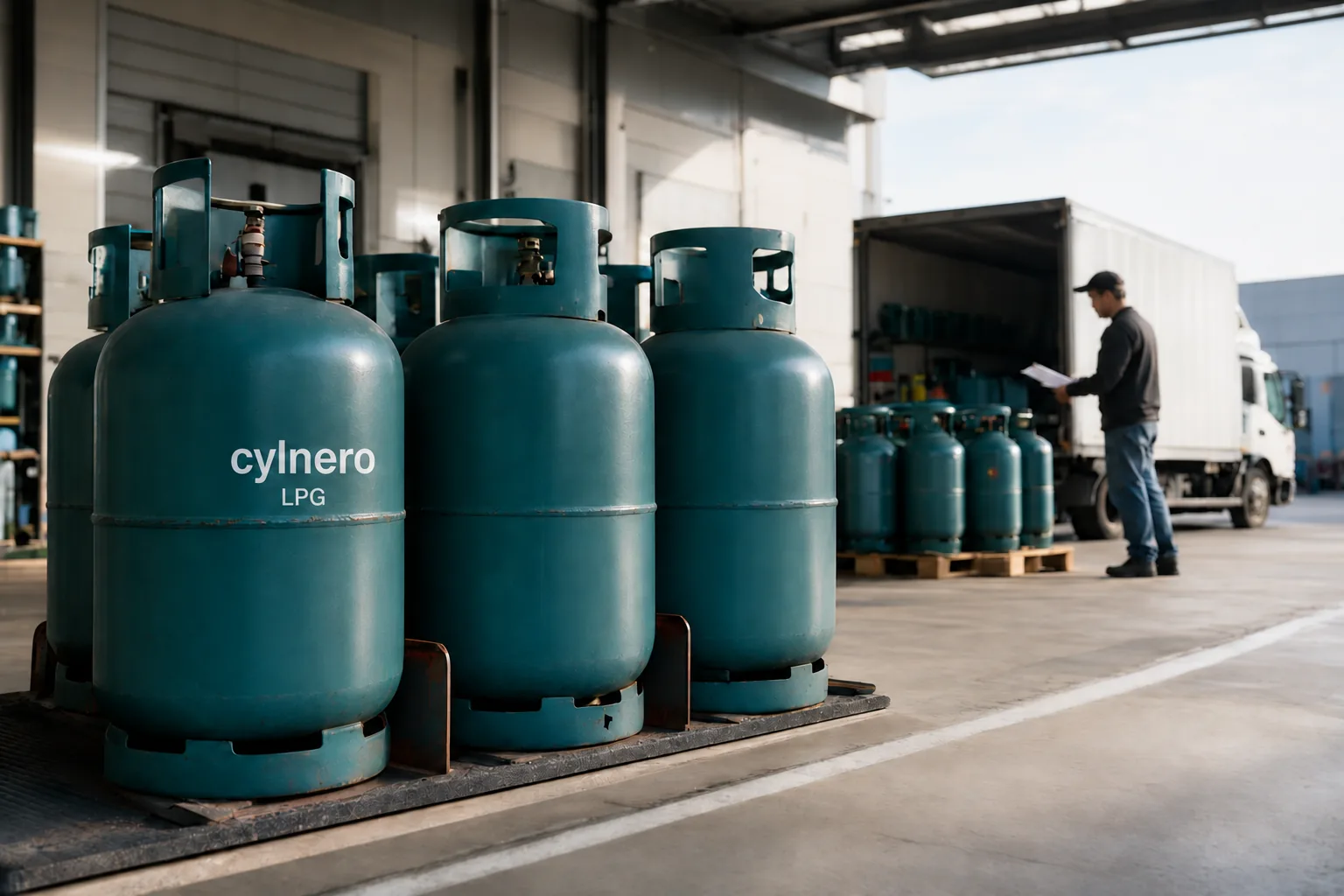
Wholesale procurement guide. Exact product specifications and destination requirements are confirmed during enquiry.
Wholesale LPG bottle purchasing brief
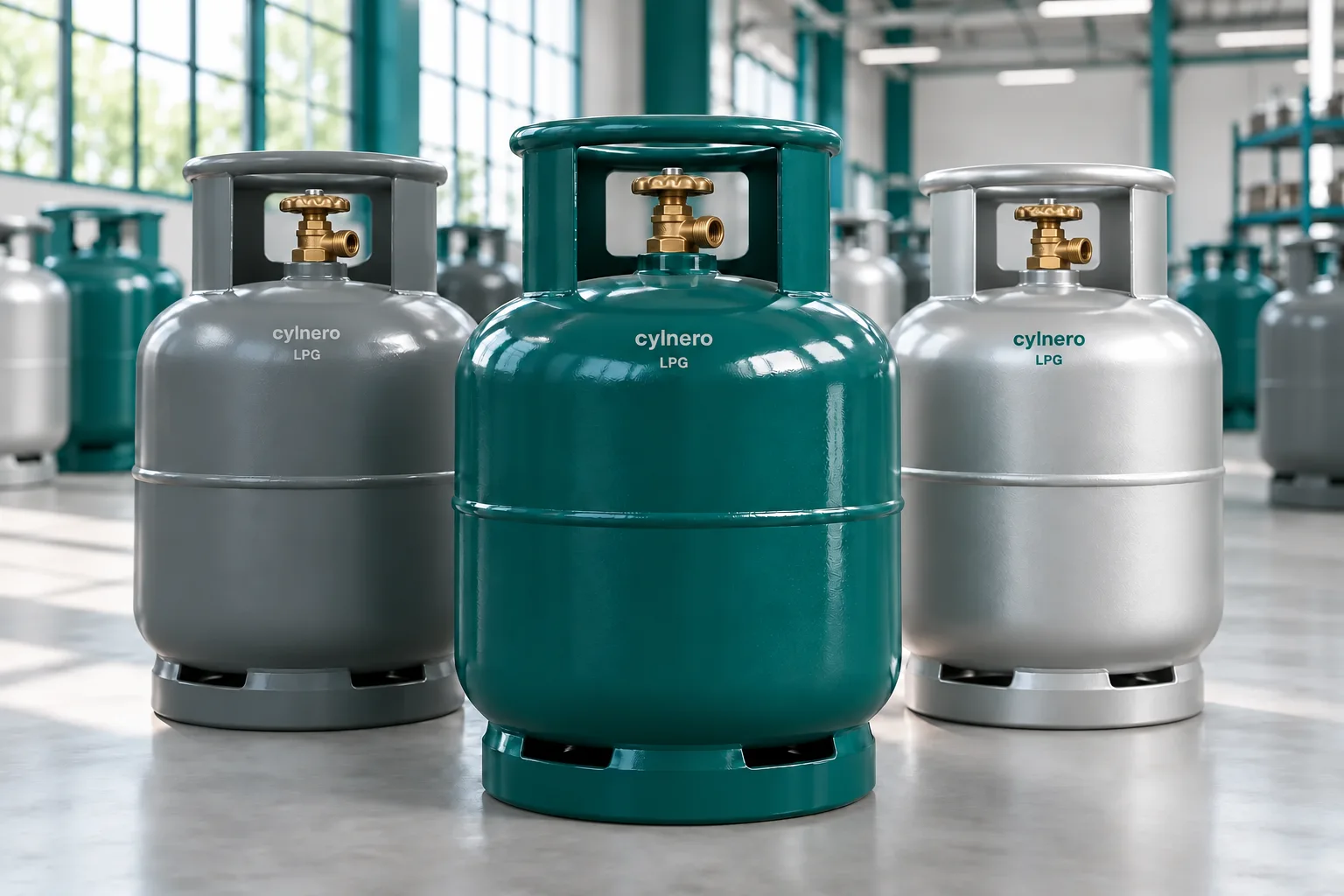
Describe the intended LPG use, approximate number of bottles and destination. Specify any requested filling mass or water capacity, valve connection, protective guard and packing requirements.
Describe the LPG bottle using the information available rather than relying on the word bottle alone. Include the intended application, the size designation and its unit, approximate order quantity and destination. If you already purchase a similar item, provide the model reference or drawing and identify the features that must remain consistent, such as its overall envelope or connection. If the manufacturer proposes an alternative, ask for a clear description of the bottle body and any valve, guard, handle or base component included in the quotation.
Read the full guidance
LPG bottles as a wholesale purchasing brief
The product series shown here is a starting point for discussion rather than a factory model list. Ask which reference the manufacturer uses for its proposed item and what information remains outstanding. Preserve that response beside the original request. If the manufacturer cannot propose the requested scope, that answer is useful too; it identifies a limit rather than a reason to invent a configuration. The catalogue does not reserve stock or establish customization capability. Actual proposed supply, documents and commercial terms develop through the enquiry.
Identify distribution task and destination
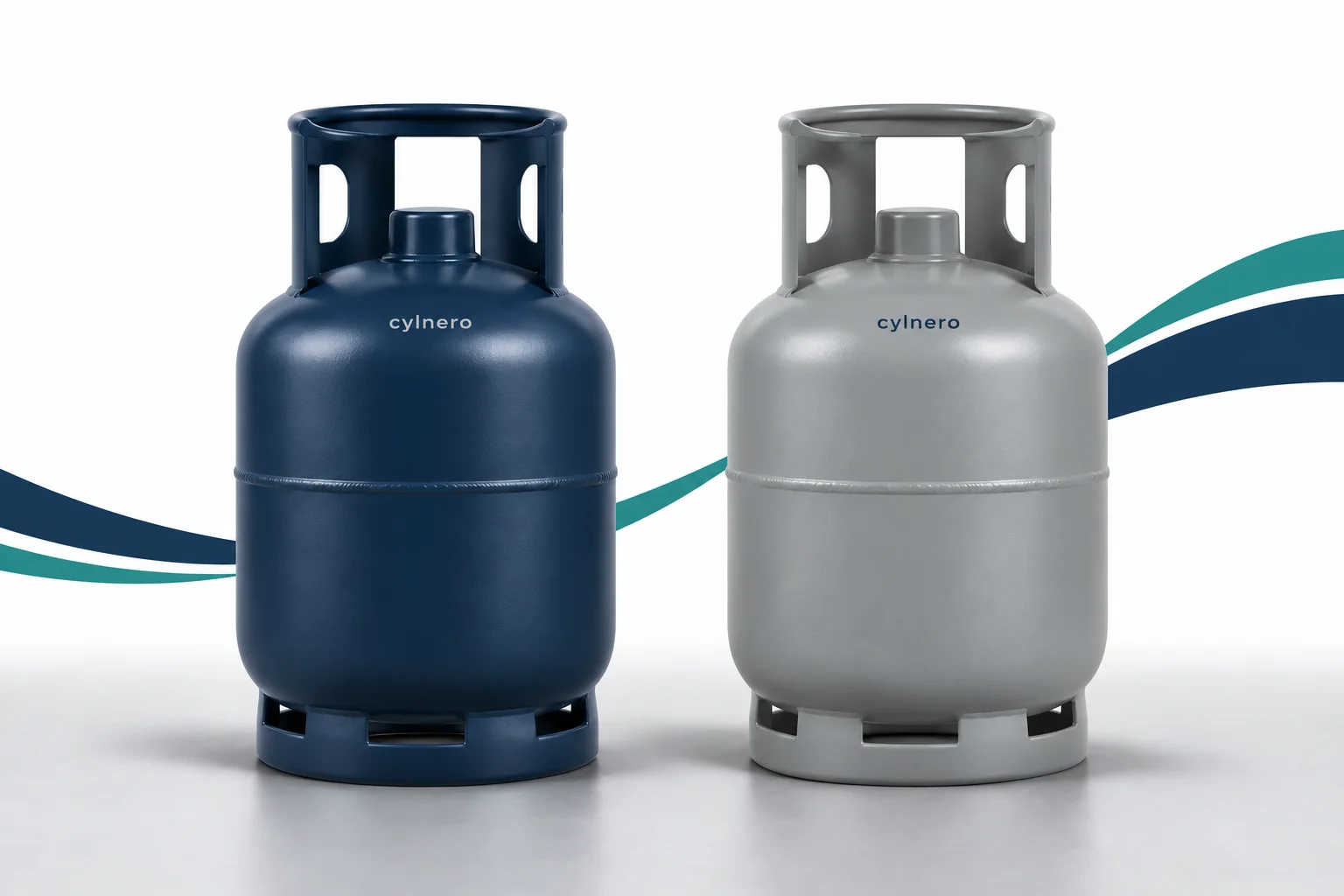
Describe the intended LPG bottle use and destination. Separate the cylinder hardware request from any fuel supply, filling or local service arrangements.
Describe the distribution or equipment programme and identify each intended delivery destination. For a fleet purchase, provide approximate quantities by destination and preferred delivery group where known. If different customers or locations need different size designations, branding or connection references, list them as separate enquiry lines. An existing bottle reference can help the supplier understand the request; mark any detail that is still provisional. This gives the manufacturer a practical basis for its proposal even when the final delivery addresses or complete specifications are not yet available.
Read the full guidance
Identify the distribution task
Share the intended fuel description as an application input, retaining any existing project reference. Do not infer actual composition or suitable cylinder service from the word LPG alone. If a description is provisional, mark it as provisional and ask the responsible parties what information is needed next. The manufacturer should distinguish the service it proposes from a general statement about its wider catalogue. Keep any difference beside the enquiry and ask the manufacturer to identify the proposed service and cylinder configuration.
This is a cylinder-hardware purchasing discussion. If a project also has questions about fuel supply, filling arrangements or other local services, identify them separately instead of assuming they are included in the bottle offer. CYLNERO coordinates sourcing questions and manufacturer responses; the actual arrangements identify the supply responsibilities. A hardware quotation does not itself establish local service availability. Keeping those questions distinct lets the purchasing team understand what is offered now and what another response or responsible organization may still need to address.
Prepare your first bottle enquiry
Separate firm requirements, such as a specified valve connection, from preferences for finish or packaging. Keep any manufacturer alternative beside the original requirement for review, and leave unknown details open for discussion.
An initial brief can be short: describe the application, approximate physical quantity and destination. Include known constraints and leave other fields open. A factory code, complete dimensional schedule or final artwork is not required to start the discussion. If a requirement comes from an existing specification, identify its source instead of replacing it with a guess. Ask the manufacturer which questions it needs answered to develop a response. A preliminary reply may identify a proposal, an information gap or a scope it cannot offer.
Read the full guidance
Start with the information you have
Separate mandatory requirements from preferences. For example, an existing equipment reference might be a firm constraint, while a colour preference remains open for discussion. Label the distinction in plain language. Do not downgrade a mandatory item merely because a manufacturer suggests an alternative. Record the suggestion beside the original requirement and ask who will assess it. Likewise, avoid presenting a preference as an accepted specification. This gives the next exchange a concrete subject without forcing the initial brief to resolve every engineering detail.
Separate capacity and mass data
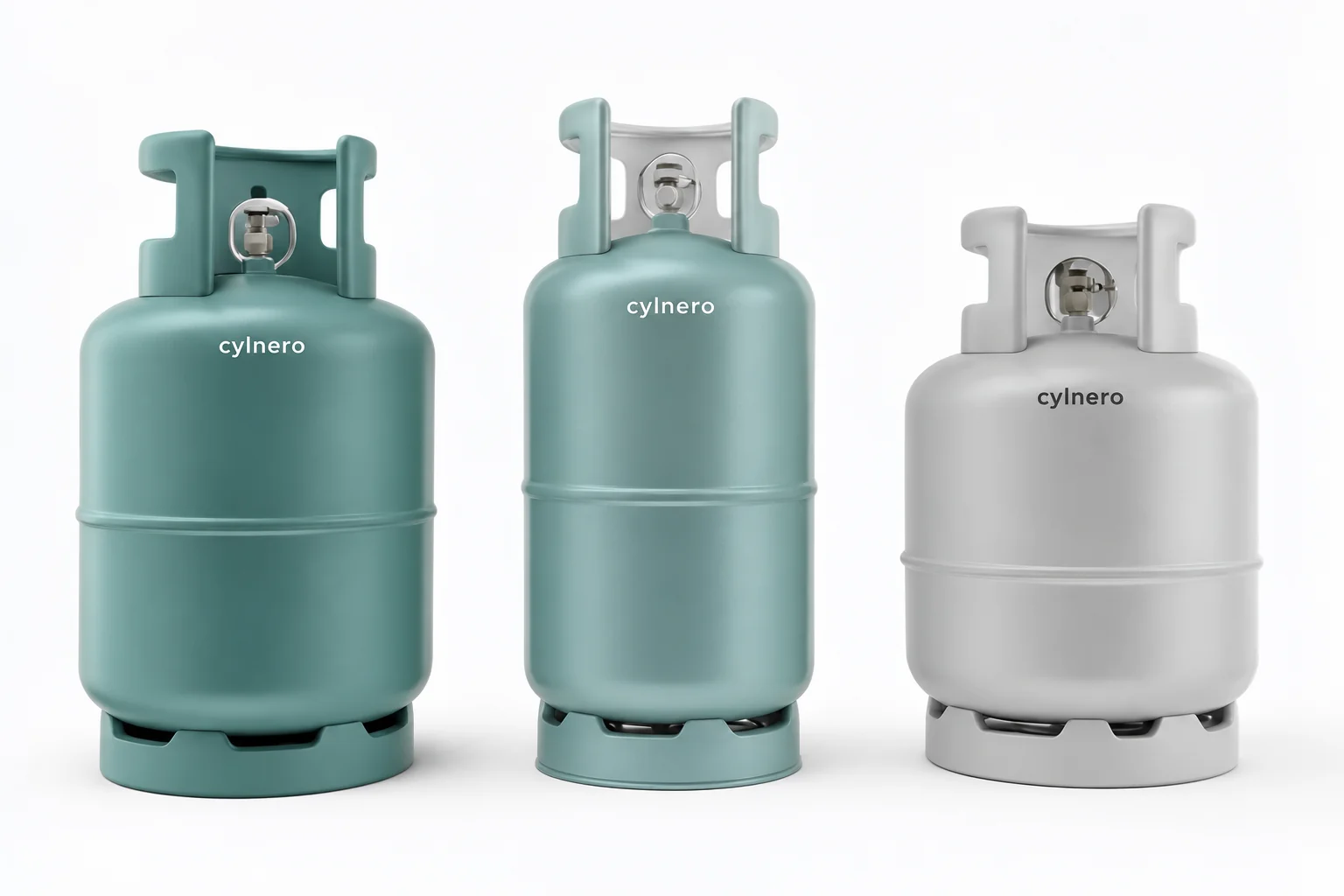
Record LPG filling mass, water capacity and bottle quantity separately, with their units. Ask which components are included in any stated cylinder weight.
View LPG cylinder tare-weight exampleRecord filling mass, water capacity and the number of bottles purchased as separate fields with their stated units. They describe different aspects of the request. Do not substitute one for another to complete a missing entry. If a buyer's reference and a manufacturer's response use different labels, retain both and ask what each describes. This guide does not calculate a gas amount from a capacity or pressure entry. Unknown values may remain open while the manufacturer identifies what information it can propose.
Read the full guidance
Separate capacity and mass descriptions
For any tare or gross figure, ask which item and supply condition the value describes. Record whether named components are included and identify the source of the entry. Avoid assuming that two manufacturers use the same scope simply because their column headings match. A body figure and an assembly figure need their respective descriptions beside them. If a value is absent, mark it unanswered rather than estimating accessory mass or copying a figure from another product. The relevant reviewers can assess the actual response.
Compare dimensions and supply scope
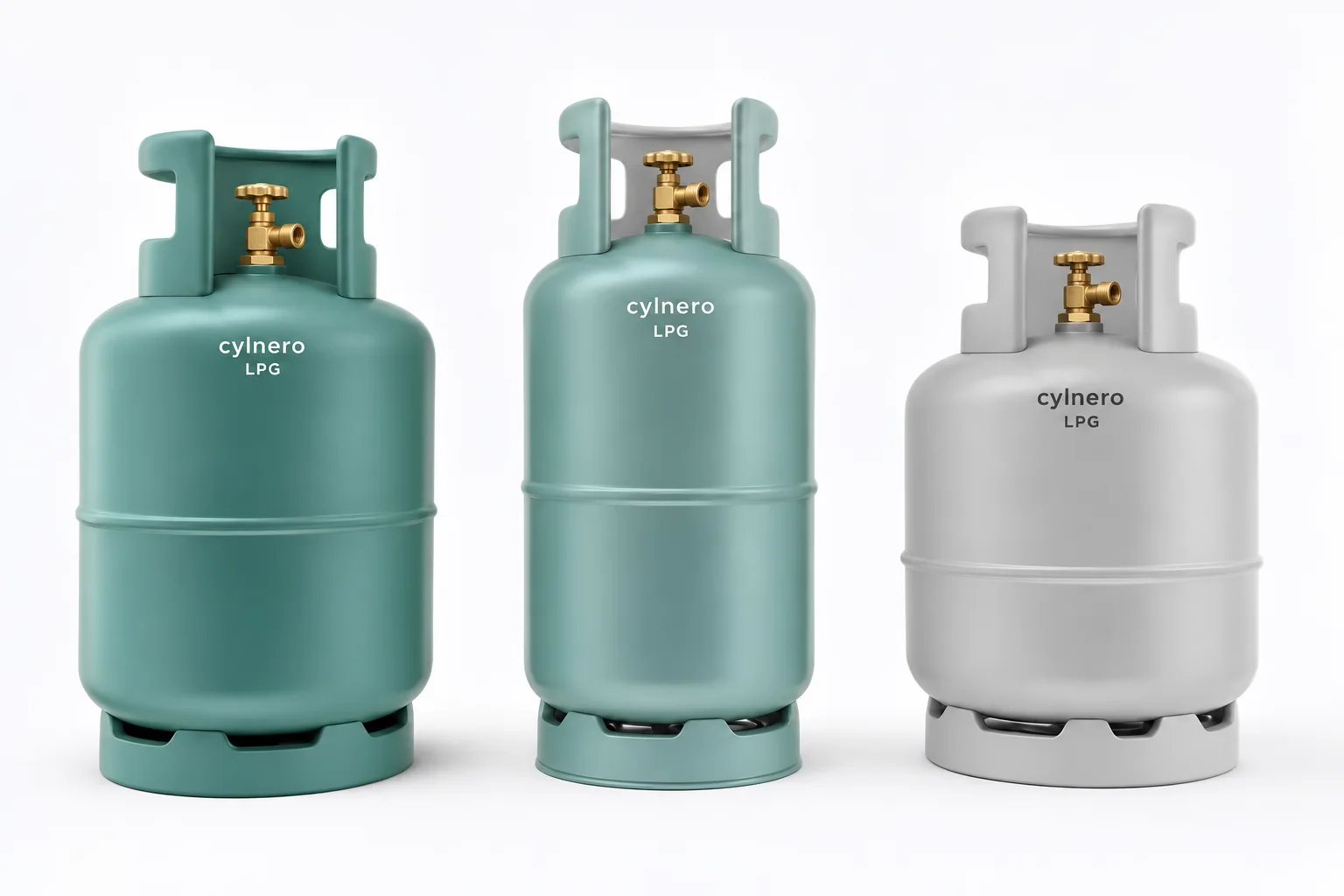
Verify whether quoted dimensions cover the body or full assembly. List included components explicitly against prices. If proposals change, track how dimensions, mass, and packing descriptions shift. Focus comparisons on actual requested boundaries rather than assuming visual similarity implies functional fit.
Compare the proposed bottle envelope with the space available for the intended equipment or distribution programme. Ask the manufacturer which dimensions refer to the body and which include the valve, guard, handle or base, and keep the drawing revision with the quoted configuration. If receiving or packing space has known limits, include those dimensions in the enquiry. Record the stated bottle mass and whether it includes the same components as the drawing. Use the supplier's dimensioned proposal and its stated component scope for the comparison.
Read the full guidance
Compare bottle dimensions and supplied scope
Compare inclusions explicitly. If quotation A states a body-only scope and quotation B includes identified components, list those differences beside the prices. Ask whether a protective or base component shown in an image is part of the proposed supply. Separate prices may be useful if supplied, but they are not a prerequisite to considering a bundled offer. Do not allocate an assumed cost to an unspecified item. Ask the manufacturer to explain the scope that its actual total describes and which questions remain unanswered.
Clarify connections and valve inclusions
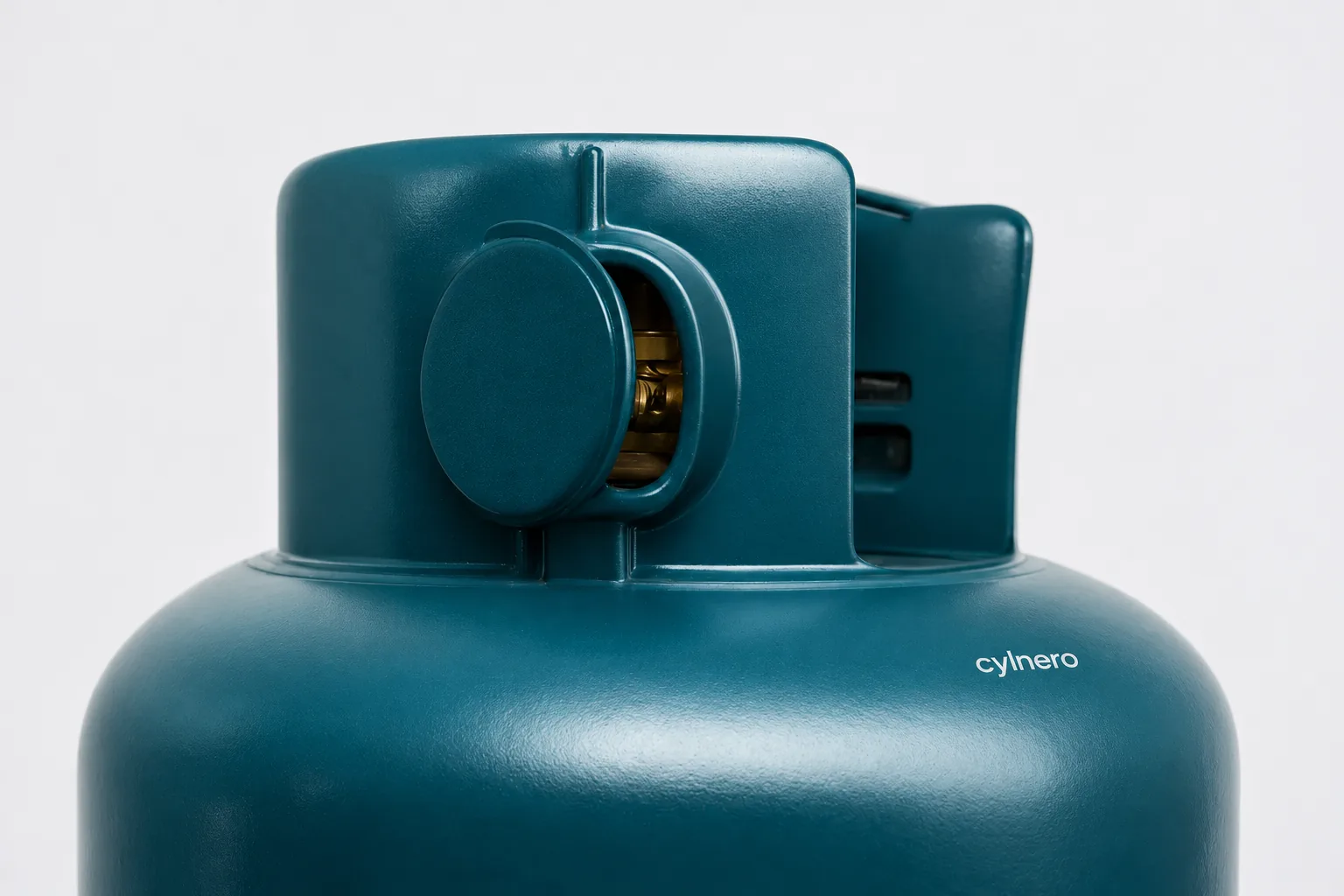
State existing connection requirements or ask for manufacturer proposals. Record specific valve references and drawing revisions. Confirm whether quoted prices include connection hardware. Distinguish between alternative options and the originally requested scope, keeping unresolved interface questions visible for review.
Share an existing LPG bottle connection requirement or equipment drawing if you have one, and identify whether it is a firm requirement or background information. If the interface is still open, ask the supplier to state the connection and valve reference it proposes, together with the drawing revision. Keep the buyer's requirement and the supplier's proposed reference in separate fields for the equipment reviewer.
Read the full guidance
Ask about connections and valve inclusions
Ask whether the quoted bottle includes a valve, protective components or other connection hardware, and record any exclusions or separately proposed items. A list of possible valve options does not identify the item included in a particular offer. If the supplier proposes an alternative, retain it beside the original request and ask what changes in the quotation. Where the equipment drawing and proposal use different references, provide both to the responsible reviewer and request the supplier's explanation. Keep the response and any revised drawing with the quotation version they describe, so the team can follow up on unresolved interface questions before accepting the proposed assembly.
Record material and finish requests
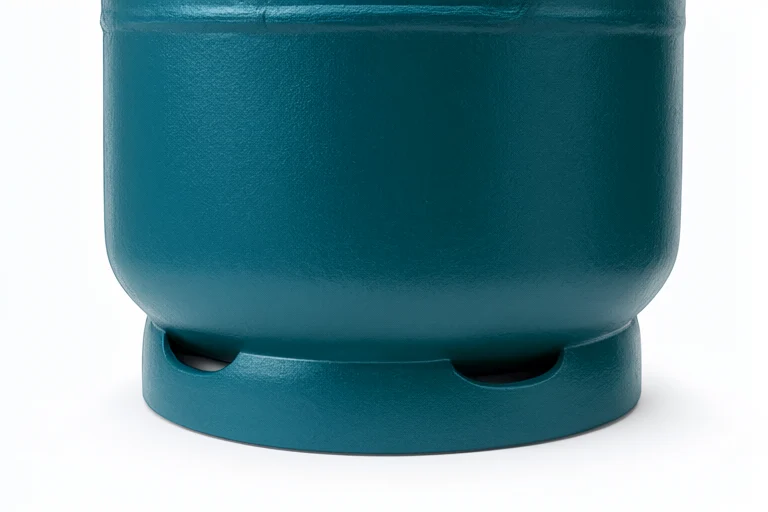
Specify known material or finish requirements, distinguishing them from negotiable preferences. Ask manufacturers to describe actual proposed configurations and any deviations. Do not assume standard materials based on appearance. Keep generic brochure descriptions separate from specific configuration responses.
State a known material or finish requirement with its source, while identifying preferences that remain negotiable. Do not assume that every LPG bottle in this category has the same shell material or surface finish. Ask the manufacturer to describe the actual configuration it proposes and any departure from the request. A familiar appearance does not identify a grade, process or performance characteristic. This guide does not prescribe a material or treatment; it helps keep the buyer's requirement distinct from the manufacturer's supplied description.
Read the full guidance
Record material and finish requests
Separate an appearance request from any technical characteristic that needs evidence. A buyer may prefer a colour for product-line identification while also having an independent project requirement. Ask which part of the manufacturer's response addresses each question. If an alternative is proposed, record any stated effect on the quoted scope or schedule instead of inferring an advantage. Keep version references with the response. The comparison should not turn a generic coating description into a durability claim or treat an artwork decision as approval of the cylinder construction.
Discuss marking and visual identification
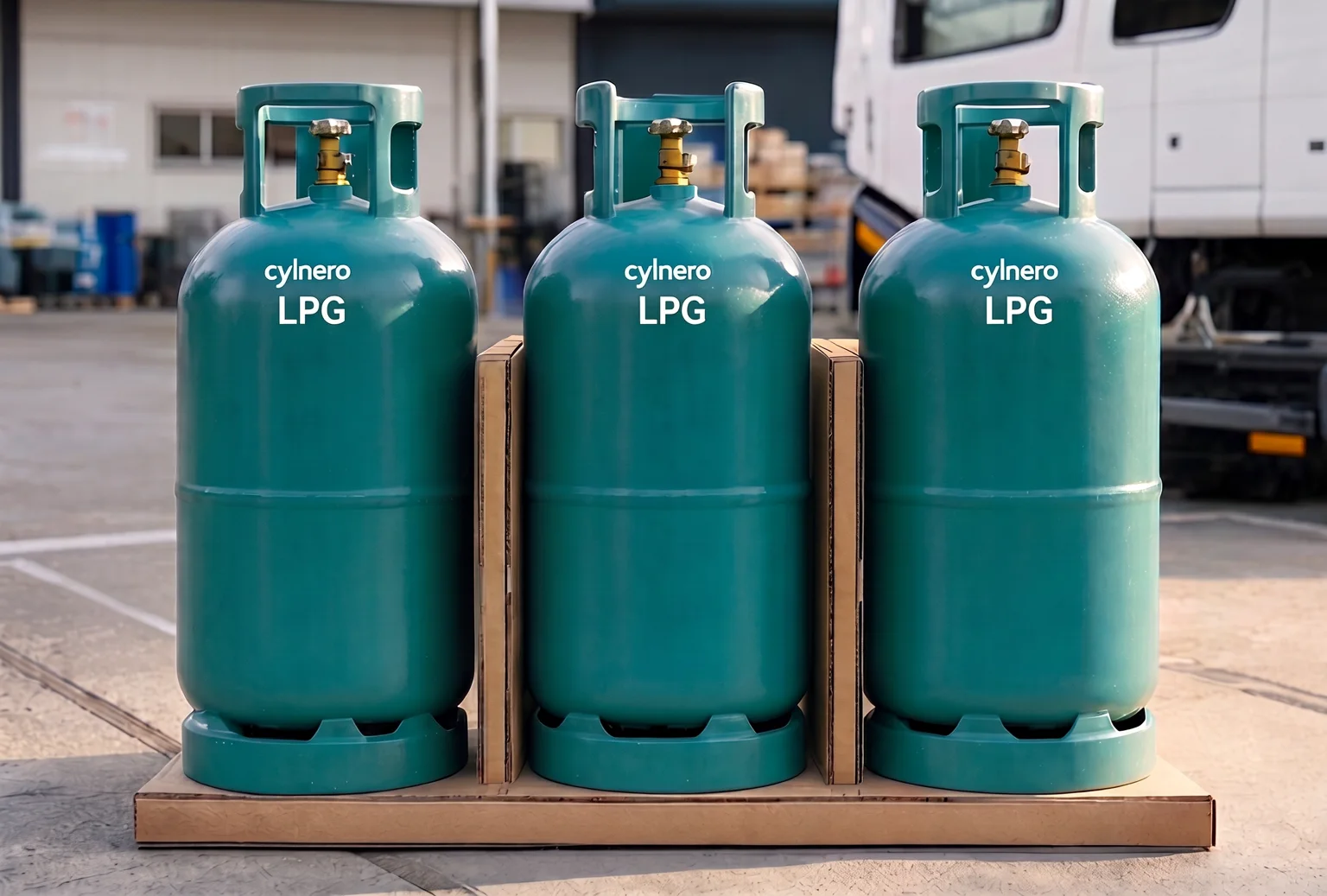
Describe requested branding or product-line identifiers. Ask manufacturers what marking methods they propose and what information is needed. Review proofs against the original brief, noting that artwork approval does not constitute acceptance of the vessel itself or regulatory compliance.
Artwork can be supplied when available, but it is not required to begin an enquiry. Describe any requested name, logo or product-line identifier and distinguish it from other marking questions. Ask the manufacturer what it proposes to include and what information it needs. A request for branding does not establish that the method, placement or content is available or accepted. Keep the actual response beside the request so that a later proof can be reviewed against a clear brief rather than an assumed standard package.
Read the full guidance
Discuss marking and visual identification
If a proof is supplied, identify the version, configuration and scope it concerns. An artwork comment about spelling or appearance is different from acceptance of all product markings or the vessel itself. Ask who will review the relevant identification and destination questions. Preserve unanswered points with the proof rather than treating a returned image as blanket approval. Where several bottle descriptions are being considered, ask how the proposal distinguishes them in the documents. This page does not prescribe a marking method or determine regulatory acceptance.
Keep the proof, quotation and configuration references connected when changes occur. For example, an updated product-line name should not silently alter a connection reference or document scope. Ask which parts of the response the revision affects and which remain unchanged. If an earlier proof is retained for background, label it accordingly. The purpose of the record is to make the discussion traceable, not to promise error-free production. The actual supplied marking and its acceptance remain matters for the relevant proposal, records and responsible reviewers.
Review documents and destination scope

Give the destination and known project requirements, then ask which records relate to the proposed configuration. Keep sample documents distinguishable from delivery-specific records. The appointed reviewers assess the actual evidence and any outstanding destination questions.
Read the full guidance
Review document and destination scope
State the intended destination and use, adding existing tender or project references where available. Ask the manufacturer which supporting records it proposes for the actual configuration and at which stage they would be supplied. An example record may be useful during preliminary discussions, but identify it as an example. Do not treat a company-level certificate or a familiar report title as evidence that every proposed item is covered. The relevant reviewers assess which questions the supplied material answers and which need further clarification.
A document list can record the identifier, issuer, revision, described item and stated scope where available. Keep the manufacturer's explanation of any relationship to the offer beside the record. If references differ, ask what the difference means rather than assuming that the newer-looking document takes precedence. This guide does not prescribe a universal test, certificate or third-party provider list. Actual project, configuration and destination requirements need assessment by the appropriate parties. Receiving a document does not by itself establish authenticity, completeness or acceptance.
Separate questions about the product from questions about the proposed delivery records. A quotation may identify which documents are included while leaving the final shipment-specific details for later. Record that distinction without presenting a future document as already issued. If the configuration changes, ask whether the document proposal changes too. Keep outstanding evidence questions visible through the comparison and identify who will follow them up. This catalogue does not determine customs clearance, legal classification or approval to use a bottle in a particular destination.
About this category guide
Plan an LPG bottle purchase around the physical supply you need: the intended application, approximate number of bottles and destination. The word bottle does not establish a size, material or portable product class. You can begin without a factory model or complete parameter schedule, then compare the manufacturer's actual proposal with your known requirements. CYLNERO coordinates the questions and responses. This guide focuses on bottle presentation, supplied components, identification, packing and wholesale quotation scope. Use the broader LPG category for a general product-family enquiry and the propane category when that service description is central to your request.
Compare packing and delivery proposals
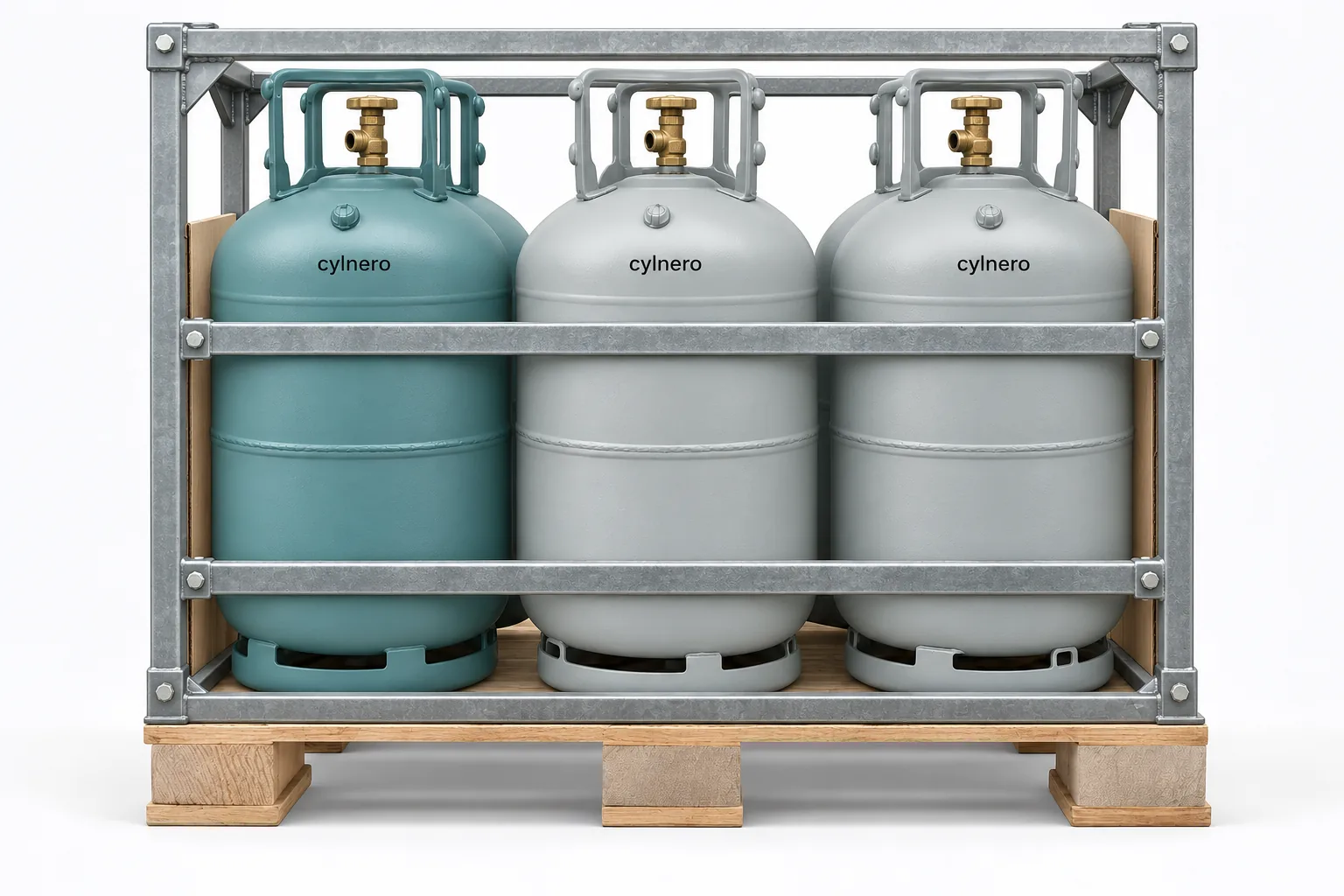
Describe receiving constraints and ask what packing is included in the quote. Clarify whether dates refer to manufacture, shipment, or delivery. Avoid mixing price versions with different package descriptions. Note that preliminary schedules are not stock reservations, and actual logistics depend on final arrangements.
Describe known receiving constraints and ask what packing the manufacturer proposes for the actual supply. Record which packing items are included in the quotation and which remain open. If package count or external dimensions are supplied, keep their configuration reference and status clear. Initial packing information may differ from final shipment records. This guide does not prescribe handling or storage procedures or establish that a packing description protects against every transit condition.
Read the full guidance
Compare packing and delivery proposals
State a requested date, then ask which stage each proposed date describes. Manufacture, shipment and delivery to the destination are different points in the discussion. Ask what prerequisites affect the response, including any outstanding configuration or document questions. A preliminary schedule is not a stock reservation. If split deliveries are requested, identify the proposed scope of each rather than assuming one date covers all bottles. Keep requested timing separate from the manufacturer's response and the commitments identified in the actual arrangements.
Compare quantities and repeat requests
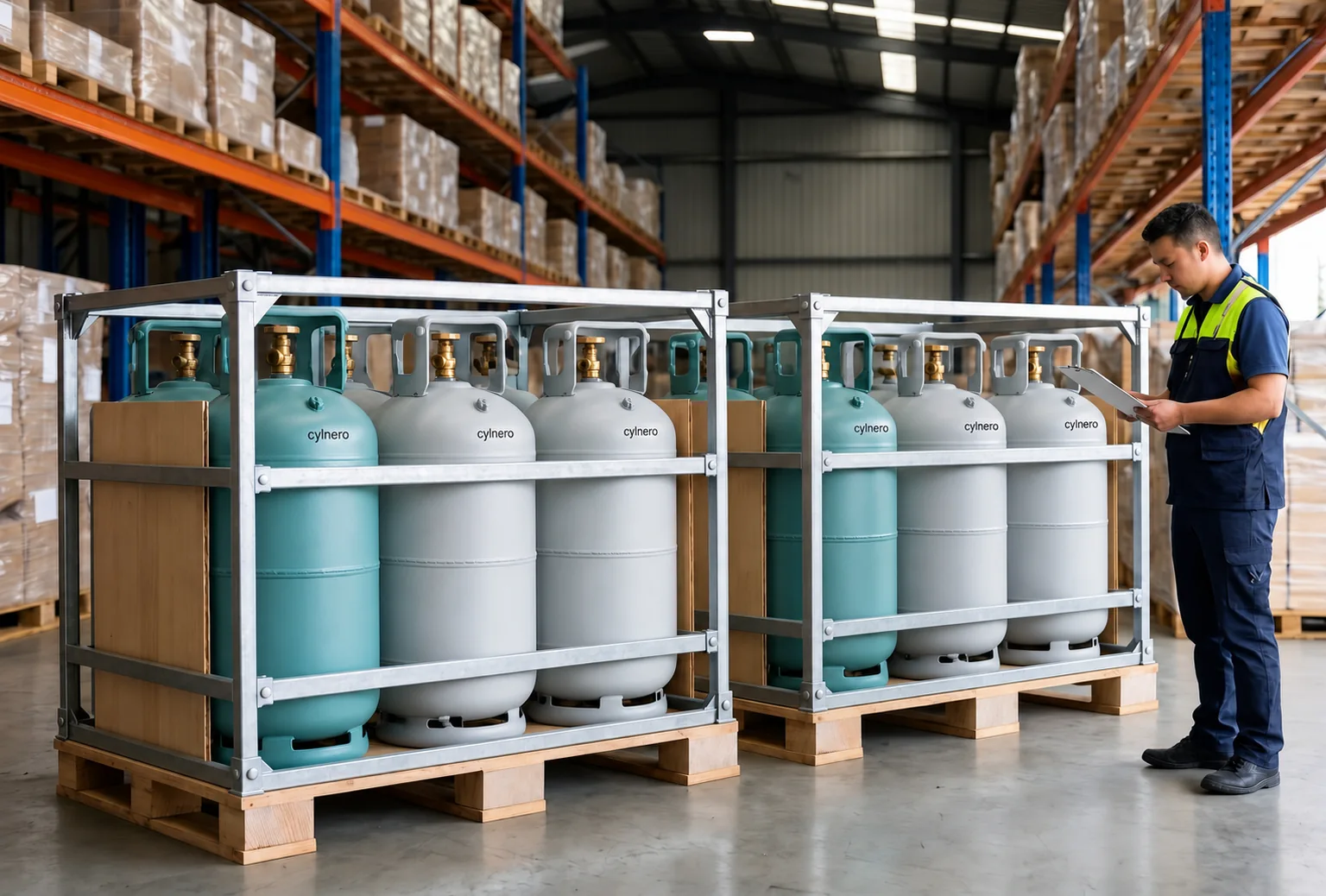
State approximate bottle quantities and label future forecasts separately. Record currency, validity, and quantity basis for each offer. For repeat purchases, identify previous configurations and ask which terms still apply. Do not assume previous deliveries guarantee current availability or quality outcomes.
State the approximate number of bottles or described assemblies needed for the current purchase. Label any later forecast separately and ask whether it affects the manufacturer's response. No MOQ, discount or reserved capacity is established by the category listing. Record the currency, validity and quantity basis actually stated in each offer. If a price concerns a different quantity or included scope, keep that difference beside the total. An unspecified entry remains a question rather than an assumed saving or an accepted purchasing condition.
Read the full guidance
Compare quantities, offers and repeat requests
When comparing revisions, identify what changed in quantity, scope, price basis or schedule. Ask which earlier statements the manufacturer still relies on, especially if different messages appear inconsistent. The relevant parties assess the commercial and contract implications; this guide does not prescribe penalties, warranty periods or amendment wording. A version record makes the discussion easier to follow without guaranteeing an outcome. The purchasing decision concerns the actual offer, its supporting information and unresolved questions rather than a generic claim that one supplier is universally best.
Send a focused bottle enquiry
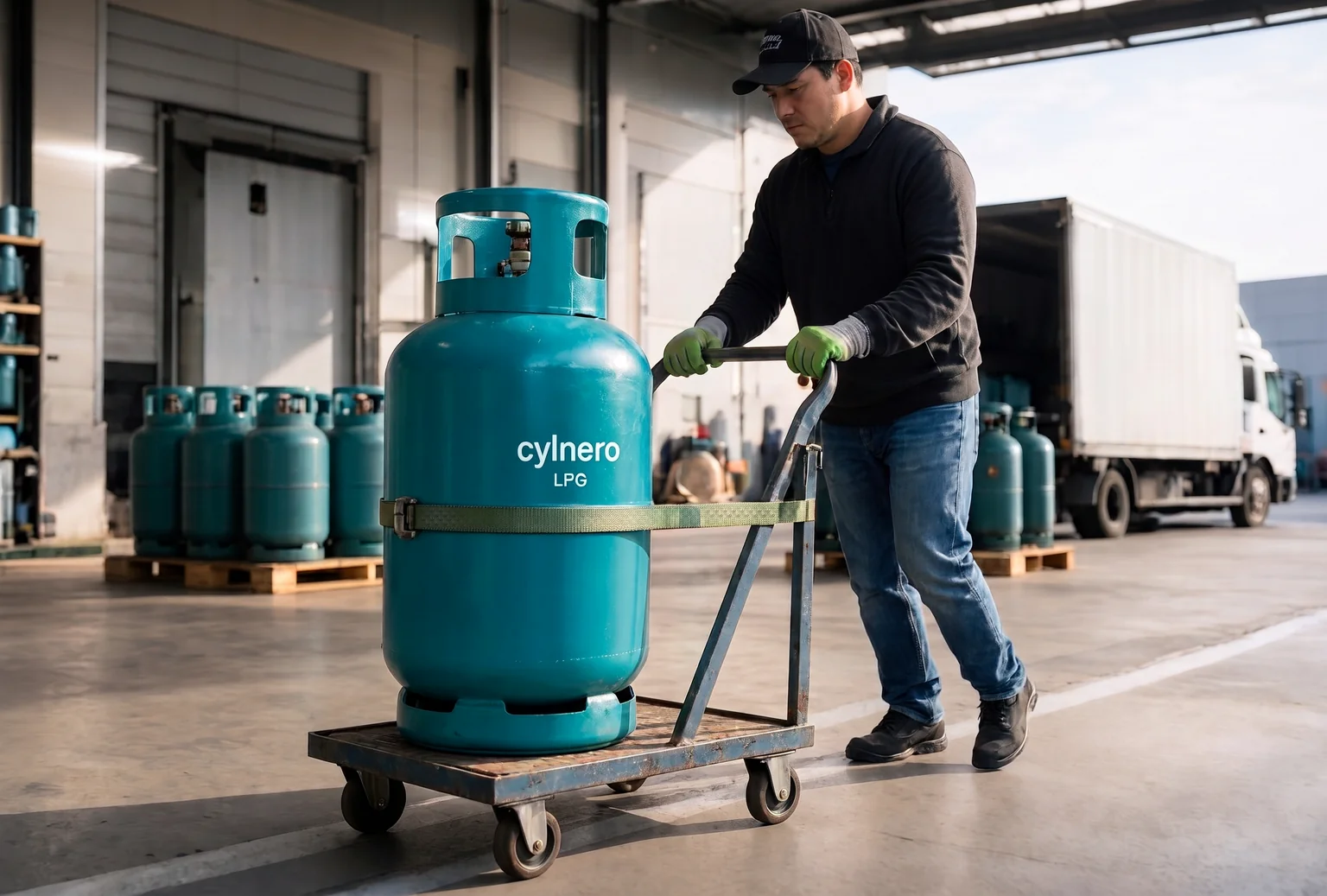
List each requested LPG bottle format separately. Ask which valves, guards, packing and delivery terms are included in the manufacturer’s proposal for each group.
A distributor preparing an LPG bottle request can describe the intended market, approximate bottle quantity and destination, then identify the fuel description and any existing connection or branding references. If several bottle formats are needed, list each requested group separately and keep filling mass distinct from water capacity. Ask whether the manufacturer proposes bottles alone or assemblies with valves and guards, and request a clear description of packing and delivery scope. Leave unknown dimensions or interfaces open for discussion. Keep the manufacturer's proposed configuration beside the original request so differences can be reviewed before comparing quotation lines.
Read the full guidance
Send a focused bottle enquiry
Before the next exchange, collect the questions that affect the actual comparison. These might concern a component visible in an image but missing from the quotation, an unclear mass basis or a document whose configuration is unspecified. Ask about those specific gaps instead of resending a generic request for full details. Identify a contact person and any requested response date as a request, not an agreed commitment. The exchange can develop into an assessed offer while preserving the distinction between enquiry, proposal and acceptance by the relevant parties.
Related procurement pages
About this procurement guide
Use this guide to prepare your enquiry. Confirm the specifications and supporting documents for the proposed cylinder with the manufacturer.
For standards research, consult the ISO gas-cylinder standards catalogue. The catalogue includes published and withdrawn standards. Check the status, edition, scope and destination requirements with the manufacturer and your appointed technical reviewer. A standards reference does not establish that a listed series conforms to it.
For background on propane / LPG fuel terminology, see the U.S. Department of Energy Alternative Fuels Data Center. Fuel terminology does not identify a listed cylinder's approved service, actual fuel composition or suitability. Have the actual proposed hardware and intended use assessed rather than treating this background reference as product approval.
Before placing an order, obtain the proposed model's drawings, configuration, applicable approvals and quotation from the manufacturer. CYLNERO coordinates sourcing; the manufacturer confirms and contracts the agreed supply.
Procurement questions
Does an LPG gas bottle have a fixed size?
No single size applies to every portable LPG cylinder. Describe the intended use and share a filling-mass designation, water capacity or existing bottle reference if known. Ask the manufacturer for the proposed outside dimensions and to identify whether the stated height includes the valve and protective guard. If those requirements are not yet defined, leave them open for discussion; the word portable alone does not establish a particular configuration.
Can I enquire without complete dimensions or a factory model?
Yes. Begin with the application or distribution task, approximate quantity and destination. Add known requirements or references where available and leave other fields open. Ask what information the manufacturer needs next. A preliminary response may identify further questions rather than a final configuration. Keep requirements, preferences and proposed alternatives labelled so the enquiry can develop without invented parameters.
Are filling mass and water capacity interchangeable?
No. Keep filling mass, stated water capacity and physical purchasing quantity in separate fields with their original labels, units and sources. Do not substitute one for another or estimate a missing value from a different field. If a manufacturer's description uses a different basis from the request, preserve both entries and ask for clarification so the relevant reviewers can assess the actual response.
Can I request a particular valve, finish or marking?
Yes. Identify whether the item is a known requirement, preference or open question, and share its reference if available. Ask what the manufacturer can propose, which items are included and how an alternative affects its offer. A request does not establish customization, fit or availability. Keep any proposed change separate from the original brief for review by the relevant parties.
Which records should I ask the manufacturer about?
Ask what records are proposed for the actual configuration and how they relate to the offer. Distinguish examples from order-specific documents, identifying references, issuer, revision and scope where available. Share existing project and destination requirements with the appropriate reviewers. This page does not prescribe a universal document list or treat receiving a certificate as proof of product approval.
Are packing, quantity and delivery already confirmed?
No fixed packing arrangement, quantity commitment or delivery date is established by this category. State the current need, receiving constraints and requested timing, then ask what the manufacturer proposes and which assumptions remain open. Separate manufacturing, shipment and destination delivery stages. The actual quotation and applicable arrangements identify the scope; an enquiry does not itself reserve stock or production capacity.