Wholesale sourcing
Wholesale procurement guide. Exact product specifications and destination requirements are confirmed during enquiry.
Start a composite-vessel enquiry
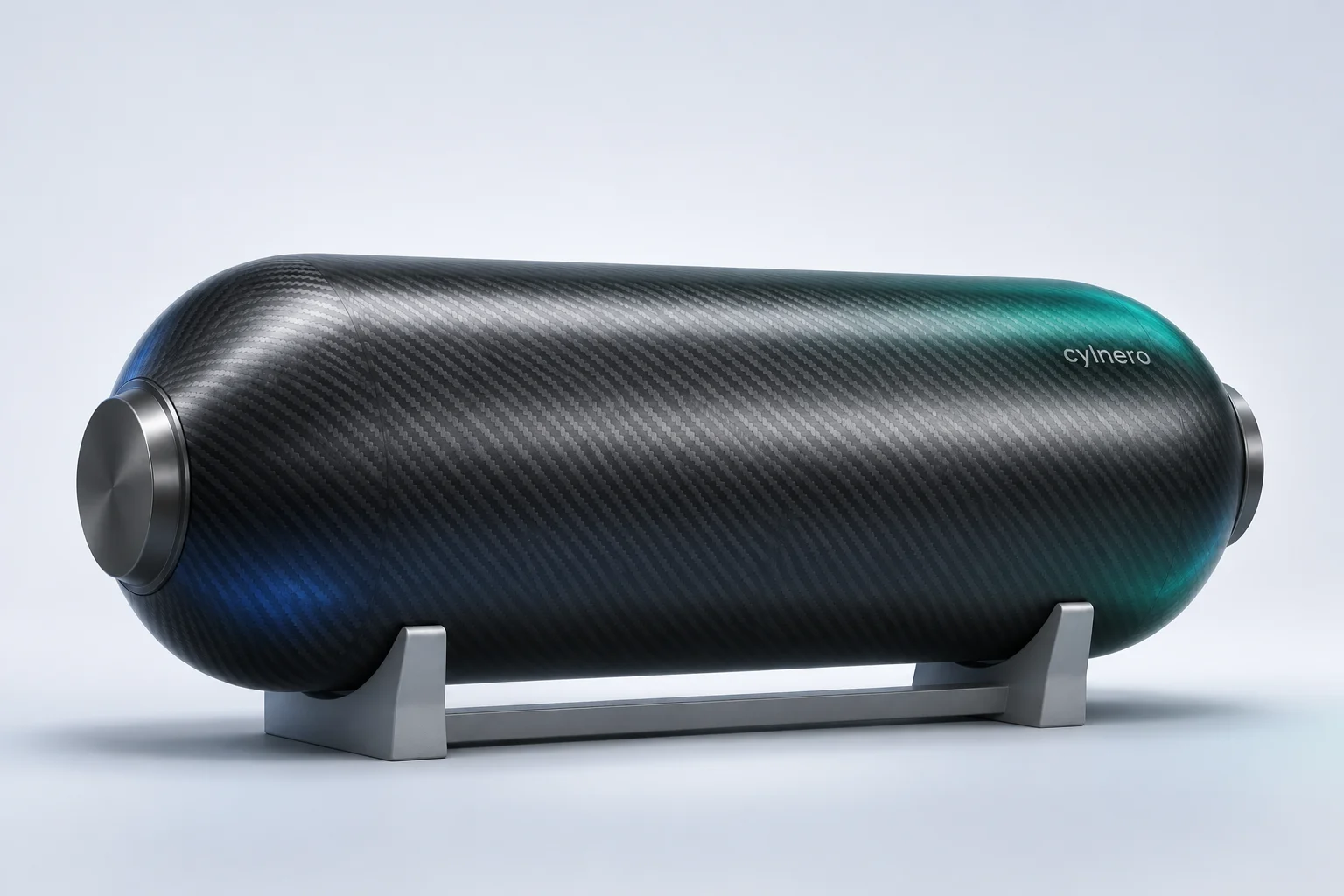
Describe the intended medium, application, approximate quantity and destination. Share installation-space limits if known, and ask the manufacturer to identify the proposed vessel and included components.
COPV means composite overwrapped pressure vessel. A typical description is a metal or plastic liner surrounded by a composite overwrap, but the category name does not identify the actual material grade or offered configuration. Ask the manufacturer to describe the item it proposes and the reference used for that description. A buyer may begin with a general equipment requirement rather than a selected vessel model. Keep the family description separate from the proposal and from any decision about suitability for the intended medium or application.
Read the full guidance
What a COPV enquiry describes
Ask whether the manufacturer's response concerns an existing configuration, a proposed alternative or a scope that still needs development. This page does not assume that every vessel is custom-engineered, made to order or held in stock. If dimensions, pressure fields or connections are already known requirements, share their references; if not, leave them open for the next exchange. The actual offer should distinguish the requested characteristics from those proposed by the manufacturer. Neither a category label nor a preliminary discussion establishes a production method or availability.
Describe the medium and equipment task
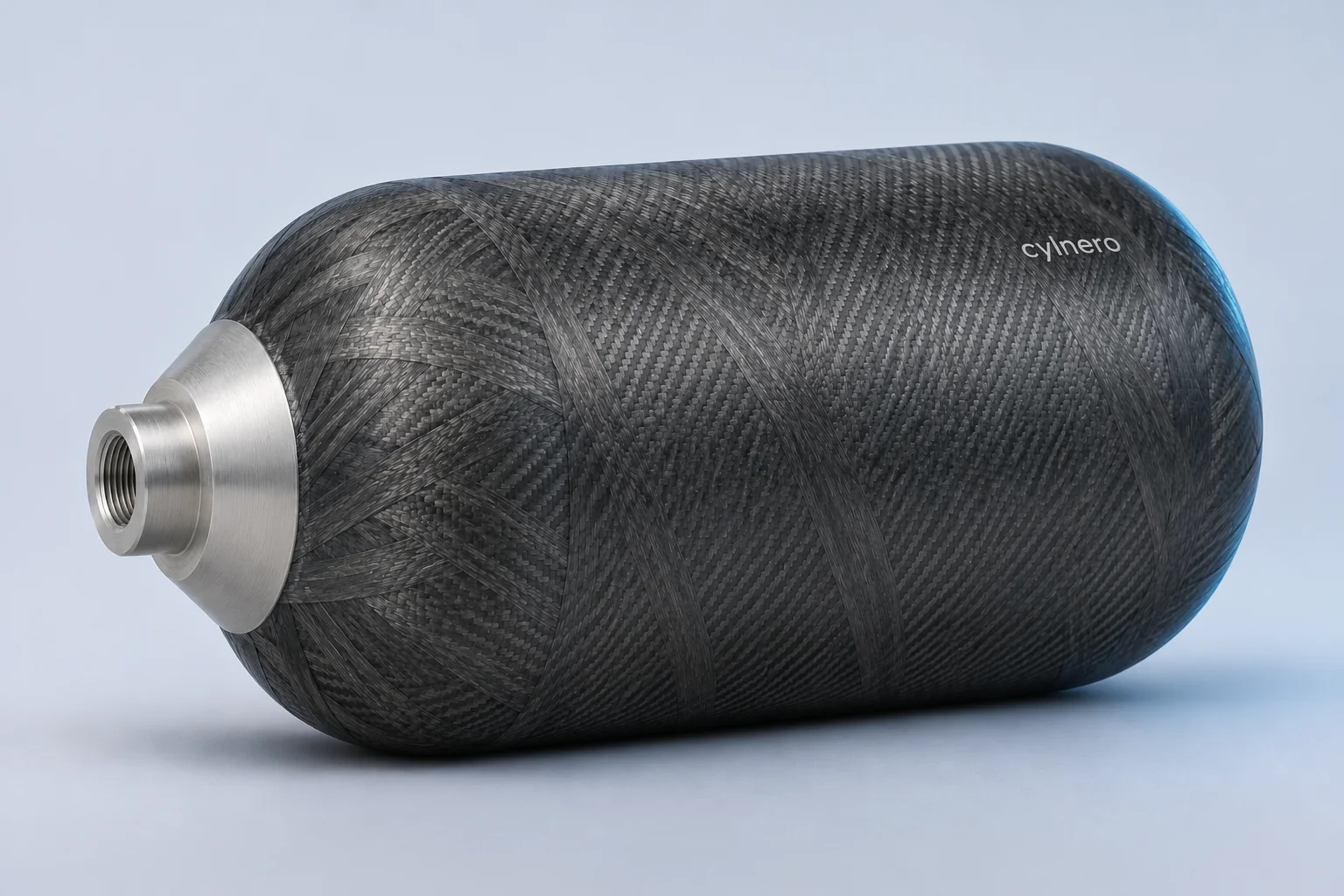
State the intended medium and application for the proposed pressure vessel. Composite LPG cylinders have a separate LPG purchasing path; a shared material does not make them interchangeable with high-pressure vessels.
Explore LPG cylindersDescribe the intended medium, equipment task, approximate quantity and destination for the composite pressure vessel enquiry. Share any project, connection or drawing references already available, and identify whether you are asking about a vessel alone or an assembly. If the medium or an integration detail is still open, list the question for the supplier and the project reviewer rather than selecting a construction on the basis of the category name.
Read the full guidance
State the medium and equipment task
Explain whether the request concerns industrial equipment, hydrogen storage or an LPG purchasing task so the supplier can respond to the relevant scope. Composite LPG cylinders have their own buying context; a shared material description does not establish that two products are interchangeable. Ask the supplier to identify the medium and configuration addressed by its proposal, together with the information it can provide for review. Keep its stated assumptions beside your original requirements and record any unanswered questions. The responsible technical and equipment reviewers can then assess the actual proposed configuration against the project application.
Begin with the requirements available
Begin with the intended medium, equipment task, approximate vessel count and destination. Add known capacity, working-pressure, installation-envelope and connection requirements with their units and drawing revisions. Identify which values are mandatory and which remain preferences. If the enquiry covers different equipment builds or delivery locations, list their quantities and requirements separately. Leave unknown fields open, and ask the manufacturer to identify the configuration, assumptions and information needed for its proposal.
Read the full guidance
Start with known requirements and open questions
Share existing drawings or tender documents when they are available, identifying their revision and purpose. State known space constraints or connection references and distinguish project requirements from preferences about material or supplier location. Questions about proposed timing, configuration changes or available test records can remain open in an initial enquiry. Ask the manufacturer to identify the assumptions in its response and the information it needs for further discussion. Supplying a document does not establish acceptance of its requirements, availability of an option or agreement to a particular review programme.
Ask about the proposed construction
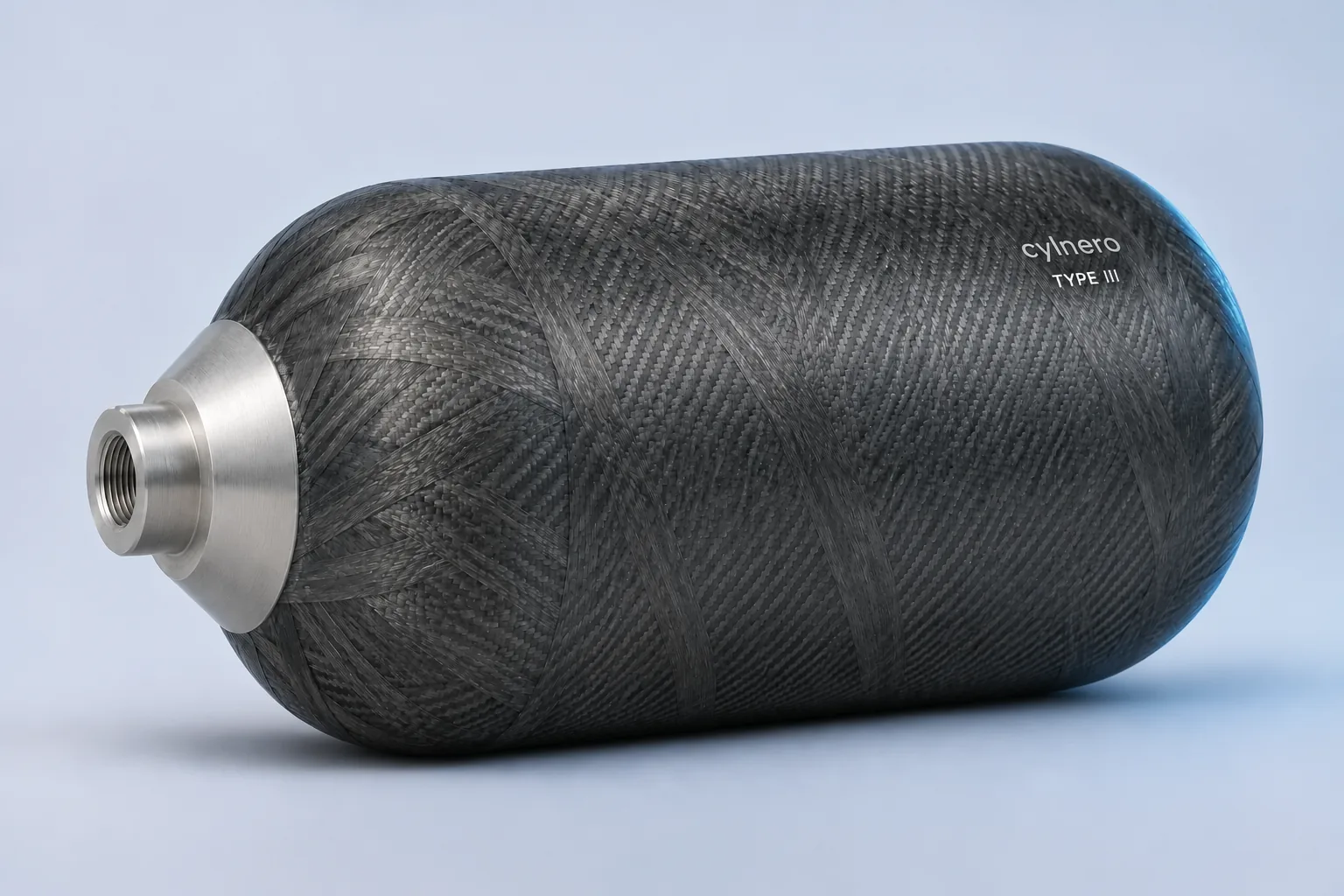
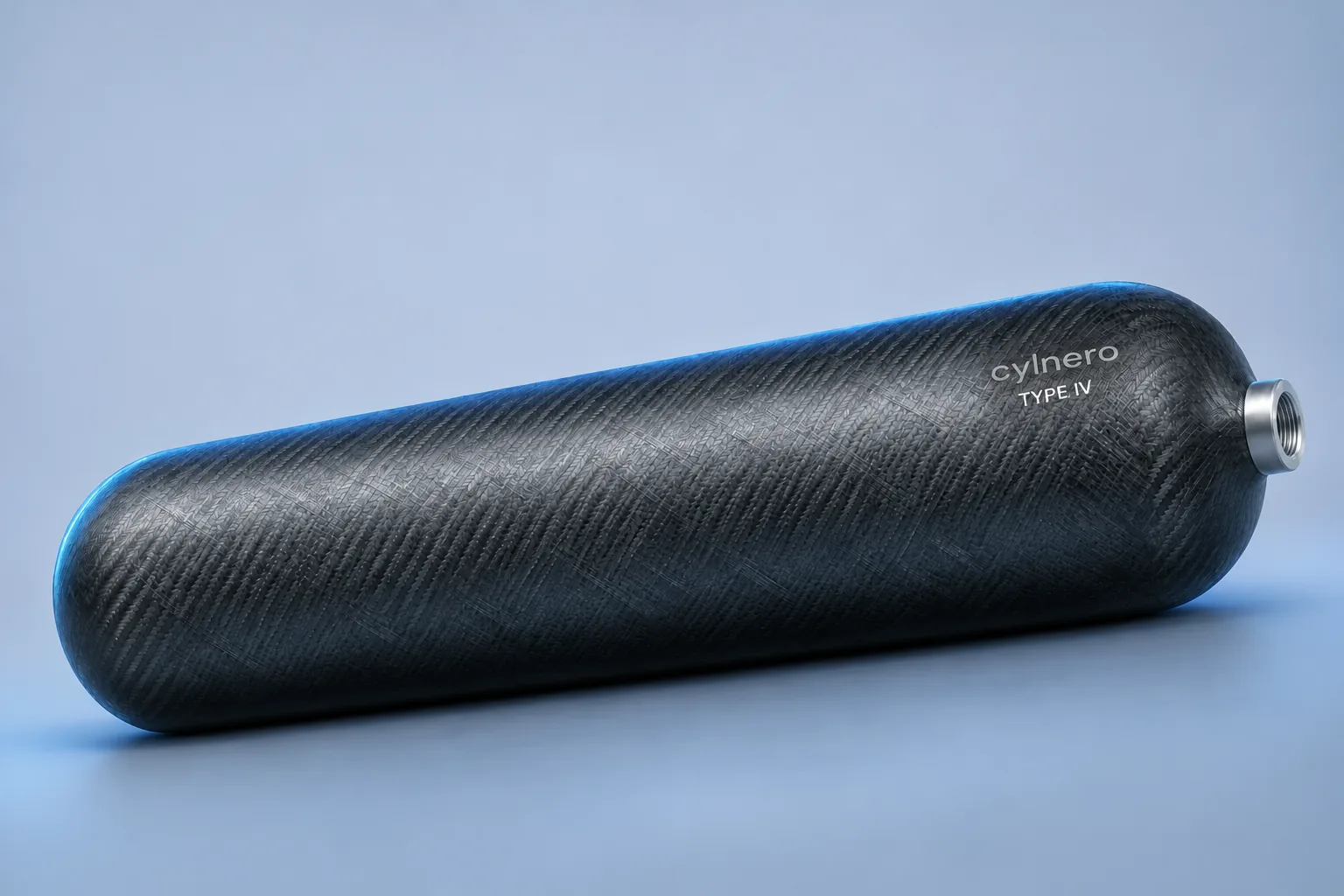
These links cover hydrogen enquiries. Share your intended medium when discussing another application.
Compare Type III and Type IVAsk for the proposed vessel construction and configuration reference, including the liner and composite overwrap materials. Share any construction requirements already specified for your project.
When initiating a composite pressure vessel enquiry, request the manufacturer’s declared construction and configuration reference. This document should identify the specific liner material family and the composite overwrap composition without assuming performance from broad categories alone. For instance, a supplier might specify a Type III metal-lined fully wrapped composite or a Type IV non-metal-lined fully wrapped composite. These classifications provide context but do not define the actual structural integrity or operational limits of the proposed unit. The enquiry should focus on obtaining the official designation used by the producer for their specific design series.
Read the full guidance
Ask for the proposed liner and overwrap description
Share a known material or project requirement with its source when it matters to the purchase. There is no need to suppress an existing specification, and you may ask questions about the manufacturer's construction proposal. This guide does not prescribe alloy grades, polymer chemistry, winding patterns, curing recipes or liner-bonding methods. Ask what configuration information the manufacturer proposes to provide and which questions require assessment by the relevant reviewers. Do not treat a general description of composite construction as a requirement that every design use the same process or interface arrangement.
Keep pressure and capacity fields distinct
Record working pressure, test pressure, water capacity and vessel quantity separately, with units. Leave unknown values open for discussion.
Keep each pressure field separate, with the stated value, unit and source when available. A known project requirement can be attached to the enquiry, while an unknown value can remain open. Ask the manufacturer to identify its proposed fields and which configuration or document they describe. Working pressure and test pressure should retain their own labels; this guide does not derive one from the other. If the manufacturer's response uses a different basis from the request, keep both entries visible and ask the appointed reviewers to assess the difference.
Read the full guidance
Keep stated pressure and capacity fields distinct
Record stated water capacity, any stated stored-gas amount and physical purchasing quantity in separate fields with their respective units and references. They are different descriptions and should not be substituted for one another in an enquiry. For the purchasing quantity, identify whether the line counts individual vessels or a described assembly. This page does not calculate gas quantity from pressure and capacity. A missing capacity or other parameter can remain an unanswered question during initial discussion rather than being guessed from an assumed product range.
If a project specification already contains a technical requirement, share the relevant reference instead of estimating a replacement value. Ask the manufacturer to identify any proposed departure from it. This guide does not select ratings, prescribe calculations or recommend pressure ratios, safety margins or filling conditions. Record the revision of any supplied specification and ask which reference the actual offer uses. The manufacturer may need more information before responding; an enquiry does not promise that an alternative is available or that a proposed value has been accepted.
Clarify connections and assembly scope
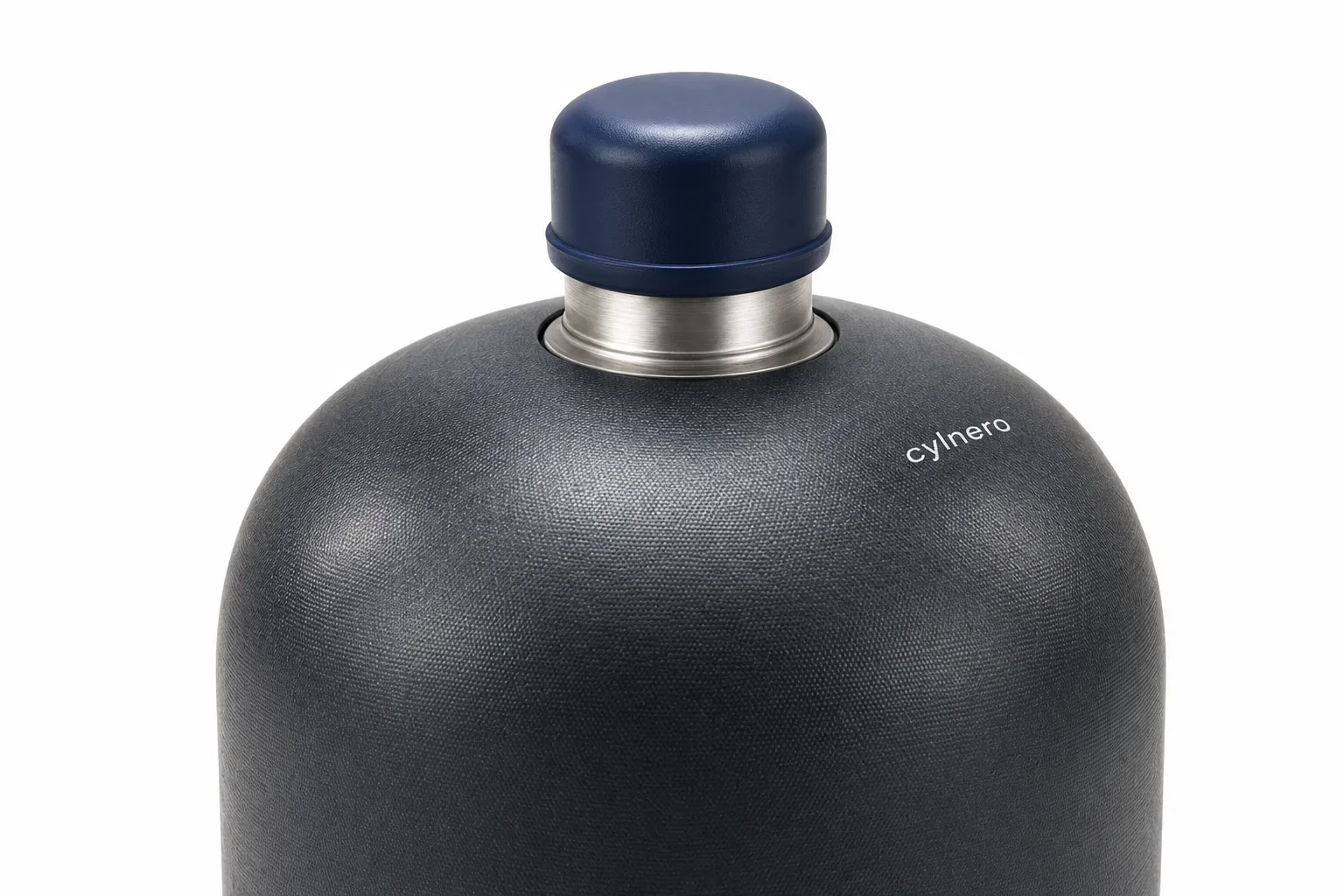
State whether the enquiry covers a vessel body or an assembly with named valves, protective components or mounts. Share any existing equipment and connection drawing references, then ask which interfaces and components the manufacturer includes, excludes or offers separately. Record the proposed drawing revision and the component scope alongside the quotation. If another party supplies an item, identify the outstanding interface question and who can provide the relevant information. This makes a body-only offer easier to compare with an assembly offer without assuming that matching-looking parts will fit.
Read the full guidance
Review connections and assembly boundaries
Reference any existing equipment drawing and the manufacturer's proposed drawing separately, including revisions where available. If the requested layout differs from what a response depicts, ask the manufacturer to explain that difference and identify which scope it can propose. A drawing may also show items outside the quoted supply; ask which illustrated components are included. Neither a familiar-looking port arrangement nor a revision label establishes fit. Keep any clarification with the relevant offer so the comparison does not combine a price from one version with a configuration from another.
Compare mass and equipment envelope
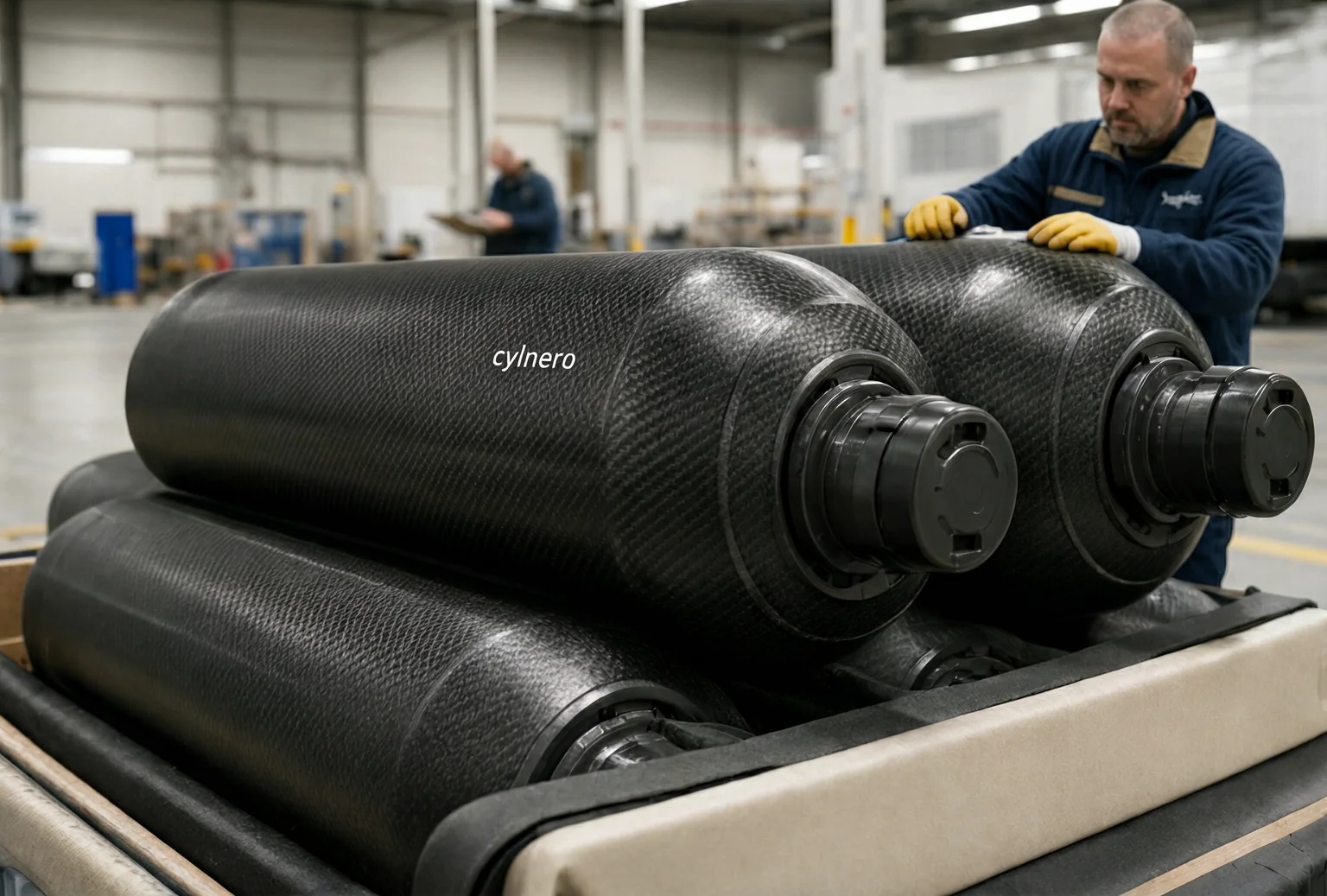
Compare the proposed vessels by capacity, working pressure, length, diameter and weight. Ask whether each weight includes the valve, mounts or other components, and share any installation or handling limits.
View breathing-air composite cylinder weight exampleDistinguish a vessel-body mass from an assembly mass, and ask what each manufacturer's entry includes. A bare liner is a different component and should not be substituted for the completed vessel body in a purchasing comparison. If a figure includes a valve, cap or mounting item, record that basis as stated rather than adding or subtracting assumed component weights. You may ask for clarification without requiring every component to have a separate mass entry. Keep the original units and the offered configuration reference beside the value.
Read the full guidance
Compare mass and envelope on the stated basis
Ask which dimensions describe the completed vessel body and which describe a supplied assembly with valves, protection or other components. Keep dimensions of a liner component separately labelled rather than treating them as exterior dimensions of the completed vessel. Retain the original units, drawing reference and revision with each stated scope. Share known equipment-space constraints with the appointed reviewers and ask which questions remain unresolved. Missing dimensions can remain enquiry items; an outline or similar-looking arrangement does not establish fit or identify which components the quotation includes.
Read the scope of test records

Ask which configuration, sample or delivery the offered test records cover. Retain the document issuer, identifier, revision and stated limitations. The appointed reviewers assess relevance to the actual proposal rather than treating a familiar report format as evidence of suitability.
Read the full guidance
Read test and inspection records as evidence
Ask which model, configuration, batch or individual unit an offered report describes. Keep example documents distinguishable from records proposed for the actual configuration or delivery. Where a report concerns another item, request the manufacturer’s explanation of its relevance and retain that response for the appointed reviewers. State any project requirement for a particular identification level rather than assuming serial-number records are required for every enquiry. A report title or the presence of a file does not confirm the quality of every unit, acceptance of the delivery or permission to operate the equipment.
Record the issuer, document identifier, revision and item described, where those details are available. Ask which version the manufacturer relies on and how it relates to the proposed configuration. A newer date does not automatically establish relevance, and a revision label does not show that a record covers the intended use. If documents refer to different items, retain the difference and request clarification. The appointed reviewers assess the actual evidence, including any limitations, rather than treating a familiar format or report title as proof of quality.
Ask the manufacturer what the record actually assesses and which questions its scope leaves unanswered. An example report, a configuration assessment and an order-specific record may have different purposes. This page does not prescribe a testing method, sample size, defect threshold or visual acceptance rule. Have the appointed reviewers assess the evidence relevant to the actual proposal, including the manufacturer's explanation of any difference from the requested configuration. Receiving a test or inspection record is distinct from approving an item, accepting a delivery or authorizing operation.
Documents for the intended destination
Provide the intended medium, application and destination when known. Ask which documents the manufacturer proposes for the specific vessel and identify the people who will review them.
Read the full guidance
Organize destination and document questions
Give the intended application, destination and existing document requirements. Ask which records the manufacturer proposes for the actual configuration, what each covers, when it would be available and when it should be reviewed. A company record, example report and order-specific document answer different questions: do not treat a sample as a delivery record or a document promised later as already received. Keep missing information visible for the appointed reviewers; an industry label alone does not determine the necessary document package.
About this category guide
Explore composite pressure vessels as a starting point for a wholesale equipment enquiry. COPV means composite overwrapped pressure vessel; the category name does not identify a factory model, material grade or approved application. Begin with the intended medium, equipment task, approximate purchasing quantity and destination. Add known requirements or drawings where available and leave other parameters open. CYLNERO coordinates questions and manufacturer responses. This guide helps buyers compare actual proposed construction, assembly scope, documents and commercial assumptions while keeping the request distinct from the offer. The relevant reviewers assess the manufacturer's specific response; the category does not confirm stock, compatibility or performance.
Compare offers and configuration changes
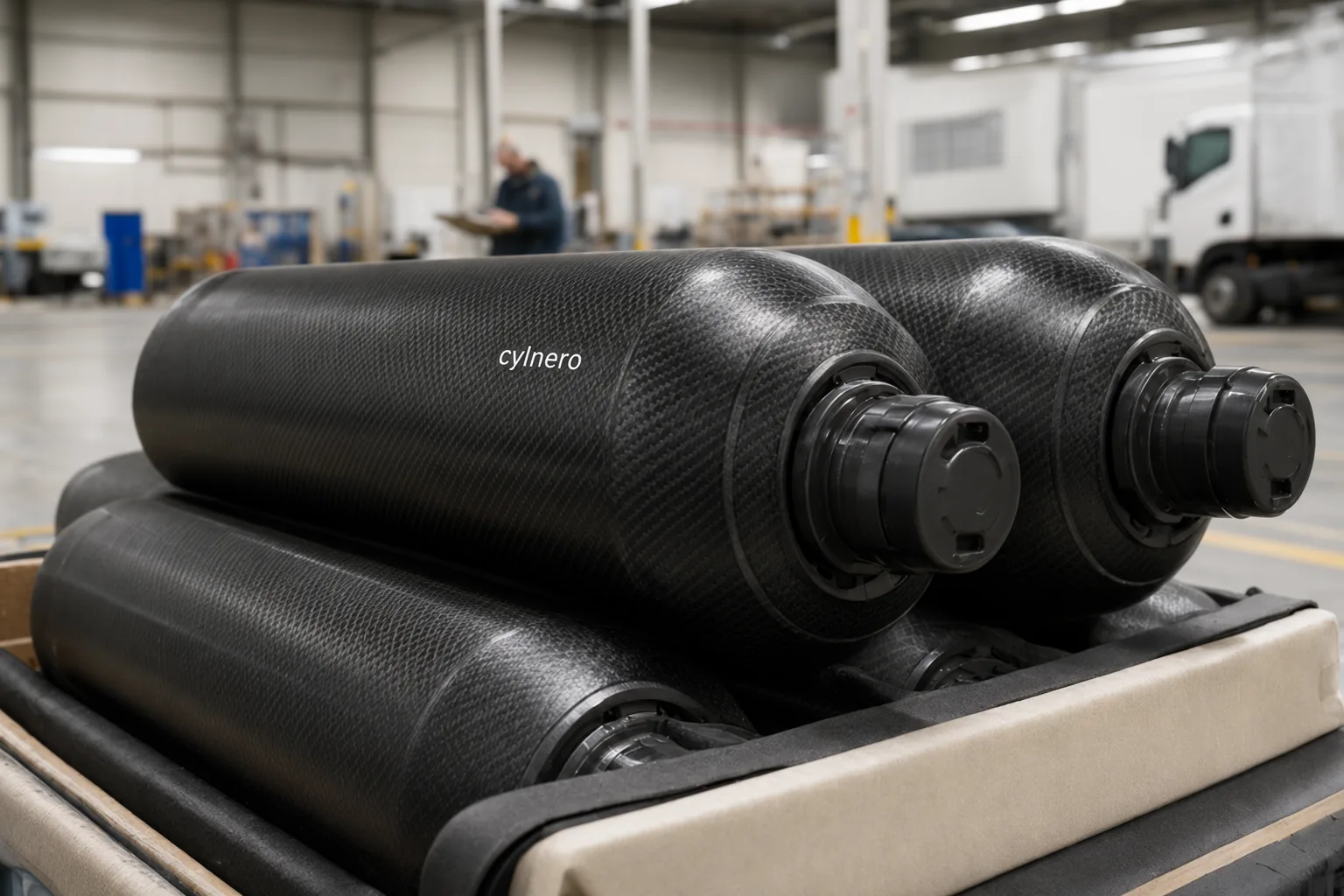
Compare included components, exclusions, currency and quotation validity. Ask the manufacturer to identify changes to cost or timing when a configuration is revised.
When evaluating multiple supplier proposals, focus on how each quote defines the scope of work rather than seeking a single superior vendor. Compare the specific components listed as included versus excluded, such as whether the price covers only the bare vessel body or the complete assembly with valves and fittings. Clarify the currency and validity period of each offer, noting that prices may fluctuate based on material costs or exchange rates. If an entry is marked as unknown or pending, request clarification before proceeding. This approach allows you to identify gaps in the proposal without assuming that one supplier’s structure is inherently better than another’s. The goal is to understand exactly what is being purchased and what additional steps might be required to complete the installation.
Read the full guidance
Compare offers and follow configuration changes
When a dimension, component or connection requirement changes, keep the requested change and the manufacturer’s response separately identifiable. Ask how the proposal affects configuration, price, supporting records and the stated schedule, and request the applicable current references. A price revision and a drawing revision need not describe the same change. Record which questions still need review. Do not assume a change has no effect on timing, but do not assign an unstated charge either. The comparison should show what the manufacturer actually proposes, without treating the request as acceptance or an automatic amendment of an earlier offer.
Discuss quantities and later support
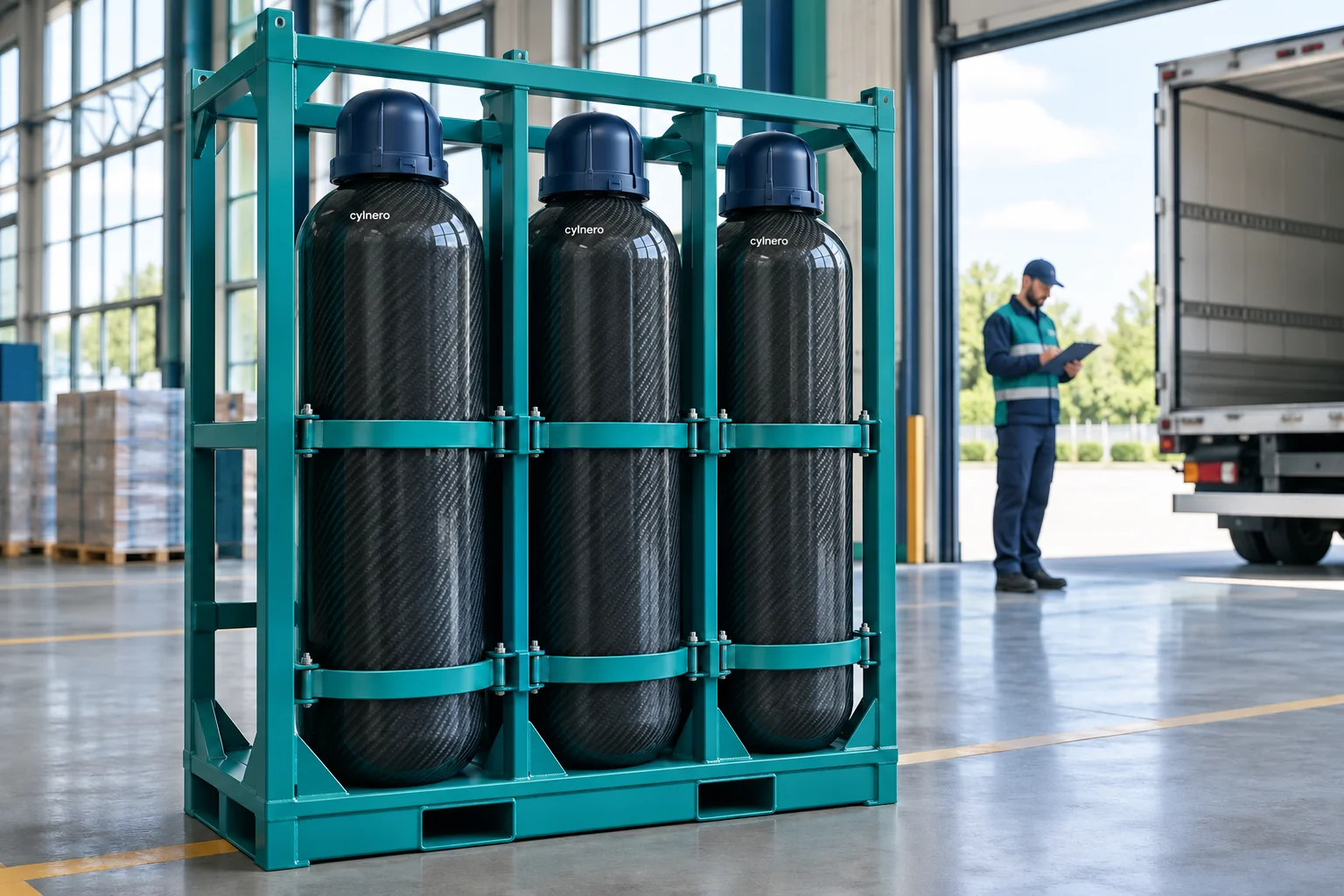
Separate your current order quantity from future forecasts. Ask about proposed warranty, support and arrangements for later orders.
Describe the current purchasing quantity and label any later forecast separately. You can ask whether the manufacturer proposes capacity arrangements for future demand, but the question does not itself reserve stock or production. Ask which proposed dates concern manufacture, shipment and destination delivery, and what assumptions affect them. If an existing arrangement is relevant, identify its reference and ask how the new request would be handled. This page does not determine the legal effect of a forecast or promise that a later configuration, price or schedule will remain available.
Read the full guidance
Discuss batch planning and later support
If warranty or later support is proposed, retain the provider, scope, stated duration and any conditions or exclusions in the actual response. Describe the buyer’s requirements for parts, documents or services as separate questions and ask which work is offered or separately quoted. Where earlier arrangements are relevant, provide their reference and ask how they relate to the new proposal. Do not assume every form of support is included or that a general heading defines a remedy. Keep unanswered terms with the offer for the responsible commercial reviewers to assess.
If the manufacturer suggests a different price, delivery stage or support scope, ask how that change would be recorded against the relevant offer or agreement. Do not assume that every clarification requires a particular contract amendment, or that an informal discussion automatically changes accepted terms. The responsible parties assess the actual arrangements. Keep proposed changes visible until their status is clear, including questions about which earlier response still applies. This purchasing guide supplies no maintenance procedure and does not promise that a document record prevents a dispute or guarantees a commercial outcome.
Prepare a composite-vessel enquiry
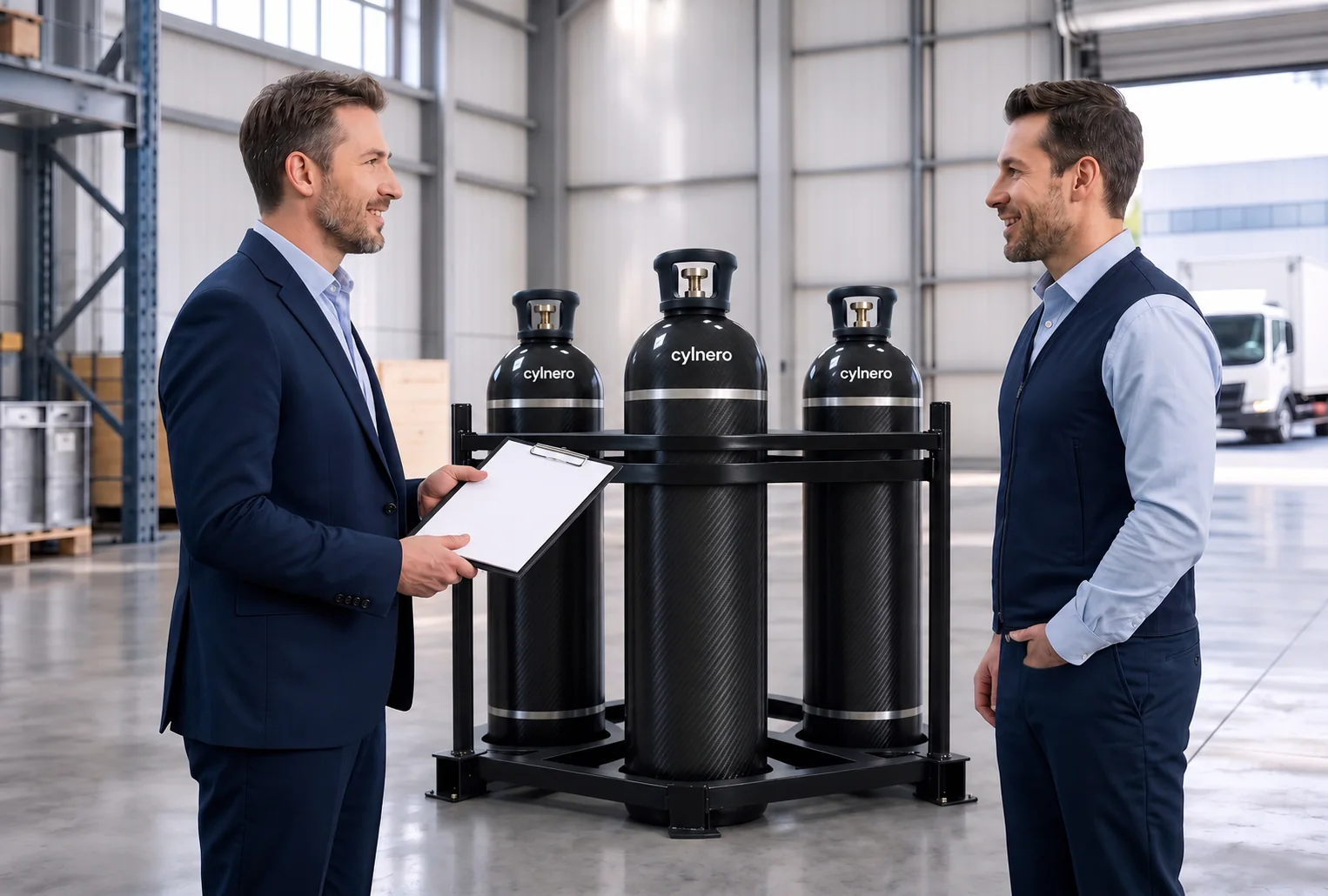
Tell us the intended medium, application, approximate quantity and destination. Share any known specifications and distinguish requirements from preferences. Details you do not yet know can be discussed with the manufacturer.
Prepare the first enquiry with the intended medium, equipment application, approximate quantity and destination. Add the requested capacity, working pressure, available installation space and connection references if known, preserving the original units. Describe whether the supplier should quote a vessel body or an assembly, and include any known documentation, branding or packing requirements. A factory model number is optional. Ask the manufacturer to identify the proposed liner and overwrap description, included components, drawing references and any assumptions or unanswered questions in its response.
Read the full guidance
Prepare a useful composite-vessel enquiry
Attach known specifications or existing references when available and identify whether each item is a requirement, a preference or background context. A mandatory project requirement should not be relabelled as optional simply to invite a response. Ask the manufacturer to distinguish compliance with the request from any proposed alternative and to identify its assumptions. If a field is unknown, say so. The actual response then provides material for review without silently replacing the original brief or implying that the manufacturer's interpretation has already been accepted.
Related procurement pages
About this procurement guide
Use this guide to prepare your enquiry. Confirm the specifications and supporting documents for the proposed cylinder with the manufacturer.
For standards research, consult the ISO gas-cylinder standards catalogue. The catalogue includes published and withdrawn standards. Check the status, edition, scope and destination requirements with the manufacturer and your appointed technical reviewer. A standards reference does not establish that a listed series conforms to it.
For background on the term COPV, see NASA's introduction to composite overwrapped pressure vessels. It describes typical liner-and-overwrap construction. The aerospace discussion does not establish a listed series' materials, test requirements, certification or suitability for your application.
Before placing an order, obtain the proposed model's drawings, configuration, applicable approvals and quotation from the manufacturer. CYLNERO coordinates sourcing; the manufacturer confirms and contracts the agreed supply.
Procurement questions
Can I enquire without a manufacturer model or complete parameters?
Yes. Start with the intended medium and application, approximate purchasing quantity and destination. Add known requirements or references where available and mark other fields as open. A factory model or complete parameter schedule is not required to begin. Ask the manufacturer which scope it can propose and what further information it needs; an initial response may identify questions rather than a final configuration.
Do COPV tanks have a guaranteed material grade or performance advantage?
No. COPV identifies a purchasing family, not a particular material grade, mass advantage, pressure rating or accepted use. Ask the manufacturer to identify its actual offered configuration and the evidence supporting its stated characteristics. Have the relevant reviewers assess that response against your requirements. A broad material description or a familiar family label does not itself establish suitability or availability.
Are composite LPG cylinders interchangeable with this purchasing family?
Do not assume interchangeability. Composite LPG enquiries have a separate purchasing scope; the shared word composite does not establish the same medium, configuration or acceptance. State the intended application and ask the manufacturer what it actually proposes. Keep the requested service distinct from the product description and have the relevant response assessed rather than selecting a substitute from appearance alone.
Which test or inspection records should I ask about?
Ask what records the manufacturer proposes for the actual configuration and what each record covers. Identify examples separately from order-specific records, with document references and limitations where available. Have the appointed reviewers assess the evidence relevant to the intended use, destination and project requirements. This page does not prescribe a universal test list, inspection method or certificate package.
How is equipment compatibility assessed?
Share existing interface references where available and ask the manufacturer to identify its proposed configuration and drawing revision. The appointed equipment reviewer can assess the dimensional and connection information against the actual requirements. Record missing information and unresolved questions beside the relevant quotation.
Are quantity, delivery timing and later support already fixed?
No fixed quantity, delivery stage or support package is established by this category page. State your current purchasing need and requested timing, then ask what the manufacturer proposes and which assumptions remain open. Identify any existing agreement that may be relevant. The actual quotation and applicable arrangements identify the commercial scope; this page does not prescribe when commitments become legally effective.