 Wholesale sourcing
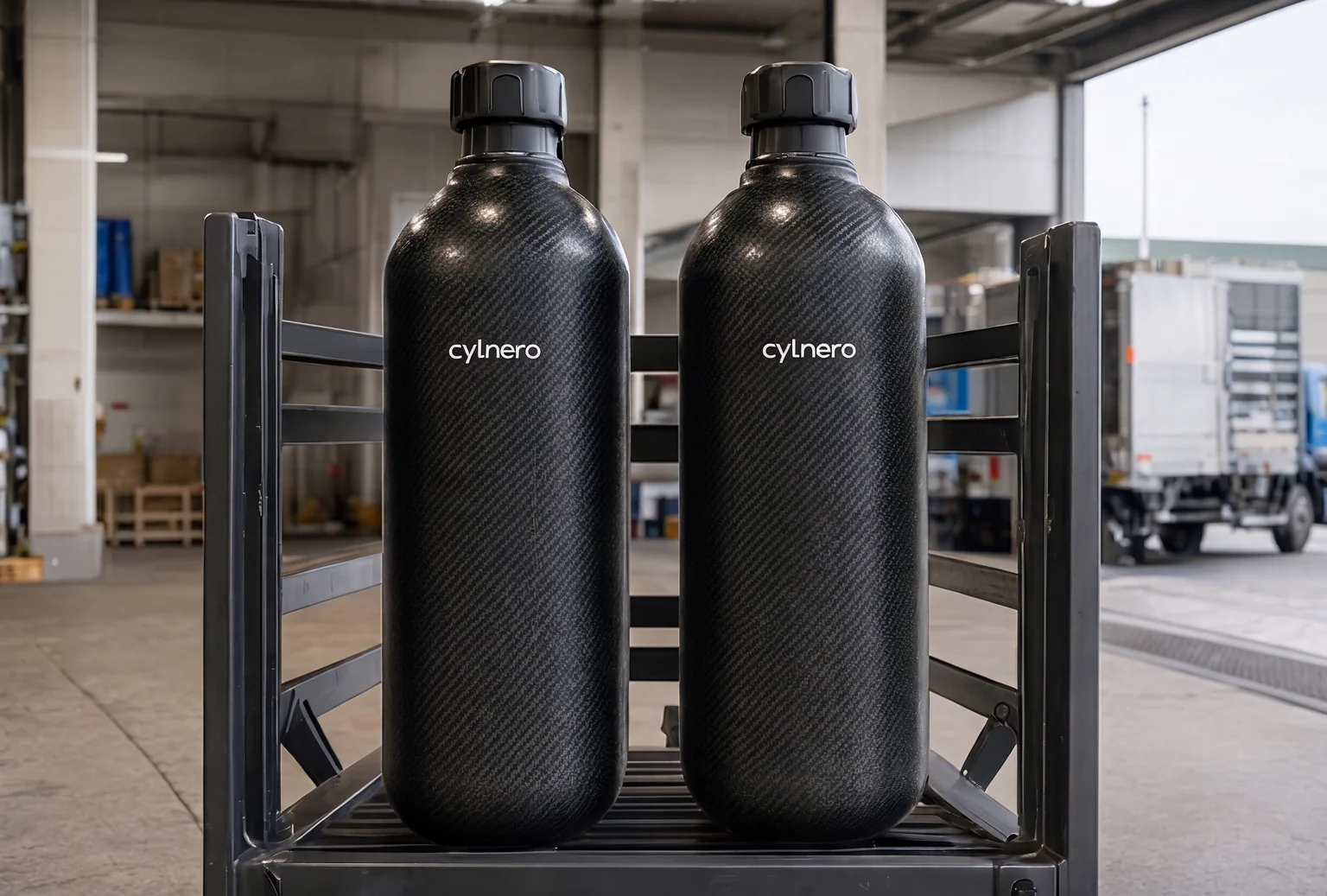
Composite Pressure Vessel Procurement Series
Configurable wholesale series · Specifications confirmed during enquiry
APPLICATION-LED / WHOLESALE PROCUREMENT
COPV integration purchasers can start with the intended medium, equipment context and component boundary. The composite pressure-vessel and hydrogen cylinder series below provide enquiry starting points, with the proposed configuration confirmed during quotation.
COPV integration purchasers can start with the intended medium, equipment context and component boundary. The composite pressure-vessel and hydrogen cylinder series below provide enquiry starting points, with the proposed configuration confirmed during quotation. This page does not establish universal medium compatibility, calculate a vessel design or treat a composite LPG cylinder as the same product family as a high-pressure COPV.
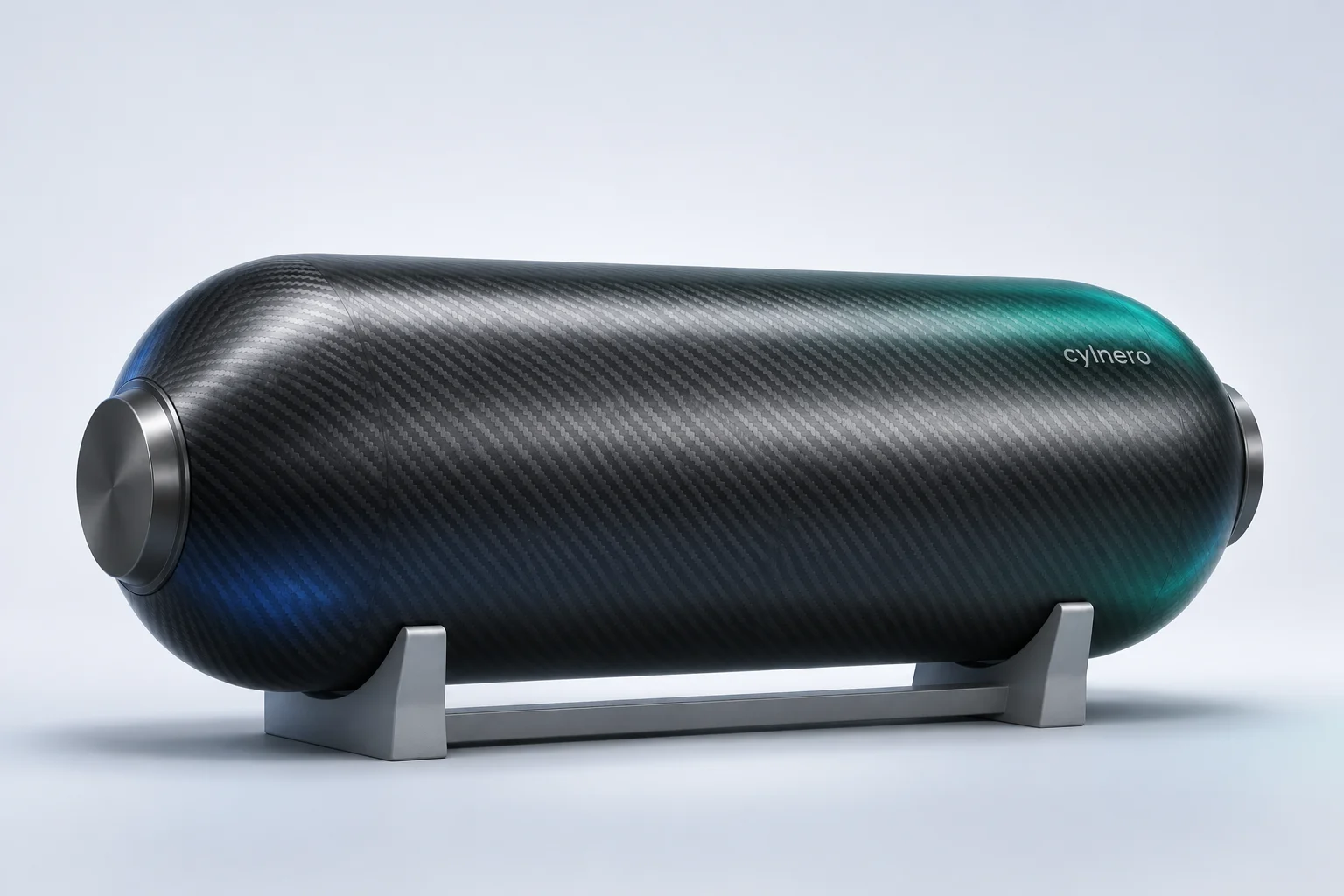
Swipe to see more sections →
These are starting points for an enquiry, not a statement that every configuration fits this application. The offered configuration and scope are confirmed during quotation.
Configurable wholesale series · Specifications confirmed during enquiry
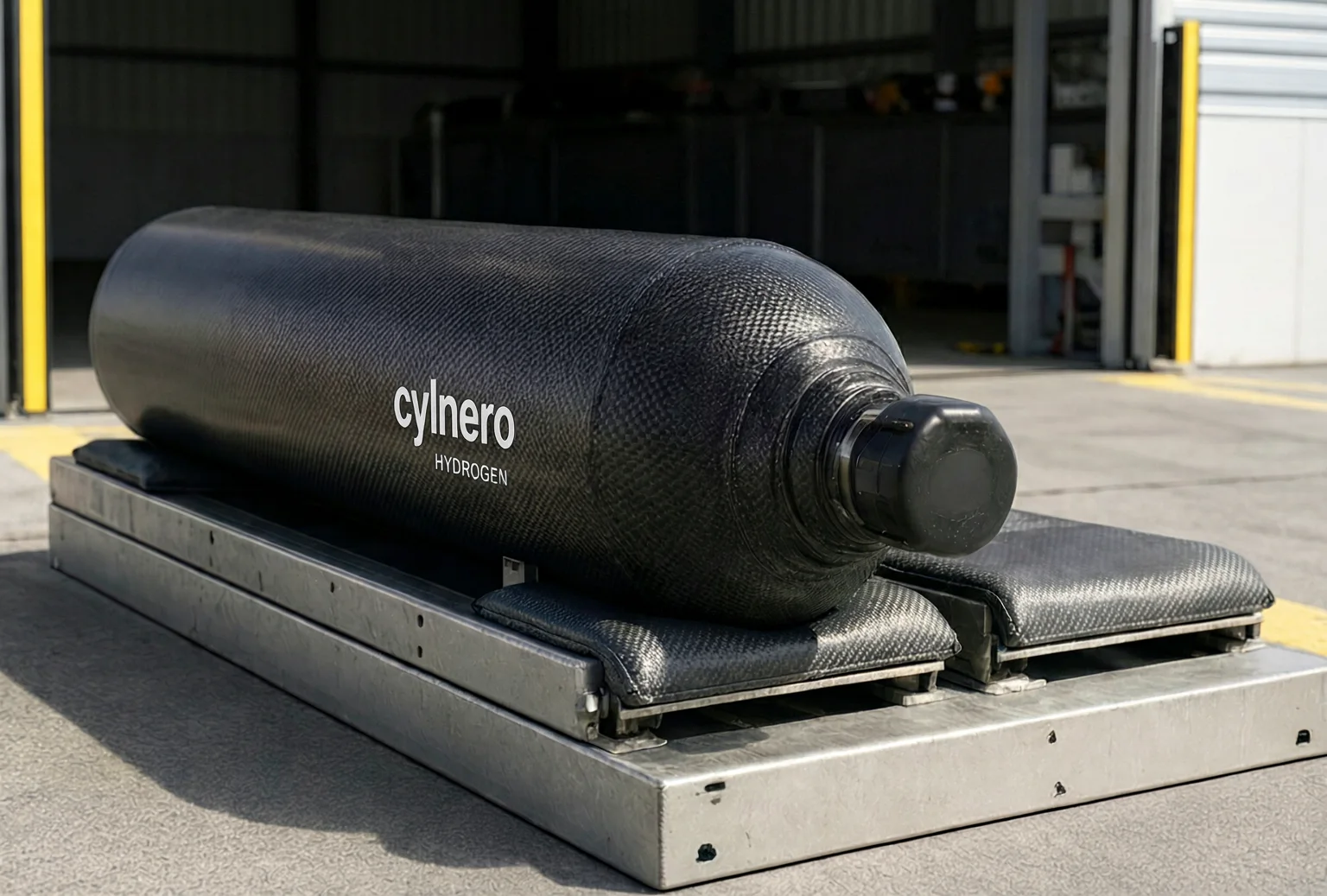
Configurable wholesale series · Specifications confirmed during enquiry
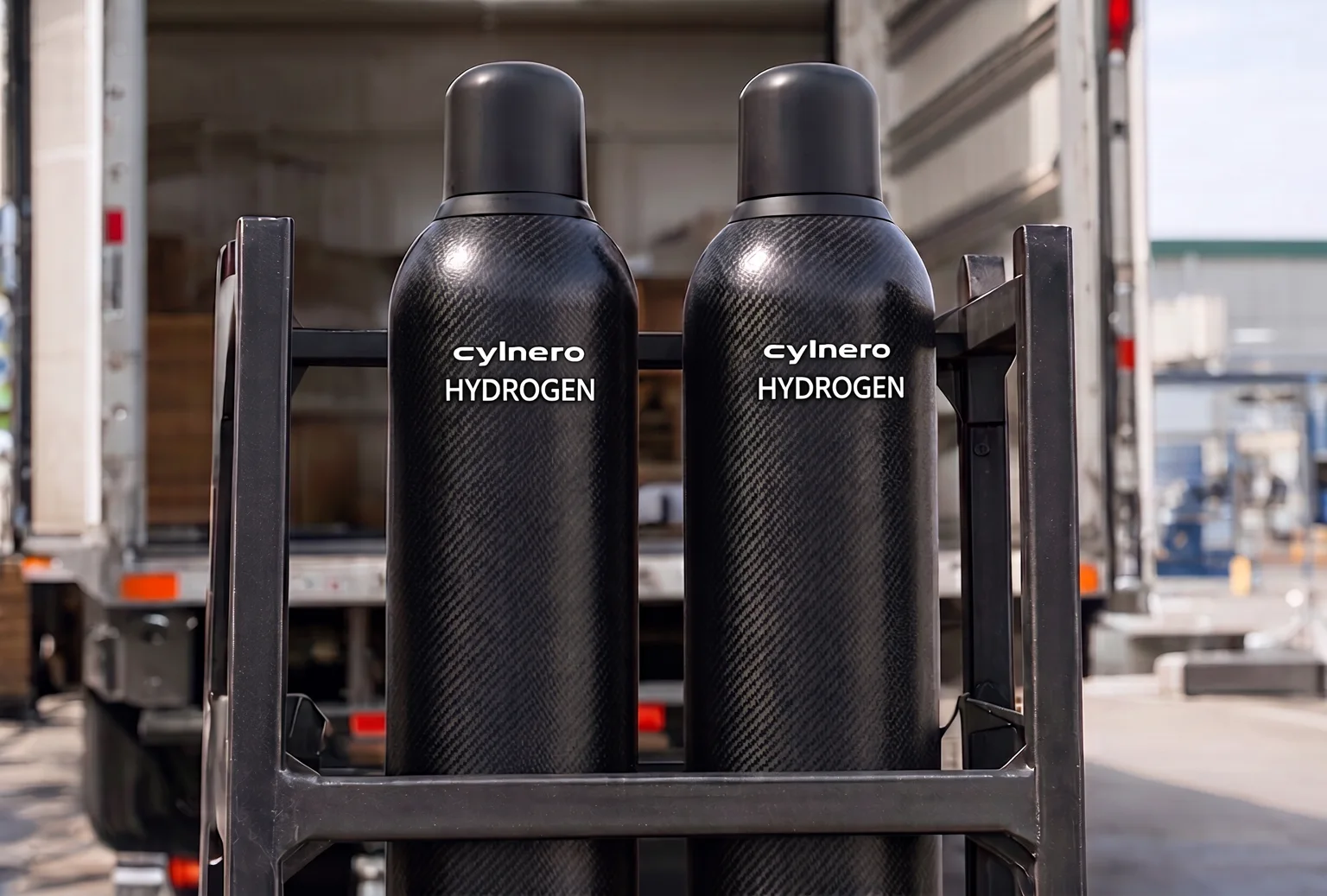
Configurable wholesale series · Specifications confirmed during enquiry
Explain what your purchasing team expects the vessel to do within the equipment package and identify the interfaces already defined by the integrator. Available drawings, installation-envelope information and requested document schedules can accompany the enquiry. A detailed manufacturer model is not needed for this first discussion. Keep preliminary targets visible as requests, however, so that they are not confused with values already confirmed for an offered configuration.
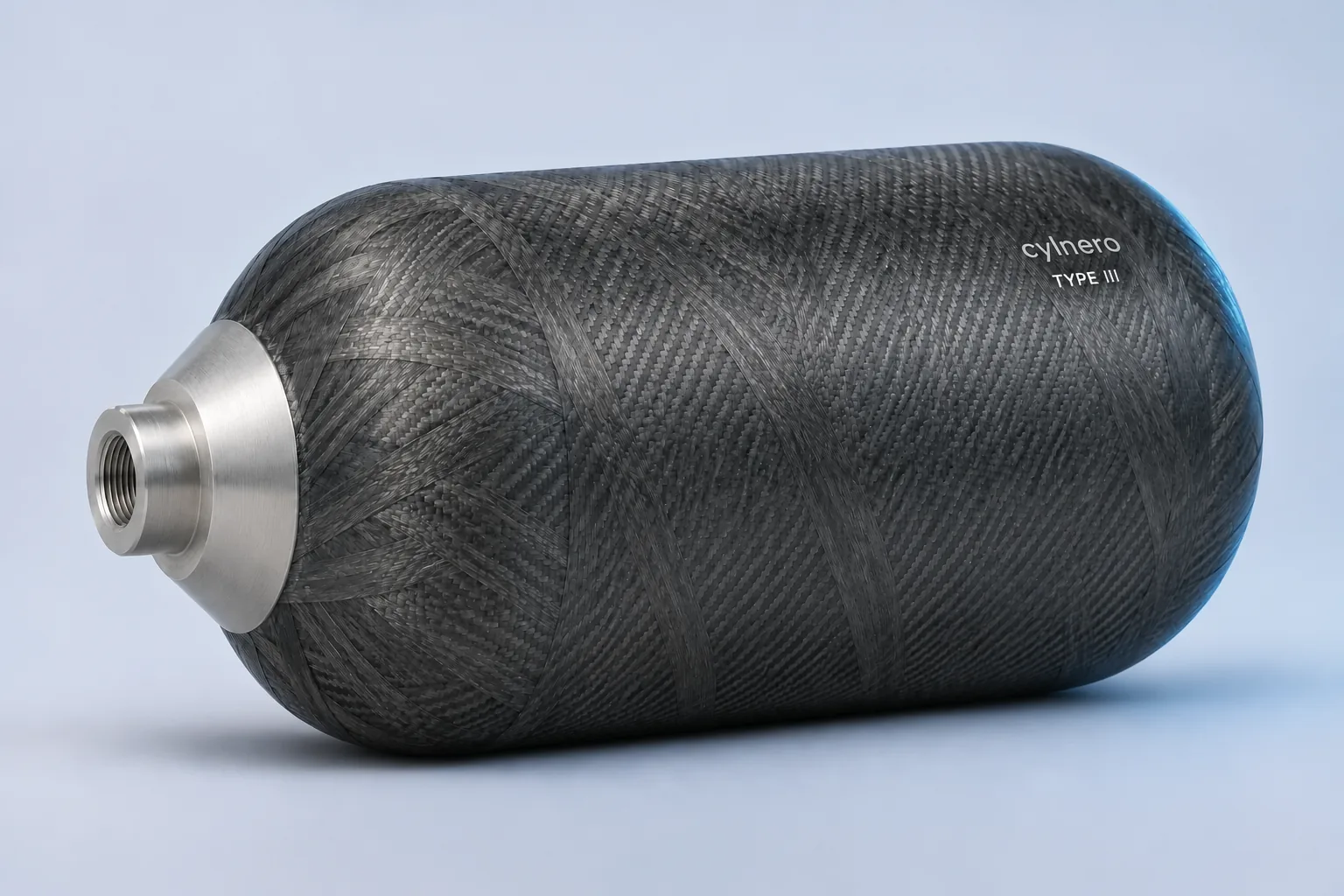
If your team has a preference for a particular construction family, state it and explain the purchasing context. Otherwise, ask the manufacturer to identify a proposed configuration against the brief. The labels COPV, Type III and Type IV are not substitutes for that response, and the links below do not establish that every series fits the intended medium or installation. This page supplies no engineering calculations, pressure recommendations or universal claims about material performance.
When comparing offers, keep the proposed vessel configuration, relevant drawing references, included components and document response together. Identify any interfaces, accessories or project reviews outside the offer. Discuss quantities, markings, packing and delivery destination as part of the purchasing package. Where the brief changes, request a traceable proposal revision rather than carrying assumptions from an unrelated configuration into the new comparison. Final scope and commercial commitments are confirmed in the quotation discussion.
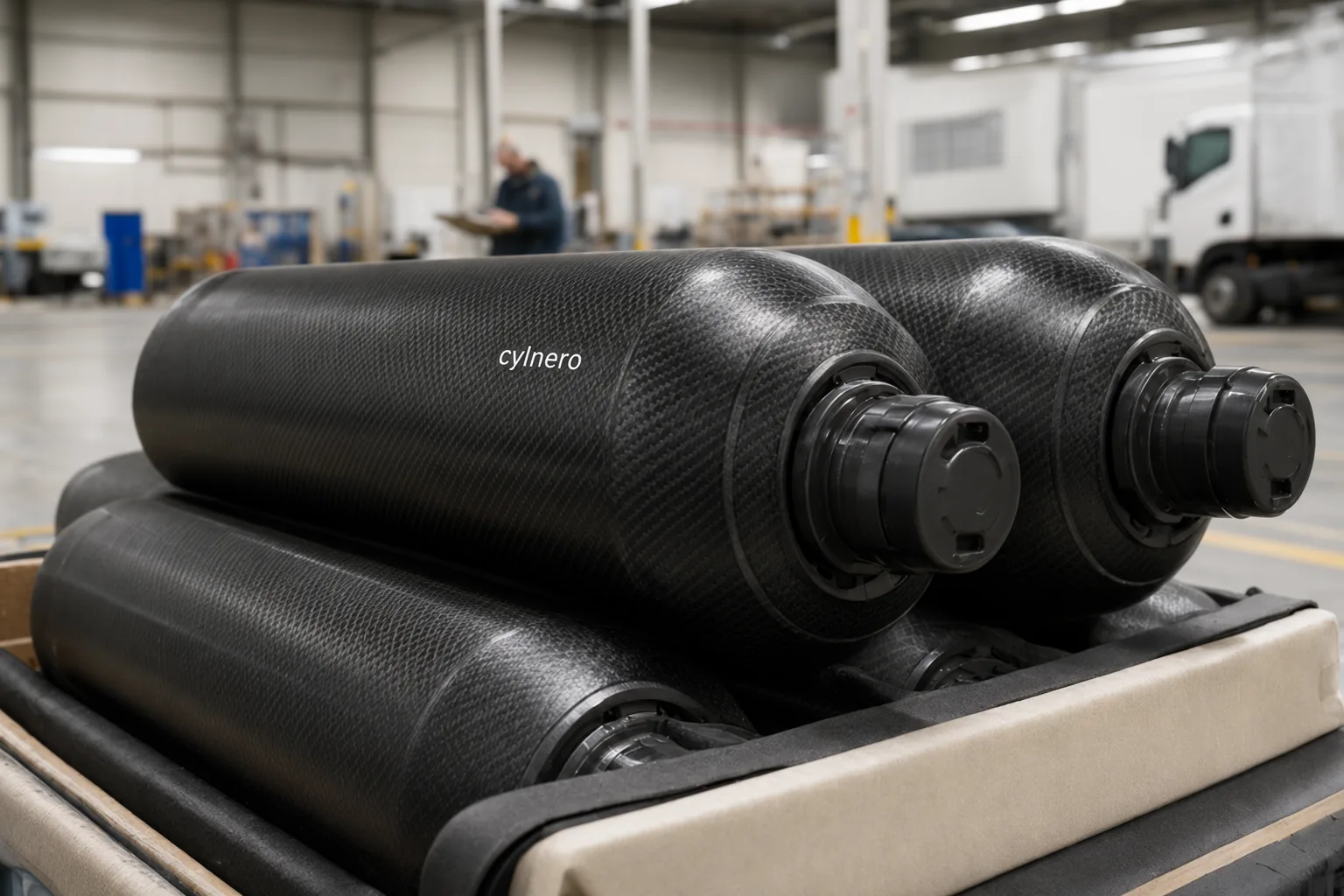
A composite overwrapped pressure vessel, often called a COPV, may be one component in a larger equipment programme. Begin by describing the intended medium, equipment application and the role the vessel is expected to play. Identify whether the enquiry concerns a vessel only or a proposed assembly with a valve, protective items, mounting components or other accessories. Your equipment team may already have a drawing or a set of interface questions; share the available references and identify the items still being developed.
The boundary of supply is particularly useful when several organisations participate in a project. The manufacturer can identify the vessel and components it proposes, while the equipment integrator and other responsible parties review the interfaces and their own scope. A purchasing enquiry does not need to resolve every technical decision at the outset. Mark preliminary values as requests, explain the destination and approximate quantity, and ask which further information the manufacturer needs before it can prepare a configuration-specific response.
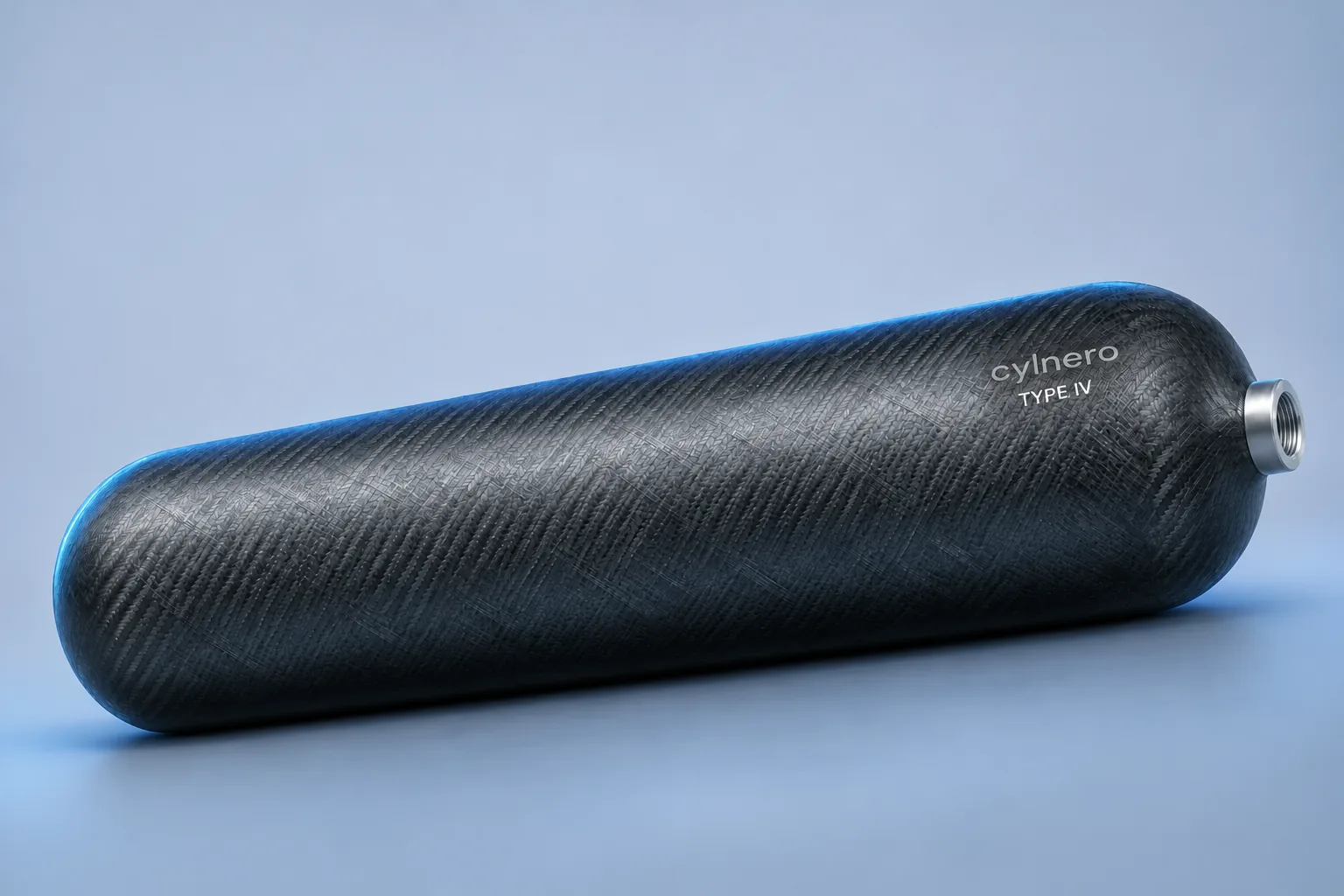
Type III and Type IV are construction categories used to organise a vessel discussion. In general terms, Type III vessels use a metallic liner and Type IV vessels use a polymer liner, but these labels do not identify a particular manufacturer's design, gas service or approved application. If your project already calls for a construction family, share the relevant requirement and its source. Otherwise, ask the manufacturer to identify the proposed construction against the actual medium, equipment context and other information in the brief.
Compare the offered configurations using their stated dimensions, capacity or pressure fields, mass basis, interfaces and supporting information. Keep the original units and drawing references with each response, and ask for clarification where descriptions differ. A composite LPG cylinder and a high-pressure COPV can serve different purchasing purposes; a shared composite description does not make them interchangeable. Avoid choosing a family solely from a general claim about weight, durability or gas compatibility. The responsible reviewers need information for the specific proposal.
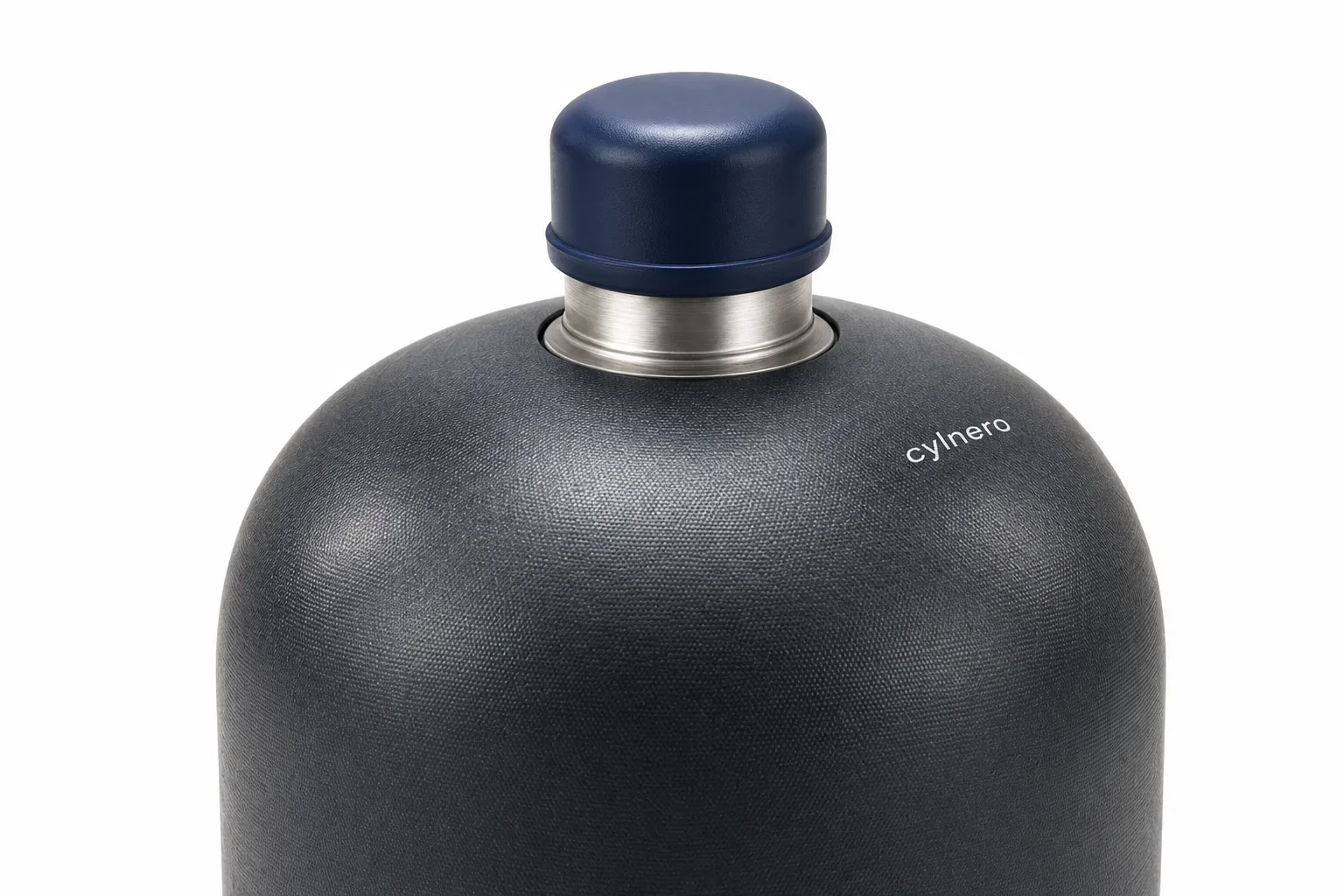
Where the equipment layout is known, provide the available dimensional envelope and identify the drawing revision or other source. Explain whether a length or clearance request concerns the vessel body alone or the complete proposed assembly. If the machine has a known handling or shipment constraint, share the relevant limit with its units and ask the manufacturer what dimensions and stated mass correspond to its offer. A missing dimension can remain an open question until a configuration-specific drawing is available.
List any existing connection and mounting references without assuming they are included in the proposed supply. Ask the manufacturer to identify the interface information it can provide and which valve or other components belong to its quotation. The equipment team can distinguish hardware it expects to source separately from items it wants the vessel manufacturer to consider. This keeps the purchasing boundary visible while leaving the engineering assessment and the allocation of integration responsibilities to the parties involved in the project.
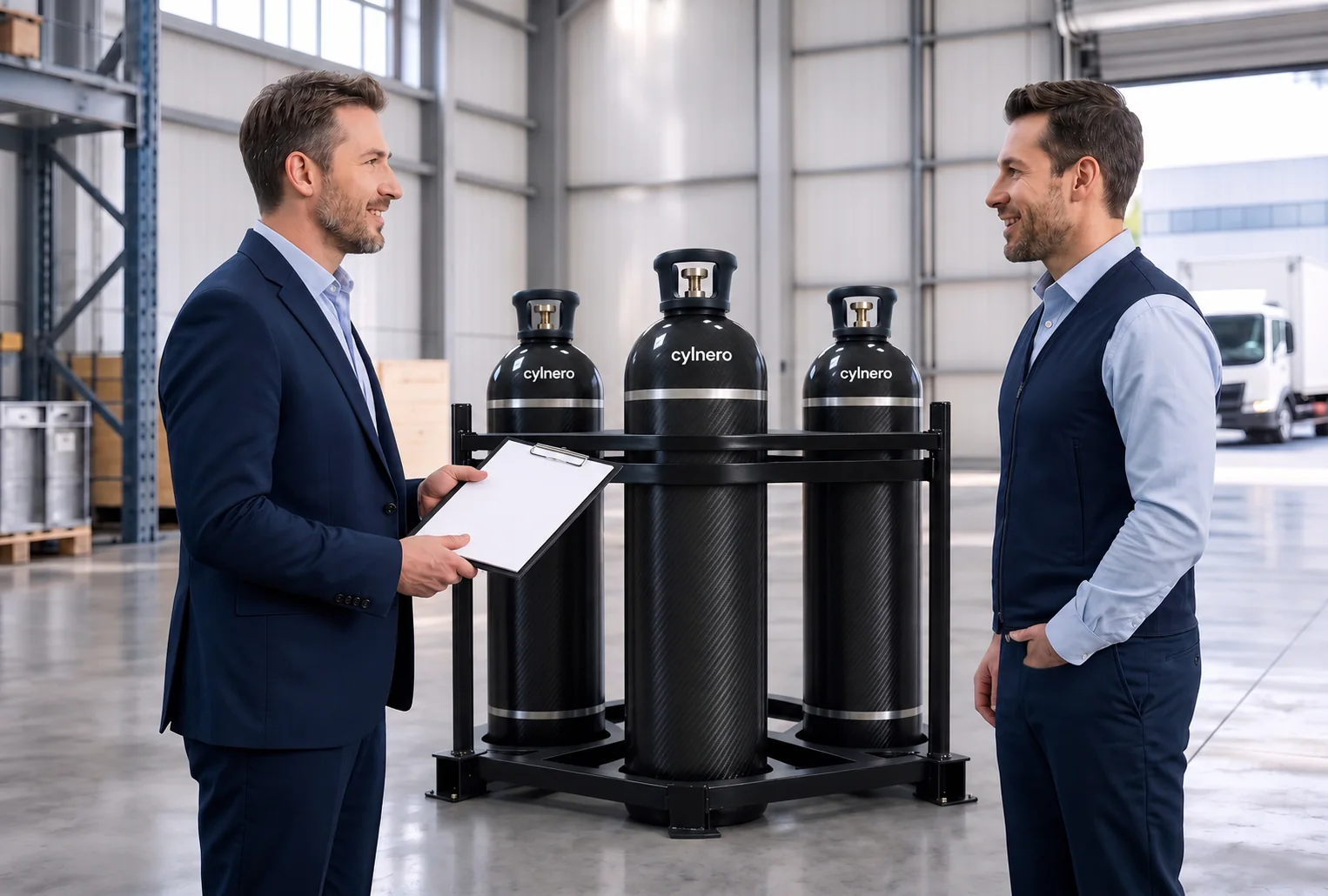
When a proposal arrives, place its configuration reference, stated values, included components and drawing revision beside the original brief. A vessel-only response may have a different commercial and technical scope from an assembly offer. Where a field is absent or described differently, retain both the request and the supplier's wording and record a question. Ask the manufacturer how an alternative configuration changes the proposed scope, available information or commercial terms before comparing it with another offer.
Share any existing project or destination requirements with the people responsible for reviewing them. Ask the manufacturer which documents it proposes for the actual configuration and what each one covers. General company information, an example report and a document tied to a particular configuration can address different questions. A document list does not by itself establish approval of the complete equipment system. The buyer's appointed reviewers determine what evidence they need and whether further clarification is necessary for their project.
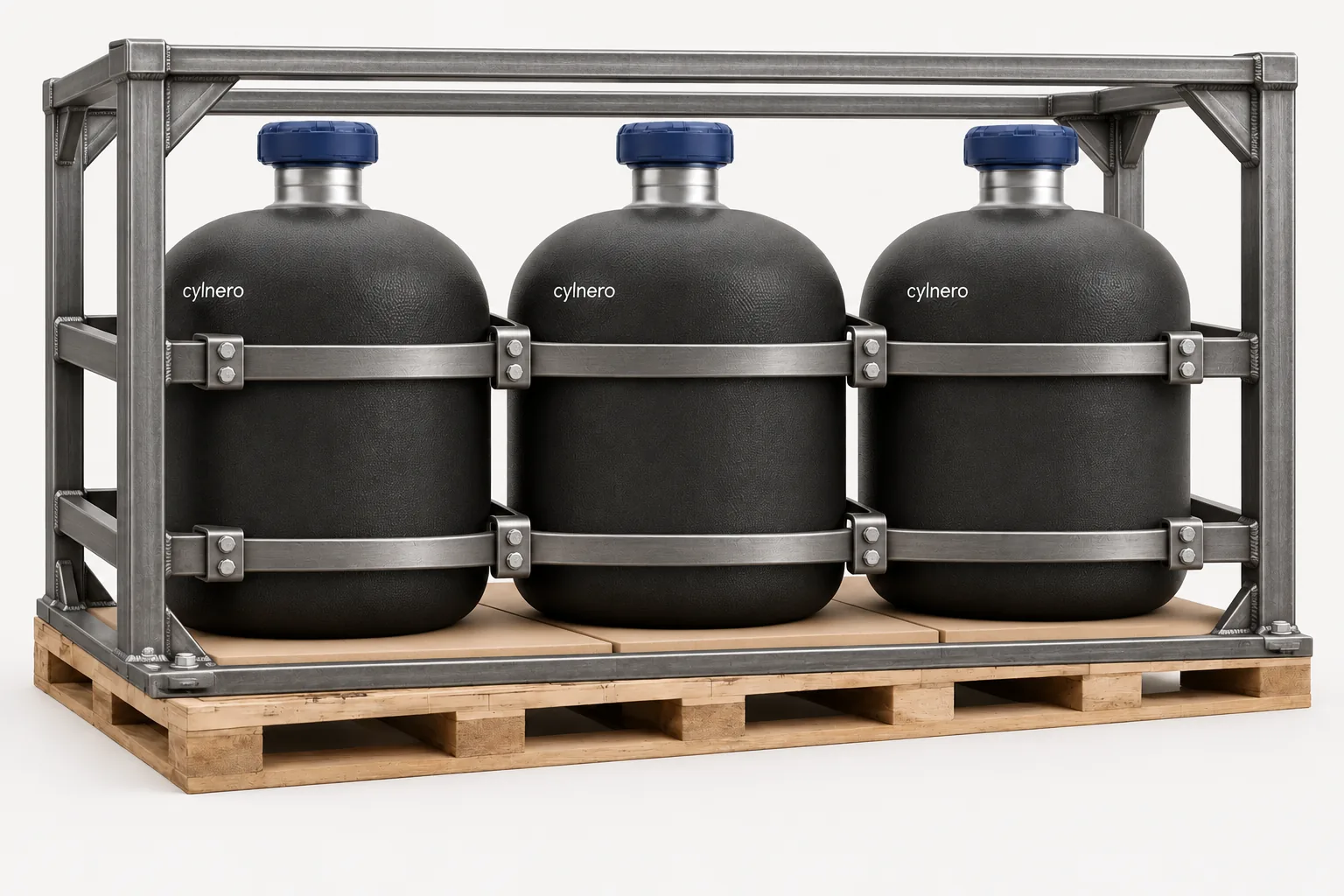
For a new equipment programme, state the approximate quantity needed for the current stage and identify any later forecast separately. If several equipment variants or delivery destinations are involved, show the requested quantity and configuration context for each group. Ask the manufacturer to identify proposed packing, delivery scope and quotation validity for the actual offer. An initial discussion may leave some commercial fields open; stock, price and delivery timing are not established by a general product-family page.
For repeat purchasing, provide the previous offer or configuration reference if your team has one, then describe the current requirement and any requested change. Ask how a revised interface, marking or packing request would be identified in a new proposal. Record unanswered questions with the responsible parties and the relevant revision so that a later offer is not confused with an earlier design. CYLNERO coordinates the exchange of requirements and responses; the manufacturer identifies the product and commercial scope it proposes.
Provide the intended medium and application, approximate quantity and destination. Add any equipment drawings, connection references or space constraints already available. Identify whether the request covers a vessel alone or other components, and leave unknown integration details open for the project reviewers.
Record the vessel and each named component included in the proposal, together with interfaces, quantity and supporting drawing references. Keep excluded or separately priced items visible. Ask project reviewers to assess each proposed scope against the original equipment requirement.
No. LPG cylinder procurement has its own category and purchasing context. Describe the intended medium and application so that the manufacturer can respond to the appropriate product-family enquiry instead of relying on the word composite alone.
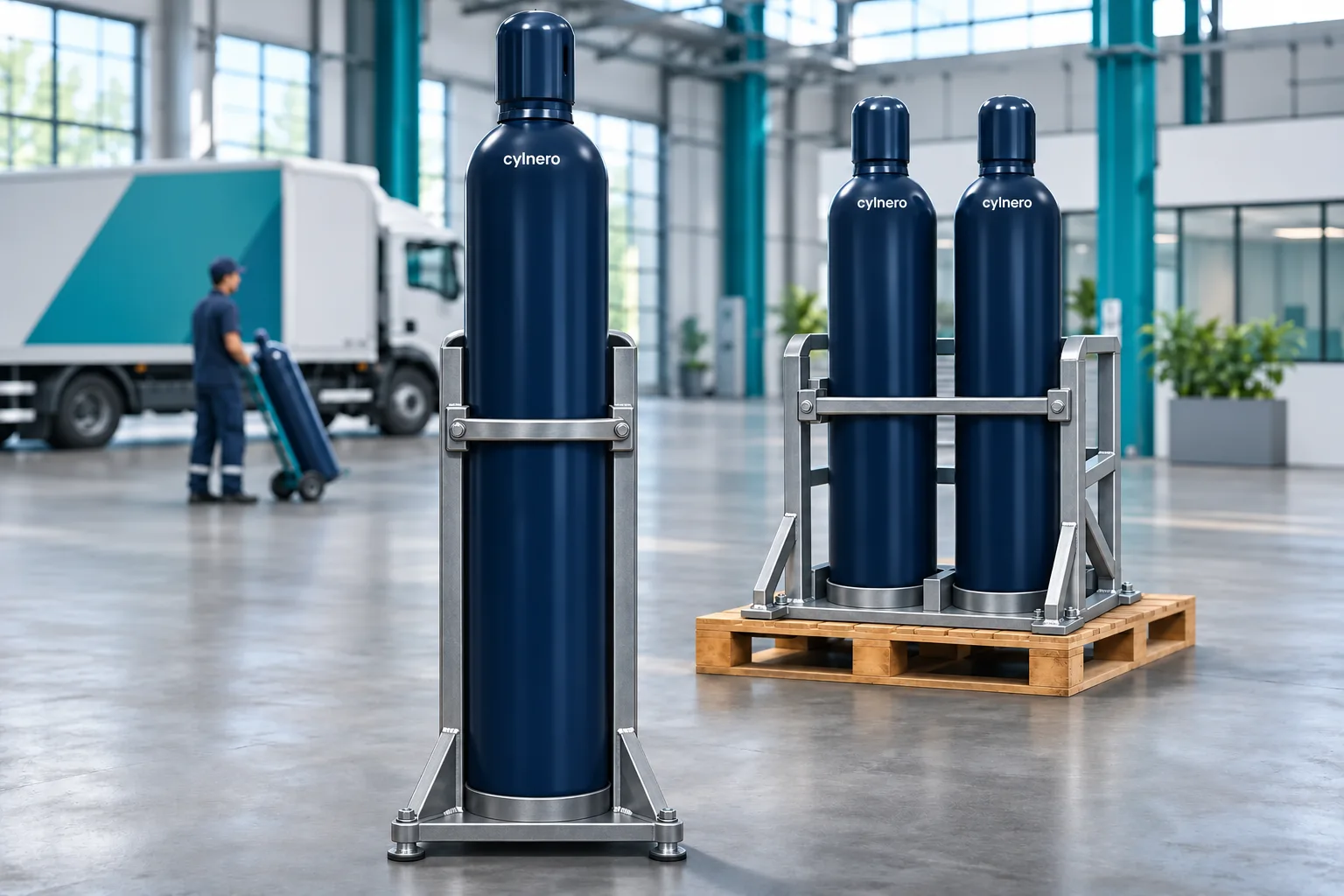
Cylinder purchasing for a distribution business starts with the customers and product families you serve.
Explore purchasing needs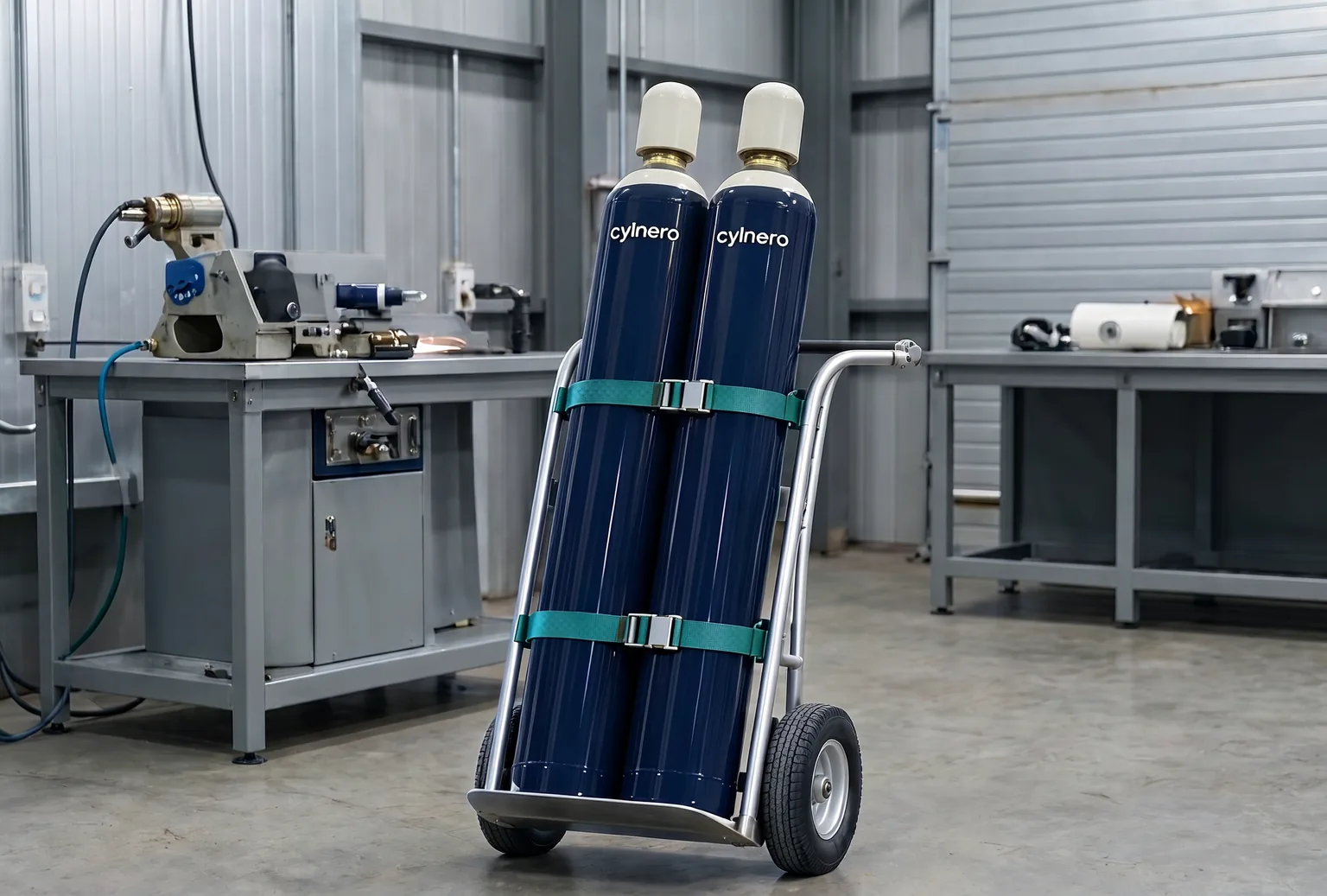
Welding suppliers and workshop purchasing teams can start with the cylinder families and commercial requirements they need to discuss.
Explore purchasing needs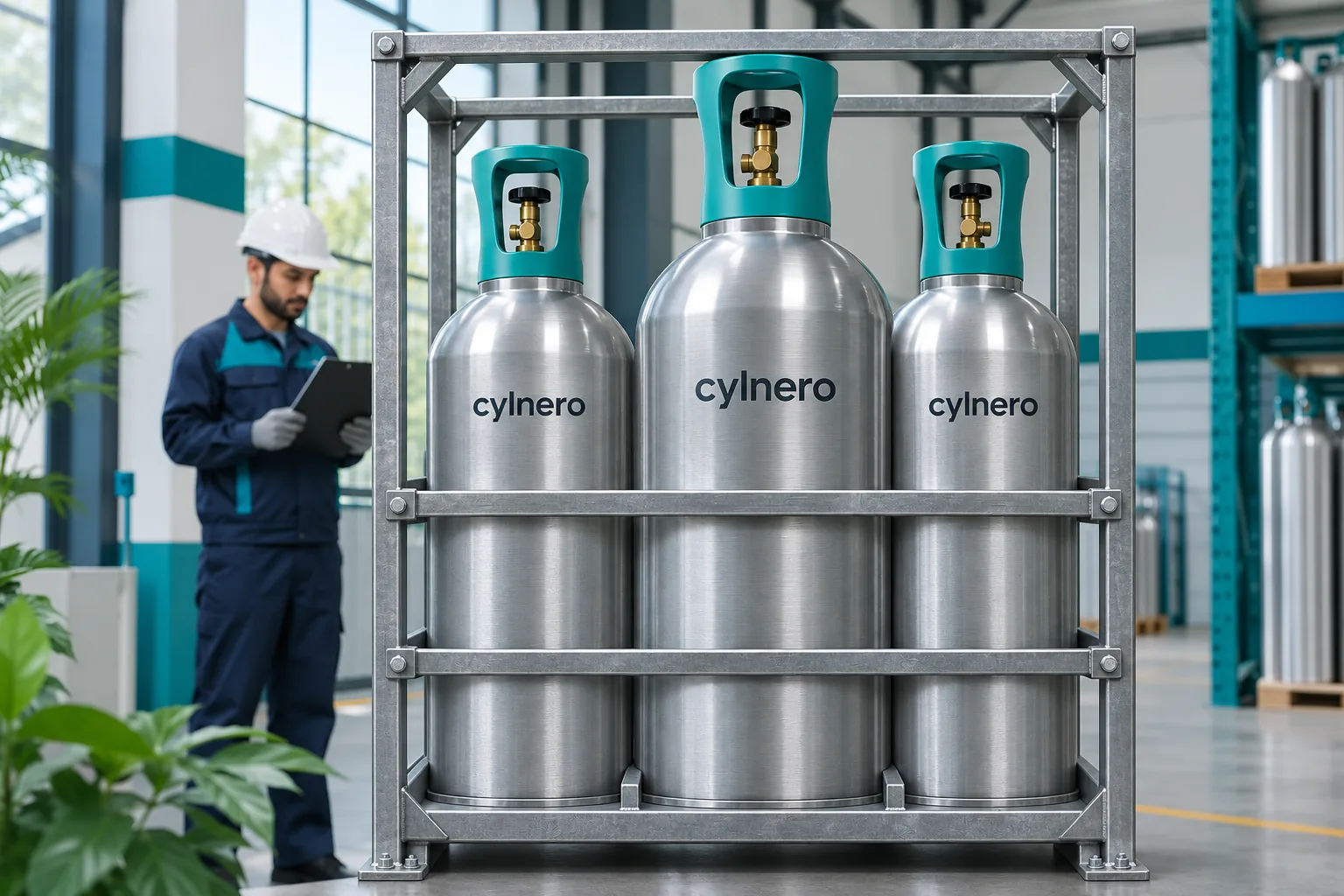
Medical-gas organizations and distributors can use this application page to organize a cylinder procurement brief.
Explore purchasing needs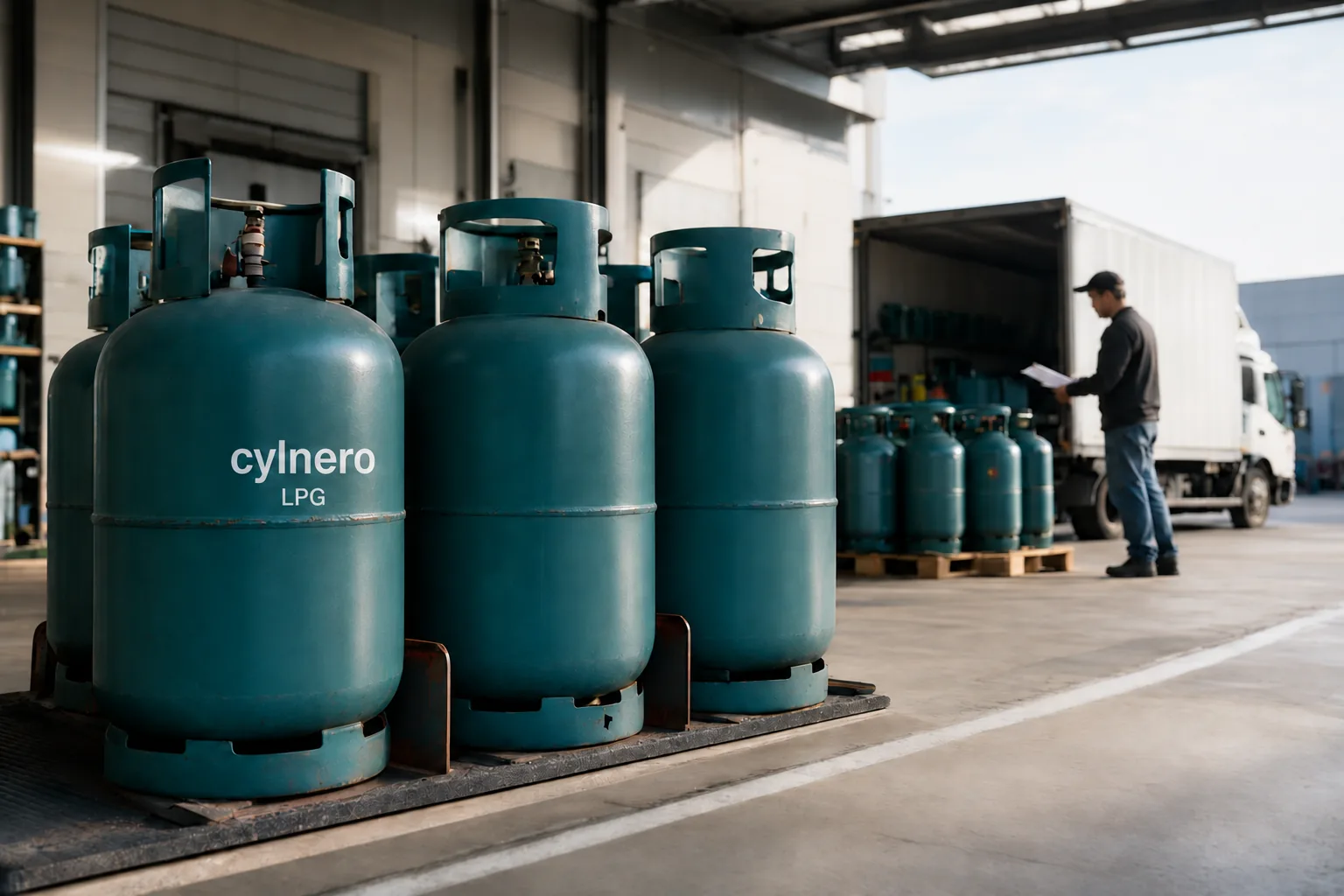
LPG distributors, importers and filling organizations can prepare enquiries for cylinder hardware and the configurations they want to discuss.
Explore purchasing needsHydrogen refueling project purchasers can use this page to scope cylinder-related enquiries within a wider project.
Explore purchasing needs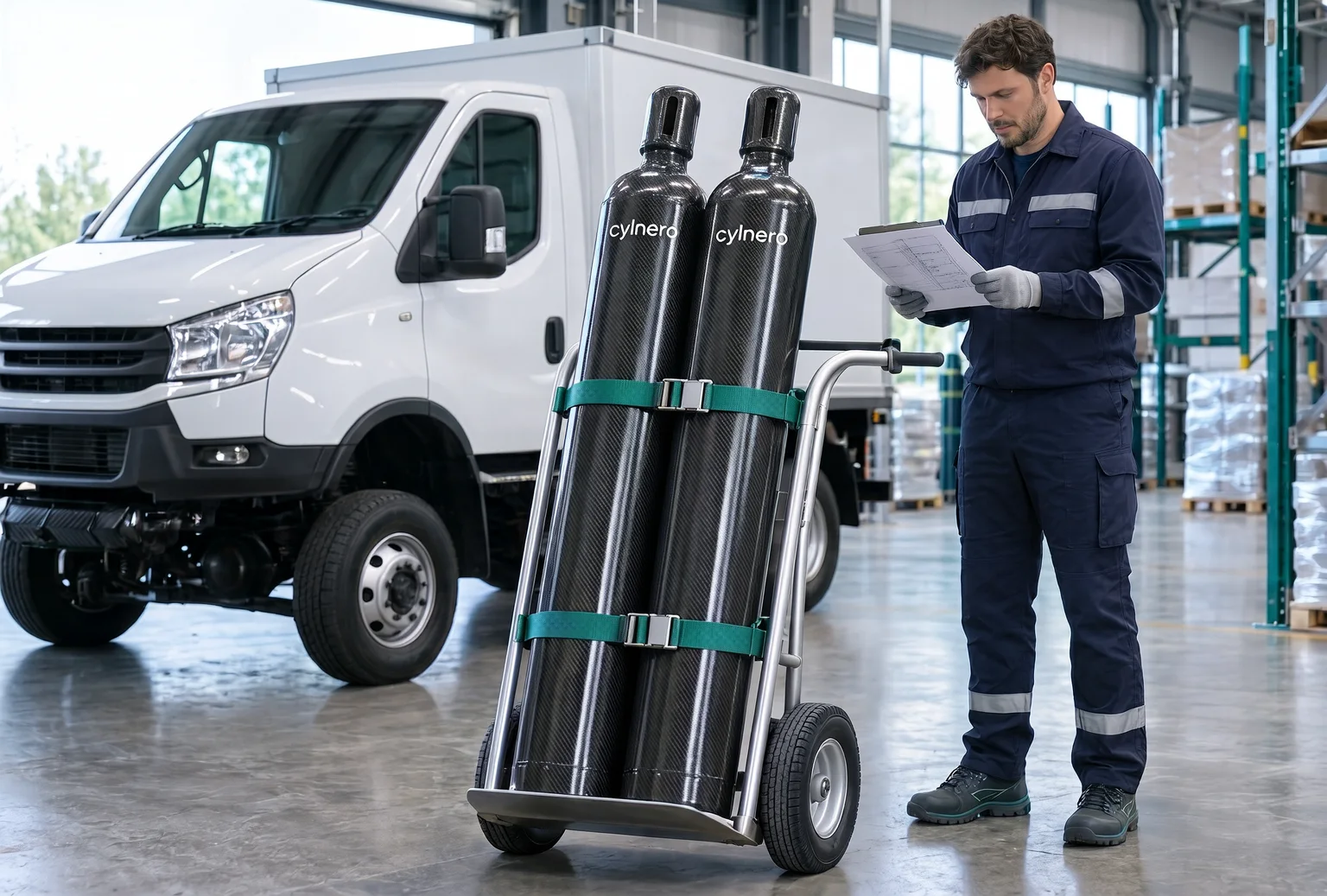
Purchasing teams working on onboard hydrogen equipment can prepare a cylinder-series enquiry before the detailed configuration is settled.
Explore purchasing needs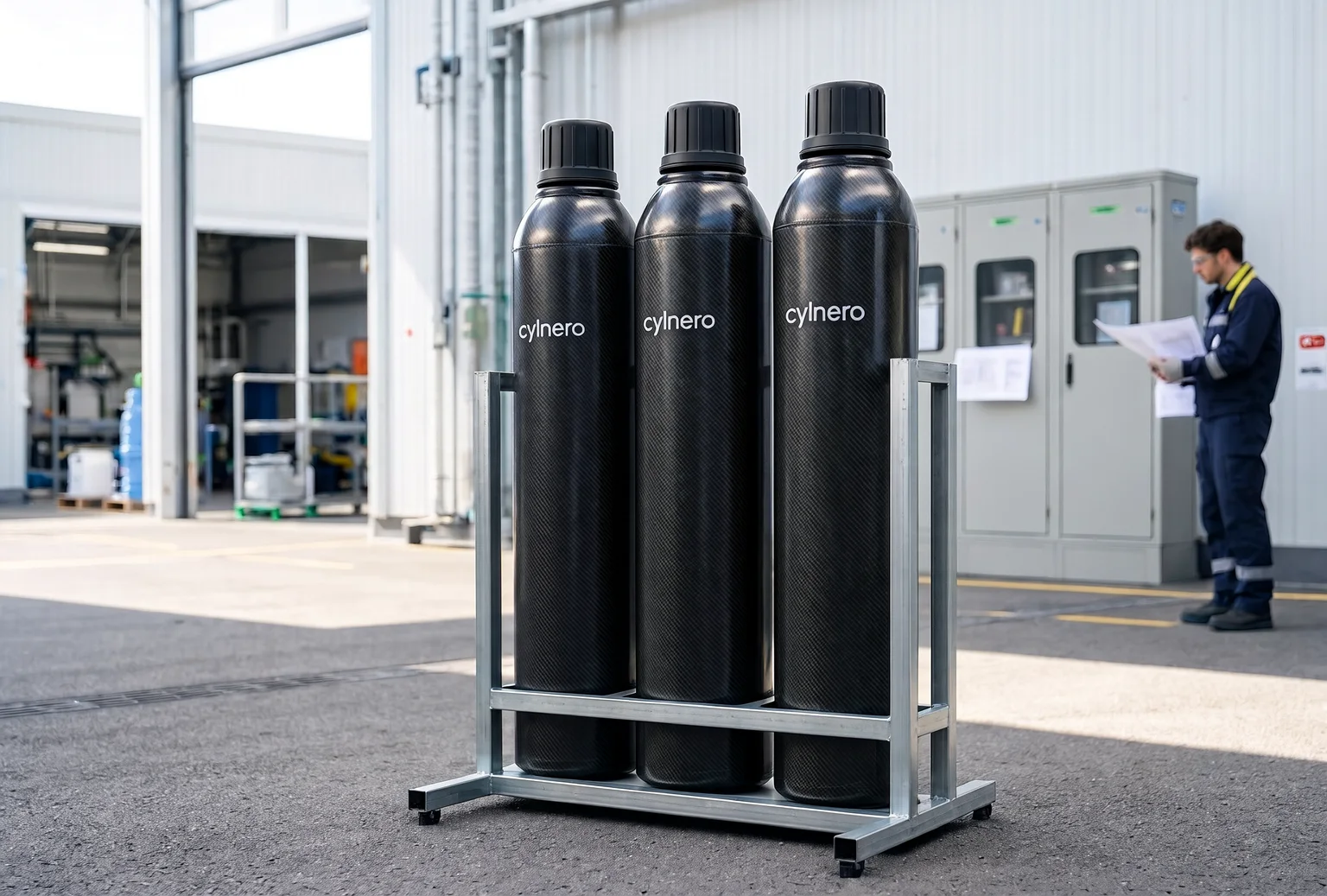
Stationary hydrogen equipment purchasers can organize a cylinder enquiry around the component scope and the requirements their project team has established.
Explore purchasing needsHydrogen equipment OEM purchasing teams can use this page to organize configurable cylinder-series enquiries and repeat-order discussions.
Explore purchasing needs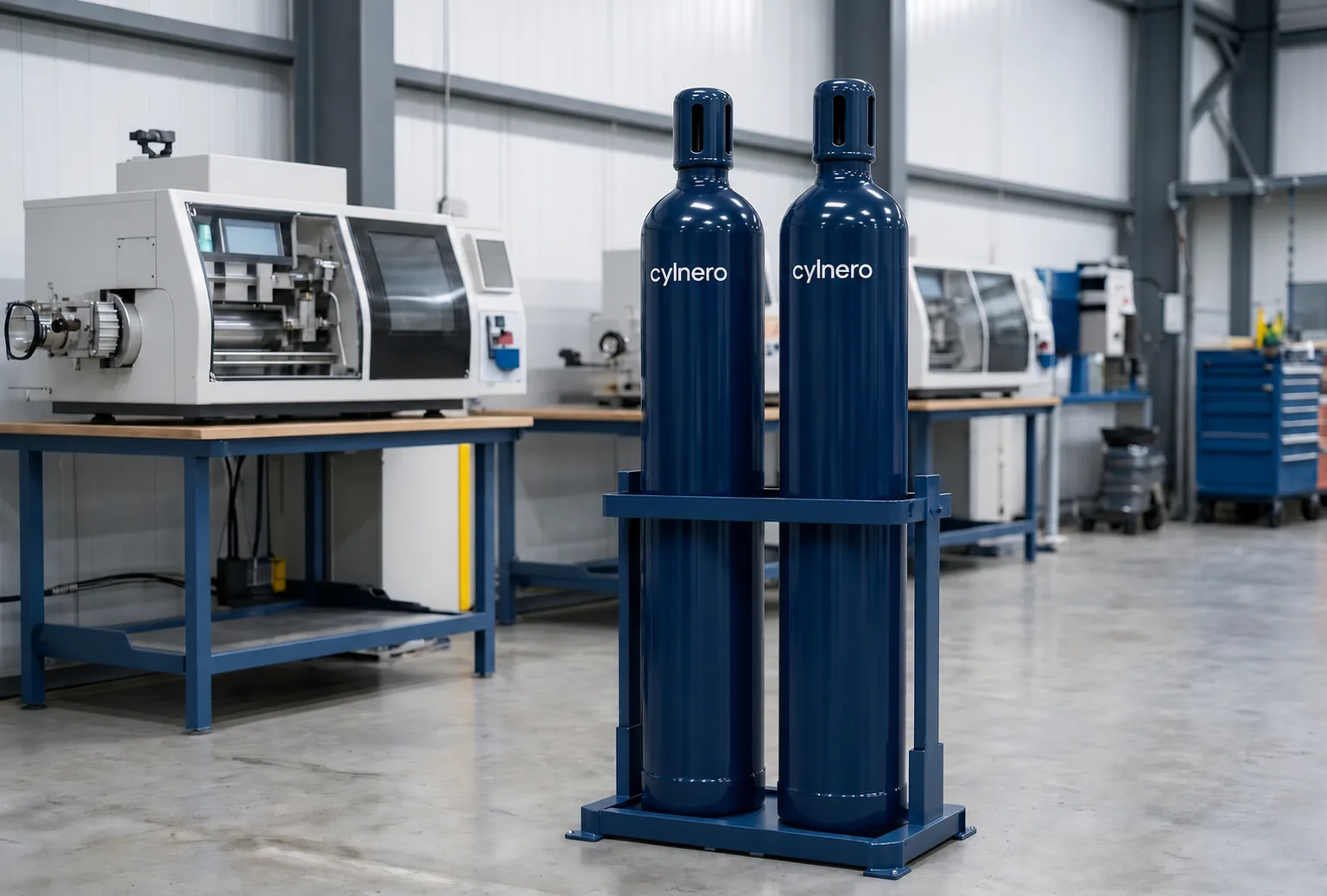
Industrial equipment OEMs can prepare cylinder or vessel enquiries around their equipment requirements, purchasing schedule and available interface information.
Explore purchasing needs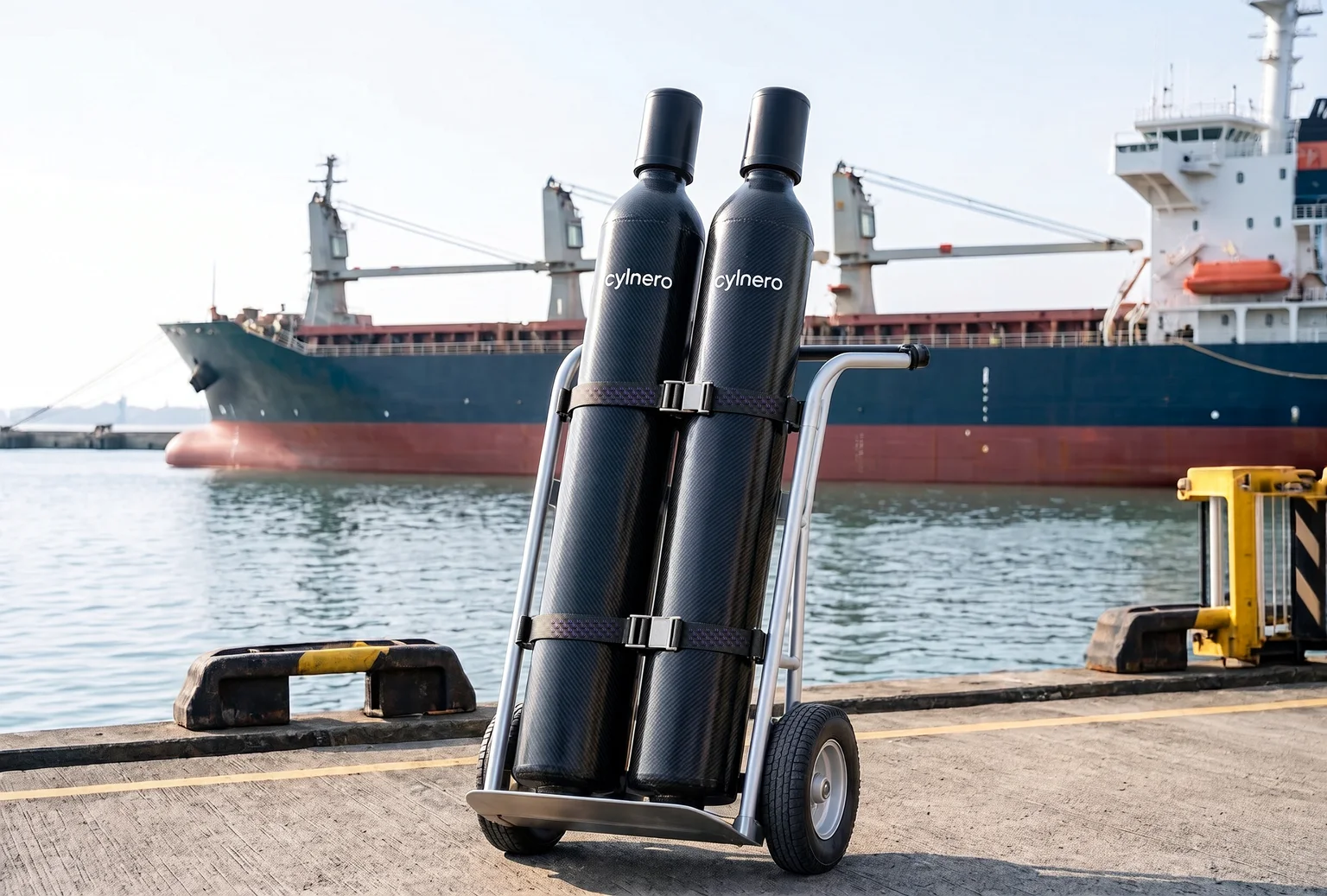
Marine hydrogen project purchasers can use this page to define a cylinder-related enquiry within a wider vessel or equipment project.
Explore purchasing needs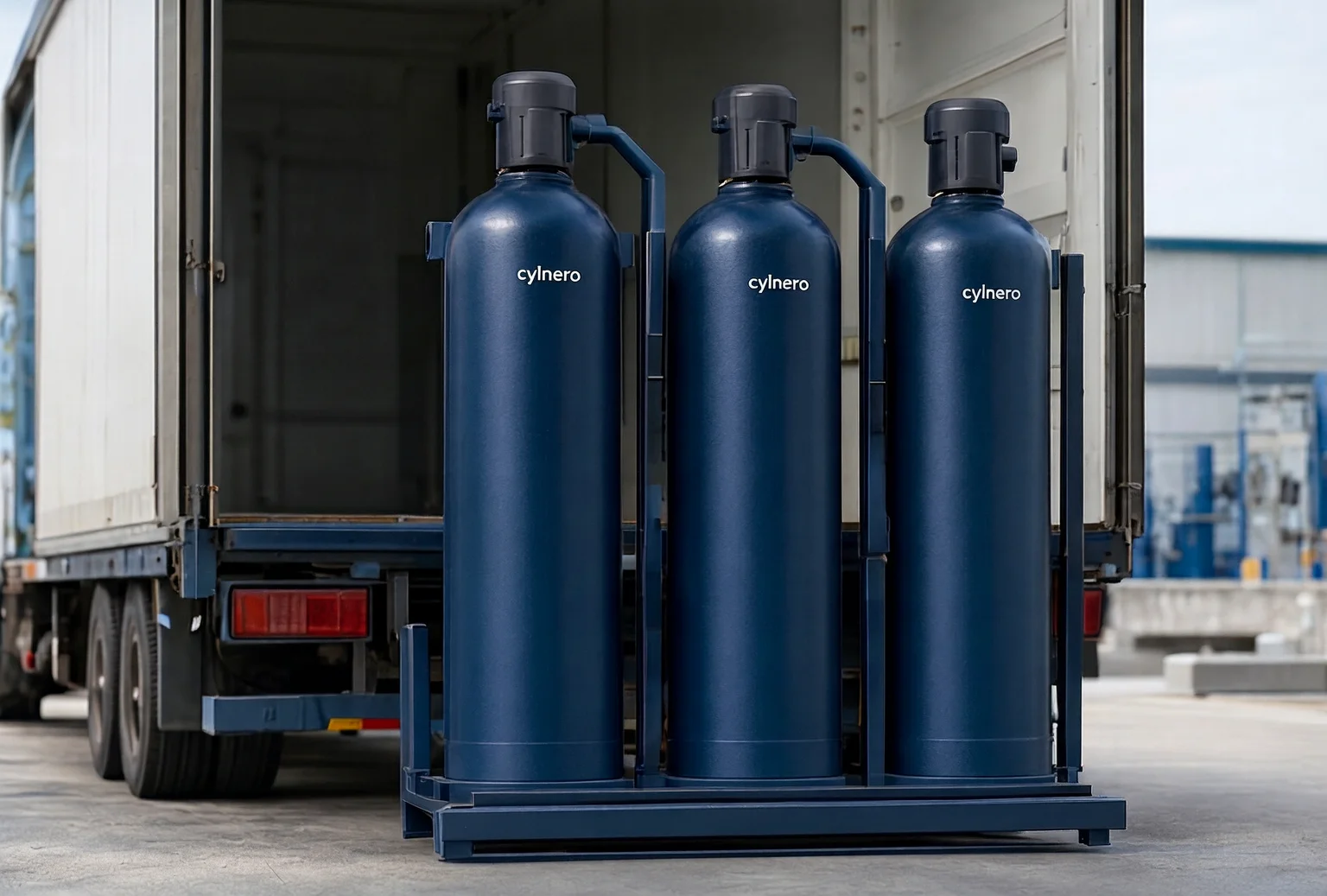
Gas cylinder importers can organize mixed product-family enquiries, destination requests and purchasing quantities before selecting detailed manufacturer configurations.
Explore purchasing needs