Wholesale sourcing
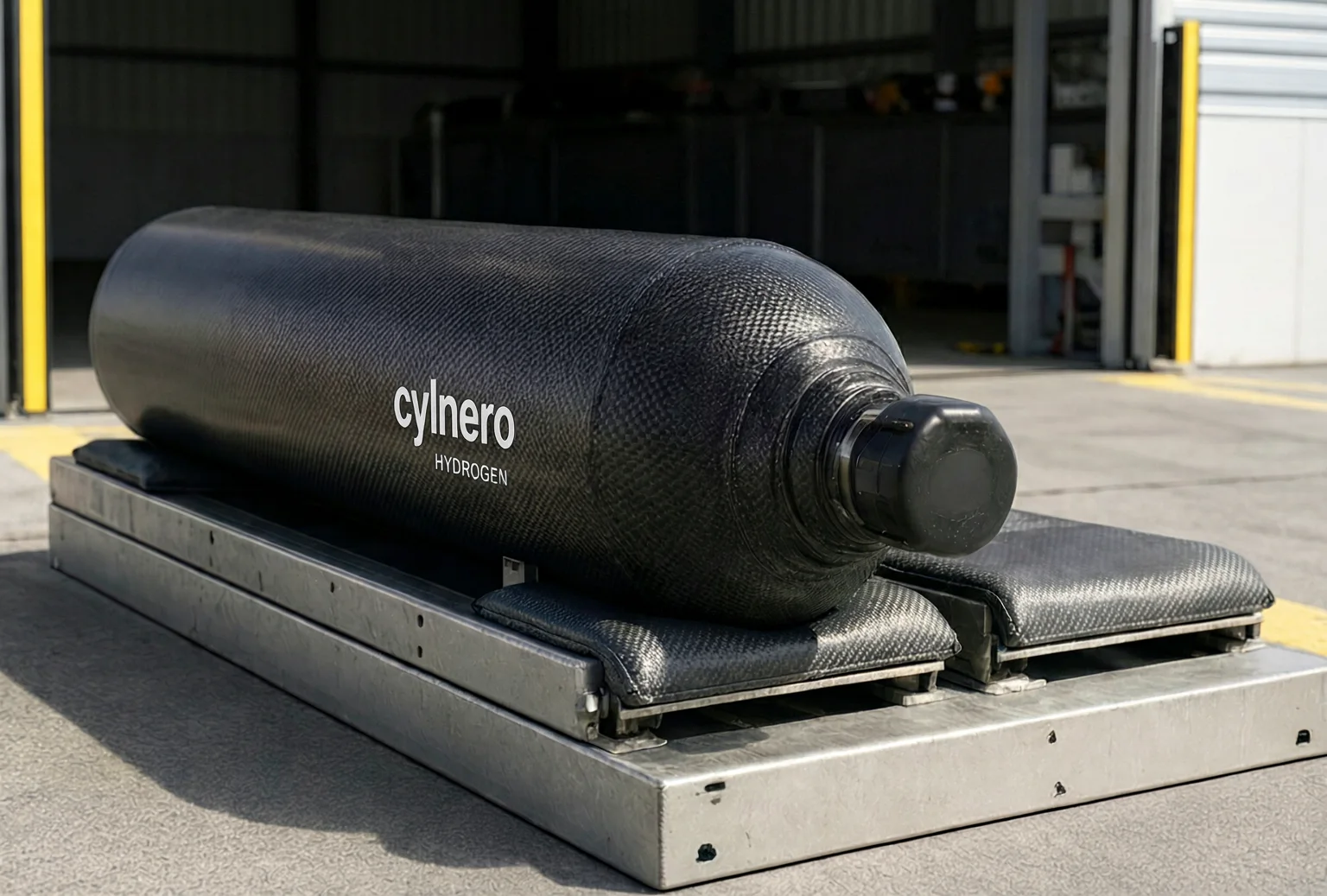
Wholesale procurement guide. Exact product specifications and destination requirements are confirmed during enquiry.
Type III as an enquiry family
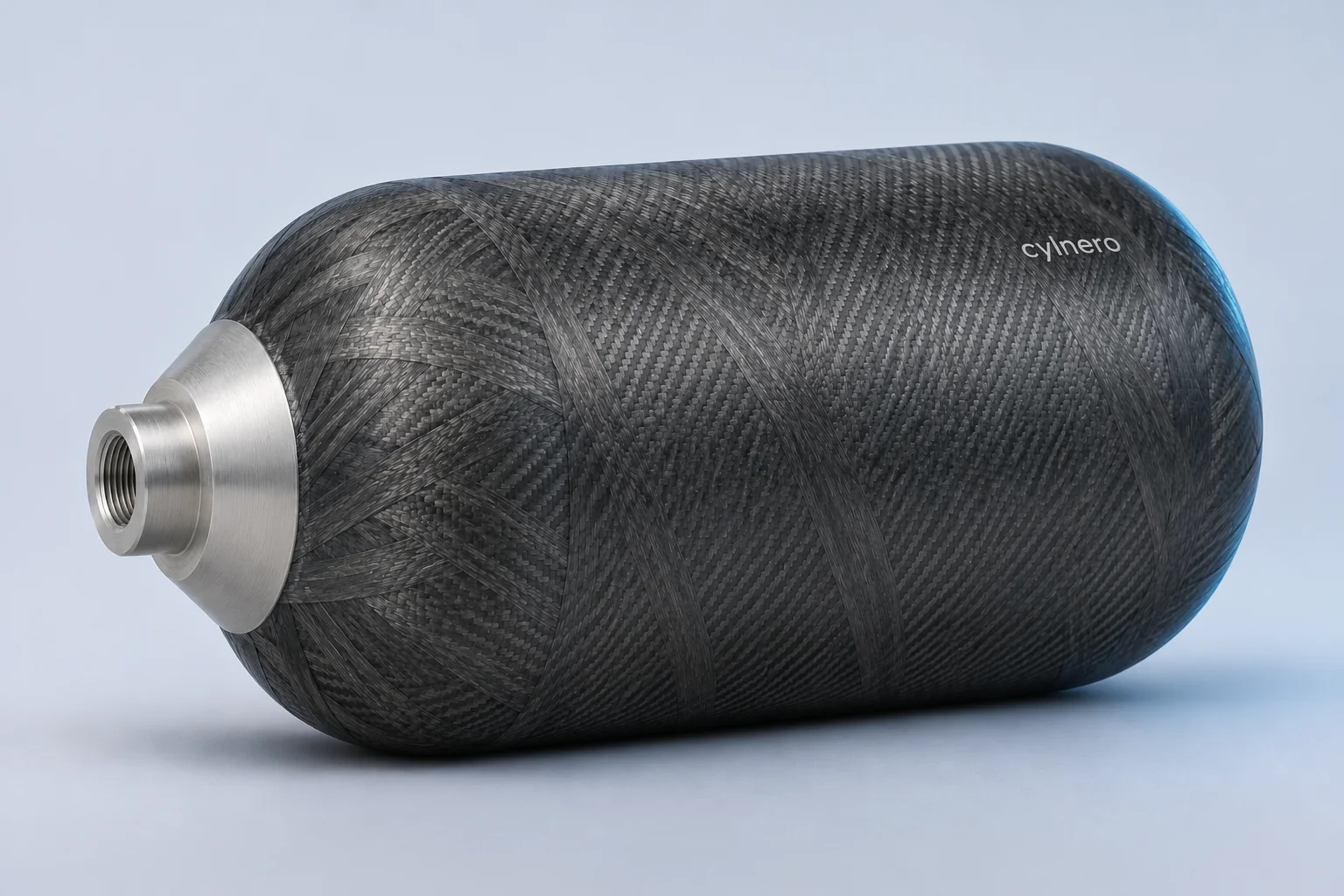
Type III cylinders use a metal liner with a full composite wrap. Share the intended hydrogen application, quantity and destination, plus any known working pressure, equipment space and connection requirements for the manufacturer to review.
A Type 3 hydrogen cylinder is also described as Type III. Begin with the intended application, approximate purchasing quantity and destination. You may request a Type III proposal even if no manufacturer model or assembly drawing has been selected. Ask the manufacturer to identify the configuration it is proposing and the questions it needs answered. Keep the purchasing family separate from the offered item: the family label describes a general construction category, while the proposal identifies the particular supply for review. A missing model reference is an open enquiry item, not a reason to invent one.
Read the full guidance
Type III as a purchasing family
A metal-lined purchasing reference does not establish a pressure rating, mass value, material grade or confirmed availability. If you already have a drawing, tender requirement or other specification, share the relevant reference rather than suppressing an important constraint. If not, ask the manufacturer to state its assumptions in the initial response. The resulting proposal can then be compared with your needs. Keep requested characteristics separate from those actually offered, and identify which points still require the manufacturer's response or an appointed reviewer's assessment.
An initial enquiry is a starting point for dialogue rather than a final specification sheet. Identify the purchasing family and share any constraints already known, while leaving room for the manufacturer to explain its proposed configuration. Ask which data sheets or supporting documents it proposes to supply and when they would be available. Keep missing records and unanswered questions visible alongside the proposal. A requested document is not evidence that it has been issued, reviewed or accepted, and a preliminary exchange does not confirm fit for the intended use.
Define the hardware supply scope
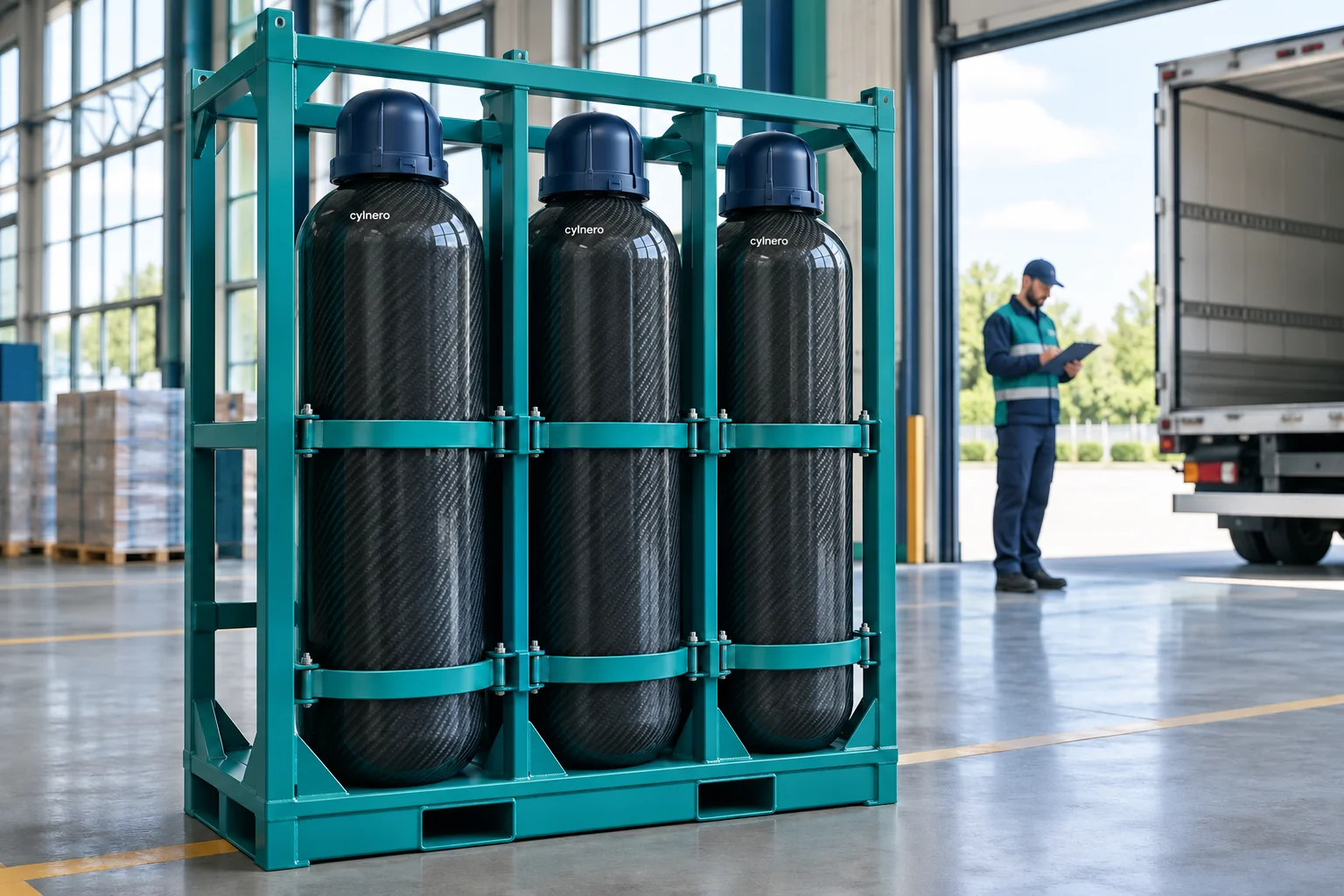
Describe whether the request covers a cylinder body, valves, protection or a wider assembly. Ask the manufacturer to identify included and excluded items. Keep installation, integration and other services separately identifiable when comparing equipment quotations.
Ask what the quoted hardware includes: the cylinder body, valve, protective components and mounting items may be offered separately or as a stated assembly. A bundled quotation is usable if the included scope is clear; separate prices are not an automatic requirement. Compare offers against the same requested boundary and record any exclusions. For example, a body-only line should not be compared with an assembly line without identifying that difference.
Read the full guidance
Define the hardware supply boundary
Keep this cylinder-hardware enquiry distinct from a complete hydrogen installation, a gas-supply arrangement or a filling service. Ask the proposed manufacturer to identify the scope of its actual offer rather than assuming which additional equipment or services it does or does not provide. If a project also needs other equipment or specialist work, record those as separate questions for the responsible parties. CYLNERO coordinates the exchange of requirements and responses; the parties' accepted proposal and agreements identify the actual supply responsibilities.
A boundary record can identify which organization will answer each interface or delivery question. Ask who supplies the proposed drawing, who reviews the assembly against the intended equipment and which information is expected at each purchasing stage. Do not infer an installation service, a warranty allocation or a limit of liability from a catalogue category. Keep those matters visible for the relevant technical and contract reviewers. If the proposal changes, ask the parties to update the affected scope references and unresolved questions together.
Describe the application first
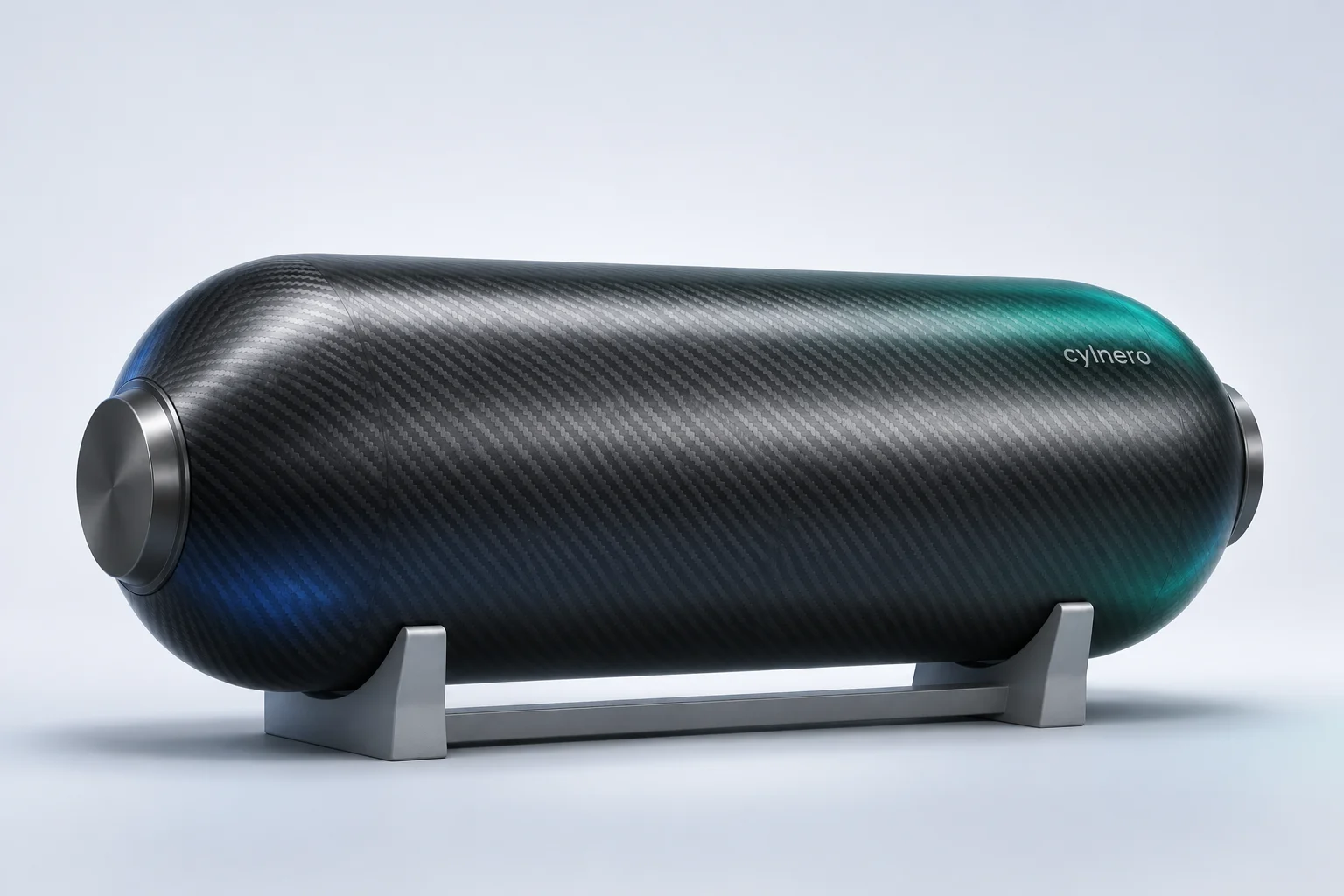
Describe the intended equipment task and any known project constraints. Add the approximate quantity and destination, leaving unknown fields open. Stationary or onboard application labels do not identify an approved cylinder configuration; the actual proposal needs its own review.
Describe whether the purchasing programme concerns a stationary installation, an onboard project or another equipment application. Add the constraints you know, such as an existing equipment drawing, available envelope or specification reference. These are inputs for the manufacturer and your reviewers; the application label alone does not approve a cylinder for that use. Where a requirement is not yet established, mark it as open and ask what information the manufacturer needs next. You do not need to complete an engineering schedule before starting this discussion.
Read the full guidance
Describe the application before choosing parameters
Identify the people responsible for assessing the actual proposal, including any technical, destination or equipment-integration questions relevant to your programme. Ask what material they need to review and when that review is expected. A purchasing coordinator can collect the responses without making the technical acceptance decision. Keep comments and open questions associated with the proposal revision they concern. A previous purchase or a familiar-looking cylinder is useful context, but neither replaces assessment of the configuration now being offered for the stated application.
An initial application brief can develop through the quotation process. For example, a buyer may know the installation envelope but not the connection reference, or the destination but not the required delivery-document scope. Record that difference instead of filling every field with a guess. Ask the manufacturer to distinguish its assumptions from confirmed proposal details. Share the response with the appointed reviewers and preserve the remaining questions. Agreement about the next information exchange is more useful than treating an incomplete brief as an approved configuration.
Keep pressure fields with their references
Keep working pressure, test pressure and other stated fields distinct, retaining each field name, unit, source document and configuration reference. Share any existing project requirement and ask the manufacturer which documents support its proposed values and how conflicting entries will be clarified. Leave unanswered values open rather than estimating them. The appointed reviewer assesses the response; this guide does not infer ratios, prescribe margins, select a rating or specify a pressure test.
Read the full guidance
Keep pressure fields tied to their source
Record the unit beside each pressure value and retain the manufacturer's original field name and source reference. Working and test pressure entries may use different stated units; keep each entry identifiable instead of silently replacing the source value. If a comparison conversion is useful, label it separately and retain the original so the appointed reviewer can check the basis. Ask the manufacturer which configuration and drawing revision the values describe, and identify any changed fields rather than inferring them from a revision label.
Review connections and drawing revisions
Share existing connection references and drawing revisions. Ask the manufacturer to identify the proposed interface so your engineering team can assess the fit.
Connection details are critical for cylinder integration into existing systems. The enquiry should record whether an existing interface reference is available or if the manufacturer proposes a new connection. If an existing reference is provided, note the standard or specification it follows. If the manufacturer proposes a connection, record the specific type and any associated drawing references. These details must be kept distinct from the cylinder body specifications. Record the drawing revision so reviewers know which proposed interface is being discussed.
Read the full guidance
Review connection and drawing references
Purchasing correspondence can record a connection question without recommending a modification. If a proposed connection differs from an existing reference, ask the manufacturer to describe the difference and identify who will assess it. A drawing number and revision are useful once available, but they are not prerequisites to opening the enquiry. Preserve any sketch or description as buyer-supplied context until the actual proposal is reviewed. Ask the responsible equipment reviewer to assess the proposed interfaces against the actual connection references.
When comparing connection details across multiple suppliers, focus on the documented references rather than assumed compatibility. Each supplier may use different standards or proprietary connections. Record the exact reference provided by each supplier to facilitate comparison. Do not interpret these references as guarantees of interchangeability. The appointed reviewers will evaluate the technical suitability based on the provided documents. This method supports a fair and transparent comparison process. The purchasing team should avoid adding subjective judgments about connection quality or ease of installation.
Compare mass and dimensions consistently

Compare dimensions and weight on the same basis. Ask whether each figure covers the cylinder body alone or an assembly with valves, mounts and protection.
View Type III hydrogen cylinder weight exampleMass and dimension comparisons must be conducted on a consistent basis to ensure meaningful data. The enquiry should specify whether the mass refers to the cylinder body alone or the complete assembly, including valves, fittings, and other components. This distinction is crucial because assembly mass can vary significantly from body mass. Record the basis clearly in the purchasing record to avoid confusion during comparison. Similarly, dimensional envelopes must be defined consistently. Specify whether the dimensions include protruding components or only the cylindrical body.
Read the full guidance
Compare assembly mass and dimensions on one basis
The number of cylinders purchased is distinct from water capacity or stored gas amount. These are separate metrics that serve different purposes in the procurement process. The number purchased relates to logistics and inventory management, while capacity relates to system performance. Do not convert between these metrics or assume a direct relationship. Each supplier may offer different capacities for the same number of units. Record the number purchased and the individual capacity separately to maintain clarity.
Record mass and dimension figures as stated, together with their units, assembly scope and source. This guide does not infer efficiency or rank materials from those figures. If the purchasing team converts units for comparison, retain the original entry and identify the converted value clearly so reviewers can check it. Distinguish an estimated envelope from a confirmed proposal drawing. A comparison record helps organize the responses, but it does not establish mechanical fit, installation acceptance or a performance advantage for the purchasing family.
Read what the report covers

Ask which proposed cylinder and assembly each report covers. Record the issuer, configuration reference and revision, and distinguish example documents from records for the actual supply.
Read the full guidance
Assess what a report actually covers
Ask which configuration a supplied report describes and where its scope and limitations are stated. Useful reference points may include the document identifier, author or issuer, date, revision and the item described, where those details are available. A prototype example, a general test summary and an order-specific delivery record answer different questions. Have the appointed reviewers assess how the document relates to the proposed assembly. The existence of a report title does not establish that every offered item or intended application is covered.
A document date identifies an issue or revision; it does not by itself establish whether the evidence is adequate for your purchase. Ask the manufacturer which revision it relies on and how that document relates to the configuration currently offered. If several versions are supplied, request clarification of the differences and the applicable reference. Keep issuer and scope questions separate from the document's age. The appointed reviewers can then assess the actual evidence rather than assuming that a newer date proves quality or acceptance.
Clarify which records are examples for quotation review and which documents the manufacturer proposes to provide with the actual delivery. Ask how any proposed identifiers connect those records to the supplied configuration or units. The responsible reviewers determine what evidence needs assessment; this guide does not prescribe a number of samples, a batch-testing programme or a certificate requirement. Record any document still outstanding and the stage at which a response is expected. A sample record is not automatic acceptance of later production.
Separate company capability from item evidence
Ask for records that identify the proposed cylinder and configuration. General company information can provide background but does not describe every item in an offer.
Read the full guidance
Separate manufacturer capability from the offered item
Separate general company information from evidence relating to the Type III cylinder being proposed. A facility description, company certificate or presentation about previous projects can provide background, while the purchasing team also needs to know which cylinder and components the current offer covers. Ask the supplier to identify the proposed configuration, its reference or drawing revision, and the documents it can provide for that configuration. If your programme has a source-approval requirement, share its reference and ask how the proposal addresses it.
When another organization is proposed to supply a component or document, ask how that item appears in the quotation and who can respond to related questions. Record the stated supply and coordination roles with the relevant offer revision. Compare the response with your original request and list any missing configuration, component or document information. If the supplier later changes an included item, ask which references and supporting documents have changed as well. General background and order-specific records have different scopes; retain both so the responsible reviewers can assess the actual proposal.
Refer destination questions for review
Share the intended application, destination and known document requirements. Ask which records the manufacturer can provide for review.
Read the full guidance
Organize destination questions for the right reviewers
Name the intended destination and use as purchasing inputs, and provide any existing customer or tender references that affect the request. A destination name is not a substitute for a configuration specification. Ask the responsible parties who will assess the applicable requirements and which questions need to be returned to the manufacturer. Keep a requirement supplied by your customer distinct from a manufacturer's statement about its product. This record helps reviewers understand both the origin of a request and the scope of the response.
Your appointed technical and destination reviewers can identify the evidence they need for the actual purchasing programme. Ask them to distinguish outstanding questions from matters already assessed and to identify the proposal revision they reviewed. The manufacturer can then respond to concrete requests instead of a generic demand for every certificate. Examples, issuer names and document titles should be considered in their stated scope. This guide neither determines destination acceptance nor treats a collection of documents as proof that the proposed cylinder can be used there.
Assign a question to the appropriate reviewer rather than assuming that one review covers every issue. Configuration evidence, destination requirements and contractual wording may involve different responsibilities. Record who is assessing each matter and how unresolved points will be communicated. CYLNERO can coordinate that exchange but does not determine legal effect or technical acceptance from the category description. Where a question is outside a reviewer's scope, ask who will address it. A completed purchasing checklist should not obscure a question that has not actually been assessed.
About this category guide
Type III hydrogen cylinder enquiries can begin with the application, approximate quantity and destination, without a factory model or complete parameter schedule. Type III describes a metal-lined, fully wrapped composite purchasing family; the label does not establish the actual offered configuration or its suitability. CYLNERO coordinates requirements and responses. Manufacturers identify their quotations, contracting scope, production and delivery proposals. Use this guide to organize assembly, interface, evidence and commercial questions, keeping requested characteristics separate from the manufacturer's actual response. Appointed reviewers assess the relevant proposal; this page does not approve a product or installation.
Compare quantities and proposed schedules
Compare quantities, prices and proposed dates on the same basis. Keep requested delivery windows separate from dates confirmed in the quotation.
Compare the quantity basis in each manufacturer's actual offer. State the approximate number of cylinders you are considering and ask whether the proposed price depends on a particular batch size or other condition. A preferred quantity is a purchasing request, not a claim that a minimum order or price tier is already available. If the manufacturer presents alternatives, preserve their descriptions and included scope when comparing them. Ask for clarification where a bundled amount, unit basis or proposed split delivery remains unclear.
Read the full guidance
Compare quantity, schedule and quotation assumptions
Ask the manufacturer to state its proposed schedule and any dependencies it identifies, such as a configuration decision or an outstanding document. Separate your requested delivery window from the dates in the offer. If a proposed date changes, ask which quotation or scope reference has been updated and what further review is needed. Do not infer stock, reserved capacity or a right to change dates from this page. Shipment arrangements and the allocation of delivery responsibilities belong in the actual proposal and accepted agreements.
Identify the confirmation points relevant to the purchasing discussion and ask the parties to state what remains open at each stage. A configuration question, document request and commercial approval need not be treated as the same decision. If samples are proposed, record their offered scope and purpose rather than assuming availability or prescribing tests. Have the responsible contract reviewers assess the actual wording where necessary. Keep a dated record of responses so a later revision can be compared with what was previously proposed.
Record changes and support scope
Record changes to the cylinder or included components against the quotation revision. Ask what support and warranty terms the manufacturer offers.
Record proposed changes to specifications, quantities or schedules against the relevant quotation and configuration revision. Ask the manufacturer to identify any effect on price, timing, components or supporting records, and keep unresolved points visible for review. An enquiry about a change is not the same as agreement to it.
Read the full guidance
Record later changes and lifecycle responsibilities
Ask which instructions, support contacts and continuing services the manufacturer proposes for the actual configuration. Keep those documents with their stated scope and revision, and identify any responsibilities or terms that still need discussion. The appropriate technical and contract reviewers assess the offer and its support arrangements for the intended use.
Send a focused first enquiry
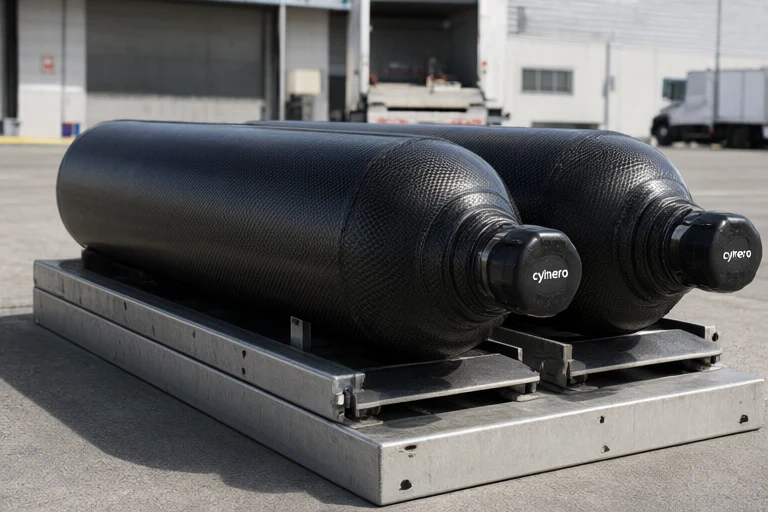
Share the application, approximate quantity, destination and known equipment references. List open questions rather than inventing model numbers or values. Ask the manufacturer to identify its proposed configuration and any further information needed to develop the response.
A focused first enquiry should clearly outline the application context without requiring a complete engineering dossier. Buyers should describe the intended use of the cylinder hardware, including the environment and operational conditions. This information helps manufacturers provide relevant options without needing exhaustive technical details upfront. It is important to specify the approximate quantity and destination, as these factors influence logistics and pricing. By providing this foundational context, purchasers enable suppliers to tailor their responses effectively. This approach streamlines the initial communication, allowing both parties to focus on the most critical aspects of the transaction.
Read the full guidance
Prepare a focused first enquiry
Include existing standards, project requirements or previous references when relevant, identifying the role of each. A tender requirement that is mandatory should remain a requirement; a previous purchase or general example may instead provide background context. Mark unknown fields and outstanding questions explicitly. Ask the manufacturer to distinguish its response to the requirement from any proposed alternative, and retain both for the appointed reviewers. An initial enquiry can stay accessible without relabelling known constraints or treating an alternative as already accepted.
Specific questions for the manufacturer’s offer should target key decision factors, such as material options, lead times, and support services. Buyers should avoid generic inquiries and instead focus on aspects that directly impact their decision-making process. For example, asking about the manufacturer’s approach to customization or their experience with similar applications can provide valuable insights. By structuring the enquiry around these specific questions, purchasers can obtain targeted responses that facilitate informed comparisons. The resulting answers provide a basis for deciding which parts of the proposal need further review.
Related procurement pages
About this procurement guide
Use this guide to prepare your enquiry. Confirm the specifications and supporting documents for the proposed cylinder with the manufacturer.
For standards research, consult the ISO gas-cylinder standards catalogue. The catalogue includes published and withdrawn standards. Check the status, edition, scope and destination requirements with the manufacturer and your appointed technical reviewer. A standards reference does not establish that a listed series conforms to it.
For the basic Type III / Type IV construction distinction, see the U.S. Department of Energy hydrogen-storage classification. The reference distinguishes metal-lined and non-metal-lined fully wrapped composite families. It does not verify a listed series, establish a performance advantage or approve an offered configuration.
Before placing an order, obtain the proposed model's drawings, configuration, applicable approvals and quotation from the manufacturer. CYLNERO coordinates sourcing; the manufacturer confirms and contracts the agreed supply.
Procurement questions
Can I enquire without a factory model or complete parameters?
Yes. You may submit an initial enquiry without specifying a factory model or providing complete technical parameters. CYLNERO coordinates the dialogue to gather necessary details from manufacturers. This approach allows for preliminary discussions regarding scope, potential options, and general requirements. Specific technical data can be refined later as the supplier proposal develops. The initial stage focuses on establishing contact and understanding basic needs rather than finalizing detailed engineering specifications immediately.
Does Type III establish a mass or durability advantage?
No. We do not provide generic mass, durability, permeation, inspectability, recycling, or safety rankings between Type III and Type IV cylinders. Type III is defined as a metal-lined fully wrapped composite, while Type IV is a non-metal-lined fully wrapped composite. Any specific performance characteristics depend on the individual manufacturer’s design, materials, and testing. We avoid making comparative claims about inherent advantages without specific supplier data and context for the intended application.
Can the proposed cylinder be assumed to fit existing equipment?
No. Compatibility with existing equipment cannot be assumed based on general classification alone. Actual assembly details, dimensions, and connection standards must be verified against your specific infrastructure. Ask which drawings and specifications the manufacturer proposes to provide, then have the actual documents reviewed against your requirements. CYLNERO facilitates this review process, but final confirmation of fit and function rests with your appointed technical reviewers and the supplier’s detailed offer.
Which records should support the actual offer?
The evidence to assess is determined by the supplier proposal, actual assembly, destination, and appointed reviewers. Relevant records may include technical specifications, material certifications, test reports, and compliance documentation specific to the proposed design. We do not provide a universal certificate list or mandatory third-party obligations. The specific documents required depend on the nature of the transaction and the regulatory environment of the destination.
Who confirms the intended use and destination scope?
State the intended use and destination, then identify who will assess the manufacturer's actual response. Technical, destination and contract questions may need different reviewers. CYLNERO coordinates the questions and responses; the manufacturer confirms its offer and supporting scope. This page does not approve an application or determine destination acceptance. Keep unresolved responsibilities visible before accepting the proposed supply.
What should be asked about later lifecycle responsibilities?
Ask manufacturers about their specific policies regarding inspection, testing, cleaning, repair, storage, and disposal. We do not provide procedures for these activities. The supplier’s proposal should clarify who is responsible for each lifecycle stage and what records are maintained. You should review these terms carefully to understand the ongoing obligations. CYLNERO does not advise on legal enforceability or penalties, so you should consult your own legal and technical teams to assess the proposed lifecycle responsibilities.