Wholesale sourcing
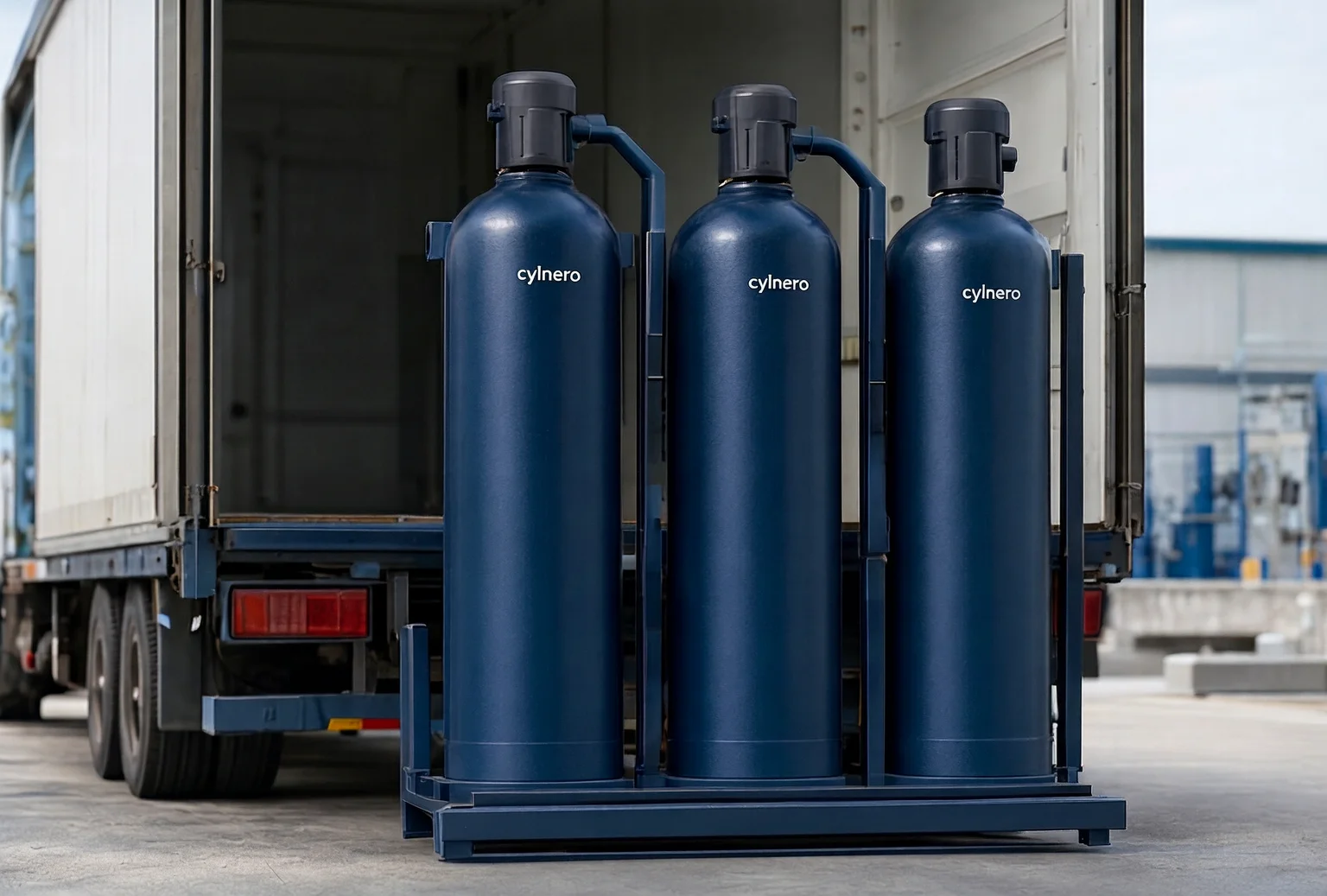
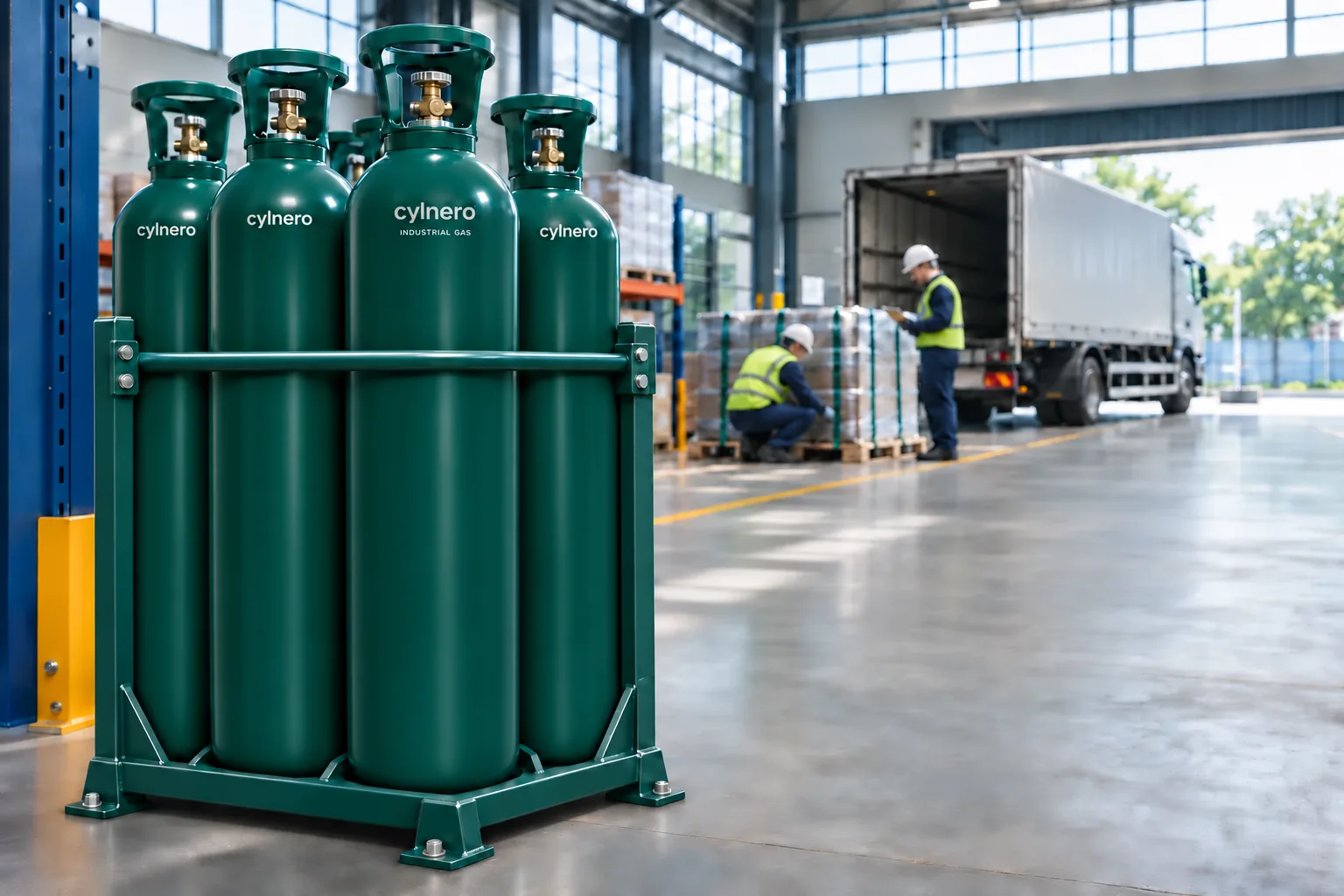
Wholesale procurement guide. Exact product specifications and destination requirements are confirmed during enquiry.
Look at the proposed steel cylinder
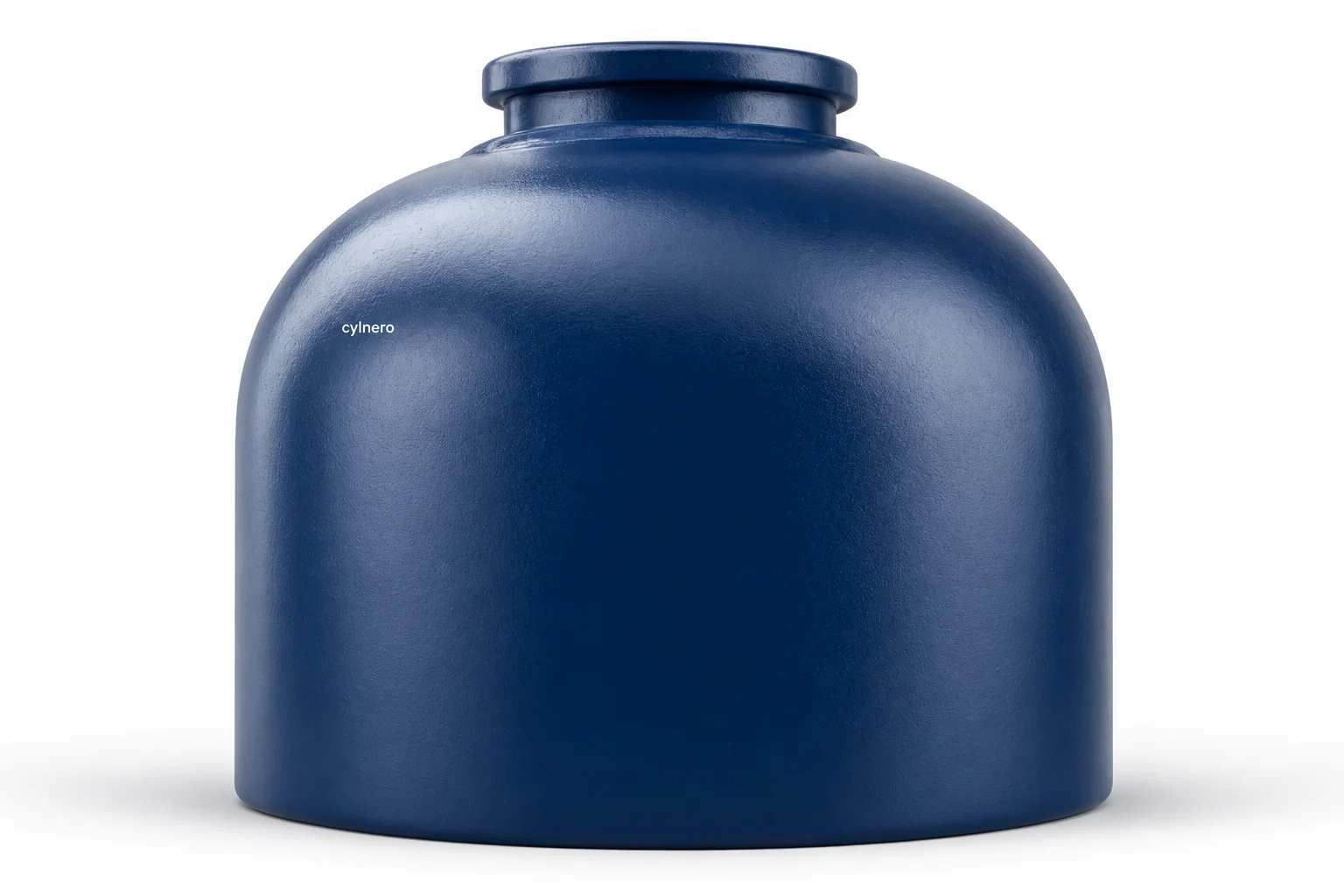
Specify the intended gas, water capacity and working pressure. Compare the proposed seamless steel gas cylinder dimensions and weight with your storage and handling limits. Check whether the quoted assembly includes a valve and protective cap, and whether those components are included in the stated dimensions and weight.
Ask the manufacturer to identify the construction description associated with its offered cylinder. If the project already specifies a construction requirement, provide that reference and ask how the proposal addresses it. Keep the material, model and drawing references together. A general process description can provide context, while the actual configuration and supporting information remain the subject of the appointed reviewer's assessment.
Read the full guidance
Evaluating Construction Method and Manufacturing Evidence
Where manufacturing evidence matters to the project review, describe the question and ask which records the manufacturer can provide. Identify whether those records concern a general process, a sample, a production batch or the proposed delivery. Keep additional requested work separate from information included in the quotation. This makes the available scope comparable without treating a company procedure as acceptance of a particular cylinder.
If a drawing gives dimensions or tolerances that need clarification, retain its revision and send the specific question to the manufacturer. Ask whether a response changes the offered configuration or simply explains an existing entry. Keep the reply beside the applicable proposal. The purchasing comparison can then show the information available to reviewers without inferring a performance result from the manufacturing-route name.
If the project reviewers need information about manufacturing or heat-treatment records, state the purpose of the request and ask what the manufacturer can provide for the offered configuration. Clarify whether a response describes a general process, a sample or the proposed production supply. Keep any unavailable records visible in the review list. Process names and record availability alone do not establish a cycle rating or performance outcome for a cylinder.
Describe the intended gas service
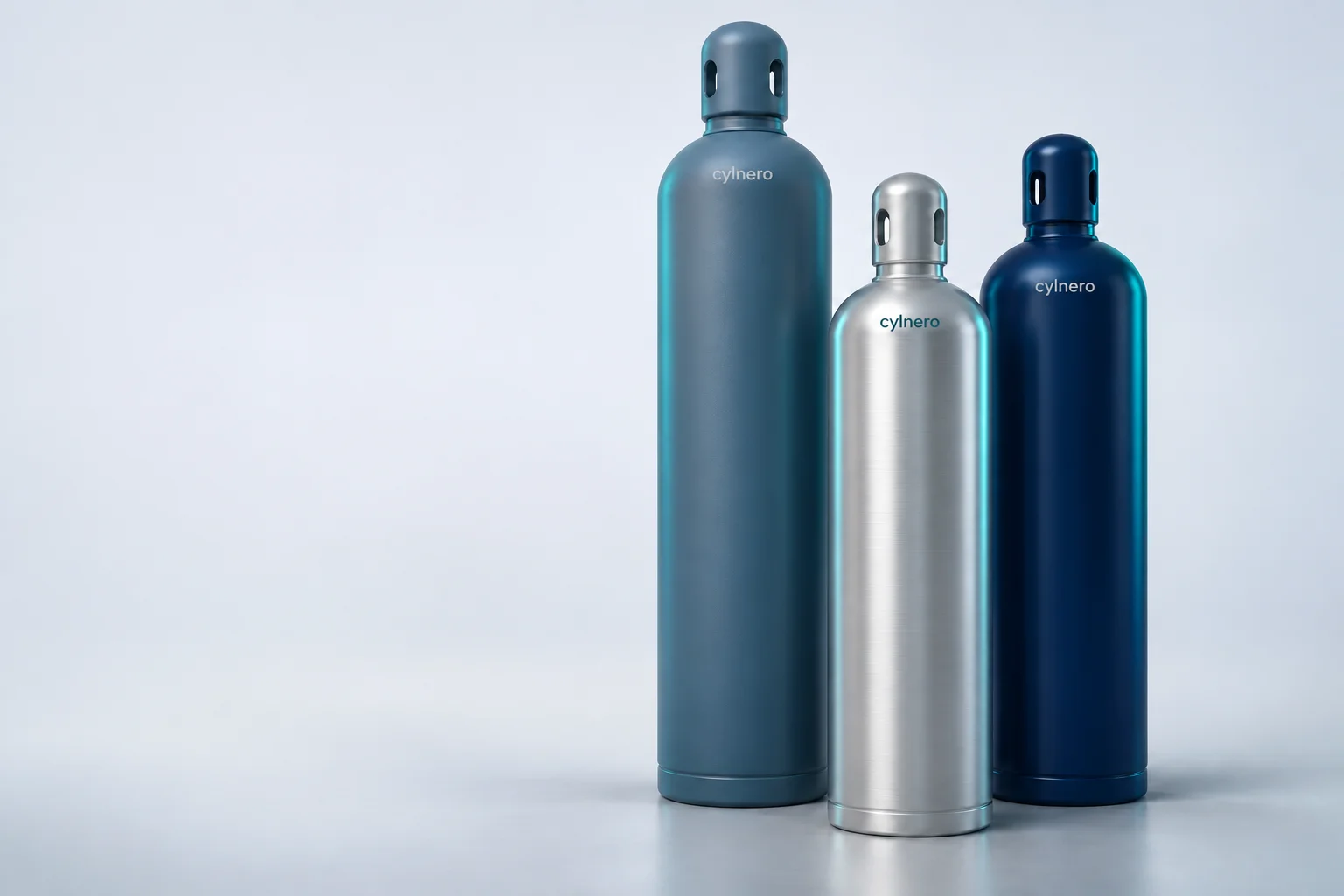
Describe the intended gas, application and any established project requirements for each seamless steel cylinder enquiry. Ask the supplier to identify the proposed cylinder, included valve or protective components, and the gas-service scope it states for that configuration. Keep the buyer's requirements and the manufacturer's response in separate fields, with their model or drawing references. If the service or component details are still unknown, list them as questions for the supplier and the responsible technical reviewer.
Read the full guidance
Verifying Intended Gas Suitability and Chemical Compatibility
Where your project has an existing cleanliness, internal finish or delivered-condition requirement, provide its reference and ask the supplier to describe what its quotation includes. Request the documents or explanations it can provide for the proposed configuration and identify any information still outstanding. If an offer includes additional preparation or components, record them with the relevant quotation line. This allows the equipment and service reviewers to compare the proposed condition with the actual application requirements without treating a general steel-cylinder description as confirmation for every gas service.
Review dimensions and connections
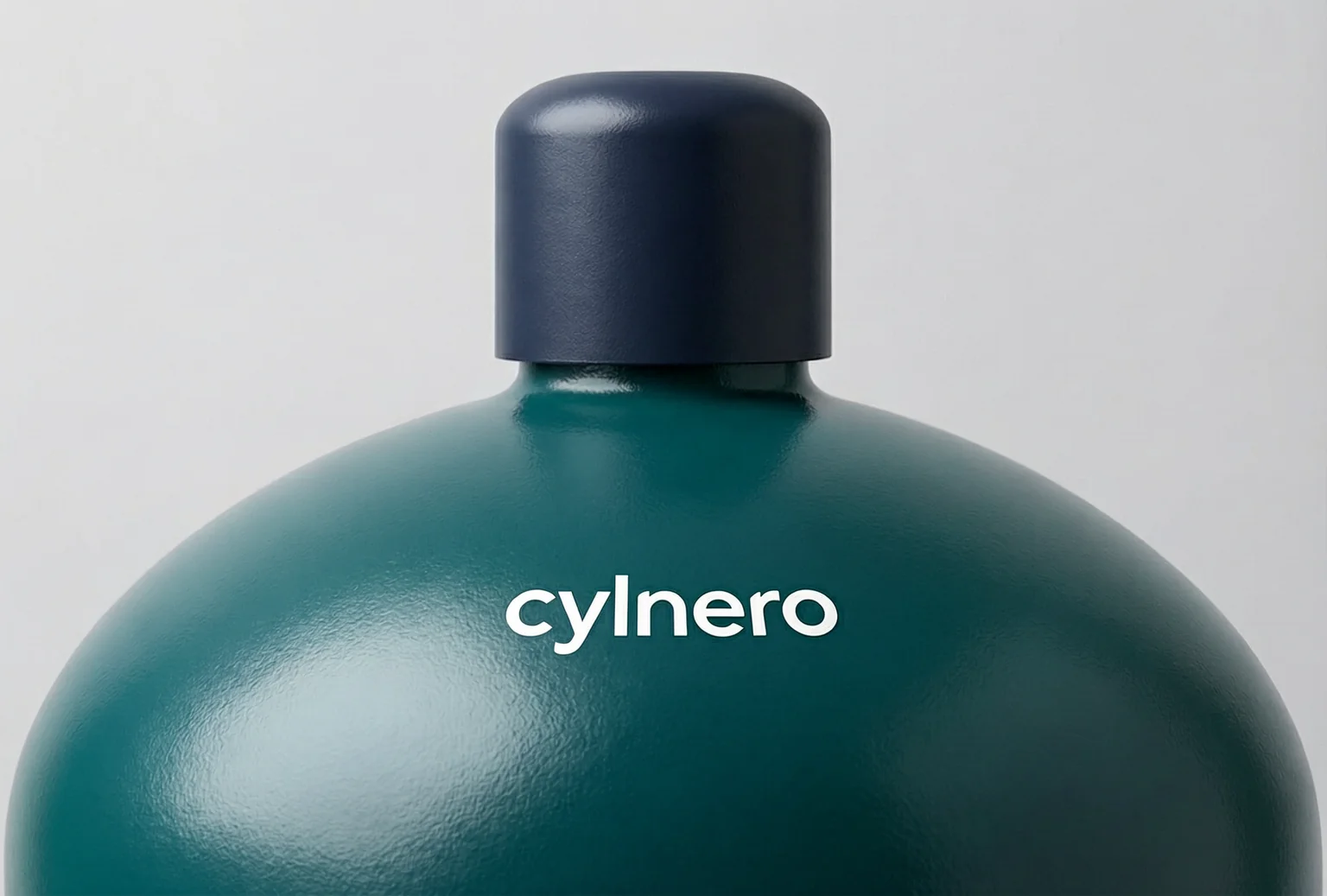
Ask for body dimensions and overall dimensions with the quoted valve and cap. Keep the cylinder neck connection separate from the valve outlet, and share existing drawings or component references so the proposed interfaces can be reviewed.
View 40 L steel cylinder weight exampleProvide available equipment drawings or space limits when they are relevant. Request the proposed steel cylinder's exterior dimensions, clarifying whether each measurement covers the body or an assembly with a valve and protective components. Share the neck connection or valve references already required by the project, and ask the manufacturer which interfaces its offer uses. Missing dimensions or connection details can remain open in the initial enquiry. Keep the supplier's drawing and configuration reference beside the buyer's constraints for the equipment reviewer.
Read the full guidance
Assessing Dimensional Fit, Valve Compatibility, and Physical Constraints
Keep the cylinder neck connection and the valve's equipment-facing outlet as separate interface questions. Share existing references when available and ask which valve and connection references the manufacturer proposes. If another organisation supplies a component, identify who reviews the complete assembly and how unresolved information affects the quotation. Similar catalogue names, photographs or component outlines should not be treated as a completed assessment of the actual equipment connection.
Describe any known equipment envelope, receiving constraint or mass requirement already defined by the project team. Ask which components the manufacturer includes in its stated dimensions and mass. Retain the source drawing or configuration revision with those figures. The responsible equipment reviewers assess the relationship to existing facilities and equipment.
Material records for the offered cylinder
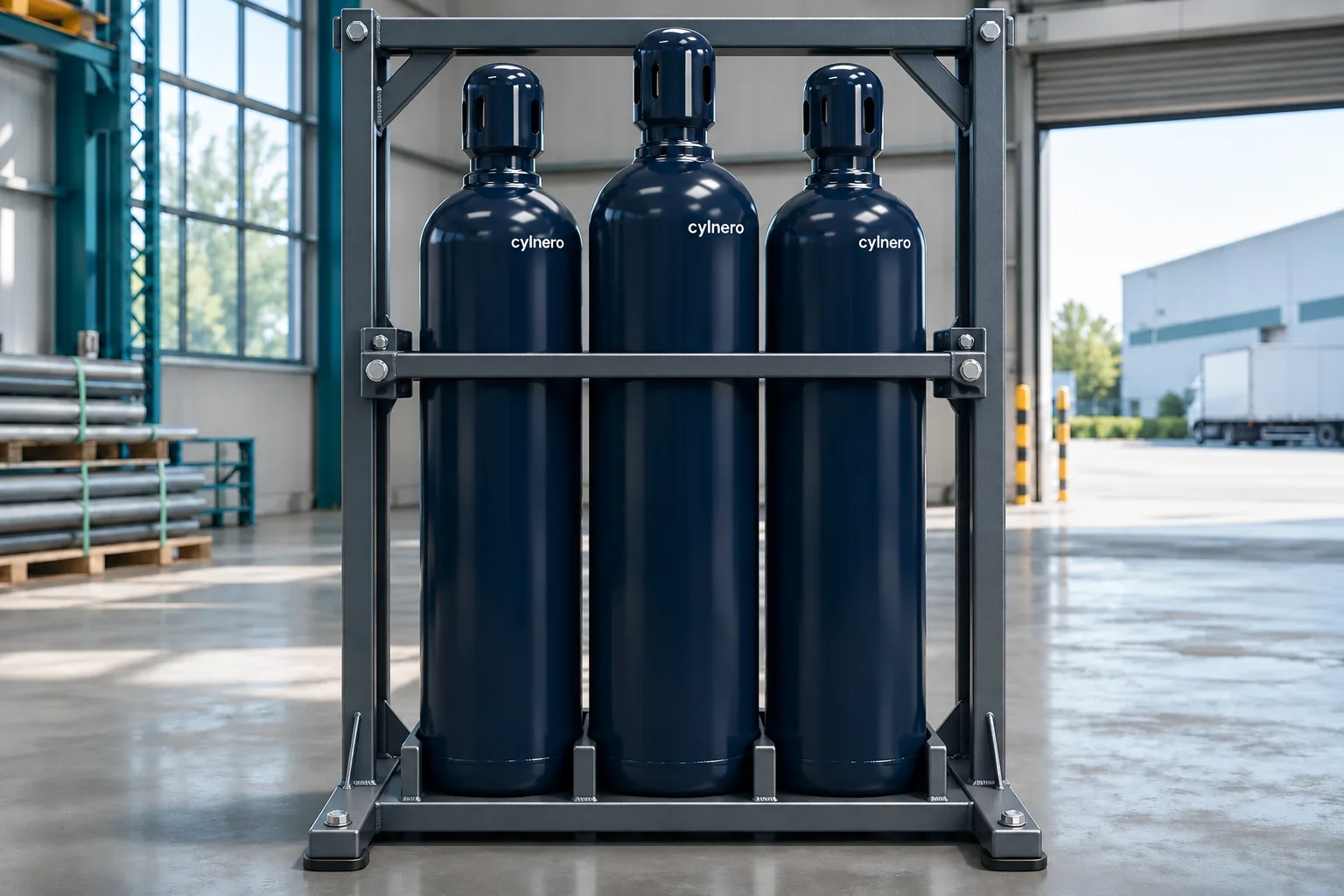
Ask the manufacturer to identify the proposed steel cylinder and the material or manufacturing records available for it. Specify any batch or unit traceability requirements for your destination.
Read the full guidance
Defining Material Traceability and Heat Number Verification
Ask the manufacturer how the proposed cylinders relate to material and production records, and share any project requirements for heat, batch or unit identification. For a supply covering multiple materials or production batches, clarify which identifiers relate to each cylinder, batch or material record. Keep the manufacturer’s explanation and unresolved questions with the quotation, distinguishing example records from documents proposed for the actual delivery.
Share the intended gas service and any material specification already required by the project. Ask the manufacturer to identify the proposed steel material and the configuration to which its response applies. Keep the material reference with the relevant drawing and supporting information. The appointed technical reviewer assesses whether the actual proposal addresses the intended application and outstanding evidence questions; a material name or document title alone does not resolve that assessment.
Documents tied to the proposal
Give the intended destination and known project requirements. Ask which documents accompany the offered configuration, what each record covers and what remains open. A sample document and an actual supply record are different items.
Read the full guidance
Reviewing Documentation, Certificates, and Regulatory Compliance
Give the intended destination and any document requirements already specified for the project. Ask the manufacturer to identify the records it proposes to provide, their scope and when they would be available. Distinguish example documents from records associated with the actual configuration or delivery. Keep questions about language, format and outstanding evidence beside the offer so the appointed reviewers can assess the proposed document package for the actual purchasing task.
Share the destination and requirement references already identified by your project, and ask which parts of the proposal they concern. Keep product markings, document titles and configuration references as distinct entries. The appointed destination reviewer assesses the manufacturer's actual response and any missing information. A familiar standard name or a collected file does not itself resolve the purchasing question.
Ask how the proposed records identify the supplied configuration and whether the references concern a model, batch or individual unit. Share any project requirement for a particular identification level, then retain the manufacturer's response with the quotation. Record which documents would accompany delivery and which remain subject to later clarification. The relevant reviewers assess that actual scope; this guide does not impose individual-cylinder documentation on every proposed supply.
If your organisation needs documents in a particular language or file format, state that requirement and ask what the manufacturer can provide. Record any proposed translation, structured-data export or later deliverable separately from the documents already available. Keep the document revision and contact for follow-up questions with the quotation. A preferred file format is a purchasing request, rather than an assumed included service.
Review manufacturer capability information
Discuss the required cylinder size, estimated order volume, destination and delivery schedule. Ask which configurations the supplier can propose and what information it needs to confirm the quotation.
Read the full guidance
Evaluating Supplier Quality Management Systems and Certifications
Ask the manufacturer to identify the capabilities relevant to the cylinder request and the supporting information it offers. Keep general company procedures separate from records linked to an actual configuration or delivery. If a project reviewer requests additional evidence, pass on the specific question and record the response. The existence of a company-level document does not settle the review of an individual supply proposal.
If the manufacturer provides examples of previous work or customer references, record what each example actually describes. A different model, destination or purchasing programme may have a different scope. Ask how the current proposal addresses your requirement and which information remains unavailable. Treat company background as context for discussion rather than a prediction of the quality or schedule of a future delivery.
Where a manufacturer quotes a quality metric or audit result, ask for its stated period, scope and source before using it in a comparison. Keep that statement distinct from documents for the offered cylinder. If no such information is proposed, record the actual response and any outstanding reviewer question. A purchasing comparison should not manufacture a numerical score or infer future results from an unexplained claim.
Clarify inspection and test records
Share the destination and any inspection requirements with the enquiry. Ask which inspection and test records will be available for the proposed cylinder and whether they identify the supplied batch or individual units.
Read the full guidance
Understanding Testing Protocols and Inspection Criteria
Ask which inspection or test information the manufacturer offers for the specific configuration and what each proposed record covers. Share any existing project review requirement and identify who will assess the response. Keep records for designs, samples, production batches and delivered units distinguishable where those distinctions apply. The purchasing comparison should show available evidence and outstanding questions, without prescribing a universal test list or treating a report's presence as acceptance of the supply.
If the appointed reviewer needs information about the basis of a particular test record, pass that question to the manufacturer with the record reference and purpose of the request. Ask what supporting information is available and whether any additional work affects the quotation scope. Record the response and limitations with the applicable configuration. This guide does not prescribe equipment-calibration checks or establish the reliability of a test from a generic document description.
Where a project requests an additional inspection or independent review, describe the intended scope and ask what arrangement the manufacturer proposes. Keep the review purpose, timing, access, deliverables and commercial terms open until the parties have identified them for the actual transaction. Distinguish requested work from work included in the offer. An optional review discussion does not establish a universal inspection requirement or guarantee the condition of a later delivery.
Ask the manufacturer to identify the scope and applicable references of any inspection or test records it proposes to supply. If the project has defined acceptance questions, refer them to the responsible reviewer and keep the manufacturer's response with the quotation. Clarify how later records would be identified and which questions remain unresolved. This purchasing guide does not select pass/fail thresholds or infer a cylinder's condition from a report title or serial-number match.
Retain useful document references
Ask how the proposed documents are identified and supplied. Record the relevant revision, scope and contact for follow-up questions. State any project record-format needs without assuming a particular data service is included.
Read the full guidance
Verifying Supplier Data Integrity and Record Retention
Keep the proposed model, drawing revision, quotation and supporting-document references in one purchasing record. Identify which files are examples, current responses or proposed later deliverables. If a value changes, retain the revision that explains it instead of silently overwriting the earlier entry. This gives reviewers a clearer record of what was requested and offered without treating the document file as technical acceptance.
If the purchasing programme has an existing retention or later-access requirement, share it and ask what the manufacturer proposes. Record the document types, relevant scope and contact for later questions where these are stated. Keep an offered arrangement separate from an assumption about indefinite availability. The project's responsible reviewers assess whether the response addresses the actual record needs.
Before sharing project files, use the organisation's established review of what information may be provided and to whom. Ask the manufacturer which contact receives the material and how questions about access or confidentiality are handled. Keep any requested arrangement separate from confirmed terms. This purchasing guide does not verify a supplier's data controls or infer a security standard from a file-sharing method.
About this category guide
Seamless steel cylinder procurement starts with the intended application, purchasing quantity and destination. CYLNERO coordinates enquiries and manufacturer responses; manufacturers identify their actual quotation, contracting, production and delivery scope. You can begin without a factory model number or a complete parameter schedule. Share known requirements or drawings, and mark unresolved details for discussion. This guide organizes questions about the proposed material, construction, interfaces, document scope and commercial terms. It does not turn a material name, supplier response or document collection into confirmation of suitability. Have the responsible reviewers assess the manufacturer's actual proposal before accepting the configuration and supply terms.
Compare the complete purchasing scope
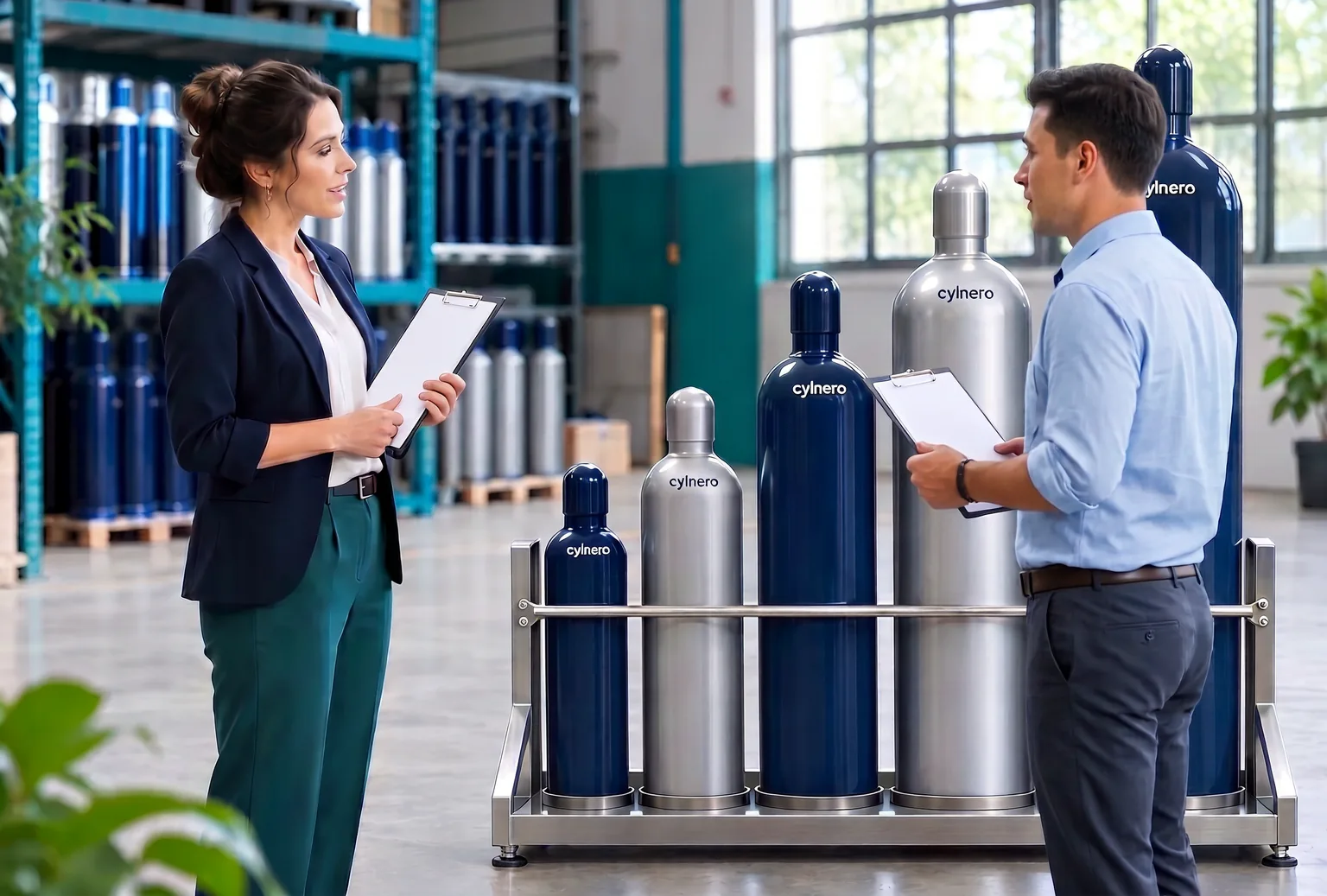
Compare the quoted cylinder bodies, valves, protection, documents, packing and delivery on the same stated scope before comparing totals. Record the currency and quantity basis for each line. If one response bundles several items while another lists them separately, ask for clarification. Leave an unstated charge or component as an open question rather than assuming it is included or calculating a saving from unequal offers.
Read the full guidance
Comparing Bulk Purchase Structures and Cost Implications
State the requested quantity and timing, distinguishing a preferred date from a fixed project requirement. Ask which stages the manufacturer's proposed schedule describes and which assumptions affect it. A production estimate, dispatch date and destination arrival date answer different questions. Keep the actual response with the quotation revision instead of treating a general lead-time statement as a reserved supply commitment.
Separate the current purchasing quantity from optional later orders. Ask which quantity basis, payment terms and change provisions the manufacturer actually offers. If the buyer requests different arrangements, retain that request separately until it is reflected in a revised proposal. This allows commercial reviewers to compare the current terms without assuming a discount, a return right or an automatic adjustment option.
Discuss packing and delivery
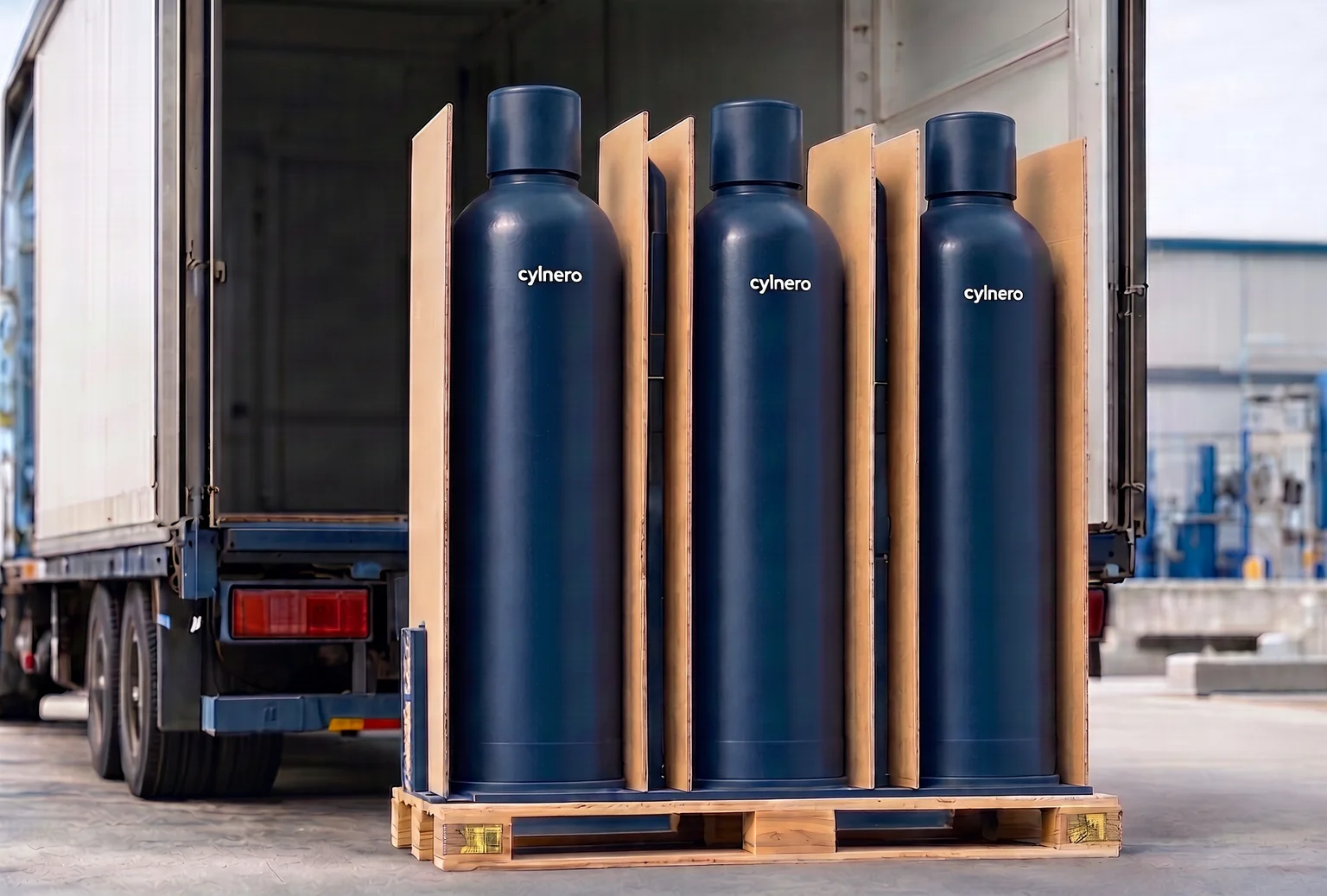
Describe the destination, approximate quantity and any known receiving constraints. Ask for the proposed packing arrangement and delivery scope, distinguishing estimates from confirmed offer details. Identify which shipment questions still need a response.
Share the intended destination, approximate quantity and proposed delivered condition when discussing logistics. Ask which packing, collection, transport and documentation tasks the manufacturer includes in its offer, and identify who reviews outstanding route or classification questions. An industrial-cylinder hardware description does not determine the transport classification of every shipment. Keep the actual proposed units, condition and logistics scope together rather than assigning a generic hazardous-material label to the category.
Read the full guidance
Assessing Logistics, Packaging, and Delivery Capabilities
Ask whether the proposed schedule refers to manufacture, dispatch or arrival at a named destination. Describe receiving constraints already known and request clarification on included transport tasks and excluded services. Keep requested dates separate from the manufacturer's proposed dates, with their assumptions recorded. The relevant logistics and equipment reviewers address the actual shipment arrangements; this page does not prescribe securement, ventilation, segregation or other handling procedures.
Ask the manufacturer to describe the packing proposed for the actual configuration and quantity, identifying included materials, package contents and any dimensions already available. Distinguish preliminary packing information from records for an actual dispatch. If the project has a specific packing-evidence requirement, provide it and ask what response is available. Keep limitations and excluded tasks visible for the responsible logistics reviewers.
Ask about future support
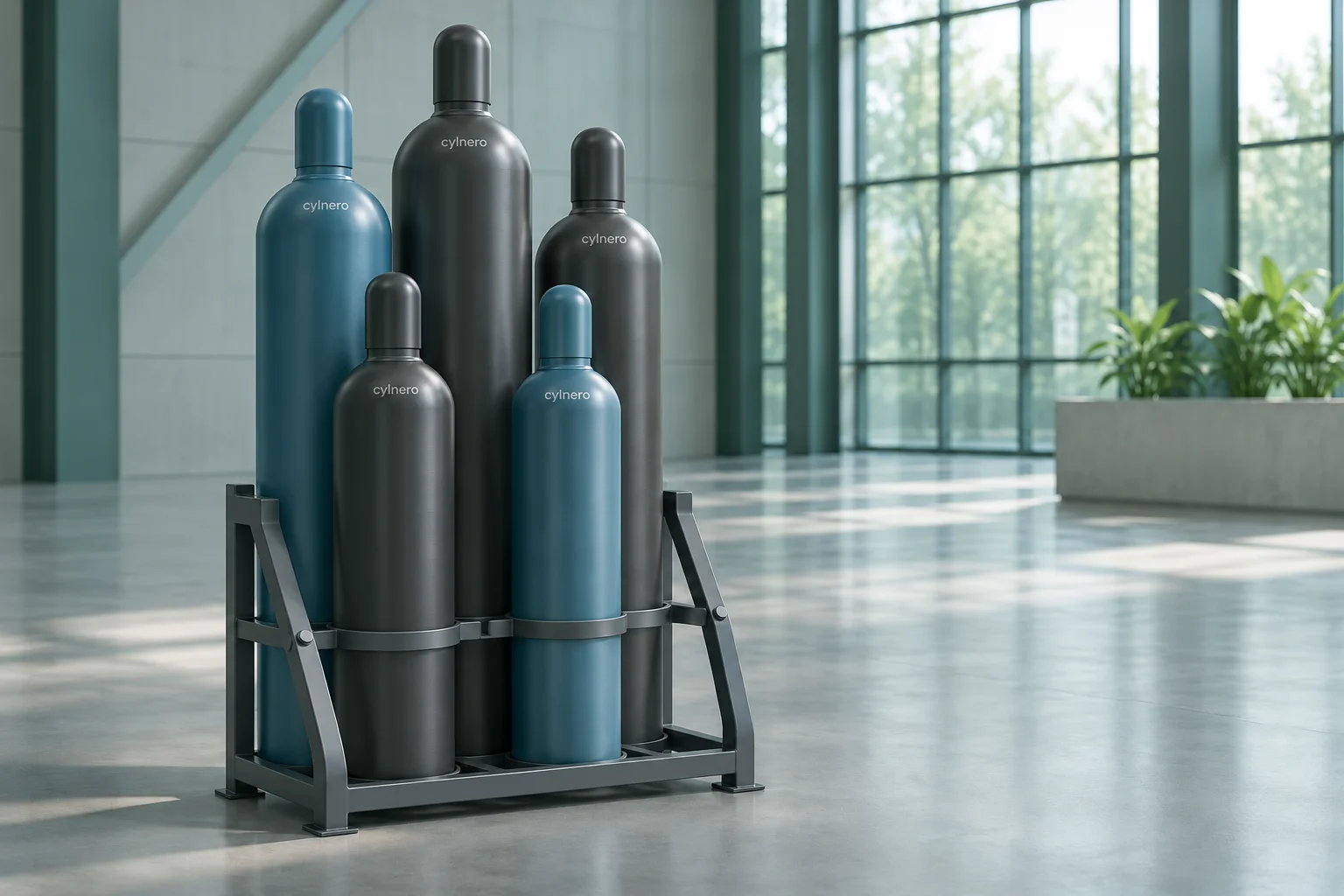
Describe any support or repeat-order needs that matter to your purchase. Ask what the manufacturer actually offers and which services need another agreement. Retain the configuration reference for future enquiries.
If later support matters to your purchase, ask which configuration-specific documents, contacts and separately quoted services the manufacturer proposes. Keep future services distinct from the current cylinder hardware quotation. Share any existing project requirement for retirement or end-of-service responsibilities with the appropriate reviewers. The actual offer and its terms need review; the material family alone does not establish a service life or disposal method.
Read the full guidance
Planning for Long-Term Maintenance, Support, and Lifecycle Management
Ask whether the manufacturer offers identified replacement components or related support for the proposed configuration, and what information would be needed for a later enquiry. Retain the original component and drawing references. A future replacement proposal requires its own scope and review; the ability to ask for an item does not establish availability, interchangeability, a fixed price or an included service.
Keep purchasing dependencies visible
List open questions about configuration, components, documents and delivery alongside the proposal. Ask who will respond and how a proposed change will be identified. Treat an alternative supplier offer as a separate configuration to review.
List the purchasing dependencies that still need a response: configuration references, component inclusions, requested documents or schedule assumptions. Assign each question to a manufacturer contact or appointed reviewer where known. Keep its status with the quotation revision. A review list makes unresolved work visible; it does not itself settle a technical question or guarantee supply continuity.
Read the full guidance
Analyzing Risk Factors and Developing Mitigation Strategies
When a manufacturer suggests a substitute component or alternative cylinder, keep it as a separate proposal against the original request. Ask which drawing, document, price and schedule entries change. Send the relevant differences to the appointed reviewers. Do not silently transfer an earlier review result to an alternative merely because the material family or broad product description appears similar.
Describe any project dependency that affects the requested timing and ask which assumptions the manufacturer includes in its response. Record how a proposed delay or change would be communicated for the actual order. If another source is considered, compare its own configuration and commercial scope. A contingency discussion does not establish reserved capacity, equivalent equipment or a remedy for interruption.
Review the offer before deciding
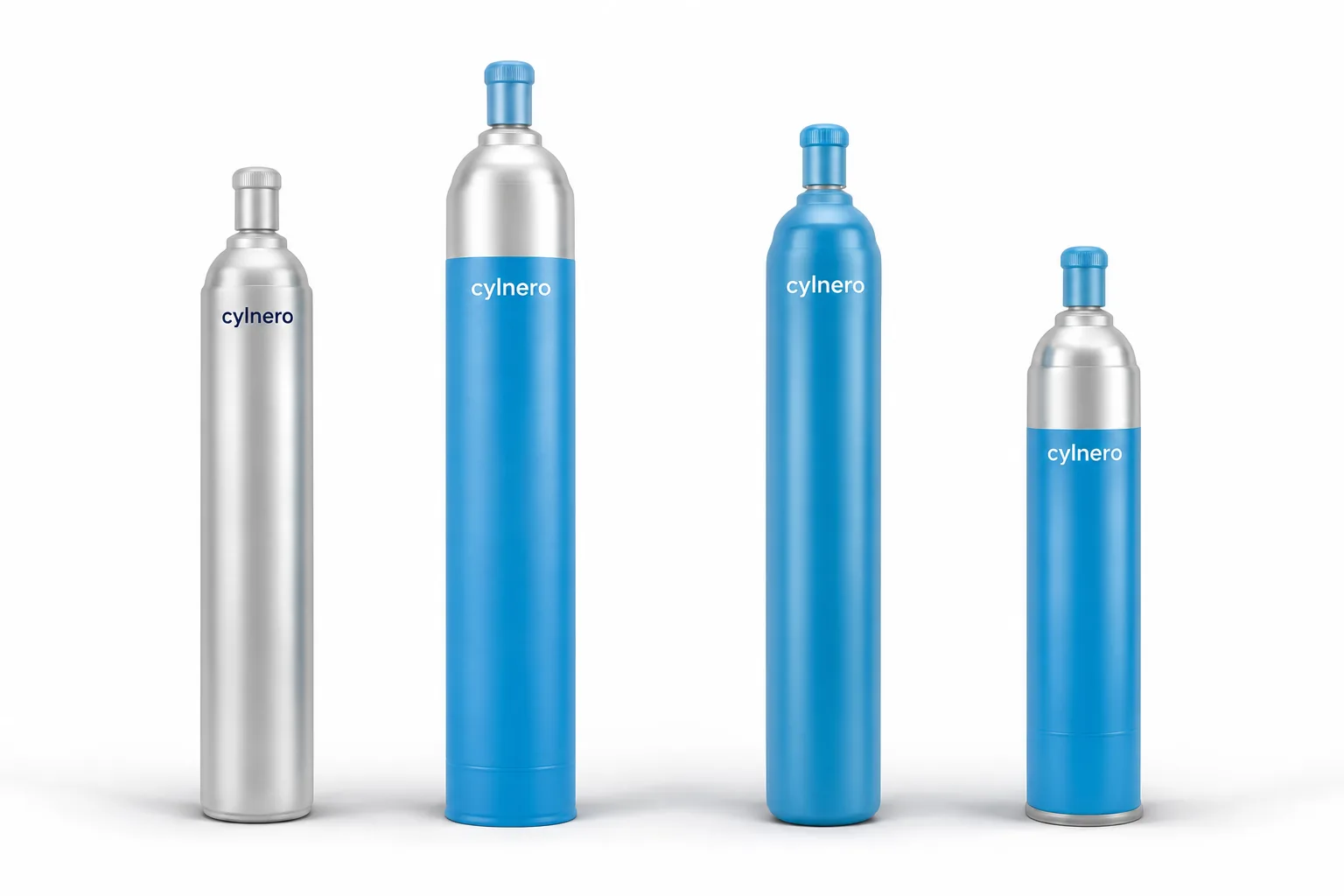
Bring together the agreed purchasing scope, quoted terms, exclusions and unresolved questions. Have the responsible reviewers assess the actual proposal. Any later change should retain its own quotation and configuration references.
Bring together the offered configuration, included components, document scope, quantities and commercial terms for the purchasing review. Retain the questions still awaiting a response and the changes proposed since the initial brief. The responsible reviewers assess the actual offer against the organisation's requirements. A category-page checklist is a way to organise that information, not an automatic acceptance decision.
Read the full guidance
Finalizing the Procurement Decision and Contractual Terms
Keep the final proposal reference, configuration revision and stated commercial scope together when the responsible parties review the purchase. Identify any requested terms that are still unanswered and any documents proposed for later supply. If the parties agree a change, retain its actual reference and date. A sourcing discussion does not itself create a particular agreement or resolve every responsibility.
Refer questions about confidentiality, ownership of supplied drawings, dispute terms or other contract wording to the responsible commercial and legal reviewers. Ask which terms the actual supplier proposes and keep them distinguishable from the buyer's requested wording. CYLNERO can coordinate the exchange of questions and responses without this page determining enforceability, remedies or the rights attached to a transaction.
Related procurement pages
About this procurement guide
Use this guide to prepare your enquiry. Confirm the specifications and supporting documents for the proposed cylinder with the manufacturer.
For standards research, consult the ISO gas-cylinder standards catalogue. The catalogue includes published and withdrawn standards. Check the status, edition, scope and destination requirements with the manufacturer and your appointed technical reviewer. A standards reference does not establish that a listed series conforms to it.
Before placing an order, obtain the proposed model's drawings, configuration, applicable approvals and quotation from the manufacturer. CYLNERO coordinates sourcing; the manufacturer confirms and contracts the agreed supply.
Procurement questions
Which manufacturer records should I request?
Give the intended destination and any project document requirements already known. Ask which material, production or inspection records the manufacturer proposes for its actual configuration and what each covers. Keep sample documents distinguishable from records for delivery, with outstanding requests recorded for the appointed reviewers. A fixed certificate list is not a substitute for assessing the actual offered scope.
How should material traceability be reviewed?
Ask how the proposed manufacturer links the delivered cylinder to its material and production records. Depending on the proposed configuration, the response may refer to heat identifiers, batch records or other traceability references. Ask which records would accompany the actual delivery and which are examples only. Matching identifiers can support review; they do not independently establish gas-service suitability or destination acceptance.
What dimensions should I compare for a seamless gas cylinder?
Share any known equipment drawing, space constraint or connection reference when it is relevant to the purchase. Ask for the offered cylinder's exterior dimensions and what the stated envelope includes. Unknown values can remain open initially; the responsible equipment reviewer assesses the actual proposal rather than a generic size label.
How should I assess the proposed supplier response?
Compare the response against the same purchasing brief, identifying offered configuration references, component inclusions, documents and commercial boundaries. Keep unanswered questions and alternatives separate. The appointed reviewers assess the actual information for the intended application and destination; a supplier response is not by itself confirmation of suitability.
Can I enquire before every parameter is known?
Yes. Start with the application, approximate quantity and destination, adding known requirements or drawings where available. Mark other fields as open. The manufacturer can identify a proposed configuration and request further information, while CYLNERO coordinates questions and responses. Keep the initial enquiry distinct from a later reviewed supply proposal.
How is the intended gas service reviewed?
Share the intended gas service and existing project requirements. Ask the manufacturer to identify the service scope and supporting information for its proposed configuration. Your appointed reviewers assess that response against the actual application and outstanding destination questions. A steel material description alone does not establish suitability, and this page does not impose one universal evidence or approval package on every enquiry.