Wholesale sourcing
Wholesale procurement guide. Exact product specifications and destination requirements are confirmed during enquiry.
Start with the Type IV proposal
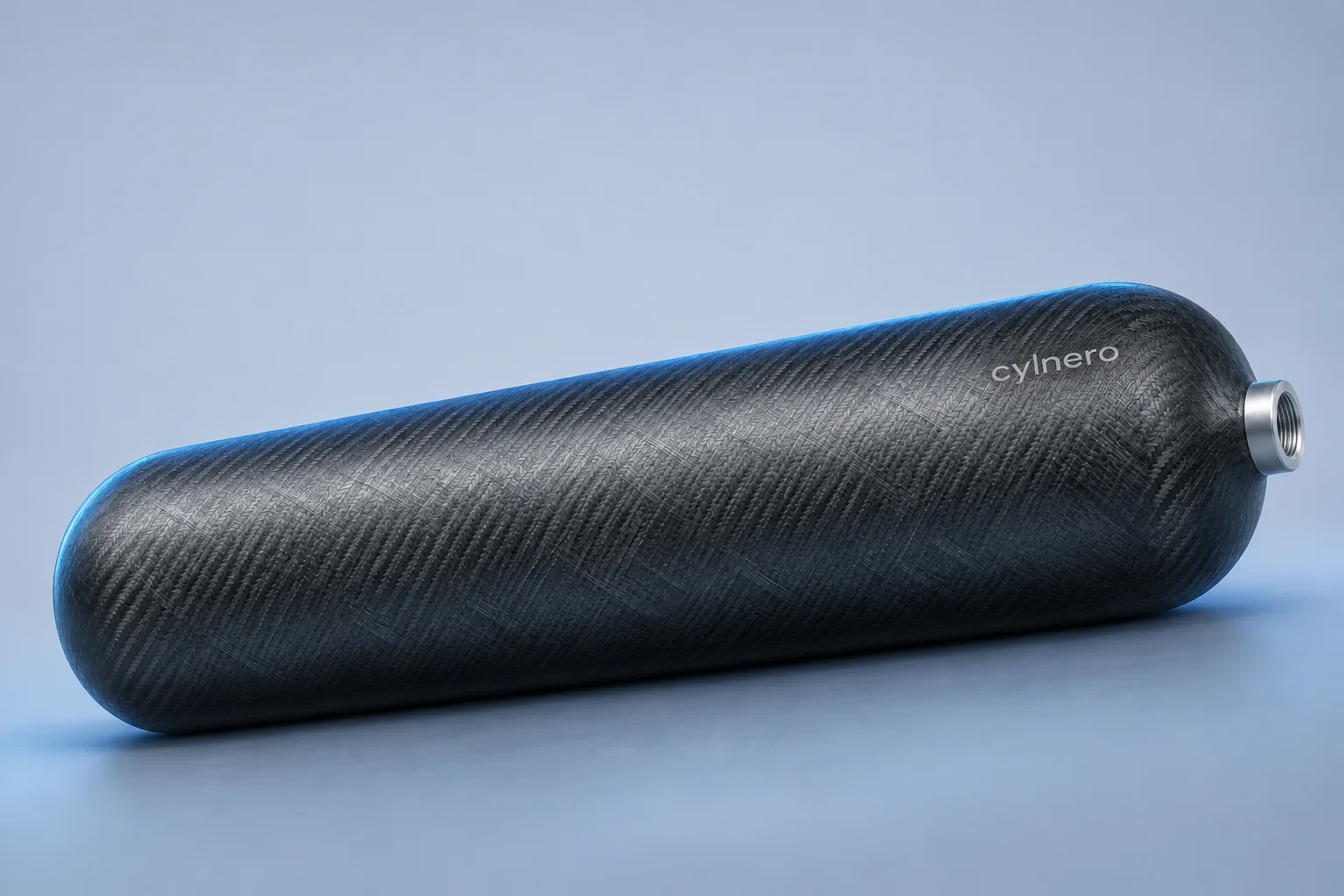
Type IV cylinders use a non-metal liner with a full composite wrap; the assembly may include metal connections. Share the hydrogen application and any known working pressure, equipment space and interface requirements when requesting a proposal.
A Type 4 hydrogen cylinder is also described as Type IV. A Type IV enquiry can begin with a purchasing family, intended application, approximate quantity and destination. The classification describes a non-metal-lined, fully wrapped composite category; it does not identify a particular grade, mass advantage or operating rating. Ask the manufacturer to identify the assembly it proposes and the assumptions behind its response. You do not need a factory code to start. Once a proposal is available, keep its configuration reference with the questions that need review rather than treating the category name as a specification.
Read the full guidance
Start with the Type IV proposal
Share the known requirements for the requested Type IV assembly, such as an equipment drawing, available space or intended application, and leave unknown fields open. Ask the manufacturer what configuration and technical information it can propose. Keep a proposed manufacturer model code separate from any code supplied by your customer, and record the proposal reference and unresolved questions. A preliminary description does not establish availability, approval or suitability for the project.
Ask about the proposed liner scope
Ask the manufacturer to identify the proposed liner material and cylinder reference. Share any existing specification that the proposed construction must meet.
Requesting the manufacturer to identify the liner scope involves asking for a clear description of the proposed material and its configuration reference. This step is crucial for understanding the specific composition of the non-metal-lined fully wrapped composite structure. The enquiry should explicitly ask for the material description provided by the supplier, rather than assuming standard polymer chemistries or grades. Ask the manufacturer to distinguish the proposed material description from any general information about its wider product range.
Read the full guidance
Ask the manufacturer to identify the liner scope
If the intended programme already has a material or specification requirement, share the relevant reference and ask how the manufacturer's proposal addresses it. If no requirement has been established, ask the manufacturer to identify its proposed liner description and supporting scope rather than choosing a grade from a generic website. Keep the configuration reference with that response. The appointed reviewers can assess the proposal and identify further questions; this page does not recommend a polymer chemistry, adhesion method or manufacturing recipe.
Ask which records the manufacturer proposes to support its liner description and how they relate to the offered configuration. A material record, example report and order-specific document may have different purposes. Have the relevant reviewers assess the stated scope and identify any outstanding evidence. Do not assume that a particular document title will always be available or that collecting a standard set proves suitability. Keep the request, response and unresolved questions together so later quotation revisions can be assessed against the same purchasing requirement.
Identify cylinder and accessory inclusions
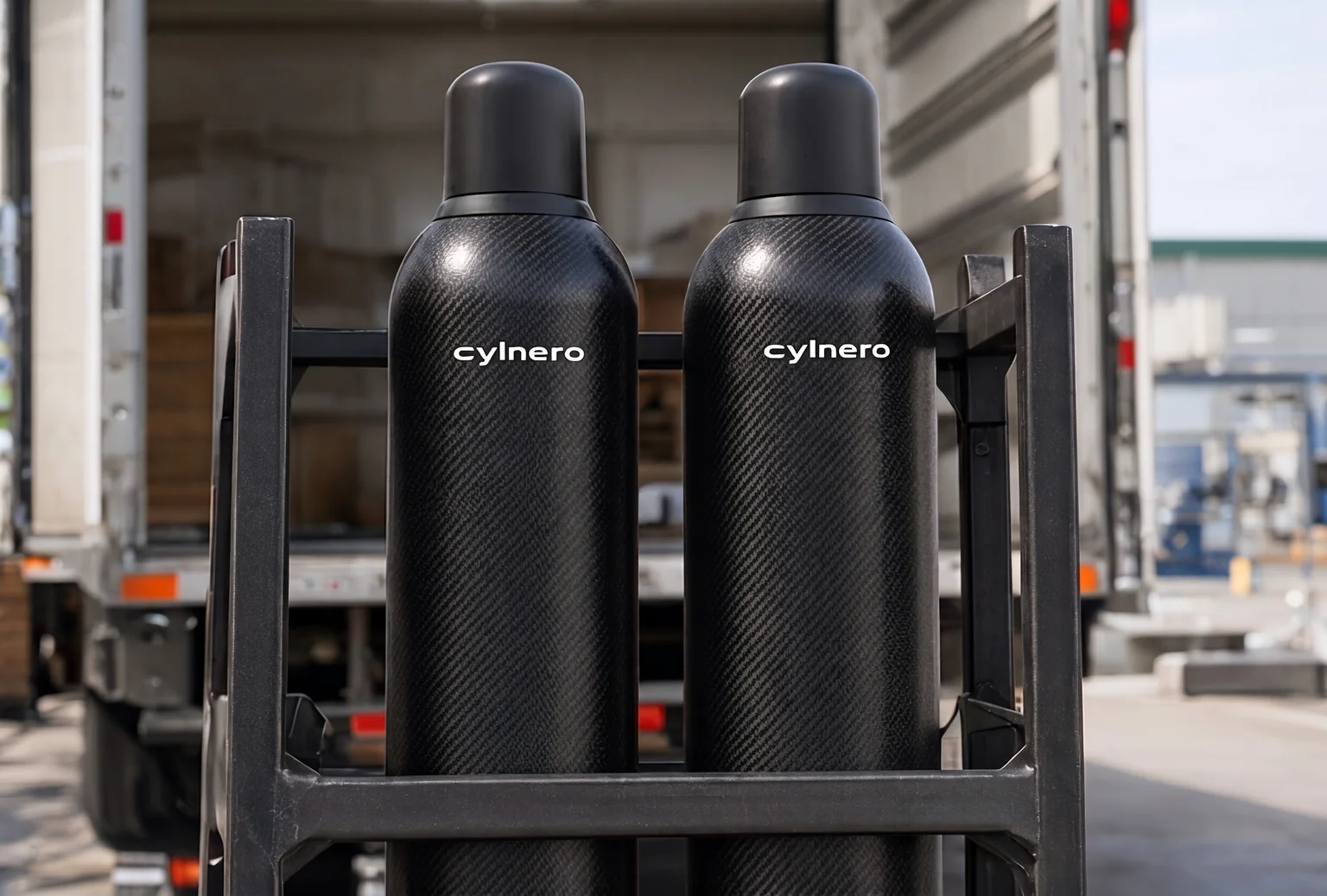
State whether you need cylinder bodies or assemblies with valves, protection and mounts. Ask the manufacturer to identify included components and exclusions.
Ask whether the proposed offer covers a cylinder body or a more complete assembly, and identify the valve, protective parts or mounting requests that need discussion. The manufacturer may quote separately identified components or a clearly described bundle. Ask for an itemized description of the components included in each offer. Preserve the manufacturer's description and ask what is excluded or still subject to confirmation. When comparing offers, make the different boundaries visible rather than assuming that two similarly named Type IV entries include the same hardware.
Read the full guidance
Separate cylinder and accessory inclusions
Accessory details can remain open at the initial enquiry. If a valve reference or marking requirement is known, include it; otherwise ask the manufacturer to identify its proposed option and the information needed for review. A requested quantity or preferred accessory does not confirm that the item is offered. Keep each request associated with the relevant assembly and quotation revision. Before relying on the proposal, ask the responsible parties to clarify the included scope and any outstanding interface or document questions.
The commercial scope document should serve as the basis for the purchase order, detailing all requested items and their specifications. This document should be reviewed by both the buyer and the supplier to ensure mutual understanding of the deliverables. Record any discrepancy and ask the parties to identify how and when it will be addressed. By maintaining a clear separation between the cylinder body and its accessories, the buyer can manage costs more effectively and avoid unexpected charges. This structured approach to defining the commercial scope supports a transparent and efficient procurement process.
Review the equipment interfaces
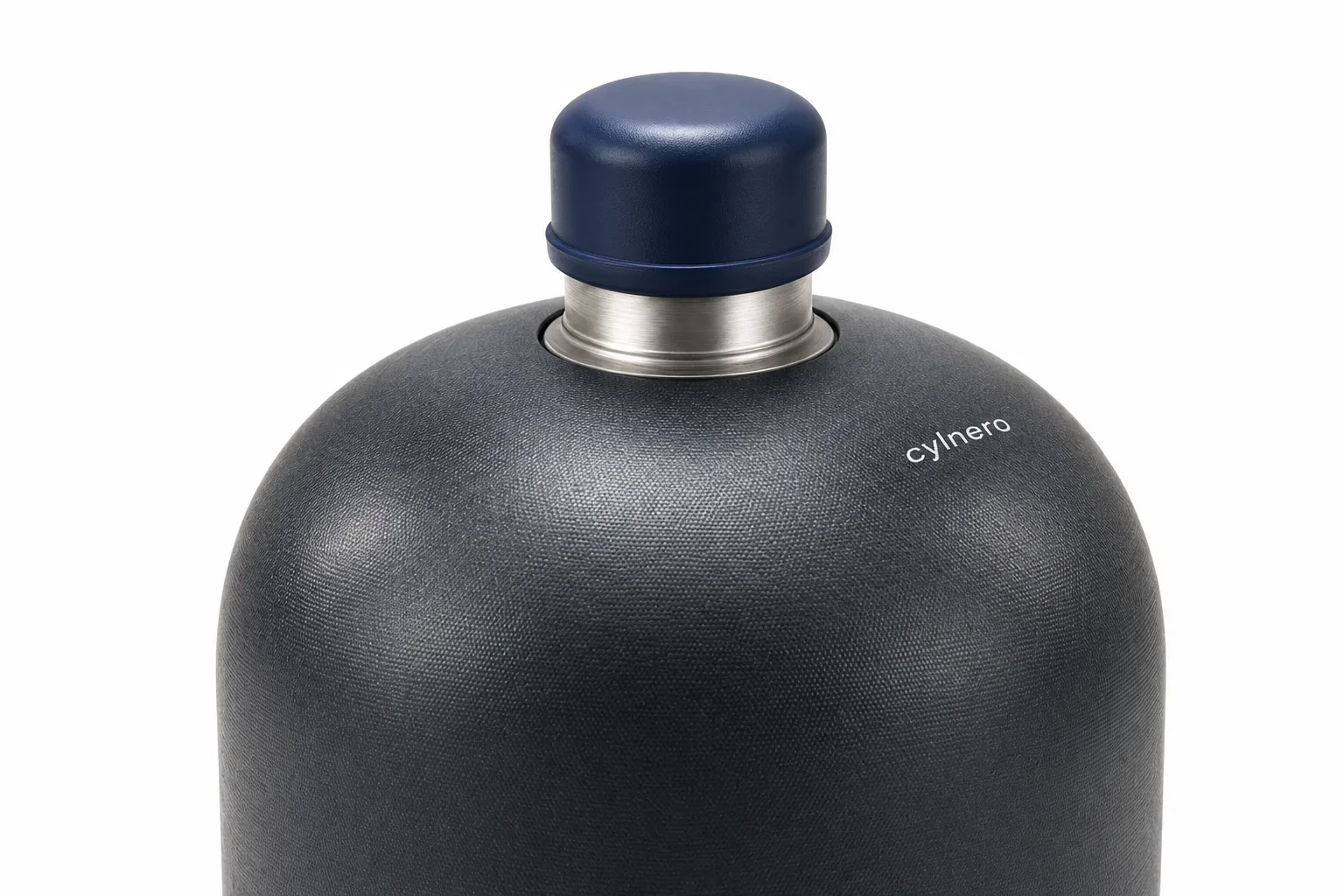
Share available equipment and connection references, identifying their drawing revisions when known. Ask which interfaces the manufacturer proposes and which components the offer includes. Keep unanswered fit and integration questions with the actual proposal for the responsible reviewers.
Initial procurement inquiries often lack finalized mechanical drawings, so buyers should list known connection references and proposed dimensions from the manufacturer. These details serve as starting points for discussion rather than definitive specifications. The supplier may suggest standard interface options that align with common industry practices, but these remain subject to final verification. Buyers should document any assumptions made during this phase to clarify what information is provisional. This approach allows both parties to identify potential mismatches early without committing to specific hardware configurations.
Read the full guidance
Review interfaces against the intended equipment
Unresolved items regarding flange types, valve ports, or mounting brackets should be explicitly flagged for actual reviewers. These stakeholders possess the specific knowledge required to validate mechanical integration within the broader system. Avoiding inferred mechanical fit claims prevents premature conclusions that could complicate later stages. The manufacturer’s proposed dimensions are helpful for initial layout planning, but they do not constitute a guarantee of seamless installation. Buyers should request clarification on any ambiguous connection standards to ensure clear communication.
Installation advice is outside the scope of initial purchasing documentation, so focus remains on gathering factual data for later assessment. Ask the manufacturer what interface information it proposes to provide and who will assess the actual response. Buyers should maintain a log of all interface-related queries and responses to track progress. This record supports transparent communication and helps identify gaps in the current information set. By keeping the focus on data collection rather than application guidance, the process remains efficient and accurate.
Retain pressure and service requirements
Share known pressure and temperature requirements with their units and references. Ask the manufacturer to identify the values offered for the proposed cylinder.
For a Type IV cylinder enquiry, share the pressure, temperature and operating-condition requirements already defined for the project, together with their units and source references. If those values are not yet available, mark the fields as open and describe the intended application, approximate quantity and destination. Ask the supplier to identify the configuration it proposes and distinguish its stated values from the buyer's requirements in the response.
Read the full guidance
Keep pressure and service conditions as review inputs
Record each proposed value with the applicable cylinder reference, drawing or document revision and any stated assumptions. If an offer differs from a known project constraint, keep both entries visible and ask the appointed reviewers to assess the difference. A supplier's request for clarification does not itself change an existing requirement. When the proposal is revised, ask which pressure, temperature, component or document entries are affected and retain the new revision with the quotation. The Type IV category helps organize the enquiry; the actual configuration and project requirements provide the basis for technical review.
Compare mass, dimensions and packing
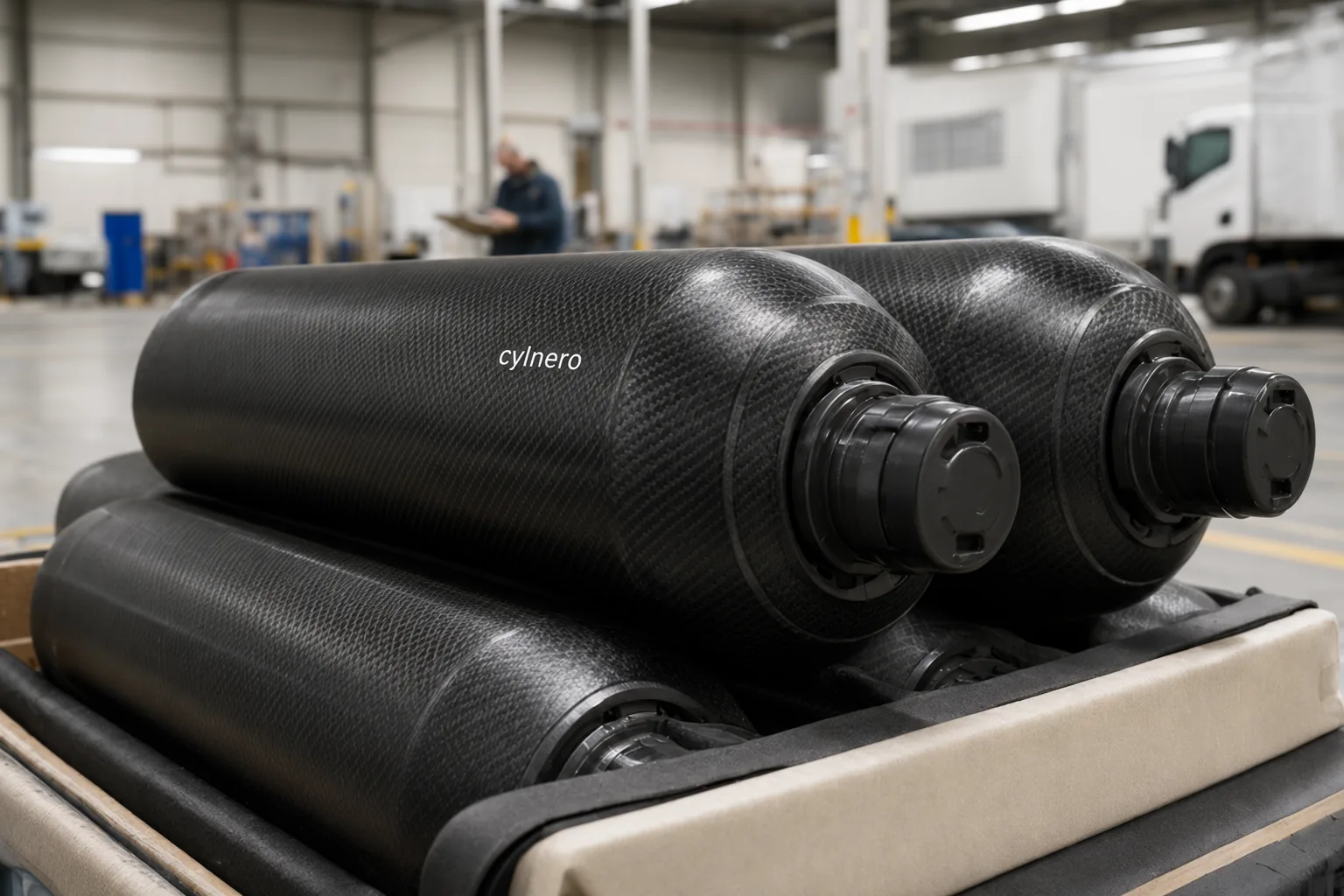
Ask what the stated mass and dimensions include: cylinder body, valves, protection or a broader assembly. Keep original units and configuration references. Request the proposed packing scope separately so unlike descriptions are not compared as equivalent items.
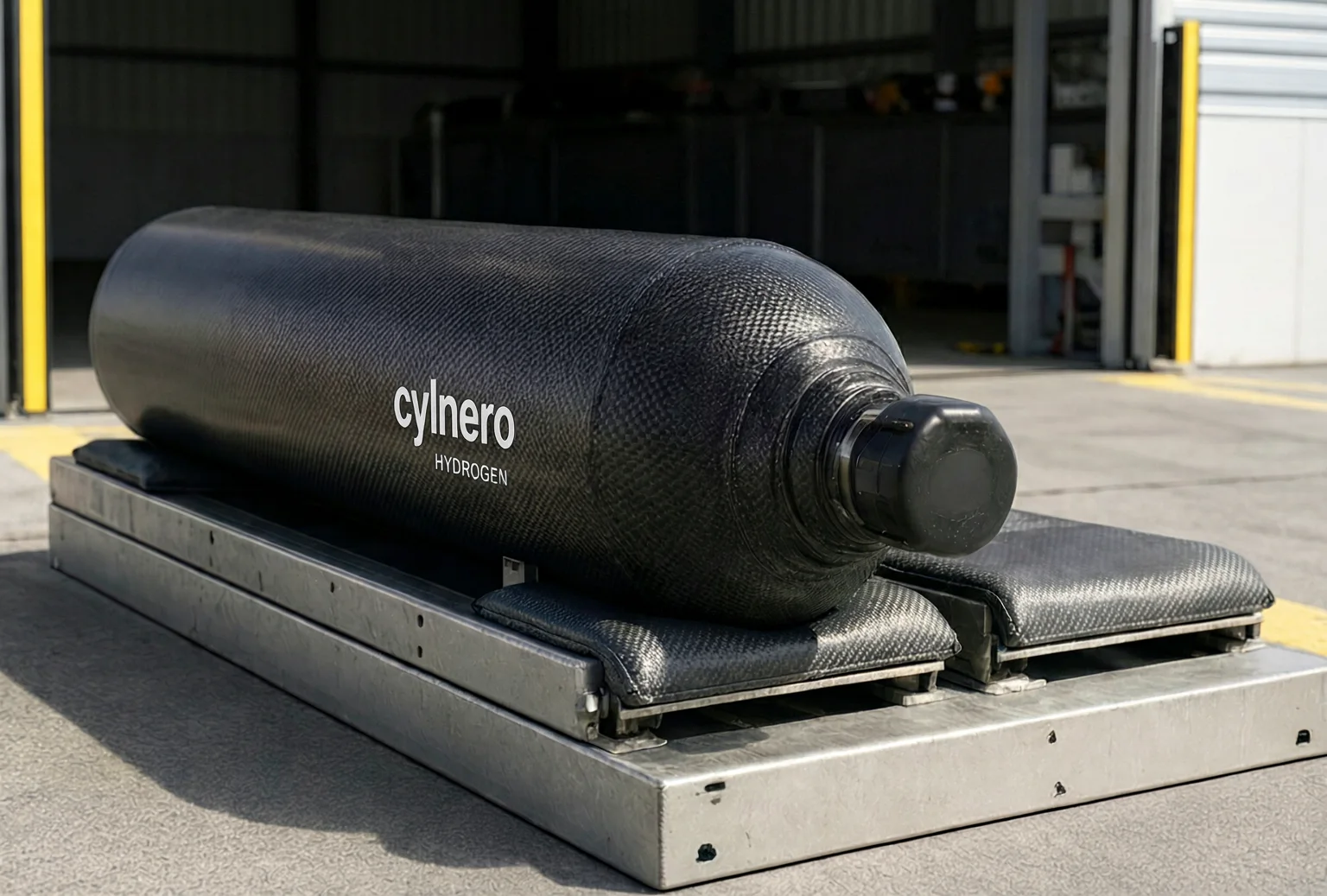
View Type IV hydrogen cylinder weight exampleStart by clarifying whether the quoted mass and dimensions refer to the bare cylinder body or the complete assembly, including valves and fittings. This distinction is critical for accurate comparison between different supplier offers, as the inclusion of accessories can significantly alter the overall weight and footprint. Request detailed breakdowns that separate the base cylinder mass from any added components, allowing for a transparent assessment of the core product. Record differing scope descriptions explicitly so they remain visible in the offer comparison.
Read the full guidance
Compare declared mass, dimensions and packing scope
Next, investigate the proposed physical dimensions and how they align with the available space in the intended installation. Ask manufacturers to provide precise measurements for length, diameter, and any protruding components, such as valve stems or mounting points. These measurements are inputs for reviewing the available space; they do not alone establish installation compatibility. The buyer should also inquire about the tolerance ranges for these dimensions, as slight variations can impact the ease of installation and integration with other equipment.
Finally, review the packaging and shipment-condition details provided by each supplier. Ask about the type of packaging used, whether it is designed for single or multiple units, and any specific handling requirements during transit. This information helps in assessing the risk of damage during shipping and the overall cost of logistics. The buyer should also clarify whether the packaging includes any protective materials or supports that may affect the total volume and weight of the shipment.
Assess configuration evidence

Ask which model, configuration and revision each supplied report covers, including stated conditions and exclusions. Keep example reports distinct from delivery records. The appointed reviewers assess the actual evidence against the intended application and outstanding purchasing questions.
Read the full guidance
Read configuration evidence without claiming an outcome
When a report is supplied, ask which model and revision it covers and where its stated conditions and exclusions can be found. Buyers should read these documents to understand the scope of the evidence, noting which parameters were tested and which were not. Have the appropriately appointed reviewers assess its relevance; this page does not make that acceptance decision. This distinction is important to avoid over-interpreting the data. The reports serve as a reference point for discussion, not as a guarantee of performance in the final application.
A supplied burst report does not by itself establish protection against an unexpected pressure event. Ask what item and assessment the document describes, which conditions or limitations are stated, and how it relates to the proposed configuration. Keep quotation examples separate from any records agreed for the actual delivery. The responsible reviewers assess the relevance of that evidence. This page does not interpret a report as permission to operate a cylinder, select a pressure or approve a complete hydrogen system.
The purchasing record can identify a report and the questions raised by its reviewers without prescribing a test procedure. If the scope is unclear, ask the manufacturer to clarify the configuration, document revision and intended purpose of the information it supplied. Record which questions have been answered and which remain open. A buyer may coordinate this exchange without making an engineering acceptance decision. Neither a report's title nor a statement that testing occurred settles all questions about the proposed supply or intended application.
Assign application and destination questions
Describe the intended medium, application and destination. Identify who will review the proposed cylinder, interfaces and any equipment outside its supply scope.
Read the full guidance
Allocate application and destination review
Begin by clearly defining the specific operational context for the cylinder, including the intended medium and environmental conditions. This initial description helps manufacturers understand the functional requirements without demanding a complete system specification. The buyer should identify the final destination, as regional regulatory frameworks and local infrastructure standards may influence the manufacturer’s proposal. It is crucial to specify whether the cylinder will be used in a fixed installation or a mobile unit, as this distinction affects the design considerations the supplier must address.
Identify who will assess the manufacturer's technical response and any destination or equipment-integration questions relevant to the programme. These responsibilities may be assigned to different people or organizations. Ask each reviewer what information is needed and which proposal revision their comments address. Keep findings and unanswered questions visible to the parties preparing the offer. This page does not select reviewers for you or assume that a purchasing discussion completes an engineering assessment; it provides a way to organize the exchange of information.
Clarify where the cylinder supply ends and other equipment or specialist work begins. Ask the proposed manufacturer what its offer includes instead of assigning responsibility to the end-user or a third party by default. Existing equipment references may help frame the interface questions, but they do not prove that the assembly fits. Record which party is expected to answer each question and how a proposed scope change will be identified. Technical acceptance and the allocation of contractual responsibilities remain matters for the appropriate reviewers and actual agreements.
Connect records to the actual delivery
Ask how the supplied cylinders will be identified and which records will accompany delivery. Track outstanding documents against the configuration being ordered.
Read the full guidance
Link documentation to the actual delivery
Ask how the proposed delivery will be identified and how the accompanying records will relate to the supplied configuration or units. A model reference, drawing revision, batch reference or unit identifier may serve different purposes; the manufacturer should explain the proposal relevant to your purchase. Do not invent serial numbers before they have been assigned or assume that one marking method is universally required. Keep the proposed document and identification scope available for review alongside the actual quotation and delivery responsibilities.
Distinguish a capability statement or example document from a record the manufacturer proposes to supply for the actual order. Ask what each document covers and at what stage it is expected. Where the configuration or documentation scope changes, preserve the revised references and ask the parties how the change will be reviewed and recorded. This guide does not require a universal change-order procedure or determine which wording is binding. Contract reviewers and the relevant parties assess the actual terms and approval arrangements.
Outstanding evidence often remains unresolved until the final delivery stage. Buyers should track which documents are still pending and who is responsible for submitting them. This includes confirming that all proposed identifiers are correctly assigned before shipment. The contract should outline the format and timing for these final records. By maintaining a clear list of required documents versus those already received, the purchasing team can identify gaps early. Use the list to identify unanswered document questions rather than assuming that every record or supplied item has been accepted.
About this category guide
Type IV hydrogen cylinder sourcing starts with the purchasing task rather than a fixed model list. Type IV describes a non-metal-lined, fully wrapped composite family, not a particular liner grade, pressure rating or approved application. You can enquire with the intended use, approximate quantity and destination, leaving unknown parameters open. CYLNERO coordinates the questions and manufacturer responses; manufacturers identify their actual quotation, contracting, production and delivery scope. This guide helps buyers compare configuration references, document proposals, included items and commercial assumptions without promising availability or a technical outcome. The responsible reviewers assess the actual proposal before it is accepted.
Compare the complete quotation scope
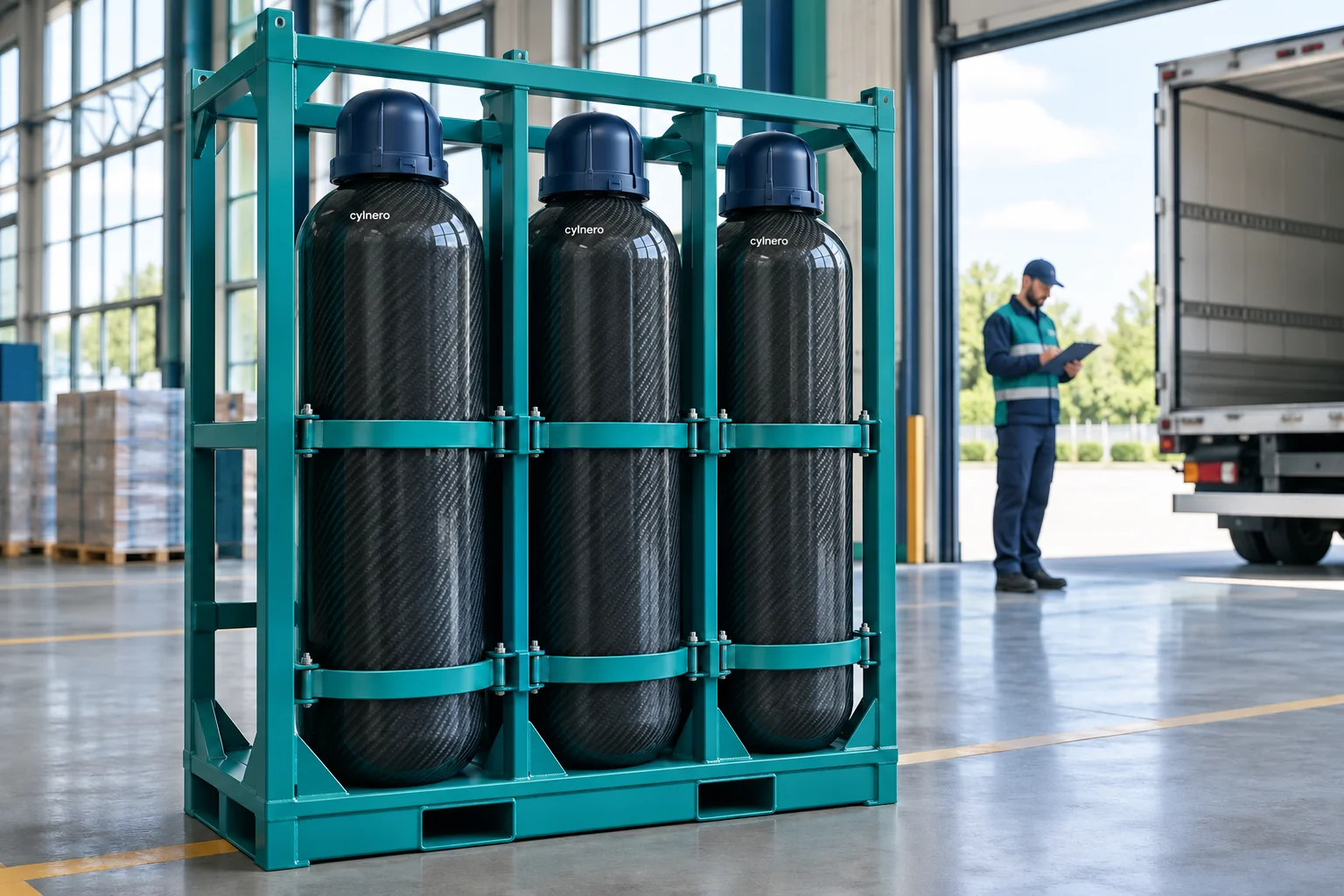
Compare the offered configuration, components, documents and quantity basis before comparing prices. Record exclusions and requested versus proposed dates. Keep any changed component or schedule linked to the relevant revised quotation.
Begin by standardizing the reference points for each quotation to ensure a fair comparison. This involves aligning the configuration details, such as the type of cylinder, valve specifications, and any additional components included in the offer. Create a common template that lists these key parameters, allowing the buyer to easily identify differences between supplier proposals. The template can make different inclusion and configuration assumptions visible for review. By focusing on the core configuration elements, the buyer can accurately assess the value proposition of each offer without being distracted by irrelevant variations.
Read the full guidance
Build a fair quotation comparison
Next, examine the included documents and components in each quotation to understand the full scope of the supplier’s deliverables. Some offers may include detailed technical drawings, test reports, or user manuals, while others may provide only basic specifications. The buyer should evaluate the relevance and completeness of these documents, as they can impact the ease of installation and long-term maintenance. Additionally, consider any additional components, such as spare parts or installation tools, that may be included in the price.
Finally, analyze the quantities and schedule dependencies in each quotation to assess the feasibility of the supplier’s offer. Consider the minimum order quantities, lead times, and any potential delays in production or delivery. The buyer should also evaluate the flexibility of the supplier’s schedule, such as the ability to accommodate changes in order quantity or delivery date. This analysis helps in determining whether the supplier can meet the project timeline and budget constraints. By considering these factors, the buyer can make a more informed decision about which supplier offers the best combination of value, reliability, and responsiveness.
Discuss warranty and later responsibilities
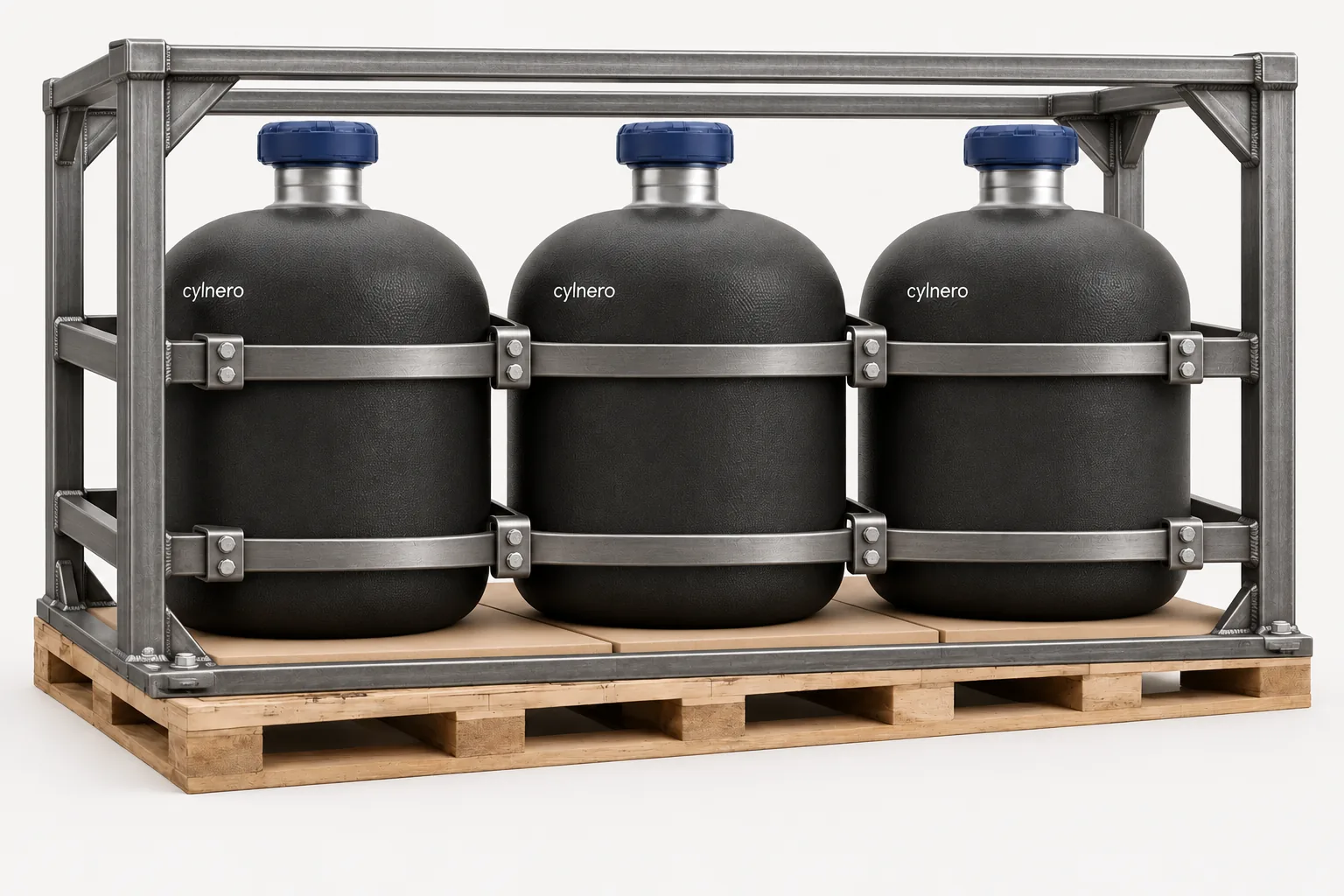
Ask about warranty coverage, exclusions and a contact for post-delivery questions. Record any support or document updates included in the offer.
Ask the manufacturer to state its proposed warranty scope, duration, exclusions and post-delivery contact route. Record the terms offered and any unresolved questions with the quotation; the applicable agreement establishes the terms accepted by the parties. Have the appropriate contract and technical reviewers assess the proposed coverage for the actual configuration.
Read the full guidance
Discuss warranty and continuing responsibilities
Ask whether continuing support or document updates are proposed, who would respond and how records would be managed. Keep instructions and supporting documents linked to their stated configuration and revision. If responsibilities or escalation contacts remain unclear, request clarification before treating them as agreed. This guide does not prescribe maintenance procedures or assign liability.
Follow the enquiry through revisions
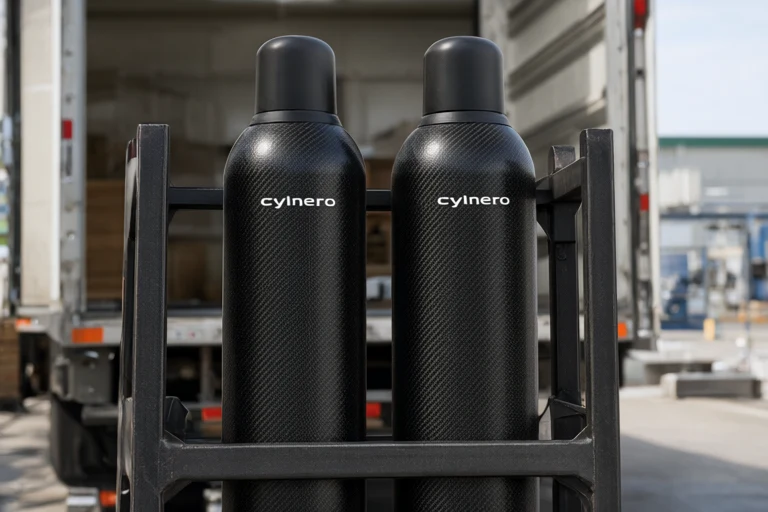
Begin with application, quantity and destination, then keep manufacturer proposals beside the original request. Record configuration references, included items and unresolved questions. Later revisions should show what changed rather than silently replacing the earlier proposal.
The initial enquiry phase does not require a specific factory code or exact technical parameters. Buyers can begin by describing the general application and desired classification, such as Type III or Type IV, to gauge supplier interest. This open approach allows manufacturers to propose solutions based on their capabilities without being constrained by premature specifications. The goal is to gather preliminary information about potential options and timelines. This stage focuses on understanding the market landscape rather than committing to a specific design or interface configuration.
Read the full guidance
Move from an initial brief to a reviewed offer
As the process advances, proposed changes to the initial brief must be tracked carefully. Each modification should be documented and reviewed by the appointed technical team to ensure alignment with the project goals. The contract should define the responsibilities for reviewing these changes, specifying which party approves modifications and how they are communicated. Keep the current proposal revision and the review status visible in the change record. It also creates a clear audit trail for any decisions made during the negotiation phase.
Compare the reviewed offer with the original brief and the questions developed during discussion. Identify the configuration reference, included items, proposed documents, quantity basis and schedule assumptions, noting where the response differs from the request. Ask the appropriate reviewers to assess any remaining issues before the parties accept their agreements. A completed comparison does not itself authorize production or establish legal readiness. The useful result is a clear record of what has been proposed, what has been assessed and what remains unresolved.
Related procurement pages
About this procurement guide
Use this guide to prepare your enquiry. Confirm the specifications and supporting documents for the proposed cylinder with the manufacturer.
For standards research, consult the ISO gas-cylinder standards catalogue. The catalogue includes published and withdrawn standards. Check the status, edition, scope and destination requirements with the manufacturer and your appointed technical reviewer. A standards reference does not establish that a listed series conforms to it.
For the basic Type III / Type IV construction distinction, see the U.S. Department of Energy hydrogen-storage classification. The reference distinguishes metal-lined and non-metal-lined fully wrapped composite families. It does not verify a listed series, establish a performance advantage or approve an offered configuration.
Before placing an order, obtain the proposed model's drawings, configuration, applicable approvals and quotation from the manufacturer. CYLNERO coordinates sourcing; the manufacturer confirms and contracts the agreed supply.
Procurement questions
What information helps when enquiring about a type 4 hydrogen storage tank?
Begin with the intended application, approximate quantity and destination. Add known requirements or drawings where available and mark unknown details as open. A factory model and complete parameter schedule are not required to request a proposal. You may ask the manufacturer to state its quotation assumptions, included scope and proposed schedule; those questions do not establish that a configuration or delivery date is already confirmed.
Do all Type IV hydrogen storage tanks use the same liner material?
No. Type IV only identifies the cylinder as a non-metal-lined fully wrapped composite. It does not specify the exact polymer liner material, fiber orientation, or winding pattern. These technical details are determined by the manufacturer’s proposal and must be verified against your specific application requirements during the quotation phase.
Does a burst report confirm protection against an unexpected pressure event?
No. Ask the manufacturer which item and assessment its report covers and have the appointed reviewers assess the stated scope and limitations. A report does not by itself establish protection against an unexpected pressure event or approve the intended installation. This purchasing page does not select pressure limits, prescribe tests or authorize operation from a document title or cylinder-family label.
Can marking or accessory requests remain open?
Yes, but clarity is recommended. You may specify required markings or accessories in your initial enquiry. If details are incomplete, suppliers may propose standard options or request clarification. Final acceptance depends on the manufacturer’s capability and the agreed contractual specifications, which should be reviewed before production begins.
How should destination evidence be reviewed?
Provide the intended destination and use, and ask the relevant reviewers which evidence needs assessment for the actual programme. Ask the manufacturer what documents it proposes and how they relate to the configuration or delivery. Distinguish examples from order-specific records. This page does not determine local acceptance or prescribe a universal certificate list; keep unanswered questions visible through quotation review.
Does a repeat purchase automatically retain the same terms?
No automatic assumption should be made. Ask which existing agreement, quotation or new proposal applies to the repeat purchase and whether configuration, documents, quantities or commercial terms have changed. Have the responsible parties review the applicable scope rather than treating an earlier supply as confirmation of current availability. A repeat enquiry does not itself reserve production or renew particular terms.