 Wholesale sourcing
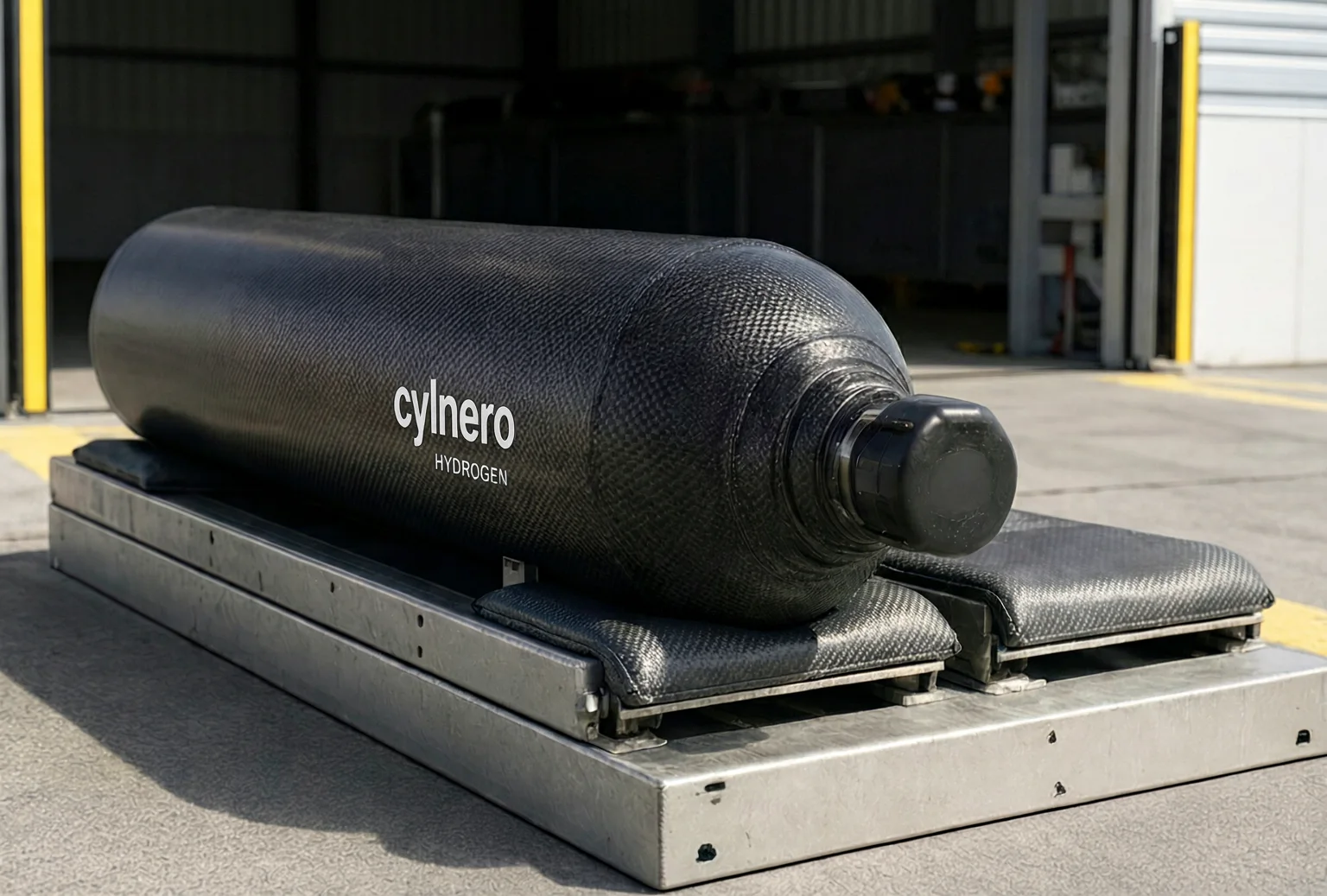
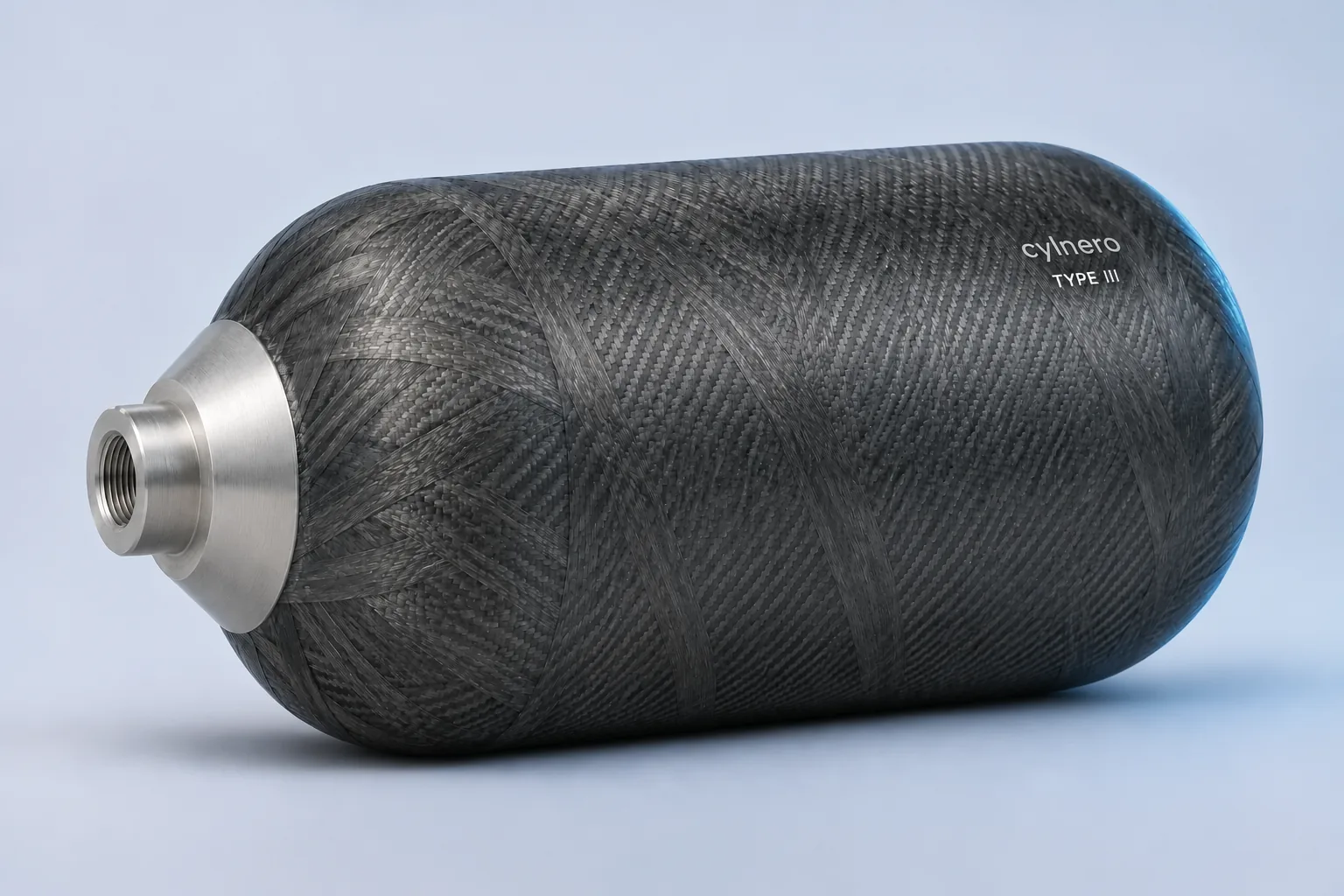
Type III Hydrogen Cylinder Series
Configurable wholesale series · Specifications confirmed during enquiry
APPLICATION-LED / WHOLESALE PROCUREMENT
Purchasing teams working on onboard hydrogen equipment can prepare a cylinder-series enquiry before the detailed configuration is settled. Describe the intended equipment or vehicle context, project stage, quantity and destination.
Purchasing teams working on onboard hydrogen equipment can prepare a cylinder-series enquiry before the detailed configuration is settled. Describe the intended equipment or vehicle context, project stage, quantity and destination. The related series are options to discuss with the manufacturer, not declarations of vehicle fit, onboard approval, mounting compatibility or performance in a particular installation.
Swipe to see more sections →
These are starting points for an enquiry, not a statement that every configuration fits this application. The offered configuration and scope are confirmed during quotation.
Configurable wholesale series · Specifications confirmed during enquiry
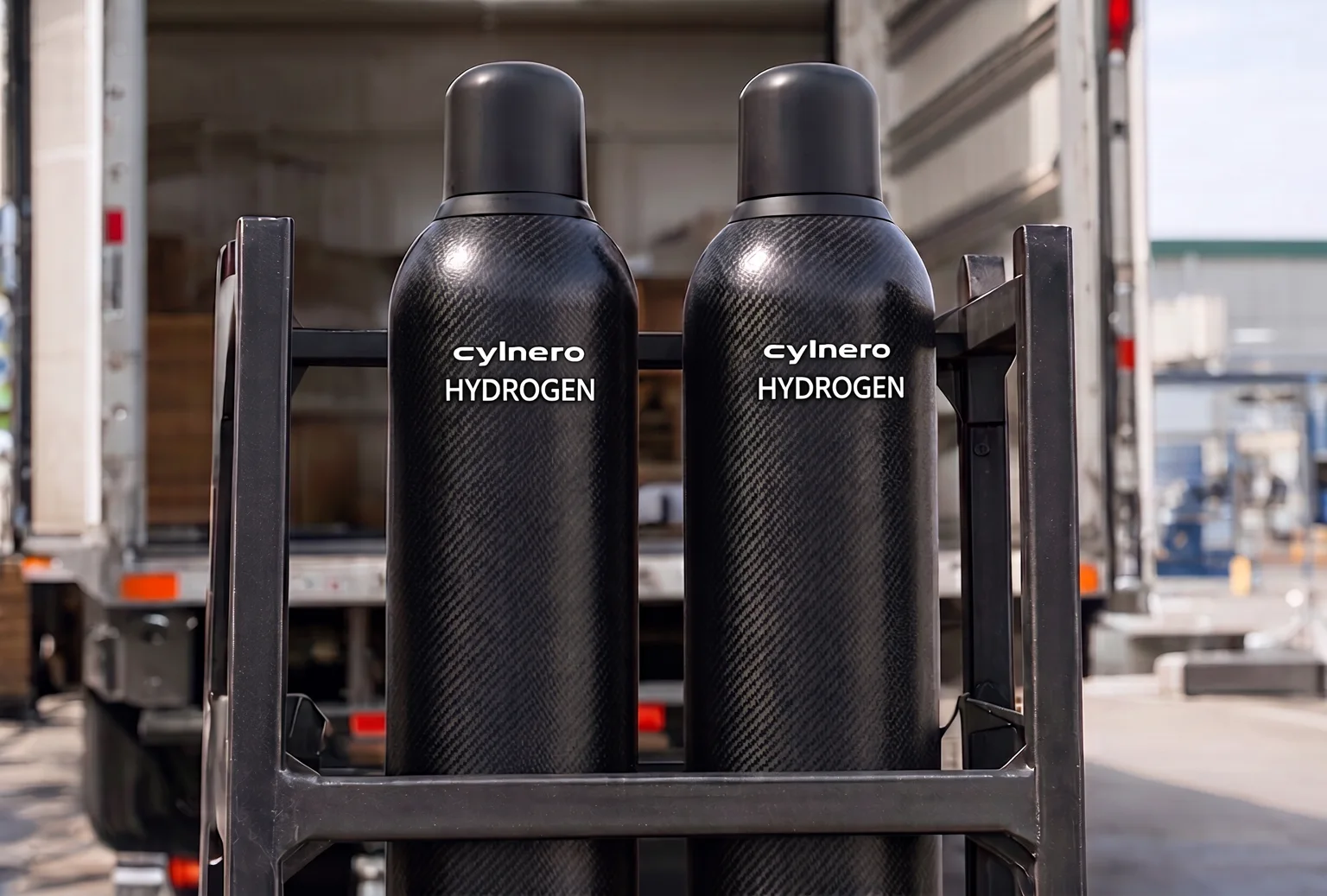
Configurable wholesale series · Specifications confirmed during enquiry
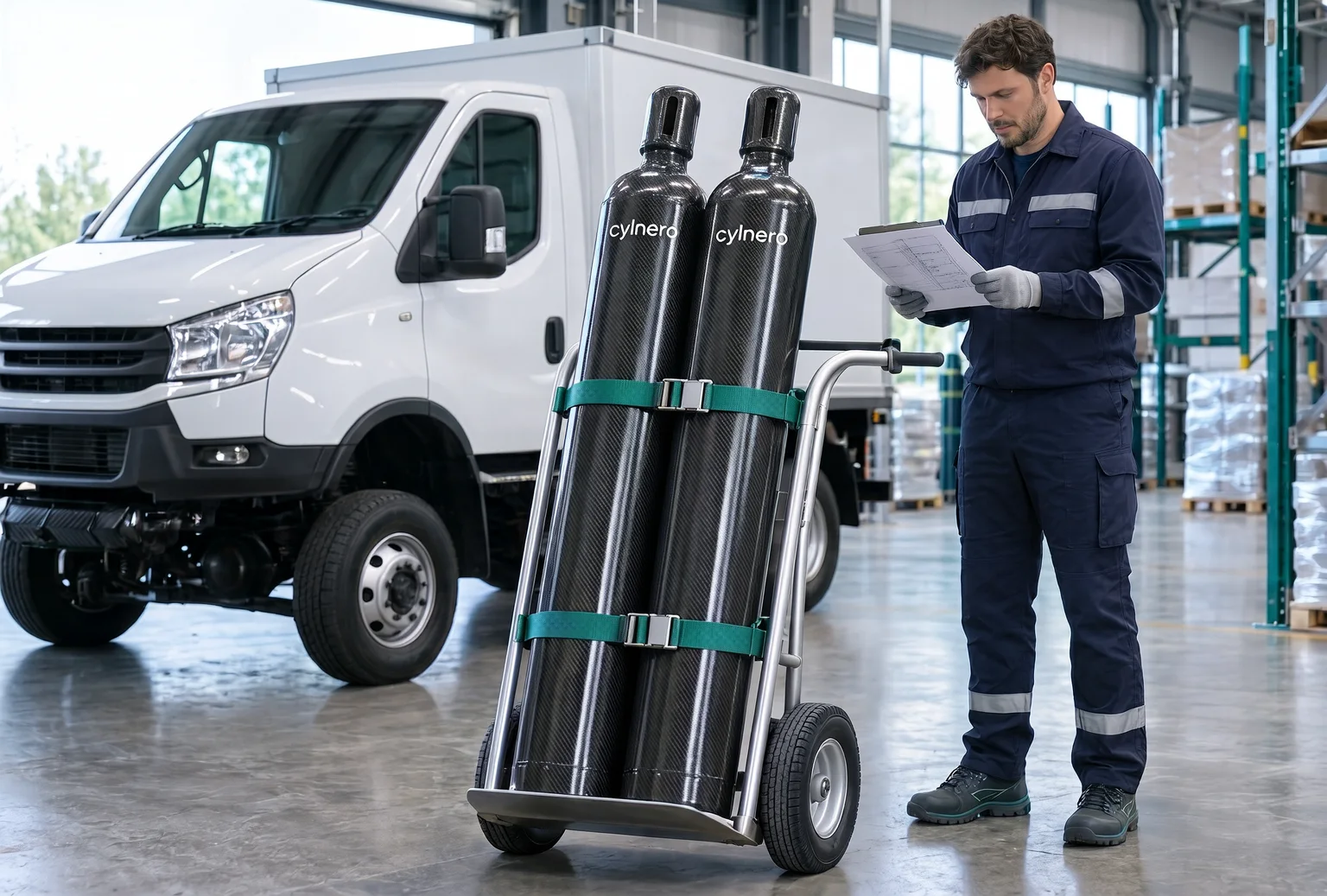
Explain which organization is defining the onboard system and what it expects from the cylinder purchasing package. Share the installation envelope, interface references and packaging requirements already available, while marking incomplete information as open. If the enquiry covers several proposed layouts, identify them separately so that quantities and configuration questions remain traceable. The starting point can be a project brief rather than a selected factory model, but the resulting proposal must identify what is actually being offered.
Buyer targets, existing equipment information and manufacturer-proposed values should be distinguishable in the enquiry record. Do not assume that a previous vehicle or equipment configuration transfers unchanged to a new project. Ask the manufacturer which drawings and records accompany its proposal, and identify the party responsible for reviewing the integration. This procurement page does not recommend operating pressures, mounting details, filling behavior or vehicle safety arrangements.
Onboard projects can involve changing layouts or purchasing schedules. Describe how your team wants revised requests, drawing versions and commercial offers identified, and keep the open interface list with the current proposal. Discuss quantities, marking, protective packing and delivery destination without assuming a fixed delivery commitment from a series listing. When comparing Type III and Type IV enquiries, compare the specific configurations proposed rather than treating the family names as proof of a universal advantage or approval.
An onboard hydrogen enquiry may relate to an early equipment study, a prototype programme or a later component purchase. Identify the intended vehicle or equipment context and the organisation responsible for the complete system. Explain whether the current request is for one proposed layout or for several equipment variants. A first discussion can begin with the intended medium, approximate physical cylinder quantity and destination; a manufacturer model number is not required when the technical brief is still being developed.
Separate the cylinder purchase from the rest of the vehicle system. State whether the manufacturer is being asked about a vessel only or an assembly with a valve, protection or other components. The vehicle integrator and other suppliers may have responsibilities outside the quoted hardware. Ask the manufacturer to identify the scope it proposes and the interface information it needs. This makes the purchasing discussion more precise without treating a general application page as evidence of vehicle fit or approval.
Type III and Type IV are construction families that can help organise a supplier enquiry. Type III generally uses a metallic liner beneath the composite overwrap; Type IV generally uses a polymer liner. The family label does not establish a particular model, dimensions, stated pressure or suitability for a vehicle platform. If the project already has a construction requirement, share its source and revision. Otherwise, ask the manufacturer to identify a proposed configuration against the intended medium and equipment brief.
Compare the specific offers using the values and units stated by each manufacturer. Relevant questions can include the proposed overall dimensions, capacity or pressure basis, weight and included components. Ask whether a weight figure covers the cylinder body or an assembly with valve and protection; use the same basis for each offer. Compare available interface information and commercial scope as well. Avoid choosing a family from a generic performance or weight claim without reviewing the actual configuration and its supporting information.
If the vehicle team has an available installation envelope, provide the relevant drawing reference and its revision. Explain which dimensions are established requirements and which are preliminary targets. The available space for a vessel body may differ from the space required for a complete assembly and surrounding equipment, so ask the manufacturer what its stated dimensions include. If several layouts are under consideration, identify them separately and associate each with the relevant requested quantity and open questions.
Share any connection or mounting references that the project team has already defined, and ask the manufacturer which interface details it can provide for its proposal. Distinguish components requested in the cylinder quotation from items that the vehicle integrator or another supplier will address. Where the programme has existing service or environmental requirements, provide the source to the responsible reviewers. This information supports the purchasing exchange; the vehicle project remains responsible for its own integration assessment and decisions.

When responses arrive, place each offered configuration beside the original request. Record the supplier's reference, drawing revision, included components and any unanswered questions. A vessel-only quotation and a proposed assembly may have different scopes even if both use the same family name. Ask how the manufacturer identifies the offered valve, protection, packing and any interfaces left to another party. Keep alternatives separate so that a change to the proposed configuration is visible to both commercial and technical reviewers.
Share document requirements already established by the vehicle project or destination reviewers, including the reference and revision when available. Ask what information the manufacturer proposes for the specific configuration and what each document covers. A company overview, example record and configuration-specific information can serve different purposes. Do not infer a universal approval or document list from this page. The relevant project reviewers determine what further evidence or clarification is necessary for the equipment and destination under consideration.
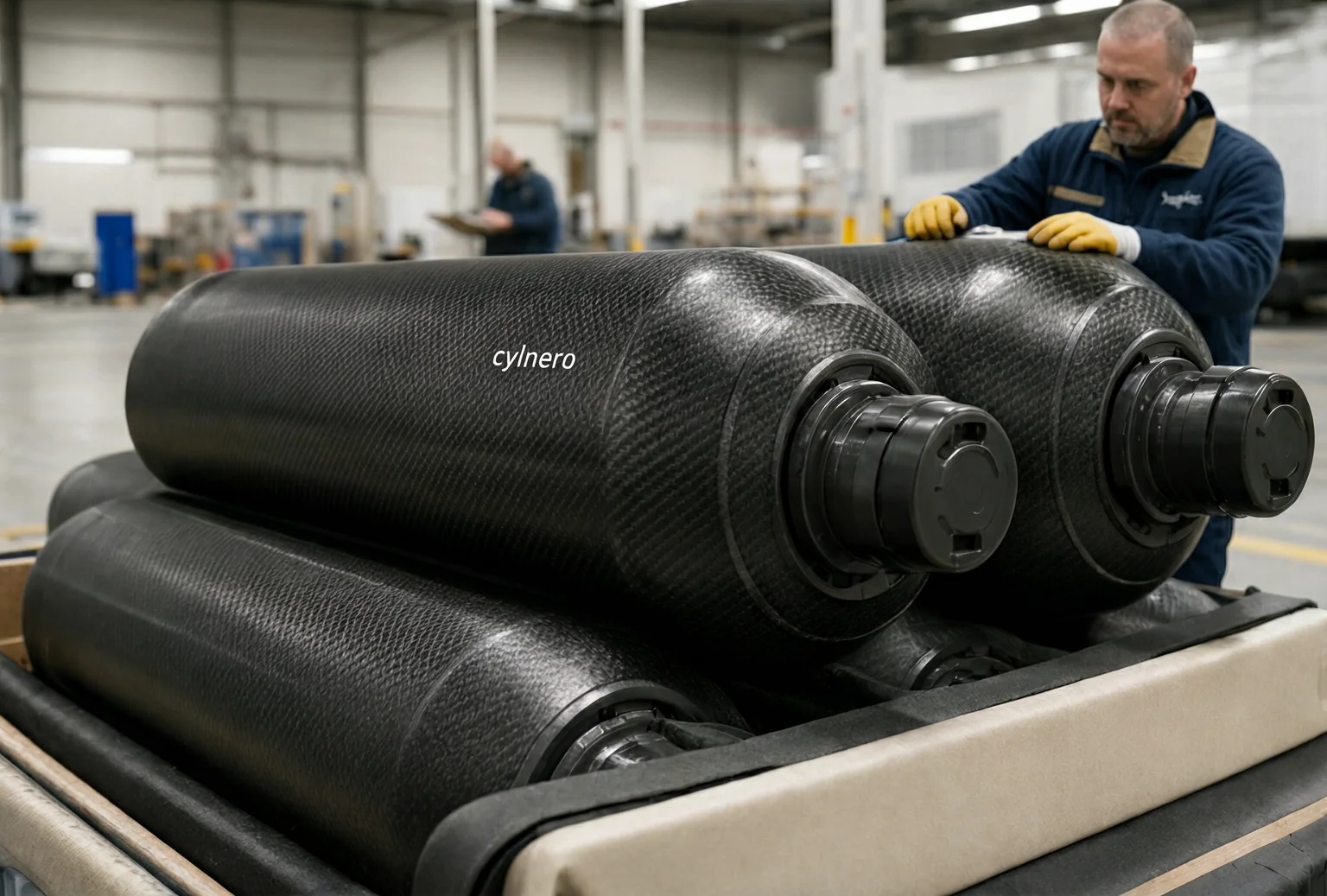
State the approximate quantity for the current project phase and distinguish a potential later production forecast from an order. If the programme has different vehicle variants or delivery locations, list the requested groups against their configuration references. Discuss marking, packing and receiving constraints with the manufacturer and ask how they appear in the proposal. Price, availability and timing are established in the actual commercial response, not by the general Type III or Type IV page.
As a vehicle programme evolves, identify changes to the equipment brief, connection, quantity or destination against the earlier request. Ask how the manufacturer will identify a revised offer and which proposed components or documents are affected. For repeat purchasing, provide the previous configuration reference when available, then state the current needs and any open differences. CYLNERO coordinates the exchange of requirements and responses; the manufacturer confirms the product and commercial scope it proposes for the order under discussion.
Yes. Describe the vehicle or equipment project, approximate quantity and destination. Share any existing space, interface or project references if available, and identify the integration questions still open. The proposed cylinder must be assessed against the actual project requirements.
Share the available equipment drawings or interface references and their revisions, together with any known envelope constraints. Ask the supplier to identify the proposed cylinder dimensions and interfaces for project review. Keep unknown fields open rather than assuming a listed series fits the vehicle.
No. State the intended integration context and obtain a configuration-specific manufacturer response. The product-series link is an enquiry starting point and does not establish vehicle fit, application approval or a completed integration review.
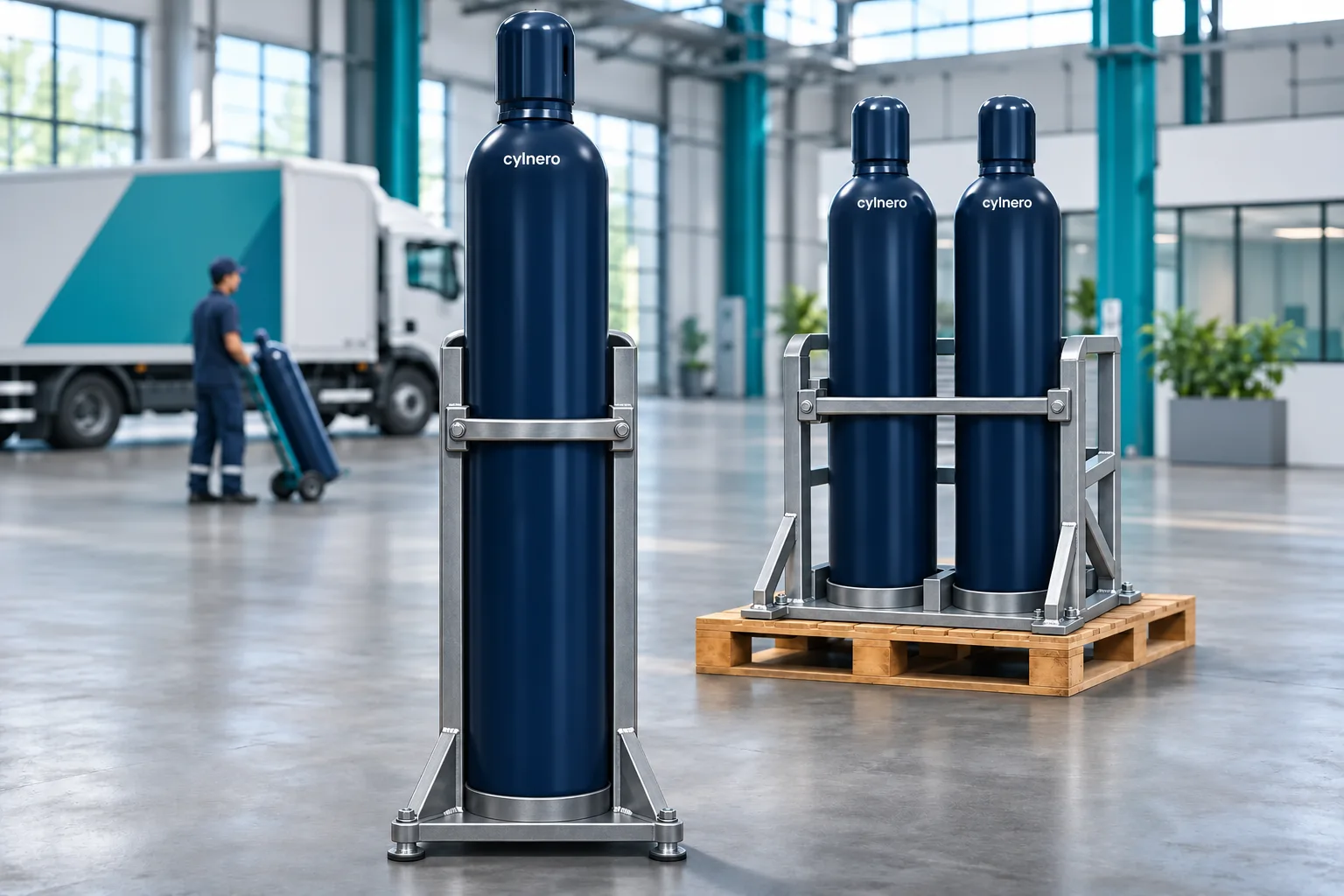
Cylinder purchasing for a distribution business starts with the customers and product families you serve.
Explore purchasing needs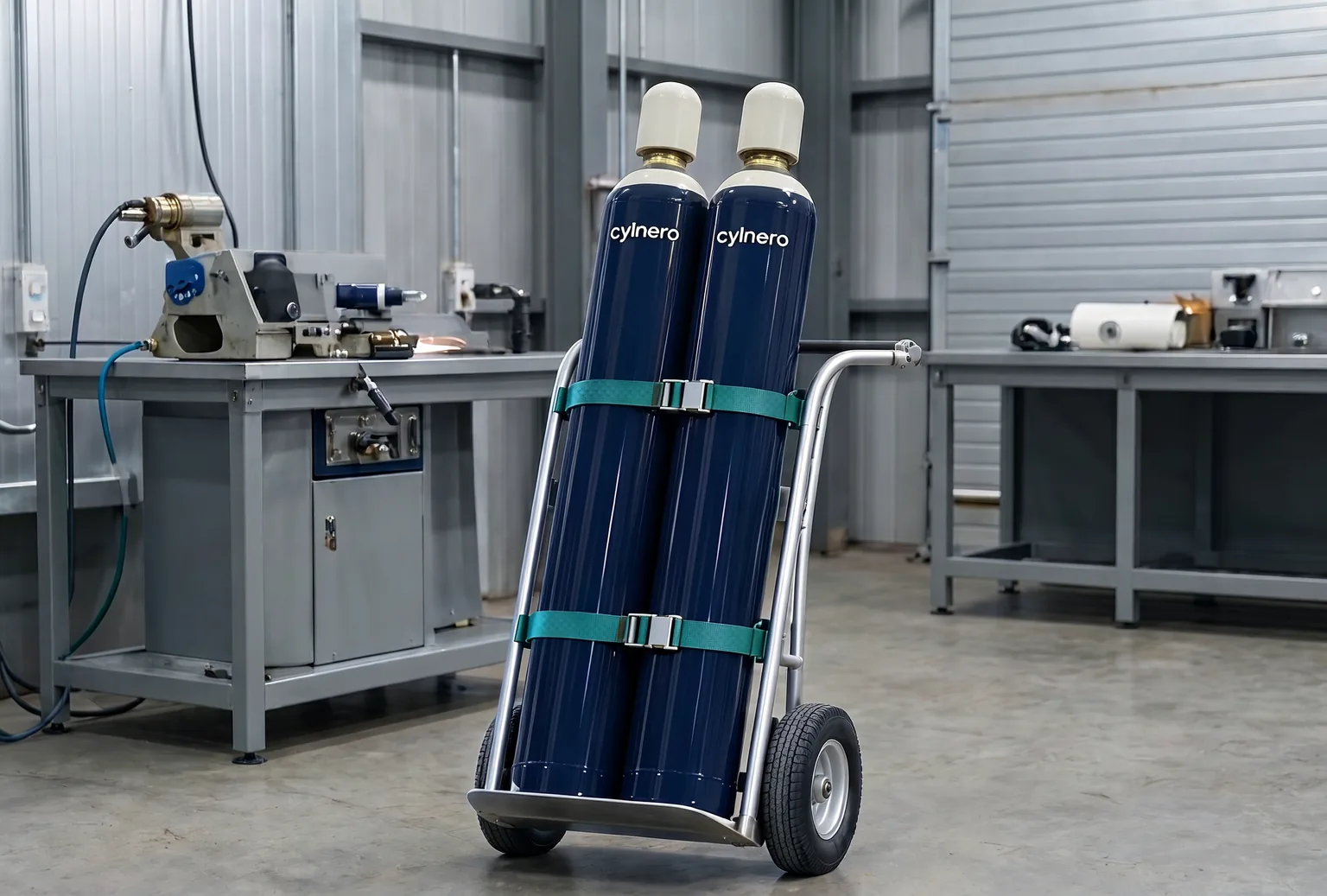
Welding suppliers and workshop purchasing teams can start with the cylinder families and commercial requirements they need to discuss.
Explore purchasing needs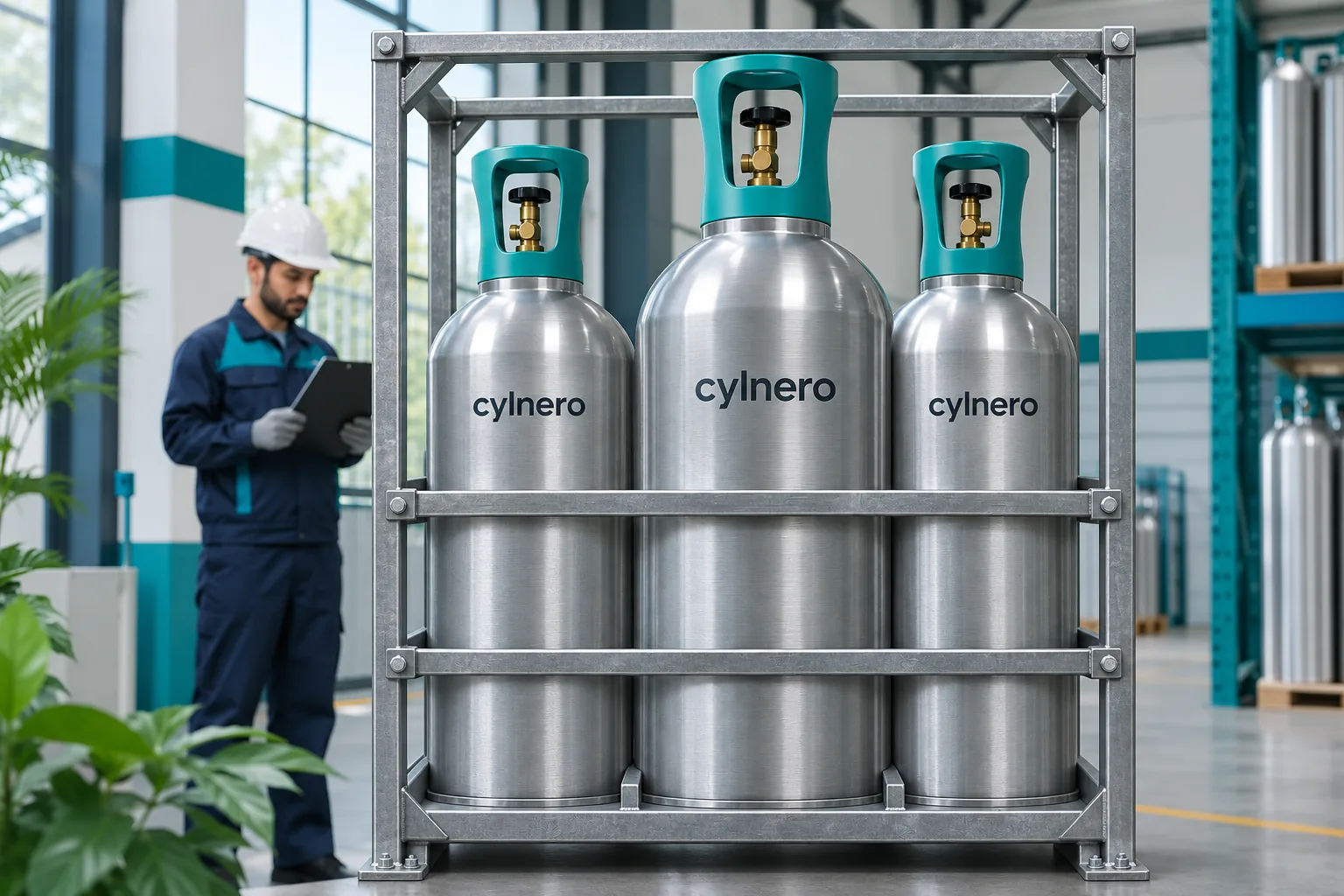
Medical-gas organizations and distributors can use this application page to organize a cylinder procurement brief.
Explore purchasing needs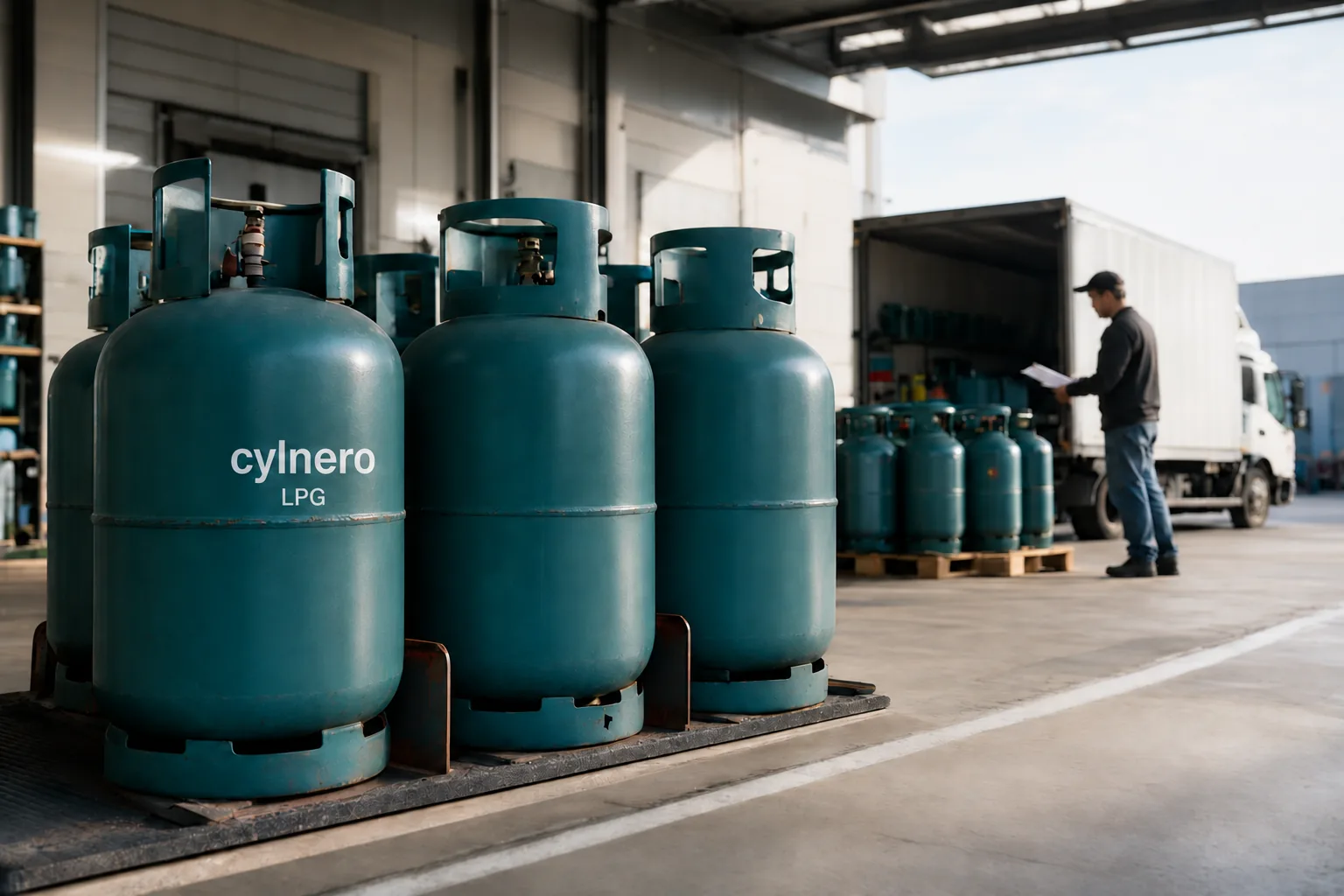
LPG distributors, importers and filling organizations can prepare enquiries for cylinder hardware and the configurations they want to discuss.
Explore purchasing needsHydrogen refueling project purchasers can use this page to scope cylinder-related enquiries within a wider project.
Explore purchasing needs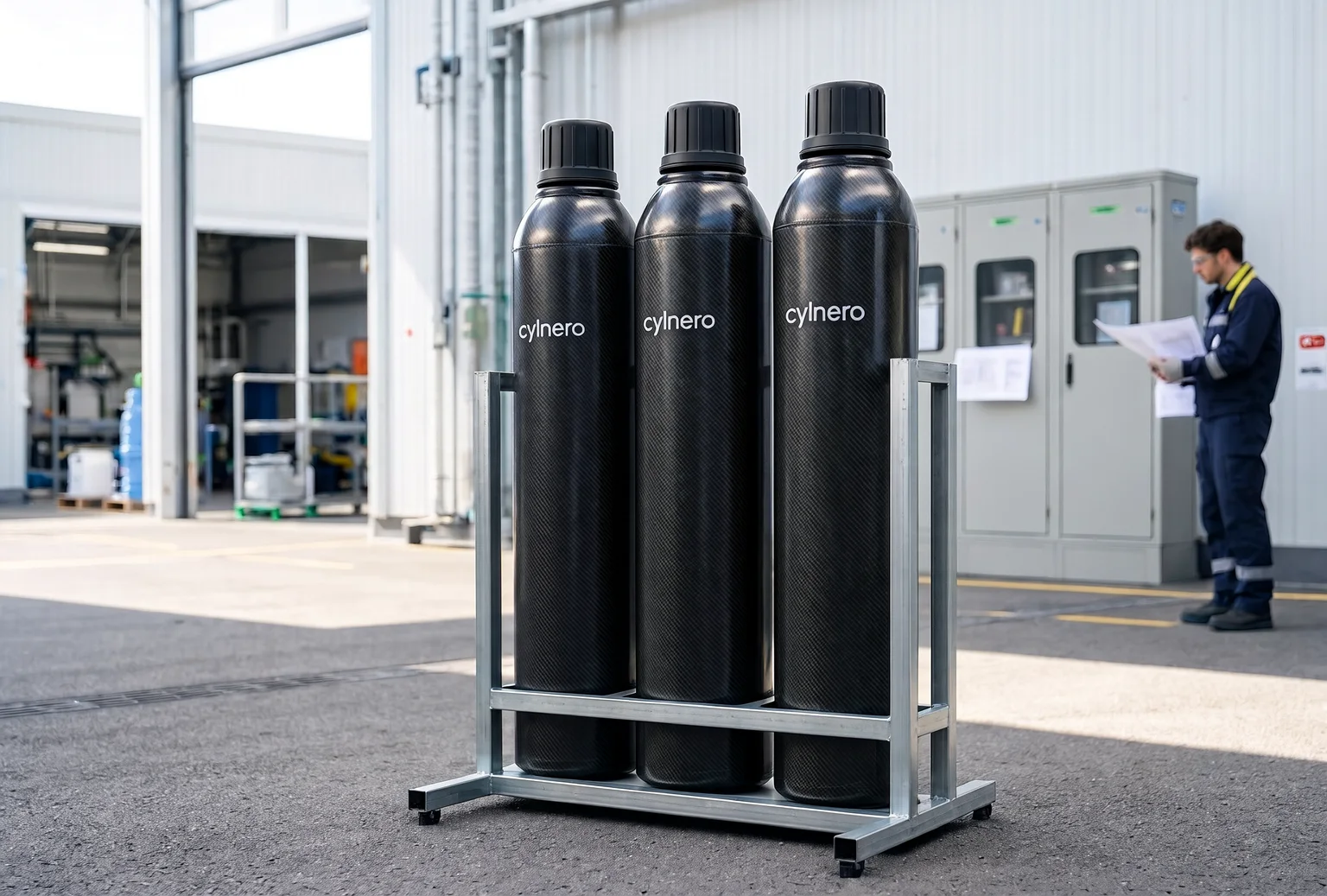
Stationary hydrogen equipment purchasers can organize a cylinder enquiry around the component scope and the requirements their project team has established.
Explore purchasing needsHydrogen equipment OEM purchasing teams can use this page to organize configurable cylinder-series enquiries and repeat-order discussions.
Explore purchasing needs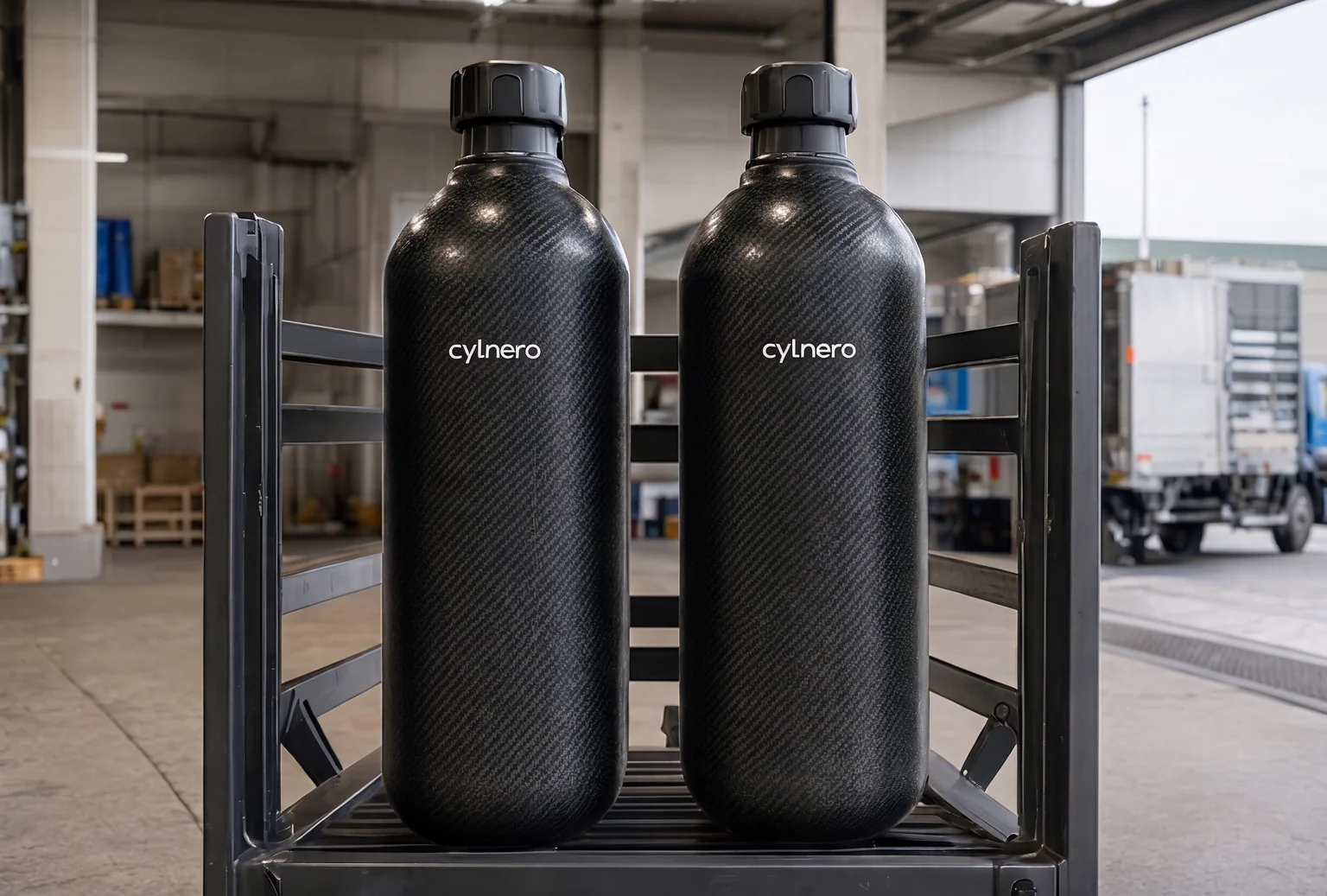
COPV integration purchasers can start with the intended medium, equipment context and component boundary.
Explore purchasing needs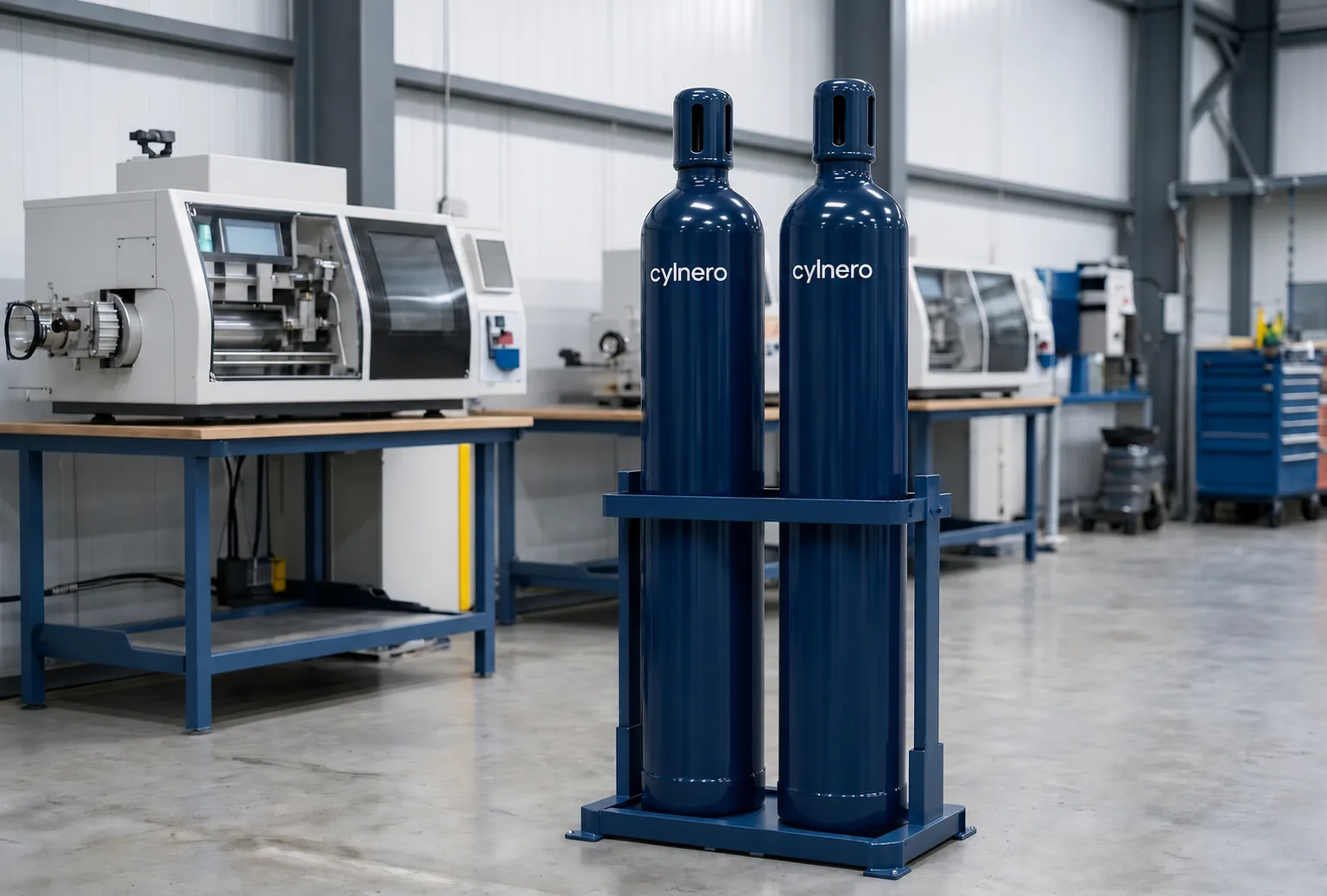
Industrial equipment OEMs can prepare cylinder or vessel enquiries around their equipment requirements, purchasing schedule and available interface information.
Explore purchasing needs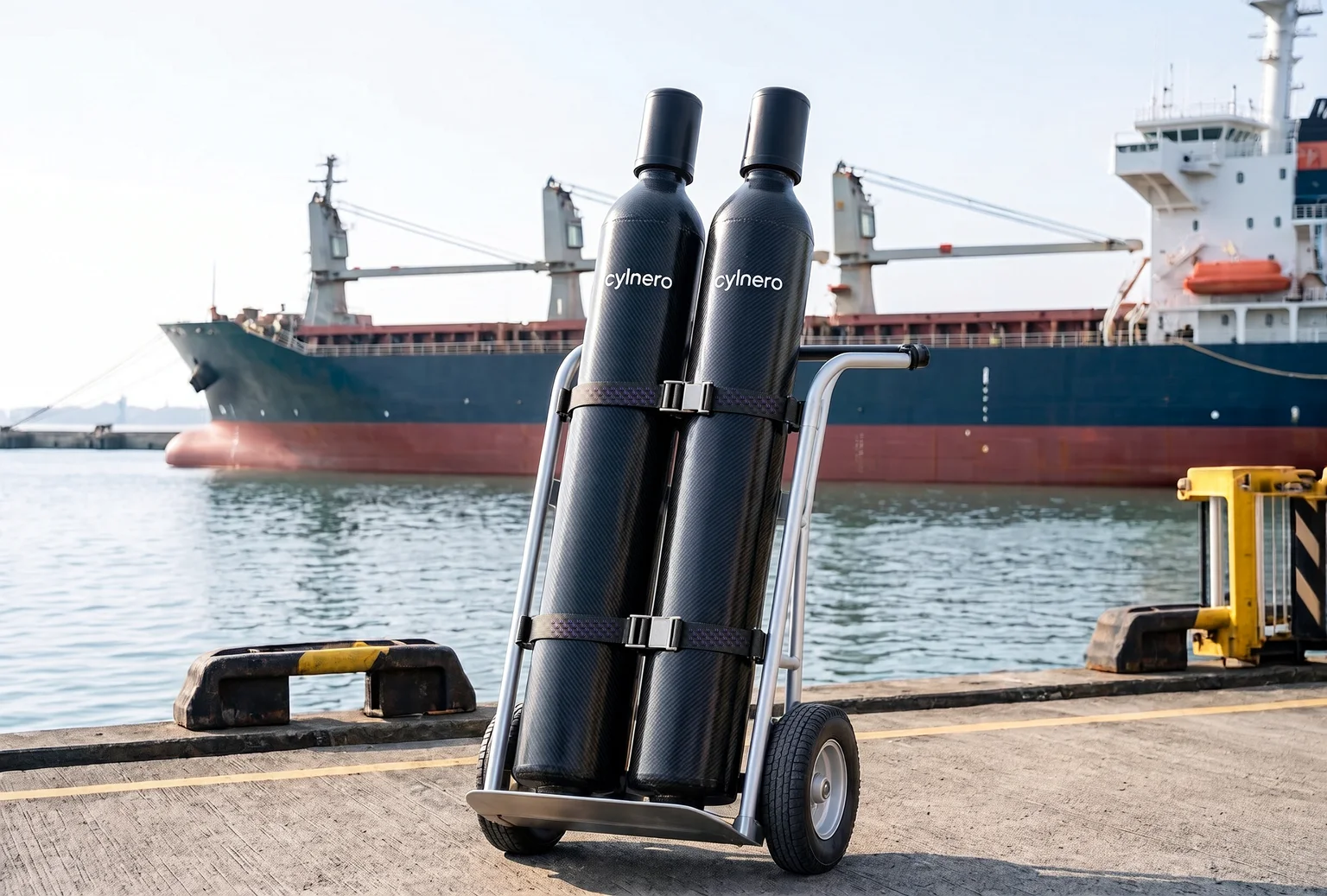
Marine hydrogen project purchasers can use this page to define a cylinder-related enquiry within a wider vessel or equipment project.
Explore purchasing needs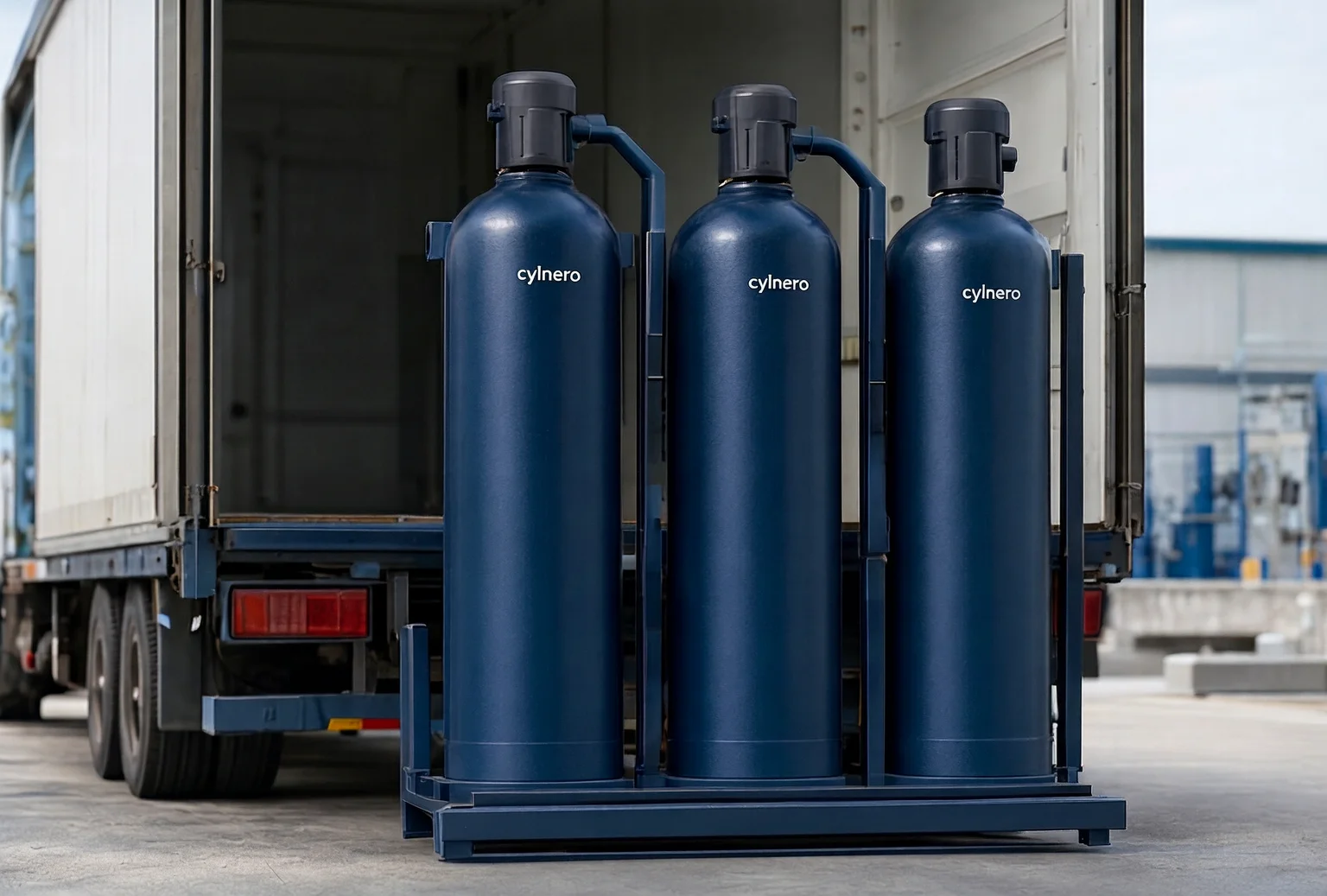
Gas cylinder importers can organize mixed product-family enquiries, destination requests and purchasing quantities before selecting detailed manufacturer configurations.
Explore purchasing needs