 Wholesale sourcing

01 / YOUR APPLICATION
Start with what you know
Application, approximate quantity and destination. Add a drawing or connection reference if you have one.
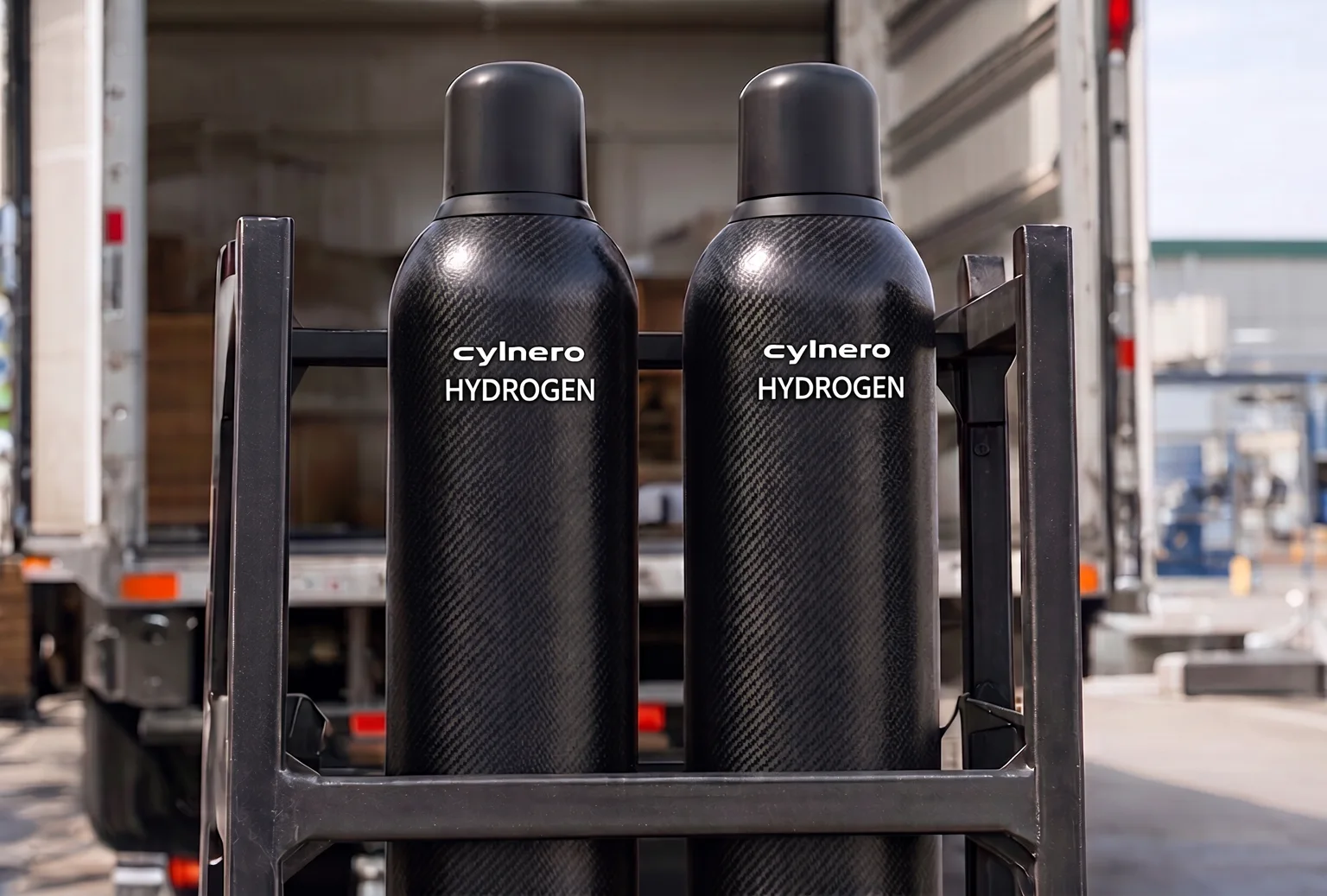 View larger ↗
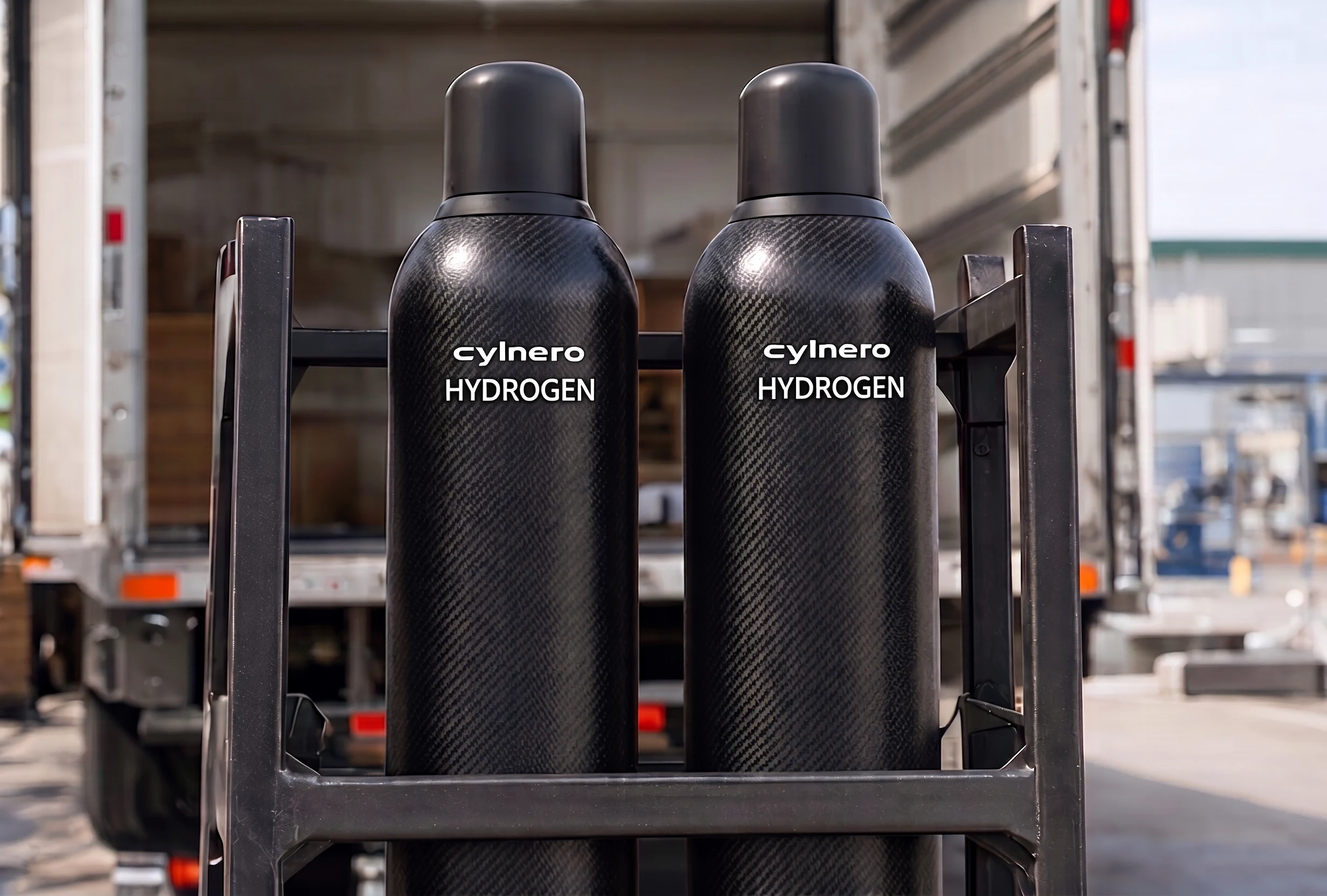 Series view
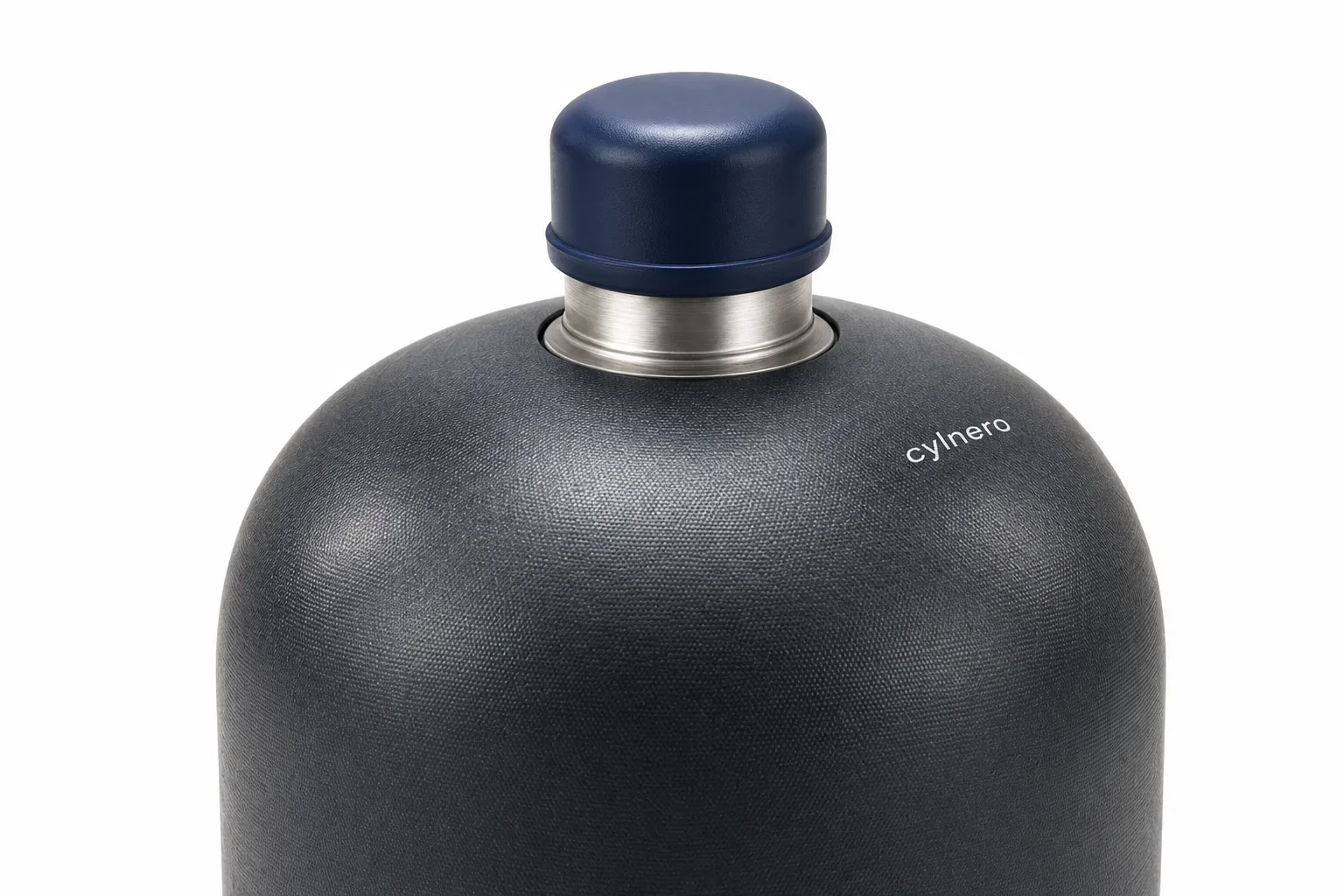 Neck detail
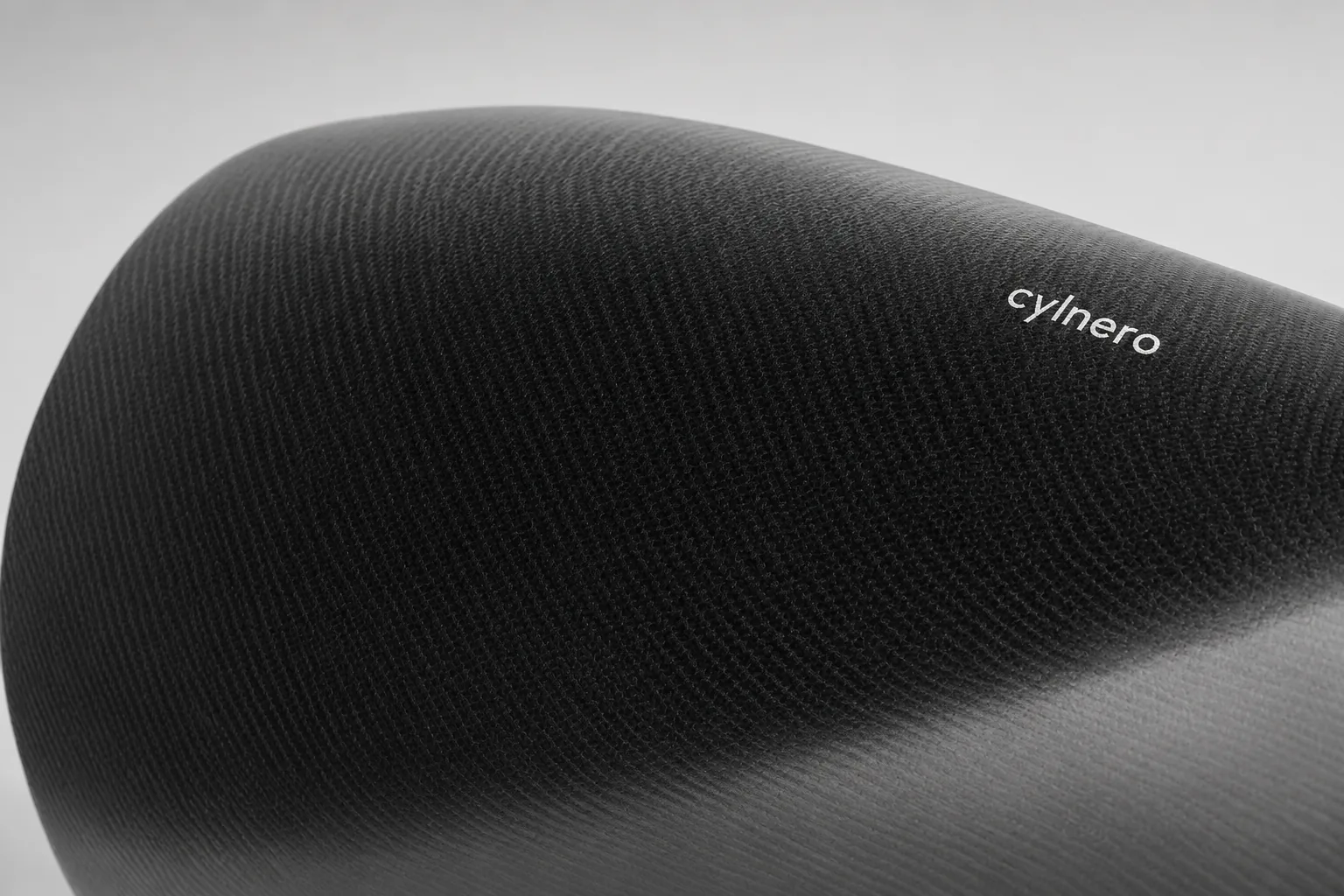 Composite surface
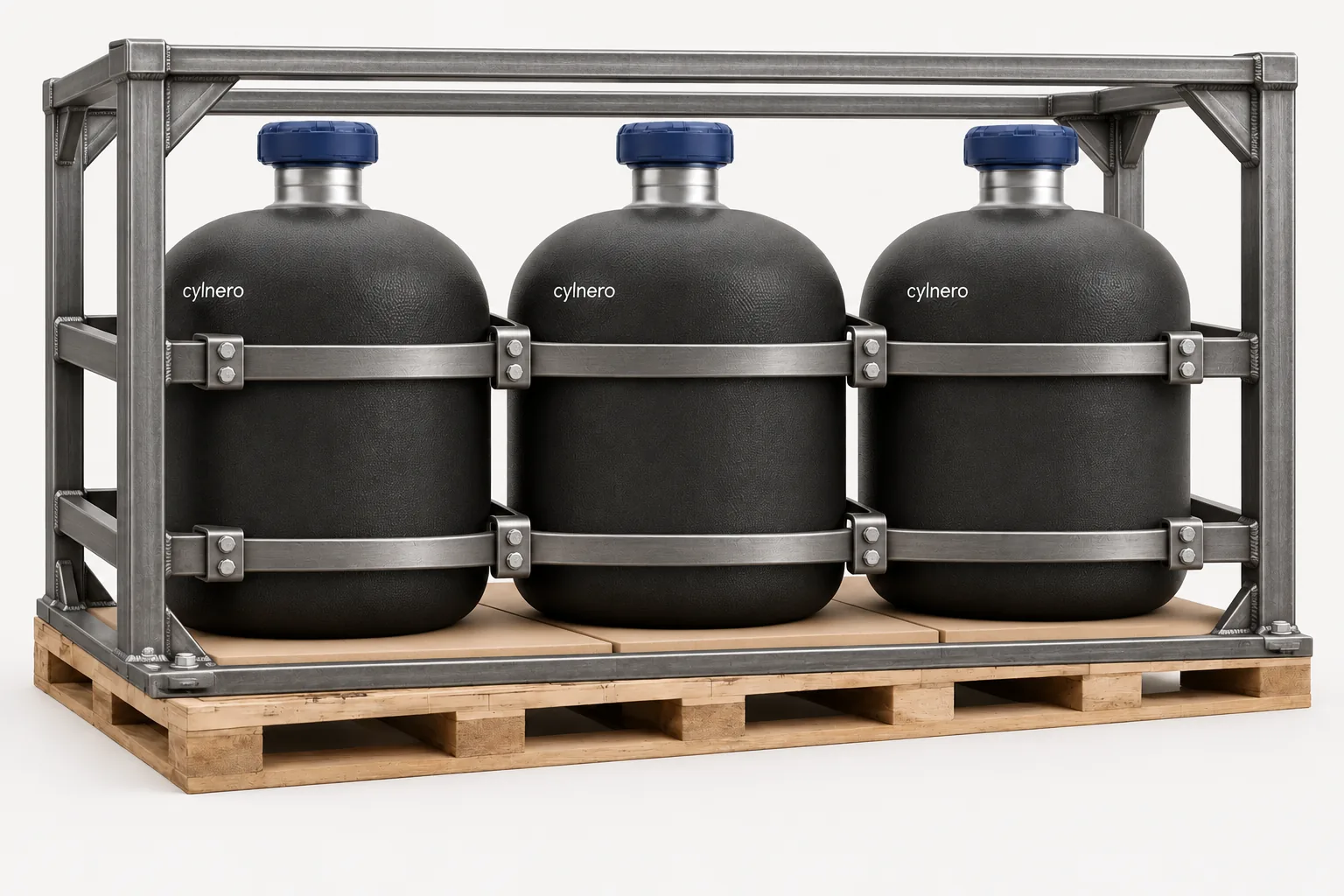 Packing preparation
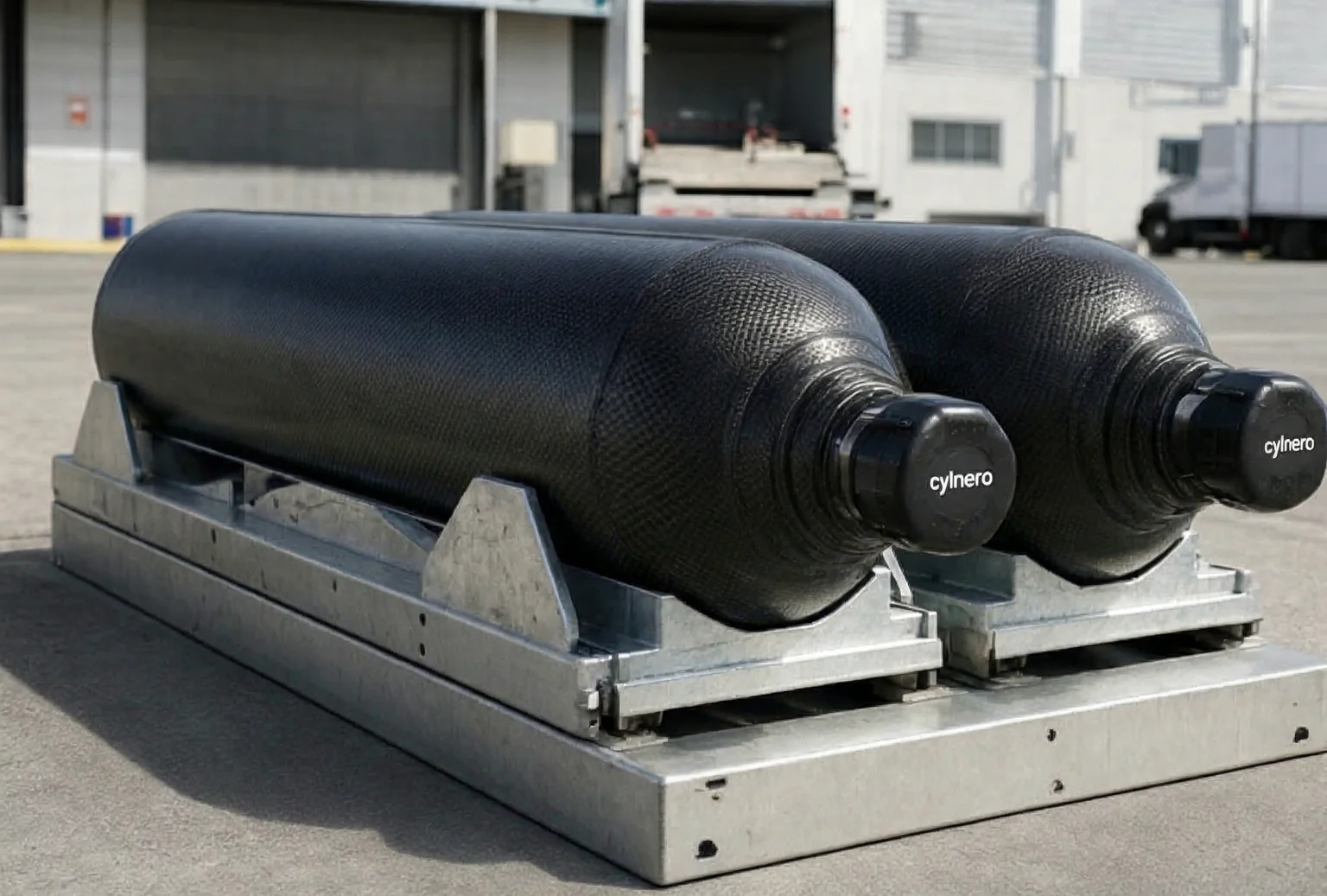 Dispatch preparation
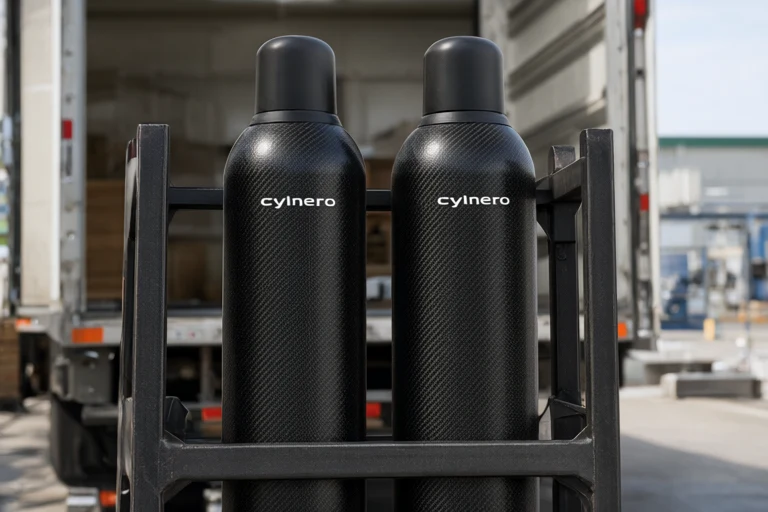
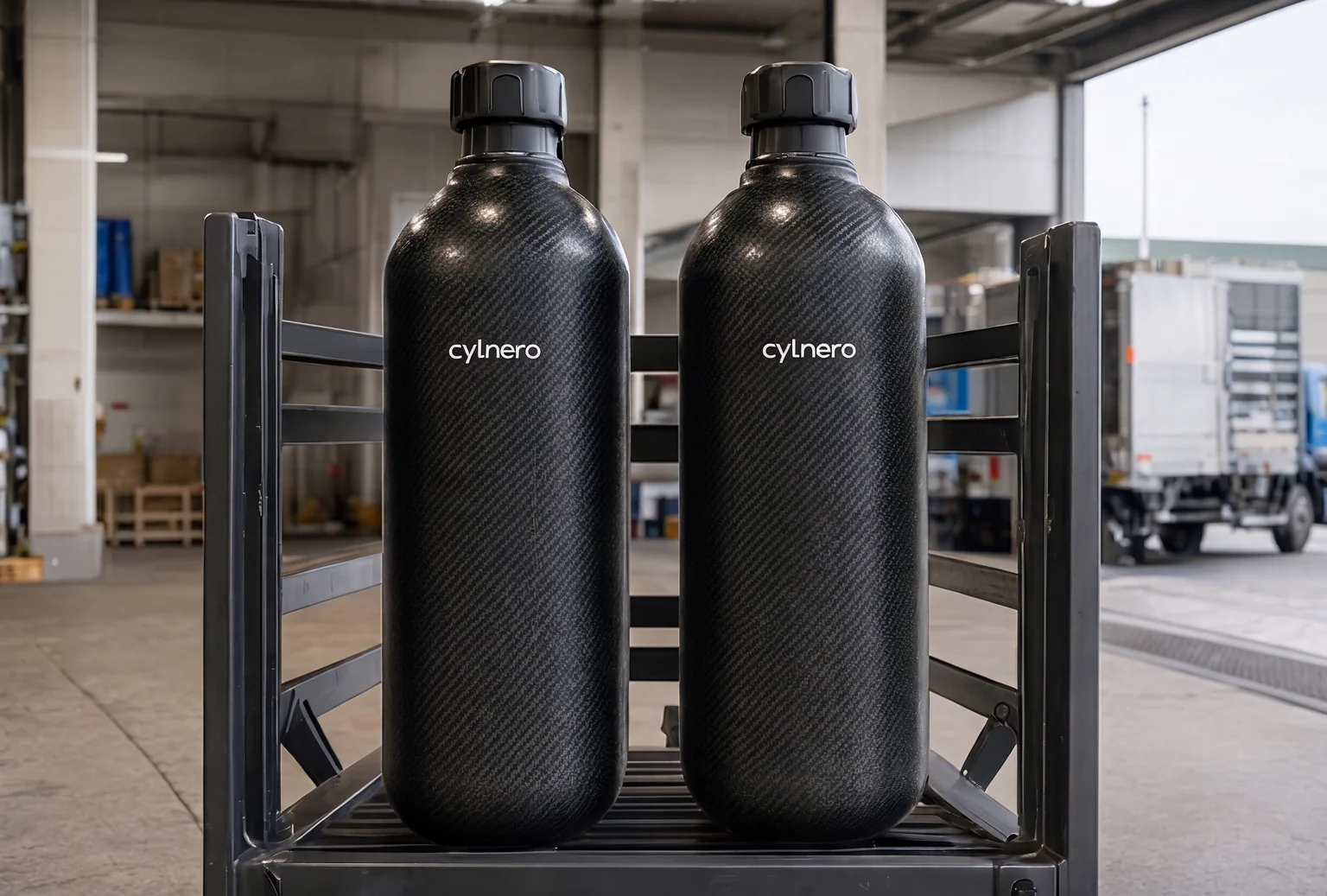 Loading preparation
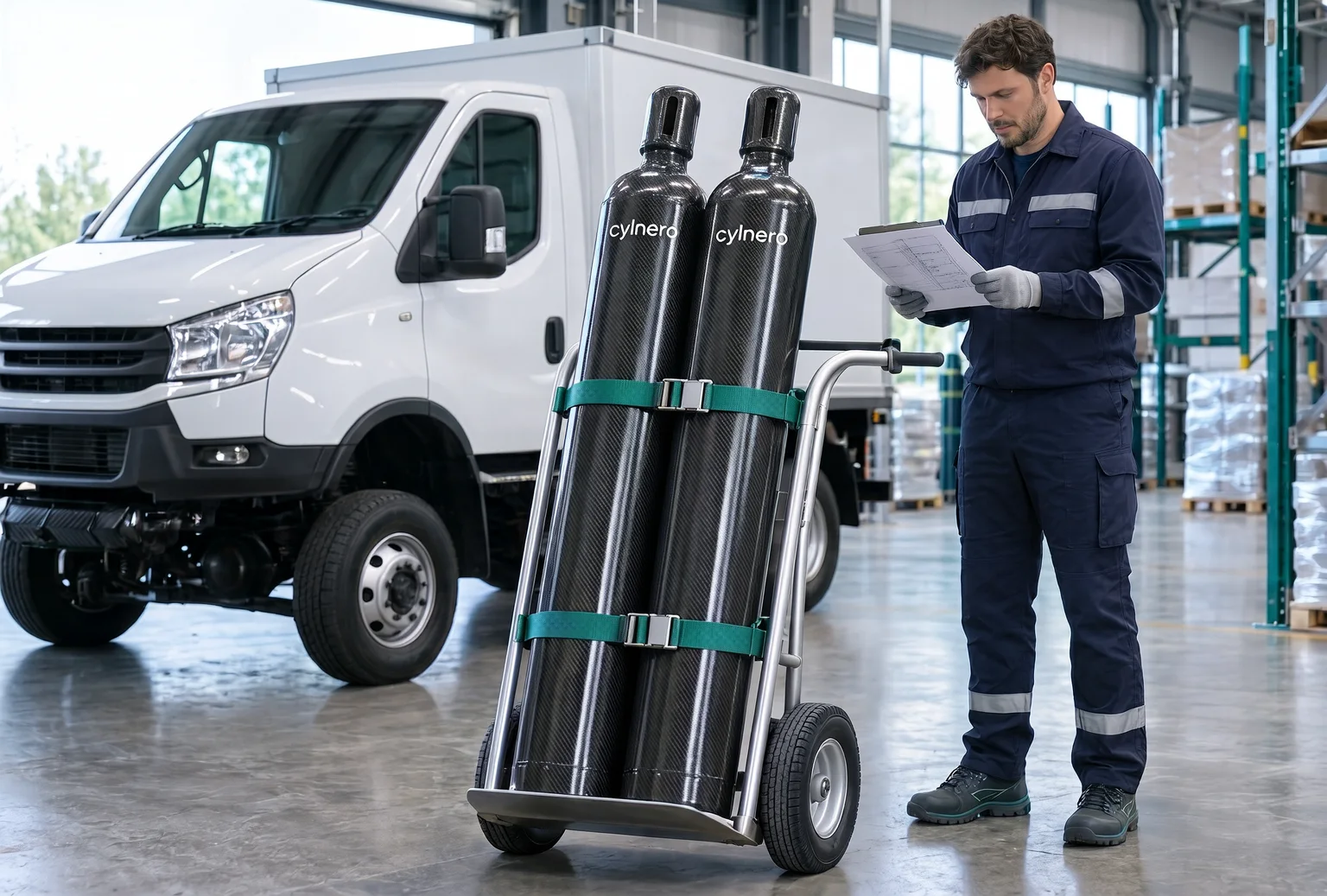 Vehicle project enquiry
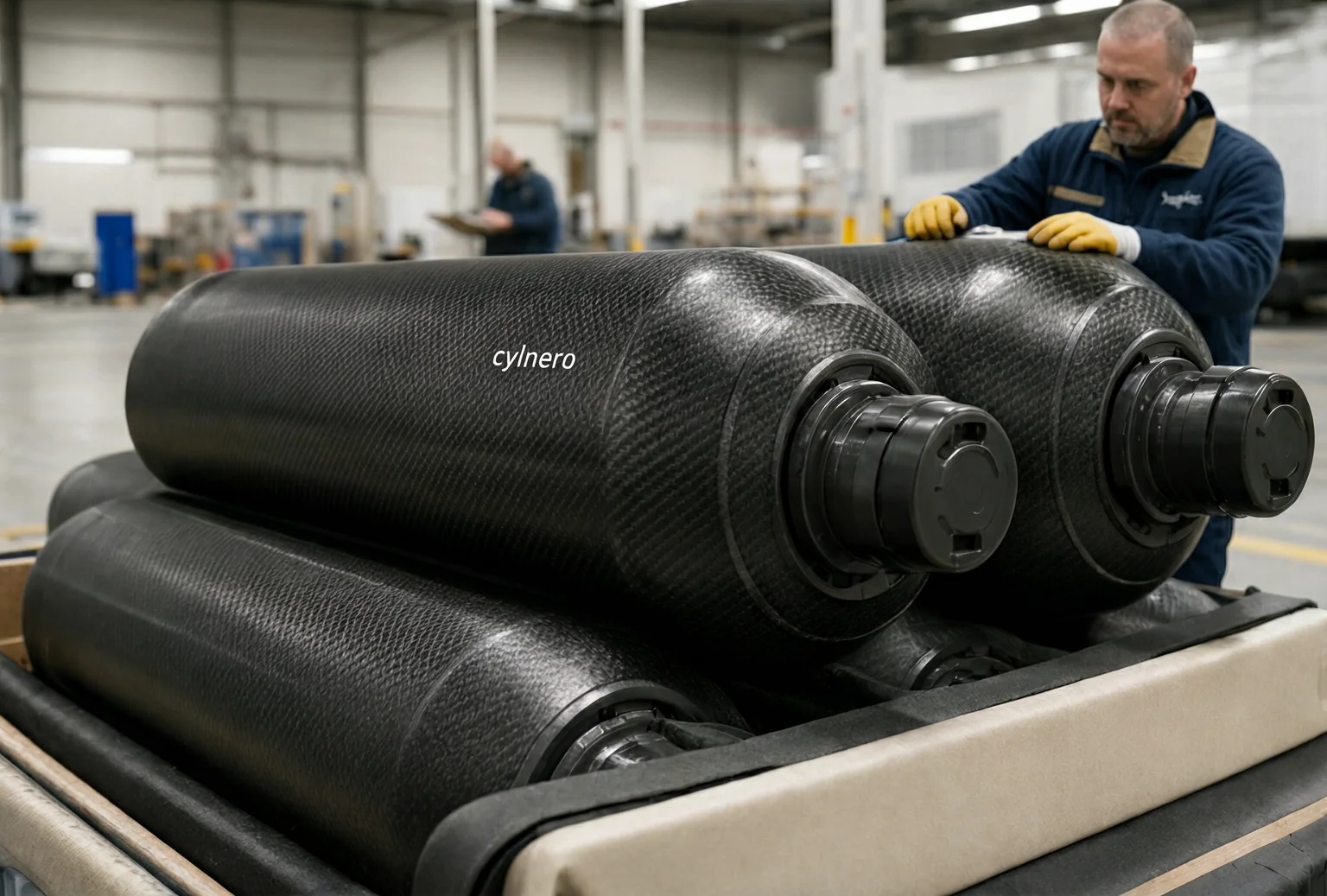 Warehouse preparation
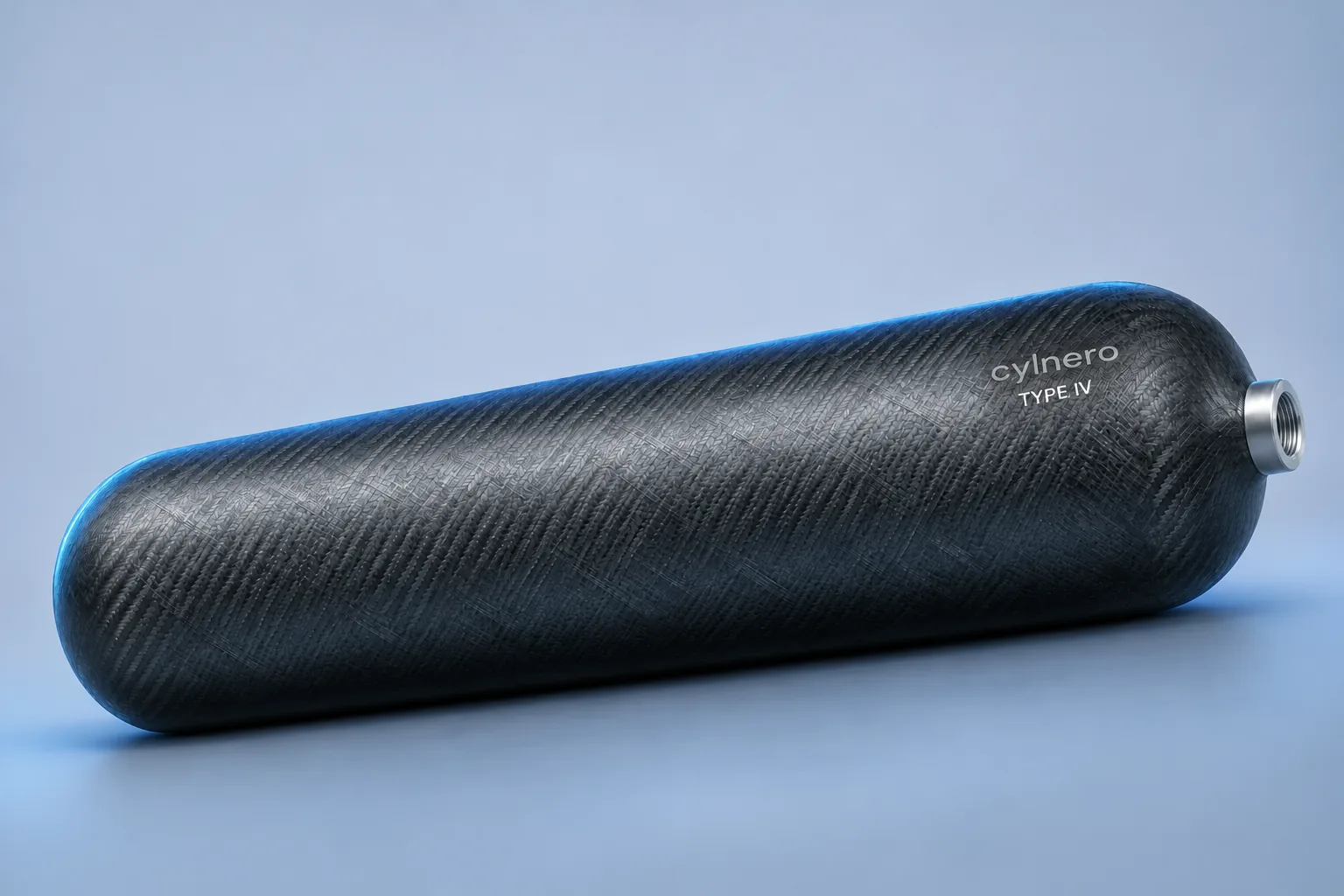 Type IV exterior
Swipe to see more views →
WHOLESALE / CONFIGURABLE SERIES
Type IV hydrogen cylinder enquiries for equipment and project buyers. Compare configuration requirements and prepare a quotation brief around your integration scope.
Your selections above are saved with this series. Adding the same series again updates its basket line.
FROM SELECTION TO DISPATCH
Discuss protection, interfaces and handling requirements for the Type IV cylinders in your enquiry.
Swipe to see more sections →
PRODUCT FAMILY / WHOLESALE
Type IV vessels use a non-metal liner with composite wrapping. Ask the manufacturer to identify the actual liner scope, connections and included components rather than deriving an offered specification from the family name.
DOE construction-family reference · construction context, not offered-model evidence
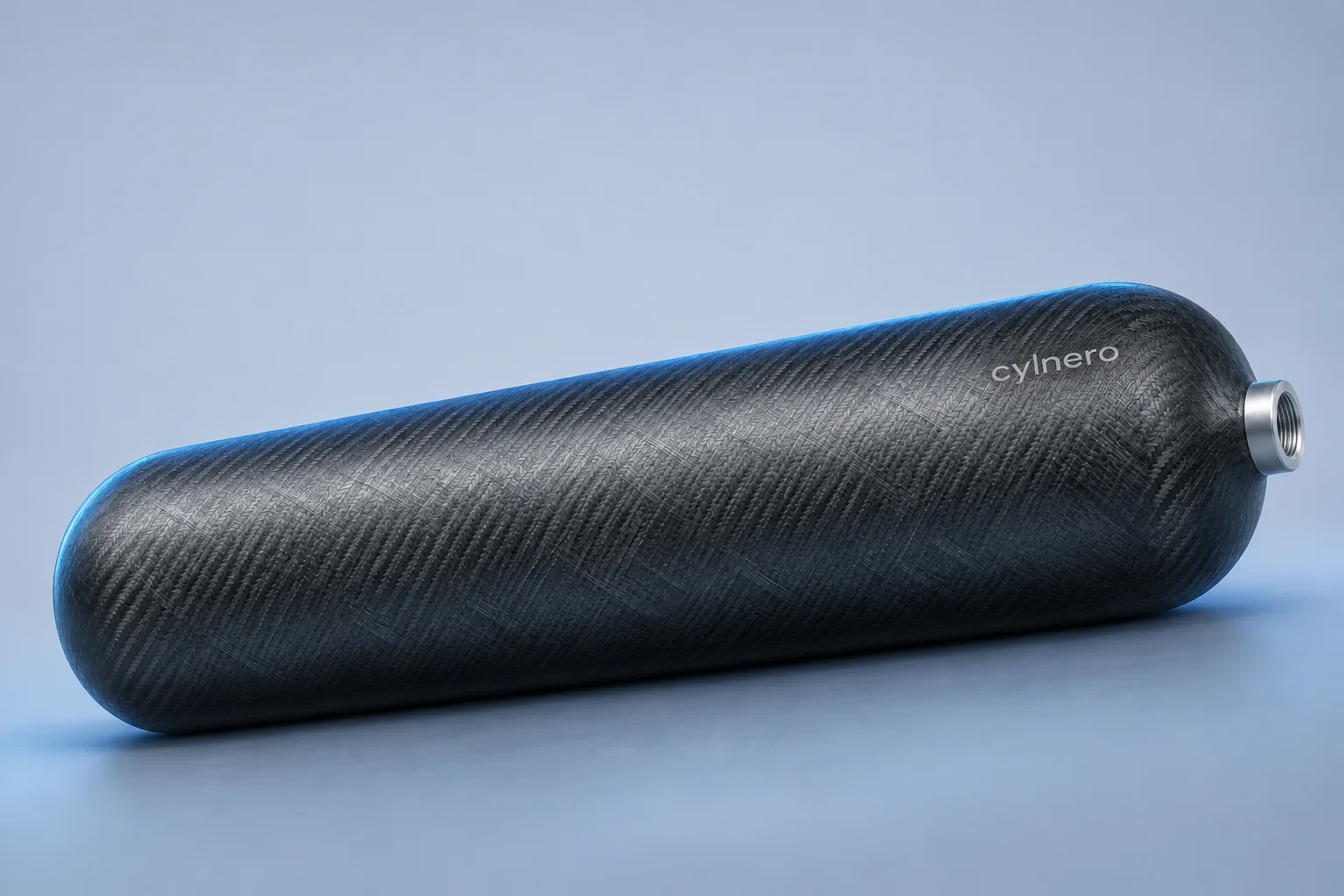
FROM REQUIREMENT TO QUOTATION
Start with the details you know. The configuration can be refined during the enquiry.
01 / YOUR APPLICATION
Application, approximate quantity and destination. Add a drawing or connection reference if you have one.
02 / THE PROPOSAL
Compare the proposed configuration, included components and document scope with your purchasing needs.
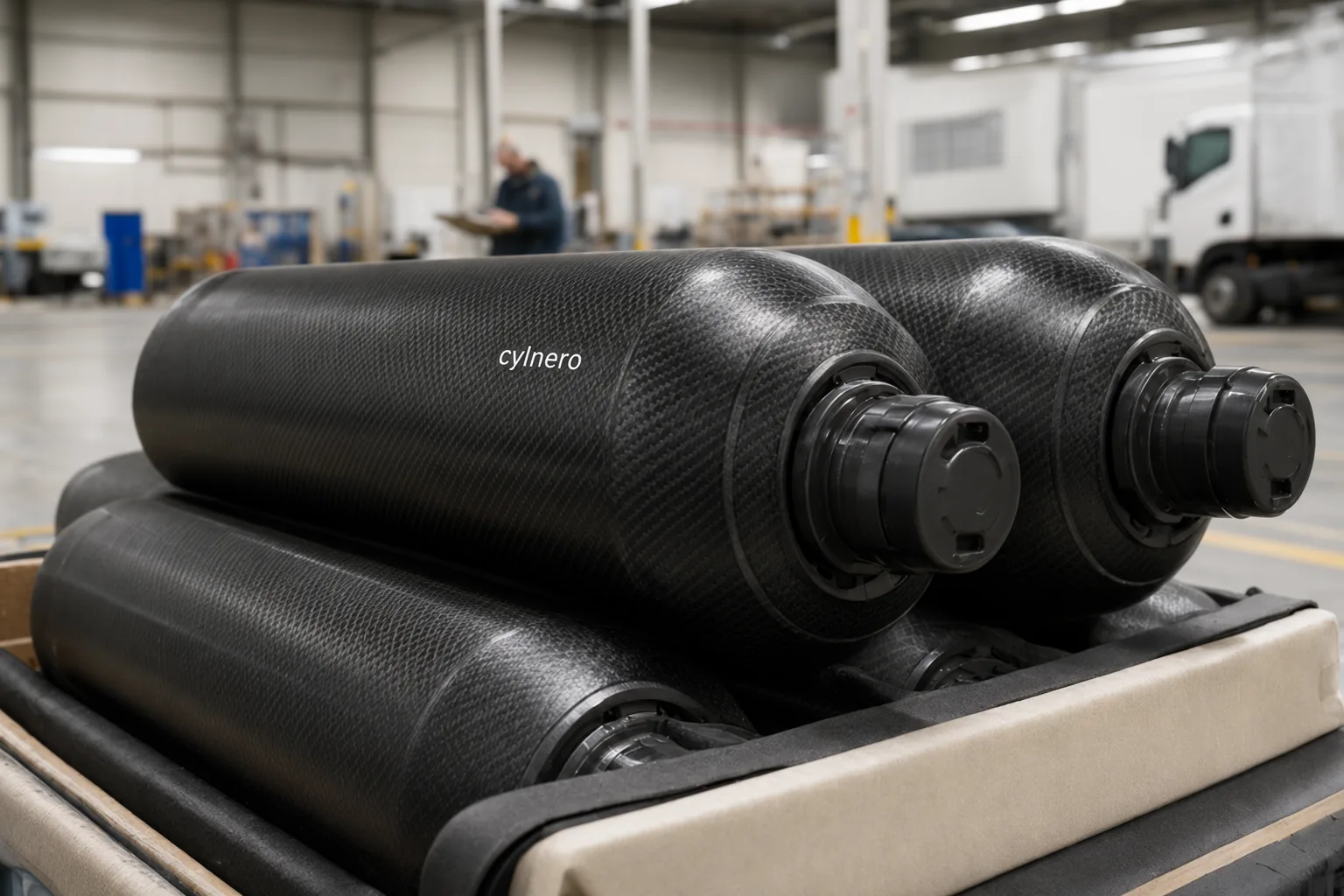
03 / THE NEXT STEP
Discuss the quotation, included work and delivery scope with the manufacturer. CYLNERO coordinates the conversation.
COMPARE THE CONFIGURATION
Review the nonmetal liner description alongside connection hardware and package boundaries; the Type IV label does not describe every supplied component.
Ask for the proposed nonmetal liner and reinforcement description, and identify any metal connections or valves included in the assembly.
Identify the requested connections and any included metal components. Their materials, interfaces and supply boundaries need confirmation for the specific proposal.
Define what one quoted unit should contain. Separate the vessel, attached hardware and any wider equipment so quantities can be compared consistently.
Published comparison example
Hexagon Purus lists this Type IV hydrogen cylinder as row L in its published comparison table:
Capacity, pressure, design and accessories affect weight. Ask which valves, mounts and protective components are included in the proposed configuration.
View the Hexagon Purus Type IV cylinder table. Confirm the proposed design and application requirements before selection.
Share the details you know; other fields can remain open.
PRODUCT SCOPE / WHOLESALE
Choose the details you want to discuss. The quotation identifies the components and services included in the proposed supply.
Request the body alone or discuss a proposed assembly with the manufacturer.
Share your programme requirements so they can be addressed in the offer.
The manufacturer confirms the offered configuration, included items and commercial terms.
GAS IDENTIFICATION / REFERENCE
For gas-filled supply, the actual contents and destination determine the applicable classification and labels. Ask the gas supplier for the relevant label and safety data sheet.
Flammable gas: Keep away from heat, sparks, open flames and other ignition sources. Follow the gas supplier’s label and safety data sheet, and applicable local requirements. Read OSHA hazard label guidance ↗
OSHA pictogram guide ↗A manufacturer model number is not needed to start. Share the options you know and leave the others for the quotation discussion.
| Series | Type IV Hydrogen Cylinder Series |
|---|---|
| Material / construction family | Composite with polymer liner |
| Construction type | Type IV |
| Product scope | Configurable wholesale series; no fixed manufacturer model required |
| Gas and application | Tell us the intended gas and application |
| Capacity and pressure | Requested values or installation envelope; final values confirmed in quotation |
| Valve and connection | Specify preferred connection or share the equipment requirements |
| Marking and packaging | Discuss branding, marking, packaging and shipment requirements |
| Destination documents | Confirm the destination and required documentation during enquiry |
| Quantity and commercial terms | Share the target order quantity; price, MOQ and delivery discussed in quotation |
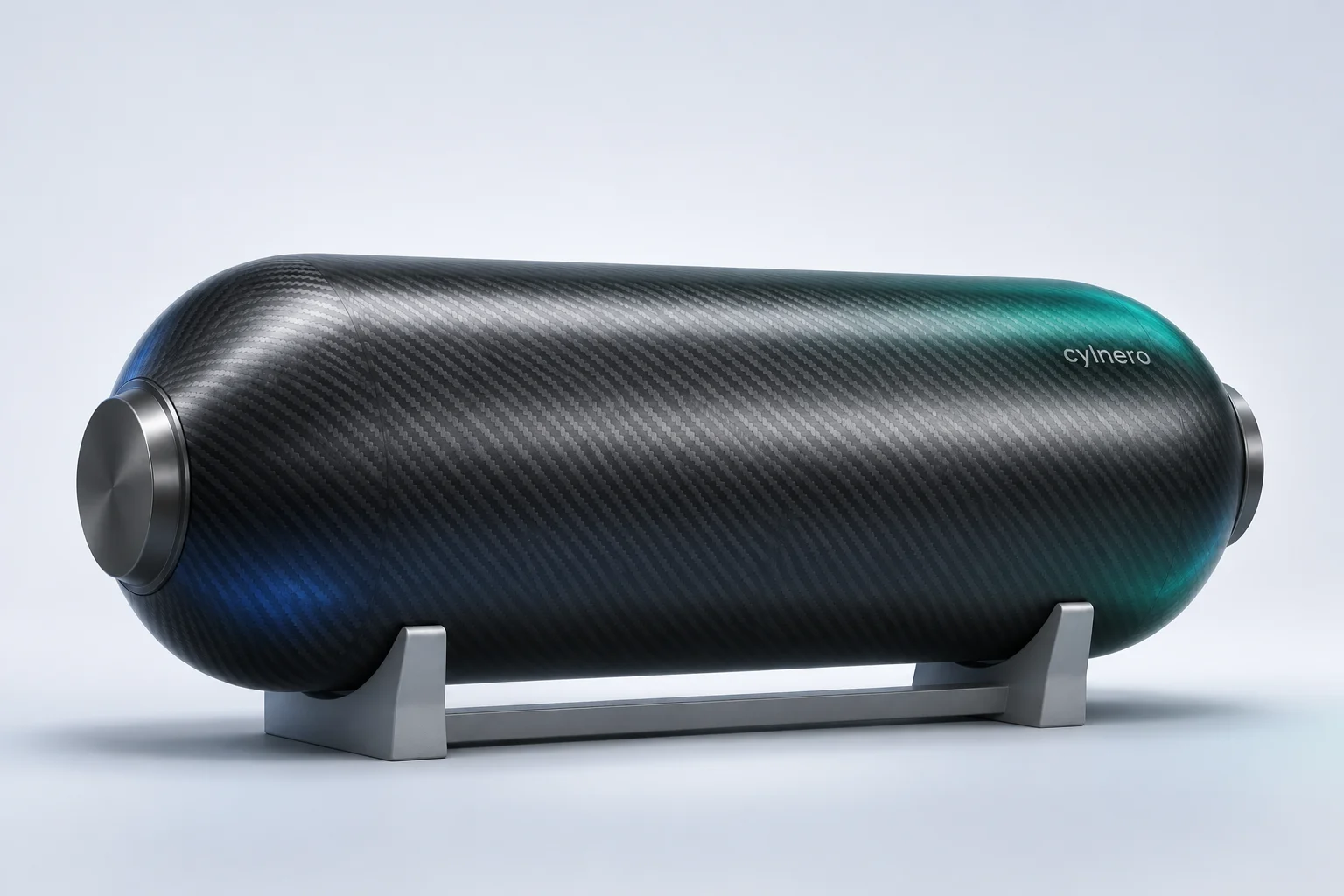
Describe the hydrogen application and share any known water capacity, working pressure, installation envelope and quantity. Ask which nonmetal liner, reinforcement and connection hardware the manufacturer proposes.
Start with the application, approximate purchasing quantity and destination. These inputs open the discussion without requiring a complete engineering schedule. Include known pressure or dimensional requirements with their source where available; do not omit an important constraint simply because other details remain unknown. A description such as an equipment-integration programme can explain the purchasing task while leaving the final configuration open. Ask the manufacturer which questions it needs answered to develop a proposal and distinguish any preliminary commercial indication from a confirmed quotation. The brief does not itself establish suitability for the intended application.
Optional details such as known envelope dimensions, interface specifications, or tender references can be included if available. These additions help narrow the scope of potential proposals but are not mandatory. The brief should clearly separate hard constraints, preferences, and unknowns. Hard constraints are non-negotiable requirements, such as maximum weight or connection type. Preferences indicate desired features, such as specific material finishes or labeling. Unknowns represent areas where the buyer requires supplier input or clarification. Use these labels to show which differences need a response rather than assuming that all entries are confirmed requirements.
Keep requested and offered dimensions, pressure entries and their units separate. Ask whether stated mass and dimensions describe the vessel alone or the assembly with its quoted fittings.
When comparing proposed configurations, record the requested and offered body dimensions, pressure fields, and units. Retain the original supplier entries to maintain traceability and avoid transcription errors. Identify any conversions made between different unit systems, such as metric to imperial, and document the basis for these changes. The assembly mass basis should be clearly stated, indicating whether it includes the valve, regulator, or other accessories. The recorded basis makes differences available for review; it does not itself validate the entries. The configuration is not chosen by this page but by the buyer based on the supplier’s proposal and their own requirements.
Record the manufacturer's proposed connection reference and drawing revision alongside any equipment reference supplied by the buyer. A common drawing label does not establish mechanical fit, and a different revision does not by itself identify what has changed. Ask the appointed reviewers to assess the actual documents and state any questions for the manufacturer. Where the drawing is not yet available, keep the interface field open rather than inventing a match. A quotation can develop while that point is unresolved; the record should show which configuration and review status each response concerns.
Compare price, proposed delivery terms and stated lead time alongside the configuration and evidence each offer actually covers. A quotation for a body alone and one for an assembly may have different scope even when the headline price is similar. Record the included valve, protective items, mounts, packing and documents where the supplier identifies them, and flag any unanswered fields. Keep alternatives and later clarifications with the corresponding offer revision. Review the technical and commercial responses together before treating two proposals as equivalent for the purchasing decision.
For example, a new programme may initially describe a body envelope while a manufacturer's response describes an assembly with a valve and protective components. Keep the buyer's envelope separate from the proposed dimensions and ask what each entry includes. If the mass basis is unspecified, record that question instead of comparing it with an assumed assembly limit. A later drawing can be added with its reference and revision, but its existence does not mean that an earlier text description has been superseded. Ask the manufacturer to explain any difference and which reference its offer uses. The reviewers can then assess the actual response against the developing equipment requirements. Retain original units and identify any comparison conversions separately. The example does not choose the final model, confirm mechanical fit or require rejection because a drawing label differs. It illustrates how a proposal can become more specific while the purchasing record preserves the original requirement and the questions still awaiting an answer.
Ask whether the offer covers the cylinder body or includes valves and other components. Compare the actual included scope carefully, avoiding assumptions that similar family descriptions mean interchangeable assemblies.
An initial enquiry can leave individual components open for discussion. Ask the manufacturer to identify what is included in its proposal and to list separately any options that it offers. When comparing quotations, retain the body-only and assembly descriptions beside their respective prices so that differences in components remain visible. Share existing connection or equipment references if available, and have the responsible reviewers assess the proposed interfaces against the actual project requirements.
For an equipment programme with an existing mounting envelope, provide the available drawing and identify the space reserved for the proposed cylinder, valve and protective components. Ask the manufacturer which drawing shows the offered assembly, where its proposed support interfaces are located, and which dimensions and mass include accessories. If the quotation covers the body only, identify the information the equipment reviewer needs from the parties discussing the valve and mounts. Record the relevant drawing revisions with the response and ask how a later component change affects the stated envelope or quoted scope. Keep the buyer's space limit separate from the supplier's dimensions so the two can be checked consistently. Where dimensions or responsibilities remain open, list them as questions for the appropriate reviewers rather than estimating them from an image.
Existing drawings explain the request when available; they do not automatically define what the manufacturer has included in its quotation. Ask for a clear response identifying the proposed cylinder, accessories and any exclusions. If a drawing depicts equipment outside that scope, distinguish it from the items being offered. The appointed reviewers can then assess integration questions against the actual proposal. A missing component reference remains a question rather than proof that a component is unavailable or included. Preserve any later clarification with the quotation revision so it is clear which response the comparison uses.
Share any branding, identification and packaging requirements. Ask what markings and packing the manufacturer proposes, and request package dimensions and counts when they become available.
Buyer artwork for logos or specific markings is optional and must be distinguished from the approved proposal. Manufacturers may have standard marking options, but custom requests require separate confirmation. Direct traceability questions to the manufacturer and appointed reviewers, keeping their responses distinct from the initial artwork request. Ask which markings the actual proposal includes and which remain open. This clarity helps buyers understand what additional costs or lead times might apply for custom branding or labeling.
Ask what packing information the manufacturer proposes to provide and whether packing is included in the quoted scope. Package count, proposed external dimensions and receiving contacts can be recorded when available. If the destination has an access or receiving constraint, share it for review by the responsible parties rather than treating a generic packing description as confirmation of acceptance. Keep an initial packing proposal separate from final shipment information. The page does not classify transport, prescribe handling or guarantee delivery condition; it helps identify the questions that the actual supply and logistics proposals need to address.

Ask which documents cover the proposed cylinder and included components. Record their references and revisions so your reviewers can compare them with the project requirements.
Evidence behind an offer includes configuration identifiers, issuer details, revision numbers, and scope descriptions. Record those references so reviewers can assess their relationship to the proposal; a matching label alone does not establish relevance. Reviewers assess unanswered evidence questions to determine if additional information is needed. A report does not prove all models or unexpected pressure-event protection, so buyers should not assume universal applicability. The actual proposal determines the evidence to assess, and no universal certificates are claimed at this stage.
Distinguish an order-specific record from an example supplied to explain the manufacturer's documentation. Ask which configuration, revision or delivery each record describes and where its limitations are stated. The document register can show an unanswered question about a missing reference without assigning a conclusion to it. Have the appointed reviewers assess the evidence relevant to the actual use and destination. A title, issue date or familiar-looking format does not by itself establish accuracy, completeness or acceptance. Keep manufacturer responses and reviewer comments associated with the version they address.
Use a simple relationship record: the quotation identifies the offered scope, the drawing describes a proposed configuration, and a supplied report states the item or assessment it covers. Those references may answer different questions and should not be treated as interchangeable. If a report refers to a different configuration, ask the manufacturer to explain its relevance and have that explanation assessed. A purchasing coordinator can collect the records without making the technical acceptance decision. This keeps document questions visible during quotation review while preserving the distinction between receiving evidence and accepting it.
Start a Type IV hydrogen cylinder enquiry around your equipment programme, even if a manufacturer model or complete parameter schedule has not been selected. This purchasing family describes non-metal-lined, fully wrapped composite cylinders; the manufacturer's actual proposal identifies the offered configuration. Share your intended use, approximate quantity and destination, then add known constraints or references where available. CYLNERO coordinates the questions and responses. Use the guide to organize configuration, included components, documentation and quotation comparisons while keeping assumptions visible. The family label does not establish liner grade, performance, availability or approval for the proposed application.
Use this series to discuss a Type IV cylinder request: a nonmetal-lined, fully wrapped construction family. Ask which liner, connections and metal components the actual proposal includes.
This series covers Type IV hydrogen cylinders with a non-metal liner and a full composite wrap. Start the enquiry with the application and the cylinder scope you need: a vessel body, a cylinder with a valve, or a wider assembly. For example, an equipment buyer can share the intended working pressure, available installation space, approximate quantity and destination, then ask the manufacturer to propose a configuration. If some details are still being developed, identify them as open questions. Compare quotations against the requested scope so that body-only and assembled offers are not treated as identical.
A new equipment programme may begin without a final envelope or connection drawing. Describe the intended task and identify which constraints are known, which are preferences and which still need development. A buyer with an existing drawing can provide its reference instead; that drawing supplies context rather than confirmation of fit. Ask the manufacturer to explain its proposed response and any information gaps. Both routes can start an enquiry without a selected factory model. Keep a proposal based on assumptions visibly separate from a configuration that has been reviewed and accepted by the relevant parties.
Describe whether you are seeking a cylinder body or an assembly that includes valves, protective items or mounting components. If the boundary is undecided, ask the manufacturer to identify its proposed inclusions and price any options it offers separately. Record the proposed configuration reference beside the quantity and destination in each quotation. This makes a body-only response easier to compare with an assembly offer while leaving room to discuss a different scope. Any proposed alternative should remain identifiable against the original requirement and the information supplied with that offer.
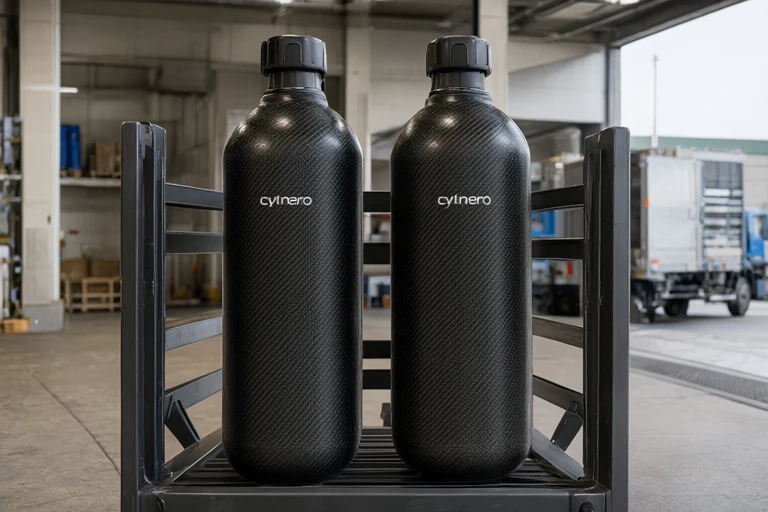
Give the cylinder count for the current request and identify any separate delivery groups. Ask whether proposed dates refer to manufacture, dispatch or arrival, keeping estimates distinct from agreed dates.
Start with an approximate current batch size rather than a rigid total. State the immediate need clearly while noting potential future volumes as a separate forecast. This distinction helps suppliers assess production capacity without committing to long-term volume guarantees. Avoid assuming fixed minimum order quantities or reserved stock levels, as these vary significantly between manufacturers. Clarify whether the initial order is standalone or part of a larger program, allowing the supplier to structure their proposal accordingly. This approach prevents misunderstandings about future obligations and keeps the initial commercial discussion focused on immediate requirements.
Distinguish between requested dates, proposed dates, and accepted commitments. A requested date is your preference, while a proposed date reflects the supplier’s current scheduling. Ask which dates are estimates, what assumptions they depend on and which commitments the actual agreement records. Understand that manufacturing, shipment, and delivery are separate stages, each with its own lead time. Do not assume a single delivery date covers all phases. Ask for a breakdown of these stages to identify potential bottlenecks. This transparency allows you to plan logistics and inventory management more effectively, reducing the risk of delays caused by unclear expectations regarding when the product is actually ready for dispatch.
For a repeat order, identify any existing agreement and ask how it applies to the current request. A revised configuration, quantity or delivery requirement may need a new response, but this page does not determine whether a separate contract or amendment is required. Keep the applicable references and open questions visible for the responsible parties. An earlier delivery does not confirm current availability or a future quality outcome. Ask what has changed in the actual offer and supporting information instead of assuming that all previous terms either continue automatically or have been cancelled.
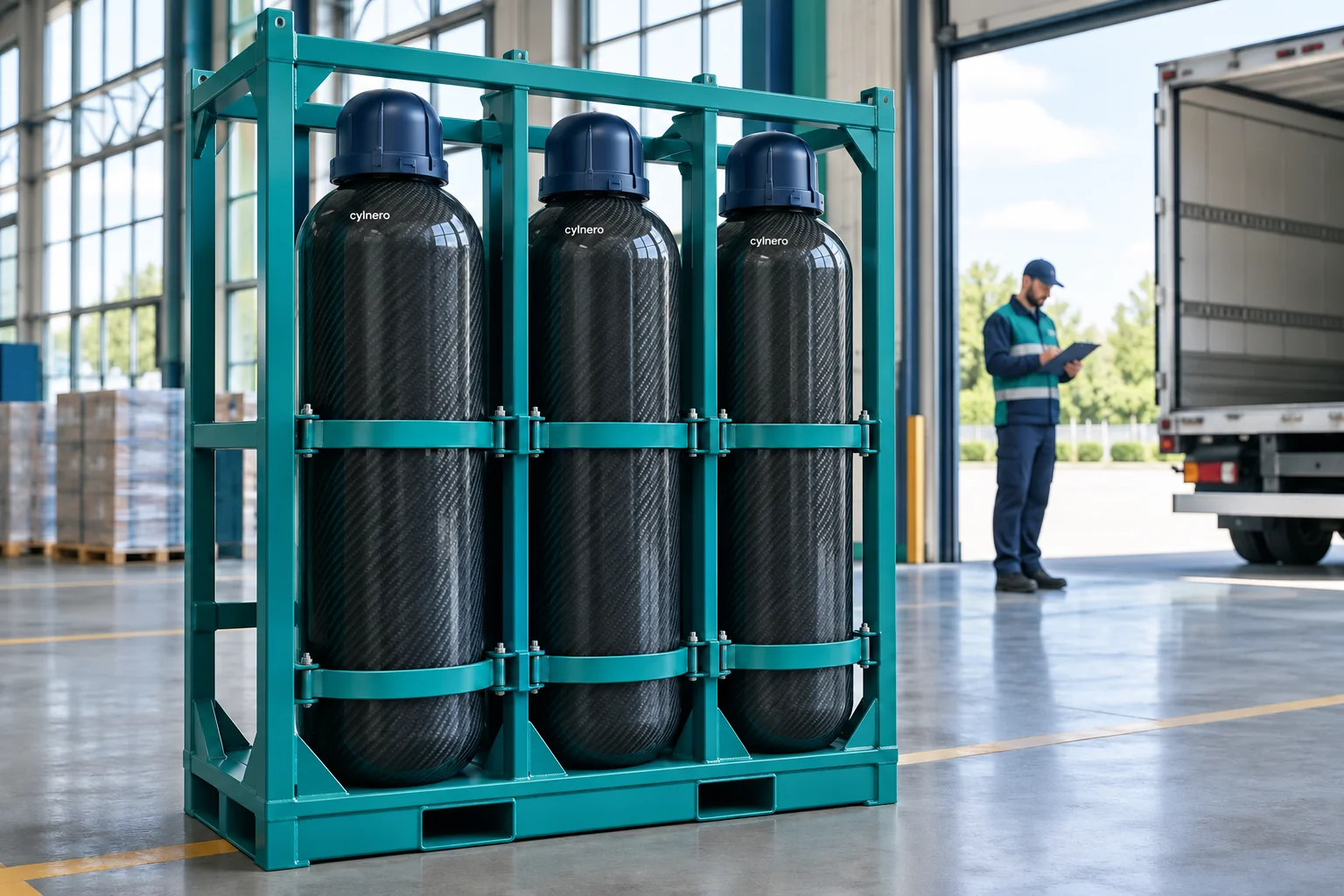
Compare body-only prices with assembly prices only after listing the included components. Record changes in scope, currency and quotation validity when reviewing a revised offer.
Compare quotations for the same requested quantity and destination, and keep each supplier's currency and validity period with its offer. If the purchasing team converts currencies, record the rate and date separately from the original quotation. List any stated freight, taxes and optional charges beside the base price, noting the terms on which each applies. When an item or destination is not addressed, mark it as an open question rather than treating it as included. Retain the comparison with the offer revision so changes can be checked before a decision.
Ask for the warranty and support terms proposed for the actual supply, and identify who can answer questions about them. Review the wording with the appropriate parties rather than assuming a particular department must provide the answer. A standard template may be background information until the applicable offer or agreement identifies its scope. Note unresolved exclusions or responsibilities without prescribing a legal conclusion or assigning a score from a clause heading. The commercial comparison can record what is offered and what remains unanswered; it does not establish the enforceability or adequacy of a warranty.
Describe the Type IV vessel or assembly requested, and identify any mounting or controls handled separately. Share known drawing or interface references and leave unresolved details open.
Describe the intended project and the boundary of the equipment you want quoted. For example, an integrator may request a Type IV vessel while arranging its own mounting and controls. Identify the vessel and any requested valve or protective components separately from those wider system items, and ask the manufacturer to identify what its proposal includes. Share known drawing references or interface limits and leave other details open for discussion. If another party supplies a component, identify who will review the interfaces between scopes. An application description helps explain the enquiry; the actual configuration and its suitability remain subject to review for that project.
Provide a contact person and a preferred route for responses. If several people contribute to the purchasing brief, identify who will collect commercial questions and who will assess the technical response, where those roles have been appointed. You may attach an existing requirement without treating it as accepted by the manufacturer. Ask any proposed alternative to be labelled clearly beside the original request. As the discussion develops, preserve the current reference and outstanding points so that a revised reply can be understood without reconstructing the entire exchange from separate messages.
An equipment integrator preparing a Type IV cylinder enquiry can describe the intended project, approximate quantity and destination, and identify whether the request is for a vessel or an assembly with specified components. If the integrator will address mounting or controls separately, make that boundary clear in the purchasing brief. Share any available drawing revision or interface requirement, and mark unresolved envelope or connection details as open. Ask the manufacturer to identify its proposed configuration, included items and the information it needs for a fuller response. When comparing replies, retain each proposed alternative beside the original requirement and record which drawing, component scope and commercial terms it describes. The project team can then review the actual proposal and the questions that still need answers without treating the first enquiry as a confirmed order or equipment approval.
Use this guide to prepare your enquiry. Confirm the specifications and supporting documents for the proposed cylinder with the manufacturer.
For standards research, consult the ISO gas-cylinder standards catalogue. The catalogue includes published and withdrawn standards. Check the status, edition, scope and destination requirements with the manufacturer and your appointed technical reviewer. A standards reference does not establish that a listed series conforms to it.
For the basic Type III / Type IV construction distinction, see the U.S. Department of Energy hydrogen-storage classification. The reference distinguishes metal-lined and non-metal-lined fully wrapped composite families. It does not verify a listed series, establish a performance advantage or approve an offered configuration.
Before placing an order, obtain the proposed model's drawings, configuration, applicable approvals and quotation from the manufacturer. CYLNERO coordinates sourcing; the manufacturer confirms and contracts the agreed supply.
Describe the intended hydrogen application, destination and approximate quantity. Add any available equipment envelope, working-pressure requirement or connection reference, and identify whether each is a fixed requirement or an open question. A manufacturer model is not required to begin. Ask the manufacturer to identify its proposed cylinder and assembly scope, together with the information it needs for a fuller response.
Both are composite-overwrapped vessel families. Type III uses a metal liner; Type IV uses a non-metal liner. The family name does not establish a specific model, pressure rating, mass or approval for your application. Compare manufacturer proposals against the same capacity, interface and destination requirements, and check which components are included in each stated weight. Ask the responsible reviewers to assess the actual configurations and documents.
Share the relevant drawing revision or existing interface reference if available, along with any marking artwork or packaging requirements. Ask which connection and protective components are included in the proposed assembly and how each requested marking would be applied. Keep a requested feature separate from an item confirmed in the quotation. The responsible reviewers assess the proposed interface against the actual equipment.
List the proposed cylinder and assembly reference beside each drawing, data sheet or record offered by the manufacturer. Ask which documents are examples, which relate to the proposed configuration and which are expected for an order. Record the issuer, revision and outstanding questions where available. Your appointed reviewers determine what evidence is relevant to the application and destination; a document title alone does not establish acceptance.
If the purchase involves more than one receiving site, share the approximate quantity and desired timing for each destination. Ask whether the quotation covers one shipment or separate releases, and request the proposed packing and delivery scope for each. Keep production, dispatch and arrival dates distinct. Quantities and schedules remain subject to the manufacturer’s actual offer and the agreed commercial terms.
Identify the previous configuration and any applicable agreement, then describe the current request and known changes. Ask which offer, documents, quantities and commercial terms apply now, including unresolved issues from an earlier supply where relevant. A repeat enquiry does not automatically carry forward a price, schedule or availability assumption. Have the responsible parties assess the actual response rather than treating earlier delivery as current approval.
Compare purchasing scope and configuration questions. Related series are not automatically interchangeable; the manufacturer confirms the offered configuration during enquiry.
Compare within Hydrogen Storage Tanks & Cylinder Systems
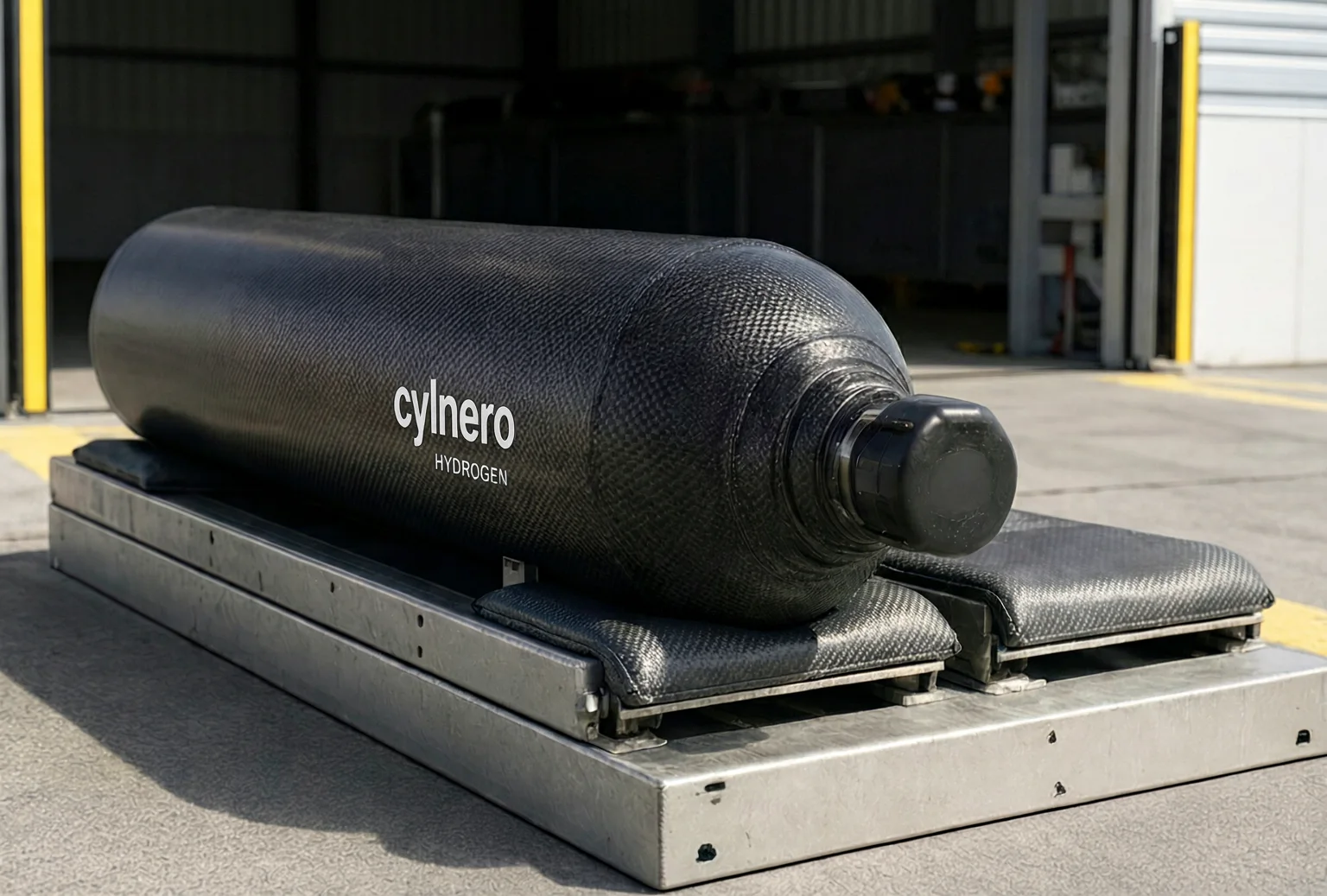
Configurable wholesale series · Specifications confirmed during enquiry
Compare these seriesUse these guides to describe your purchasing scope. A related application is a starting point for discussion; it does not establish that a particular configuration is approved or suitable.
Hydrogen refueling project purchasers can use this page to scope cylinder-related enquiries within a wider project.
Review purchasing prioritiesPurchasing teams working on onboard hydrogen equipment can prepare a cylinder-series enquiry before the detailed configuration is settled.
Review purchasing priorities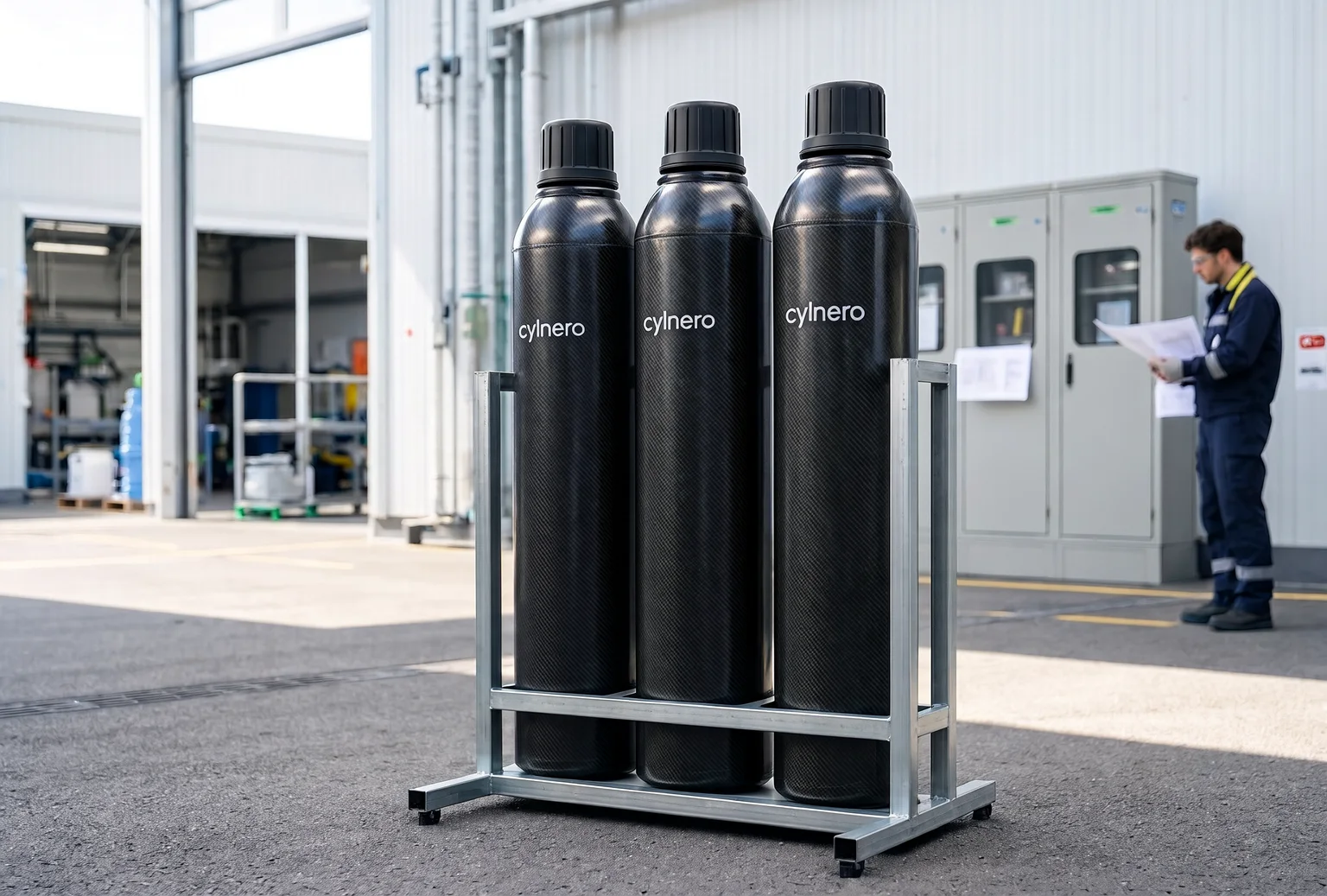
Stationary hydrogen equipment purchasers can organize a cylinder enquiry around the component scope and the requirements their project team has established.
Review purchasing prioritiesHydrogen equipment OEM purchasing teams can use this page to organize configurable cylinder-series enquiries and repeat-order discussions.
Review purchasing prioritiesCOPV integration purchasers can start with the intended medium, equipment context and component boundary.
Review purchasing priorities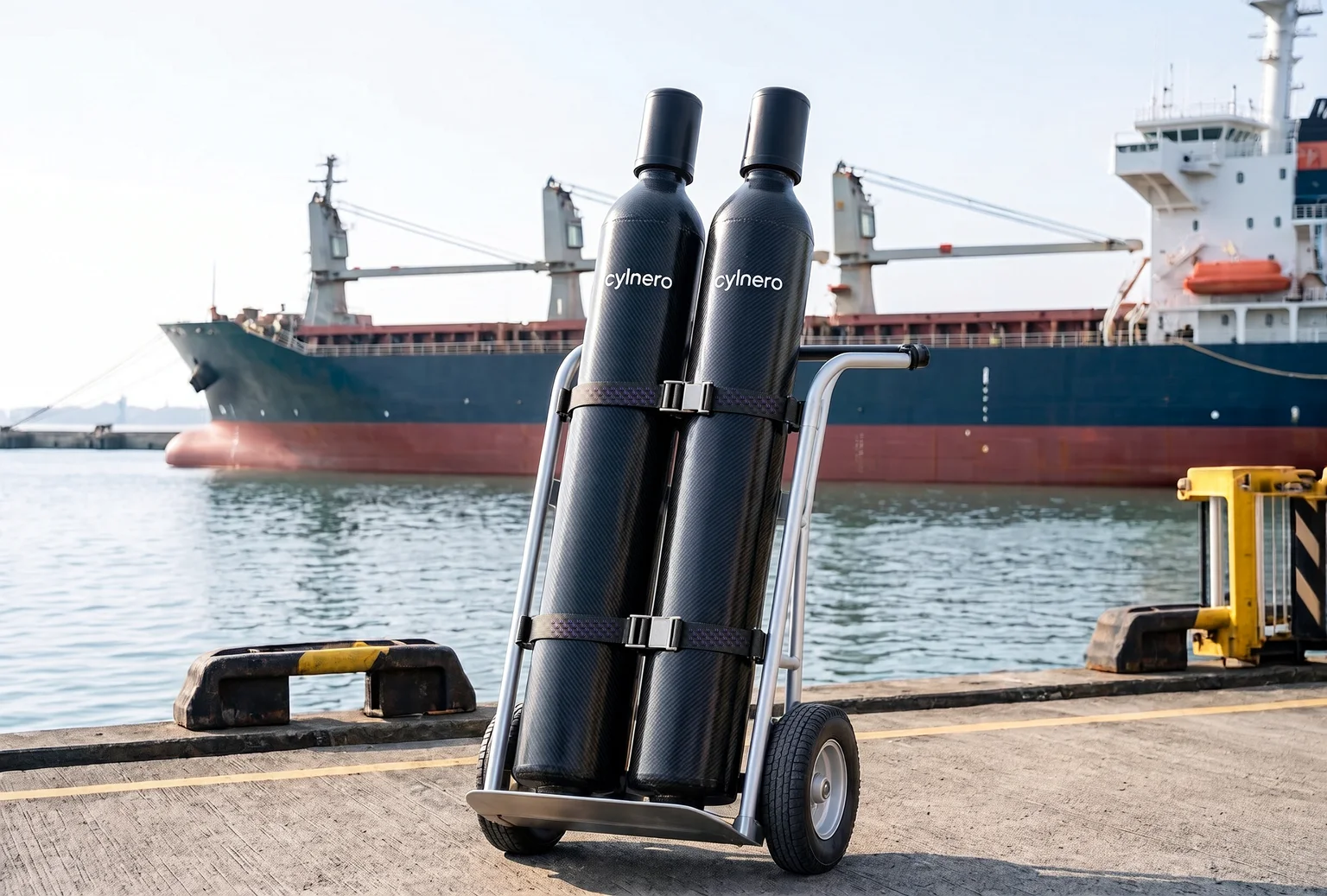
Marine hydrogen project purchasers can use this page to define a cylinder-related enquiry within a wider vessel or equipment project.
Review purchasing priorities