Wholesale sourcing
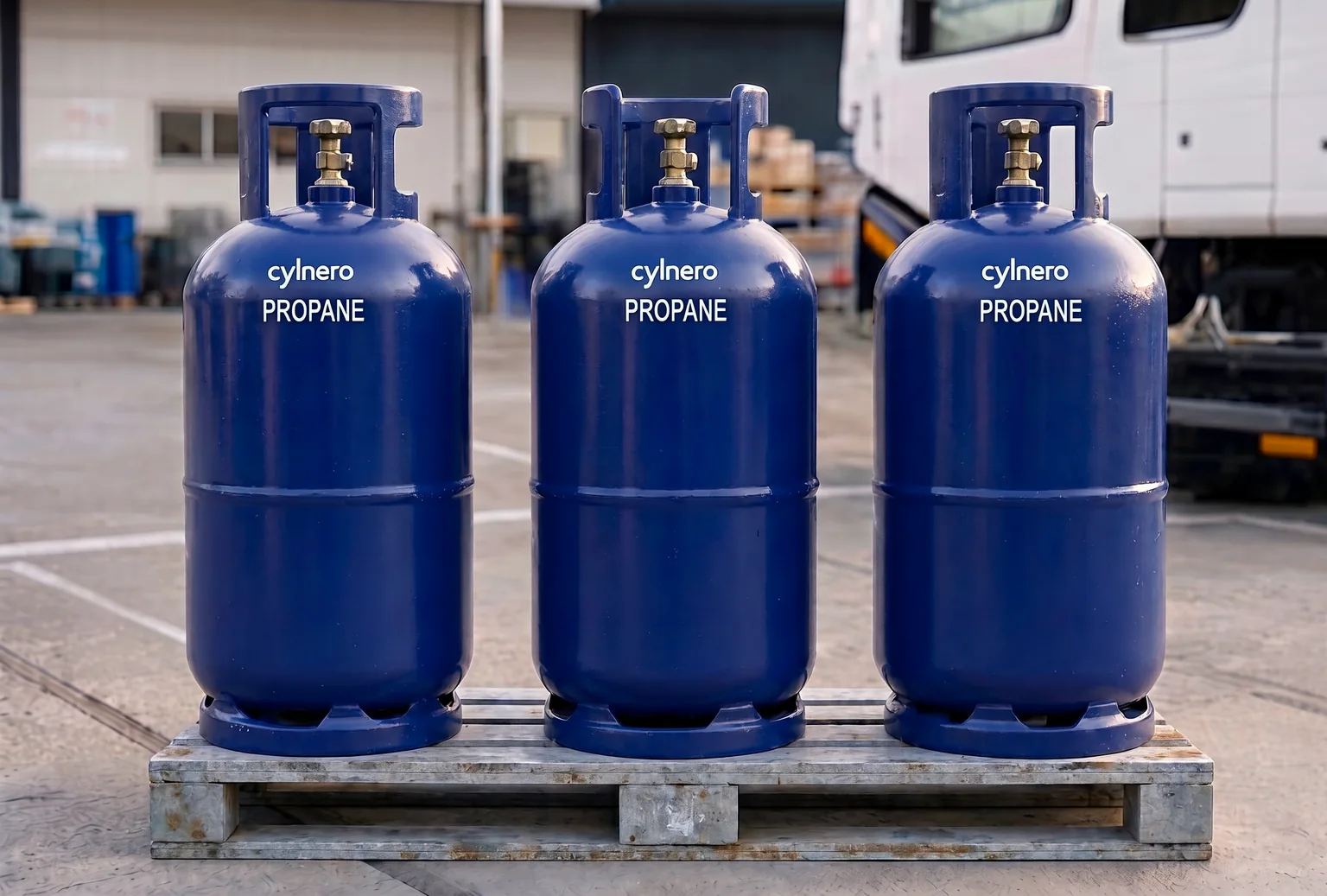
Wholesale procurement guide. Exact product specifications and destination requirements are confirmed during enquiry.
Define the propane-cylinder request
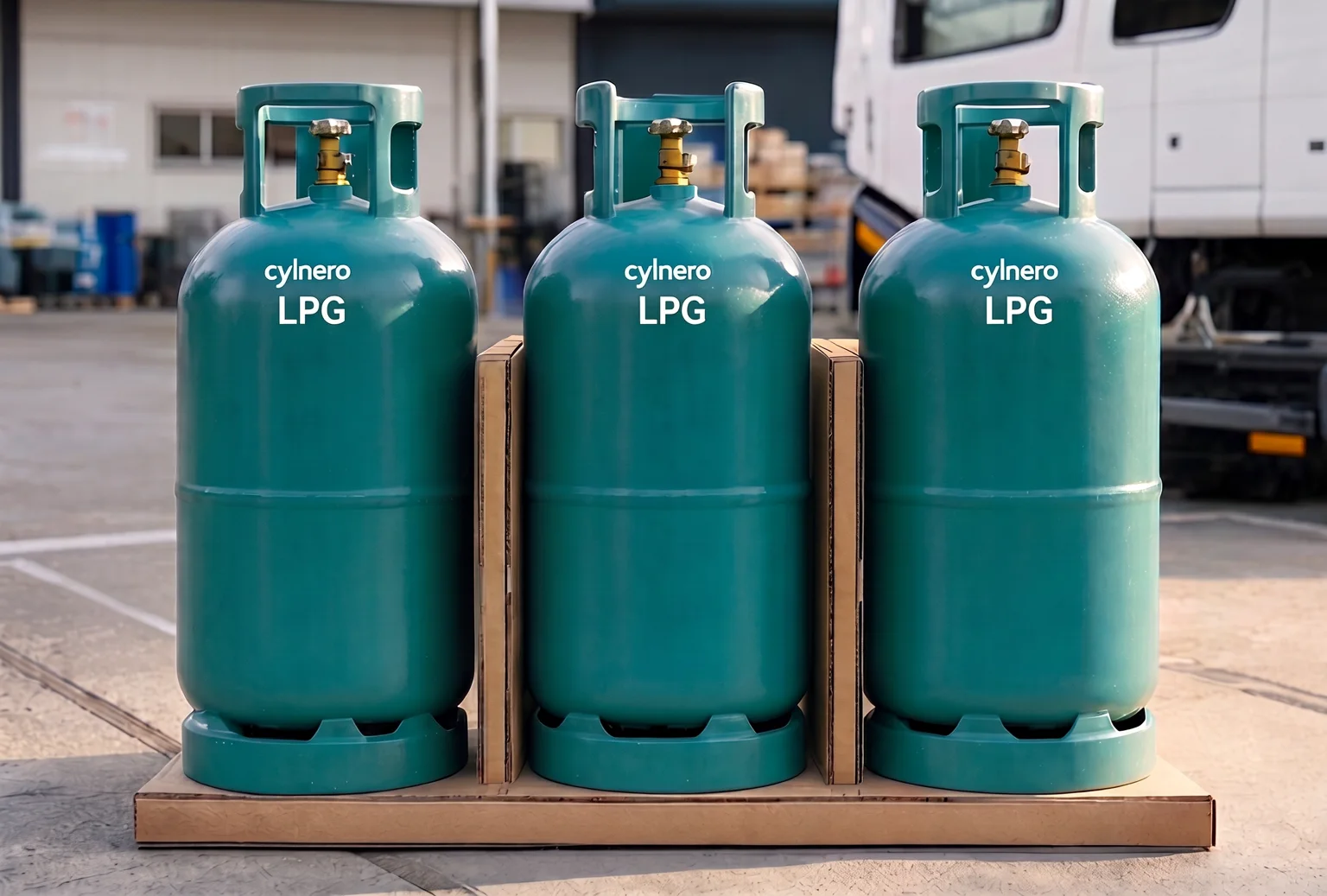
Describe the physical supply you are seeking and explain that propane service is part of the application requirement. If an existing specification identifies the intended fuel description, share that reference rather than replacing it with a general label. Where the description remains provisional, say so. Ask the manufacturer to identify the service and configuration its proposal actually concerns. The purchasing term does not establish a purity, composition or universal approval, and it should not be used to infer that a similar-looking container is interchangeable with the requested item.
Read the full guidance
Keep the cylinder-hardware purchase separate from gas supply, filling, exchange or other service arrangements. CYLNERO coordinates hardware sourcing enquiries rather than propane refill services. If a wider project includes other needs, identify them as separate questions instead of assuming they form part of the cylinder quotation. Ask which organization is expected to answer each scope question under the actual arrangements. A response about cylinder hardware does not itself confirm the availability of a local fuel service or establish how a receiving operation should use the equipment.
State any known requirement about the proposed supply condition and ask the manufacturer to describe the condition actually offered. Ask the manufacturer to state the supply condition in the current quotation. If the response refers to an existing manufacturer model, record the reference and any configuration qualification. If no model is proposed yet, keep that field open. The first discussion can establish the information needed next without implying that an item is stocked, customized or accepted for the intended application.
Describe the application and destination
Explain the purchasing task in terms that matter to the manufacturer and your reviewers. An importer, distributor or equipment purchaser may have different questions about the same broad cylinder family. State the intended application without treating the category page as endorsement of that use. Add known equipment references and constraints where available. If several applications are under consideration, label them separately rather than expecting one unspecified proposal to cover them all. The manufacturer can then identify which scope it is responding to and which questions remain unanswered.
Read the full guidance
Provide the destination you know at the enquiry stage. A country or receiving region can begin the discussion even if the final address will follow later. Ask which additional destination information the manufacturer needs for its proposed scope and schedule. Keep a requested delivery location distinct from any installation or later service location if those differ. The relevant parties assess the actual destination and evidence questions. This page does not decide import acceptance, classify a shipment or infer that a manufacturer supplies every required logistics service.
Keep propane and wider LPG enquiries distinct
Propane terminology is used within the wider LPG fuel context, but the purchasing label alone does not describe the actual fuel composition or accepted cylinder service. Share the intended service information that is available and ask which description the manufacturer uses for its actual offer. If that description differs from the project reference, preserve both entries and request clarification. This guide does not authorize or reject cross-fuel use from a name alone. The actual configuration, intended use and relevant evidence need assessment by the responsible parties.
Read the full guidance
If the same manufacturer reference appears in several responses, ask how the proposed hardware and service scope relate to each enquiry. Similar catalogue terms do not establish interchangeability.
Prepare an initial brief without a fixed model
Begin with the intended medium or service description, application, approximate physical quantity and destination. Attach known requirements when available and leave other fields open. You can ask for a proposal before selecting a factory model, completing drawings or settling every commercial detail. Ask the manufacturer to identify the information it needs next. Its preliminary response may propose a configuration, ask questions or explain that the requested scope cannot be offered. A brief does not need invented values to look complete or a model code copied from an unrelated product.
Read the full guidance
Label a mandatory requirement, a preference and background context differently. An equipment connection reference may be a firm constraint, while an appearance request may be open to alternatives. Preserve that distinction when a manufacturer replies. Ask any alternative to be identified beside the original request rather than silently substituted into the brief. Existing detailed specifications are welcome when relevant; they should not be omitted merely to keep the enquiry flexible. The purchasing discussion can remain accessible to buyers who have fewer details without weakening the requirements of those who do.
Record capacity, mass and pressure fields
Retain the field names, units and source references supplied with requested or proposed values. Filling mass, water capacity and physical purchasing quantity are separate descriptions. Do not substitute a capacity entry for the number of cylinders ordered or treat a mass label as a volume label. If the project reference and manufacturer response use different descriptions, preserve both and ask what each means for the actual proposal. This guide does not calculate gas quantity, prescribe a filling amount or infer a configuration from a capacity field.
View LPG cylinder tare-weight exampleRead the full guidance
Keep working pressure, test pressure and any other labelled pressure field distinct. Share a known project requirement with its source rather than estimating a missing value. Ask which configuration and document a manufacturer's entry describes, and retain any stated conditions or limitations for review. This page does not derive one pressure value from another, recommend a ratio or select a rating. An unknown field can remain an open question during initial discussion. A recorded pressure entry is information about a proposal, not evidence that an application has been approved.
For mass figures, identify the manufacturer's stated basis, including any description of the body, fitted components or supplied assembly. Ask what an unexplained tare or gross label includes rather than assuming a common definition across offers. Keep original units if values are converted for an internal comparison, and label the converted entries separately. The record should let a reviewer trace an entry back to its source. Do not add or subtract assumed component weights or copy a value from another model to resolve an unanswered question.
Review the connection and included hardware
An open connection question means that the interface has not yet been established; it is not a claim that one cylinder accepts several connections. Share any existing equipment reference and ask the manufacturer to identify the connection in its proposed configuration. Record drawing references and revisions where available. A similar-looking valve or familiar thread description does not by itself confirm compatibility. The relevant reviewers assess the actual response against the intended equipment. This buying guide does not select an adapter, recommend a modification or provide installation instructions.
Read the full guidance
Ask whether the price concerns the cylinder body or an assembly, then list the components the manufacturer actually identifies as included. Valves, caps or other protective items may have different statuses in different offers. If a required component is excluded, ask how that affects the proposed boundary and who will answer the remaining question. The actual arrangements identify responsibility; the catalogue does not assign all external components or integration work to the buyer by default.
Clarify material and format choices
State any known material, finish or format requirement and identify its source. Where a characteristic is a preference, label it accordingly. Ask the manufacturer to describe the actual configuration it proposes and any difference from the request. This category does not confirm a particular shell material, grade, coating or shape as available. Do not assign a universal durability, corrosion, mass or cost advantage to a material family from a generic description. The purchasing comparison concerns the actual offered item and the evidence relevant to its intended use.
Read the full guidance
If an equipment envelope or receiving constraint matters, share it beside the proposed dimensions. Ask whether the manufacturer's stated envelope includes fitted components and which drawing describes that scope. Keep a known dimensional limit separate from an indicative preference, and identify any unanswered field. A compact-looking item is not necessarily preferable for the project. The appointed reviewers assess the proposed configuration against the requirements using the relevant drawing and dimensions.
Colour and appearance do not establish construction quality or service acceptance. If an alternative finish or format is offered, ask what changes in the quotation and supporting references, and keep the original requirement visible for review.
Discuss marking and packing inclusions
Artwork can be shared when available, but it is not required to begin a cylinder enquiry. Identify the requested name, logo or other appearance information separately from product-identification and destination-marking questions. Ask what the manufacturer proposes and what information it needs to respond. If a proof is later supplied, record its version and scope. A comment about spelling or appearance is different from accepting all markings or the cylinder configuration. This page does not prescribe marking content, placement or methods for a particular destination.
Read the full guidance
Ask what packing is proposed for the actual supply and whether it is included in the quotation. Share known receiving constraints and identify package information still needed for review. If you have a packing preference, label it as a request rather than an approved arrangement. Initial packing descriptions and final shipment records have different statuses. Keep the relevant configuration and quotation references with them instead of treating a general packing label as a guarantee of condition on arrival.
Assess configuration evidence and destination questions

Ask which records the manufacturer proposes for the actual configuration and how each relates to the offer. An example report, a company-level certificate and an order-specific record can answer different questions. Identify their status rather than treating all supplied files as proof about the item being purchased. Record document identifiers, issuer, revision and stated scope where available. A title, date or familiar format does not alone establish authenticity, completeness or quality. Ask the appointed reviewers which questions the actual evidence answers and which remain open.
Read the full guidance
Share the intended destination and use together with existing project requirements. Ask the relevant parties what evidence needs assessment, then ask the manufacturer what it proposes to supply. This guide does not replace actual requirements with a universal certificate, test or audit list. An unavailable document may be an important question, but its absence during an initial exchange is not itself a diagnosis of a product defect. Keep the missing item and its review significance explicit instead of assuming that every preliminary response contains the final delivery records.
If the documents and quotation refer to different configurations, ask for an explanation of their relationship. Preserve the response beside the records so the relevant reviewers can assess it. A later revision may answer one question while leaving others unresolved; it does not automatically supersede every earlier reference. Technical, destination and commercial acceptance may involve different decisions. Receiving an evidence package does not establish customs clearance or permission to use the equipment, and this catalogue does not determine the legal status of the proposed supply.
About this category guide
Start a propane-cylinder hardware enquiry with the intended application, approximate purchasing quantity and destination. Add the fuel description and project requirements you know, leaving other parameters open. A factory model is not required at first contact. The word propane identifies the purchasing intent; it does not establish the actual fuel composition or approval of a particular cylinder. CYLNERO coordinates questions and manufacturer responses. Use this guide to compare proposed service descriptions, connections, included hardware, supporting records and commercial scope. Keep each manufacturer's response distinct from your requirements so the relevant parties can assess the actual offer and its outstanding questions.
Compare quotation scope and proposed schedule

Compare each propane cylinder quotation using the same purchasing fields: quantity, cylinder body, valve and protective guard, packaging, delivery basis, currency and validity. A body-only offer and a valve-equipped assembly cover different scopes, so list included items and exclusions beside each price. If a component or packing charge is unclear, ask the supplier to identify it rather than assigning an assumed cost. Keep the original quotation and any internal currency conversion in separate columns. This makes differences visible when several suppliers respond to the same request.
Read the full guidance
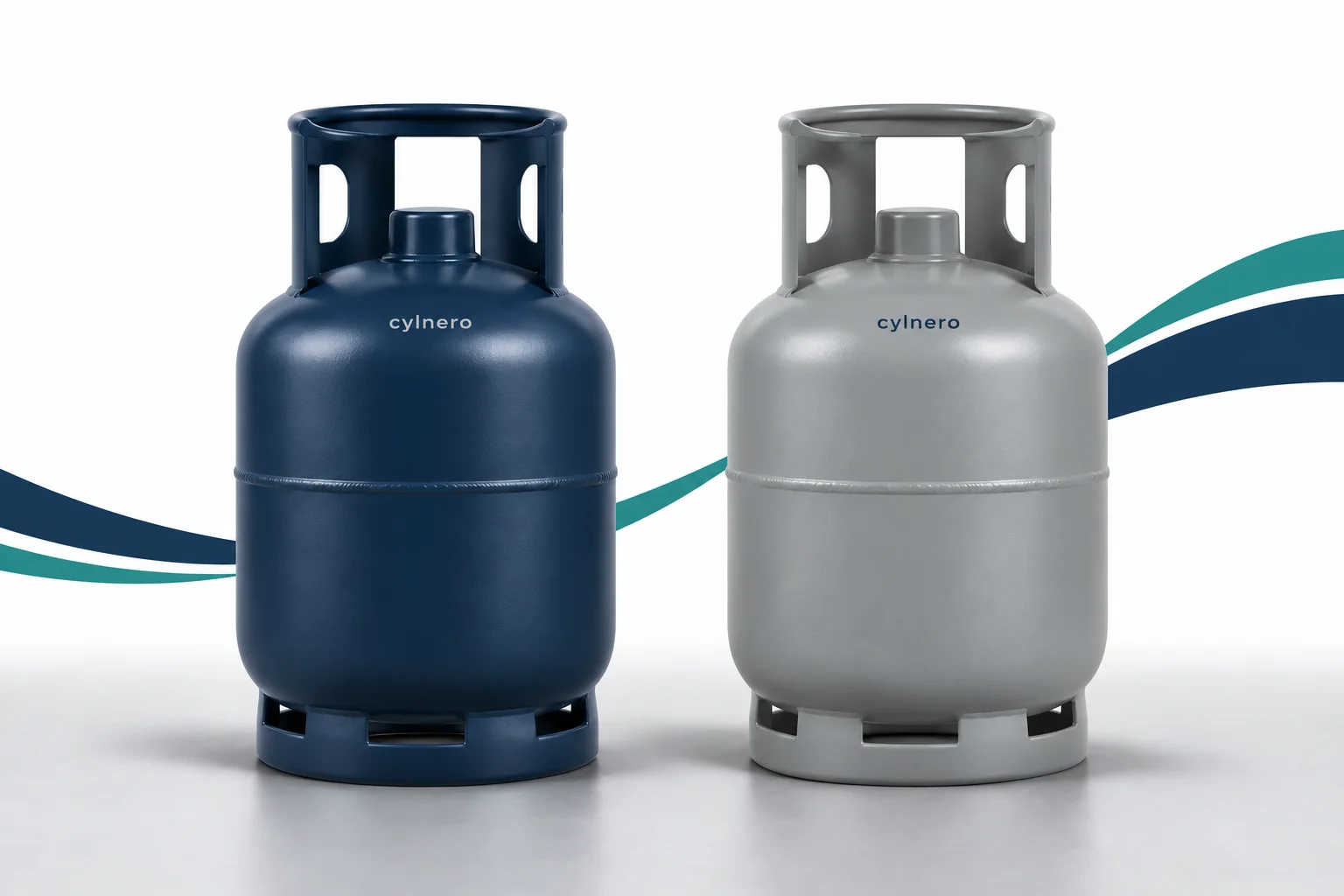
Set out the date you need the order and ask whether each proposed date refers to production, shipment or delivery at the destination. List the current batch separately from any later forecast, including quantities and intended receiving locations. If the supplier revises a price, date or component, retain the revision with the configuration it describes and ask which earlier terms still apply. For example, a distributor comparing two bottle formats can record a separate delivery and packing scope for each line. Keep unresolved questions beside the relevant offer so the purchasing team can follow up before choosing a proposal.
Follow changes and later support questions
Describe a changed requirement clearly and identify the earlier request or offer it affects. Ask the manufacturer whether it can respond to the revised scope and what effect it proposes for configuration, documents, price or schedule. A change request is not evidence that production has been altered or that a revised configuration is available. Keep the status visible until the actual response and relevant arrangements address it. The responsible parties assess any contract implications; this guide does not prescribe an amendment, penalty clause or acceptance formula.
Read the full guidance
Ask for the warranty and support scope proposed for the actual supply, including any stated exclusions and route for raising questions. Keep a general brochure or standard template separate from the terms identified for the offer. If later documents are proposed, ask about their format, scope and expected stage. An answer about support availability does not itself establish a response-time commitment or authorize a repair. This purchasing page provides no operating, maintenance or emergency procedure. The actual proposal and appropriately responsible parties address those matters.
Send a practical propane enquiry
A propane distributor may need one bottle configuration for a retail warehouse and another for a separate receiving location. Describe each group in its own line: intended use, approximate physical cylinder count, destination and any filling-mass label already used by the purchasing team. For each group, identify whether the request concerns bodies or assemblies and list any known valve or guard requirements. Ask the manufacturer to identify its proposed configuration, included components and packing for each delivery group. Leave an unknown size or connection open and record what information the manufacturer needs before it can respond. This gives the buyer a clearer basis for comparing the two scopes without assuming the same configuration applies to both.
Read the full guidance
When a response arrives, keep the proposed configuration and assumptions distinguishable from the request. A shared document can use labelled columns for requested, offered and unanswered points. If the manufacturer proposes an alternative, preserve the original requirement beside it and identify who will assess the difference. Ask any document or drawing clarification to name the configuration it concerns. The response may remain preliminary while information is gathered; a detailed-looking quotation is not itself evidence that all scope questions or technical requirements have been resolved.
Related procurement pages
About this procurement guide
Use this guide to prepare your enquiry. Confirm the specifications and supporting documents for the proposed cylinder with the manufacturer.
For standards research, consult the ISO gas-cylinder standards catalogue. The catalogue includes published and withdrawn standards. Check the status, edition, scope and destination requirements with the manufacturer and your appointed technical reviewer. A standards reference does not establish that a listed series conforms to it.
For background on propane / LPG fuel terminology, see the U.S. Department of Energy Alternative Fuels Data Center. Fuel terminology does not identify a listed cylinder's approved service, actual fuel composition or suitability. Have the actual proposed hardware and intended use assessed rather than treating this background reference as product approval.
Before placing an order, obtain the proposed model's drawings, configuration, applicable approvals and quotation from the manufacturer. CYLNERO coordinates sourcing; the manufacturer confirms and contracts the agreed supply.
Procurement questions
Does propane mean the cylinder is approved for a particular fuel composition?
No. The purchasing term does not establish actual fuel composition or acceptance of a particular cylinder. Share the intended service description and existing requirements where available, then ask which service and configuration the manufacturer proposes. Have the relevant response assessed. This page does not authorize or reject cross-fuel use from a name alone or treat a generic fuel description as product approval.
Does CYLNERO provide propane refill services?
No. This catalogue concerns cylinder-hardware enquiries. CYLNERO coordinates requirements and manufacturer responses; manufacturers identify the actual supply they propose under the relevant arrangements. If a wider project has fuel or local service questions, keep them separate from the hardware quotation rather than assuming they are included. A cylinder offer does not itself establish local refill, exchange or fuel availability.
Can I enquire without a complete parameter schedule?
Yes. Start with the intended service and application, approximate quantity and destination. Attach known requirements or references where available, label preferences and leave other fields open. A factory model is not required to begin. Ask the manufacturer which scope it can propose and what information it needs next. The first response may identify questions rather than a final configuration.
Does a similar-looking valve confirm compatibility?
No. Share existing interface references where available and ask which connection the manufacturer's actual configuration proposes. Keep drawing references and revisions with the relevant offer. A photo or matching-looking outline does not itself establish fit. The appointed reviewers assess the relationship to the intended equipment, including unresolved questions. This guide does not choose an adapter or prescribe a modification.
Which pressure and capacity fields should remain separate?
Retain filling mass, water capacity, physical purchasing quantity and any stated mass basis as separate entries with their units and sources. Keep working, test and other labelled pressure fields distinct. Do not infer a missing value from another field. Ask what each manufacturer's entry describes, retaining the original response for review. This guide supplies no pressure ratios, rating selection or gas-quantity calculation.
What should be checked before changing or repeating an enquiry?
Identify the earlier configuration or applicable agreement and describe the current need and changes. Ask which offer, document references, quantities and commercial terms apply now and what remains unanswered. Keep proposed alternatives distinct from accepted requirements. A repeat enquiry does not itself confirm availability or preserve a price or date, and this page does not decide whether a separate contract or amendment is needed.