 Wholesale sourcing
01 / YOUR APPLICATION
Start with what you know
Application, approximate quantity and destination. Add a drawing or connection reference if you have one.
 View larger ↗
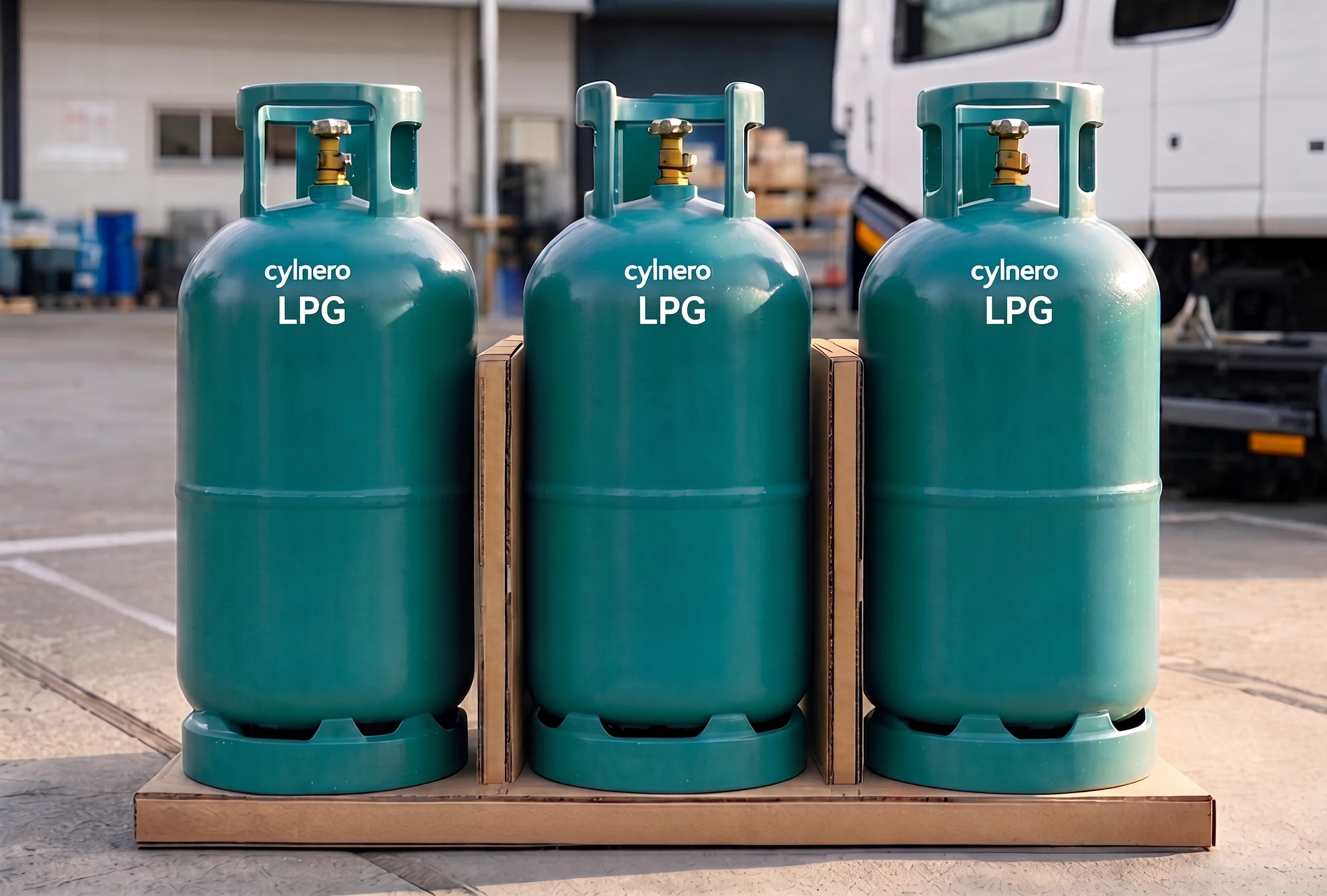 Series view
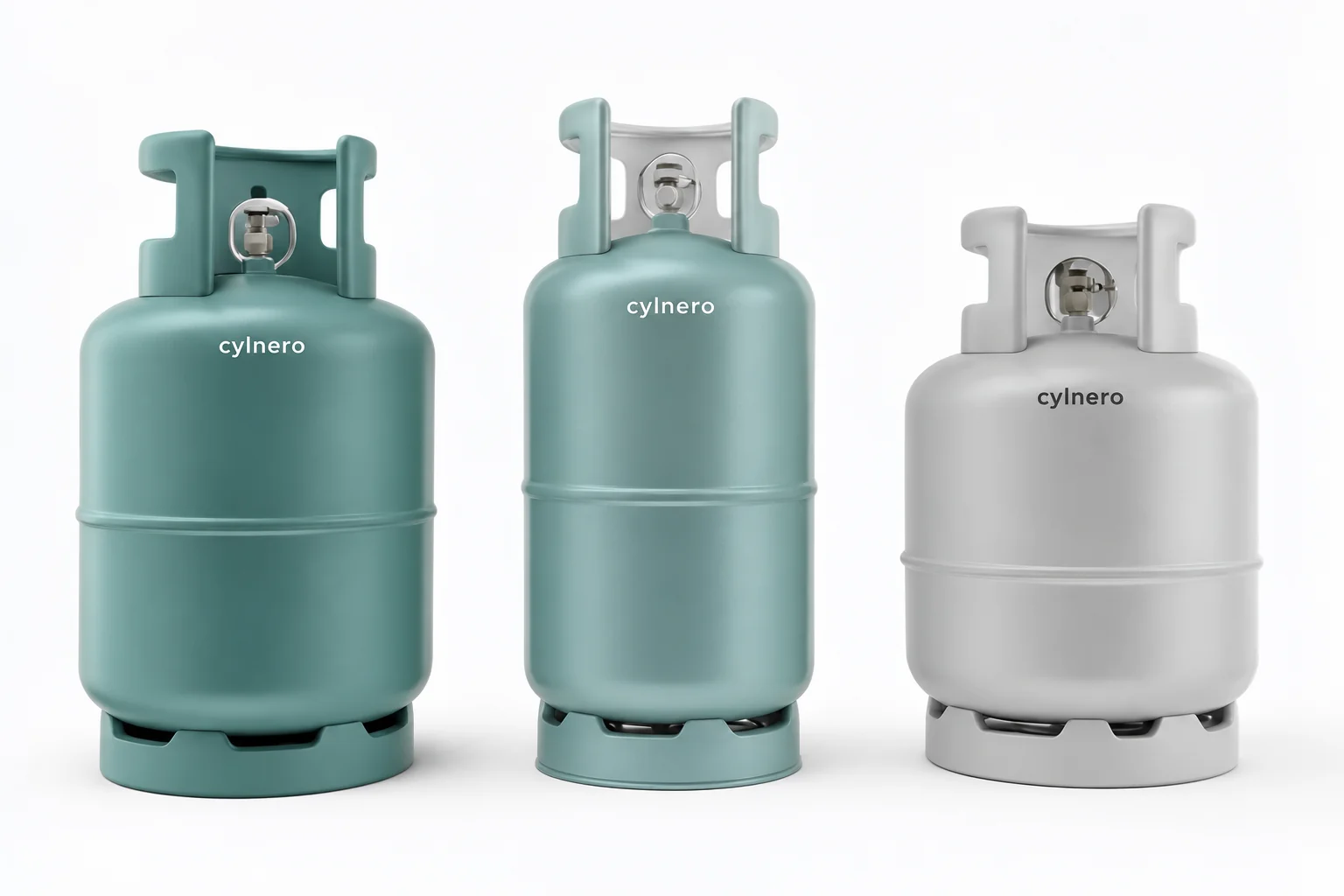
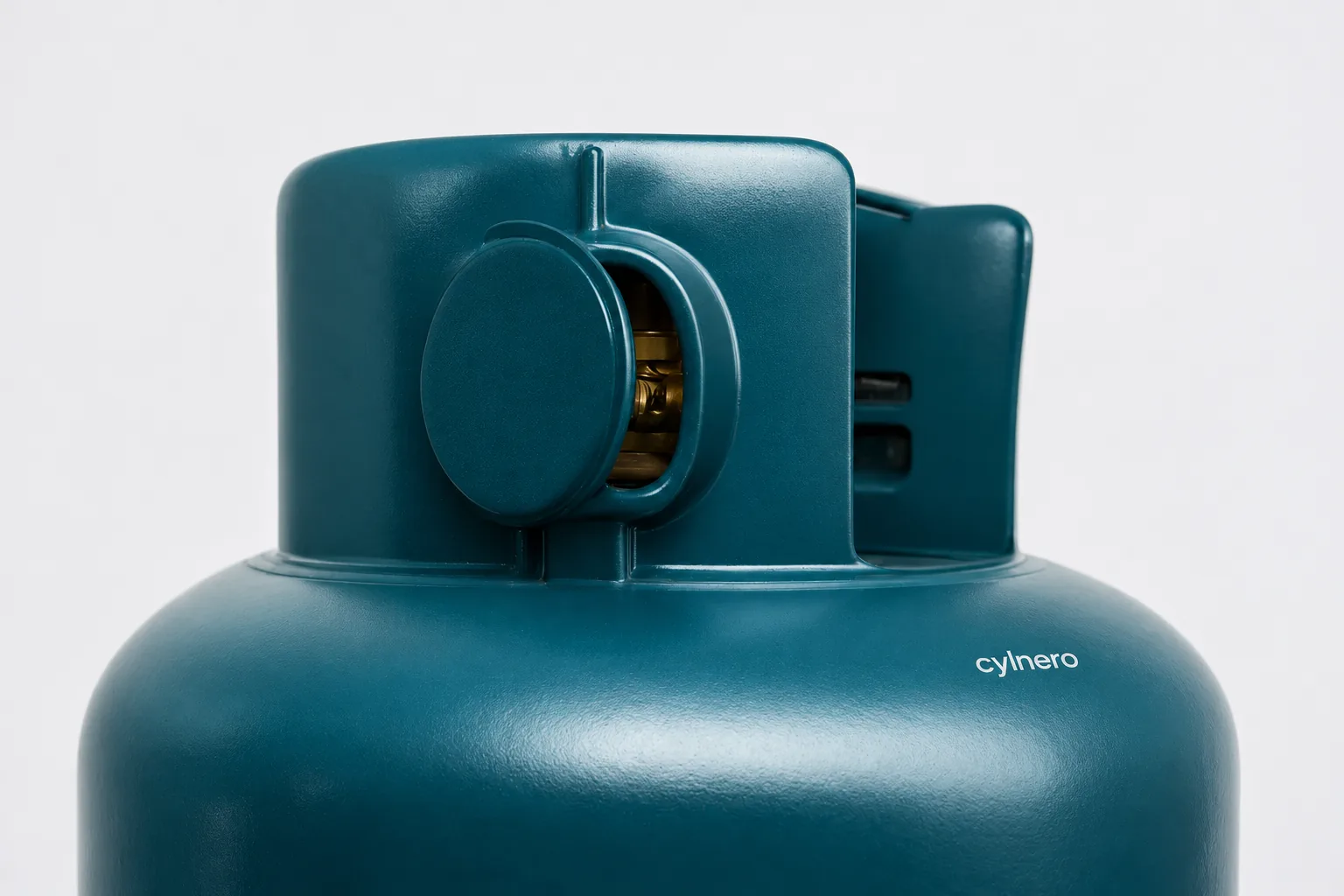 Valve guardFormat comparison
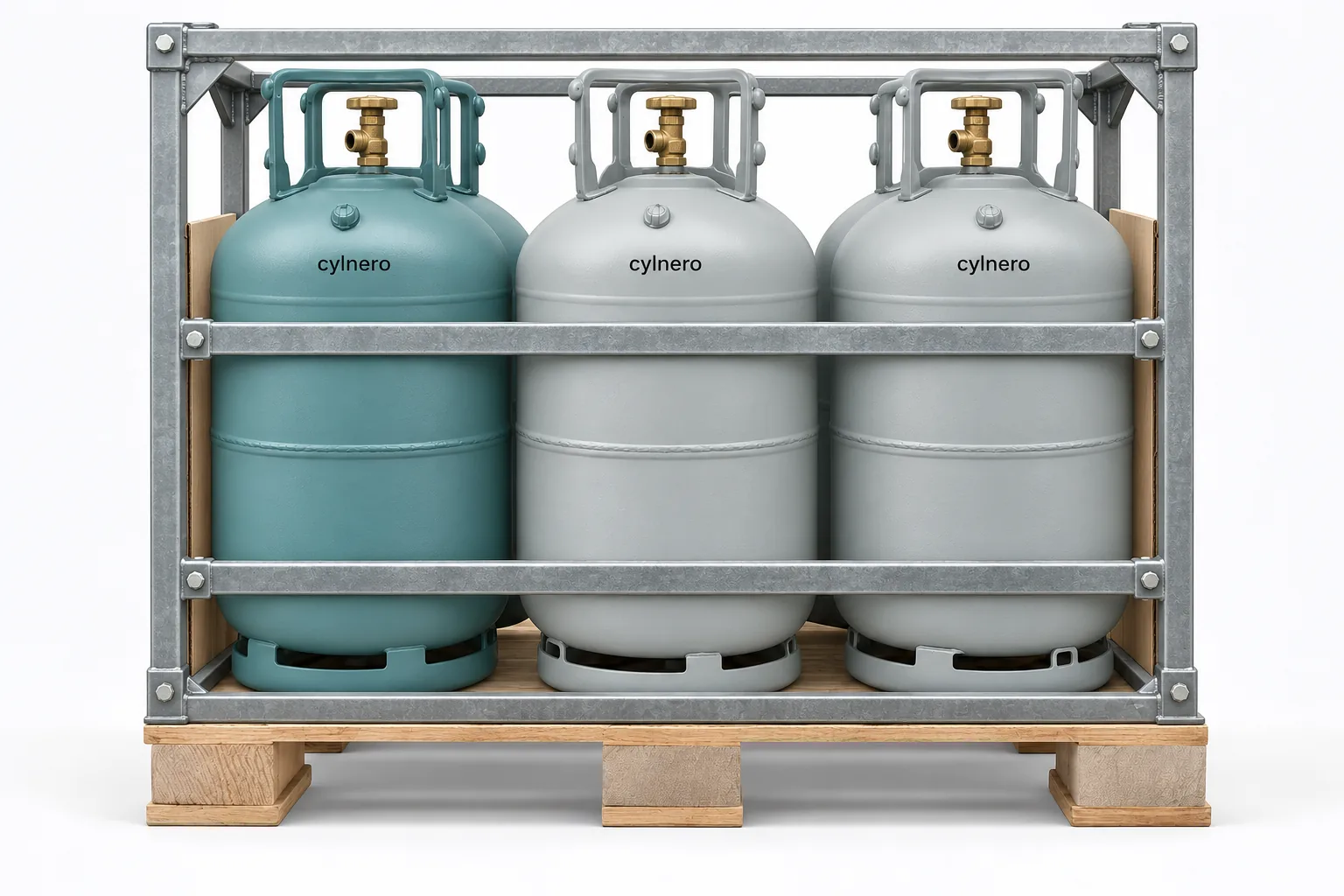 Packing preparation
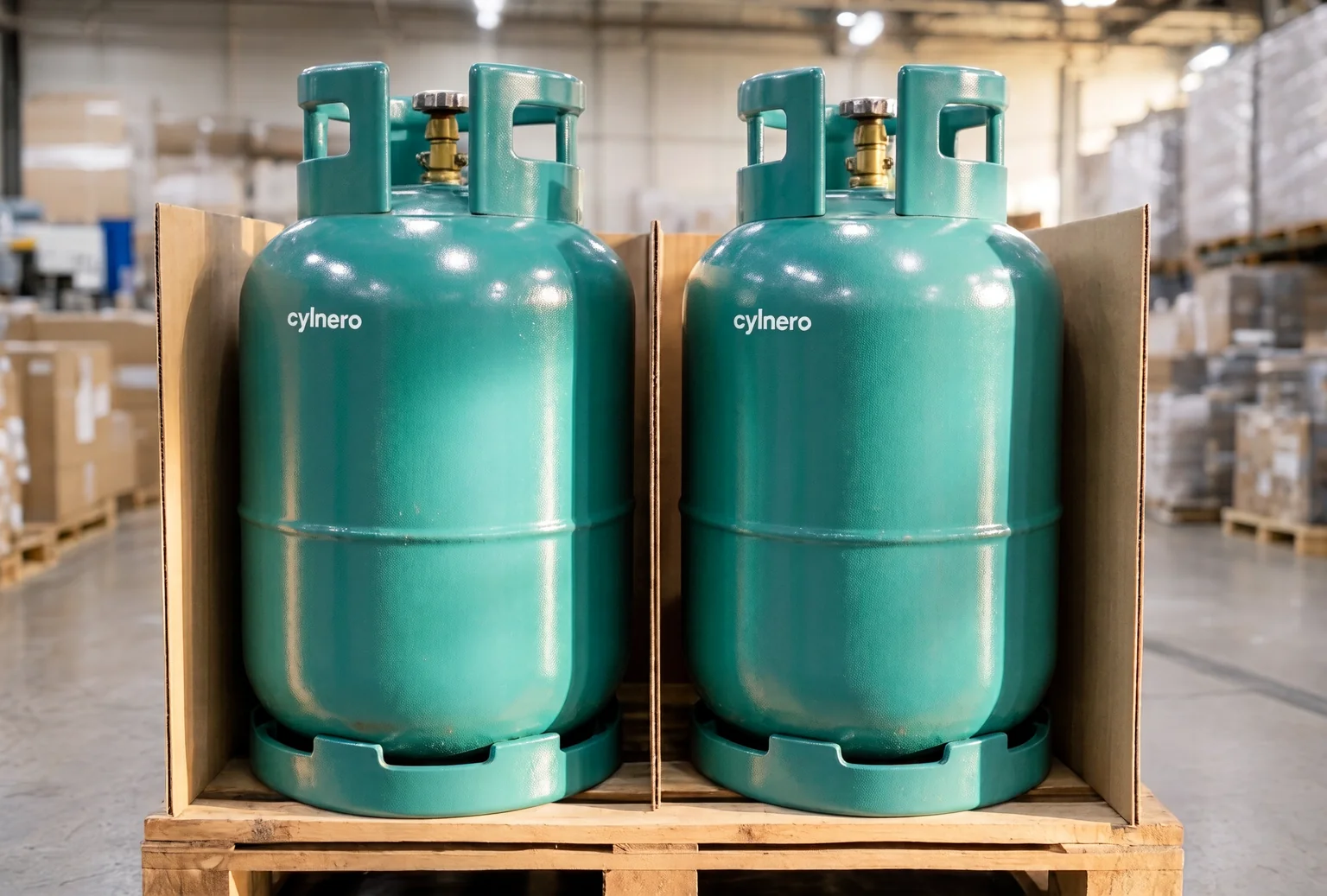 Dispatch preparation
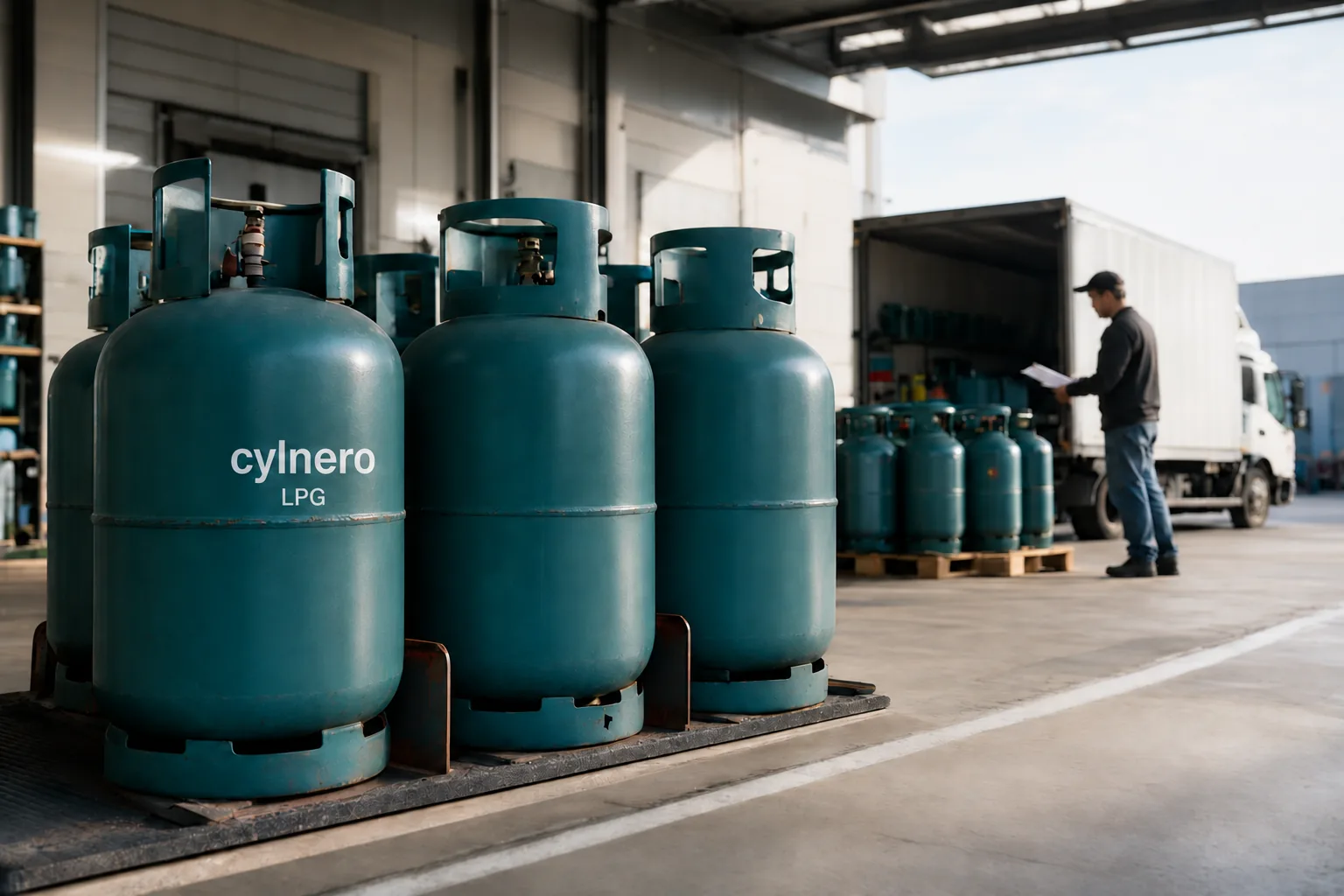 Loading preparation
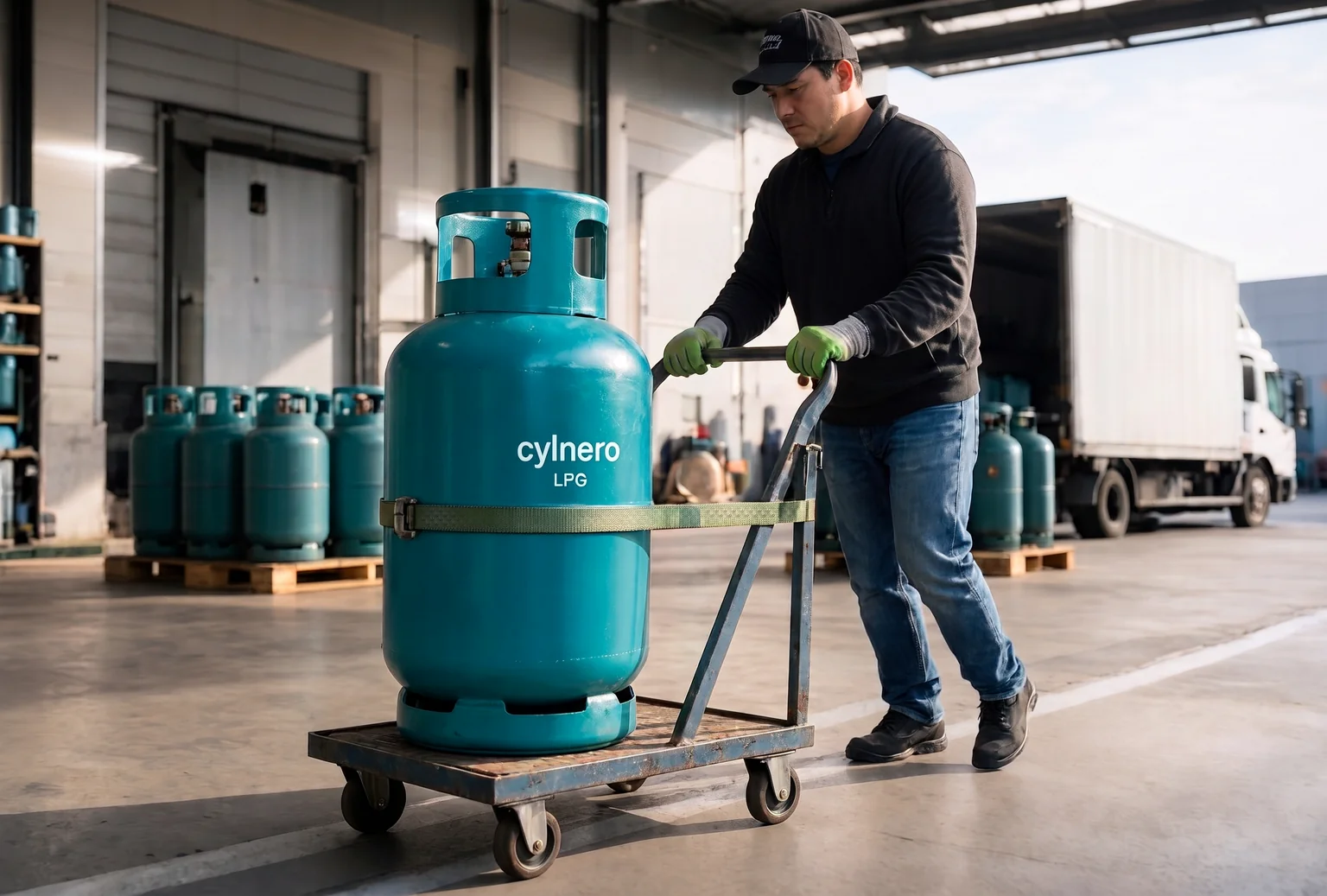 Warehouse handling
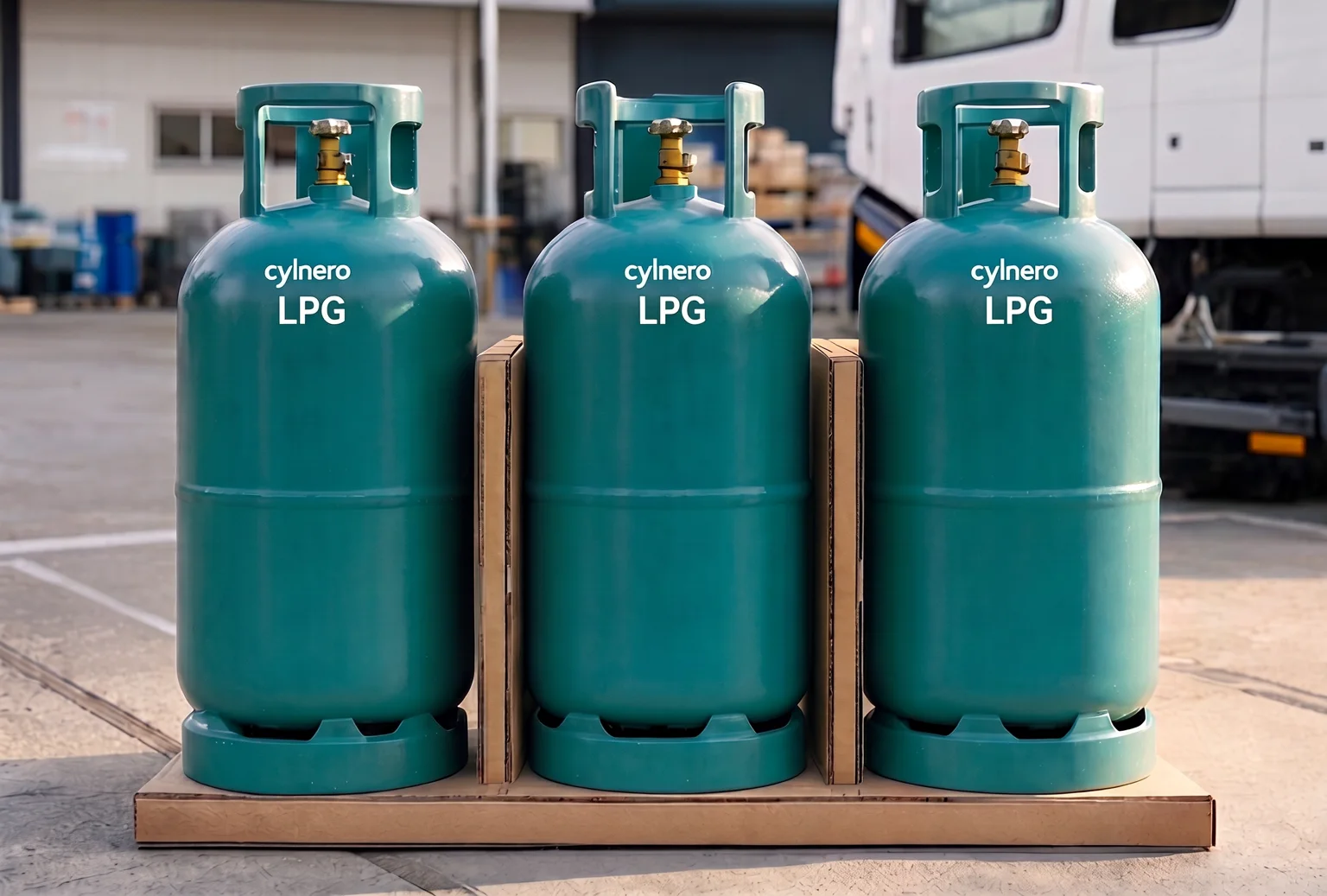
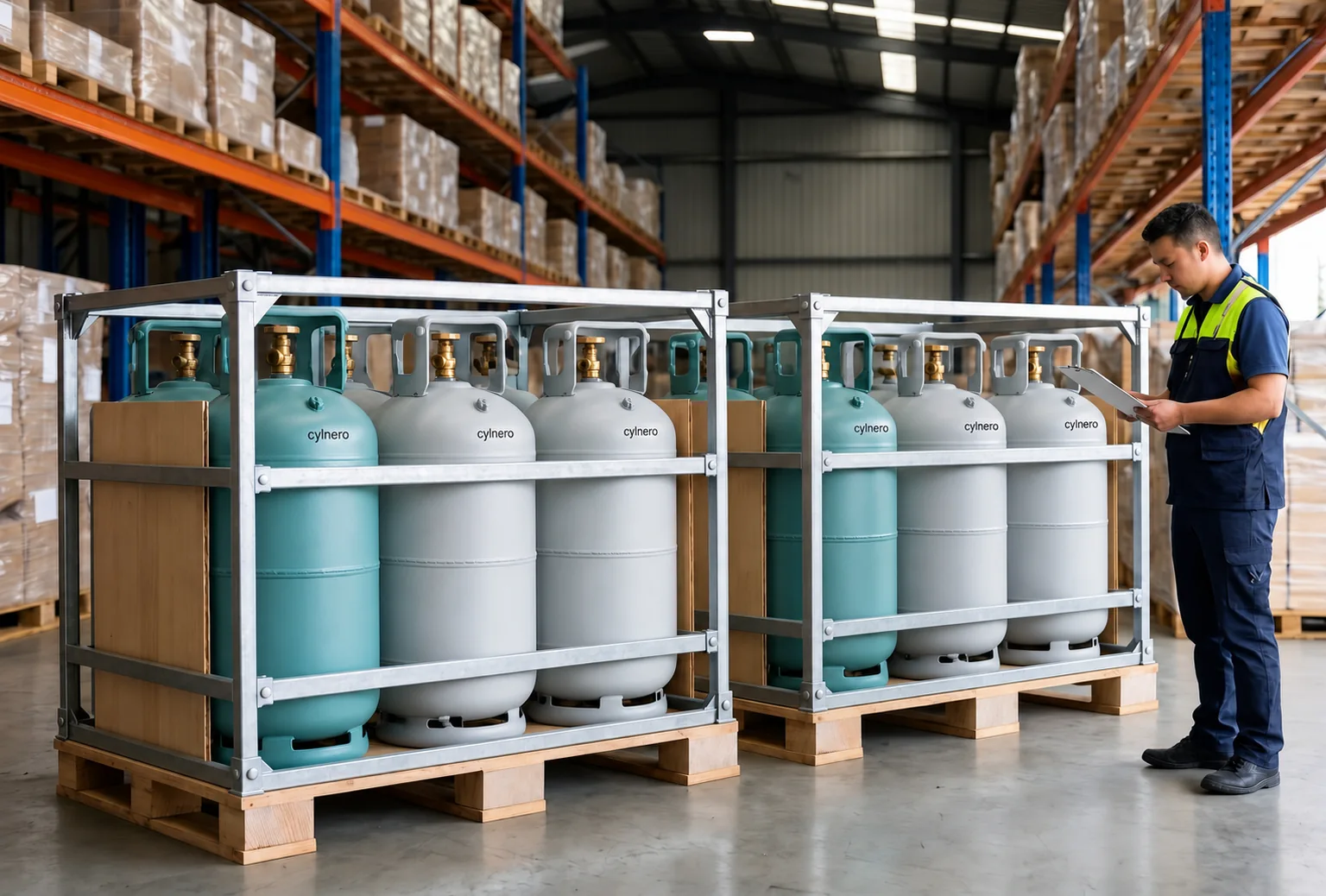 Batch preparation
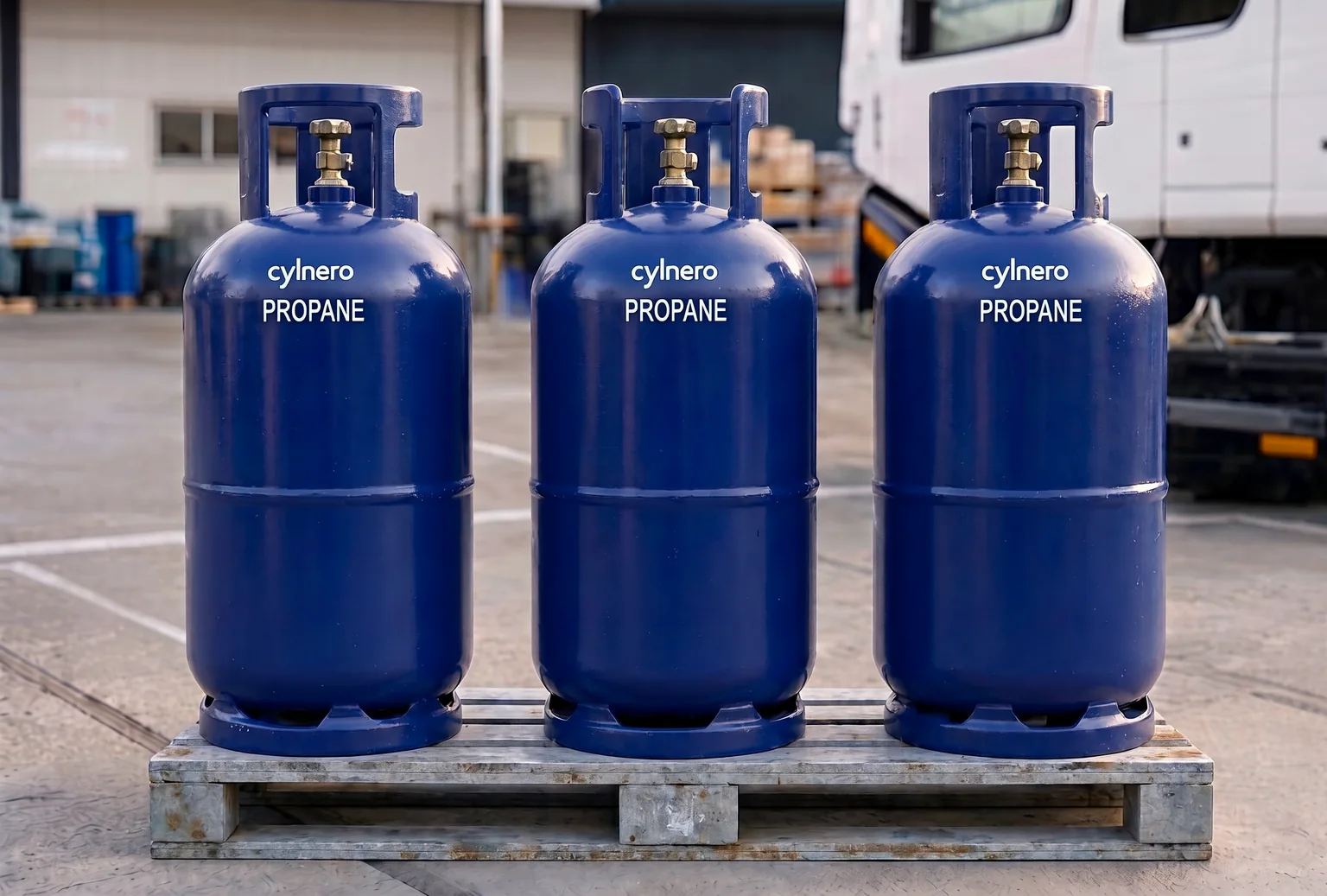 Propane marking example
Swipe to see more views →
WHOLESALE / CONFIGURABLE SERIES
LPG cylinder enquiries for importers, distributors and fleet buyers. Discuss filling-mass requirements, gas service, valves, branding and packaging with the quotation team.
Your selections above are saved with this series. Adding the same series again updates its basket line.
FROM SELECTION TO DISPATCH
Discuss cylinder sizes, valve protection and delivery groups for your distribution programme.
Swipe to see more sections →
PRODUCT FAMILY / WHOLESALE
Compare cylinder bodies, valves, protection, markings and packing as stated offer items. Keep filling-mass labels, water capacity and the physical cylinder count as separately identified purchasing fields.
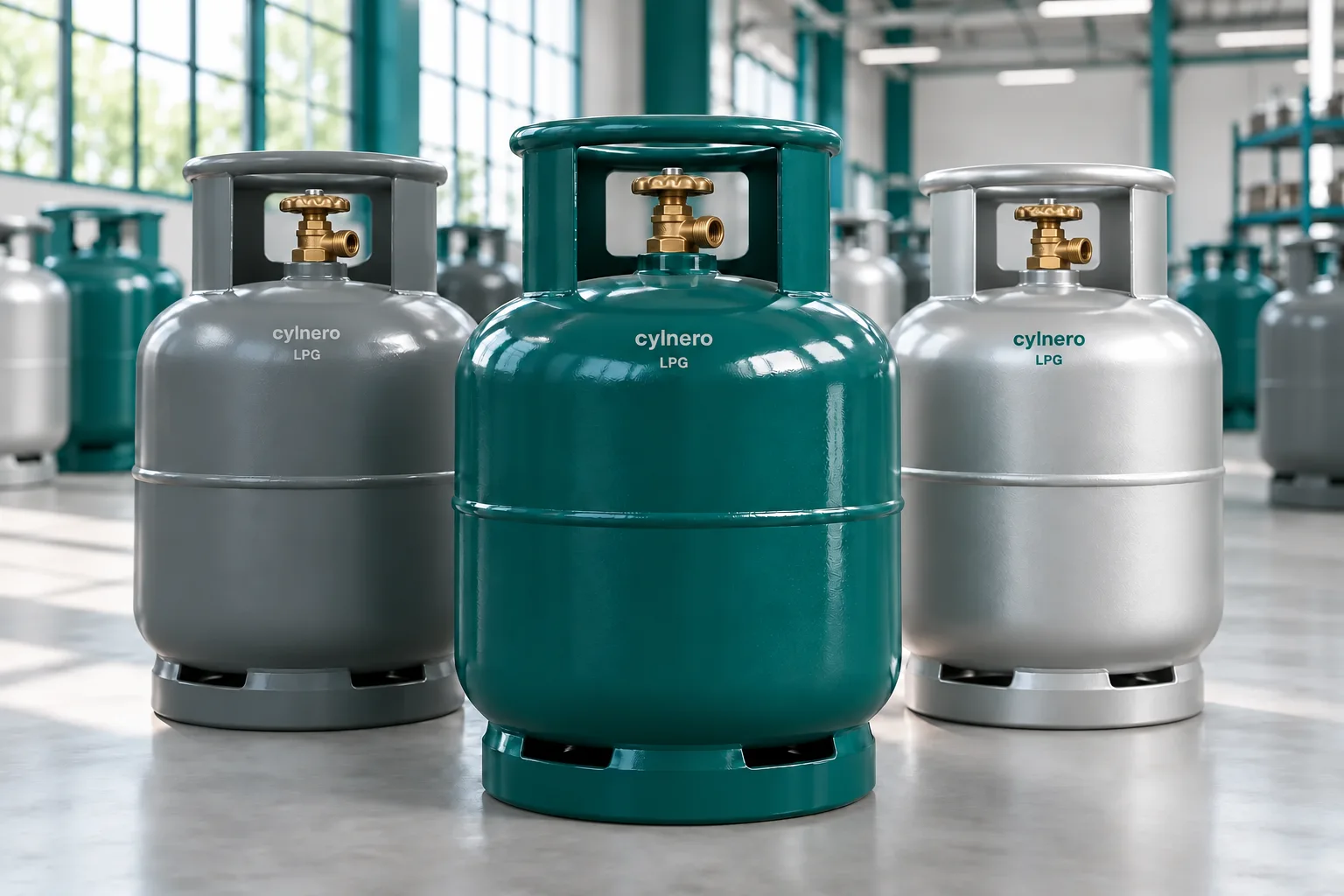
FROM REQUIREMENT TO QUOTATION
Start with the details you know. The configuration can be refined during the enquiry.
01 / YOUR APPLICATION
Application, approximate quantity and destination. Add a drawing or connection reference if you have one.
02 / THE PROPOSAL
Compare the proposed configuration, included components and document scope with your purchasing needs.
03 / THE NEXT STEP
Discuss the quotation, included work and delivery scope with the manufacturer. CYLNERO coordinates the conversation.
COMPARE THE CONFIGURATION
Keep LPG filling mass and water capacity separate, then describe the guard, included hardware and quantities for each requested format.
State the requested LPG filling mass in kilograms and water capacity in litres as separate fields. If only one is known, include it in the enquiry and ask the supplier to confirm the proposed cylinder.
Describe the requested valve guard and any other components. Share reference photos or drawings if available to help define the quotation.
List the number of cylinders for each requested filling-mass format and destination. Share any preferred delivery stages and receiving constraints so the supplier can quote packing and timing.
Published comparison example
Daly Cylinder publishes this steel LPG cylinder example for comparison:
These figures describe different quantities. Ask which components are included in the quoted tare weight and confirm the weight for your proposed configuration.
View the Daly Cylinder example. Cylinder weight and capacity depend on the proposed design.
Share the details you know; other fields can remain open.
PRODUCT SCOPE / WHOLESALE
Choose the details you want to discuss. The quotation identifies the components and services included in the proposed supply.
Request the body alone or discuss a proposed assembly with the manufacturer.
Share your programme requirements so they can be addressed in the offer.
The manufacturer confirms the offered configuration, included items and commercial terms.
GAS IDENTIFICATION / REFERENCE
For gas-filled supply, the actual contents and destination determine the applicable classification and labels. Ask the gas supplier for the relevant label and safety data sheet.
Flammable gas: Keep away from heat, sparks, open flames and other ignition sources. Follow the gas supplier’s label and safety data sheet, and applicable local requirements. Read OSHA hazard label guidance ↗
OSHA pictogram guide ↗A manufacturer model number is not needed to start. Share the options you know and leave the others for the quotation discussion.
| Series | LPG Cylinder Wholesale Series |
|---|---|
| Product scope | Configurable wholesale series; no fixed manufacturer model required |
| Gas and application | Tell us the intended gas and application |
| Capacity and pressure | Requested values or installation envelope; final values confirmed in quotation |
| Valve and connection | Specify preferred connection or share the equipment requirements |
| Marking and packaging | Discuss branding, marking, packaging and shipment requirements |
| Destination documents | Confirm the destination and required documentation during enquiry |
| Quantity and commercial terms | Share the target order quantity; price, MOQ and delivery discussed in quotation |
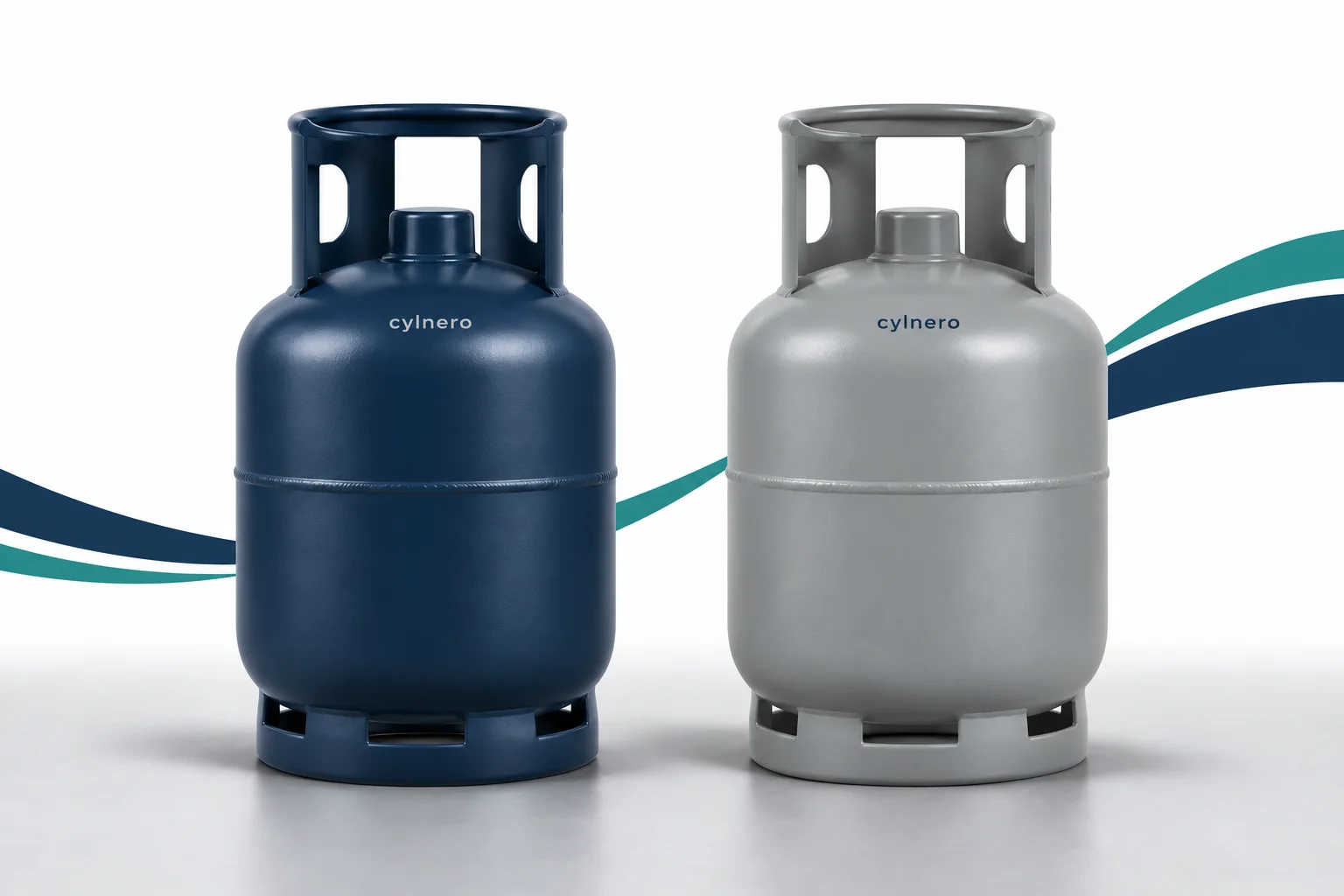
Describe the LPG distribution or equipment task, intended fuel and any known receiving constraints. Identify the requested cylinder formats and destination, leaving unknown valve or packaging details open for the manufacturer to address.
Describe the distribution or equipment-purchasing task, intended fuel description, approximate physical quantity and destination. Share known references and label what remains open rather than assuming a standard size or valve is suitable for a household, commercial or industrial context. A catalogue family does not establish acceptance by a filling service, receiving site or downstream equipment. Ask the manufacturer to identify the configuration it proposes and have the actual response assessed by the relevant reviewers. The initial enquiry can develop without a factory model or complete parameter schedule; it does not require choosing a portable format or a capacity from a general application example.
For a distribution programme, list the requested cylinder quantities and preferred delivery groups by destination. Share known receiving-space limits and ask the supplier to describe the proposed packaging, package dimensions and mass for each group when available. If the programme uses an existing bottle size or fleet reference, include its designation and unit so the manufacturer can identify the proposal it is addressing. Keep any requested support records or later service questions separate from the initial hardware quotation, and record unresolved delivery or equipment questions with the relevant offer revision.
For replacement procurement, share the existing fleet, connection and equipment references that matter to the programme. Identify the features you need to retain and the points where alternatives can be considered. The manufacturer should describe its proposed assembly, while the appointed equipment reviewers assess the relationship to the existing requirement. A different valve or connection is a question to investigate, not a reason to infer a particular modification, cost or preferred technology from this page. Keep any proposed change beside the original reference and ask which drawings or component details are needed before its scope can be assessed.
List LPG filling mass in kilograms, water capacity in litres and cylinder quantity as separate items. If you know only the filling mass or the water capacity, provide that figure and ask the supplier to confirm the proposed cylinder.
View the published LPG cylinder example ↑A distributor can start with the intended application, an approximate number of cylinders and the destination country. If several depots or delivery groups are involved, list their quantities separately so the manufacturer can respond to the actual purchasing pattern. Add an existing product reference, drawing or tender schedule when available, and identify which requirements are fixed and which are preferences. For example, a buyer may specify a preferred material or finish while leaving the valve and protective components open for discussion. Keep the original units and labels for any size designation supplied. If there is an existing cylinder range, identify its reference without assuming that a new proposal will be interchangeable. Ask the manufacturer to identify the construction and configuration it proposes, along with assumptions or questions that need a response. An initial brief does not need a complete parameter schedule: unknown fields can remain open while the parties clarify the scope and compare the information available.
Share existing valve or equipment-interface references where available and identify which requirements are fixed or still open. Keep the cylinder neck connection and equipment-facing valve outlet as distinct questions, using actual drawing or component references rather than a generic standard name. Ask which valve and related components the manufacturer includes in its proposed assembly and which information the responsible reviewers need. Do not select a thread arrangement or adapter from a general category example; record unresolved connection questions for the actual configuration. Providing a reference or receiving a drawing does not establish compatibility, readiness to use the cylinder on arrival or the absence of further integration work. Retain the manufacturer response and appointed reviewers' comments beside the relevant quotation revision before treating an interface question as resolved.
Keep the filling-mass label, water capacity and purchasing count in separate fields when you prepare an LPG cylinder brief. For example, the Daly cylinder linked in the weight reference lists 12.5 kg gas weight and 26.2 L water capacity for one published design. These figures describe different things and are not a specification for every cylinder in this series. A distributor can state the requested cylinder count and destination separately, then ask the manufacturer to identify the capacity designations and components in its proposal. If multiple formats or delivery groups are needed, list each group individually so the quoted quantities and configuration can be compared clearly.
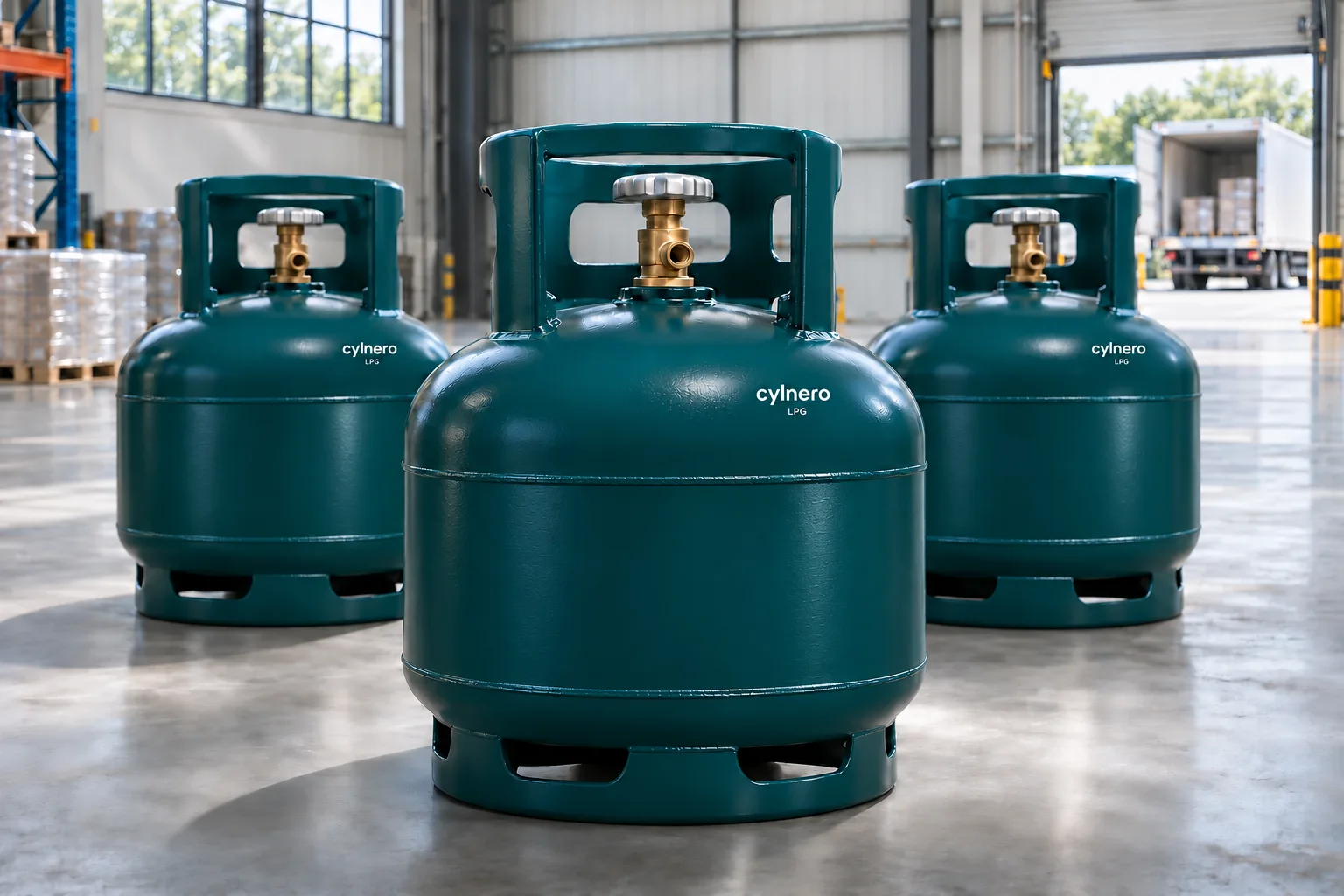
Ask which body, valve, guard and other components the offer includes. Compare body and assembly dimensions with any known equipment limits, and keep branding preferences separate from the proposed configuration.
Start the configuration comparison with the requested cylinder construction and size designation, keeping any LPG filling-mass label in kilograms distinct from water capacity in litres. Ask the manufacturer to identify the proposed cylinder body, valve, protective guard or collar, base and any included accessories. Then record requested finish, colour and buyer branding as separate line items or preferences. For each proposal, ask which items are included and whether an alternative changes the price, documentation or timing. List unfamiliar construction or interface details as open questions for the manufacturer and the responsible equipment reviewer.
Consider the options for valve protection and safety features. Ask the manufacturer which protective guard, cap or other components belong to the configuration it proposes, rather than assuming an accessory can be added independently. Discuss whether these features are required for your application and if there are specific designs that meet your safety standards. If the project has an existing protective-component requirement, share its reference and ask who reviews the complete proposed assembly and unresolved questions. Record included components, options and exclusions with the price, retaining any further work or review as a separate question. A component discussion does not establish regulatory acceptance, readiness for use or a handling arrangement. The responsible reviewers assess the actual proposal and supporting information.
Compare the dimensions of the proposed LPG cylinder with any equipment or receiving-space limits already known. Ask the manufacturer to distinguish body height and diameter from the overall dimensions of the offered assembly, identifying whether those figures include the valve, protective guard and base. For example, a distributor replacing an existing bottle range can share its equipment drawing and ask for the corresponding measurements on the proposed configuration. Keep the drawing revision, units and measurement basis beside each response. If a dimension or interface is unknown, leave it open and ask who will assess the proposed assembly against the actual requirement. Request the proposed overall dimensions and the drawing revision used for the equipment fit assessment.
Provide existing interface or marking references when known; otherwise leave them open. Discuss packing preferences and receiving constraints. Ask the manufacturer to identify included components and work, with unresolved configuration questions retained beside the proposal.
For each LPG cylinder format, ask the supplier to identify the proposed valve and its connection reference. Share an existing equipment or connection drawing if you have one; otherwise, describe the intended application and leave the interface open for discussion. Record whether the quotation covers the cylinder body alone or an assembly with a valve, guard or other protection. If parts come from different suppliers, note their references and ask who will assess the complete interface. Keep the supplier’s response beside the relevant cylinder format and quotation revision, and list any unanswered compatibility or protection questions for the responsible equipment reviewer. For a mixed order, use one line for each bottle format rather than assuming the same valve applies to every size. Include any existing cylinder or equipment reference, the number of assemblies needed and the destination for each line. When comparing replies, note the valve reference, the protective component, any separate charge and the drawing revision named in each offer. If a supplier suggests a different interface, keep it beside the original request as an alternative for review. This gives purchasing and equipment teams a clear set of questions to resolve together.
Share requested branding or marking information where available, distinguishing it from other product-identification and destination questions. Artwork is not required to start an enquiry. Ask the manufacturer what it can propose, which information it needs and how a later proof would be identified. An appearance comment is different from acceptance of all markings or the cylinder configuration. Do not infer availability, durability or regulatory acceptance from a marking-method name. Keep the actual response and its review scope beside the quotation. This page does not prescribe marking content, size, colour or placement for a destination or guarantee that a requested layout meets every requirement.
For a mixed LPG order, list each requested cylinder format, quantity and destination separately before asking for packing proposals. Identify whether each line requests a body only or an assembly with a valve and protective guard. Ask the supplier how many units it proposes to group in each package and whether package dimensions and gross mass are available for the quoted configuration. For each offer, record whether protection, packaging, loading and freight are included or shown separately, together with any stated receiving requirements. If a distributor needs deliveries to different depots, share the known delivery grouping and ask whether the supplier's proposal addresses each destination. Keep requested packing preferences beside the actual offer and its revision, so the purchasing team can identify unanswered items or compare an alternative arrangement without assuming it is included.

Give the destination and any project document requirements already known. Ask which records the manufacturer offers for its actual configuration and what they cover. Keep example documents distinguishable from records tied to a delivery.
Destination requirements play a significant role in the quotation process, as different countries have varying regulations and standards for LPG cylinders. Give the intended destination and any project requirements already known, distinguishing existing requirements from unanswered evidence questions. Ask which documents the manufacturer proposes for the actual configuration, what they cover and when they would be available. Keep sample records distinguishable from documents linked to a model or delivery, retaining their issuer, reference and scope for review. Identify which appointed technical, destination and commercial reviewers assess each question for the actual transaction rather than assuming a standard certificate list or that the category assigns all responsibility to one party.
Compare the quoted configuration with the relevant drawing and your stated requirements. Identify whether the price covers a body, a valve-equipped assembly or another described scope, including the status of guards, foot rings and packing. Keep filling-mass and water-capacity fields under their original names and units; a capacity label does not replace the manufacturer's configuration data. If a document refers to a different version, ask which reference describes the current proposal. Record unresolved differences beside the offer rather than treating a complete-looking quotation as confirmation that every technical or destination question has been accepted.
Use the LPG Cylinder Wholesale Series to discuss cylinder hardware with a manufacturer. CYLNERO coordinates requirements and responses; the manufacturer identifies the proposed configuration, quotation and supply scope. Begin with the intended application, approximate quantity and destination. A filling-mass designation, water-capacity requirement or existing valve reference can accompany the enquiry when known. Keep those descriptions distinct, and leave missing parameters open. Ask the manufacturer to identify the proposed body, valve guard, foot ring and packing included in its actual offer. Gas content, filling and exchange arrangements have separate scopes, while a model number is not required for the first conversation.
Use this series to discuss LPG cylinder bodies, valves and included components for a wholesale order. Share the intended application, quantity and destination. Gas filling, exchange or fuel supply remain separate from the equipment purchasing scope.
Start an LPG cylinder hardware enquiry with the intended gas and application, approximate cylinder quantity and destination. Add any valve, guard or equipment connection references you already have, and indicate whether the request covers cylinder bodies or assemblies with specified components. Ask the manufacturer to identify the hardware included in each proposed format, together with the packing and documents covered by its quotation. If a detail is unknown, leave it open for discussion rather than assigning an unverified specification.
Distinguish the current purchase from a later forecast. List the requested cylinder formats and quantities for each destination, keeping filling-mass designations separate from water capacity. For example, a distributor may need one format for an existing programme and want a different format considered for a future enquiry; those are separate lines for the manufacturer to answer. Keep the relevant drawing or equipment reference beside each line where available. The response can propose a configuration or identify further information needed. It does not turn a forecast into an annual commitment or establish that a particular format is available.
List the number of cylinders for each required filling-mass format and destination. Identify the first shipment separately from later forecast orders, and ask how the proposed packing and delivery schedule are organised.
Define what the quantity counts: individual cylinder bodies, assemblies with identified components, or packed groups. Ask which quantity and equipment scope the manufacturer's price covers. A comparison between body-only hardware and a guarded, valved assembly should retain those differences beside the quoted totals. If mixed formats are needed, list their quantities separately instead of treating the combined count as one configuration. The manufacturer may propose a batch or alternative scope for consideration. Preserve that proposal beside the original requirement; the catalogue does not set a container-load requirement, pricing tier or minimum order quantity.
When repeating a request linked to an earlier configuration, provide the previous drawing or quotation reference and identify what you want to retain. Describe the current quantity, destination and any proposed equipment change separately. Ask which earlier terms remain relevant and which parts require a new response. An existing agreement may have its own scope; this page does not require a new contract for every batch or assume that a previous price continues. Keep the actual manufacturer's reply with the current request so that later purchasing discussions concern the configuration and terms now under consideration.
Compare cylinder hardware, valves, protection, packing and delivery on the same basis before comparing prices. Record exclusions and proposed terms. When requirements change, ask which parts of the configuration and quotation need updating.
Compare actual quote inclusions, currency, quantity and document versions together. One proposal might identify a body and its connection drawing, while another describes an assembly with named protective components. Record that difference before comparing totals. Ask for missing scope information instead of assigning an estimated accessory cost to make the offers appear equivalent. Where optional prices are supplied, keep them separate from included work. The comparison provides a record of alternatives for the purchasing team; it does not choose a universally better supplier or convert a lower price into evidence of technical suitability.
Distinguish a requested change, a manufacturer alternative and an agreed revision. For example, a buyer may request a different guard while the manufacturer proposes another configuration for assessment. Keep both references visible and ask how the proposed difference affects the component list, drawing, documents, price and schedule. Acknowledgement of the message is not the same as a response defining those effects. Retain the actual revised offer and the relevant assessment status together. The catalogue does not decide whether a change can be supplied or determine how the parties amend their existing arrangements.
Start with the intended LPG application, approximate cylinder quantity and destination. Share any known size, valve or branding requirements; other details can remain open for discussion.
Prepare a bulk LPG cylinder enquiry with a separate line for each requested format and destination. For example, a distributor can list the intended fuel, requested filling mass in kilograms, water capacity in litres if known, and number of cylinders for each line. These are different fields: a filling-mass designation is not the water-capacity value or the number of units ordered. Identify whether valves and protective guards are requested with the bottles, and add any known connection, branding or packing preferences. Ask the manufacturer to identify the proposed cylinder and the components, documents and packing included in each quotation line. Leave missing details open and keep each proposed alternative beside the original request so that the purchasing team can compare the same scope.
Provide a contact and a short list of questions needed for the next purchasing decision. These might concern an unnamed valve, a guard whose inclusion is not specified, a missing drawing or packing that has not been included in the quotation. Add available references and leave unknown values open instead of filling them from a different model. A concise first enquiry can be developed as the manufacturer responds. Retain each proposed alternative beside the original requirement, together with the current quotation reference, so that later communication concerns the actual scope rather than an assumed completed specification.
Use this guide to prepare your enquiry. Confirm the specifications and supporting documents for the proposed cylinder with the manufacturer.
For standards research, consult the ISO gas-cylinder standards catalogue. The catalogue includes published and withdrawn standards. Check the status, edition, scope and destination requirements with the manufacturer and your appointed technical reviewer. A standards reference does not establish that a listed series conforms to it.
For background on propane / LPG fuel terminology, see the U.S. Department of Energy Alternative Fuels Data Center. Fuel terminology does not identify a listed cylinder's approved service, actual fuel composition or suitability. Have the actual proposed hardware and intended use assessed rather than treating this background reference as product approval.
Before placing an order, obtain the proposed model's drawings, configuration, applicable approvals and quotation from the manufacturer. CYLNERO coordinates sourcing; the manufacturer confirms and contracts the agreed supply.
LPG filling mass describes a quantity of gas in kg; water capacity describes internal cylinder volume in litres. Tare weight is a stated mass for the cylinder or assembly, but the components included in that figure can differ. Ask the manufacturer to identify the weight basis and whether the valve and protective components are included. Keep all three values and their units with the proposed configuration; a category label alone does not establish a filling amount or the weight of an offered assembly.
Yes. Share any known equipment or connection reference, or mark the interface as an open question if it is not yet defined. Ask the manufacturer which assembly it proposes and what evidence your appointed reviewers need. A discussion of options does not guarantee that a particular valve is available or accepted for the destination; the actual proposal still requires review.
Describe the requested change and ask the manufacturer for a revised proposal identifying any effect on configuration, quantity, commercial terms or schedule. Keep the relevant drawing and quotation revisions together, and have the responsible parties review the updated scope. A change request is not itself confirmation that the manufacturer has accepted the revision or that delivery availability remains unchanged.
Provide the intended destination and ask your appointed reviewers to identify the evidence required for the actual supply. Request the manufacturer's proposed document references, issuers and stated scope, distinguishing sample documents from delivery records. Do not infer acceptance from a generic certificate list. The relevant parties should agree their review responsibilities for the specific transaction before accepting the proposal.
Compare the proposed cylinder assembly, quantities, included documents, packaging and commercial boundaries on the same basis. Preserve suppliers' original descriptions and ask for clarification where the scope differs. Request each manufacturer's current schedule proposal and record its dependencies rather than treating a desired date as a promise. A price comparison should refer to what each offer actually includes.
Start with the intended application, approximate cylinder quantity and destination. Add any existing specification, capacity label or interface reference you already know, and list the questions that remain open. Exact dimensions, a model number and a complete standards schedule are not prerequisites to begin. The manufacturer proposes a configuration and the information needed for review before the supply is agreed.
Compare within LPG Gas Cylinders
Explore the category or enquire about a configuration suited to your application.
Use these guides to describe your purchasing scope. A related application is a starting point for discussion; it does not establish that a particular configuration is approved or suitable.
LPG distributors, importers and filling organizations can prepare enquiries for cylinder hardware and the configurations they want to discuss.
Review purchasing priorities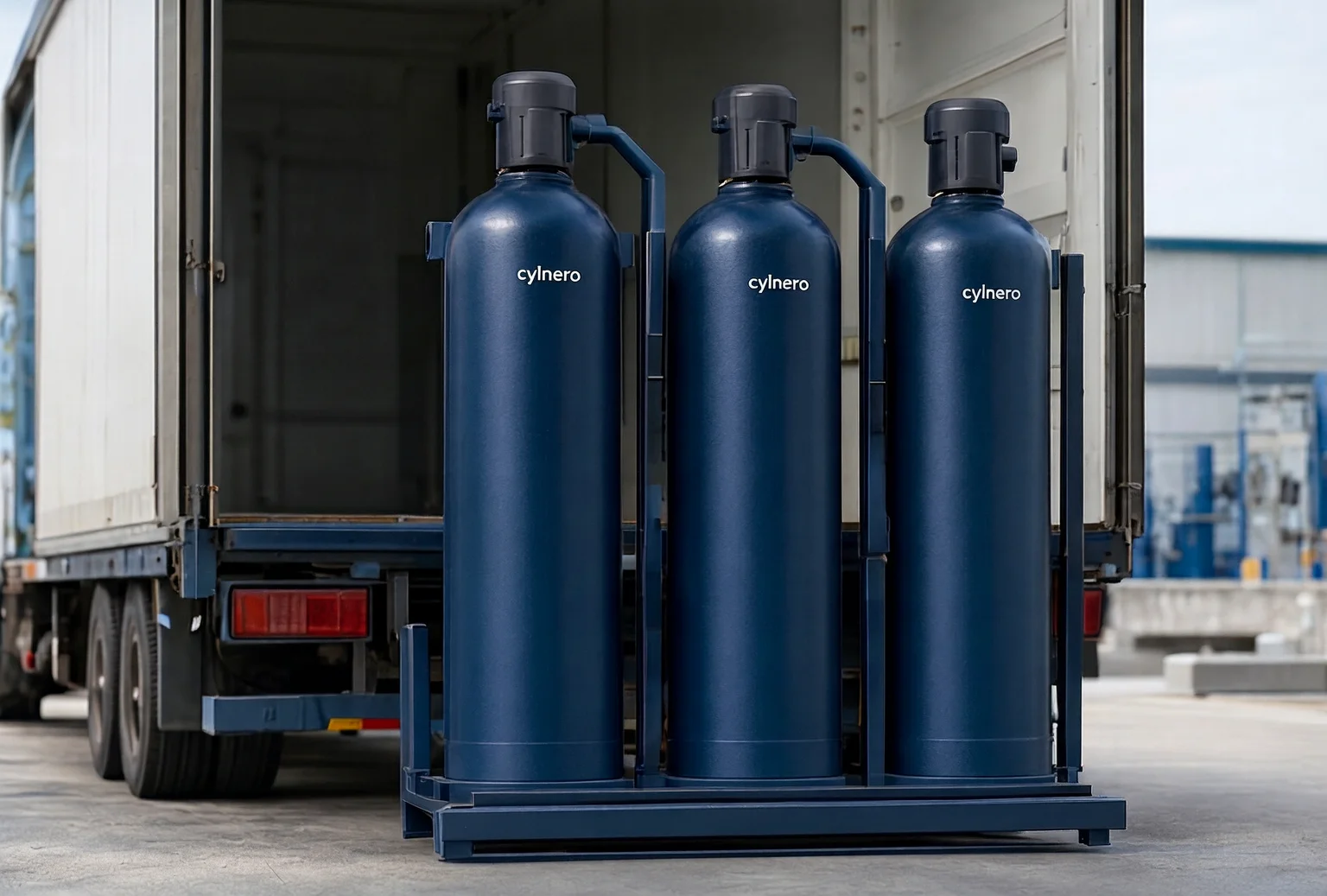
Gas cylinder importers can organize mixed product-family enquiries, destination requests and purchasing quantities before selecting detailed manufacturer configurations.
Review purchasing priorities