 Wholesale sourcing
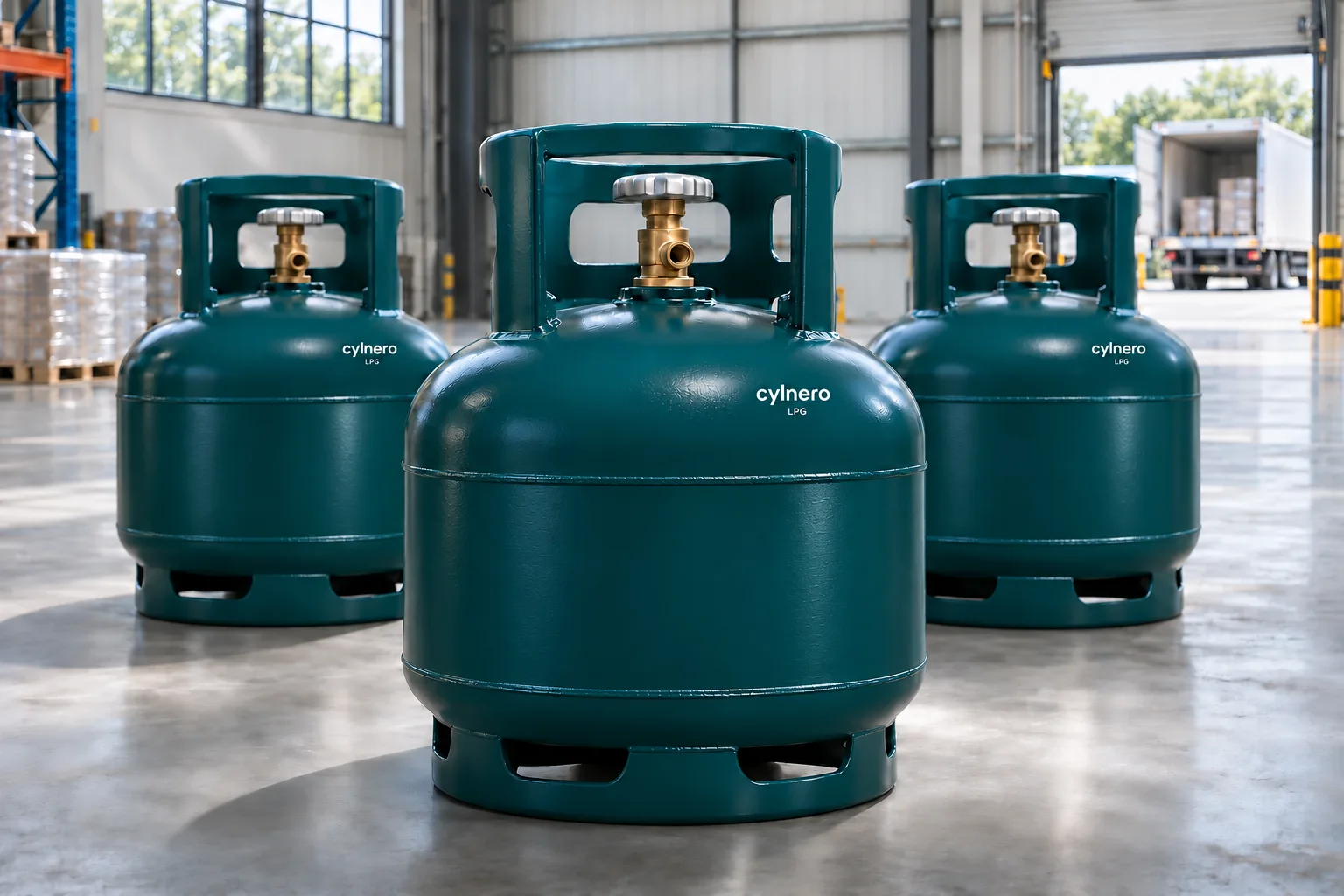
LPG cylinder product
Discuss the cylinder body, valve, guard and supply scope in a wholesale enquiry.
Explore details ↗LPG CYLINDERS / WHOLESALE RANGE
Organize an LPG cylinder hardware enquiry around your distribution programme, requested size, component scope and destination.
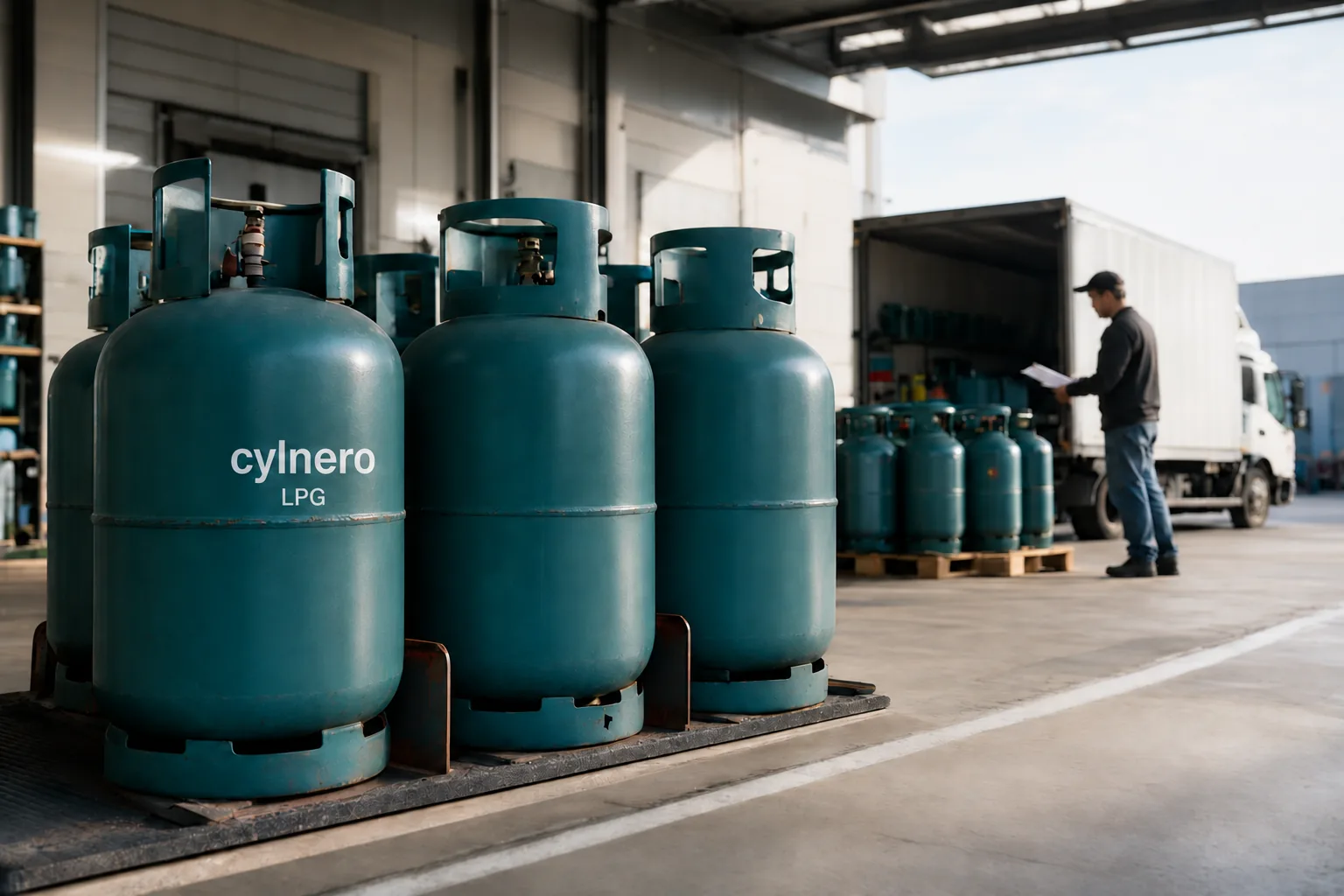
CHOOSE A STARTING POINT
Explore the product, size terminology and distribution context. These are different enquiry routes, not separate confirmed models.
Discuss the cylinder body, valve, guard and supply scope in a wholesale enquiry.
Explore details ↗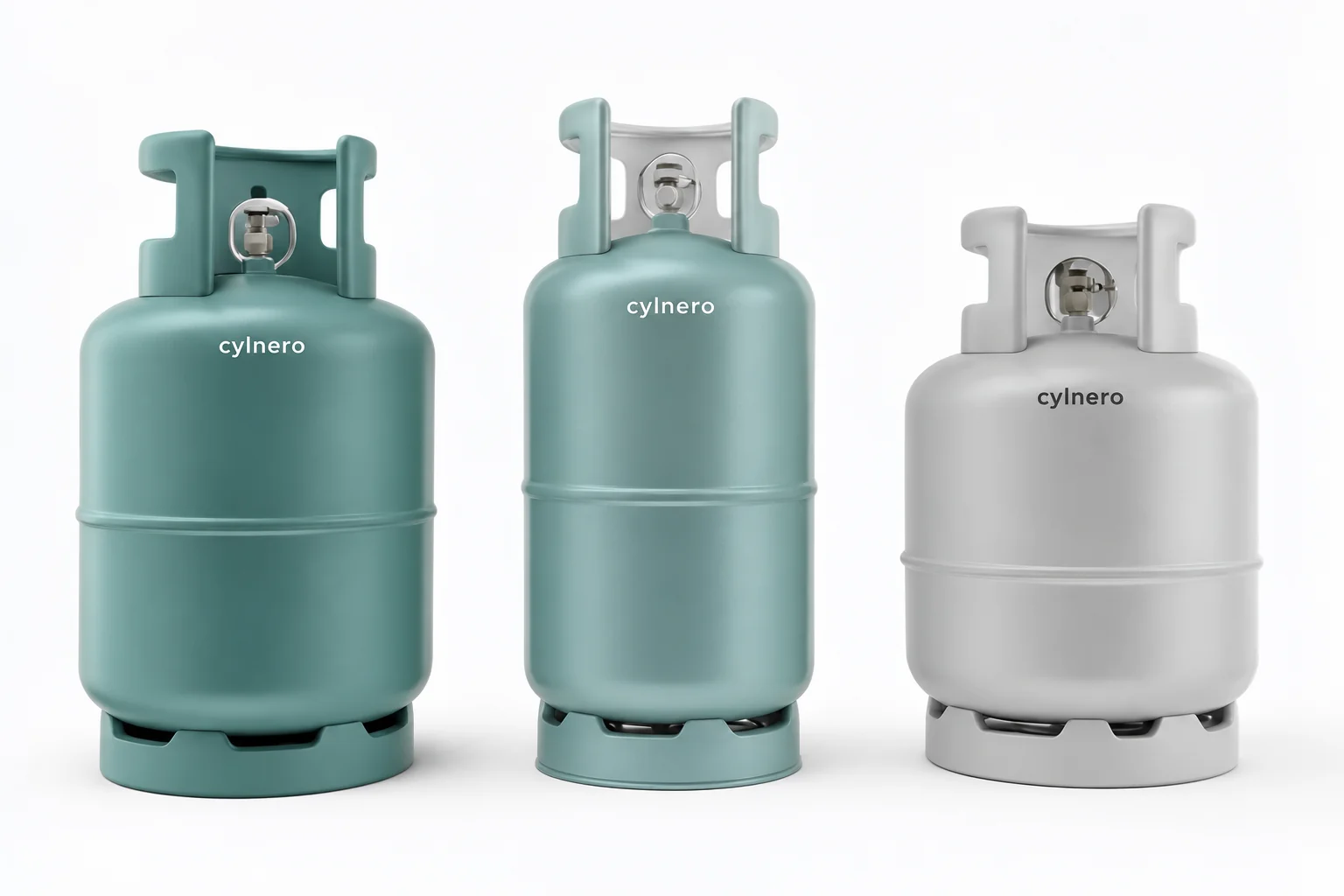
Review bottle descriptions, requested sizes and distribution context.
Explore details ↗Organize branch quantities, branding and receiving requirements.
Explore details ↗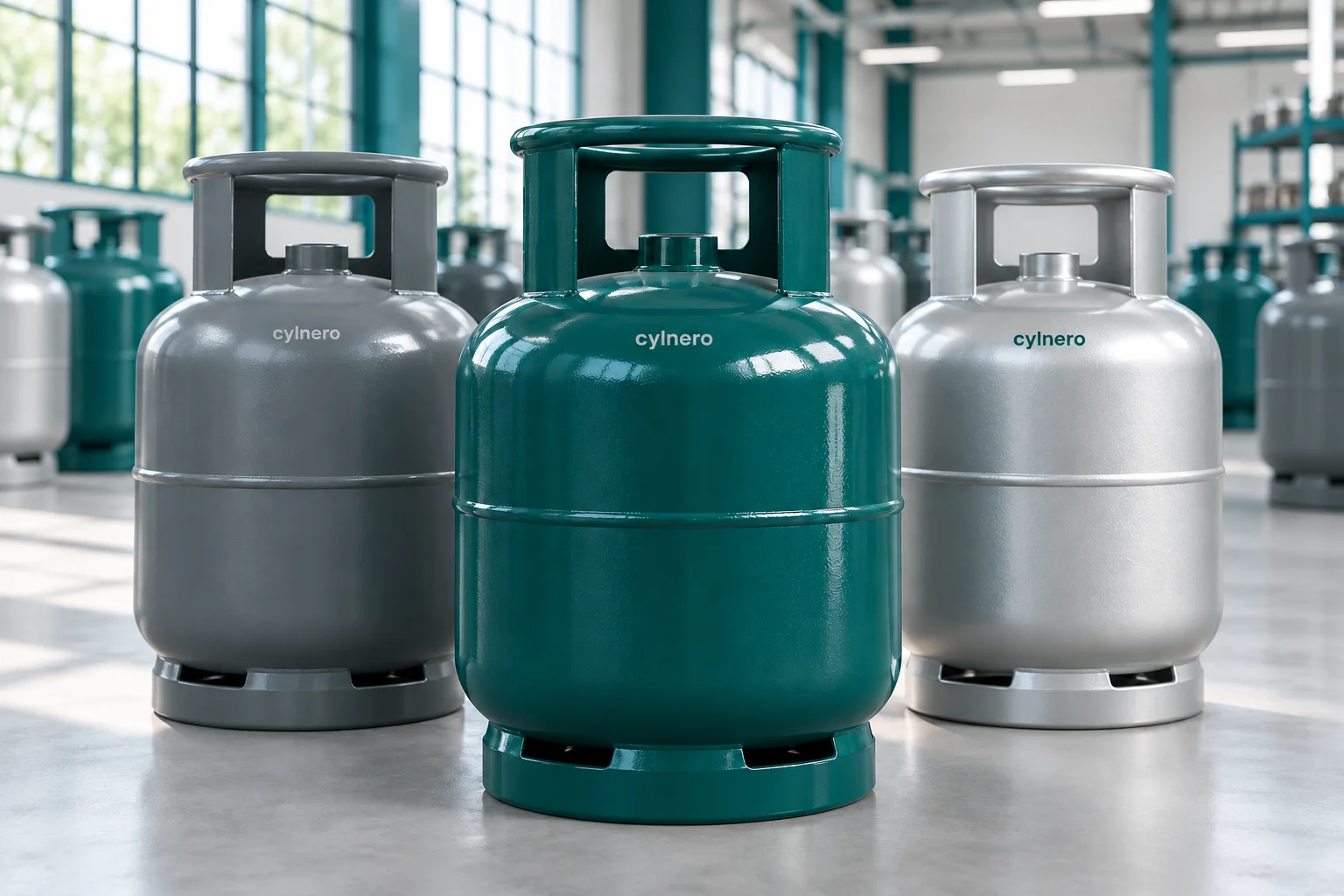
LPG cylinder buyers may be preparing hardware for a distributor range, a fleet replacement or a defined downstream customer. Start with the intended gas service, requested size description, approximate physical quantity and destination. If the programme has an existing drawing, internal product reference or previous quotation, share its source and revision. A first enquiry does not need a current factory model: identify what is known and what the manufacturer should address in its response. Explain whether the order is for a new range or a repeat purchasing programme.
When several branches, customers or product groups are involved, list the requested quantities and destinations separately. A photo can help explain the general form or branding request, but it does not establish a final valve, capacity or supply package. The product-detail link below provides a starting point for the purchasing discussion. The manufacturer identifies the configuration and commercial scope it proposes for the actual brief; gas supply and filling services are separate from a cylinder-hardware enquiry. Keep each proposed alternative associated with the relevant request and quantity.
LPG cylinder size may be described using a filling mass in kilograms or a water capacity in litres. These are different fields and should not be treated as interchangeable. If your organization uses an established product label, share the label and its units and ask how the manufacturer's proposed cylinder is described. Keep the requested size separate from the physical number of cylinders in the order. Where the size basis is unknown, identify it as an open question rather than guessing a conversion or adopting a value from another offer.
Ask the manufacturer for the stated dimensions and weight of the proposed configuration when those details are available. Clarify whether the dimensions include the valve and guard, and whether the weight refers to the body, an assembly or a packed shipment. If a receiving location has a known space or package constraint, provide the source and units. A general series page does not establish a safe filling limit or a final technical specification for a particular cylinder. The responsible project team reviews the information for the intended purchase.
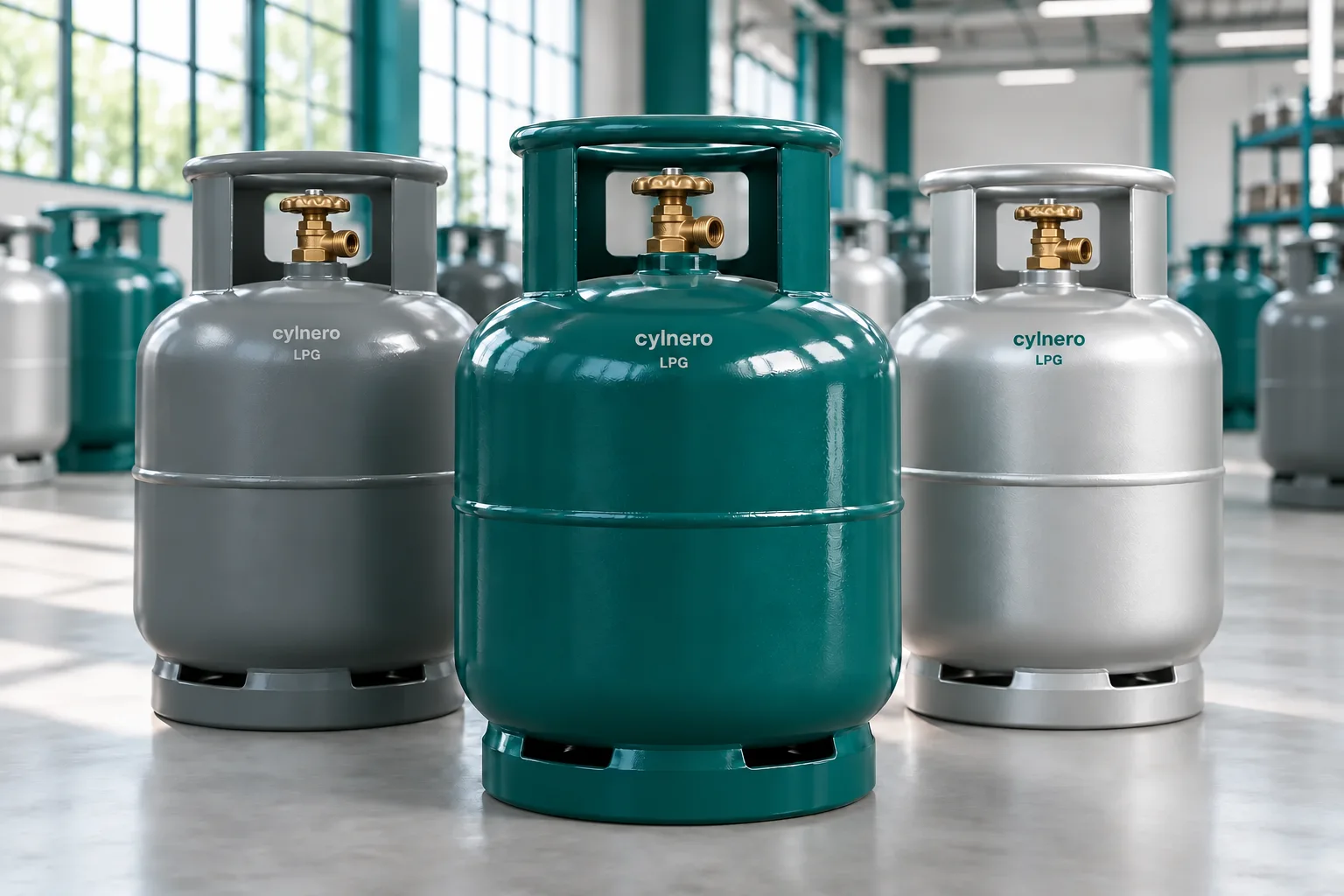
Describe whether the request concerns a cylinder body or an assembly with a valve, protective guard, base or other identified components. Ask the manufacturer to list which items it proposes to include and which are options. If your team has an existing valve or connection reference, share its source and revision; if not, leave it open for discussion. Ask for the included-component list and the drawing reference associated with the proposed quotation.
For a branded programme, provide any artwork, product-line name, colour preference or internal identification request you want the manufacturer to consider. Ask what marking and packing scope it proposes for each group. If destinations or customers have existing document or identification requirements, provide the references to the appropriate reviewers. Record requests separately from the manufacturer's actual response, and keep changes tied to the relevant offer revision. Branding alone does not establish a cylinder's gas service or acceptance for a destination; those questions require project-specific review.

Use the LPG product-detail page to discuss a wholesale cylinder configuration and its possible component scope. If the buyer's established request uses a bottle or propane description, the related category pages can help organize that context before the manufacturer responds. These labels are browsing paths, not claims that the site offers multiple verified factory models. For a distribution project, the application page provides a place to review quantity grouping, receiving needs and the information to share for a hardware quotation. Use the path that best describes the purchasing brief.
Prepare the first enquiry with your intended application, size description and units, physical quantity, destination and any known valve, marking or packing requests. Ask the manufacturer to identify its proposed configuration, included items, available information and commercial terms. When comparing responses, keep the package scope and quotation revision with the price. A body-only offer may differ from an assembly with valve and protection. CYLNERO coordinates the exchange; the manufacturer identifies the product and terms it proposes for the order. Record unresolved questions with the relevant response.
COMMON QUESTIONS
No. Filling mass is a mass description, while water capacity is a volume. State the label and units your organization uses and ask the manufacturer how its proposed cylinder is described.
Yes. Describe the components and marking preferences you want discussed. The manufacturer identifies what it proposes to include or offer separately in the quotation.
No. The product, bottle and distribution links organize different purchasing questions. The actual manufacturer configuration and commercial scope are identified in the quotation for your request.
Share the size description, quantity, destination and components you need the manufacturer to address.
Prepare your wholesale enquiry