Wholesale sourcing
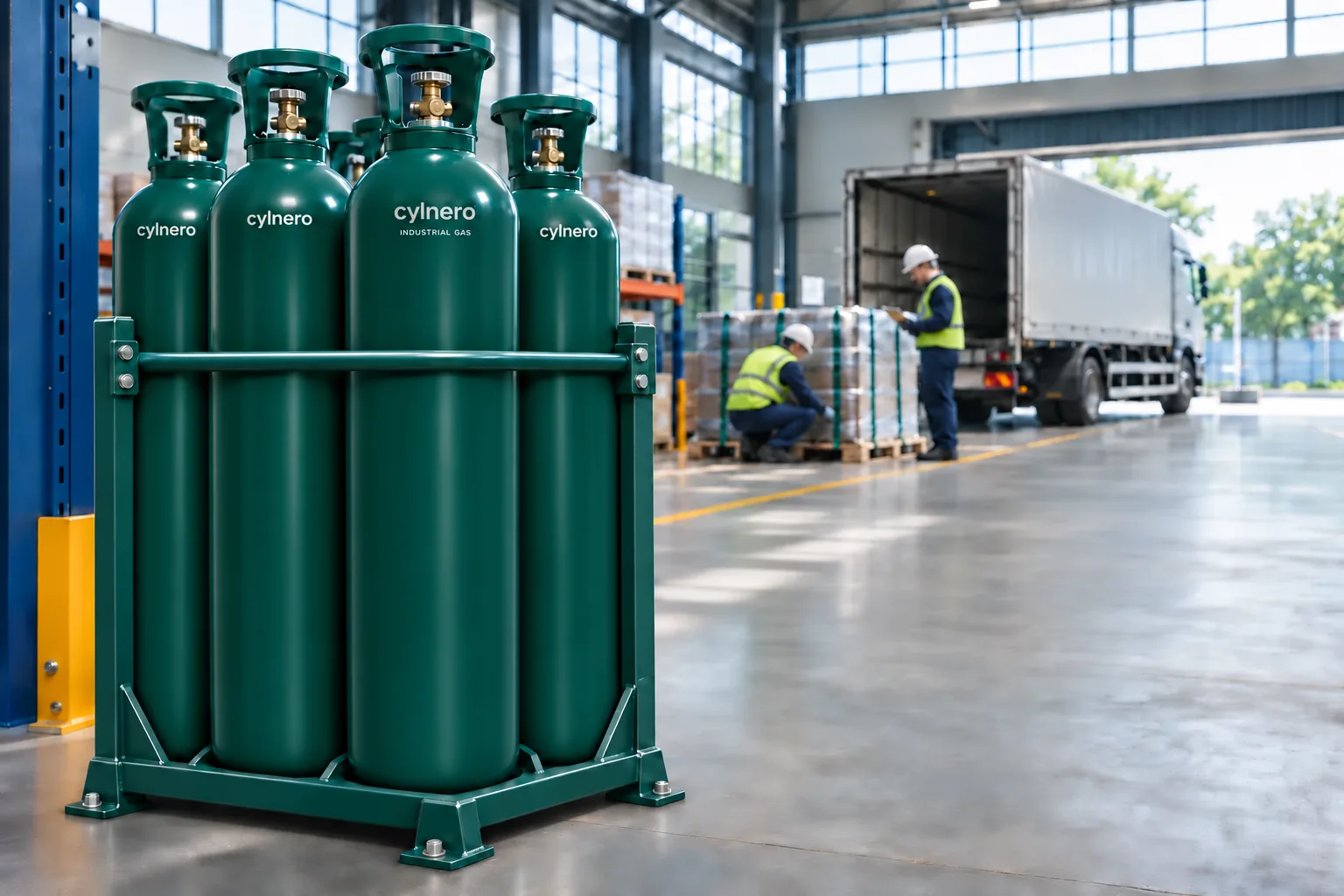
Wholesale procurement guide. Exact product specifications and destination requirements are confirmed during enquiry.
Start a nitrogen cylinder enquiry
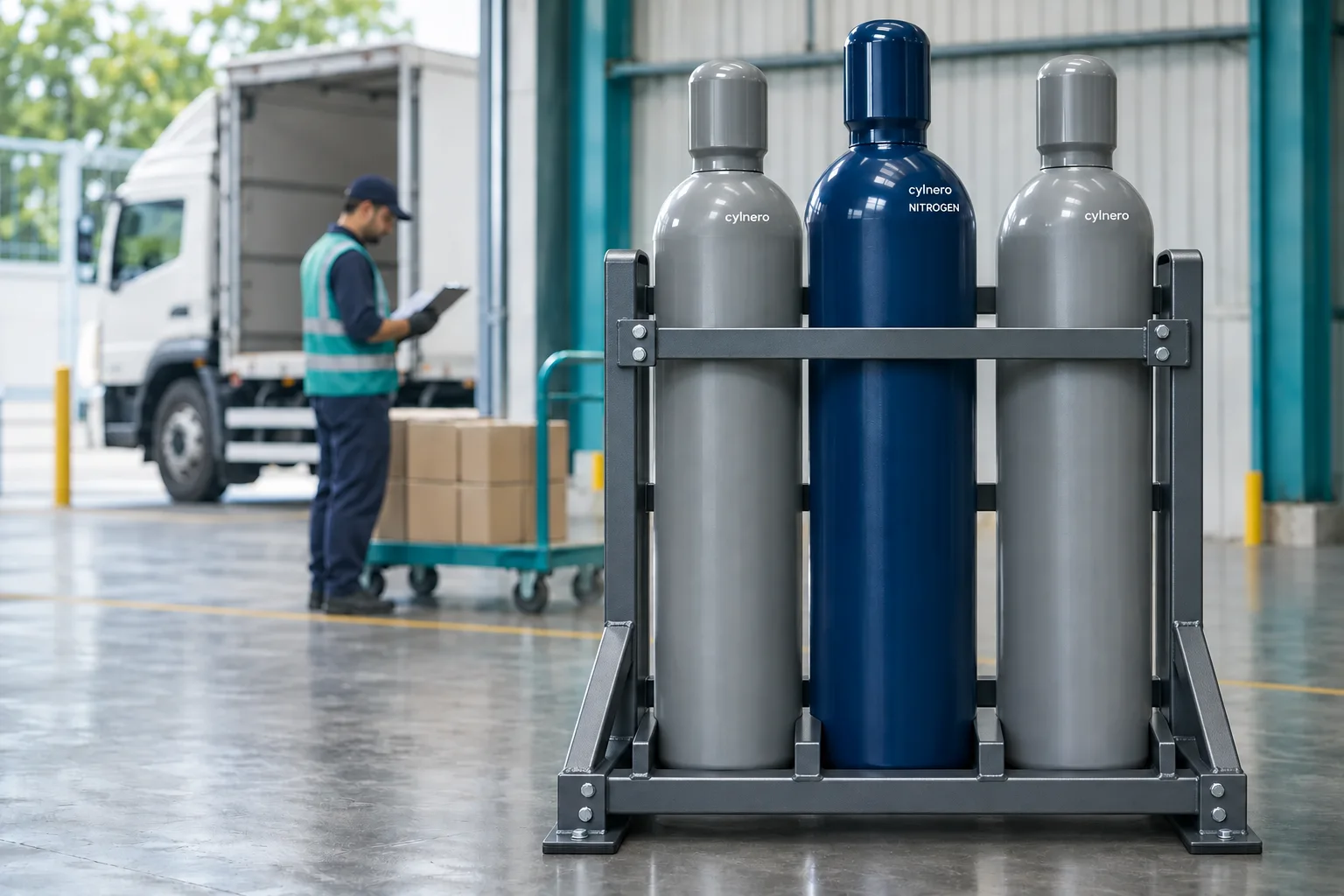
State whether you need new or replacement nitrogen cylinders, the approximate number and destination. List gas supply, rental or exchange separately from the cylinder-hardware purchase.
Describe why your organization needs nitrogen-service cylinder hardware. You may be comparing a new purchasing programme, replacing units in an existing distribution fleet or seeking cylinders for an equipment project. These tasks can produce different enquiries even when the same gas name appears in the brief. State whether you want new cylinders, whether valves are expected and which aspects of your current specification should remain unchanged. If the project is still exploratory, identify the decisions you are trying to make instead of filling unknown fields with assumed values.
Read the full guidance
Define the cylinder hardware purchasing task
Separate the hardware purchase from nitrogen supply, filling services, rental arrangements and cylinder exchange. A cylinder quotation should say what physical items and documented services are included; it should not silently become an agreement to supply gas. If another provider manages gas services for your organization, explain how that provider will participate in reviewing the proposed hardware. Their requirements can be included as purchasing inputs without implying that CYLNERO or the proposed manufacturer operates the same service. Record the responsible party for each separate scope.
A useful initial brief can be short: intended application, quantity or quantity range, destination and any existing cylinder reference. Add the decisions you need help organizing, such as material options, valve inclusion or delivery documentation. The supplier can then respond with a proposal and a list of questions. Keep that response separate from a final purchase specification until the appropriate reviewers have assessed it. This approach supports early sourcing discussions while leaving the manufacturer responsible for describing the actual configuration offered.
Gas cylinders or liquid equipment?
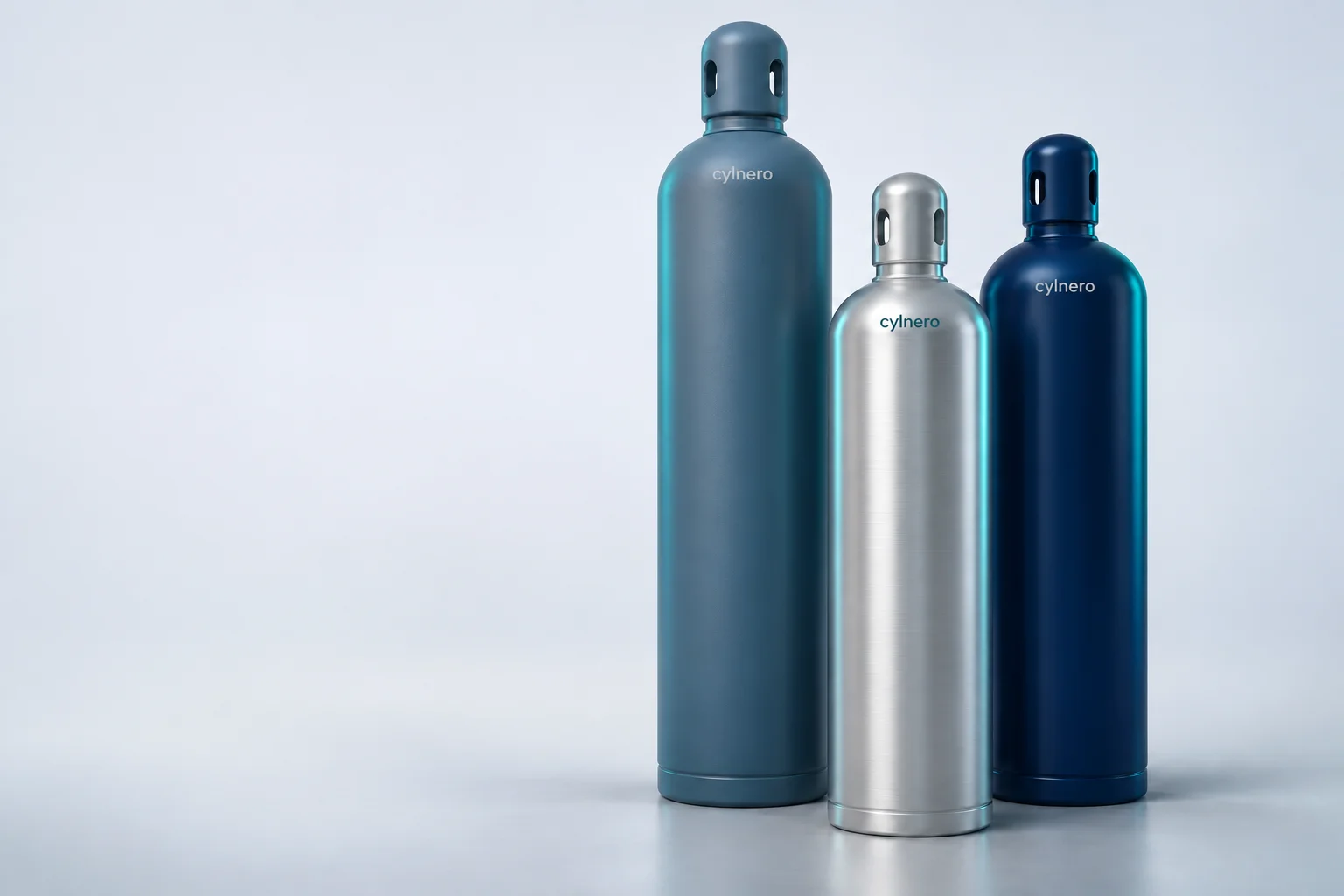
Specify whether the request concerns gaseous nitrogen cylinders, liquid storage or cryogenic transfer equipment. List each equipment scope separately so the manufacturer can identify what its proposal covers.
Use the enquiry to establish which equipment family is being purchased. This category organizes questions about cylinder hardware proposed for nitrogen service; a request for liquid-nitrogen storage, cryogenic transfer equipment or a complete gas-supply installation requires a separately defined scope. If your internal project description says only nitrogen storage, explain the intended equipment task and ask your technical team to identify the relevant family. Do not choose a product solely because a search result uses a similar word such as bottle, vessel, tank or cylinder.
Read the full guidance
Keep gaseous-nitrogen cylinders separate from cryogenic equipment
If your project includes several equipment families, create separate lines for the cylinder purchase and any other equipment under consideration. Identify the party reviewing the interfaces between them and the information that party needs from each provider. A response to the cylinder line should not be interpreted as acceptance of the complete installation. Likewise, a picture of a cylinder does not establish that cryogenic equipment is included. Ask each proposed supplier to state its own scope and exclusions in writing before combining the commercial comparison.
This page does not select a storage technology, calculate consumption or recommend a conversion from cylinders to a bulk system. Those decisions belong to the project and its appointed reviewers. For sourcing, the practical question is which documented cylinder proposal the manufacturer can offer against the purchasing brief. Where the equipment family is still uncertain, describe that uncertainty directly. An early request can ask for clarification without implying that any specific system, site arrangement or operating method has already been approved for your organization.
Compare steel and aluminum proposals
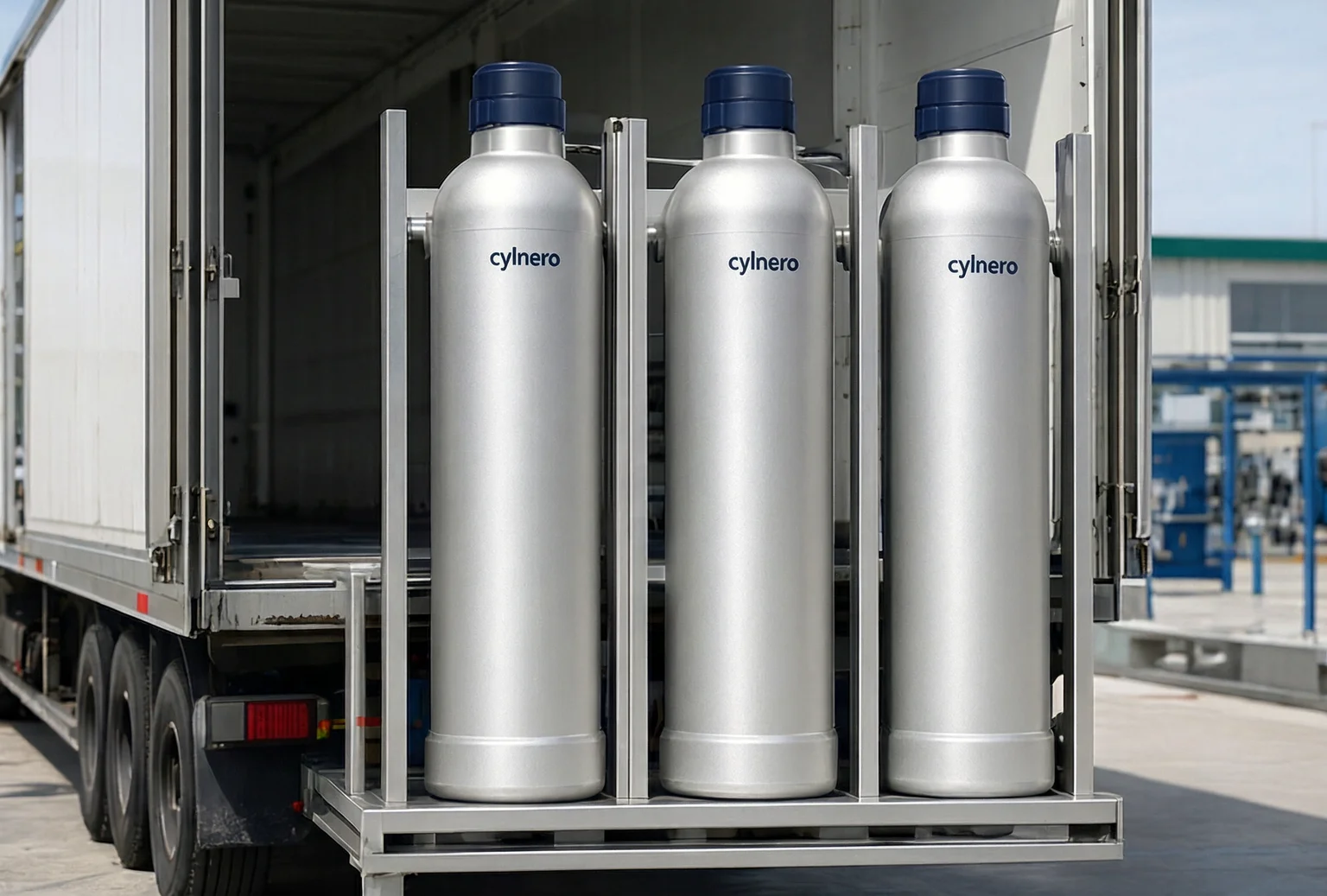
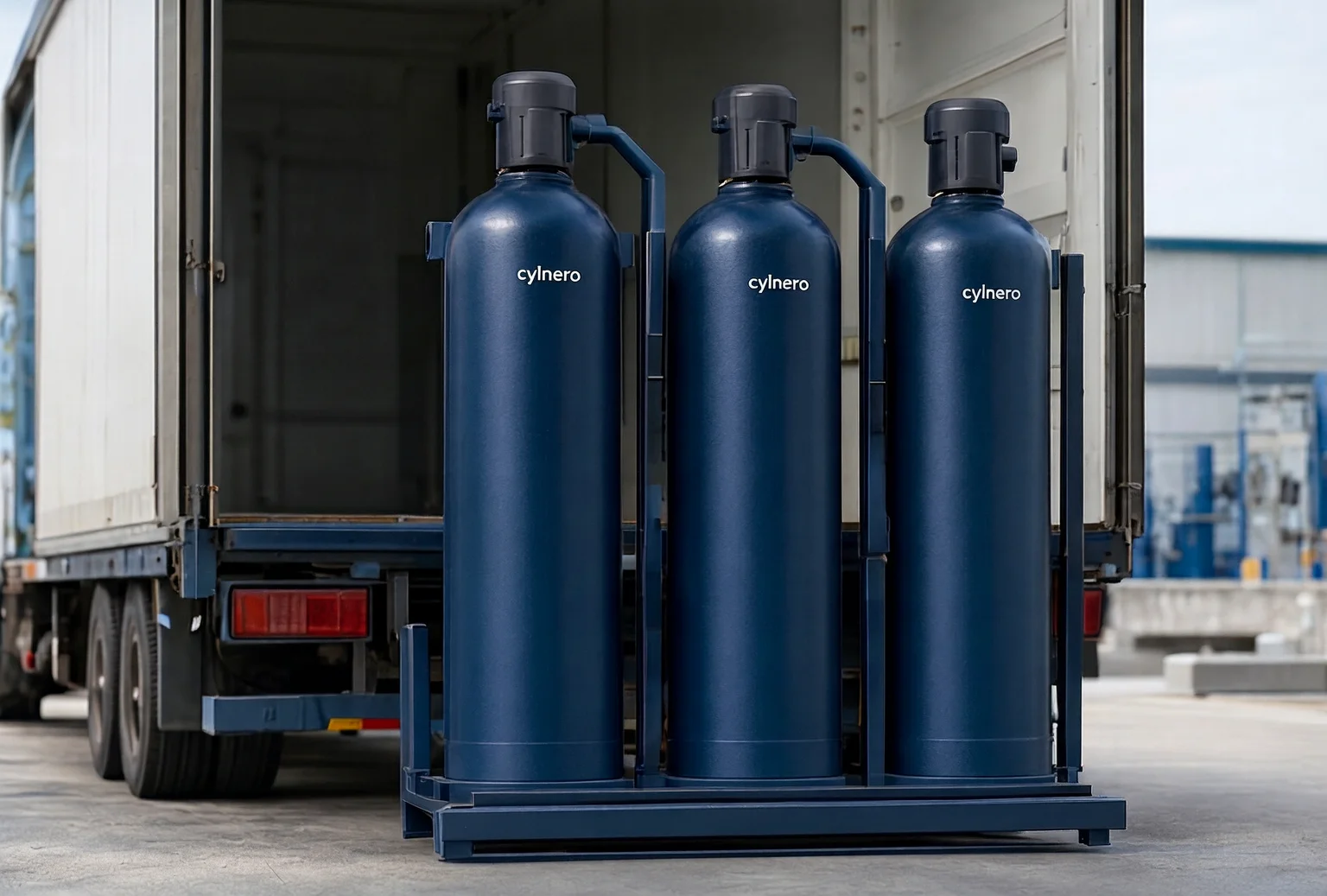
Compare steel and aluminum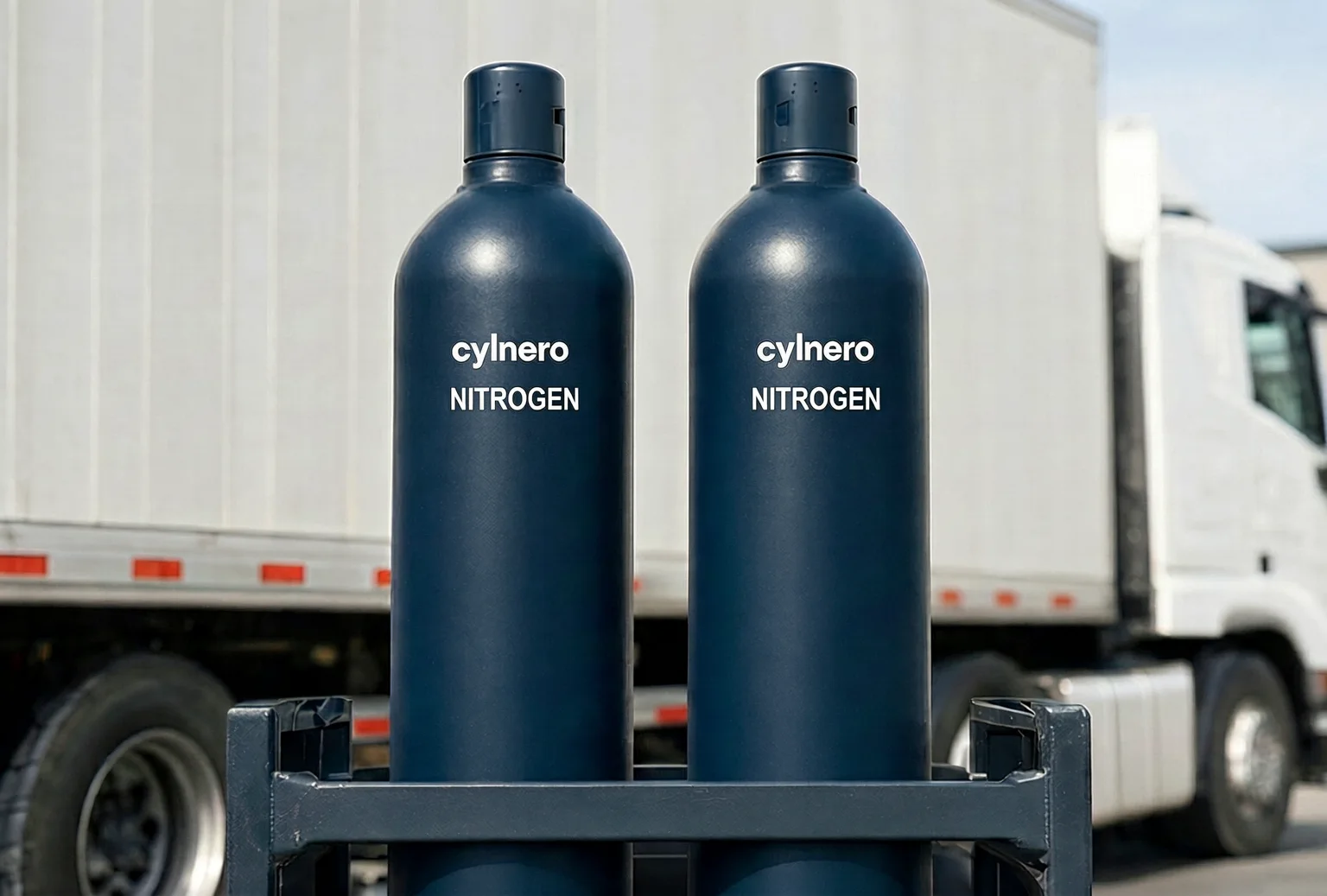
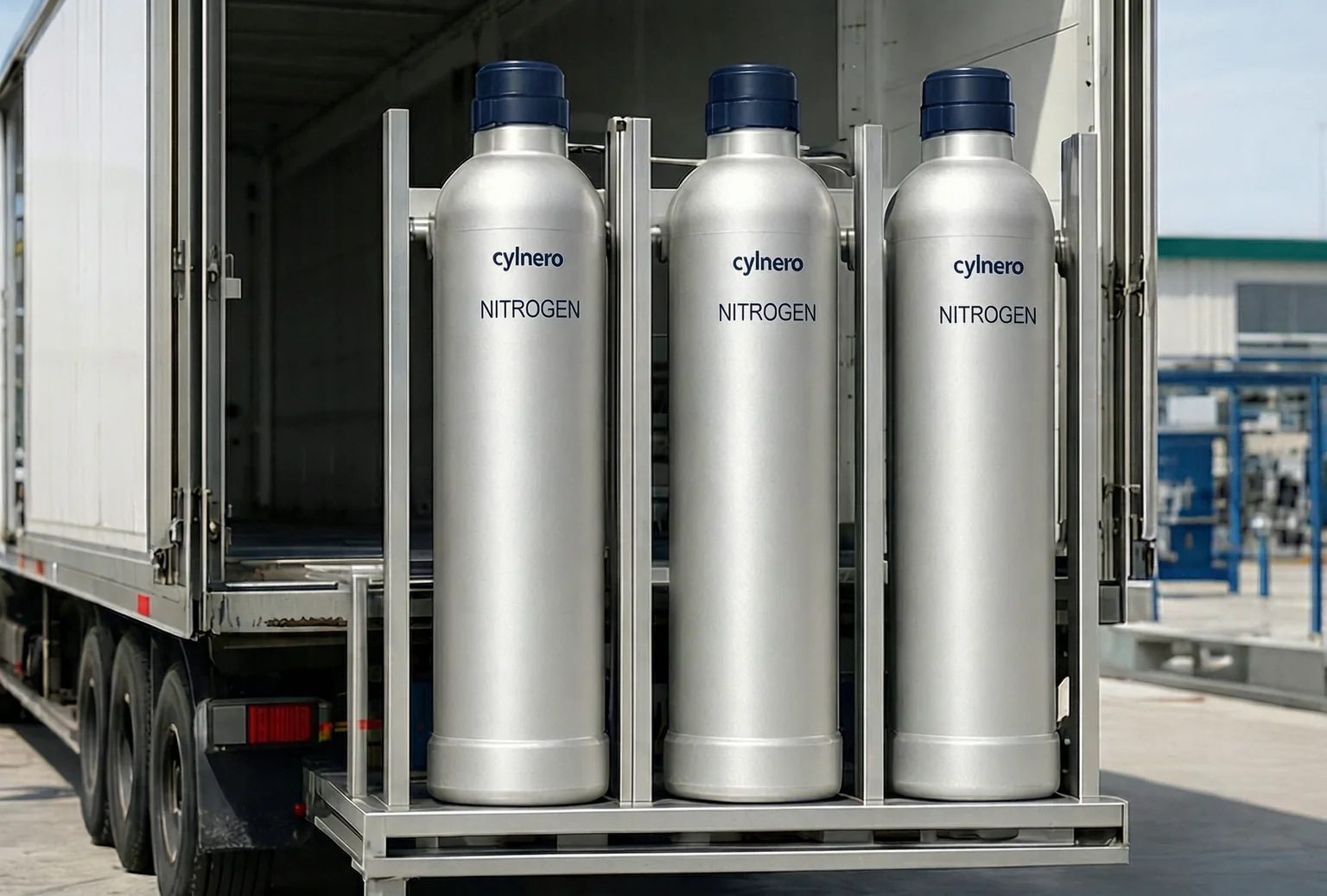
State the intended gas service when requesting a proposed configuration.
Compare the proposed cylinders by capacity, working pressure, dimensions and weight. Check whether valves and protective caps are included, especially when handling weight or available space matters to your site.
View 10 L aluminum cylinder weight examplesSteel and aluminum series provide useful starting points for a catalogue enquiry, but material names alone do not establish the properties of the cylinder you will receive. Ask the manufacturer to identify the proposed construction, material reference and configuration. If weight, dimensions or handling arrangements matter to your project, request the corresponding model-specific information instead of relying on a general ranking of materials. The initial enquiry can leave these values open and ask the supplier which options it proposes for the stated purchasing task.
Read the full guidance
Compare steel and aluminum proposals using actual configuration data
When comparing alternatives, place the offered configuration references beside the values being compared. Keep units, included components and document revisions consistent across the table. For example, establish whether a quoted mass describes the vessel alone or an assembly that includes a valve and other items. A difference in the included scope can make two apparently similar values unsuitable for direct comparison. Your appointed reviewers should assess the actual material and construction evidence for the intended nitrogen service and destination, rather than treating a category description as that assessment.
Do not assume that selecting aluminum means a particular pressure class, that selecting steel establishes a service life or that either choice guarantees compatibility with an existing programme. Ask for the manufacturer's written proposal and record unresolved differences. If a preferred material is already part of your approved purchasing specification, provide the reference and ask whether the offer meets that requirement. If it is only a preference, label it accordingly so that the manufacturer can distinguish a mandatory condition from an option worth discussing.
Share known requirements
List any known water capacity, working pressure, space limits and valve requirements. Mark each entry as a buyer requirement, supplier proposal or open question, so an old reference is not mistaken for a confirmed specification.
Organize known inputs into a simple specification sheet: intended service, requested water capacity, working-pressure requirement if known, dimensional constraints, valve scope and destination. Give each field a source or a status such as buyer requirement, manufacturer proposal or open question. This prevents a value copied from an old enquiry from appearing to be a newly confirmed requirement. You do not need to complete every field before contacting CYLNERO; the sheet should make uncertainty visible rather than hide it behind plausible-looking technical numbers.
Read the full guidance
Build a specification sheet that preserves unknown values
Keep working pressure, test pressure, water capacity and gas quantity in separate fields. Request the manufacturer's terminology and units for the actual proposed cylinder, and ask the technical reviewer to resolve any difference from your internal schedule. A pressure value is not a gas-quantity statement, and a category capacity label is not evidence of a delivered gas amount. This page does not calculate filling quantities, prescribe a pressure or convert a cylinder designation into an operating instruction. Record the actual proposed specification for review.
For repeat enquiries, retain the previous specification revision as a reference while identifying what has changed. A new destination, different included valve or modified installation envelope may require a fresh response even when the family name remains the same. Ask the supplier to distinguish confirmed points from assumptions in its reply. Before accepting the proposal, bring the reviewed configuration and its document references into the purchasing record, so that the order does not depend on a mixture of old drawings and informal descriptions.
Connections and included components
Provide the connection reference or drawing for your nitrogen equipment if available. Ask which valve outlet and cylinder connection are proposed, and whether the valve and protective cap are included in the quote.
If the cylinders will be considered for an existing equipment programme, provide the interface references your organization already uses. Distinguish the cylinder connection, valve outlet and any accessories expected in the supply. Ask the manufacturer to identify the proposed interface and the drawing or reference that describes it. If the reference is unknown, say so and ask which drawing or specification the appointed reviewer needs. There is no need to invent a thread designation to open an enquiry.
Read the full guidance
Request interface information without assuming interchangeability
Ask who supplies and confirms each component in the offered assembly. A cylinder-only offer and a cylinder-with-valve offer can have different review and commercial boundaries. Record whether protective accessories, identification items or packaging components are included, separately priced or excluded. Do not infer that an existing regulator, manifold or machine can be used because the cylinder is described as suitable for nitrogen. The parties responsible for the equipment and the proposed assembly should assess the actual interface information before the configuration is accepted.
Where more than one configuration is being compared, assign each option a clear reference and keep its supporting documents together. Note any questions about components supplied by other providers. Ask the manufacturer to respond against the selected reference rather than a loose collection of attachments. This purchasing workflow does not authorize installation, adaptation or substitution. Its purpose is to ensure that the proposed interfaces and responsibilities are visible in the quotation, allowing the right reviewers to make their decisions with the same information.
Cylinder records and gas quality

Ask which records describe the offered cylinder hardware. Cylinder documentation does not establish the quality or purity of any gas later supplied by another party.
Read the full guidance
Separate cylinder documentation from gas-quality evidence
A nitrogen-service purchasing programme may involve process requirements that the cylinder manufacturer needs to understand. Share the relevant requirement reference and identify the organization responsible for assessing it. Keep evidence about cylinder materials, preparation or delivery condition separate from evidence about the nitrogen gas supplied by another provider. The presence of the word nitrogen in a catalogue does not establish a gas grade, analysis result or approved process application. Ask the proposed manufacturer which hardware-related documents it can provide against the stated requirement.
If your organization requires a particular cylinder delivery condition, provide the existing specification or explain that the condition still needs to be defined. Ask the manufacturer to state what its proposal includes and how that condition will be documented for the supply. This guide does not prescribe cleaning, purging, sampling or gas-quality testing methods. It also does not infer a preparation result from a cylinder image or product-family label. The appointed technical and gas-service reviewers should assess which evidence is relevant to their respective scopes.
In the comparison sheet, use separate rows for hardware documents, any expressly quoted preparation work and gas-provider records expected under another agreement. Identify the issuer and the units or lot covered by each record. If a document is only an example, label it as an example and ask what would accompany the actual delivery. A clear distinction between these records helps prevent a gas certificate from being used as a substitute for cylinder traceability, or a cylinder document from being treated as proof of gas composition.
Documents for your destination
Give the destination and any known project requirements. Ask which records the manufacturer offers for the actual configuration.
Read the full guidance
Define the destination review and document package
Tell the proposed manufacturer where the cylinders are intended to be supplied and which purchasing or destination requirements your organization has already identified. Ask it to describe the proposed conformity route and the supporting records for the actual configuration. Your appointed destination and technical reviewers should assess that response. A generic certificate alone does not establish acceptance for every market. Keep any unresolved destination question visible before treating the offer as an accepted supply proposal.
Build the document request around the scope of the record: design or model information, manufacturer identification, configuration revision and records expected for the supplied units or lot. Ask how the delivery identifiers will connect to those documents. Do not assume that every record exists at the enquiry stage; distinguish information available now from records proposed for issue later. This lets the buyer plan meaningful review points without pretending that a sample document is a completed delivery dossier or that a future record has already been approved.
Where several destinations or purchasing entities are involved, identify them separately and ask whether the manufacturer's proposal changes. Keep each response linked to the relevant configuration and commercial line. This page does not determine the applicable law, certify compliance or promise that a manufacturer has approval for a particular market. CYLNERO can organize questions and supplier responses, while the manufacturer and appointed reviewers address the actual evidence. Any change in the accepted destination scope should be reflected in the reviewed purchasing record.
About this category guide
Nitrogen-cylinder procurement starts with the hardware you want to purchase and the work you expect other providers to perform. CYLNERO helps wholesale buyers organize cylinder enquiries, compare manufacturer proposals and identify configuration questions for review. This category concerns configurable cylinder supply rather than a promise of nitrogen gas, local refilling, cylinder exchange or liquid-nitrogen equipment. Start with your intended application, approximate purchasing quantity and destination. A manufacturer model number and a complete parameter schedule are not needed for the first enquiry. The manufacturer confirms the proposed configuration, supporting documents and commercial supply scope before the buyer accepts an offer.
Cylinder count and order scope
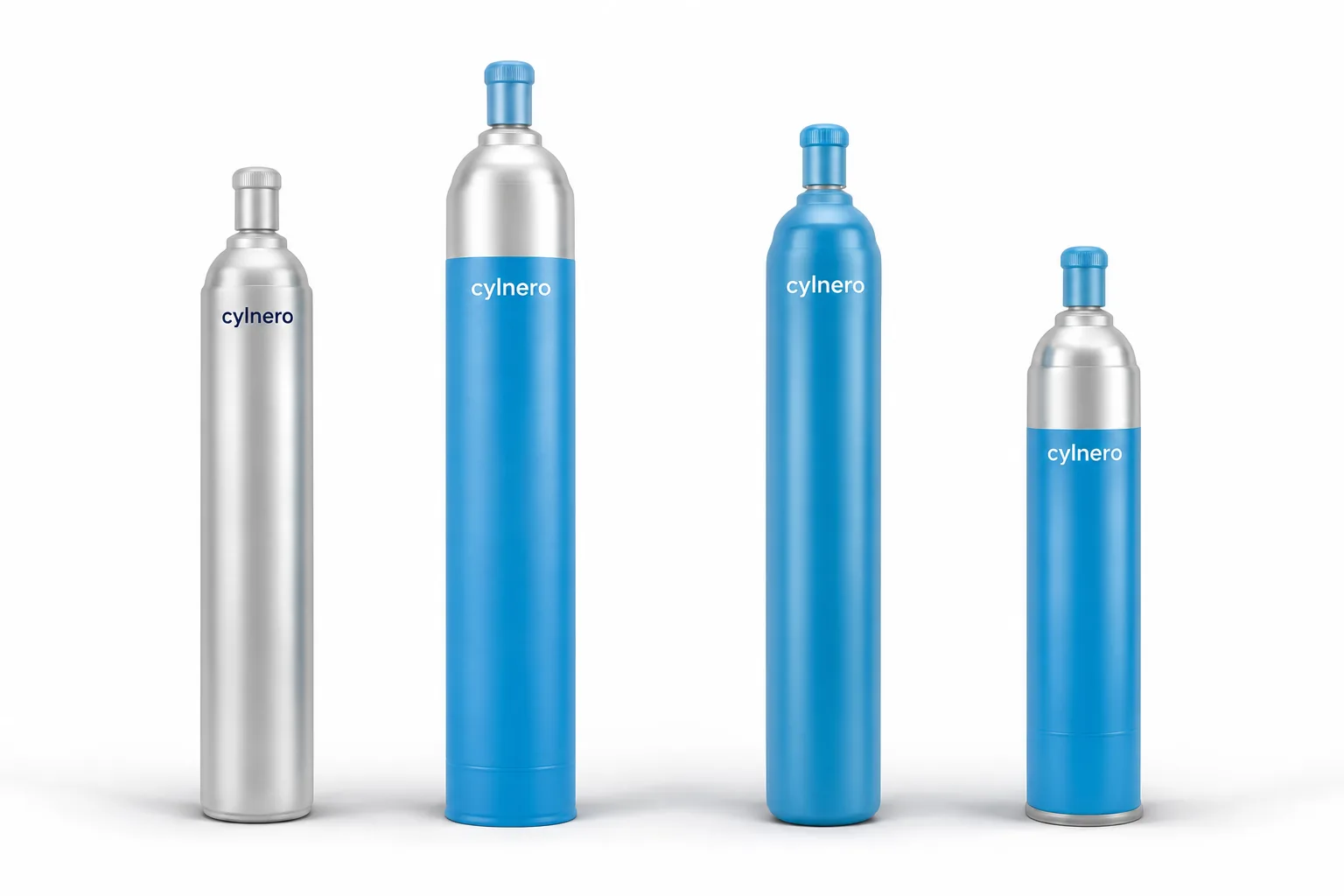
State the cylinder count for this enquiry and any separate delivery groups. Keep later forecasts distinct from the quantity being quoted, and ask what the price includes.
State the number of cylinders you expect to purchase, or provide an indicative range if the programme is not yet fixed. Keep purchasing quantity separate from water capacity and any gas-supply requirement. If several branches or projects will share the enquiry, show which quantities belong to each requested configuration. A consolidated total can be useful commercially, but it should not conceal differences that affect the manufacturer's proposal. The supplier can respond more clearly when each line describes a distinct scope rather than an unexplained combined number.
Read the full guidance
Plan quantities and order options for a wholesale enquiry
Ask the manufacturer to identify any order conditions attached to its quotation, including proposed batch arrangements, optional items and the basis on which pricing would change. Do not assume a minimum quantity, discount or available production slot from a category page. If your organization expects repeat purchasing, explain the planning horizon and ask which matters would need confirmation for later releases. A discussion about future demand is a forecasting input; it is not a reservation of stock or a commitment to supply at an unchanged price.
For staged projects, describe the preferred delivery grouping and the decisions that remain open. Ask how the manufacturer would identify each batch and communicate changes to the agreed configuration. Compare the total quoted scope for each option, including documents and packaging, rather than comparing cylinder unit prices alone. If quantity remains unknown, an initial requirement can still be submitted for discussion. The final offer and purchase agreement should state the quantities and conditions actually accepted by the relevant parties.
Packing and freight scope
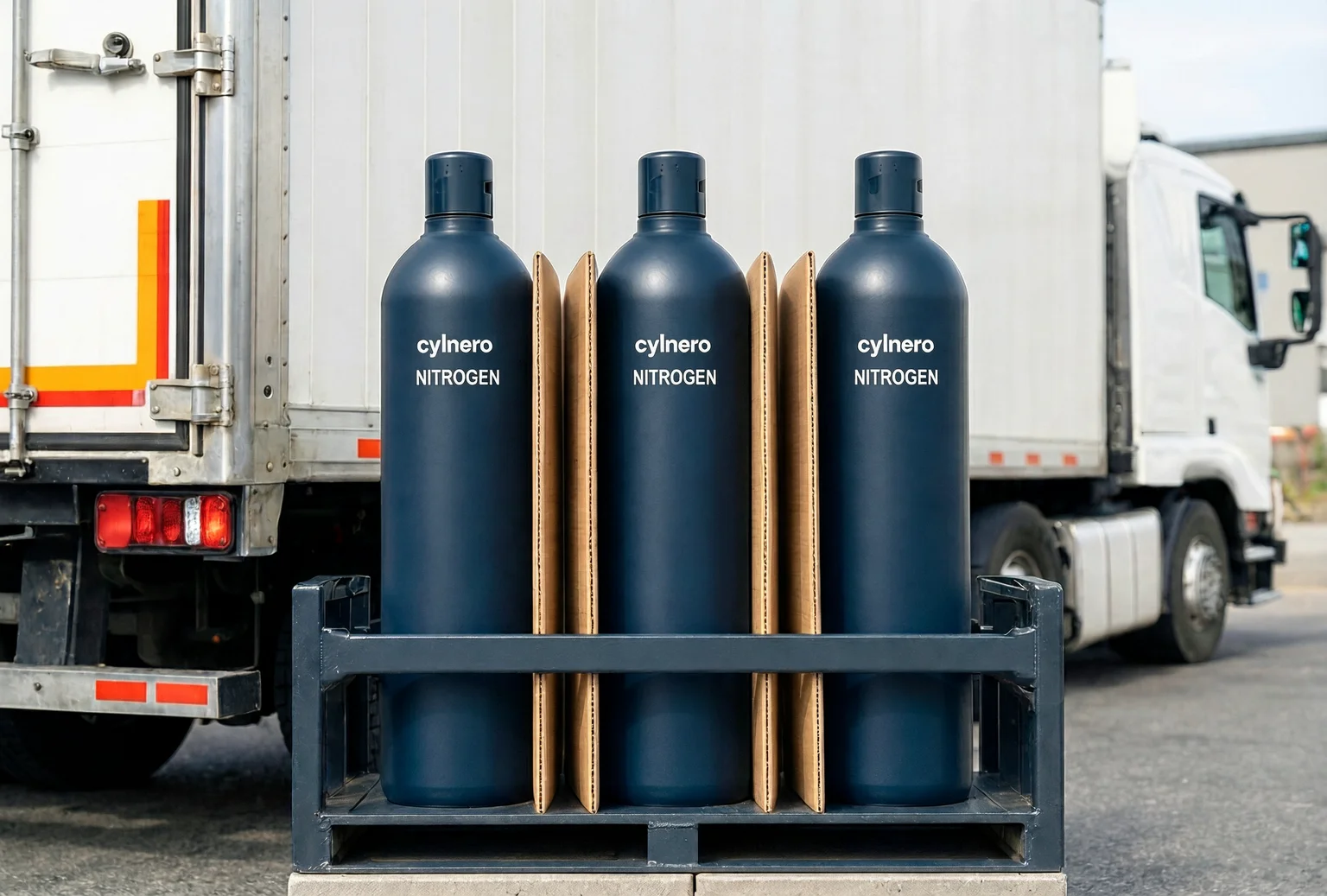
Describe the destination and known receiving constraints. Ask for the proposed packing and freight scope for the quantity.
Describe the intended destination, receiving location and any packaging constraints your purchasing team already knows. Ask the supplier to identify the proposed packaging and shipment condition as part of its quotation. Empty-cylinder hardware does not automatically establish a particular transport treatment, and this guide does not decide what transport documents or handling arrangements apply. The responsible manufacturer, logistics provider and appointed reviewers should assess the actual supply condition. Keep their responsibilities explicit instead of assuming that every cylinder enquiry includes delivery of filled units.
Read the full guidance
Clarify packaging, shipment condition and receiving records
Ask which party proposes freight, which costs are included and where responsibility changes under the commercial terms being discussed. Note the documents expected at dispatch and receipt, and how shipment identifiers will relate to the order lines. If a delivery date matters to your project, state the required date as a buyer input and request the manufacturer's current proposal. A desired date is not a confirmed lead time. Record any dependencies, such as an outstanding configuration decision or document review, alongside the proposed schedule.
Prepare a receiving checklist that compares the delivery with the accepted purchasing scope: line identity, quantities, included items, packaging and accompanying records. Any technical acceptance checks should come from your organization's approved process and appointed reviewers, not from this category page. Agree how shortages, damage or document discrepancies will be reported under the actual contract. Request a named coordination route for those questions when the offer is prepared; this website does not invent a supplier contact, warranty remedy or guaranteed response time.
Compare like-for-like quotations

Compare responses against the same enquiry revision. List each proposed configuration, quantity, documents, included services, exclusions and commercial terms. Mark unanswered questions as open rather than filling gaps with another supplier’s information. A lower total may cover a different assembly or document scope, so make those differences visible before comparing prices.
Read the full guidance
Compare manufacturer responses and commercial boundaries
Ask who will manufacture the proposed cylinders, issue the quotation and contract the supply. CYLNERO coordinates the exchange; the manufacturer confirms its proposal and agreed responsibilities. Discuss confidentiality, customer protection and support only in relation to the terms actually proposed. Keep important answers with the quotation revision and request an updated response if the scope changes.
Repeat orders and revised components
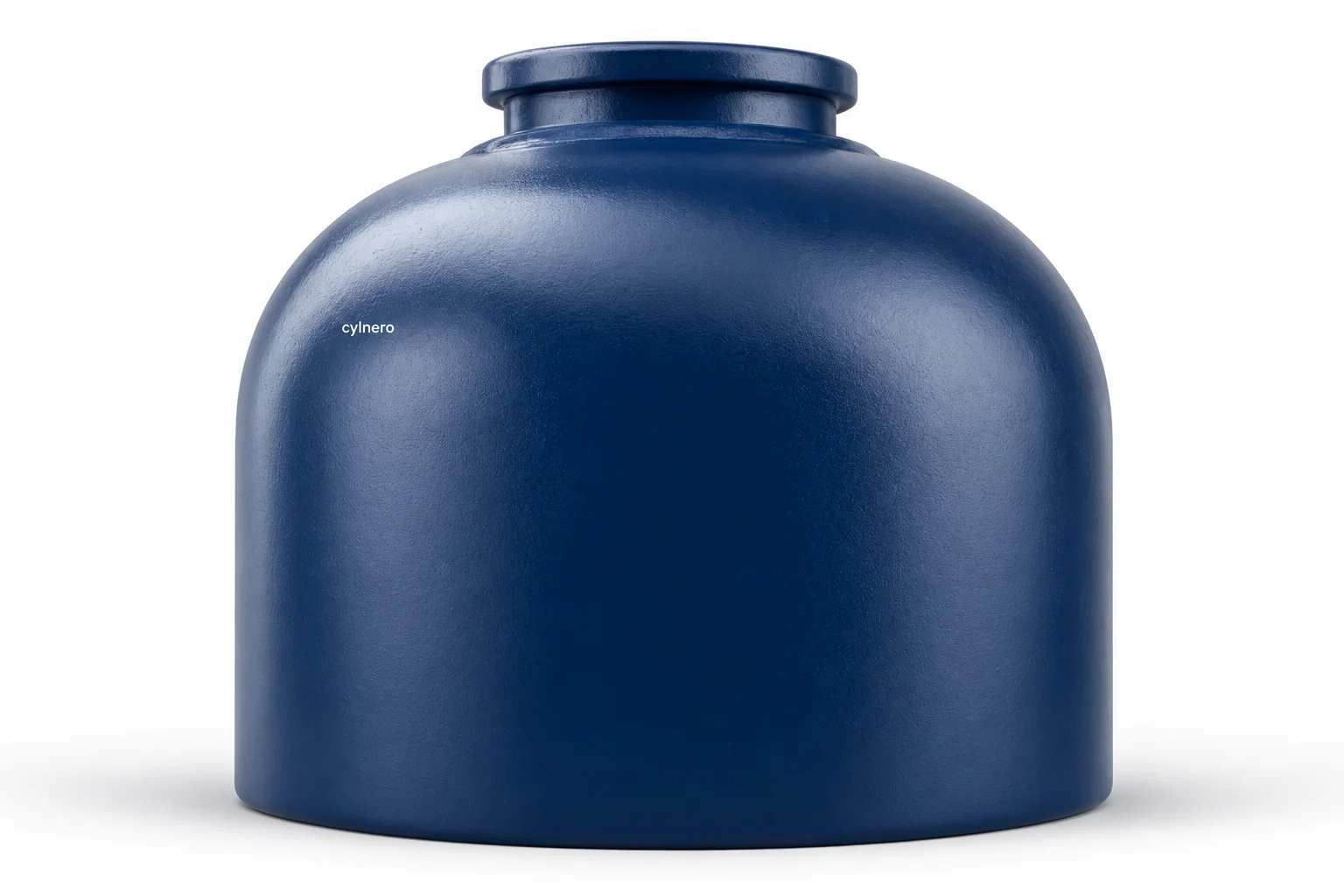
Use previous drawings and component references to explain a repeat request. Ask the manufacturer to identify changes in the current proposal rather than assuming the earlier configuration remains available.
For a repeat nitrogen-cylinder purchase, provide the previous drawing, cylinder reference or purchasing specification and identify the features you want to retain. Ask the proposed supplier to list the cylinder, valve, protective components and documents it is offering against those references. If an interface or component differs, record the alternative alongside the original requirement and give both to the equipment reviewer. Similar-looking cylinders may have different details, so an earlier product-family name alone is not a sufficient comparison.
Read the full guidance
Manage repeat purchasing and configuration changes
Keep a short revision record for changes to quantities, destinations, markings, components and documents. Note the date, the affected quotation or drawing, and who needs to respond. When a supplier issues a new commercial offer, ask whether its earlier technical attachments still describe the proposed configuration. After delivery, retain the purchase reference and records supplied with the units for the responsible organization. If inspection, maintenance or other services are needed, ask for their scope and terms separately. Use the reviewed configuration and current quotation as the starting point for the next order.
Send your nitrogen cylinder brief
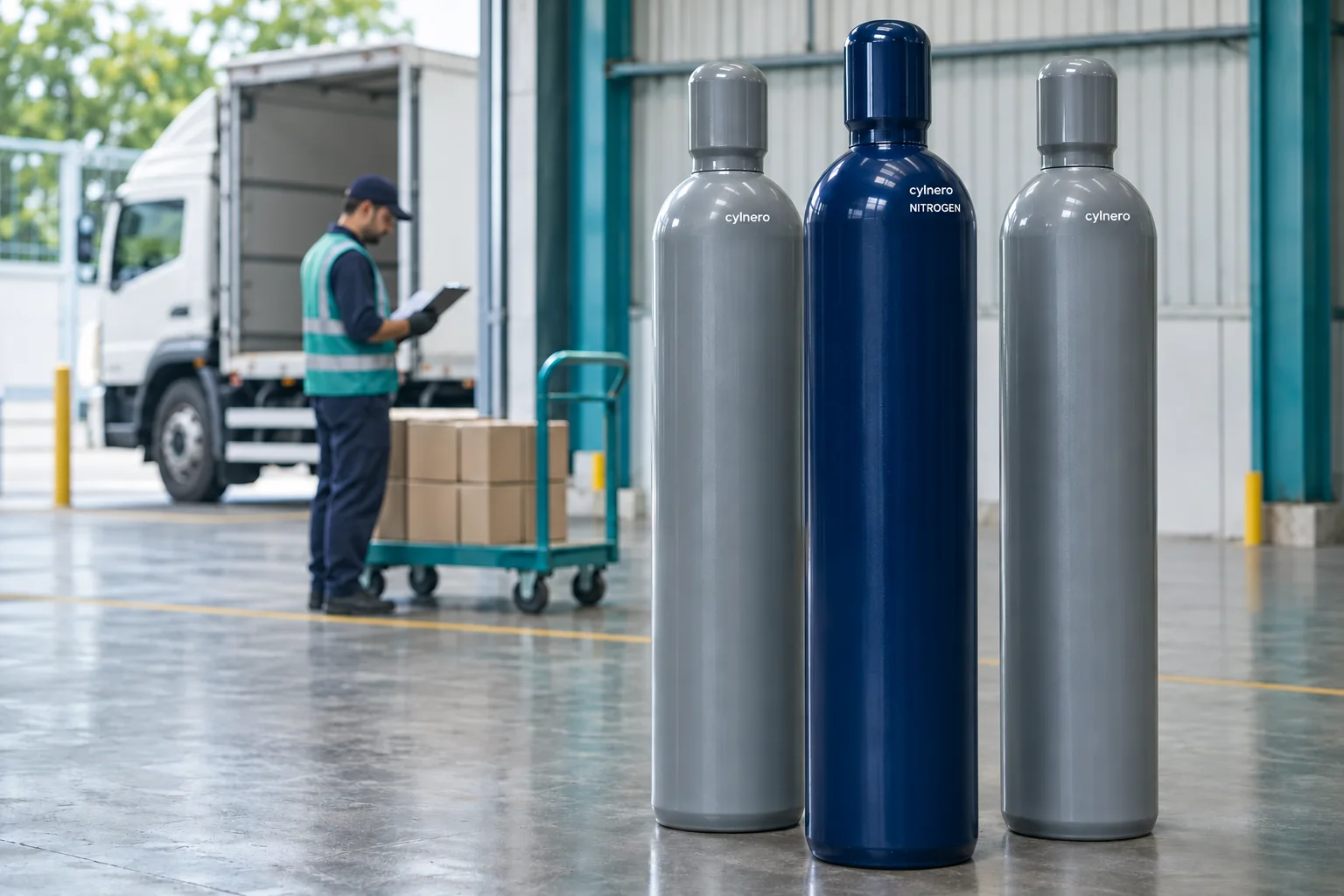
Share the application, approximate count, and destination. Keep cylinder hardware, gas supply, and liquid equipment as separate scopes.
Begin with the nitrogen-service application, approximate cylinder count and destination. Include known water capacity, working pressure, material preference, connection reference and equipment-envelope limits with their original units where available. State whether the enquiry covers cylinder bodies or assemblies with valves and protective components. For several projects or delivery locations, list the requested quantities and requirements separately. An existing cylinder or drawing can be shared as a reference, but a factory model is not required. Leave unknown fields open and ask the manufacturer to identify the configuration and document scope it proposes.
Read the full guidance
Send a useful nitrogen-cylinder sourcing requirement
If your project does not yet fit a listed series, submit an application requirement instead. Where you have selected a series and also need to explain the application, include both in the same enquiry and review the submitted scope. Avoid putting gas refilling, rental or liquid-nitrogen equipment into a cylinder hardware line without identifying it as a separate request. CYLNERO can organize the sourcing discussion around the information provided, while any additional supply capability must be confirmed explicitly rather than inferred from a category keyword.
The next useful outcome is a manufacturer proposal with a clear configuration reference, stated inclusions and exclusions, document scope and commercial questions for review. Compare that response with the brief and resolve differences before accepting an order. An enquiry reference confirms that a request was recorded; it does not establish stock, a quotation price, technical approval or delivery availability. Keep the final manufacturer response and the buyer's accepted revision together so that subsequent coordination follows the actual purchasing agreement rather than an early catalogue description.
Related procurement pages
About this procurement guide
Use this guide to prepare your enquiry. Confirm the specifications and supporting documents for the proposed cylinder with the manufacturer.
For standards research, consult the ISO gas-cylinder standards catalogue. The catalogue includes published and withdrawn standards. Check the status, edition, scope and destination requirements with the manufacturer and your appointed technical reviewer. A standards reference does not establish that a listed series conforms to it.
Before placing an order, obtain the proposed model's drawings, configuration, applicable approvals and quotation from the manufacturer. CYLNERO coordinates sourcing; the manufacturer confirms and contracts the agreed supply.
Procurement questions
Can I enquire without a manufacturer model number?
Yes. Start with the intended application, destination and approximate quantity, then add any known capacity, interface or documentation requirements. You can leave unknown values open. A listed series is a sourcing reference rather than a fully specified manufacturer model. The manufacturer identifies the proposed configuration, and the buyer's appointed reviewers assess it before the actual supply proposal is accepted.
Does a nitrogen gas cylinder enquiry include nitrogen gas or refilling?
This category concerns cylinder hardware sourcing. Gas contents, refilling, exchange and rental services are separate scopes and are not included merely because nitrogen appears in the page title. Explain any wider project needs separately and identify the providers responsible for them. The manufacturer's quotation should state the physical items, expressly included services and exclusions being offered for the cylinder purchase.
Should I choose steel or aluminum cylinders?
Compare the manufacturer's actual proposals against your purchasing specification. Request configuration-specific dimensions, mass, interfaces and supporting documents where these matter to the project. A material name alone does not confirm pressure class, lifecycle, handling suitability or acceptance for a destination. If a material is already required by your programme, identify that requirement; otherwise ask which options the manufacturer proposes for review.
How should I describe cylinder capacity and purchasing quantity?
Keep the number of cylinders being purchased separate from water capacity, pressure and any gas-quantity requirement. Use the units and references in your existing specification, or mark the value as unknown and request clarification. This page does not calculate filling quantities. Any gas-provider quantity records belong to the separate gas-supply scope and should not be inferred from an empty-cylinder catalogue entry.
Which certificates and inspection records should I request?
Ask your appointed destination and technical reviewers to identify the evidence needed for the actual proposed supply. Request the manufacturer's document references, stated scope and connection to the model, configuration revision and delivered units or lot. Distinguish sample records from delivery documents. A general certificate image or standards acronym does not establish that the offered cylinders have been accepted for your programme.
Can this category be used to order liquid-nitrogen equipment?
Liquid-nitrogen storage and related cryogenic equipment require a separately defined equipment enquiry. This cylinder category does not establish that such equipment or a complete nitrogen-supply system is offered. Describe the wider application and ask the responsible project reviewers to identify the equipment family and interface requirements. Any proposed supply scope must then be confirmed explicitly by the relevant manufacturer or provider.