 Wholesale sourcing
01 / YOUR APPLICATION
Start with what you know
Application, approximate quantity and destination. Add a drawing or connection reference if you have one.
 View larger ↗
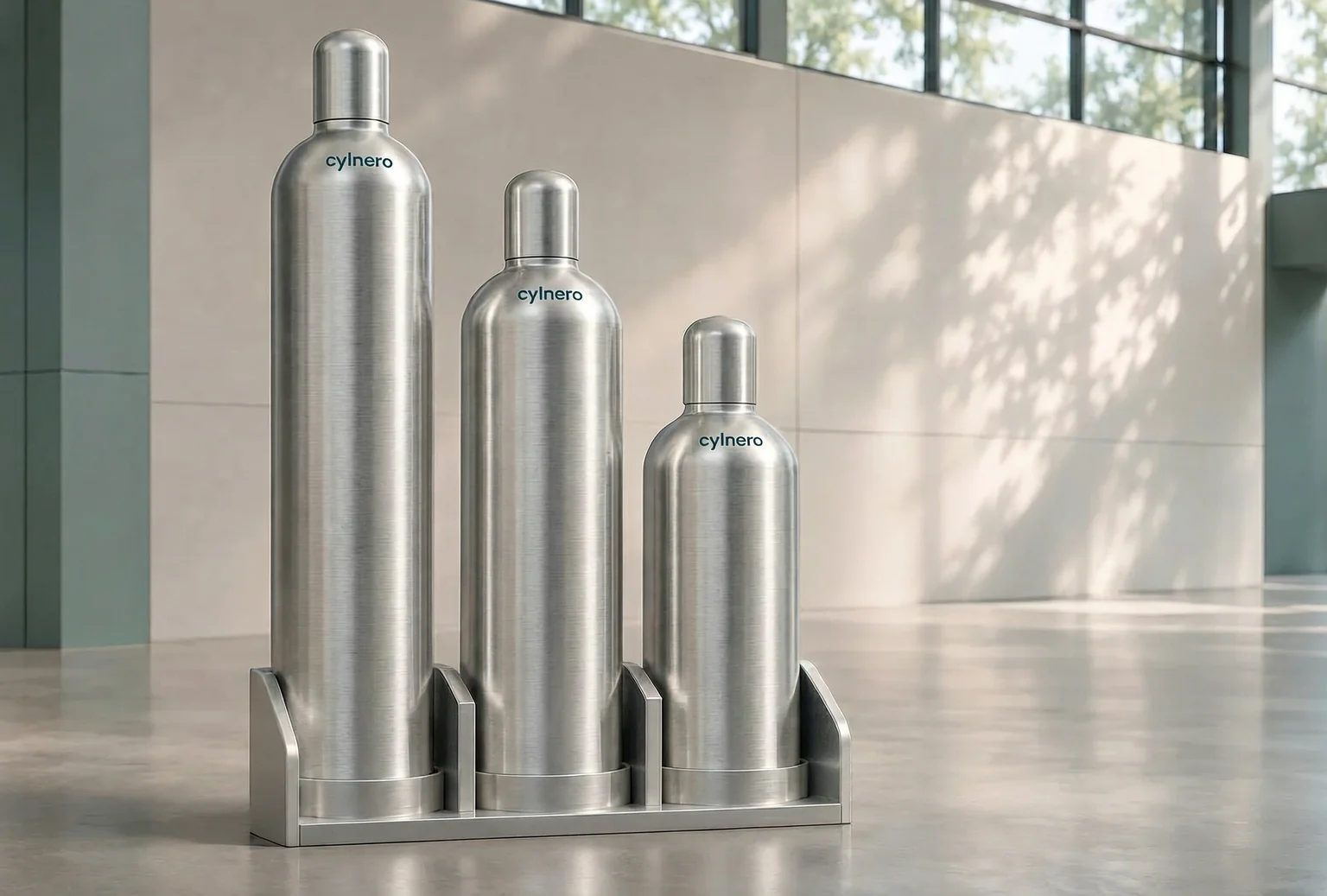
 Series viewCylinder formats
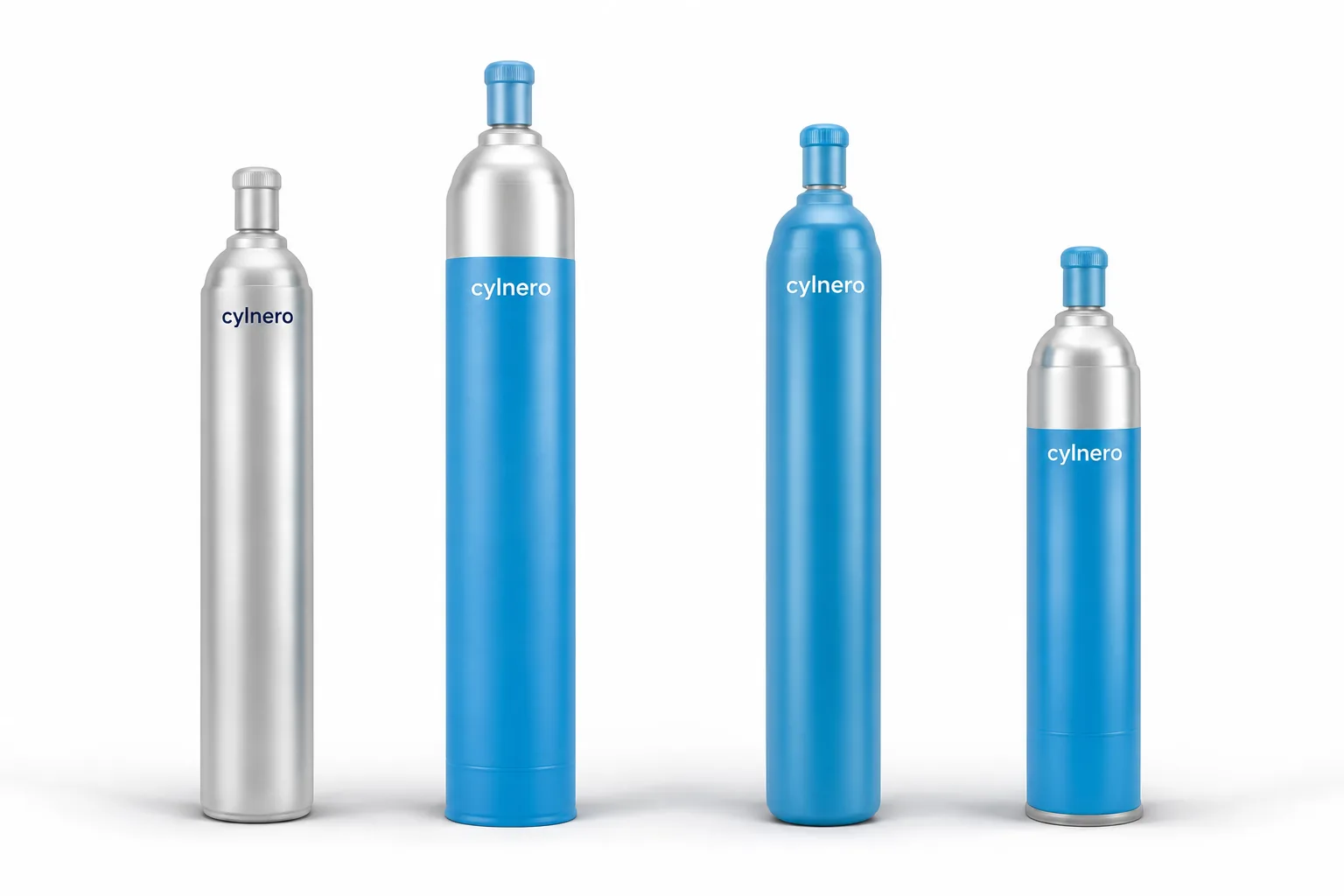 Size comparison
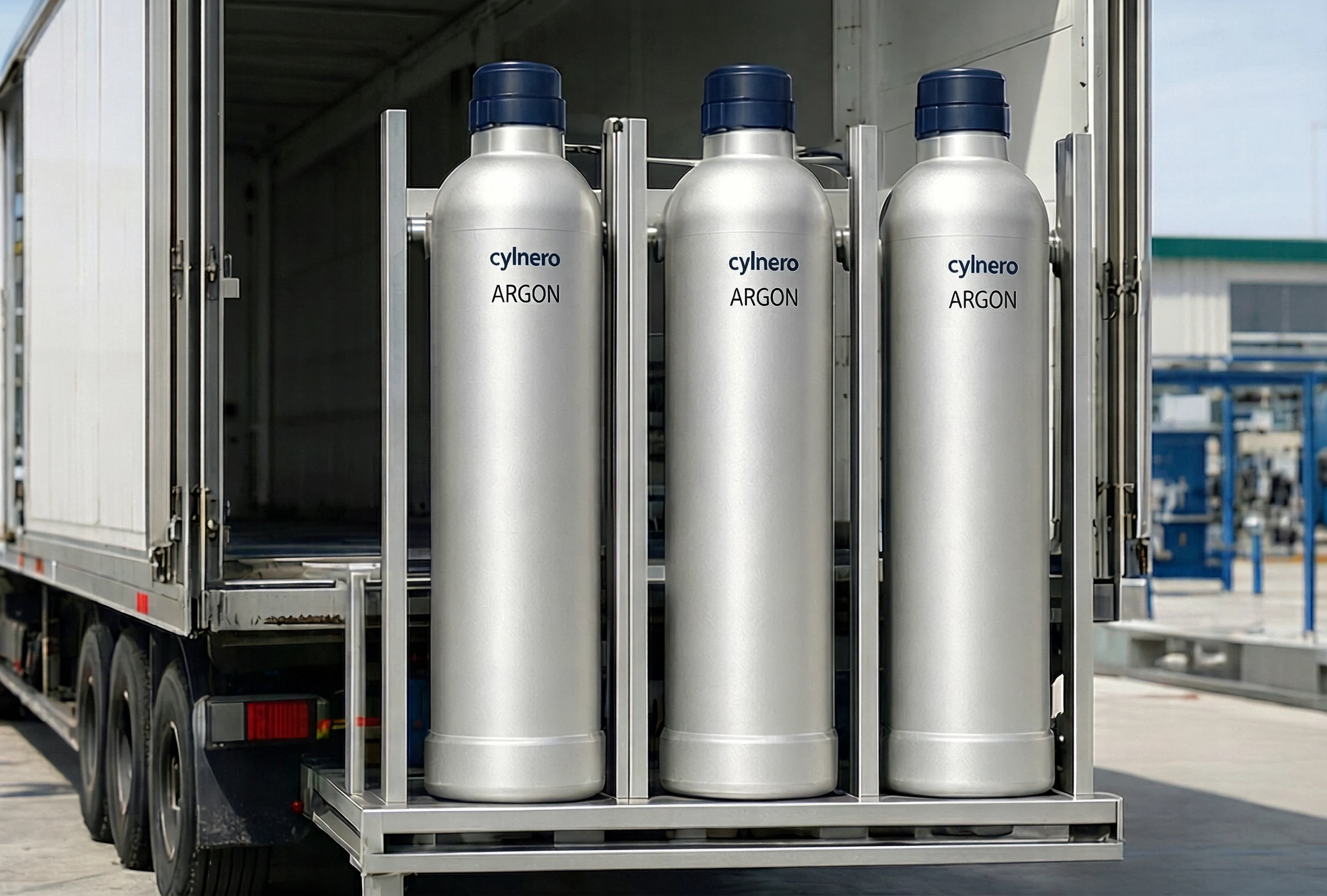 Argon marking example
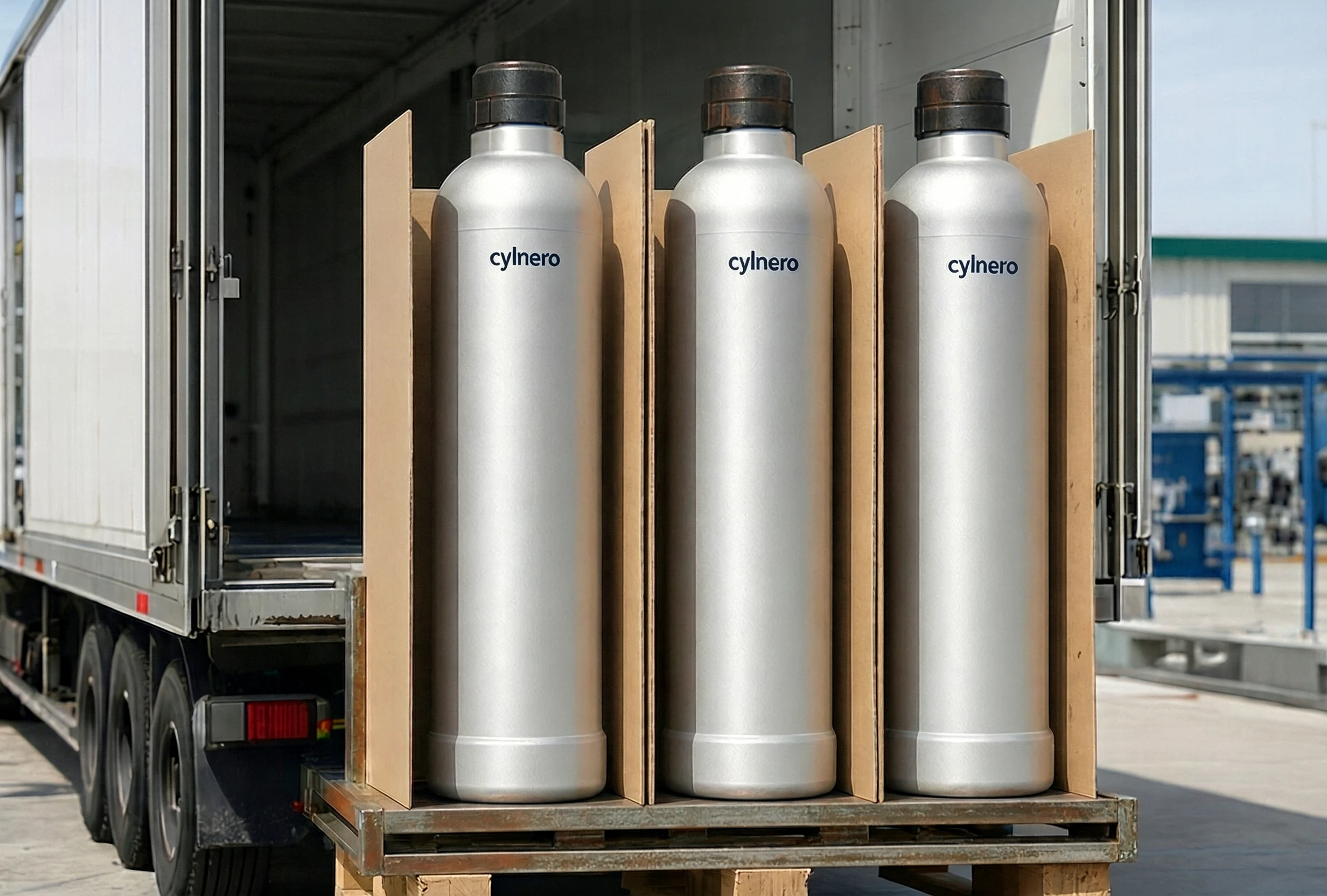 Packing preparation
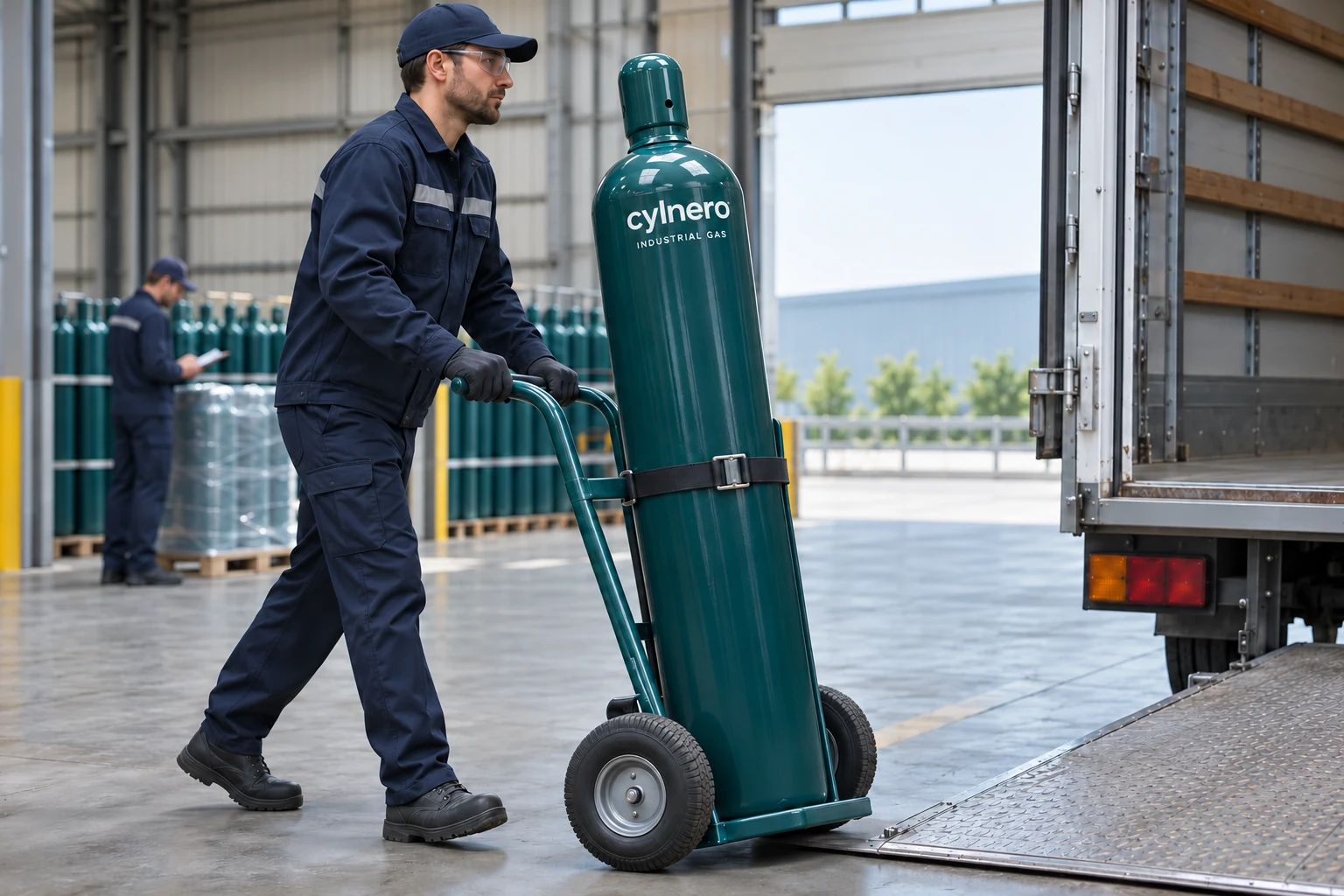 Trolley handling
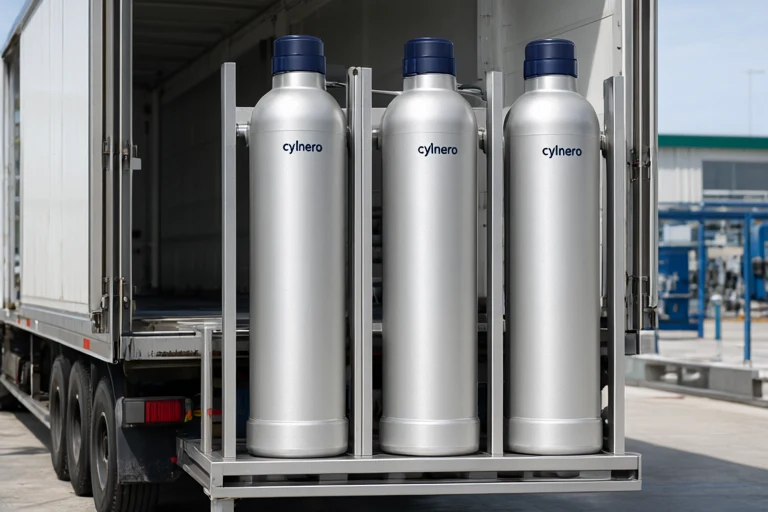 Dispatch preparation
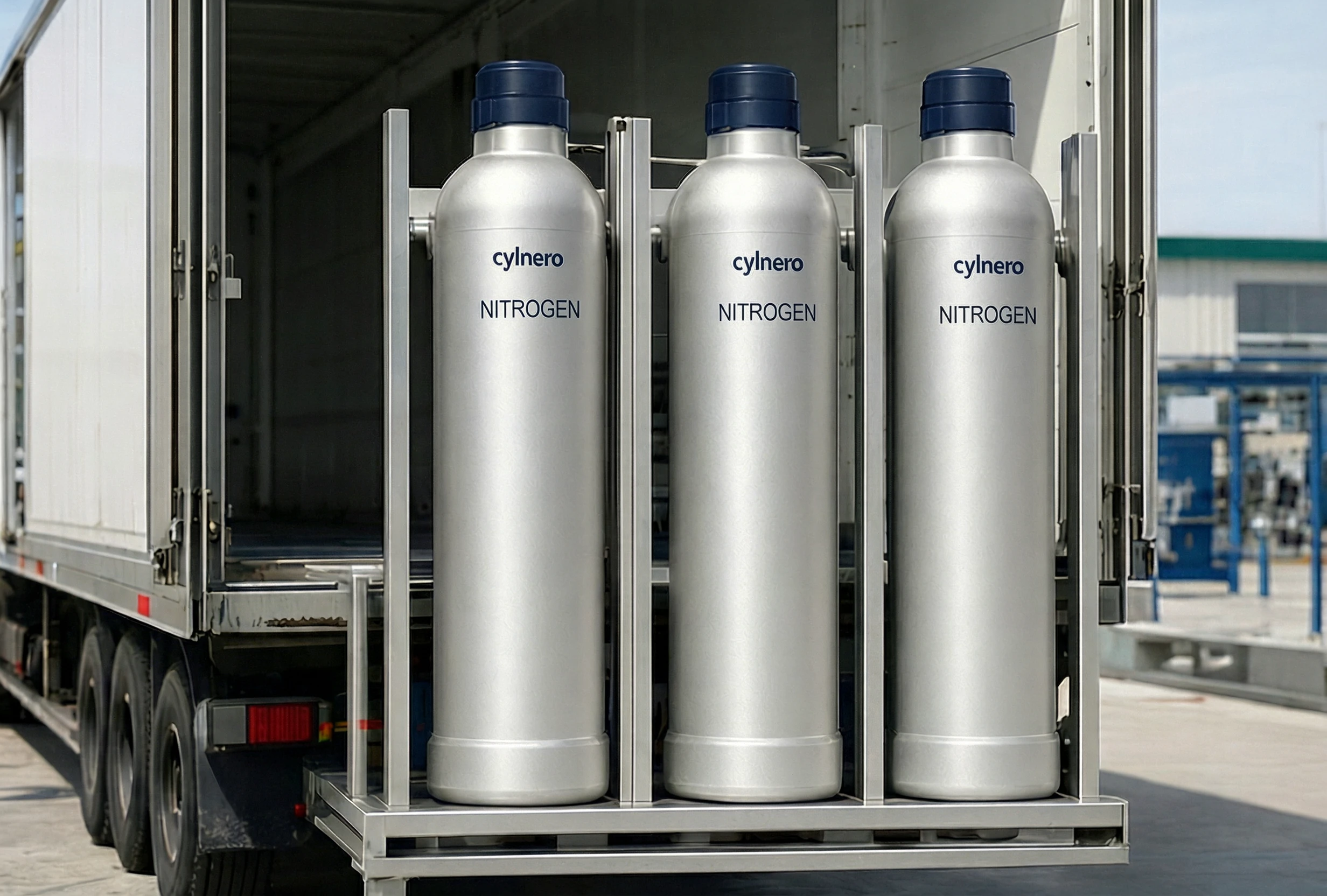 Nitrogen marking example
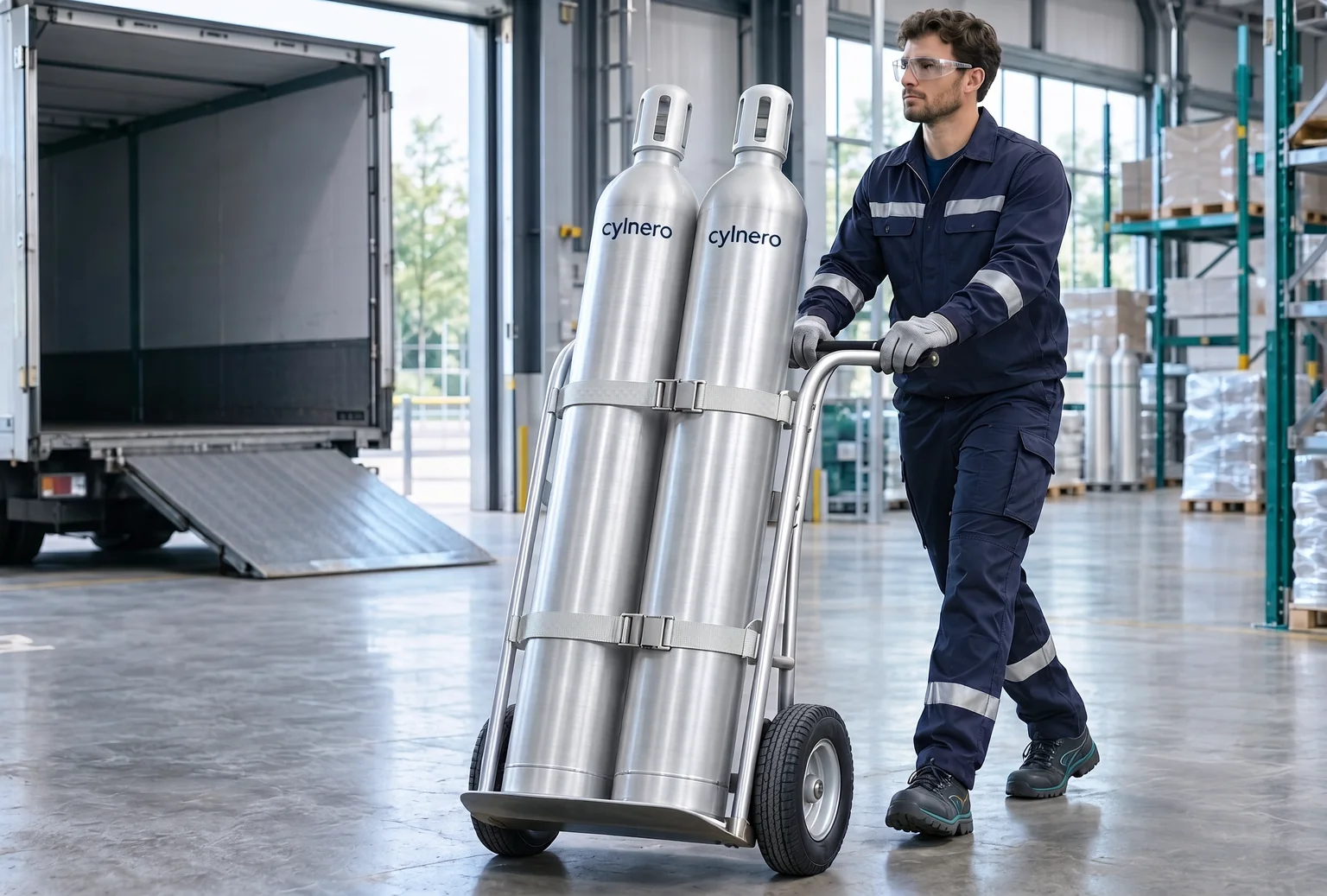 Warehouse handling
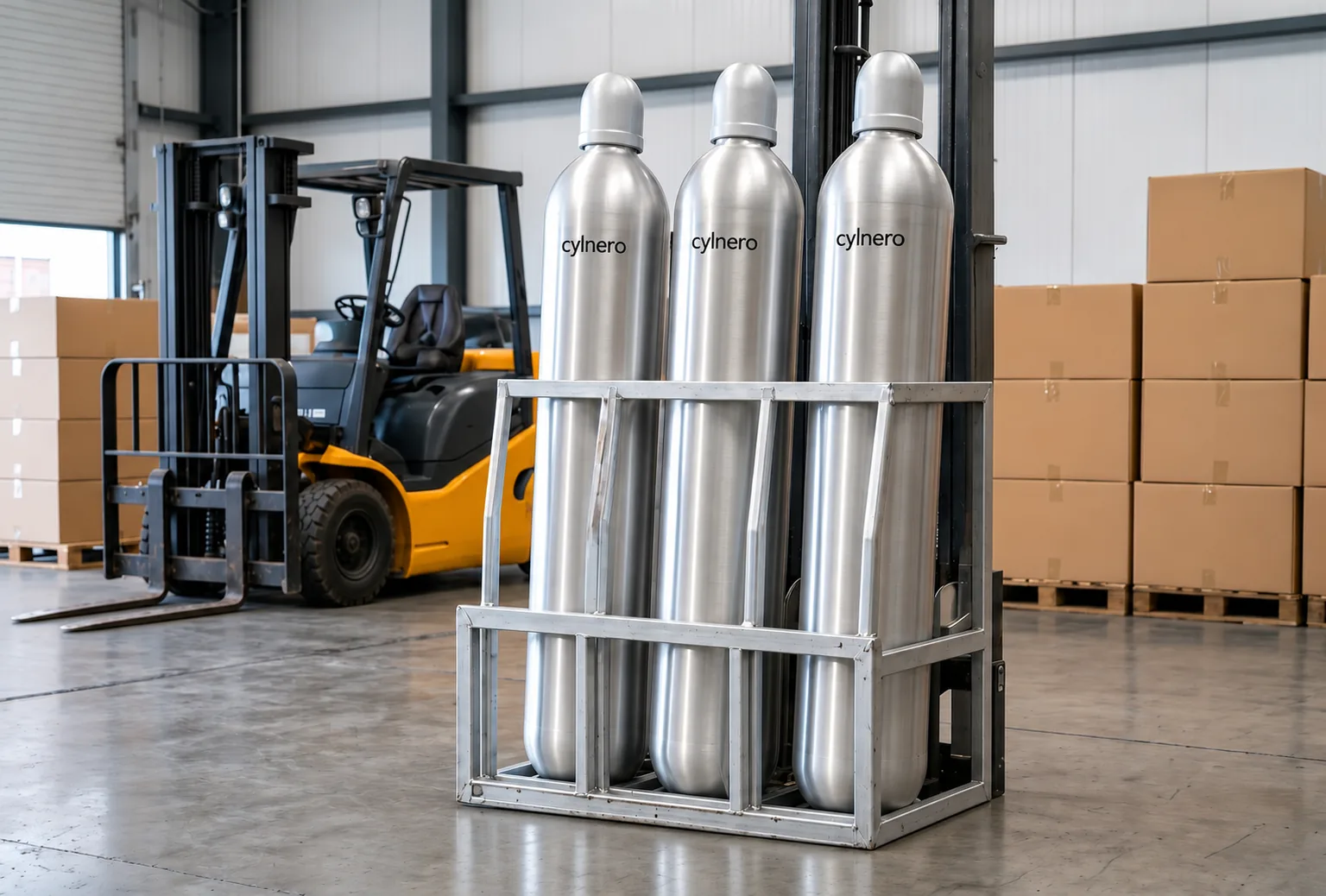 Warehouse receiving
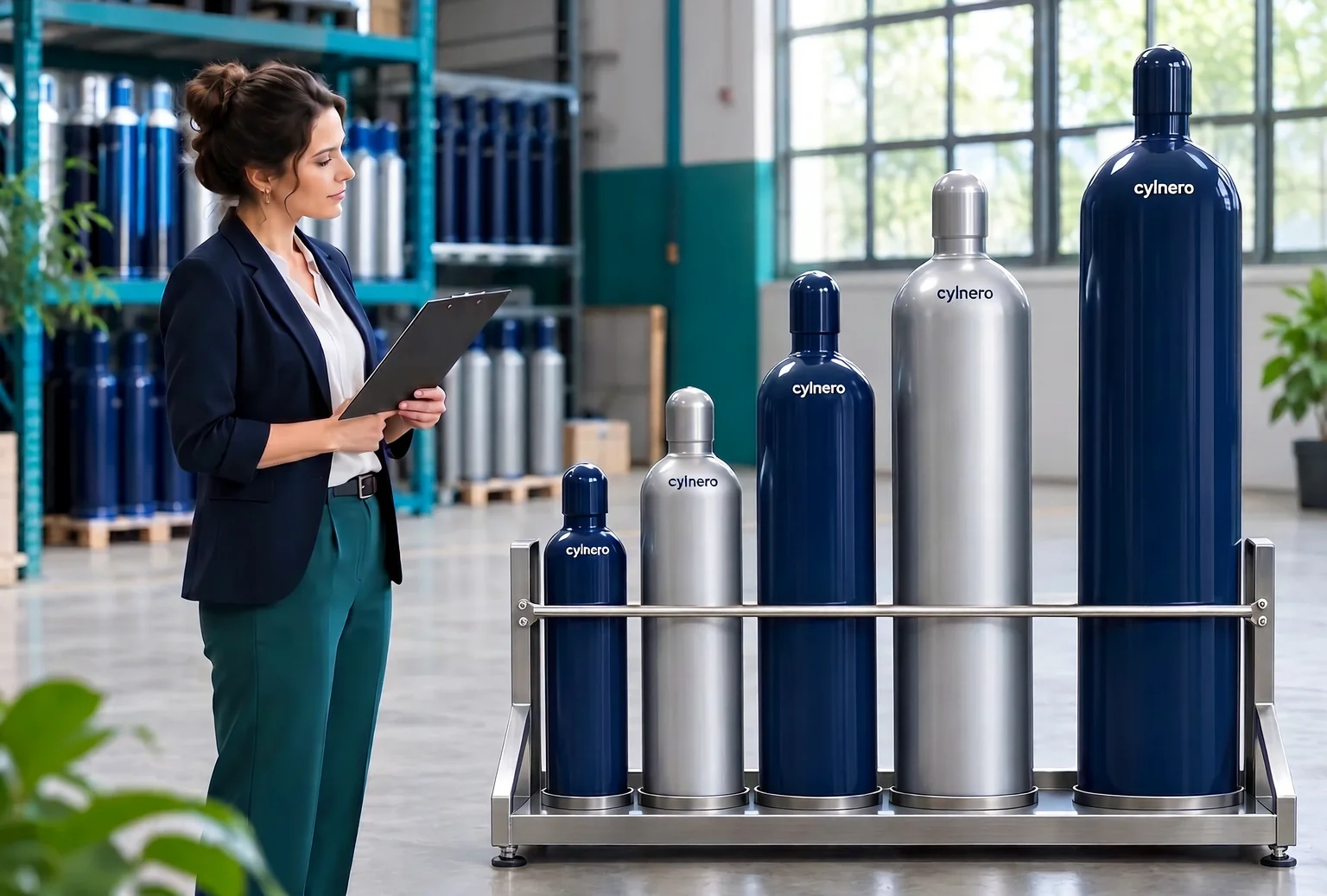 Compare options
Swipe to see more views →
WHOLESALE / CONFIGURABLE SERIES
Aluminum cylinder sourcing for industrial distributors and equipment buyers. Explore configuration, valve, marking and packaging requests around your purchasing needs.
Your selections above are saved with this series. Adding the same series again updates its basket line.
FROM SELECTION TO DISPATCH
Discuss cylinder protection, packing and delivery alongside the capacity and accessories you need.
Swipe to see more sections →
PRODUCT FAMILY / WHOLESALE
Compare the offered cylinder dimensions, stated mass and included components. Share known space or equipment requirements and keep unconfirmed values open while the manufacturer identifies its actual proposal.
FROM REQUIREMENT TO QUOTATION
Start with the details you know. The configuration can be refined during the enquiry.
01 / YOUR APPLICATION
Application, approximate quantity and destination. Add a drawing or connection reference if you have one.
02 / THE PROPOSAL
Compare the proposed configuration, included components and document scope with your purchasing needs.
03 / THE NEXT STEP
Discuss the quotation, included work and delivery scope with the manufacturer. CYLNERO coordinates the conversation.
COMPARE THE CONFIGURATION
Start with the aluminum body configuration, then separate dimensions, supplied mass and order quantities when comparing proposals.
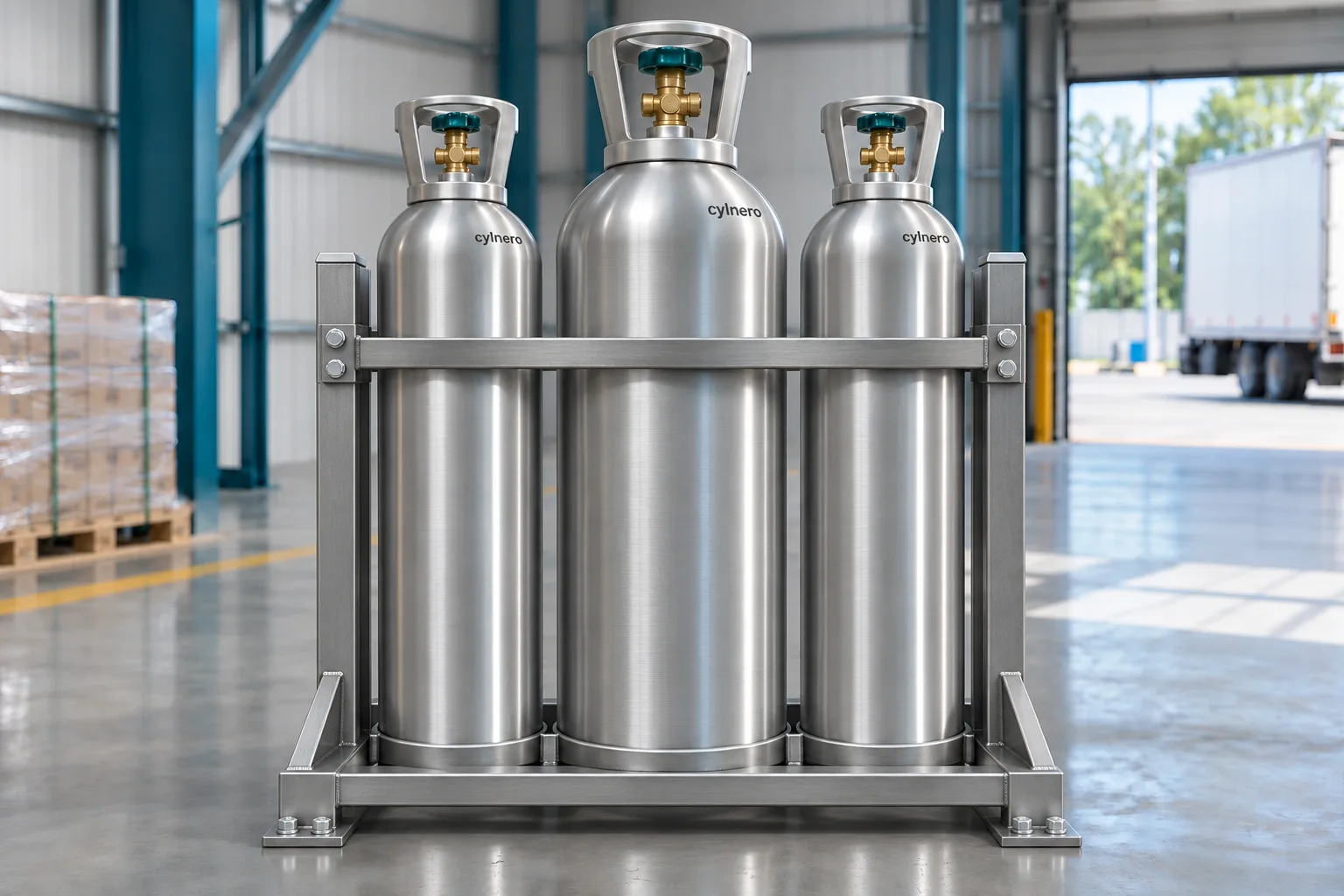
Describe the intended gas service and destination. Share any known body configuration or drawing so the manufacturer can identify its proposed cylinder.
Compare body dimensions with overall dimensions including fittings. Ask whether a quoted mass refers to the bare body or the supplied assembly.
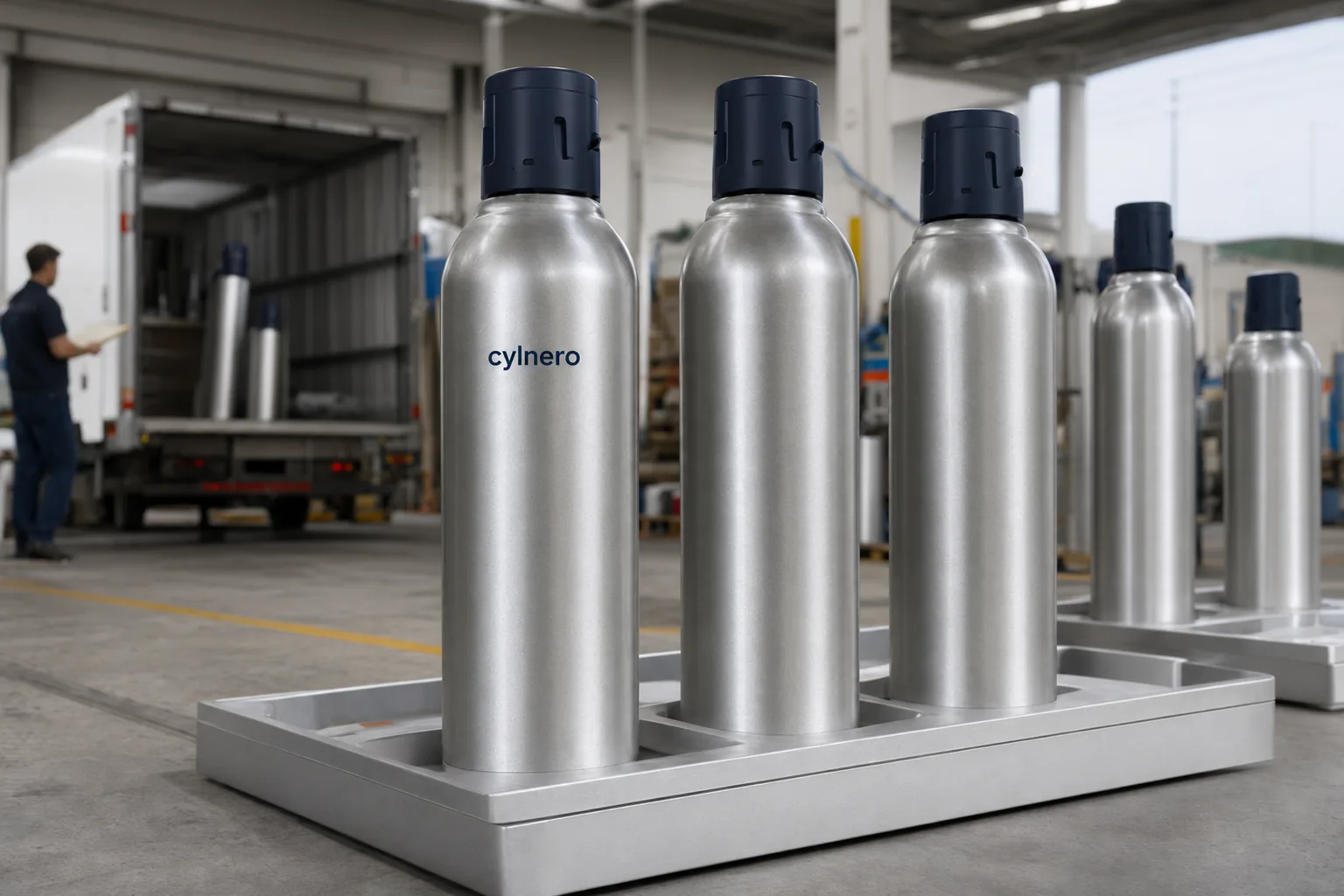
Give the required quantity and describe how the goods will be received. Any proposed packing arrangement remains subject to quotation review.
Published comparison example
Published 10 L, 200 bar aluminum cylinder examples show how dimensions and listed weights vary:
The proposed cylinder may differ by design and accessories; ask whether its quoted weight includes the valve and protective cap.
View the Sea Technologies cylinder table or Luxfer specifications. These examples are references for comparison, not specifications for the proposed offer; the sources do not establish a common valve or cap basis.
Share the details you know; other fields can remain open.
PRODUCT SCOPE / WHOLESALE
Choose the details you want to discuss. The quotation identifies the components and services included in the proposed supply.
Request the body alone or discuss a proposed assembly with the manufacturer.
Share your programme requirements so they can be addressed in the offer.
The manufacturer confirms the offered configuration, included items and commercial terms.
A manufacturer model number is not needed to start. Share the options you know and leave the others for the quotation discussion.
| Series | Aluminum Industrial Gas Cylinder Series |
|---|---|
| Material / construction family | Aluminum |
| Product scope | Configurable wholesale series; no fixed manufacturer model required |
| Gas and application | Tell us the intended gas and application |
| Capacity and pressure | Requested values or installation envelope; final values confirmed in quotation |
| Valve and connection | Specify preferred connection or share the equipment requirements |
| Marking and packaging | Discuss branding, marking, packaging and shipment requirements |
| Destination documents | Confirm the destination and required documentation during enquiry |
| Quantity and commercial terms | Share the target order quantity; price, MOQ and delivery discussed in quotation |
Share the intended application and existing equipment references, including any known space constraints. Identify which project requirements are fixed. Ask the manufacturer to describe its proposal and record any assumptions that still need review.
Describe the intended gas service and industrial application, then list the requested quantity and destination for each purchasing group. Add known water capacity, working pressure, external dimensions and existing drawing or connection references with their units and revisions. Identify which items are firm requirements and which are preferences. If you need a valve, protective cap or other component supplied with the aluminum cylinder, list that scope explicitly. Where a value or component is not yet known, leave it open and ask the manufacturer to identify the assumptions in its proposed configuration.
If equipment space or receiving limits matter, give the supplier the relevant height, diameter and mass constraints with their original references. Ask whether the proposed overall dimensions include the valve and protective cap, and whether the mass describes the body, the assembly or a packed shipment. Keep these figures in separate columns when comparing offers. For several delivery locations or batches, record the quantity and any different receiving limits for each group. A missing dimension can remain an open question until the manufacturer supplies a drawing for the proposed configuration.
Give the intended destination and any project documentation requirements already available. Ask the manufacturer which records it proposes for the actual configuration and which questions it needs the responsible reviewers to clarify. Retain each document reference with its issuer, stated scope and relevant revision, distinguishing a general company record from information about a particular model or delivery. A named destination or a familiar document title does not establish acceptance. If the project changes the intended use, included components or delivery market, ask whether the proposed evidence also changes. Keep the earlier response and the new request separately identifiable until the relevant reviewers have assessed the actual proposal.
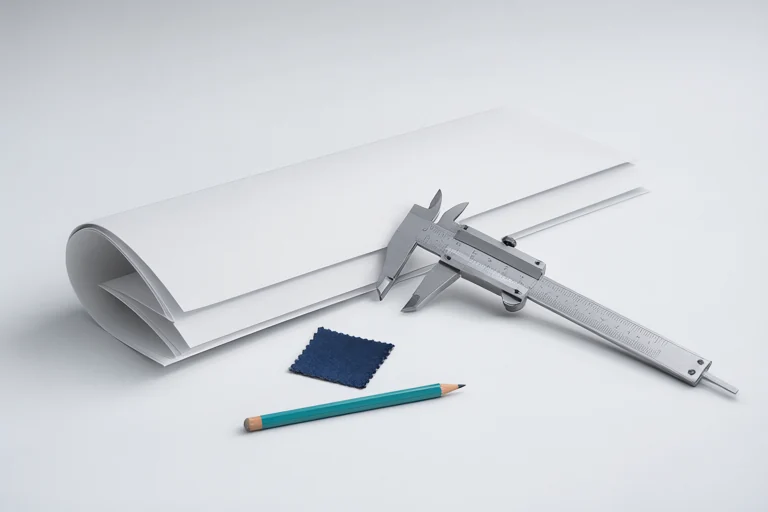
State the water capacity and working pressure you need, if known. Use the reference weight above for initial handling and freight planning, then ask whether the proposed weight includes the valve and protective cap.
Start with the application, approximate physical quantity and destination, adding known requirements or drawings where available. A complete parameter schedule is not required for the first enquiry. Identify which pressure, capacity or connection fields are known and which remain open. Keep the original source and units with supplied values instead of filling a gap from another product. Ask the manufacturer what scope it can propose and what information it needs next. The response may be preliminary or identify a scope it cannot offer; an enquiry does not guarantee a completed quotation or technical acceptance.
State the approximate quantity required for the current enquiry and identify the configuration or delivery group it concerns. If later purchases are relevant, label those figures as forecasts rather than adding them to the quantity being quoted. Ask which quantity basis and commercial assumptions the manufacturer uses in its response. When a phased request involves different destinations or components, describe each group separately so the proposed scope can be compared. Unknown future quantities can remain open. Neither a forecast nor a larger requested batch establishes a discount, reserved production or an agreed delivery schedule; keep the requested quantities and the actual quotation response together.
Compare the size and weight of published aluminum-cylinder examples, then ask which components and dimensions the proposed assembly includes.
Compare the dimensions and weight of the proposed aluminum cylinder as well as its stated capacity and pressure. The Sea Technologies table linked in the weight reference lists two 10 L, 200 bar examples: one is 140 mm in diameter and 970 mm long, with a listed weight of 11.4 kg; the other is 176 mm in diameter and 655 mm long, with a listed weight of 12.4 kg. These are published examples, not specifications for a CYLNERO offer. Ask the manufacturer for the dimensions and weight of its proposed configuration and whether the stated figures include the valve or protective cap. Keep the buyer's available space, purchasing quantity and gas-service requirement in separate fields so each offer can be compared on the same basis.
Share an existing connection or equipment reference when available and ask the manufacturer to identify the interface in its proposed configuration. Keep any drawing references and revisions with the relevant offer. A familiar-looking valve or common name does not establish compatibility. If the interface is still open, list the connection details that the manufacturer and equipment reviewer need to resolve. Ask who will assess the actual response and which information is needed next. This page does not recommend a quick-connect arrangement, valve type or modification for a particular operation. The manufacturer's proposed components and the responsible reviewers provide the subject and assessment of the actual offer.
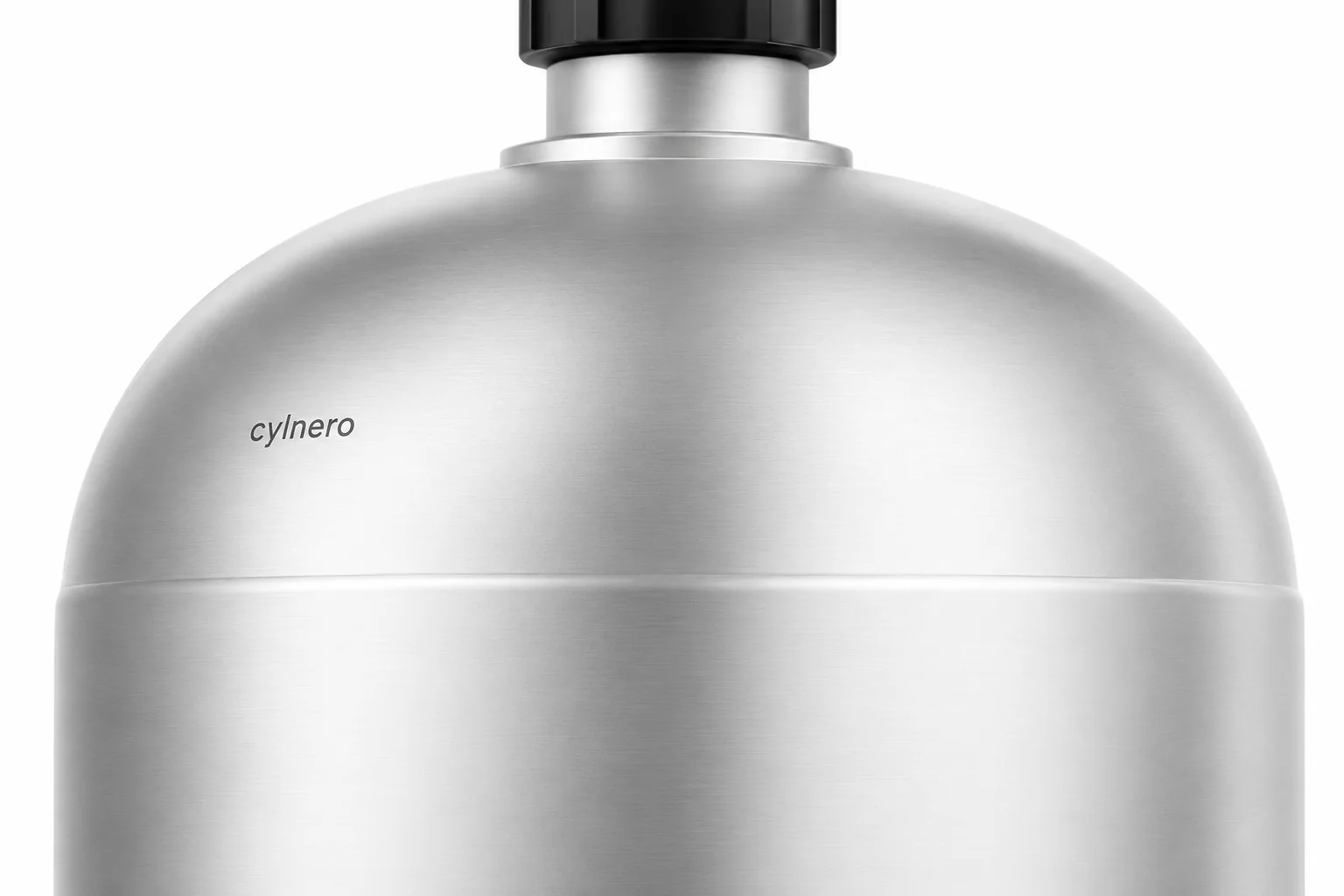
Share existing finish or appearance requirements with their source, and ask the manufacturer to identify what its proposed cylinder includes. Separate branding preferences from product-identification requirements and unresolved destination questions. A colour or coating description alone does not establish service suitability or acceptance. If protective caps, guards or other accessories are requested, list them as components to discuss rather than assuming that the image shows the supplied assembly. Ask which drawing and document references describe the actual proposal. Keep offered alternatives and exclusions beside that configuration so differences can be reviewed without treating every accessory as independently interchangeable or every requested finish as included work.
Provide valve or connection details if known; otherwise leave them for discussion. Share marking requirements and their source, plus any packing preferences. Ask the manufacturer to identify the proposed components, included work and packing arrangement.
Start the valve discussion by stating whether the enquiry covers cylinder bodies only or an assembly with valves. Give any existing cylinder neck connection and equipment-facing valve outlet references separately, including drawing or part numbers where available. Identify which are fixed project requirements and which can be proposed by the manufacturer. Ask the quotation to identify the valve, protective components and gas-service scope it includes, together with the applicable drawings or component references. Leave unknown interfaces open and have the responsible technical reviewers assess the actual proposal before the assembly is agreed.
For customer branding, provide the logo artwork and describe the preferred location, colour and appearance as requests. Ask the manufacturer for its proposed marking layout and a versioned proof showing the cylinder configuration it concerns. Keep artwork approval separate from the review of cylinder identification and any markings required for the intended service and destination. Ask which information will appear on the offered units and who will review the complete marking scope. A logo proof by itself does not establish the correctness or acceptance of other markings.
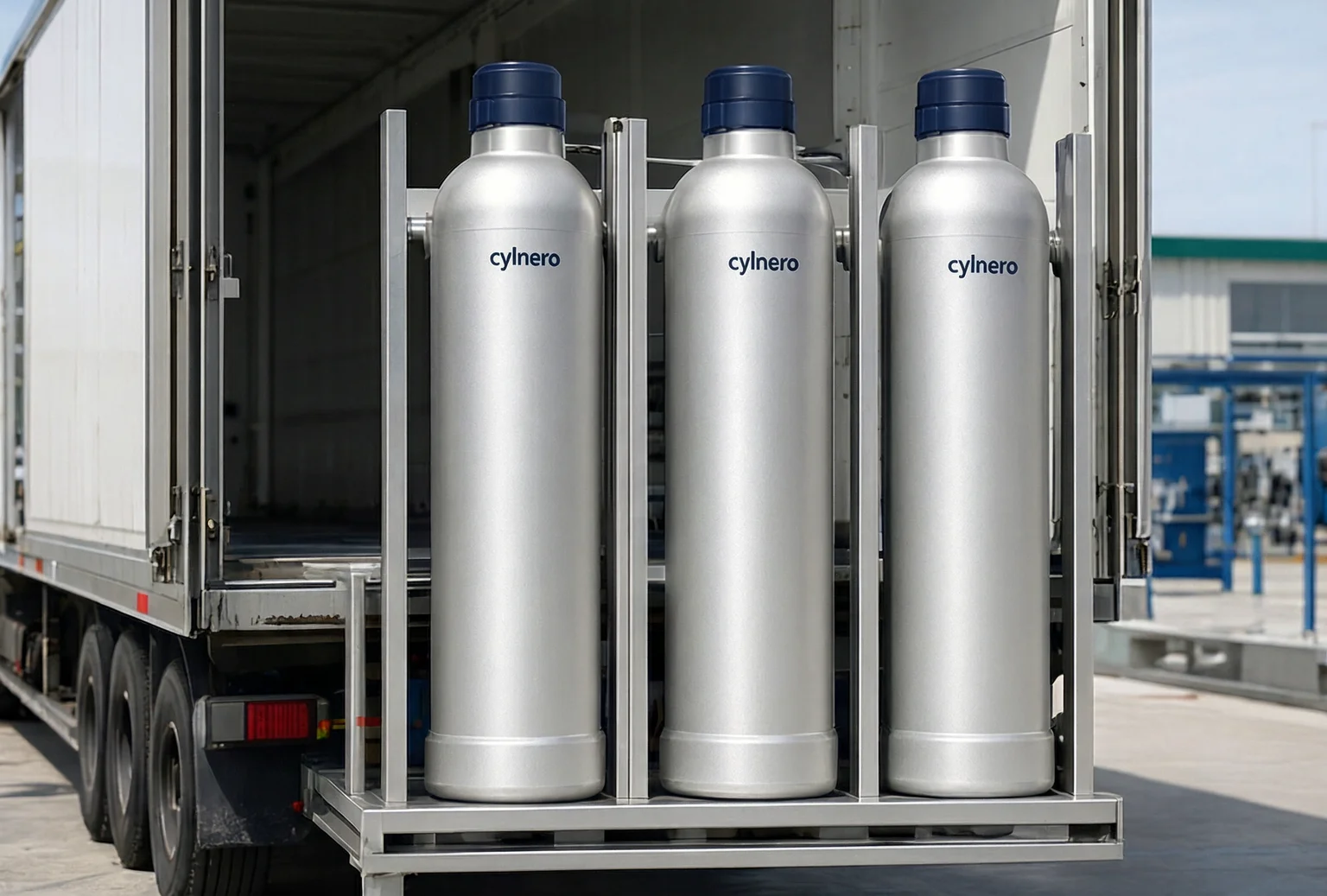
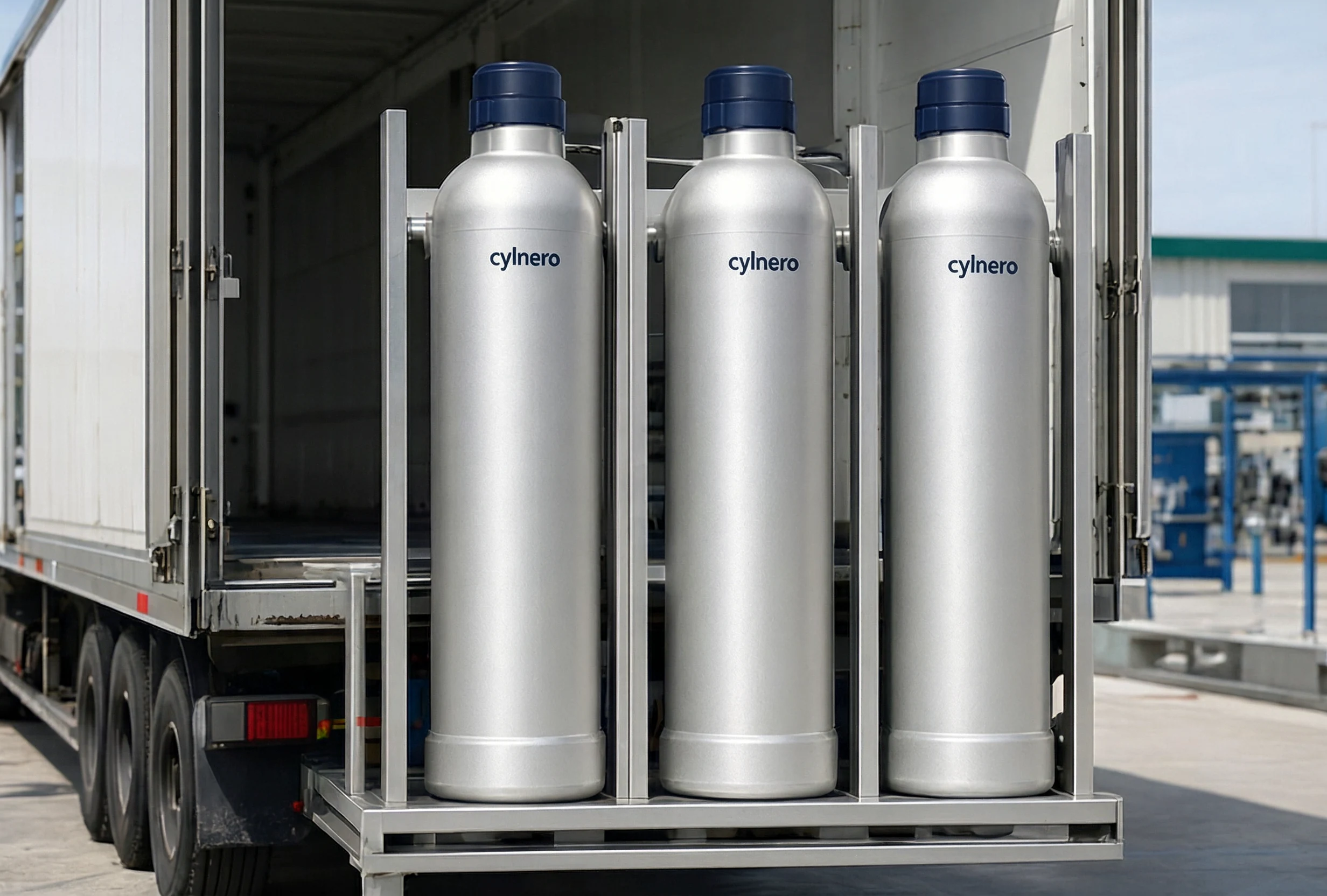
For packing, give the requested quantity, destination and any known receiving-space or handling-equipment limits. Ask how the proposed cylinders and included components will be grouped, what protection and packaging are included, and whether package dimensions and mass are available for the quotation. Compare the packing basis and freight scope across offers, including separately priced items and stated assumptions. If a supplier proposes a different arrangement, keep it beside the original request and ask how the change affects price, delivery grouping and supporting information. The packing shown in a picture is a discussion aid; the quotation defines what is offered.
Compare the available equipment space with the proposed body diameter and overall assembly height. Share support locations and connection requirements, then ask which valve, cap and mounting components the offer includes.
Compare the proposed cylinder's body diameter and length with the space available in the receiving equipment. Ask for the overall height of the offered assembly as well as the body dimensions: a fitted valve and protective cap can change the space needed. If a drawing states a height, check which components it includes and whether it represents the proposed assembly or the body alone. Share the relevant equipment drawing or envelope with the manufacturer and identify the required clearance around the assembly.
Describe how the existing equipment supports or retains the cylinder and provide the relevant drawing references. Support locations and the shape of the cylinder shoulder can matter even when two bodies have similar nominal capacity. Ask the manufacturer for the dimensions needed to compare the proposed cylinder with those locations. Use the drawing for the quoted configuration as the reference for assessing the proposed fit and recording outstanding dimensions.
For the connection, list the existing equipment requirement alongside the manufacturer's proposed valve and connection references. Ask which components are included in the quote and which are offered separately, including any protective cap or mounting accessories. If a drawing or quotation is revised, check that the component references and dimensions still match the proposed assembly. Have the responsible technical reviewer resolve open interface and fit questions before the configuration is accepted.

Ask which documents describe the cylinder body and which relate to the offered valve or complete assembly. Share known destination requirements and keep unanswered component and document questions with the quotation.
An aluminum cylinder quotation may describe the body while the buyer also requests a valve and protective cap. Ask the manufacturer which components it offers, which references describe each one, and whether the documents provided relate to the body or the complete assembly. For example, a body drawing can help identify the cylinder without answering which valve is included. Share any existing destination or project document requirements and leave unknown items open for discussion. Record the issuer, revision and stated scope of the information supplied, distinguishing a document already received from one proposed later. Keep unanswered component and document questions with the relevant quotation for the responsible reviewers.
Review the quotation with its configuration and document references rather than requiring a generic document package for every enquiry. Ask which body, valve, protective items and other components the offer describes, and what information is available about dimensions, mass basis and other requested fields. Retain the stated quantity basis, currency, validity and delivery scope with that same offer revision. Where an entry is absent or unclear, ask the manufacturer which reference applies and what still needs a response. Distinguish examples and proposed later records from information already supplied. The appointed reviewers assess the actual evidence and commercial arrangements for this purchasing request.
Ask what delivery scope the manufacturer actually proposes and which organization will respond to packing, shipment and receiving questions. Share known receiving constraints without assuming that a standard package or route will meet them. Keep inclusions, exclusions and unresolved handoffs visible. Distinguish a requested date from proposed manufacture, shipment and destination delivery stages, retaining any dependencies the response states. If an offer changes, ask which earlier scope and dates remain applicable rather than combining favourable entries from different versions. This guide provides no handling or transport procedure and does not guarantee condition on arrival, clearance, delivery timing or readiness for distribution or use.
Explore aluminum industrial gas cylinders for wholesale and equipment purchasing. Start an enquiry with the intended application, gas service, approximate quantity and destination. Add a drawing, connection reference or other known project requirements if available; a factory model or complete parameter schedule is not needed to begin. CYLNERO coordinates your questions and manufacturer responses so you can compare the proposed cylinder, components, documentation and commercial terms. The material alone does not establish suitability for a particular gas or application. Keep industrial, medical and LPG requirements distinct, and ask the appropriate reviewers to assess the manufacturer's proposed configuration and outstanding questions.
Start an aluminum industrial gas cylinder enquiry with the intended gas and application, approximate quantity and destination. Add the requested water capacity, working pressure and valve reference if known. State whether you need cylinder bodies alone or assemblies with named components, and ask the manufacturer to identify the scope of its proposed quotation. Share any existing equipment drawing or space limit; unknown requirements can remain open for discussion.
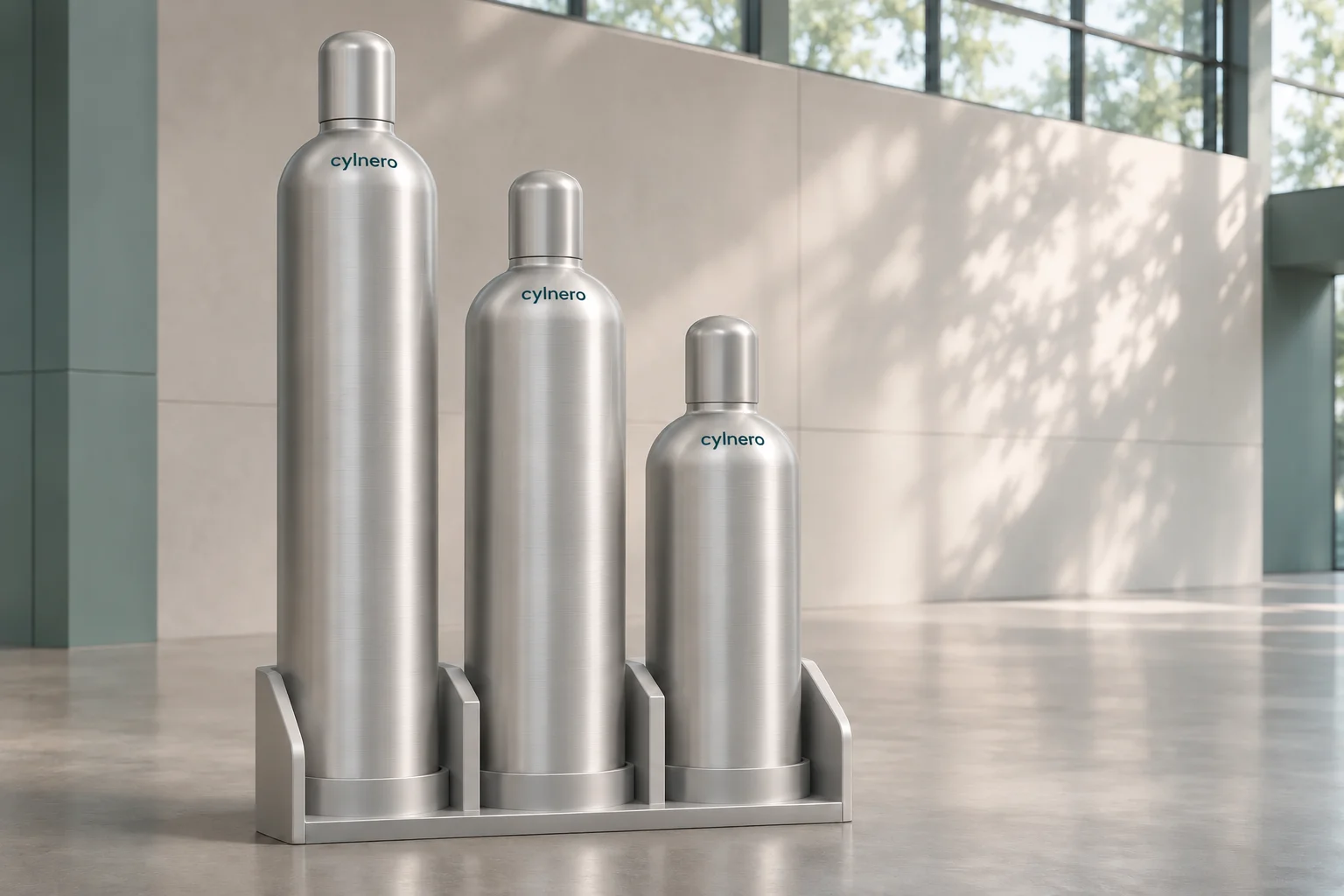
Distributors often require a mix of cylinder sizes to serve different end-user segments, from small workshop operators to large industrial plants. Keep each requested configuration distinguishable and ask the manufacturer which scope and assumptions its response addresses. Keep any known water-capacity, pressure and valve-interface requirements with their original references. Missing fields can remain open while the manufacturer identifies the configuration and information it proposes for review. If several configurations are requested, ask which price, documents and assumptions apply to each one, rather than treating a general family listing as a confirmed inventory or supply arrangement.
State the quantity for this request and identify any later forecast separately. Ask about the offered quantity basis, schedule and terms. For repeat purchases, retain the previous configuration reference and confirm what the new proposal covers.
Give the current purchasing quantity for each requested configuration rather than starting from a presumed stock or container format. Ask the manufacturer which quantities its response covers and what assumptions it makes about components, packing and delivery. If you want to compare another quantity, keep that alternative separate from the original request and ask whether its scope or terms differ. Existing receiving constraints may help explain the enquiry; a complete inventory plan is not needed to begin. Keep any unanswered order conditions with the quotation. The series does not establish a standard minimum, available batch, preferred stock mix or automatic price advantage for a larger purchase.
If repeat purchasing is expected, identify the current quantity and label a later forecast separately. Ask whether an existing agreement is relevant and which configuration, documents and commercial terms apply to the new response. A regular ordering pattern does not itself establish fixed pricing, reserved capacity, priority or a quality outcome. You may discuss those arrangements, but preserve what is actually proposed and which questions remain open. This page does not require a separate contract for each batch or determine the legal effect of a forecast. The actual arrangements and responsible parties identify the commitments rather than the series listing promising continuity.
When an order covers different aluminum cylinder configurations or destinations, set out a separate purchasing line for each combination. For example, a distributor may have two customer programmes with different connection references or receiving locations. Give the quantity and destination for each line where known, and keep unresolved fields open rather than copying a value from the other programme. Ask the manufacturer to identify which cylinder configuration, included components, packing and commercial assumptions its response assigns to each line. This makes it easier to see whether an alternative or a separately quoted item applies to the whole enquiry or only to one customer programme.
Compare included hardware, packing, documentation and delivery before comparing prices. Keep requested changes beside the original brief. Ask how a revised component or quantity affects the proposed configuration, commercial terms and schedule.
Compare proposals against the same purchasing brief and identify what each manufacturer actually offers. List configuration references, included components, available documents, quantity basis and stated commercial terms, noting exclusions and unanswered questions. A company presentation or capability statement concerns a different scope from evidence about the specific cylinder. If a sample or additional review activity is being discussed, ask what purpose, configuration, cost and timing the manufacturer proposes rather than treating it as included work or proof of a later delivery. Keep each alternative identifiable. The comparison should reveal differences for the responsible reviewers, without assuming a ranking, supplier qualification or product-quality outcome from this page.
If the requested quantity, configuration or delivery schedule changes, describe the proposed change and identify the quotation or drawing revision it affects. Ask the manufacturer whether it can accommodate the change and to explain any effect on the proposed equipment, price, documents or timing. Keep the buyer's request, the manufacturer's response and the review status as separate records. Where several cylinder formats or destinations are involved, identify which line items are affected. Compare the updated response with the earlier version before confirming the scope, and share the relevant revision with the people responsible for commercial and technical review.
Identify the commercial points you want the manufacturer to clarify, such as an excluded component, an unclear quantity basis or a proposed delivery charge. Keep requested changes beside the original quotation until a response identifies the revised scope and terms. Ask whether a different quantity, included item or destination changes the proposal, without assuming that any particular concession will follow. Record currency, offer validity and relevant conditions in the supplier wording for the responsible parties to review. Existing agreements may provide context, but later orders and alternatives need identifiable responses. A discussion of terms does not establish a discount, longer commitment, preferred supplier relationship or predictable purchasing outcome.
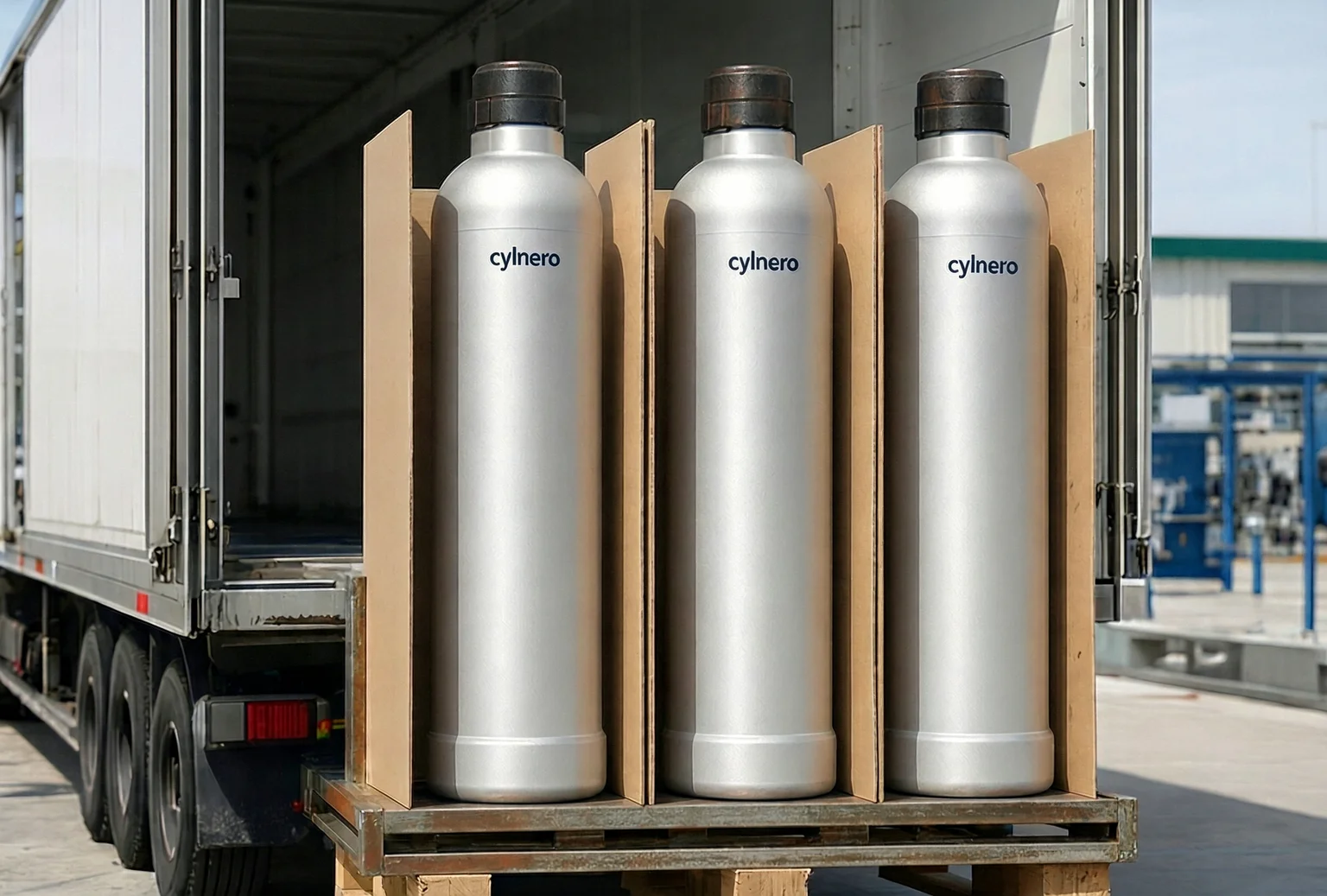
Describe the intended gas and application, approximate aluminum-cylinder quantity and destination. Share known dimensions or connection references, and ask what information the manufacturer needs next.
For a bulk aluminum cylinder enquiry, list each requested size and quantity on a separate line. For example, a distributor supplying more than one industrial gas can identify the intended gas, requested water capacity and working pressure for each configuration where known. State whether the quotation should cover cylinder bodies alone or assemblies with valves and protective caps. Add the destination, any equipment connection reference and packing preferences. Ask the manufacturer for body weight and the weight of the assembly it proposes, identifying which components each figure includes. Leave unknown dimensions or interfaces open and keep the proposed configuration reference beside each quotation line.
Including technical drawings or reference samples in your enquiry can help clarify your requirements and reduce the risk of errors. If you have existing cylinders that you want to replicate, providing photos or dimensions can be very helpful. Ask the manufacturer which configuration it proposes and what information it needs to respond. This visual aid is particularly useful for complex configurations or custom markings, where verbal descriptions may be insufficient. Label the source and purpose of visual references; they explain context without establishing that the proposed configuration fits.
Use this guide to prepare your enquiry. Confirm the specifications and supporting documents for the proposed cylinder with the manufacturer.
For standards research, consult the ISO gas-cylinder standards catalogue. The catalogue includes published and withdrawn standards. Check the status, edition, scope and destination requirements with the manufacturer and your appointed technical reviewer. A standards reference does not establish that a listed series conforms to it.
Before placing an order, obtain the proposed model's drawings, configuration, applicable approvals and quotation from the manufacturer. CYLNERO coordinates sourcing; the manufacturer confirms and contracts the agreed supply.
Provide your specific procurement requirements, intended application context, and any mandatory destination standards. You do not need to supply exact model numbers or complete technical parameters at this stage. CYLNERO uses this initial data to coordinate with manufacturers for accurate quotations and contract discussions, with the assumptions and unresolved items recorded for further review.
Yes, you can leave specific valve configurations or branding details open during the initial phase. Ask the manufacturer to identify its quotation assumptions and the details requiring later confirmation. This flexibility allows you to evaluate options before committing to exact hardware details. CYLNERO facilitates these discussions so the parties can review what their final contract includes without forcing early decisions on variable components.
The appointed technical reviewers and destination-specific authorities determine the required evidence and acceptance criteria. CYLNERO coordinates the submission of relevant documents and examples to these parties. Actual configuration and local regulations dictate what must be provided. We do not guarantee compliance through a universal document list, as requirements vary significantly by region and specific product application.
Lead times and production schedules are determined by the specific manufacturer after reviewing your detailed requirements. We cannot assert a universal delivery timeframe for bulk orders. Ask the manufacturer to state its proposed schedule, dependencies and confirmation stage in the offer. CYLNERO can coordinate milestone questions, but actual timelines depend on the agreed-upon scope and manufacturing capacity.
Yes, you can ask the manufacturer whether a sample is available for the configuration you want to review. Identify the intended application, quantity and destination, then ask which cylinder and components the sample would include. Discuss the sample price, shipping terms and any review documents separately from the later bulk quotation. The manufacturer determines availability and terms; a sample request does not itself confirm the final order configuration or its acceptance.
Not simply because both are made from aluminum. Intended gas service, pressure, valve interface and destination requirements must be considered for the actual cylinder being offered. Describe the gas, application, approximate quantity and destination, then ask the manufacturer to identify the proposed configuration and its stated service scope. Your equipment and technical reviewers can assess the relevant specifications and connection details; the material name alone does not establish suitability or interchangeability.
Compare purchasing scope and configuration questions. Related series are not automatically interchangeable; the manufacturer confirms the offered configuration during enquiry.
Compare within Industrial Gas Cylinders
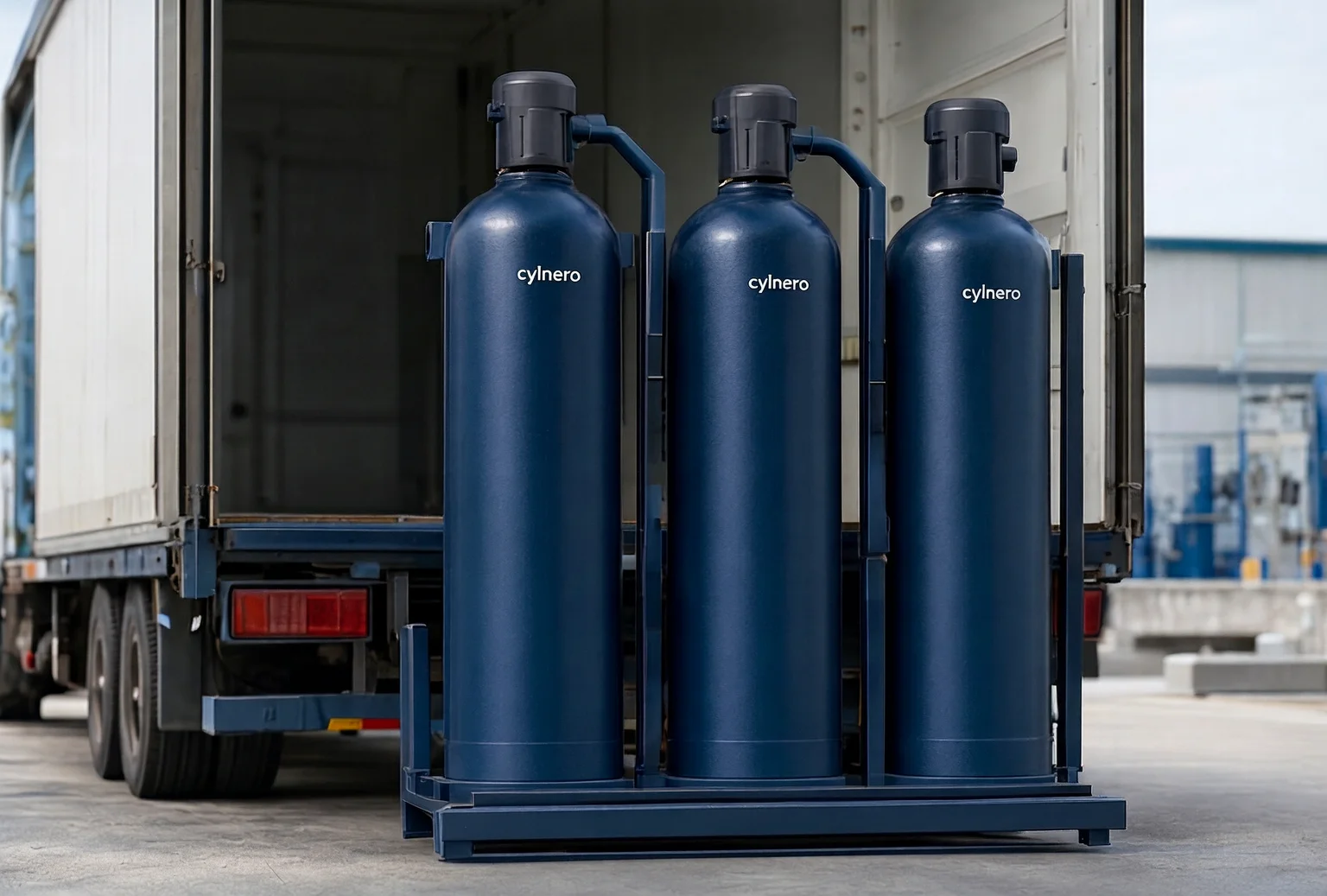
Configurable wholesale series · Specifications confirmed during enquiry
Compare these seriesUse these guides to describe your purchasing scope. A related application is a starting point for discussion; it does not establish that a particular configuration is approved or suitable.
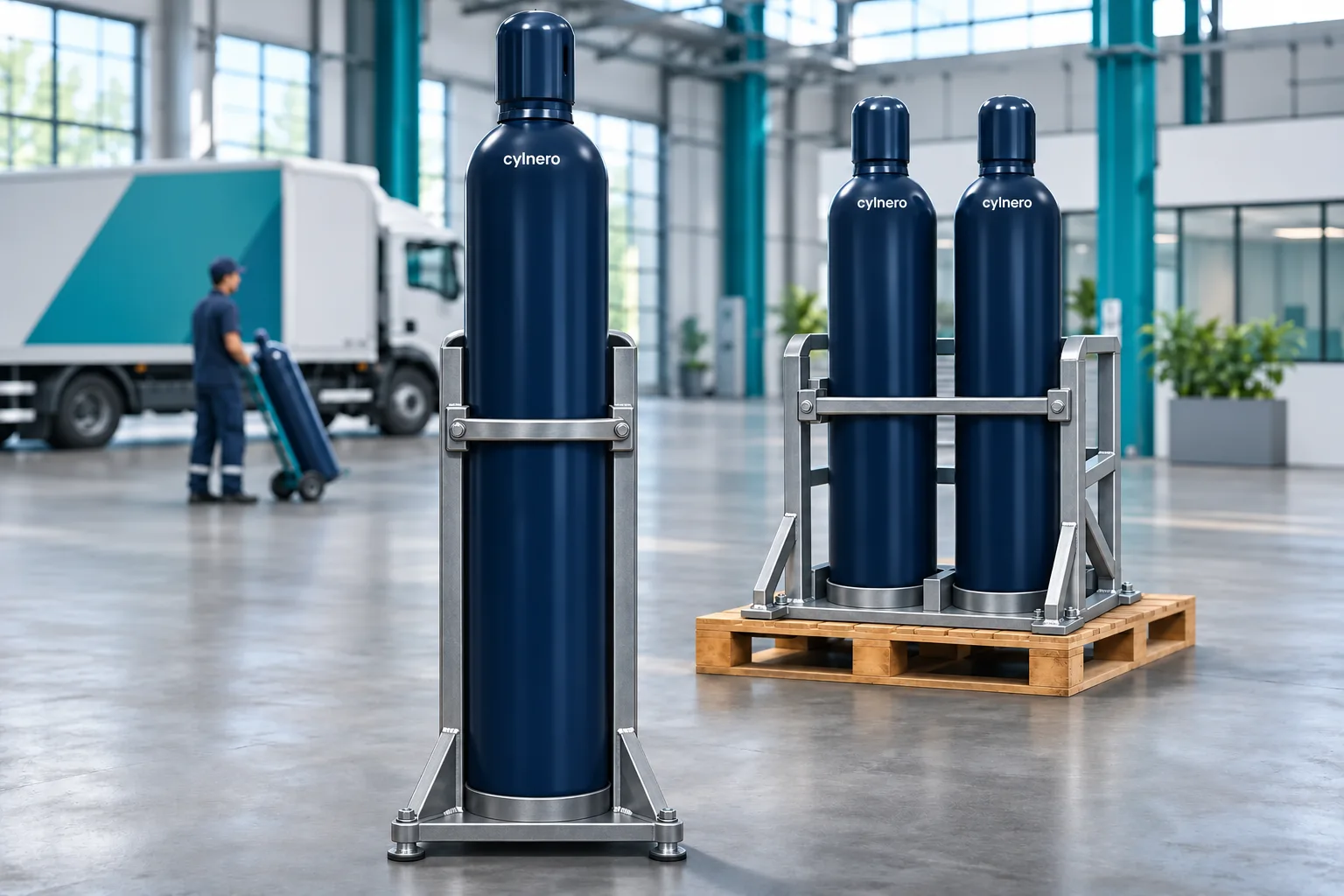
Cylinder purchasing for a distribution business starts with the customers and product families you serve.
Review purchasing priorities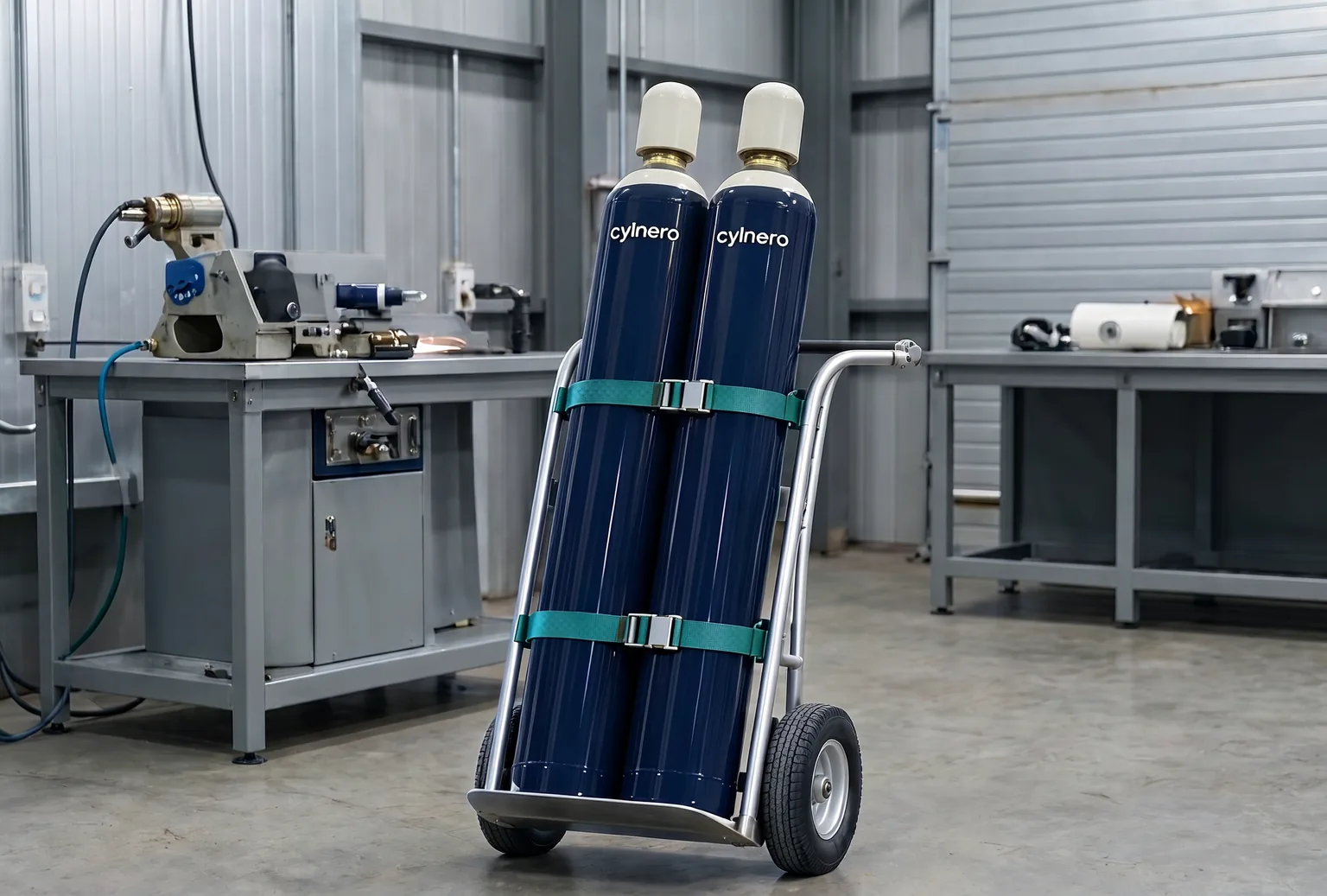
Welding suppliers and workshop purchasing teams can start with the cylinder families and commercial requirements they need to discuss.
Review purchasing priorities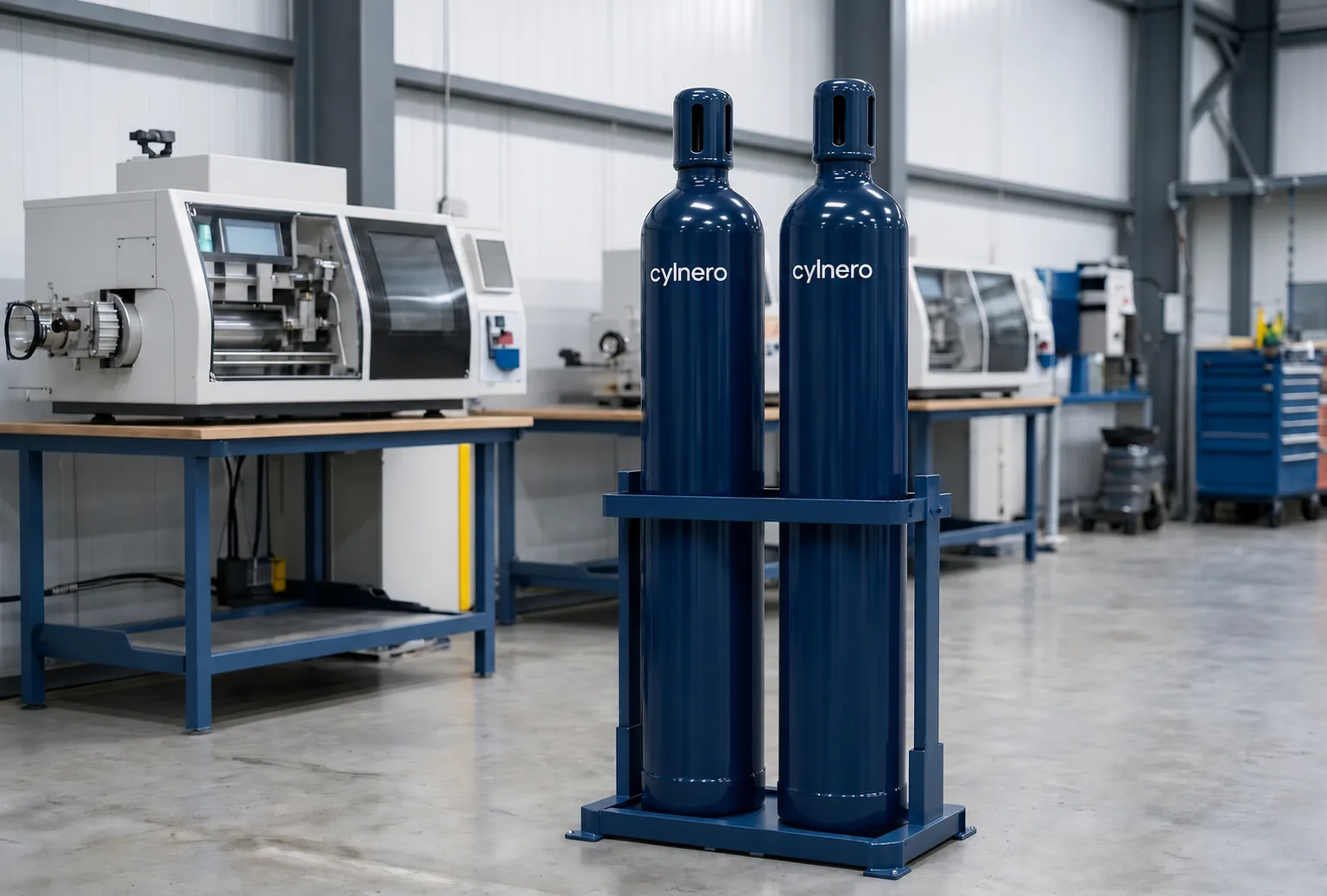
Industrial equipment OEMs can prepare cylinder or vessel enquiries around their equipment requirements, purchasing schedule and available interface information.
Review purchasing prioritiesGas cylinder importers can organize mixed product-family enquiries, destination requests and purchasing quantities before selecting detailed manufacturer configurations.
Review purchasing priorities