Wholesale sourcing
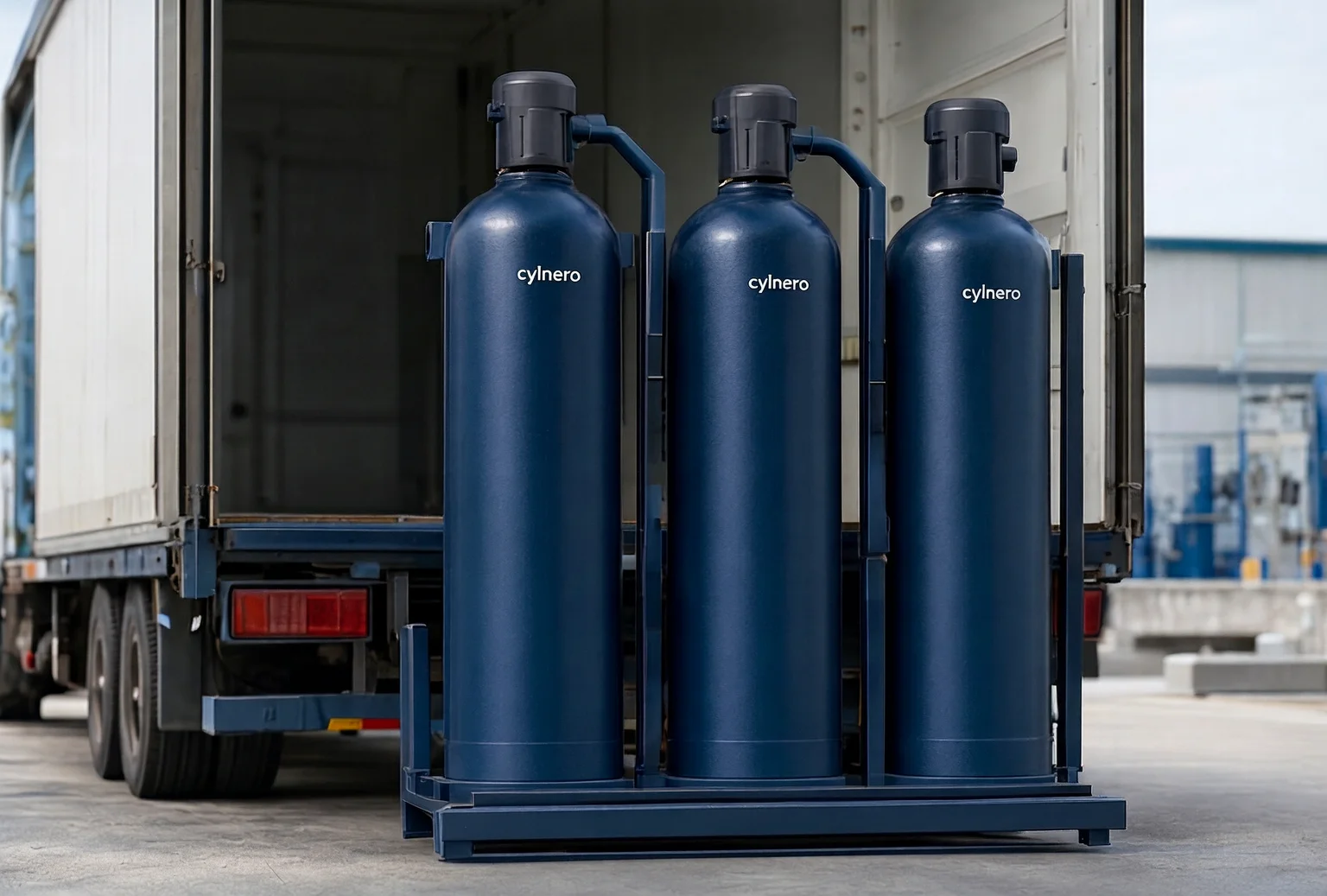
Wholesale procurement guide. Exact product specifications and destination requirements are confirmed during enquiry.
Start an argon cylinder enquiry
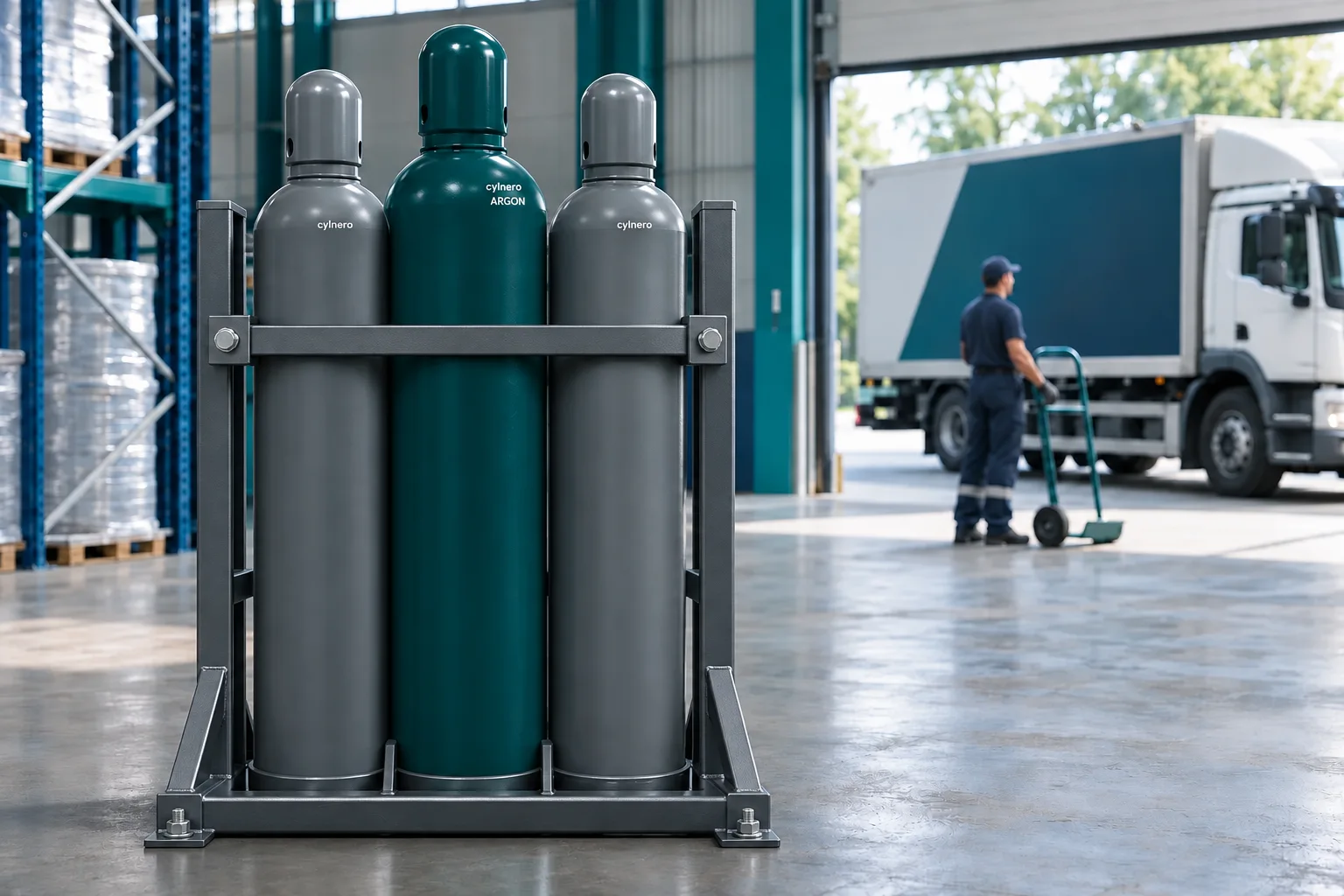
Start an argon tank or cylinder enquiry with the intended industrial application, approximate quantity and destination. For welding or another equipment programme, share any known equipment reference. Identify whether the request covers cylinder bodies or valve-equipped assemblies, and keep gas supply, purity, filling, rental and exchange questions separate from hardware. CYLNERO coordinates manufacturer responses; the proposed configuration and open questions are identified during quotation. Unknown parameters can remain open.
Compare material and construction
Compare steel and aluminum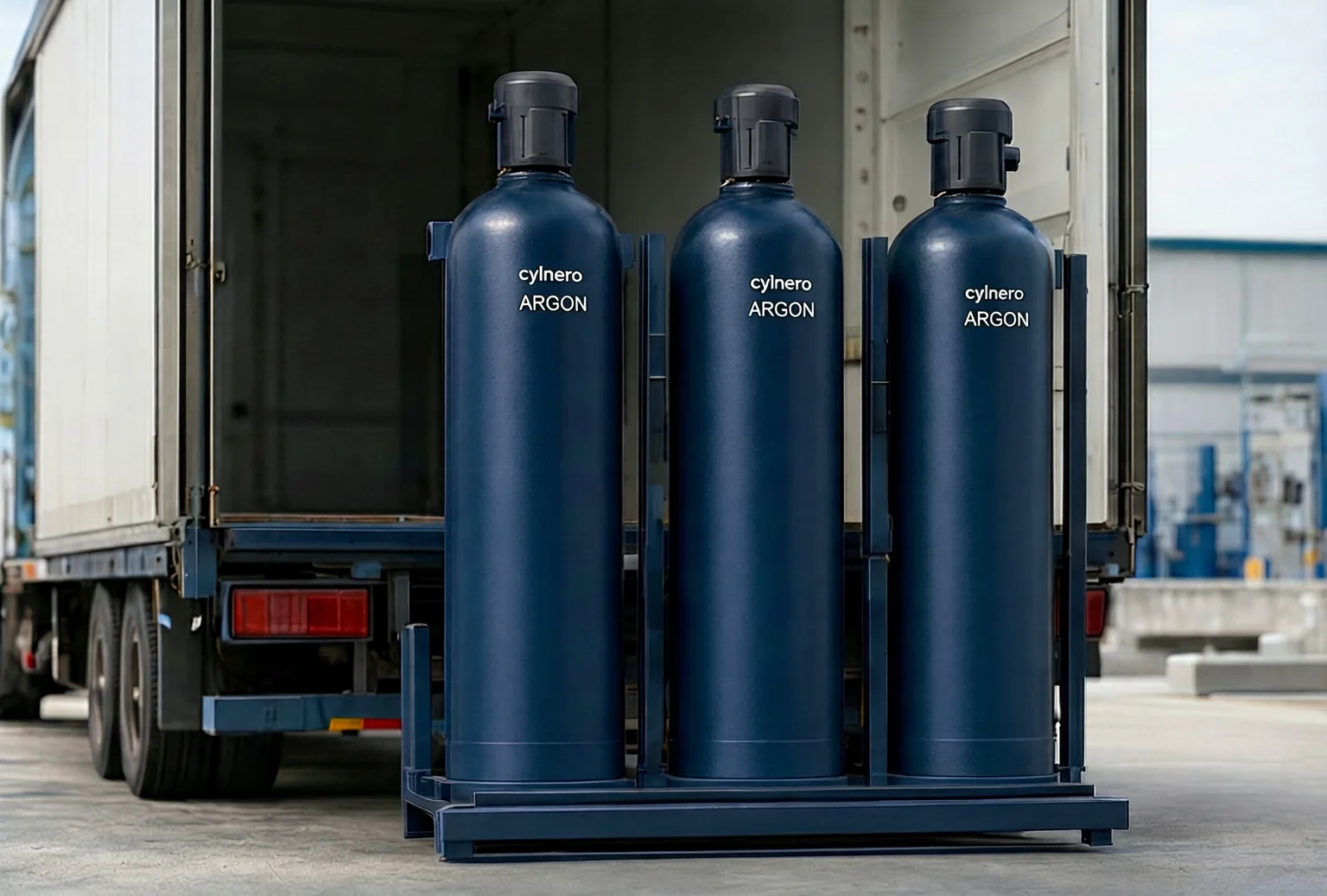
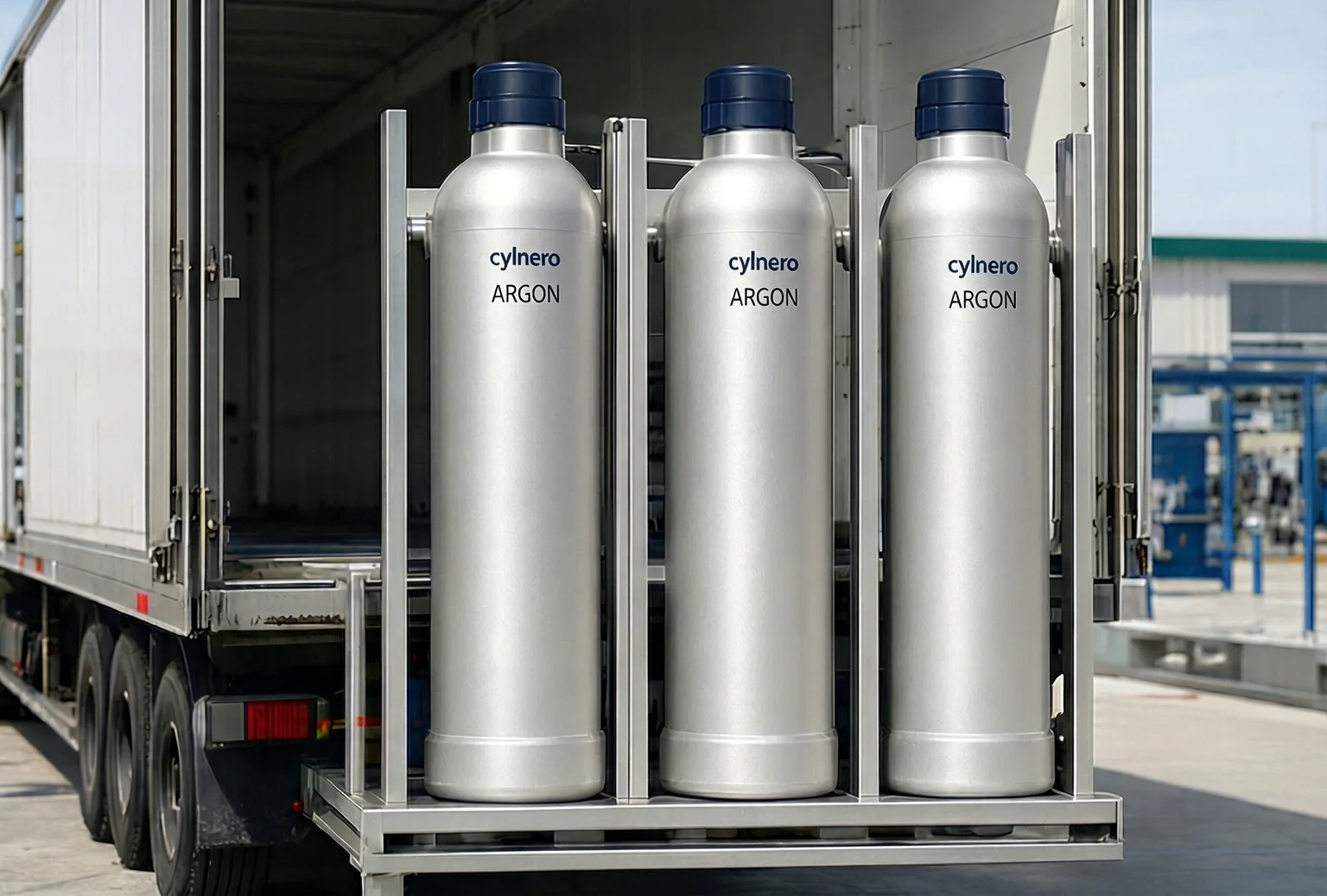
State the intended gas service when requesting a proposed configuration.
Compare the actual proposed steel or aluminum cylinder configurations and their supporting records. Where weight or dimensions matter, share the relevant limit and ask which components are included in the stated figures before comparing offers.
View 40 L steel cylinder weight exampleShare any existing material or construction requirement for the argon cylinder, or ask the manufacturer to identify its proposed design and service scope. Request the relevant drawing or model reference, revision and supporting documents. Where weight or dimensions matter, provide known constraints and ask what the offered figures include. Compare the actual proposals and keep requested values separate from manufacturer data; a broad material label or construction term alone does not establish suitability for the intended service or destination.
Read the full guidance
Compare the proposed material and construction
Ask which finish, marking or other appearance features belong to the offered configuration and whether they are included in the quotation. If the buyer has an existing identification layout, supply it as a request and ask the manufacturer to respond. A colour or coating name does not establish suitability for the destination or application. Keep the proposed reference and any exclusions beside the configuration. Where a feature changes between offers, ask whether the drawing, documents or commercial scope also change rather than assuming the difference is cosmetic.
Keep pressure fields separate
Keep working pressure, test pressure and other labelled fields separate, with their units, source documents, conditions and configuration references. Share any known project requirement and ask the manufacturer to explain differences or missing entries. Do not derive one field from another, infer a design margin or treat a higher figure as proof of a better proposal. The responsible technical reviewer assesses the actual response; this guide does not select an operating value or prescribe a pressure test.
Read the full guidance
Keep pressure references distinct
Ask the manufacturer to describe the proposed cylinder and valve assembly, including any protective devices included in the quoted configuration and the documents explaining their intended scope. This page does not prescribe a relief arrangement, treat an external regulator as cylinder overpressure protection or approve a device from a generic description. The responsible technical reviewers should assess the actual assembly for the intended service and destination. Record the supplier's stated inclusions, exclusions and configuration reference alongside the offer so that different proposals can be compared without assuming equivalent protection. If an assembly detail remains unresolved, identify who will provide the missing information and at which review stage. A family-level enquiry can proceed while these details remain open; purchase acceptance should refer to the configuration actually reviewed.
Valve and connection details
Tell the supplier which valve outlet your argon equipment uses, and provide a connection reference or drawing if available. Confirm whether the quotation includes the valve and protective cap.
Ask whether a valve is included in the offered cylinder assembly and request its reference if it is. Distinguish the cylinder connection from the valve outlet and any accessories listed in the quotation. Share existing equipment references where available; an uncertain connection can remain open for clarification. Ask for the complete interface reference and the drawing that describes the offered connection. Ask the manufacturer which drawing identifies its proposal and which information the appointed equipment reviewer needs to assess the actual configuration.
Read the full guidance
Clarify valve and interface supply scope
If the buyer has a valve or connection requirement, keep it on a requested-versus-offered comparison line. Ask the manufacturer to identify any proposed difference and the supporting component reference. Where the valve is supplied by another party, clarify who will respond about the complete assembly and what work remains excluded. A component being available separately does not establish that it belongs in the offered configuration. Keep questions about materials and stated service conditions with the relevant technical review rather than selecting components from this buying guide.
For replacement-component or repeat-order enquiries, retain the original configuration and valve references. Ask what the manufacturer currently proposes and whether a revision needs assessment. Keep a requested spare item distinct from components included in the cylinder order. If additional documentation or support is offered, identify its scope and commercial terms. This guide does not instruct valve installation, removal or maintenance. The practical purchasing task is to describe the required supply, identify the manufacturer's response and preserve any open interface question for the responsible reviewers.
Equipment references and repeat orders
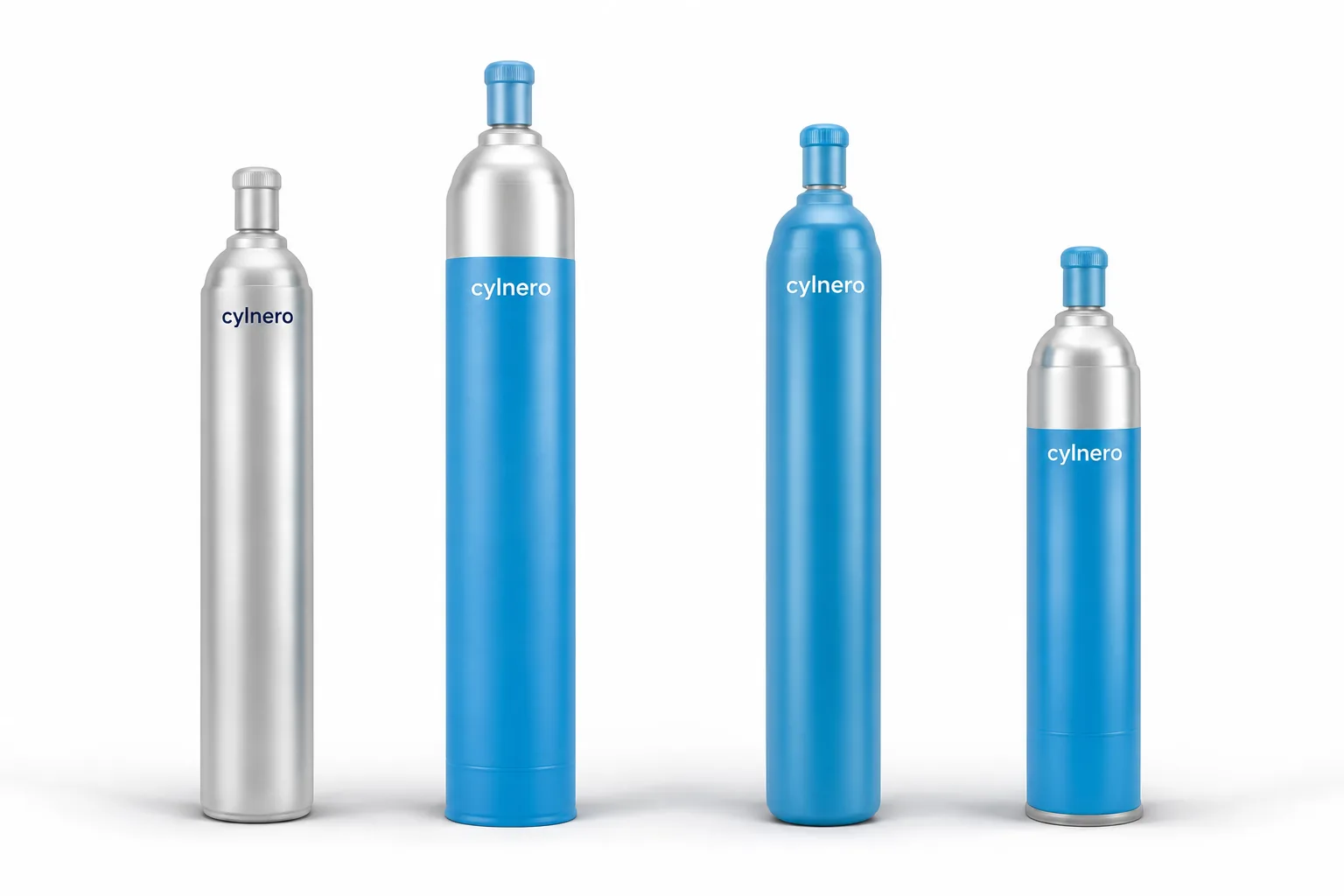
Share existing equipment and drawing references when dimensions or interfaces matter. For a repeat order, ask which configuration and component revisions the current quotation covers.
For an argon-cylinder request, share the industrial application, approximate cylinder count and destination. Add known water capacity, working pressure, cylinder or connection references with their original units and drawing revisions. If an existing welding or other equipment programme has height, diameter or interface limits, identify those as buyer requirements. State whether the quotation should include valves and protective components, and separate any gas-supply or filling question from the hardware request. Unknown fields can remain open while the manufacturer identifies its proposed configuration and supporting information.
Read the full guidance
Define equipment review and repeat-order scope
Separate the cylinder manufacturer's supply from equipment, gas-service or installation work arranged elsewhere. Ask which drawings, component references and support information accompany the proposed cylinders. If another organization needs information to assess the interface, record the question and who will respond. Keep any requested training or technical service separate from confirmed order inclusions. This guide does not provide operating or installation instructions. An enquiry can progress while some details remain open, but the supply being considered needs an identifiable configuration and review boundary.
For a repeat order or later equipment change, use the prior configuration as a reference for a fresh manufacturer response. Ask whether the same assembly is currently proposed or whether a new drawing or component revision needs assessment. Keep any substitution separate from the original request and record its supporting documents. A previous purchase does not establish suitability for another gas, destination or installation. The relevant reviewers assess the actual change, while the purchasing record retains the offer, exclusions and outstanding questions associated with that revision.
Documents for your destination

Provide destination and known project document requirements. Ask which records the manufacturer offers for its actual configuration.
Read the full guidance
Request destination-specific documentation
Identify the intended destination and purchasing scope before asking the manufacturer which conformity route and supporting documents it proposes for the actual cylinders. Do not choose a regulatory route from the gas name or apply a broad pressure-equipment acronym to every transportable cylinder. Ask your appointed destination and technical reviewers to identify the requirements relevant to the proposed supply, then request a manufacturer response against that scope. The quotation should distinguish documents already available for review from records that would be issued for the delivered units or lot. Record document references, revisions and stated limitations rather than describing an unreviewed category listing as compliant. CYLNERO can help organize the enquiry and the questions to be resolved, but this guide does not establish legal acceptance or certify an offered cylinder.
Treat proposed marks and labels as identifiers to examine alongside the relevant documentation, rather than as immediate proof that a cylinder is accepted for every destination. Ask which markings belong to the offered configuration and how unit or lot identifiers connect the delivered cylinders to the supporting records. If examples or photographs are supplied, establish whether they illustrate a general product family or the actual configuration under discussion. Your appointed reviewers should determine what evidence is needed and assess any discrepancy before acceptance. Keep the agreed marking and document scope in the purchasing record, including the party responsible for resolving missing or inconsistent information.
When a destination, drawing or component changes during the enquiry, ask whether the manufacturer's document proposal also changes. Keep the earlier response for context and identify the current revision. A document assessed for one configuration is not automatically evidence for a different offer. If a reviewer asks for additional information, record the request and the supplier's response with the relevant quotation. CYLNERO can coordinate those questions without deciding the regulatory route or presenting a category description as approval for every future shipment or application.
Records for the offered cylinder
Ask which inspection records are available for the offered configuration. Share existing project review requirements to identify open questions.
Read the full guidance
Agree evidence and order review points
Ask the manufacturer which inspection and production records it proposes for the offered cylinders. Record the reference, stated scope and relationship to a model, unit or delivery lot where available. A sample report describes a format or example; ask when an order-specific record would be available. The appointed reviewers identify the evidence needed for the actual application and destination. This guide does not choose a test method or direct the buyer to rely on a particular report in place of the required assessment.
If the purchasing brief requests an additional inspection or review point, ask the manufacturer to propose its scope, timing and commercial terms. Identify who would arrange the work, which information would be reviewed and how comments would be recorded. Keep requested activities separate from work included in the offer. If a difference remains unresolved, retain it beside the applicable configuration and quotation. Receiving a document or acknowledging a question is different from agreement that the proposed supply meets the order's review criteria.
Identify a contact route for questions about the actual offer and any subsequent clarification. Keep an issue associated with the relevant configuration, document and quotation revision rather than describing a general concern without a reference. Ask the manufacturer what response it proposes and which points remain open. The relevant parties assess the evidence and any applicable arrangements. A cooperative exchange or a written record does not guarantee quality, suitability or a remedy. This guide provides no operating or inspection procedure and does not infer acceptance of a changed configuration from acknowledgement of a message.
Who is making the offer?
Identify the manufacturing organization and quotation issuer for each proposal. Compare responses against the same purchasing brief for consistency.
Read the full guidance
Assess the actual manufacturer proposal
Identify the manufacturer and the organisation issuing the quotation and supply agreement. Request the evidence required by your supplier-review process, keeping general capability information separate from the proposed configuration. CYLNERO coordinates questions and responses; the responsible reviewers assess the offer and its supporting information.
Compare responses against the same brief: list each proposed cylinder, included work, evidence and departures from the request. Keep document issuers and stated scopes with the relevant proposal, and mark missing information as open. Ask who will respond to configuration, document and support questions, including any separate charges. If an offer changes, request an identifiable revision so the comparison reflects the current scope.
Ask about environmental claims
Ask for the scope and basis of any environmental claim about the proposed cylinder. Keep product-specific evidence separate from company policies and possible future return arrangements.
Read the full guidance
Request scoped environmental information
Where the buyer has an environmental purchasing requirement, share its reference and ask the manufacturer what information it can provide for the offered configuration. Keep product-specific data separate from a company policy or general marketing statement. Ask for the scope, source and basis of any environmental claim that matters to the comparison. If the requested information is unavailable, record that limitation.
If future return or end-of-service arrangements matter to the purchasing programme, ask whether the manufacturer actually offers a relevant service. Record the provider, geographic scope, proposed conditions and whether it is included or separately quoted. A general statement that a material is recyclable does not confirm a collection or return programme. Keep the response for the buyer's appointed reviewers to assess. This page does not instruct disposal or preparation of cylinders and does not imply that a current hardware purchase includes future recovery services.
For company-level environmental or supply-chain policy requests, ask which documents are available and what activities they cover. Keep their scope distinct from evidence about an individual cylinder configuration. If the buyer has a questionnaire or reporting format, share it and ask for a response rather than assuming every field is already supported. Retain unanswered items in the supplier comparison. Policy information can be part of the purchasing discussion without establishing a product claim, ethical endorsement or measured reduction in environmental impact for the order.
About this category guide
Build an argon cylinder purchasing brief around the intended application, destination, approximate quantity and any existing equipment references. Keep the cylinder-hardware enquiry separate from gas supply, purity, filling and rental arrangements so the scope of each offer is clear. CYLNERO coordinates manufacturer responses about the proposed configuration, connection references, included components, documentation and delivery scope. Unknown details can remain open at the first enquiry; an initial request does not need a complete engineering specification. Compare offers against the same requirement list and retain any exceptions or unanswered questions. The actual cylinder configuration and supporting records remain subject to the appointed reviewers' assessment. A sourcing discussion does not establish safety, compliance or compatibility with the buyer's equipment.
Packing and delivery scope
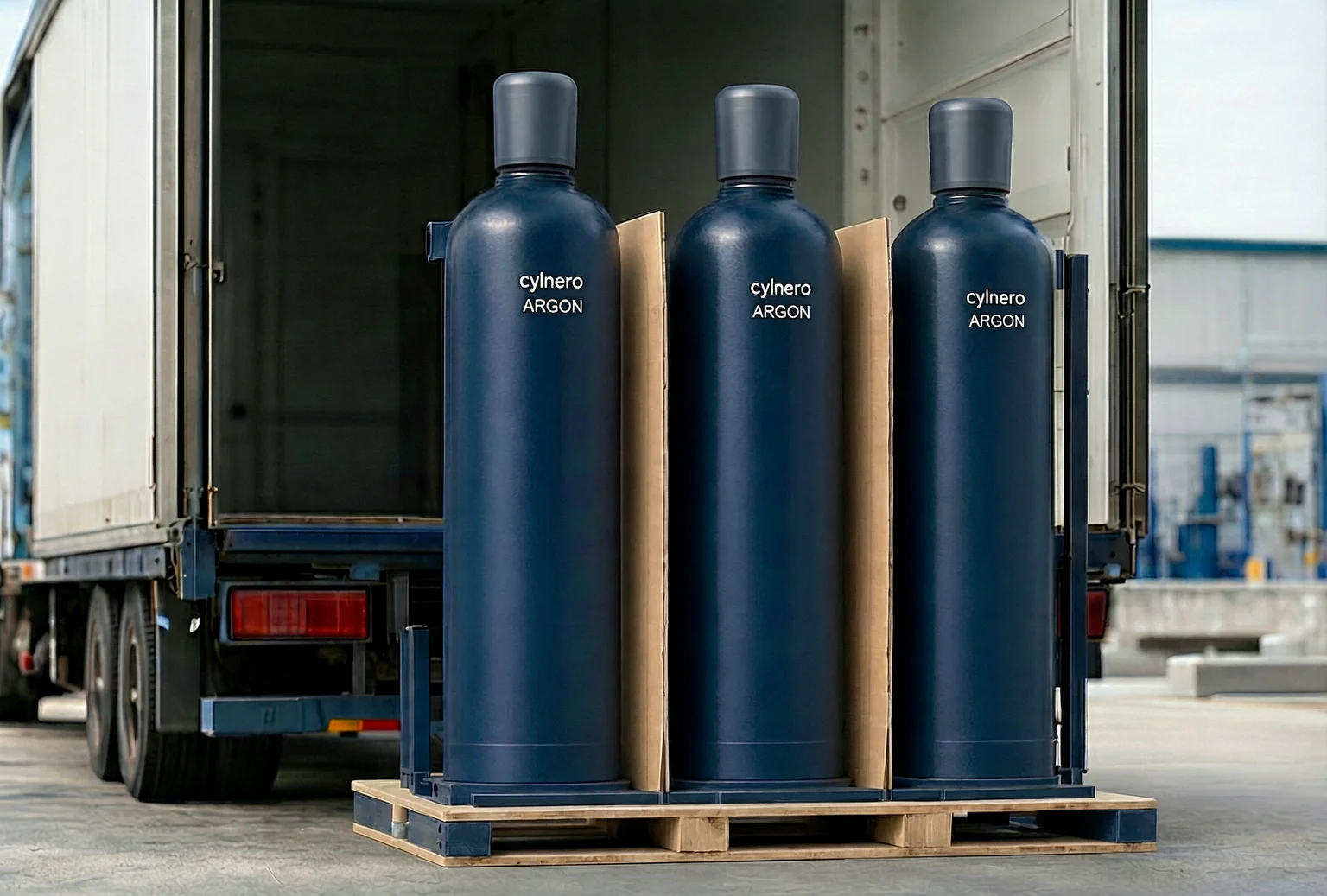
Share delivery destinations and receiving constraints for packing proposals. Keep hardware purchases separate from gas refills or rentals.
Give the supplier the intended destination, number of cylinders and any receiving constraints you already know. If the order is split between depots, list the quantity and requested delivery date for each location. Ask how the proposed cylinders would be grouped and packed, and whether package dimensions and gross weights can be supplied for the quoted configuration. Compare the supplier's preliminary dates with your requested dates, distinguishing dispatch from arrival at the destination. An initial enquiry can leave unknown packing or scheduling details open for discussion.
Read the full guidance
Supply Chain Logistics and Delivery Considerations
For each quotation, record which packing, freight, insurance and destination tasks are included, excluded or still to be clarified. Keep any trade-term wording together with its named place and the quotation revision so your commercial team can compare offers on the same basis. Ask which shipment documents the supplier proposes and when they would be available. If an order covers several formats, retain the configuration and quantity beside each packing proposal. Cylinder hardware, gas filling, rental and exchange are separate purchasing scopes; specify any additional service you need instead of assuming it is included.
What does the price include?
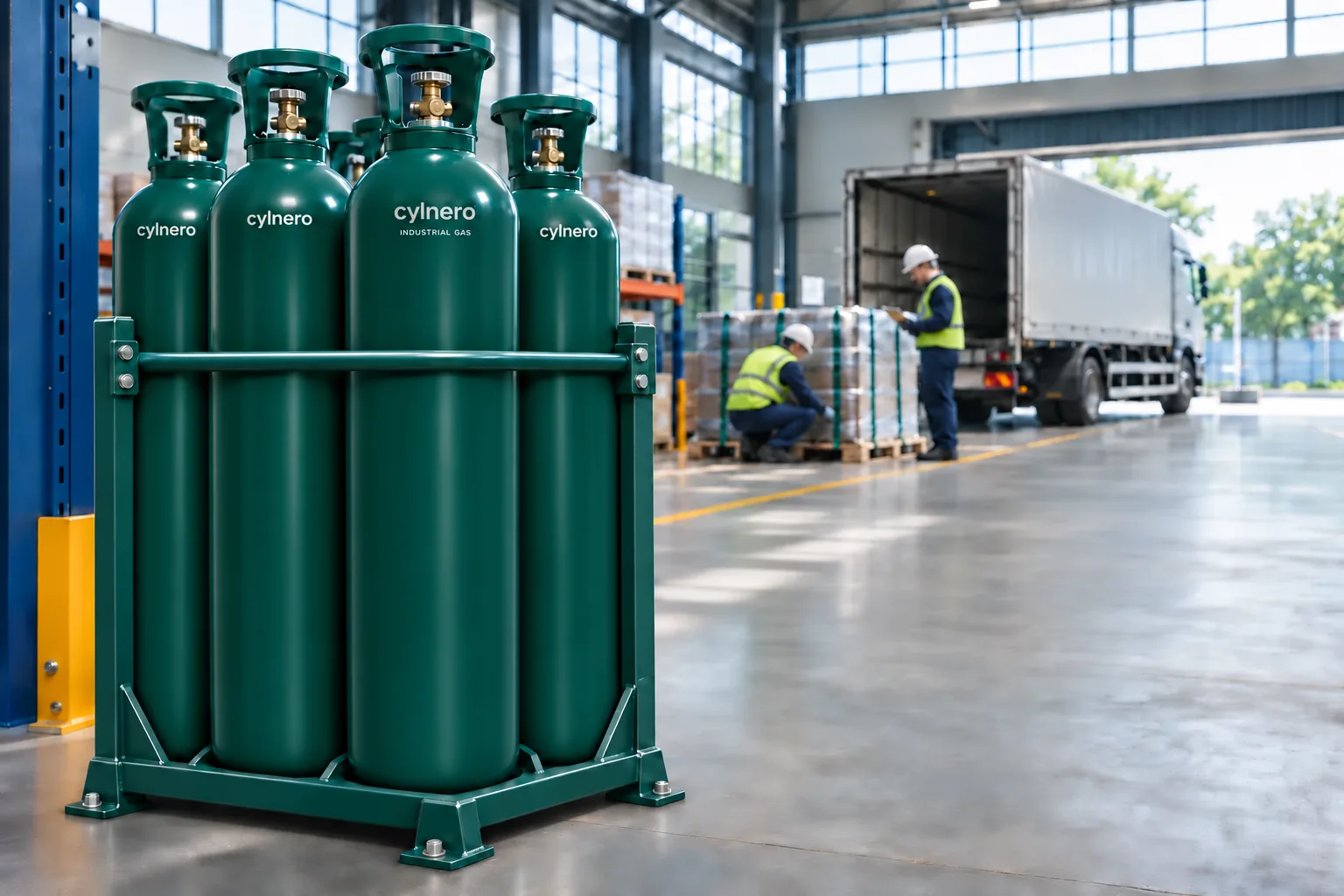
Check whether the price includes the cylinder body, valve, protective items, packing and delivery. Compare quantities, currency and quotation validity on the same basis.
Compare unit prices only after identifying what each quotation includes. Separate cylinder bodies, valves, accessories, documentation, packing and delivery charges where stated. Record the quantity basis and any optional items so a different scope is not mistaken for a price difference. Ask the manufacturer to clarify exclusions or incomplete fields rather than treating them as free inclusions. Keep the original quotation wording available to the commercial reviewers. This comparison concerns the proposed cylinder hardware and does not combine an unquoted gas-supply service with the order.
Read the full guidance
Compare price inclusions and commercial terms
For longer-term planning, distinguish manufacturer information from the buyer's own assumptions about future purchases or support costs. Ask what replacement-component, documentation or other services are actually proposed and whether a separate quotation is needed. If a service-life statement is offered, retain its configuration reference and stated conditions for the appointed reviewer. A broad material description does not establish a cost saving. Leave unavailable information visible in the comparison rather than filling a forecast with figures from an unrelated cylinder example or generic fleet model.
Record currency, quotation validity, proposed payment stages and any conditions attached to the manufacturer's price. If the buyer requests different terms, retain the request alongside the response until the parties agree. Ask how a change in quantity, configuration or delivery scope would affect the offer. Keep warranty or after-delivery support terms in the supplier's actual wording. These are commercial points to review for the particular order; the category page does not recommend a financial strategy, promise a predictable budget or create automatic refund rights.
Follow up on open questions
List unanswered questions about the cylinder, included components and delivery. Keep each manufacturer response with the relevant quotation revision so changes remain clear.
Before accepting an offer, list the questions still awaiting a response, such as configuration details, records, components or delivery assumptions. Identify the contact and review point for each. Keep a proposed schedule change beside the original request so the purchasing team can assess its effect.
Read the full guidance
Track unresolved commitments and revisions
Ask how the supplier would review a reported difference and which unit or document references it needs. Keep requested remedies distinct from agreed terms. When a configuration changes, check whether drawings, component lists, evidence and the quotation also need revision. Record a substitute or alternative manufacturer as a separate offer, with its own scope and unanswered questions, rather than assuming it is interchangeable.
Related procurement pages
About this procurement guide
Use this guide to prepare your enquiry. Confirm the specifications and supporting documents for the proposed cylinder with the manufacturer.
For standards research, consult the ISO gas-cylinder standards catalogue. The catalogue includes published and withdrawn standards. Check the status, edition, scope and destination requirements with the manufacturer and your appointed technical reviewer. A standards reference does not establish that a listed series conforms to it.
Before placing an order, obtain the proposed model's drawings, configuration, applicable approvals and quotation from the manufacturer. CYLNERO coordinates sourcing; the manufacturer confirms and contracts the agreed supply.
Procurement questions
How should I describe pressure requirements for argon cylinders?
Share an existing project requirement with its units and source reference where available. Ask the manufacturer to identify working-pressure, test-pressure and other labelled entries separately in its offer. Leave unknown values open for clarification. The appointed reviewers assess the actual proposal; this page does not select a rating or prescribe a safety margin.
How do I review destination documentation?
Identify the destination and purchasing scope, then ask the manufacturer which documents it proposes for the actual configuration. Retain the references, issuer and stated scope for the appointed reviewers. A company certificate, an example report and a delivery record are different evidence items; a logo or category listing does not establish acceptance.
Do I need to choose steel or aluminum before enquiring?
No. Share any material requirement already defined by the project, or ask the manufacturer to propose a configuration. Include known equipment constraints and request the offered material and drawing references. Compare the actual responses and their documentation rather than assuming one material gives a universal weight, durability or cost advantage.
What if the existing valve connection is unknown?
Keep it as an open interface question and share available equipment references or drawings. Ask the manufacturer to identify the cylinder connection, valve outlet and included components in its proposal. The equipment reviewer assesses the response. A similar-looking valve or a familiar standard name does not establish compatibility.
Does the quotation include gas filling or exchange?
This category concerns wholesale cylinder hardware. Ask the manufacturer to list the bodies, valves, accessories, documents and services included in its actual offer. Keep gas content, filling, rental and exchange arrangements separate. Neither the category page nor a hardware enquiry establishes that those gas-service programmes are available through CYLNERO.
What should I include in a bulk argon gas bottle enquiry?
Start with the application, approximate physical quantity and delivery destination. Add any known configuration, equipment or project references and identify later forecasts separately. Unknown details can be clarified during the discussion. Ask for a manufacturer proposal and a list of open questions rather than inventing specifications to complete the first request.