 Wholesale sourcing
Steel cylinder example
10.7 kg · 805 mm nominal length
Faber’s listed weight excludes the neck ring.
View Faber specifications ↗BUYER'S GUIDE / MATERIAL COMPARISON
Compare steel and aluminum gas cylinder proposals using the details that matter to your purchase: intended gas service, physical dimensions, stated weight, components and the manufacturer’s quotation.
Swipe or scroll to compare both options.
| Buying question | Steel offer | Aluminum offer |
|---|---|---|
| Cylinder body | Steel construction; ask which specific cylinder is proposed. | Aluminum construction; ask which specific cylinder is proposed. |
| Weight example | Comparable steel cylinders are the reference in Luxfer’s SCBA comparison. | Luxfer states up to 40% less weight for its L6X SCBA range against comparable steel cylinders; this is not a universal figure. View the Luxfer SCBA source ↗ |
| Capacity and dimensions | Compare the stated steel model values and units for the requested gas service. | Compare the stated aluminum model values and units for the same request. |
| Valve and protection | Check whether the steel-cylinder offer includes a valve and protective components. | Check whether the aluminum-cylinder offer includes the same components. |
| Documents and delivery | Review the stated steel configuration and quotation scope. | Review the stated aluminum configuration and quotation scope. |
Use the same request for both offers. A material category alone does not establish a model, performance or suitability.
PUBLISHED EXAMPLES / 10 L AND 200 BAR
Both published examples have 10 L water capacity, 200 bar working pressure and a 140 mm diameter. Faber’s example comes from an oxygen-cylinder table; Sea Technologies lists its example in an industrial-cylinder table. Their lengths and stated weight bases differ, so use these figures to frame an enquiry rather than infer a universal material advantage.
10.7 kg · 805 mm nominal length
Faber’s listed weight excludes the neck ring.
View Faber specifications ↗11.4 kg · 970 mm length
Sea Technologies does not specify the component inclusion basis in the table.
View Sea Technologies specifications ↗The examples have different designs and documented weight bases. Confirm the proposed gas service, included components, dimensions and weight for each actual offer.
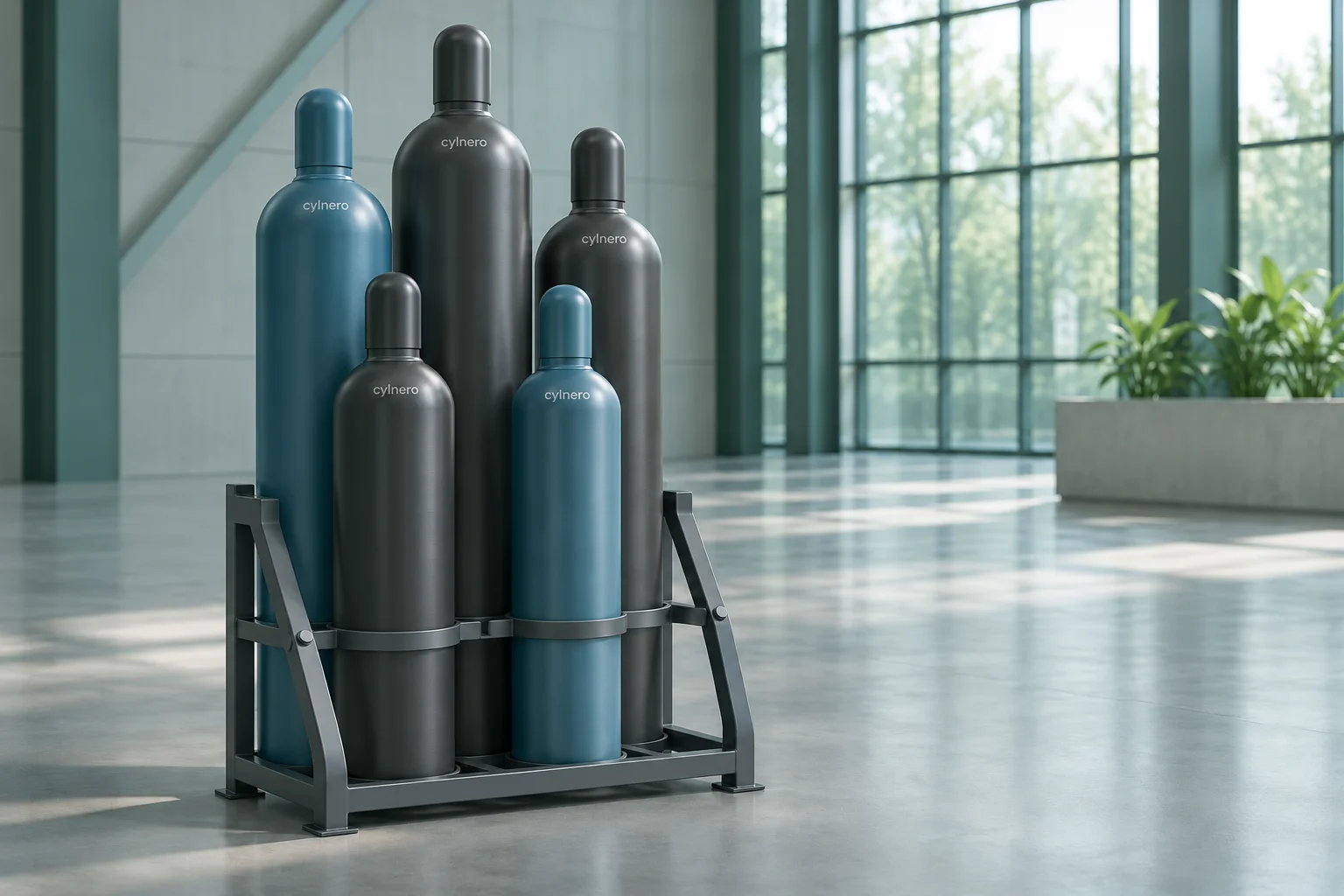
A steel gas cylinder and an aluminum gas cylinder are purchasing categories, not complete model specifications. The manufacturer identifies the actual construction, dimensions, service description and components in its proposal. A buyer may be comparing cylinders for a distributor range, equipment programme or workshop purchase, but the relevant gas service and destination still need to be stated. Begin with two comparable requests rather than assuming that a material name tells you everything about pressure, capacity or compatibility.
For example, an importer might ask for a steel offer and an aluminum offer against the same requested water capacity, gas service and destination. Each supplier should state what it proposes and which fields remain open. If one response covers a cylinder body and another covers a valved assembly, note that difference before comparing prices. The choice concerns the complete proposed configuration, including evidence and delivery scope, not simply the word steel or aluminum in a catalogue title.
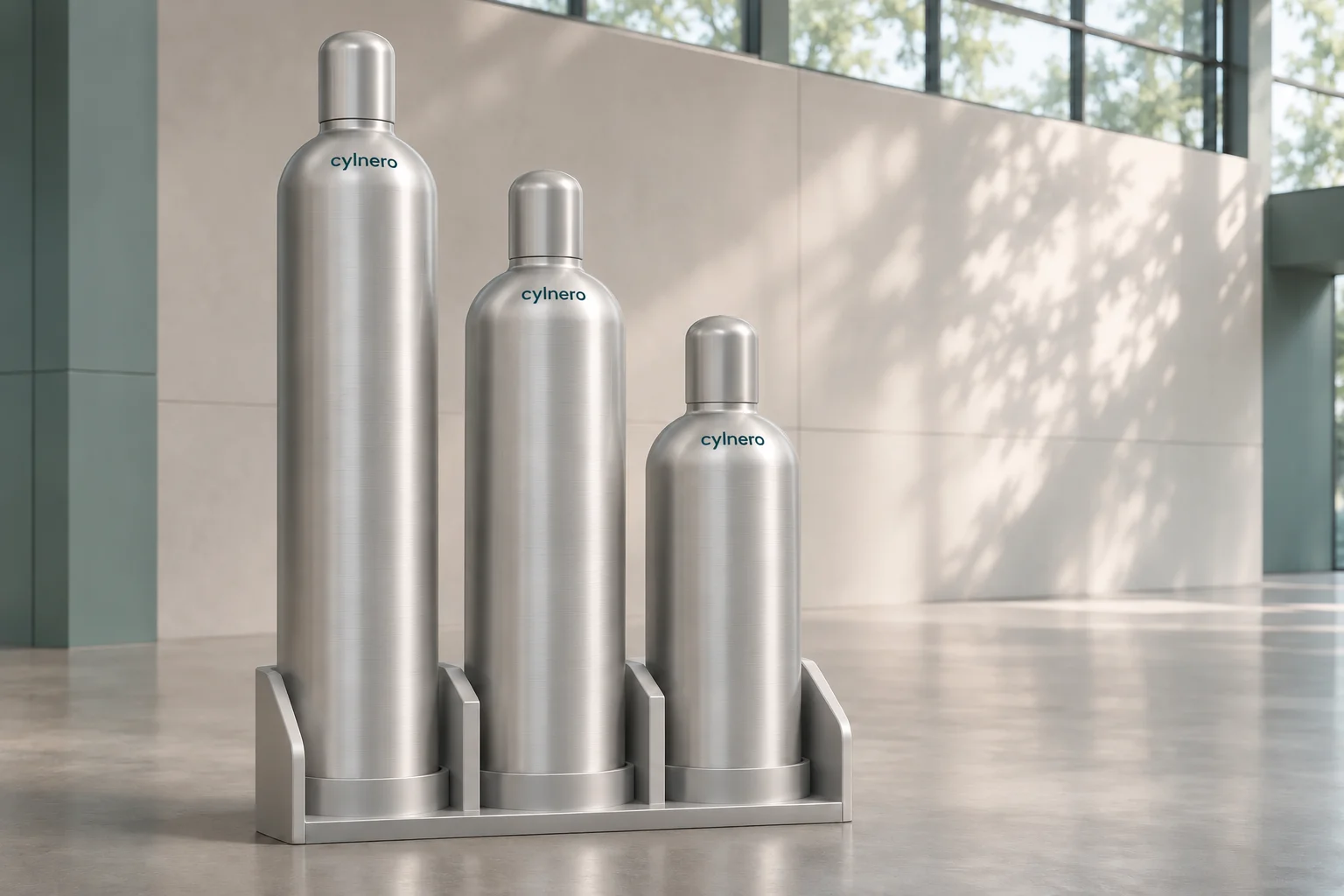
Ask each manufacturer to identify the construction and material of the specific cylinder it proposes. CYLNERO's seamless steel category and aluminum category provide separate starting points, but their names do not establish that every product in either group is interchangeable. Where a buyer already has a drawing or specification, share its reference and revision. If the project is at an early stage, describe the intended application and ask the manufacturer what information it needs to prepare an appropriate response.
Material differences can matter to a project's design and handling decisions, but a general statement about one material does not establish the properties of a particular cylinder. Ask for the relevant details in the supplier's own configuration-specific information and have the responsible reviewers compare them with the existing project brief. Ask each manufacturer to identify the grade, manufacturing method, pressure rating and intended gas service for its proposed cylinder. Keep those fields tied to the offer and document revision that actually describes them.
Put the requested water capacity and pressure field in separate columns and retain the original units. If a supplier uses a different label or unit, ask what the field means and keep its original statement alongside any conversion used for purchasing comparison. A capacity designation alone does not tell the buyer which valve or other accessories are included. A pressure value also needs its stated context; do not copy a number from an unrelated cylinder or treat a category heading as a specific rating.
If a project already has an established requirement, provide the source rather than replacing it with an estimate. If the exact value is not known, identify the intended gas service and application, describe the available information and leave the field open for the manufacturer discussion. Compare both proposals against the same buyer request, noting where the response differs. The project team and manufacturer can then clarify the relevant fields before any configuration is treated as an agreed specification.
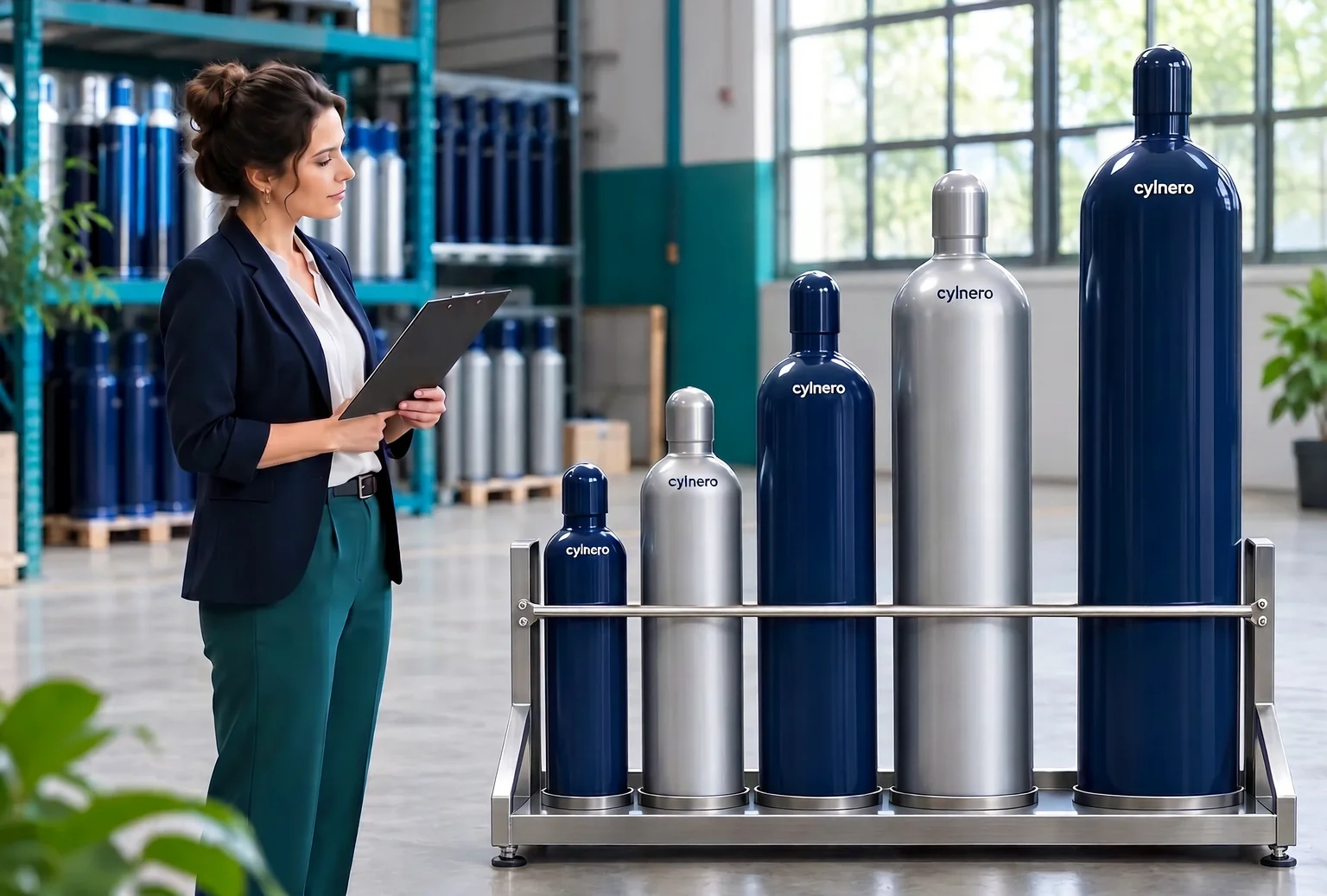
For buyers managing frequent movement, receiving space or transport limits, request the manufacturer's stated weight for each proposed configuration. The basis matters: a figure for a cylinder body is different from a figure that includes a valve, protective cap or packed shipment. Ask which items are included and preserve the stated units. Comparing a body figure from one offer with a packaged assembly figure from another does not provide a useful material comparison.
A manufacturer may publish an advantage for a specific product range and comparison basis. For example, Luxfer describes a weight benefit for its L6X SCBA cylinders compared with comparable steel cylinders; that product-specific statement is not a universal reduction that can be applied to every cylinder. Request the actual offered weights and dimensions for your intended configuration. Also describe any handling or receiving constraints already defined by your organization, so they can be considered alongside quantity, packaging and delivery scope.
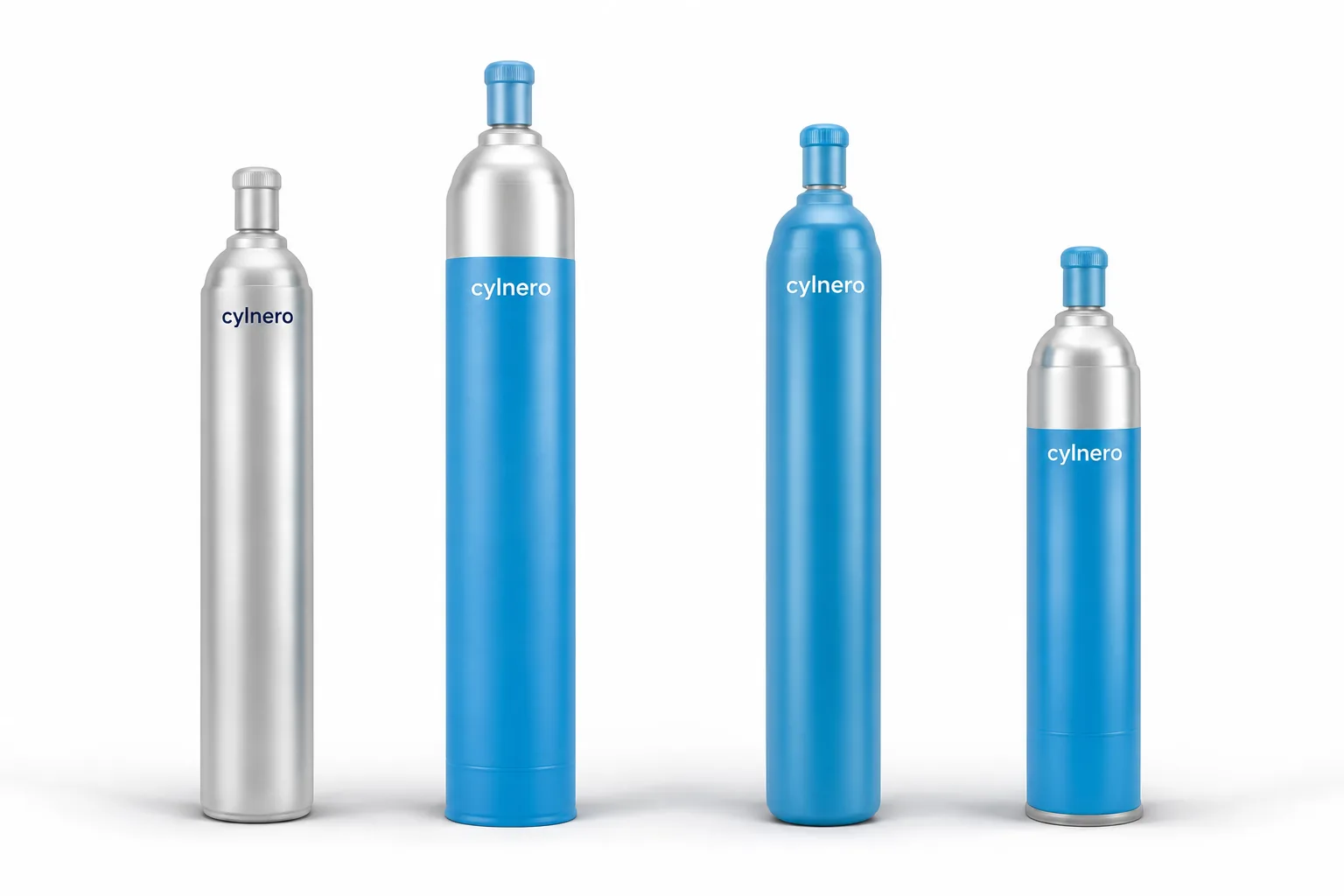
Compare the manufacturer's stated diameter and length or height with the relevant space in your equipment, rack, receiving area or shipment plan. Ask whether the dimension describes the cylinder body or the assembly with valve and protection. If a drawing is available, retain the revision and identify which configuration it describes. A familiar nominal size does not guarantee the same external dimensions across every supplier or material.
For an equipment project, share the known envelope and connection references with the responsible manufacturer and project team. For a distributor, separate the dimensions needed for the product from package dimensions needed for receiving or storage planning. Where a constraint is still being developed, identify it as a target rather than an established requirement. The manufacturer should identify the proposal and provide the information it offers; the buyer's relevant reviewers determine how it relates to the intended project.

Ask whether each quotation covers the cylinder body alone or an assembly with a valve and protective components. Identify the existing connection reference if one is available, and ask the supplier which valve or interface it proposes. If the connection is not yet known, leave it open and request the information needed for discussion. Keep a cap, collar, guard or other accessory in the comparison only when it is explicitly identified in the offered scope.
Branding and identification are separate questions from material selection. A distributor may have artwork, a product-line reference or a marking request; an equipment purchaser may have an internal identification requirement. Share those requests and ask what the manufacturer proposes to include. If destination or project reviewers have provided other identification requirements, retain their source with the brief. Ask the manufacturer to identify the proposed marking, gas service and supporting records for the configuration offered.

Share existing project, customer or destination document requirements with the parties responsible for reviewing them. Ask what information each manufacturer proposes for its specific configuration and what each document covers. A company brochure, an example record and configuration-specific information may answer different questions. Do not assume a universal list of certificates for every application, or treat a document for another product as evidence that the current offer has been accepted.
State the physical quantity for the current purchase and distinguish a later forecast from an order. If delivery is needed at several locations, identify each group and any known receiving constraints. Ask how each proposal describes packaging, delivery scope, timing and commercial terms. Compare those items with the included components and document response, rather than attaching a price from one version to the configuration described in another. Availability and delivery commitments belong to the actual quotation.
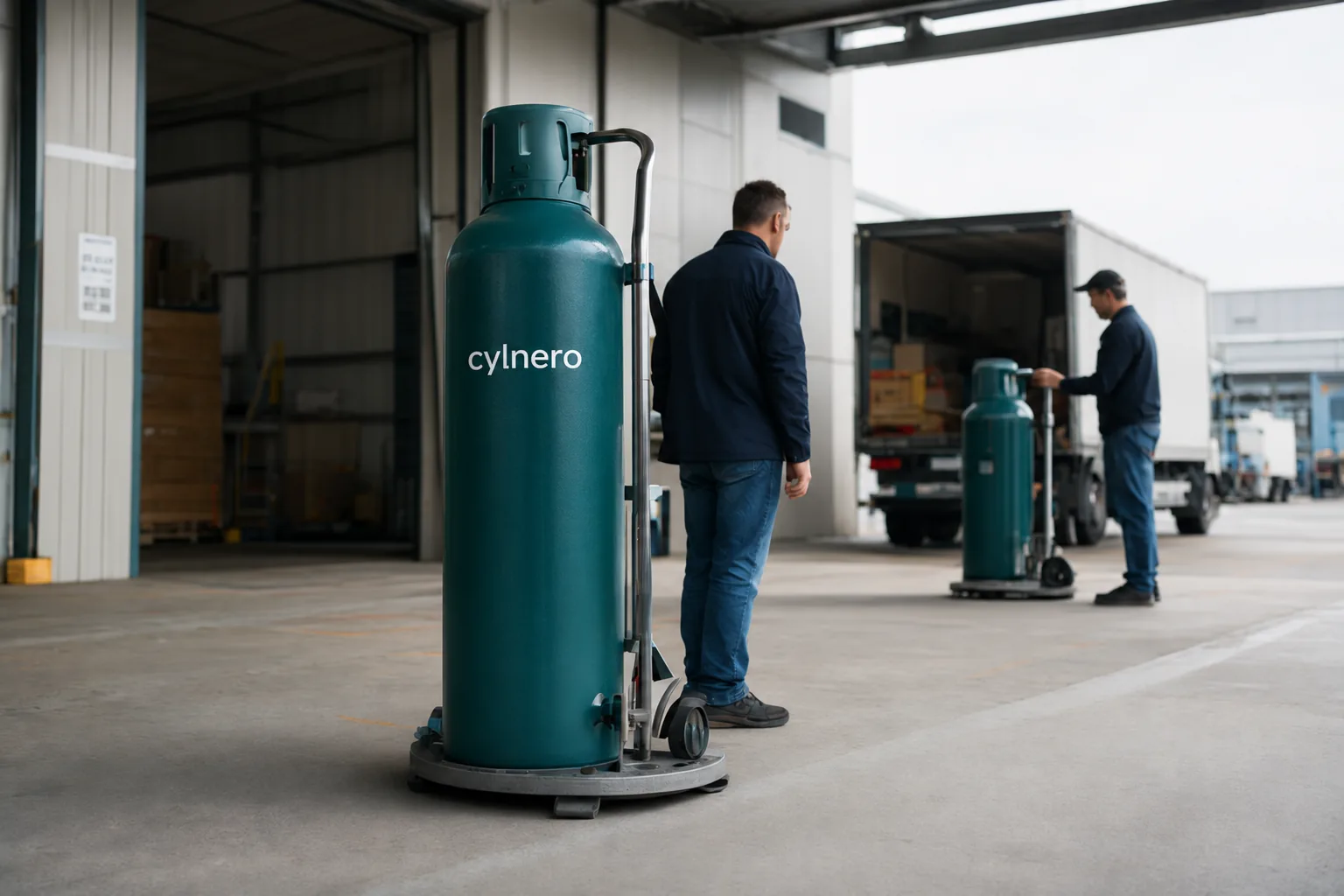
A distributor comparing a mixed product range can ask for both steel and aluminum proposals against the same intended gas service, customer requirements, quantity and destination. A workshop or equipment buyer may begin with an existing envelope or connection reference and request the material options that the manufacturer can identify for that brief. Where a project requires a particular construction, share the existing requirement and its source instead of treating the page as authority to change it.
Choose the next step from the evidence available. If one proposal lacks a stated weight basis, ask for clarification before comparing handling figures. If an offer includes a valve and another does not, request a like-for-like scope or record the difference. If document requirements are unresolved, identify the responsible reviewers and ask the manufacturer what it can provide. A preliminary enquiry can leave unknown fields open; the final purchasing decision should use the specific configuration, scope and terms offered for the project.
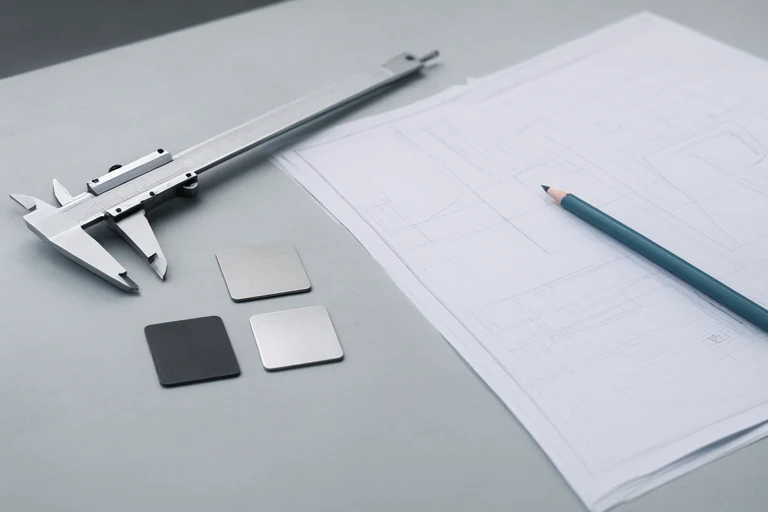
A purchasing team can prepare a simple comparison with one row for the steel proposal and one for the aluminum proposal. Begin with the intended gas service and destination, then record the manufacturer's offered cylinder reference, water capacity, pressure field, dimensions and stated weight. Beside the weight, note whether the valve, protection and packaging are included. Add columns for the requested quantity, quoted components, available supporting information and open questions. The resulting table is a working purchasing record, not a certification or an engineering approval.
If the two responses use different units or describe different packages, retain their original wording and ask for clarification. An offer for several delivery locations may also need a separate line for each group. Request a revised proposal when the component scope or quantity changes, and keep the earlier version identifiable. This makes the comparison useful to the people reviewing the technical information as well as those assessing commercial terms. It also gives the receiving team a reference for the configuration and package being discussed.
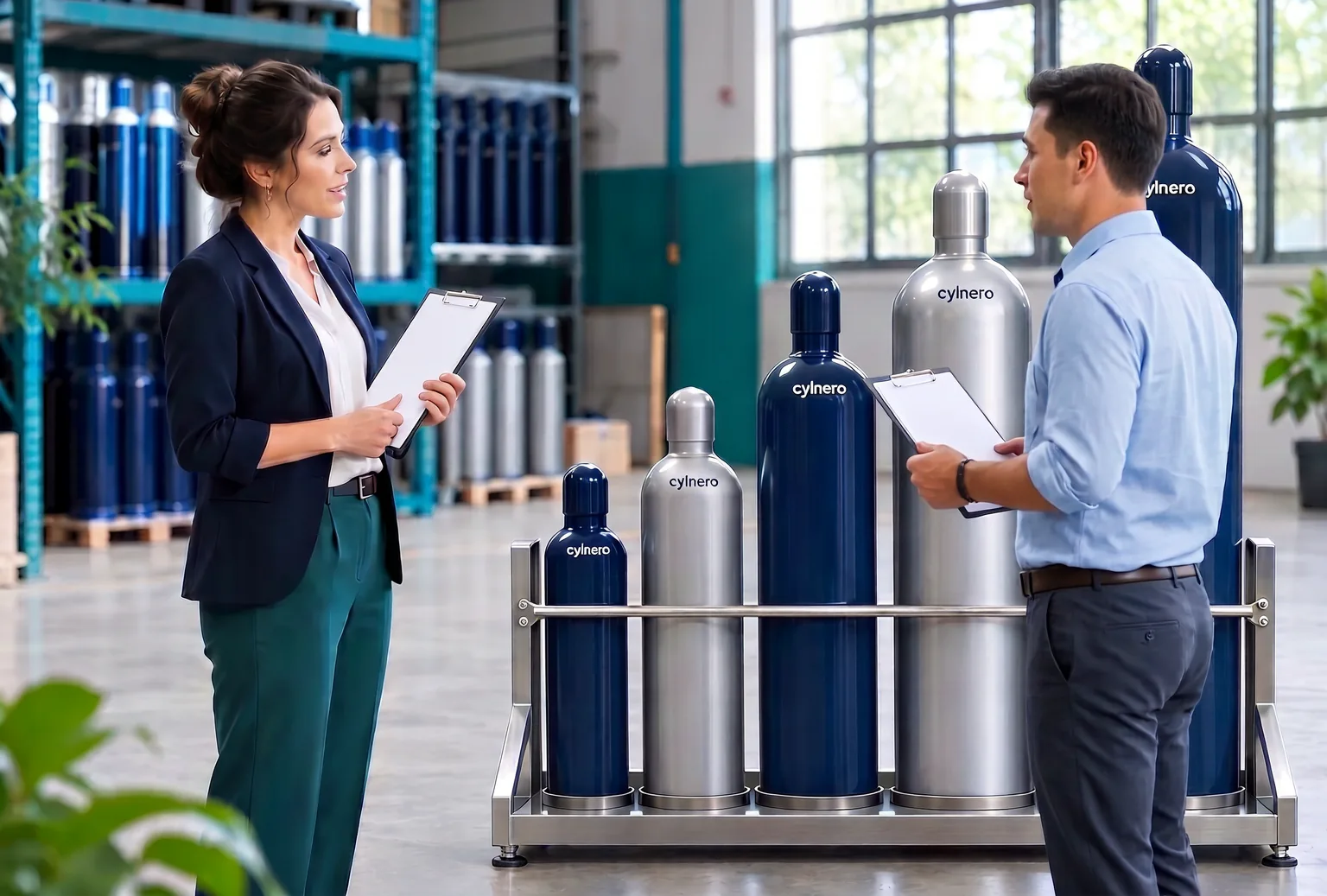
Which gas service and application does the purchase concern? What capacity or equipment-envelope information is already available? Is the buyer requesting a cylinder body or an assembly with a valve and protective components? What physical quantity and destination should the quotation address? These questions can start a useful discussion without requiring a manufacturer model number. If your organization has an existing drawing, connection reference or destination requirement, identify its source and revision; leave the remaining fields open.
Ask the manufacturer to identify the configuration it proposes for each material option and the information available for review. Request a clear description of what the quoted weight and dimensions include, together with the included marking, packing and delivery scope. If a field is not yet answered, record it beside the relevant quotation rather than filling it from a different model. CYLNERO can help coordinate the exchange; the manufacturer identifies the product and commercial terms it proposes.