Wholesale sourcing
Wholesale procurement guide. Exact product specifications and destination requirements are confirmed during enquiry.
Industrial oxygen cylinder hardware
Describe the industrial oxygen application, approximate cylinder quantity and destination. Ask which valve, protective components and oxygen-service documents are included, and list gas supply separately.
Begin by separating the cylinder hardware enquiry from the oxygen gas supply and any equipment integration work. This category is intended for organizations purchasing cylinder hardware for industrial applications. It does not offer a gas filling service or establish that a particular configuration is suitable for an installation. Describe the process or distribution task, the destination and the approximate purchasing quantity when known. A complete model schedule is not required for the first discussion. The purpose of the brief is to make the requested scope understandable enough for a manufacturer to propose a configuration.
Read the full guidance
Define the industrial oxygen purchasing scope
Identify what your organization expects to receive. An offer for a cylinder body, an offer including a specified valve, and an offer involving additional accessories are different commercial scopes. If another organization supplies the valve or gas, state that boundary rather than leaving the quotation team to infer it. Where the boundary is still open, ask the manufacturer to list its proposed inclusions and exclusions. Keep the response beside the purchasing requirement so that later price comparisons refer to the same scope instead of similarly named but different packages.
Use the industrial oxygen series as a starting point for an enquiry, not as evidence that every variation in a broad family is available or approved. The manufacturer must identify the actual configuration it proposes to supply. Your appointed reviewers then assess the requirements relevant to the destination and intended application. If the enquiry is for a medical-gas organization, use the separate medical oxygen procurement page and identify that application explicitly. The industrial category label does not transfer a technical or medical approval from one purchasing context to another.
Start with the details available
For a welding oxygen cylinder enquiry, describe the intended use, approximate quantity and destination. Share an existing regulator or valve outlet reference if known, and leave missing details open. The same approach works for replacement, distribution or equipment projects.
A first enquiry can be concise: name the company and contact, describe the intended industrial application, give the destination and state an approximate quantity if you have one. Explain whether this is replacement purchasing, a new distribution programme or an equipment project. Mention a target purchasing timetable without treating it as an agreed delivery commitment. These details help the manufacturer understand the commercial task. Capacity, pressure and interface details can remain open for discussion when they have not yet been established by the project team.
Read the full guidance
Prepare a useful first enquiry without inventing parameters
If existing equipment or procurement documents are available, identify the references that help explain the request. A previous drawing revision, a connection designation or a description of the installation envelope can be useful context. Distinguish a requirement you want to retain from an example supplied only for comparison. Do not choose a technical value simply to complete a form. An explicit question such as whether the proposed cylinder can be reviewed against an existing equipment reference is more useful than an unsupported claim that the configurations are equivalent.
Organize the enquiry into known requirements, preferences and open questions. For example, a destination may already be fixed while the valve supply boundary remains undecided. Marking artwork may be a preference rather than a mandatory feature of the initial proposal. Ask the manufacturer to respond to those categories separately. This keeps a useful initial brief from appearing more complete than it is, and it gives the purchasing team a practical way to track clarifications. A missing factory model number should not prevent an application-led enquiry.
Review the proposed material
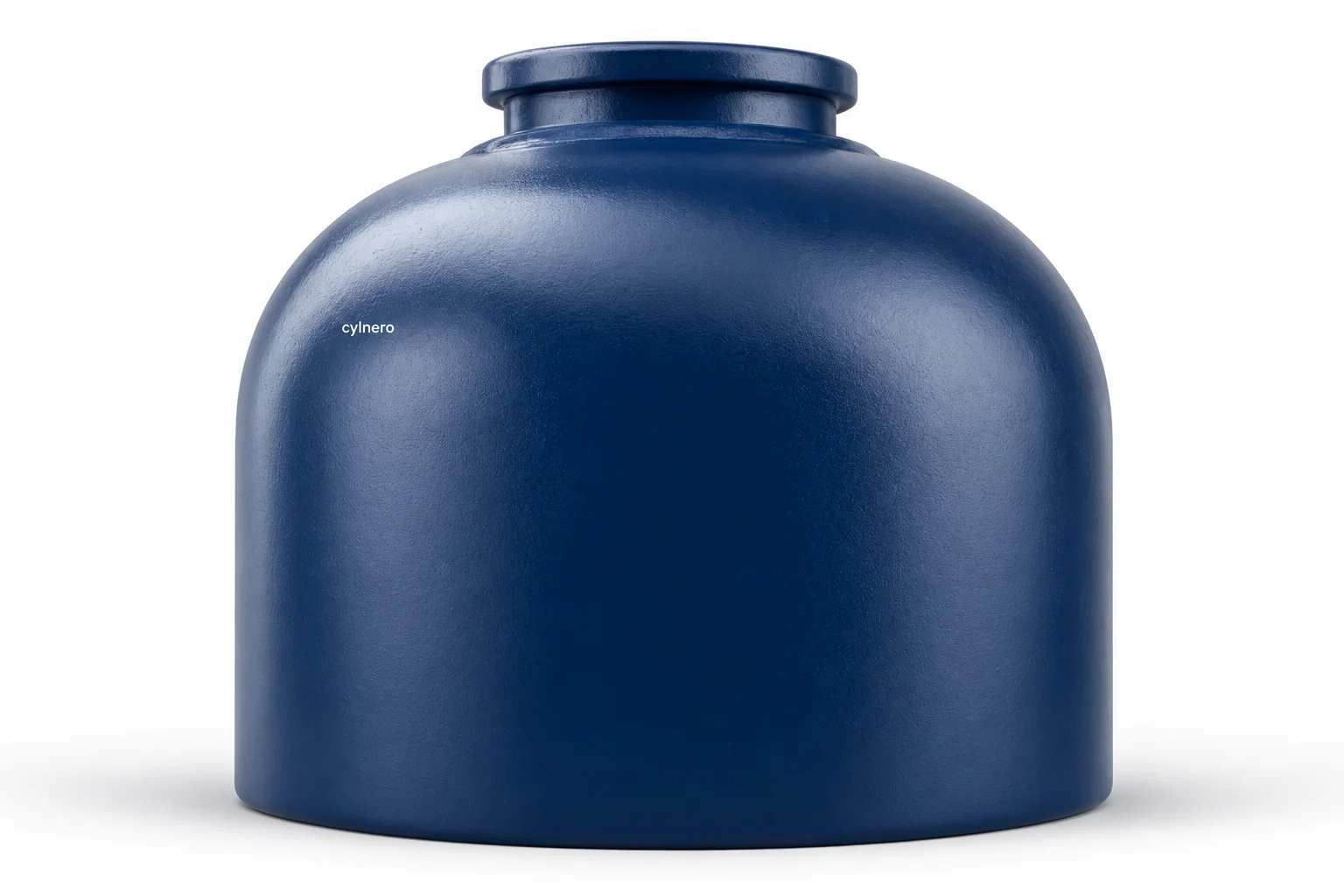
Share the intended industrial oxygen application and any known dimensions or equipment references. Ask the manufacturer to identify the proposed cylinder, material and included components.
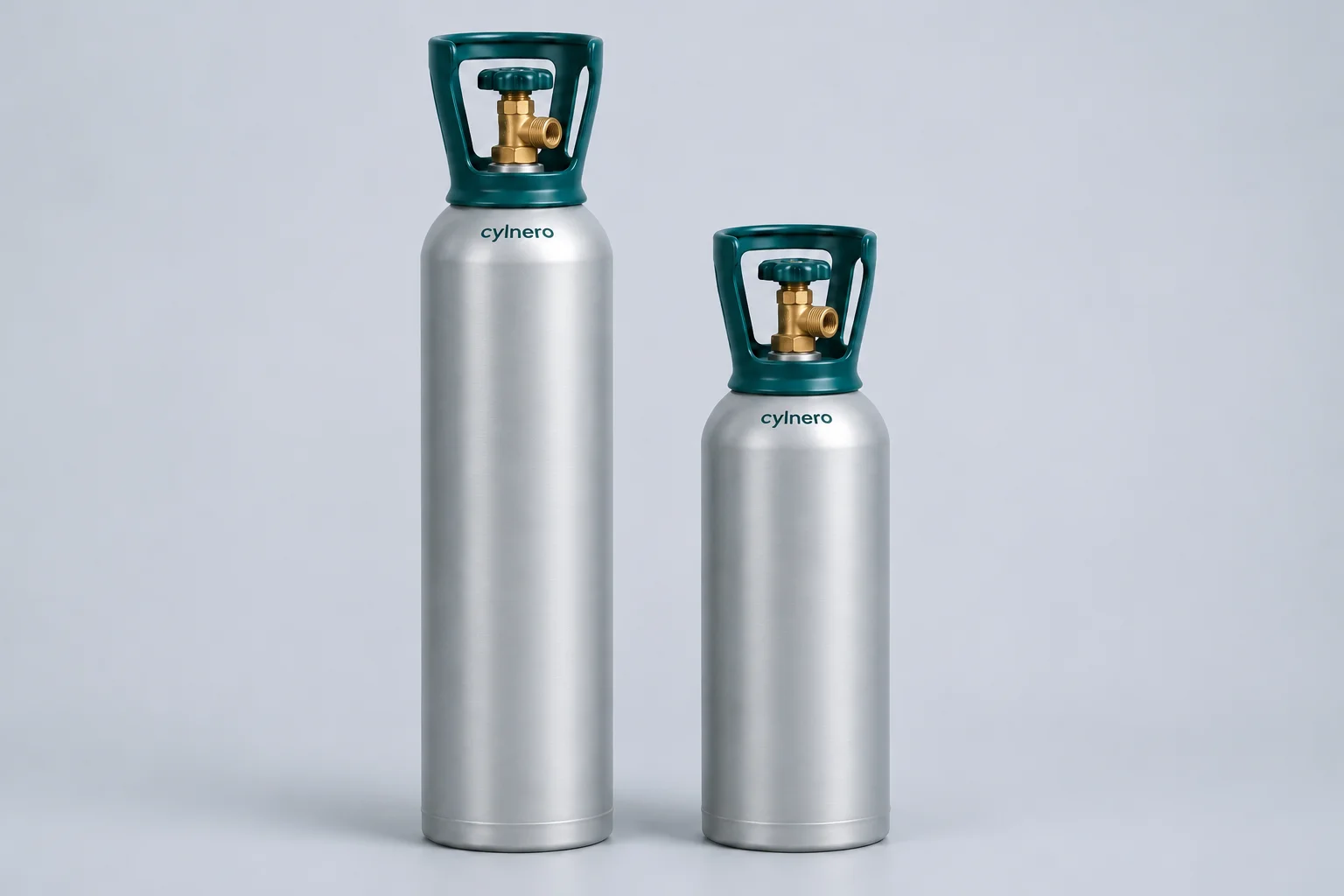
View industrial oxygen cylinder weight exampleWhen a manufacturer proposes a cylinder, ask for the model or configuration reference and the material and construction description that belong to that proposal. Compare the stated scope against the intended gas service and application with your appointed reviewer. A broad steel, aluminum or composite label is not a complete specification. This page does not assign a universal ranking for pressure capacity, corrosion resistance, service life or weight. Where a particular material is preferred, explain the purchasing reason and ask the manufacturer to state what it can actually offer.
Read the full guidance
Review the proposed material and construction as one configuration
If weight or dimensions affect the purchasing decision, request the relevant information for the offered configuration, including the scope of any included components. Distinguish a cylinder-body value from a value that includes a valve, protective components or packaging. Describe the installation or distribution constraint to the responsible reviewer; this guide does not choose handling equipment or give lifting instructions. Keep the requested envelope and the manufacturer's proposed dimensions in separate fields so that an alternative is evaluated as a proposal rather than treated as an automatic substitute.
Where the manufacturer refers to oxygen-service suitability or a particular preparation, ask how that statement is connected to the proposed model and supply scope. Identify the documents offered, any exclusions and any questions requiring further review. Do not infer suitability from the material name, colour or a generic company certificate. If two offers differ in material or construction, compare their actual documented proposals and the work excluded from each. Record the review decision with the configuration revision instead of transferring conclusions between superficially similar series.
Clarify valves and interfaces
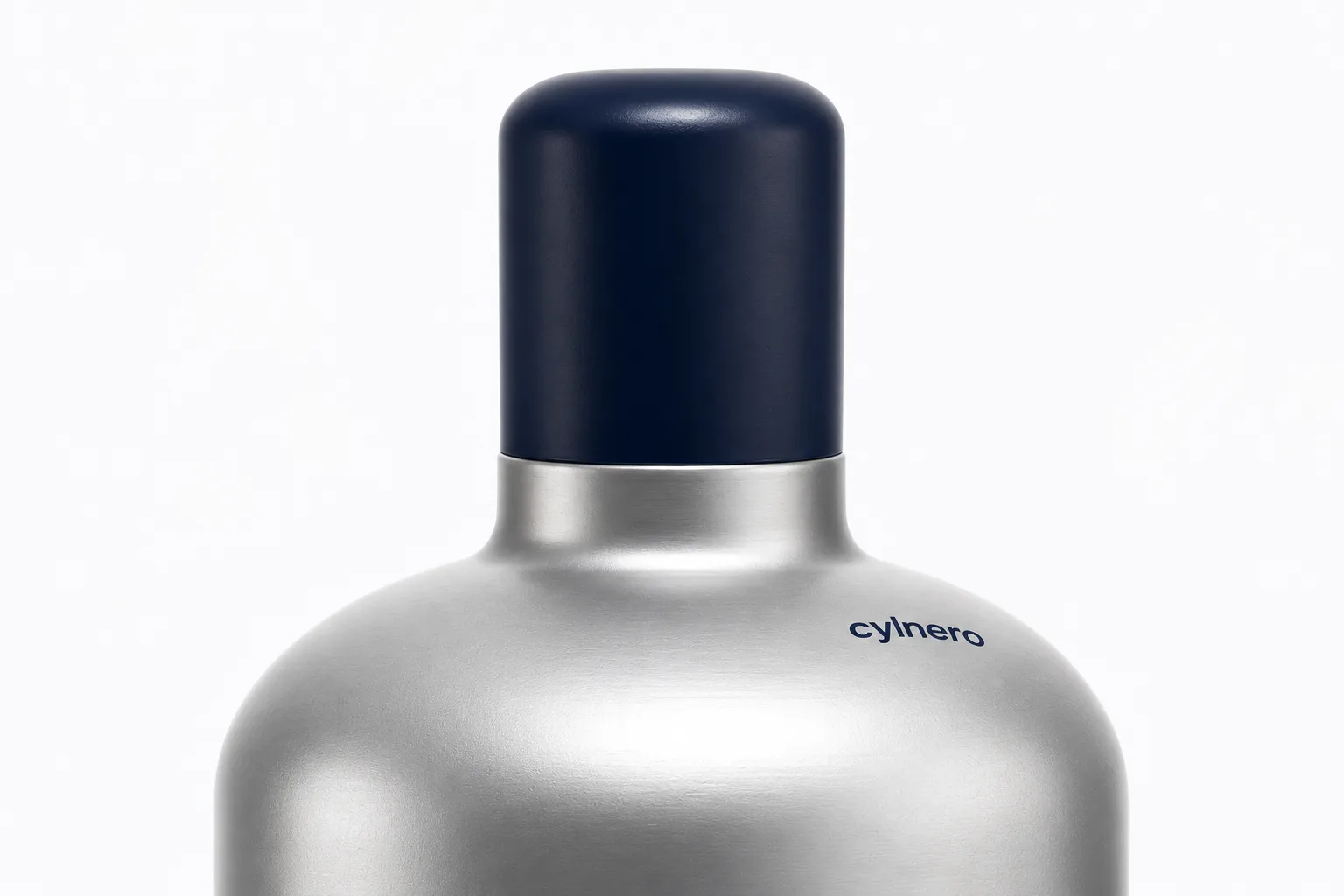
Provide the connection reference for your industrial oxygen equipment if available. Ask which oxygen-service valve, outlet and protective cap are included, and identify any components you plan to supply separately.
Ask whether the quotation includes a valve and, if so, which reference identifies that valve in the proposed configuration. A valve outlet and a cylinder connection are different items to clarify in the purchasing record. Supply existing equipment references when available and identify the equipment owner or reviewer who will assess the interface. If the required connection is unknown, leave it as an open enquiry question. Selecting a familiar connection name or comparing photographs is not a substitute for a documented proposal and the appropriate review.
Read the full guidance
Clarify the valve and equipment interface boundary
Keep the cylinder and valve scope together when comparing quotations. Ask which components the manufacturer supplies, which are excluded and who confirms the complete proposed configuration. This guide does not prescribe a stem material, sealing arrangement or protective device for oxygen service. Such details belong with the manufacturer and the relevant technical review. If a valve is supplied by the buyer or another provider, state that arrangement early and request a clear response about responsibility for the interface rather than assuming that separate catalogue items are interchangeable.
If maintenance support, replacement components or service information matter to the purchase, describe the expected support task and ask what the supplier proposes. Separate a request for information from a contracted service commitment. Record any response time, component availability or service exclusion only when it has been stated for the actual proposal. Do not treat the presence of a service brochure as a guarantee of ongoing support. The quotation comparison should show the included valve, the support scope and any unresolved interface questions beside the commercial terms.
Keep industrial and medical enquiries separate
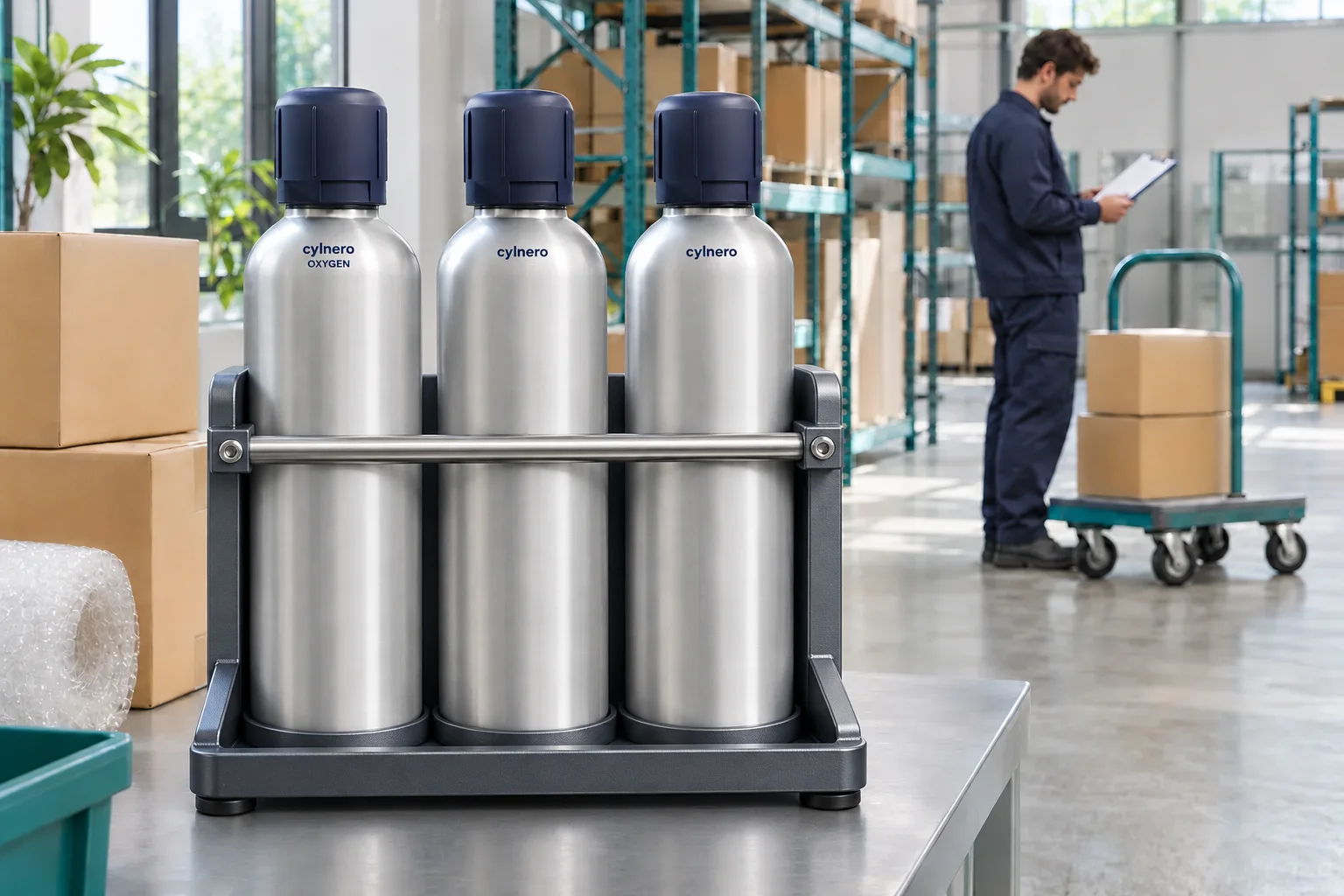
Choose the purchasing context for your enquiry; review the proposed configuration and documents for its intended use.
Industrial entries do not establish medical suitability. Use separate procurement routes for medical-gas contexts. Keep intended application visible throughout revisions. Do not combine documentation into unverified conclusions. Appointed reviewers determine required scope and evidence for actual applications.
An industrial oxygen category entry does not establish suitability for patient care or for a medical-gas programme. If that is the intended context, identify it explicitly and use the separate medical oxygen procurement route. The responsible organization and its appointed reviewers determine the required scope and evidence for that proposal. This website does not decide clinical suitability from a cylinder material, colour, pressure label or image. It also does not claim that every configuration in one broad category either has or lacks a particular approval.
Read the full guidance
Keep industrial and medical enquiries separate
Keep the intended application visible throughout the enquiry, quotation and revision process. If the project context changes, ask the manufacturer and the responsible reviewers to reassess the proposal rather than relying on the previous category selection. A cylinder hardware offer, a gas supply arrangement and an equipment or medical-device proposal are different scopes to identify. Do not combine their documentation into a single unverified conclusion. Where several organizations are involved, record the review owner for each boundary so that a commercial handover is not mistaken for complete-system approval.
The industrial and medical procurement pages can both help organizations organize questions, but neither replaces the actual manufacturer proposal or the reviewers' decisions. Use the related links to reach the appropriate purchasing route and state the application in the requirement field. If you are uncertain which scope applies, describe the organizational task rather than selecting a label merely to proceed. The enquiry can begin with that uncertainty. The final supplied configuration and any required approvals must still be identified and reviewed for the actual intended application.
Ask about delivered-condition records

State any oxygen-service cleaning and preparation requirements in your enquiry. Ask the supplier to describe the proposed delivered condition and the records available for the supplied cylinders and valves.
Read the full guidance
Treat preparation and cleanliness as a documented delivery scope
For oxygen-related procurement, ask the manufacturer to describe the preparation and delivered-condition scope of the offered configuration. The purchasing question is what work is included, what records are proposed and who assesses their relevance. This page does not select a cleaning agent, process temperature, cycle duration or preparation method. If your organization has an existing requirement, provide its reference and ask for a response against that document. If no requirement has yet been established, record the point for the responsible reviewer instead of creating a process instruction from a website example.
Ask how any preparation record identifies the actual model, production lot or supplied units, as applicable to the proposal. A sample record, a general description of equipment and a document for the delivered supply have different scopes. List which of these the manufacturer is offering and when the agreed records would be available for review. If an item cannot be provided during the initial enquiry, ask for a clear response and a decision point. A purchasing team can track that response without interpreting the document as an approval of every possible application.
Clarify how the proposed delivery condition, packaging description and receiving responsibilities relate to each other. Ask which party defines the receipt documentation and how discrepancies in the agreed scope would be reported. These are commercial and review boundaries, not instructions to clean, fill or operate a cylinder. Keep the required evidence and the supplier response beside the quotation so that a later change can be checked. A statement that preparation is included should not be converted into a promise that the delivered cylinder is ready for an unspecified use.
Review destination documents
Share the delivery destination and any known document requirements. Ask which records the supplier can provide for the proposed oxygen cylinder and valve assembly, and identify any questions that need follow-up.
Read the full guidance
Request destination and approval information for the actual offer
State the destination and the intended purchasing context before asking the manufacturer to identify its proposed documentation package. Do not assemble a list of familiar standards and assume they all apply to a cylinder, a transport arrangement and a complete installation in the same way. If your organization already has a specification, provide its reference and edition. Otherwise ask the manufacturer to state the basis of its offer and have the appointed destination reviewer assess the applicable requirements. The initial enquiry can remain open while that scope is clarified.
For each offered document, record the issuer, reference, stated scope and connection to the model or configuration being quoted. Identify whether a document concerns a facility, a design, a production lot or supplied units. A general company certificate cannot simply be substituted for another requested record. If authenticity or applicability needs further checking, identify the responsible reviewer and the route for clarification. This process creates a useful procurement record; it does not mean that a checklist, a logo or a document title proves legal or technical acceptance.
Agree the required delivery documents and any outstanding review steps before accepting the final proposal. If the destination, material, interface or requested service changes during negotiation, ask whether the document package also needs to change. Keep the response with the revised quotation. Do not assume that a previous offer covers every future purchase or market. Where a required document remains unavailable, record that fact and its commercial consequence instead of filling the gap with an unsupported approval statement. CYLNERO coordinates the enquiry; the manufacturer confirms its offered supply.
Keep records for repeat purchasing
Link order references, configurations, and delivery records. Define receiving review responsibilities without prescribing physical inspection procedures. Preserve discrepancy references before requesting clarification. Use previously agreed references for repeat orders rather than relying solely on product family names.
Read the full guidance
Maintain traceability for receipt and repeat purchasing
Link the order reference, agreed configuration, quotation revision and delivery records in the purchasing file. Ask which identifiers connect the supplied cylinders to those records. If a document or item differs from the agreed scope, retain its reference and ask the supplier for a response; any remedy depends on the applicable agreement.
For repeat orders, start with the previously agreed reference and identify changes to the destination, application, valve, marking or packing. Ask the manufacturer to identify changes in its current proposal and records. A familiar series name or appearance does not transfer an earlier review decision to a different configuration; the responsible reviewers assess the new offer.
About this category guide
Industrial oxygen cylinders are presented here as configurable wholesale purchasing series. Start with your industrial application, approximate quantity and destination; a complete model schedule is not required for the first enquiry. The manufacturer identifies its proposed configuration and supply scope, while the buyer and appointed reviewers assess the requirements relevant to that proposal. This guide helps organize those purchasing questions. It does not offer oxygen gas, provide operating or preparation instructions, or establish medical suitability. Technical details and commercial terms are confirmed during quotation.
Compare responses on the same basis
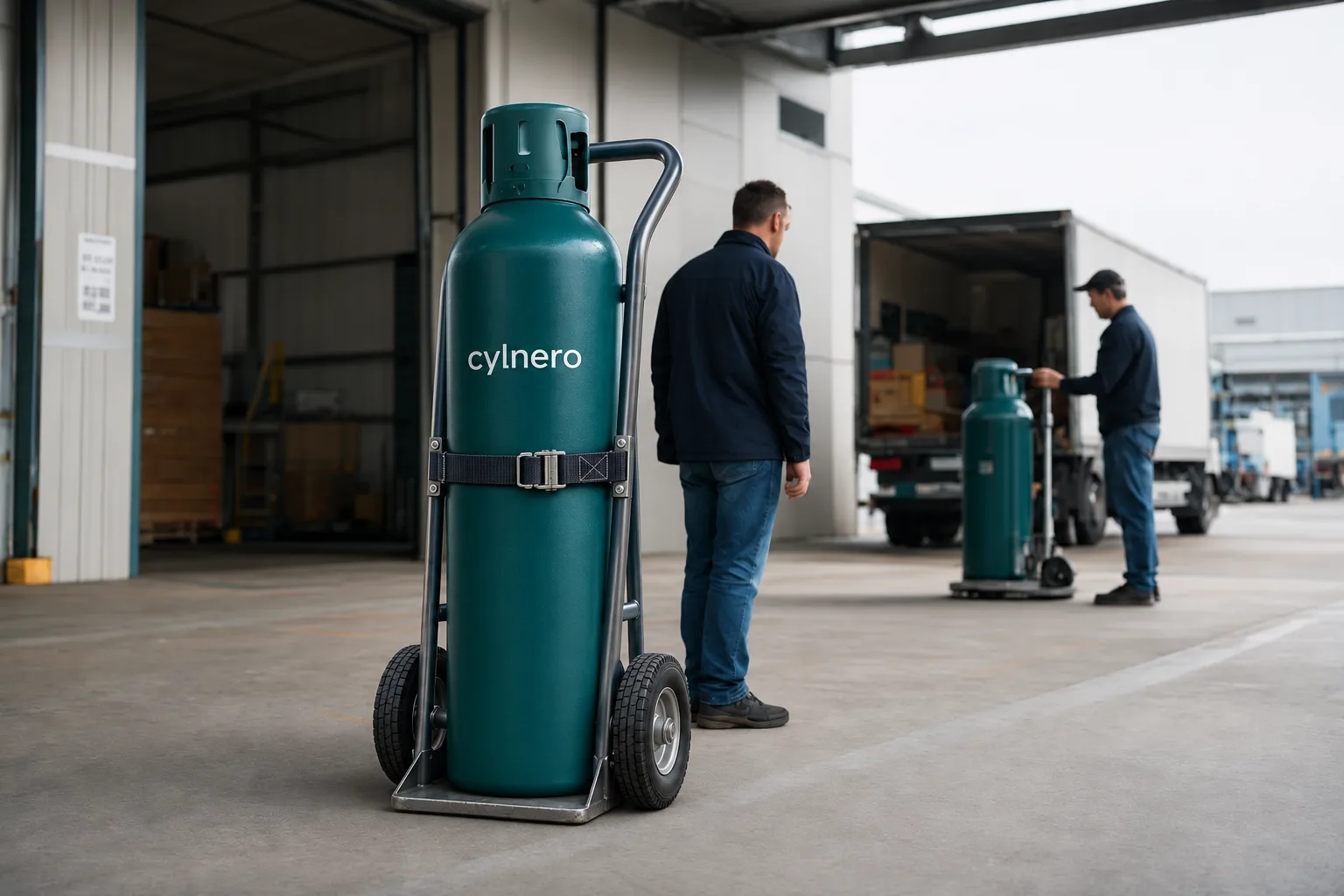
Build the comparison around the same purchasing brief. Use one row for each requested configuration or clearly distinct scope, and list the manufacturer's proposed reference beside it. Include quantity, included valve and accessories, preparation scope, documentation, packaging, delivery responsibilities and exclusions. Keep unresolved items visible rather than treating an empty cell as agreement. This makes it possible to compare what is actually being offered. A lower total or a more complete brochure does not by itself explain whether two quotations cover the same purchasing task.
Read the full guidance
Compare supplier proposals with a common review matrix
Ask the proposed supplier to identify its role in the supply chain and the manufacturer responsible for the configuration. If production, document issue or service work involves another party, request a clear explanation of those boundaries. Company background information and references may be useful due-diligence inputs, but they are not model-specific approvals or proof of future delivery. Record the information actually received and the questions still open. Do not invent a supplier relationship, customer reference or audit result to make a comparison table appear complete.
When a supplier proposes an alternative, ask it to identify the differences from the original request rather than presenting the offer as a like-for-like replacement. A change in material, included components, dimensions or documentation can alter the purchasing scope even if the family name remains similar. Have the relevant reviewers assess those changes and retain their decisions with the proposal revision. Price comparison should follow that scope clarification, not replace it. Keep requests, supplier responses and agreed decisions separate so that a later revision can be checked without reconstructing the discussion.
Quantities and delivery scope
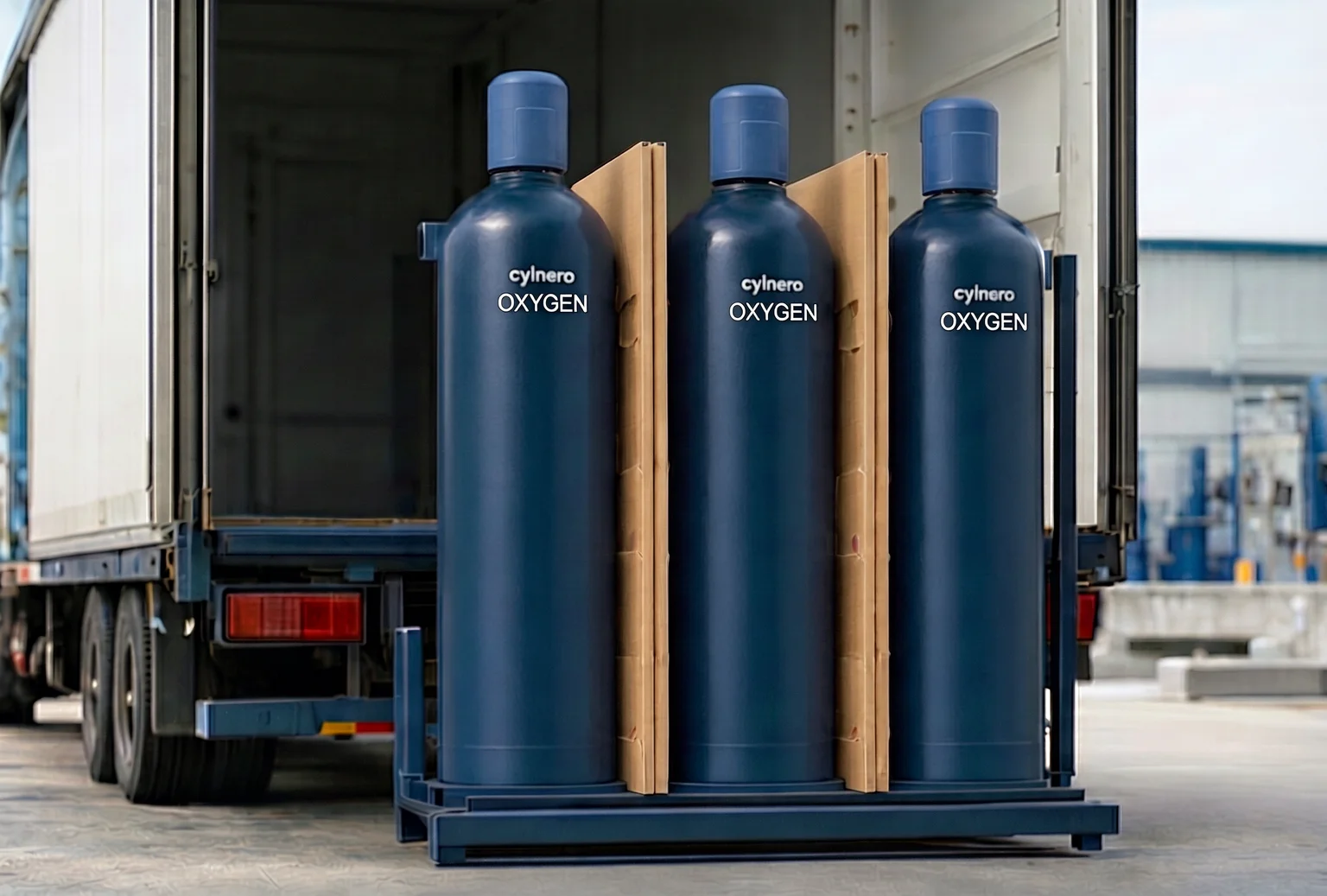
Distinguish enquiry quantities from confirmed purchases. Identify delivery destinations and shipment coordination parties. Clarify packing and delivery scope. Do not assume stock availability or delivery dates. Record commercial responsibilities and discrepancy reporting routes.
Start with the approximate number of industrial oxygen cylinders needed and identify whether the request covers hardware only or also asks about gas filling or other services. For deliveries to more than one site, list the quantity, destination and requested timing for each location. If the purchasing plan may change, describe later quantities as a forecast and ask how a change would affect the quotation. Identify any known receiving constraints and ask the supplier to state its proposed packing, delivery scope and separately priced work for each group.
Read the full guidance
Keep quantities, timing and delivery responsibilities explicit
Compare proposals using the same milestones: when the configuration is agreed, when the supplier expects to dispatch, and when delivery is requested at each destination. Ask which dates are estimates and what information the supplier needs to confirm its proposal. For staged deliveries, record the configuration, quantity and relevant documents for each batch so the receiving team can compare them with the order. Keep responsibilities for shipment coordination and discrepancy reporting with the applicable quotation. If the quantity, packing or destination changes, request an updated offer and retain its revision alongside the earlier version.
Compare quoted cost boundaries
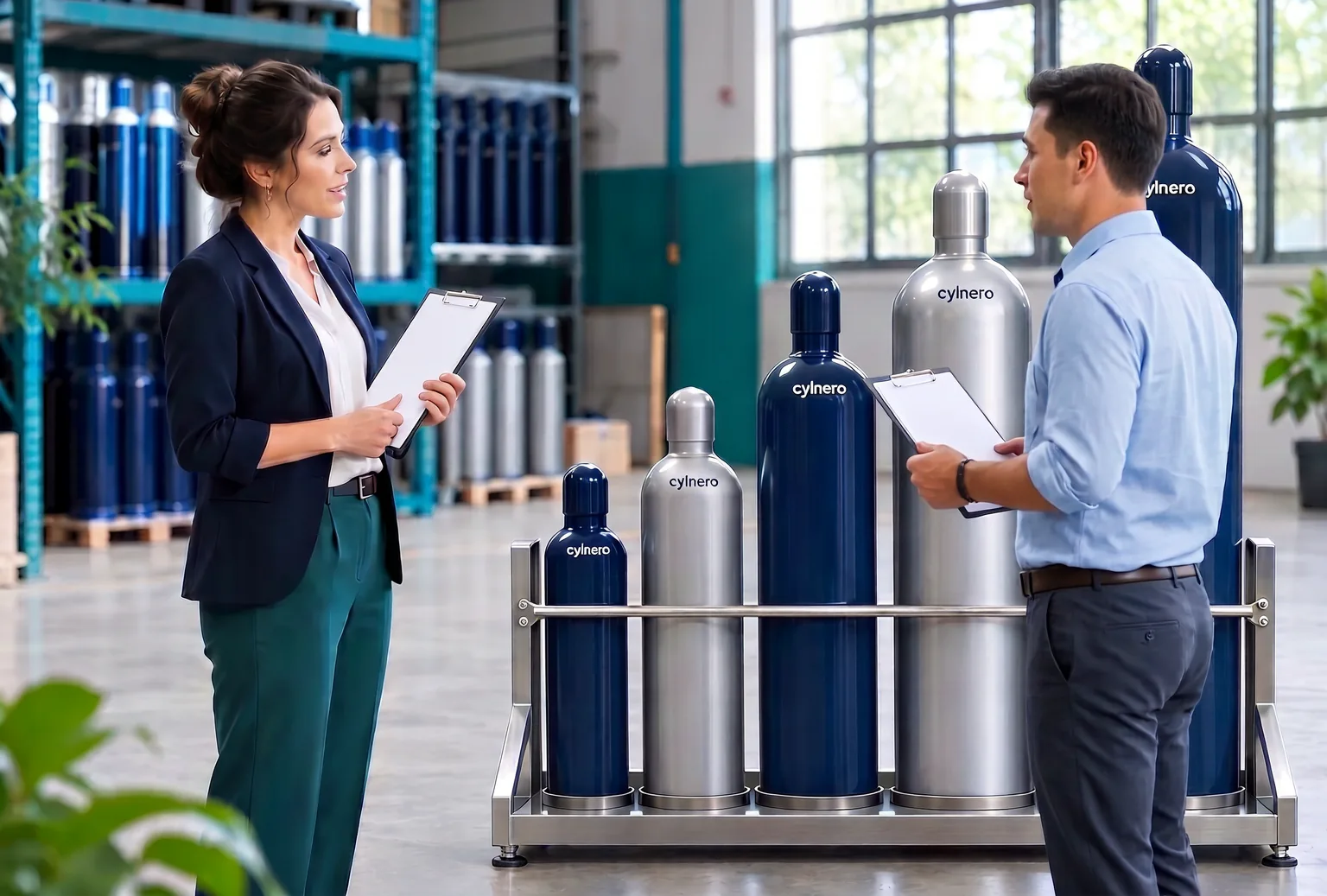
Request cost breakdowns for configurations, components, and documents. Distinguish confirmed quotation items from planning assumptions. Do not invent lifecycle costs or performance advantages. Keep commercial decisions connected to reviewed scopes and revised written proposals.
Ask the manufacturer to identify the quoted cylinder configuration, included components, marking, packing and documents. Record freight, taxes and services only where the proposal states them. If an optional item matters to the purchasing decision, request a separate line or a clear inclusion. Keep the offer reference and its stated currency beside the comparison.
Read the full guidance
Assess the quoted cost boundary without inventing lifecycle claims
Separate confirmed quotation items from your organisation’s planning assumptions. Request support or service information for the actual model, and leave unsupported costs or performance assumptions open. If a discount, quantity or configuration changes, ask which inclusions change with it and retain the revised offer. Price alone does not establish technical suitability or destination acceptance.
Resolve open purchasing questions
Gather unresolved items into a short review list. Assign questions to manufacturers or reviewers. Use website routes for enquiries without placing retail orders. CYLNERO coordinates sourcing while manufacturers confirm configurations and commercial terms for actual supply.
Before a purchasing decision, gather the unresolved items into one short review list. Include configuration identity, oxygen-service statement, interface scope, delivery-condition records, destination documents and commercial exclusions as relevant to the actual proposal. Assign each question to the manufacturer, the buyer or another appointed reviewer. Record the response and the decision that follows it. The purpose is to avoid losing an important scope question among emails or quote revisions, not to create an impression that a generic checklist has certified a product.
Read the full guidance
Manage open questions before accepting the supply proposal
Start with the enquiry route that matches the information you have. Choose the industrial oxygen series if it describes your equipment requirement, or send an application enquiry without selecting a model. Include the intended industrial task, approximate quantity and destination, together with any known drawing or connection reference. Leave unknown parameters open and ask the manufacturer which information is needed next. Keep its proposed configuration, included components and quotation terms alongside your original requirements so that differences remain visible for the next purchasing discussion.
Keep the request reference with the purchasing brief and use the manufacturer's actual quotation for the later supply discussion. CYLNERO coordinates sourcing information; the manufacturer confirms its configuration, commercial terms and contractual supply scope. The buyer and its appointed reviewers assess the requirements assigned to them. That division of responsibilities makes an enquiry useful even when it begins with incomplete information. It also keeps the category guide in its proper role: helping buyers frame a wholesale request rather than replacing the evidence and decisions needed for the eventual purchase.
Related procurement pages
About this procurement guide
Use this guide to prepare your enquiry. Confirm the specifications and supporting documents for the proposed cylinder with the manufacturer.
For standards research, consult the ISO gas-cylinder standards catalogue. The catalogue includes published and withdrawn standards. Check the status, edition, scope and destination requirements with the manufacturer and your appointed technical reviewer. A standards reference does not establish that a listed series conforms to it.
Before placing an order, obtain the proposed model's drawings, configuration, applicable approvals and quotation from the manufacturer. CYLNERO coordinates sourcing; the manufacturer confirms and contracts the agreed supply.
Procurement questions
Does an industrial oxygen category entry establish medical suitability?
For medical-gas applications, use the separate medical oxygen procurement route and tell the supplier the intended destination and use. Ask the responsible organization to assess the manufacturer's proposed cylinder, valve and applicable documentation for that application.
What should the first oxygen-cylinder enquiry include?
Start with the application, destination and approximate quantity if known, together with company and contact details. Share an existing drawing or equipment reference when it helps explain the request. Unknown capacity, pressure, valve or document details can remain open for discussion. Ask the manufacturer to identify the configuration and evidence it proposes instead of inventing values to complete a form.
Which oxygen-service documents should be requested?
Ask the manufacturer to identify the oxygen-service scope and document package of the offered configuration. Explain any established requirement your organization needs to review. Record how the proposed records relate to the model or supplied lot, which items are available and which remain open. The applicable review is specific to the proposal; this page does not prescribe a universal certificate list.
Can steel and aluminum offers be compared using generic pressure or lifespan rules?
Compare actual model proposals and their documented scope. Do not infer a higher pressure capacity, longer service life or review interval from a broad material label. If weight, dimensions or an interface matter to the purchasing decision, request that information for the offered configuration and its included components. Keep the assumptions and reviewer decisions with the quotation revision.
Does this guide set a cleaning method or inspection interval?
It does not prescribe cleaning agents, preparation settings, pressure-test criteria or inspection intervals. Ask the manufacturer to identify its proposed supply scope and have the responsible reviewers determine which evidence and requirements apply to the actual model, destination and application. A record title or example from another cylinder cannot establish the condition or suitability of the offered units.
Can an enquiry start without choosing a model or a quantity?
Yes. The application requirement route allows a sourcing enquiry without selecting a product, and the estimated quantity can be left open. A product-series enquiry is another option when a family is already known. Use the request to describe purchasing priorities and unresolved questions. Detailed configuration, documentation and commercial terms are confirmed during the later manufacturer quotation discussion.