Wholesale sourcing
01 / YOUR APPLICATION
Start with what you know
Application, approximate quantity and destination. Add a drawing or connection reference if you have one.
OEM / MANUFACTURER SOURCING
Find a manufacturer for your gas cylinder purchasing programme. Share the product family, quantity and known requirements; CYLNERO coordinates the discussion while the manufacturer provides its quotation and proposed supply scope.
Swipe to see more sections →
FROM REQUIREMENT TO QUOTATION
Start with the details you know. The configuration can be refined during the enquiry.
01 / YOUR APPLICATION
Application, approximate quantity and destination. Add a drawing or connection reference if you have one.
02 / THE PROPOSAL
Compare the proposed configuration, included components and document scope with your purchasing needs.
03 / THE NEXT STEP
Discuss the quotation, included work and delivery scope with the manufacturer. CYLNERO coordinates the conversation.
CYLINDER HARDWARE / WHOLESALE
Bring together the product family, application, approximate quantity and destination. CYLNERO coordinates questions and responses while the manufacturer identifies the actual configuration, quotation and proposed delivery scope.
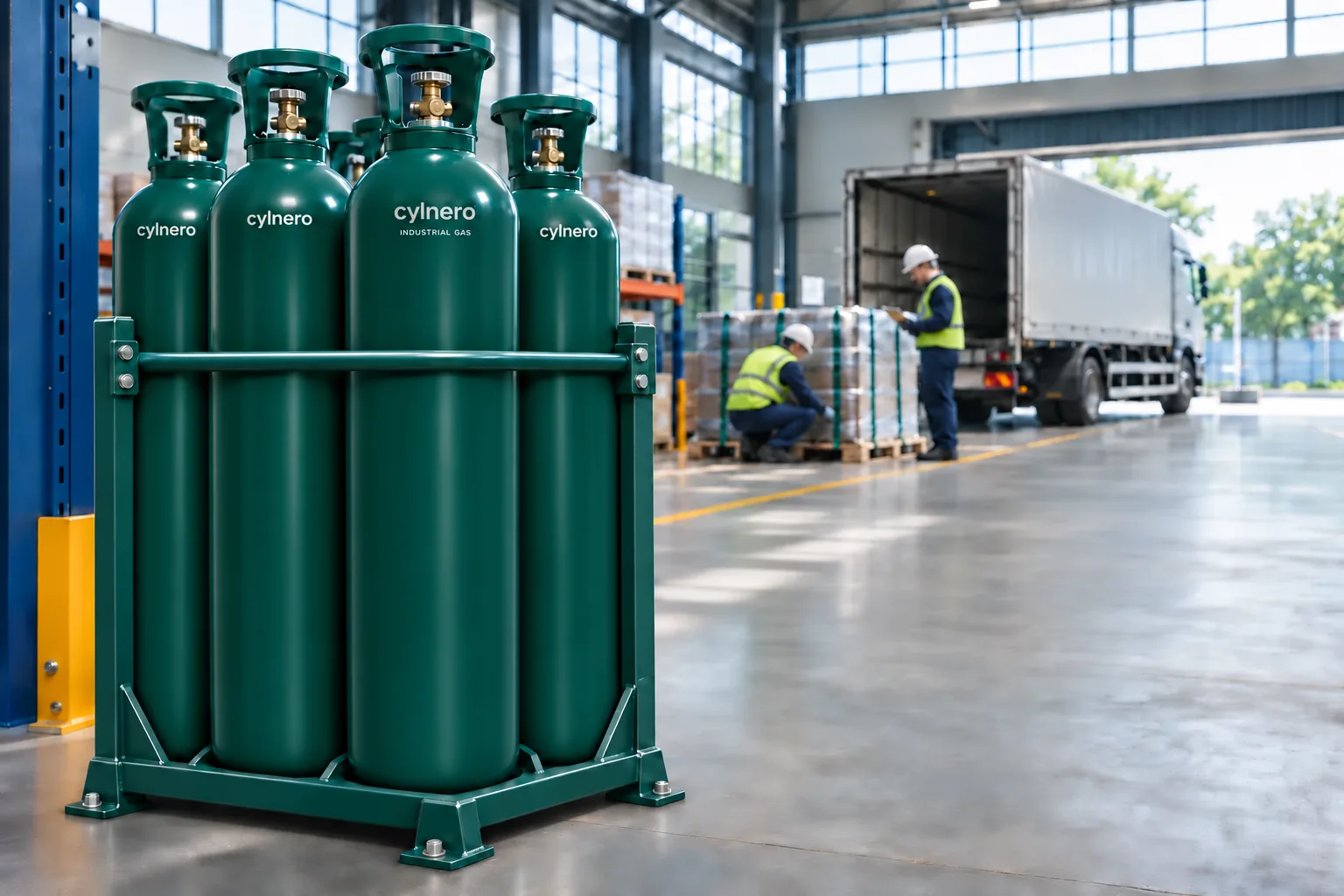
Wholesale procurement guide. Exact product specifications and destination requirements are confirmed during enquiry.
For a gas cylinder wholesale enquiry, describe the intended gas, application, approximate quantity and destination. Add any known drawing, capacity, connection, marking or packing requirements for the manufacturer to consider in its proposal.
When reviewing a gas cylinder manufacturer for an OEM project, begin with the intended application, approximate quantity and destination, then add technical requirements already known. A buyer with an existing drawing can identify its revision and the characteristics it needs to retain. A buyer without one can describe the equipment task and list the decisions still open. Ask the manufacturer what it proposes and which additional information it needs. Keep the manufacturer's configuration response separate from the initial brief. There is no need to invent internal dimensions, wall thickness or another design value before beginning the exchange.
Retain each capacity entry with its original label, unit and source reference. If a buyer document and a manufacturer's proposal use different terminology, ask what each entry describes and which configuration it concerns. Keep water capacity, any stated gas amount and the physical number of cylinders in separate fields. Existing connection references can also be shared when available, while unknown interfaces remain questions for the proposal. Preserve the revision of the requirement and the response so that a later clarification is identifiable, rather than deriving a capacity or design from an assumed catalogue convention.
Share the intended service and any known environmental requirement as purchasing inputs, rather than selecting a material treatment or design value from a generic website description. If the project already has an approved specification, provide its reference and ask the manufacturer to identify the configuration it proposes against it. Otherwise mark unresolved points for the appointed technical reviewers. A complete operating-envelope schedule is not required for the initial sourcing discussion. The manufacturer should describe the data and evidence relevant to its offer, while the buyer's reviewers assess the actual requirements. This guide does not choose a protective treatment, approve a gas/material combination or substitute a general compatibility claim for the configuration-specific review.
Swipe to see all options →
Explore these series as starting points; discuss the requested OEM configuration with the manufacturer.
Start with intended application, gas service, and destination. Ask the manufacturer to identify proposed construction and supporting documents. Distinguish management system certifications from product design evidence. CYLNERO coordinates discussions without issuing certifications or adopting manufacturer capabilities.
Start an OEM material discussion with the intended application, gas service and destination. Ask the manufacturer to identify the proposed construction and the documents supporting its suitability for that task. A buyer may have a required material specification, or may need the manufacturer to propose one for review. Neither situation makes a material category a substitute for a model-specific technical assessment. Preserve any requested and proposed specifications separately so that a later revision does not silently change the accepted scope.
Ask which certification statements refer to the factory's management systems, which refer to a product design, and which apply to the actual model and market under consideration. These are different types of evidence. The manufacturer should explain the scope it can document and identify outstanding requirements. CYLNERO coordinates the discussion; it does not issue certifications or adopt a manufacturer's capability as its own.
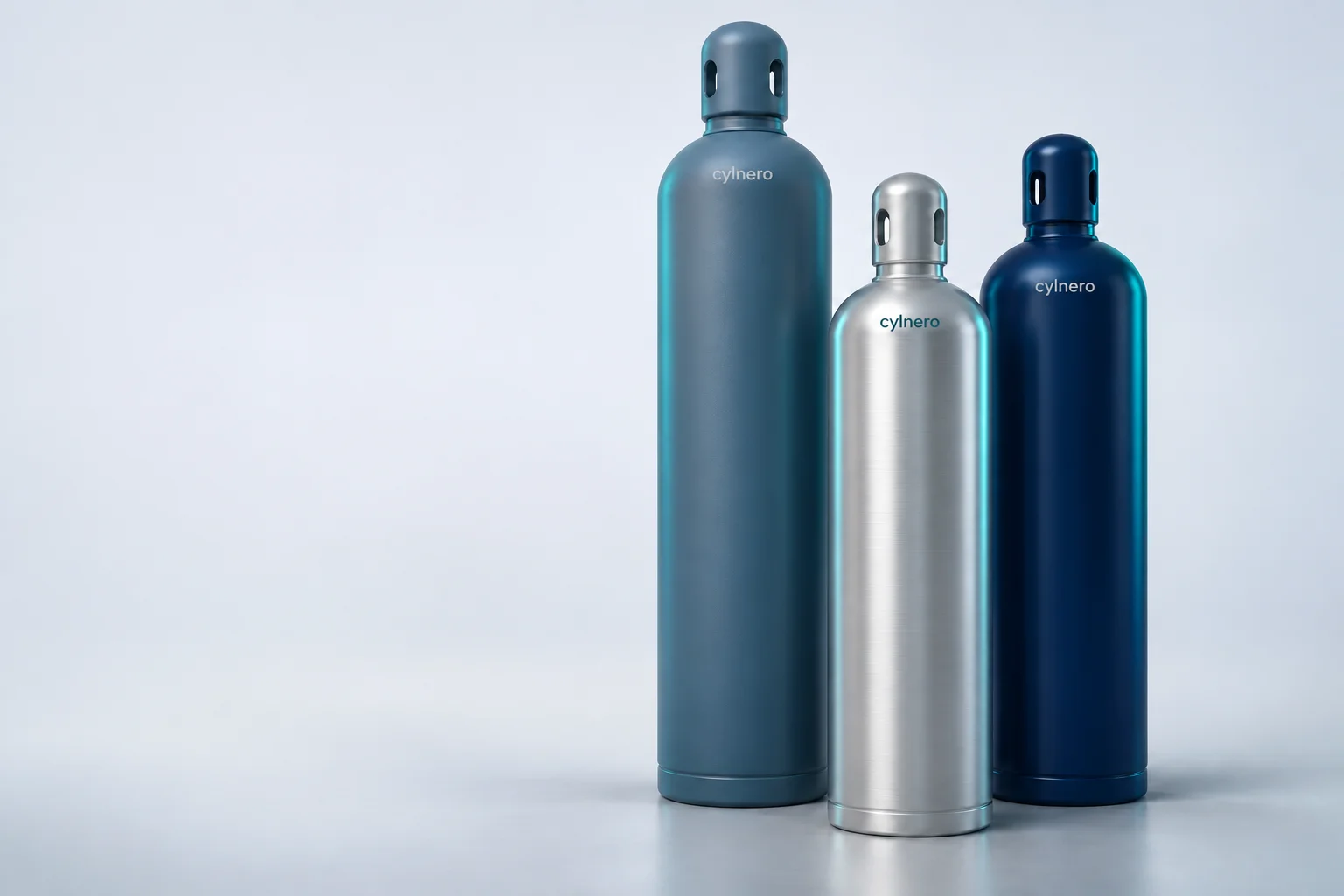
Keep working pressure and test pressure as separately labelled entries with their original units and references. Unknown values can remain open. Ask the manufacturer to identify the offered configuration and its stated conditions for the appointed reviewers.
Record required pressure information as buyer input until the manufacturer has reviewed the proposed application. The technical file should keep working-pressure data, test-pressure data, units, document references and review status distinct. Ask the manufacturer to identify the stated pressure values and their supporting references for the proposed configuration. If the buyer does not yet know a field, mark it for clarification rather than supplying a typical value.
Request the manufacturer's applicable inspection and test-documentation proposal for the actual design. The qualified technical reviewer determines whether the stated evidence addresses the relevant model and project requirements. Procurement can track which records will be supplied at each agreed stage and which questions remain open. This page does not prescribe test methods or authorize testing work. A sample, a test report and an approved production specification also represent different review steps and should not be treated as interchangeable evidence.

Share existing drawings, photographs or equipment references when available, identifying fixed requirements and open questions. Ask which references the manufacturer uses in its proposal. A complete engineering schedule is not needed to begin an enquiry.
Share available drawings or equipment references with their revision and intended status: a fixed requirement, an existing installation reference or background context. Ask the manufacturer which drawing identifies its proposed configuration and which information remains outstanding. The responsible reviewers assess differences between the request and the actual offer. If drawings change during discussion, retain the earlier reference and identify the current response. Their role in the transaction should be understood through the actual arrangements; a category guide does not establish a document's legal effect or require one universal drawing-review meeting.
Where the project already specifies a feature or finish, identify its reference and ask the manufacturer to respond against it. Otherwise request a description of the configuration actually proposed rather than choosing manufacturing details from this page. If a response differs from the requirement, record what changed, the reason given and which reviewers need to assess it. Ask which drawing and quotation revisions describe the alternative. Keep a proposed change distinct from an accepted one, with its supporting information available to the responsible parties instead of assuming that a standard change process applies to every enquiry.
Share existing marking requirements and their source where available, distinguishing product identification from requested branding or artwork. Ask the manufacturer what marking information and method its proposal includes, which configuration the response describes and what supporting information it offers. If a layout example is supplied, keep it labelled as an example until its relationship to the actual offer is clarified. The responsible technical and destination reviewers assess the relevant questions. This guide does not select marking dimensions, prescribe a permanent-marking process or impose a particular test or engineering analysis on every proposal.
If a sample would help the purchasing review, ask what purpose and configuration the manufacturer proposes. Keep any sample scope, cost and proposed review points separate from the production quotation. An example does not establish the delivered configuration.
If a sample would help a purchasing decision, explain the question you want it to address and ask whether the manufacturer proposes a relevant option. Compare the sample's stated configuration, included components, cost and proposed timing with the production enquiry. Record differences and which decisions remain open. A supplier may offer an example, a project-specific sample or information requiring further clarification; these are different responses. Ask the responsible reviewers how any sample relates to the later supply rather than treating its appearance or availability as validation of every production unit or removal of purchasing risk.
If samples or prototypes are proposed, ask the manufacturer to describe the purpose of the sample, its configuration reference and the evidence it offers for review. Your appointed reviewers determine what assessment the actual purchasing task requires. Do not infer a universal stress, leak or compatibility test programme from this page, and do not treat a sample's appearance as proof of every production unit's condition. Agree the proposed sample scope, cost and review point before it is commissioned. If the sample differs from the later supply, ask how that difference will be documented and assessed. A sample review can inform the purchasing decision, but it does not automatically approve an unreviewed configuration or guarantee subsequent delivery outcomes.
During the sample evaluation, assess the manufacturer's ability to provide detailed test reports. These reports should include the specific test conditions, results, and any deviations from the expected values. The clarity and completeness of the test reports are a good indicator of the manufacturer's quality management system. If the reports are vague or incomplete, request clarification and additional data. This level of detail is essential for making informed decisions about the supplier's capability and reliability.
Share any existing project review requirements and ask which documents or additional work the manufacturer proposes. Identify timing, scope and responsible contacts. Keep requested inspection or review services separate from items actually included in the offer.
Organize the project's known review requirements beside the manufacturer's proposed information and activities. A useful record identifies the configuration concerned, the question to be answered, the document or work proposed and the party expected to respond. Distinguish information available during enquiry from later production or delivery records. If a requested activity is not included, keep that gap visible with its possible commercial effect. This page does not choose manufacturing inspection stages or acceptance thresholds; the actual proposal and appointed reviewers establish the subject of assessment rather than a generic quality-plan template.
If the purchasing programme requests an independent review, ask which provider would perform it and what the proposed activity covers. Clarify the configuration, access arrangements, timing, deliverables and commercial terms before treating it as part of the offer. Keep a requested audit, document review or witness activity distinct from services the manufacturer has agreed to include. Ask how comments or unresolved findings would be recorded for the responsible reviewers. The existence of an additional review arrangement does not establish an unlimited assurance about production or every later delivery, and CYLNERO's coordination role does not itself supply an inspection service.
Agree the proposed inspection and acceptance scope with the manufacturer and your appointed reviewers for the actual transaction. Distinguish the records available at enquiry, any proposed pre-delivery review and the documents expected with the supplied units or lot. Ask who performs each agreed activity, what it covers and how unresolved findings affect the offer. If audit or witness access is requested, negotiate the arrangements rather than assuming an unconditional right or an included service. Record the accepted responsibilities, exclusions and reporting route in the relevant agreement. CYLNERO can coordinate questions and responses; neither that coordination nor this page certifies a product or determines a contractual remedy.
Ask how the proposed model, configuration, production batch or individual cylinder will be identified and linked to its supporting records. Share any known project traceability requirements and clarify which records are included in the quotation.
Ask the manufacturer how its proposed cylinders and supporting records would be identified. Clarify whether each reference concerns a model, configuration revision, material or production batch, delivery lot or individual unit, where applicable to the offer. Share any project identification requirement and keep its status beside the response. The appointed reviewers assess whether the proposed records address the actual supply. An example identifier or label is not a completed delivery record. This guide does not impose one serial-number structure, permanent-marking method or universal connection between every component and record.
If the purchasing programme requires a digital identifier or record format, share the requirement and ask which items and documents it would cover. Where a digital service is proposed, clarify its operator, contents, access controls and what happens if the service changes. Review retention and sharing needs for the actual order; do not assume a secure portal or a universal period of access. Keep requested records distinct from agreed deliverables and link document responsibilities to the accepted configuration.
When comparing gas cylinder manufacturers, ask each to identify capabilities and supporting evidence relevant to the proposed configuration. Keep general company information separate from product-specific records; this page does not establish a supplier audit or qualification.
Gas cylinders are subject to regulatory requirements that vary by country, region, and application. You must ensure that the products you source comply with the relevant standards and regulations applicable to your jurisdiction and use case. Specify the applicable standards in your purchase order and request that the manufacturer provide evidence of compliance, such as certificates of conformity, test reports, and registration numbers, if required. Non-compliance can result in legal penalties, safety risks, and operational disruptions, but the specific consequences depend on the nature of the non-compliance and the applicable regulations. It is essential to verify that the products meet all applicable requirements, but this must be done in the context of your specific project and regulatory environment. The regulatory landscape is complex and requires careful navigation to ensure full compliance.
If the buyer's supplier-review process requests an audit or follow-up assessment, share its purpose and requirements with the proposed manufacturer. Ask what information, access or activity can be offered for the contemplated scope, and identify any limitations or separate charges. Keep company-level review information distinct from evidence about a particular cylinder configuration or delivery. Record the findings actually supplied and the questions still open for the appointed reviewers. An audit schedule or completed checklist does not establish continuing product conformity, future performance or a general qualification result through this sourcing page.
Identify destination and application early. Ask manufacturers which product evidence they can supply for that scope. Do not assume standard names establish acceptance. Keep model, configuration, and document revisions connected. Sourcing coordinators cannot replace regulatory approval or confirm import eligibility.
Identify the intended destination and application early, then ask the proposed manufacturer which product evidence it can supply for that scope. Do not assume that a standard name, a factory certificate or a document from another model establishes acceptance in every market. Keep the actual model, configuration, document revision and any stated limitations connected in the review record. Where information is missing, the quotation should show the unresolved point rather than presenting an unqualified compliance claim.
The buyer and the relevant qualified reviewers need to determine the requirements applicable to their project and assess the manufacturer's response. A sourcing coordinator can collect questions, track documents and arrange clarification, but cannot replace the approval of the responsible technical or regulatory parties. If the intended use or destination changes, reopen the evidence review instead of carrying an earlier conclusion into the new scope. No certification or import eligibility is confirmed by the generic OEM sourcing content on this page.
OEM gas-cylinder sourcing begins with the purchasing task, the proposed manufacturer's scope and the questions that need review. CYLNERO coordinates enquiries and supplier responses; manufacturers confirm their quotations, contracting scope, production and delivery. You can begin with the intended application, approximate quantity and destination, adding known drawings or specification references where available. A complete model or parameter schedule is not required at the first enquiry. This guide helps organize configuration, document, sample and commercial questions without promising stock, certification, a qualified supplier or a technical outcome. Customer-registration arrangements, product warranty and delivery responsibilities remain distinct matters for the actual agreements.
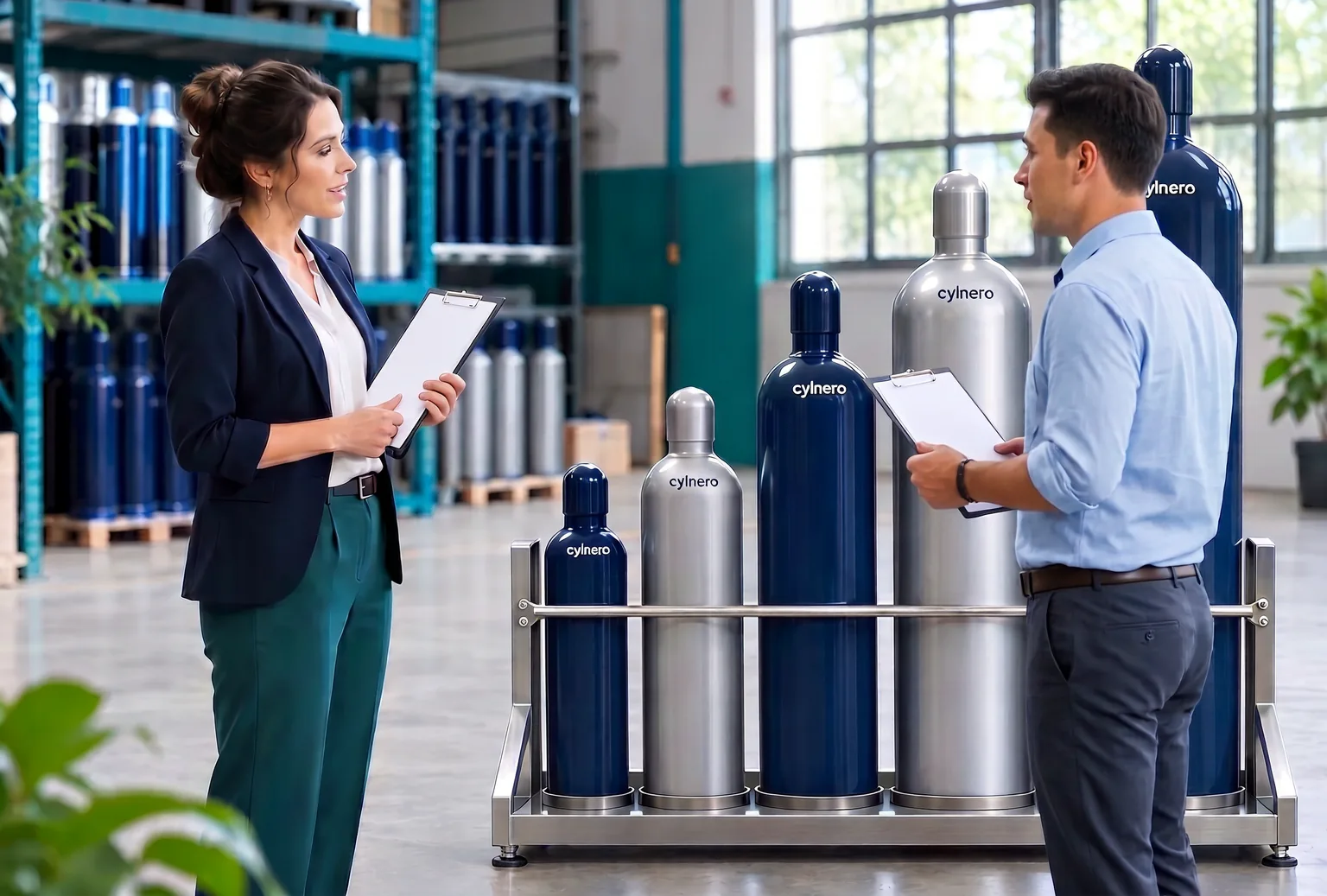
Check who issues the quotation and which equipment, packing and delivery tasks it includes. Record the named destination, exclusions and contacts for any questions before comparing offers.
Define the parties and responsibilities in the actual transaction documents. The manufacturer is responsible for the scope it formally confirms, including quotation, contracting, production and delivery arrangements. CYLNERO's sourcing and coordination role should be stated accurately. Keep the buyer's requirement record, the manufacturer's quotation and the final agreed specification aligned so that a technical clarification does not become an unrecorded commercial commitment.
Sample approval, changes, payment, delivery, acceptance, warranty and dispute provisions require agreement by the responsible parties. Ask the appropriate commercial and legal reviewers to resolve the wording rather than relying on a website summary. Customer protection arrangements take effect only under written confirmation and applicable agreements; a target protection period is not an automatic entitlement. Maintain the relevant versions and approval references in the private project file, not in public product metadata. This page describes coordination questions and does not provide a legal determination or promise contractual outcomes.
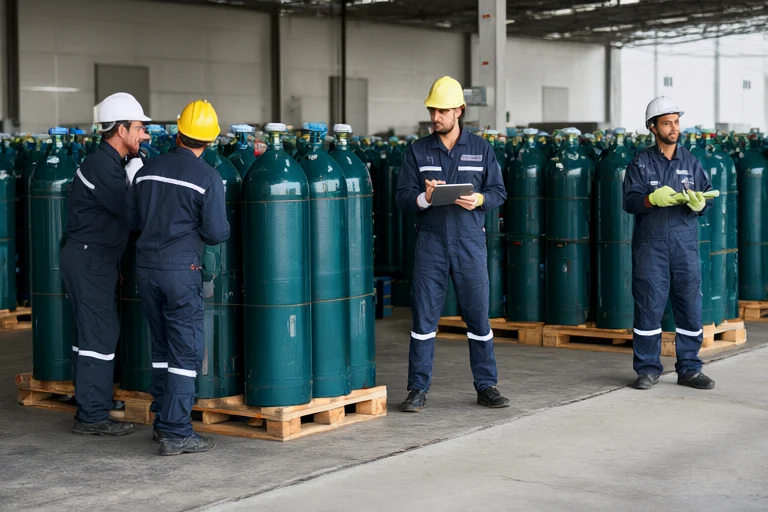
Give the intended destination and known receiving constraints. Ask which packing and delivery tasks the offer includes, with their proposed charges and timing. Keep trade terms, exclusions and unanswered shipment questions beside the quotation.
Give the manufacturer the intended destination, quantity and any known receiving constraints. Ask it to identify the packing, freight and delivery tasks included in the quotation, together with separate charges or exclusions. If the offer uses a trade term, retain the wording, edition and named place with that quotation for commercial review. For deliveries to multiple locations, list the quantity and requested destination for each line. Clarify who will provide shipment information, packing details and the documents needed by the parties arranging delivery.
Compare proposed schedules at the same milestones: manufacture, readiness for dispatch, shipment and requested destination delivery. Keep each date with the configuration and quantity it describes, and distinguish an estimate from an agreed term. Ask the manufacturer and logistics provider what information they need about the actual supplied condition and destination to prepare their proposals. When a destination, packing requirement or quantity changes, request a revised quotation and identify which earlier terms still apply. Retain unresolved transport, document and receiving questions beside the offer so the appropriate parties can respond before an order is placed.
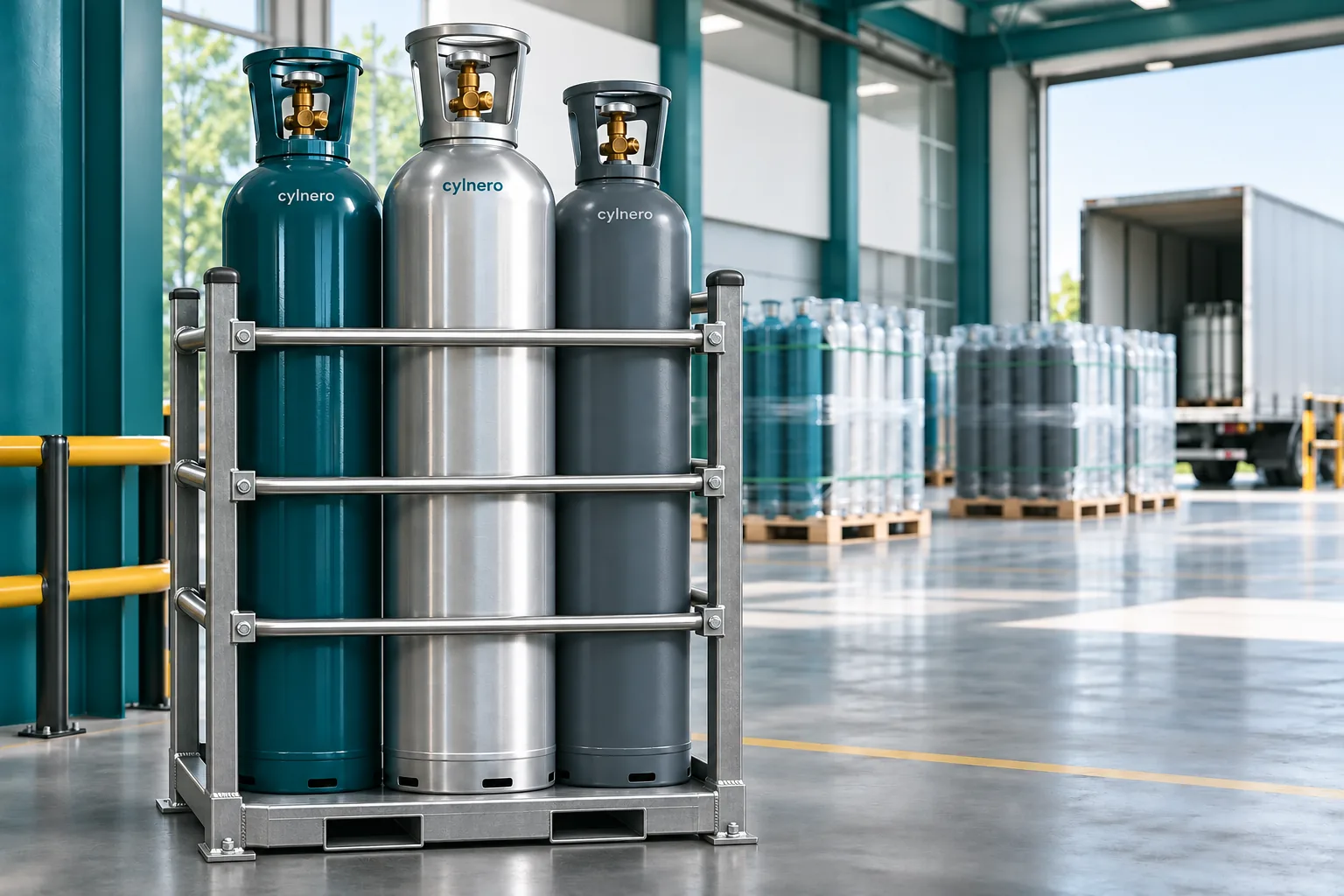
List questions that still depend on a manufacturer or reviewer response, including configuration, documents, components and delivery. Keep each answer with the applicable proposal revision. An alternative source needs its own scope and evidence review.
Procurement risk management involves identifying potential risks and developing strategies to mitigate them. Common risks include supply chain disruptions, quality failures, and price fluctuations. Develop a contingency plan that outlines the actions to be taken in the event of a risk materializing. This may include sourcing from alternative suppliers, maintaining safety stock, or negotiating flexible contract terms. A well-defined contingency plan helps you respond quickly to unexpected events and minimize the impact on your operations. The risk assessment should be updated regularly to reflect changes in the market and your business needs.
Monitor your suppliers' performance regularly and use key performance indicators to assess their reliability. Metrics such as on-time delivery, defect rate, and responsiveness to issues can provide valuable insights into supplier performance. Use this data to make informed decisions about your supplier relationships and to identify areas for improvement. Proactive risk management helps check whether your procurement process is resilient and capable of adapting to changing conditions. It also helps you build a sustainable supply chain that supports your long-term business goals. The KPIs should be agreed upon with the supplier and reviewed in regular performance meetings.
Use this guide to prepare your enquiry. Confirm the specifications and supporting documents for the proposed cylinder with the manufacturer.
For standards research, consult the ISO gas-cylinder standards catalogue. The catalogue includes published and withdrawn standards. Check the status, edition, scope and destination requirements with the manufacturer and your appointed technical reviewer. A standards reference does not establish that a listed series conforms to it.
Before placing an order, obtain the proposed model's drawings, configuration, applicable approvals and quotation from the manufacturer. CYLNERO coordinates sourcing; the manufacturer confirms and contracts the agreed supply.
CYLNERO acts as a sourcing and coordination channel rather than presenting this page as owned inventory. Ask the proposed manufacturer to identify its actual supply basis, configuration and schedule. Do not infer that a factory or logistics provider holds a particular quantity from this website. Stock, production availability and delivery conditions remain matters for the manufacturer's current offer.
Ask the manufacturer and any proposed logistics provider to identify the shipment arrangements included in their offer, then have the responsible parties confirm the accepted scope. CYLNERO coordinates the exchange of purchasing questions and responses. A sourcing enquiry does not automatically allocate freight, transport documentation or receiving responsibilities; keep those points visible in the actual transaction agreement.
Yes, ask whether the manufacturer proposes a sample or prototype and what that offer includes. Clarify its configuration reference, purpose, cost, documents and proposed review point. The relevant reviewers determine the assessment needed for your programme. This page does not guarantee sample availability, assign its price or prescribe a testing procedure, and sample acceptance does not automatically approve every later unit.
Ask the manufacturer which documents support its proposed configuration and how they relate to the model, material or supplied units. Your appointed technical and destination reviewers identify which evidence is needed for the actual purchase. Distinguish examples from delivery records and preserve open questions. A certificate title or collected document set does not itself establish product conformity or acceptance.
No. Share a known requirement or specification reference if available, and leave unknown parameters open for the manufacturer's proposal. Working pressure and test pressure remain distinct fields; this page does not infer a ratio, prescribe a test or authorize operation. Before accepting the actual configuration, have the relevant reviewers assess the manufacturer's stated values and supporting scope.
No. Customer-registration or channel-protection arrangements require the relevant written manufacturer confirmation and applicable agreement; a website enquiry does not activate a fixed period. Keep this commercial arrangement separate from product warranty, acceptance and quality-issue terms. Ask the responsible parties and contract reviewers to confirm the actual scope, effective conditions and period. This page does not determine legal effect or promise protection outcomes.
Use these guides to describe your purchasing scope. A related application is a starting point for discussion; it does not establish that a particular configuration is approved or suitable.
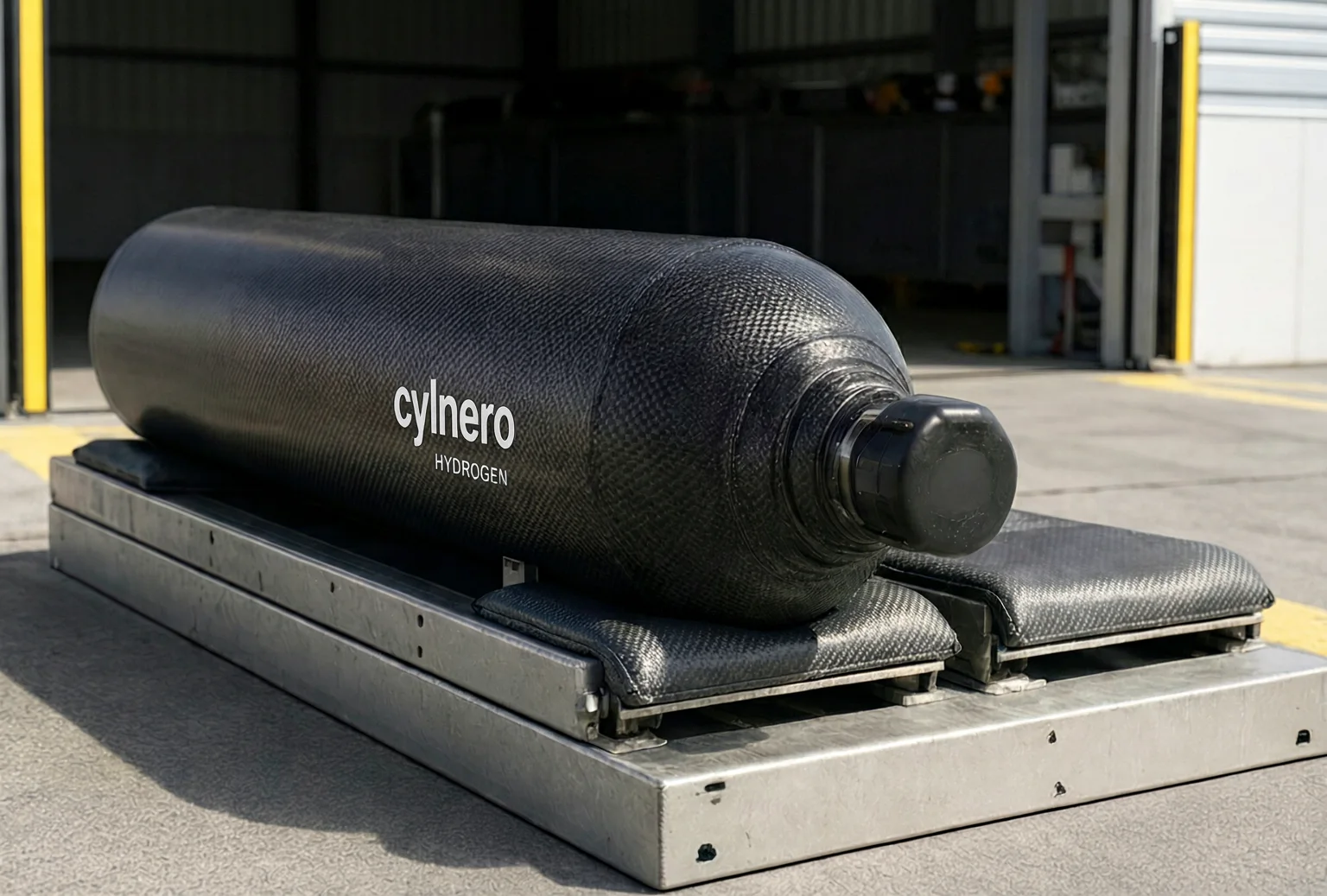
Hydrogen equipment OEM purchasing teams can use this page to organize configurable cylinder-series enquiries and repeat-order discussions.
Review purchasing priorities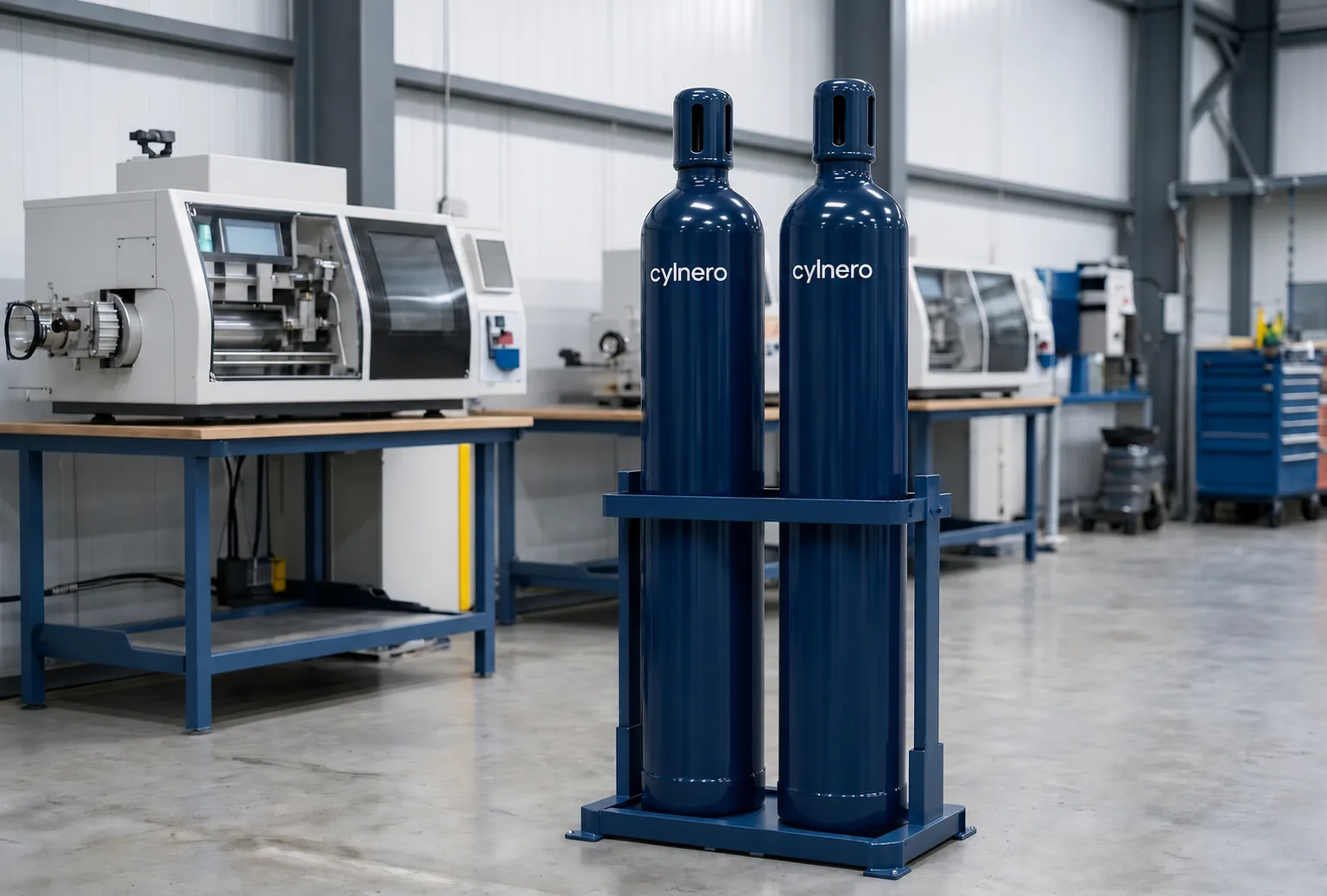
Industrial equipment OEMs can prepare cylinder or vessel enquiries around their equipment requirements, purchasing schedule and available interface information.
Review purchasing priorities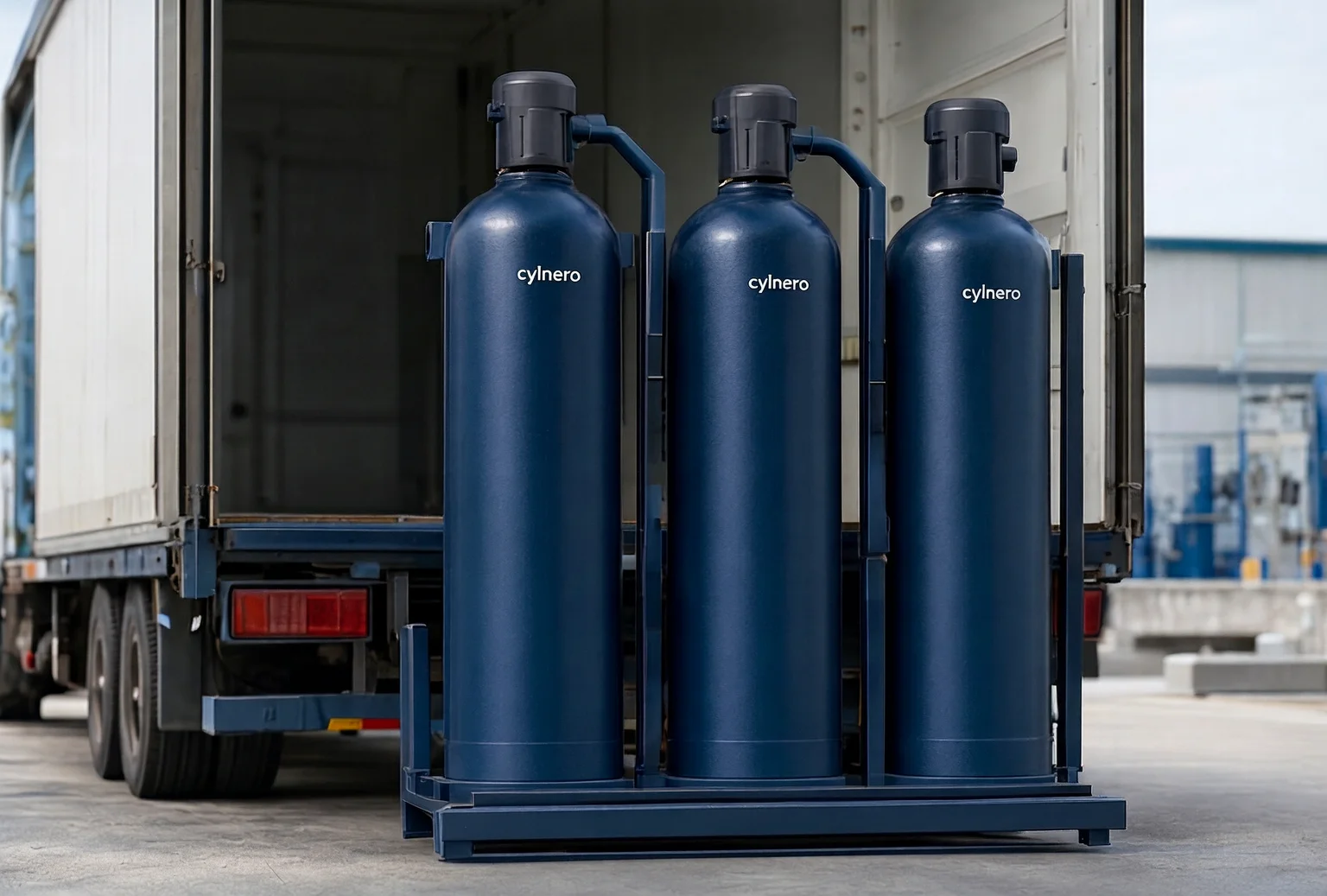
Gas cylinder importers can organize mixed product-family enquiries, destination requests and purchasing quantities before selecting detailed manufacturer configurations.
Review purchasing priorities