 Wholesale sourcing
01 / YOUR APPLICATION
Start with what you know
Application, approximate quantity and destination. Add a drawing or connection reference if you have one.
 View larger ↗
 Series view
 Exterior finish
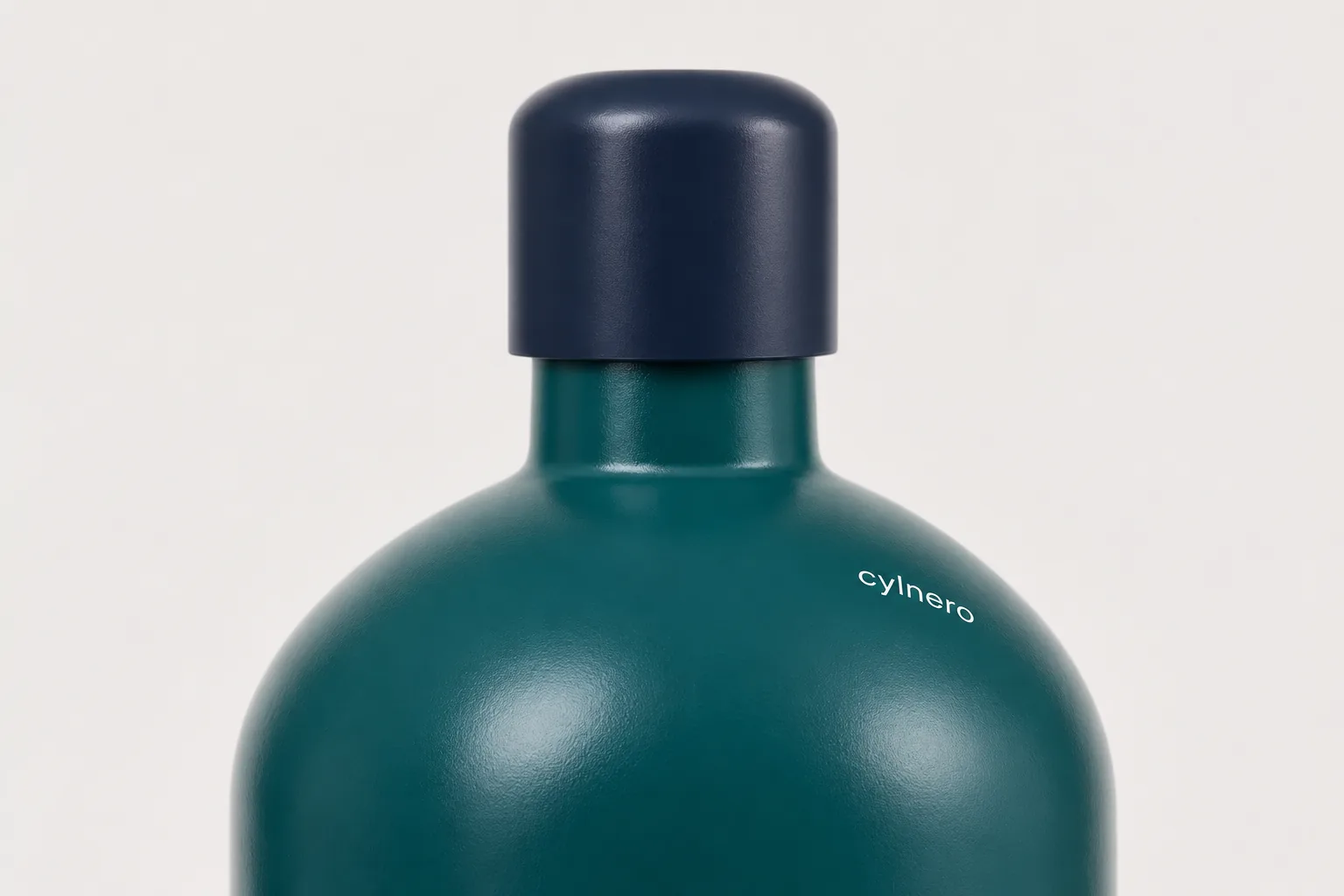
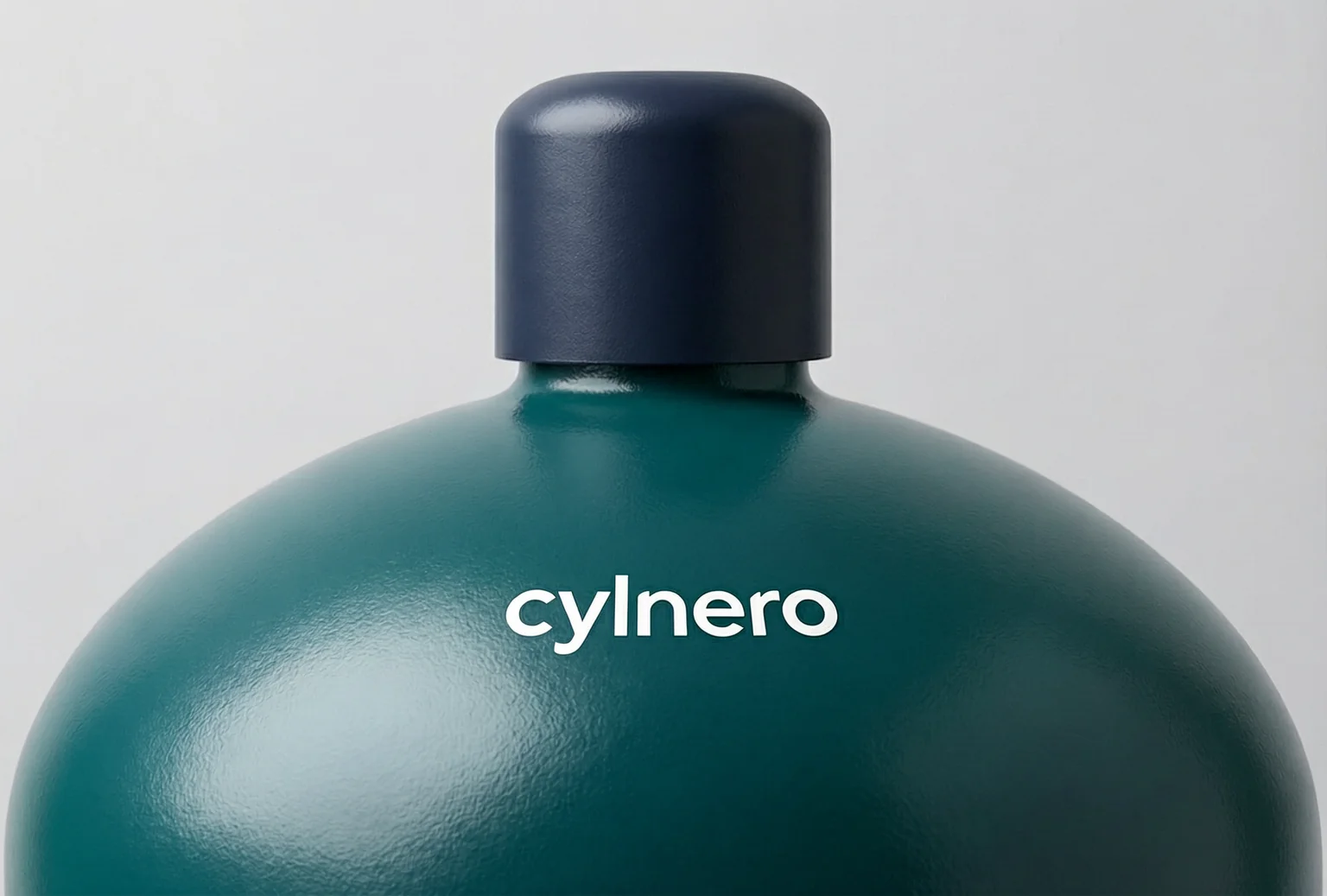 Neck and cap
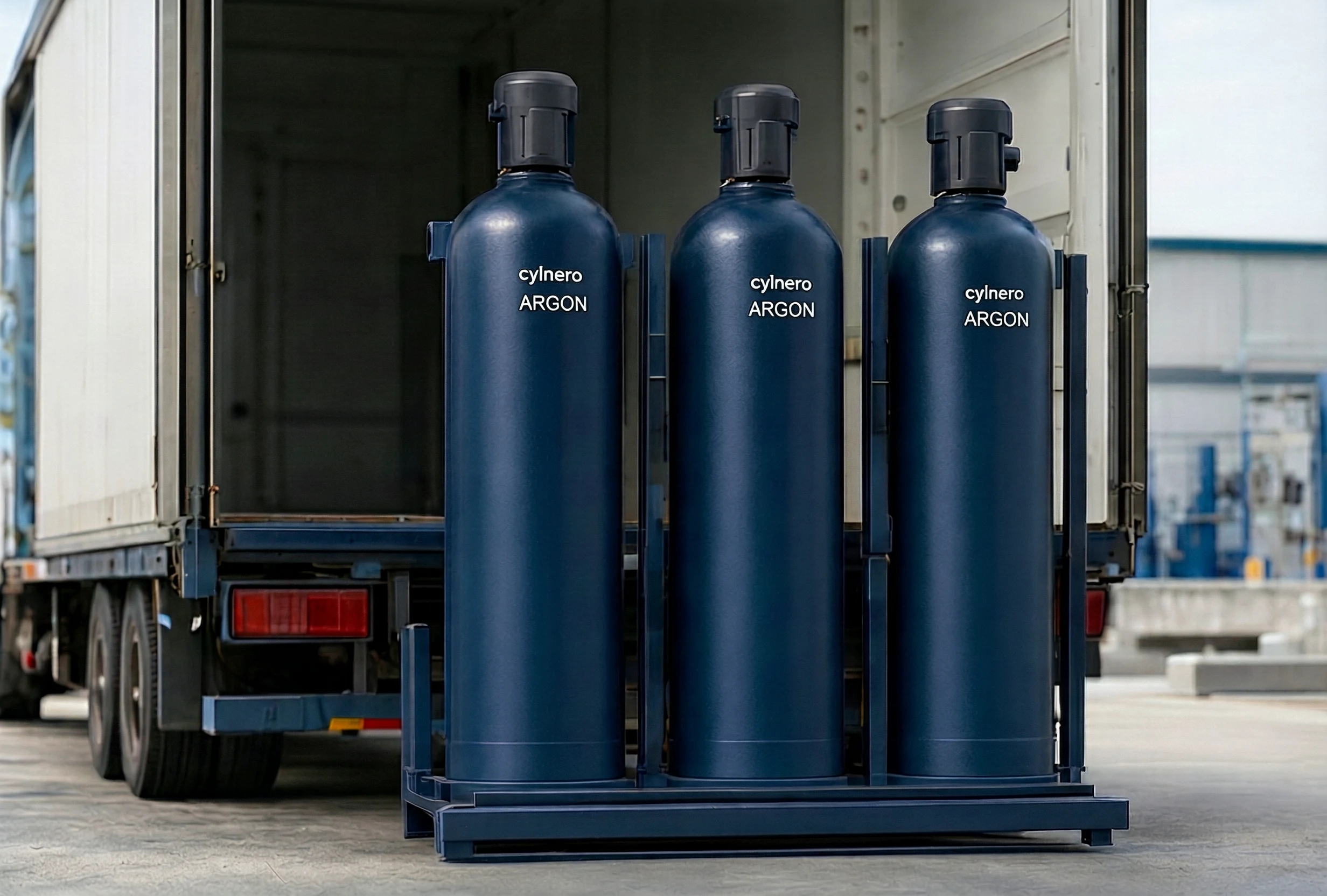 Argon marking example
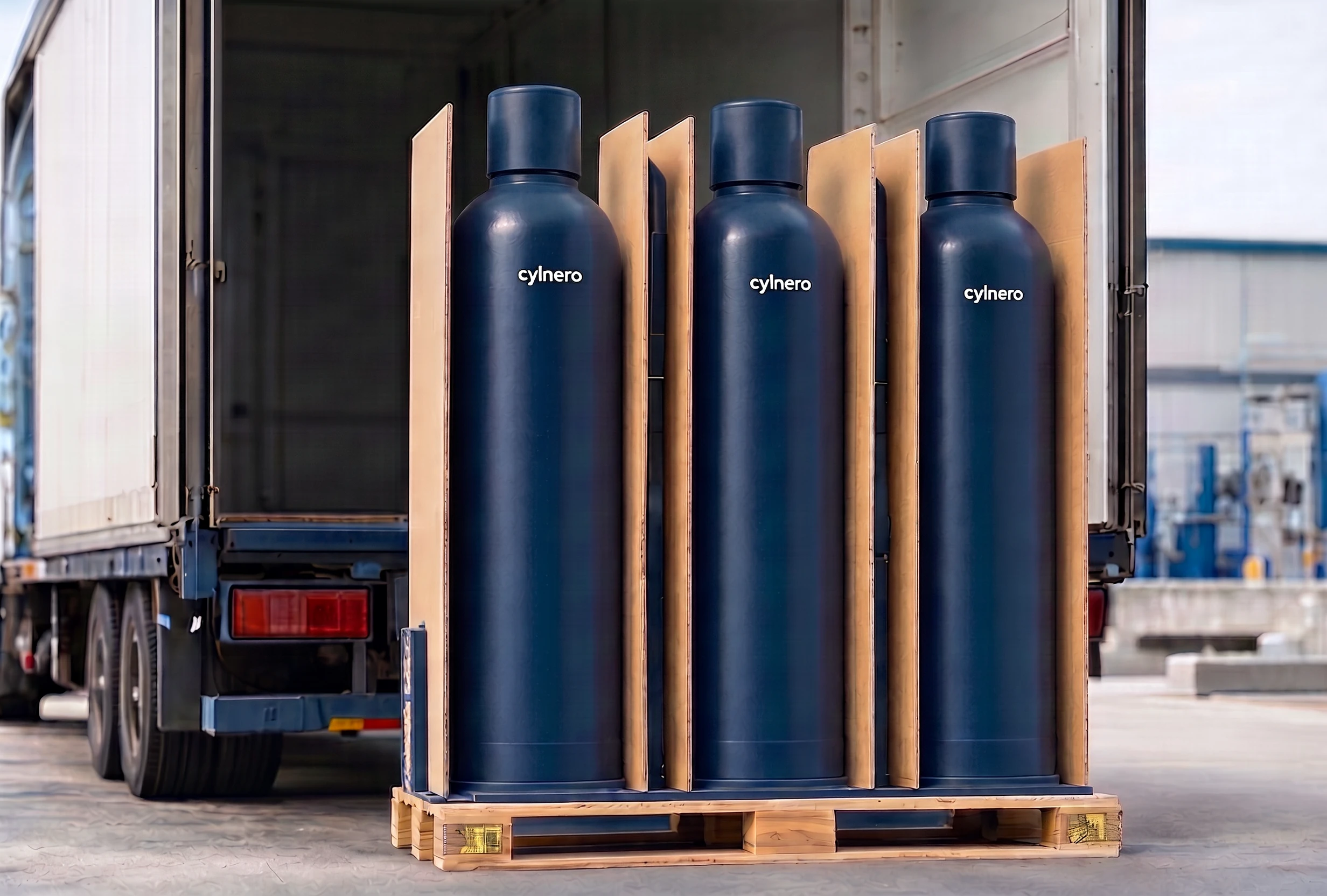 Packing preparation
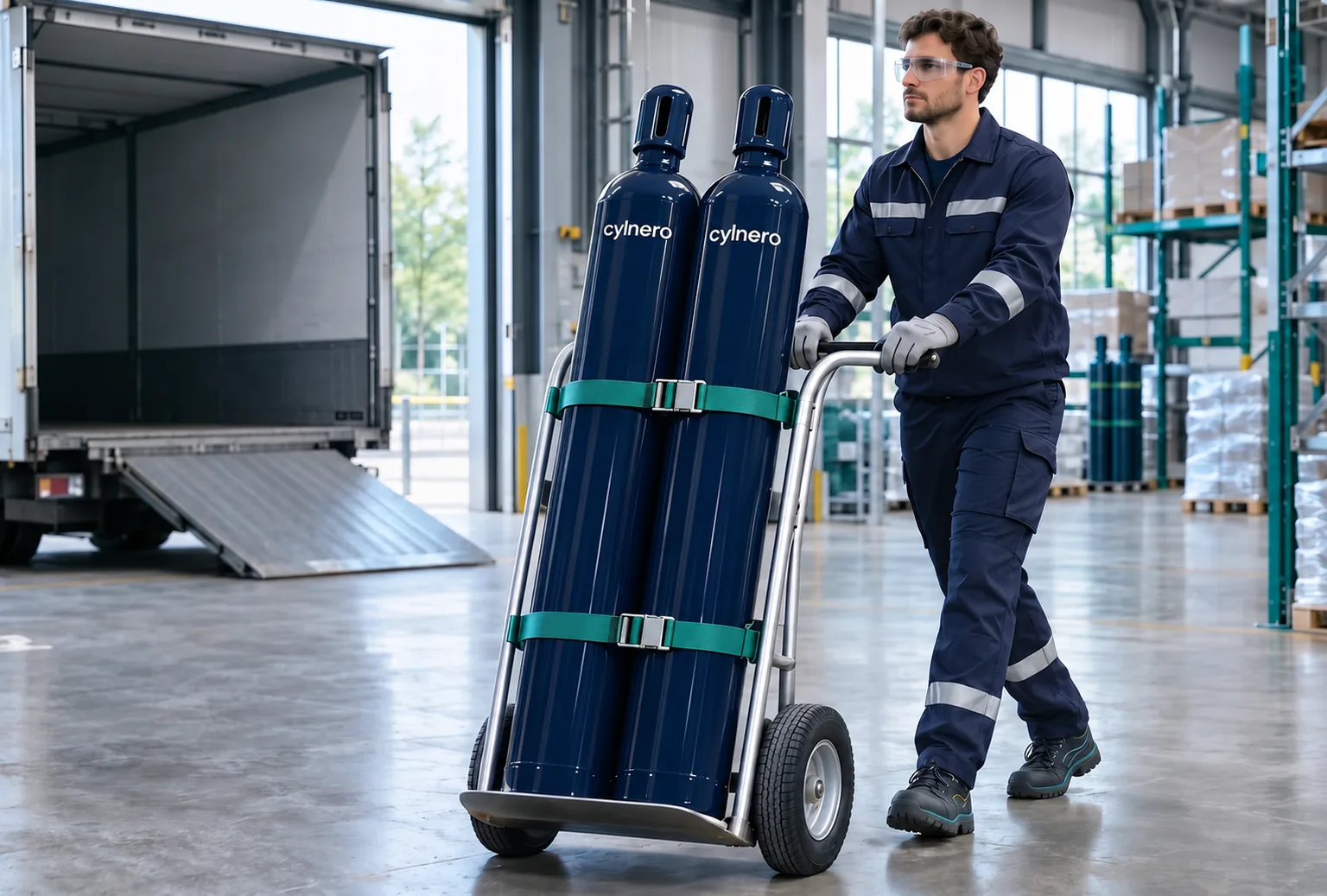 Warehouse handling
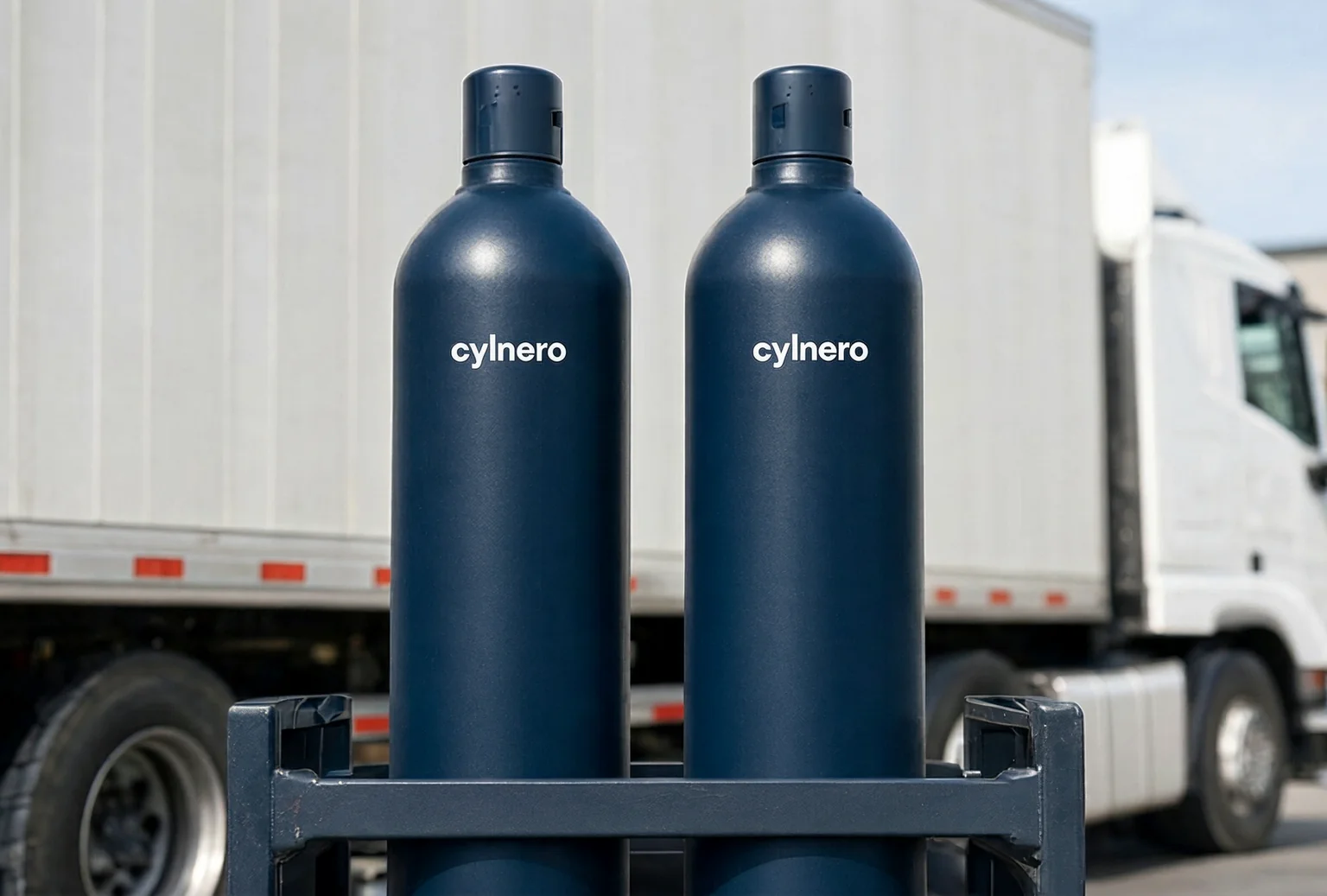 Dispatch preparation
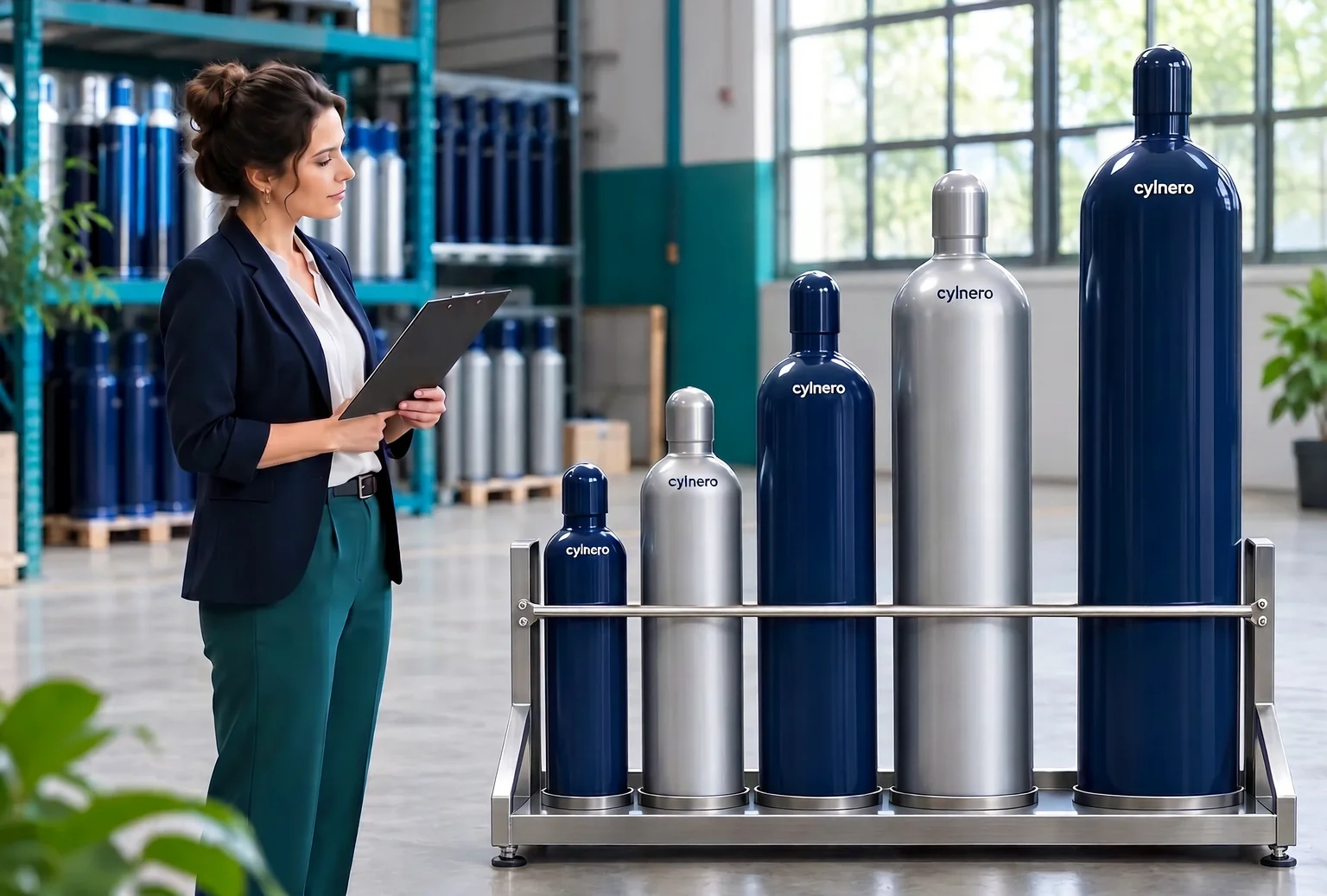 Compare options
Swipe to see more views →
WHOLESALE / CONFIGURABLE SERIES
Seamless steel cylinder enquiries for gas distributors, welding suppliers and industrial purchasers. Discuss capacity, gas service, valves and bulk-order requirements without needing a fixed manufacturer model.
Your selections above are saved with this series. Adding the same series again updates its basket line.
FROM SELECTION TO DISPATCH
Consider cylinder protection, handling arrangements and delivery groups alongside your steel cylinder requirements.
Swipe to see more sections →
PRODUCT FAMILY / WHOLESALE
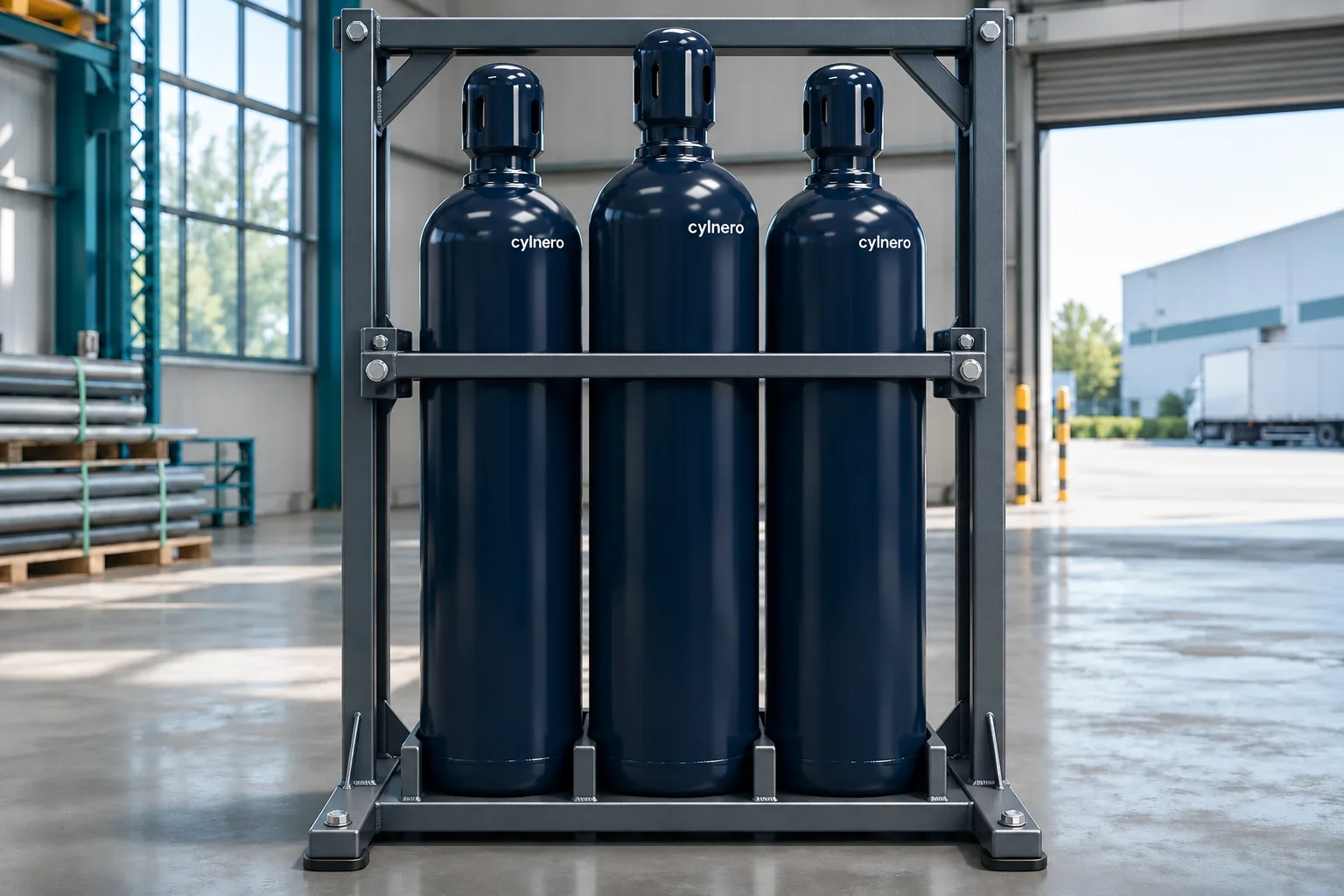
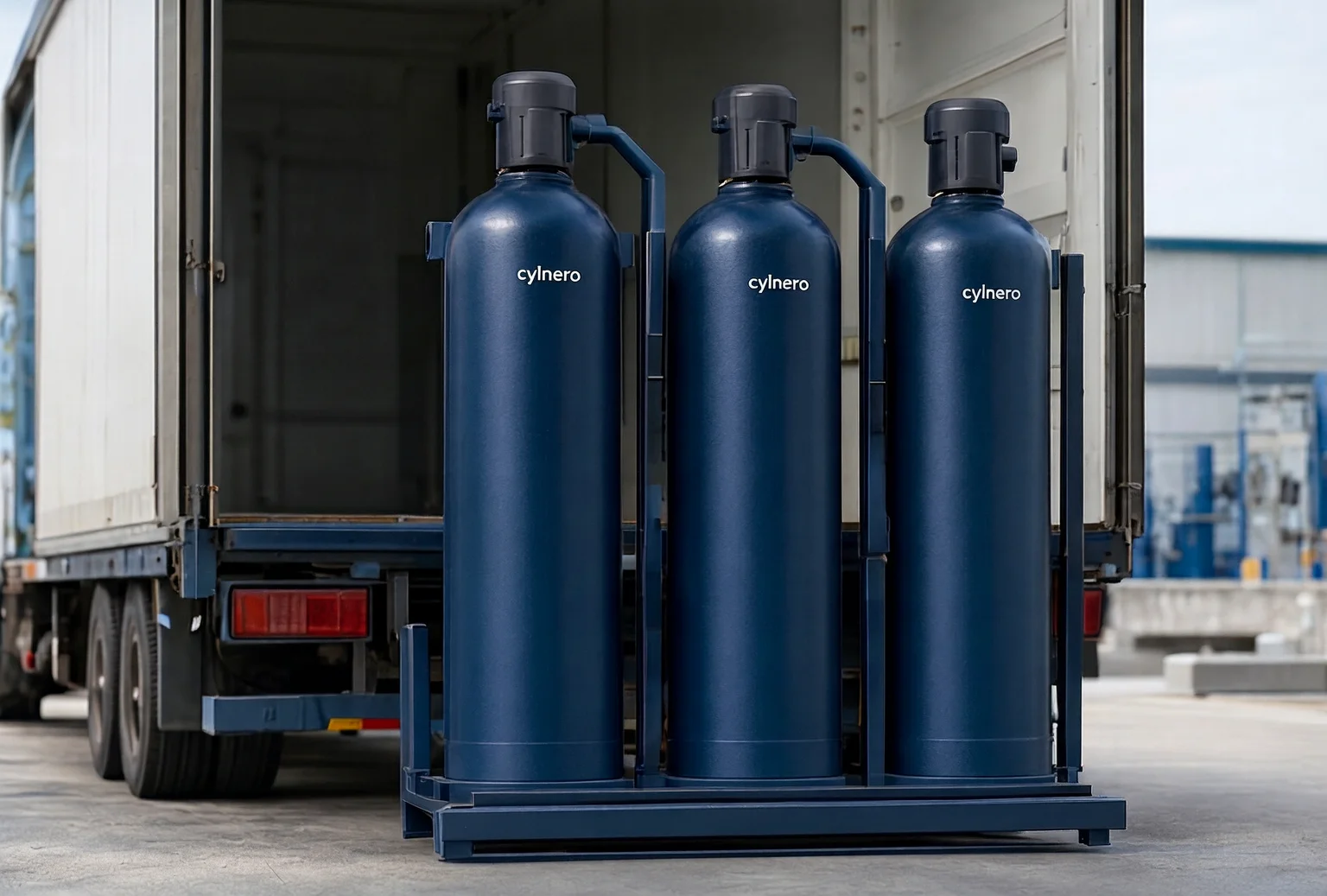
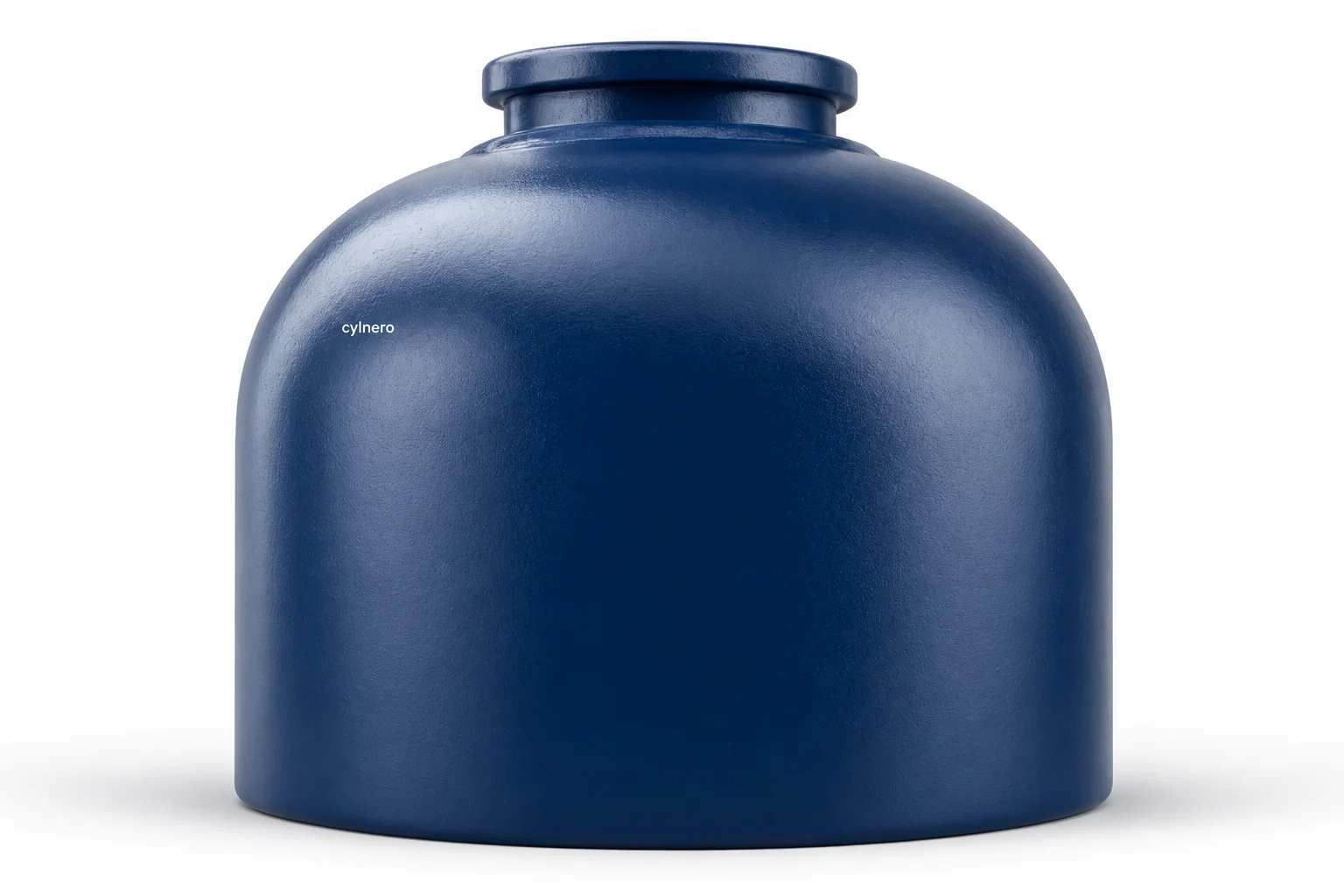
Review the cylinder exterior, included valve and protective components as one offered configuration. Material descriptions, dimensions and supporting records belong with the manufacturer model and quotation you are comparing.
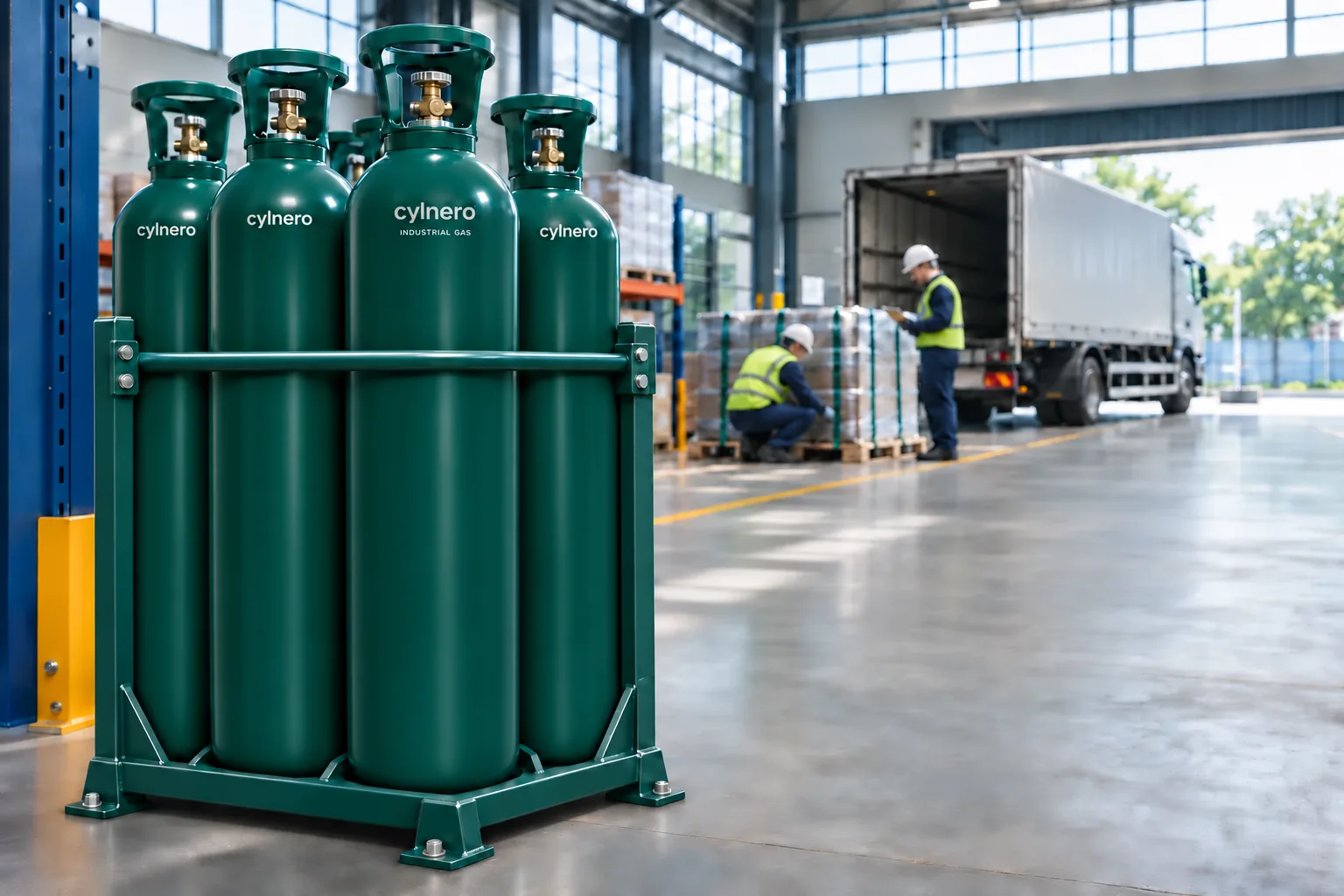
FROM REQUIREMENT TO QUOTATION
Start with the details you know. The configuration can be refined during the enquiry.
01 / YOUR APPLICATION
Application, approximate quantity and destination. Add a drawing or connection reference if you have one.
02 / THE PROPOSAL
Compare the proposed configuration, included components and document scope with your purchasing needs.
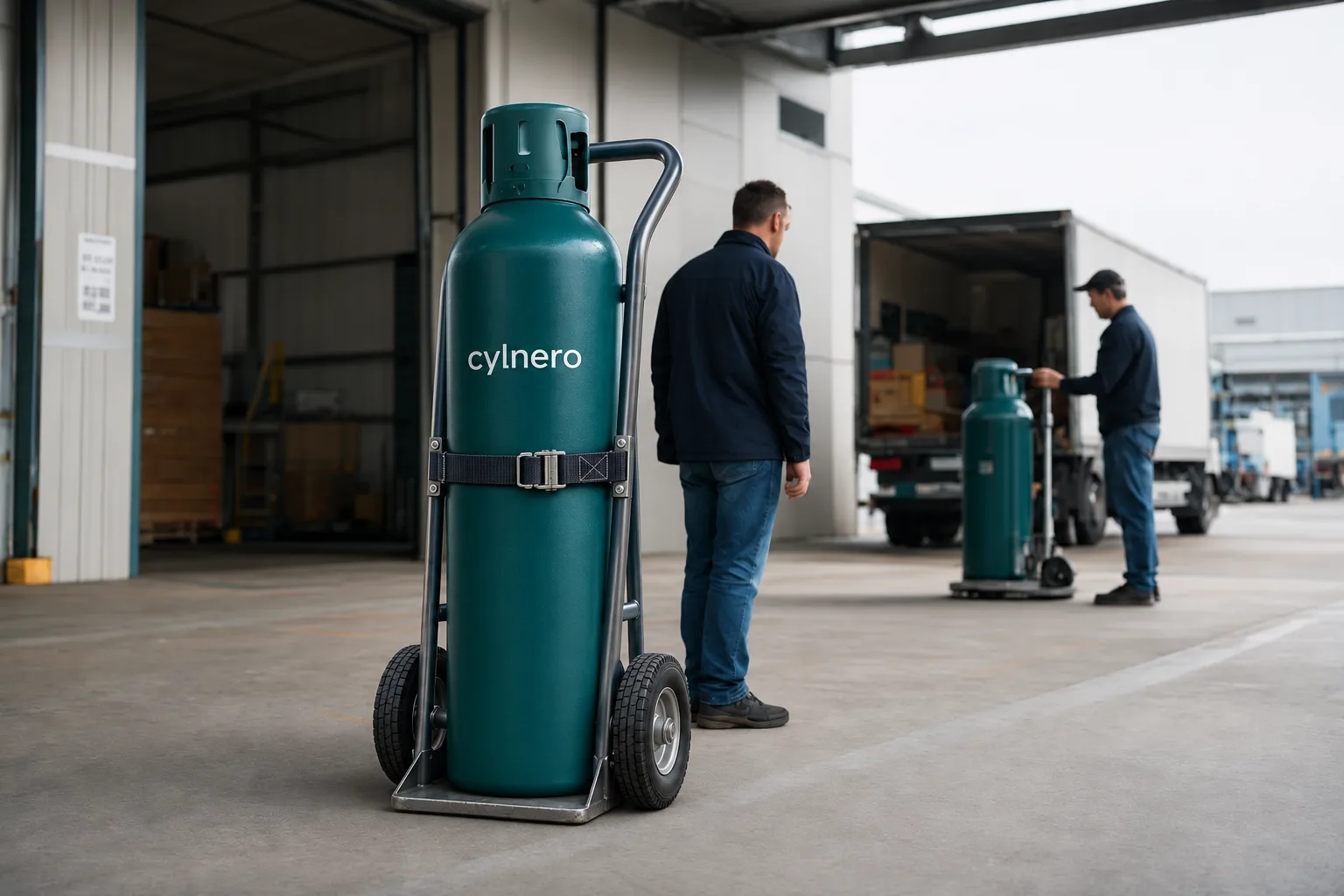
03 / THE NEXT STEP
Discuss the quotation, included work and delivery scope with the manufacturer. CYLNERO coordinates the conversation.
COMPARE THE CONFIGURATION
Separate the cylinder body, supplied fittings and delivery quantities so each part of your steel cylinder enquiry can be reviewed.
Describe the cylinder body you need and list any fittings separately. An existing drawing or reference can help define the requested assembly.
Share valve, neck and cap references where known. These details need checking together before a proposed configuration can be confirmed.
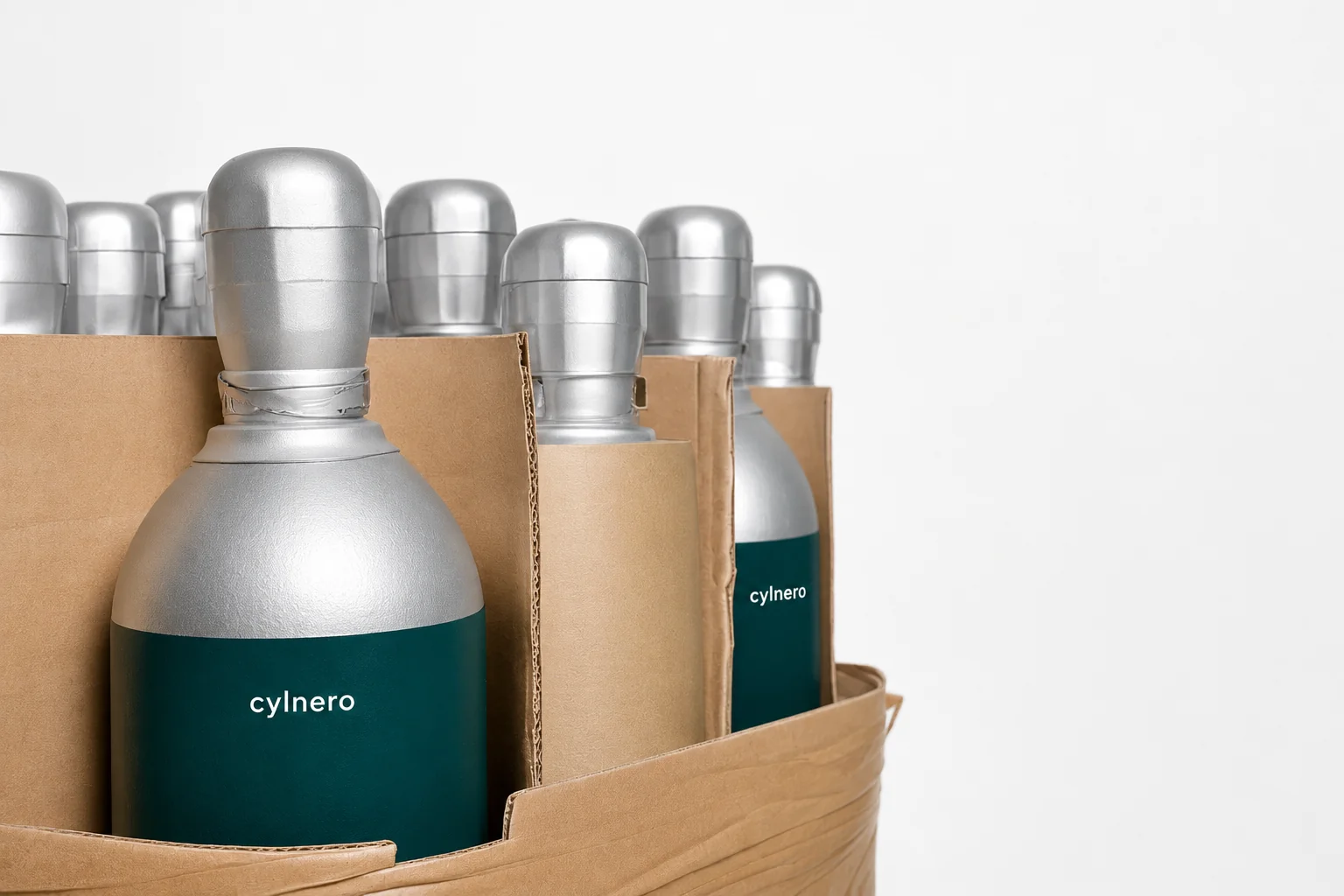
State the quantity for this enquiry and any receiving constraints. Packing and delivery grouping can then be discussed for that request.
Published comparison example
Shandong Yongan publishes this 40 L steel cylinder example for comparison:
The same listing’s detailed table states 47.4 kg. Cylinder design and accessories affect the figure; ask whether the quoted weight includes the valve and protective cap.
View the Shandong Yongan example. Confirm the weight of the configuration proposed for your order.
Share the details you know; other fields can remain open.
PRODUCT SCOPE / WHOLESALE
Choose the details you want to discuss. The quotation identifies the components and services included in the proposed supply.
Request the body alone or discuss a proposed assembly with the manufacturer.
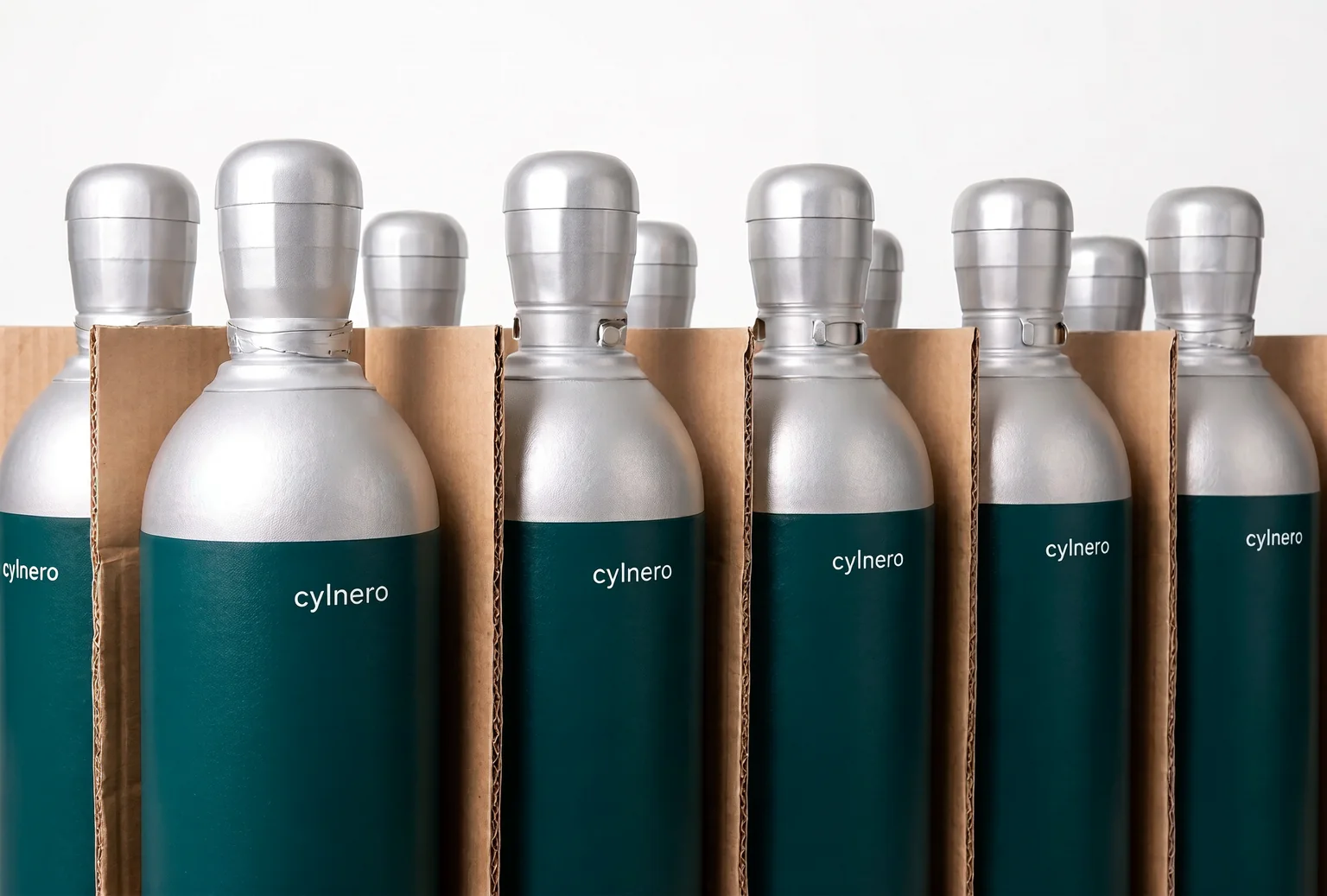
Share your programme requirements so they can be addressed in the offer.
The manufacturer confirms the offered configuration, included items and commercial terms.
A manufacturer model number is not needed to start. Share the options you know and leave the others for the quotation discussion.
| Series | Seamless Steel Industrial Gas Cylinder Series |
|---|---|
| Material / construction family | Steel |
| Product scope | Configurable wholesale series; no fixed manufacturer model required |
| Gas and application | Tell us the intended gas and application |
| Capacity and pressure | Requested values or installation envelope; final values confirmed in quotation |
| Valve and connection | Specify preferred connection or share the equipment requirements |
| Marking and packaging | Discuss branding, marking, packaging and shipment requirements |
| Destination documents | Confirm the destination and required documentation during enquiry |
| Quantity and commercial terms | Share the target order quantity; price, MOQ and delivery discussed in quotation |
Describe the industrial gas service and equipment constraints, including any available drawings or connection references. Distinguish a cylinder-body request from an assembly request so the manufacturer can identify the proposed scope.
Describe the intended industrial gas service and the equipment or distribution programme the cylinders need to support. For each purchasing line, list the requested water capacity, working pressure and quantity if known, preserving the original units and any existing cylinder or drawing reference. State whether the request is for cylinder bodies or an assembly with valves and protective components. If several customers or destinations have different requirements, list them separately. Leave unknown fields open and ask the manufacturer which proposed configuration and supporting information address each line.
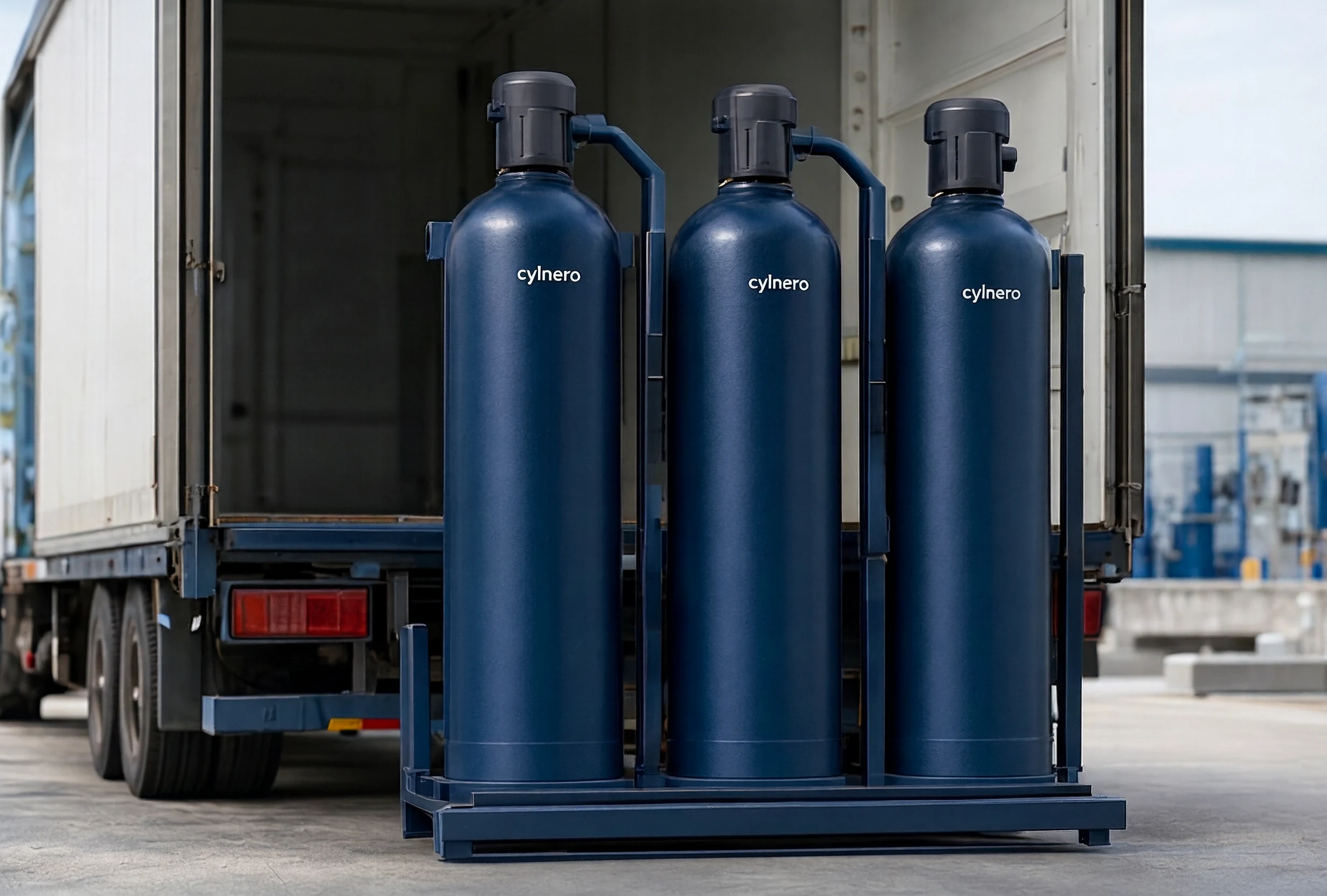
Logistical planning is another critical component of application-based purchasing. Share known space, receiving or equipment-envelope requirements with their references, and ask which exterior dimensions and mass the manufacturer proposes for the actual configuration. For example, an existing drawing may define a height limit while leaving the proposed body or valve assembly open; retain the requirement separately from offered dimensions. Ask the appointed logistics reviewers which shipment questions need a response for the actual proposed units and route rather than applying an arrangement from a general example. Keep those responses with the configuration and quotation revision. The purchasing discussion identifies open equipment and delivery questions; it does not confirm fit, technical suitability or a handling arrangement from the category description.
Share your preferred water capacity and working pressure if known. Use the reference weights above for initial handling and freight planning, then ask for the weight of the proposed configuration and whether it includes the valve and cap.
Start an enquiry with the intended gas or application, an approximate purchasing quantity and the destination. Detailed dimensions are useful when an installation envelope is already fixed, but they are not a prerequisite for discussing this series. Share an existing drawing, cylinder reference or available height and diameter limits if you have them; otherwise ask the manufacturer to propose a configuration for review. Record which dimensions remain open rather than choosing values simply to complete a form. The proposed drawing, valve interface, pressure scope and material specification should then be confirmed together before the purchasing specification is agreed.
Information regarding the valve assembly is also crucial for a precise quotation. Share the valve or connection references already known, identifying fixed requirements separately from preferences and leaving missing interface details open for discussion. Ask which valve, protective components and other items the manufacturer includes in its proposed assembly, with the relevant drawing and configuration references. If another organisation supplies a valve or component, identify who reviews the complete interface and what information is still needed before the offered scope is accepted. Keep unresolved questions beside the actual response rather than assuming that a list of requested components establishes compatibility with the existing equipment.
Ask about the proposed cylinder body, valve and protective components as one purchasing scope. Compare included and optional items. Share marking or finish preferences and ask which requests the manufacturer can address in its offer.
Compare the valve and protective-component scope of the actual proposed assembly. A body-only quotation and one identifying a valve, cap and other components should retain those differences before their prices are compared. Provide any existing connection or equipment reference and state which points are requirements or preferences. Where the interface is unknown, leave it open and ask what drawing or component information is needed. The manufacturer's catalogue may describe several items without establishing which belongs to this offer. Keep requested equipment, included parts and proposed alternatives in separate fields so the responsible reviewers can assess the actual configuration under discussion.
Discuss the proposed cylinder's protective components as part of the manufacturer's complete configuration. If you have preferences for caps, collars, bases or packaging protection, describe the purchasing need and ask which options belong to the offered design. Do not assume that an accessory can be added independently without a design review. Share your logistics constraints with the manufacturer and the appointed transport provider, and ask who confirms the packing and delivery scope. A procurement discussion about protection does not establish an approved lifting method, operating procedure or readiness for use. Keep these responsibilities separate from the request for a cylinder quotation.
For a private-label order, provide the artwork, requested text and preferred position on the cylinder as separate items in the purchasing brief. For example, a distributor may want its own logo while the proposed cylinder also needs manufacturer and gas-service identification. Ask the manufacturer for a proof showing what it proposes to apply, where it will appear and which markings belong to the product or destination requirements. Check the proof against the actual order and intended market with the responsible reviewers. Record any artwork revision, additional charge or schedule assumption in the quotation. A logo request does not replace the identification or warnings required for the actual cylinder.
Share available valve and connection references, requested markings and receiving constraints. Ask which components and packing items the quotation includes. Keep unresolved interface questions with the proposed drawing rather than assuming a catalogue description confirms fit.
Ask which interface and included components the manufacturer proposes for the actual configuration. If the connection remains unknown, list the thread, protective-device and valve references as open questions for the quotation. Retain drawing references and revisions with the relevant offer and identify who will assess the response. This guide does not choose a valve, recommend a modification or establish readiness for use. The enquiry and component description are inputs for review, not a promise that the delivered assembly will fit without changes.
Marking requests are another important aspect of the packaging and branding process. Buyers may require specific text, logos, or color codes to be applied to the cylinder body or valve. Keep branding requests distinct from the product-identification and destination requirements that the appointed reviewers assess for the actual configuration. Ask the manufacturer which marking scope and methods it proposes, what information it needs and whether any requested work changes the price or schedule. If a proof is supplied, retain its version and the cylinder reference it concerns. A visual-accuracy comment does not by itself accept all required markings, establish handling suitability or confirm the supply is ready for use.
Ask each supplier to describe the proposed packing for the actual cylinder configuration and quantity. For a receiving team comparing two offers, useful fields include the number of cylinders per package, external package dimensions, stated package weight and any protective components included. Identify whether the quotation covers packaging materials, loading and delivery, or lists any of them separately. If the buyer has a known receiving-space limit or delivery grouping, share it with the supplier and ask whether further information is needed. Keep body-only and assembled-cylinder proposals separate when comparing package details, because the included hardware may change the overall dimensions or weight. Record the supplier's assumptions and any open questions beside each quotation revision, then share the proposed arrangement with the people responsible for receiving the order.

Give the destination and any project document requirements already known. Ask the manufacturer to identify the records available for its proposed configuration and their scope. Keep sample documents distinguishable from records for an actual delivery.
Destination requirements play a significant role in the quotation process for seamless steel industrial gas cylinders. Buyers should provide information about the final destination, including the country, port, and any specific local regulations or standards that apply. Ask the manufacturer to identify which documents, packing and marking scope its proposal includes and which destination questions remain unanswered. For example, some countries may require specific certificates of conformity or inspection reports, while others may have strict rules on the labeling of gas cylinders. Retain offered records, their scope and any later deliverables beside the quotation. The appointed destination and equipment reviewers assess the actual proposal; providing a destination does not establish clearance, conformity or an all-inclusive quoted cost.
For distributors serving several destinations, prepare a separate requirements list for each market rather than assuming that one document pack covers every order. Identify the importer, the intended customer group and the language needed for markings or accompanying records. If a tender or downstream purchase order already specifies documents, share the relevant wording so that the manufacturer can respond to each request in the offer. Keep required documents separate from optional commercial preferences, and ask whether any requested items need further discussion, additional work or a different proposed configuration. This gives the purchasing team a clearer view of what is included and what remains open, without treating a general product-series listing as confirmation of destination acceptance.
Keep the proposed freight scope, named location and stated charges with the quotation that contains them. Ask who answers unresolved shipping, document or destination questions under the actual arrangements. A familiar delivery-term label should not be expanded into unlisted services or assumed fees. Separate an expected dispatch date from a proposed arrival stage and retain the conditions attached to each. If the destination or quantity changes, ask whether packing, cost or document assumptions also change. Preserve the supplier's original wording for commercial review. The purpose is to identify what is quoted, not to promise a complete landed budget or a predictable delivery outcome.
Explore seamless steel cylinders for industrial gas distribution and equipment purchasing. Start with the intended gas service, application, approximate quantity and destination; add equipment drawings or connection requirements if available. Your enquiry can distinguish a cylinder body from an assembly that includes a valve and protective components. CYLNERO coordinates the purchasing questions and manufacturer responses, helping you compare the proposed hardware, included items, documents and commercial terms. Details that are not yet known can remain open for the quotation discussion. Keep cylinder hardware separate from gas supply, filling or exchange arrangements, and review the manufacturer's actual proposal for the requested configuration.
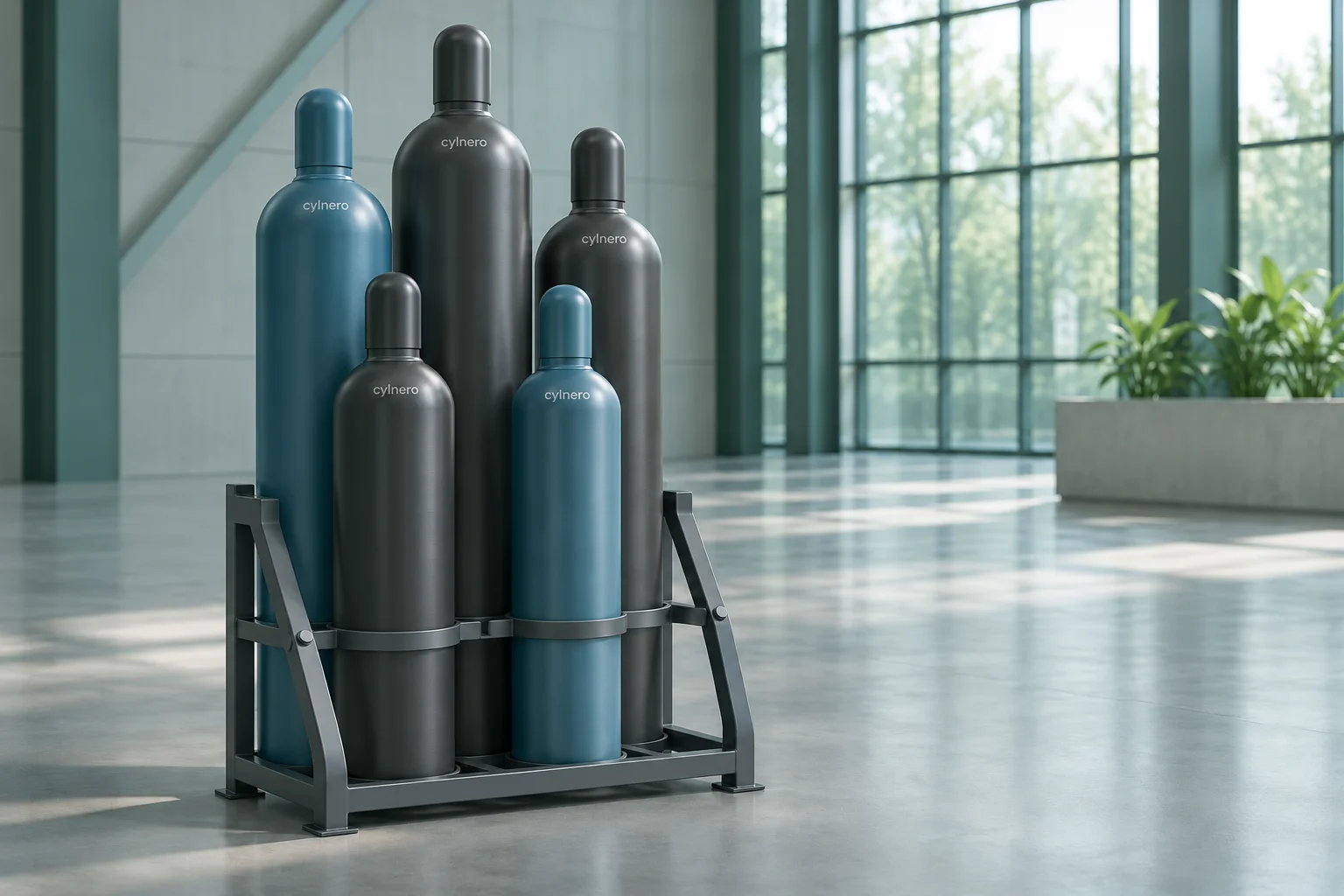
Use this series to discuss wholesale purchases of seamless steel cylinder hardware for industrial use. Describe whether the request covers cylinder bodies alone or assemblies with valves and protective caps, and ask the manufacturer to identify the items included in its proposed quotation. State the intended gas and application, approximate quantity and destination, then add any known equipment references or packing requirements. Gas supply, filling, rental or exchange can be listed as separate requests where relevant; do not assume those services are part of the cylinder offer. Keep the manufacturer's proposed hardware and service scope alongside your original purchasing brief for comparison.
When comparing steel cylinder quotations, list the requested water capacity and working pressure beside the manufacturer's proposed values. Ask for body diameter and height, as well as the overall height with any quoted valve and protective cap, if the cylinders must fit existing racks or equipment. Record the proposed weight and whether it includes those components. Share an existing valve or connection reference and any destination document requirements that are already known. Keep each supplier's drawing and configuration reference with its quotation so that a body-only offer can be compared clearly with an assembly containing additional parts.
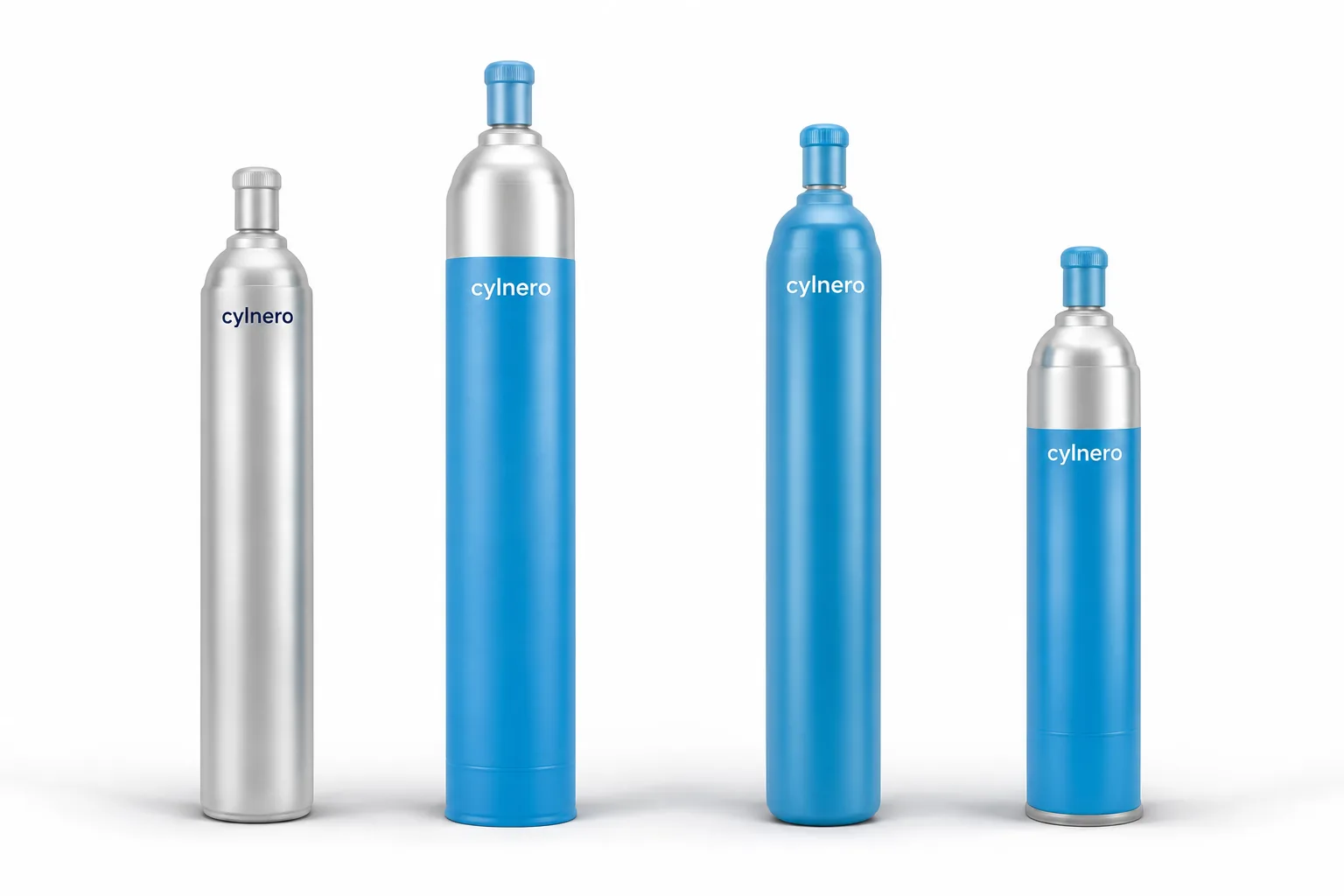
Separate the quantity for this enquiry from a future purchasing forecast. Ask for the proposed quantity basis, schedule and commercial terms. A repeat request needs its own configuration reference and confirmation of any changes.
For the first order, list each requested cylinder configuration on its own purchasing line. Give the approximate number of units and, where known, the water capacity, intended gas and working pressure. State whether the quantity refers to cylinder bodies or assemblies with valves and protective components. Ask the manufacturer to identify its quoted quantity, the components included per unit and the proposed packing basis. If it offers a different batch quantity, retain both the request and the offered quantity so the reason and commercial effect can be discussed. An approximate quantity is enough to begin; the manufacturer can identify any information it needs for a formal offer.
For a repeat order, reference the earlier cylinder or assembly description, drawing revision and previous quotation if available. Identify any change in destination, connection, marking, finish or documentation rather than assuming that a previous configuration covers the new requirement. Ask the manufacturer to identify the current proposed configuration and any changes to the earlier offer. Where several departments use a shared specification, agree which revision each request refers to and keep the manufacturer's response beside it. Future volumes can be given as a forecast, while the quantity needed now remains a separate purchasing line. Prices, availability and delivery dates require a current proposal.
For several delivery locations or phases, list the requested quantity, destination and preferred timing for each group. Add known receiving constraints and ask how the manufacturer proposes to pack and identify each shipment. Compare quotations on the same basis: quantity and configuration, unit-price basis, packing, transport scope and any separately quoted charges. A price per cylinder can be misleading if one offer includes valves or delivery and another does not. If an alternative combines or splits deliveries, record that difference beside the original request and ask for the related price and schedule assumptions before comparing totals.
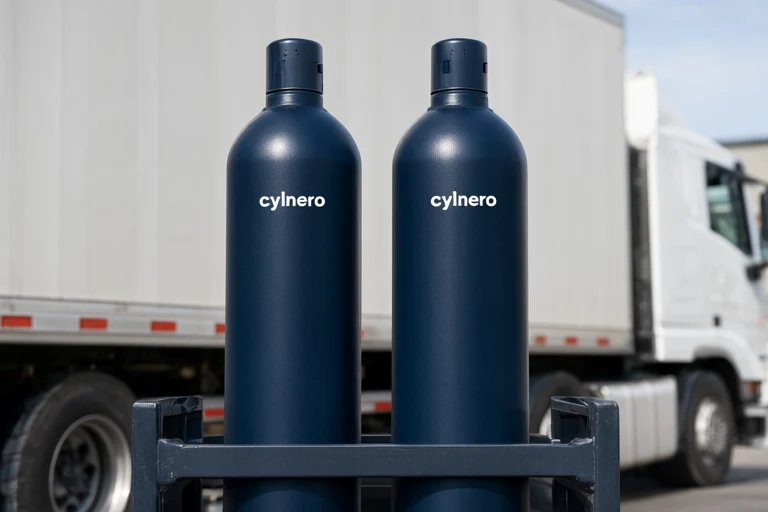
Compare cylinder bodies, valves, protection, packing and delivery on the same basis before comparing totals. Record exclusions and proposal revisions. When a component or quantity changes, ask which parts of the quotation need updating.
Compare each manufacturer's actual cylinder configuration, included valve and protective components, documents, quantity and commercial terms together. One offer may identify a body only while another describes an assembly; retain that difference beside the price rather than treating the totals as equivalent. Where options are priced separately, keep their scope distinguishable from included work. Ask for clarification of missing references instead of assigning an estimated accessory cost. The purchasing team can then assess the actual alternatives against its requirements. A comparison record organises the responses; it does not establish a universally best supplier, confirm product quality or resolve the technical questions automatically.
Describe a requested change against the relevant quotation and configuration reference. Ask how the manufacturer proposes to respond and which drawing, component list, document, price or schedule fields are affected. A supplier alternative should remain beside the original requirement, with its assessment status visible. If the parties have an existing arrangement, ask how the change is to be recorded under that arrangement rather than assuming a particular amendment procedure. Keep the actual revised response with the original request. Sending a change or receiving an acknowledgement does not itself establish acceptance, availability or that an earlier quotation has been updated.
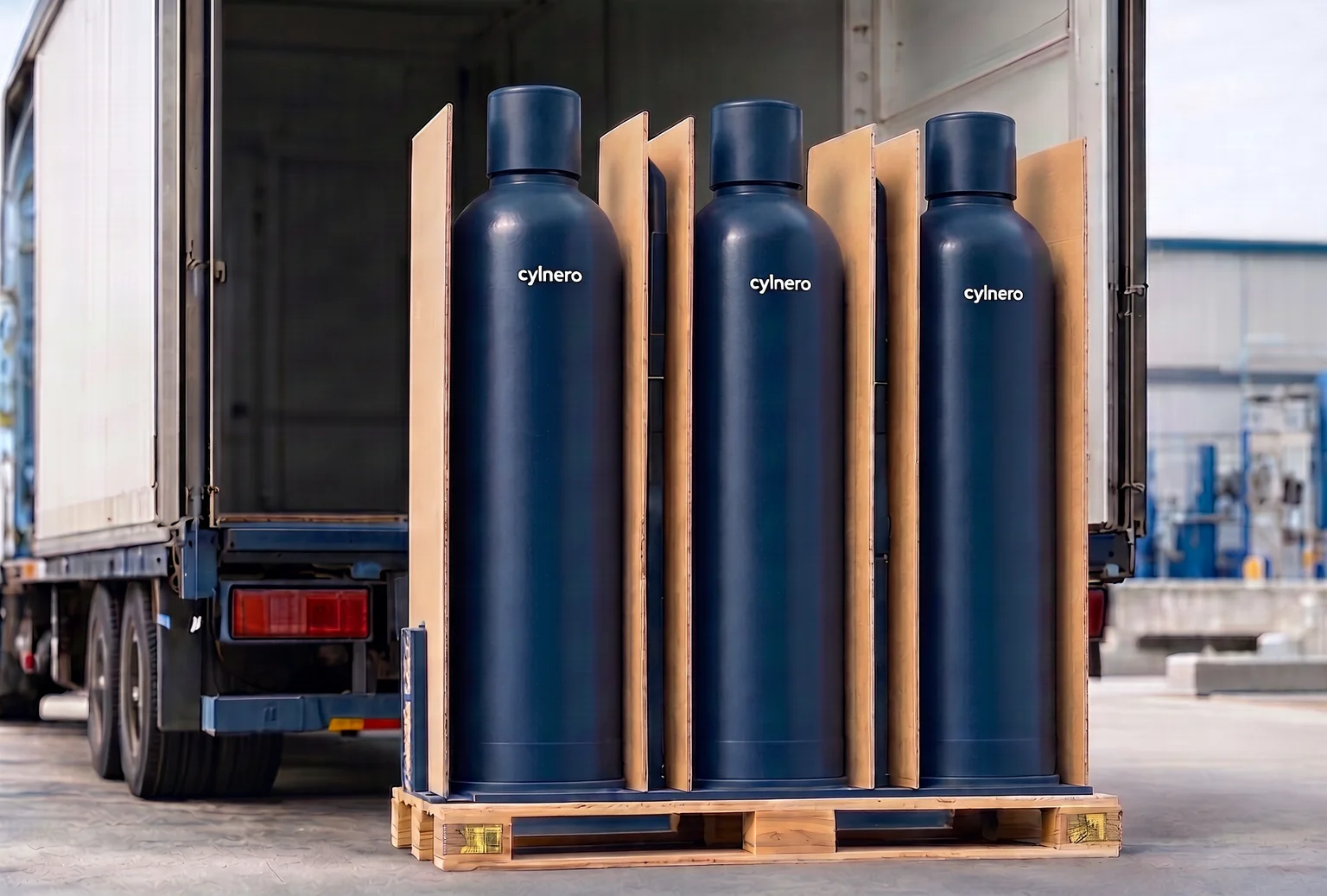
Start with the intended industrial gas, approximate cylinder quantity and destination. Add any known capacity, connection or packing requirements; other details can remain open.
Prepare a bulk enquiry with a separate line for each cylinder configuration and destination. For example, a distributor requesting steel cylinders for both argon and nitrogen can list the intended gas and quantity for each line, followed by the requested water capacity and working pressure where known. Indicate whether each line covers cylinder bodies alone or assemblies with valves and protective caps. Add any existing connection references and packing preferences, and mark missing dimensions or documents as open questions. Ask the manufacturer to identify the configuration, included items and assumptions in its response for each line. Keep that response beside the original request and its revision so changes can be reviewed before offers are compared.
State the timing your purchasing programme is aiming for, distinguishing a preferred reply date from a requested delivery date. Ask which dates in the manufacturer's response concern production, shipment or arrival and what assumptions remain open. If the programme has stages, identify the approximate quantity and configuration for each one. Retain the requested timeline beside the actual response rather than presenting it as a supplier commitment. Questions about drawings, documents, components or receiving conditions may need further information before a schedule can be proposed. A timeline helps define the discussion; sending one does not establish priority, reserve production or confirm project completion.
Use this guide to prepare your enquiry. Confirm the specifications and supporting documents for the proposed cylinder with the manufacturer.
For standards research, consult the ISO gas-cylinder standards catalogue. The catalogue includes published and withdrawn standards. Check the status, edition, scope and destination requirements with the manufacturer and your appointed technical reviewer. A standards reference does not establish that a listed series conforms to it.
Before placing an order, obtain the proposed model's drawings, configuration, applicable approvals and quotation from the manufacturer. CYLNERO coordinates sourcing; the manufacturer confirms and contracts the agreed supply.
Yes, you can start without a specific model number. CYLNERO coordinates your initial enquiry by gathering your core requirements. You do not need to provide complete parameters or exact model identifiers at this stage. Focus on describing your general application needs and any known constraints. The sourcing team will help structure your request to manufacturers, allowing them to propose suitable options based on your provided specifications rather than a pre-selected part number.
The quotation should clearly define the exact components included in the offer. Specify whether the price covers the cylinder body, valves, fittings, or other accessories. Distinguish between the main hardware and any additional items like packaging or documentation. Ensure the scope aligns with your procurement needs to avoid misunderstandings later. Clear identification of included items helps you compare offers accurately and understand what you are purchasing from each manufacturer.
If you are unsure about the valve interface, describe your intended application and any known connection standards. CYLNERO will help communicate these details to manufacturers for clarification. Do not guess or assume compatibility. The sourcing team can request specific technical data or examples from suppliers for review by the manufacturer and your appointed technical reviewer. Record the proposed interface as an open item until the responsible reviewers have assessed it against your system. A supplier response is not an automatic compatibility decision.
Propose purchasing quantities based on your actual project needs and inventory plans. You do not need to know minimum order quantities upfront. State your required volume clearly in your enquiry. Ask which quantity conditions and price basis the manufacturer proposes, keeping any unanswered order conditions beside its response. This allows you to evaluate feasibility and cost implications accurately. Adjust your proposed quantities if necessary after receiving initial feedback from potential suppliers.
Compare offers by evaluating the specific parameters, delivery terms, and documentation provided by each manufacturer. Focus on how well each proposal meets your stated requirements rather than just price. Review the scope of included items, lead times, and any technical specifications offered. CYLNERO can help summarize key differences between quotes. Ensure you are comparing like-for-like items to make an informed decision based on the total value and suitability for your project.
Water capacity alone does not define a cylinder’s outside diameter, height, working pressure, weight or valve connection. Ask each manufacturer for the drawing and stated specifications for its proposed configuration, including the weight basis and whether a valve or protective components are included. Compare those details with your available space, equipment interface and purchasing requirements. If capacity is not yet fixed, describe the intended application and leave the capacity requirement open for discussion.
Compare purchasing scope and configuration questions. Related series are not automatically interchangeable; the manufacturer confirms the offered configuration during enquiry.
Compare within Industrial Gas Cylinders
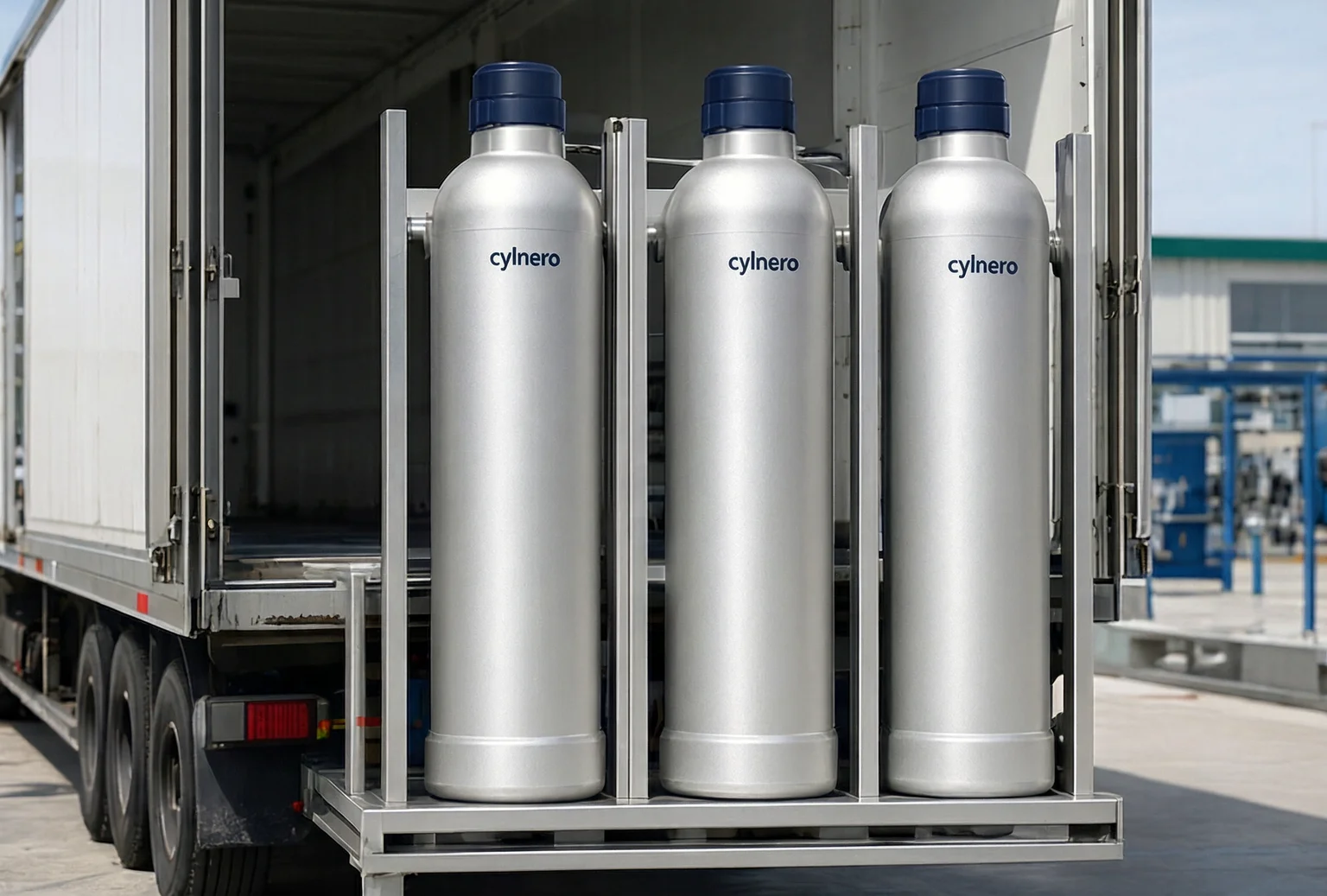
Configurable wholesale series · Specifications confirmed during enquiry
Compare these seriesUse these guides to describe your purchasing scope. A related application is a starting point for discussion; it does not establish that a particular configuration is approved or suitable.
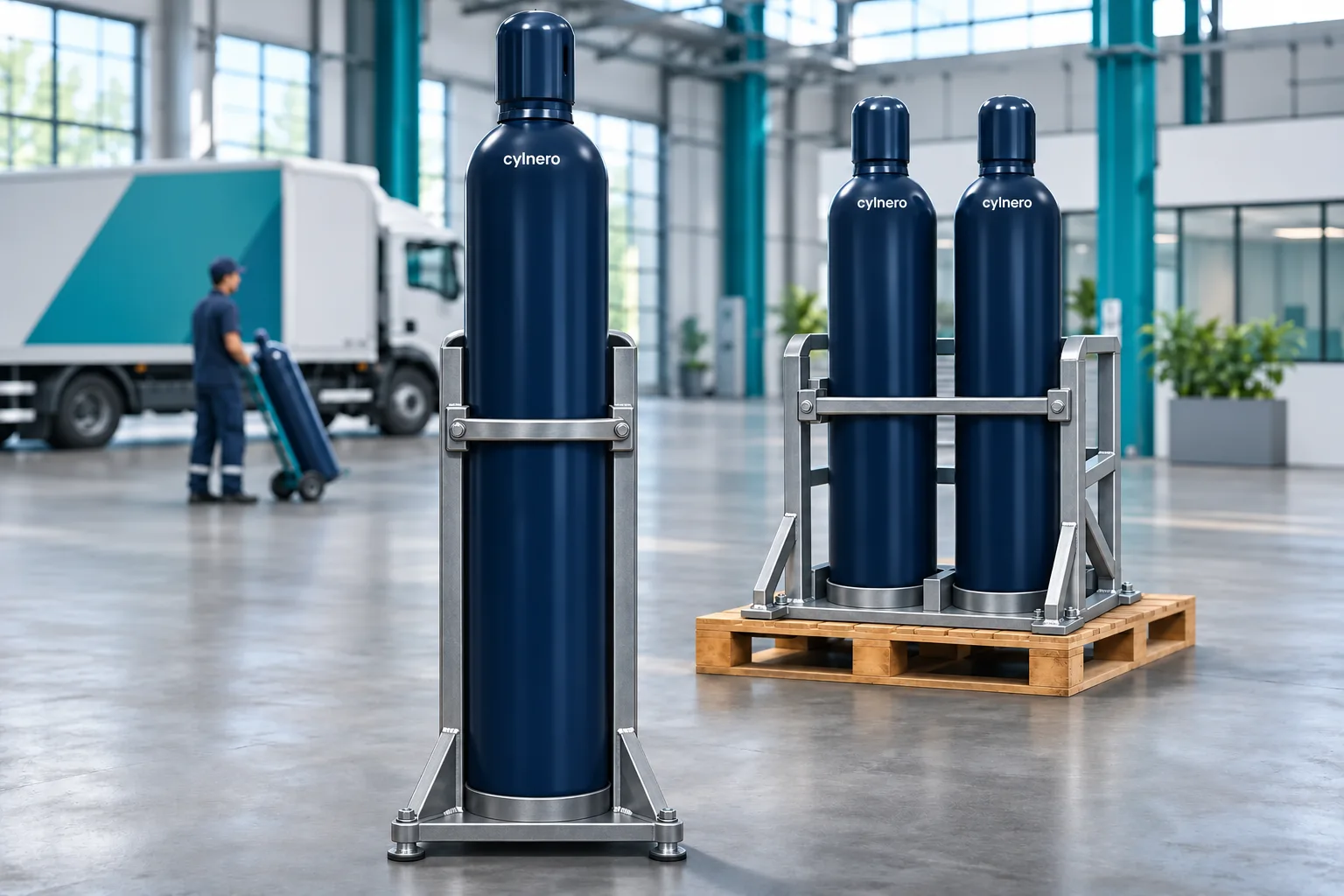
Cylinder purchasing for a distribution business starts with the customers and product families you serve.
Review purchasing priorities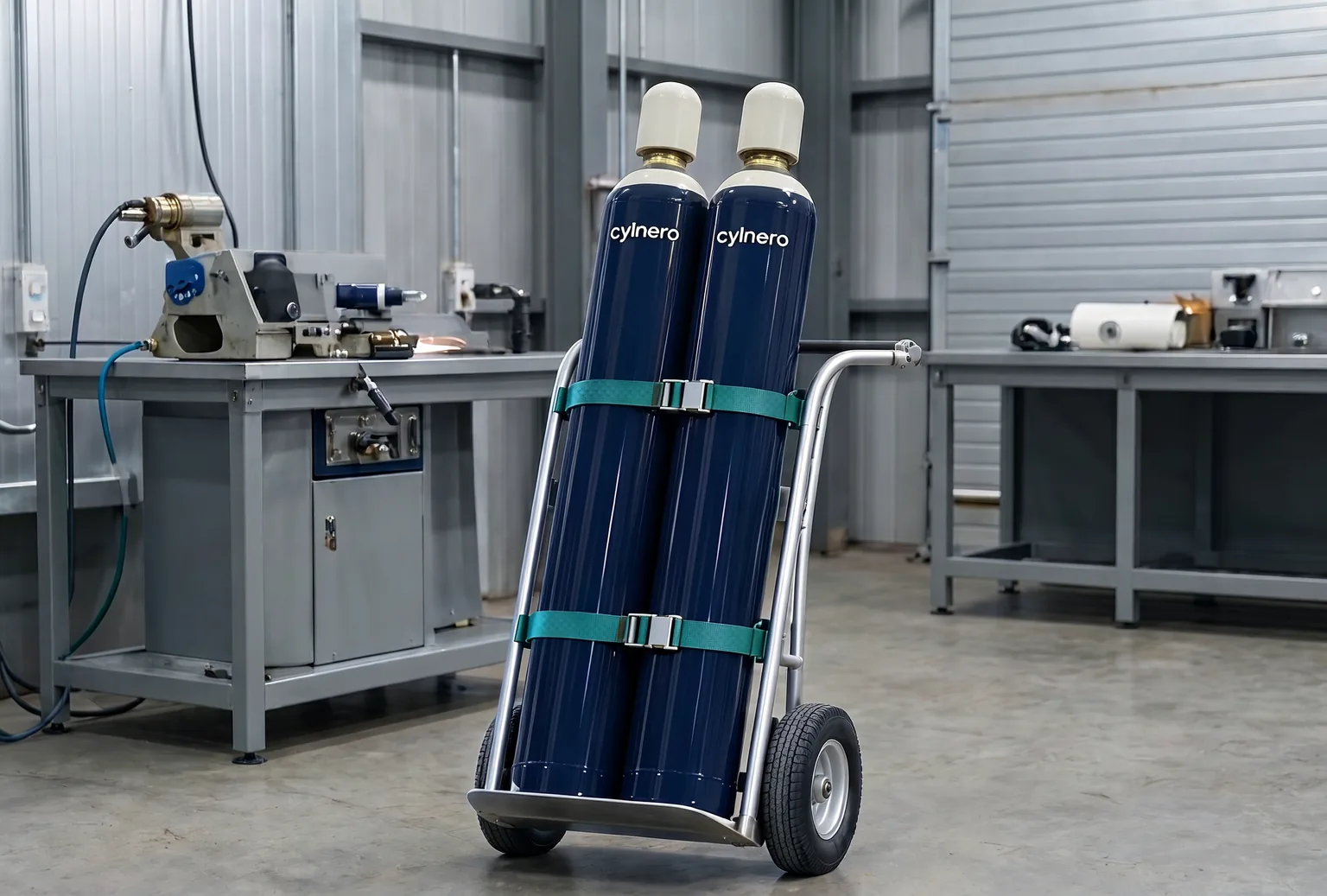
Welding suppliers and workshop purchasing teams can start with the cylinder families and commercial requirements they need to discuss.
Review purchasing priorities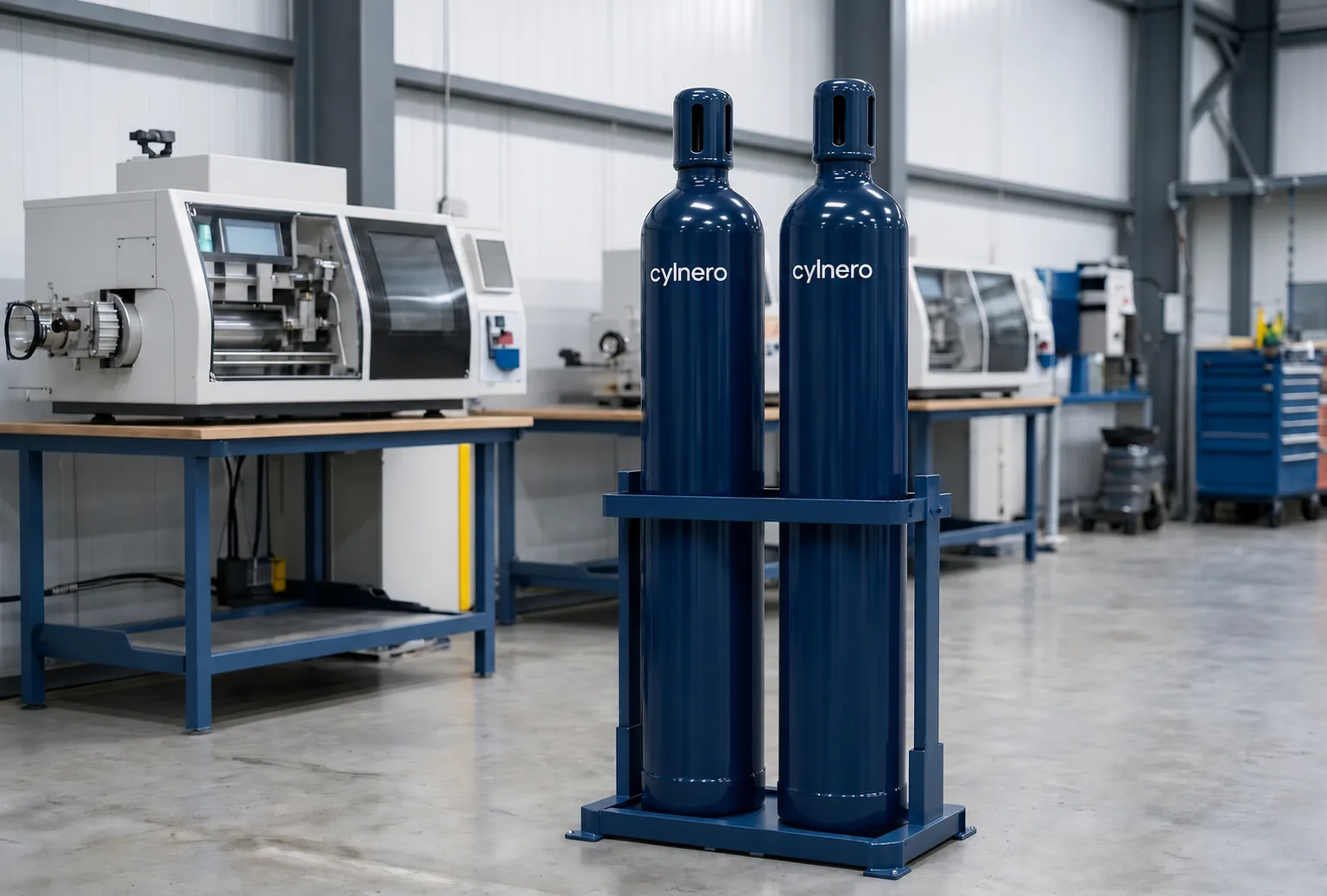
Industrial equipment OEMs can prepare cylinder or vessel enquiries around their equipment requirements, purchasing schedule and available interface information.
Review purchasing prioritiesGas cylinder importers can organize mixed product-family enquiries, destination requests and purchasing quantities before selecting detailed manufacturer configurations.
Review purchasing priorities