 Wholesale sourcing
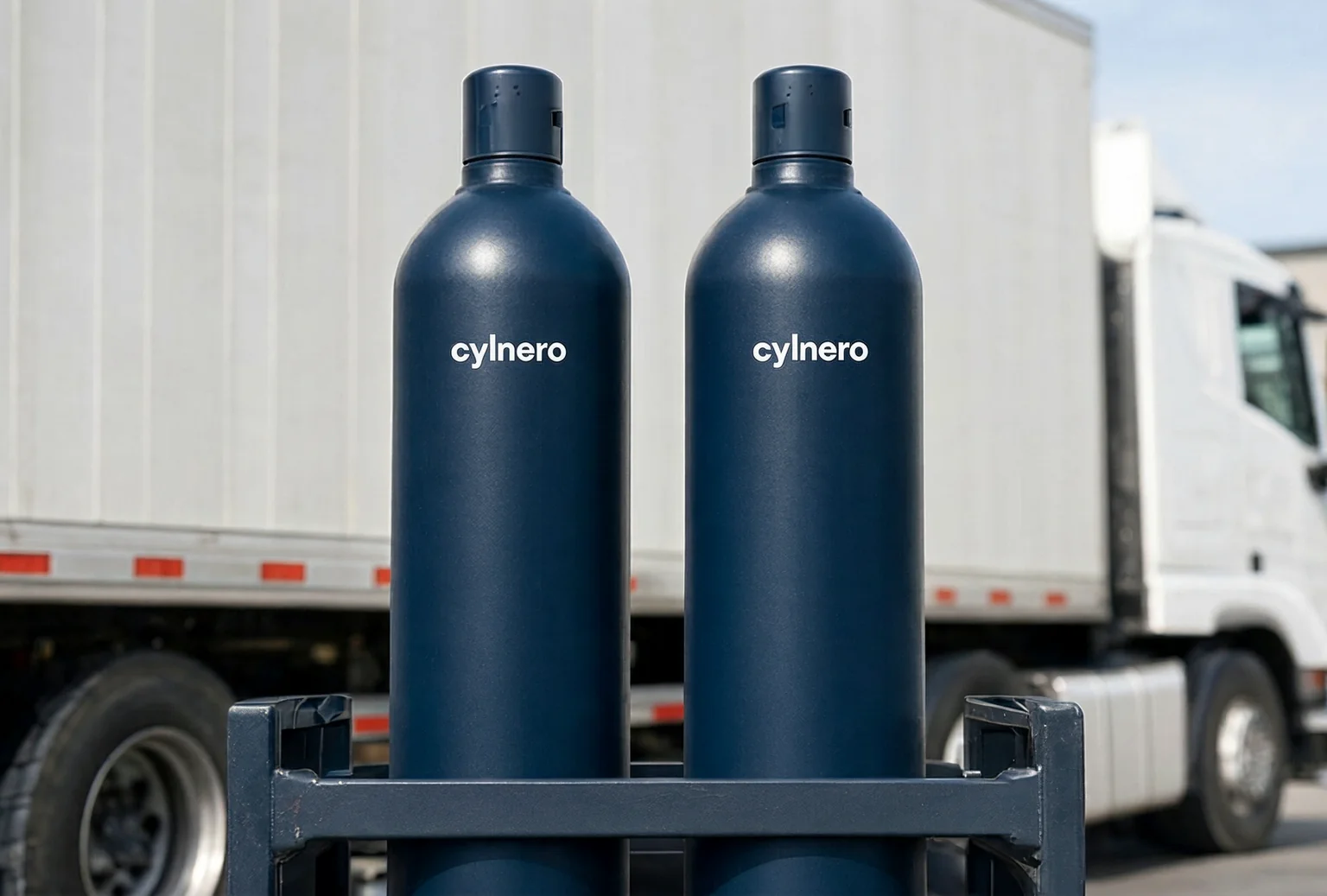
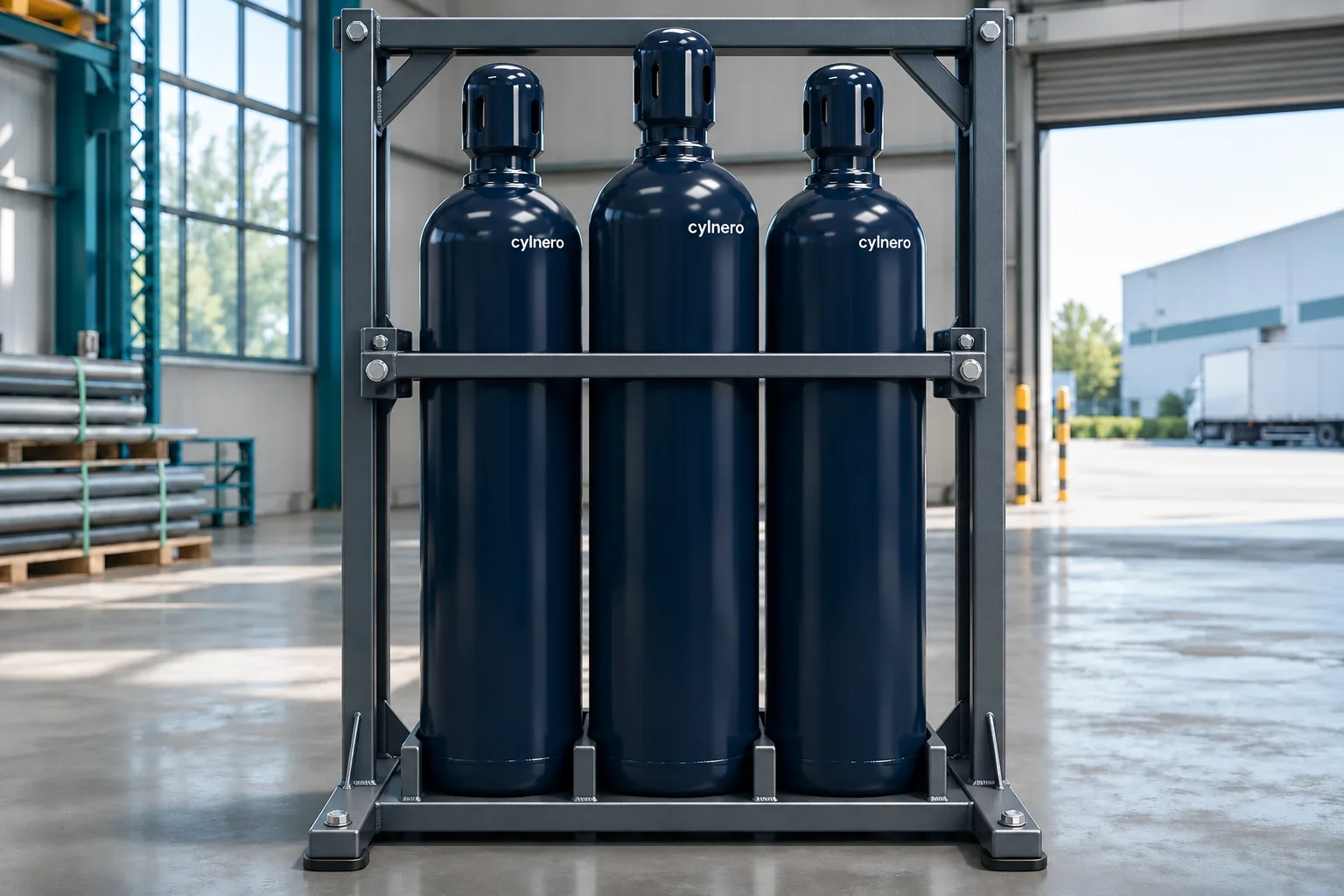
50L Industrial Gas Cylinder Series
Configurable wholesale series · Specifications confirmed during enquiry
APPLICATION-LED / WHOLESALE PROCUREMENT
Gas cylinder importers can organize mixed product-family enquiries, destination requests and purchasing quantities before selecting detailed manufacturer configurations. CYLNERO coordinates the discussion across the series you want to explore.
Gas cylinder importers can organize mixed product-family enquiries, destination requests and purchasing quantities before selecting detailed manufacturer configurations. CYLNERO coordinates the discussion across the series you want to explore. Start with the intended gas services, approximate order plan and destination. Final specifications, document scope, packaging and commercial terms are confirmed for the offer under discussion.
Swipe to see more sections →
These are starting points for an enquiry, not a statement that every configuration fits this application. The offered configuration and scope are confirmed during quotation.
Configurable wholesale series · Specifications confirmed during enquiry
Configurable wholesale series · Specifications confirmed during enquiry
Configurable wholesale series · Specifications confirmed during enquiry
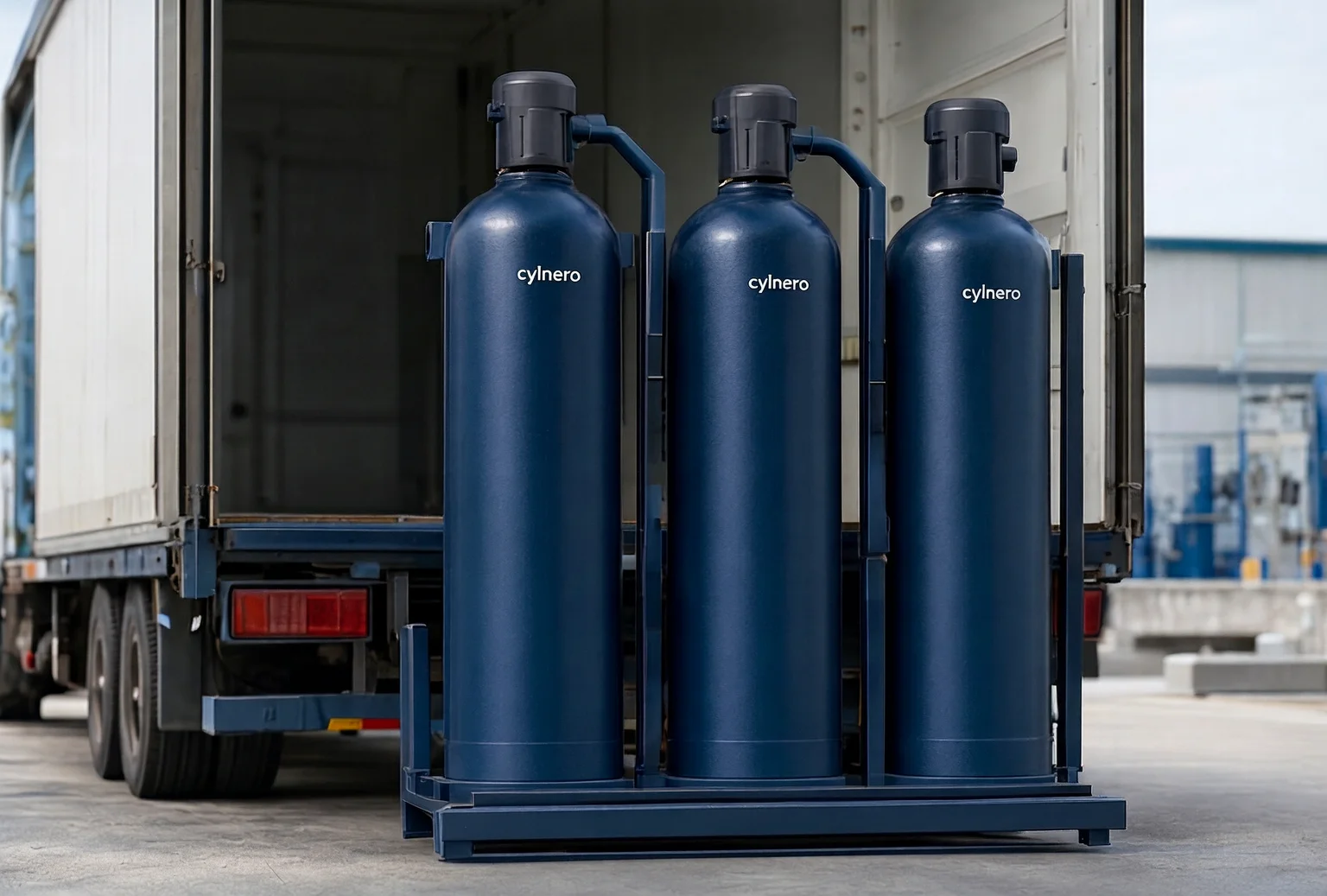
Configurable wholesale series · Specifications confirmed during enquiry
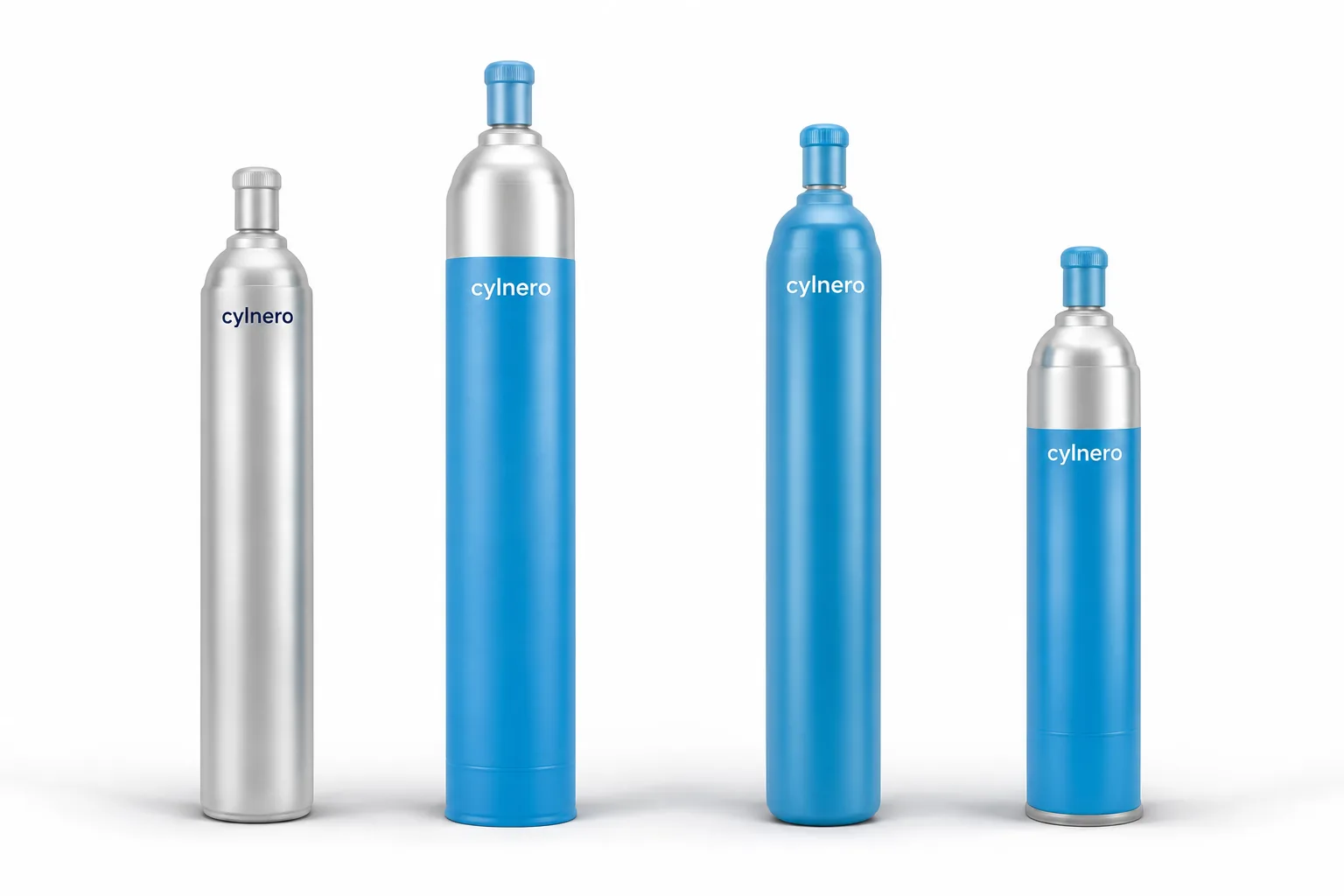
Separate the requested industrial, LPG or other product families and label the units used in each size description. Record quantities as estimates where they are not yet settled, and identify the downstream customer or distribution context where relevant. If your organization uses internal product names, include a short explanation or reference image. This allows a preliminary enquiry without inventing factory model codes or assuming that similar descriptions from different suppliers represent the same configuration.
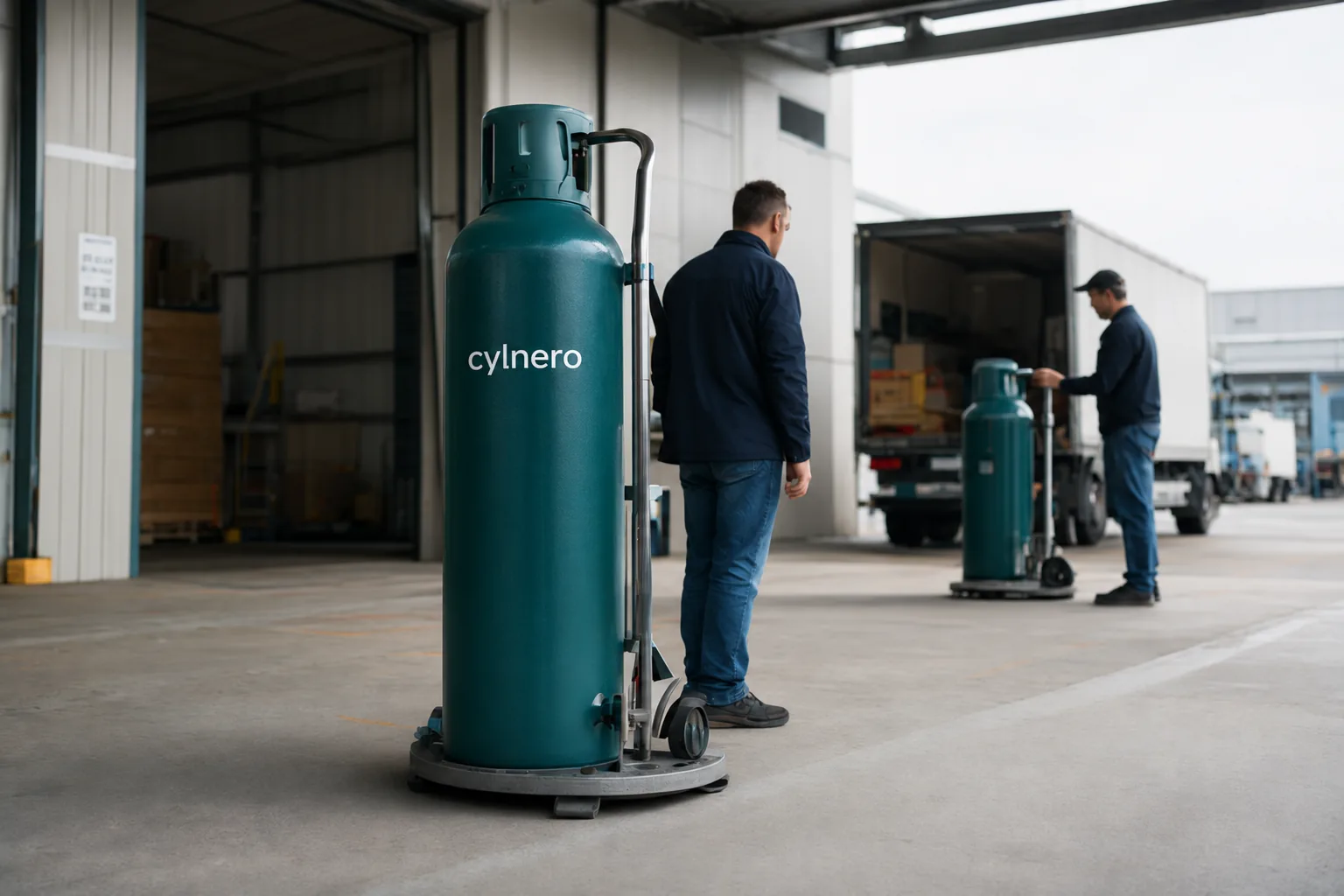
Share the destination, receiving arrangements, marking preferences and document requests that your team already knows. If several markets or customer groups are involved, explain which requests apply to each proposed configuration. Ask the manufacturer to identify what its offer includes and which points require further discussion. This page does not guarantee a customs outcome, destination acceptance or a particular shipment schedule; those matters must not be inferred from a general wholesale product listing.

Keep the proposed configuration, quantity, included components, packing and document response together when comparing offers. Separate requested features from confirmed offer details, and ask for changes to be reflected in a revised proposal. For a prospective repeat purchase, retain the configuration reference and the quotation revision used for the previous order. The series below support an initial sourcing conversation, while the quotation establishes the actual product and commercial scope the manufacturer proposes.
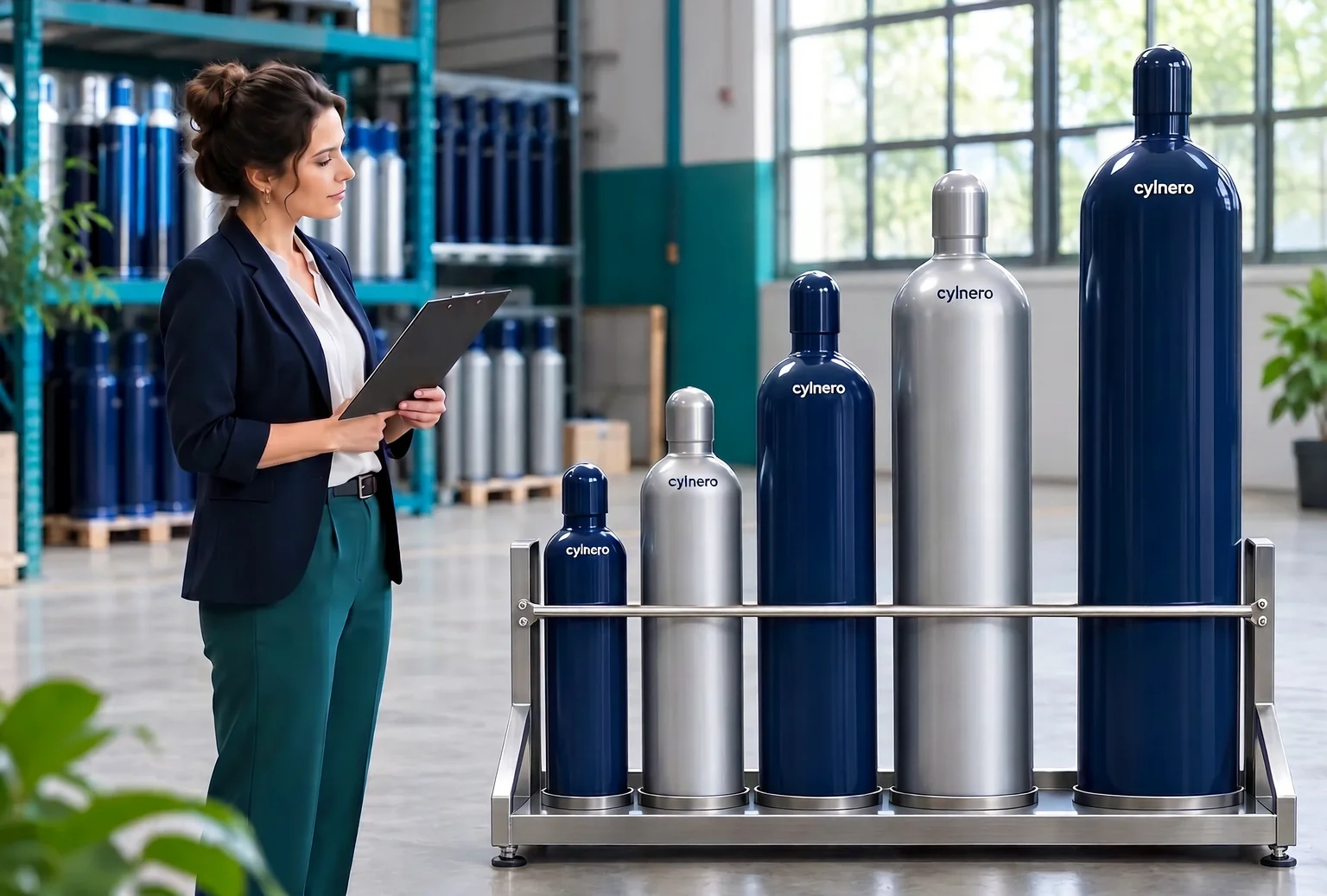
An importer may be planning one order for several gas-cylinder families or preparing separate offers for different customers. Start with a list of the requested families, intended gas services, approximate physical quantities and destinations. Identify which lines concern industrial gas cylinders and which concern LPG hardware. If a requirement is still being developed, mark it as a preliminary request rather than assigning an unsupported model number. The manufacturer can identify the proposed configuration when it responds to the brief.
Where product descriptions vary across branches, add your internal reference and explain what it means. A previous drawing, quotation or product photograph can provide useful context, but identify its source and whether it is still applicable to the current request. Separate an immediate purchase from a possible future forecast, and list different destinations where their requirements may differ. This structure allows the purchasing team to compare each proposed item with the appropriate request, rather than assuming that every product in a broad category has the same dimensions or included components.
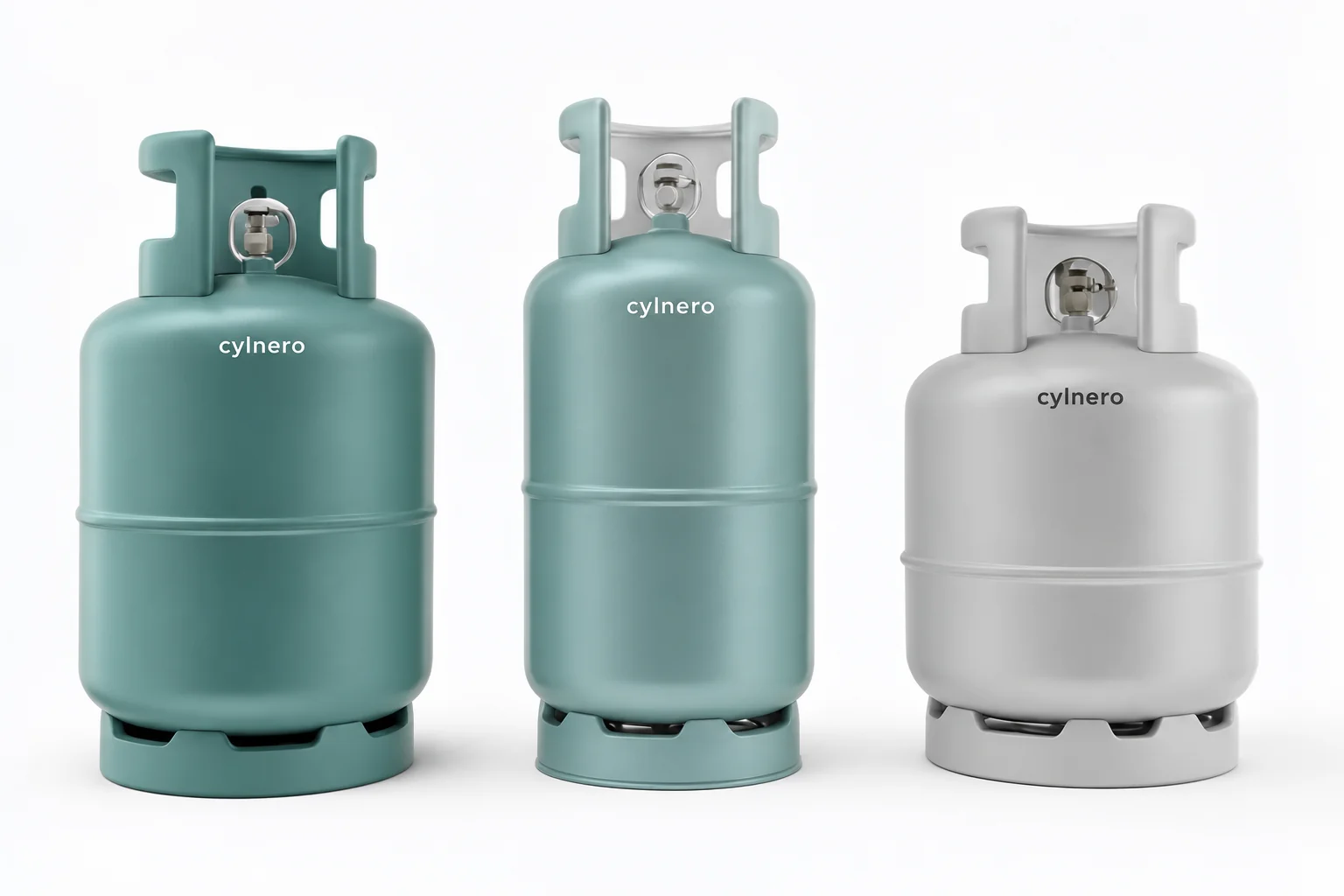
Keep the units and meaning of each size field visible. Water capacity is a volume and may be stated in litres; an LPG filling-mass designation is a mass and may be stated in kilograms. An LPG enquiry can also refer to water capacity, so neither label should be inferred solely from the product family. Physical order quantity is another separate field. If your customer supplies a familiar size name without an explanation, share that wording and ask the manufacturer how it relates to its proposed cylinder.
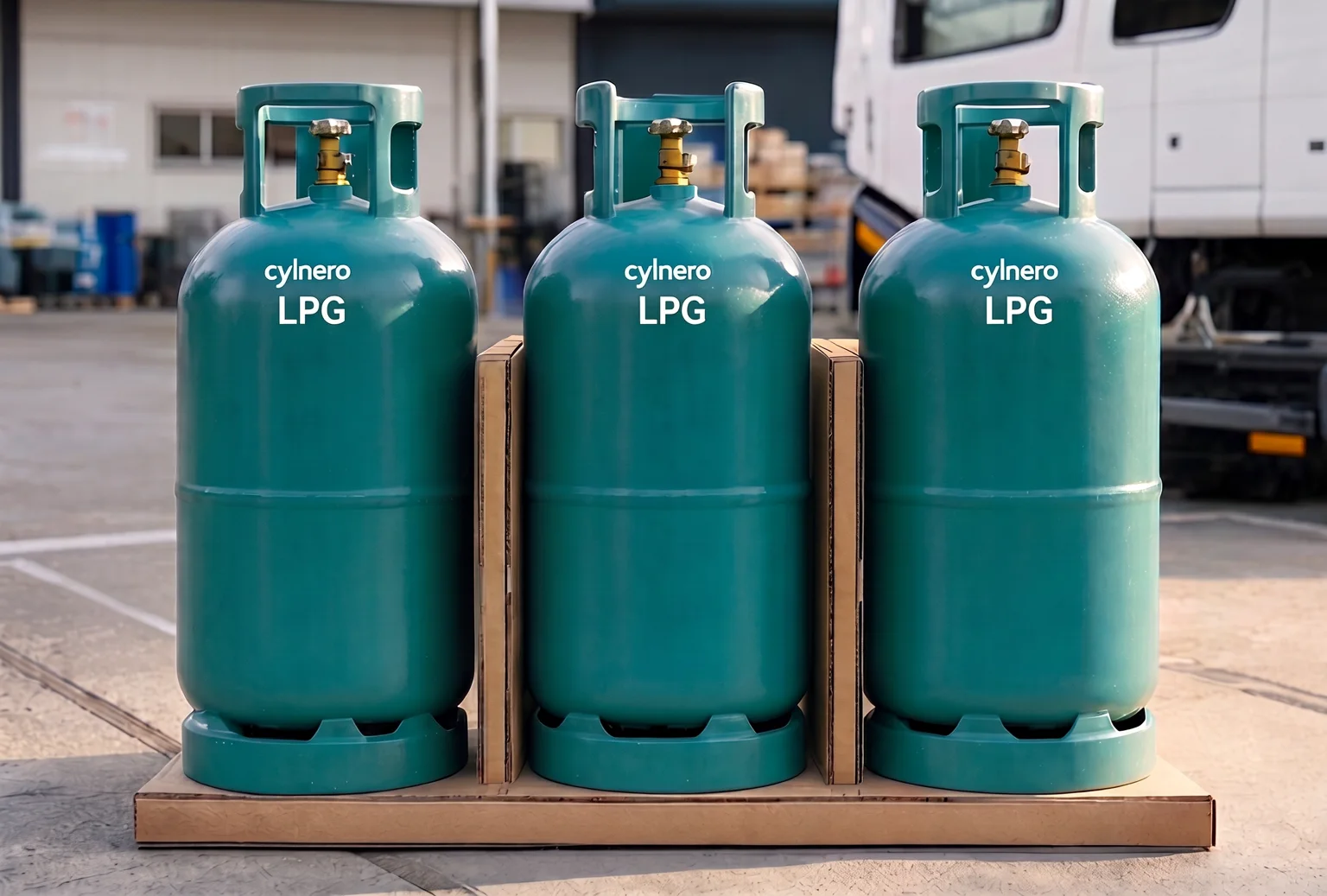
For industrial cylinder enquiries, provide the intended gas service and any known water-capacity or pressure requirement with the original units. For LPG hardware, state the requested size description and its basis where known. In both cases, ask for the dimensions and stated weight of the actual offered configuration. Clarify whether a weight includes the valve, protection or packing, and whether dimensions include attached components. These questions support a consistent purchasing comparison without converting an indicative description into a verified product specification.
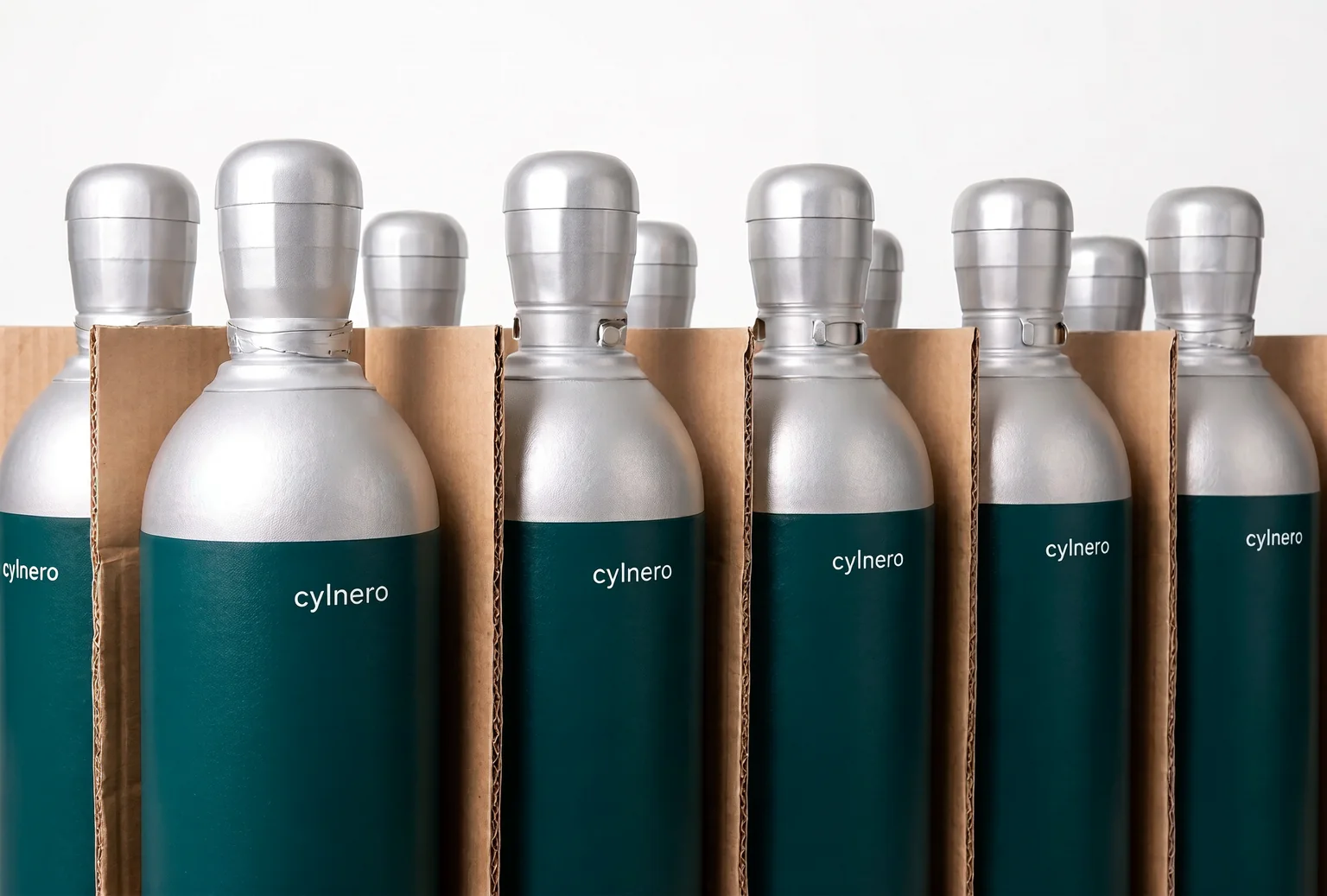
The quoted cylinder scope may be a body or an assembly with a valve and protective items. Describe the package your organisation wants to discuss, and ask the manufacturer to identify which components are included or offered separately. Provide an existing connection reference if available; leave it open if the responsible team has not determined it. Different product families or downstream customers may require separate configuration lines. Ask the manufacturer to identify the components included in each proposed offer.
Importers may also have requests for branding, product identification or packing. Share existing artwork, product-line references and any known customer requirements with the relevant quotation request. Ask the manufacturer what it proposes for each configuration and how the goods will be grouped for delivery. If your receiving site has limits on package size or needs groups identified by destination, describe those requirements. The manufacturer's actual response establishes the proposed scope; a generic product page does not promise a particular marking, packaging method or delivery arrangement.

Destination can affect the questions your organisation needs answered, especially where a mixed order is intended for more than one market. List the destination and any existing customer or project references against each requested product group. Share document or identification requirements already supplied by the responsible parties, including their source and revision where available. If those requirements are not yet known, record them as open questions for the appropriate local and technical reviewers instead of assuming a universal certificate list.
Ask the manufacturer to identify what information it can provide for the proposed configuration and how its quotation describes the document scope. A company brochure, a sample record and order-specific information may serve different purposes. Keep the proposed delivery location, package grouping and relevant offer revision together so that purchasing and receiving teams can follow the same request. Customs treatment, local acceptance and the responsibilities of other parties depend on the actual transaction and should be reviewed with the relevant advisers rather than inferred from the product category.
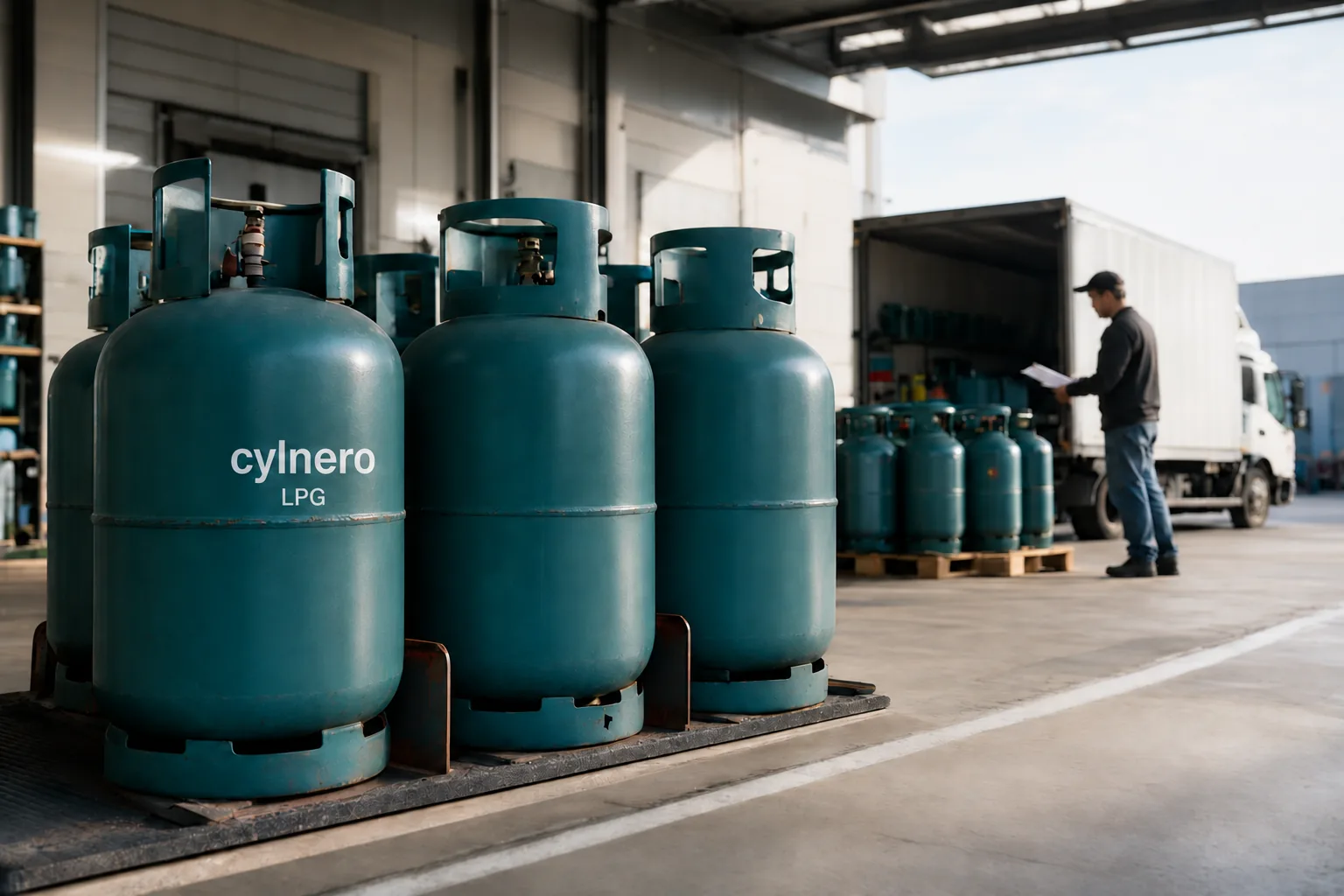
Compare offers against a common list of requests: gas service, size description and units, physical quantity, included components, marking, packing, destination and available supporting information. Identify what each supplier has actually proposed, and keep any unanswered questions visible. A lower headline price for a cylinder body may cover a different scope from a price for a valved assembly or a grouped shipment. Ask suppliers to clarify the differences and retain the quotation revision associated with each answer.
For a repeat purchase, identify the previous configuration or offer reference when available, then describe the current quantity, destination and any requested changes. Ask whether the new response uses the same stated configuration and how any alternative is identified. Later forecasts can be discussed separately from the immediate purchase. CYLNERO coordinates the exchange of buyer requirements and manufacturer responses; the manufacturer identifies the product and commercial scope it proposes. This keeps hardware sourcing distinct from any separate arrangement for gas supply or local distribution.
List the intended product families, approximate quantities and destination markets. Add known gas-service, size, marking or document requirements for each group, keeping filling mass and water capacity in their original units. A factory model is not needed to begin the discussion.
List each destination market, product group and requested marking information separately. Share available artwork and any requirements already identified for each market, then ask the supplier to explain the proposed marking and proof process for each quotation line.
Yes. Keep the product families, size units, intended gas service and quantity requests clearly separated. The manufacturer response should identify the proposed configurations and their commercial scope rather than treating a mixed enquiry as one undifferentiated product.
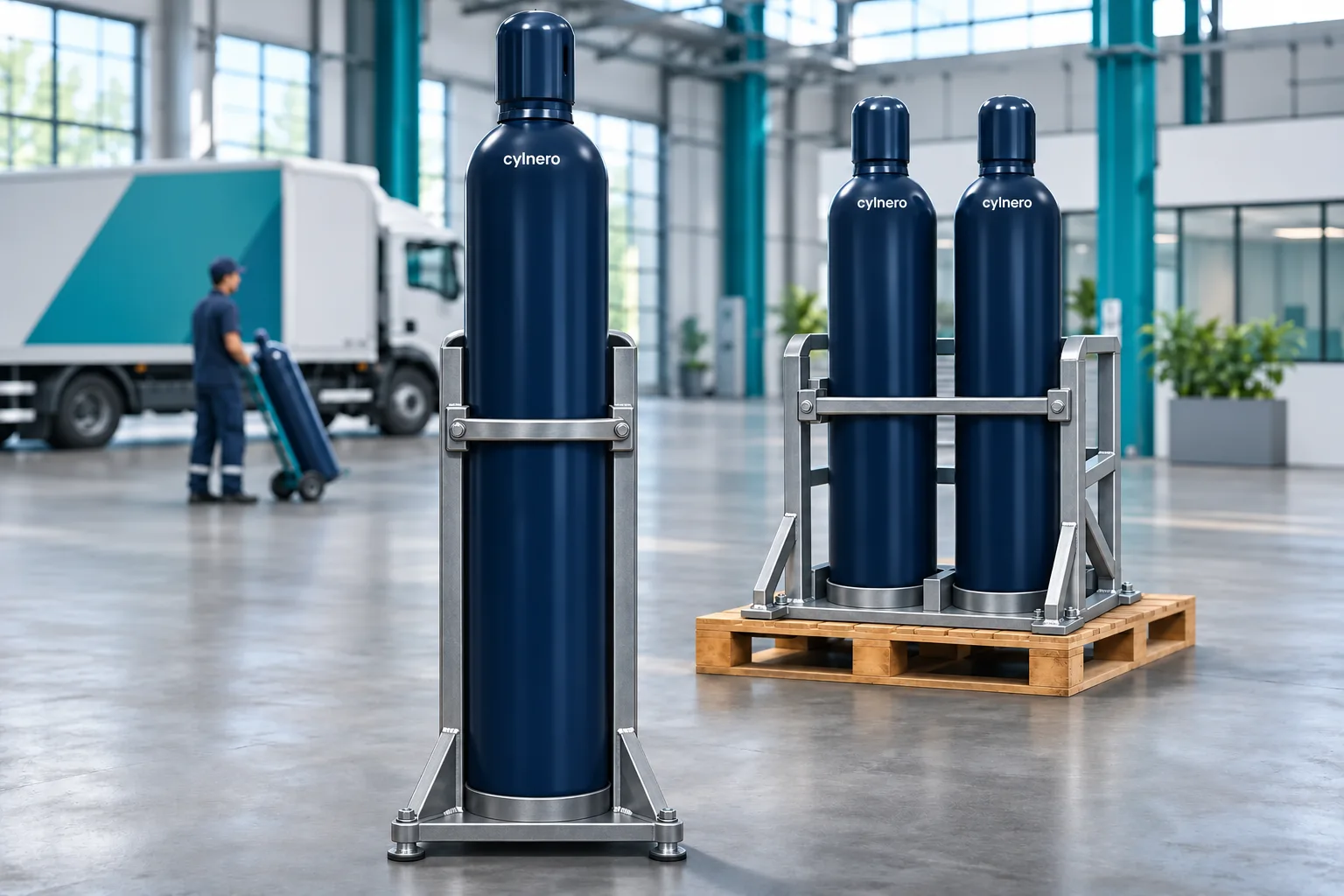
Cylinder purchasing for a distribution business starts with the customers and product families you serve.
Explore purchasing needs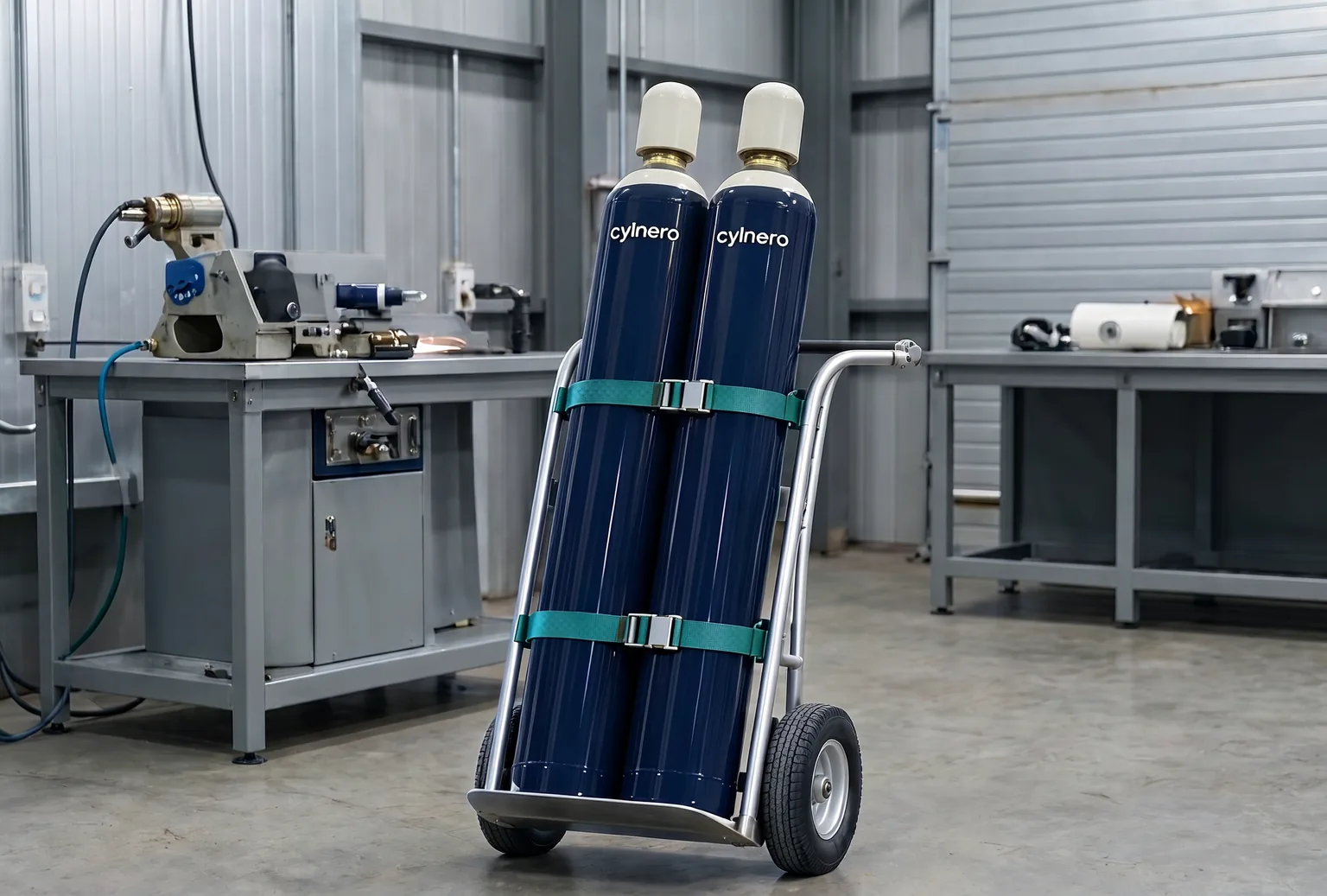
Welding suppliers and workshop purchasing teams can start with the cylinder families and commercial requirements they need to discuss.
Explore purchasing needs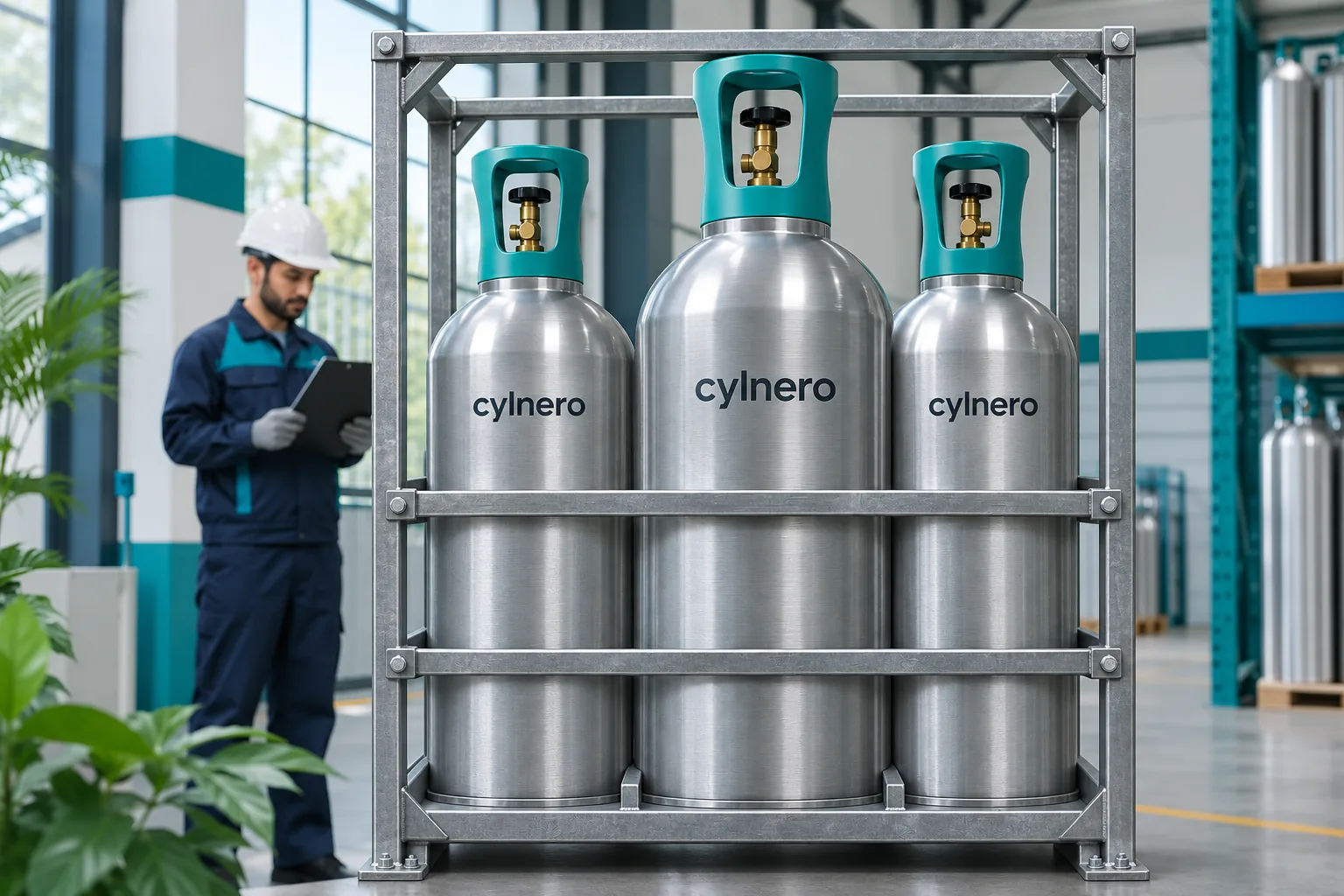
Medical-gas organizations and distributors can use this application page to organize a cylinder procurement brief.
Explore purchasing needsLPG distributors, importers and filling organizations can prepare enquiries for cylinder hardware and the configurations they want to discuss.
Explore purchasing needs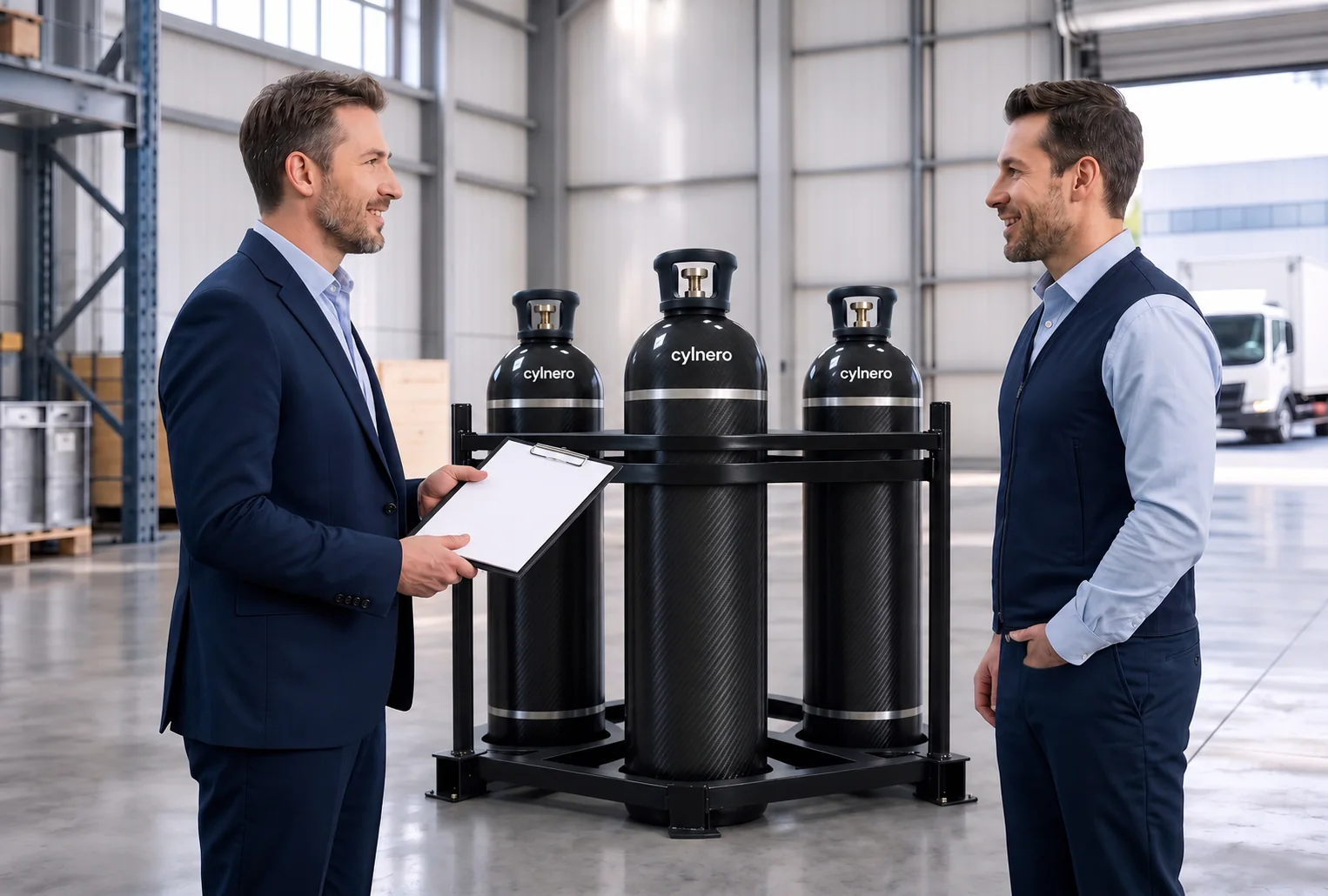
Hydrogen refueling project purchasers can use this page to scope cylinder-related enquiries within a wider project.
Explore purchasing needs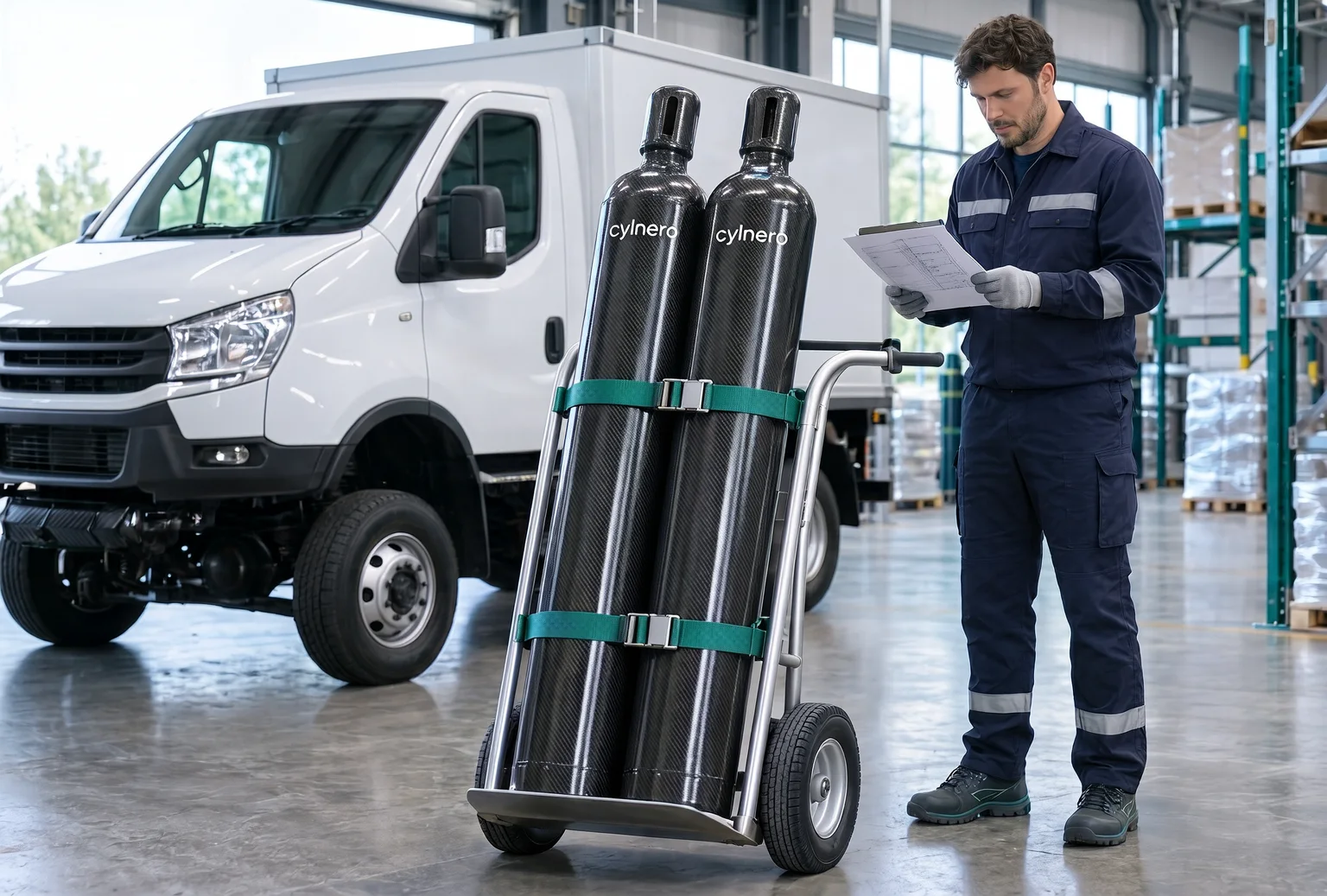
Purchasing teams working on onboard hydrogen equipment can prepare a cylinder-series enquiry before the detailed configuration is settled.
Explore purchasing needs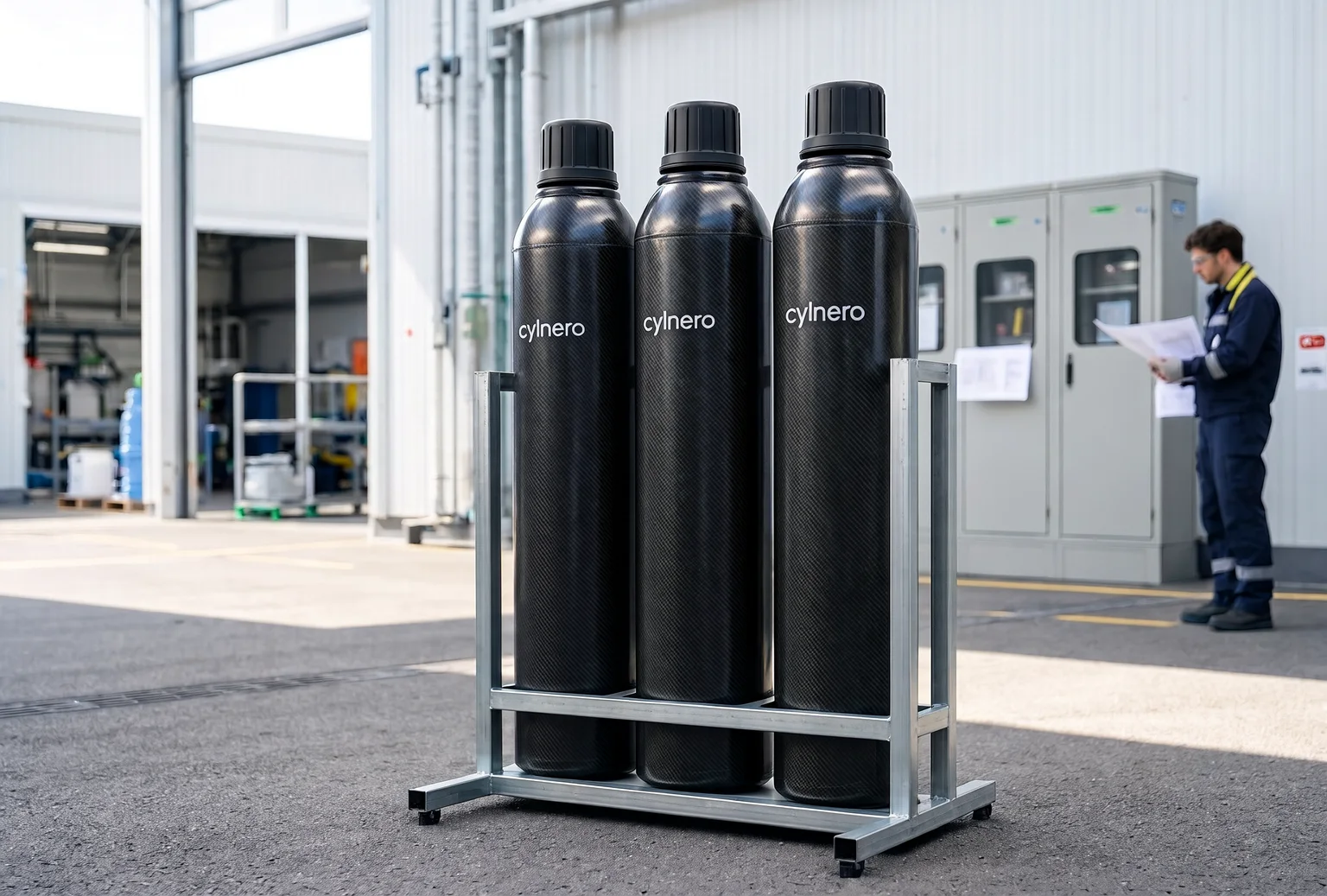
Stationary hydrogen equipment purchasers can organize a cylinder enquiry around the component scope and the requirements their project team has established.
Explore purchasing needs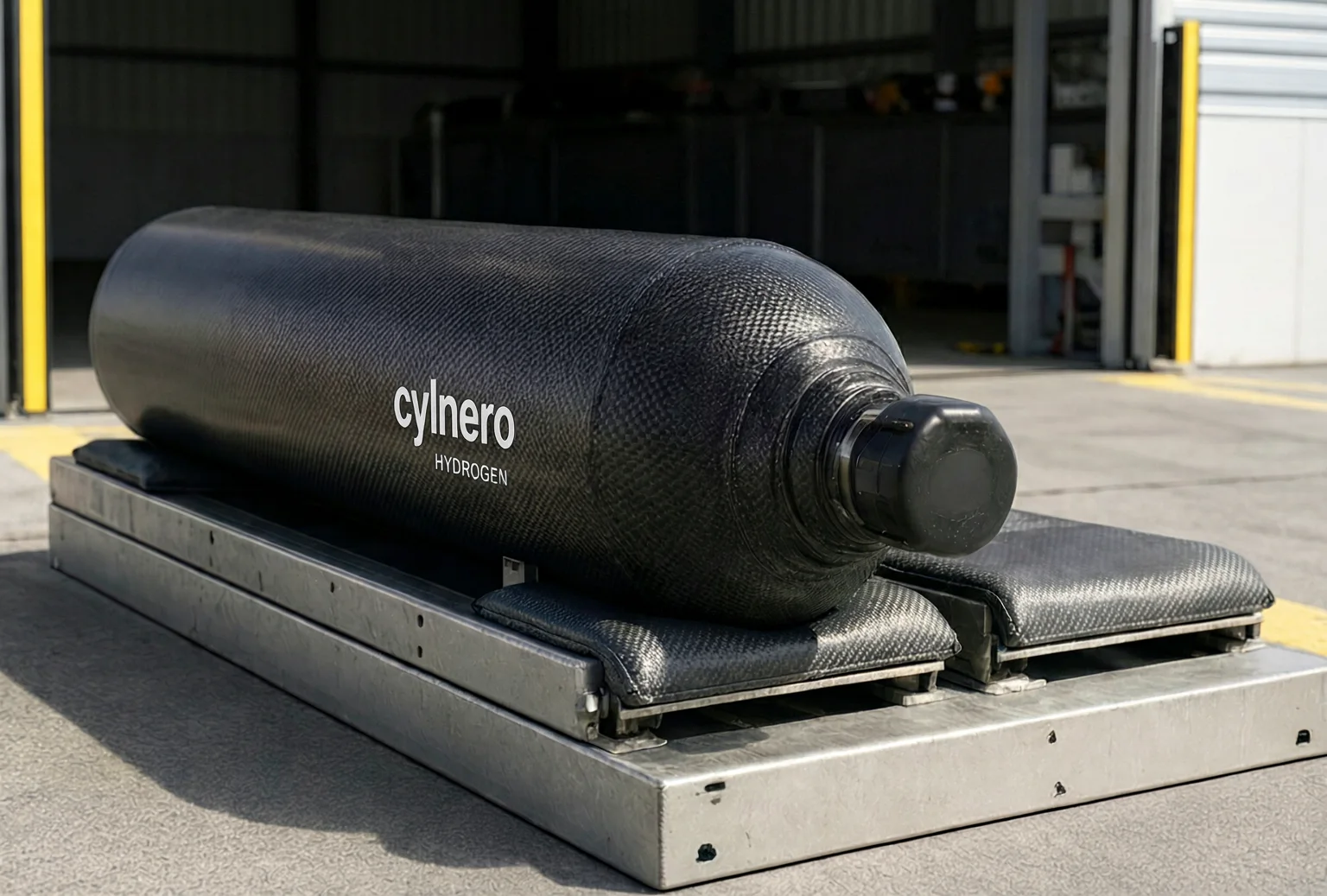
Hydrogen equipment OEM purchasing teams can use this page to organize configurable cylinder-series enquiries and repeat-order discussions.
Explore purchasing needs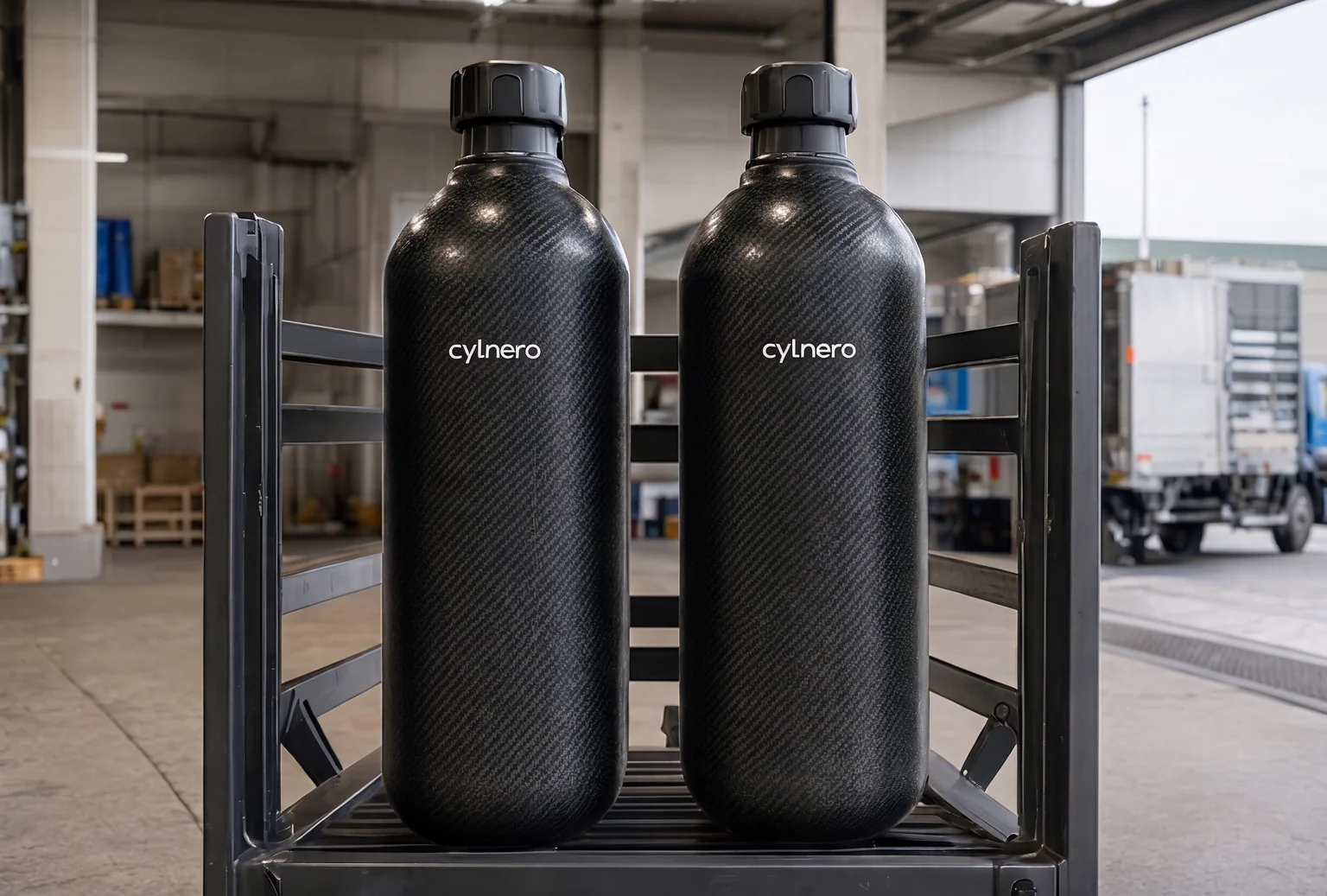
COPV integration purchasers can start with the intended medium, equipment context and component boundary.
Explore purchasing needs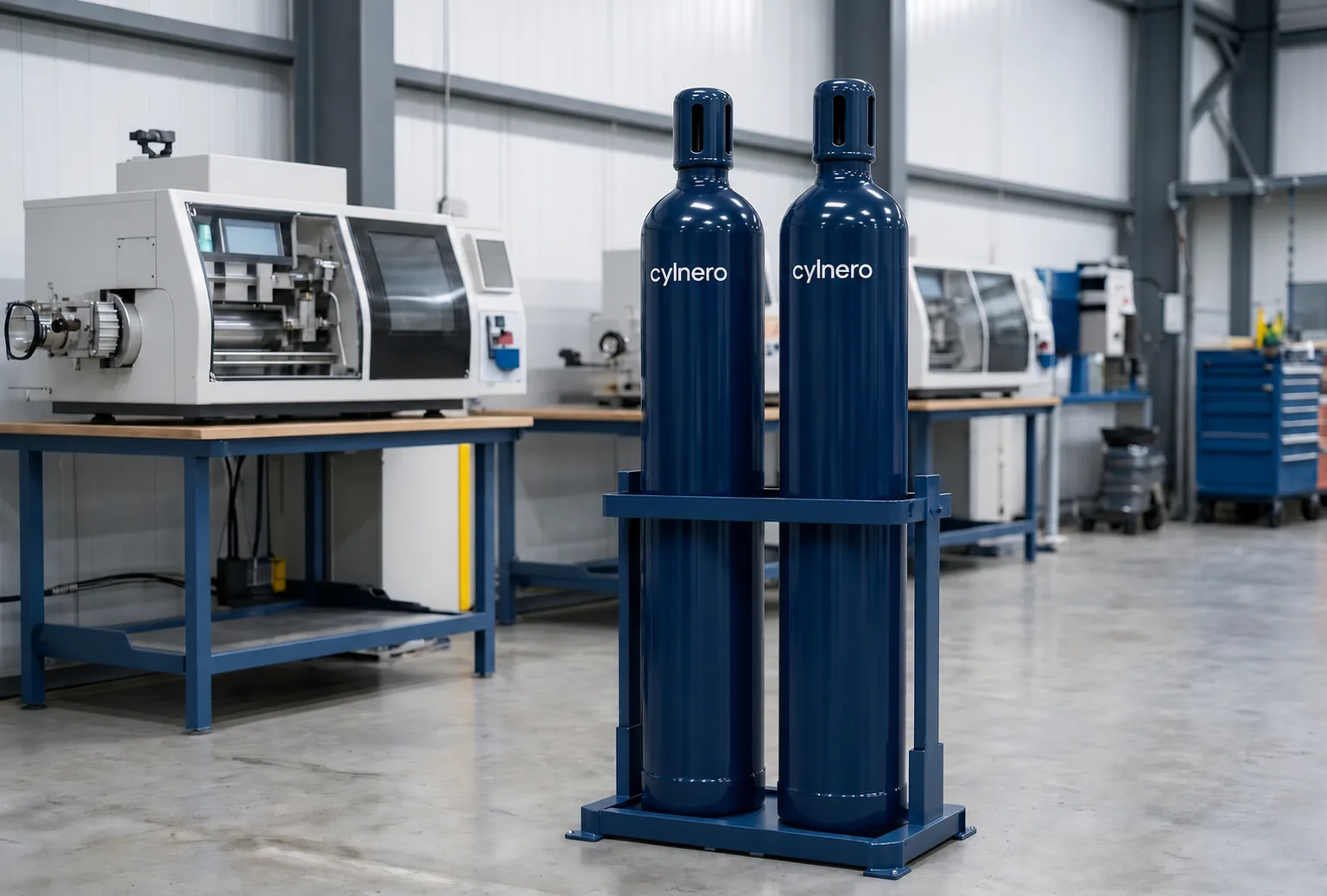
Industrial equipment OEMs can prepare cylinder or vessel enquiries around their equipment requirements, purchasing schedule and available interface information.
Explore purchasing needs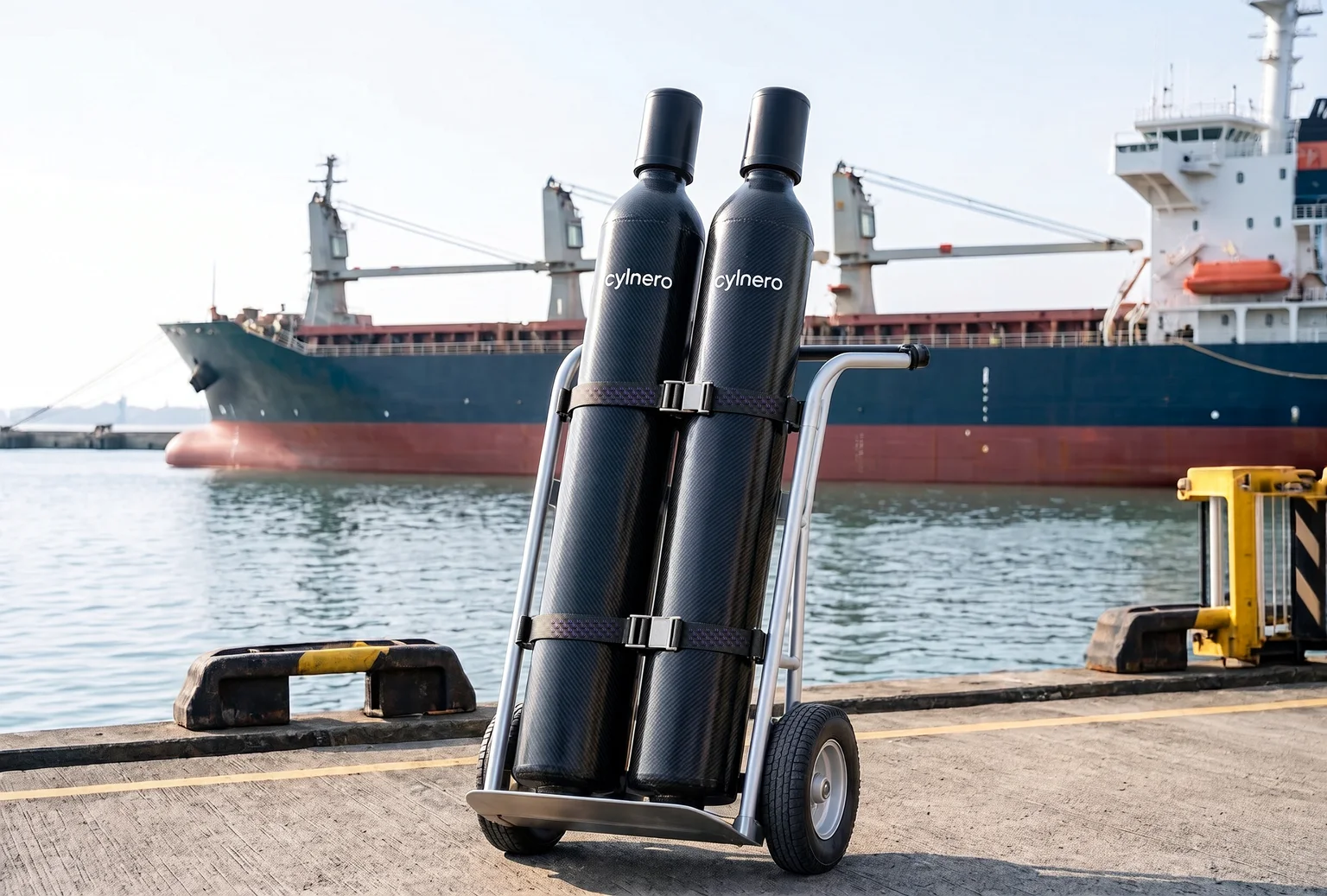
Marine hydrogen project purchasers can use this page to define a cylinder-related enquiry within a wider vessel or equipment project.
Explore purchasing needs