 Wholesale sourcing
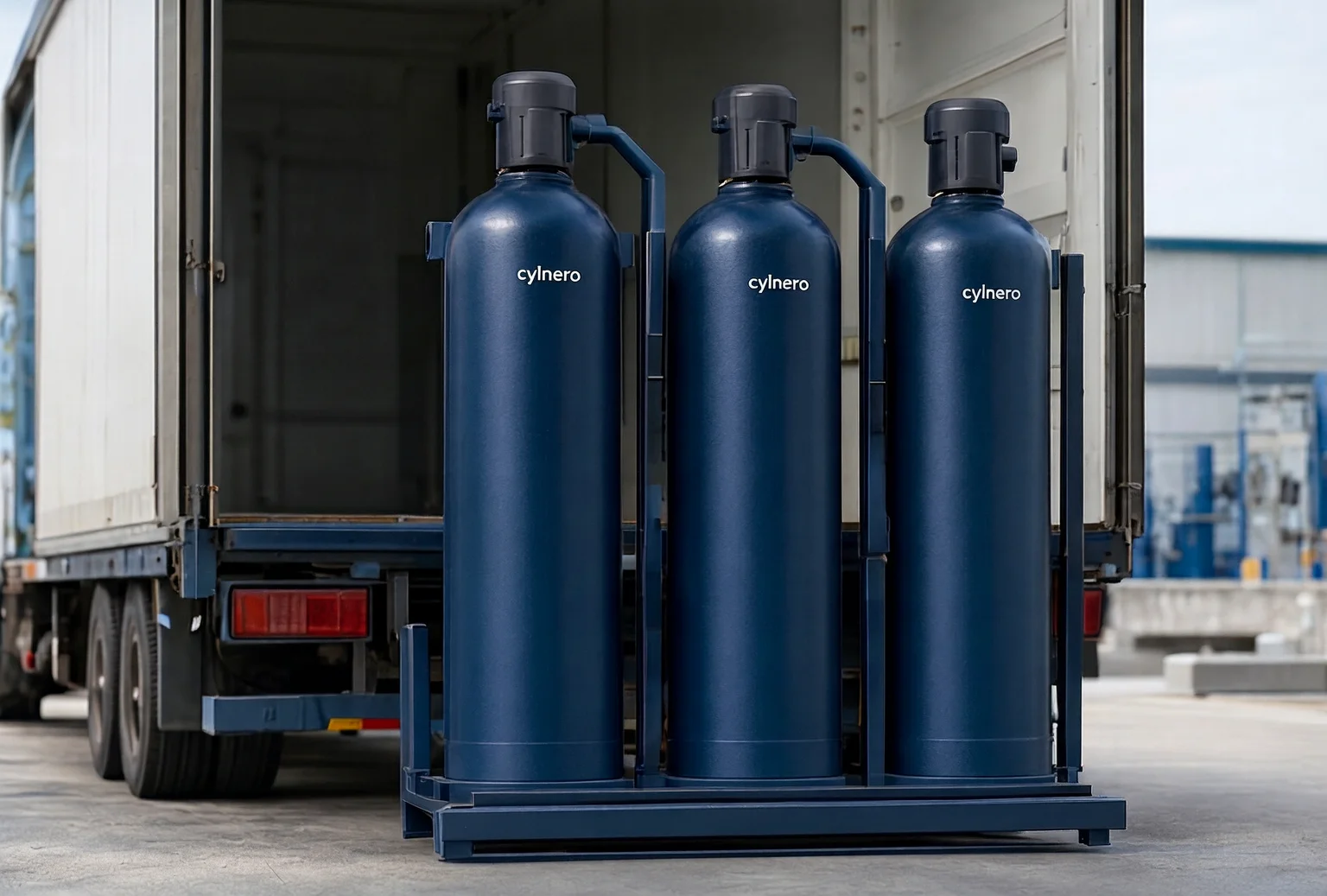
Seamless steel
Discuss a steel-cylinder configuration for your intended industrial gas service.
Explore details ↗INDUSTRIAL GAS / WHOLESALE RANGE
Find a starting point for your industrial gas cylinder enquiry. Compare material families, requested sizes and supply scope before discussing the proposed configuration with the manufacturer.
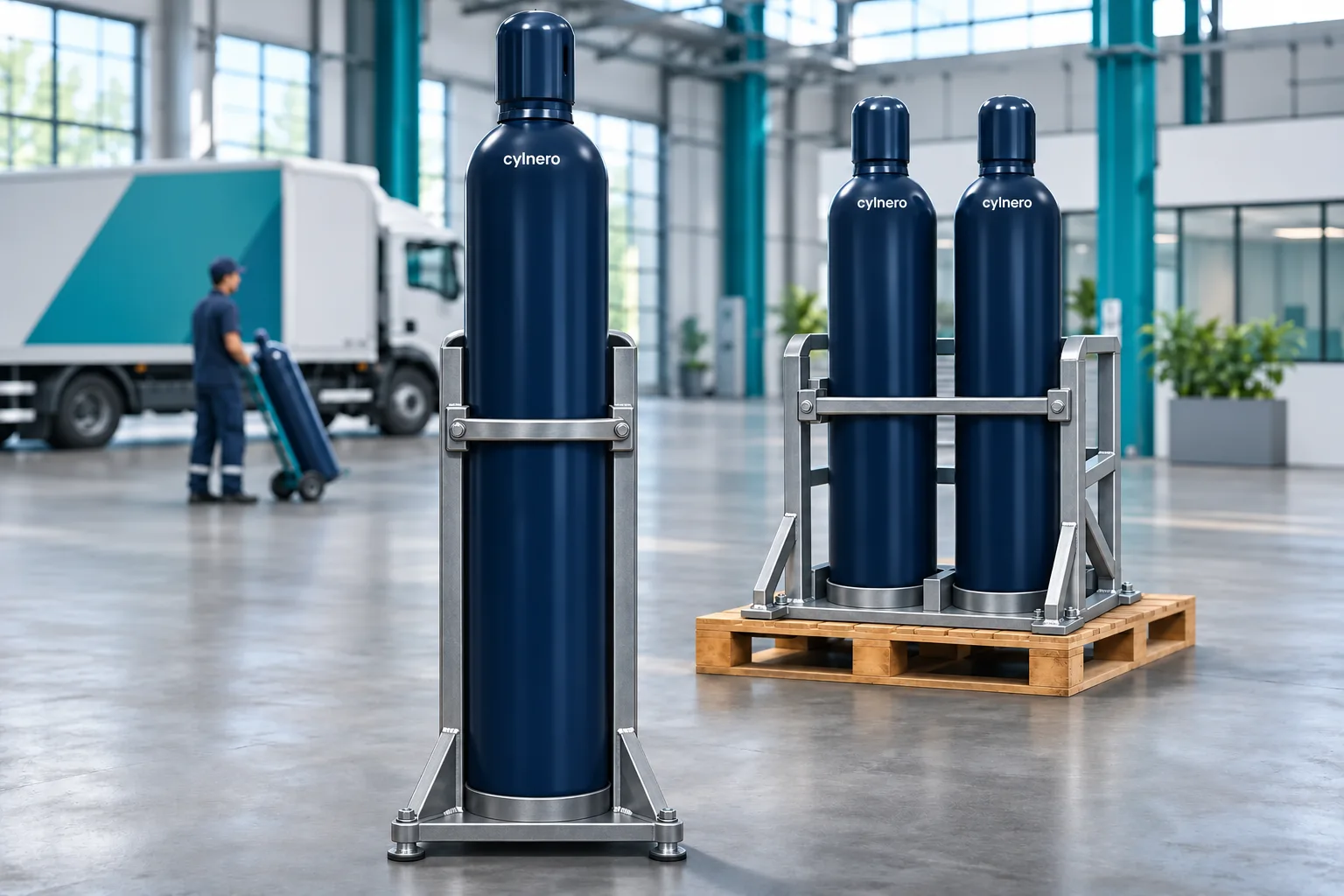
CHOOSE A STARTING POINT
Choose the material or requested capacity that fits your brief. The manufacturer confirms the actual configuration.
Discuss a steel-cylinder configuration for your intended industrial gas service.
Explore details ↗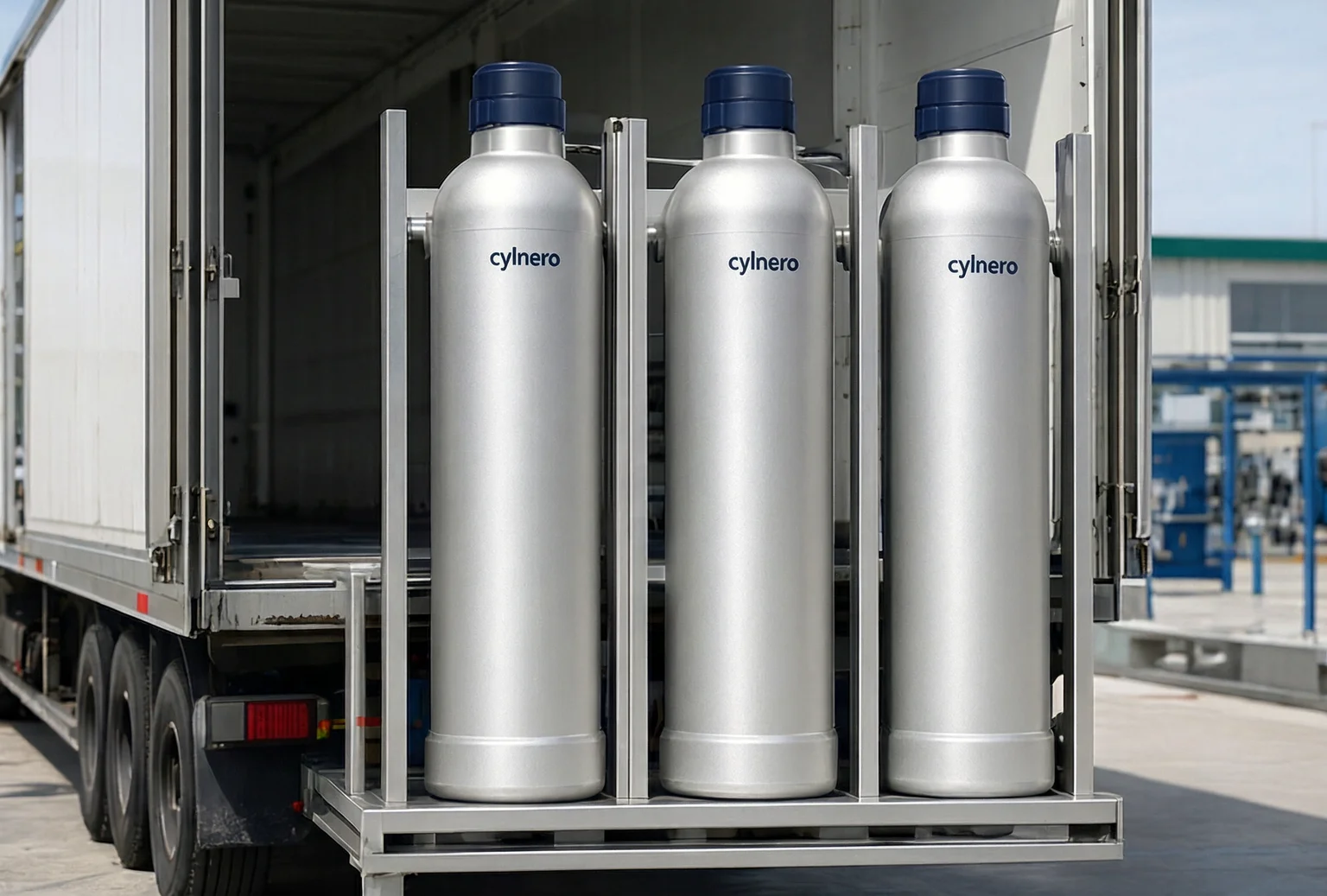
Request an aluminum-cylinder proposal against your size and application brief.
Explore details ↗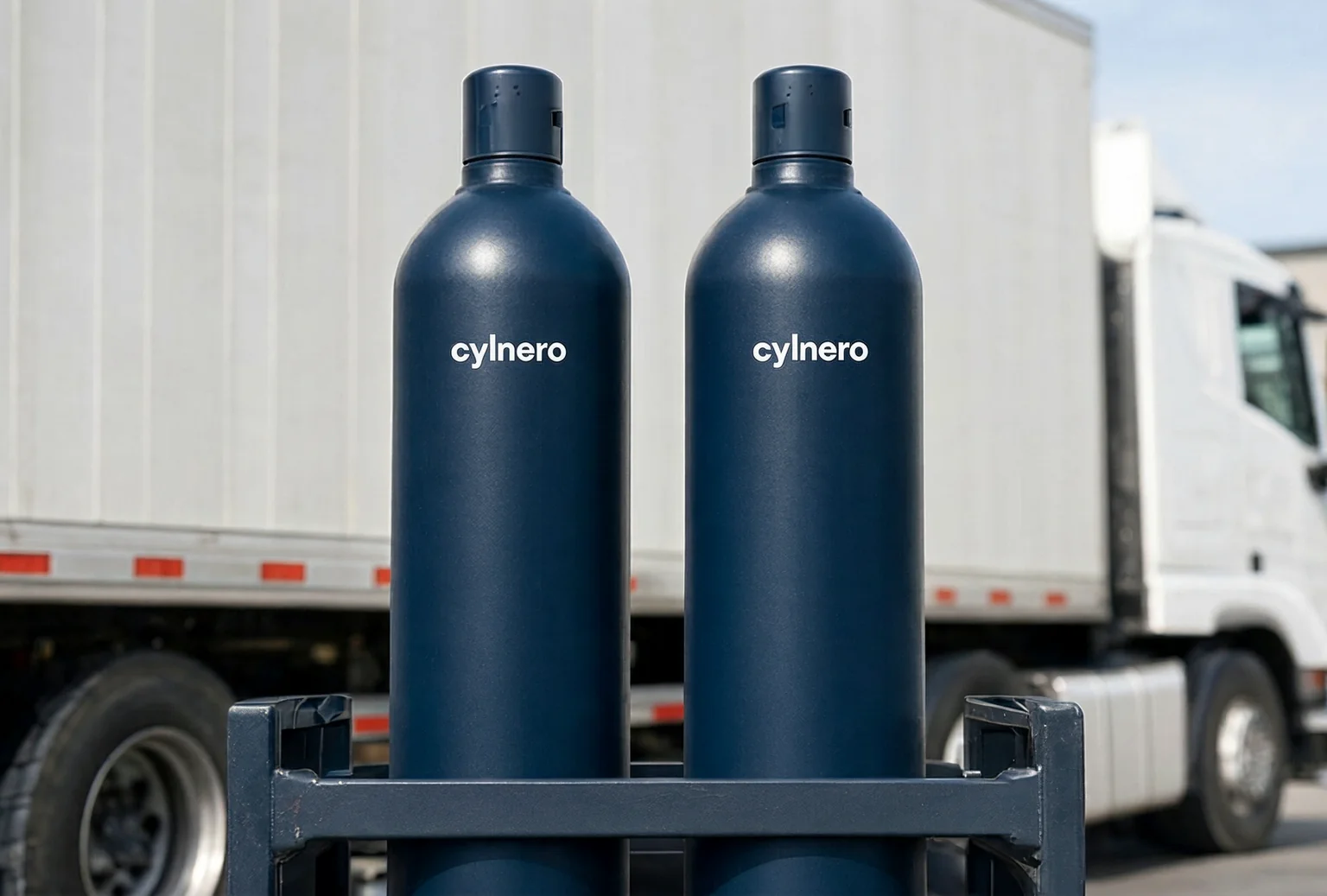
Start with a requested 50 L water-capacity designation and discuss the complete configuration.
Explore details ↗Industrial gas cylinder buyers may be sourcing hardware for distribution, equipment integration or a workshop programme. Start with the intended gas service, approximate physical quantity and destination. If your organization already has a cylinder reference, drawing or equipment requirement, share the source and revision. A manufacturer model number is not required for the first conversation: unknown dimensions, pressure fields or connections can remain open until the manufacturer identifies a proposed configuration. Describe whether the request relates to an existing programme, a new product range or an equipment project.
The range below provides three ways to begin: seamless steel cylinder enquiries, aluminum cylinder enquiries and a nominal 50 L steel cylinder request. These are sourcing directions rather than three confirmed factory models. The proposed gas service, cylinder dimensions, valve and other components belong to the actual manufacturer response. If several applications or receiving locations are involved, list the requirements separately so that each proposed configuration can be compared with the right request. Share the relevant customer or branch reference where that helps explain the purchase.
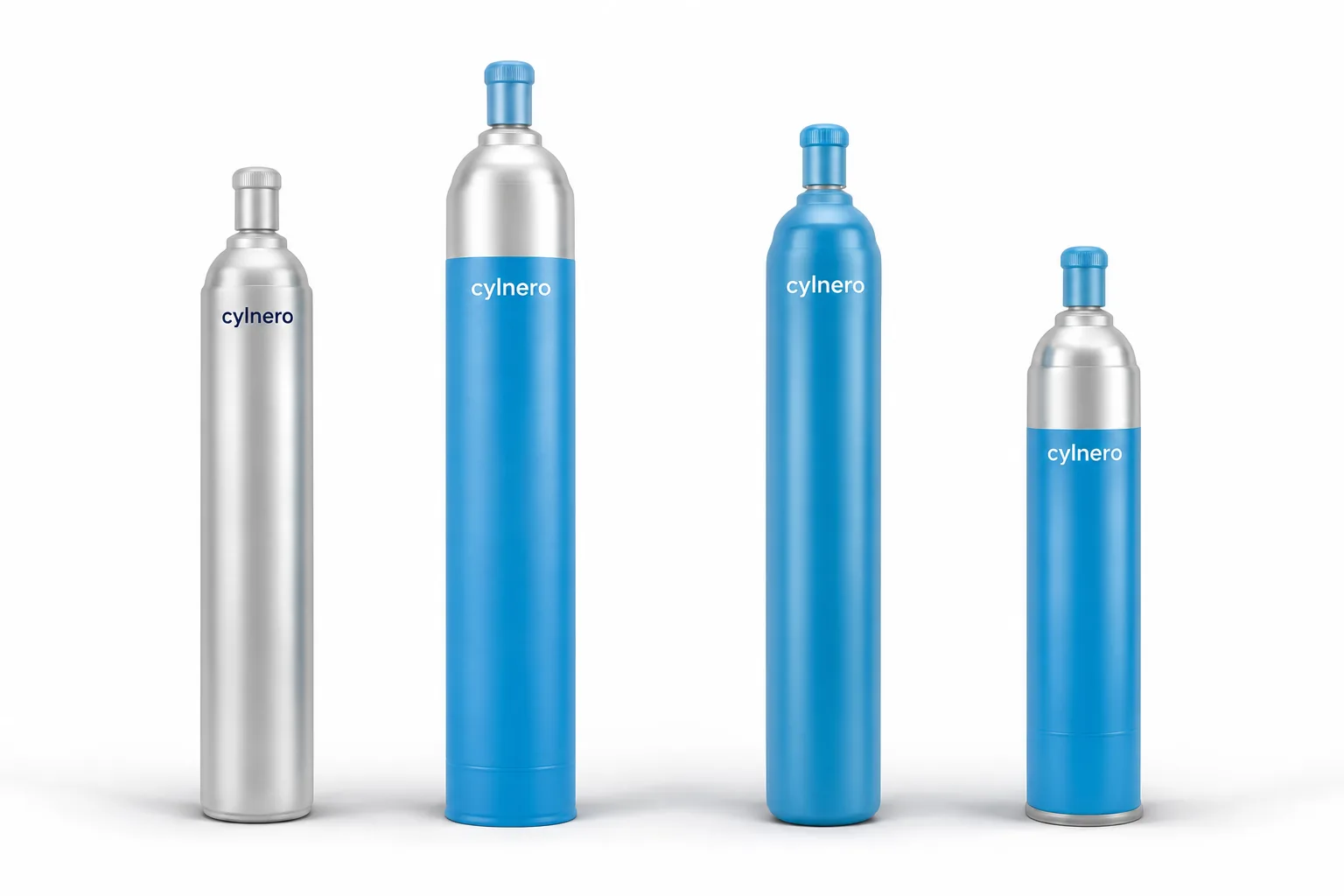
A steel or aluminum category describes the material family; it does not establish the same size, weight, rating or gas suitability for every product in that family. Compare the manufacturer's stated water capacity, pressure basis and dimensions using the original units. For the nominal 50 L route, identify that figure as a requested water-capacity designation and keep it separate from physical order quantity. Ask the supplier to confirm how its proposed configuration relates to the request, including any field that uses a different description.
For each offer, check what the stated weight and dimensions include. A cylinder body, an assembly with a valve and protective cap, and a packed shipment can have different bases. Record the proposed valve or connection reference and ask whether protection, markings or packing are included. Compare the actual configurations and supporting information available for your application, including their stated dimensions and component scope. Keep the quotation and drawing revision with the values used in the comparison.
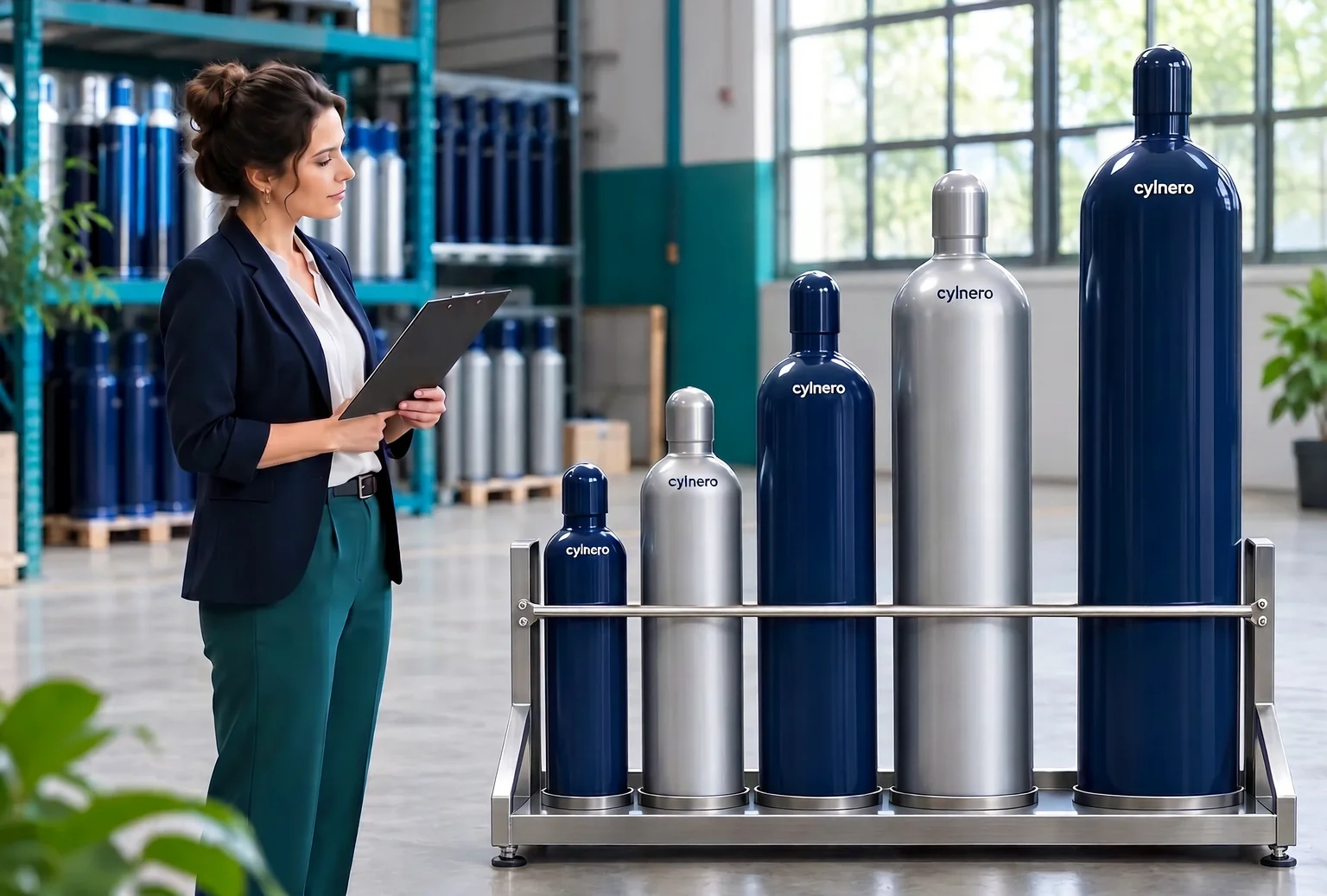
Select the seamless steel route if your brief calls for a steel cylinder and you want to discuss a proposed configuration. Choose the aluminum route when your team wants a manufacturer response for that material family. Use the 50 L route when a nominal 50 L water-capacity request is the useful starting point. The manufacturer confirms its proposed cylinder, dimensions, service scope and any options in the quotation; selecting a route does not reserve stock or establish a final specification.
If the material or size is undecided, compare two requests against the same gas service, destination and quantity. Ask each manufacturer to identify the configuration, included components, stated weight basis and available documents. An equipment buyer can share an installation envelope or connection drawing, while a distributor can separate quantities and marking requests by customer or branch. The relevant project reviewers assess the offered configuration against their own requirements before a purchasing decision is made. An alternative should remain identifiable as a separate proposal.

Include the intended gas service and application, the approximate number of cylinders and the destination. Add any known capacity or pressure requirement with its units, available dimensions, valve or connection reference, and your desired scope: body only or a proposed assembly. If your team has branding, packing or delivery-group preferences, state them as requests. A drawing, prior quotation or internal product reference can help explain the brief without requiring a current factory model code. Identify which details remain open for discussion.
When responses arrive, keep the proposed configuration, included parts, available information and commercial terms with the relevant offer revision. Ask how the manufacturer identifies alternatives and which questions remain open. A lower price for a cylinder body may cover a different scope from a valved and packed assembly. CYLNERO coordinates the exchange of buyer requirements and manufacturer responses; the manufacturer identifies the product and commercial scope it proposes for the order under discussion. Keep any later change in quantity, destination or requested components with the revised offer.
COMMON QUESTIONS
No. Begin with the intended gas service, approximate physical quantity and destination. Add known capacity, pressure, connection or drawing references, and leave other fields open for the manufacturer discussion.
Ask each manufacturer to identify the proposed configuration, gas-service scope, dimensions, weight basis and included components. Compare the responses against the same request and retain the original units and offer revisions.
No. In this range, 50 L is a requested water-capacity designation. Ask the manufacturer to identify the proposed cylinder, valve, protective items, markings and packing separately.
Use a consistent gas service, quantity and destination when comparing actual steel and aluminum offers.
Read the steel vs aluminum comparison ↗