Wholesale sourcing
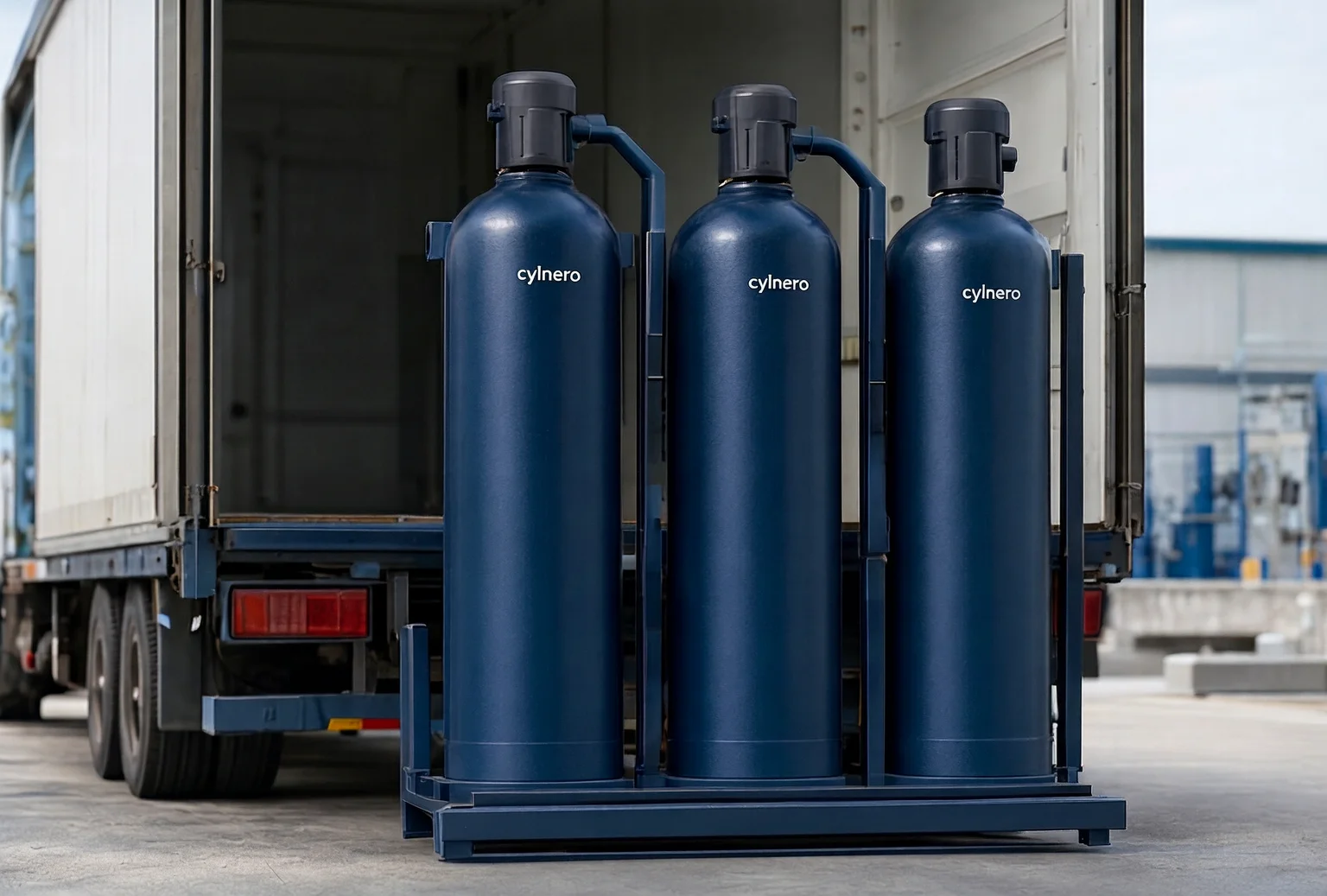
Wholesale procurement guide. Exact product specifications and destination requirements are confirmed during enquiry.
Define your empty-cylinder enquiry
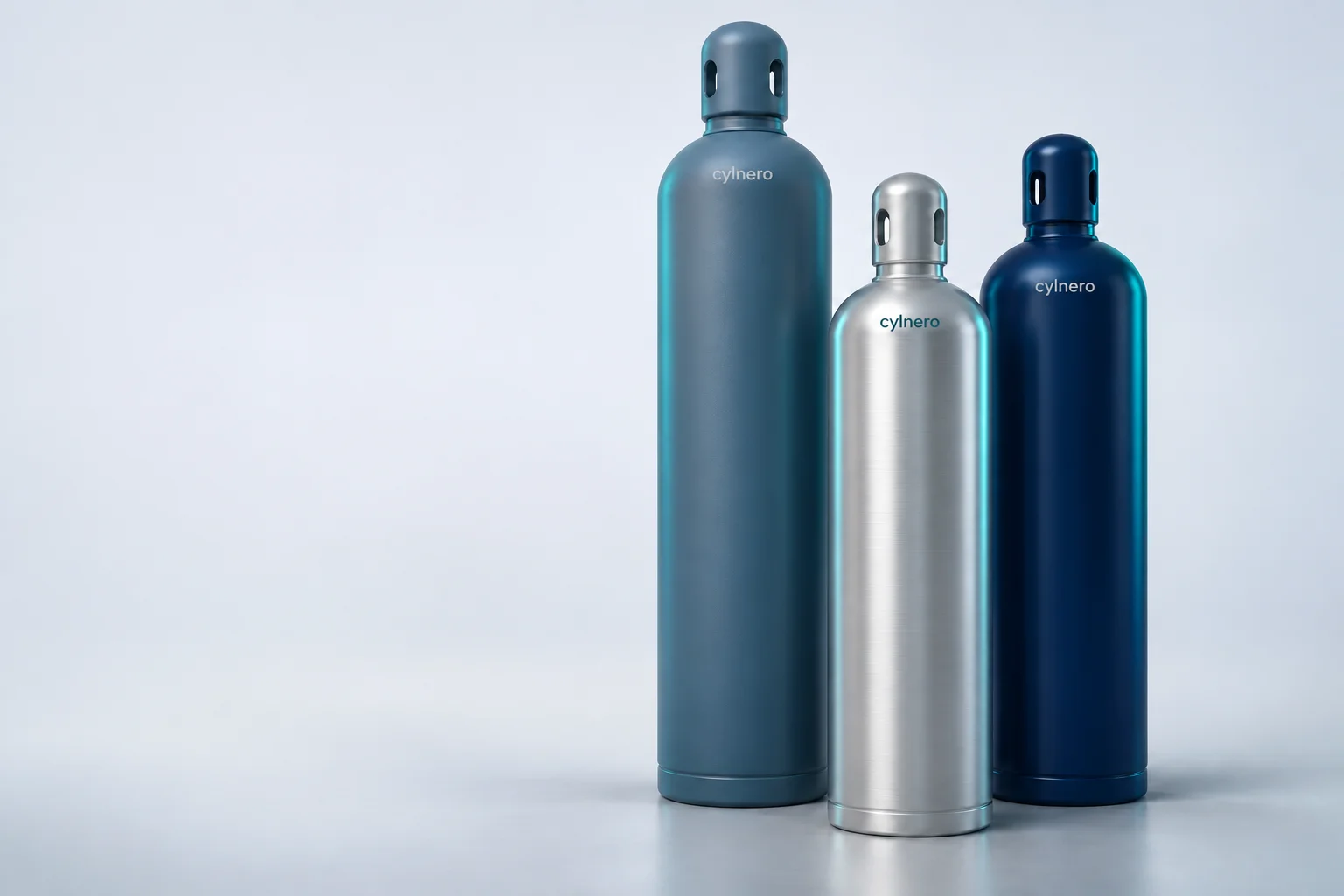
An empty gas cylinder enquiry can begin with the cylinder family, approximate quantity, intended application and delivery destination. Add any known requirement about the condition in which the units are to be supplied. If that condition has not been defined, ask the manufacturer to describe its proposal. Keep a requested condition separate from a confirmed offer. For example, an enquiry for new cylinder bodies without valves differs from an offer for previously used assemblies with valves included, even when both are described as empty. Record those differences before comparing the quoted totals. CYLNERO can coordinate the questions and responses without deciding how a cylinder should be prepared.
Read the full guidance
Defining the Scope of Empty Cylinders
Use the purchasing brief to explain what the order includes: cylinder bodies, valves, accessories, proposed documentation and any separately quoted work. Ask the supplier to identify exclusions as well as inclusions. A buyer may know the destination and quantity while leaving the interface or delivery condition open for discussion. That is enough to start an enquiry. When a requirement is clarified later, keep its reference and date beside the revised quotation. This provides a practical way to distinguish an initial request from the configuration actually proposed. Confirm the final purchasing scope in the agreed quotation.
Clarify the delivered condition
The word empty describes a purchasing scope; it is not evidence that a cylinder is gas-free, decontaminated or suitable for a different gas. Ask the proposed supplier to describe the delivered condition and provide the relevant history or preparation information for the actual units offered. Keep new-cylinder procurement separate from offers involving previously used equipment. Where the intended application raises a question about previous service or contamination, identify the manufacturer or qualified reviewer who will assess it. This category guide does not authorize a change of gas service or provide a cylinder-cleaning procedure.
Read the full guidance
Clarify the delivered condition rather than assuming gas-free status
For a used-cylinder offer, ask how previous service, identification and preparation records relate to the proposed delivery lot. State the intended purchasing application and request a clear account of what the supplier is offering to do, what evidence will be available and which matters remain outside its scope. Do not assume that a document described as cleaning or inspection makes a particular cylinder eligible for a new application. If the history or delivery condition is uncertain, record that uncertainty explicitly in the tender comparison. An initial enquiry can start with these open questions; acceptance of a supply proposal requires the responsible reviewers to resolve the agreed requirements.
Valve scope and interface details
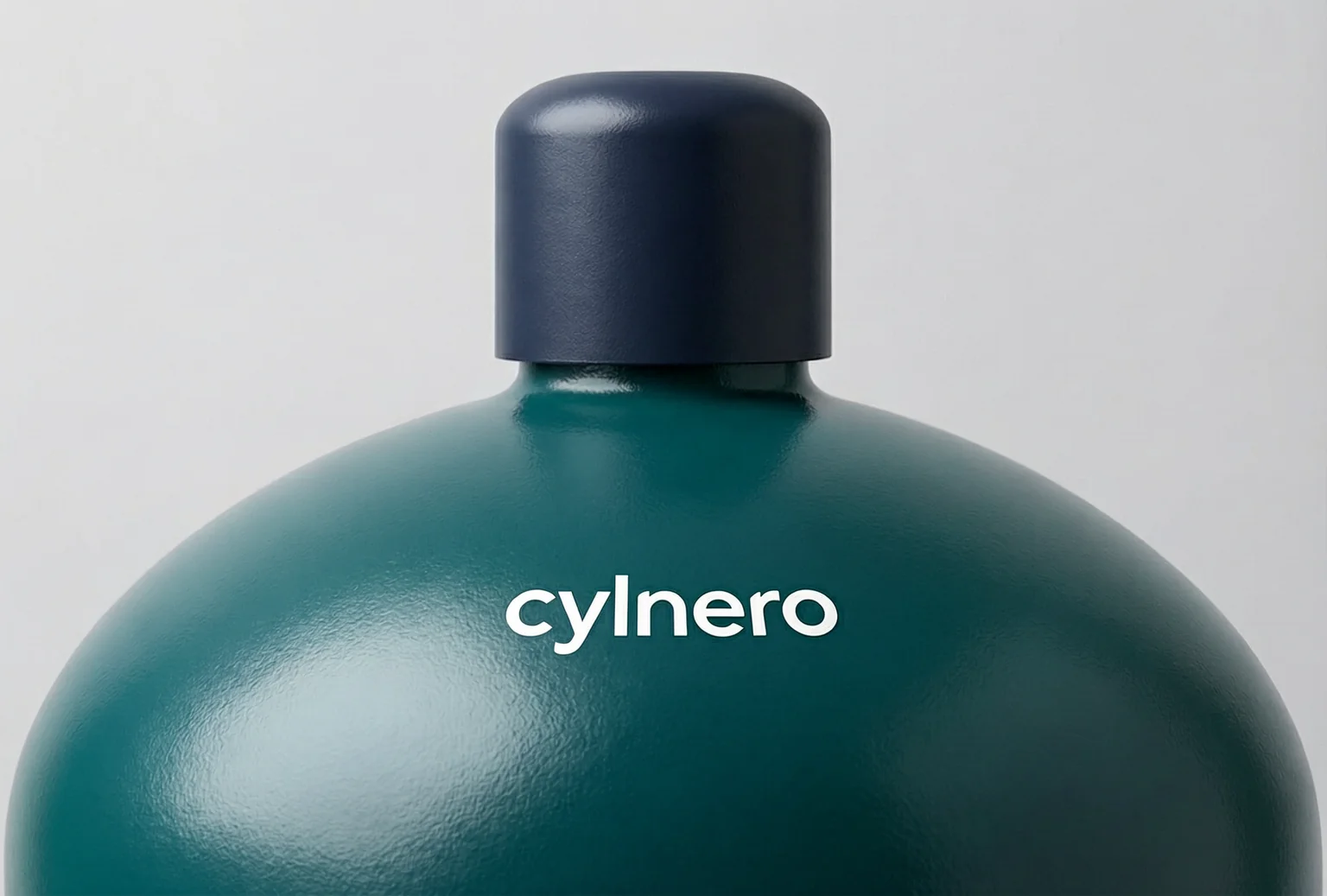
Ask whether the quotation includes valves and protective caps. Share known neck connection and outlet references if available, and have the responsible reviewers assess the proposed components against the equipment requirement.
Ask whether the cylinder quotation covers a body alone or an assembly with a valve. For a valve-equipped offer, request the proposed valve and connection references; for a body-only offer, ask what interface information is available. Share any existing equipment drawing or purchasing specification and its revision. The supplier can then identify the configuration it is quoting and any further information needed for the project’s interface review.
Read the full guidance
Valve Scope and Compatibility
Compare the cylinder body, valve, protective components and accessories as separate scope items. Record which are included, excluded, separately proposed or still unanswered, and ask which party would supply any requested components. If assembly or other work is part of the request, have the supplier identify it in the quotation. When a component changes, retain the new reference and revised offer with the original request. The equipment reviewer can assess the actual proposed assembly against the application requirements.
Ask about the delivery condition
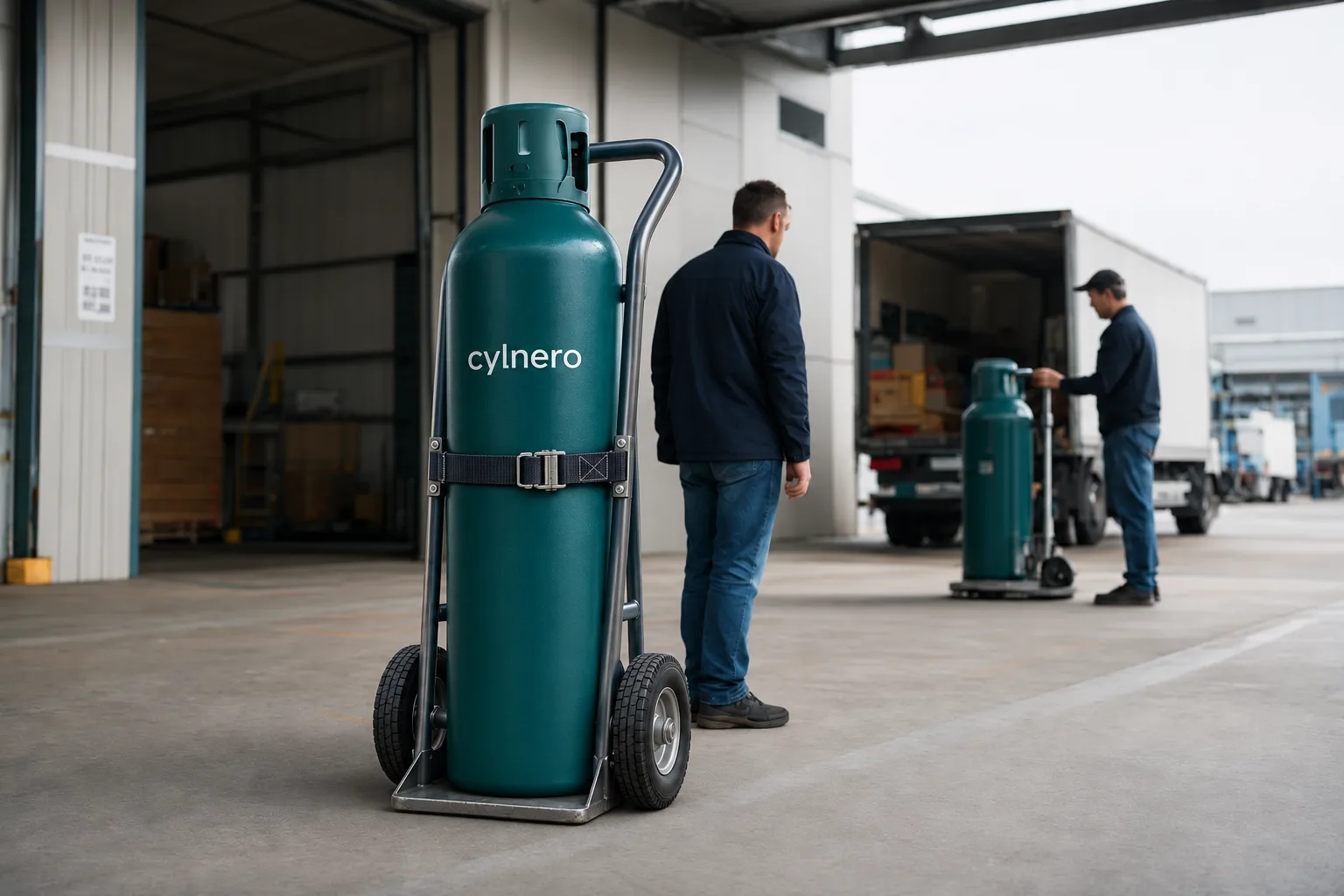
Request a description of the proposed delivered condition and identify who reviews it against the intended application. Keep unresolved questions about delivery condition open for the manufacturer and appointed reviewers. This purchasing page does not prescribe preparation methods.
Ask the supplier to describe the proposed delivery condition in writing. An empty-cylinder description does not establish that a cylinder is gas-free. Share any existing specification and ask whether it applies to the proposed units; otherwise leave the condition open for the responsible technical and logistics reviewers. Record the proposed condition, supporting evidence, unresolved questions and the party responsible for each response.
Read the full guidance
Specify the delivery-condition review, not a purge procedure
Identify the roles of the cylinder supplier, any gas-service provider, carrier and receiving organisation. Ask who proposes preparation work and what the receiving reviewer needs to assess the units. Keep any change with the relevant configuration and quotation revision. Do not select preparation values or procedures from a generic example; the actual supply and its documentation require the responsible parties’ review.
Clarifying valve supply and shipment
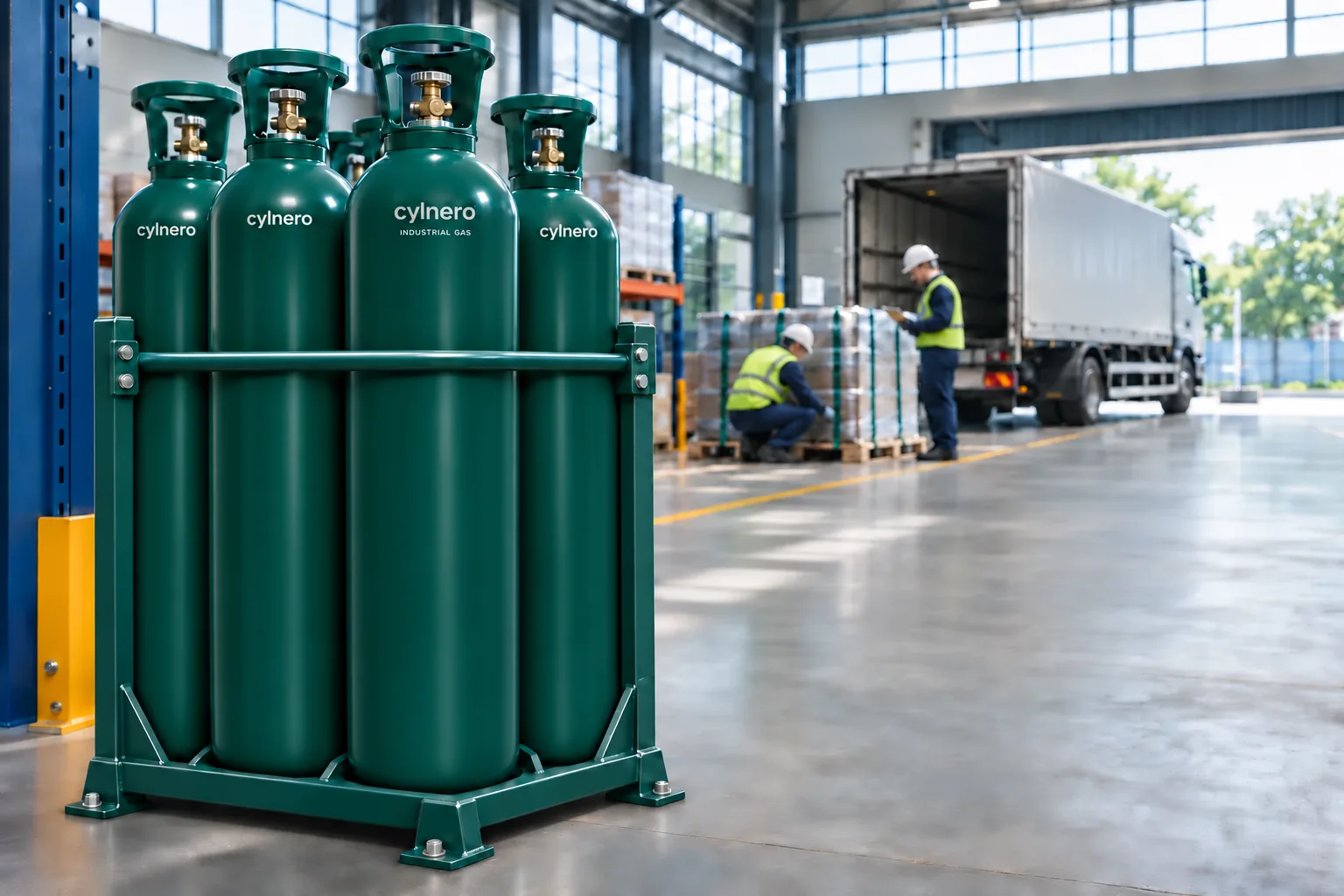
Confirm whether valves and accessories will be supplied with the cylinders or separately. Ask how the shipment will be identified and which party will provide the packing and delivery information.
Ask the supplier to identify whether valves and accessories are included in the quoted delivery, how they are identified and who confirms the shipment condition. Any preparation or removal work requires the responsible provider's review; this page does not instruct the buyer to remove a valve. Record included items and exclusions so that a missing component is not confused with an agreed supply boundary.
Transport classification and route review
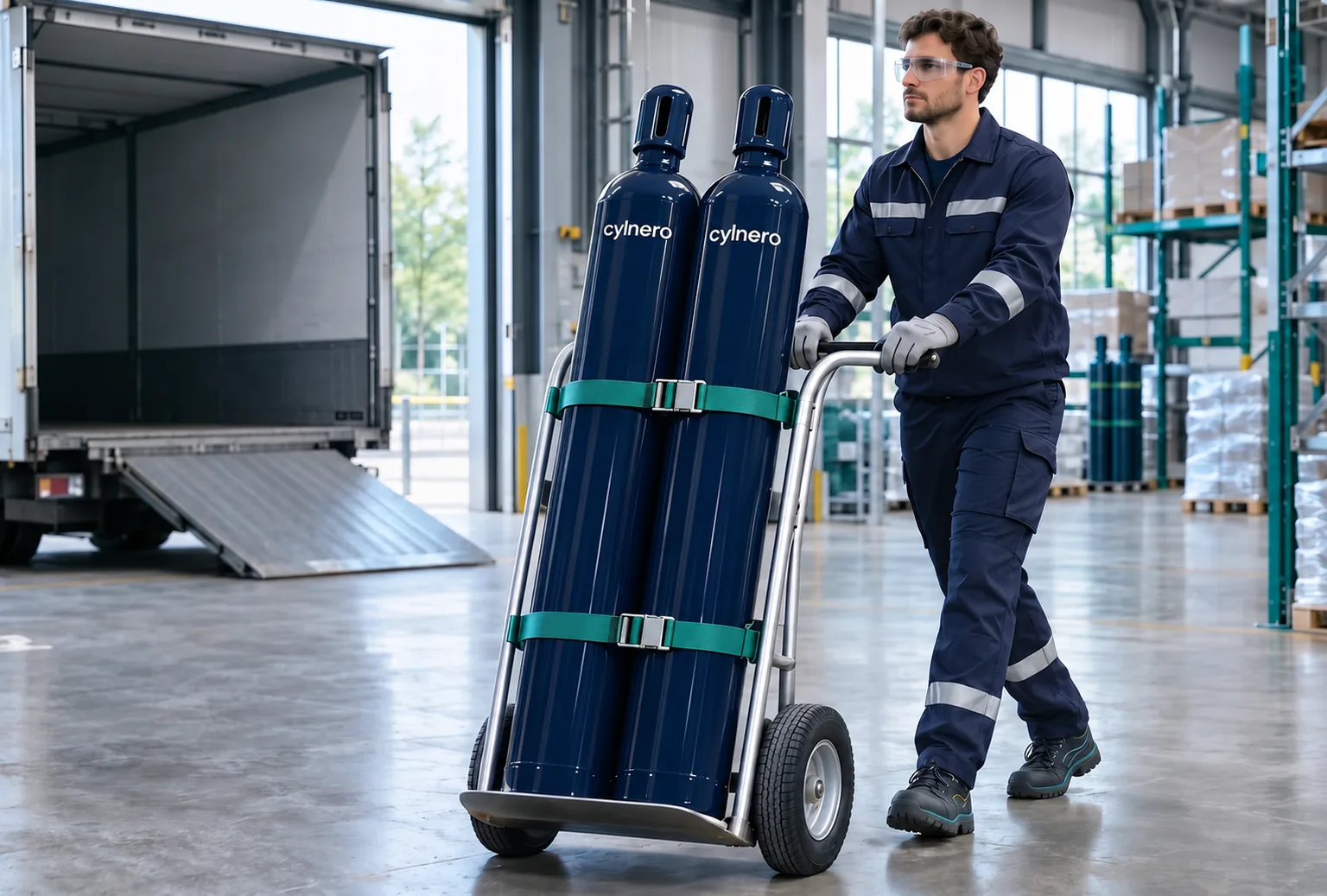
Provide the destination, route and proposed condition of the cylinders when requesting freight. Ask the carrier or supplier to confirm the shipment classification, required paperwork and any restrictions for the actual consignment.
Read the full guidance
Regulatory Classification of Empty Units
Ask which party will review transport questions for the actual offered units and proposed route. Provide the supplier's description of the delivery condition, any available previous-service information and the intended destination. Keep unanswered questions visible in the quotation comparison. This page does not classify a shipment or choose its transport documents. A statement that the units are empty is not, by itself, a classification decision. If a proposal refers to a transport declaration or other record, ask for its stated purpose, issuer and relationship to the offered lot. The relevant logistics and destination reviewers can then identify what further information they need.
Record who proposes to arrange each shipment task and which responses are still needed before the delivery plan can be assessed. A useful enquiry separates the manufacturer's offered preparation scope, the transport provider's proposed service and the receiving organization's information needs. Ask how a change in route, quantity or delivery condition would be reflected in the proposal. Retain the response with the quotation revision rather than relying on an informal assurance that empty cylinders are straightforward to ship. If a transport question remains unresolved, describe it as open. An early quotation is a starting point for these discussions and does not establish permission to dispatch the units.
New versus used documentation
State whether you require new cylinders or are considering previously used units. For used lots, ask for available service and inspection history; for new supply, ask which manufacturing and inspection records can be provided for the proposed units.
Read the full guidance
New Versus Used Cylinder Documentation
Ask whether the quotation concerns newly manufactured cylinders, previously used cylinders or separately identified lots of both. Request the records the supplier proposes for each lot and ask how they relate to the offered units. A general catalogue document can describe a product family without identifying the actual supply. For new units, ask which manufacturing and inspection records are included and when they become available. For used units, ask what previous-service, identification and inspection information is available and where gaps remain. The responsible reviewers assess the proposed evidence for the intended application and destination; this guide does not impose a universal certificate package.
Keep missing or incomplete history separate from a supplier's commercial description of condition. For example, a lot described as previously used may have an inspection record but no complete account of earlier service. Record both facts without inferring remaining life or suitability from the available document alone. Ask the supplier to clarify which statements apply to the whole lot and which apply only to identified units. In a comparison sheet, separate records offered now, records proposed before delivery and evidence not included. This distinction makes a quotation easier to review without treating a promise to provide a record later as an already completed assessment.
Linking inspection records to supply
Identify inspection documentation relevant to actual offered cylinders. Request document references, dates, issuers, and scope connections to supply lots. Appointed reviewers assess applicable requirements. Do not assign universal test intervals or certify condition based solely on document titles.
Read the full guidance
Link inspection and test records to the offered supply
Ask the manufacturer or supplier to identify the inspection and test documentation relevant to the actual new or used cylinders being offered. The purchasing question is how a record relates to the model, unit or delivery lot, not which generic interval appears in a website example. Request the document reference, date, issuer and stated scope, together with the identifiers used to connect it to the supply. Have the appointed technical or destination reviewer assess the applicable requirements. This page does not assign a universal test interval, define a test pressure or certify a cylinder's condition from a document title.
If further inspection, testing or documentation is proposed before delivery, make it a quoted scope item with a responsible party and a clear review point. Ask who arranges the work, which records will accompany it and how an unresolved result affects the order or shipment proposal. Do not assume that a supplier service is included at no charge or that a generic test reference establishes acceptance for every destination. Keep these questions visible before agreeing commercial terms. For an early enquiry, it is sufficient to explain the intended destination and ask the supplier to identify the evidence it proposes to provide.
Confirming valve documentation and work
Share any existing valve and connection specifications. Ask which valve reference, accessories and supporting documents are included in the offer, and identify any work to be quoted separately.
Read the full guidance
Confirm the valve documentation and included work
For cylinders supplied with valves, ask which valve reference and related documentation belong to the offered configuration. Distinguish the cylinder connection, the valve outlet and any accessories included in the quotation. If your organization has a valve specification or equipment reference, share it as an input for the manufacturer's review; otherwise identify the interface as an open question. The appropriate reviewers should decide what evidence is required for the destination and application. This procurement guide does not prescribe a valve test method, authorize installation or infer readiness for use from the presence of a test certificate.
Compare the document and service scope across quotations before comparing their totals. Ask who supplies the valve, who confirms the complete configuration and which inspection or preparation work is included. If the proposed offer excludes an interface review or a requested document, list that exclusion clearly rather than assuming that another party will supply it. Agree how nonconforming or incomplete deliveries would be addressed in the actual contract, including responsibility for any additional work and its cost. A desired remedy is a commercial point to negotiate; it should not be presented as a universal supplier obligation or a guarantee attached to a category listing.
Inspection and acceptance review points
Agree on review points for specific orders. Ask which documents are available at each stage and who reviews them. Keep buyer requests separate from agreed supplier work. Appointed reviewers determine criteria. Do not define test procedures or certify condition from appearance or generic descriptions.
Read the full guidance
Inspection and Acceptance Criteria
Agree which review points the parties propose for the particular order. Ask which documents or configuration details will be available at each point, who will review them and how comments will be recorded. A buyer may request a drawing review before confirming a configuration or ask how proposed inspection information will relate to the delivery lot. Keep these requests separate from work the supplier has agreed to include. The appointed reviewers determine the relevant criteria for the actual supply. This category page does not define a test procedure or certify the condition of an empty cylinder from its appearance, a document title or a generic description.
Record how a difference between the agreed scope and the proposed delivery would be raised and addressed. Ask which contact receives the enquiry, which configuration or lot reference should accompany it and how the supplier will respond. If a buyer requests rejection, replacement, rework or reimbursement terms, list them as commercial requests until the parties agree them. Clarify any proposed cost allocation and review point in the actual contract. A website enquiry does not create an automatic right to free corrective work. Keep an unresolved difference open rather than marking a delivery acceptable because a document has been received or a supplier has acknowledged a message.
About this category guide
An enquiry for empty gas cylinders should describe the requested supply condition as well as the cylinder family, approximate quantity and destination. Ask whether the offer concerns new or previously used units, which components are included, and how the manufacturer describes the condition at dispatch. The word empty alone does not establish that a cylinder is gas-free or determine how it may be transported. Share known project requirements and ask the relevant parties to identify the documentation and shipment arrangements proposed for the actual order. CYLNERO coordinates these questions and keeps open points with the quotation. This page helps organise a purchasing brief; it does not provide a depressurising, purging, handling or transport-classification procedure.
Packaging arrangements and comparison fields
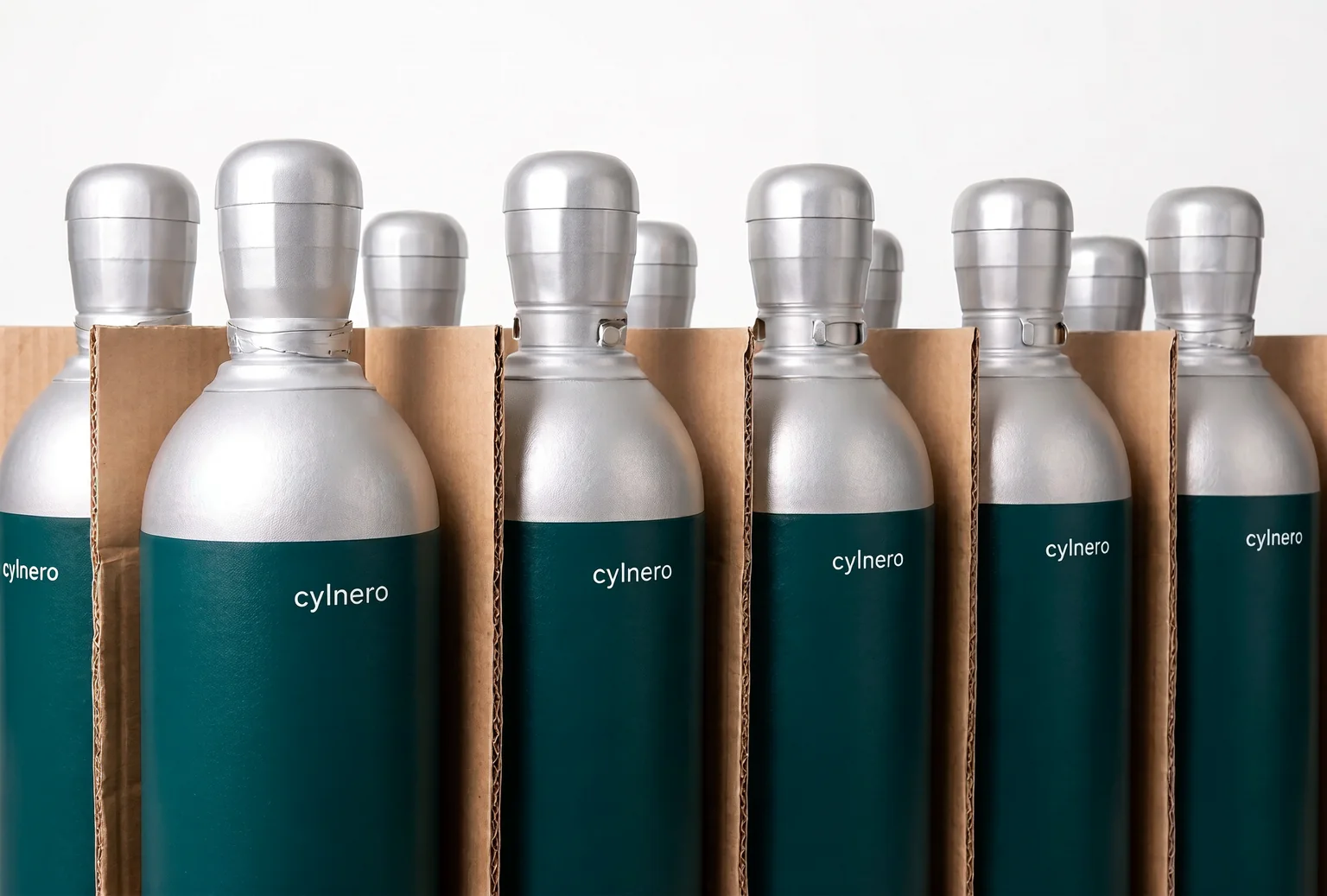
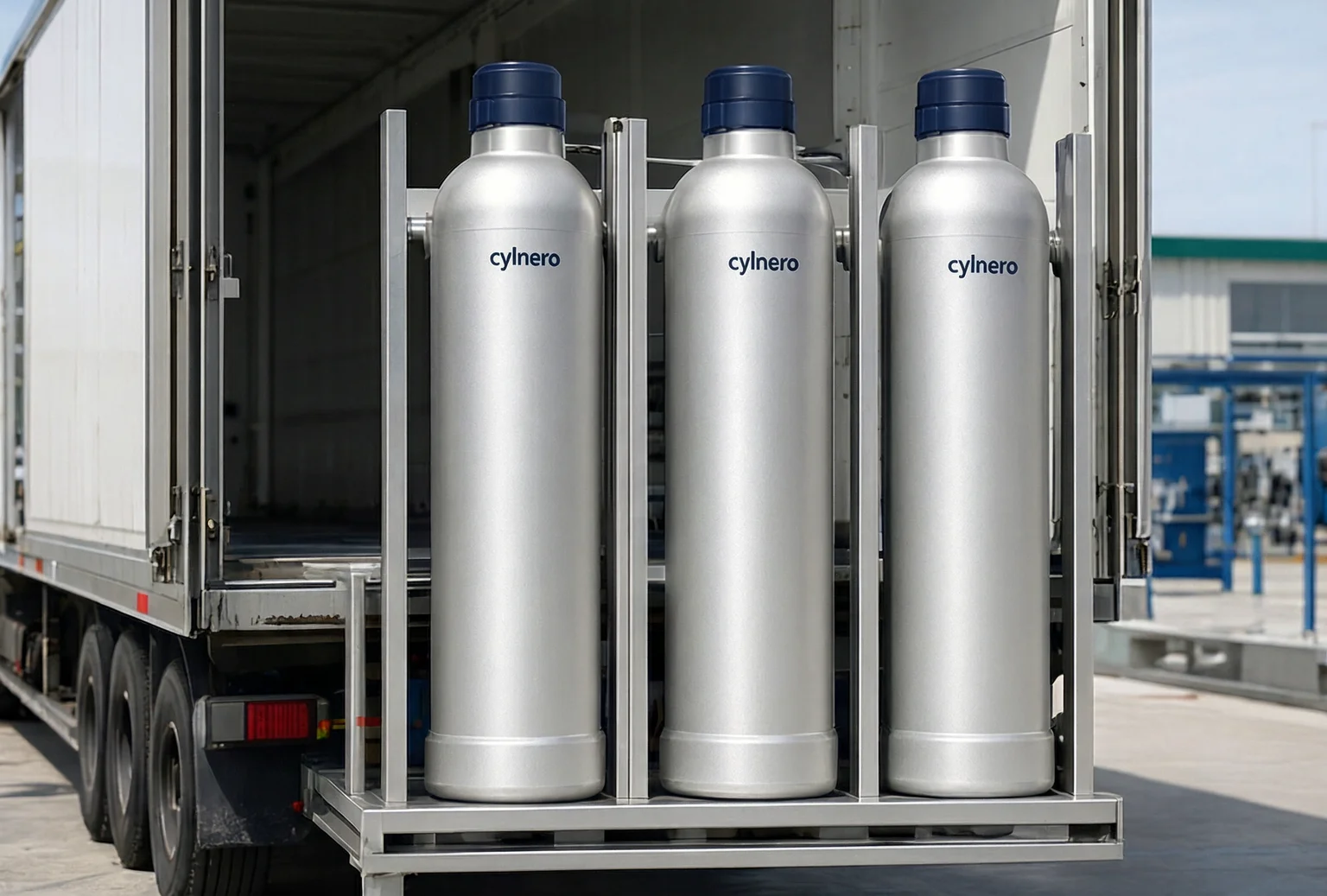
Ask how many cylinders are included per package and request the estimated package dimensions and weight for your order quantity. Share any forklift, unloading or storage limits and check whether packing is included in the quotation.
Ask the manufacturer to describe the packing arrangement proposed for the actual empty-cylinder order. Useful comparison fields include the items covered by the proposal, the stated package contents, available package dimensions and any separately priced packing components. Identify whether figures are preliminary or tied to a defined quantity and configuration. Share receiving constraints already known to the purchasing team and ask what information the supplier needs to respond. This page does not specify orientation, securing methods, protective components or handling procedures. Ask which packing items and package dimensions are included in the quoted supply for comparison.
Read the full guidance
Packaging Requirements for Empty Cylinders
Keep requested packing features separate from features the manufacturer has actually offered. If a quotation states standard packing, ask for a description and list any unanswered questions. Record who proposes to provide the packing and which related documents or markings are included in the commercial scope. When a package arrangement changes, ask whether the quoted quantity, freight information or price basis also changes. Share the revised proposal with the relevant logistics and receiving reviewers. Agreement on a packing description does not by itself resolve every shipment question. The parties need an actual proposal to assess, with its exclusions and configuration references available alongside the commercial terms.
Shipping responsibilities and logistics tasks
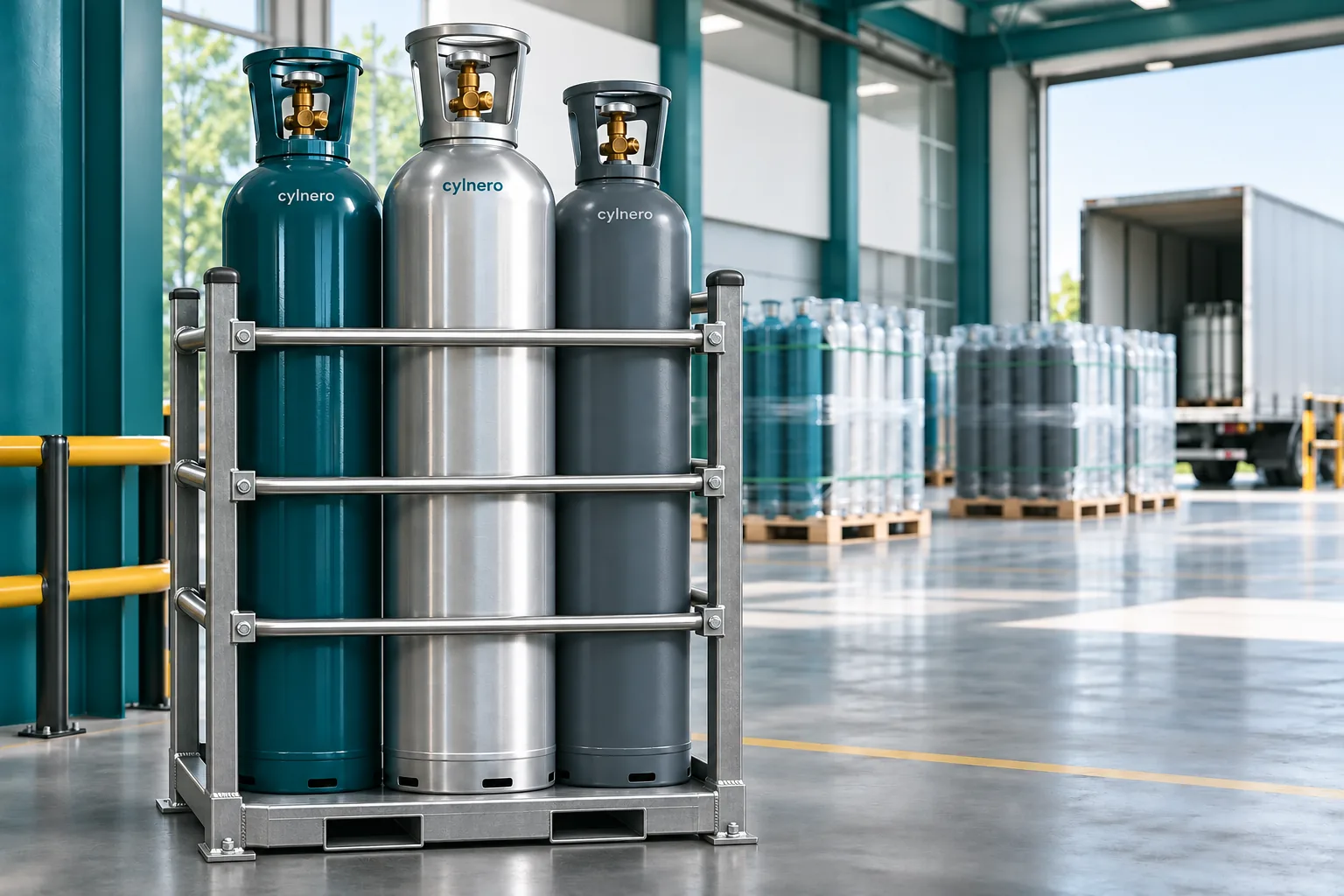
Compare delivery proposals by listing the tasks and charges included in each quotation. Ask who proposes to arrange collection, transport, destination formalities and delivery to the stated receiving point. If a trade-term abbreviation appears in an offer, retain the wording and ask the commercial reviewers to clarify its use in the actual agreement. Record the named place and any separately stated exclusions rather than assuming the abbreviation answers every practical question. CYLNERO coordinates enquiries and manufacturer responses; a website description does not allocate all shipment responsibilities. Keep the agreed scope in the actual order documents and retain unresolved points for clarification before acceptance.
Read the full guidance
Shipping Responsibilities and Logistics
Ask what shipment information the proposed transport provider requires and which party will supply it. Distinguish preliminary package estimates from information tied to the final offered configuration. For insurance, scheduling or disruption questions, request the arrangement actually proposed and its commercial conditions rather than assuming cover or a particular remedy is included. Record which charges are quoted, estimated, excluded or awaiting a response. If the buyer's required delivery date is not yet confirmed, keep it as a requested date beside the manufacturer's response. A comparison of these fields helps explain why two delivery totals differ without presenting a quotation as a guarantee of transit time or arrival condition.
Warranty and liability provisions

Request proposed warranty terms for offered cylinders and components. Record provider, scope, duration, and exclusions in supplier wording. Compare how proposals address reported issues. Retain differing positions in enquiry records. Do not establish universal remedies or automatic customer-protection periods.
Ask for the warranty or after-delivery support terms proposed for the offered cylinders and components. Record the provider, scope, stated duration and any conditions or exclusions in the supplier's actual wording. If valves or accessories come from a different provider, ask how their support route relates to the cylinder order. Avoid copying a term from an unrelated product listing into the comparison. A quotation may include a contact route while leaving a specific remedy or cost unresolved. Share those gaps with the commercial reviewers before agreement. CYLNERO can coordinate questions; the manufacturer's response and the actual contract define the support being offered.
Read the full guidance
Warranty and Liability Provisions
Compare how each proposal addresses a reported issue rather than comparing a warranty label alone. Ask what records would identify the affected units, which party reviews the report and how a proposed response is communicated. If a requested remedy differs from the supplier's terms, retain both positions in the enquiry record. Note whether transport, additional work or replacement components are included, excluded or awaiting clarification. These are points for the actual parties to agree. A sourcing introduction, a category page and a general promise of cooperation do not establish a universal remedy, liability allocation or automatic customer-protection period for every transaction.
Long-term maintenance and support
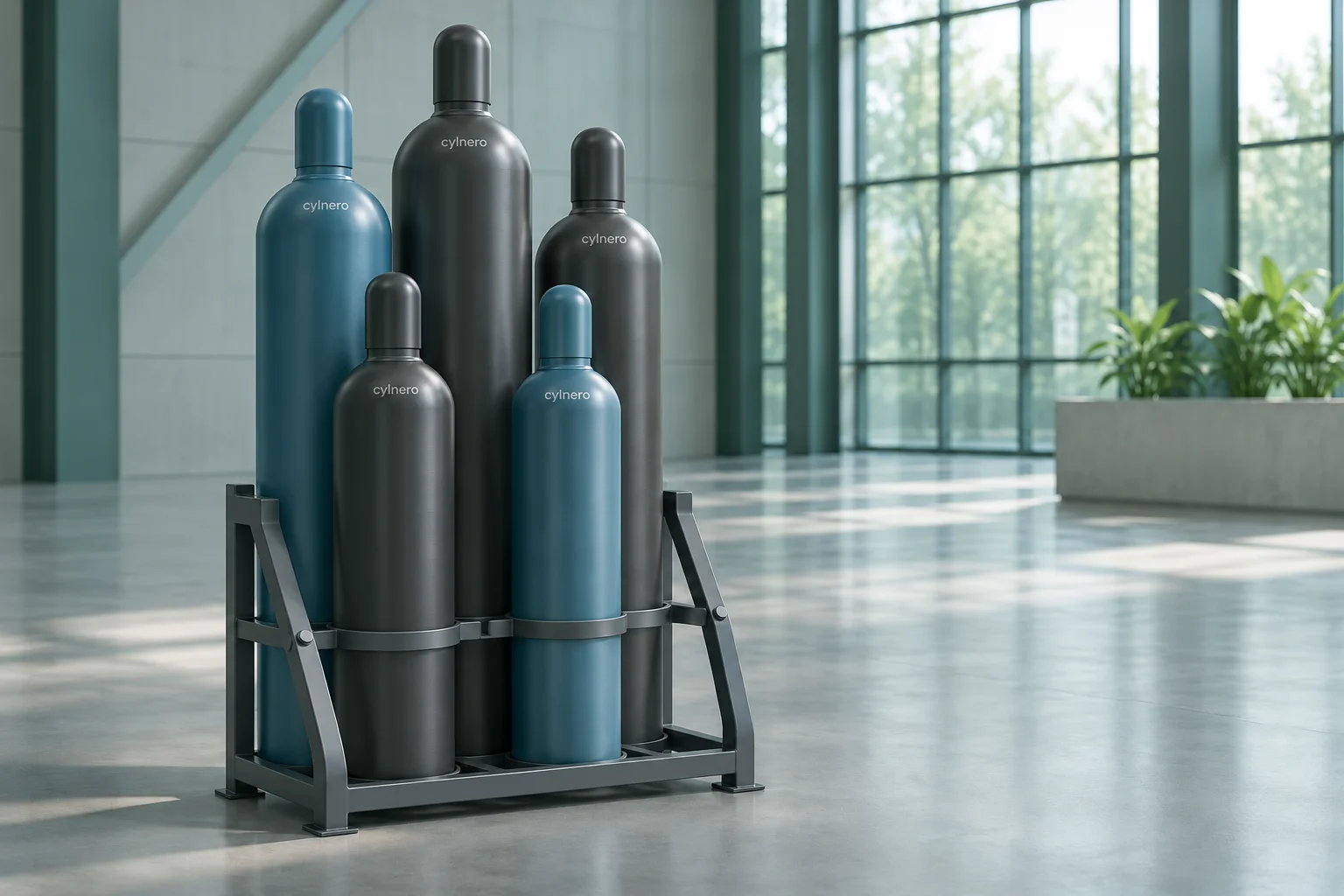
For repeat purchasing, ask how future component and documentation enquiries would be handled. Identify the manufacturer or supplier contact for the offered configuration and the references they expect the buyer to retain. If replacement valves, accessories or other services are requested, ask what the supplier actually proposes and whether the scope requires a separate quotation. A current offer does not establish future availability. Keep a requested support service separate from a confirmed inclusion in the order. This page helps organise procurement follow-up; it does not provide maintenance, cleaning, inspection or operating instructions for the cylinder or associated equipment.
Read the full guidance
Long-Term Maintenance and Support
Ask whether the supplier's proposed support depends on a particular configuration, component revision or delivery record. For a later order, share the prior reference and ask whether the same configuration is still offered or a revised proposal is needed. If familiarisation or technical information is requested, record who proposes to provide it and what it covers. The responsible organization determines its own operational training and service arrangements. Keep those arrangements separate from the wholesale cylinder purchase unless the actual agreement includes them. A practical support record contains the relevant contacts, offered services, exclusions and unanswered questions, without promising a maintenance outcome or extending the product's service life.
Compare like-for-like cylinder lots
Compare empty-cylinder lots on a consistent basis: new or used condition, requested quantity, proposed configuration, included components, delivery condition, offered records and commercial exclusions. Separate mixed lots so a price difference is not mistaken for a like-for-like saving. Ask which records relate to the whole lot and which identify particular units. Record missing information as an open item rather than treating the lowest total as a complete response. Where a supplier proposes a substitute, keep its reference beside the original request for review. The comparison should show what is offered and what remains unresolved; it cannot establish the suitability of a lot from a checklist score alone.
Coordinate delivery information
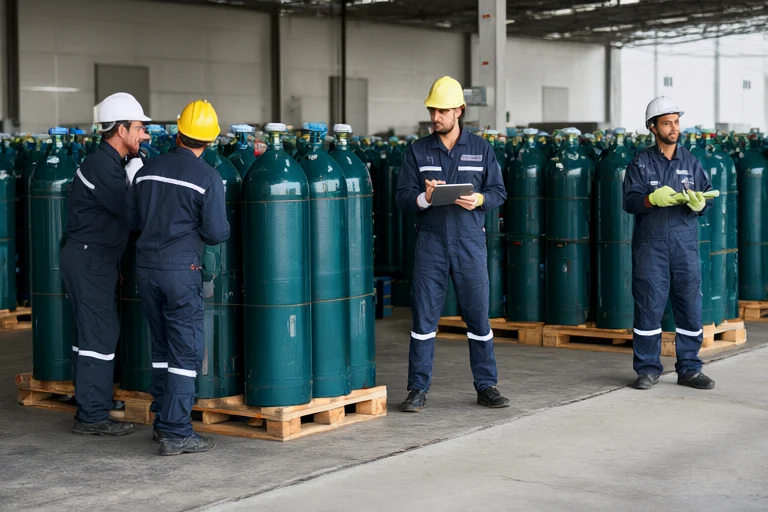
Keep the current quotation, lot, valve and proposed delivery-condition references together. Identify contacts for manufacturer and logistics questions, and ask which proposal is current if documents describe different components or conditions.
Identify a contact for each handoff between the manufacturer, purchasing team and logistics provider. Keep the current quotation, configuration, drawing and lot references with the corresponding responses. If two records describe different valves or delivery conditions, ask the manufacturer which proposal is current. Distinguish an acknowledged question from an agreed change, and retain earlier versions for context.
Read the full guidance
Buyer Information Handoff Protocols
For mixed new and previously used lots, list each group separately with its described condition and available history. Ask how delivered quantities relate to lot or individual-unit records, and flag missing documents rather than treating examples as issued records. Before agreeing an order, index the current proposal, supporting documents and unresolved items; ask how changes to quantity or lot composition will affect those references.
Related procurement pages
About this procurement guide
Use this guide to prepare your enquiry. Confirm the specifications and supporting documents for the proposed cylinder with the manufacturer.
For standards research, consult the ISO gas-cylinder standards catalogue. The catalogue includes published and withdrawn standards. Check the status, edition, scope and destination requirements with the manufacturer and your appointed technical reviewer. A standards reference does not establish that a listed series conforms to it.
Before placing an order, obtain the proposed model's drawings, configuration, applicable approvals and quotation from the manufacturer. CYLNERO coordinates sourcing; the manufacturer confirms and contracts the agreed supply.
Procurement questions
Does empty mean a cylinder is ready to ship?
The word empty alone does not establish shipment condition or transport classification. Ask for the condition proposed for the actual units and identify who will assess the shipment questions for the intended route. Record any missing information with the quotation. This page does not select a preparation method or determine the documents a shipment requires.
What information should I request for used cylinders?
Ask how the supplier describes the lot, what previous-service and inspection information is available, and how those records identify the offered units. Record gaps explicitly. The appointed reviewers assess which evidence is needed for the intended application and destination; a general record list does not establish remaining life or suitability.
Are valves and related testing included?
Ask the supplier to list the included components and any proposed work, with their references, documents and exclusions. Leave unknown interface details open for clarification. Do not assume that a valve, testing service or certificate is included unless it appears in the actual agreed scope.
How do I compare packing proposals?
Request a description tied to the quoted quantity and configuration. Compare package contents, available dimensions, separately priced items and known receiving constraints. Ask which information is preliminary. Share the actual proposal and its stated package details with the relevant logistics reviewers.
Who arranges delivery and related charges?
Ask the actual parties to identify the tasks and charges included in the quotation, the named delivery point and the exclusions. Clarify any trade-term wording with the commercial reviewers. Keep transport, destination formalities, insurance and scheduling questions visible until the proposed arrangements have been agreed.
How can I enquire about an empty gas cylinder for sale without full specifications?
Start with the cylinder family, intended application, approximate quantity and destination. Add any known configuration, equipment reference or delivery-condition requirement, and ask the supplier to confirm its proposed cylinder, price and availability. Keep unanswered technical questions with the offer for review.