 Wholesale sourcing
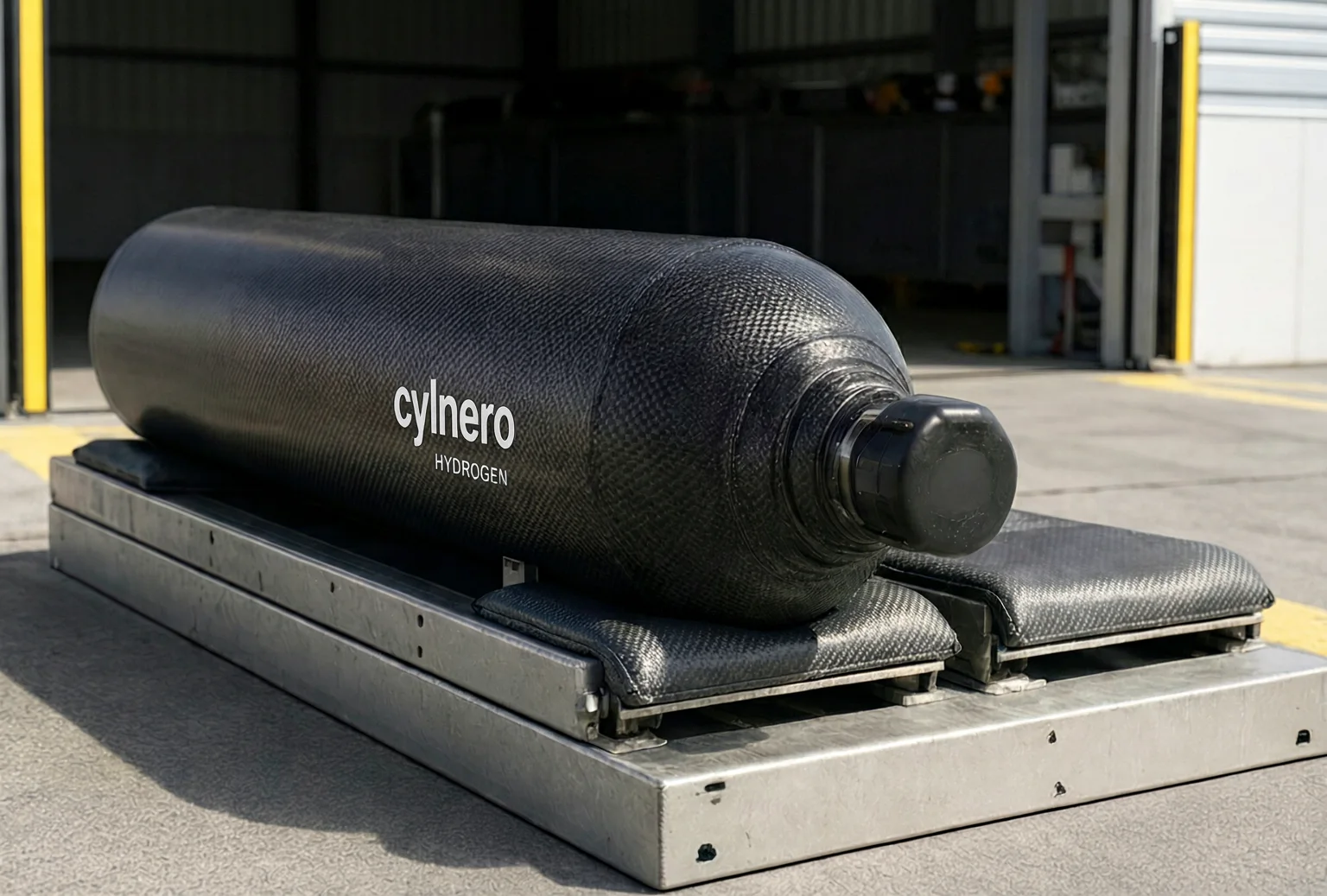
Type III
Discuss a proposed composite cylinder with a metallic liner for your equipment brief.
Explore details ↗HYDROGEN EQUIPMENT / WHOLESALE RANGE
Explore composite cylinder sourcing paths for your hydrogen equipment project. Start with the application, available interface information and the component scope you want to discuss.
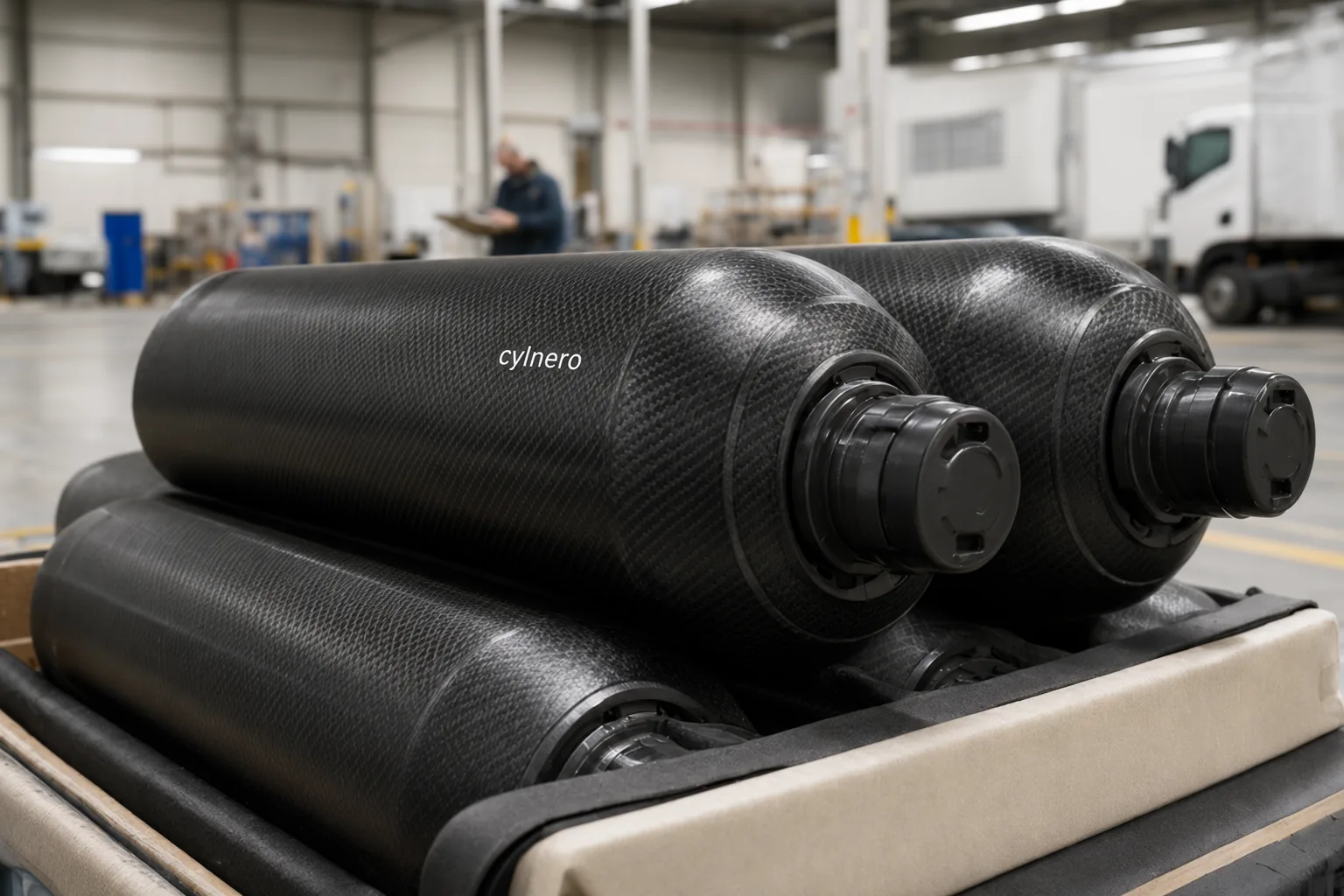
CHOOSE A STARTING POINT
Choose the construction family or general vessel enquiry that fits your brief. The manufacturer confirms the proposed configuration.
Discuss a proposed composite cylinder with a metallic liner for your equipment brief.
Explore details ↗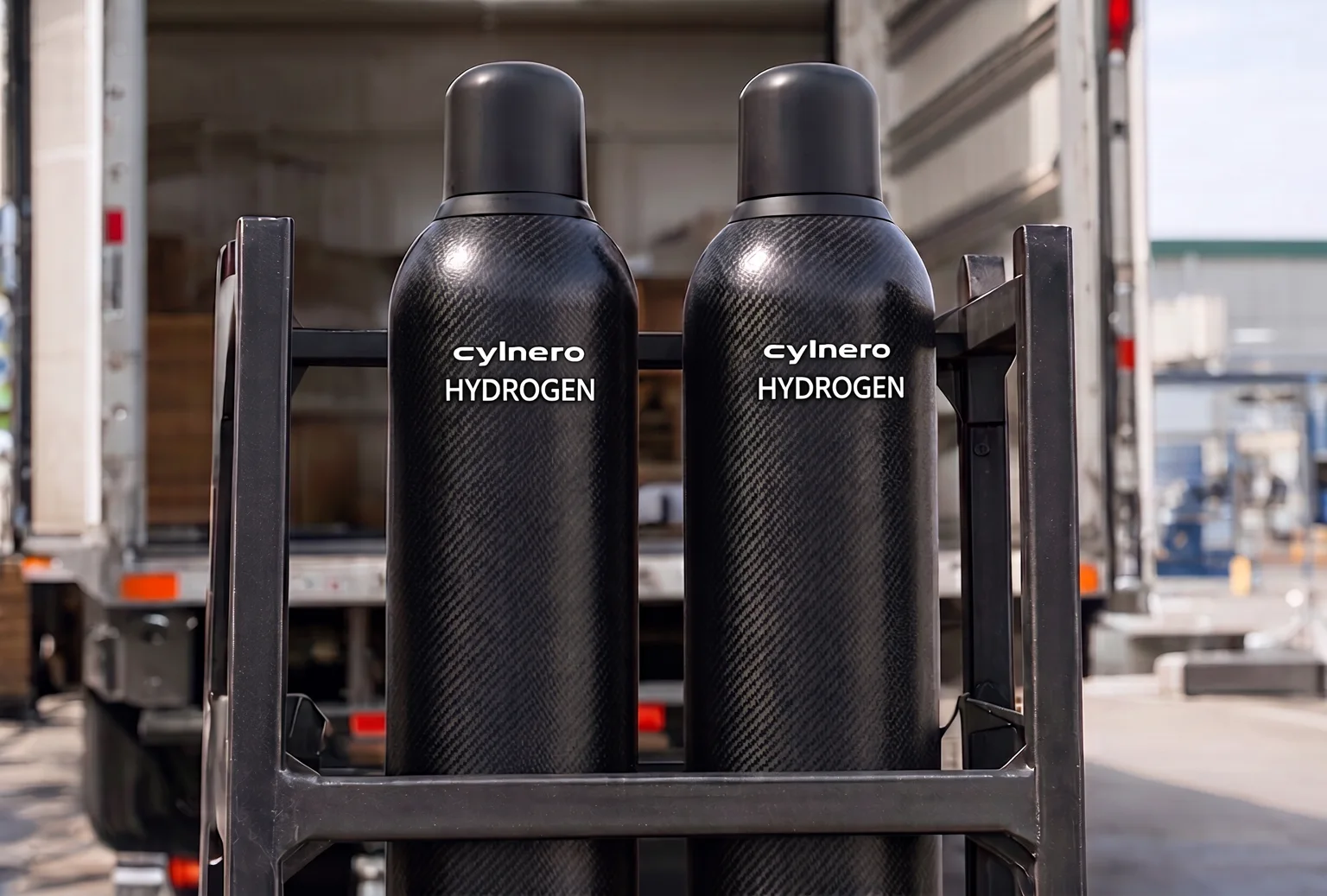
Discuss a proposed composite cylinder with a polymer liner for your equipment brief.
Explore details ↗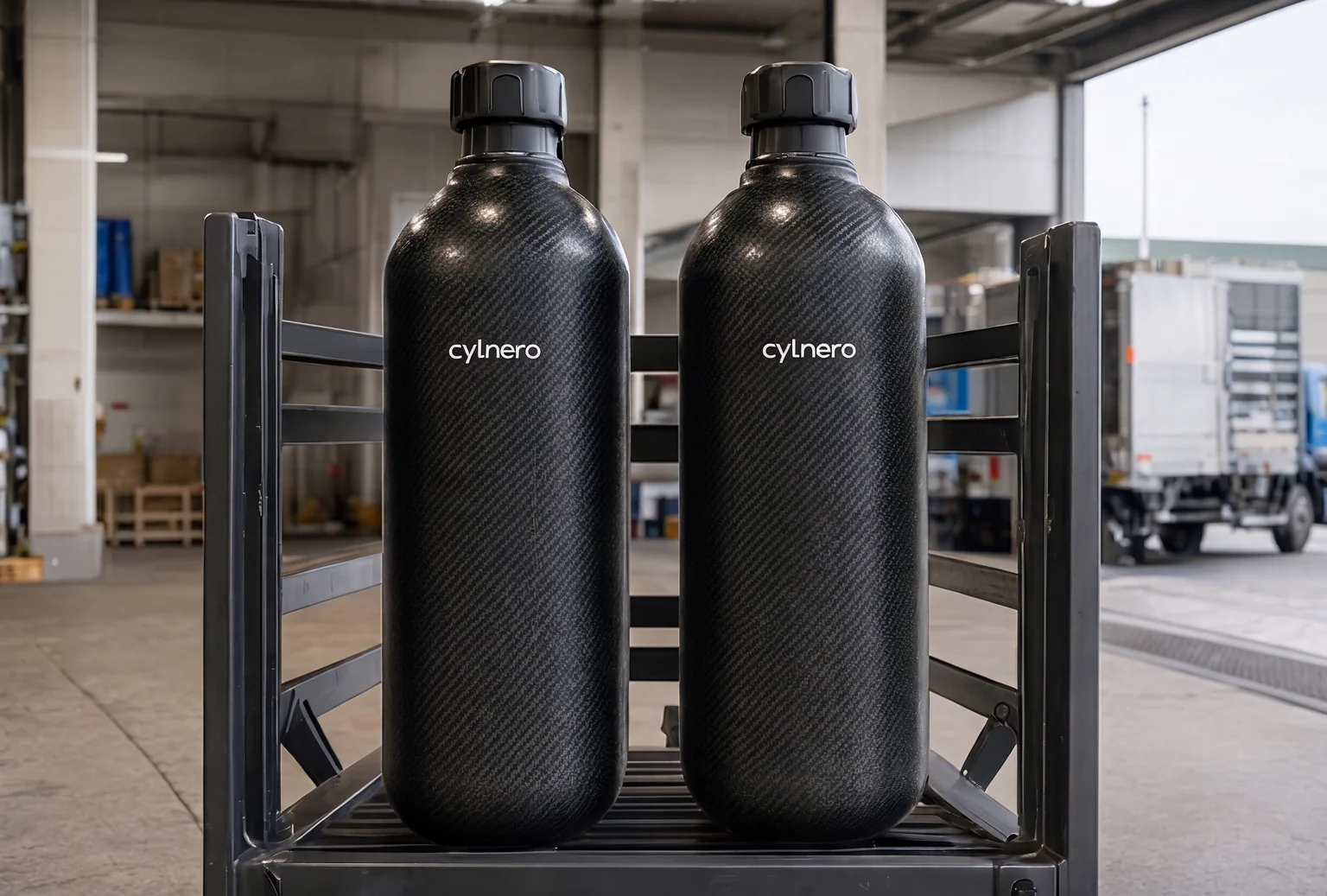
Start a broader COPV enquiry when the construction family is still under review.
Explore details ↗Hydrogen cylinder buyers may be sourcing a component for onboard equipment, a stationary project or an equipment development programme. Start with the intended medium, application, approximate physical quantity and destination. Identify the organization responsible for the wider system and describe the component you want the manufacturer to quote. An initial discussion can begin without a final model number: share existing project references and leave unresolved dimensions, interfaces or other requirements open for the proposal. Distinguish a preliminary target from a requirement already established by your team.
The options below lead to Type III, Type IV and general composite pressure-vessel enquiries. They are purchasing starting points, not a promise that every configuration is suitable for hydrogen or a particular installation. The manufacturer identifies its proposed vessel and included components for the actual brief. If your team is considering several equipment layouts, identify each request and its quantity separately so that the response can be compared against the correct project context. Include any destination or receiving information already available to the buyer.
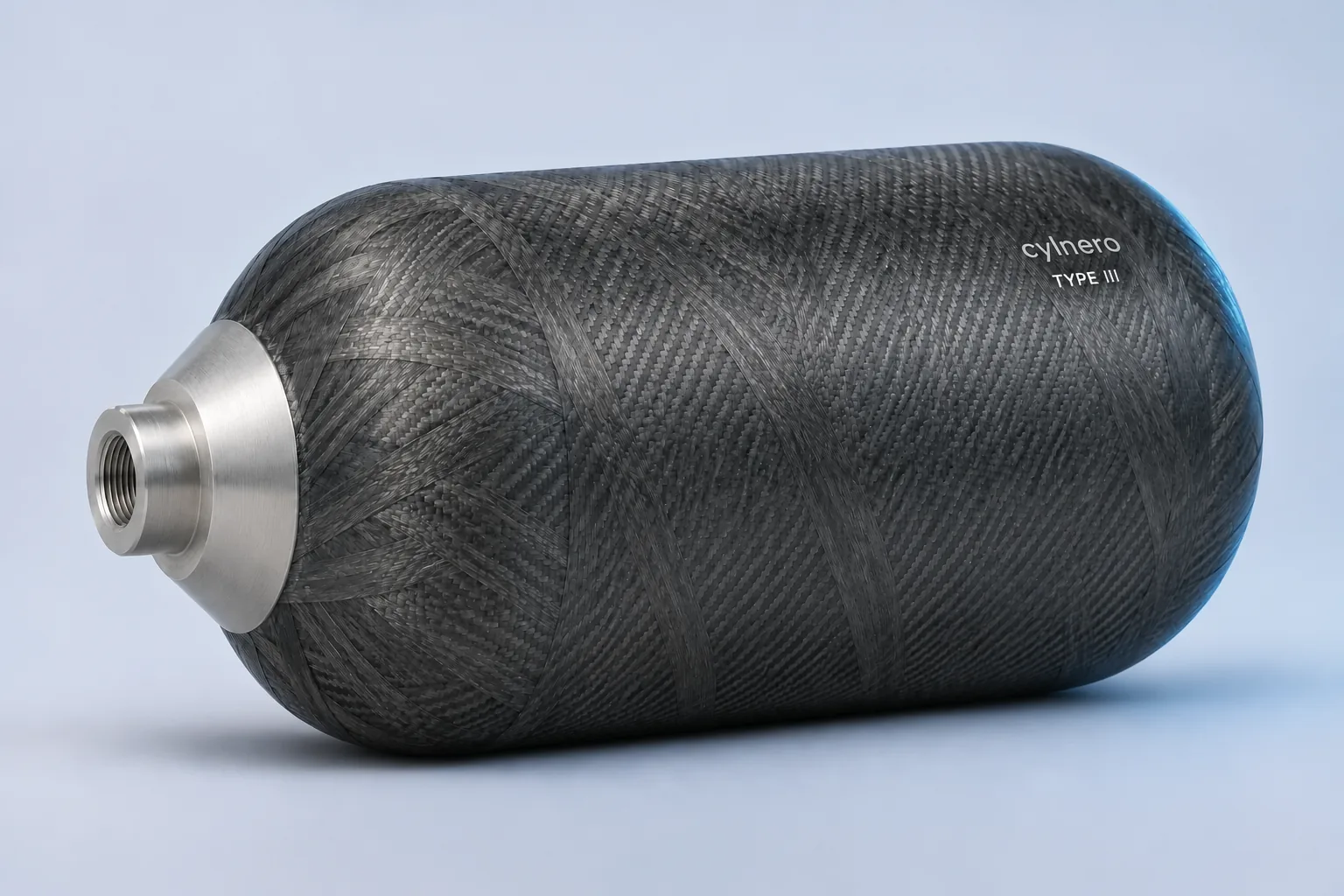
Type III generally describes a composite cylinder with a metallic liner, while Type IV generally uses a polymer liner. A broader COPV enquiry can be useful when the construction family has not yet been selected. These labels do not identify a specific model, dimensions, pressure rating or approval. If the project already has a construction requirement, share the source and revision. Otherwise, ask the manufacturer to identify what it proposes against the intended medium and equipment brief. Keep any alternatives clearly associated with their own quotation and drawing references.
Compare the manufacturer's stated values, units and configuration references rather than assuming a universal material or weight advantage. A composite LPG cylinder and a high-pressure composite vessel can have different purposes; a shared material description does not make them interchangeable. Ask for the information offered for the specific configuration, including its dimensions, stated weight and component scope. The responsible project reviewers determine how that information relates to their own requirements. Where a response does not identify a field, record a question instead of completing it from a different product.
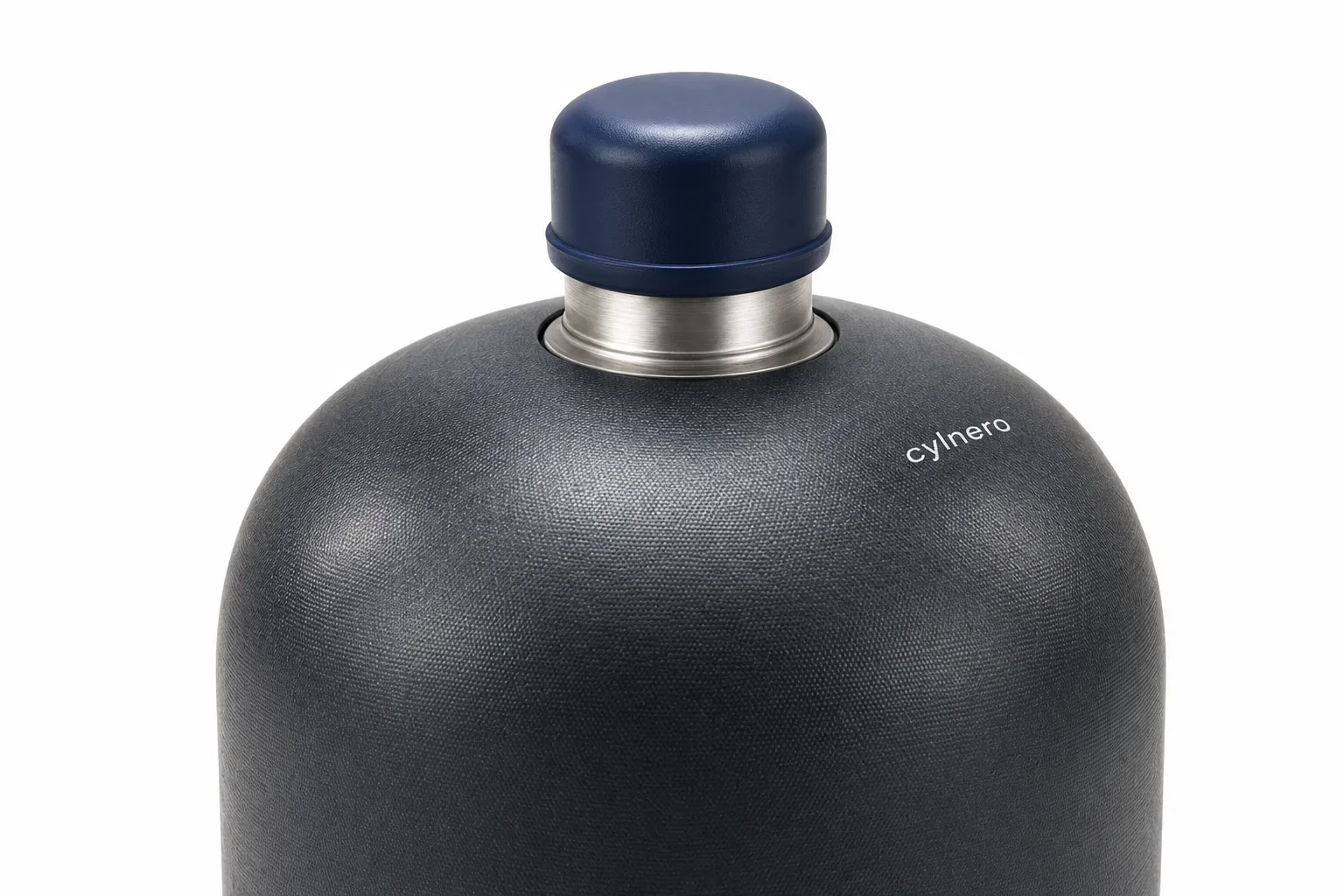
Provide the equipment envelope, connection references and drawing revisions already available to your team. Explain which values are established project requirements and which are preliminary targets. Ask whether the manufacturer's stated dimensions and mass describe the vessel body or an assembly with a valve, protection and other items. If a field is not yet known, mark it open rather than copying a number from another project. Retain the original units and drawing reference with each response, and identify who is responsible for reviewing the proposed interface.
Distinguish the items requested from the vessel manufacturer from racks, piping, controls, mounting or other equipment to be addressed by the integrator or another supplier. If several delivery locations or equipment variants are involved, identify the relevant configuration and approximate quantity for each group. The enquiry supports an exchange about component scope; it does not establish the design, installation or acceptance of a complete hydrogen system. The project team remains responsible for its own assessment, including any questions that are outside the manufacturer's proposed supply.

For each response, record the proposed cylinder reference, construction, stated values and units, included components and available supporting information beside the original request. A vessel-only quotation and an assembly offer can cover different scopes. Ask how the manufacturer identifies any alternative and which questions remain open. Share project or destination document requirements that your responsible reviewers have already established, rather than assuming the same document list applies to every application. Compare prices only after identifying which components and services each offer includes.
State the approximate quantity for the current purchase and distinguish a later forecast from an order. Add any known branding, packing, receiving or delivery-group requests. Keep price, timing and exclusions with the relevant quotation revision so that a later change is visible to the team. CYLNERO coordinates the exchange of buyer requirements and manufacturer responses; the manufacturer identifies the product and commercial scope it proposes. The equipment integrator and appropriate reviewers assess the actual proposal for their project, using the information relevant to the intended application.
COMMON QUESTIONS
Type III generally uses a metallic liner beneath the composite overwrap; Type IV generally uses a polymer liner. Neither family label identifies the rating or suitability of a specific vessel.
No. Start with the intended medium, equipment context, approximate quantity and destination. Share available drawings or interface references and identify unknown fields for the manufacturer discussion.
Not automatically. Ask the manufacturer to identify the vessel, included components and exclusions. The integrator and other responsible parties address their own equipment and project scope.
Review construction, configuration and project questions side by side.
Read the Type III vs Type IV comparison ↗
Review the equipment brief and component boundary for a hydrogen project.
Explore hydrogen equipment OEM procurement ↗