 Wholesale sourcing
Type III discussion
Ask the manufacturer to identify the proposed metal liner, composite construction, connection and mounting scope.
Explore Type III sourcing ↗ View Type III product details ↗BUYER'S GUIDE / MATERIAL COMPARISON
Compare Type III and Type IV cylinder offers using the construction, equipment interface and purchasing details relevant to your hydrogen project.
Swipe or scroll to compare both options.
| Buying question | Type III | Type IV |
|---|---|---|
| Construction family | Metal liner with composite overwrap. | Non-metal liner with composite overwrap. |
| Specific configuration | Ask the manufacturer to identify its proposed Type III vessel. | Ask the manufacturer to identify its proposed Type IV vessel. |
| Dimensions and weight | Compare stated values, units and included components. | Compare stated values, units and included components on the same basis. |
| Interfaces and scope | Review the offered connection, accessories and exclusions. | Review the offered connection, accessories and exclusions. |
| Project evidence | Ask what information is offered for the specific configuration. | Ask what information is offered for the specific configuration. |
Use the same request for both offers. A construction family alone does not establish a model, performance or suitability. For the liner and overwrap distinction, see the U.S. Department of Energy vessel classification.
A PRACTICAL START / MATCH THE PROJECT BRIEF
Share the same hydrogen application, requested capacity, pressure, space and interface requirements with both suppliers. Ask each to identify the particular vessel and the evidence relevant to its proposed configuration.
Ask the manufacturer to identify the proposed metal liner, composite construction, connection and mounting scope.
Explore Type III sourcing ↗ View Type III product details ↗Ask the manufacturer to identify the proposed non-metal liner, composite construction, connection and mounting scope.
Explore Type IV sourcing ↗ View Type IV product details ↗Compare actual dimensions, weight basis, components and project documents; neither type name alone decides the best fit.
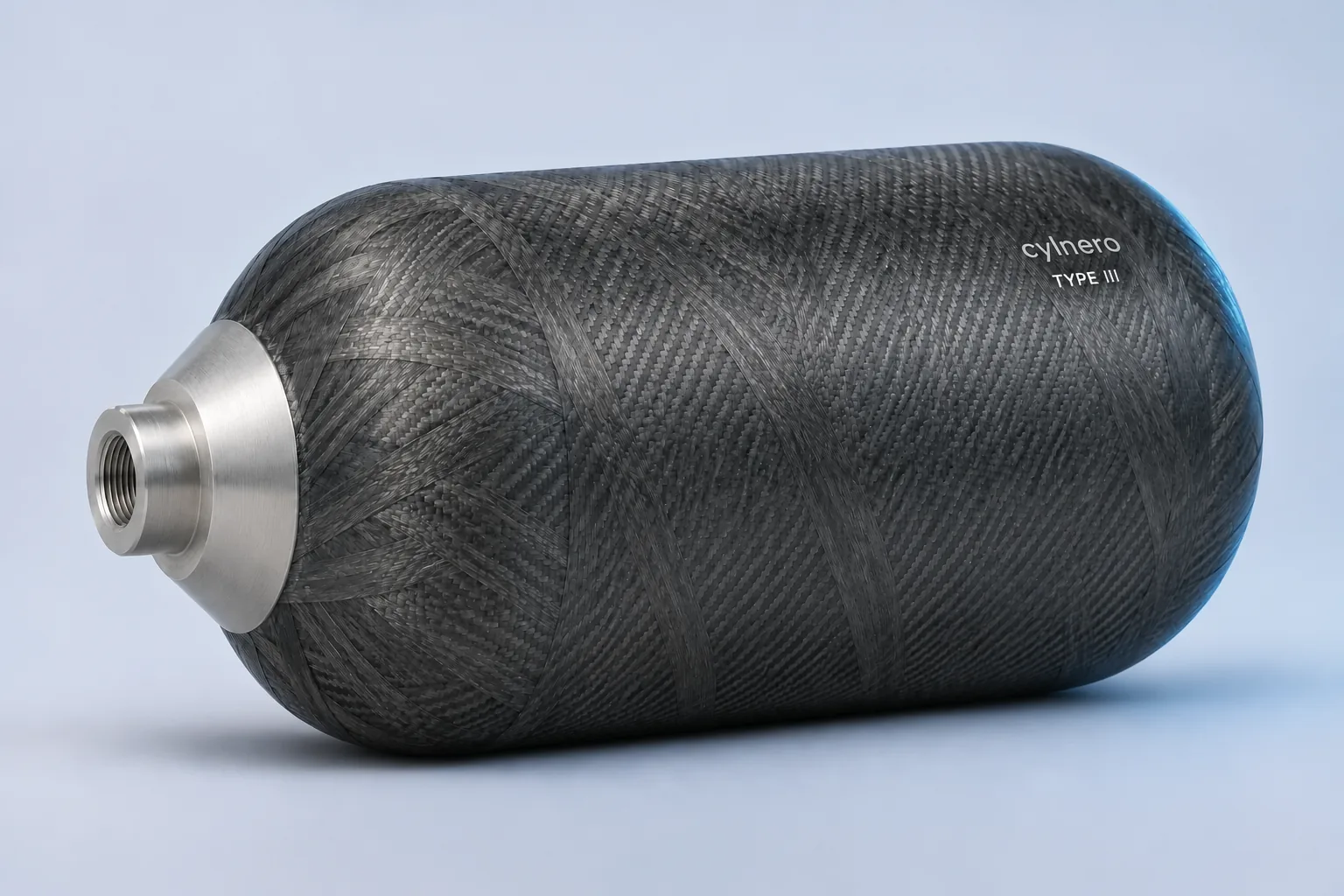
Type III and Type IV are categories of composite overwrapped pressure vessels. In the classification described by the U.S. Department of Energy, Type III uses a metal liner and Type IV uses a non-metal liner, each with a composite overwrap. The category explains a construction distinction; it does not identify a specific factory model, pressure rating, capacity or approved application. Buyers should ask each manufacturer to identify the actual vessel proposed for the intended medium and equipment brief.
The comparison is useful when a project is evaluating alternative component proposals for onboard equipment, a stationary application or another hydrogen-related programme. Begin with the same project request for both options and keep the proposed configurations separate. A vessel-only quote and an assembly offer may include different valves, protection, mounts, documents or delivery scope. The relevant technical and commercial reviewers should assess the configuration-specific responses rather than selecting a vessel solely from its family name.
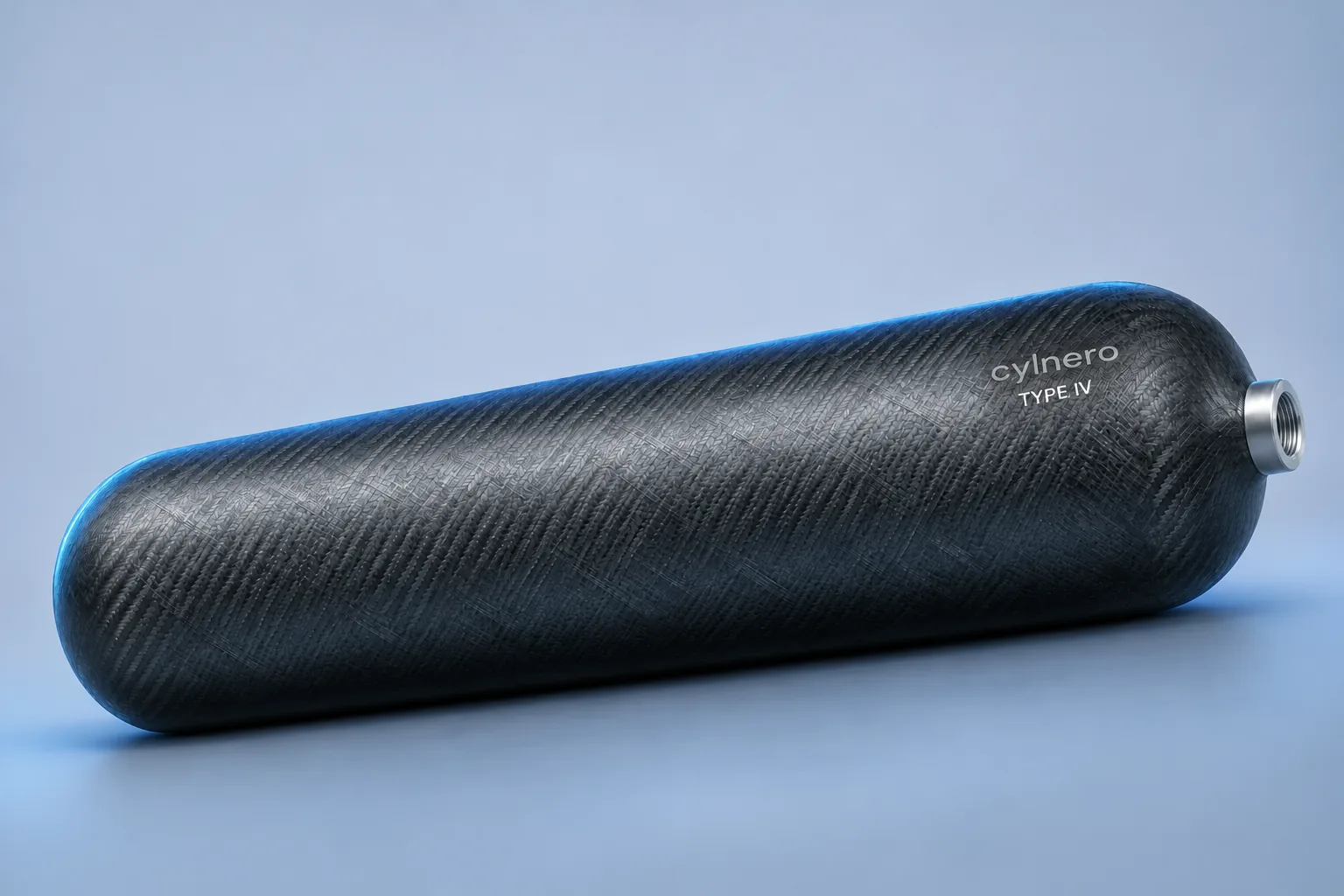
A Type III vessel generally has a metallic liner beneath its composite reinforcement. A Type IV vessel generally has a polymer liner beneath its composite reinforcement. The liner materials and details of the proposed construction depend on the manufacturer's design; neither label specifies the exact material grade or the configuration of a particular vessel. Ask the manufacturer to identify the proposed construction and provide the information it makes available for the project under discussion.
The distinction is a starting point for questions, not a universal ranking of performance. A comparison can record the manufacturer's stated construction, dimensions, mass basis, interface information and available documents next to the project's existing requirements. If a project requires a particular construction, provide the requirement and its revision. If the construction is undecided, ask what each supplier proposes for the intended medium and application and keep unanswered items visible in the review record.
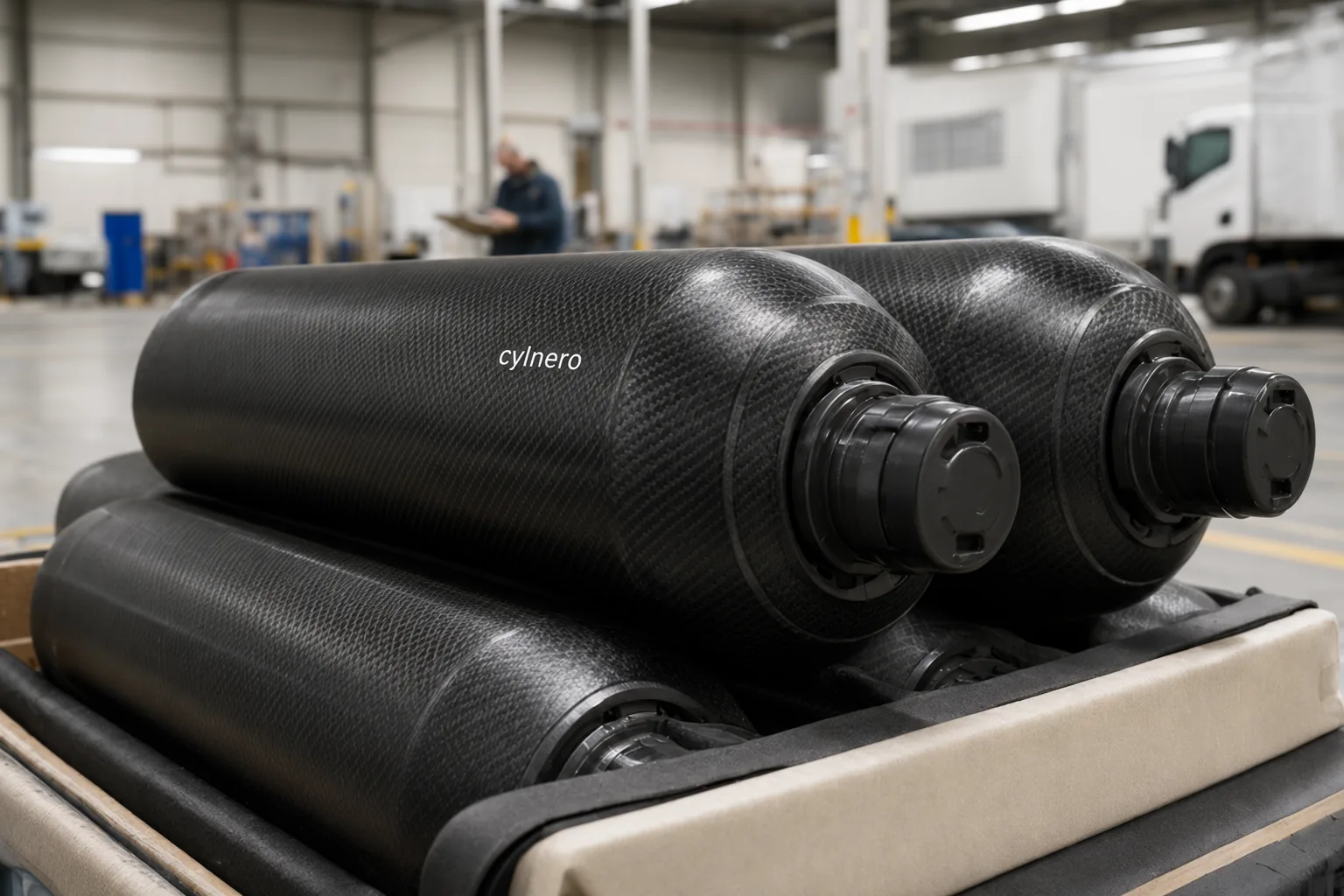
A hydrogen equipment purchaser may be considering a cylinder component for an onboard programme, a stationary installation or a wider equipment project. These contexts can have different project requirements, but the application name alone does not establish that an offered vessel is suitable. Describe the intended medium, equipment role, destination and project stage. If the project team has already defined a requirement, share its source; if it has not, mark that field open for the manufacturer discussion.
Separate the requested vessel from the wider system. Ask whether the quotation concerns the vessel alone or an assembly with a valve, protection or other identified components. Racks, mounting hardware, piping, controls, installation and integration may belong to other parties unless explicitly included. A supplier's component response is not automatically a commitment to supply a complete vehicle, station or storage installation. The integrator and other responsible reviewers assess the wider project.
Compare the capacity and pressure fields as the manufacturers actually state them. Keep units, field names and the configuration reference together. If the project specifies a target or a fixed requirement, identify which it is and provide the source. A family label does not establish a universal capacity or pressure for Type III or Type IV. An unknown value can remain an open question for the manufacturer to identify in its proposed configuration.
Where two offers use different descriptions or units, retain the original statements and ask the manufacturers to explain the basis before making a comparison. An equipment project may also have its own requirements outside the cylinder purchase. Those should be identified by the responsible team and shared as appropriate. This guide does not calculate storage needs, select pressure values or establish operating conditions for a hydrogen system.

Ask each manufacturer for the stated dimensions and weight of the proposed configuration. Explain the available equipment envelope or receiving constraint using the project team's existing drawing and units. Check whether the dimensions describe the vessel body or include a valve, protection or other attached component. A nominal capacity alone does not establish identical external dimensions across two different proposals. Keep each drawing revision with the offer it describes.
Use a common capacity, pressure and component basis when comparing weight. For example, Luxfer publishes a Type III hydrogen cylinder reference of 52 L, 350 bar and 29.2 kg; Hexagon Purus publishes a Type IV reference of 36 L, 70 MPa (700 bar) nominal working pressure at 15 °C and 33 kg. These third-party examples have different capacities and pressure ratings, so their weights cannot establish which construction is lighter for the same project. They are reference data, not CYLNERO product specifications. Ask each supplier for a configuration that addresses the same brief, then record the stated mass, dimensions and whether valves, protection or mounting items are included. Keep the supplier's original units and drawing revision beside each response. If one value is missing or covers a different assembly, identify that difference before comparing it with the equipment limit.
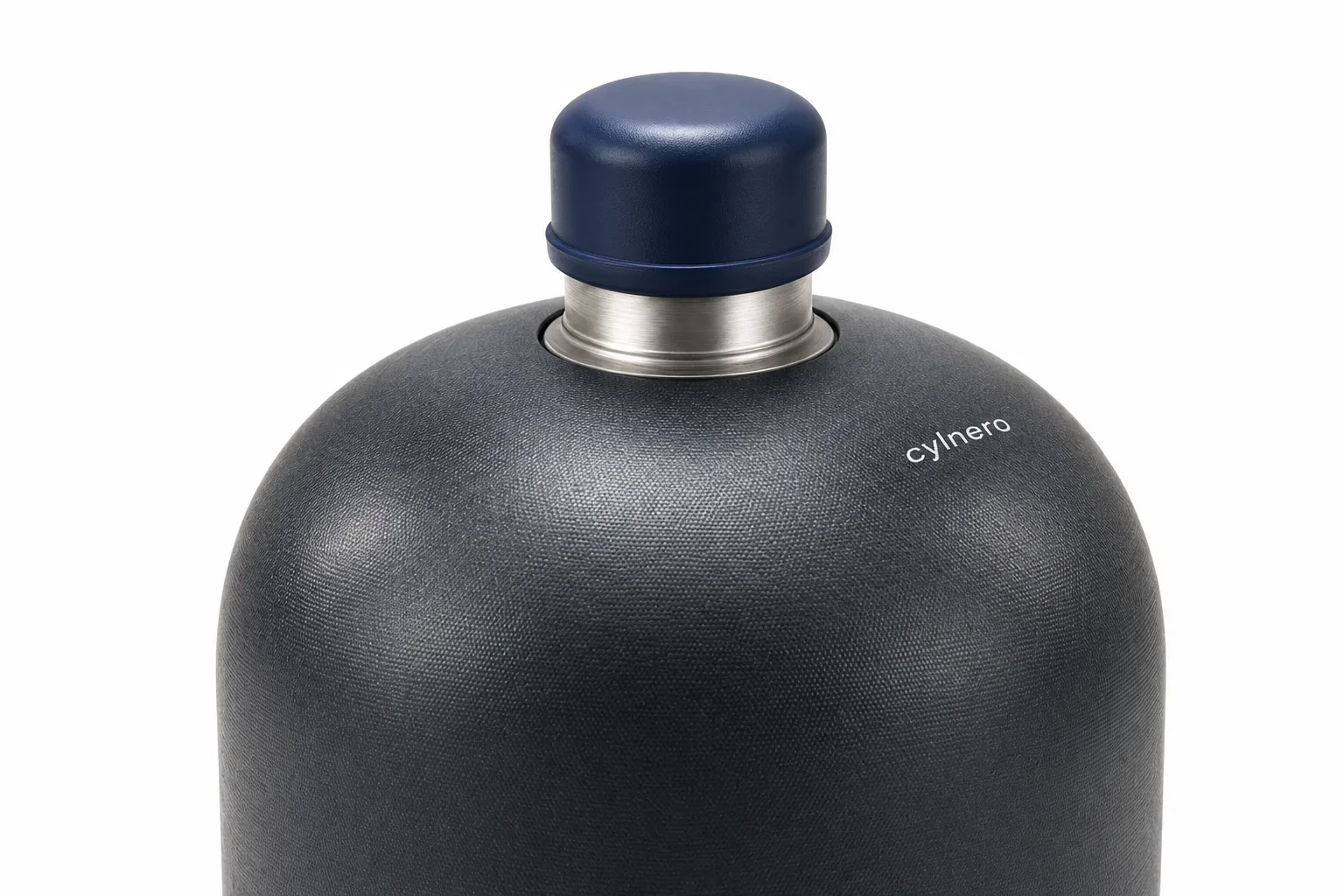
Provide any connection and mounting references already defined by the equipment team. Explain which are established project inputs and which are preliminary targets. Ask the manufacturer to identify the interface information it can provide for the proposed vessel and whether a valve or protective component is included in the quotation. If a field has not been decided, leave it open instead of selecting a connection from a product image.
Distinguish components requested from the vessel manufacturer from items that the system integrator or another supplier will address. If two offers include different accessories, record the difference beside their prices and drawing references. A proposed change in valve, protection or interface may affect the scope that must be reviewed. This comparison page organizes purchasing questions; it does not provide mounting instructions or confirm mechanical compatibility for the complete system.

Share any document or destination requirements already established by the project team and its appointed reviewers. Include the source and revision when available, and identify which proposed configuration each request concerns. Ask the manufacturer what information it proposes to supply and what each document covers. A general brochure, an example report and information associated with a specific offered vessel can address different questions. Record missing information as an open item rather than assuming it is included.
Type III and Type IV family names do not themselves demonstrate certification or acceptance for a vehicle, station, marine project or other installation. The buyer's responsible technical and commercial reviewers determine what evidence is needed for the actual project and destination. If a supplier offers an alternative, ask how its supporting information and stated scope differ from the original request. Keep the answer tied to the relevant offer and drawing revision.
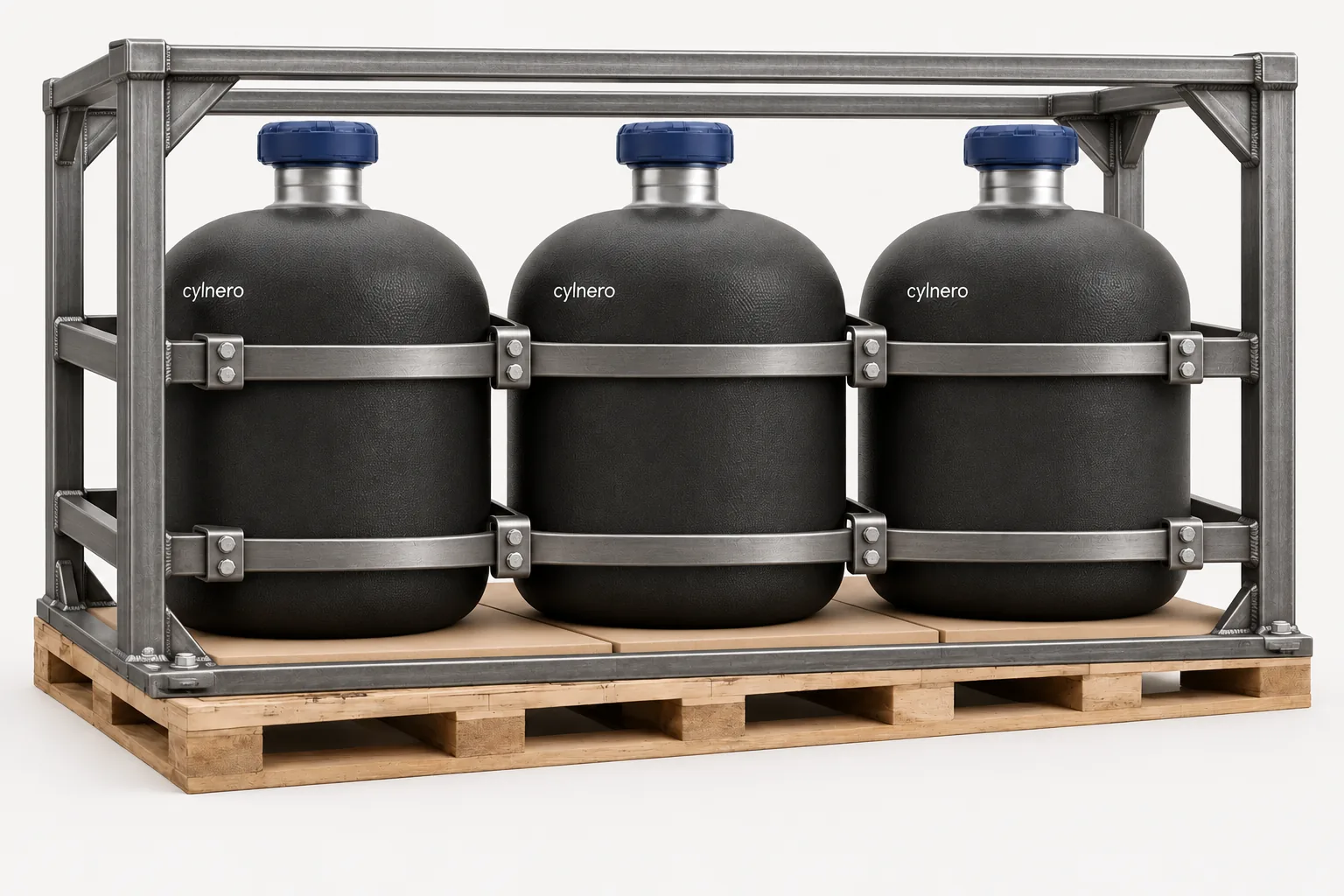
State the approximate physical quantity for the current purchasing stage and distinguish any later forecast from an order. If the programme has multiple equipment variants or receiving sites, list the requested groups and destinations separately. Share known branding, packing and delivery preferences. Ask each manufacturer to identify its proposed delivery scope, price, timing and exclusions in the quotation. A product-family page does not establish stock or a delivery commitment.
Compare the proposed components and services as well as the headline price. A vessel-only price may cover a different package from an offer that includes a valve or protective items. If a request changes, identify the previous version and ask how the change affects the proposal. Keep the revised scope, documents and commercial terms together so that purchasing and receiving teams refer to the same version. Any warranty or support scope should be identified by the manufacturer in its actual response.
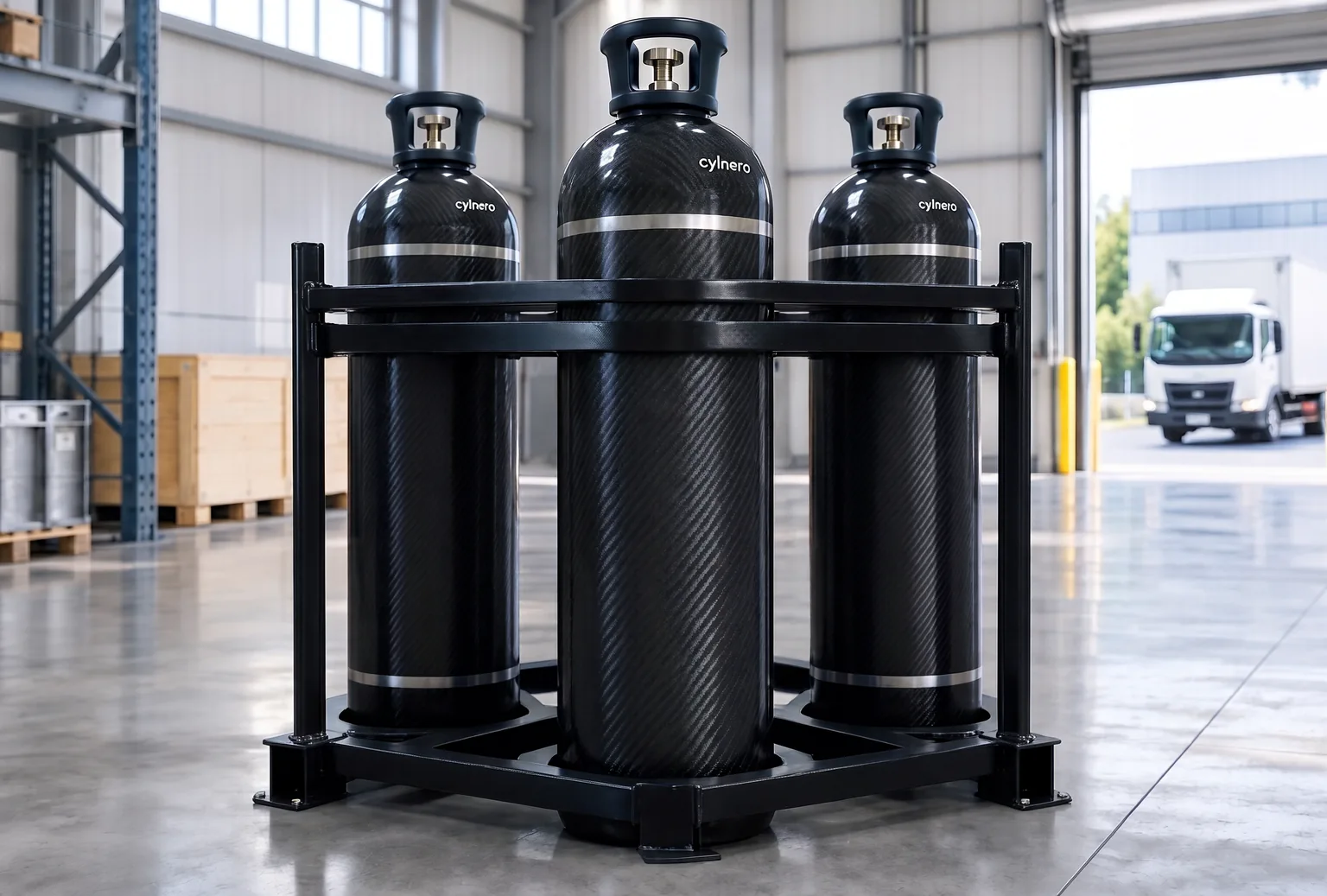
Choose the Type III route when the project brief asks to discuss a metallic-liner composite vessel. Choose the Type IV route when a polymer-liner composite vessel is the relevant construction to discuss. If the construction is not yet selected, the broader COPV route can help start a manufacturer conversation. In every case, explain the intended medium, application and equipment boundary. Choosing a route does not confirm suitability, create an order or select a factory model.
For an onboard project, the team may start with a known equipment envelope and interface reference; for a stationary project, the purchasing boundary between vessels and the wider installation may be the first question. An OEM considering a new programme can distinguish initial quantities from a later forecast. These are different ways to prepare a brief, not claims that one construction is universally preferred for a particular application. The manufacturer and responsible project reviewers assess the proposed configuration.

Prepare one line for each proposed configuration. Record the intended medium, project context, manufacturer reference, construction, stated capacity and pressure fields with units, dimensions, weight basis and included components. Add the requested quantity and destination, the available interface information and the quotation revision. Where a field is unknown, mark it open and identify who needs to answer it. This creates a common record without inventing a specification to make the table appear complete.
Ask which documents are available for the proposed configuration, what the quotation includes and how an alternative is identified. Compare packing and delivery scope only after checking that the hardware scope is understood. If a drawing, quantity or destination changes, request a clearly identified revised response. CYLNERO coordinates the exchange of buyer requirements and manufacturer proposals; the manufacturer identifies the product and commercial scope it offers, and the project team assesses its own requirements.