Wholesale sourcing
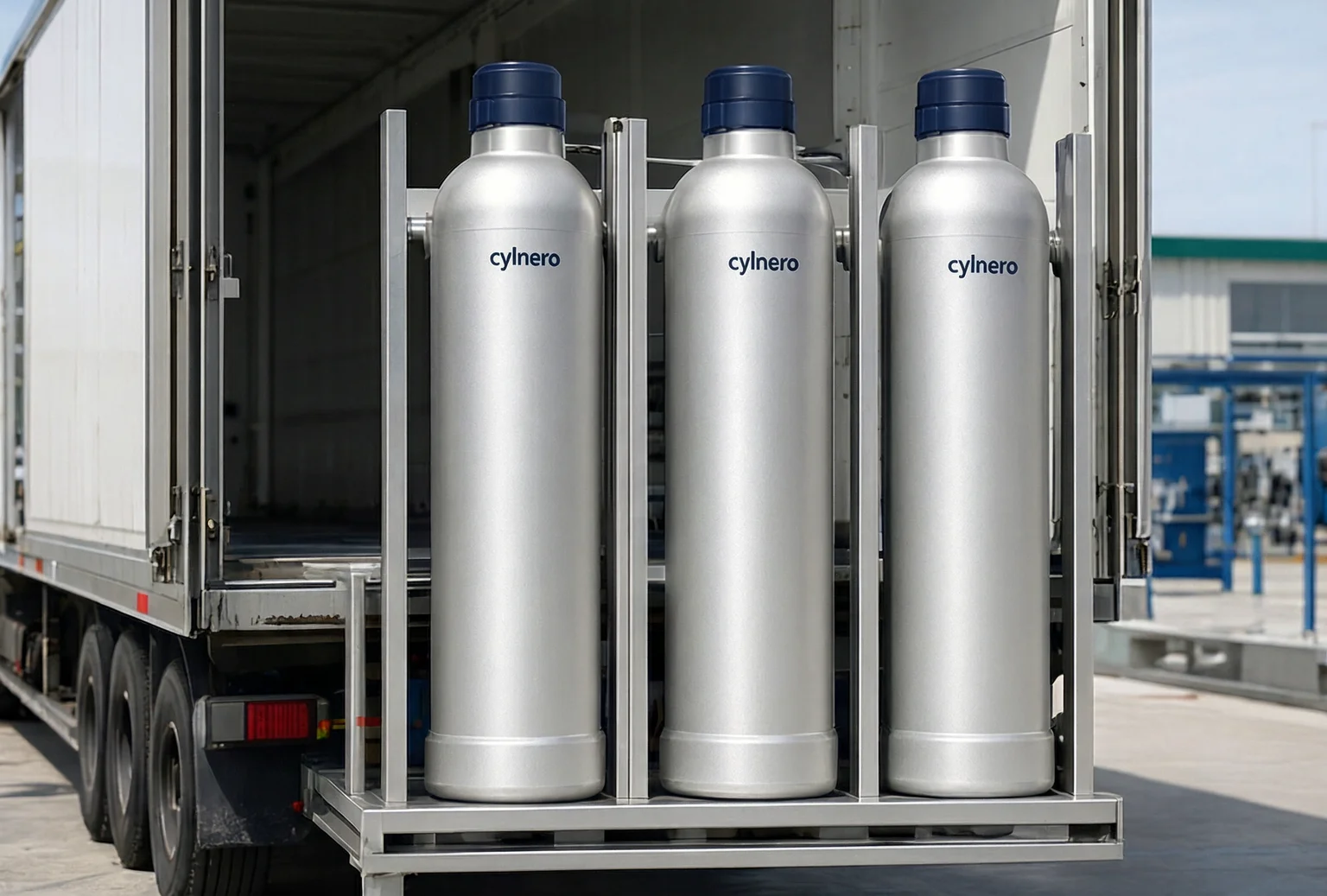
Wholesale procurement guide. Exact product specifications and destination requirements are confirmed during enquiry.
Start with the industrial application
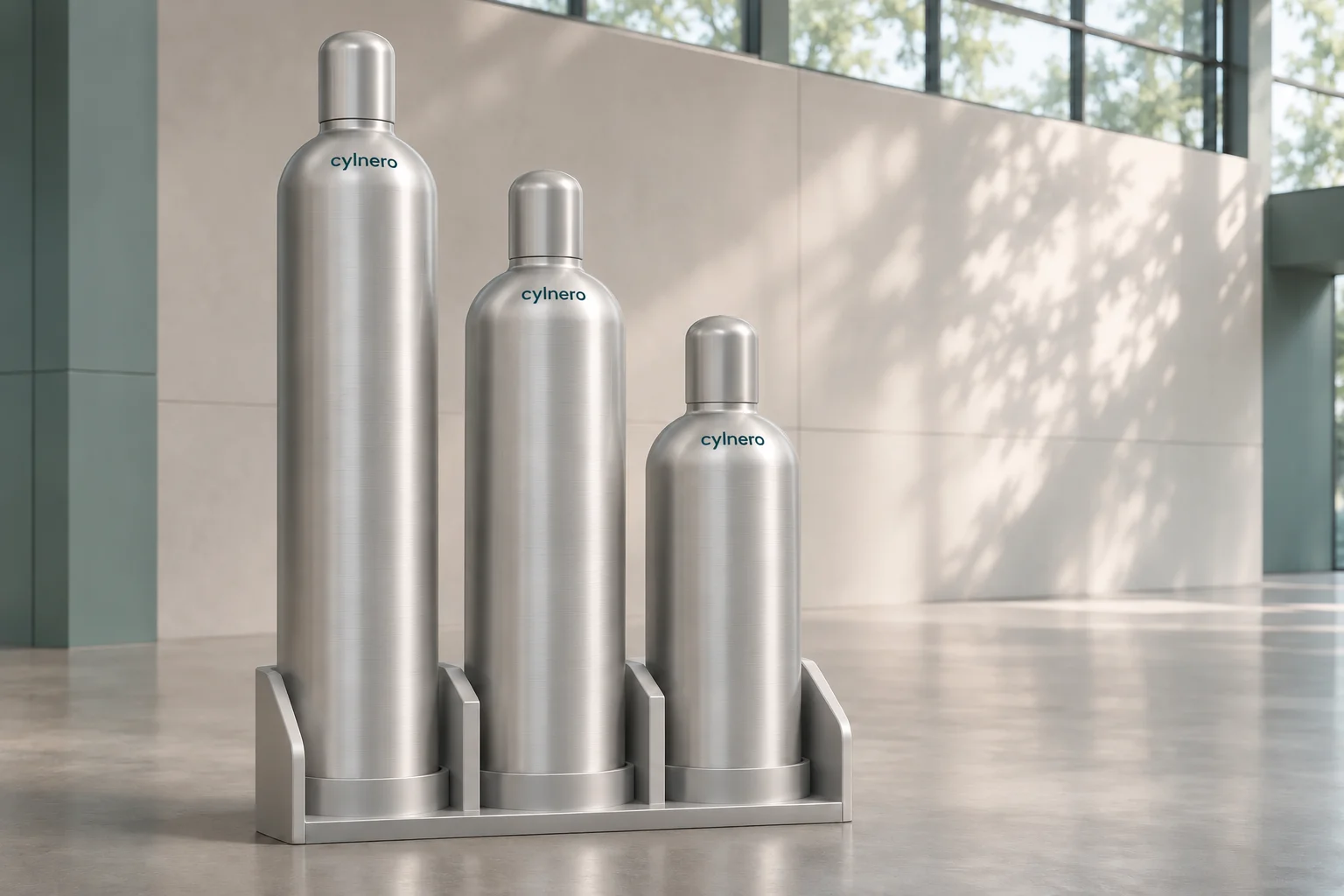
Describe the intended gas service, approximate quantity and destination. Add any known equipment requirements and leave missing parameters open. The manufacturer identifies the aluminum cylinder configuration it proposes for further discussion.
Use this category to describe an industrial aluminum-cylinder hardware request. State the intended gas and application, approximate quantity and destination, adding project requirements already known. Identify a medical-organisation or LPG purchasing task separately so the manufacturer can respond to its actual scope. A complete parameter schedule is not needed at the first enquiry. The proposed configuration and supporting information provide the subject for the responsible reviewers' assessment.
Read the full guidance
Defining Industrial Gas Service Scope
Ask the manufacturer to identify which cylinder body, valve and other components it proposes for the stated task. Keep gas contents, filling, exchange and wider equipment services as separate requested items. If an existing project reference uses a broad service description, share it as context and record the questions still unanswered. The purchasing comparison should show the actual offer rather than infer a valve or protective-device choice from the application label.
If the organisation has a repeat-purchasing programme, describe the current quantity and any later forecast separately. Ask which configuration and commercial assumptions the manufacturer uses in its response. A recurring hardware request can involve different requirements from gas replenishment or local exchange services. Keep proposed schedules and included work with the relevant quotation rather than deriving service life or maintenance needs from an assumed usage pattern.
Compare aluminum and steel proposals
Compare steel and aluminum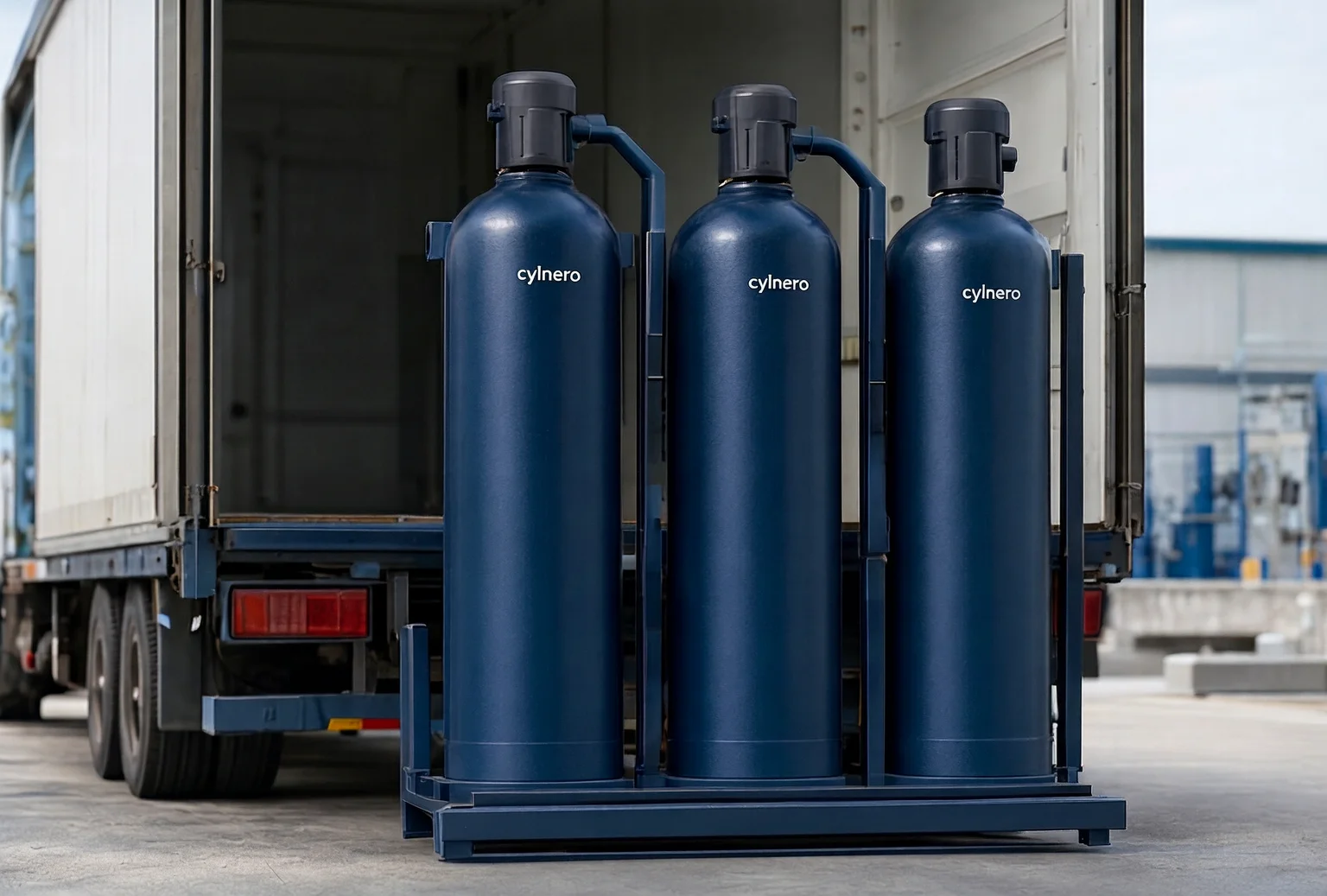
Compare actual proposed cylinders and their stated material, dimensions, components and documentation. A material name alone does not establish weight, service suitability or a better purchasing choice. Keep your required characteristics separate from offered values.
Use aluminum and steel as purchasing families, then compare the actual configurations a manufacturer proposes. Ask for the stated material, mass, dimensions and included components associated with each offered reference. Share any project constraints already known and identify the appointed reviewer for outstanding material or service questions. A family name alone does not establish a weight advantage, inspection frequency, maintenance requirement or overall cost outcome for the equipment you are considering.
Read the full guidance
Aluminum vs. Steel Material Selection
Share any material specification or gas-service requirement already defined by the project and ask which material reference identifies the manufacturer's proposed cylinder. Keep that reference with the offered model and supporting documents. The appointed reviewers assess whether the actual configuration addresses the application and outstanding questions. An initial enquiry may leave a material detail open; a broad aluminum description or a document title does not resolve the entire suitability review.
If the project has a defined temperature or environmental requirement, retain its source and ask which stated conditions apply to the manufacturer's offer. Clarify whether a response concerns the cylinder body or a complete assembly with identified components. Keep any proposed qualification beside the applicable drawing revision. The responsible reviewers assess that actual information, rather than assuming a maintenance requirement or seal behaviour from a general comparison between aluminum and steel.
Compare cylinder weight
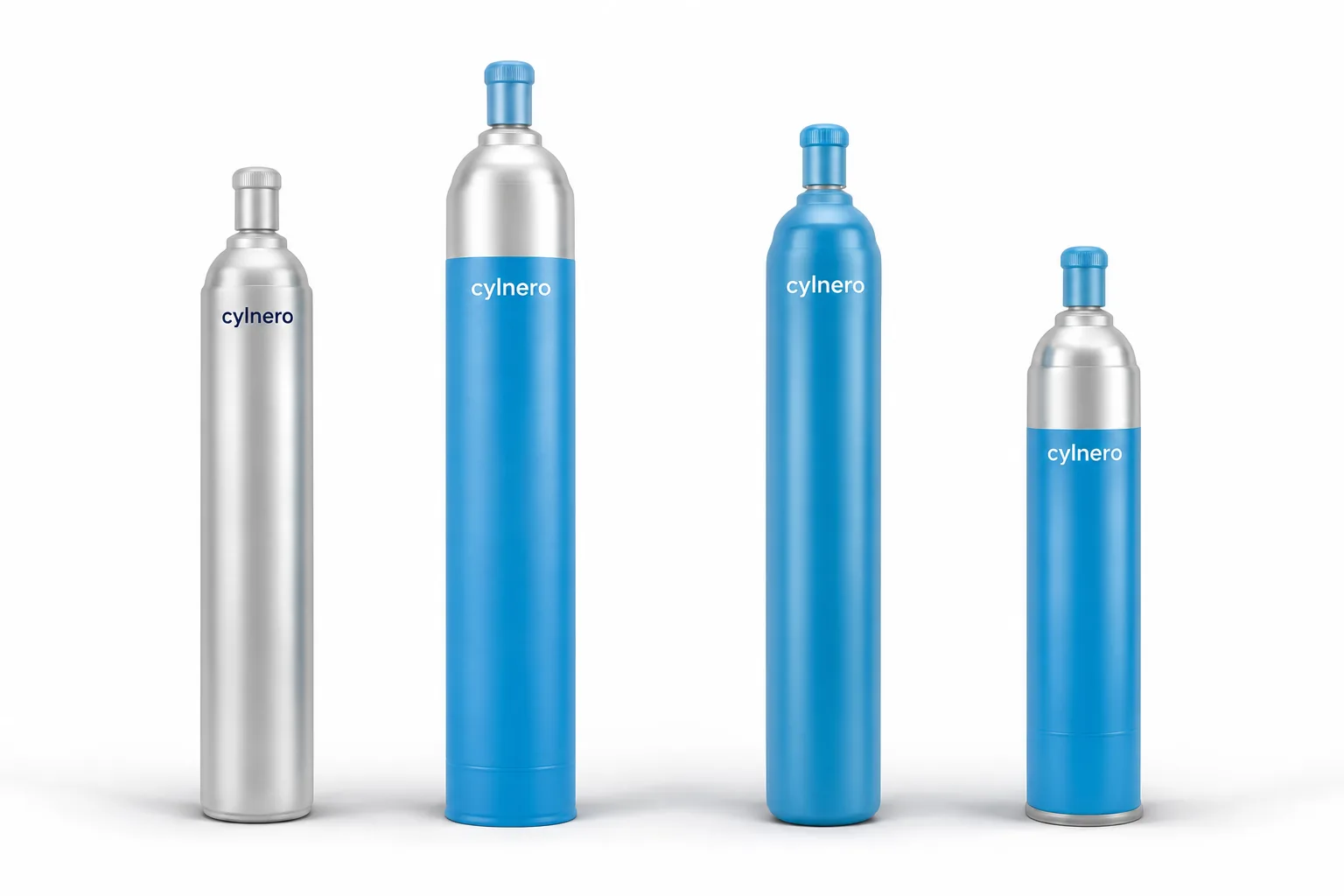
Ask for separate weights for the cylinder body, the assembly with its valve and protective cap, and the packed shipment. Compare figures with the same component scope and keep the proposed configuration reference beside each value.
View aluminum cylinder weight examplesAsk for the mass of the proposed cylinder body, the assembly with its included valve and protective components, and the packed shipment. These figures describe different scopes: a body-only value cannot be used as the weight of a complete delivery. Keep the original units and the configuration associated with each figure. Material alone does not establish the mass of a particular cylinder; dimensions, construction and included hardware also matter.
Read the full guidance
Weight Considerations for Handling and Logistics
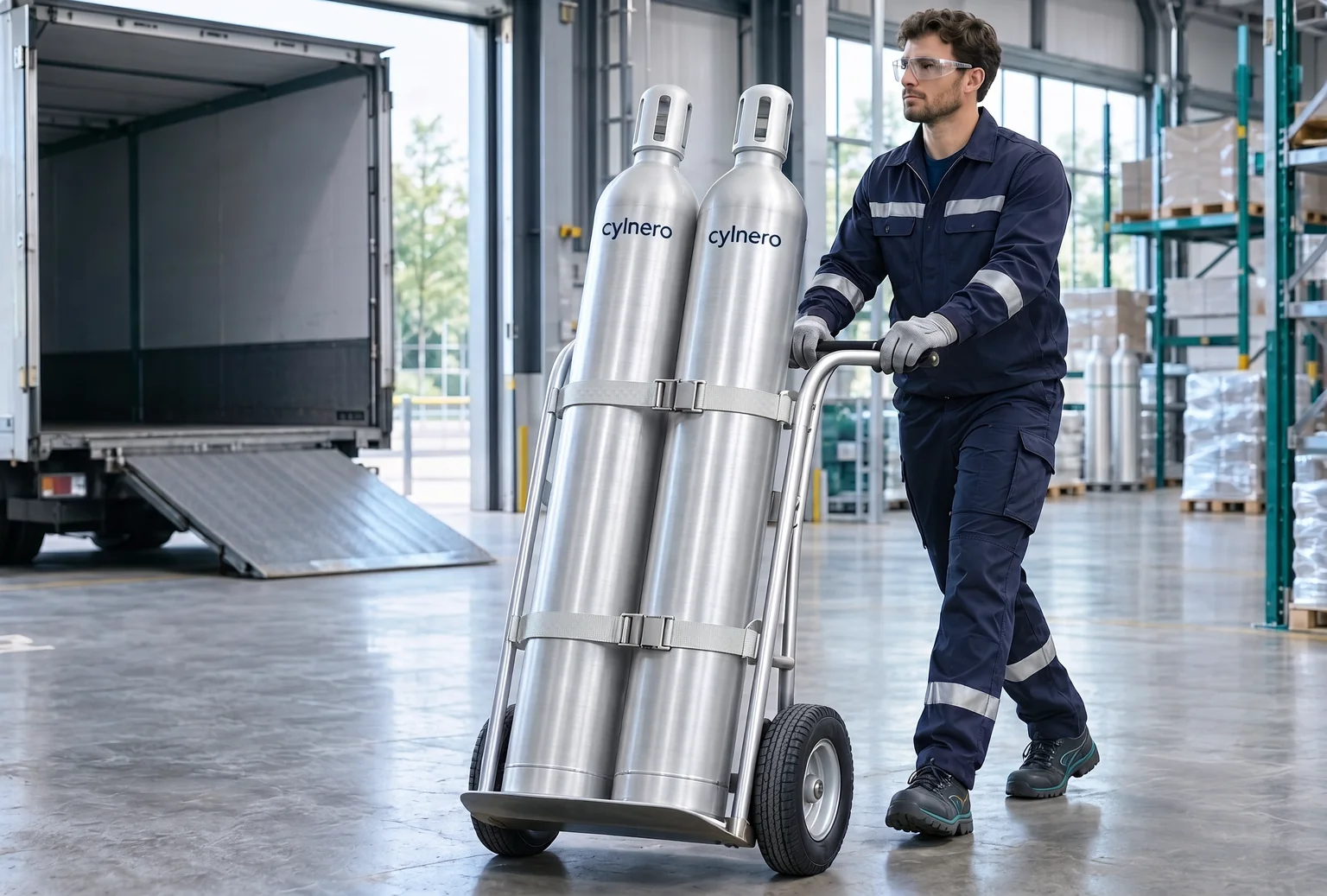
Share the receiving, storage or transport constraints already defined for your project. For example, identify the applicable rack or vehicle limits and the drawing or equipment reference behind them. Ask the manufacturer which proposed configuration its mass and dimensional information covers, and give the relevant information to the parties reviewing the equipment and logistics. Leave an unavailable figure open until it can be supplied for the actual offer.
When comparing quotations, request the same mass scope for each option and identify any differences in valves, protection and packaging. Keep the manufacturer's stated values alongside its model or drawing reference and revision. A consistent comparison helps purchasing teams identify missing information before arranging transport or evaluating receiving requirements; it does not establish that a proposed assembly fits an existing rack or vehicle.
Clarify the requested gas service
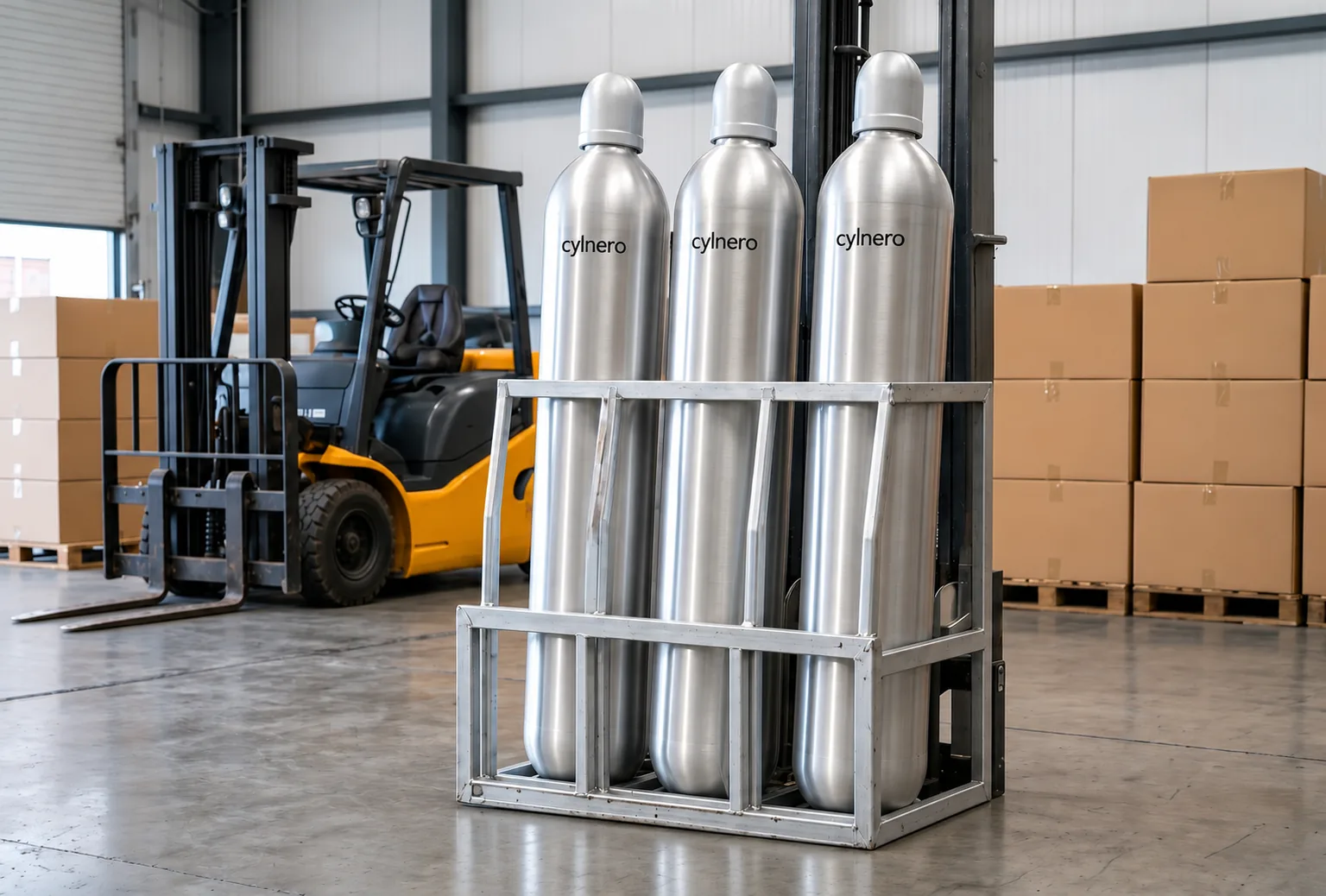
State the gas and application, including any cleaning or preparation requirements you already know. Ask the supplier to confirm the proposed cylinder, valve and delivered condition for that service before placing an order.
Describe the intended gas service and ask the manufacturer to identify the stated service scope of its offered configuration. Share existing project requirements and the questions the appointed reviewers need answered. Keep material, component and delivered-condition statements linked to that proposal. An information request may identify records, qualifications or details still unavailable; it does not mean that the same compatibility chart or test package applies to every enquiry.
Read the full guidance
Gas Compatibility and Chemical Interaction
If the project includes gas-quality or delivered-condition requirements, share the existing reference and ask what preparation the manufacturer proposes for the actual cylinder and which records describe it. Identify the party responsible for each scope, keeping cylinder hardware, gas supply and work by other organisations separate. The appointed reviewers assess the requirements and supporting information; this guide does not select cleaning, passivation, drying, filtration or monitoring methods.
Check the equipment envelope
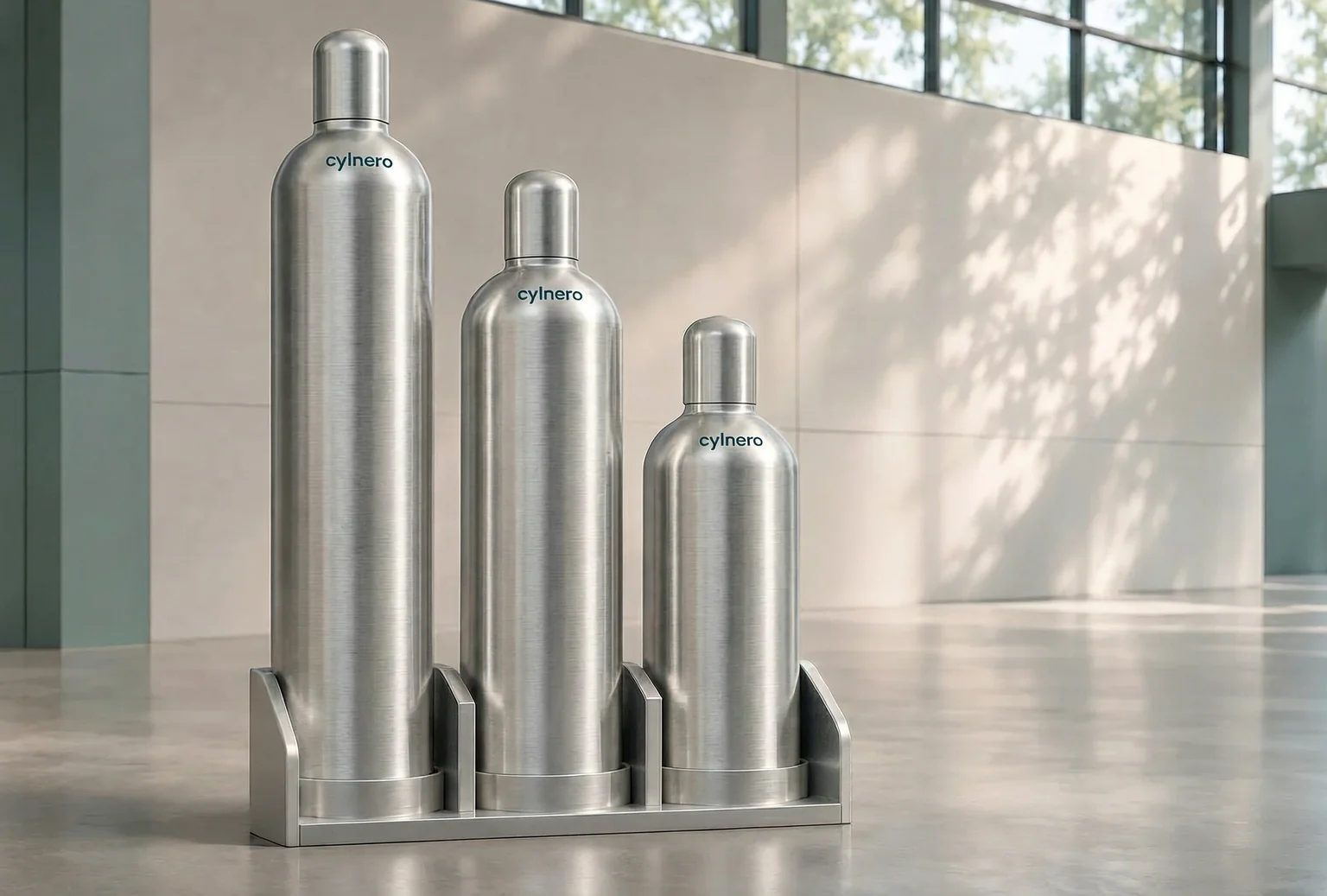
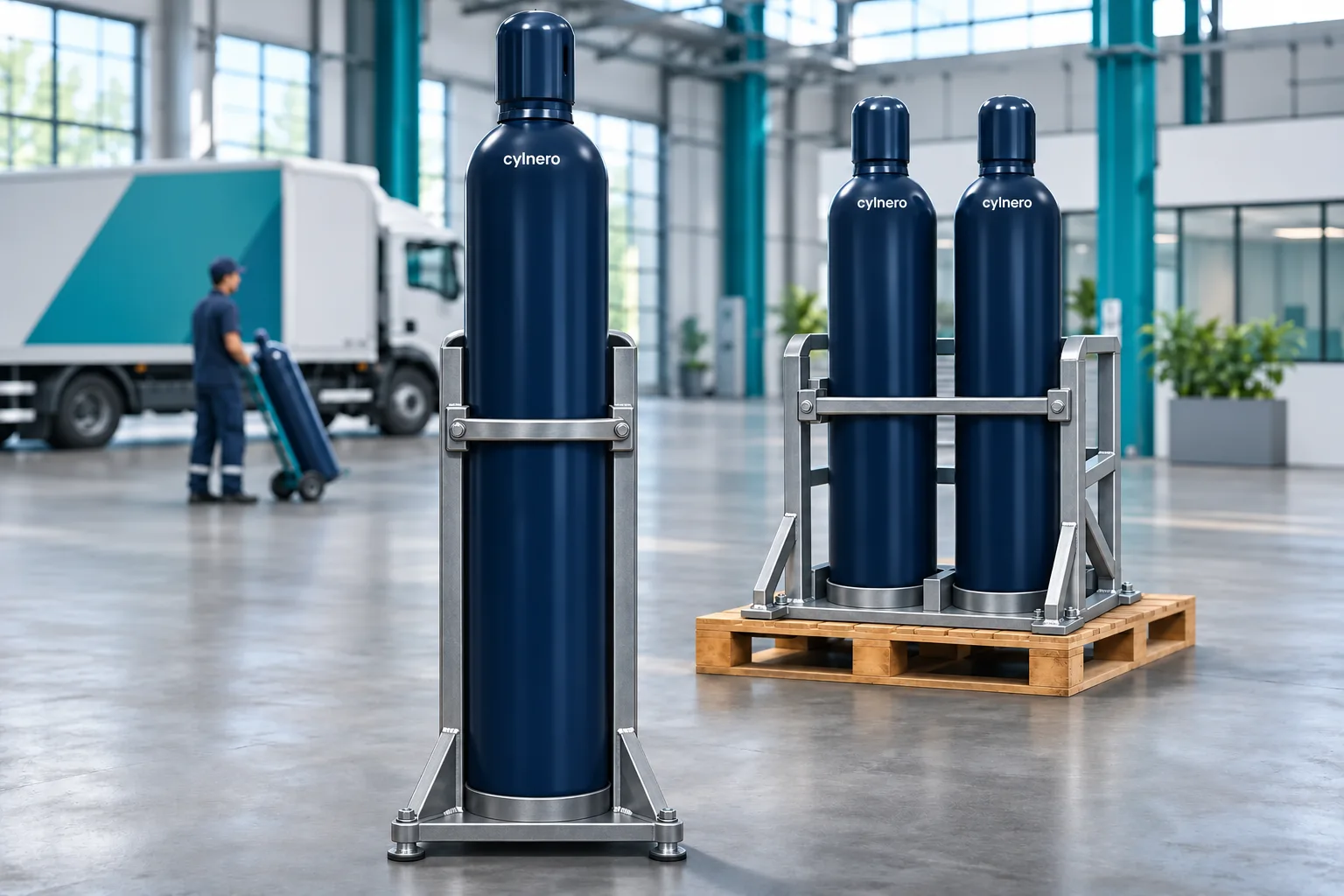
Share the available height and diameter, fixing arrangement and any existing equipment drawing. Check the dimensions of the complete proposed assembly, including the valve and protective cap, against the space available.
Share an existing equipment envelope or drawing reference if physical space matters to the purchase. Ask for the offered cylinder's exterior dimensions and the included components covered by each entry. Keep the manufacturer's stated values separate from the project requirement. The appointed equipment reviewer assesses the actual proposal, with unresolved interfaces retained as questions. A general size description or material name should not be used as evidence that an existing arrangement is suitable.
Read the full guidance
Dimensional Standards and Facility Fit
Request the proposed dimensional drawing and ask the manufacturer to identify the valve connection, collar, base and other interfaces relevant to your purchasing task. An existing equipment drawing or connection reference can help frame the questions, but is not required to start an enquiry. Keep an interface marked as unresolved until the responsible technical reviewers have assessed the proposed assembly. If the manufacturer suggests a change, record the revised scope, drawing reference and any commercial implications. Comparing drawings supports review; it does not by itself confirm compatibility or authorize a modification to existing equipment.
If the project has an access or equipment-envelope requirement, share its reference and ask which configuration the manufacturer proposes. Keep the actual drawing and its revision beside the requirement. An appearance or general layout description does not establish that a component can be accessed in the intended equipment arrangement. Ask the appointed reviewers which questions need assessment and what later documentation is proposed. This page does not recommend an inspection position, maintenance method or design change. A purchasing record can make the question explicit without guaranteeing access, reduced downtime or approval of the installation.
Keep pressure fields separate
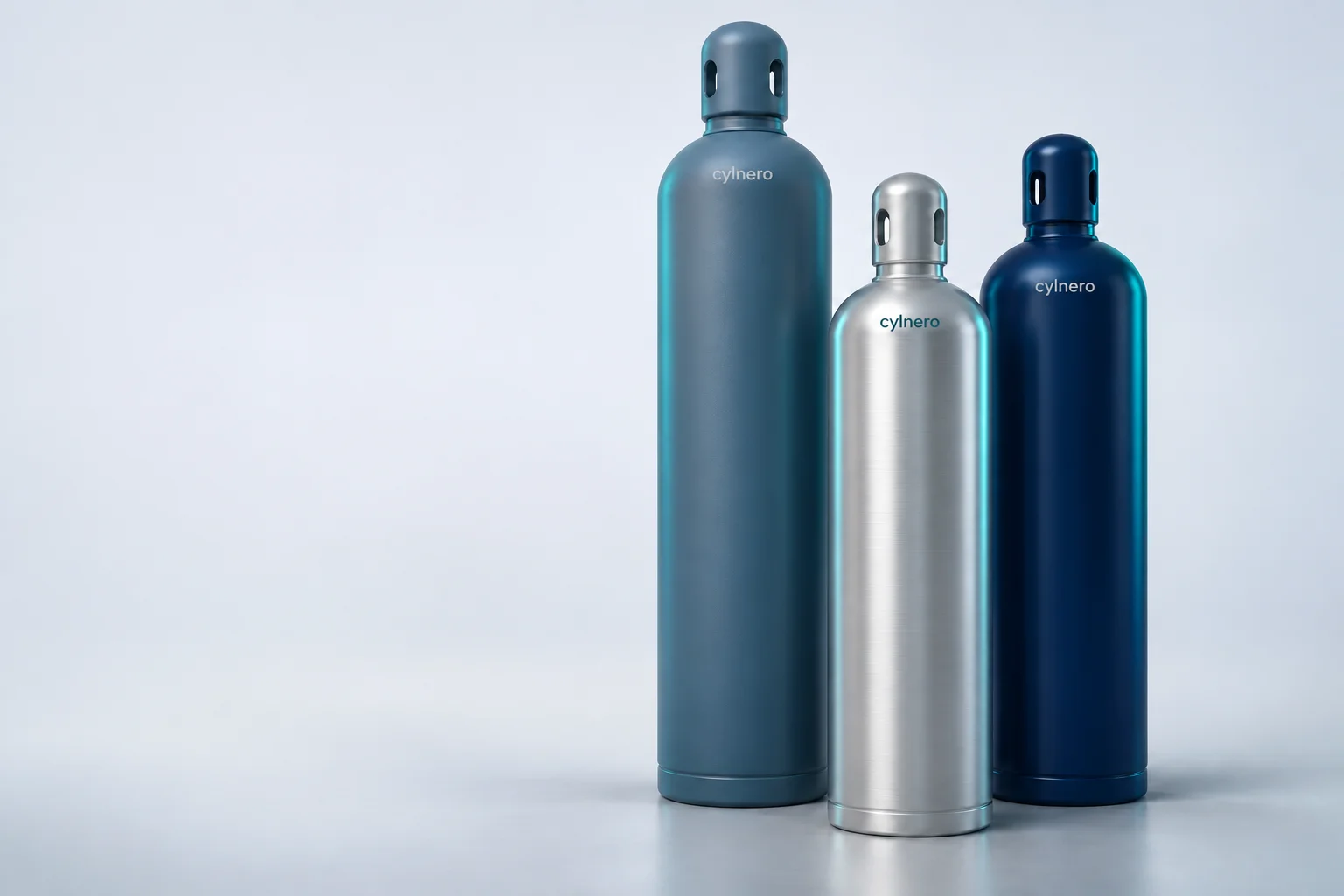
Record working pressure and test pressure as separate entries, retaining their labels, units and references. Ask the manufacturer to identify the stated conditions for its proposal. Unknown requested values can remain open for clarification.
Keep the manufacturer's stated working-pressure and test-pressure fields separate, with their units and the configuration reference to which they apply. If your existing specification states a pressure requirement, share that reference; if it is unknown, leave it open for the manufacturer's proposal and technical review. This guide does not select a pressure rating, infer a ratio between fields or recommend a safety margin. Ask which supporting records the manufacturer proposes for the actual supply, distinguishing sample documents from agreed delivery records. Have the appointed reviewers assess the stated values and relevant conditions before accepting the configuration.
Read the full guidance
Pressure Fields and Configuration Evidence
Ask the manufacturer to identify the specific design or assessment basis claimed for its proposed cylinder configuration and the scope of the supporting evidence. A standard-family name in a brochure is not enough to establish which requirements apply to the intended service and destination. The appointed technical and destination reviewers should identify unresolved questions and assess the manufacturer's response. If valves or protective components are included, clarify their proposed scope and document references separately. Ask the responsible equipment reviewer to assess compatibility using the proposed connection and equipment references.
If the manufacturer proposes a protective component, ask it to identify that component, its intended role and the documents supporting the proposed assembly. Keep the included component scope separate from any equipment elsewhere in the installation. Ask who will review the proposal and which questions remain unresolved. This page does not select, calibrate or prescribe maintenance for a protective device, and a component name does not establish protection against an unexpected event. Technical assessment and any operating decisions require the actual configuration and the responsible specialists.
Discuss valves and connections
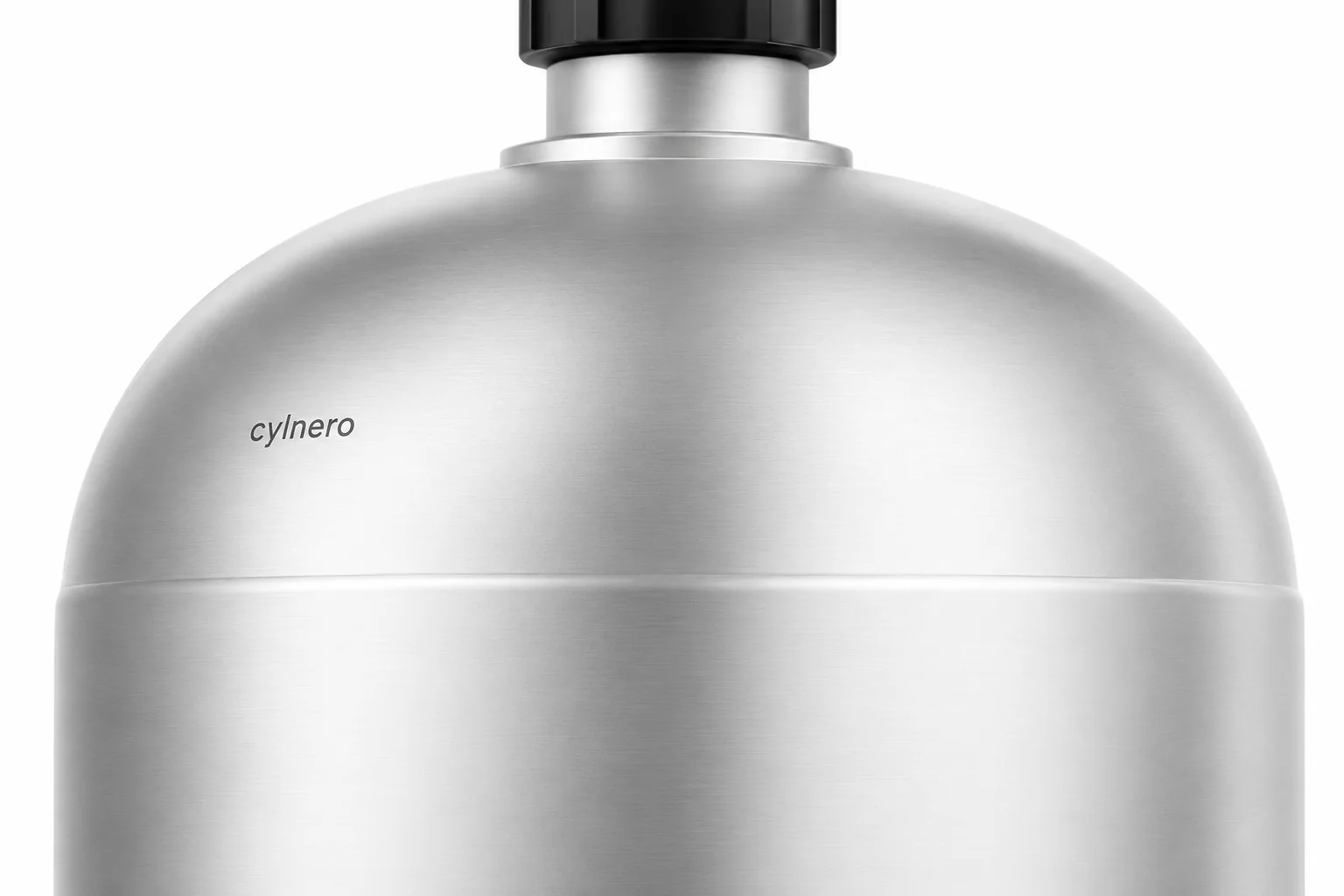
Share existing valve or connection references if available. Ask which interface and components the manufacturer includes in its proposed assembly. Keep drawing references and unresolved questions together so the responsible reviewer can assess the actual configuration.
Ask which valve and protective components, if any, the quotation includes and which references identify them. Share an existing connection requirement when available, leaving unknown details open. Keep the cylinder neck connection distinct from the valve's equipment-facing outlet and other assembly interfaces. The manufacturer identifies its proposal, while the responsible reviewers assess the actual relationship to the intended application. This buying guide does not choose a valve specification.
Read the full guidance
Valve Types and Connection Standards
Share an existing connection or equipment reference when available and ask which interface the actual proposal uses. Retain any drawing references, included components and unresolved questions beside the offer. A general connection name, compatibility list or test-report title does not alone establish fit. Have the relevant information assessed by the appointed reviewers rather than treating a document request as a guarantee of integration. This buying guide does not select a valve, prescribe a modification or recommend an inspection interval. The actual configuration and proposed scope provide the subject for the relevant review.
If later instructions, support or training matter to the organisation, describe the requirement and ask what the manufacturer actually proposes for the offered assembly. Keep any separately quoted service distinguishable from the valve hardware. Retain the relevant component reference for follow-up questions. A broad description of convenience or familiarity does not establish an operating arrangement, a labour saving or the suitability of existing tools for a proposed valve.
Define the delivered equipment scope
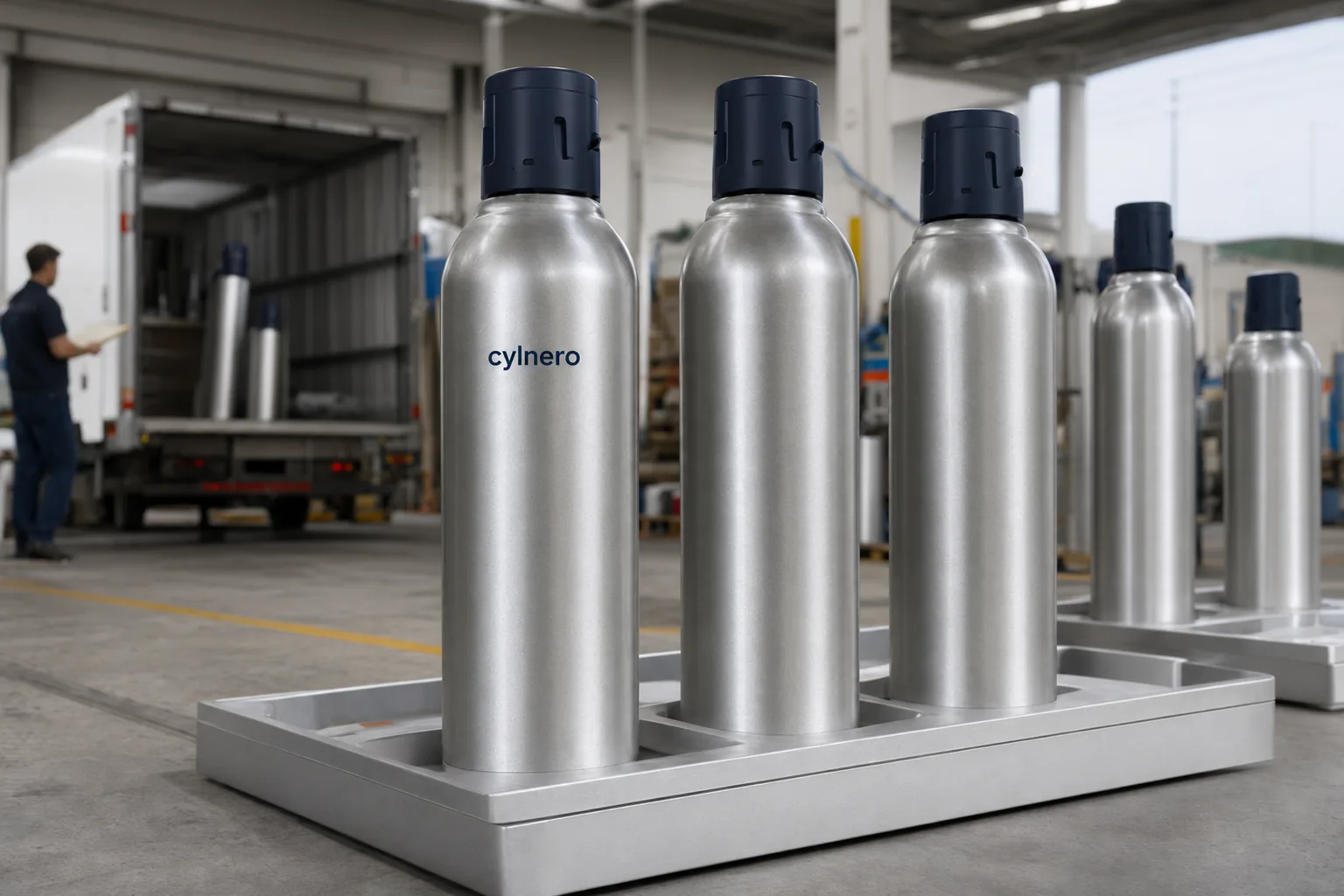
Ask whether the quotation covers the cylinder body, valve, protective items or a broader assembly. Keep the proposed delivered condition and available records beside that scope. Identify any responsibilities requiring a separate agreement.
Read the full guidance
Delivery Condition and Lifecycle Responsibility Review
Describe the required delivery condition in the enquiry and ask the proposed manufacturer what it can offer for the stated gas service. Separate the cylinder body, valve, protective components and packaging so that an answer about one item is not treated as covering the complete assembly. If cleanliness evidence is relevant to the purchasing task, ask what evidence is proposed, which configuration it describes and whether it would accompany the actual shipment. This guide does not select cleaning agents or provide a cleaning procedure.
Ask who will review the proposed condition before purchase and who will resolve any open questions about the intended application. The manufacturer should identify the scope and limits of its response, while the purchaser can appoint appropriate technical reviewers. A sample record or general brochure is different from an agreed deliverable linked to the order. Record unanswered questions explicitly rather than treating the presence of a document as confirmation of suitability. Unknown details can remain open during the first enquiry and be developed through the quotation review.
Lifecycle responsibilities belong in the purchasing discussion as a separate scope item. Ask which manufacturer instructions, records and contacts are proposed for the actual configuration, and identify who will assess them for the destination and intended use. Agree how unresolved responsibilities and later document revisions will be recorded. Do not derive maintenance intervals, cleaning methods or continued fitness for service from this category page. CYLNERO can coordinate the questions and responses; the responsible parties must review the actual instructions and the allocation of obligations before relying on them.
Documents for the destination
Give the destination and known project requirements. Ask which documents the manufacturer offers for the proposed supply and what they cover. Distinguish general company information from records linked to a model or delivery.
Read the full guidance
Regulatory Compliance and Certification Documentation
Identify who will review the requirements for the intended configuration, use and destination. Ask the proposed manufacturer which documents it offers, what they cover and how they relate to the supplied units. Keep general capability information, sample records and order-specific deliverables distinct. If inspection or independent assessment is requested, ask the responsible parties to confirm its proposed scope rather than assuming it is included. A certificate title or collected document set does not itself establish acceptance; record what remains to be reviewed against the actual purchasing requirement.
Give the intended destination and any project evidence requirements already known. Ask which documents the manufacturer offers for the actual configuration and what each record covers. Retain the issuer, reference, revision and stated scope where available. The appointed reviewers assess the response and unresolved questions. This category does not impose a universal set of batch records or treat a general document file as proof of destination acceptance.
If the project's destination or application requirements change, retain the revised reference and ask the responsible reviewers which parts of the proposal need further assessment. Send the specific question to the manufacturer and keep its response with the relevant configuration. A proposed document update, additional review service and equipment change are separate scope items. This purchasing page does not promise continuing compliance or prescribe a future modification.
Review the manufacturer response
Check the proposed capacity, working pressure, dimensions and included components against your brief. Note any alternatives, unanswered questions and delivery assumptions so they can be resolved in the next quotation revision.
Read the full guidance
Supplier Verification and Capability Assessment
Ask the actual manufacturer to identify the capabilities relevant to the cylinder request and the information supporting its response. Keep company background, sample work and documents for a particular configuration as distinct entries. If a project requests additional assessment, record its purpose and ask what arrangement is proposed. A company statement or example is context for review, rather than an audit result established by this category page.
Compare the manufacturer response against the intended gas service, project references and stated quantity. Ask which proposed model and included components each statement describes. Keep requests about preparation, documents or delivery separately identifiable and retain any exclusions. If information is unavailable, record the unanswered question for the relevant reviewers rather than infer a capability from previous examples or treat every cylinder hardware shipment as the same logistics category.
Identify the manufacturer contact for technical and commercial follow-up, and ask what support scope is actually proposed. If the organisation requests later parts, training or other services, record those as separate questions with their applicable configuration references. Keep requested response times distinguishable from offered commitments. A described communication route can clarify the purchasing discussion without guaranteeing future availability, issue resolution or equipment performance.
Keep configuration and records together
Retain the offered model, drawing revision and related document references in one comparison. Ask which record covers which part of the supply and who can clarify differences. Keep sample records distinguishable from delivery-specific documents.
Read the full guidance
Data Verification and Documentation Requests
Connect the offered model, drawing revision, quotation and proposed document scope in one purchasing record. Identify which files are examples and which records concern the actual configuration or a later delivery. Keep buyer requirements, manufacturer statements and open questions distinguishable. The appointed reviewers assess the actual evidence available; a checklist does not impose one certificate package or establish that an item meets every requirement. If the manufacturer revises a valve or protective component after the first response, retain the revised assembly reference alongside the earlier proposal. Ask which drawings, dimensions, mass entries and quoted lines the change affects. A drawing update and a price update need not describe the same scope of change. Keeping their references together gives the reviewer a specific question to resolve instead of relying on a generic statement that the offer has been updated.
When the project has a specific question about manufacturing records, later support or a reported difference, identify its purpose and the proposal to which it applies. Ask what information the manufacturer can provide and keep any limitations visible. A company process and an order-specific response describe different scopes. Retaining those distinctions helps the purchasing team follow the discussion without inferring a future quality result or a guaranteed remedy.
About this category guide
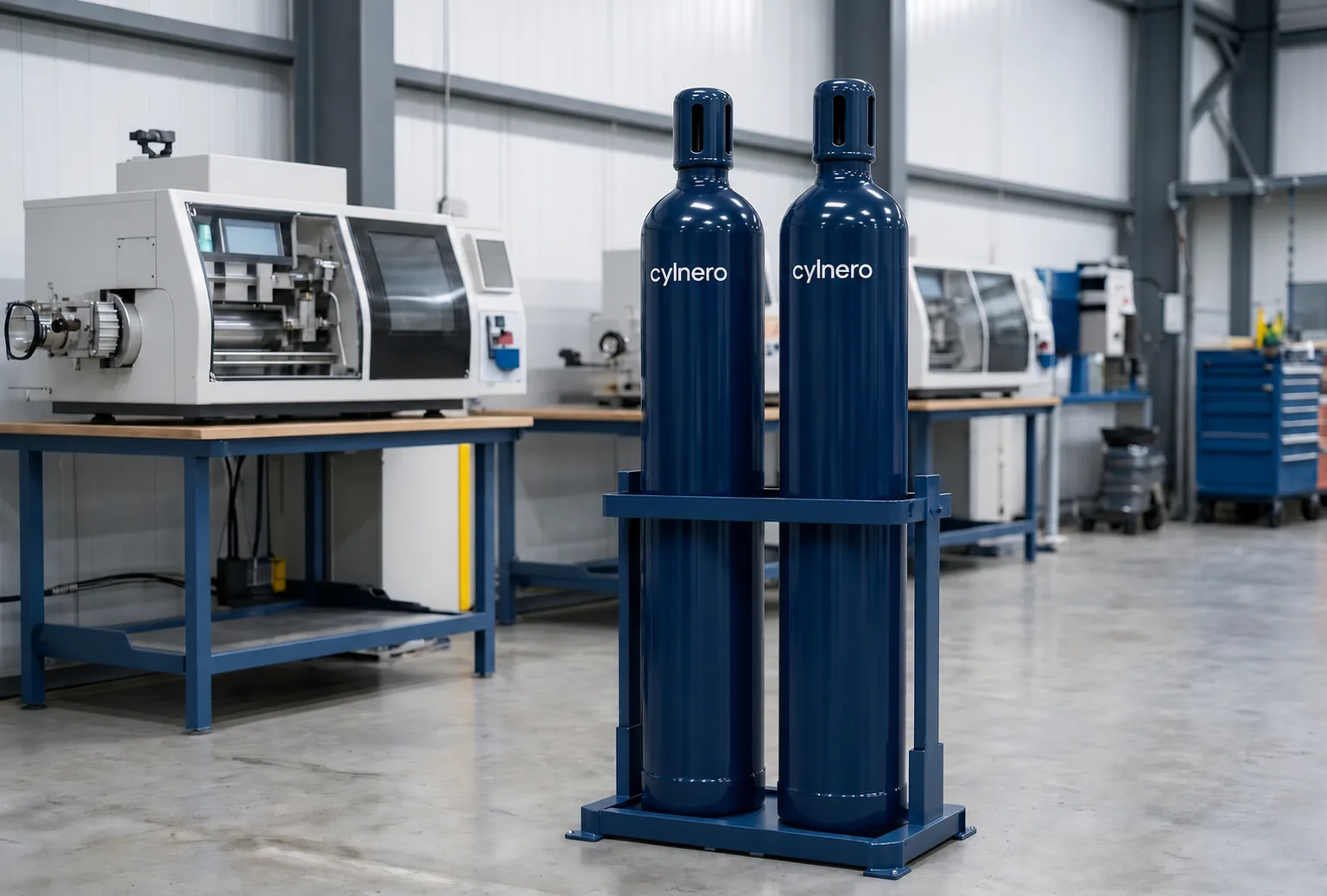
Industrial aluminum cylinder sourcing begins with the application, approximate quantity and destination, adding known specification references where available. A real manufacturer model or complete parameters are not required for the initial enquiry. CYLNERO coordinates purchasing questions and responses; manufacturers confirm their actual offer, contracting scope, production and delivery. This category describes a purchasing route rather than a verified stock list or approved configuration. An aluminum material description establishes neither suitability nor unsuitability for LPG or another gas service. Ask the manufacturer and appointed reviewers to assess the actual proposal, including the stated configuration, relevant documents, interfaces and delivery scope. Keep unresolved questions visible through quotation review.
Clarify commercial terms

Compare the proposed equipment, quantity basis, packing, delivery and exclusions before comparing prices. Record quotation validity and offered terms in the supplier wording. Any requested changes remain separate until reflected in a revised proposal.
Compare quotations on the same basis before deciding which aluminum cylinder offer fits your order. A cylinder body-only quotation and an assembly that also includes a valve and protective components cover different scopes, even if both describe the same cylinder family. Record the quantity, proposed configuration, delivery basis, packaging and any separately priced options in side-by-side columns. Ask each supplier to clarify exclusions and whether a component is bundled with another line; do not treat an omitted item as included. Keep the original quotation and revision with your comparison so changes can be traced. If responsibilities for delivery, damage or other commercial matters are unclear, ask for the relevant terms in writing and have the appropriate commercial or legal reviewer assess them. This makes the comparison easier to discuss without assuming a price or commitment that the offer does not state.
Read the full guidance
Contractual Terms, Liability, and Customer Protection
If the buyer requests a support or protection arrangement, identify its intended scope and ask which terms the manufacturer actually offers. Keep the provider, duration, conditions and exclusions where stated. Refer unanswered coverage or responsibility questions to the appropriate reviewers. A general warranty heading or previous purchasing arrangement should not be assumed to apply automatically to the current configuration and quotation.
Where an existing purchasing programme includes a reporting or service requirement, share its reference and ask what the manufacturer proposes. Keep any additional work, timing and commercial basis separate from the cylinder hardware. If the parties revise a commitment, retain the applicable version with the offer. This comparison records the response actually available; it does not create a performance metric, impose a penalty or guarantee later service.
Plan packing and destination handoffs
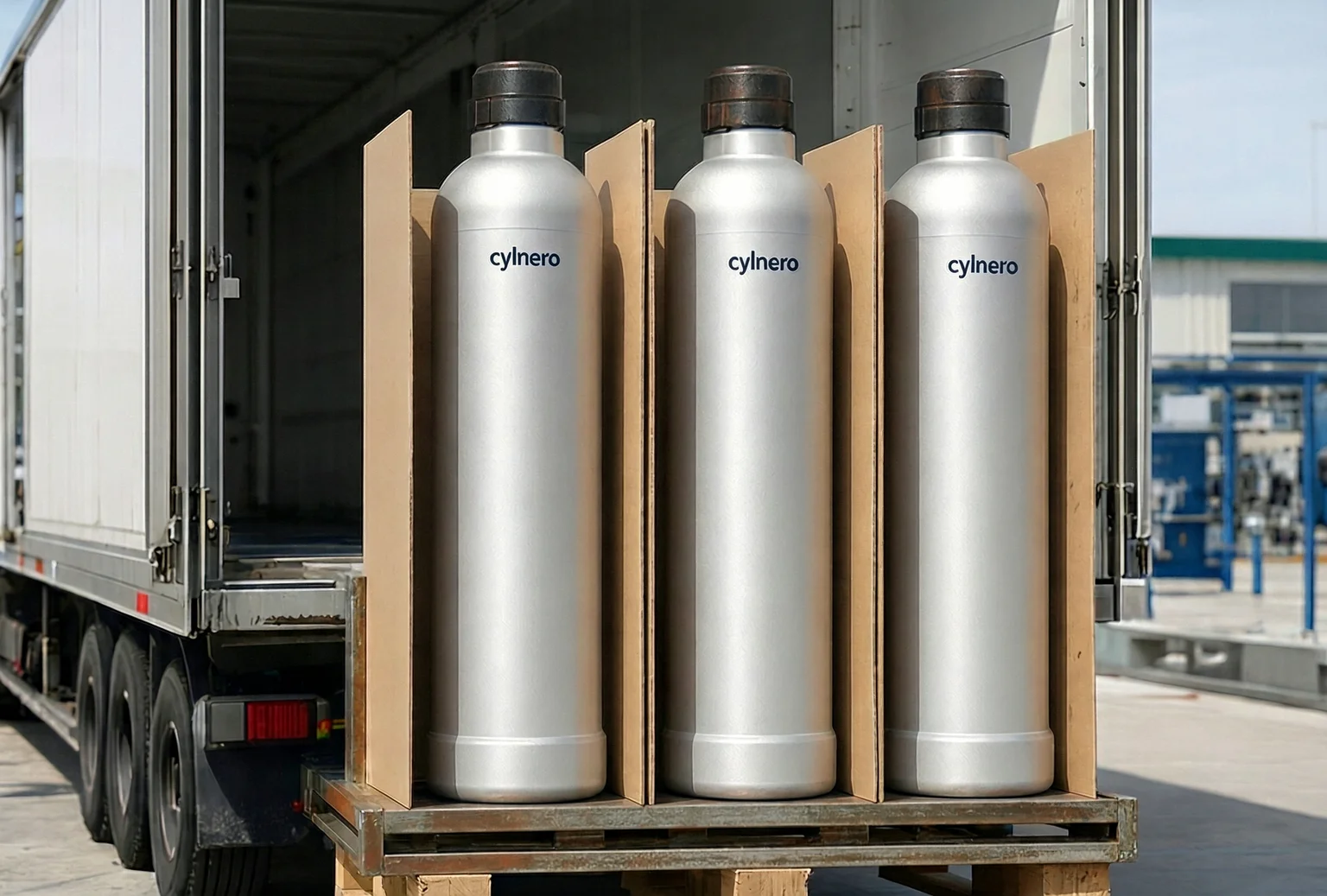
Describe known receiving constraints and the intended destination. Ask for the proposed packing and delivery scope for the actual configuration. Record estimates, exclusions and outstanding shipment questions beside the quotation.
Give the destination, approximate quantity and receiving constraints already known when requesting a packing or delivery proposal. Ask which configuration and delivered condition the response describes, together with included transport tasks and exclusions. Keep the relevant logistics questions with the responsible providers. A material family or an empty-cylinder description does not classify every shipment or determine the delivery methods required for its actual scope.
Read the full guidance
Logistics, Delivery, and Handling Requirements
Ask who proposes packing, collection, transport and destination handoffs, and retain any named places and stated schedule assumptions. If an existing receiving requirement affects the offer, share its reference rather than selecting a procedure from a category example. The responsible parties assess the actual shipment arrangement. Keep their responses with the quotation, without treating past shipping experience or a general logistics description as a promise of safe or timely delivery.
If the purchasing programme requests a delivery review or records for reporting differences, describe the purpose and ask what the parties propose. Keep the review scope, available records and commercial terms distinct from the equipment offer. Any reported discrepancy should retain the applicable configuration and delivery reference. This catalogue does not prescribe a receiving pressure test, determine the condition of every unit or establish an automatic replacement right.
Related procurement pages
About this procurement guide
Use this guide to prepare your enquiry. Confirm the specifications and supporting documents for the proposed cylinder with the manufacturer.
For standards research, consult the ISO gas-cylinder standards catalogue. The catalogue includes published and withdrawn standards. Check the status, edition, scope and destination requirements with the manufacturer and your appointed technical reviewer. A standards reference does not establish that a listed series conforms to it.
Before placing an order, obtain the proposed model's drawings, configuration, applicable approvals and quotation from the manufacturer. CYLNERO coordinates sourcing; the manufacturer confirms and contracts the agreed supply.
Procurement questions
Does this industrial aluminum category establish LPG suitability?
This page organises industrial aluminum-cylinder enquiries. If the purchasing task concerns LPG equipment, identify that as its own requirement and ask for the actual manufacturer proposal. A shared material name does not establish the offered model, gas-service scope or application suitability.
How should I compare aluminum gas cylinder weights?
Compare proposed mass values on a stated basis: cylinder body or complete assembly, included valve and protective parts, and the configuration to which the value refers. An initial enquiry can leave these details open. Ask the manufacturer to identify assumptions in its response and distinguish indicative figures from the values proposed for the quotation. Material alone does not establish a mass advantage.
How is gas-service suitability reviewed?
Share the intended gas service and existing project requirements. Ask which configuration the manufacturer proposes, what service scope it states and which supporting information it offers. The appointed technical and destination reviewers assess the actual response and outstanding questions. CYLNERO coordinates that exchange.
Does this page recommend cleaning products or methods?
No. If your project has an existing delivered-condition or preparation requirement, provide its reference and ask what the manufacturer proposes for the actual configuration. The responsible reviewers assess the response. This page does not select cleaning agents, methods or operating procedures.
Who reviews lifecycle and maintenance responsibilities?
Ask which documents, instructions and support contacts the manufacturer proposes for the actual configuration, and identify the responsible reviewers for the project. Keep requested future services separate from the current hardware offer. CYLNERO coordinates questions and responses without this page allocating every lifecycle obligation.
How should destination documentation be assessed?
Ask what each offered record covers and which configuration, example or delivery it identifies. Retain its issuer, reference and revision where available, with unresolved destination questions for the appointed reviewers. A certificate title or collected file is information for assessment, rather than automatic acceptance.