 Wholesale sourcing
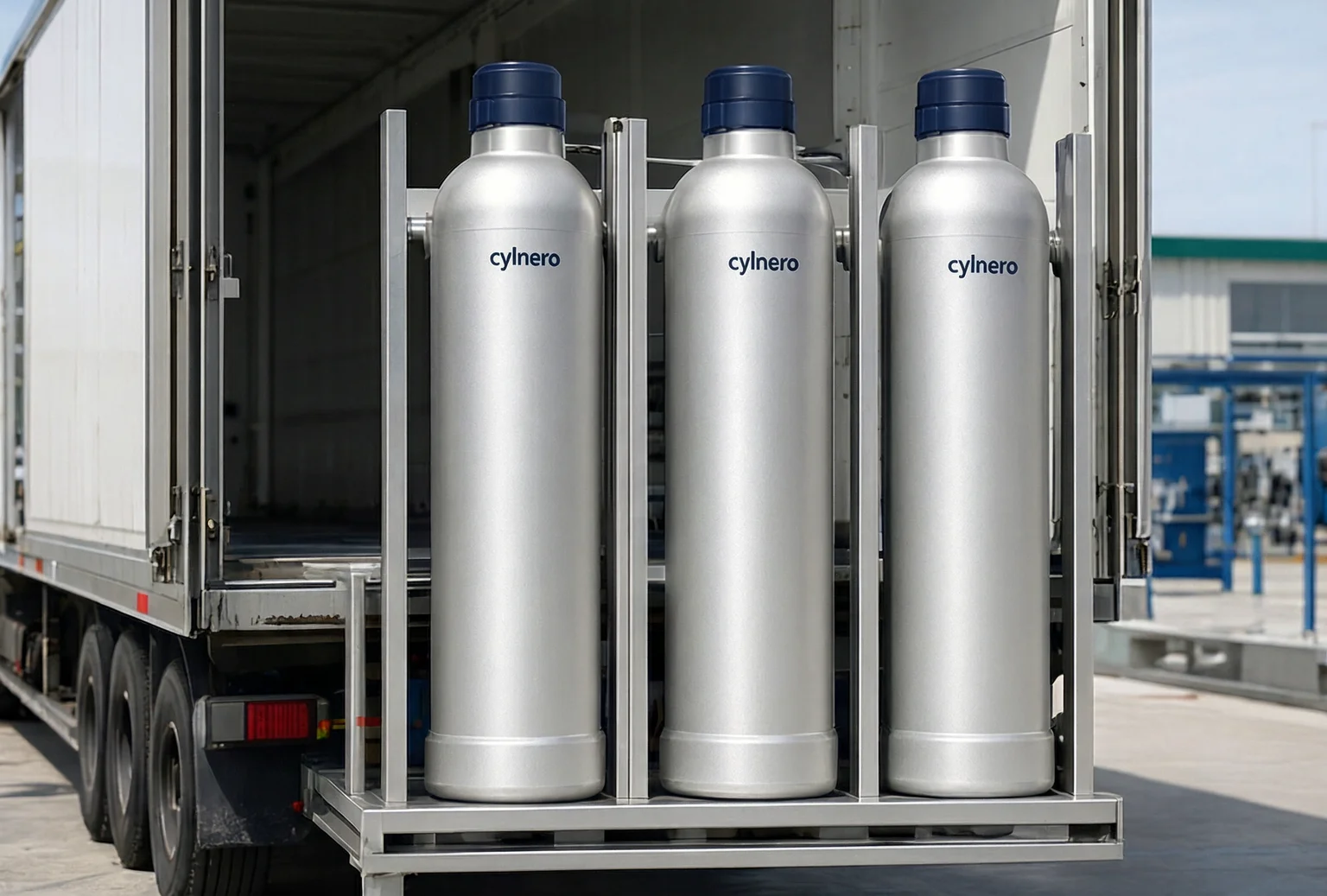
Aluminum Industrial Gas Cylinder Series
Configurable wholesale series · Specifications confirmed during enquiry
APPLICATION-LED / WHOLESALE PROCUREMENT
Industrial equipment OEMs can prepare cylinder or vessel enquiries around their equipment requirements, purchasing schedule and available interface information. The related series are starting points for discussion, not a promise that every configuration is suitable.
Industrial equipment OEMs can prepare cylinder or vessel enquiries around their equipment requirements, purchasing schedule and available interface information. The related series are starting points for discussion, not a promise that every configuration is suitable. CYLNERO helps organize the commercial and supplier exchange while the manufacturer confirms the proposed product, customization scope and quotation terms.
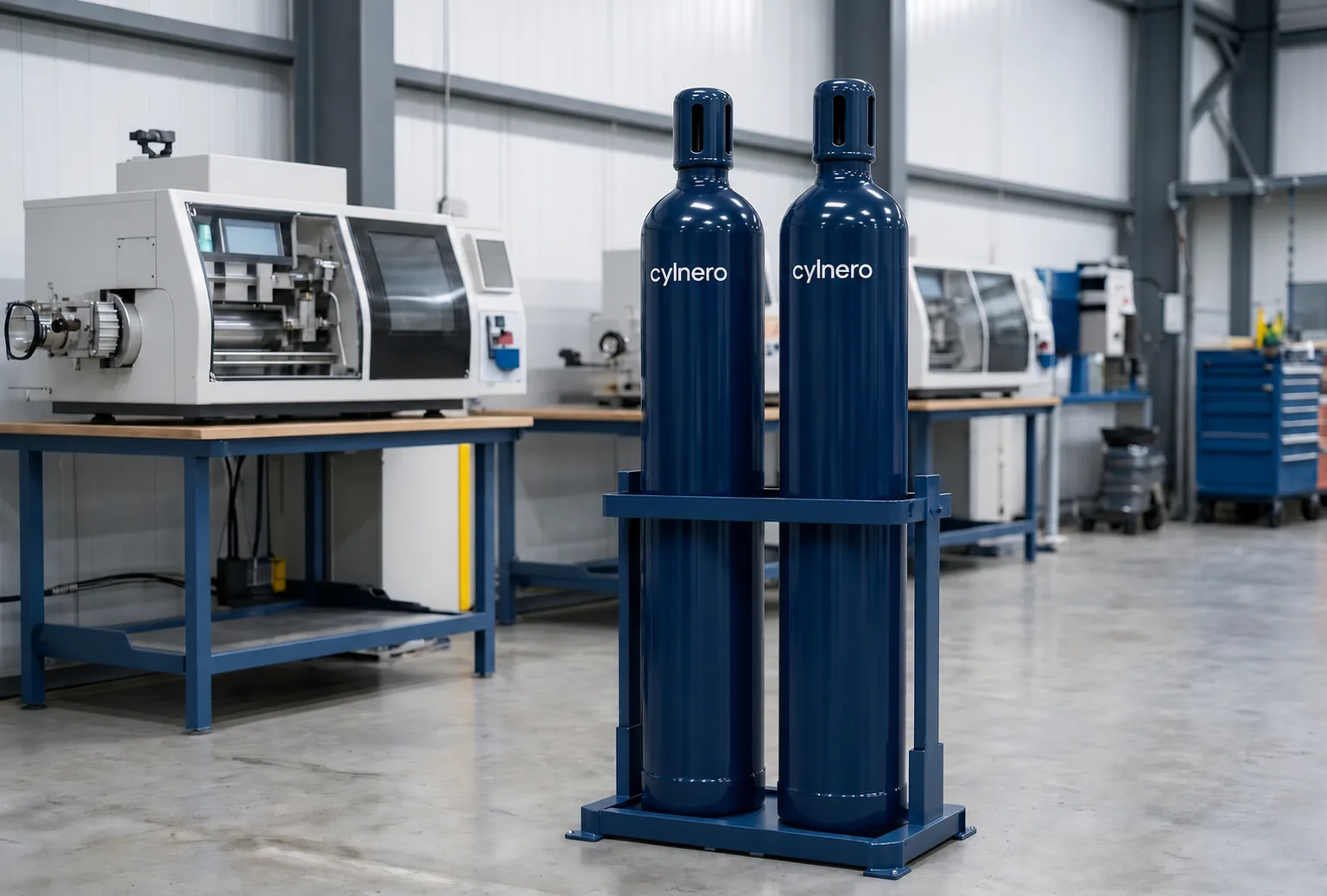
Swipe to see more sections →
These are starting points for an enquiry, not a statement that every configuration fits this application. The offered configuration and scope are confirmed during quotation.
Configurable wholesale series · Specifications confirmed during enquiry
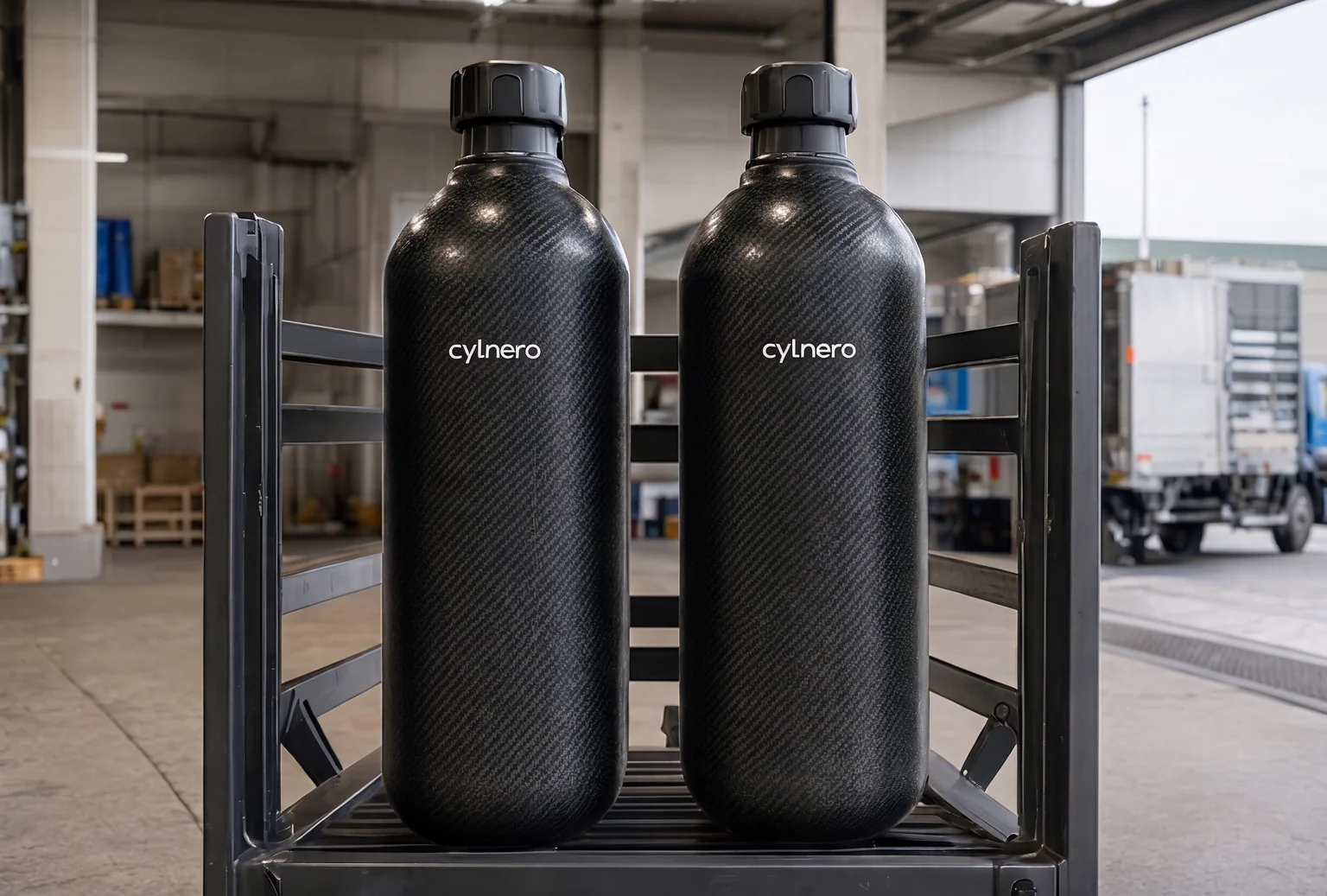
Configurable wholesale series · Specifications confirmed during enquiry
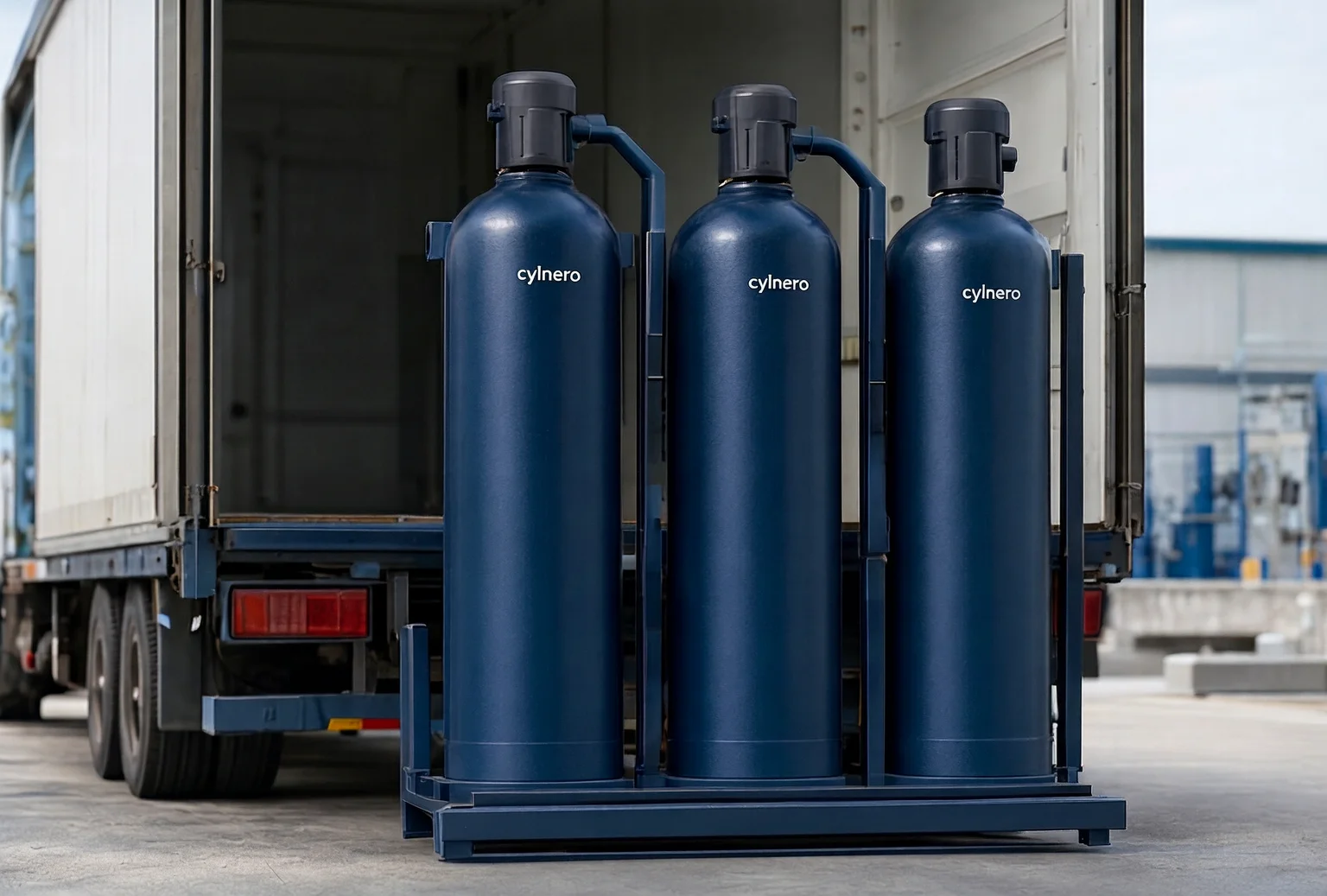
Configurable wholesale series · Specifications confirmed during enquiry
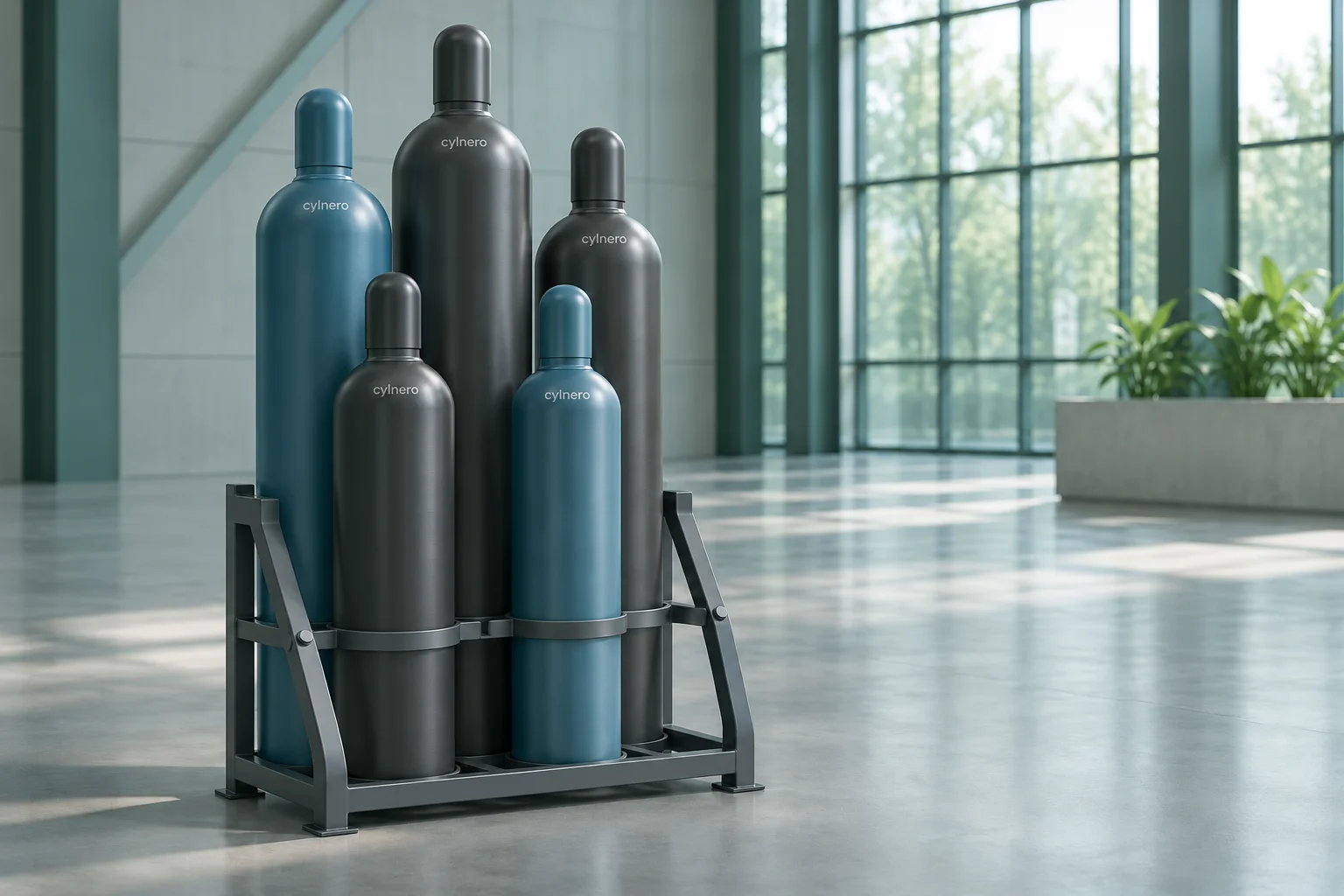
Identify whether the purchasing package concerns industrial cylinder hardware, a composite vessel or another explicitly described component. Share the equipment use context, available connection information and any envelope constraints your team has already defined. If there are several equipment variants, keep their requested quantities and configuration questions separate. Starting with a preliminary brief is acceptable; the important distinction is between what the buyer is requesting and what a manufacturer has actually proposed.
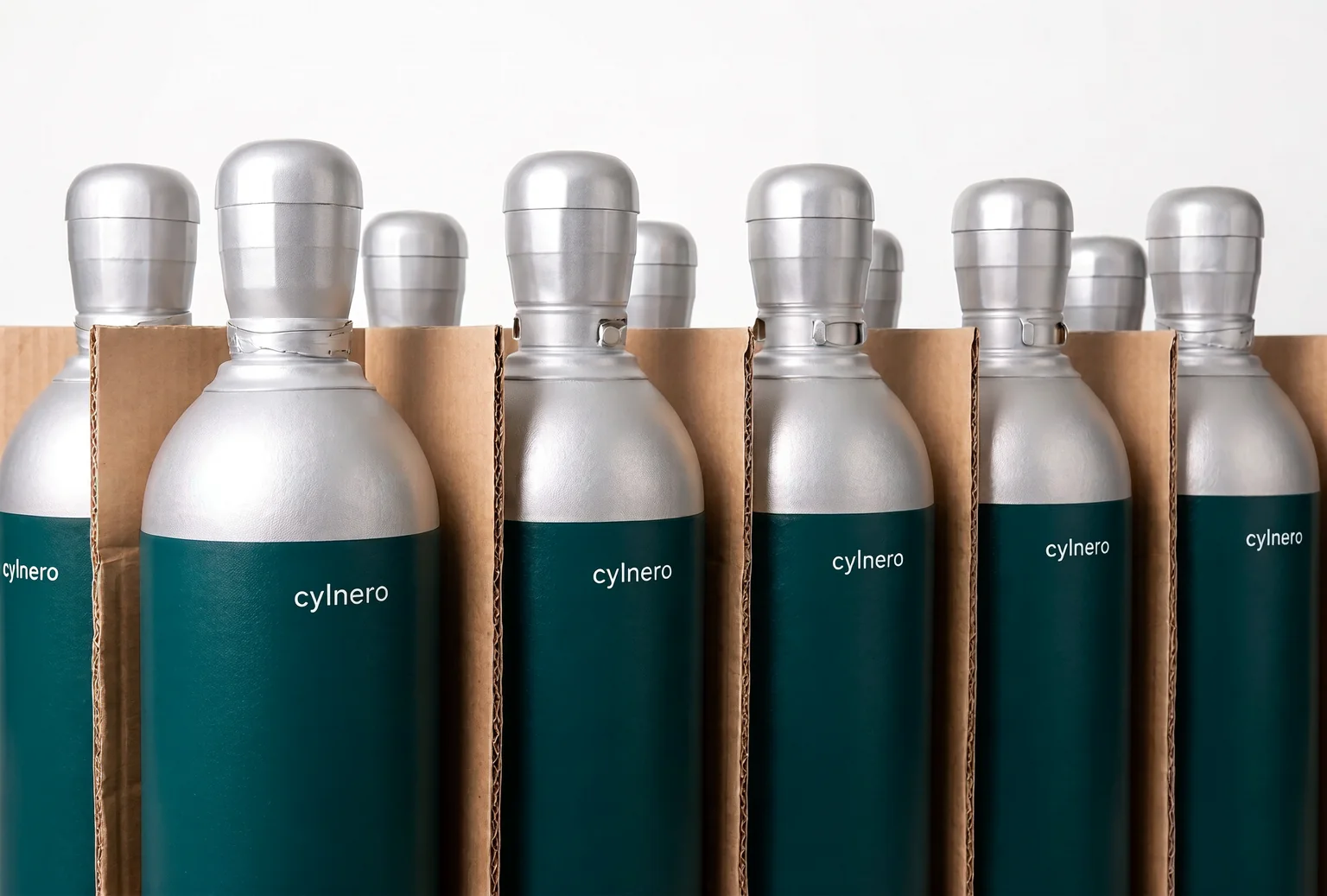
OEM buyers may have internal part references, marking artwork, packaging preferences or receiving procedures to discuss. Include the relevant requests with the enquiry so that they can be addressed in the offer rather than added as an assumption later. Ask which elements are included and which require further discussion. No factory ownership or unlimited customization capability is claimed, and this page does not prescribe technical manufacturing methods or operating arrangements for your equipment.
Record drawing revisions and open questions with the latest proposal, especially when comparing materials or construction families. A change in valve request, packaging or component scope should be reflected in the purchasing comparison rather than hidden in a separate email thread. Discuss repeat-order expectations and destination requirements without assuming a stock position or fixed delivery promise from a general series page. The final configuration and commercial scope are established in the manufacturer response.
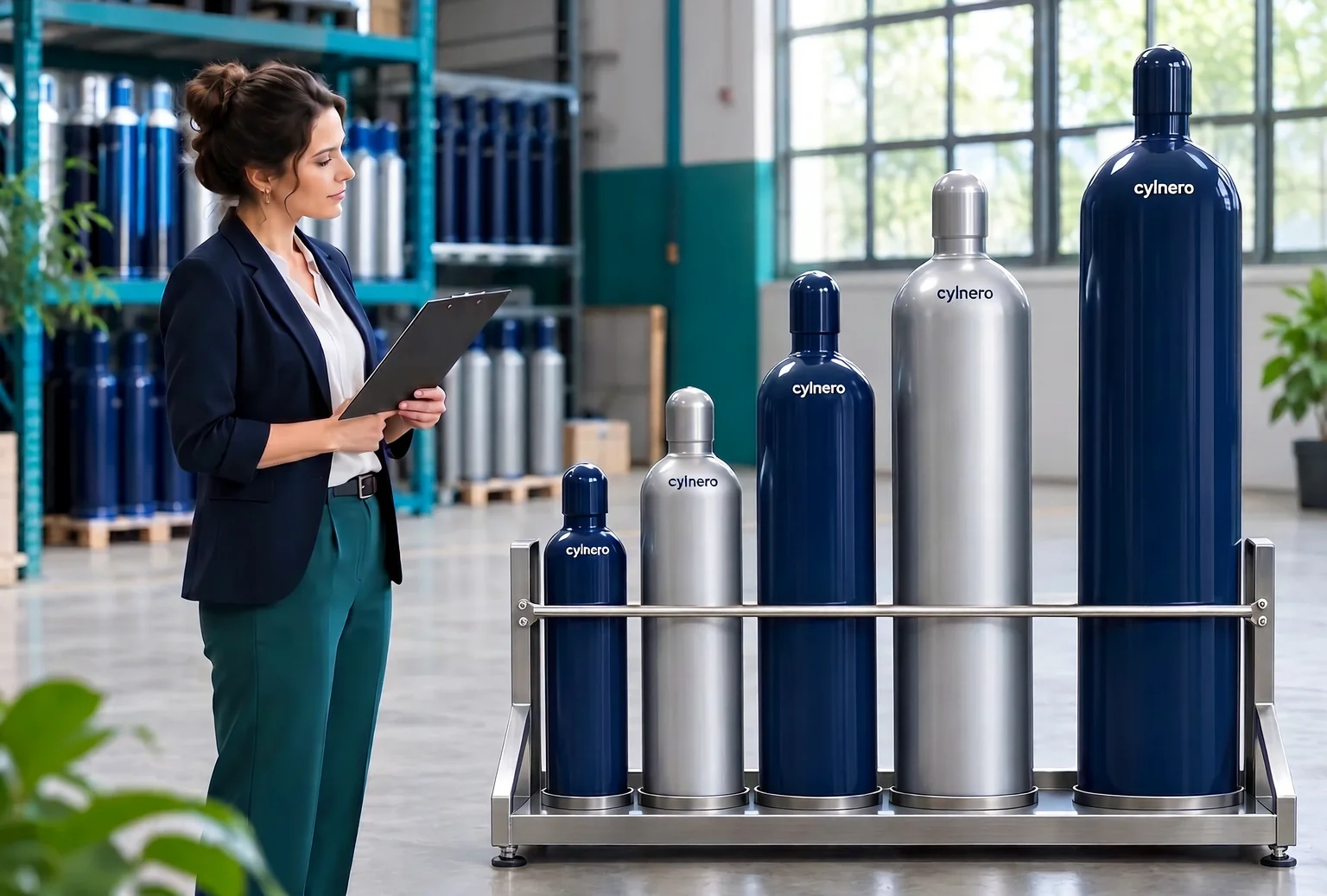
An equipment manufacturer may be sourcing gas cylinders for a new machine, replacing a component in an established design, or planning an additional production batch. These purchasing situations begin with different information. A new project may have an equipment envelope and an intended gas but no cylinder drawing; a repeat programme may already have a part reference and a record of previous supply. Describe which information is available and which questions remain open so the manufacturer can respond to the actual stage of the project.
Identify the boundary of the proposed purchase. One buyer may request a cylinder body for an existing equipment assembly, while another wants the manufacturer to quote a cylinder with a valve and protective components. The machine builder, cylinder manufacturer and any separate gas supplier can have different responsibilities. List the parties and interfaces relevant to your project without assuming that a cylinder quotation includes filling, installation or equipment integration. An early enquiry can begin with the intended application, approximate quantity and destination; drawings and more detailed requirements can follow.
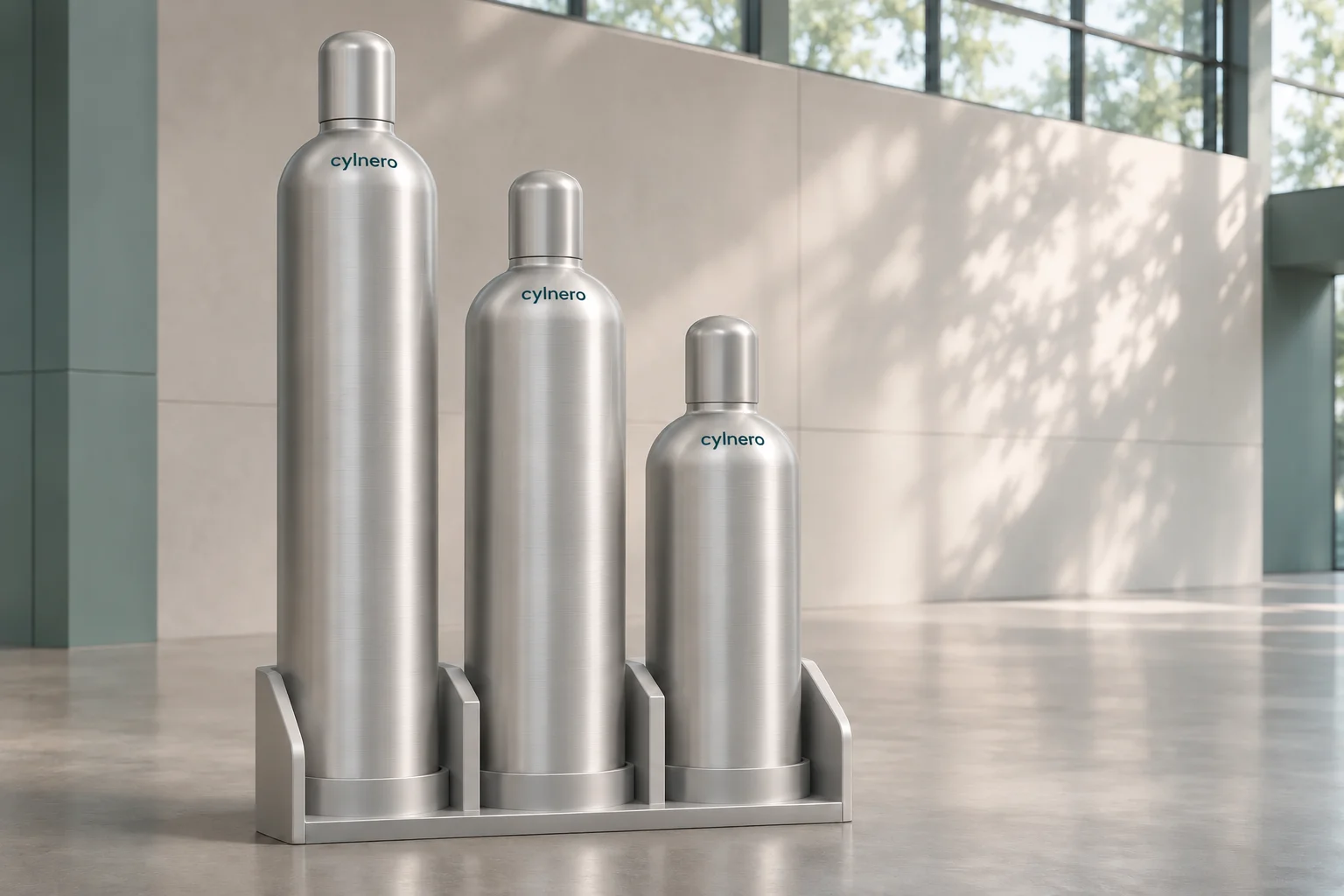
Steel, aluminum and composite cylinders are useful categories for organising a discussion, but a material label alone does not establish a particular model, pressure rating or suitability. Compare actual offers against the intended gas and the requirements provided by the equipment team. Ask each manufacturer to identify the proposed construction, its stated water capacity and pressure basis, overall envelope and the components included. Retain the original units and configuration reference with each response so that unlike offers are not treated as equivalent.
For an equipment programme with limited space or handling constraints, ask for dimensions and mass for the configuration being quoted. Check whether the stated mass includes the valve, protective items or packaging; a figure for a bare cylinder is a different comparison from a packed assembly. Also ask how the proposed connection and mounting information will be supplied. Price, proposed lead time and available documentation can then be compared alongside these physical details. Ask the manufacturer to identify the construction and component scope of the configuration offered for review.
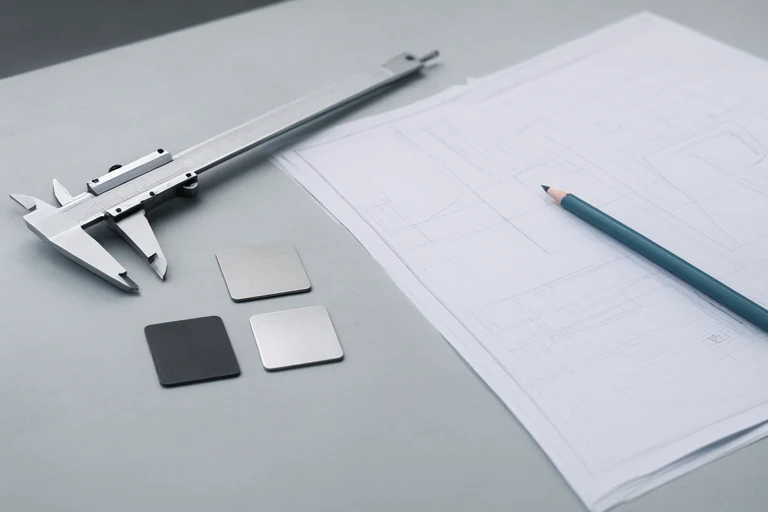
Bring together the information your equipment team already uses to describe the installation space. This might include a drawing reference and revision, available length and diameter limits, access constraints or a sketch identifying where the component sits. If a value has not been decided, mark it as open instead of turning an estimate into a fixed requirement. Explain whether the space relates to the cylinder body alone or must also accommodate a valve, protective cap, mounting arrangement or other equipment in the proposed assembly.
Share the intended gas and application, known water capacity or pressure requirements, and the units in which they are recorded. Where an existing connection is relevant, provide the actual drawing or specification reference and ask what information the manufacturer needs to assess its proposed interface. Distinguish the mounting components included in the quotation from hardware supplied by the equipment builder. The brief supports a technical discussion; the responsible project team and manufacturer still need to assess their respective parts of the proposed configuration.

Put each manufacturer's response beside the original request. Record the proposed cylinder reference, construction, dimensions and stated capacity or pressure values where supplied, together with the offer revision. A quotation for a body and one for a valved assembly may differ in included components even when their descriptions appear similar. Identify missing fields explicitly and ask whether a later drawing, document or revised offer will address them. Keep alternatives separate from the configuration first requested.
Ask which documents are available for the proposed configuration and what each document covers. A general catalogue can explain a product family; an order-specific drawing or record can address a different question. Share any existing project or destination document requirements with the parties responsible for reviewing them, and ask the manufacturer to state the scope of the records it proposes. Avoid treating a list of documents as proof that the complete machine or installation has been approved. The buyer's relevant reviewers determine what evidence they need to assess.
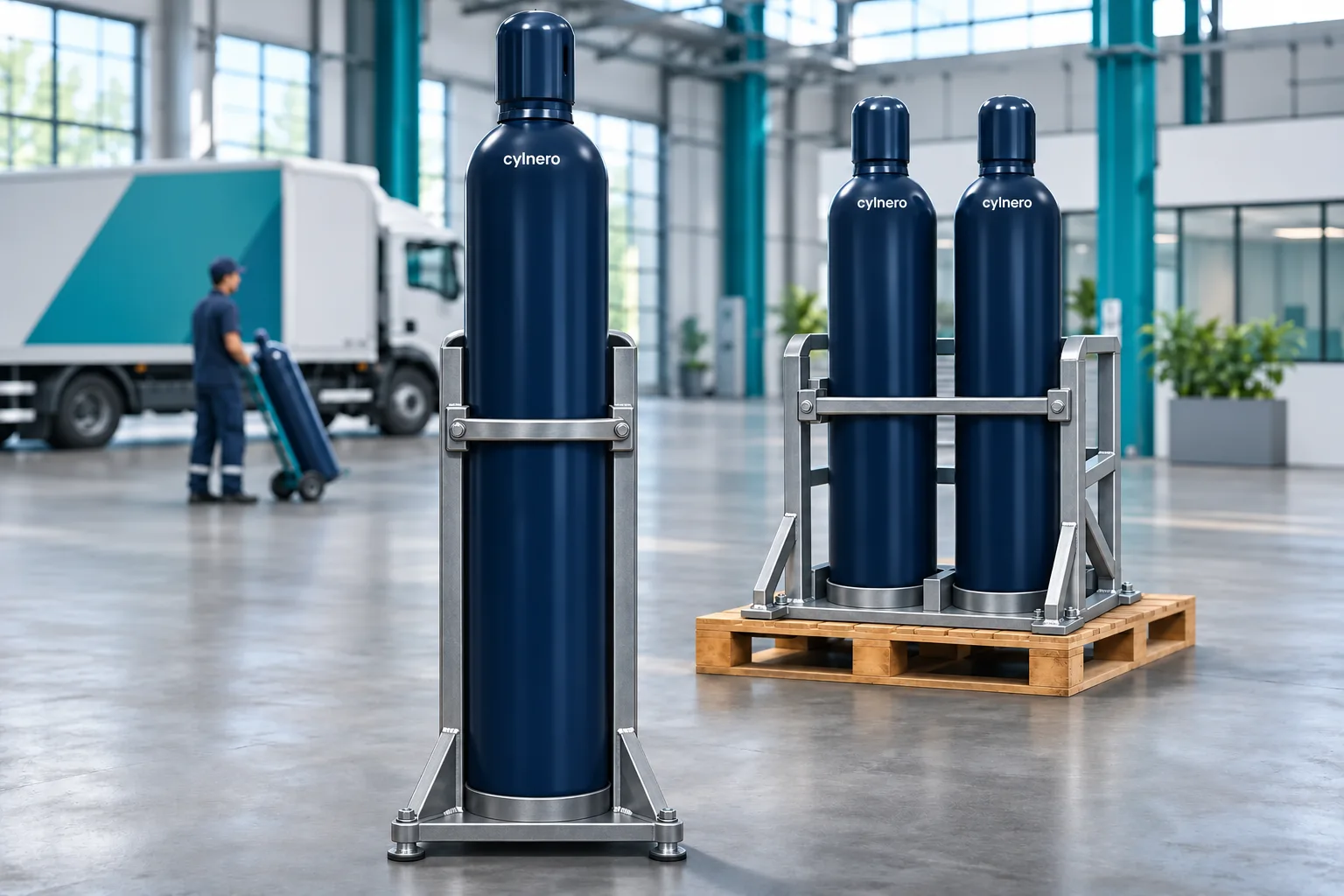
State the approximate quantity for the immediate requirement and distinguish it from a later forecast. If several machine variants or receiving locations are involved, list quantities against each requested configuration. For a programme that may repeat, identify any known part reference or prior offer and ask how configuration changes will be communicated. A supplier's quotation, rather than a general product page, establishes the price, proposed delivery terms and any commitments for the order under discussion.
Describe marking and packaging preferences as requests, including an internal part reference, artwork or receiving label if your team already has one. Ask which markings and protective items the manufacturer proposes and whether they are included in the quoted scope. If your receiving site has package-size, unloading or document-format requirements, share them with the enquiry and record the response against the relevant quotation. Keep open questions visible until the responsible parties have answered them; this makes it easier to compare a revised offer with the configuration your programme actually needs.
Yes. Describe the equipment application, approximate quantity and destination, and share any known cylinder or connection requirements. If several equipment versions are involved, list their references and quantities separately. Ask the supplier to identify the configuration and included components in its proposal.
Identify the cylinder body, valve, protection and other components requested for the equipment. Ask the supplier to mark each as included, separately proposed, excluded or unanswered, and to identify the drawing or configuration revision that the price describes.
Yes, provided each version has a clear description, quantity outlook and list of open requirements. Ask for the proposed configurations and commercial scope to be identified separately so that the versions can be compared without ambiguity.
Cylinder purchasing for a distribution business starts with the customers and product families you serve.
Explore purchasing needs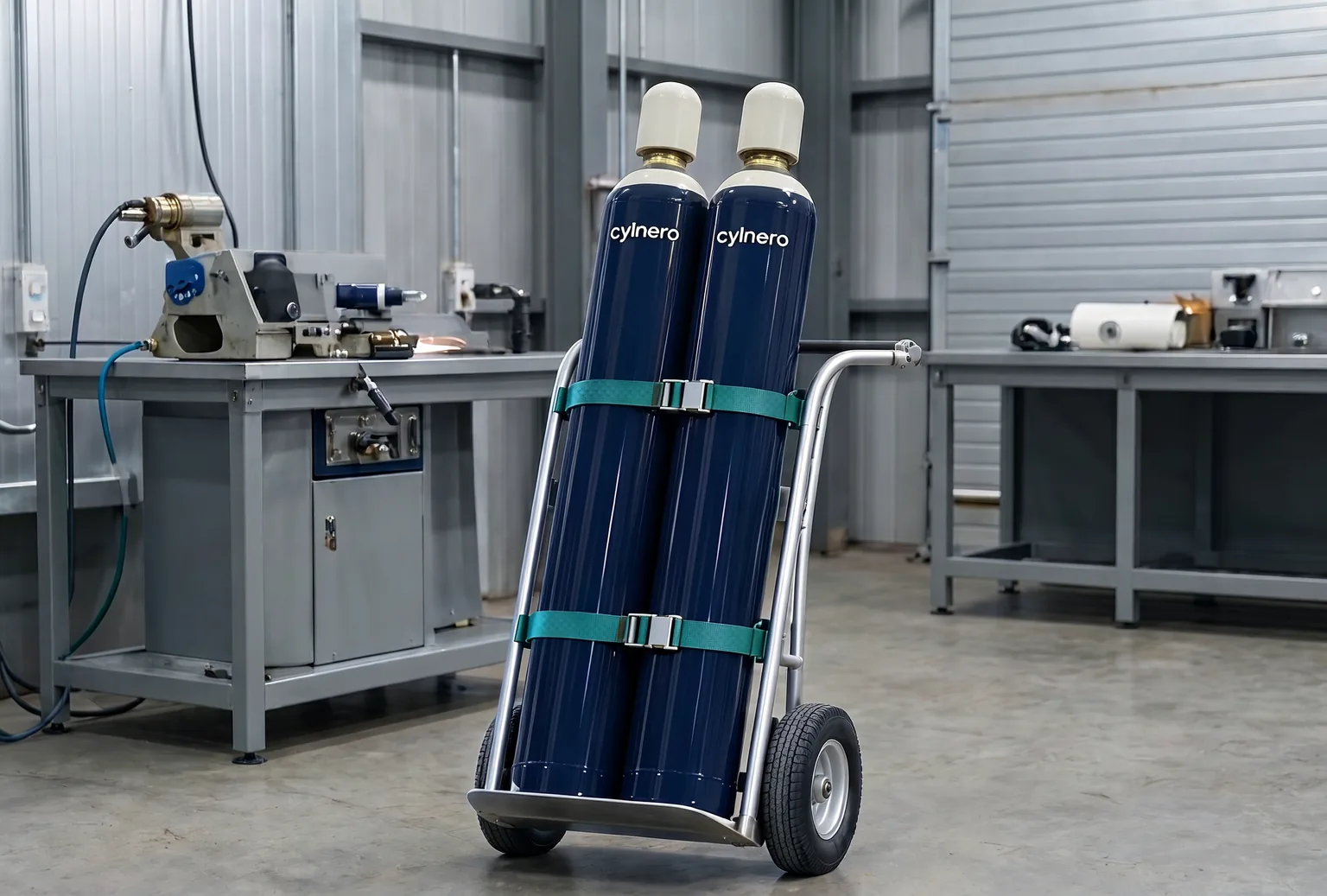
Welding suppliers and workshop purchasing teams can start with the cylinder families and commercial requirements they need to discuss.
Explore purchasing needs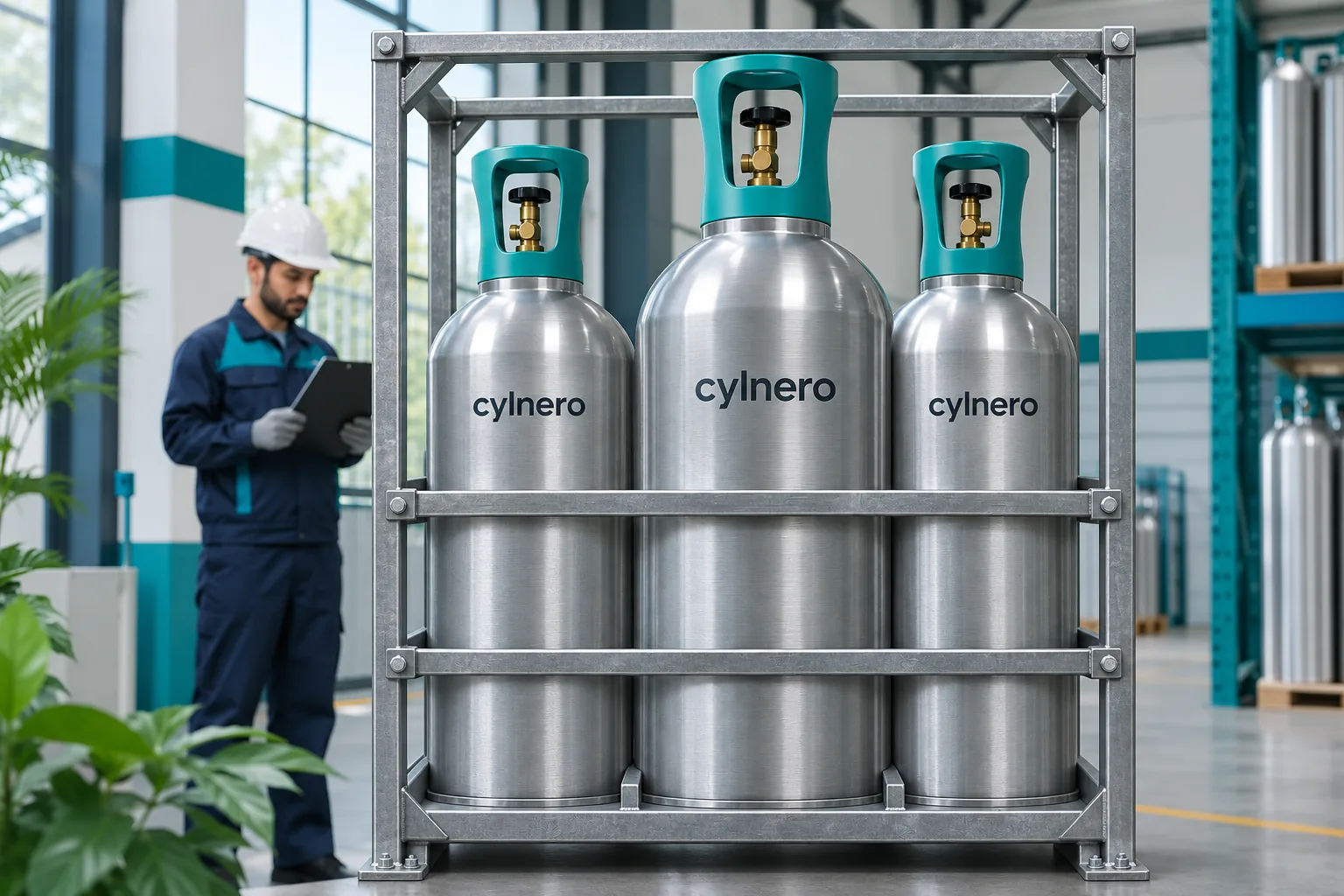
Medical-gas organizations and distributors can use this application page to organize a cylinder procurement brief.
Explore purchasing needs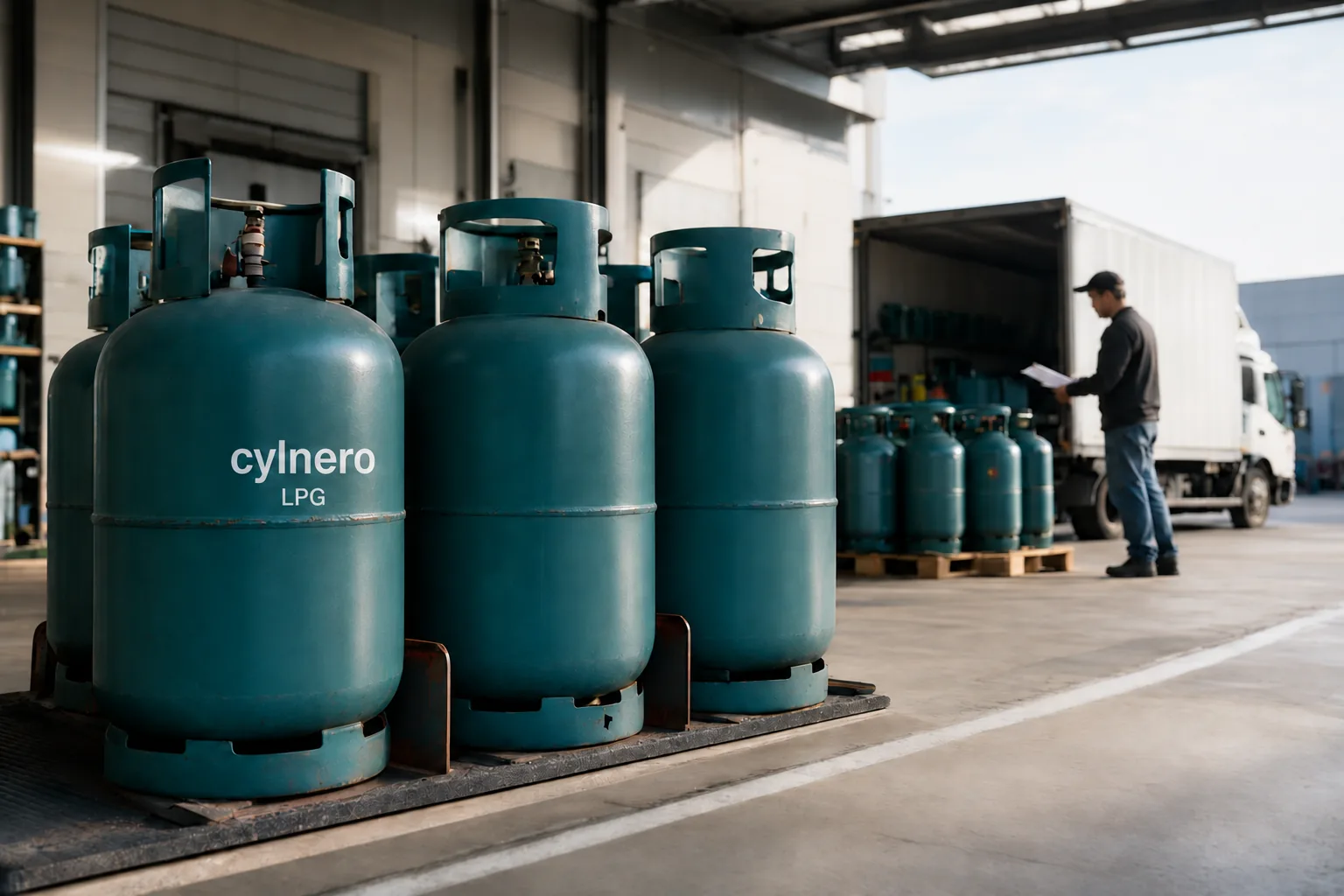
LPG distributors, importers and filling organizations can prepare enquiries for cylinder hardware and the configurations they want to discuss.
Explore purchasing needs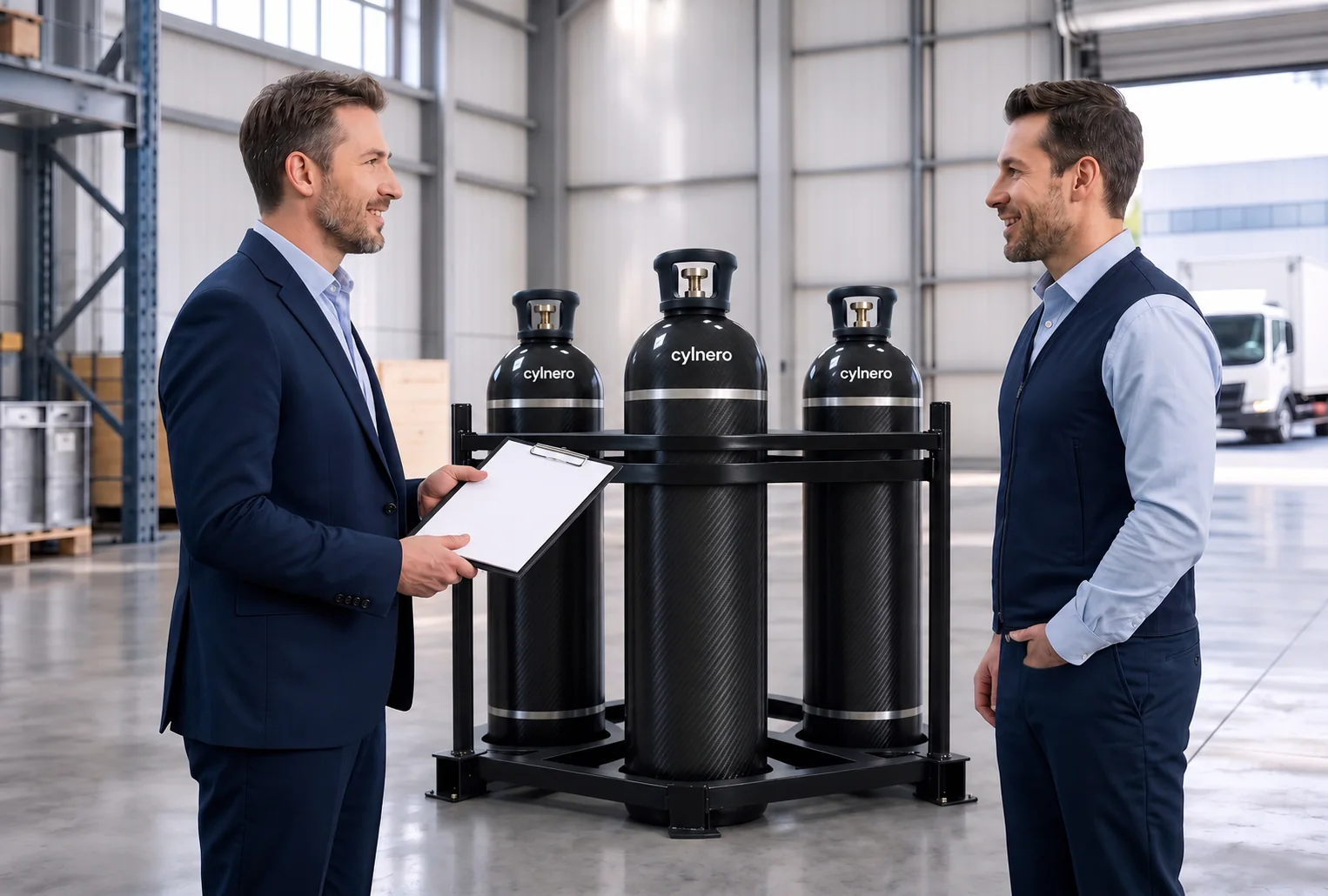
Hydrogen refueling project purchasers can use this page to scope cylinder-related enquiries within a wider project.
Explore purchasing needs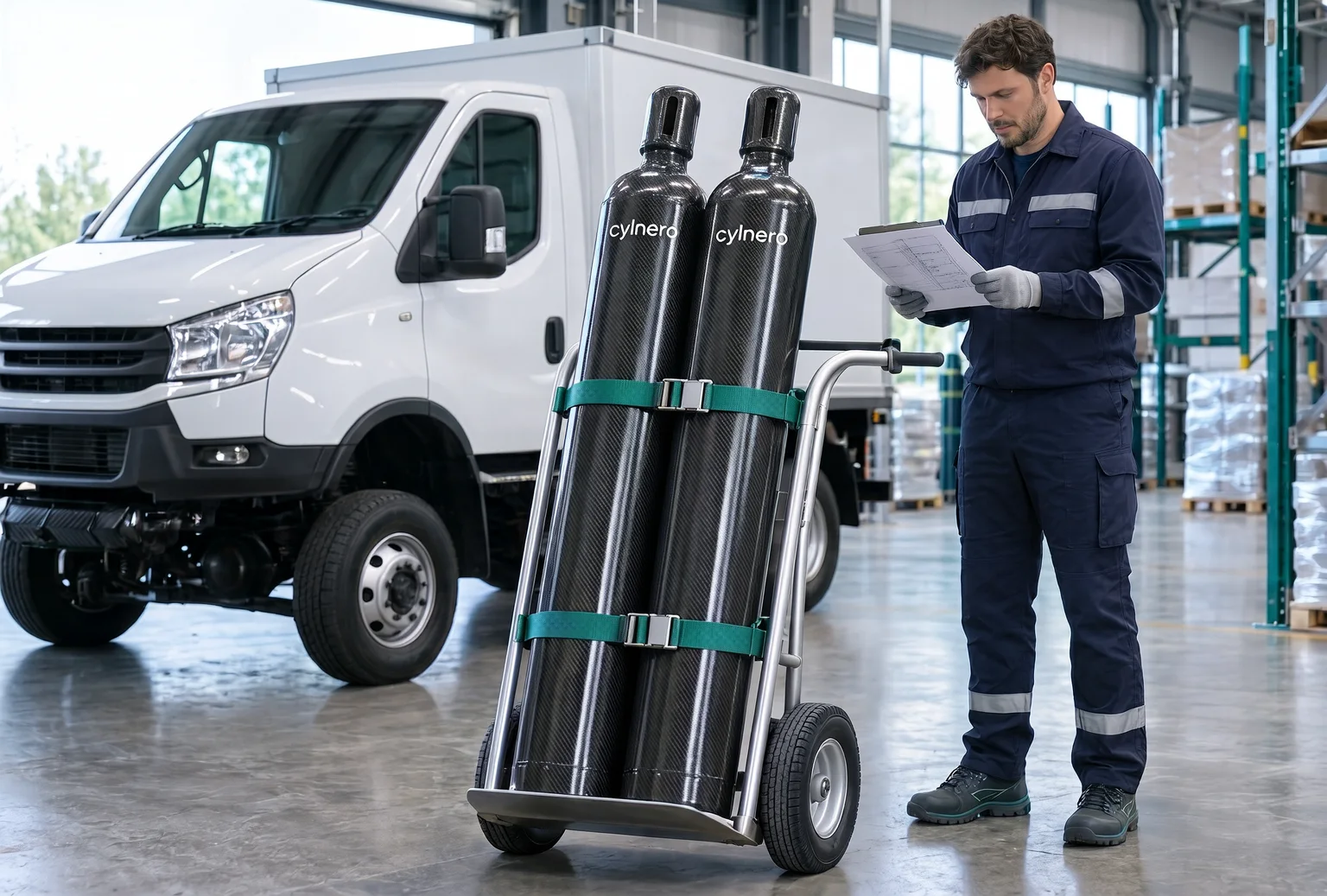
Purchasing teams working on onboard hydrogen equipment can prepare a cylinder-series enquiry before the detailed configuration is settled.
Explore purchasing needs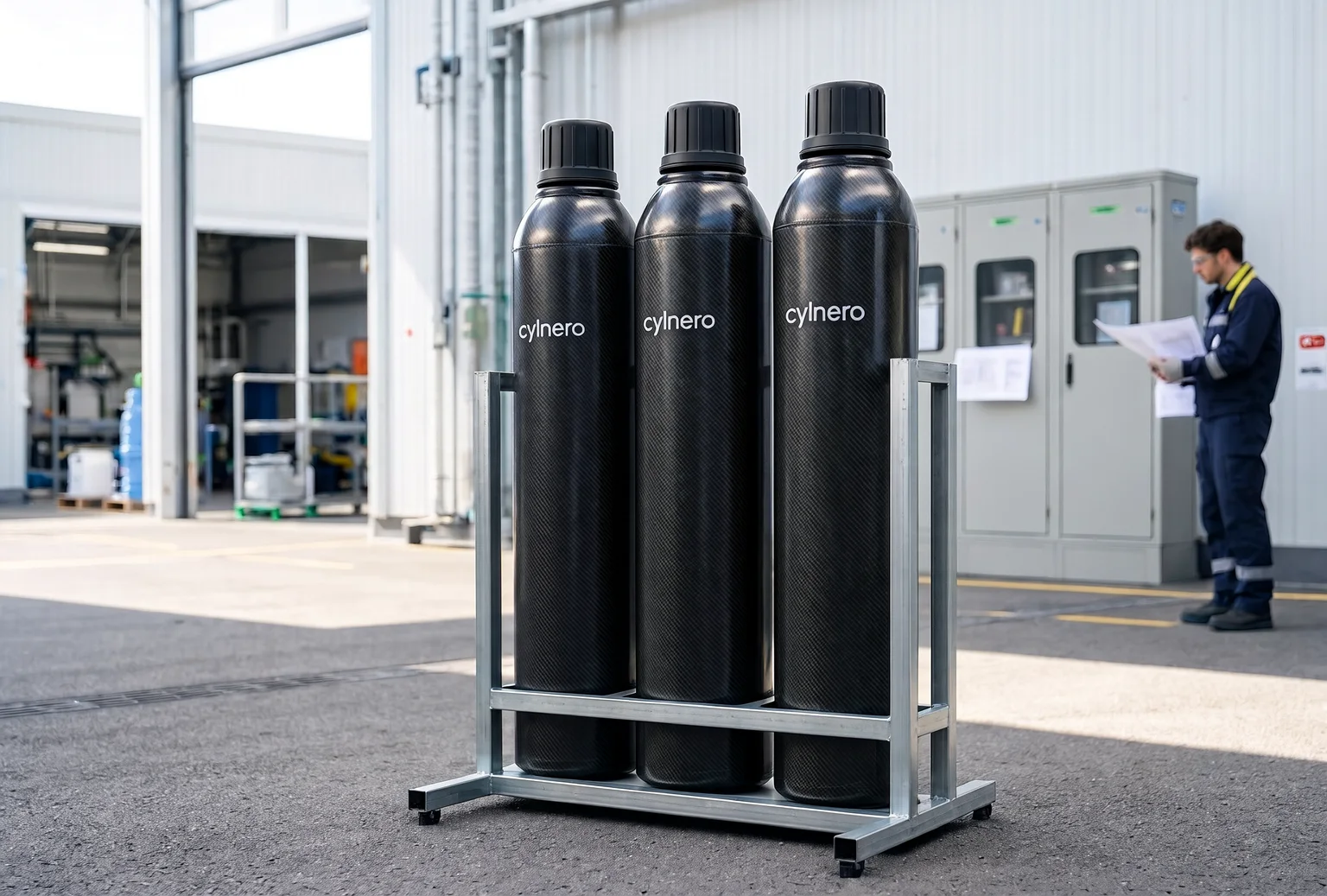
Stationary hydrogen equipment purchasers can organize a cylinder enquiry around the component scope and the requirements their project team has established.
Explore purchasing needs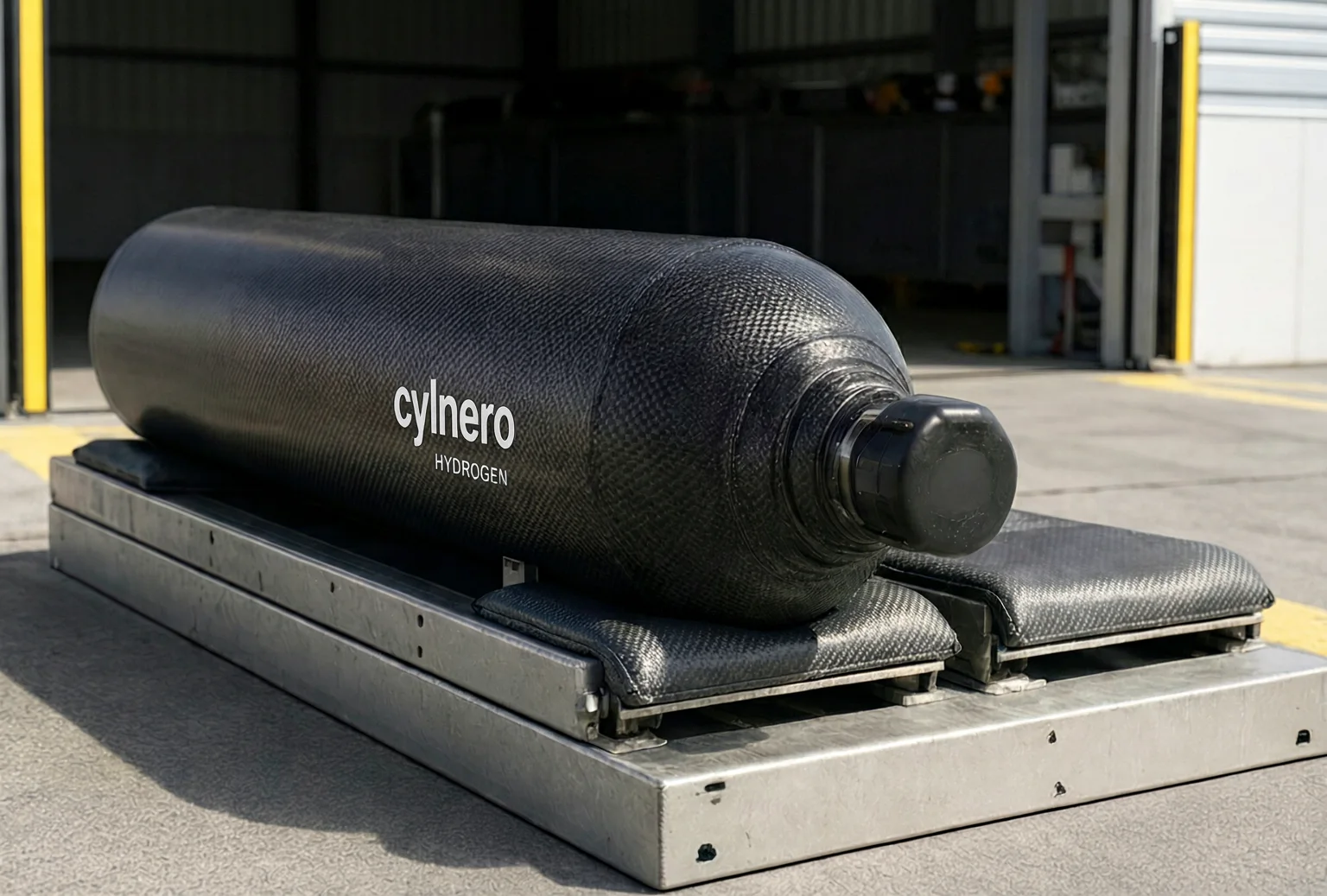
Hydrogen equipment OEM purchasing teams can use this page to organize configurable cylinder-series enquiries and repeat-order discussions.
Explore purchasing needsCOPV integration purchasers can start with the intended medium, equipment context and component boundary.
Explore purchasing needs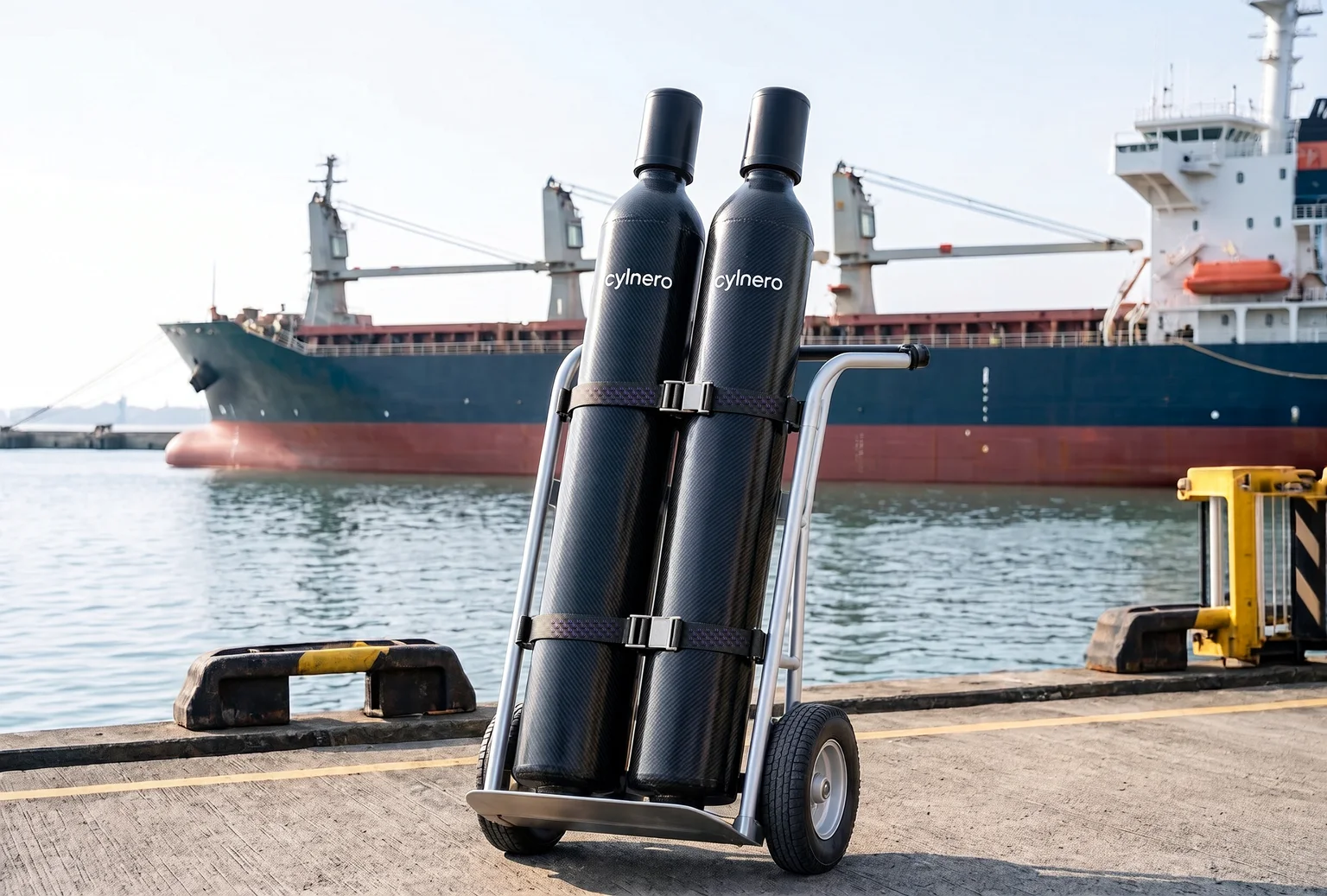
Marine hydrogen project purchasers can use this page to define a cylinder-related enquiry within a wider vessel or equipment project.
Explore purchasing needsGas cylinder importers can organize mixed product-family enquiries, destination requests and purchasing quantities before selecting detailed manufacturer configurations.
Explore purchasing needs