 Wholesale sourcing
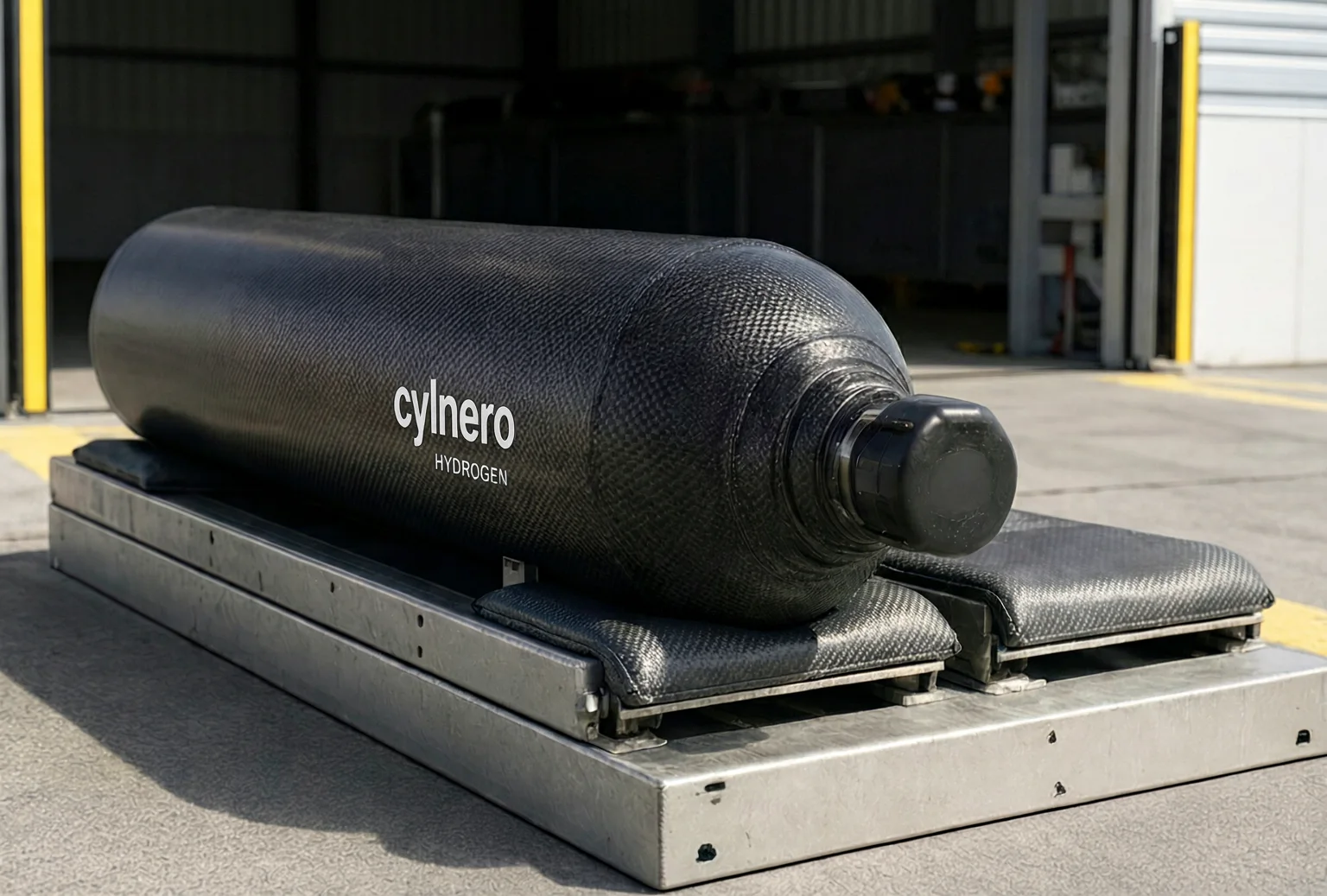
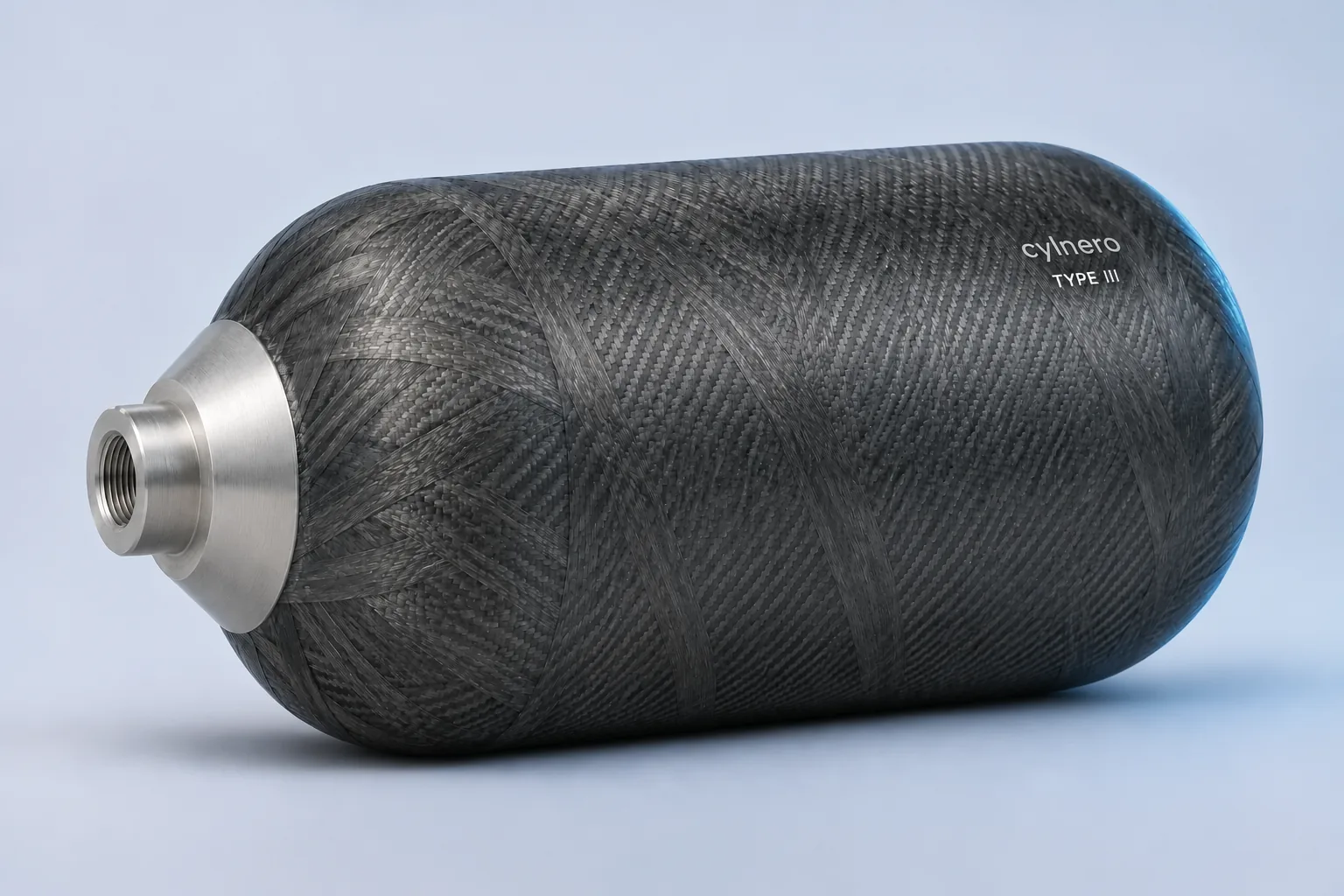
Type III Hydrogen Cylinder Series
Configurable wholesale series · Specifications confirmed during enquiry
APPLICATION-LED / WHOLESALE PROCUREMENT
Hydrogen equipment OEM purchasing teams can use this page to organize configurable cylinder-series enquiries and repeat-order discussions. Describe the equipment program, proposed purchasing scope, available drawings and quantity expectations.
Hydrogen equipment OEM purchasing teams can use this page to organize configurable cylinder-series enquiries and repeat-order discussions. Describe the equipment program, proposed purchasing scope, available drawings and quantity expectations. CYLNERO coordinates the supplier conversation; custom manufacturing scope, technical configuration and commercial commitments are confirmed by the manufacturer rather than assumed from an OEM application label.
Swipe to see more sections →
These are starting points for an enquiry, not a statement that every configuration fits this application. The offered configuration and scope are confirmed during quotation.
Configurable wholesale series · Specifications confirmed during enquiry
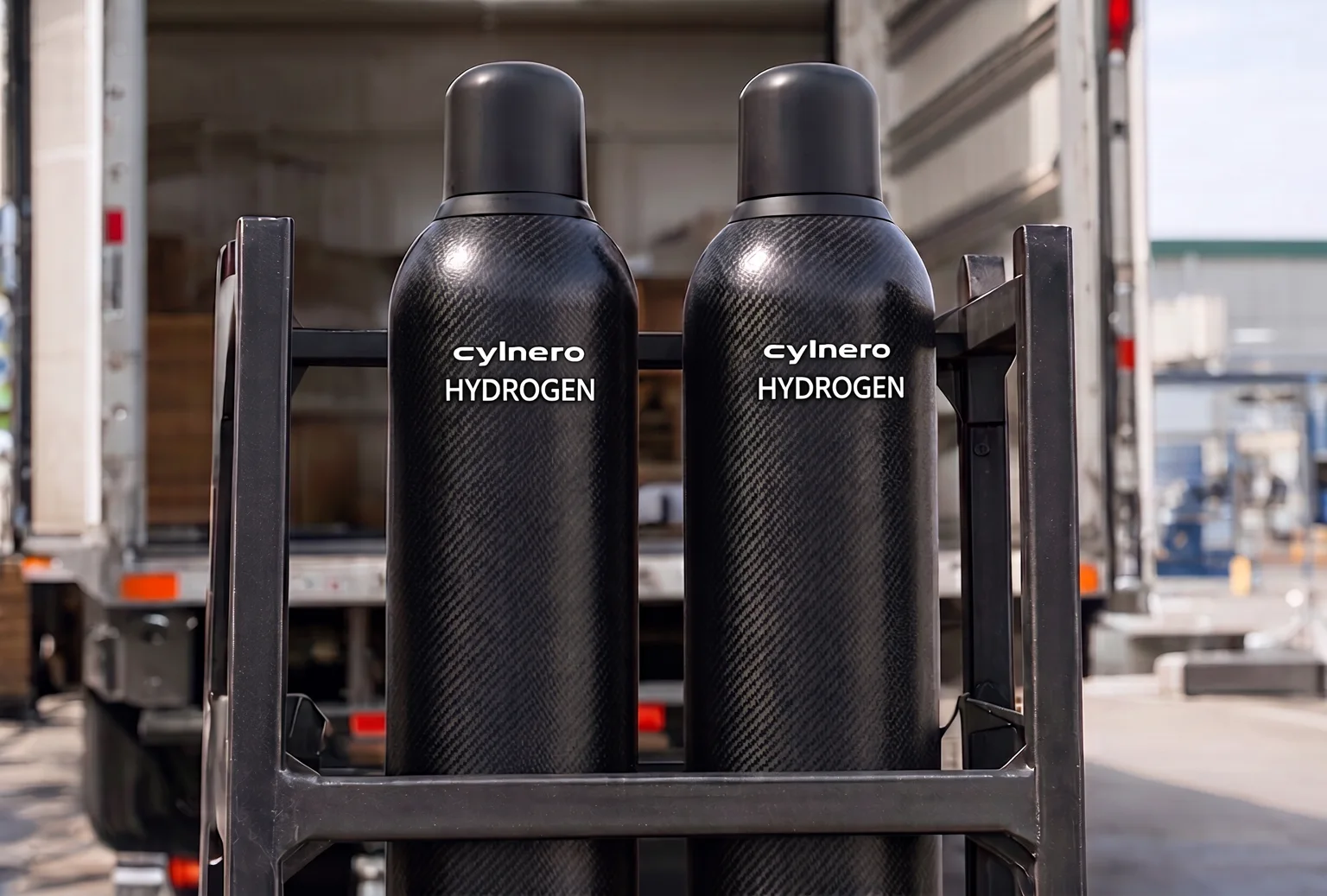
Configurable wholesale series · Specifications confirmed during enquiry
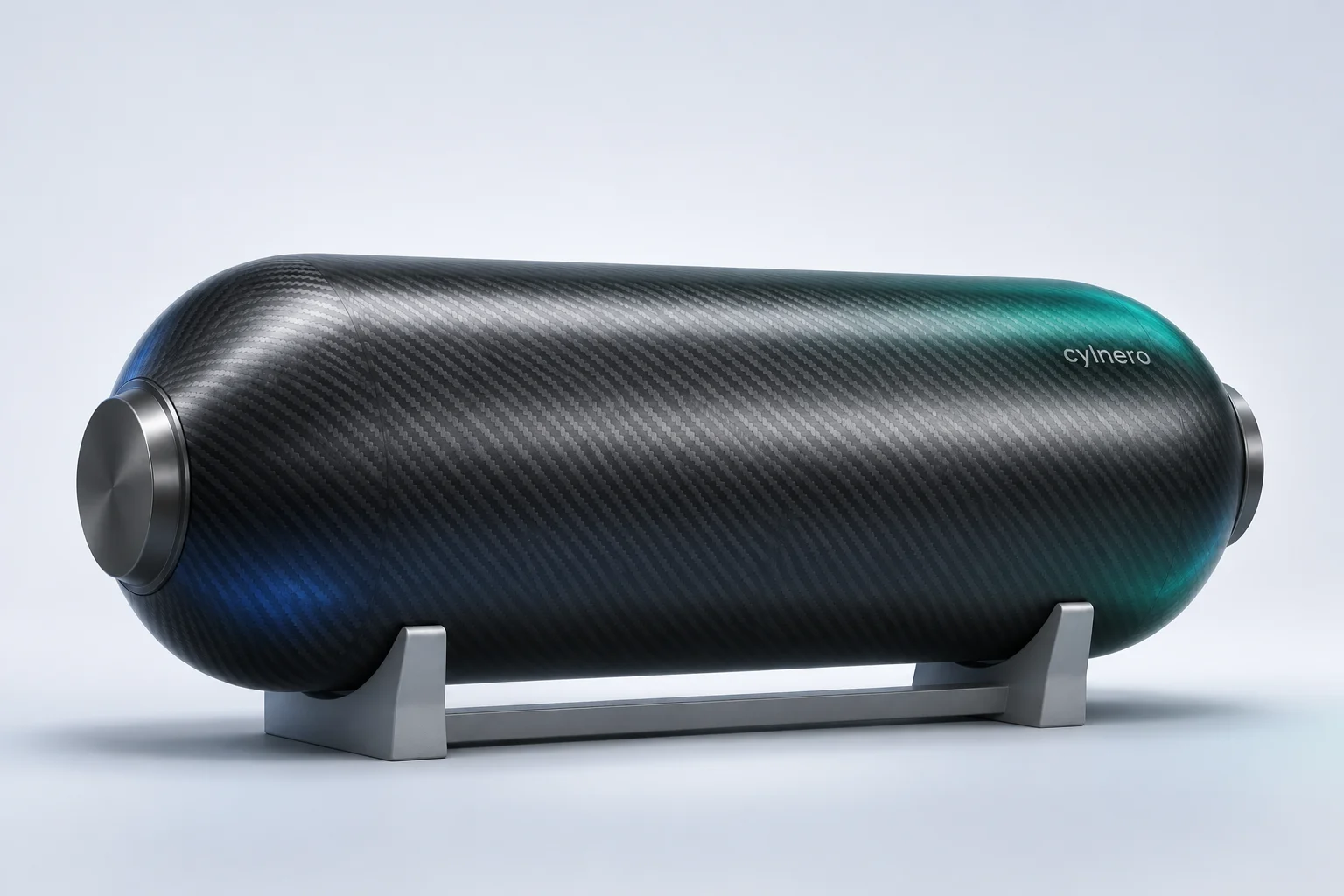
Distinguish the cylinder or vessel component from other equipment your program may need. Explain whether the enquiry concerns a development purchase, a proposed recurring configuration or a comparison of alternatives. Share existing interface references and document requests, but leave unresolved parameters open for discussion. Where more than one equipment version is involved, identify each purchasing request clearly so that the proposed configurations and quantity schedules do not become mixed together.
Keep a current reference for the drawings, configuration questions and markings submitted with the enquiry. When a requirement changes, identify what has changed and which previous request it replaces. Ask the manufacturer to make any corresponding changes clear in its proposal, including open points, exclusions and commercial effects. This is a purchasing coordination process, not a claim that CYLNERO owns a factory, controls an exclusive cylinder technology or can confirm every requested customization in advance.
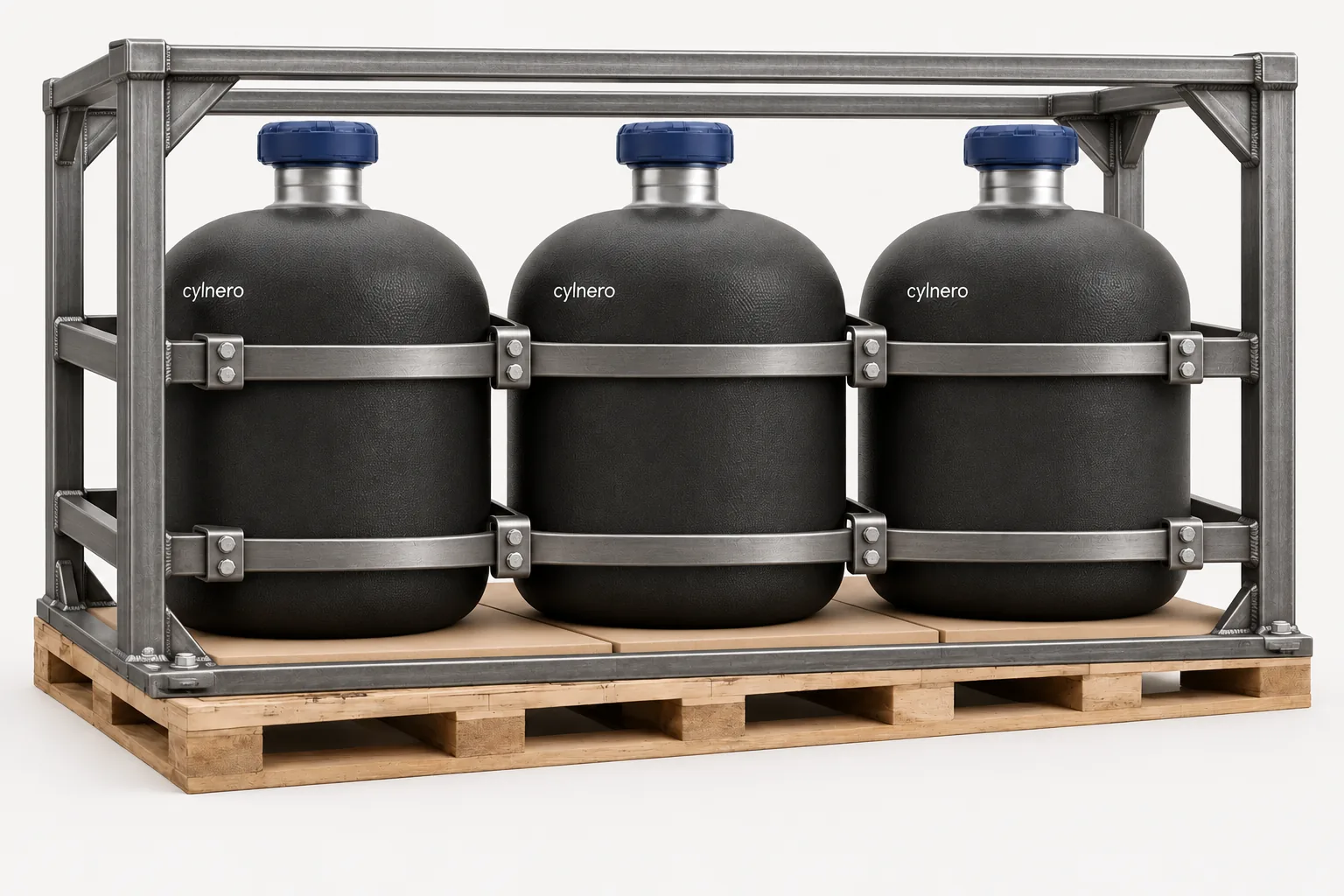
For a proposed repeat order, record the configuration reference you want retained, the quantity outlook and any packing or identification preferences. Discuss how the manufacturer would identify the offered version and respond to future changes. Avoid treating an early sample request, series description or general product image as the final recurring specification. The linked Type III and Type IV series provide enquiry routes; the manufacturer proposal establishes the actual configuration and the commercial scope under discussion.
A hydrogen equipment manufacturer may be gathering information for a new design, seeking an initial hardware proposal or planning a later purchasing programme. Tell the manufacturer which stage the request concerns and identify the equipment context. The information available for an early discussion may be different from the drawing and configuration references available for a repeat order. A model number is not required to start: provide the intended medium, application, approximate quantity and destination, then flag the fields your team has not yet decided.
Describe the proposed boundary of supply. One enquiry may concern a cylinder or vessel only, while another asks the manufacturer to identify an assembly with valves, protective items or mounting components. The equipment builder, cylinder manufacturer and other suppliers can each have different responsibilities. Ask which items the manufacturer proposes to include and which interfaces or accessories are outside its quotation. This helps the project team compare the actual response with its own purchasing request without treating an application label as a complete specification.
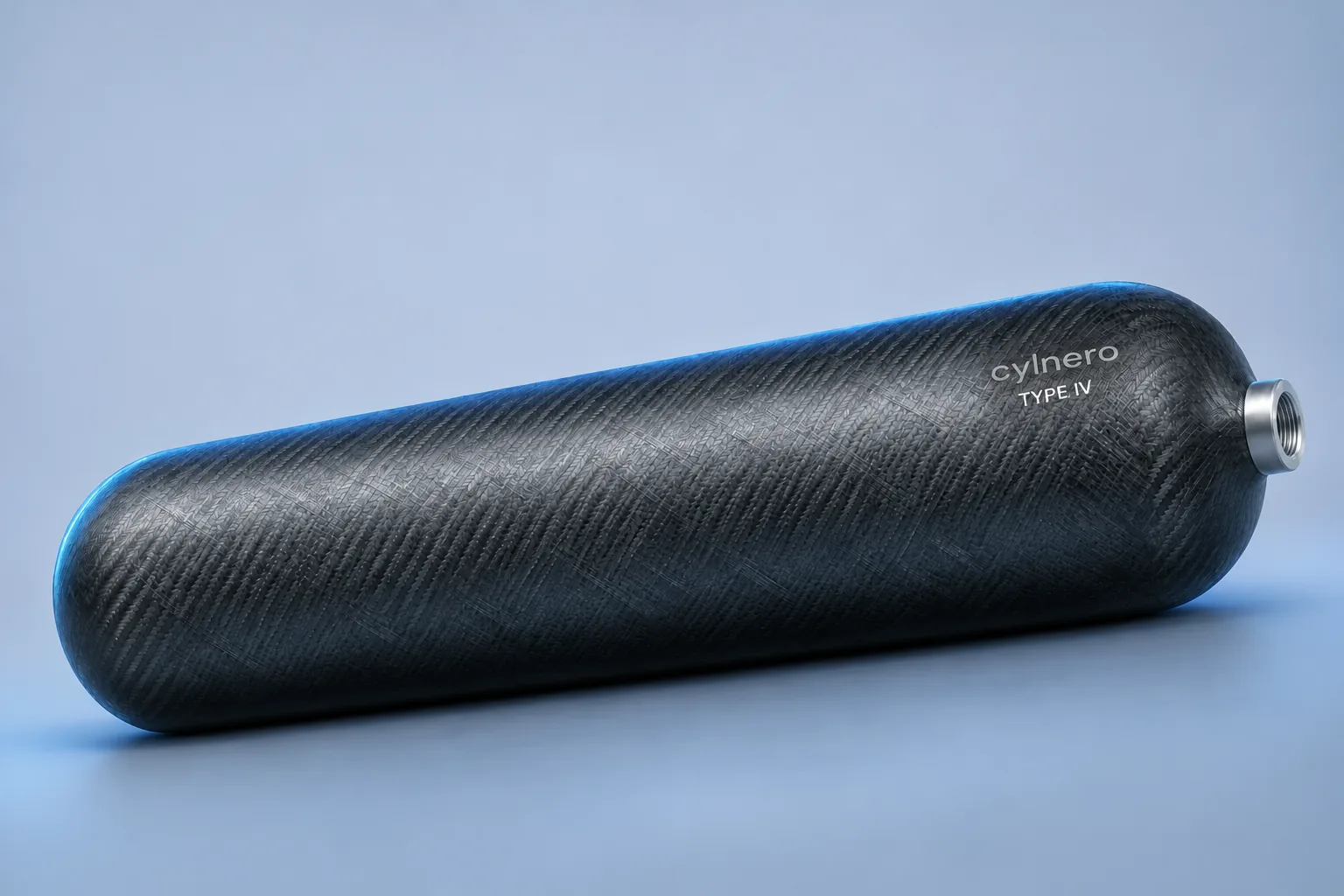
The linked Type III and Type IV pages are starting points for a manufacturer discussion. Type III generally describes a composite cylinder with a metallic liner, while Type IV generally uses a polymer liner. Neither category name identifies a specific model, pressure rating, dimensions or approval for a particular equipment design. If the project has an existing construction preference, share the requirement and its source. Otherwise ask the manufacturer to identify what it proposes against the intended medium and equipment brief.
For each offer, record the proposed construction and configuration reference with the manufacturer's stated values and units. If the equipment programme has a known size or mass constraint, provide that information and ask whether the supplier's figures cover the cylinder alone or the proposed assembly. Compare Type III and Type IV offers on the same stated basis, including components, interfaces, available documents and commercial scope. Avoid treating a generic claim about relative weight or durability as evidence for a particular configuration.
Your engineering team may already have an equipment envelope, drawing revision or interface description that can be shared with the manufacturer. Identify the source of each item and explain whether it is a fixed project requirement or an initial target. Where available, distinguish the space for the vessel body from the space needed for the proposed valve, protection, mounting arrangement or surrounding equipment. If a dimension is unknown, keep it open rather than inserting an estimated value as a final specification.
List the connection and mounting information the project team wants the manufacturer to review. Ask the manufacturer which interface details it can provide for the proposed configuration and which items it expects another party to supply. Where a project already defines environmental or other service requirements, share those references with the responsible reviewers. The enquiry supports a documented exchange; it does not replace the equipment builder's design work or establish that a vessel is compatible with a complete system.
Place each manufacturer's proposed configuration next to the original request. Record the drawing or offer revision, the stated cylinder and component scope, and any fields that still need clarification. A cylinder-only proposal and a complete assembly offer may differ in included valves, protective items, mounting hardware or documents. Ask for those differences to be identified before comparing prices. If a manufacturer suggests an alternative, retain it as a separate option rather than silently changing the project requirement.
Provide any existing project and destination document requirements to the parties responsible for review. Ask which supporting information the manufacturer proposes for the actual offered configuration and what that information covers. A general brochure, an example record and a configuration-specific document can answer different questions. Do not assume that one standard or document list applies to every hydrogen equipment programme. The buyer's appointed technical and commercial reviewers determine what additional evidence or clarification is needed for the project.
State the approximate quantity requested for the current stage and distinguish a possible later forecast from an order. If multiple equipment versions or destinations are involved, group the requested quantities against the appropriate configuration. Ask the manufacturer to identify the proposed packing, delivery scope, price and timing in its quotation. An early product-family page does not establish stock, production capacity or a delivery commitment for your programme.
When the project changes an interface, component or marking request, identify the affected drawing or offer revision and ask the manufacturer how the change is reflected in its response. For a repeat purchase, provide the earlier configuration reference when available, together with the current quantity and any new requirements. Keep open questions and proposed alternatives attached to the relevant version. CYLNERO coordinates the exchange; the manufacturer identifies its proposed product and commercial scope for the order under discussion.
Describe the equipment project, intended purchasing quantity and destination. Share available drawings or interface requirements, and identify any requested changes as requirements or preferences. Ask the proposed supplier to identify the configuration it can quote and the questions requiring further review.
Identify the drawing or proposal being changed, the requested feature and whether it is a requirement or preference. Ask the supplier to describe any proposed alternative and its effect on the quoted configuration, documents, timing and commercial scope.
No blanket customization promise is made. Share the requested changes and available drawings, then ask the manufacturer to identify what it proposes, what needs further discussion and what is excluded from the quotation.
Cylinder purchasing for a distribution business starts with the customers and product families you serve.
Explore purchasing needs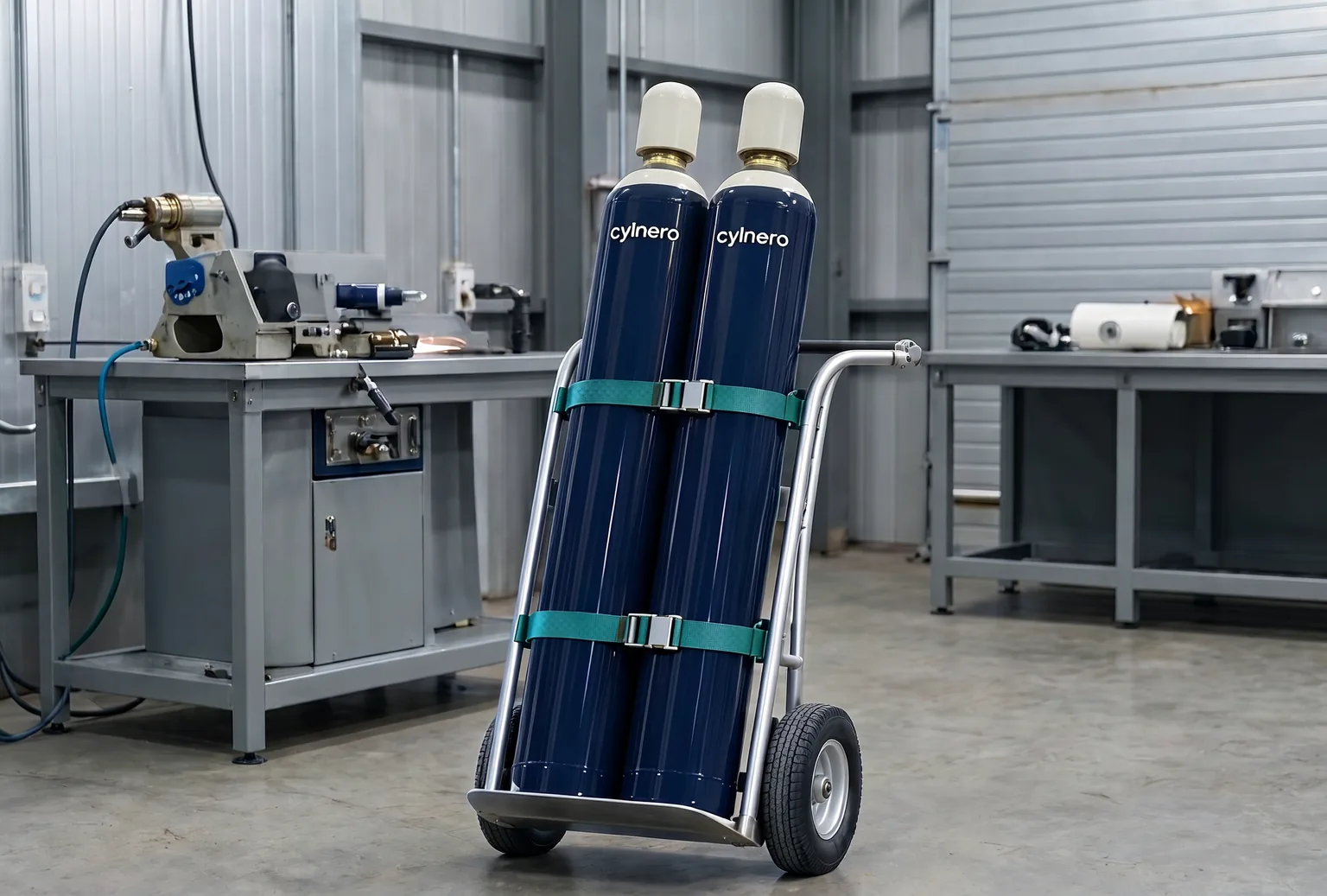
Welding suppliers and workshop purchasing teams can start with the cylinder families and commercial requirements they need to discuss.
Explore purchasing needs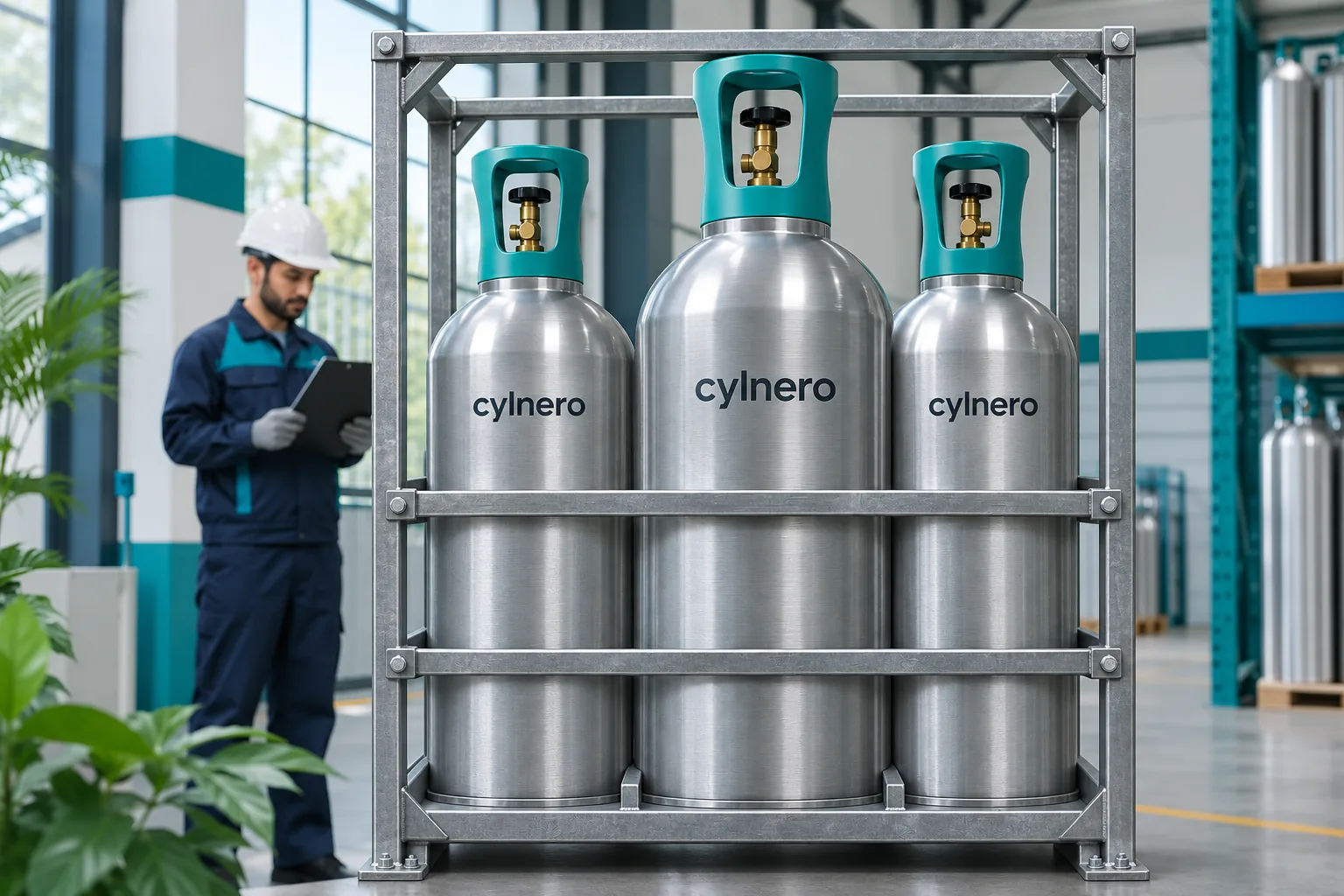
Medical-gas organizations and distributors can use this application page to organize a cylinder procurement brief.
Explore purchasing needs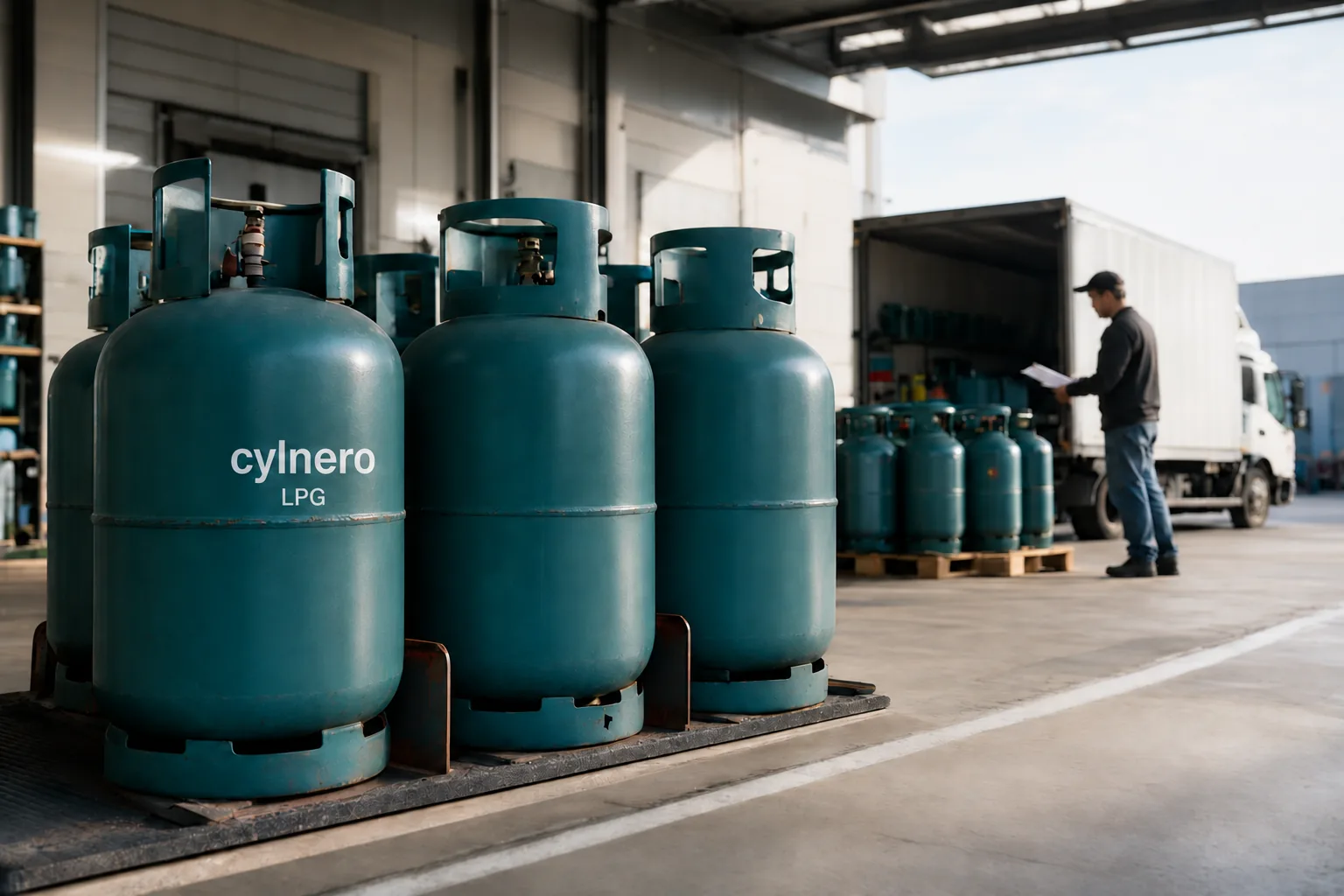
LPG distributors, importers and filling organizations can prepare enquiries for cylinder hardware and the configurations they want to discuss.
Explore purchasing needsHydrogen refueling project purchasers can use this page to scope cylinder-related enquiries within a wider project.
Explore purchasing needs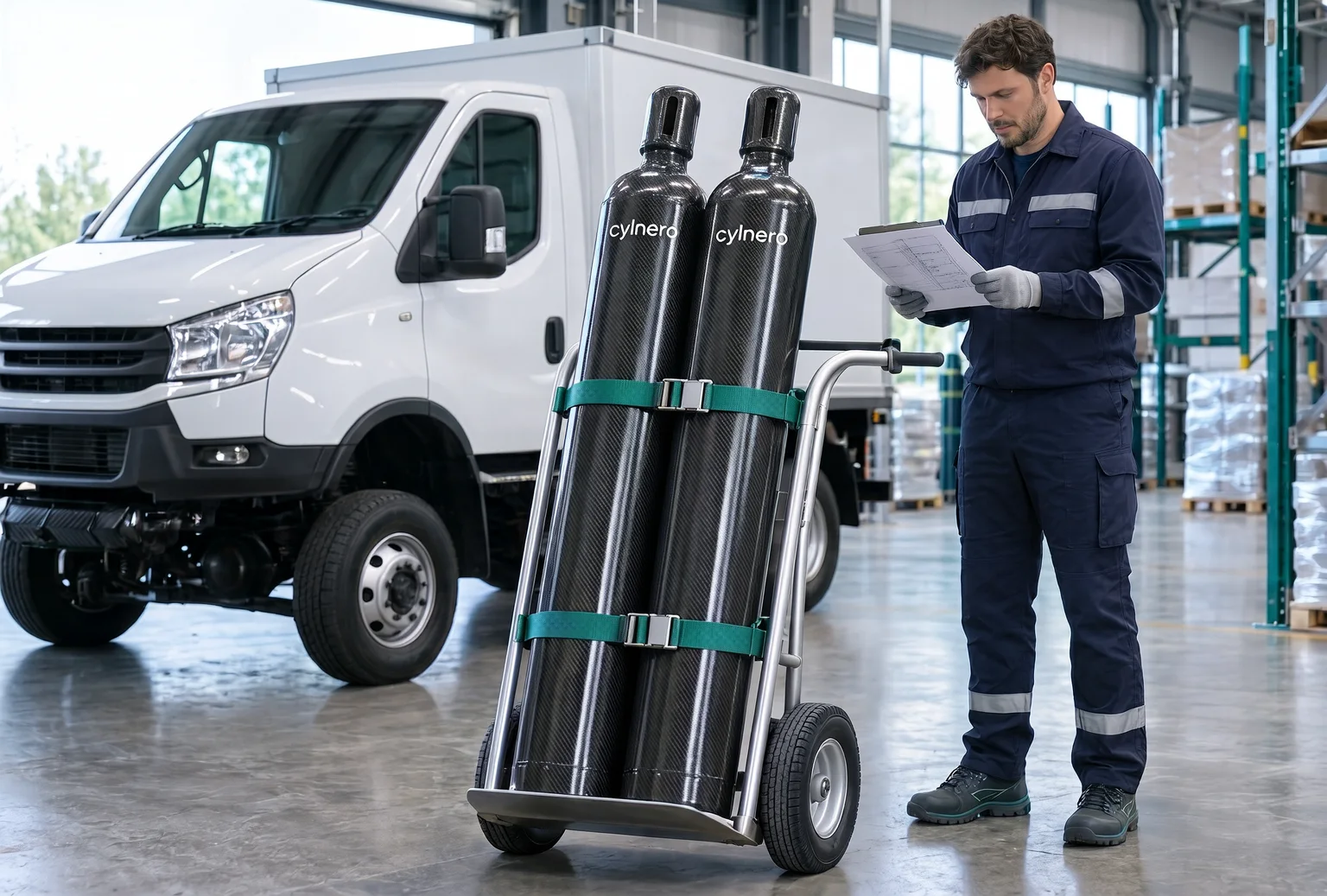
Purchasing teams working on onboard hydrogen equipment can prepare a cylinder-series enquiry before the detailed configuration is settled.
Explore purchasing needs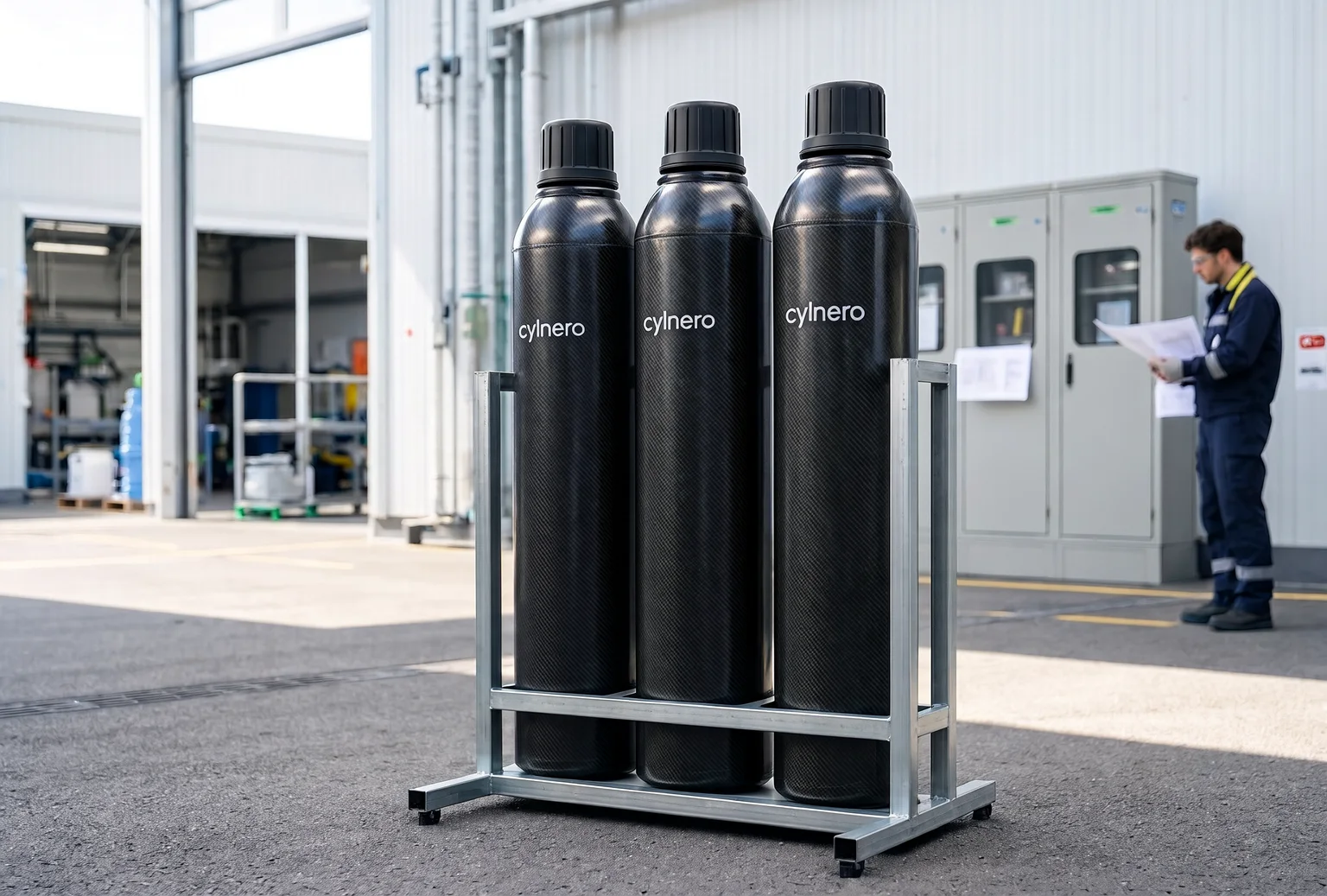
Stationary hydrogen equipment purchasers can organize a cylinder enquiry around the component scope and the requirements their project team has established.
Explore purchasing needs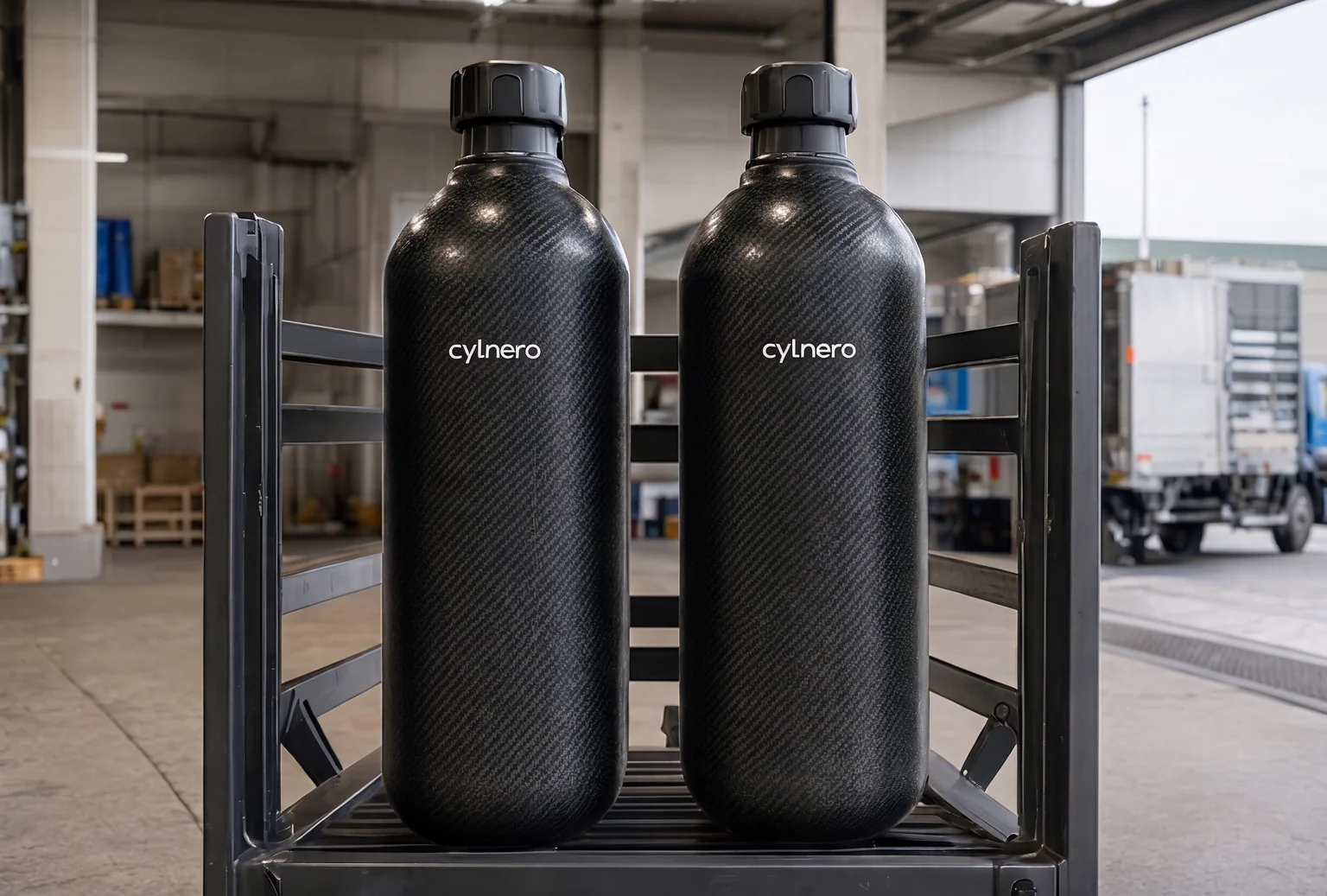
COPV integration purchasers can start with the intended medium, equipment context and component boundary.
Explore purchasing needs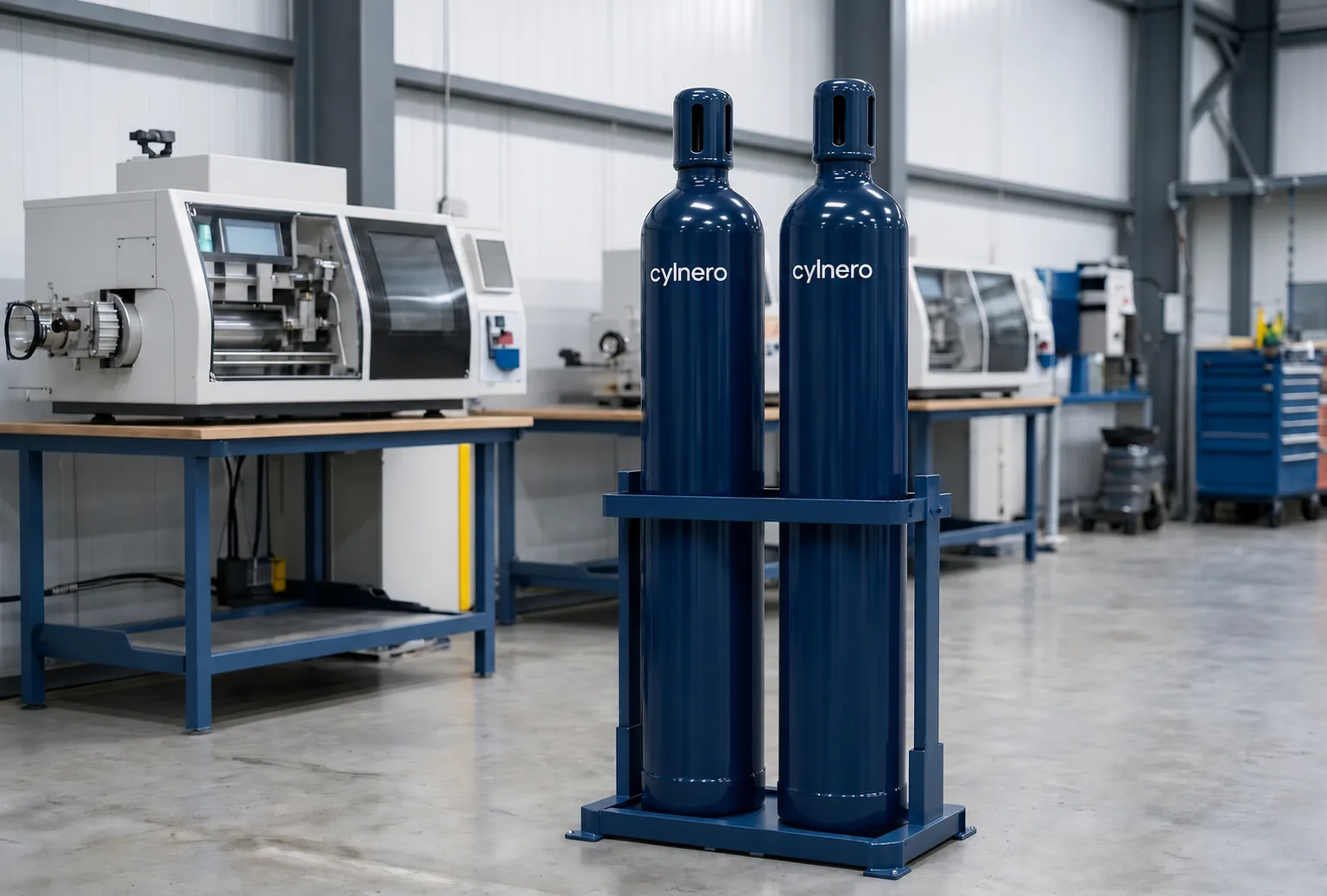
Industrial equipment OEMs can prepare cylinder or vessel enquiries around their equipment requirements, purchasing schedule and available interface information.
Explore purchasing needs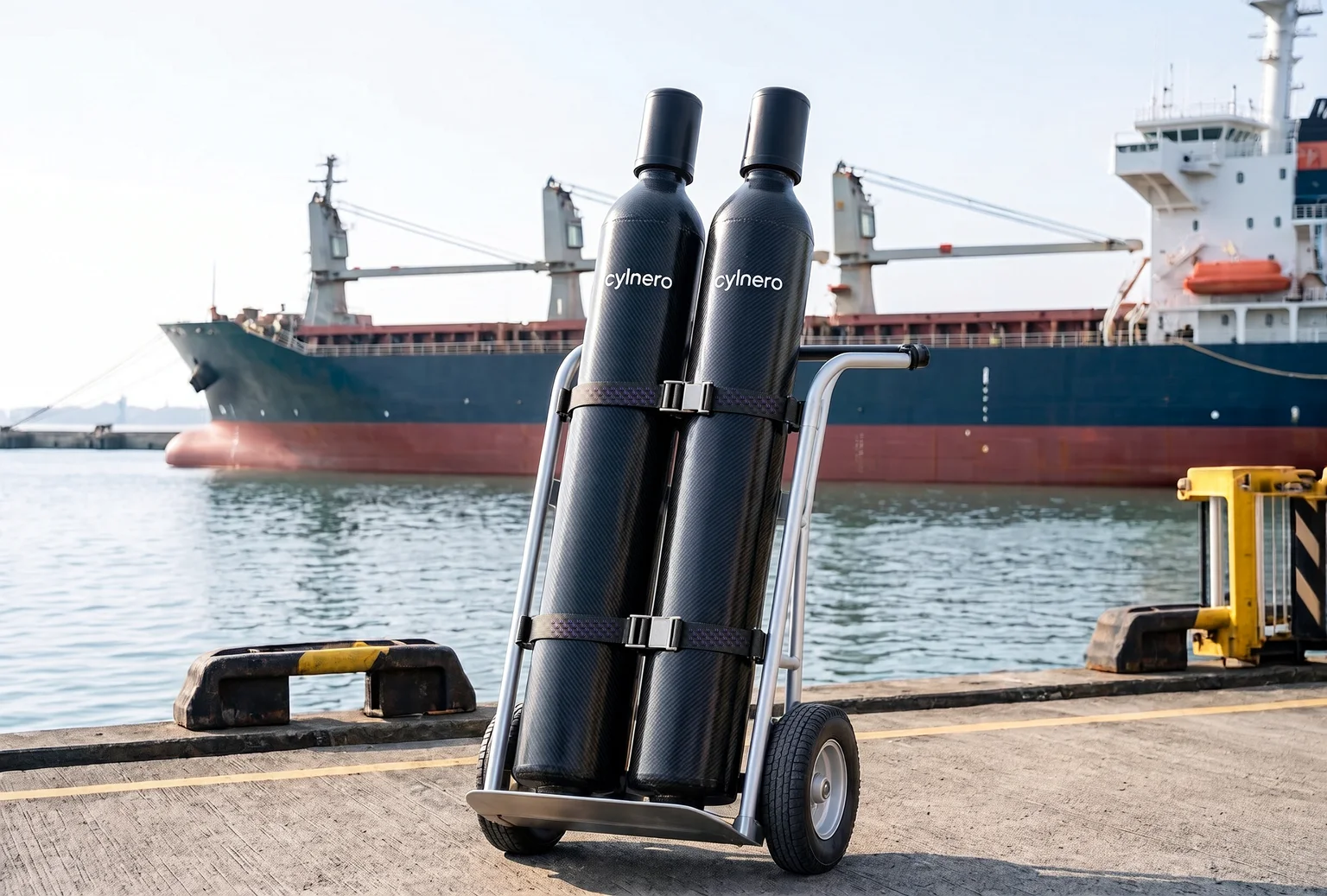
Marine hydrogen project purchasers can use this page to define a cylinder-related enquiry within a wider vessel or equipment project.
Explore purchasing needs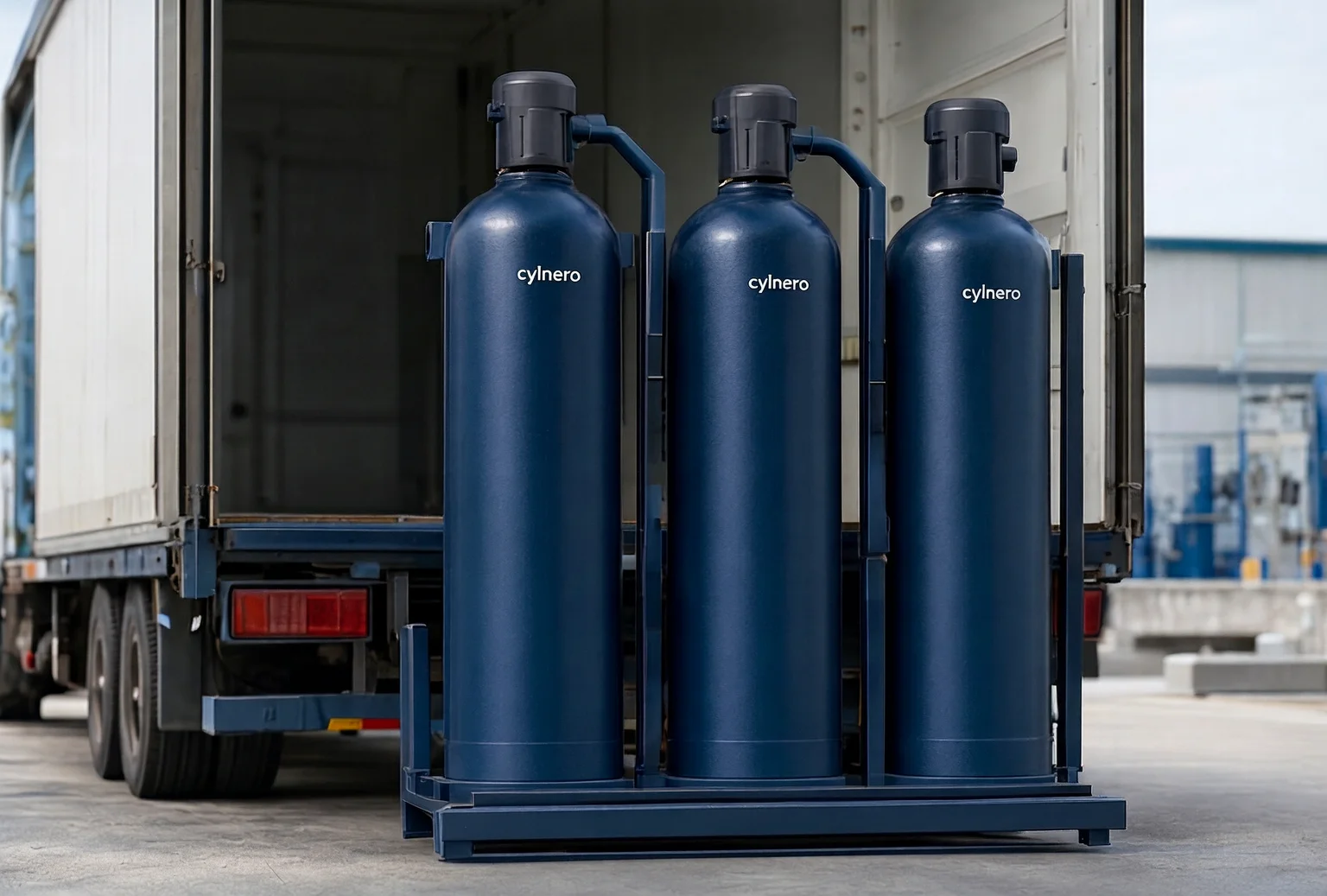
Gas cylinder importers can organize mixed product-family enquiries, destination requests and purchasing quantities before selecting detailed manufacturer configurations.
Explore purchasing needs