 Wholesale sourcing
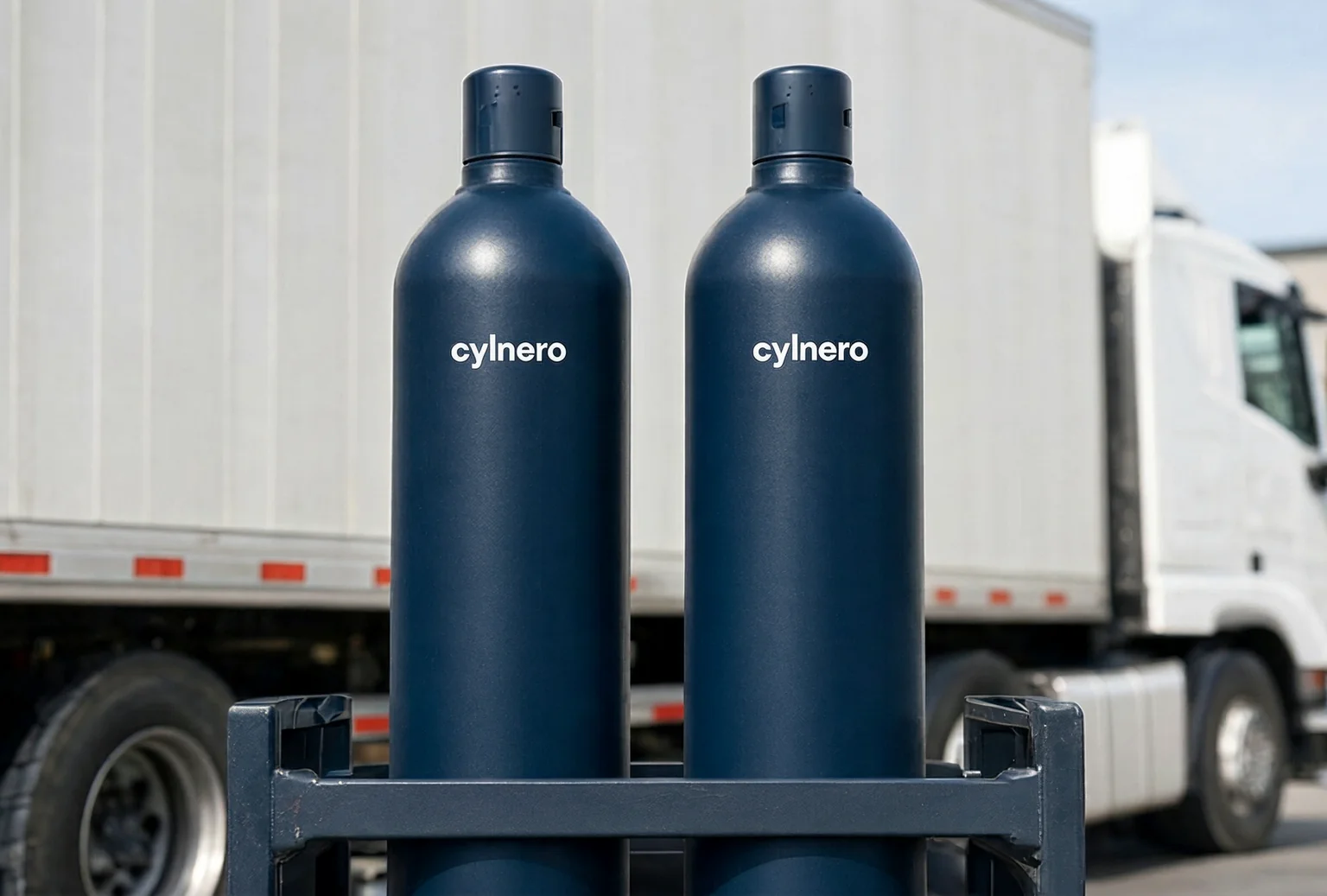
50L Industrial Gas Cylinder Series
Configurable wholesale series · Specifications confirmed during enquiry
APPLICATION-LED / WHOLESALE PROCUREMENT
Cylinder purchasing for a distribution business starts with the customers and product families you serve. CYLNERO helps organize enquiries for cylinder hardware, configuration options and repeat purchasing.
Cylinder purchasing for a distribution business starts with the customers and product families you serve. CYLNERO helps organize enquiries for cylinder hardware, configuration options and repeat purchasing. Begin with the intended gas services, approximate quantities and destinations; a complete model schedule is not required. Gas filling, local exchange and delivery of gas contents are separate from the cylinder sourcing enquiry.
Swipe to see more sections →
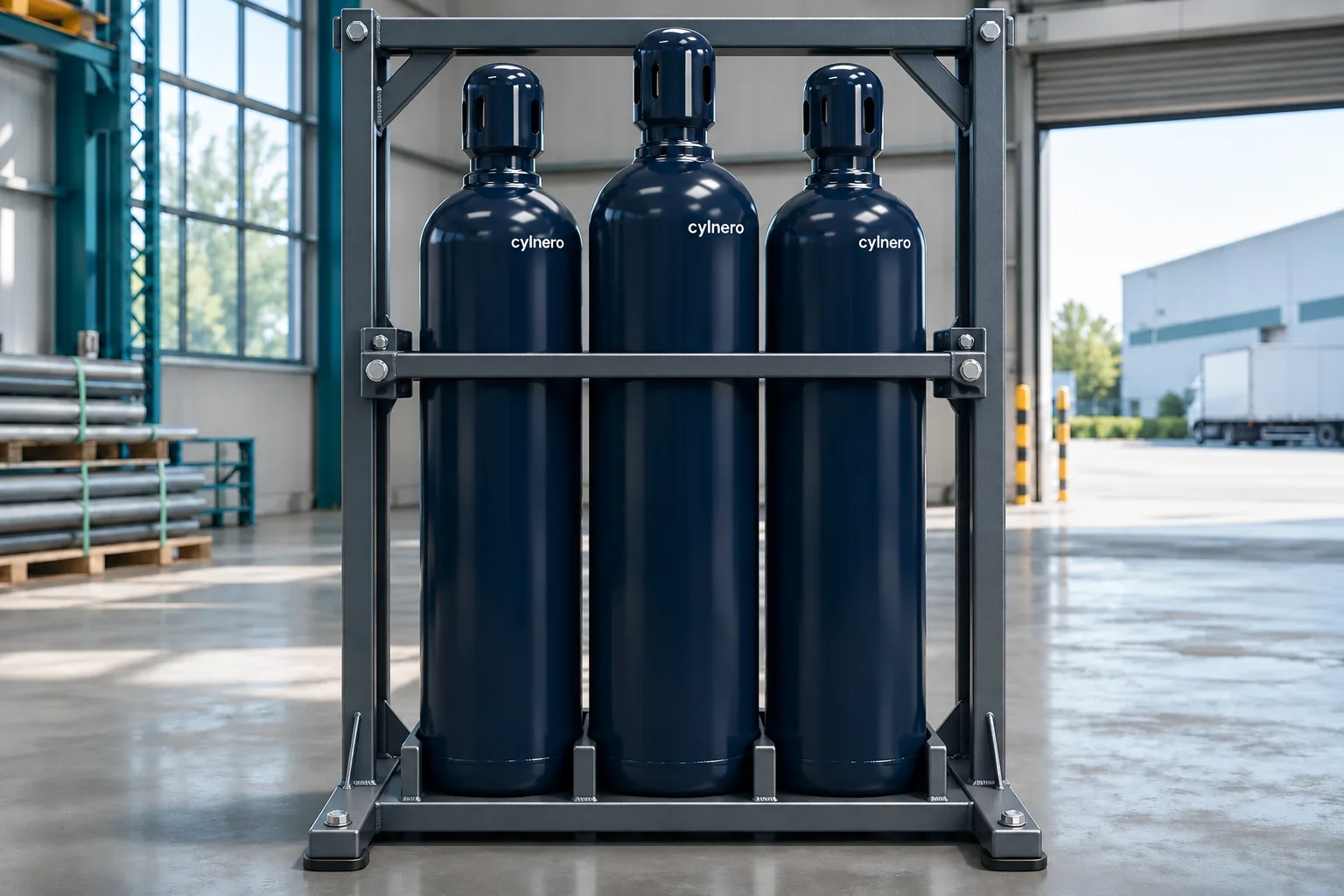
These are starting points for an enquiry, not a statement that every configuration fits this application. The offered configuration and scope are confirmed during quotation.
Configurable wholesale series · Specifications confirmed during enquiry
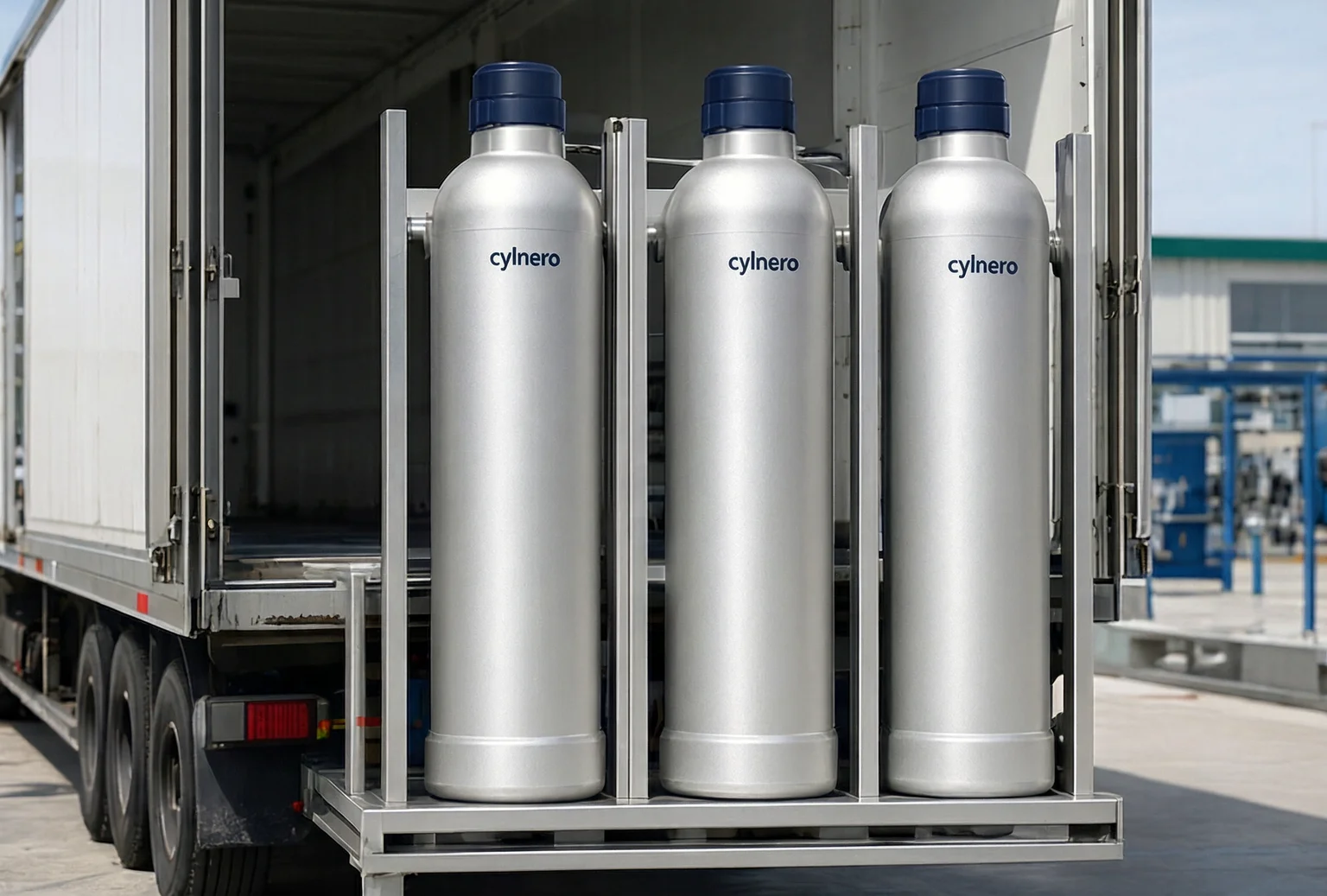
Configurable wholesale series · Specifications confirmed during enquiry
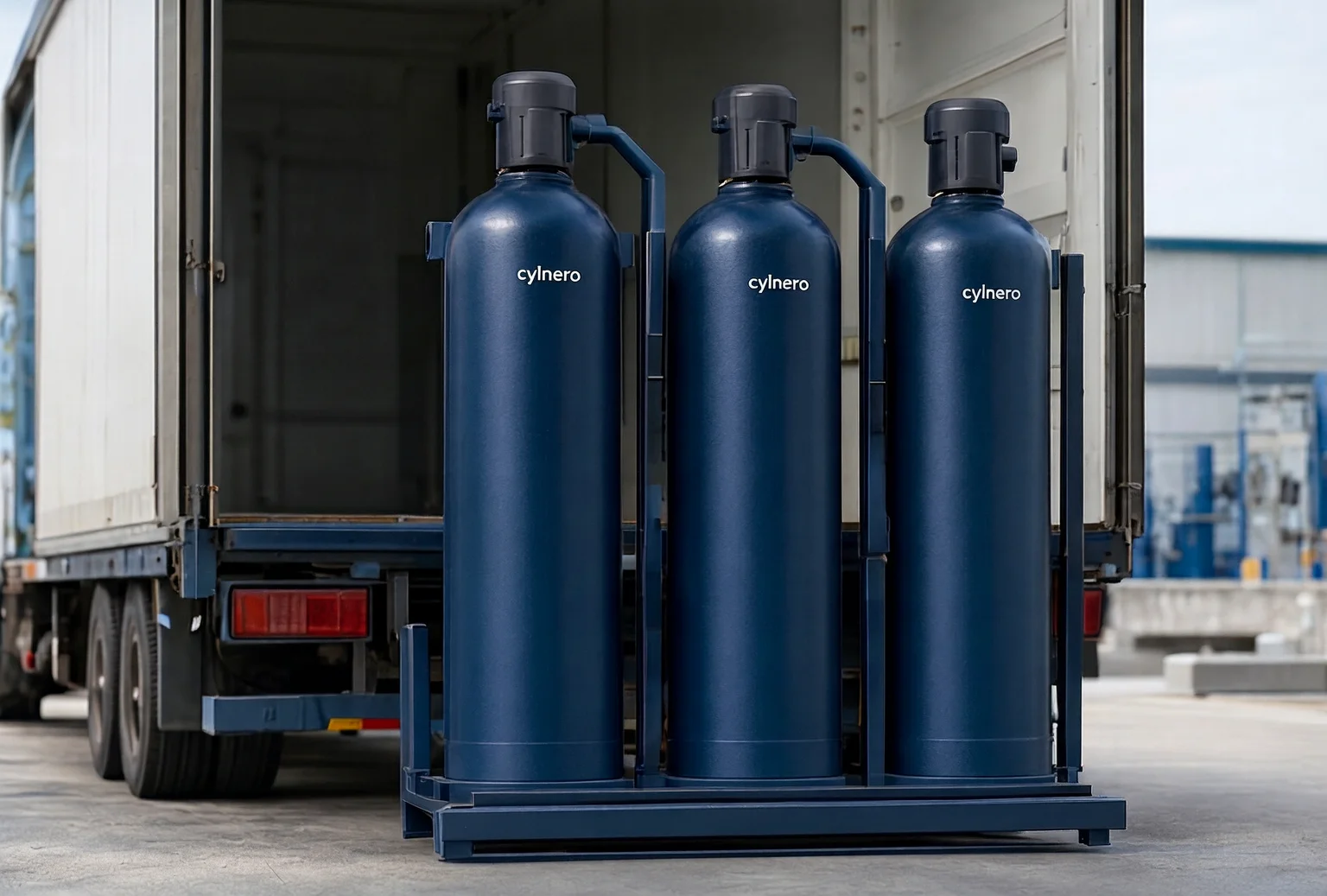
Configurable wholesale series · Specifications confirmed during enquiry
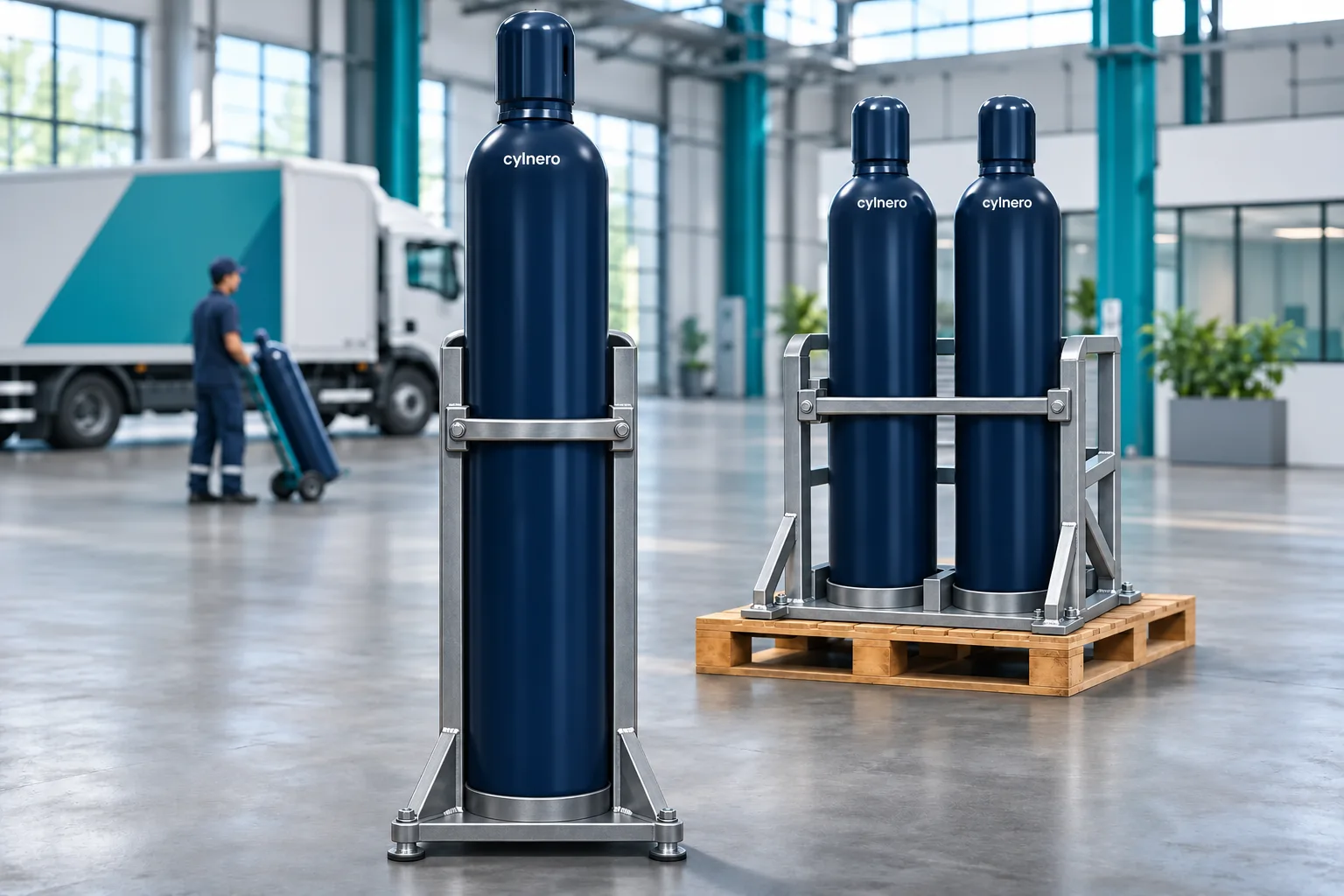
Separate replacement demand, fleet expansion and new customer requirements before combining them into one order discussion. Identify which product families can share a purchasing brief and which need separate valve, capacity or marking requests. If your branches use different internal descriptions, include a simple cross-reference so that the proposed configurations can be compared consistently. An indicative order plan is enough for the first discussion; final quantities and configuration choices can follow in the quotation.
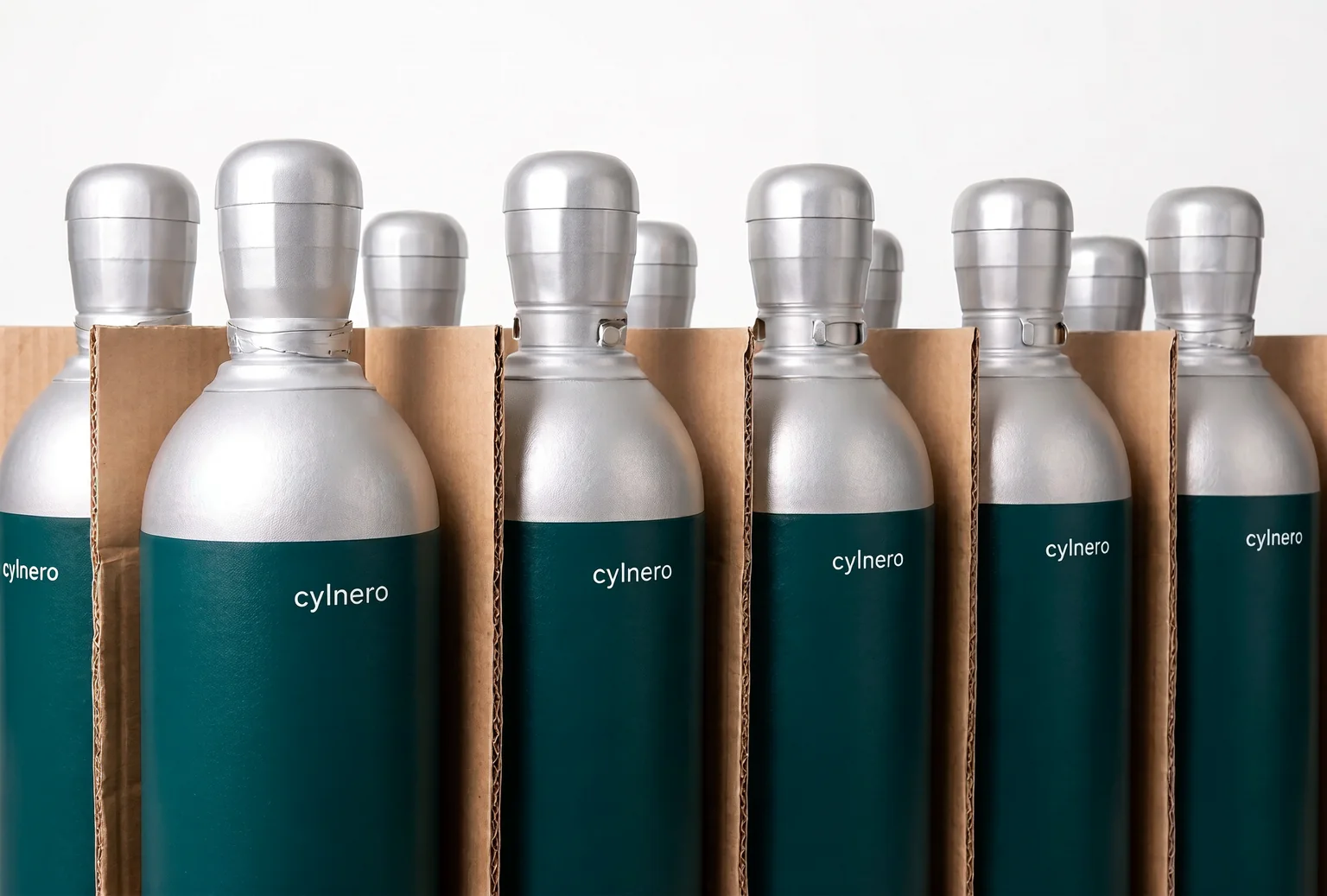
For repeat purchasing, share the configuration information you already hold, such as previous drawings, valve descriptions, marking examples or packaging photographs. These help explain the request without requiring you to identify a current factory model. Record open questions separately from features you want to retain. When the manufacturer proposes a configuration, keep its revision and commercial scope together so that later orders are based on an agreed reference rather than an assumption that every cylinder in a broad series is identical.
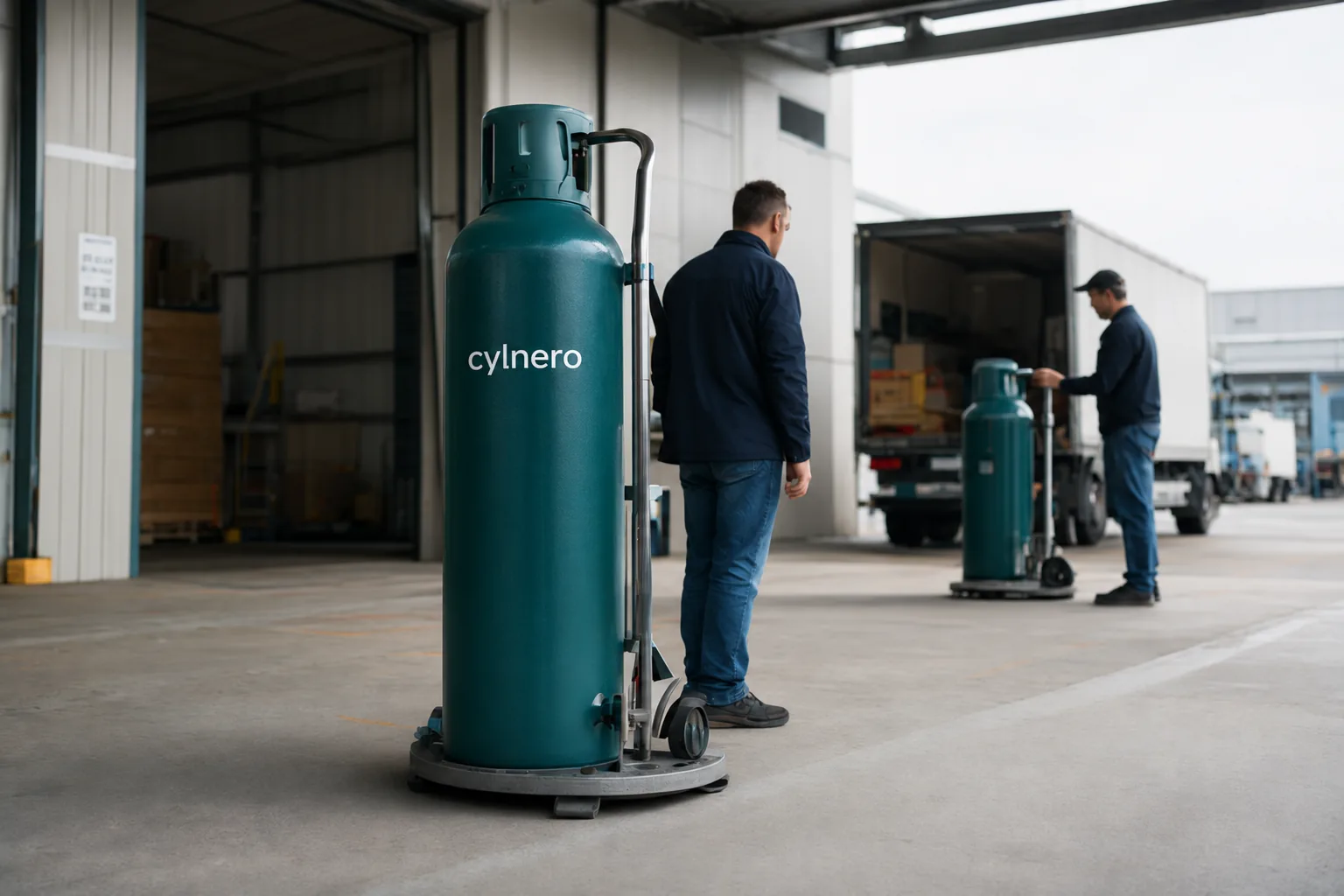
A useful comparison covers the requested cylinder body, valve and protective components, marking, packaging, quantity and delivery destination. Ask which elements are included in each offer and which remain to be confirmed. Distributors can also describe preferred order grouping and receiving arrangements, leaving the manufacturer to confirm the proposed packing and commercial terms. The related series below are starting points for this discussion, not confirmation that a particular configuration suits every gas or customer.
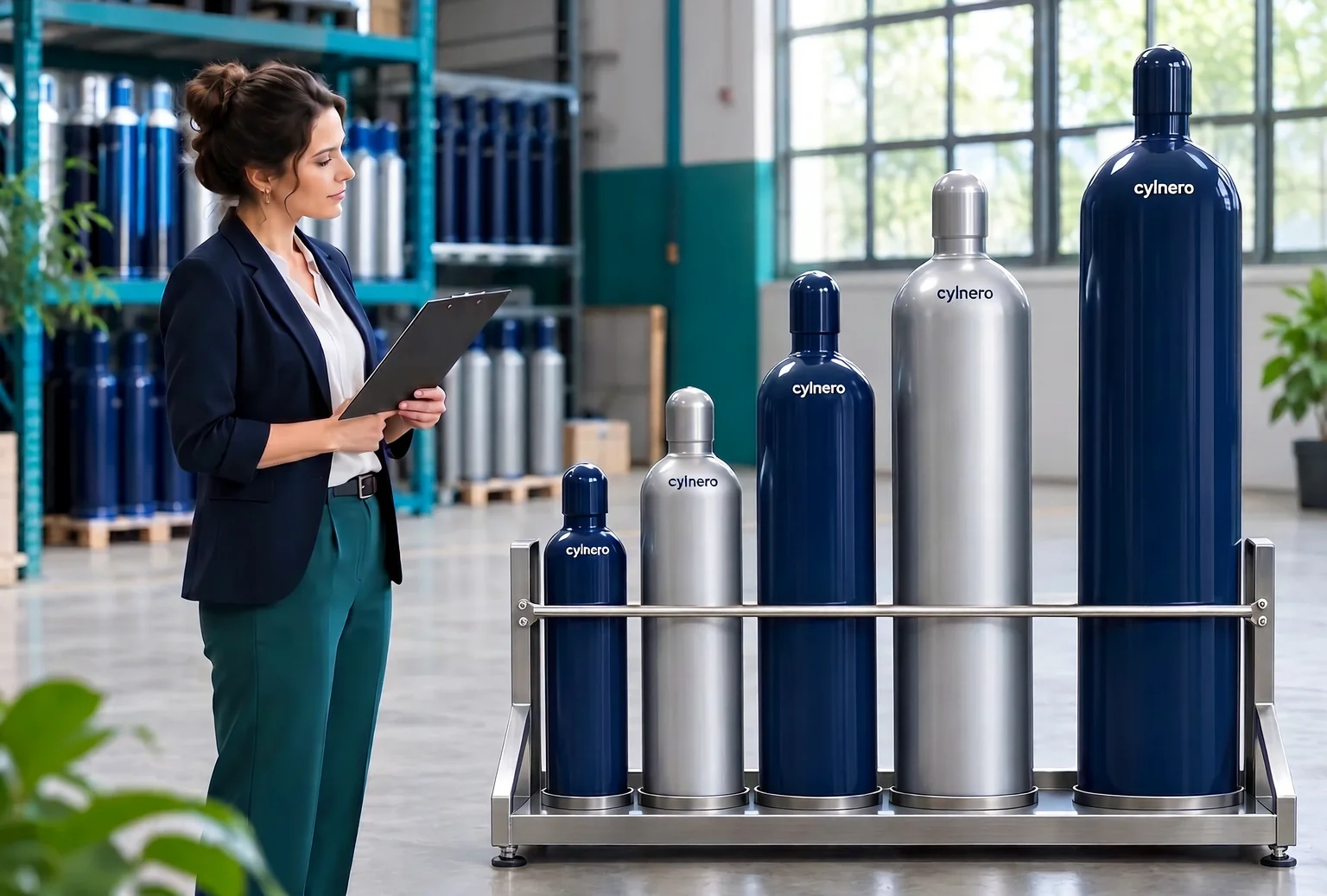
A distributor may buy cylinders for several customer groups, branches or gas applications. Start by listing the product families that your team actually needs, then separate the known requirements for each group. A workshop delivery programme might use a different size designation or valve request from cylinders intended for a larger industrial account. Your first enquiry does not need a completed model schedule: share the gas service, approximate physical cylinder quantity and destination, then identify missing information for discussion.
Keep the capacity designation separate from the number of cylinders being purchased. If a branch uses an internal product code, include that code alongside its meaning and any drawing or previous quotation available. Where several destinations have different requests, make a line for each branch instead of combining them into one total. This helps the manufacturer identify which details belong to each proposed configuration and allows your purchasing team to compare responses without assuming that every cylinder in a broad series is identical.
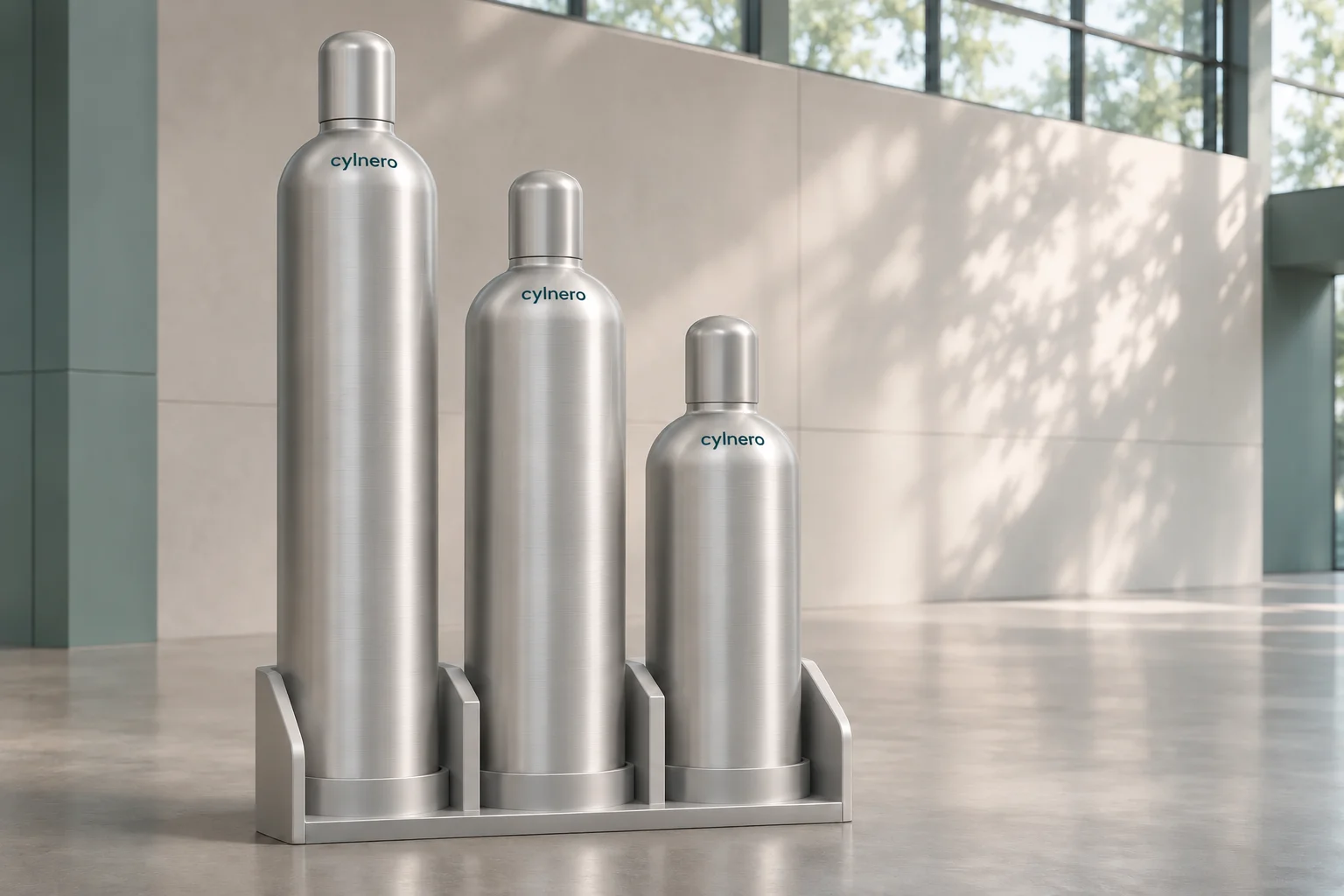
Steel and aluminum categories give a buyer useful starting points, but the category name does not establish a specific cylinder size, working pressure, gas approval or valve. For each actual offer, ask the manufacturer to identify the proposed construction, relevant gas-service scope, water capacity and dimensions. Retain the original units and the reference to the quotation or drawing. If your customers use a familiar size description, share it and ask the supplier what its proposed designation means rather than assuming that two labels identify the same configuration.
Mass matters for handling and shipment planning, so ask for the stated weight of the specific configuration. Check whether the figure includes the valve, protective items or a packing unit; compare the same basis across offers. Where rack space or delivery access is limited, share the relevant dimensions with the manufacturer. Your team can then compare the complete offers, including proposed components, packing, documents and commercial terms. Avoid selecting a material solely from a generic claim about weight or performance.
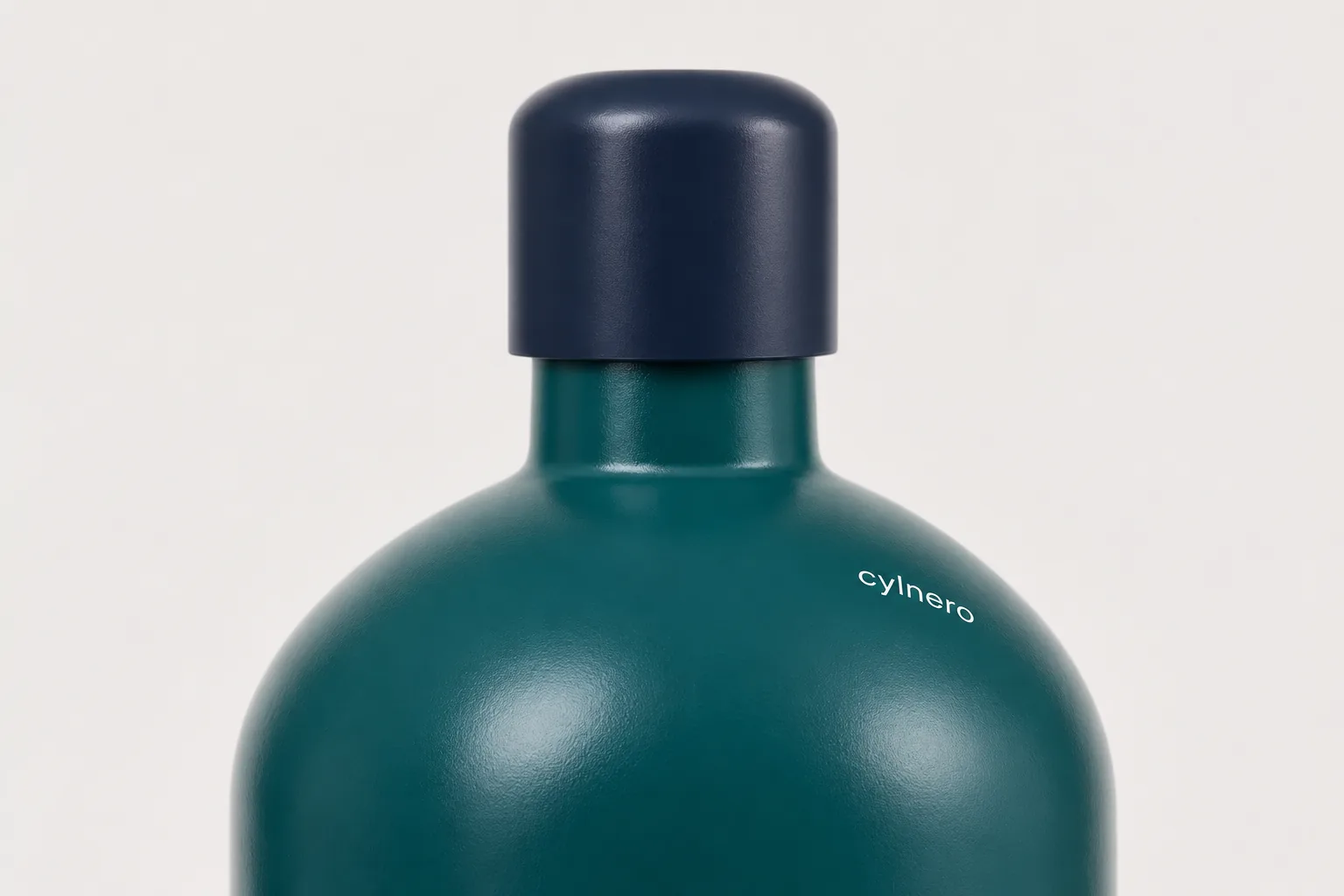
Describe whether the requested purchase covers cylinder bodies or assemblies with valves and other components. Ask the manufacturer to list the proposed valve, protective cap or guard and any accessories as included items or separately discussed options. Ask the manufacturer to list the protective components included in each quoted line. If customers or branches use different connections, record their references separately and ask what information the manufacturer needs to identify the proposed interface.
Marking and branding requests can be included alongside the component brief. Provide any existing artwork, product-line name, colour preference or internal identification requirement that your organisation wants the manufacturer to consider. Ask which elements the manufacturer proposes to apply and how those requests relate to other product identification and destination requirements. Keep the artwork request distinct from the manufacturer's actual response. Ask the manufacturer to identify the proposed markings, their placement and their scope in the quotation or order-specific information.
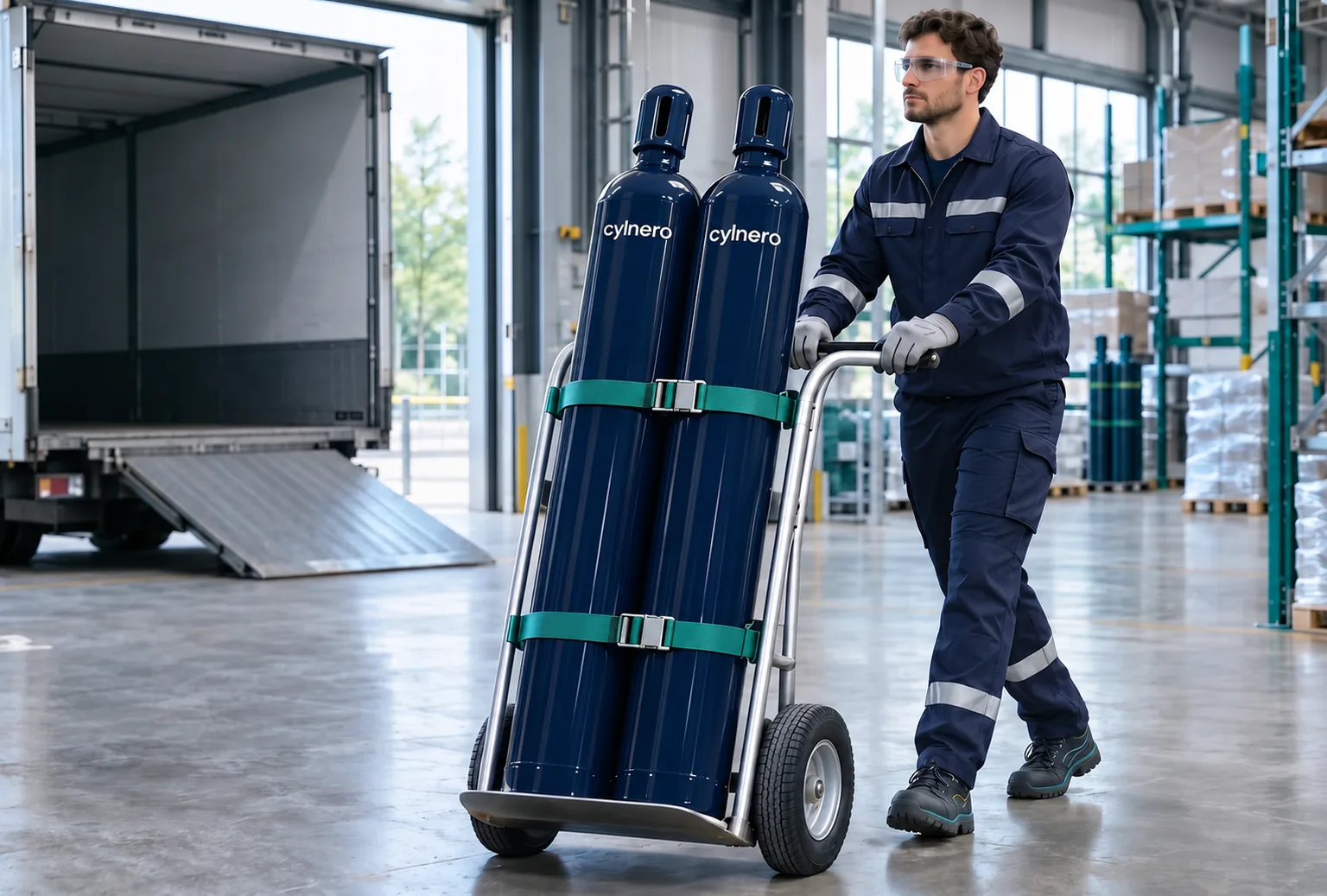
For an immediate order, provide an approximate quantity and preferred destination. If the distributor expects future demand, identify that forecast separately from the current purchase so the manufacturer can respond to each part of the request. For repeat orders, share the configuration reference or previous offer available to your team, along with any changes in quantity, components or destination. Ask which version the manufacturer is quoting and how it would identify a proposed change. A prior purchase does not by itself establish current stock or delivery dates.
Discuss how cylinders are to be grouped for dispatch and what packaging information your receiving team needs. If your site has constraints on package size, unloading access or delivery grouping, describe those constraints and ask how the manufacturer proposes to address them. Different branches may need separate labels or records; state the request for each destination. Keep the proposed packing scope, delivery location and associated commercial terms together with the relevant offer so the teams comparing and receiving the order can refer to the same configuration.
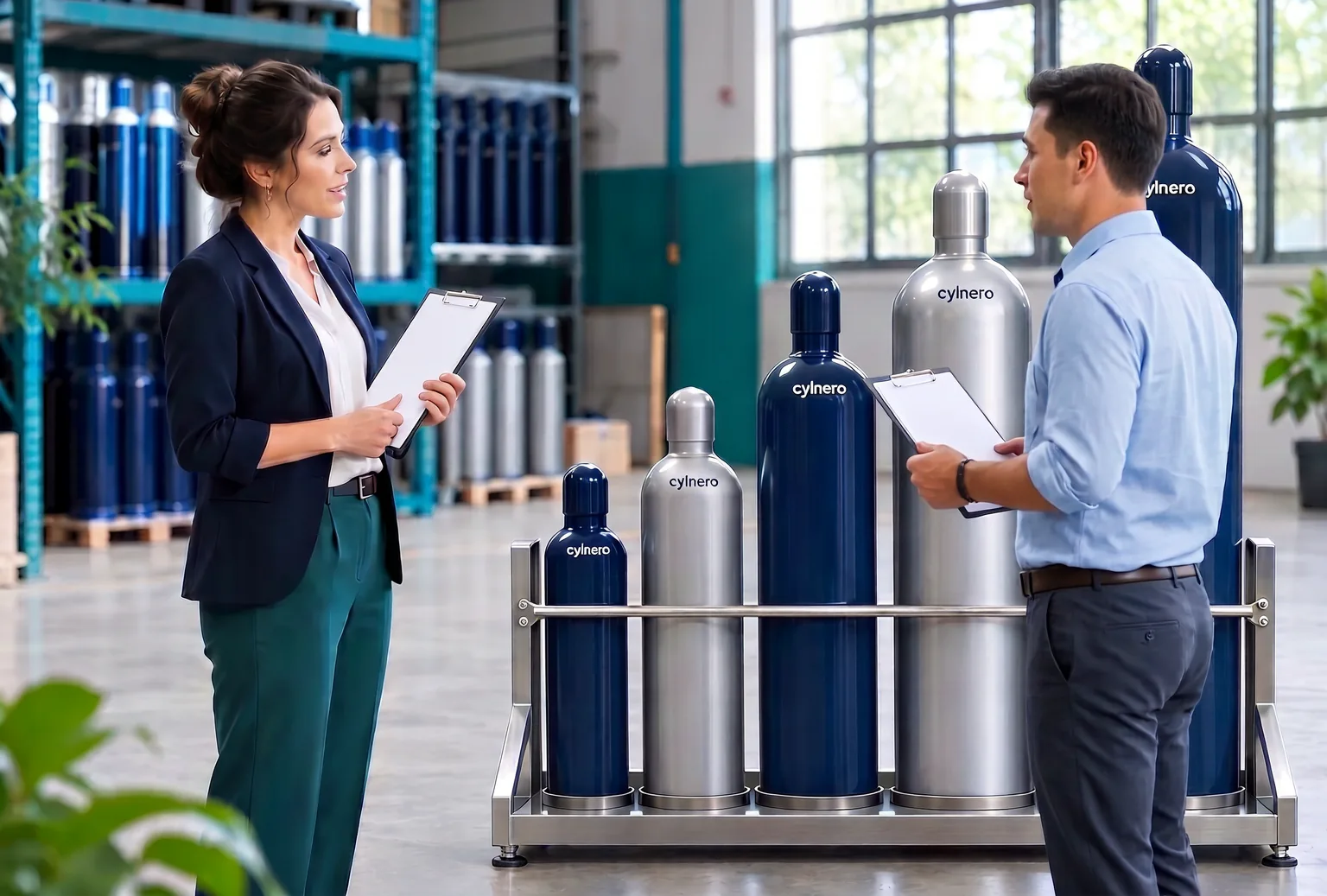
A useful first message can identify your distribution application, gas services, approximate cylinder quantities and destination. Add any known capacity designations, connection references, marking requests or existing drawings. Leave unknown fields open and ask which information the manufacturer needs for a proposal. If you are considering both a body-only supply and a valved assembly, request that each be identified separately. CYLNERO can help organise the exchange of the buyer's requirements and the manufacturer's response; the manufacturer identifies its proposed supply and commercial scope.
When offers arrive, compare the offered configuration against the original request instead of comparing only a headline price. Record included components, requested versus proposed quantities, the stated packing and delivery scope, and any open questions. Ask which supporting information is available for the proposed configuration and share existing project or destination document requirements with the people responsible for review. Keep revisions and clarifications with the offer they relate to. If an alternative is proposed, identify its differences and decide what additional questions your purchasing team needs answered.
Describe the gases and applications, approximate cylinder quantities and delivery destinations. If you already use particular sizes, valves or receiving arrangements, share those references as well. List different formats separately and leave unknown details open for the supplier’s proposed configuration.
List each receiving location, the cylinder formats and approximate quantities requested for it. Share any known delivery timing or packing constraints, then ask the supplier to show its proposed packing, freight scope and dates for each group in the quotation.
This enquiry concerns cylinder hardware and associated purchasing requirements. It does not represent an offer of gas filling, gas contents or a local exchange service. State those boundaries clearly when preparing your distribution brief.
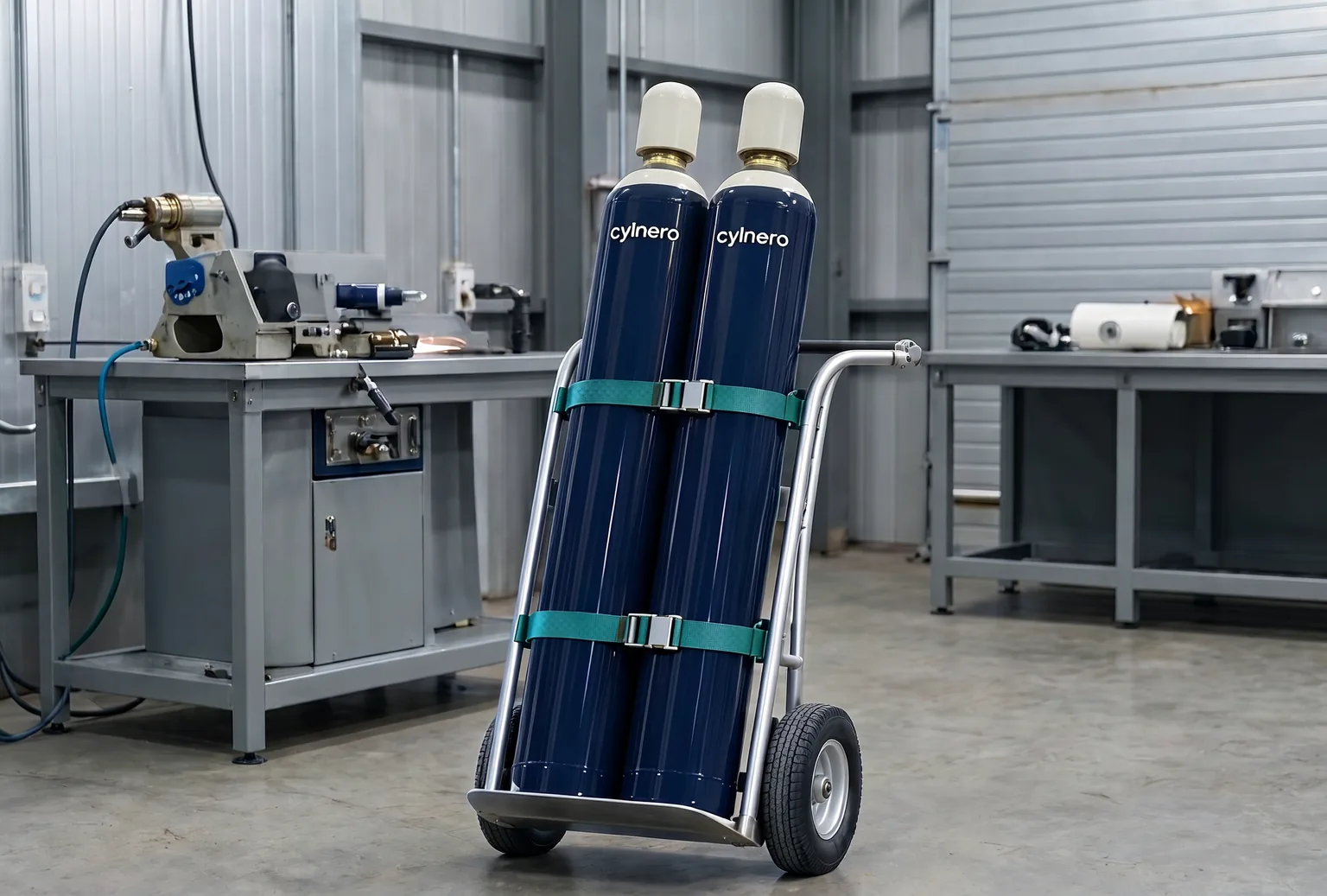
Welding suppliers and workshop purchasing teams can start with the cylinder families and commercial requirements they need to discuss.
Explore purchasing needs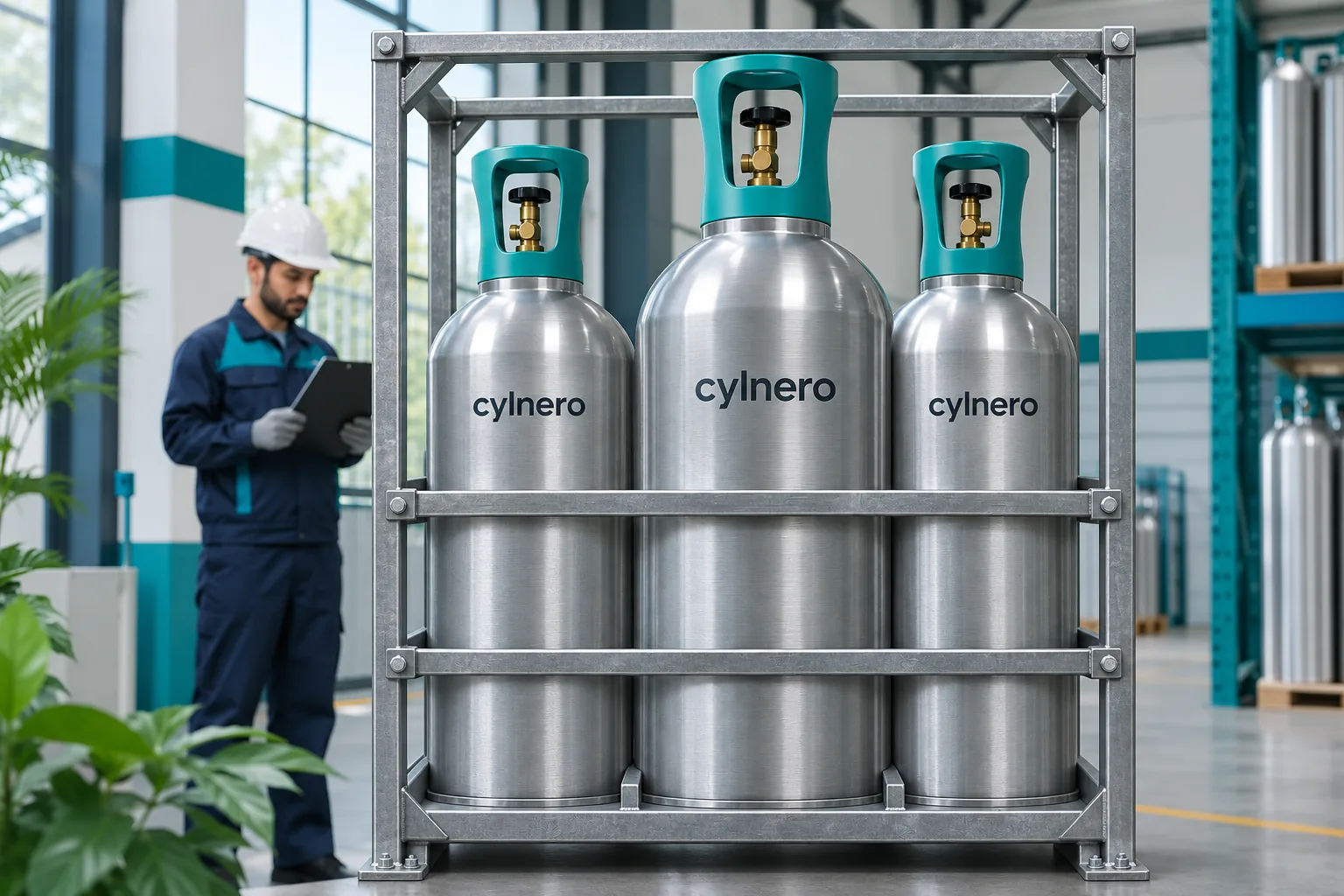
Medical-gas organizations and distributors can use this application page to organize a cylinder procurement brief.
Explore purchasing needs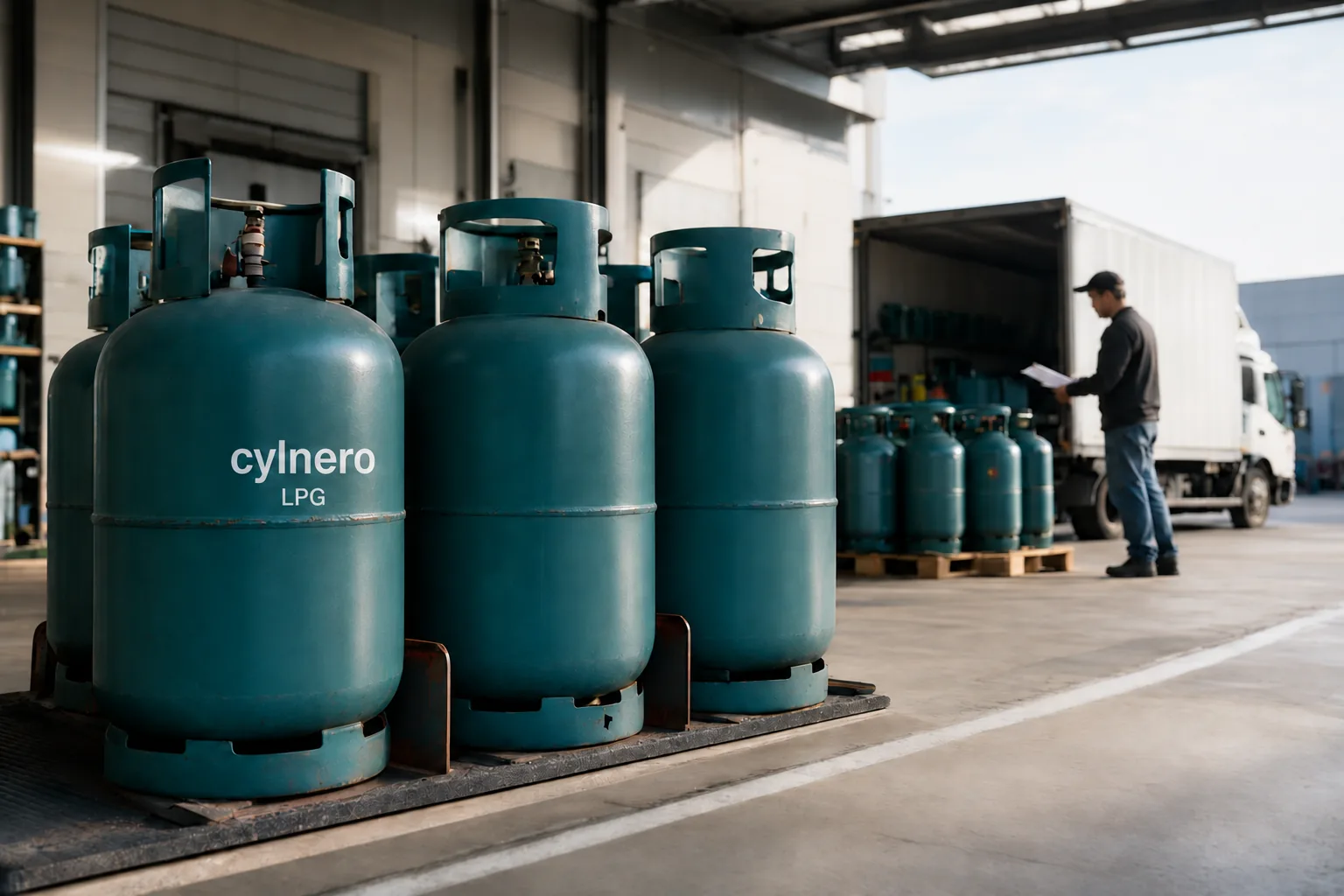
LPG distributors, importers and filling organizations can prepare enquiries for cylinder hardware and the configurations they want to discuss.
Explore purchasing needs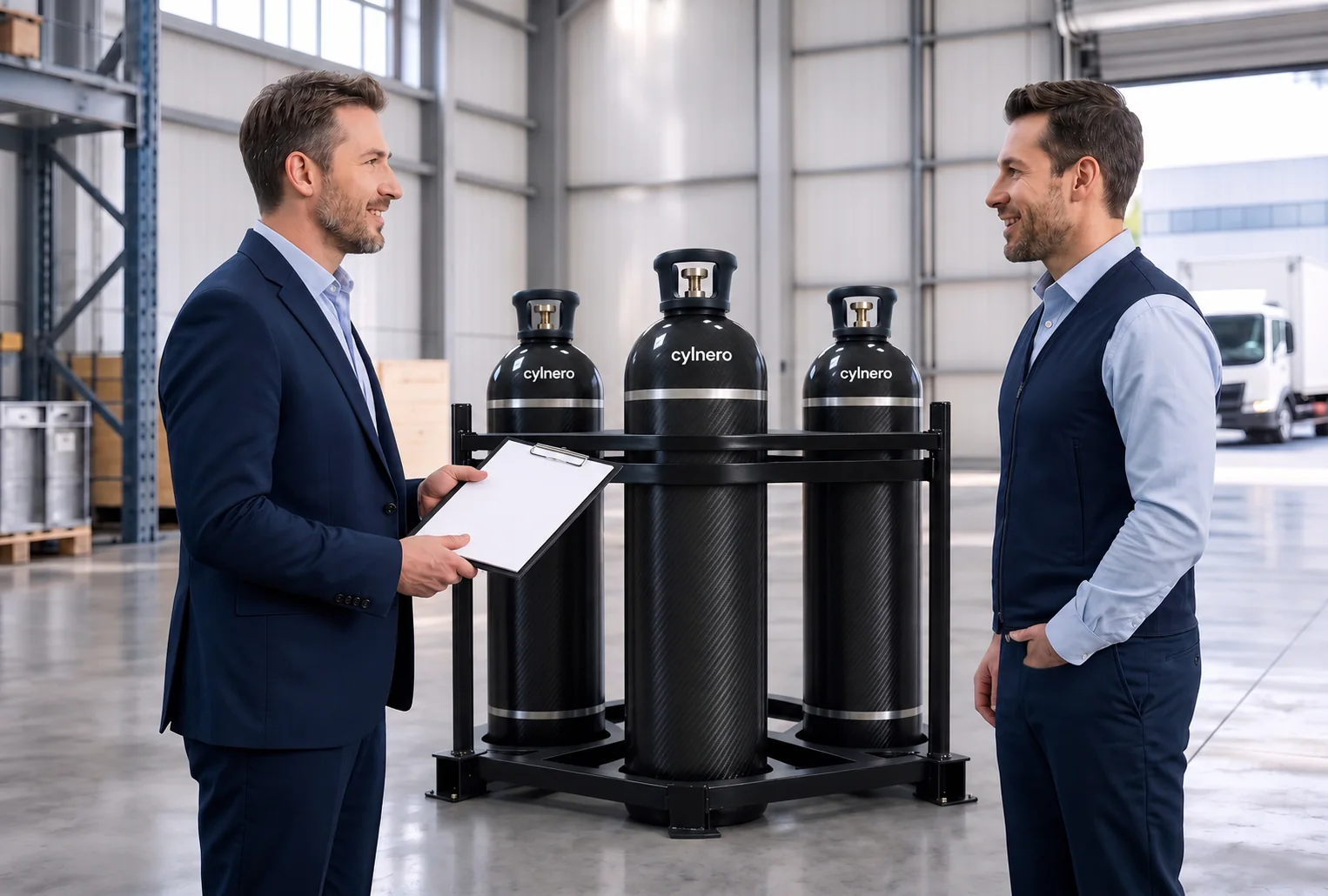
Hydrogen refueling project purchasers can use this page to scope cylinder-related enquiries within a wider project.
Explore purchasing needs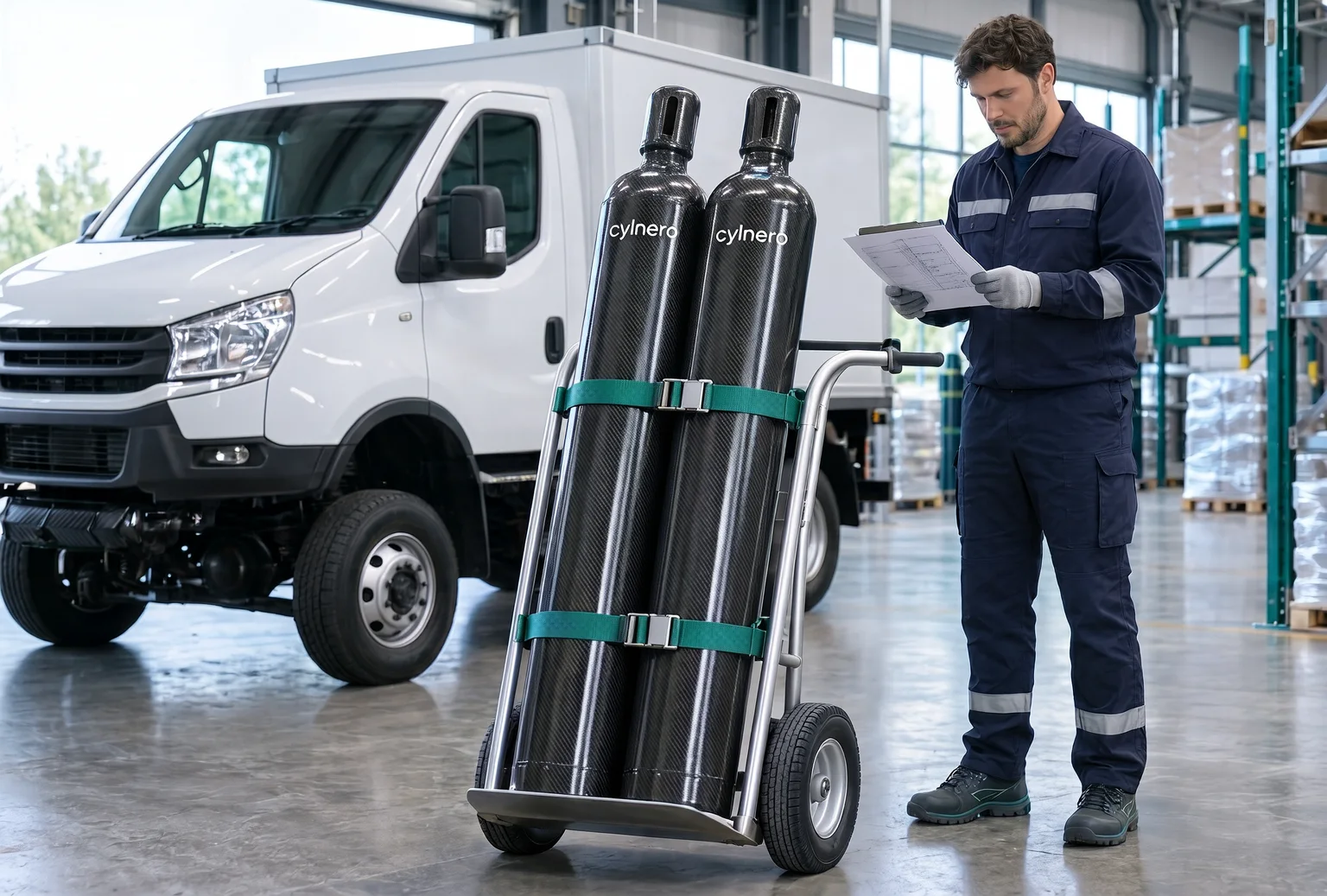
Purchasing teams working on onboard hydrogen equipment can prepare a cylinder-series enquiry before the detailed configuration is settled.
Explore purchasing needs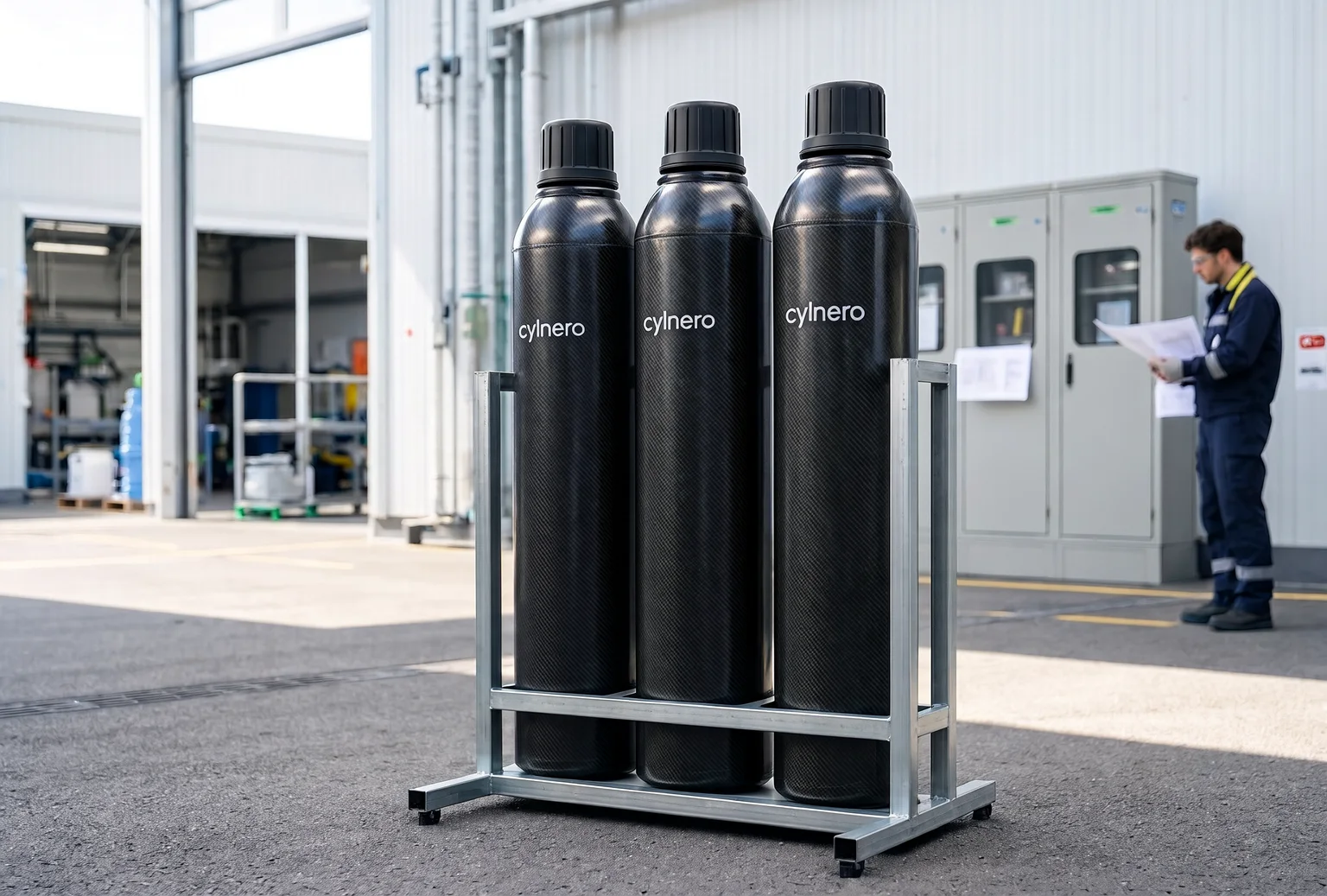
Stationary hydrogen equipment purchasers can organize a cylinder enquiry around the component scope and the requirements their project team has established.
Explore purchasing needs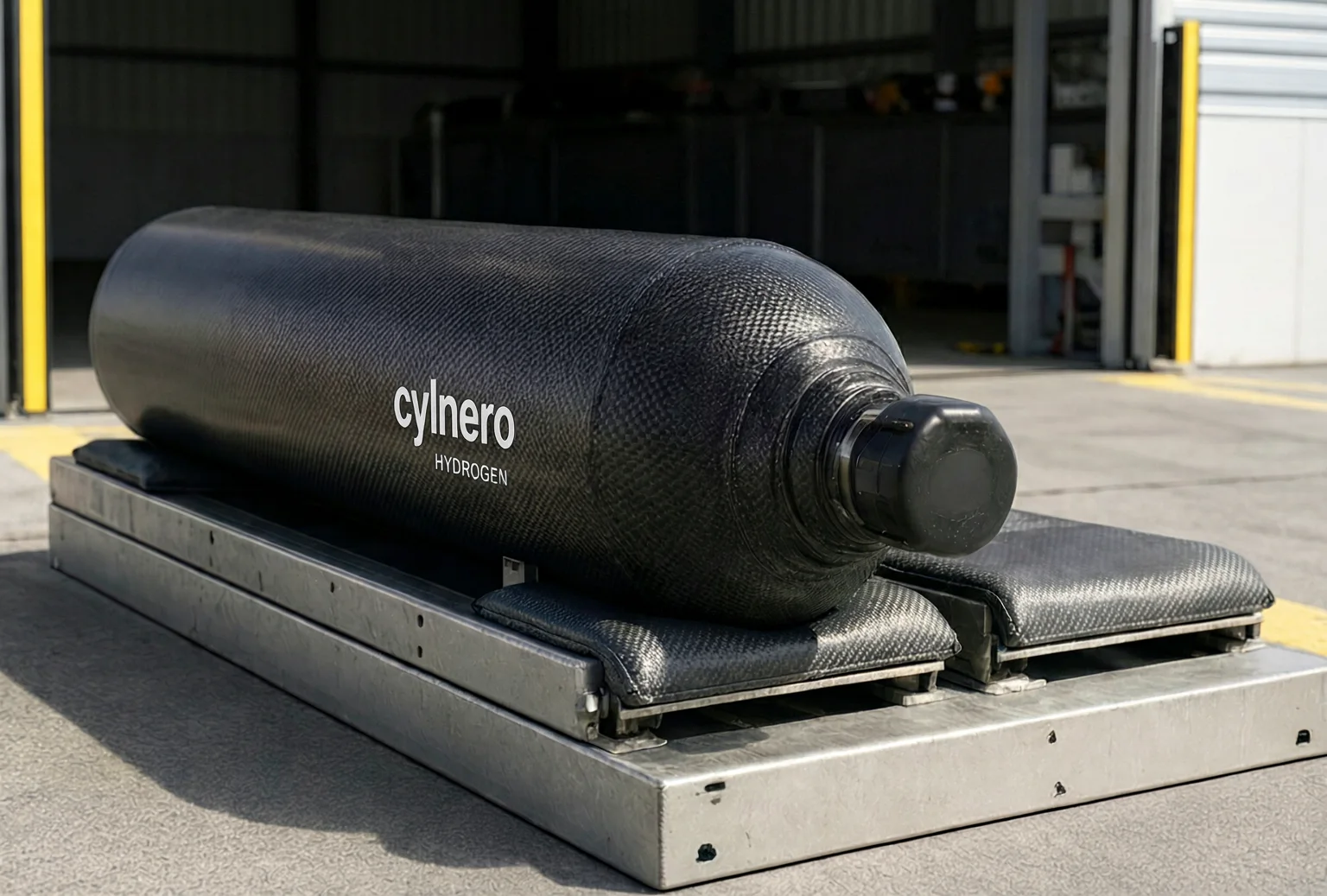
Hydrogen equipment OEM purchasing teams can use this page to organize configurable cylinder-series enquiries and repeat-order discussions.
Explore purchasing needs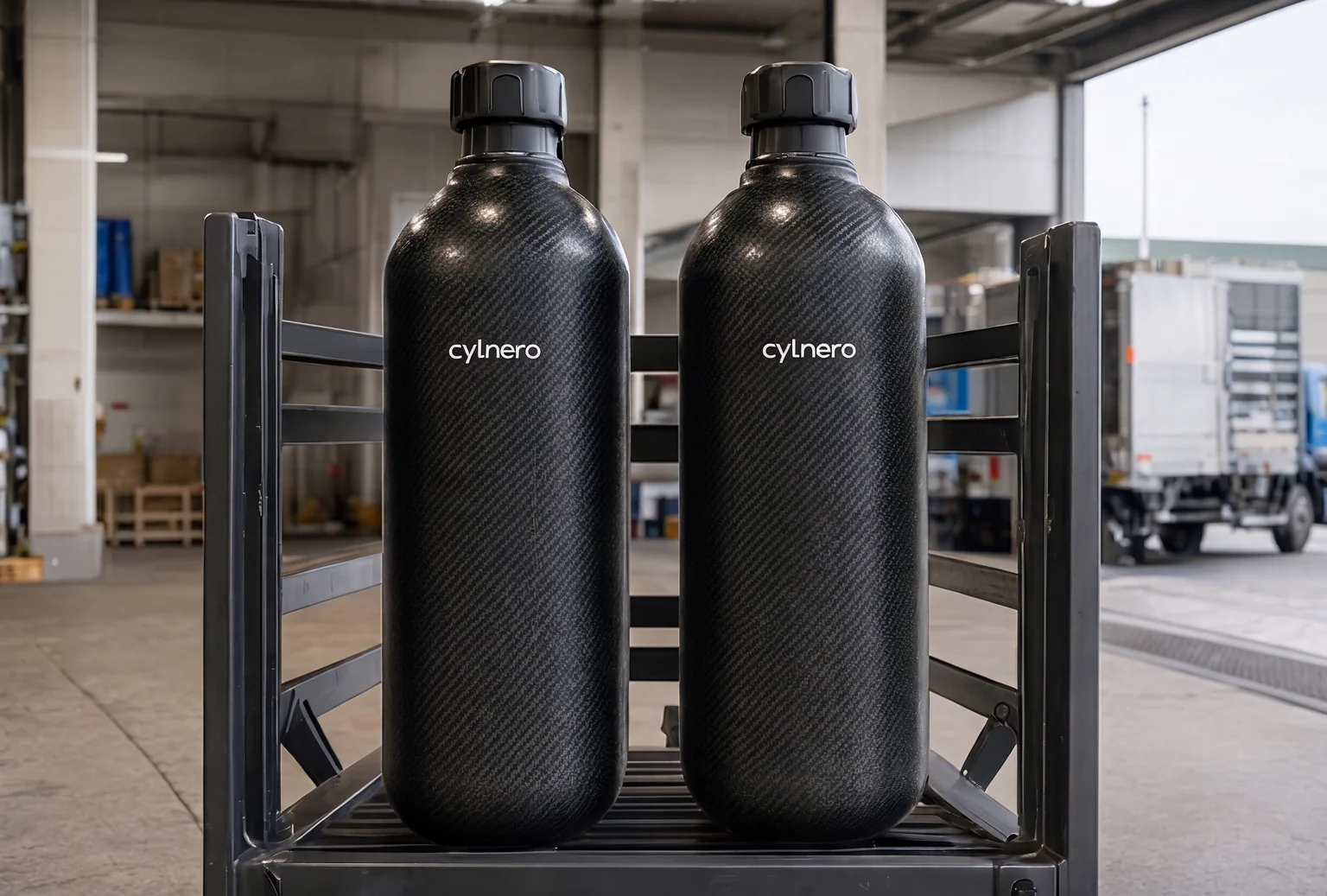
COPV integration purchasers can start with the intended medium, equipment context and component boundary.
Explore purchasing needs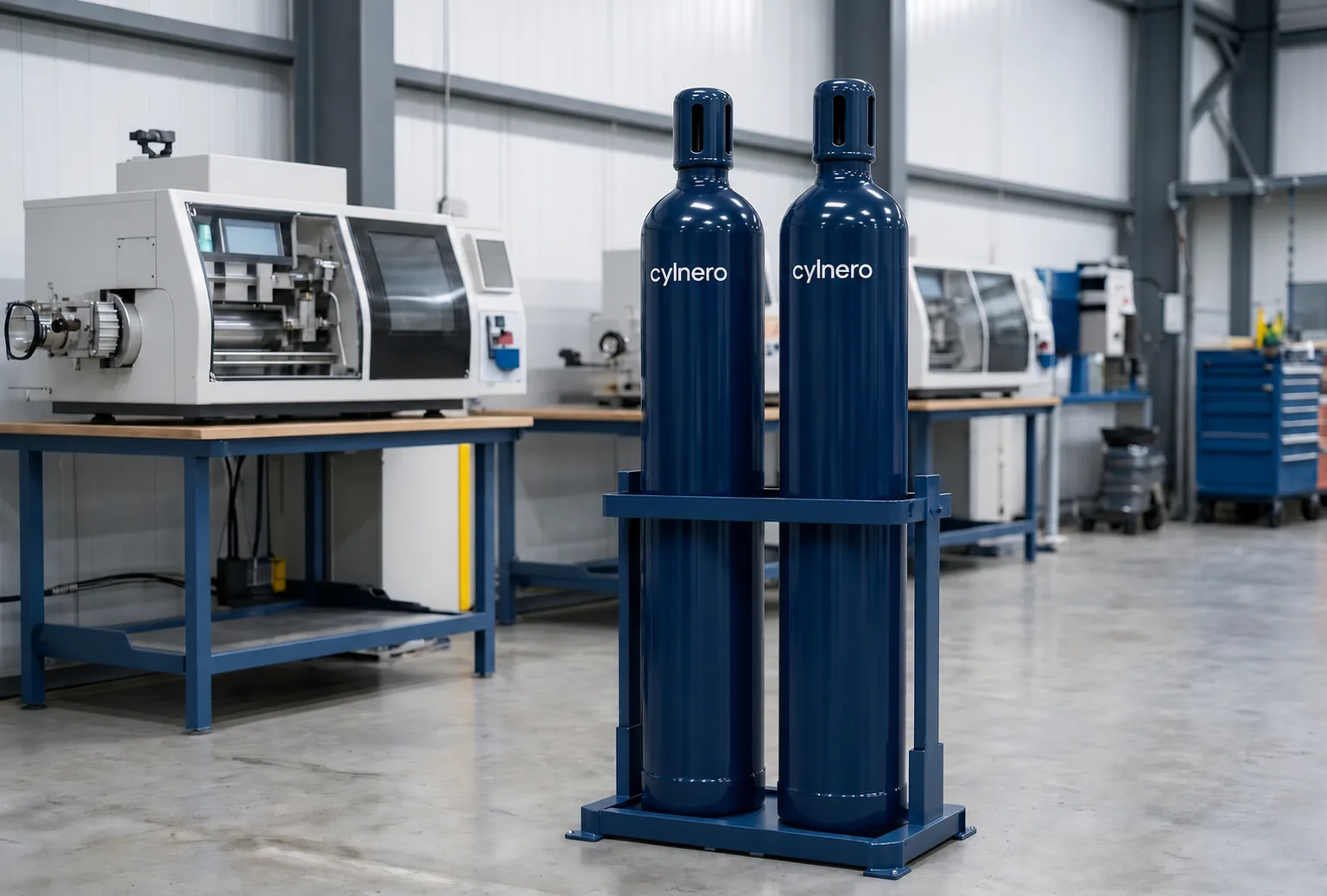
Industrial equipment OEMs can prepare cylinder or vessel enquiries around their equipment requirements, purchasing schedule and available interface information.
Explore purchasing needs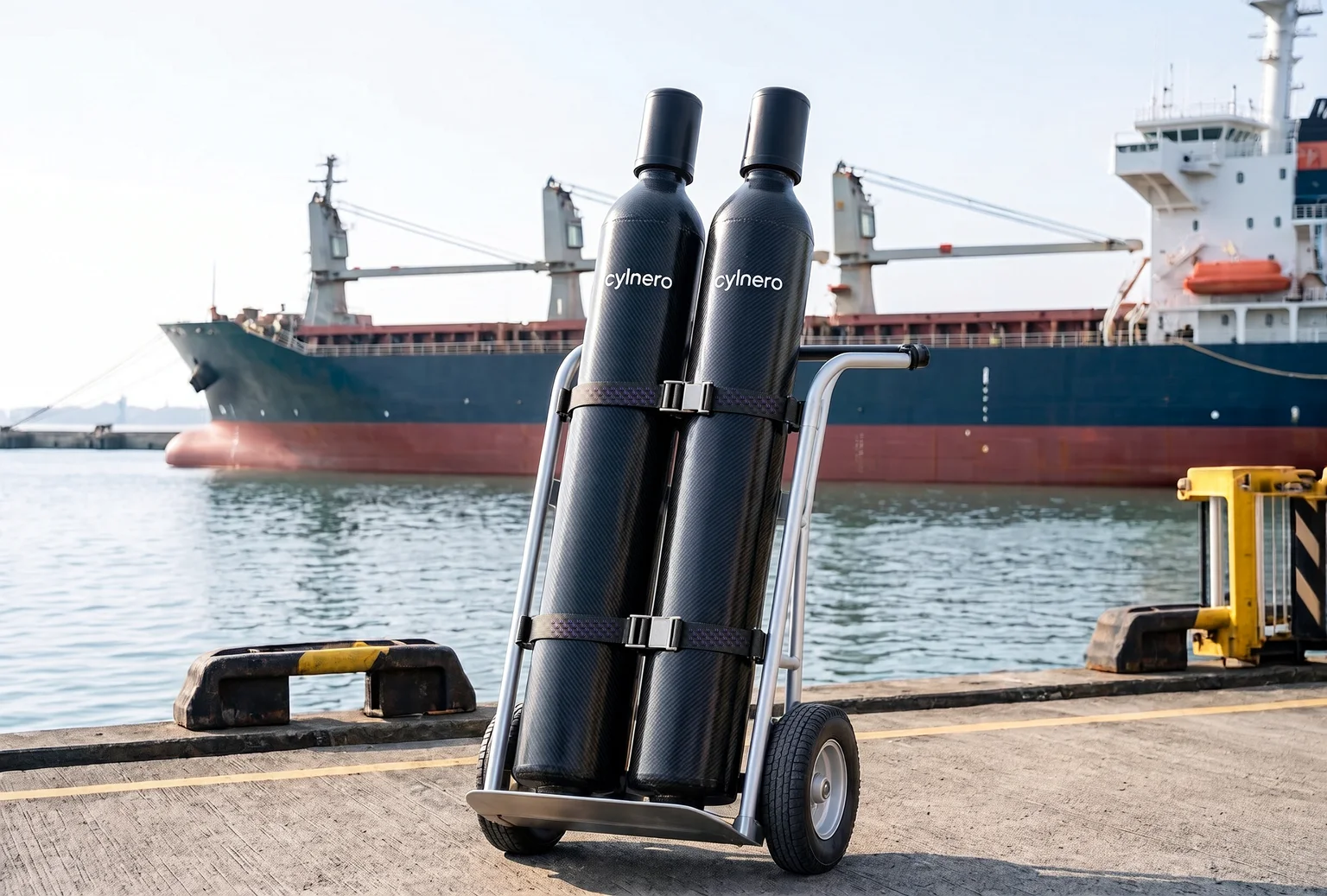
Marine hydrogen project purchasers can use this page to define a cylinder-related enquiry within a wider vessel or equipment project.
Explore purchasing needsGas cylinder importers can organize mixed product-family enquiries, destination requests and purchasing quantities before selecting detailed manufacturer configurations.
Explore purchasing needs