Wholesale sourcing
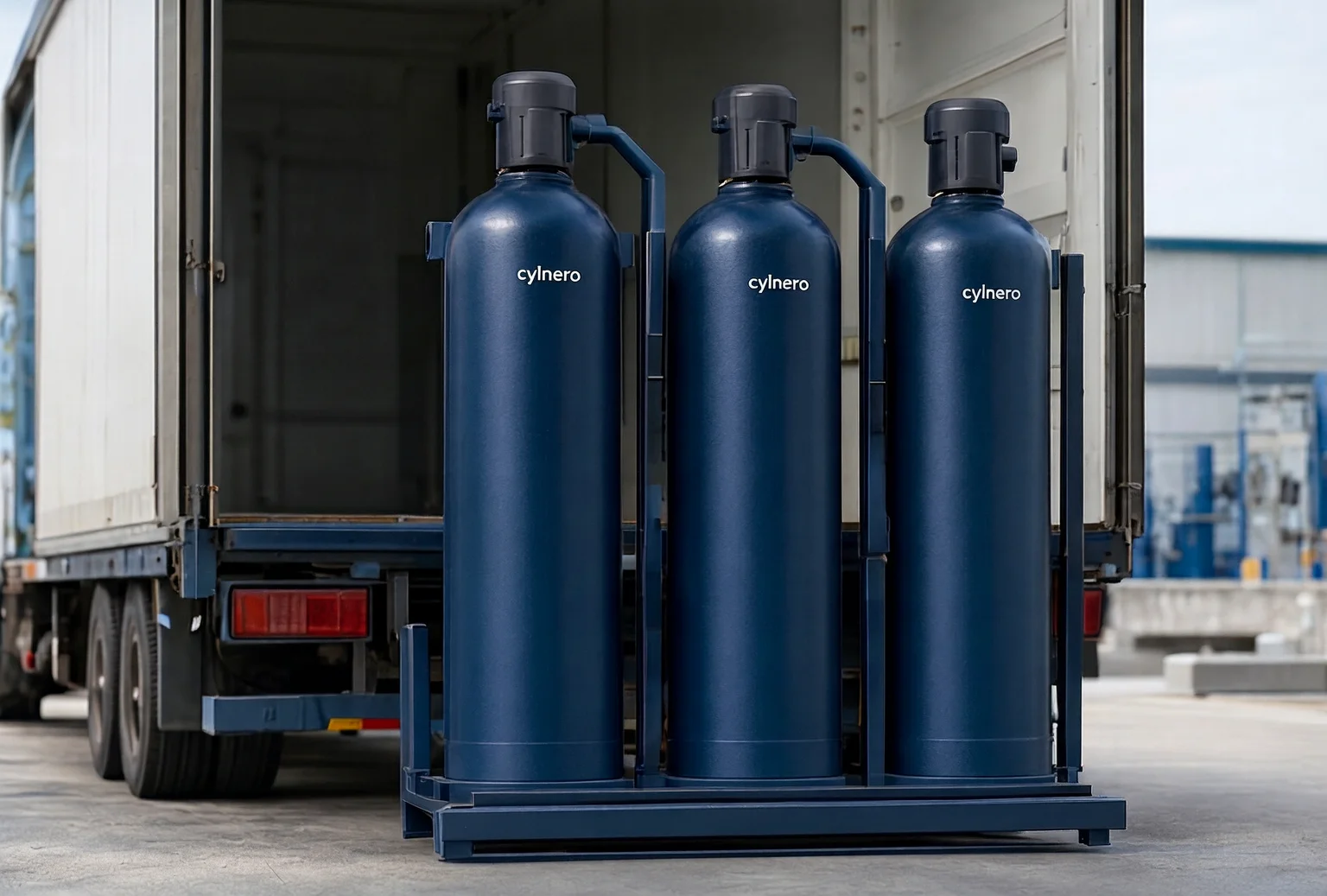
Wholesale procurement guide. Exact product specifications and destination requirements are confirmed during enquiry.
Distinguish pressure references in briefs
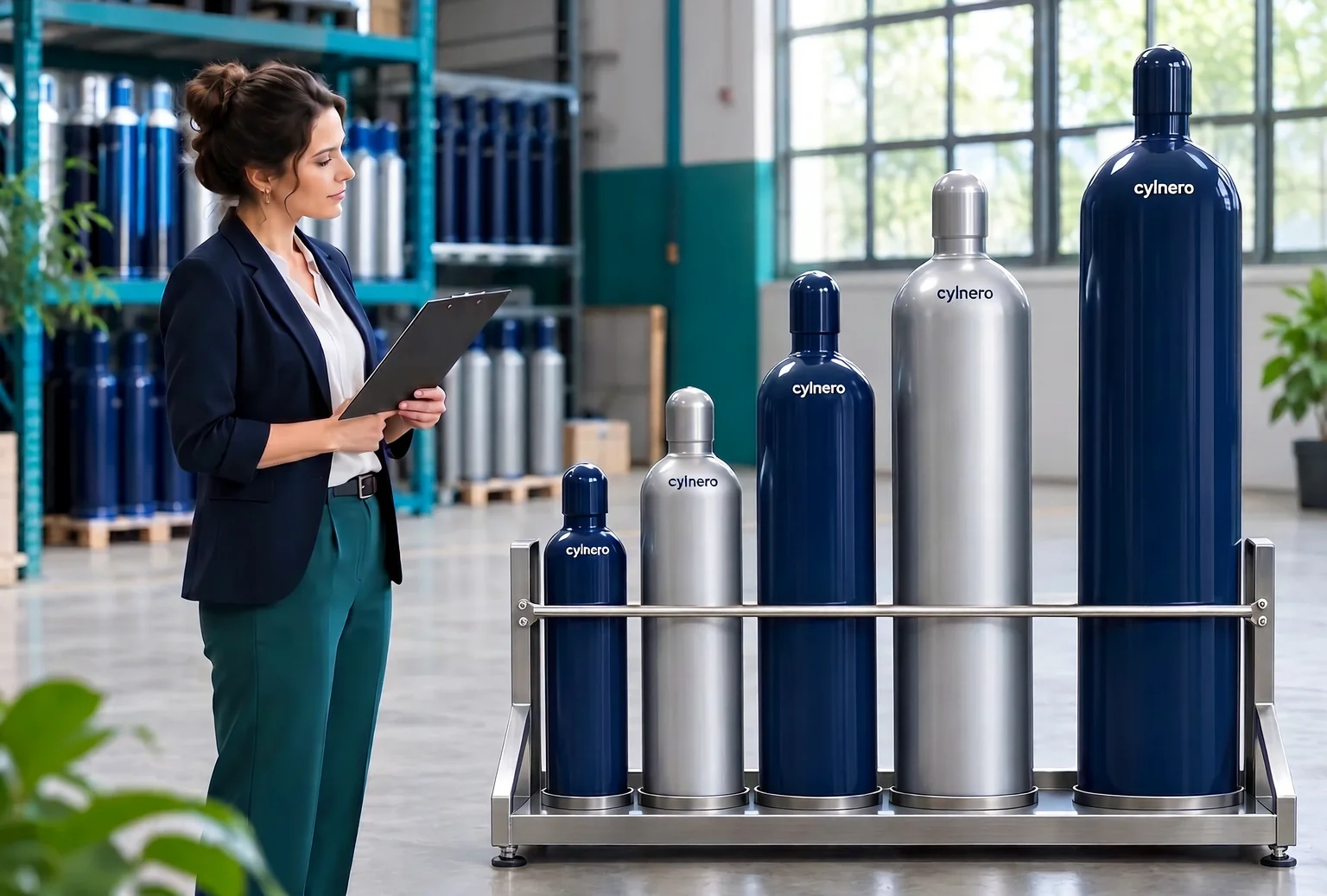
State the intended gas, application and destination. Share the required working pressure and unit if known; otherwise leave it open. Keep working and test pressure separate when reviewing the manufacturer’s proposal.
A high-pressure cylinder enquiry should distinguish the pressure requirement supplied by the buyer from the ratings proposed by the manufacturer. State the intended application, destination and any known equipment constraints, then ask the manufacturer to identify the working-pressure reference and its stated conditions for the offered configuration. If the required value is not yet known, leave it open for discussion instead of selecting a catalogue number simply to complete the enquiry. Keep the proposed drawing, model reference and pressure terminology together so that the purchasing team can review one consistent configuration.
Read the full guidance
Keep pressure references distinct in the purchasing brief
Test documentation answers a different procurement question from the pressure requirement for the intended application. Ask the manufacturer which inspection or test records accompany the proposed supply, what standard and edition they reference, and how the records relate to the offered model or delivery lot. Identify whether a document covers a design, a sample, a batch or an individual cylinder, as applicable to that proposal. The appointed technical reviewer should assess the relevance of those records. Do not turn a test-report figure into an operating instruction or a substitute for the manufacturer's stated service conditions.
Use clear pressure units
Record working pressure and test pressure separately, keeping the original unit and source for each value. Compare like pressure types when reviewing proposals, and ask the manufacturer to clarify any unit conversion or conditions attached to the stated pressure.
Record each pressure entry with its original label, unit and source reference. If a project specification uses one unit and a manufacturer drawing uses another, retain both source entries and flag the difference for review. Working-pressure, test-pressure and other fields belong on separate lines. A higher number in a different field is not a like-for-like comparison. Ask the manufacturer to explain the terminology used in its proposal and identify any conditions attached to the stated value. Missing information can remain an enquiry question.
Read the full guidance
Keep original pressure units and source references
A comparison table can separate the buyer's requested value from the manufacturer's offered value, with a column for the relevant drawing or document revision. If a pressure reference is unclear, ask the supplier to clarify its basis rather than assuming it matches a familiar catalogue convention. Share the original requirement with the appointed equipment reviewer. The purchasing task is to keep the references understandable and associated with the same proposed configuration; the reviewer assesses the technical meaning and any difference between the request and offer.
Keep any converted value identifiable as a conversion, with its source retained for the responsible reviewer. Avoid silently replacing a manufacturer's drawing entry with a rounded comparison figure. Where an offer changes after clarification, ask for the revised document reference as well as the revised number. For example, a corrected unit label and a change to the proposed cylinder are different kinds of revision. Record which change the manufacturer is making. This guide does not calculate pressure conversions or select an operating or test value.
Compare material and service scope
Compare steel and aluminum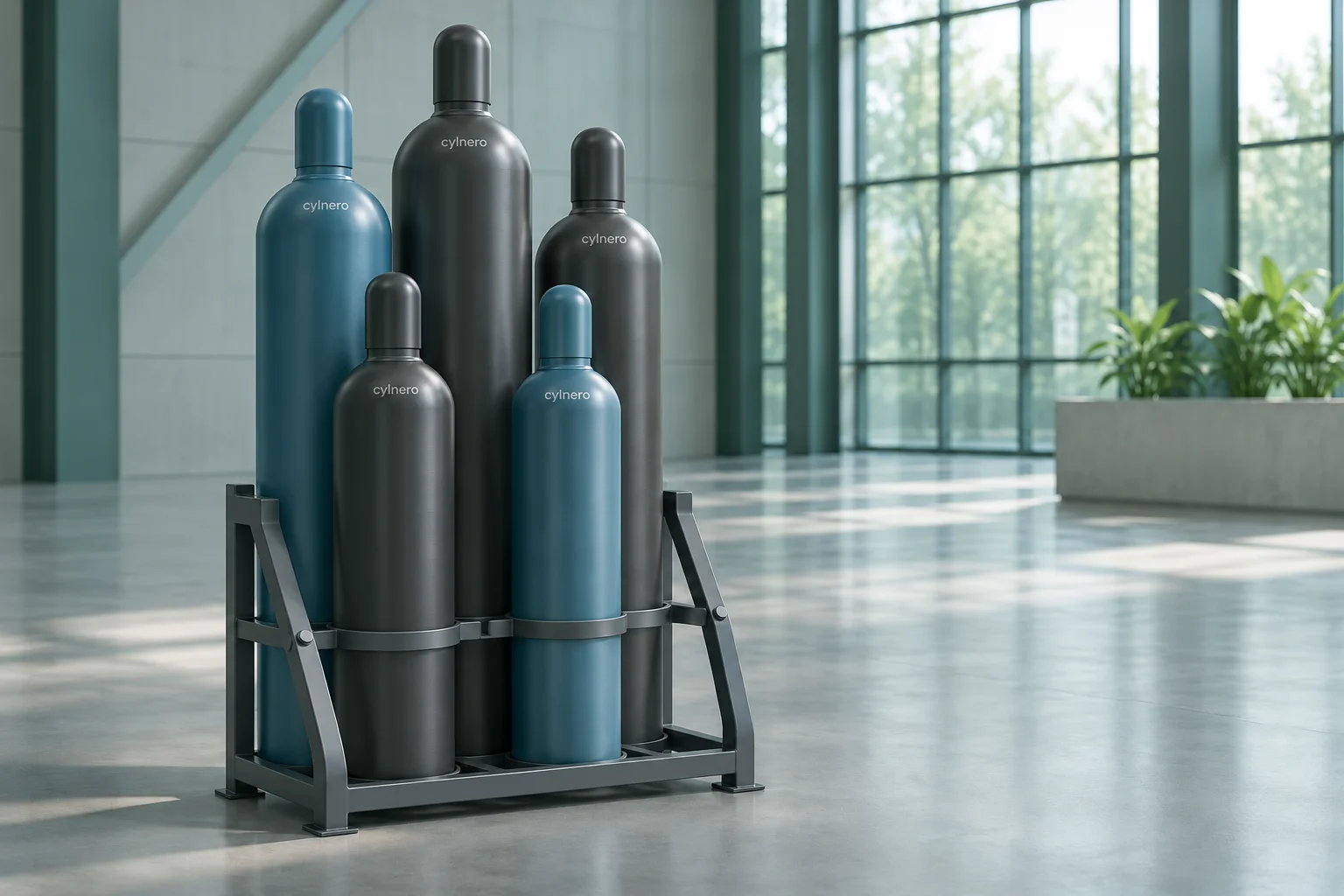
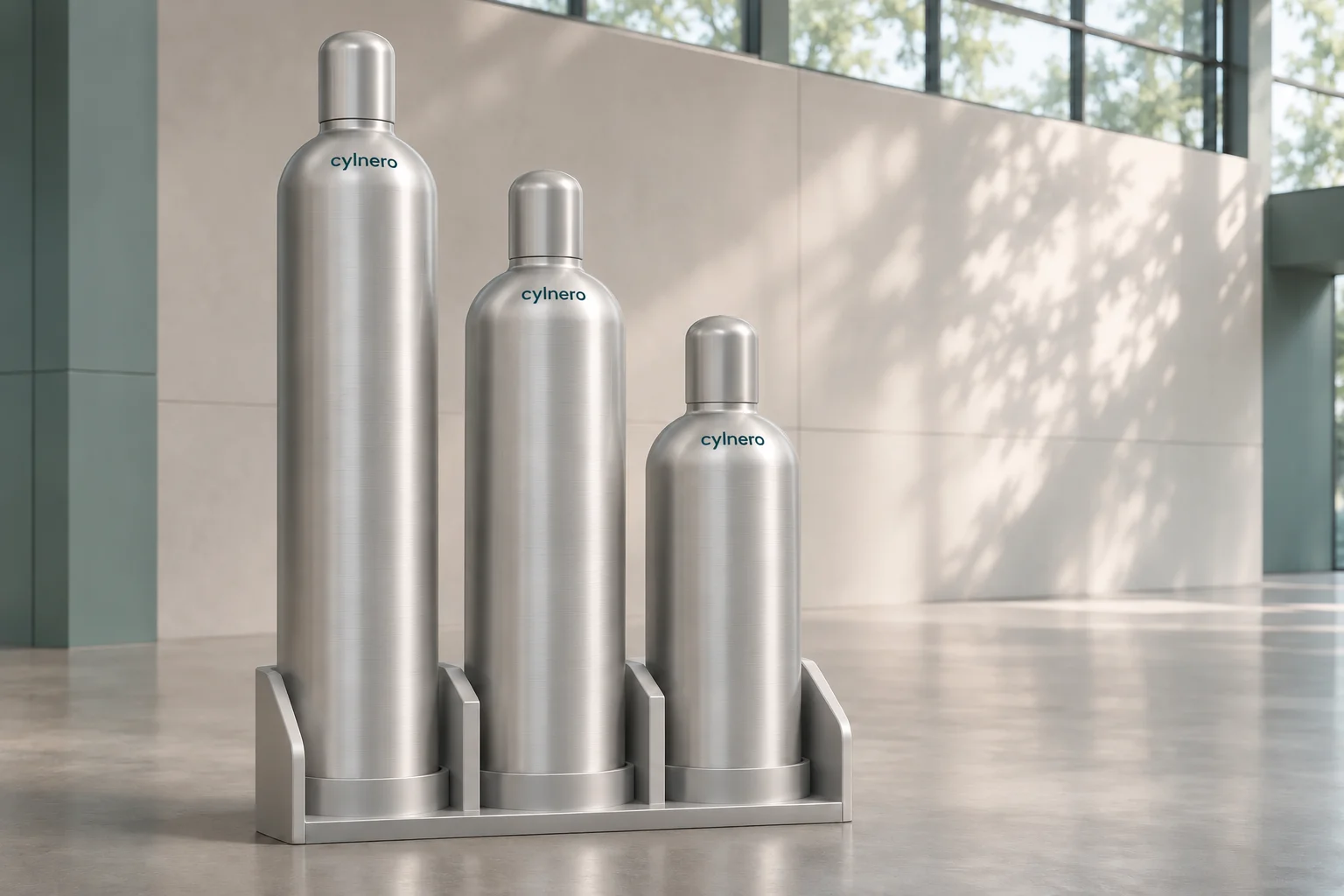
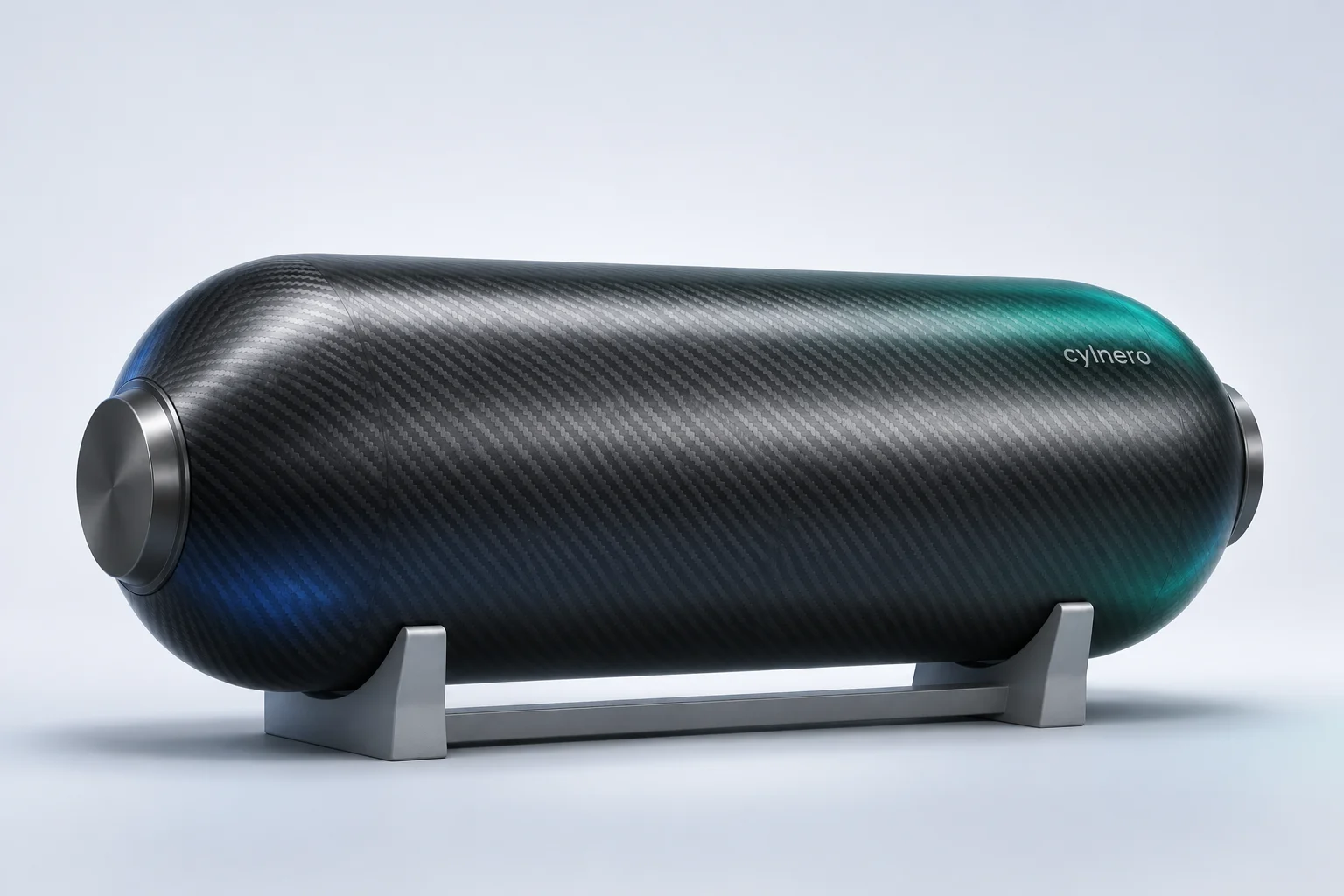
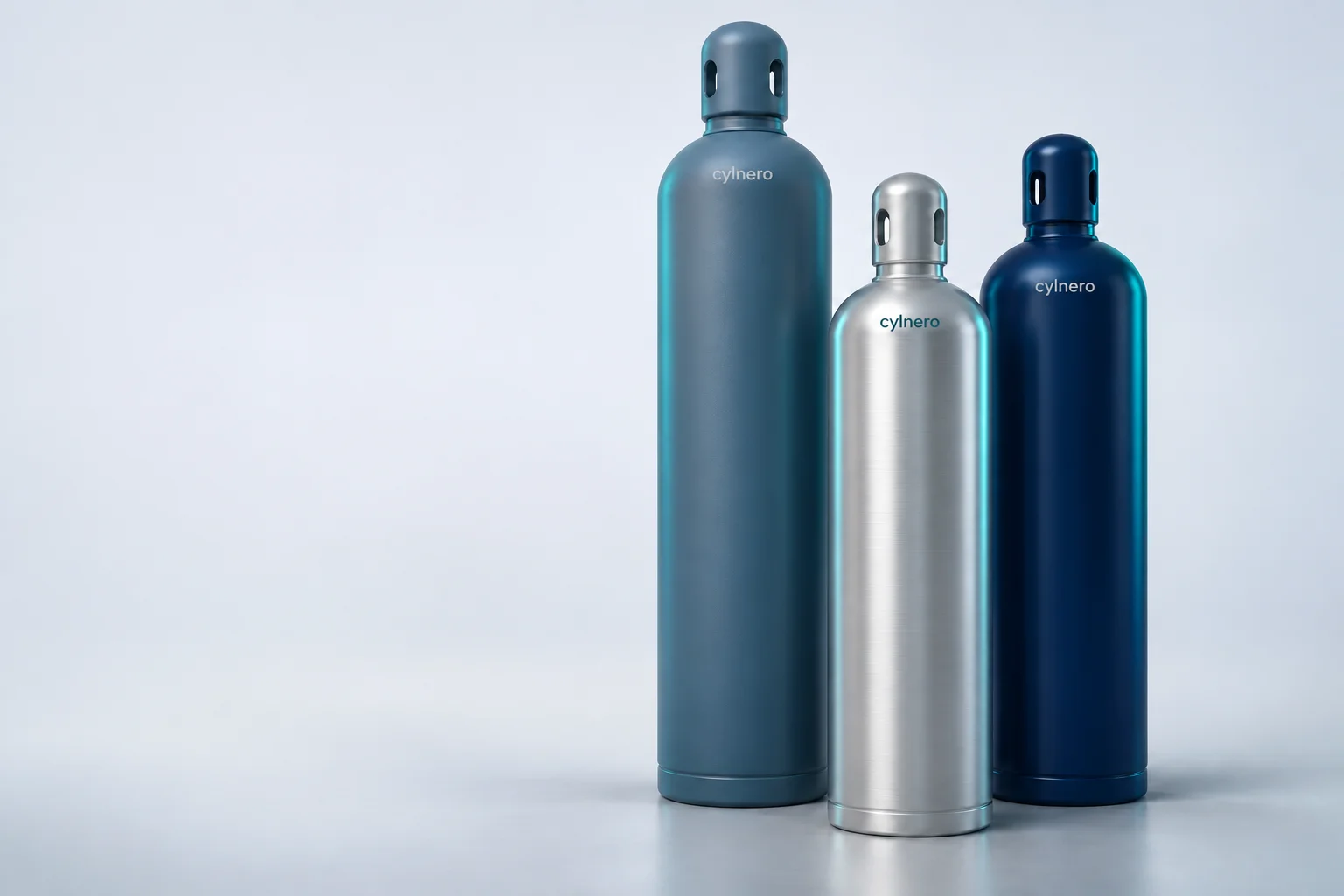
Compare steel, aluminum and composite proposals against the intended gas and application. Ask each manufacturer to identify the material specification, service scope, preparation and included components for the offered configuration.
View 40 L steel cylinder weight example Compare published 50 L cylinder dimensionsCompare material and construction choices through the manufacturer's actual proposal, rather than assuming that a broad steel, aluminum or composite label establishes suitability. Describe the intended gas or process context and any known destination or equipment constraints. Ask for the material specification and the stated service scope of the offered model. Existing information can be supplied as a starting reference; missing details can be clarified during the enquiry. Before accepting a quotation, identify who reviews the relationship between the proposed material, application and supporting evidence, including any exceptions recorded by the manufacturer.
Read the full guidance
Compare the proposed material and service scope
For a demanding gas service or a cleanliness-sensitive purchasing programme, ask the manufacturer what preparation and documentation belong to its proposed supply. Do not prescribe a coating, surface treatment or cleaning process from this category page. If the offer mentions a particular preparation, request its scope and the documents used to identify the delivered condition. Separate cylinder hardware, valve supply and any work assigned to another organization. This makes it possible to compare quotations without treating a generic treatment name or an unverified certificate label as proof that every requested service has been covered.
Where environmental or integration constraints matter, share the conditions already defined by the project team and ask the manufacturer to identify the offered configuration's stated limits. Record the source of those limits and the person responsible for reviewing them. If different construction families are proposed, compare their documented scope, interfaces, installation envelope and commercial exclusions rather than inventing a universal ranking for weight, temperature performance or cost. Keep any missing evidence visible in the quotation comparison. A family-level description is a way to organize questions, not a replacement for model-specific documentation.
Define interface and valve boundaries
Provide any known neck thread and valve outlet requirements or an existing equipment drawing. Ask whether the quoted assembly includes a valve, cap and other accessories, and confirm the interfaces before ordering.
Share available equipment or connection references to explain the requested interface. Identify the cylinder neck connection, valve outlet and accessories separately when known, and ask the manufacturer which items are included in its offer. Request the drawing or interface reference for the proposed configuration and identify who will review it against the equipment requirement. If the existing connection is uncertain, keep it as an open question rather than guessing a standard or thread. A catalogue label alone does not confirm compatibility.
Read the full guidance
Agree the interface review and valve supply boundary
Compare the cylinder and valve as a proposed configuration, not as independently interchangeable catalogue items. Ask the manufacturer to identify the included valve reference, stated gas-service scope and relevant documentation. The equipment reviewer can then assess the proposal against the intended application and existing interfaces. Keep sealing, material and operating-condition questions with that review instead of treating them as universal choices in a purchasing guide. If a valve is supplied by the buyer or another organization, specify who confirms the complete interface and how any unresolved information affects the quotation scope.
Make the commercial boundary explicit for valves, protective components and any requested accessories. Ask which items are included, which remain optional and which require a separate manufacturer decision. If the project has maintenance or replacement expectations, describe those expectations and request the appropriate support information for the offered configuration. Do not assume that an accessory or protective device can be added independently or that a broad valve description authorizes replacement work. Record the review owner, document revision and excluded work so that price comparisons reflect the same purchasing scope.
Review stated environmental conditions
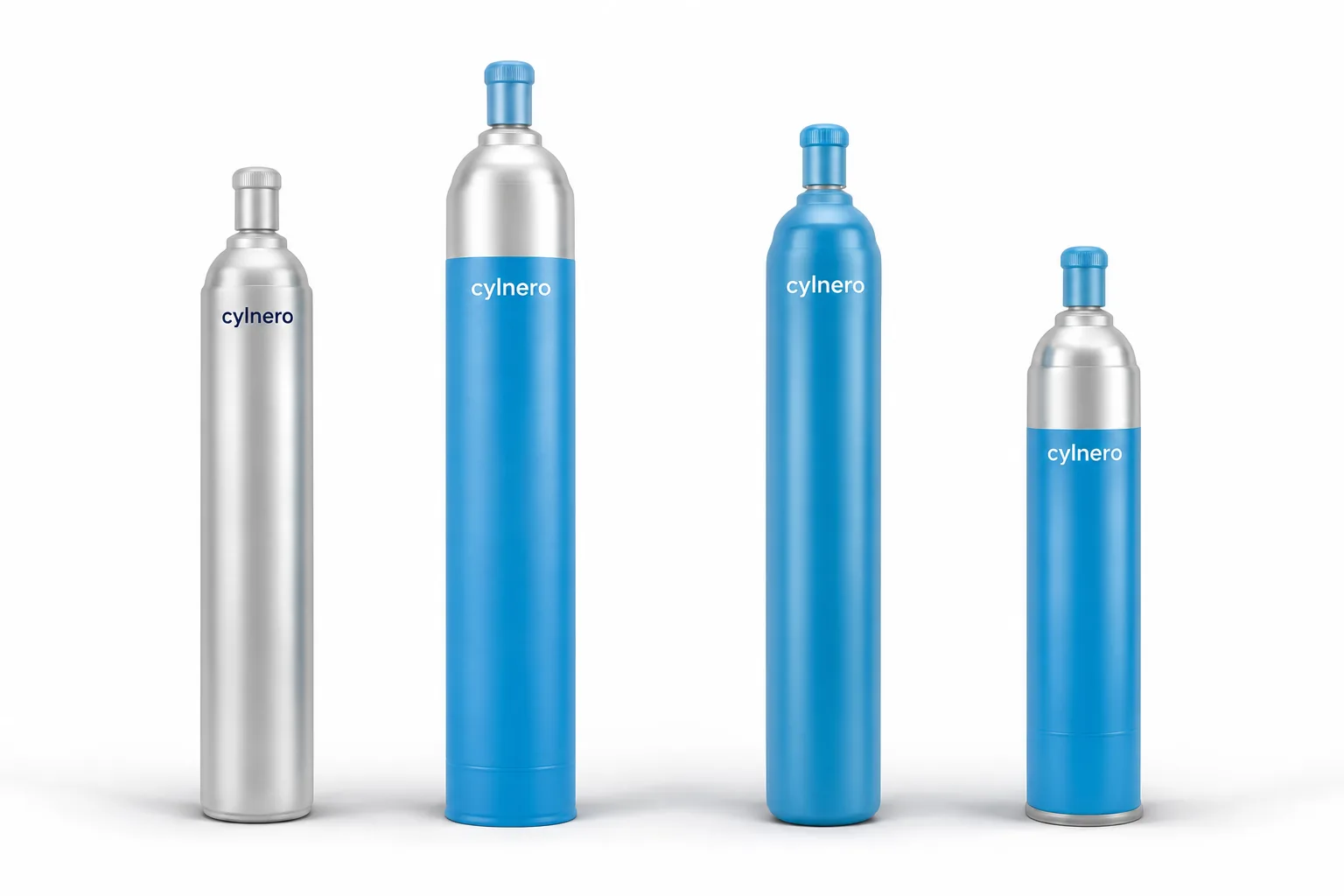
Describe where the cylinders will be used or stored, including any temperature limits and exposure relevant to the project. Ask the supplier to confirm the conditions for the proposed cylinder and valve assembly.
Share environmental requirements already defined by the project team, together with their source and any relevant equipment reference. Ask the manufacturer which stated conditions apply to the configuration in its offer and where those conditions are documented. Keep requested conditions separate from the manufacturer's response. If the project has not yet defined them, identify the question for the appointed reviewer. A general description such as outdoor or industrial does not specify the full environment.
Read the full guidance
Review stated conditions against the project brief
If a proposal includes a qualification about environment or application, retain that qualification beside the quoted configuration. Ask whether it applies to the complete assembly or only to an identified component. When different manufacturers describe conditions differently, request clarification against the same project brief rather than creating a common limit from unrelated examples. Keep the evidence reference and open questions available to the equipment reviewer. This page does not derive a pressure rating from temperature, recommend a derating method or establish performance through a material label.
Request destination-specific documentation

Identify destination and scope early. Ask manufacturers to state applicable requirements for their proposal. Compare document issuers, references, and scopes against the specific configuration. Distinguish company certificates from model-specific records. Record missing items and review responsibilities before accepting the final supply proposal.
Read the full guidance
Request destination-specific documentation without assuming approval
Identify the destination and intended purchasing scope early in the enquiry, then ask the manufacturer to state which requirements it considers applicable to its proposal. A cylinder, a fixed installation and a complete system may involve different review boundaries; listing several familiar standards is not a way to establish approval for all of them. If your organization already has a specification, include its reference and any document requests. Otherwise request a documented proposal for the offered model and have the appointed destination reviewer assess the applicable scope before a purchasing commitment.
For each document offered, compare its issuer, reference, stated scope and relationship to the proposed configuration. Ask how the drawing revision, manufacturer identity and delivery records will be linked. A general company certificate, an example report and a model-specific document answer different questions and should not be treated as interchangeable evidence. Record any missing item, the party expected to resolve it and the effect on the quotation. This is a procurement review process, not a claim that collecting a checklist of documents establishes continuing legal or technical compliance.
Link documents to the supply
Request a document schedule distinguishing enquiry records from delivery lot records. Record titles, references, and issuers. Clarify how model and unit identifiers connect cylinders to proposed records. Label sample records as examples. Retain reviewer requirements for identification levels, so reviewers can assess the record against the proposed supply.
Read the full guidance
Compare document scope and identification
Share the document requirements already identified for the destination and application, then ask the supplier what it proposes for the offered cylinder configuration. List each record by title, reference, issuer and stated scope where available. Distinguish general company information from a model drawing or a record associated with a particular delivery. Ask which documents are available during the enquiry and which would be provided later, so the responsible reviewers know what remains outstanding.
Tell the supplier the document language and format your team can review. Label sample records as examples and ask when configuration- or order-specific information would be available. Keep the original documents alongside any working translation or summary, and request clarification if references, dates or component descriptions differ. Ask how the proposed model, unit or lot identifiers relate to the records. If the quantity or configuration changes, check whether the proposed document list and identifiers also need to be updated.
Clarify manufacturer evidence and reviews
Provide the purchasing brief and request technical support details. Distinguish manufacturer statements from third-party documents. Propose scopes for samples or inspections, keeping them distinct from production configurations. For bulk orders, state approximate quantities and schedules, separating initial indications from firm order commitments and production slot confirmations.
Read the full guidance
Clarify manufacturer evidence and review points
Give a prospective manufacturer the actual purchasing brief and any existing supplier-review requirements. Ask who would manufacture the offered configuration, which documents support the proposal and who will answer technical questions. Distinguish the manufacturer's own statements from documents issued by another organization. If references or audit information are requested, record what is available and what remains unavailable. CYLNERO coordinates the enquiry; a sourcing introduction does not certify the manufacturer's quality system or confirm that a general company document covers the particular cylinders being offered.
If the project requests a sample, additional inspection or a document review, ask the manufacturer to propose the scope and commercial terms. Identify what would be supplied, who arranges the work and which records would result. Keep a sample proposal distinct from an accepted production configuration. The appointed reviewers decide what assessment is needed; this guide does not direct a buyer to conduct a pressure test. Ask how comments or an unresolved result would be addressed before moving to the next agreed purchasing stage.
For a bulk order or repeat programme, state the approximate quantity and requested schedule, identifying estimates as estimates. Ask the manufacturer what it proposes for the actual configuration and which assumptions affect its response. Separate an initial indication from an order commitment. If a different quantity, component or delivery sequence is suggested, list the change for review with the revised offer. A statement about general capacity does not confirm a production slot, stock position or delivery date for this particular order.
About this category guide
Start a high-pressure cylinder enquiry with the application, destination and approximate quantity. Include any pressure requirements already specified for the project, keeping working pressure, test pressure and other labelled values separate with their units and source references. If a value is unknown, leave it open for clarification rather than deriving it from another figure. CYLNERO coordinates questions about the manufacturer's proposed cylinder configuration, interfaces, included components and available documentation. Compare each response against the same purchasing brief and record unresolved points beside the offer. A catalogue description or pressure designation alone does not establish suitability for an installation. The appointed project reviewers assess the actual configuration and supporting evidence before a purchasing decision.
Compare packing and delivery proposals
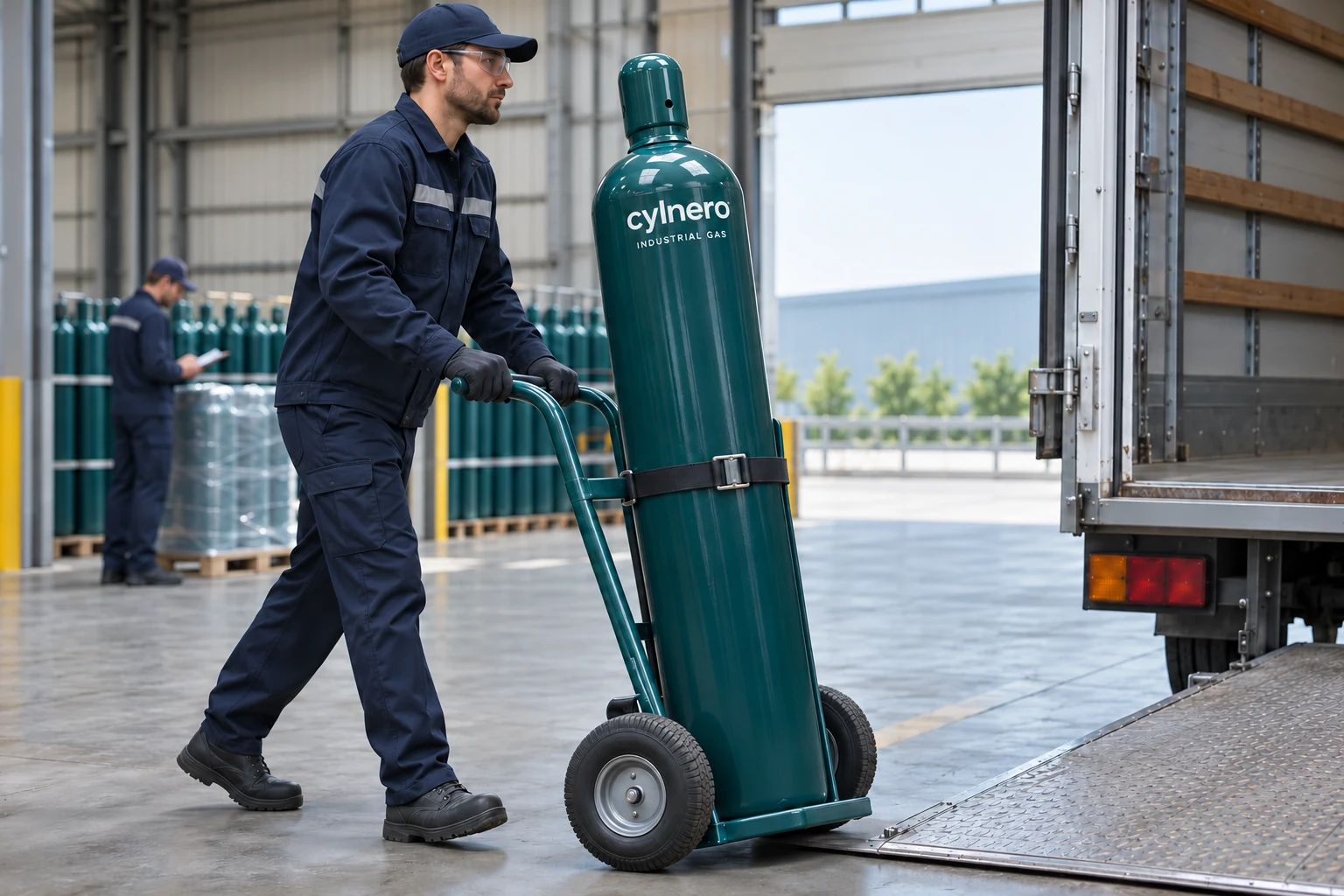
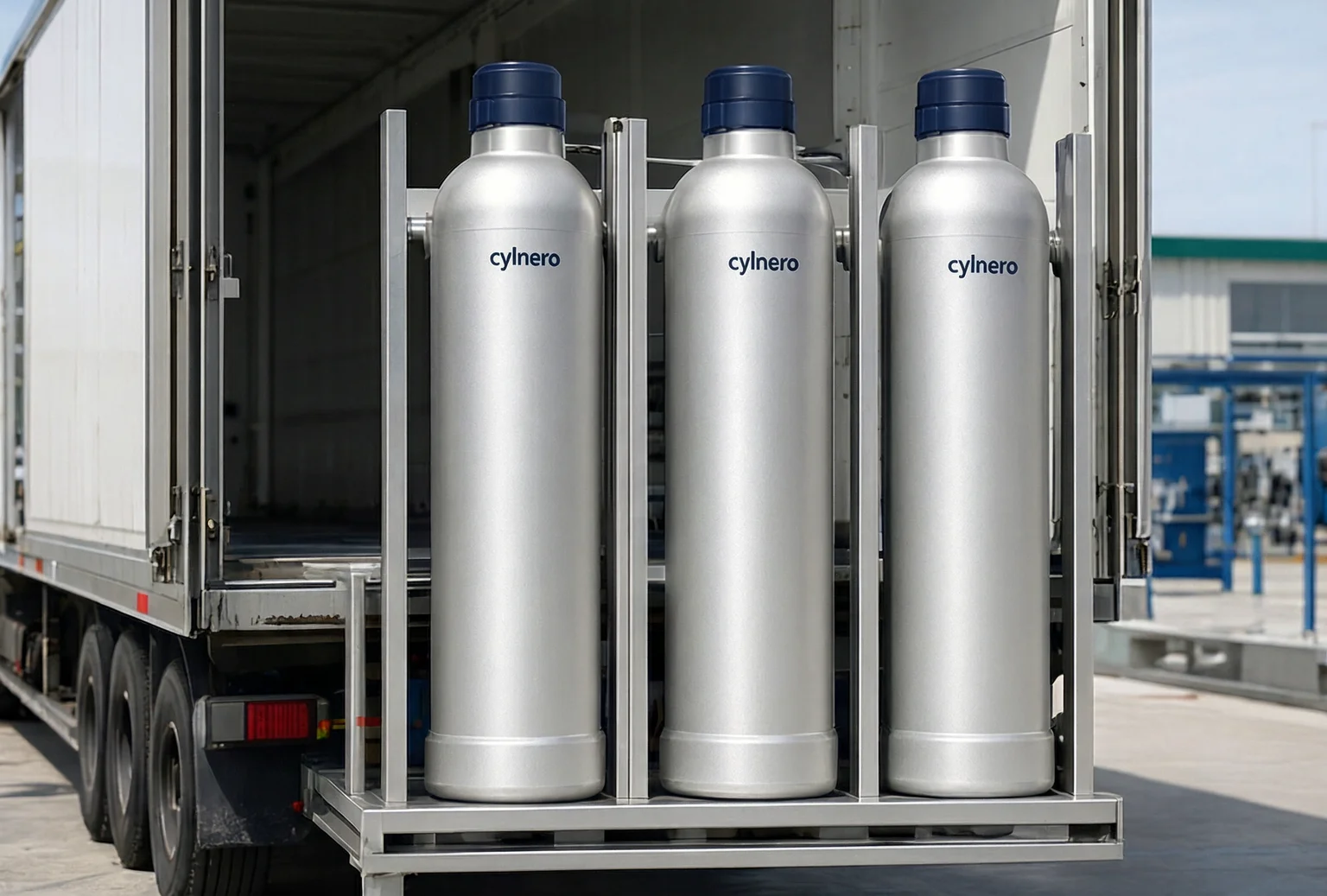
Request packing arrangements for the specific configuration and quantity. Share receiving constraints and compare package contents, dimensions, and protective items. Record dispatch scope and named destinations. Distinguish sample packing lists from delivery lot records. Identify who arranges external tasks and when package estimates will be confirmed.
Ask for the packing arrangement proposed for the actual configuration and quantity. Share known receiving constraints and ask which package information the manufacturer can supply. Compare the stated package contents, available dimensions, included protective items and separately priced work. Identify preliminary figures as preliminary. The relevant logistics and receiving reviewers assess the proposed packing and shipment classification for the order.
Read the full guidance
Compare packing and delivery proposals
Record the proposed dispatch and delivery scope alongside the quotation, including the named destination and any stated exclusions. Ask which party proposes to arrange each external task and what information remains outstanding. Keep a requested date distinct from the manufacturer's response. If route or receiving details change, ask whether the offer needs updating. A supplier's description of previous shipments is different from a proposal for this order. Retain the actual response for the commercial and logistics reviewers rather than assuming permission, clearance or arrival condition.
Compare commercial scope and costs

Compare quotation totals against the same scope before comparing unit prices. Separate cylinder bodies, included valves and accessories, proposed documentation, packing and delivery charges where those items are stated. Identify estimates and exclusions rather than treating a blank field as an included service. Record currency, quotation validity and proposed payment terms in the supplier's wording. If the buyer requests different terms, keep that request separate from the manufacturer's response. The commercial reviewers can then assess an actual offer without relying on an assumed all-inclusive price.
Read the full guidance
Compare commercial scope and cost assumptions
If the project has a system-level energy or thermal requirement, keep its reference with the purchasing brief and identify who will assess it. A cylinder category, material name or pressure label does not establish energy consumption, heat transfer or a saving for the complete system. Ask the manufacturer what information it can provide for the actual offered configuration and which questions fall outside its supply. Compare the quoted hardware, supporting evidence and excluded work alongside any separately defined system requirement. Keep assumptions about maintenance, replacement and project costs visible in the commercial comparison instead of treating a general product description as a measured performance result.
Track open questions and changes
List unresolved dependencies, assigning contacts for each question. Compare manufacturer substitutes or revised schedules against original requests. Retain supplier correspondence and proposal revisions. Identify documentation providers and assessment parties. Record communication arrangements for post-order changes, treating backup sources as separate proposals requiring independent review.
List unresolved purchasing dependencies before accepting an offer: configuration questions, requested documents, component inclusions and proposed delivery tasks. Give each question a contact and an identifiable response. If the manufacturer suggests a substitute or a revised schedule, compare that proposal against the original request and send the differences to the relevant reviewers. A changed component can require more than a price update. Keep its supporting references with the revised quotation. This purchasing process does not select protective devices or prescribe changes to the surrounding system.
Read the full guidance
Track open questions and proposed changes
Keep a record of supplier correspondence, proposal revisions and unresolved responsibilities so the purchasing team can trace what was requested and offered. Before accepting a supply proposal, identify which organization provides the product documentation and which appointed parties assess questions about the intended application. If the project brief includes an emergency-planning or training requirement, refer that requirement to the responsible organization and ask what documentation the proposed supply includes. Do not infer a response procedure, training programme or equipment change from this catalogue page. Retain the actual document references and open questions beside the offer; the buying guide does not authorize cylinder operation or prescribe a response to a leak or failure.
Identify repeat order requirements
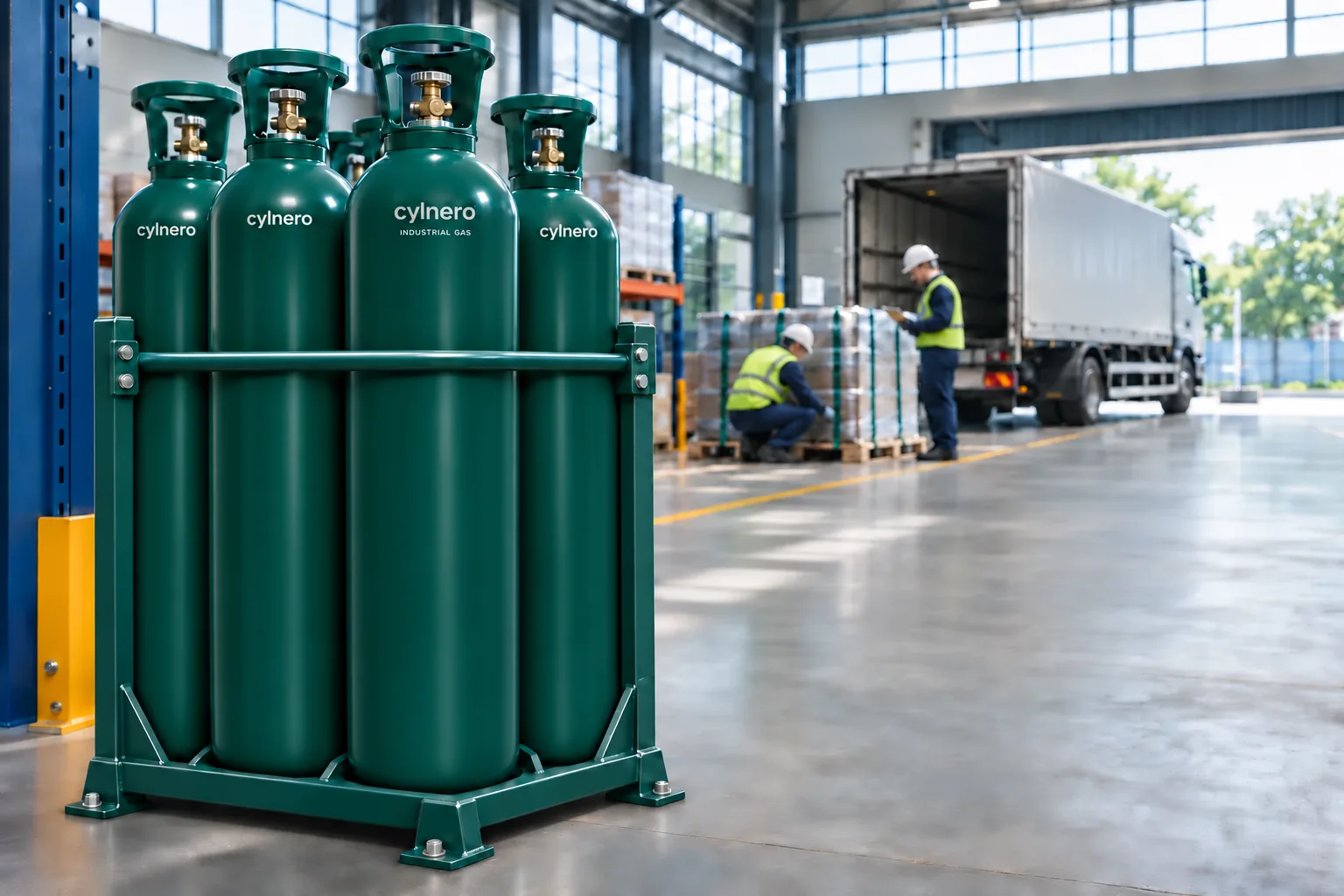
Retain configuration and drawing references for repeat programmes. Confirm whether later orders use existing proposals or require fresh confirmation. Request specific scopes for new materials or features. Separate buyer future requirements from manufacturer proposals, recording exclusions and review questions for evolving data or equipment interface needs.
For a repeat purchasing programme, retain the configuration and drawing references from the current enquiry. Ask whether a later order would use the same proposal or need a fresh confirmation. If a manufacturer presents a new material, component or feature, request its specific scope and supporting references before comparing it with the existing offer. General innovation language is different from an included item. Keep the buyer's future requirements separate from capabilities the manufacturer has actually proposed, with any exclusions and additional review questions recorded.
Read the full guidance
Identify repeat-order and future requirements
For a repeat enquiry, identify which parts of the previous purchasing scope you want to retain and which have changed. The cylinder reference might remain the starting point while the requested quantity, included valve, packing or destination differs. Ask the manufacturer to respond to those differences and identify the current quotation and configuration references. Keep an unchanged requirement distinguishable from one that has not yet been reconfirmed. The purchasing record can then show the subject of the new review without carrying every earlier assumption into the next request.
Related procurement pages
About this procurement guide
Use this guide to prepare your enquiry. Confirm the specifications and supporting documents for the proposed cylinder with the manufacturer.
For standards research, consult the ISO gas-cylinder standards catalogue. The catalogue includes published and withdrawn standards. Check the status, edition, scope and destination requirements with the manufacturer and your appointed technical reviewer. A standards reference does not establish that a listed series conforms to it.
For pressure-unit conversion, see the NIST conversion factors for pressure. One bar equals 100,000 pascals; one MPa equals 10 bar. A unit conversion does not establish the pressure rating or intended service of an offered cylinder.
Before placing an order, obtain the proposed model's drawings, configuration, applicable approvals and quotation from the manufacturer. CYLNERO coordinates sourcing; the manufacturer confirms and contracts the agreed supply.
Procurement questions
How should working and test pressure appear in an enquiry?
Keep working-pressure and test-pressure entries separate, with their units, source references and any stated conditions. Supply an existing requirement where available and ask the manufacturer to identify the fields in its proposal. The appointed reviewer assesses the actual values; do not derive an operating value or design margin from a test-report figure.
What if the manufacturer uses different pressure units?
One bar equals 0.1 MPa, so one MPa equals 10 bar. The conversion changes the unit only; it does not make working pressure and test pressure the same field. Retain the original value and unit with the proposed configuration, record any converted value separately, and check whether the pressure basis is gauge or absolute. Ask the manufacturer to clarify the basis and the meaning of each pressure entry before comparing offers.
Can I enquire without selecting a cylinder material?
Yes. Describe the intended application, approximate quantity and destination, with any known project constraints. Ask the manufacturer to propose a configuration and identify its material and supporting references. A broad steel, aluminum or composite description does not establish suitability; the actual offer and evidence need the relevant review.
What valve information should I share?
Provide an existing equipment, drawing or connection reference if available. Otherwise leave the interface as an enquiry question. Ask which valve and accessories are included in the manufacturer offer and who responds about the complete assembly. This page does not choose a thread, prescribe sealing methods or authorize installation.
Which documents should I request?
Share existing project document requirements and ask the manufacturer for the schedule proposed for the actual supply. Distinguish company, model and delivery records, with their references and stated scope. Keep documents received separate from those proposed later. The appointed reviewers determine which evidence is needed for the destination and application.
Can the first enquiry use approximate quantities?
Yes. State the approximate initial quantity and identify any later forecast separately. Add the intended application, destination and known requirements. Ask what the manufacturer proposes and which information it needs next. An initial quotation is a basis for clarification; it does not confirm stock, a production slot or a delivery commitment.
How do I compare high pressure gas cylinder sizes?
Compare the stated water capacity, outside diameter, overall height and weight basis for each proposed cylinder. Ask whether the height and weight include the valve, cap or other components. Record working pressure separately with its unit and stated conditions; capacity alone does not define the outside dimensions. Share any known space limit or equipment reference and leave unknown values open for the manufacturer’s response.