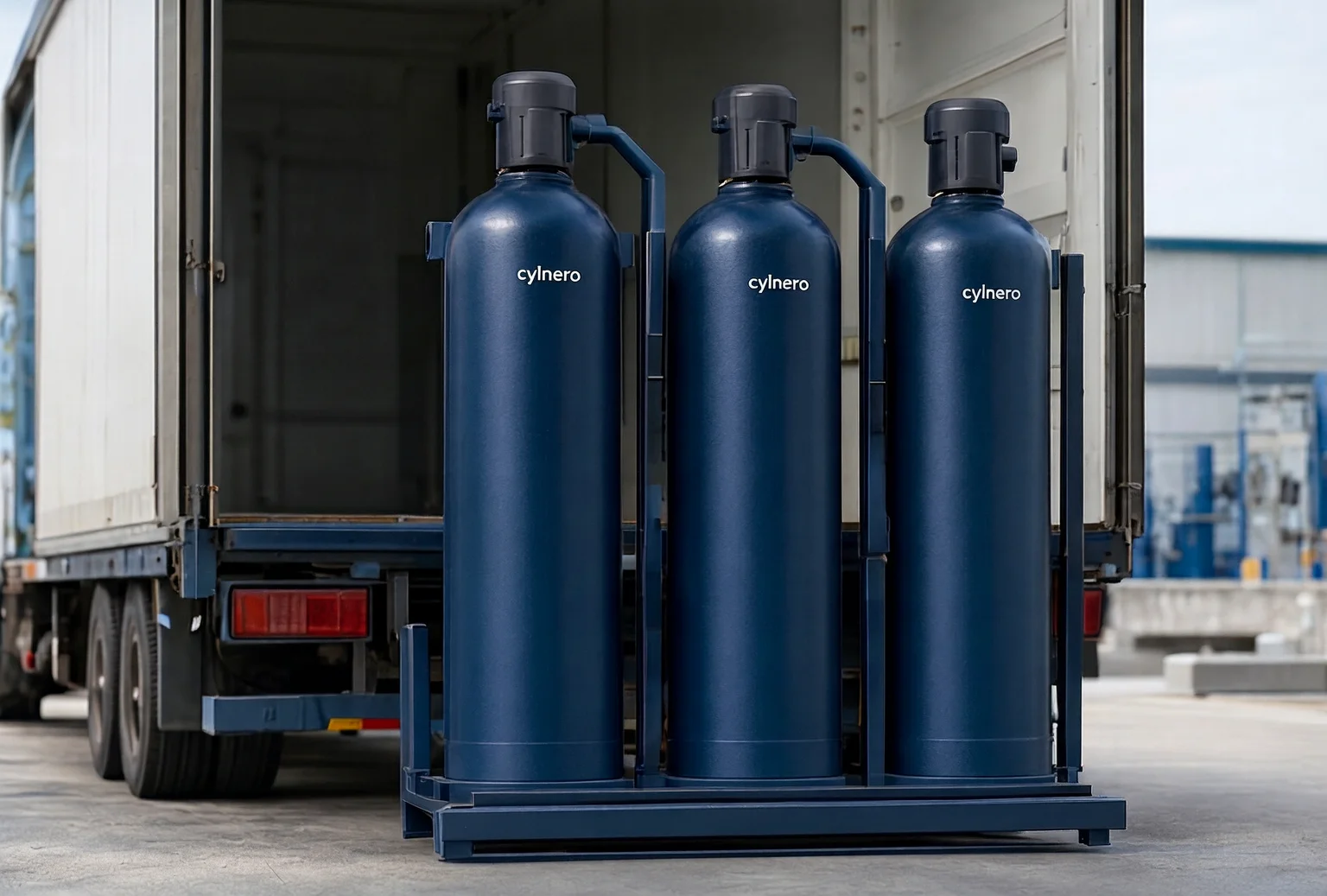
Wholesale sourcing
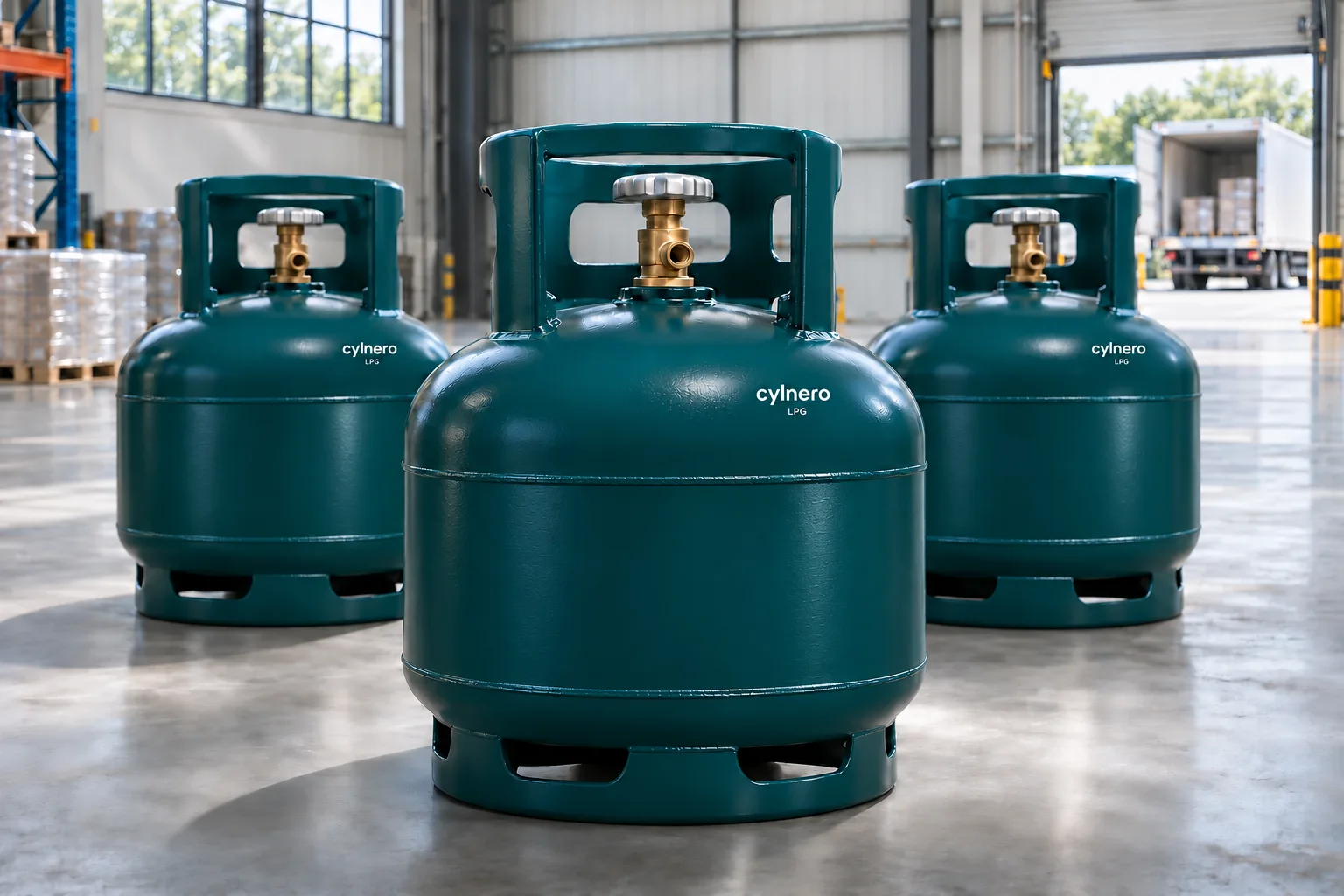
Wholesale procurement guide. Exact product specifications and destination requirements are confirmed during enquiry.
Define the cylinder hardware scope
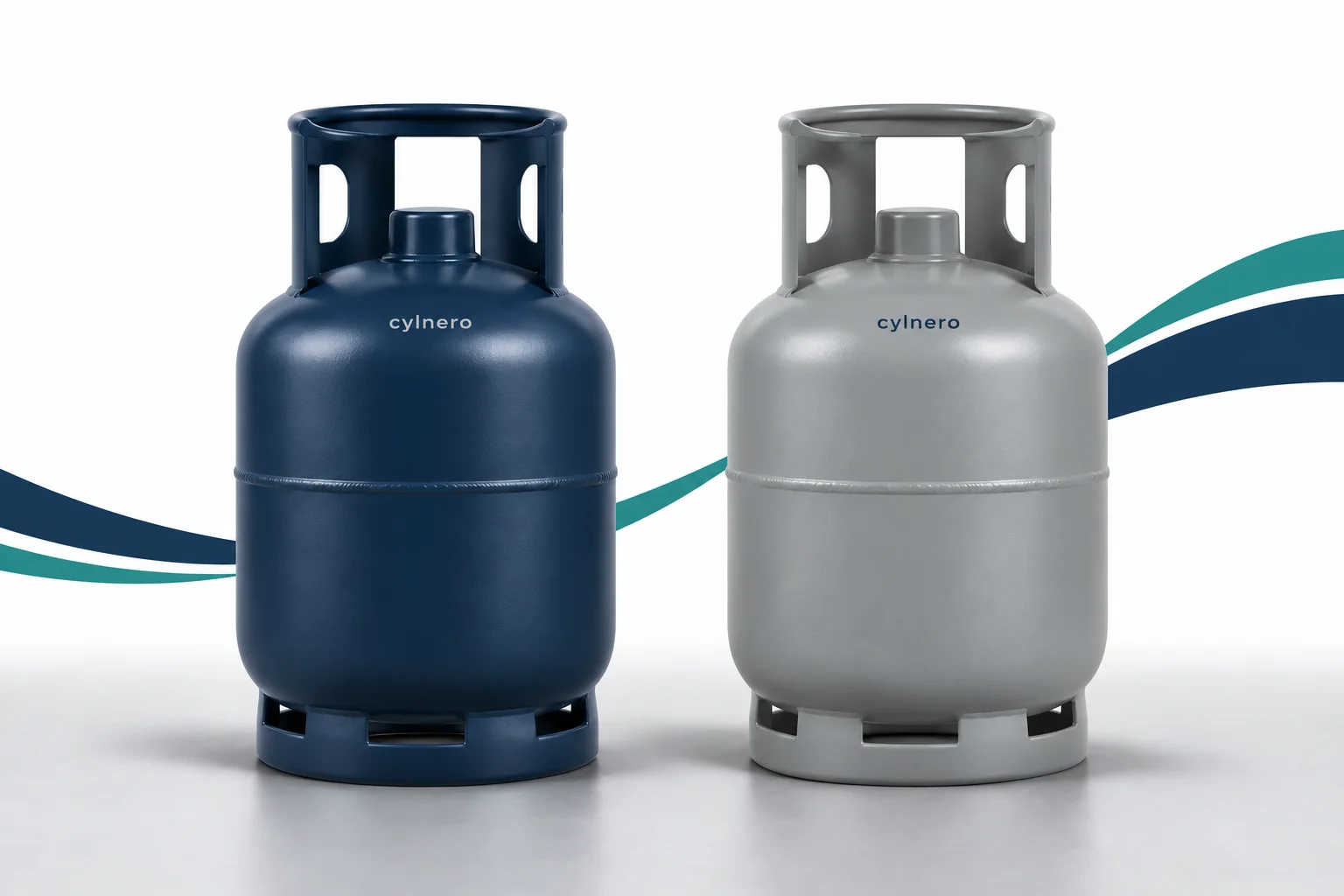
Specify whether you need cylinder bodies or assemblies with valves and protective components. Include the approximate quantity and destination, and identify any separate filling or distribution services you need.
List the physical items you want the manufacturer to consider: cylinder body, valve assembly and any expressly requested accessories. Keep each option linked to its proposed configuration reference so that the quotation identifies what would actually be supplied. A model designation or drawing is useful where available, but it is not required to begin. If your programme is still being defined, describe the intended LPG distribution task and the decisions you need help comparing. The manufacturer can then propose hardware and identify the information still needed for review.
Read the full guidance
Define the LPG cylinder hardware order
State whether the enquiry concerns new units or whether previously used hardware is being considered. For the actual offer, request the history and documentation that the manufacturer or other proposed provider can supply. Have your appointed reviewers identify any additional evidence or work needed before acceptance. Do not prescribe a cleaning or testing process from this page, and do not assume such work is included or excluded automatically. Keep known condition information, missing records and proposed additional services visible as separate scope questions alongside the hardware quotation.
Capacity labels and cylinder count
Keep filling-mass designations, water capacity and cylinder count in separate fields. For example, 50 kg of LPG is a nominal filling-mass designation; 50 L refers to water capacity. Retain original labels and units, and leave unknown values open.
Explore 50 L industrial cylindersView LPG cylinder tare-weight exampleGive cylinder count, water capacity and an LPG filling-mass designation separate fields in the comparison sheet. Cylinder count describes how many units are being purchased. The capacity and mass labels describe different quantities using different units, so one is not simply greater or less than the other. Ask the manufacturer to identify the values and terminology belonging to its actual proposal. If your existing schedule contains only a familiar size name, share that reference and request clarification rather than inventing the missing parameter.
Read the full guidance
Keep capacity labels and purchasing quantities distinct
Keep the hardware purchasing total separate from any gas-service price or quantity agreement. If a wider project combines both scopes, identify which party proposes each element and request a clear description of the interfaces between them. Do not assume that buying a cylinder includes LPG contents or a filling service. Ask which proposed capacity or mass designation the manufacturer's documentation supports and who will review it for the intended programme. The final purchasing record should refer to the accepted configuration rather than a calculation inferred from a website label.
Compare actual material proposals
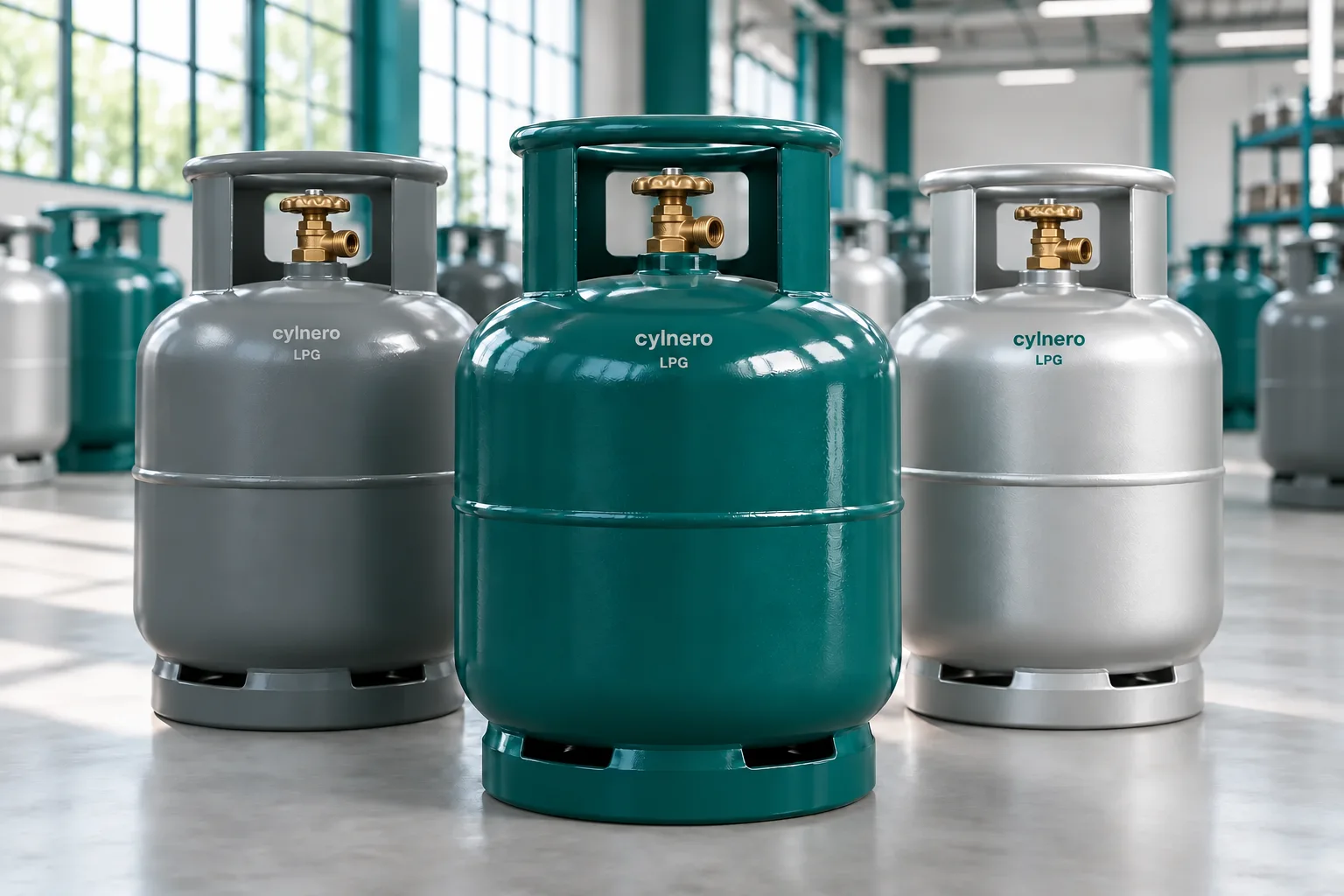
Compare proposed steel and composite LPG cylinders by size designation, stated weight, included valve and guard, and drawing reference. Keep composite LPG proposals separate from hydrogen vessels; similar materials do not establish the same service scope.
Explore composite pressure vesselsFor each steel or composite LPG option, ask the manufacturer to identify the construction, finish and configuration it is offering. Record the proposed cylinder size designation, the units used, the stated mass and what that mass includes, together with the corresponding drawing or specification reference. Request separate values for alternative configurations when valves, guards or accessories differ. This creates a useful basis for comparing proposals without assuming that a material name establishes a particular mass, service life or destination acceptance.
Read the full guidance
Compare actual steel and composite LPG proposals
Keep composite LPG cylinders distinct from high-pressure hydrogen COPVs in the enquiry and comparison sheet. Similar surface appearance does not establish shared pressure ratings, components, documentation or application scope. Ask the manufacturer to identify which information belongs to its actual LPG proposal. Do not transfer a hydrogen configuration's data to a composite LPG line merely because both use the word composite. A separate intended service should remain a separately identified purchasing and review scope.
Review the valve and interfaces
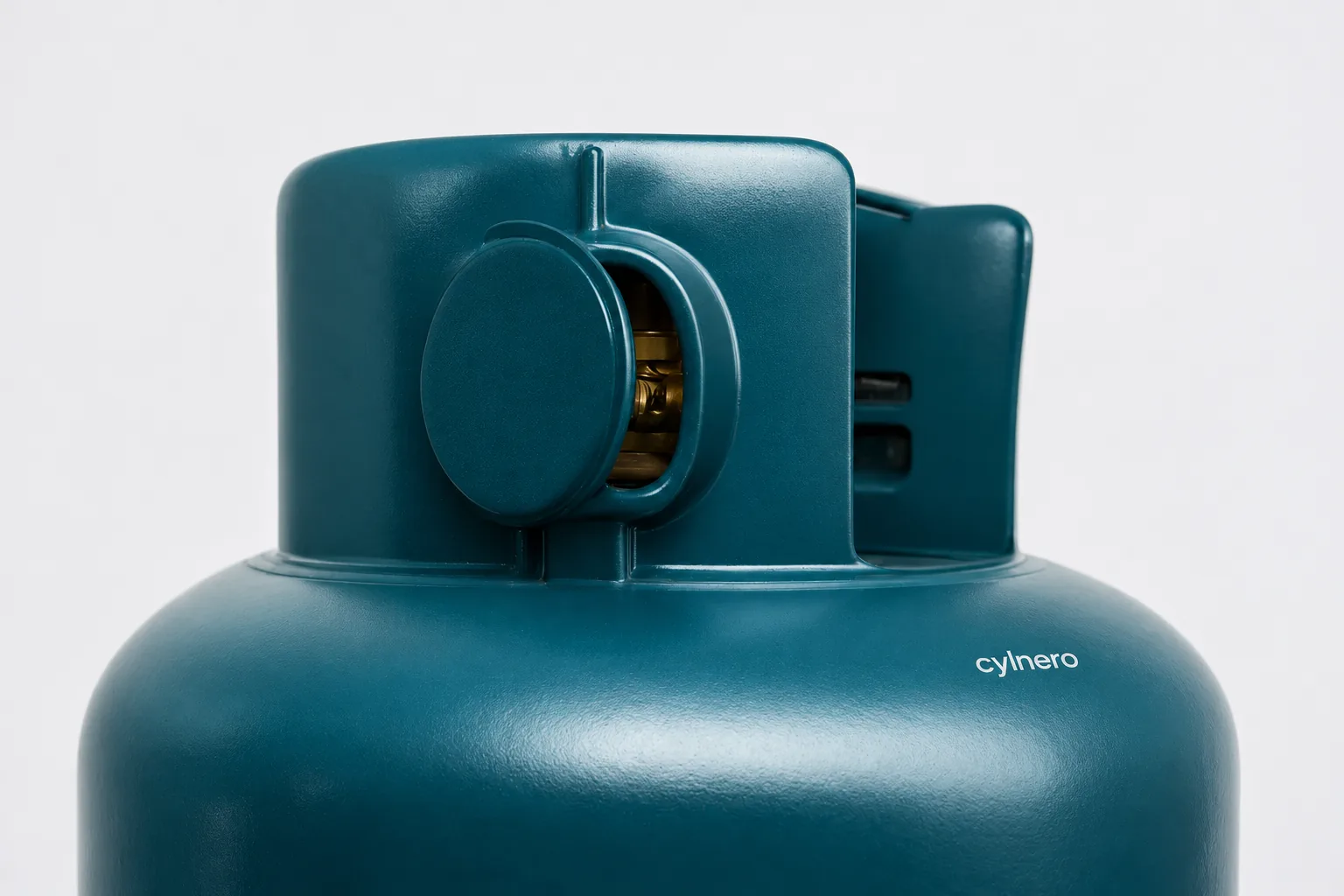
Share existing connection references if available, or leave the details open for discussion. Ask which valve and protective components the proposal includes. The responsible reviewer assesses the actual assembly against the intended equipment and application.
Describe the valve and equipment connection you want to discuss, using an existing drawing, valve reference or equipment model if one is available. If the connection is not yet known, leave it open and ask the manufacturer to identify the proposed valve assembly. For a distribution programme, distinguish the connection to the cylinder from the connection used by downstream equipment. Include any buyer-supplied parts in the enquiry so their scope can be compared with the manufacturer's proposed assembly.
Read the full guidance
Describe the proposed valve and interfaces
Ask the supplier to identify the valve reference and assembly included in its offer, distinguishing the cylinder connection from the equipment-facing interface. Record any accessory or interface item supplied by another provider. The relevant manufacturer and equipment reviewers should assess whether the proposed configuration meets the intended requirement; this page does not recommend an adapter, approve a substitution or decide which internal valve components must be specified. If a drawing is missing, record the open question and the party expected to provide the information before acceptance.
Review markings and branding
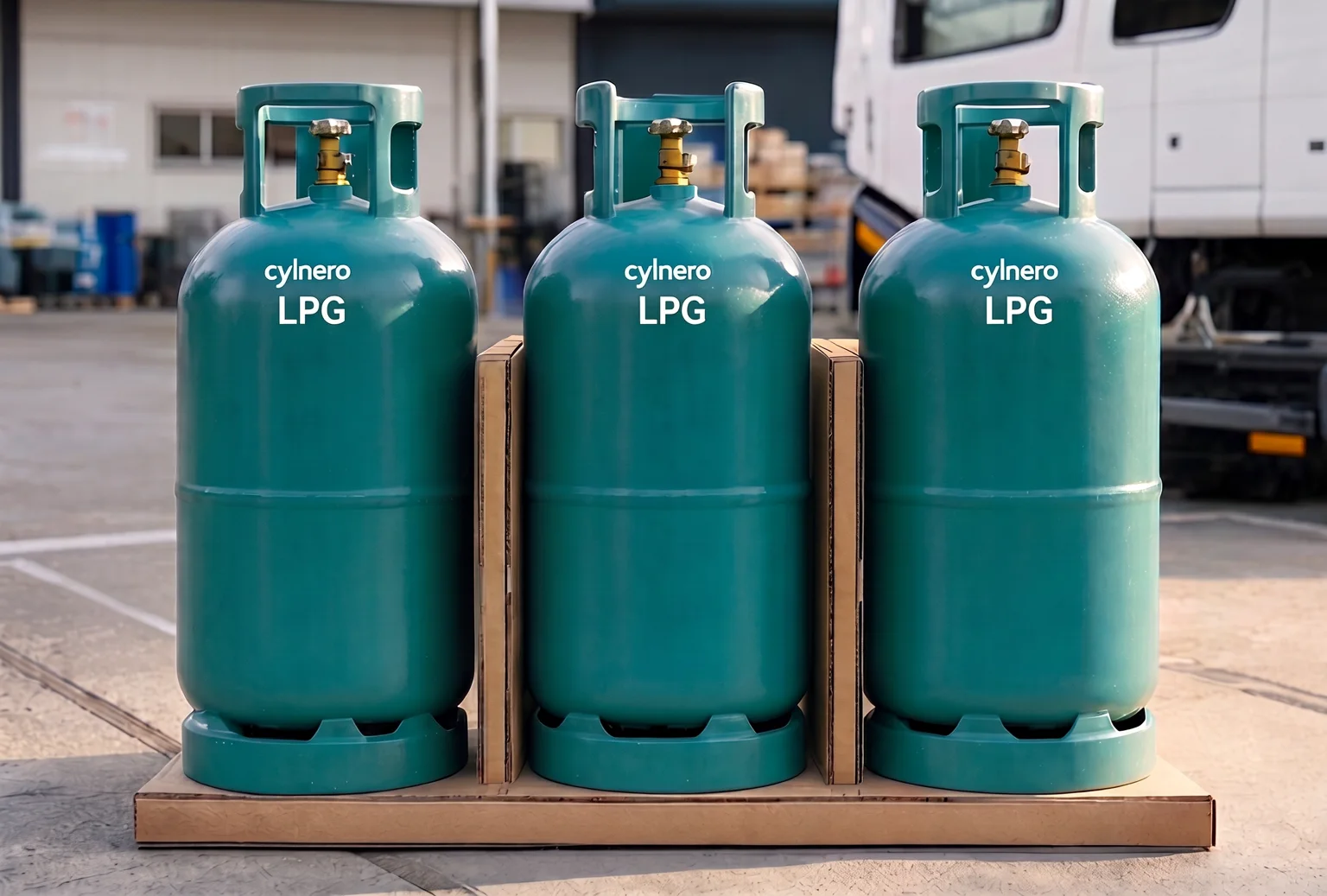
Share branding artwork if available and distinguish identification requirements from appearance preferences. Ask what marking layout, review scope and any customisation charges the manufacturer proposes.
Separate buyer branding and ownership-identification requests from the manufacturer's proposed product identification. Provide authorized artwork or an existing programme reference where available, and state which elements are requirements and which are preferences. Ask the manufacturer to propose the layout for the actual configuration and identify any questions requiring destination review. Do not assume that a colour, logo or familiar label proves ownership rights, suitability or acceptance. Retain the agreed artwork reference with the purchasing record so later changes can be traced.
Read the full guidance
Review markings, branding and ownership requests
Ask which markings and identification items the manufacturer proposes to include, where they appear and which documents describe their scope. If your organization wants additional branding, request its proposed treatment and any effect on the quoted work. The manufacturer's identification and the buyer's artwork should be assessed together by the relevant reviewers. This page does not select a marking method or prescribe a durability experiment. Request the supplier's documented proposal and record any evidence the reviewers need before the layout is accepted.
Agree who provides and authorizes artwork, who supplies the proposed identification and who reviews any destination-specific questions. Ask whether custom work is included in the quotation or separately priced and how later revisions would be handled. Record those responsibilities in the actual purchasing agreement rather than assigning them automatically from a category page. The reviewed layout and its reference should remain connected to the accepted cylinder configuration, with any unresolved identification question visible before the relevant production or acceptance decision.
Organize destination evidence

Tell the manufacturer where the cylinders will be supplied and share any known document requirements. Ask which design, material and delivery records it can provide for the proposed configuration.
Read the full guidance
Organize destination evidence for review
Provide the intended destination and the purchasing requirements your organization already knows. Ask the appointed destination and technical reviewers to identify which requirements apply to the proposed supply and what evidence they need from the manufacturer. The supplier can then respond against that scope instead of offering a generic certificate collection. This page does not determine the law, limit a reviewer's role or establish that any configuration has been accepted. Keep questions that still need specialist input visible in the enquiry and subsequent offer comparison.
Ask the manufacturer to identify its proposed documents, their issuers and the configuration or units they cover. Distinguish material records, design information and delivery records where the proposal makes those distinctions. An example document can help clarify format and scope, but it is not a record for a future shipment. Do not infer either a universal third-party certification obligation or an exemption from one. The appointed reviewers assess the actual evidence requirements for the destination and supply scope, including any issuer or assessment conditions.
Record which documents have been received, which have been reviewed and what remains unresolved. If an offered record does not address the stated requirement, ask the manufacturer for a response and keep the gap linked to the quotation revision. Clarify when any proposed later records would become available and who reviews them before the relevant purchasing decision. A document checklist supports coordination; it does not itself certify compliance, establish legal acceptance or guarantee that a proposed cylinder can be used in every market.
Connect documents to supply
Ask how the offered model and its revision will be identified in the delivery records. Check which documents are samples and which will accompany the actual supply.
Read the full guidance
Connect documents to the proposed supply
Ask how the manufacturer connects its proposed model or drawing revision to the records expected for the delivered units or lot. Some delivery identifiers may not exist at the enquiry stage; request the proposed traceability method rather than inventing those identifiers early. A design reference and a delivery record have different scopes. Keep both visible in the purchasing file and ask how changes will be communicated. Before the relevant acceptance point, the reviewed records should identify the configuration actually being supplied and the units or lot they cover.
Distinguish a sample document, an approved physical sample and a delivery record. Each can answer a different purchasing question, and none should automatically stand in for the others. If a sample review is part of the proposed order, agree what it covers, which revision is being reviewed and how the manufacturer will describe the subsequent supply. A sample's appearance does not by itself establish the condition or structural integrity of every delivered unit. Your appointed reviewers determine what additional evidence is required for the actual purchasing scope.
About this category guide
LPG-cylinder hardware purchasing starts with a clear description of the proposed vessel, included assembly and intended distribution programme. CYLNERO coordinates sourcing and the exchange of requirements; manufacturers confirm their quotations, contracting scope, production and delivery. Start with the application, approximate quantity and destination, then identify what remains unknown. A model number and complete parameters are not prerequisites to an enquiry. Keep water-capacity labels, LPG mass designations and cylinder counts separate. Compare steel or composite options using the manufacturer's actual configuration data and appointed reviewers, without inferring material advantages, certification or availability from a category name.
Compare quotation lines
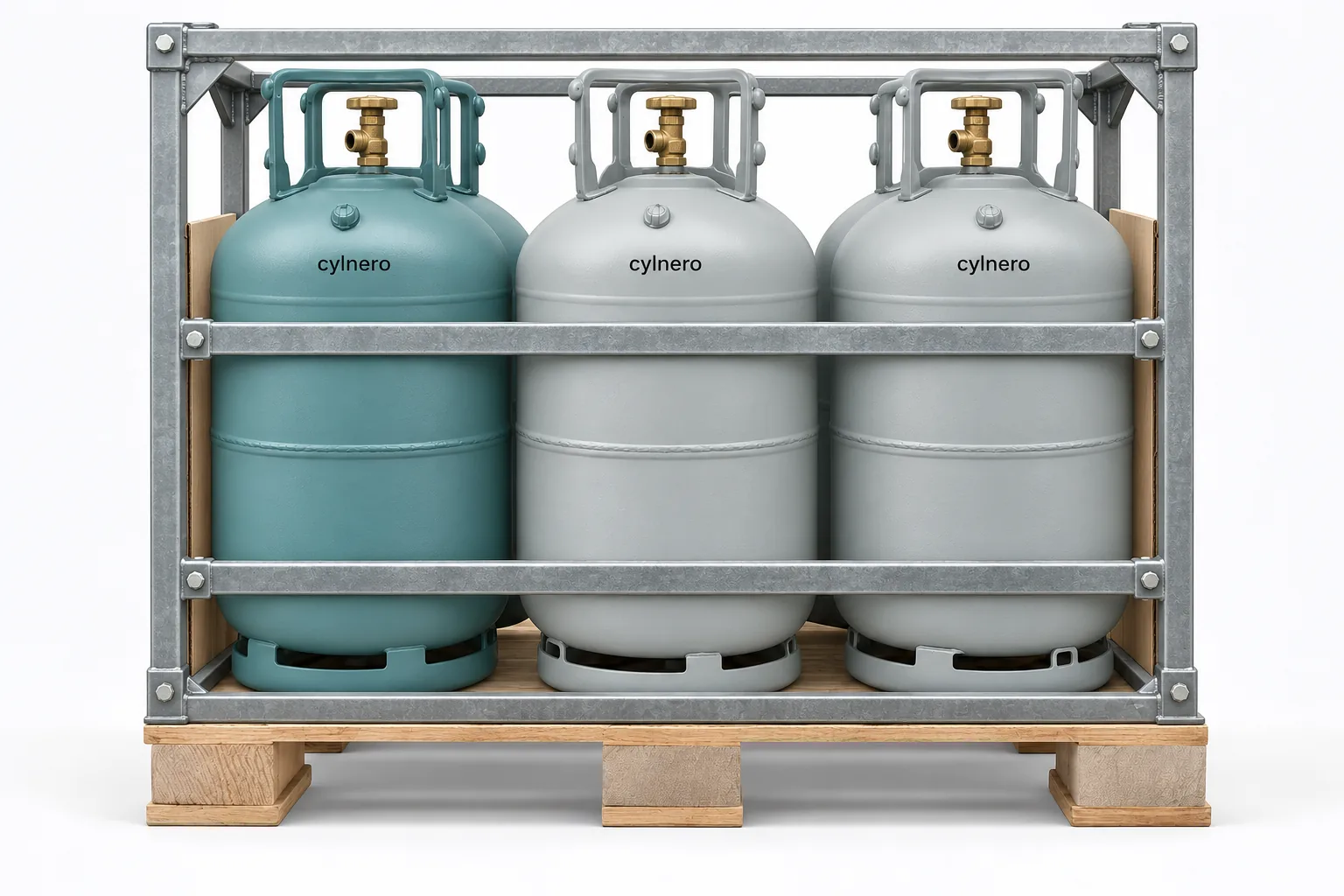
Compare the cylinder, valve, protective components, packing and documentation included in each offer. Ask suppliers to clarify bundled items and exclusions before comparing totals.
Compare quotations using the same purchasing fields: cylinder designation and quantity, cylinder body, valve, guard or collar, accessories, branding, documents and packaging. A bundled price can still be compared with an itemized offer if the supplier identifies what the bundle contains. Keep optional items and their prices separate from the base offer, and note whether quantities refer to individual cylinders, sets or packages. Where a line is unclear, ask the supplier to describe it before treating the two quotations as equivalent.
Read the full guidance
Compare quotation lines on the same basis
Review commercial totals against the scope actually described by each supplier. Identify included documents, packaging, freight or other separately quoted items, and record exclusions rather than filling gaps with assumptions. If quotations cannot yet be compared on the same basis, return the specific questions for clarification. Keep the response with the quotation revision used for the purchasing decision.
Discuss packing and delivery scope
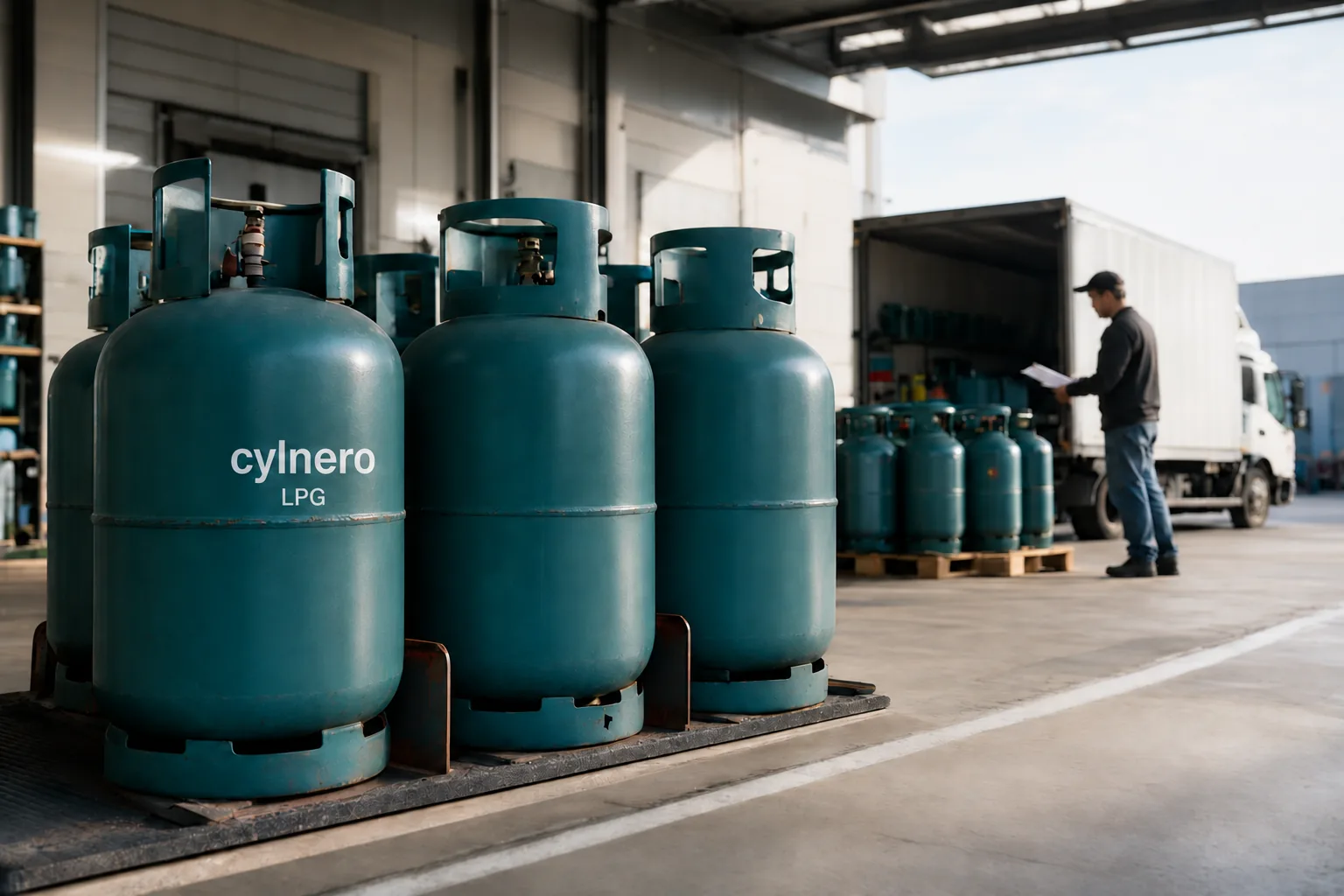
Share the destination and known receiving constraints. Ask the manufacturer to describe its proposed packing and delivery scope for the requested quantity. Keep estimates, excluded tasks and unresolved shipment questions beside the quotation.
The packaging arrangement must be clearly defined in the supply agreement to avoid misunderstandings during delivery. The manufacturer should propose a packing method that protects the hardware during transit, including details on the type of packaging materials and how the cylinders will be arranged. This proposal should include stated dimensions and mass for each package, calculated on a consistent basis to allow for accurate comparison with other options. The buyer should review these details to ensure they fit within their receiving facilities and transportation constraints. If the manufacturer’s proposed packaging exceeds certain size or weight limits, the buyer may request alternatives. This discussion should occur early in the procurement process to allow time for any necessary adjustments to the packaging design.
Read the full guidance
Agree the packaging and delivery scope
Ask which organisation proposes each delivery task, and retain the destination, included work, proposed timing, charges and exclusions with the quotation. Clarify which dispatch, receiving or condition records would accompany the supply and how their identifiers relate to the order lines. Keep requested services separate from the manufacturer's response. Photographs or dispatch notes may help investigate a discrepancy, but do not by themselves determine responsibility; agree the reporting route under the actual purchasing terms.
Plan staged purchasing
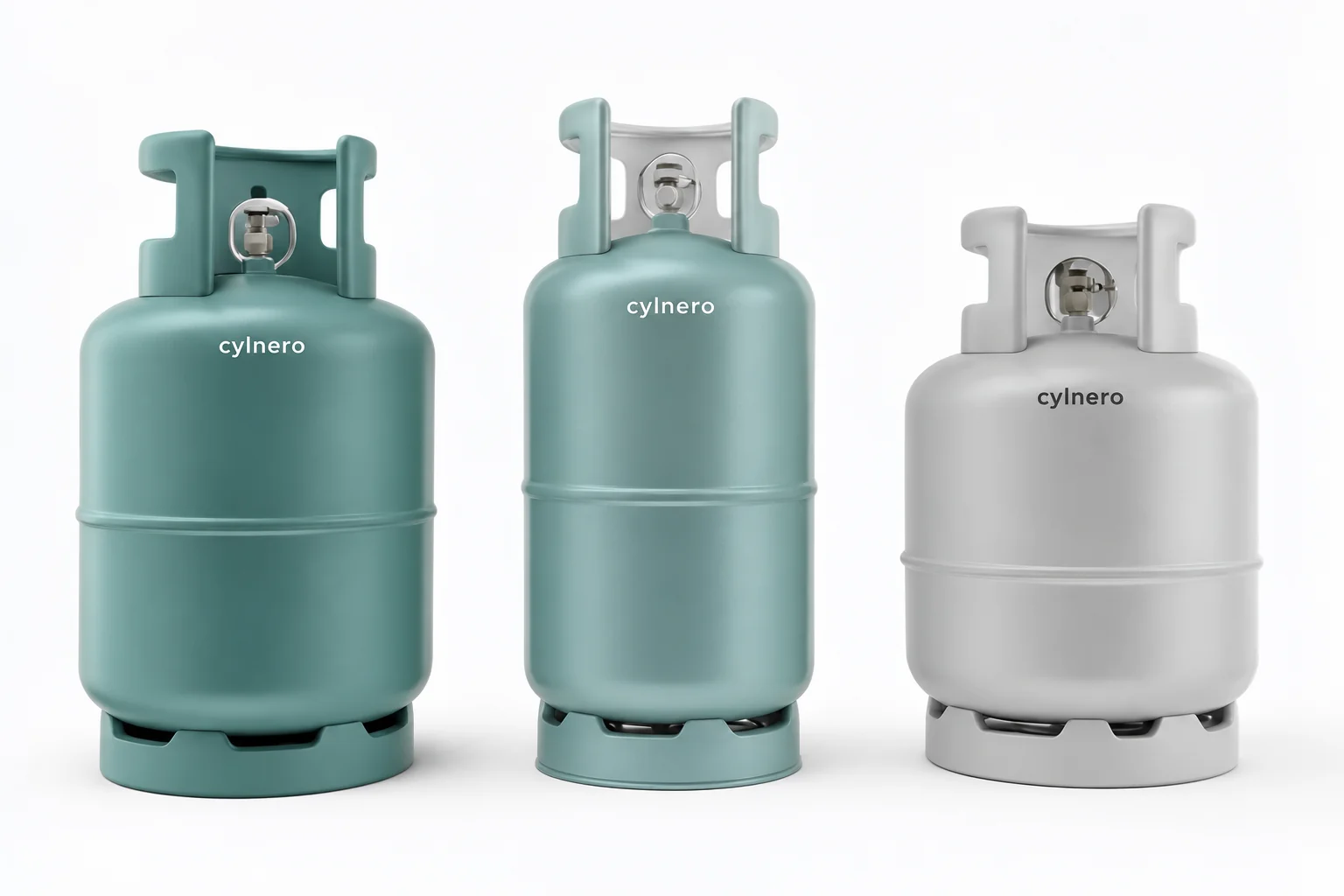
Share estimated quantities and any preferred dates if known for each batch. Ask how changes to quantity or configuration would affect the quotation and proposed delivery schedule.
Provide indicative quantities and preferred batch dates for the manufacturer to assess. Label a planning preference separately from a delivery commitment that has actually been agreed. Ask the supplier to identify its current proposal, dependencies and confirmation points for each stage. The effect of an accepted schedule belongs to the actual agreement; this page does not declare it binding or nonbinding. Keep changes to quantities or configuration linked to the relevant batch and quotation revision rather than assuming future availability from an early discussion.
Read the full guidance
Plan staged purchasing without promising availability
Ask which confirmation or review points the parties propose for the actual order and what remains open at each stage. A configuration question, document request and proposed schedule change may need different responses. Record changes to drawings, quantities or destination information with the applicable quotation revision, and identify who is expected to assess them. Keep a requested change separate from one the parties have accepted. The record supports comparison and follow-up; it does not by itself prevent an unauthorised alteration or establish the contractual status of a message.
Clarify support and issue reporting

Ask what support the manufacturer proposes and which reporting route would apply to the order. Keep any offered terms and exclusions with the quotation. The responsible commercial reviewers assess actual agreements rather than assuming a general warranty applies.
Discuss the manufacturer's stated exclusions and the proposed route for reporting a concern before accepting the offer. Ask which party receives a report, which order or unit references are needed and how the next response will be coordinated. Keep these arrangements with the actual purchasing agreement and make them available to the responsible people in your organization. A written contact route supports communication, but it does not guarantee that a concern will be resolved within a particular time or on particular terms.
Read the full guidance
Record contract-specific issue resolution
Evidence for any reported issue should be collected and organized systematically to support objective discussions. This includes photographs, test reports, or inspection notes that demonstrate the nature of the concern. Parties responsible for proposing remedies must be identified in the contract, ensuring that accountability is clear when corrective actions are needed. The warranty scope should be defined precisely, outlining what is covered and under what conditions. This specificity prevents broad interpretations and allows both parties to focus on practical solutions rather than debating the extent of coverage. Contract reviewers should verify that these terms are consistent with the overall agreement.
Ask the parties' contract reviewers to address proposed remedies, responsibility boundaries and any required approvals in the actual agreement. A requested replacement, credit or response time is a point for negotiation, not a guarantee attached to this category listing. If a concern arises, retain the relevant order reference and evidence and use the agreed reporting route. This procurement guide does not decide legal enforceability, promise a particular remedy or replace the reviewers' assessment of the specific contract.
Start an enquiry and track revisions
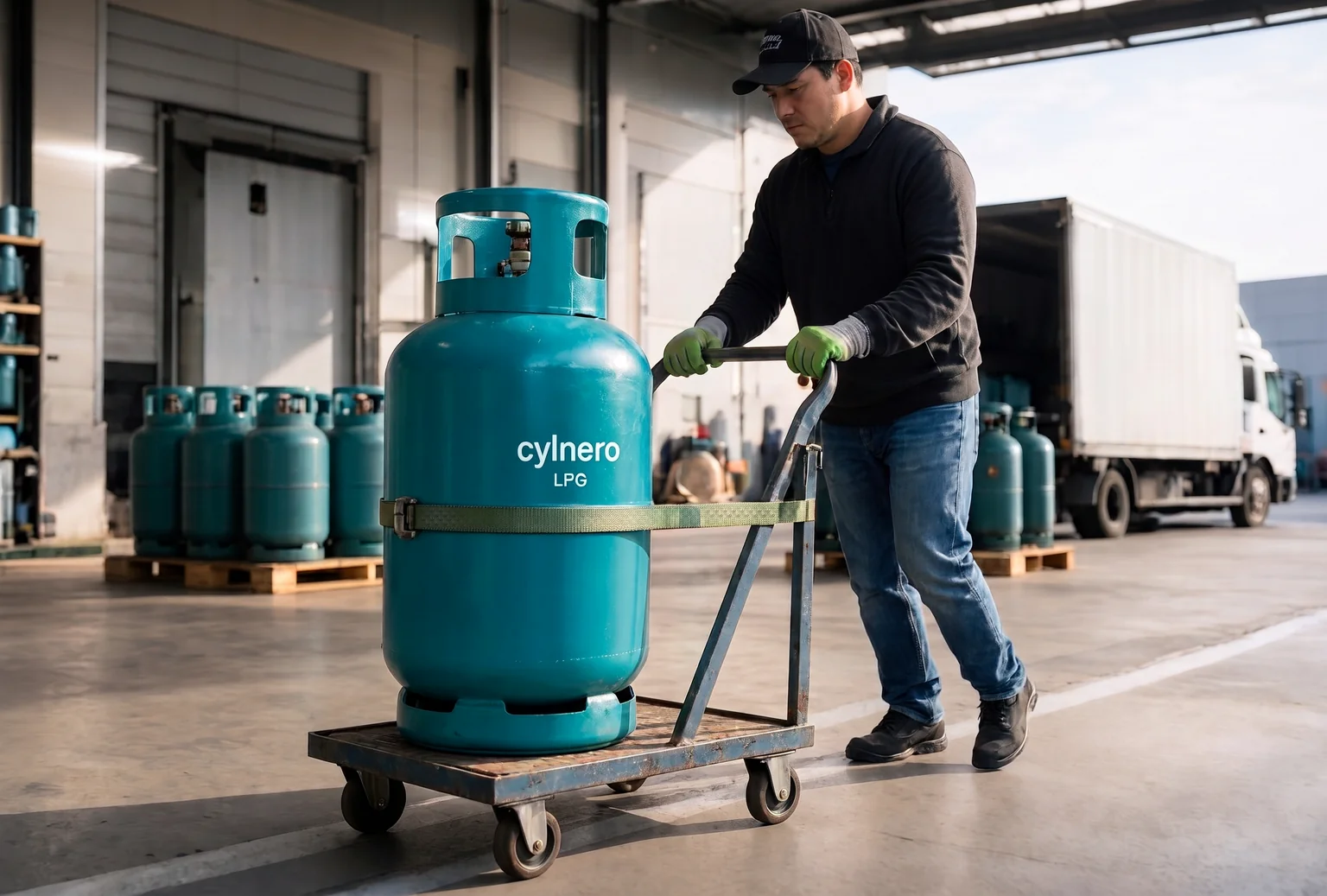
Application, approximate quantity and destination are enough to start. Add known requirements and list open questions. Keep later manufacturer proposals and requested changes linked to their configuration references and quotation revisions.
Start the enquiry with the intended LPG application, estimated number of cylinders and delivery destination. Add the size designation and its unit if known, preferred steel or composite construction, valve or connection references, branding and any packing requirements. An existing model number or drawing is welcome, but neither is required to begin. For a staged programme, list the approximate quantity and preferred timing for each delivery group, and identify which details are firm requirements and which are still open for discussion.
Read the full guidance
Prepare an enquiry and manage subsequent revisions
Keep each manufacturer proposal and subsequent revision with the original purchasing brief. Record the proposed configuration, included components, supporting documents and commercial assumptions, with any differences clearly identified for the relevant reviewers. A suggested alternative is a proposal to assess, not an automatic change to the buyer's requirement. Ask which questions have been answered and which remain open before the next purchasing decision. The comparison makes the discussion easier to follow, while suitability and commercial acceptance remain assessments of the actual offer rather than guaranteed results of an iterative process.
Related procurement pages
About this procurement guide
Use this guide to prepare your enquiry. Confirm the specifications and supporting documents for the proposed cylinder with the manufacturer.
For standards research, consult the ISO gas-cylinder standards catalogue. The catalogue includes published and withdrawn standards. Check the status, edition, scope and destination requirements with the manufacturer and your appointed technical reviewer. A standards reference does not establish that a listed series conforms to it.
For background on propane / LPG fuel terminology, see the U.S. Department of Energy Alternative Fuels Data Center. Fuel terminology does not identify a listed cylinder's approved service, actual fuel composition or suitability. Have the actual proposed hardware and intended use assessed rather than treating this background reference as product approval.
Before placing an order, obtain the proposed model's drawings, configuration, applicable approvals and quotation from the manufacturer. CYLNERO coordinates sourcing; the manufacturer confirms and contracts the agreed supply.
Procurement questions
Can I start an enquiry without a specific model number?
Yes. Begin with the intended application, approximate cylinder quantity and destination. A known model, drawing or capacity label can be shared if available, but a complete parameter schedule is not required. The manufacturer identifies its proposed configuration and the questions still needing review. A selected catalogue series is a sourcing reference rather than an accepted final specification.
How should kg and L labels on an LPG gas cylinder be compared?
Keep a filling-mass designation in kg separate from water capacity in L and from the number of cylinders being purchased. These are different quantities; one cannot simply be ranked as higher or lower than another. Ask the manufacturer to identify the labels and units applicable to its actual proposal. This guide does not calculate a filling amount.
Are composite LPG cylinders the same category as hydrogen COPVs?
No. Keep the proposed LPG hardware and any high-pressure hydrogen COPV enquiry as separate product families with their own intended services and review records. A composite appearance does not establish shared specifications or interchangeable components. Ask the relevant manufacturer to identify the actual offered configuration and supporting evidence rather than transferring data between the two categories.
What if I do not know the valve reference?
You can still begin. Share a known equipment or connection reference if you have one, or describe the intended application and mark the interface as unresolved. Ask the manufacturer which assembly it proposes and what information its reviewers need. The enquiry does not authorize adaptation, installation or substitution, and no universal compatibility is implied by a family name.
Which documents should accompany a manufacturer proposal?
Ask your appointed technical and destination reviewers to identify the evidence needed for the actual supply. Request the manufacturer's proposed references, issuer details and document scope, distinguishing examples from delivery records. Keep open questions linked to the configuration and quotation revision. There is no universal certificate list established by this category page, and collecting documents is not itself technical approval.
What warranty or issue-resolution terms are included?
Only the terms actually agreed for the transaction establish the proposed warranty and issue-resolution scope. Ask which party responds to a concern, what information is requested and what exclusions or remedies are proposed. Have your contract reviewers assess those terms before acceptance. This listing does not assign a default duration, guarantee a remedy or determine the legal effect of the agreement.