 Wholesale sourcing
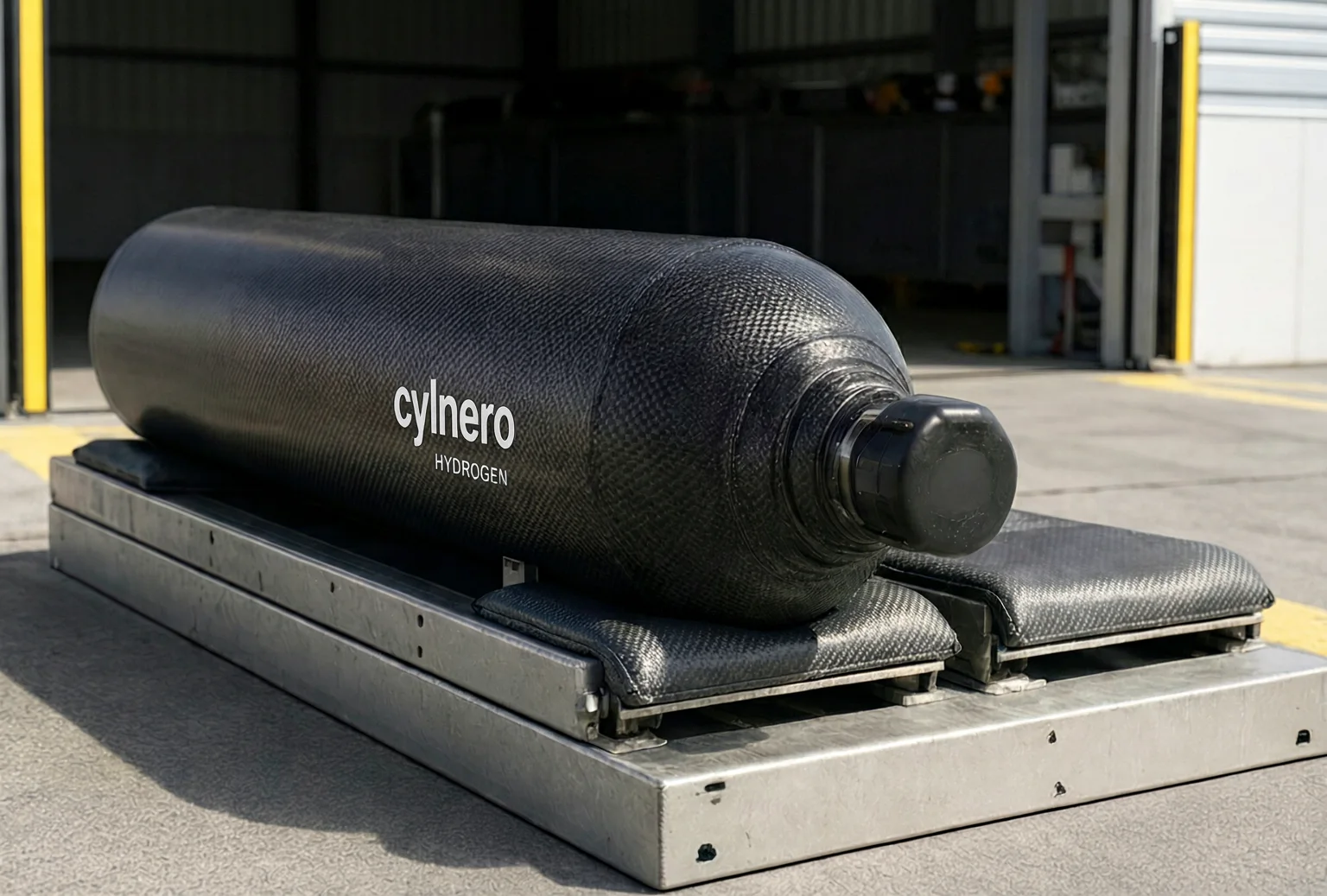
Type III Hydrogen Cylinder Series
Configurable wholesale series · Specifications confirmed during enquiry
APPLICATION-LED / WHOLESALE PROCUREMENT
Hydrogen refueling project purchasers can use this page to scope cylinder-related enquiries within a wider project. Begin with the component boundary, project stage, installation-envelope information and requested documents.
Hydrogen refueling project purchasers can use this page to scope cylinder-related enquiries within a wider project. Begin with the component boundary, project stage, installation-envelope information and requested documents. Type III and Type IV series provide discussion starting points. Their presence here is not an offer of a complete refueling station, compressor, dispenser or integrated operating system.
Swipe to see more sections →
These are starting points for an enquiry, not a statement that every configuration fits this application. The offered configuration and scope are confirmed during quotation.
Configurable wholesale series · Specifications confirmed during enquiry
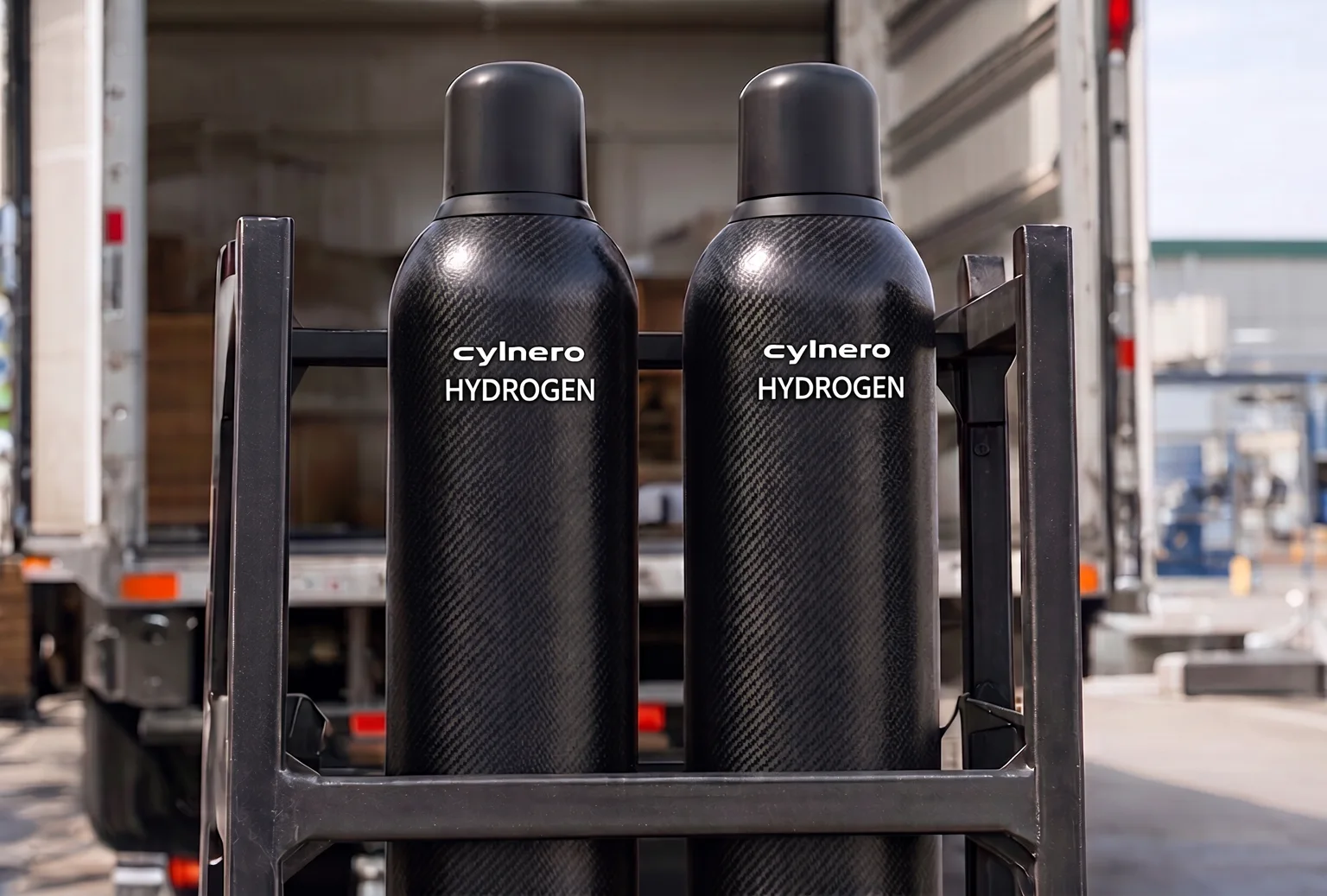
Configurable wholesale series · Specifications confirmed during enquiry
A project enquiry should distinguish the cylinder component from racks, piping, controls and other equipment that may sit outside the proposed supply scope. Identify the organization responsible for integration and describe which parts of the purchasing brief it has already defined. You do not need a complete manufacturer model list to begin. A preliminary scope statement and a list of open interface questions are more useful than assuming that a broad product series includes every part of a station.
Where available, share the intended medium, requested capacity description, operating requirements, installation envelope and interface drawings as buyer inputs. Keep unknown values clearly open rather than copying parameters from an unrelated project. Ask the manufacturer to identify the configuration it proposes and the documents associated with that proposal. This page does not perform storage sizing, recommend pressure values or provide installation, filling or operating instructions for a hydrogen facility.
Compare offers against the same component list, drawing revision, quantity and destination. Ask which accessories, records, packing and commercial services are included, and identify the interfaces that remain with the project integrator or another supplier. Record proposed changes against the purchasing brief so that a revised cylinder offer is not confused with a complete system commitment. Final configuration, scope and commercial terms require an explicit quotation response rather than an assumption based on the application name.
A hydrogen refueling project may be exploring an initial concept, preparing a procurement package or revising an existing equipment request. Tell the manufacturer which stage the enquiry concerns and identify the organisation responsible for the wider project. A preliminary discussion can begin with the intended application, the component your team wants quoted, an approximate quantity and destination. If drawings or a project specification already exist, share the relevant references; where a field is not yet established, identify it as an open question.
Separate the requested cylinder or vessel scope from other equipment in the project. A vessel enquiry does not automatically include a rack, compressor, dispenser, controls, piping or installation. Ask the manufacturer to identify the components and information it proposes to supply, and record which interfaces remain with the project integrator or another supplier. This gives the purchasing team a clear basis for a quotation discussion without treating a product-family page as a commitment to deliver a complete refueling station.
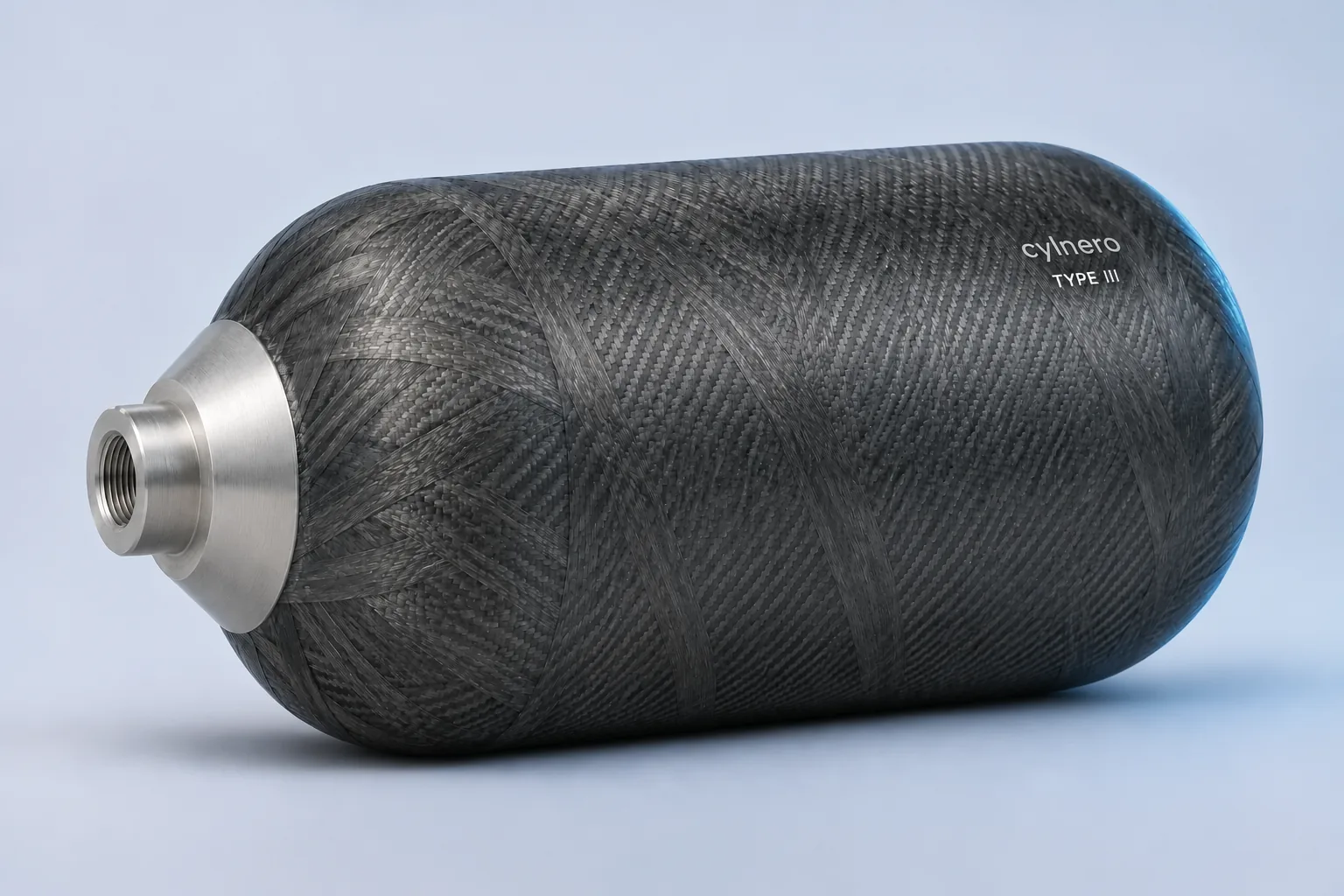
Type III and Type IV product pages provide starting points for a cylinder procurement conversation. Type III generally describes a composite construction with a metallic liner, and Type IV generally uses a polymer liner. These family names do not specify a particular model, dimensions, pressure rating or suitability for a specific station. If the project has already defined a construction requirement, include its source and revision. Otherwise, ask the manufacturer to identify the configuration it proposes against the project brief.
When comparing actual proposals, retain the manufacturer's stated capacity, pressure basis, dimensions and mass with their units and configuration references. Ask whether the mass and dimensions cover the vessel body or an assembly that includes valves and protective items. Compare the included components, available documents and quoted commercial scope on the same basis. The project team and its appointed reviewers determine whether the information addresses the intended application; a general claim about material or weight is not a substitute for a configuration-specific response.
Provide the installation-envelope information that your project team has already established, such as an available dimensional range or a drawing reference. Explain whether the space relates to a vessel alone or the proposed assembly with its connections and protective components. If a dimension is still under review, record it as a target or open question rather than copying a value from an unrelated project. Ask which configuration-specific drawings or dimensions the manufacturer proposes to supply with its offer.
List known connection and mounting references, together with the responsible organisation for each interface. If the project has a requirement relating to accessories, identification or other equipment, identify whether that item is requested from the vessel manufacturer or another supplier. Where the responsible technical team has defined additional conditions, share the existing project reference instead of creating a generic requirement. The exchange of drawings and questions supports procurement coordination; the project integrator remains responsible for its own engineering and system assessment.

A useful offer comparison identifies the proposed vessel configuration, drawing revision, physical quantity, included components and any exclusions. Ask each manufacturer to explain whether its quotation covers a vessel only or an assembly, and keep prices and delivery terms with the corresponding scope. If two proposals describe a connection or accessory differently, record the difference and request clarification. An alternative can remain under consideration as a separate proposal without replacing the original project request.
Share document requirements already established by the project or destination reviewers, including their source when available. Ask what information the manufacturer can provide for the offered configuration and what each document covers. A general catalogue, an example record and information tied to a specific vessel may answer different questions. Do not assume a universal list of certificates for every station or treat a document list as approval of the whole installation. The relevant reviewers decide what evidence is needed for their project.
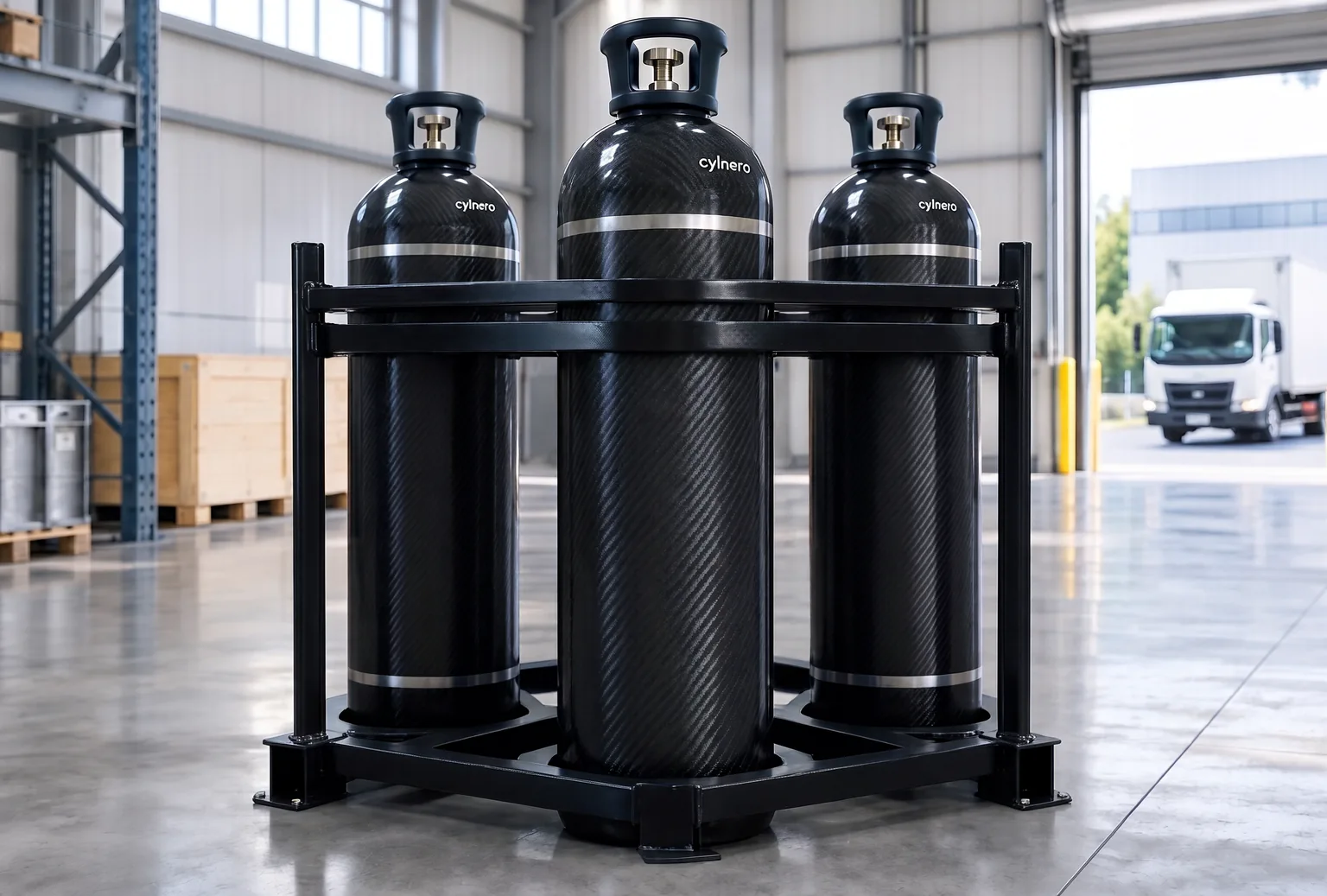
State the approximate quantity for the current project stage and distinguish it from a later forecast. If different project sites or phases require separate deliveries, list the requested groups and destinations. Share known receiving constraints and ask the manufacturer to describe its proposed packing and delivery scope in the quotation. Timing, price and the allocation of commercial responsibilities belong to the actual proposal and should not be inferred from a general series page.
When a drawing, quantity or component request changes, identify the previous version and ask the manufacturer how the revised request affects its proposed configuration and quotation. Keep the open questions and supplier responses with the corresponding revision so that the project team can see which scope is under discussion. For a repeat purchase, provide the earlier configuration reference if available and identify any changes. CYLNERO coordinates the exchange; the manufacturer identifies the product and commercial terms it proposes.
Describe the project context, approximate cylinder quantity and destination, then share any known storage or equipment interfaces. Identify whether you seek cylinders or a separately defined assembly, and list other station work as a separate scope. Unknown details can remain open for discussion.
Provide any project documentation requirements already defined and identify the proposed cylinder scope. Ask which configuration-specific drawings and records the supplier can provide, what each covers and when it would be available. Project reviewers can assess the response against the actual requirements.
No complete-station supply is claimed. Use this enquiry to identify a cylinder-related purchasing scope and the interfaces that need discussion. Other equipment and integration responsibilities must be addressed explicitly in the project proposal.
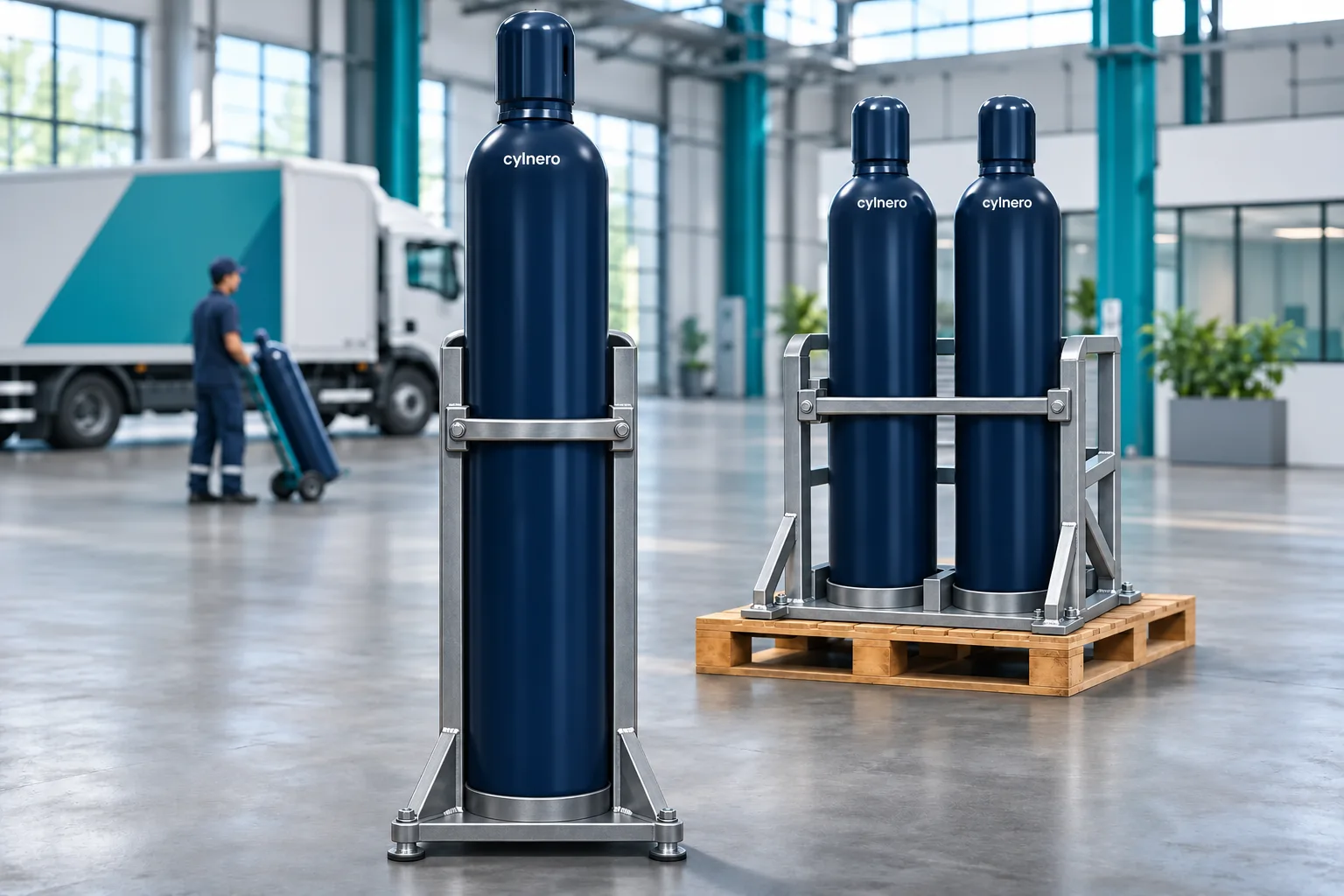
Cylinder purchasing for a distribution business starts with the customers and product families you serve.
Explore purchasing needs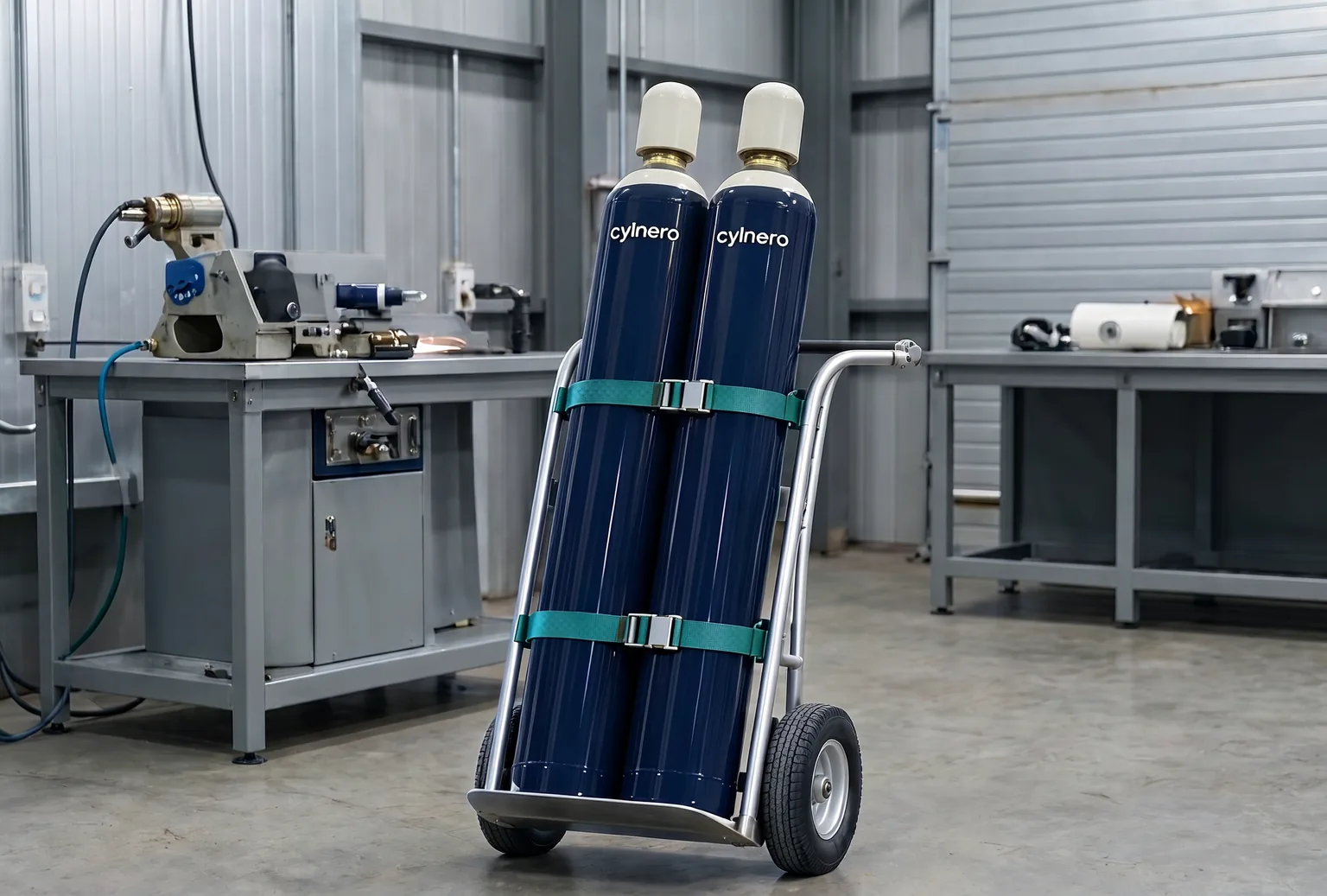
Welding suppliers and workshop purchasing teams can start with the cylinder families and commercial requirements they need to discuss.
Explore purchasing needs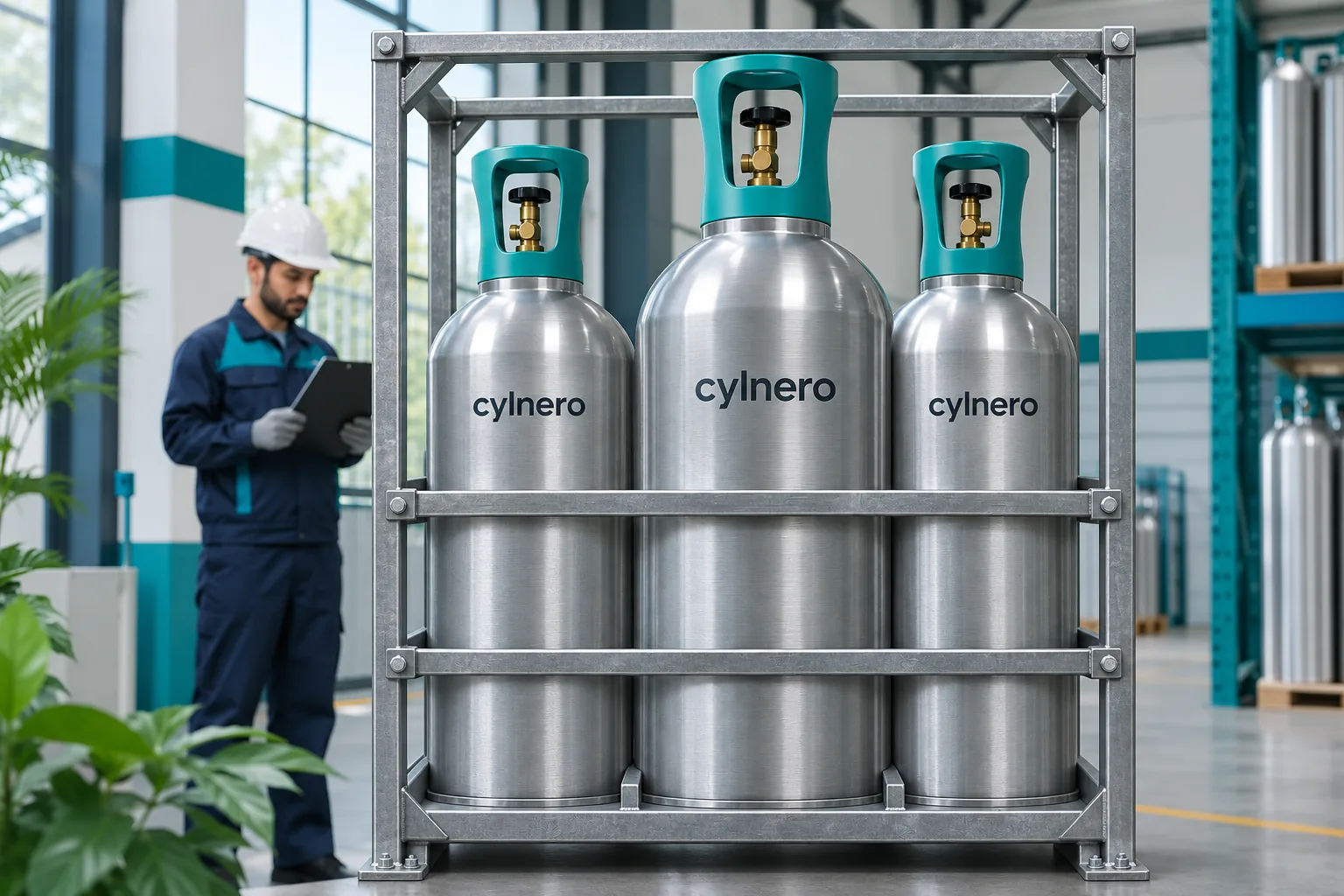
Medical-gas organizations and distributors can use this application page to organize a cylinder procurement brief.
Explore purchasing needs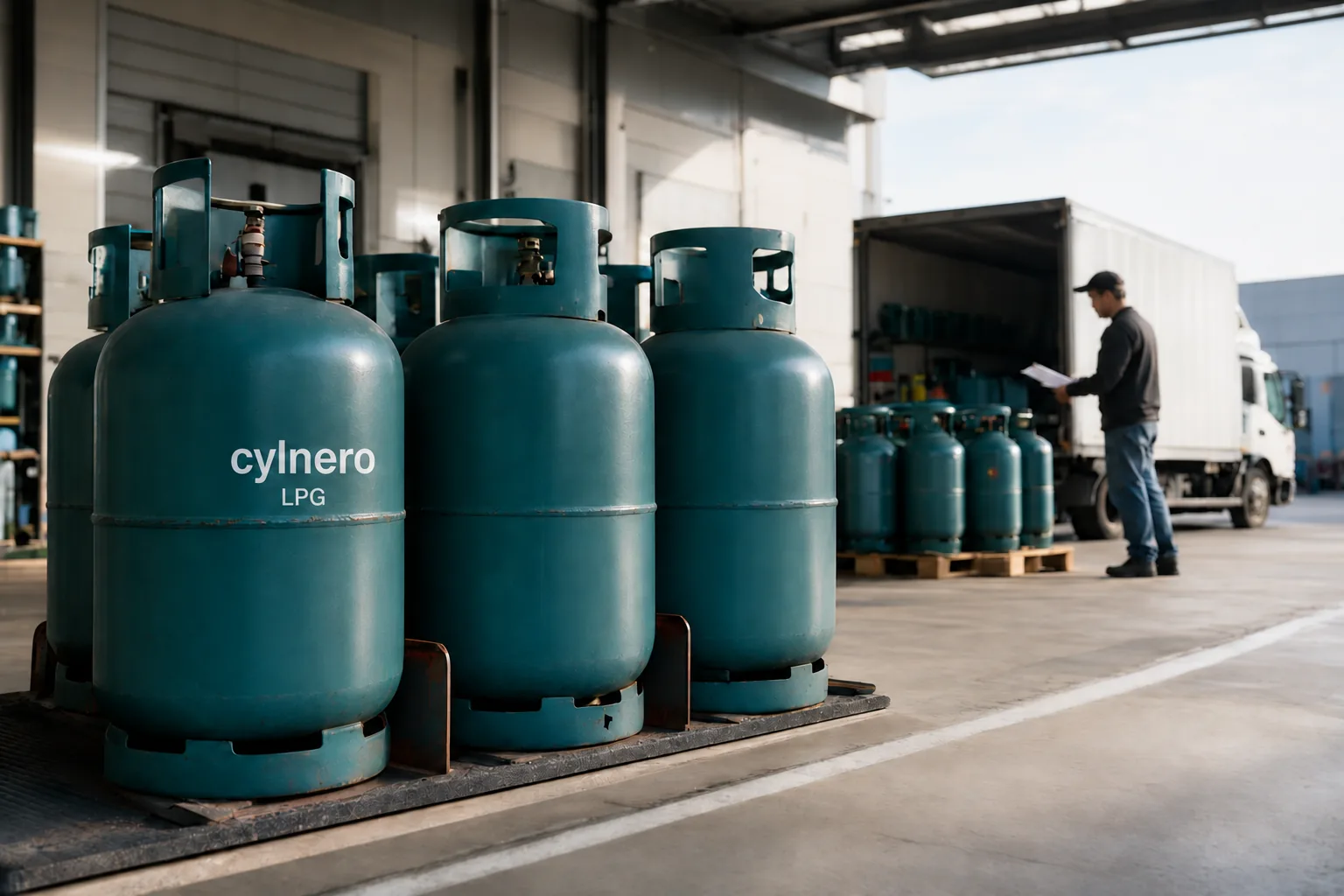
LPG distributors, importers and filling organizations can prepare enquiries for cylinder hardware and the configurations they want to discuss.
Explore purchasing needs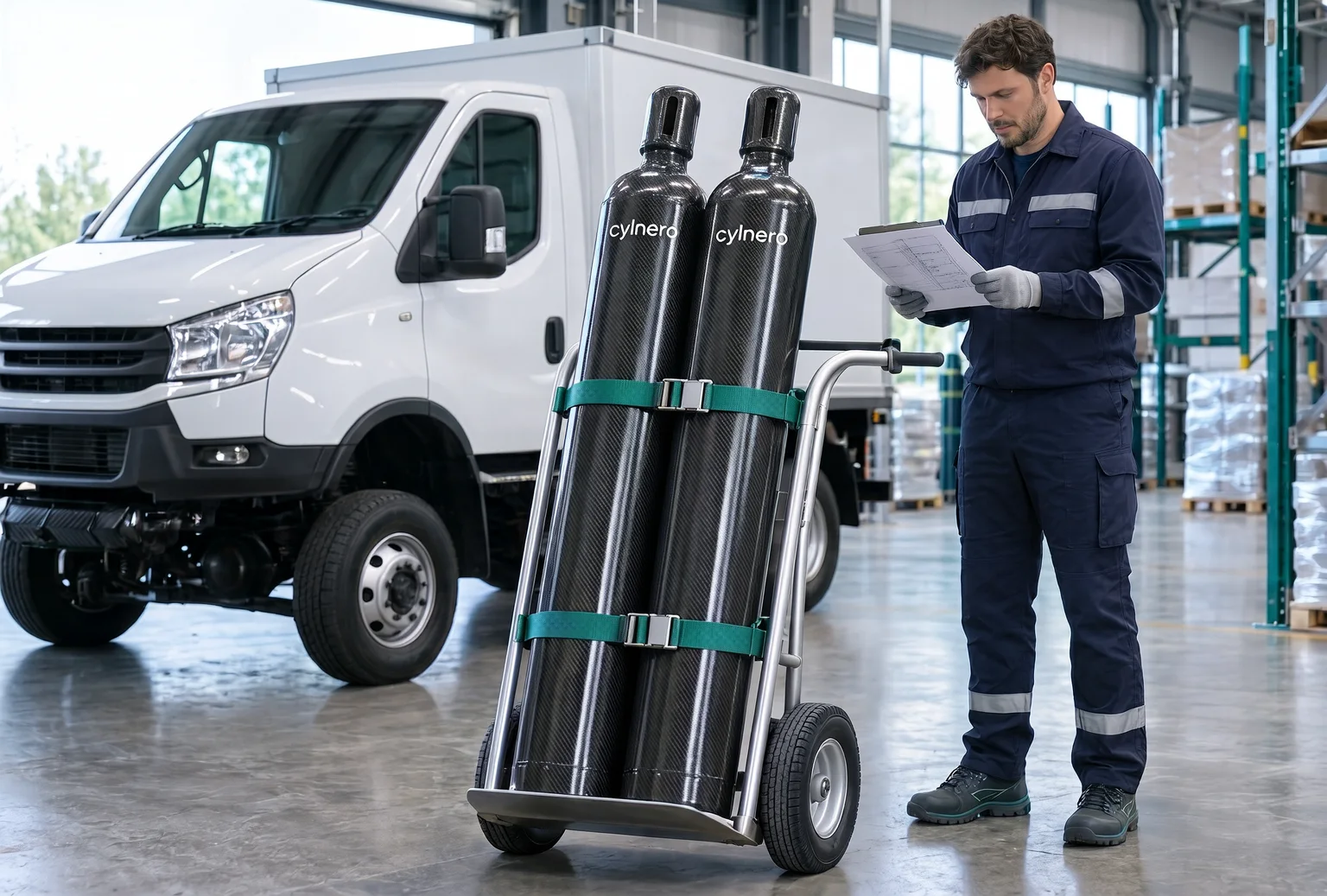
Purchasing teams working on onboard hydrogen equipment can prepare a cylinder-series enquiry before the detailed configuration is settled.
Explore purchasing needs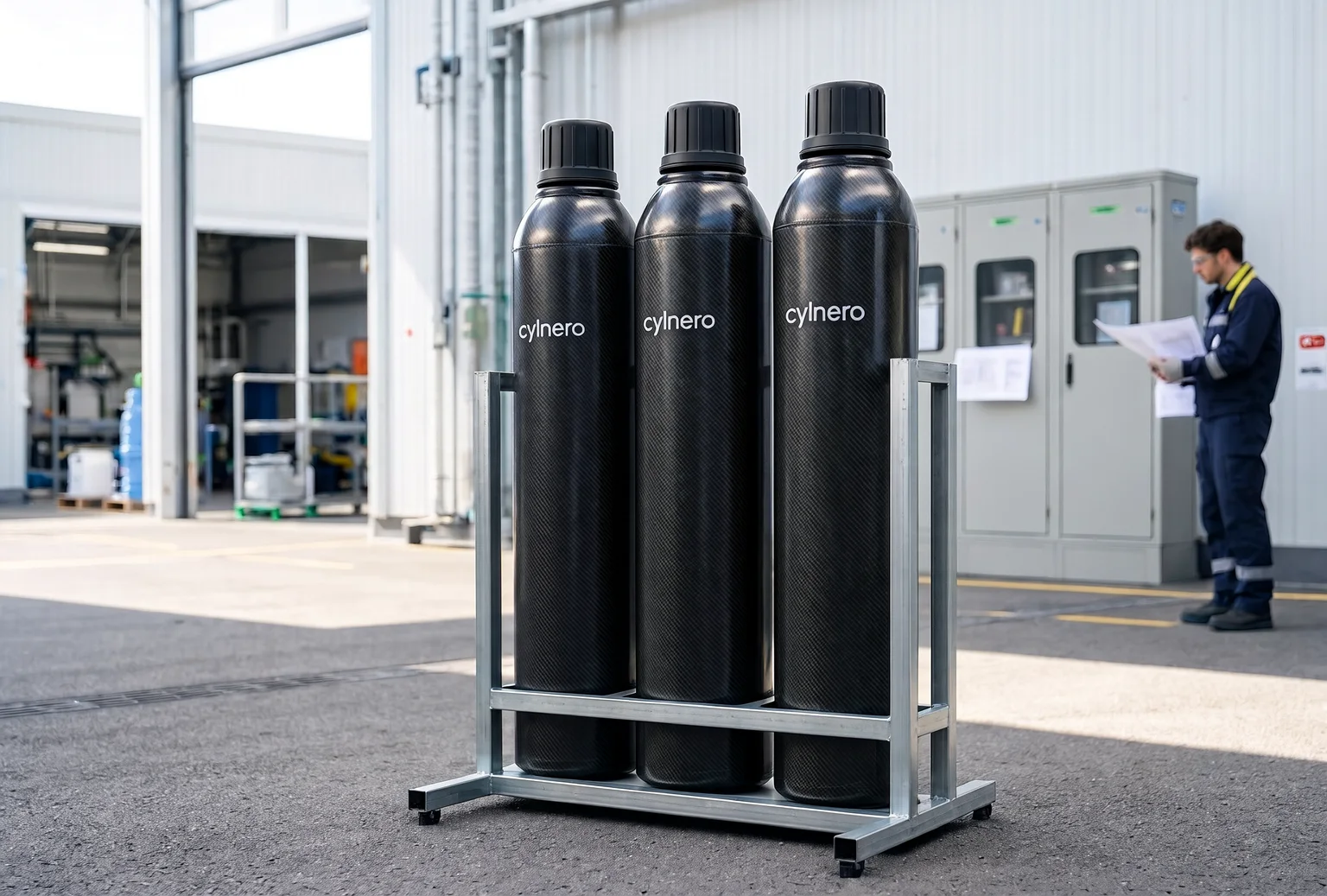
Stationary hydrogen equipment purchasers can organize a cylinder enquiry around the component scope and the requirements their project team has established.
Explore purchasing needsHydrogen equipment OEM purchasing teams can use this page to organize configurable cylinder-series enquiries and repeat-order discussions.
Explore purchasing needs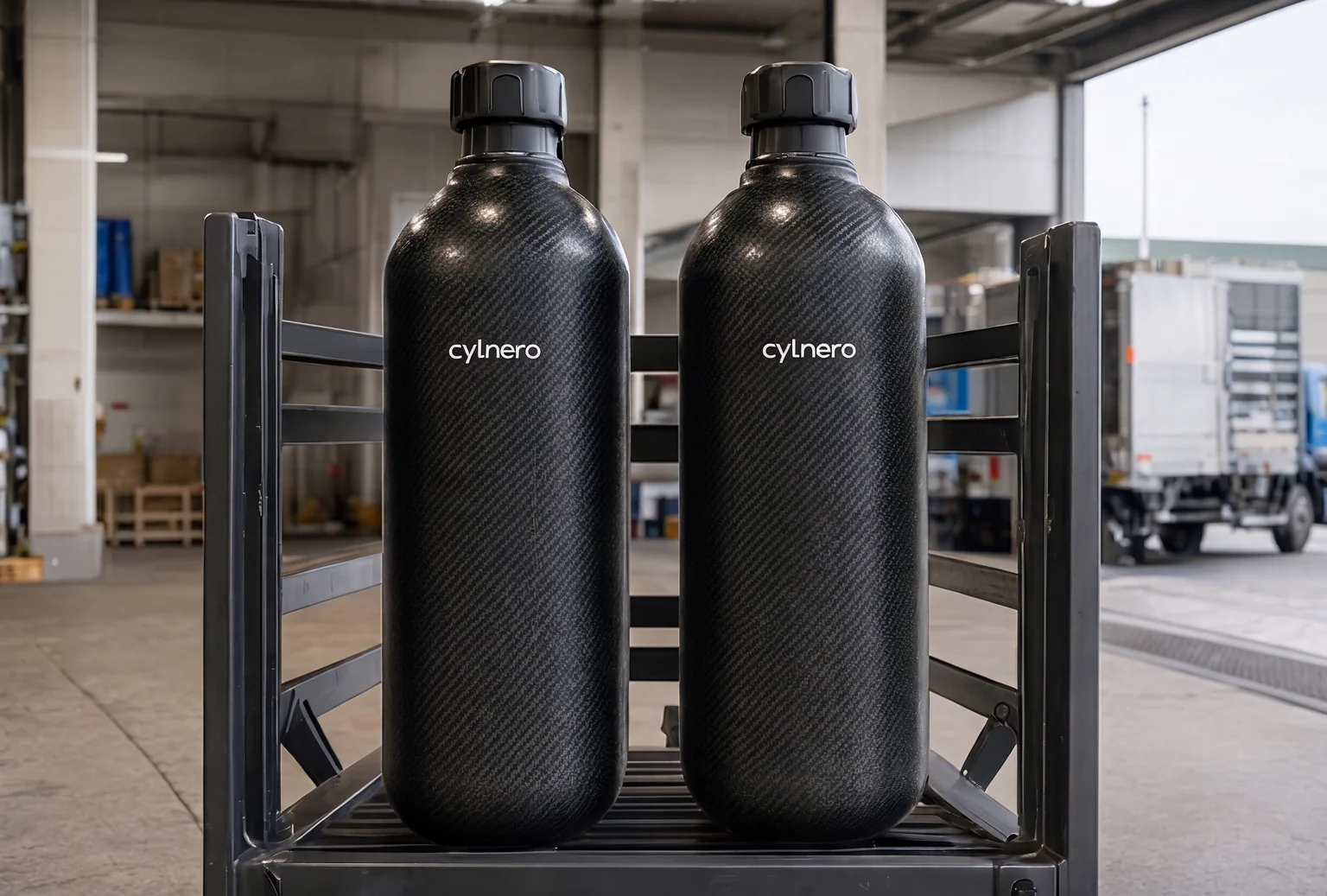
COPV integration purchasers can start with the intended medium, equipment context and component boundary.
Explore purchasing needs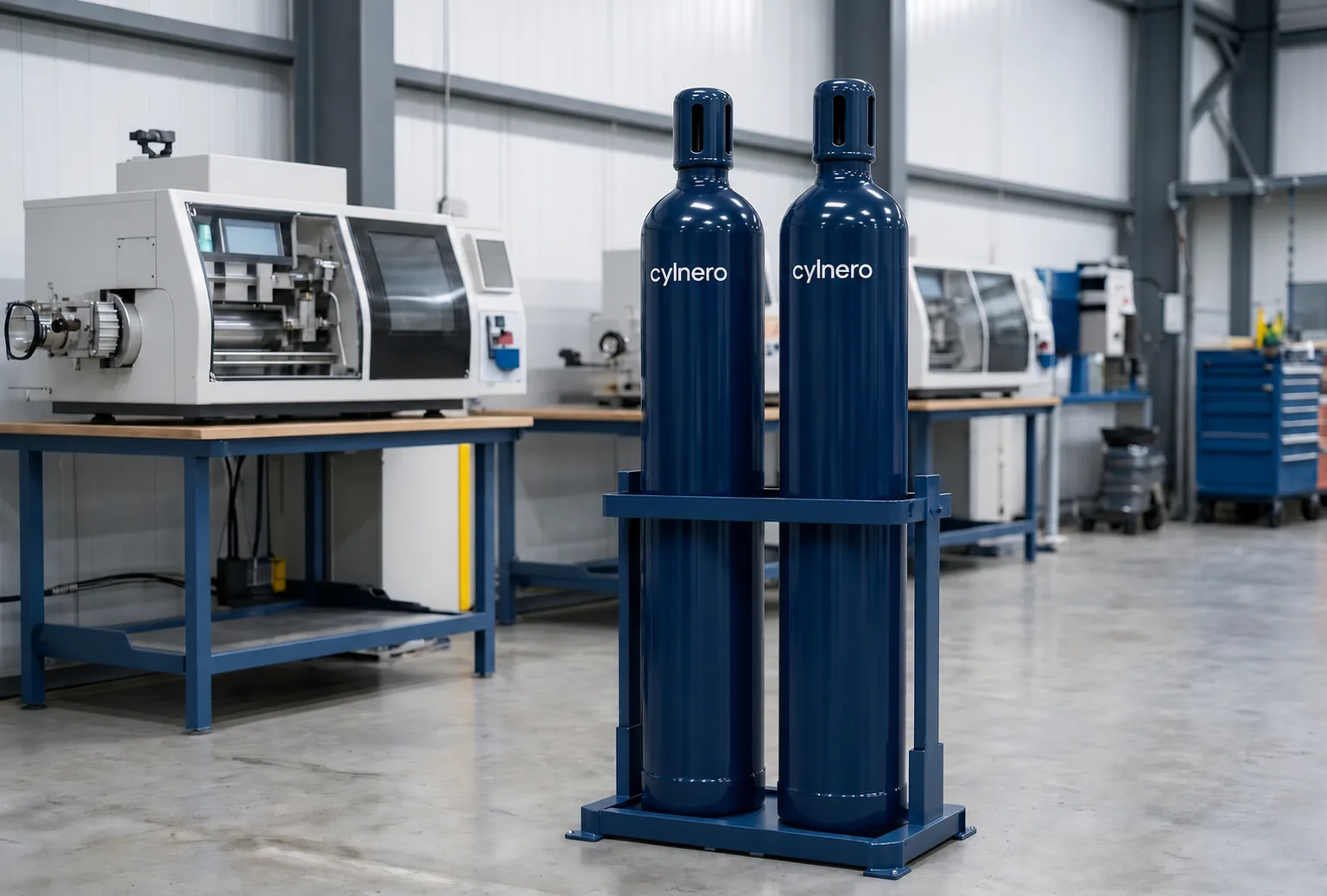
Industrial equipment OEMs can prepare cylinder or vessel enquiries around their equipment requirements, purchasing schedule and available interface information.
Explore purchasing needs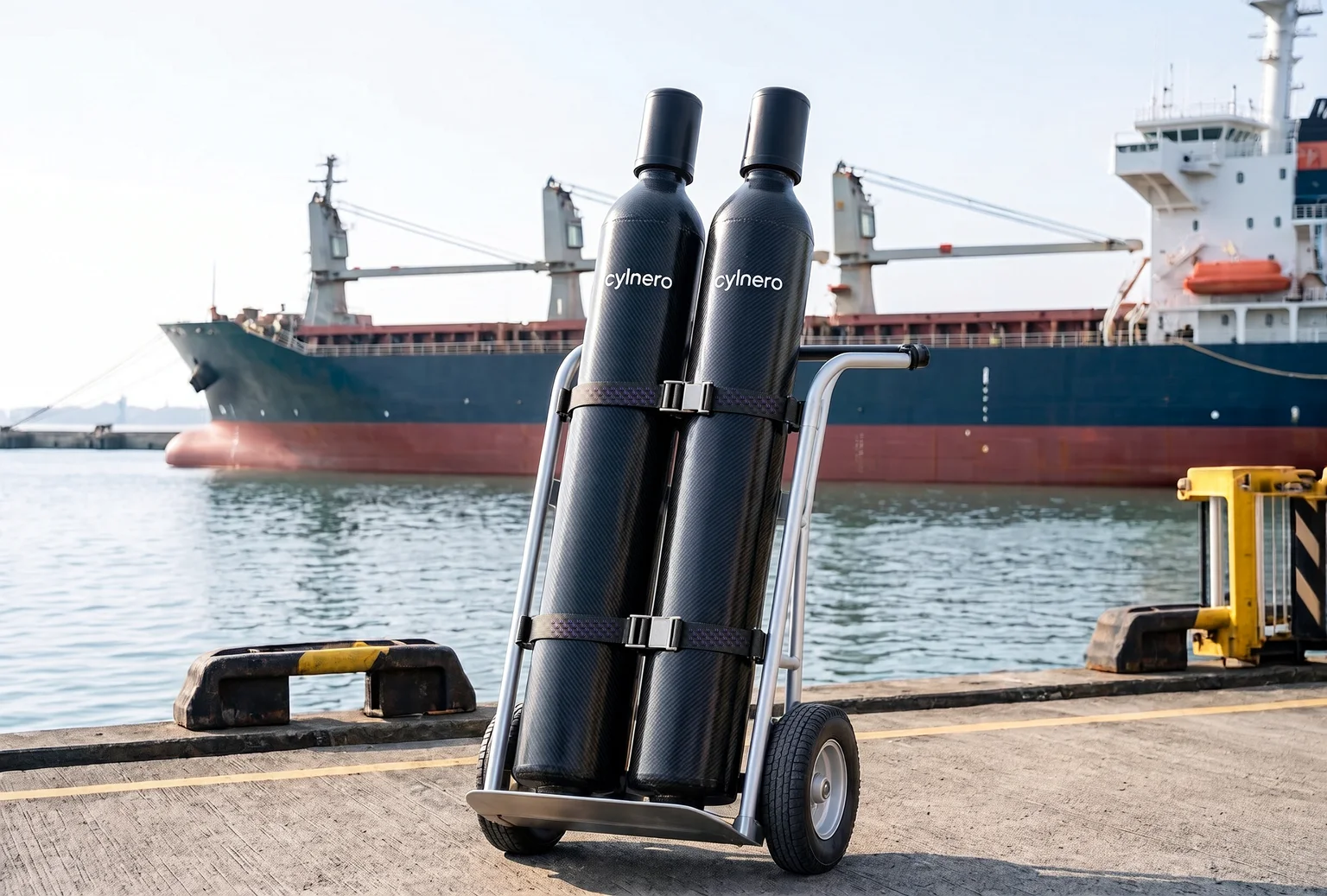
Marine hydrogen project purchasers can use this page to define a cylinder-related enquiry within a wider vessel or equipment project.
Explore purchasing needs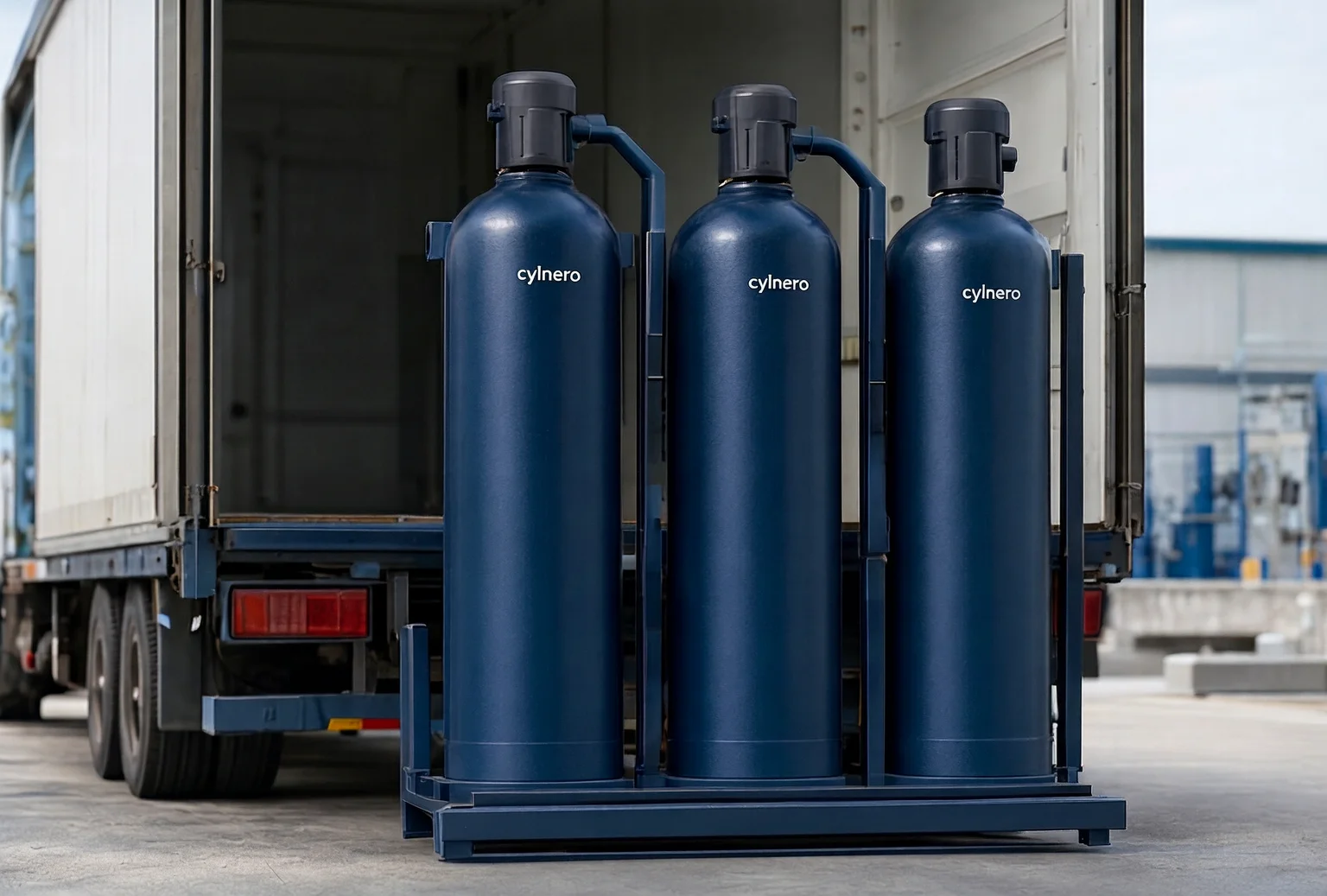
Gas cylinder importers can organize mixed product-family enquiries, destination requests and purchasing quantities before selecting detailed manufacturer configurations.
Explore purchasing needs