 Wholesale sourcing
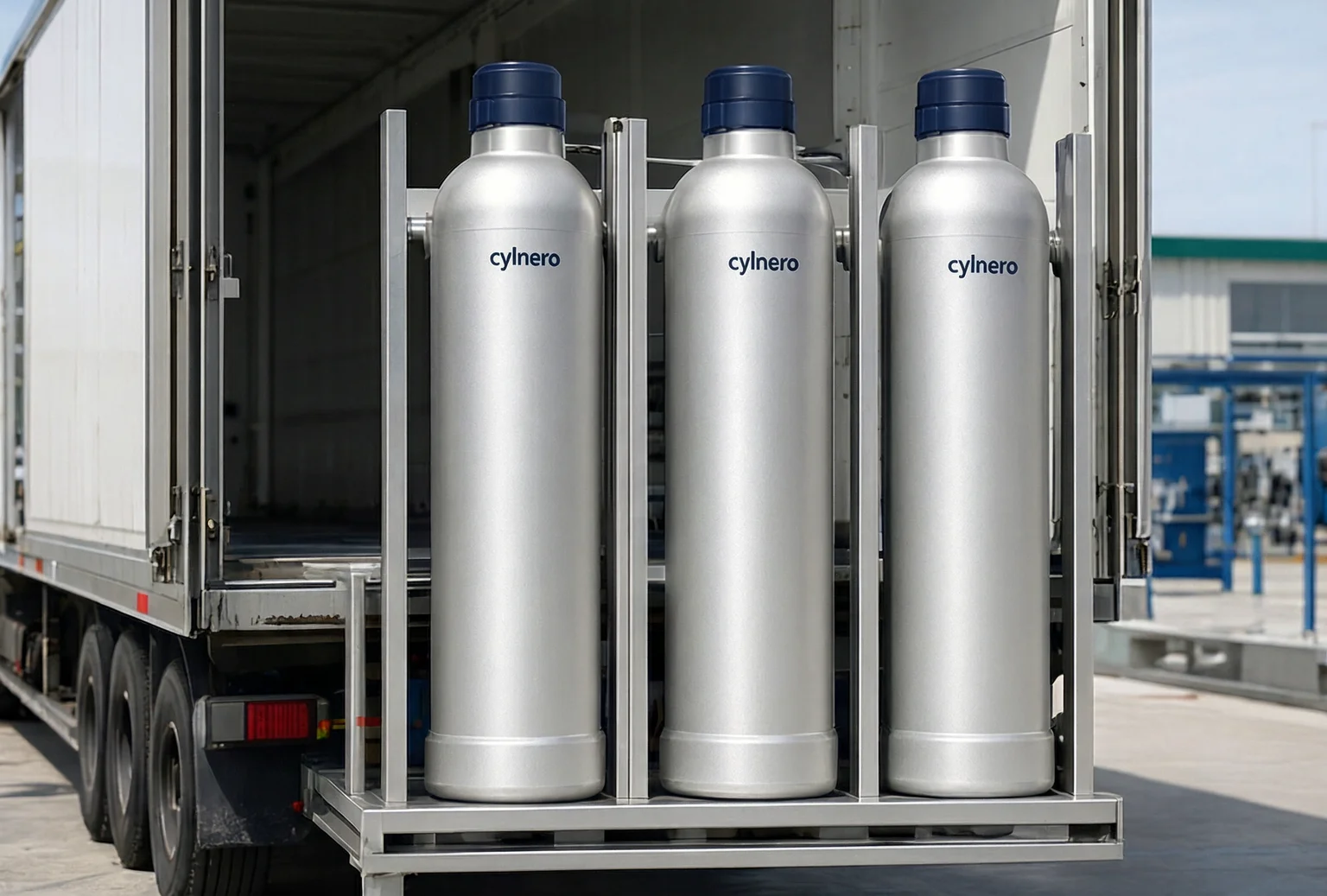
Aluminum Industrial Gas Cylinder Series
Configurable wholesale series · Specifications confirmed during enquiry
APPLICATION-LED / WHOLESALE PROCUREMENT
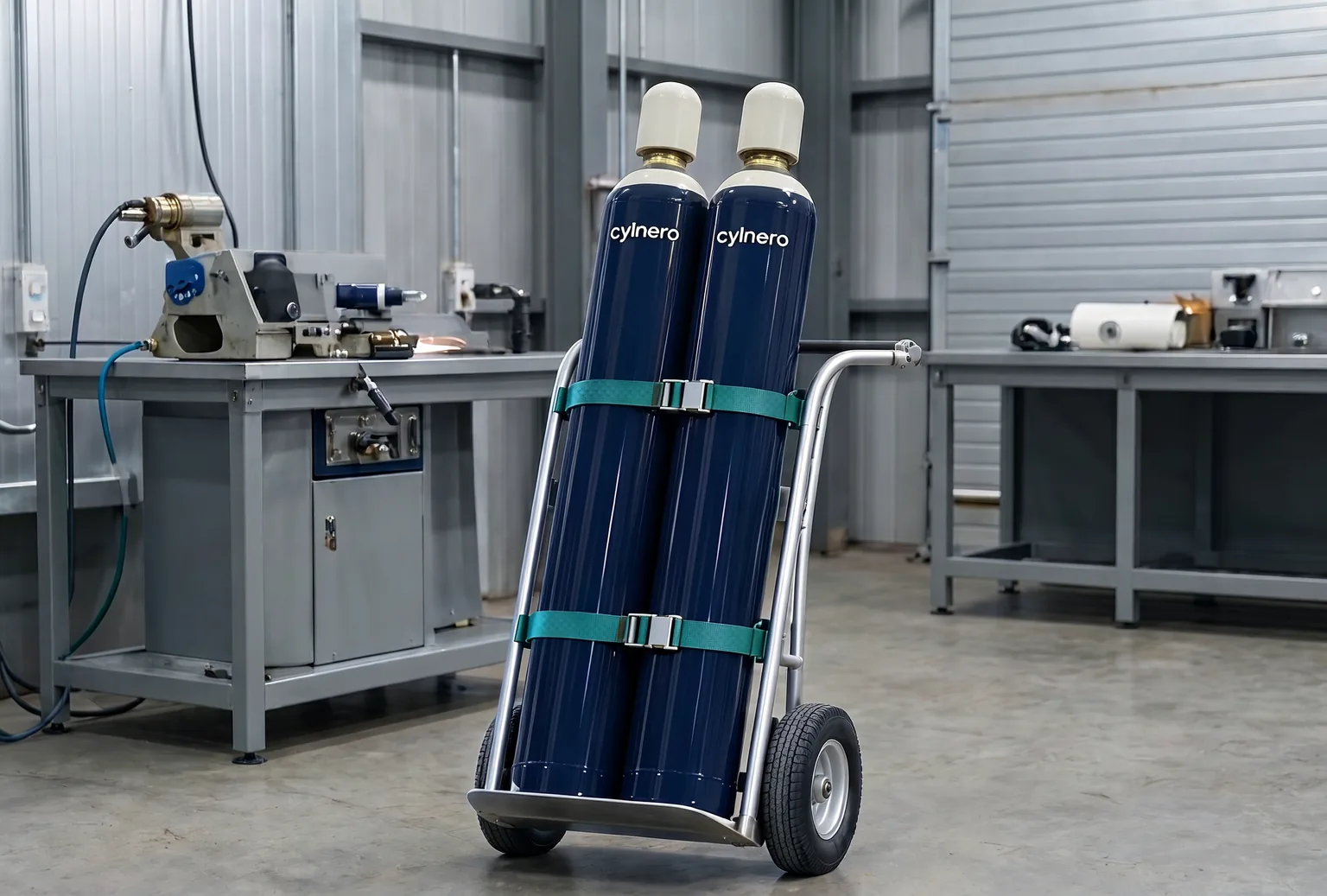
Welding suppliers and workshop purchasing teams can start with the cylinder families and commercial requirements they need to discuss. CYLNERO coordinates enquiries for cylinder hardware, including configurations requested for argon and industrial oxygen supply chains.
Welding suppliers and workshop purchasing teams can start with the cylinder families and commercial requirements they need to discuss. CYLNERO coordinates enquiries for cylinder hardware, including configurations requested for argon and industrial oxygen supply chains. Tell us the intended application, purchasing quantity and destination. Gas selection, filling, local exchanges and welding operating procedures are outside this product procurement page.
Swipe to see more sections →
These are starting points for an enquiry, not a statement that every configuration fits this application. The offered configuration and scope are confirmed during quotation.
Configurable wholesale series · Specifications confirmed during enquiry
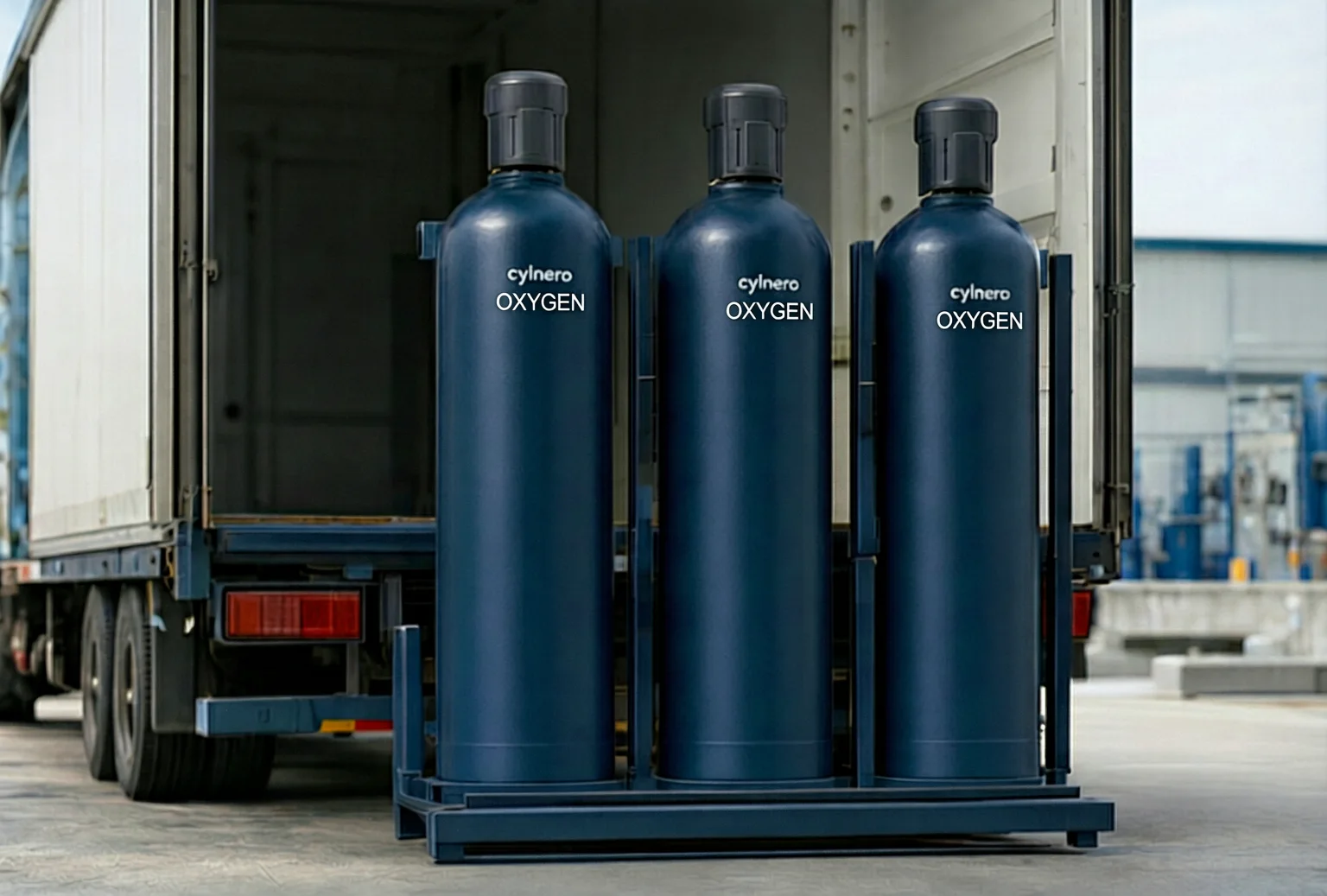
Configurable wholesale series · Specifications confirmed during enquiry
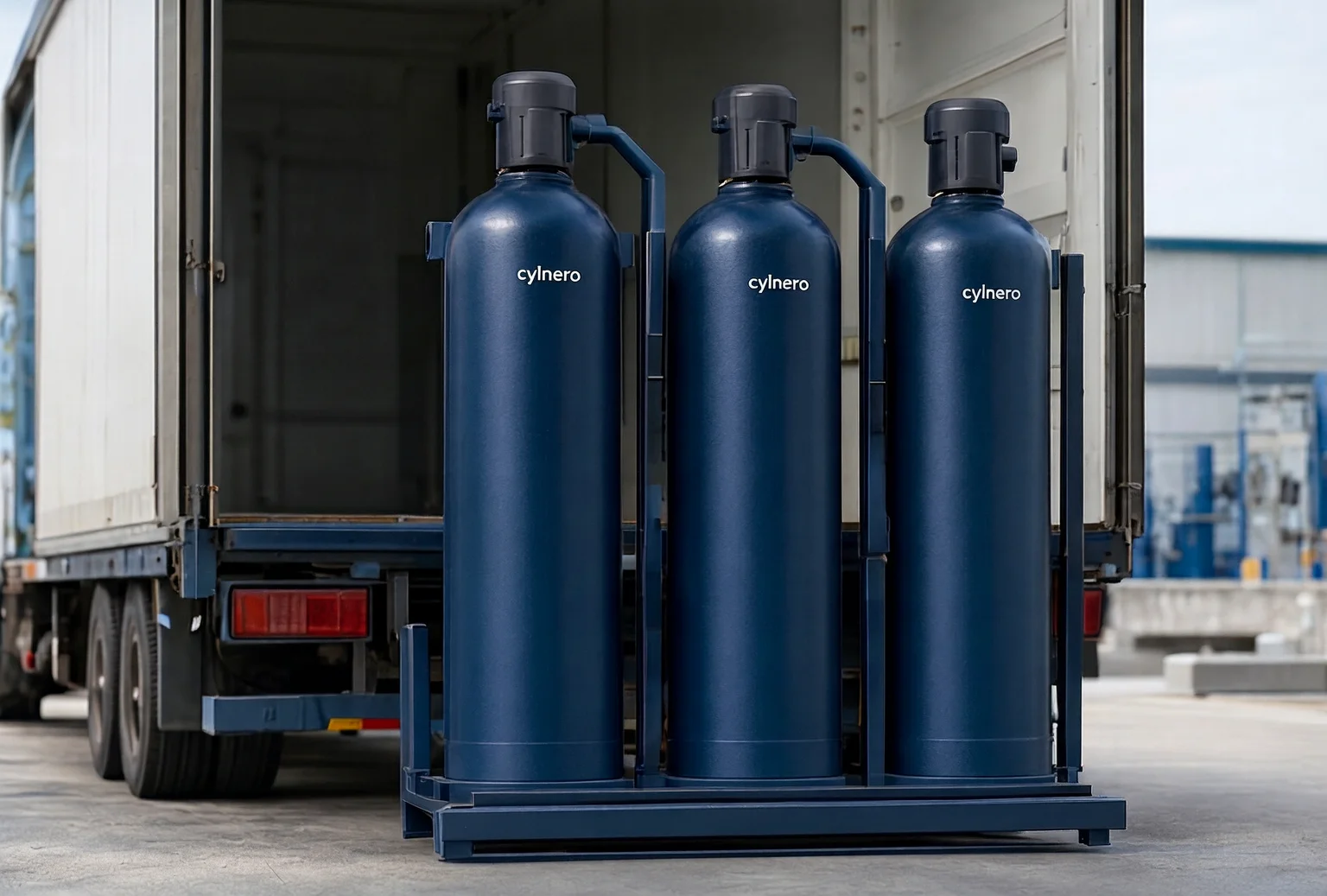
Configurable wholesale series · Specifications confirmed during enquiry
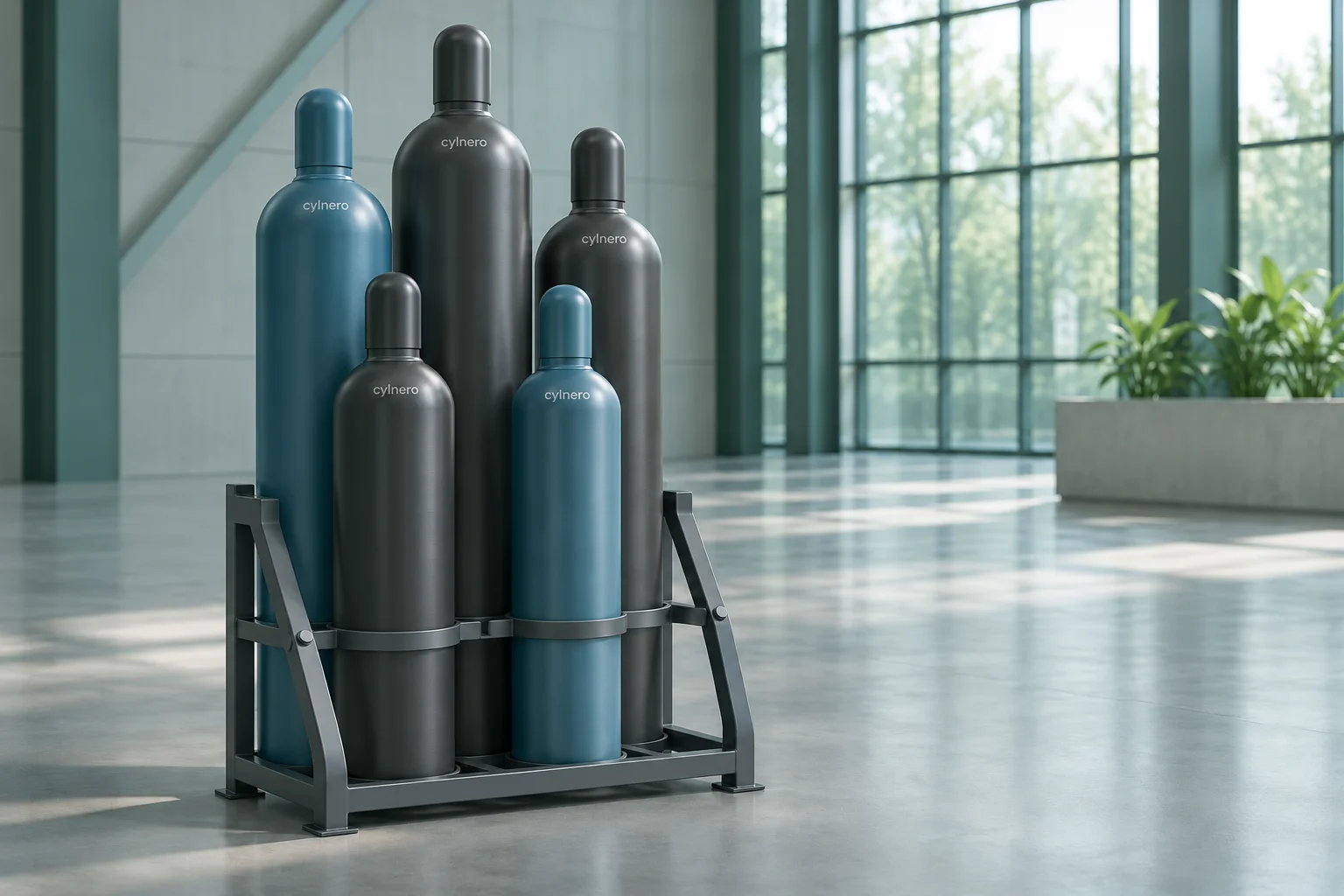
A workshop purchasing cylinders for its own equipment may have different needs from a distributor building a resale range. Explain who will receive the cylinders, whether the purchase replaces existing hardware or expands a product range, and which configurations should be compared. For MIG welding gas bottles or a TIG cylinder programme, name the process and share the gas-service requirements and existing equipment references your team already uses. If you have an existing valve description, equipment reference or receiving requirement, include it in the brief. You can leave an unknown capacity or connection open for discussion rather than selecting a model simply to complete an enquiry.
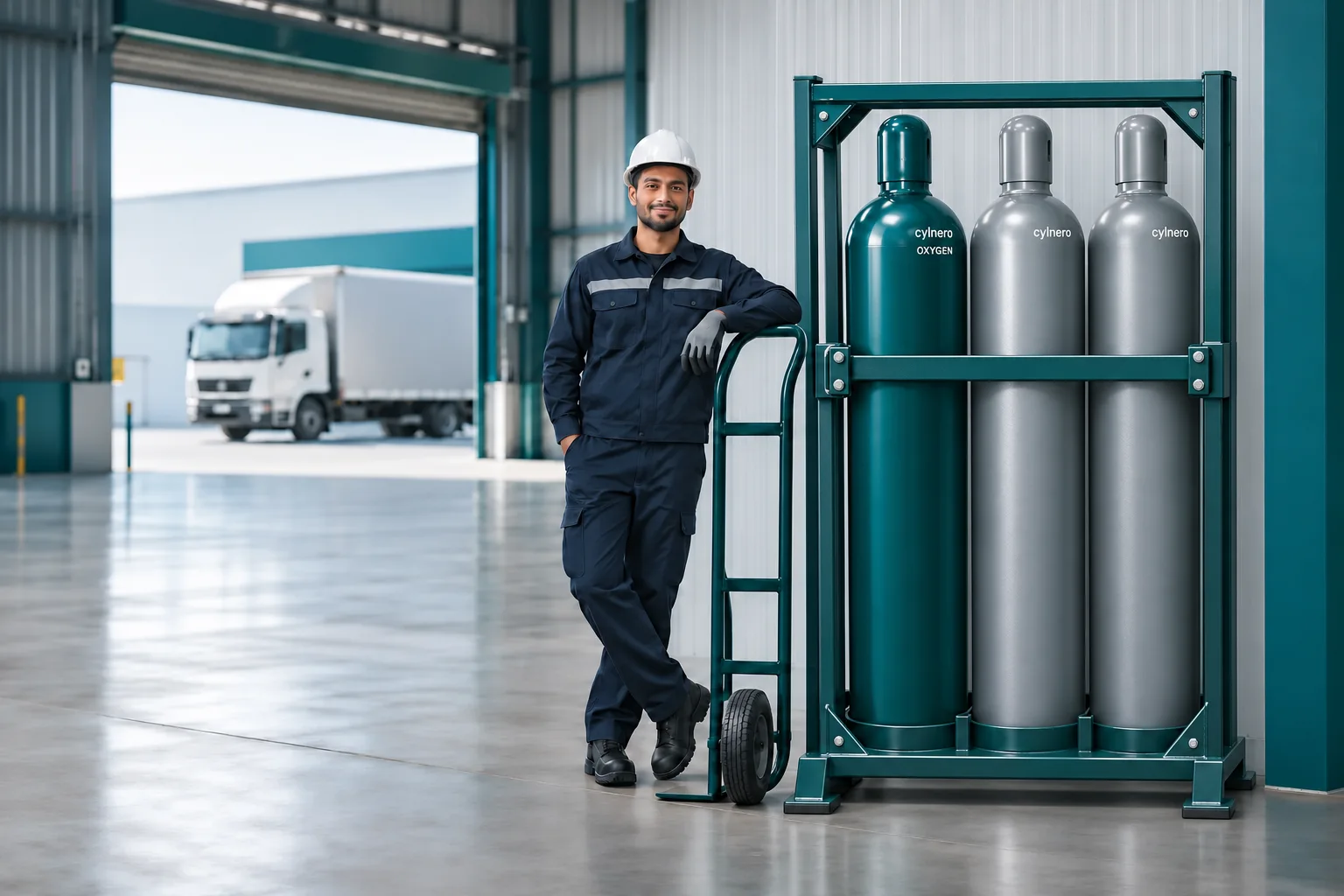
The argon and industrial oxygen category links provide distinct starting points for a hardware enquiry. Keep the intended gas service visible against each requested configuration instead of treating similar-looking cylinders as interchangeable. Miller describes argon as a common TIG shielding gas and an argon–carbon dioxide mixture as a common choice for MIG welding mild steel. Requirements vary with the process and work; share the gas specification already selected by your welding team. Share the equipment connection and marking requirements that your team already knows, and ask the manufacturer to confirm the offered configuration. This page does not recommend welding gas mixtures or establish that an industrial oxygen cylinder is suitable for medical use.
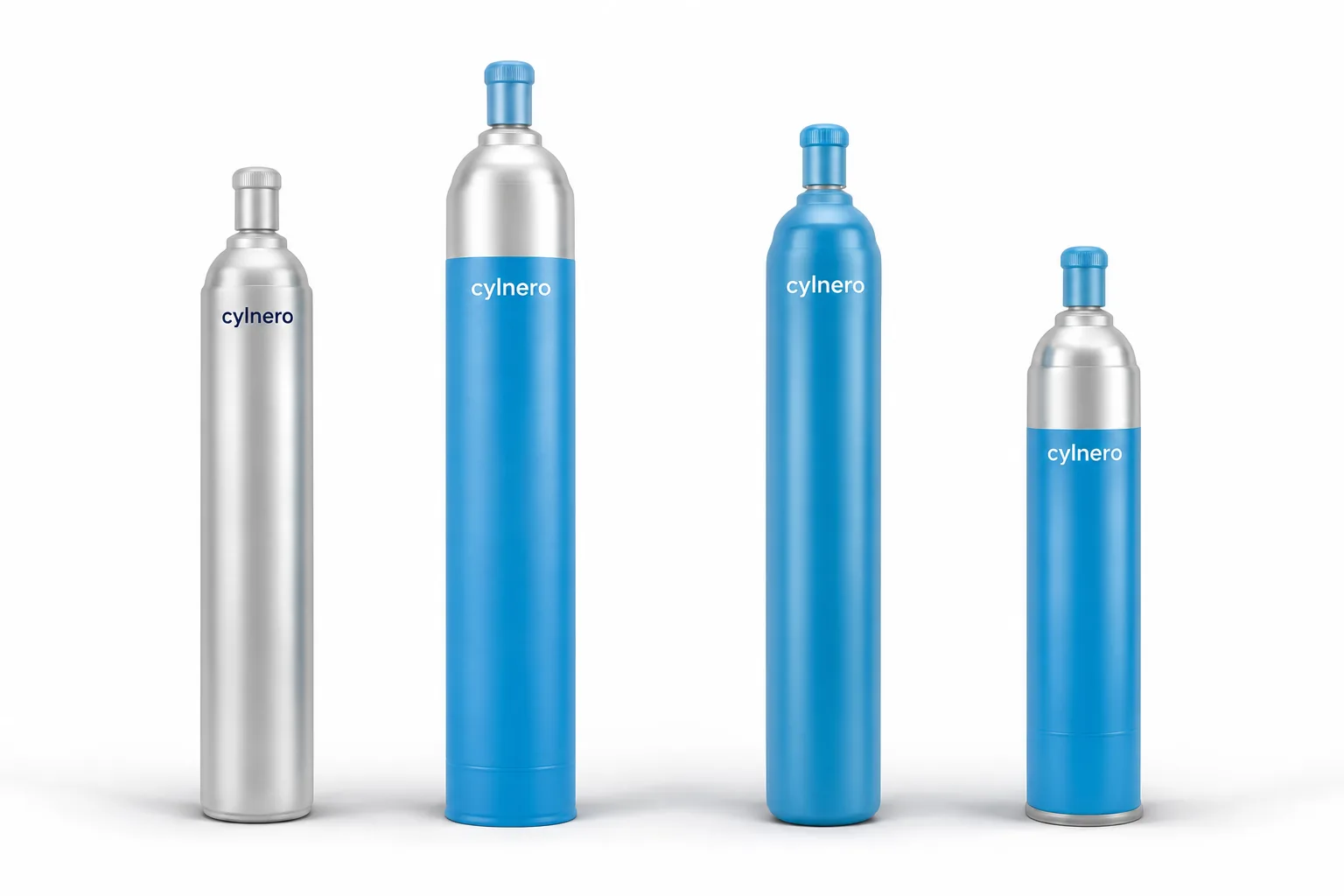
For a distributor order, describe how you want quantities split across requested configurations and whether the quotation should cover valves, protective components, markings and packing. For workshop purchases, explain any receiving or storage-envelope constraints that should be considered in the proposal. Record unanswered questions alongside each offer so that a low initial price is not compared with another quotation covering a different scope. Final specifications and commercial terms are established during the quotation discussion.
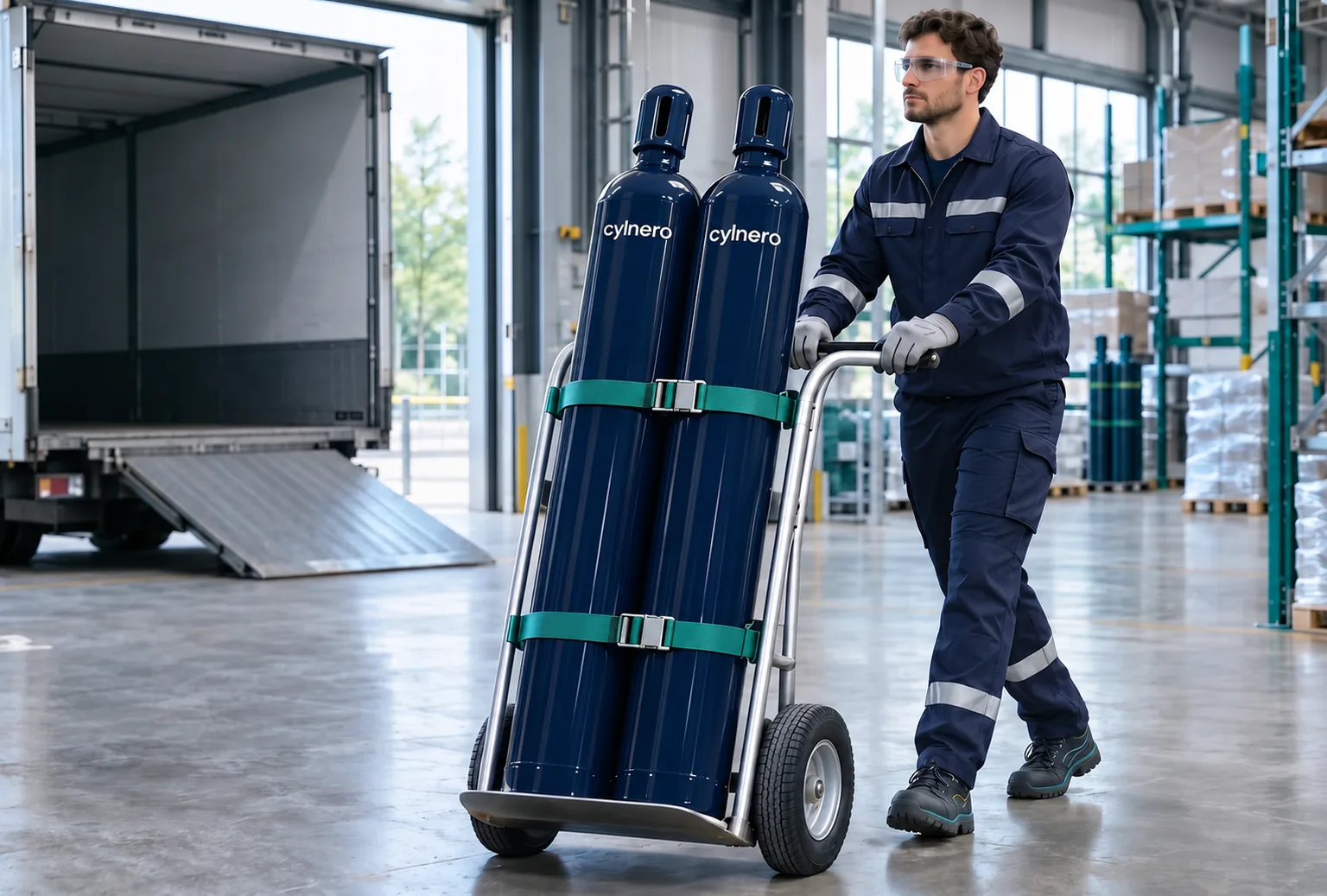
A workshop buyer may be replacing a small number of cylinders used with existing equipment, while a distributor may be building a range for several customers. Start by describing which purchasing task applies, the intended gas service, approximate number of cylinders and destination. If an existing cylinder or equipment drawing provides a reference, share it with the manufacturer. Where capacity or a connection remains undecided, identify it as an open question instead of selecting a configuration only to complete the first enquiry.
Distributors can separate requirements by customer group or receiving branch. One line might describe the quantity and known configuration for a workshop programme; another might cover a different cylinder family or destination. Ask whether the proposed quotation distinguishes the groups and identifies any shared or separately priced packing. Workshop buyers can include available storage-envelope or receiving constraints. These details help frame a hardware quotation; the offered configuration, commercial scope and any unresolved questions still need to be confirmed by the manufacturer.
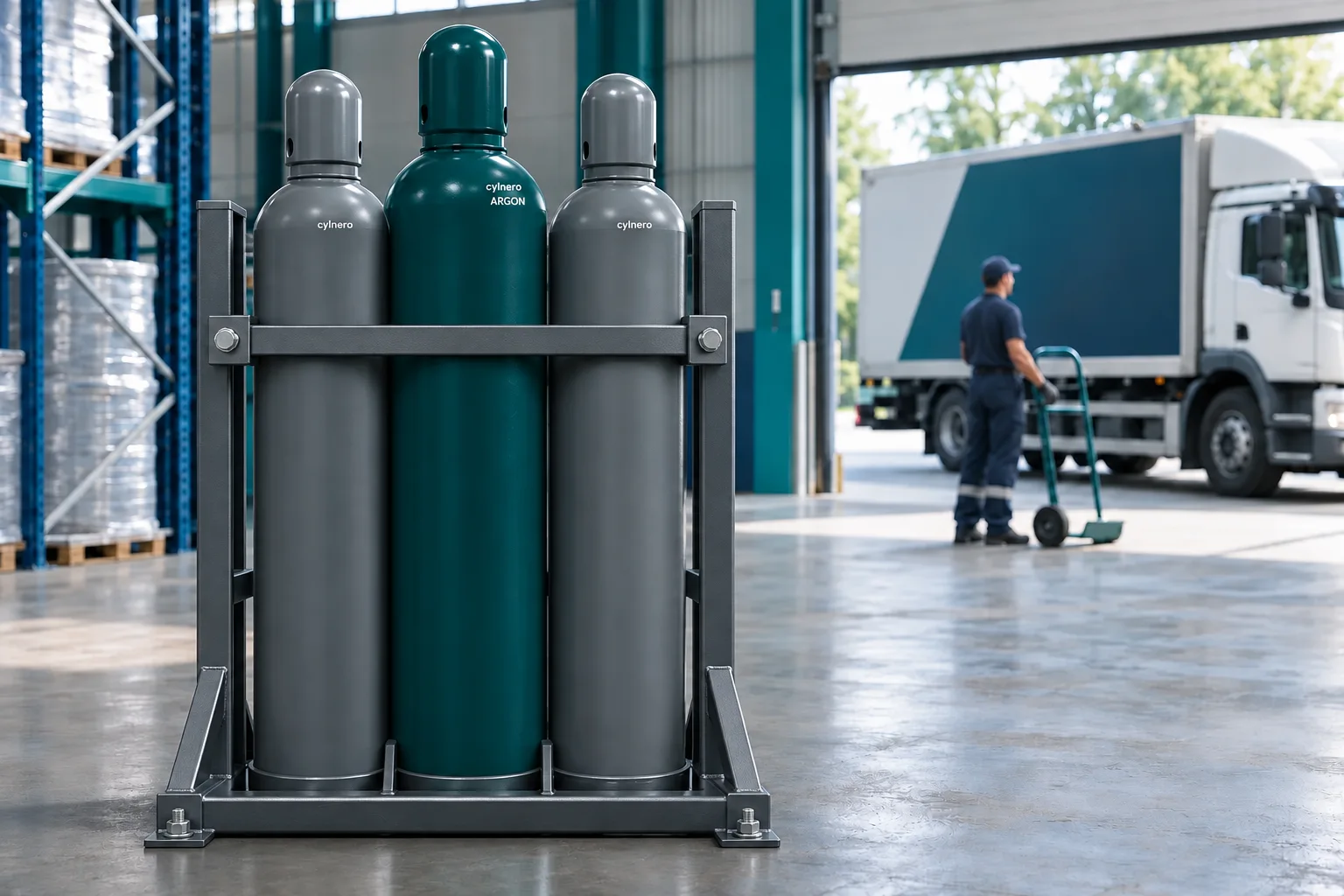
Argon cylinder hardware and industrial oxygen cylinder hardware are separate starting points for a welding supply enquiry. If both are required, identify the intended gas service against each requested configuration and quantity. Do not use the appearance or colour of a cylinder as the sole basis for assuming what it is suitable for. Share the existing references your purchasing or equipment team uses, including any known capacity designation, connection description and destination requirement. Ask the manufacturer which information it needs to identify its proposed offer.
A buyer comparing two quotations can retain the gas-service description exactly as each supplier states it, alongside the offered cylinder and component reference. If a response does not explain the intended scope clearly, record a question rather than filling in the missing field from another product. The industrial oxygen links on this site concern industrial procurement; they do not establish suitability for a medical application. The user's equipment team and the manufacturer should review the actual proposed configuration for the intended project.
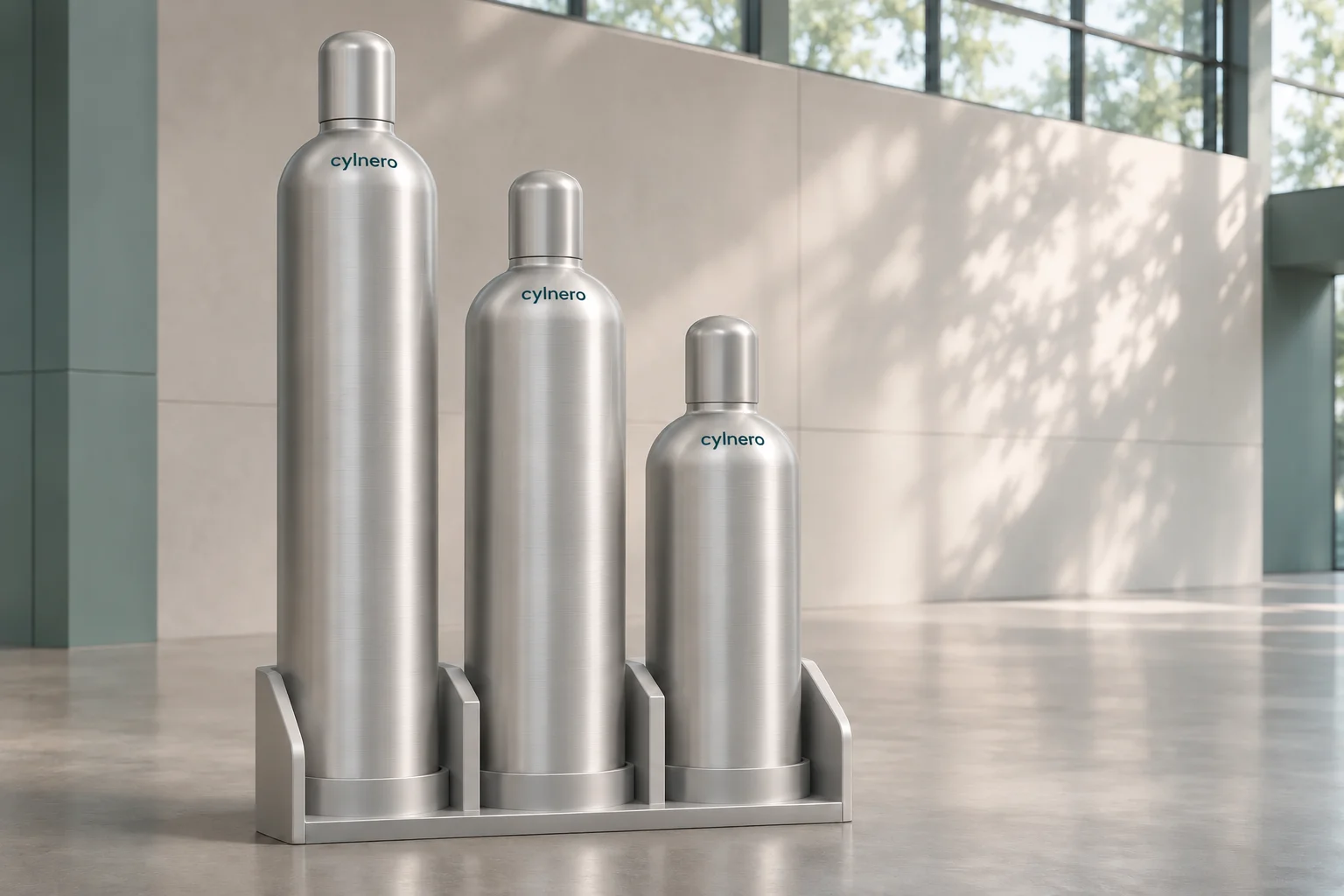
The related steel and aluminum product pages help buyers organise enquiries, but neither page identifies a universal model or a configuration suitable for every welding application. Ask each manufacturer to identify the actual construction and the stated water capacity, pressure basis and dimensions of its proposed cylinder. If the available space is known, provide the relevant height, diameter or receiving-envelope constraints with their units. Keep the original offer and drawing references visible when values are transferred into a purchasing comparison.
For handling and shipment planning, ask what the manufacturer's stated weight includes. A cylinder body, a cylinder with valve and protective components, and a packed shipment can have different weight bases. Compare the figures on the same basis and ask about missing components before drawing a conclusion. A buyer can also discuss finish and packing, and ask for the gas service, rating and weight stated for the proposed configuration. The manufacturer confirms the configuration it offers.
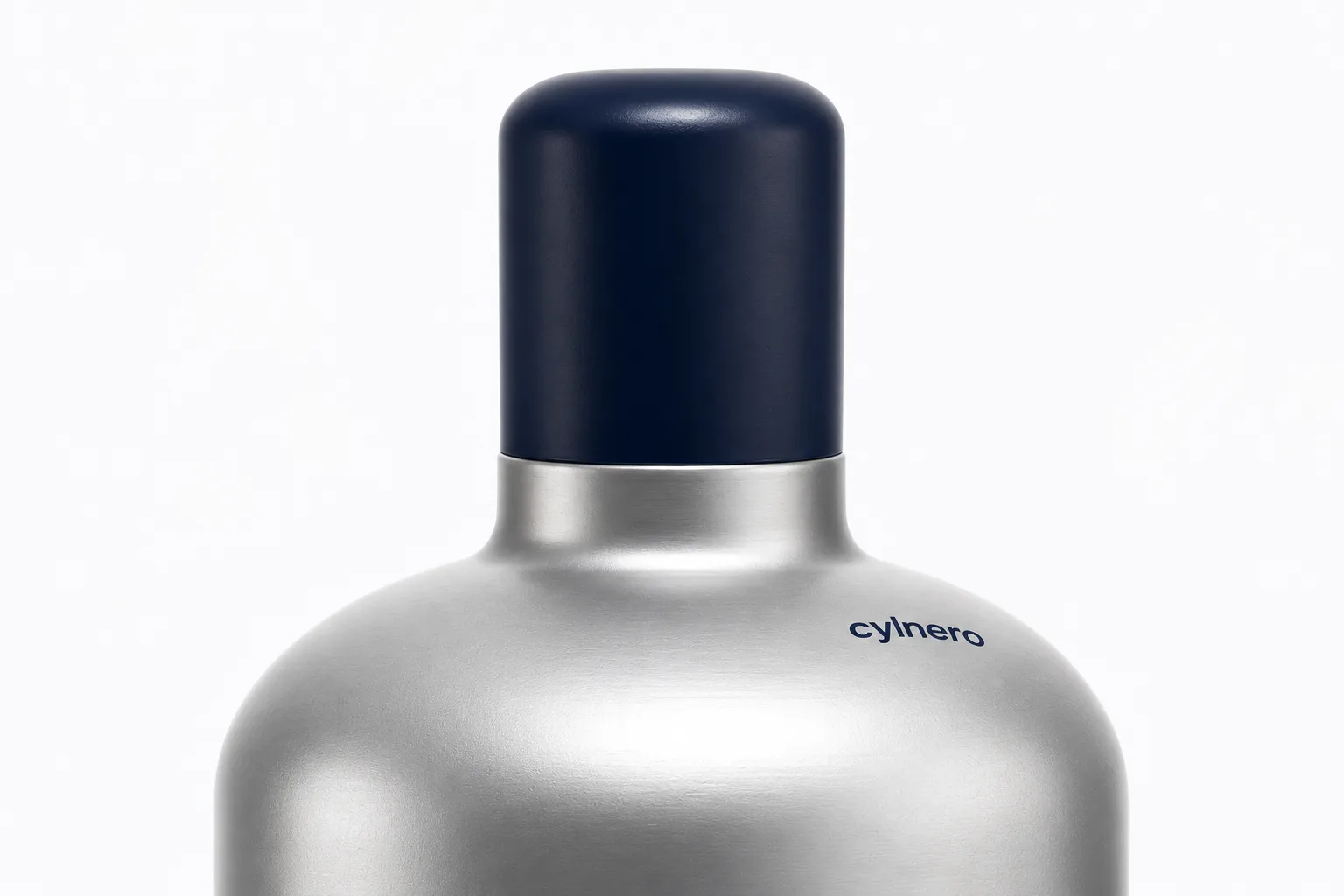
If the workshop already has an equipment connection reference, share the relevant drawing or description with the enquiry. Ask the manufacturer to identify the valve and connection it proposes, and to state whether those components are included in the quotation. A buyer who only knows the application can leave the connection field open and request a discussion. When multiple customer configurations are involved, distinguish them in the request so the response can be compared line by line rather than assumed to apply to every cylinder.
The same principle applies to protective items and marking. State whether the enquiry should cover a cap, collar or other protection, and ask what is included in each proposal. Distributors can share known branding artwork or an internal product reference for discussion; the manufacturer identifies what it proposes to supply. If a customer or destination has existing identification requirements, provide the source to the responsible reviewers. A requested label or colour does not by itself establish the technical scope or the suitability of the cylinder.
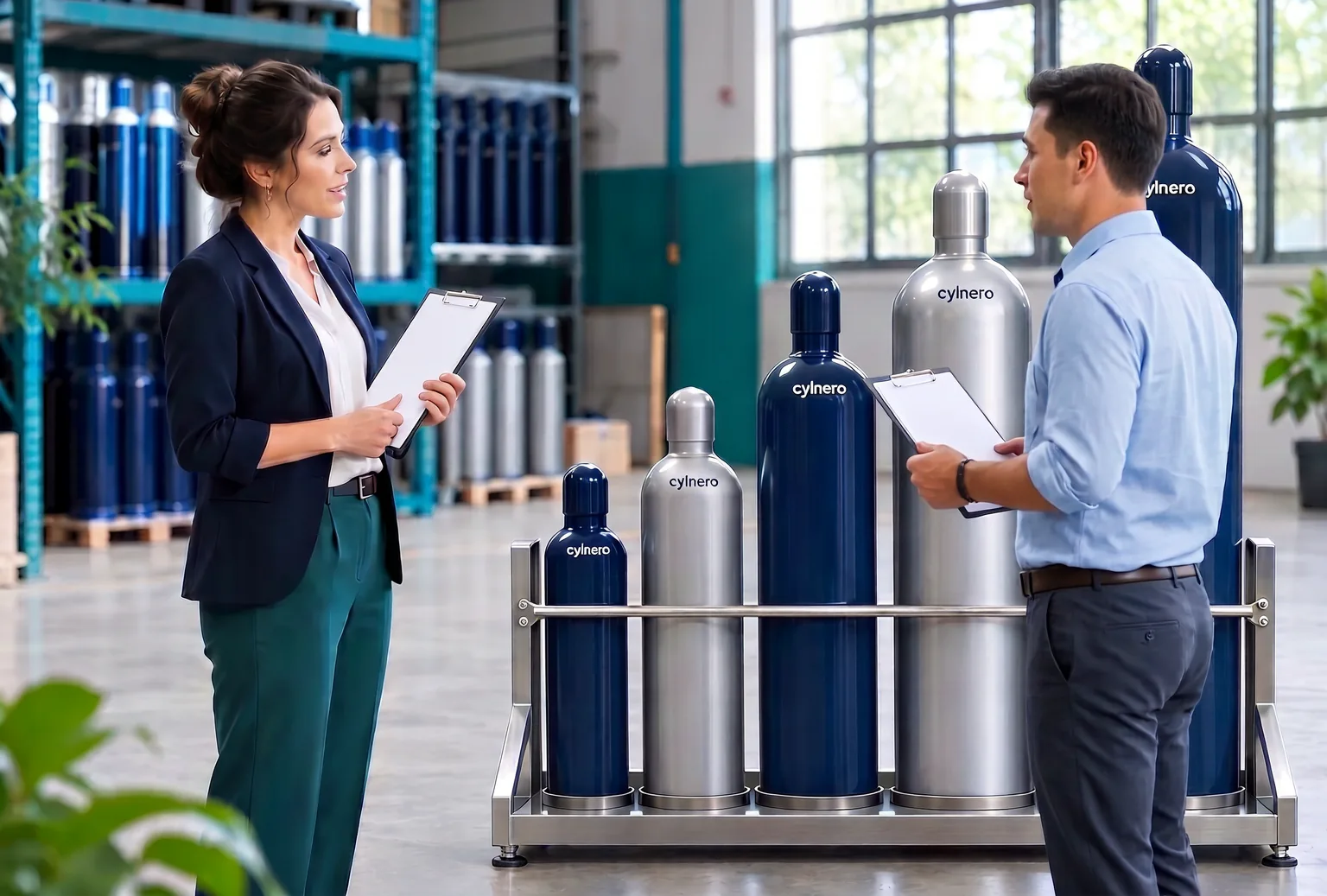
Start with the physical number of cylinders needed for the current order. For a distributor, group quantities by requested gas service, configuration and receiving location where these differ. A future forecast can be noted separately without presenting it as an agreed order. If there is a previous quotation or repeat-purchase reference, identify it and describe the current requirement. Ask the manufacturer to state proposed packing, delivery scope and commercial terms for each group; timing and availability belong in the actual quotation.
Compare offers by the scope they include, not only the unit price. Record whether each response covers the cylinder body, valve, protective components, requested marking, packing and destination. Ask which documents are offered for the specific configuration and compare them with any existing project or destination requirements reviewed by your team. Keep unanswered questions and later changes attached to the relevant offer revision. This makes it easier to see whether an apparent price difference reflects a different package or an item that still needs clarification.
No. For a welding gas cylinder enquiry, start with the application, approximate quantity and destination, then share any configuration information already available. Unknown values can remain open for the quotation discussion.
Yes. List the intended welding applications and any gas-service descriptions separately, together with the approximate quantities and known cylinder or connection references for each. Ask the supplier to identify the configuration it proposes for each line and the questions requiring review.
This is a cylinder hardware sourcing page. It does not offer welding gas contents, refill bookings or local cylinder exchange. Use the enquiry to explain the hardware and purchasing scope you want the manufacturer to discuss.
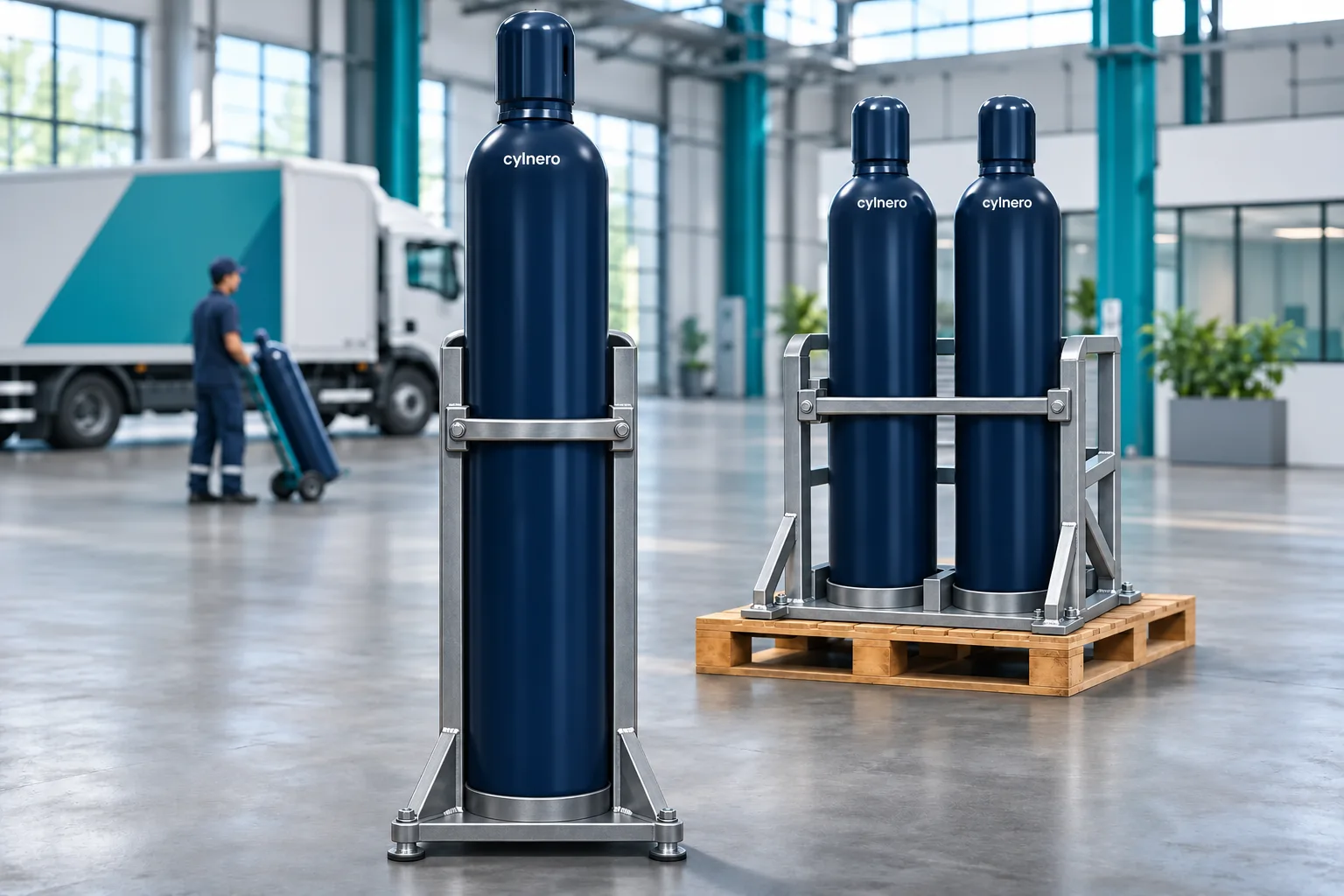
Cylinder purchasing for a distribution business starts with the customers and product families you serve.
Explore purchasing needs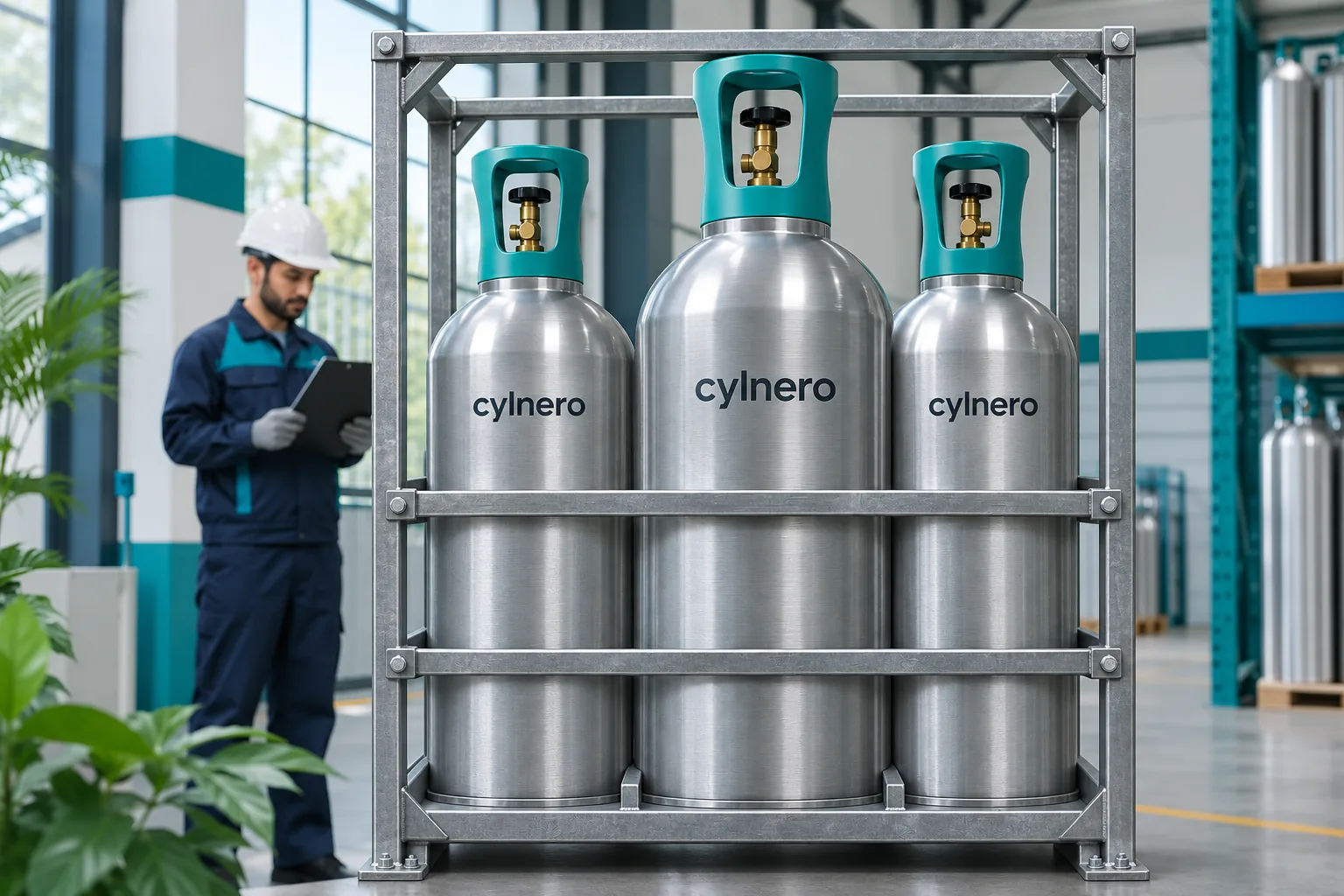
Medical-gas organizations and distributors can use this application page to organize a cylinder procurement brief.
Explore purchasing needs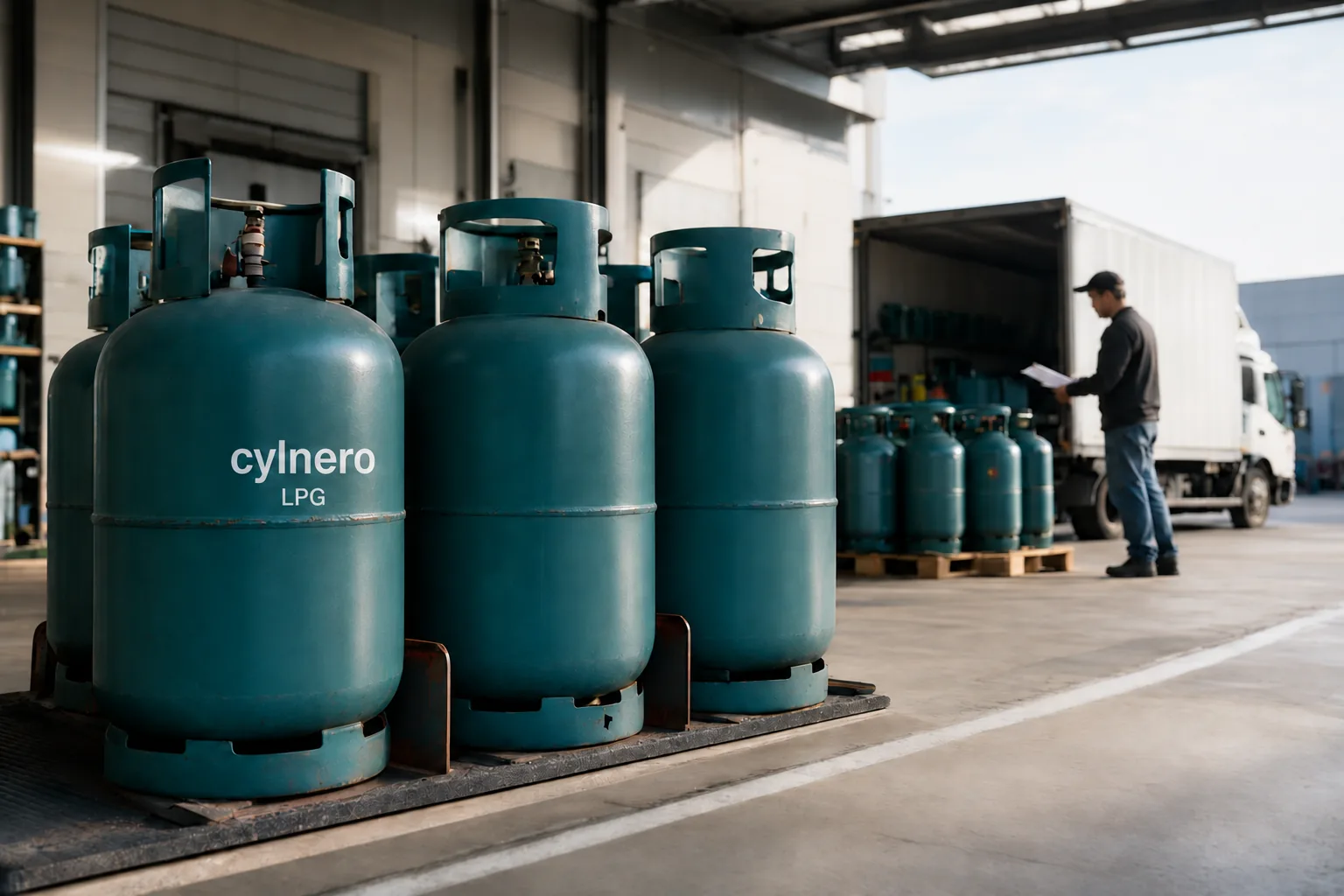
LPG distributors, importers and filling organizations can prepare enquiries for cylinder hardware and the configurations they want to discuss.
Explore purchasing needs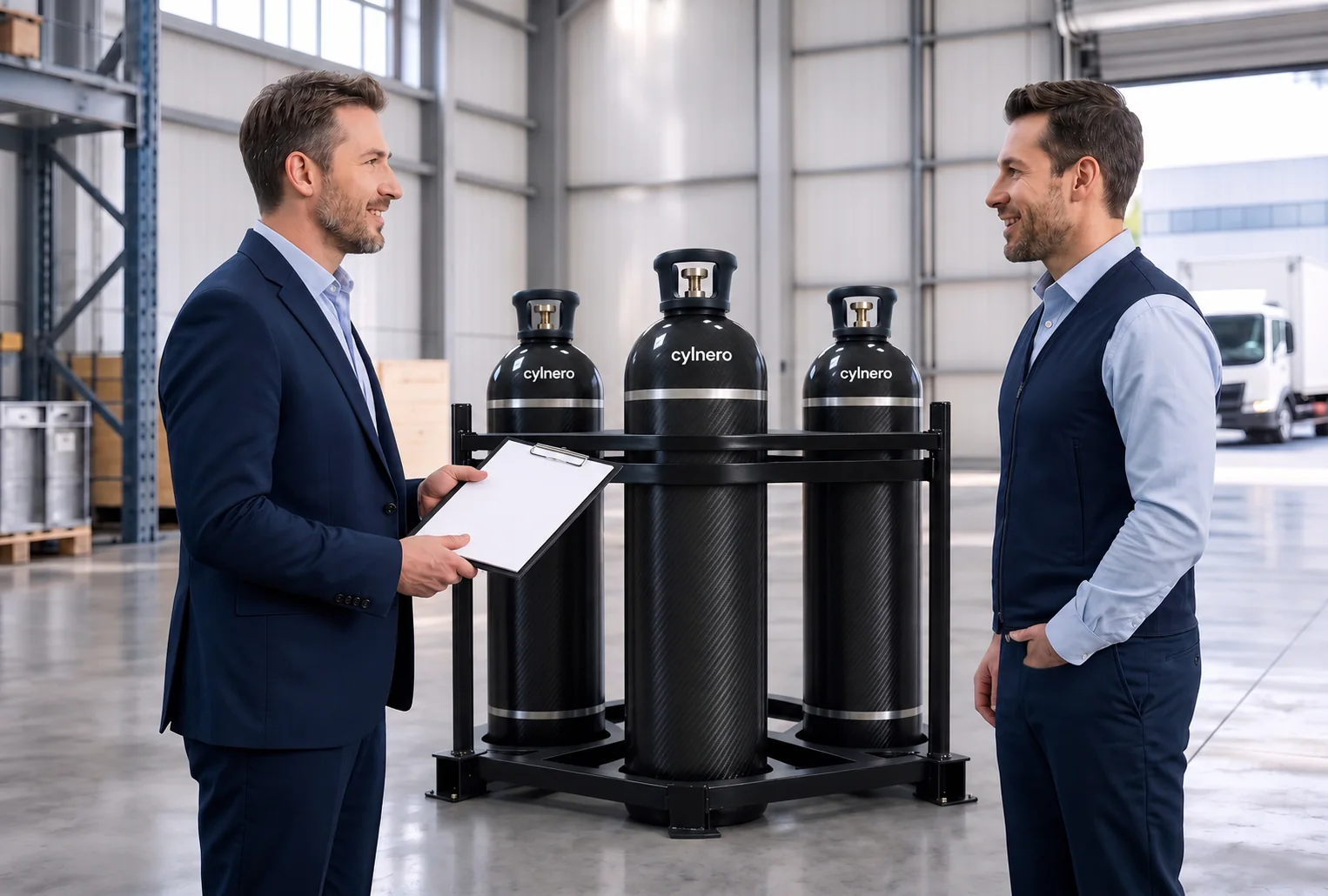
Hydrogen refueling project purchasers can use this page to scope cylinder-related enquiries within a wider project.
Explore purchasing needs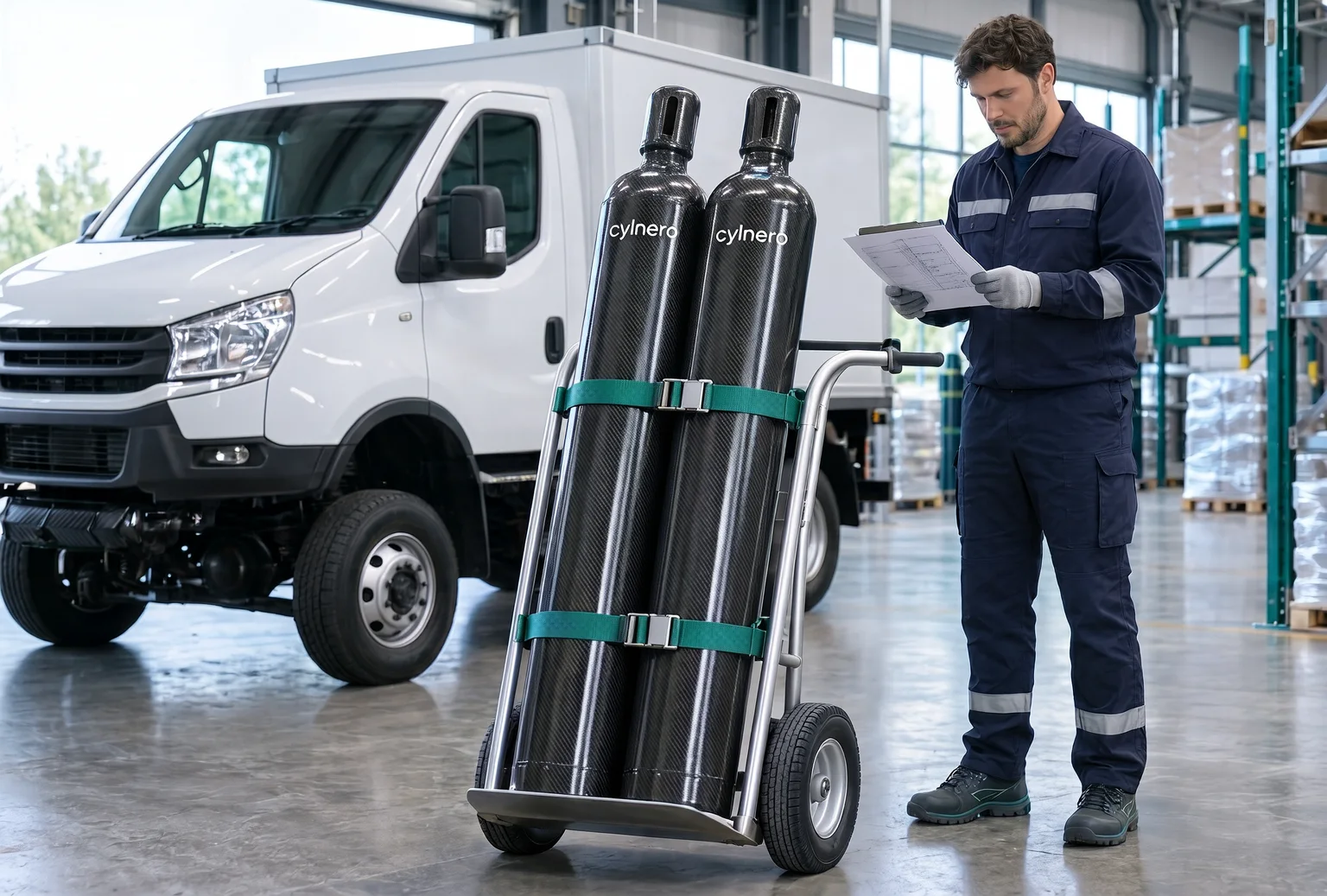
Purchasing teams working on onboard hydrogen equipment can prepare a cylinder-series enquiry before the detailed configuration is settled.
Explore purchasing needs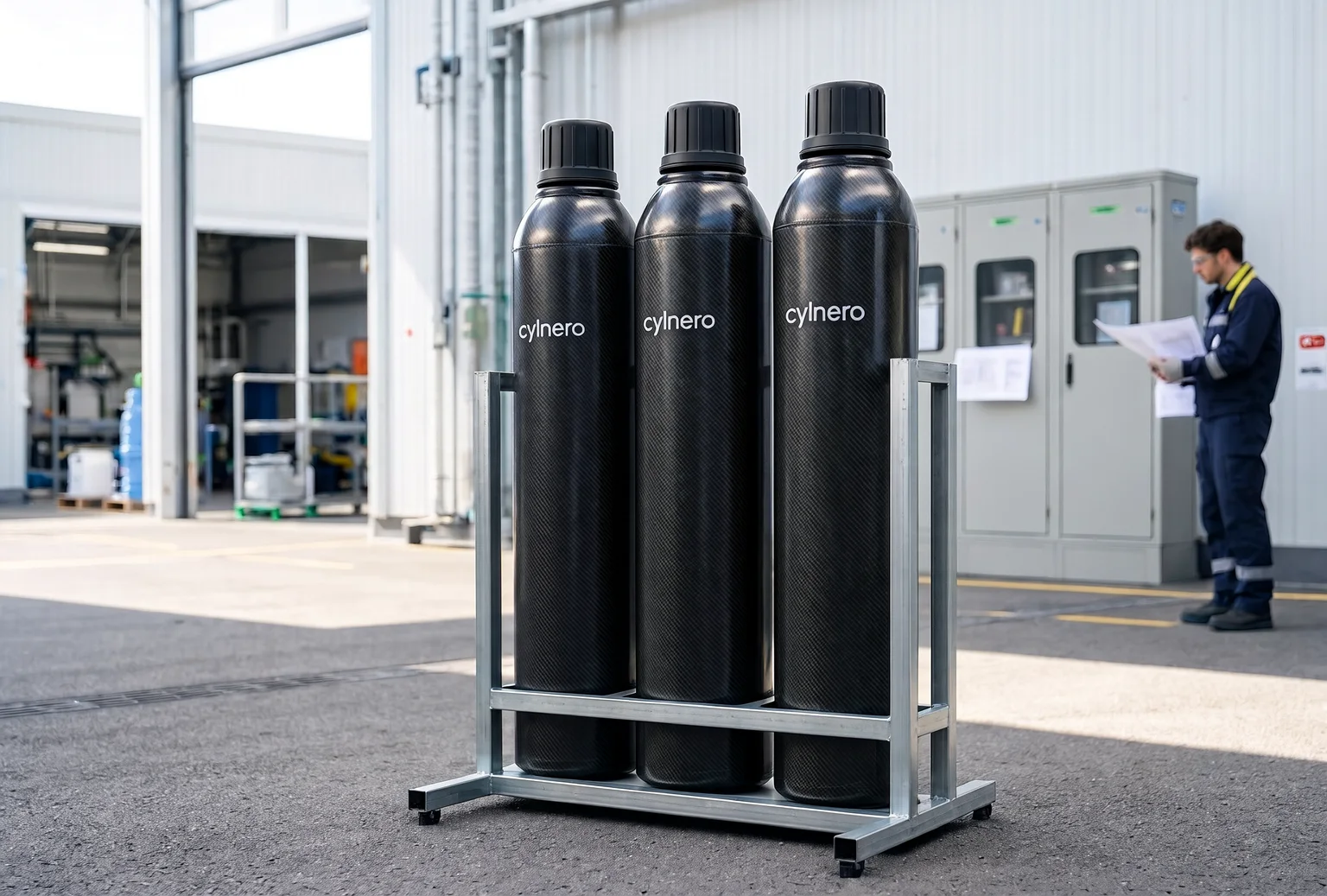
Stationary hydrogen equipment purchasers can organize a cylinder enquiry around the component scope and the requirements their project team has established.
Explore purchasing needs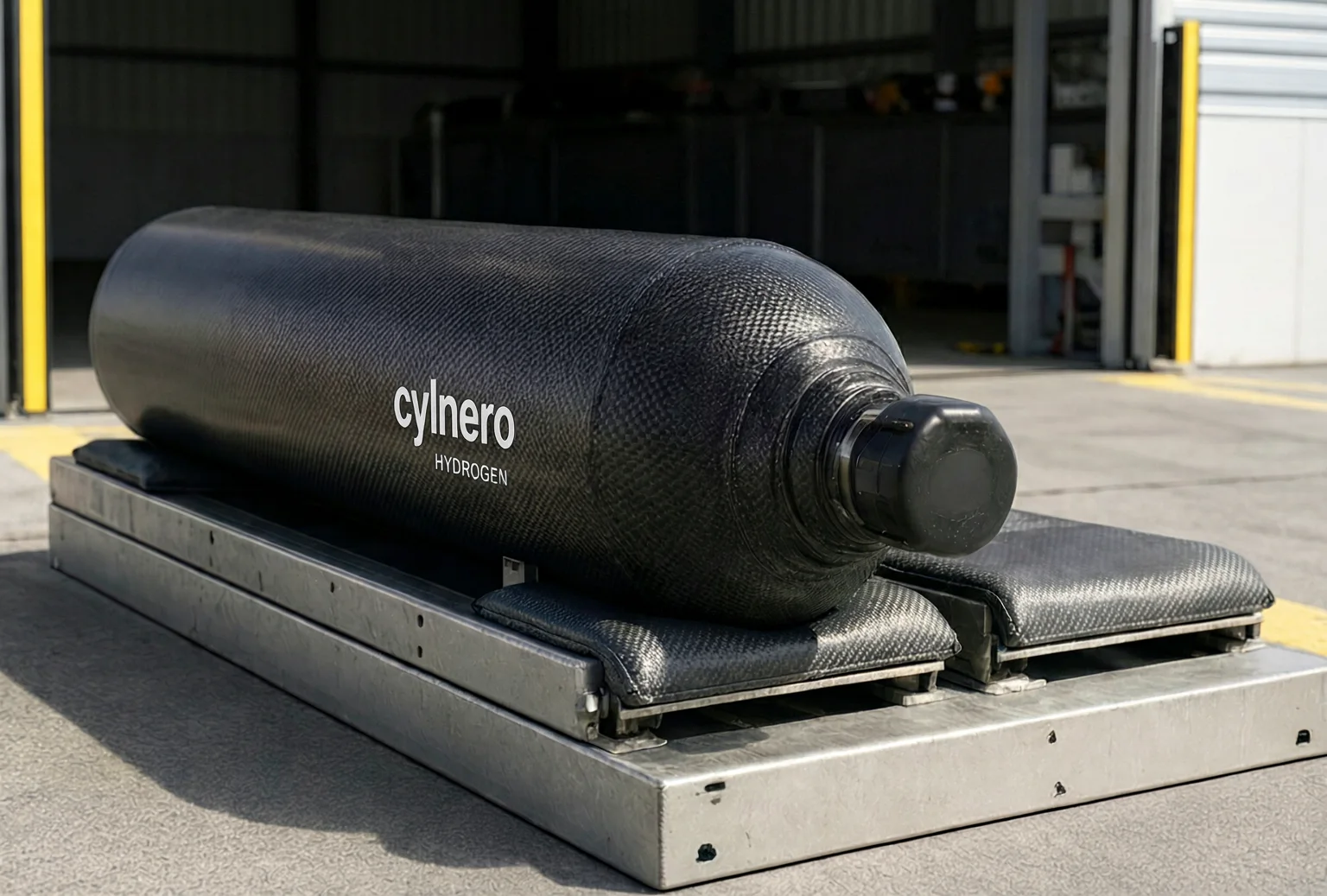
Hydrogen equipment OEM purchasing teams can use this page to organize configurable cylinder-series enquiries and repeat-order discussions.
Explore purchasing needs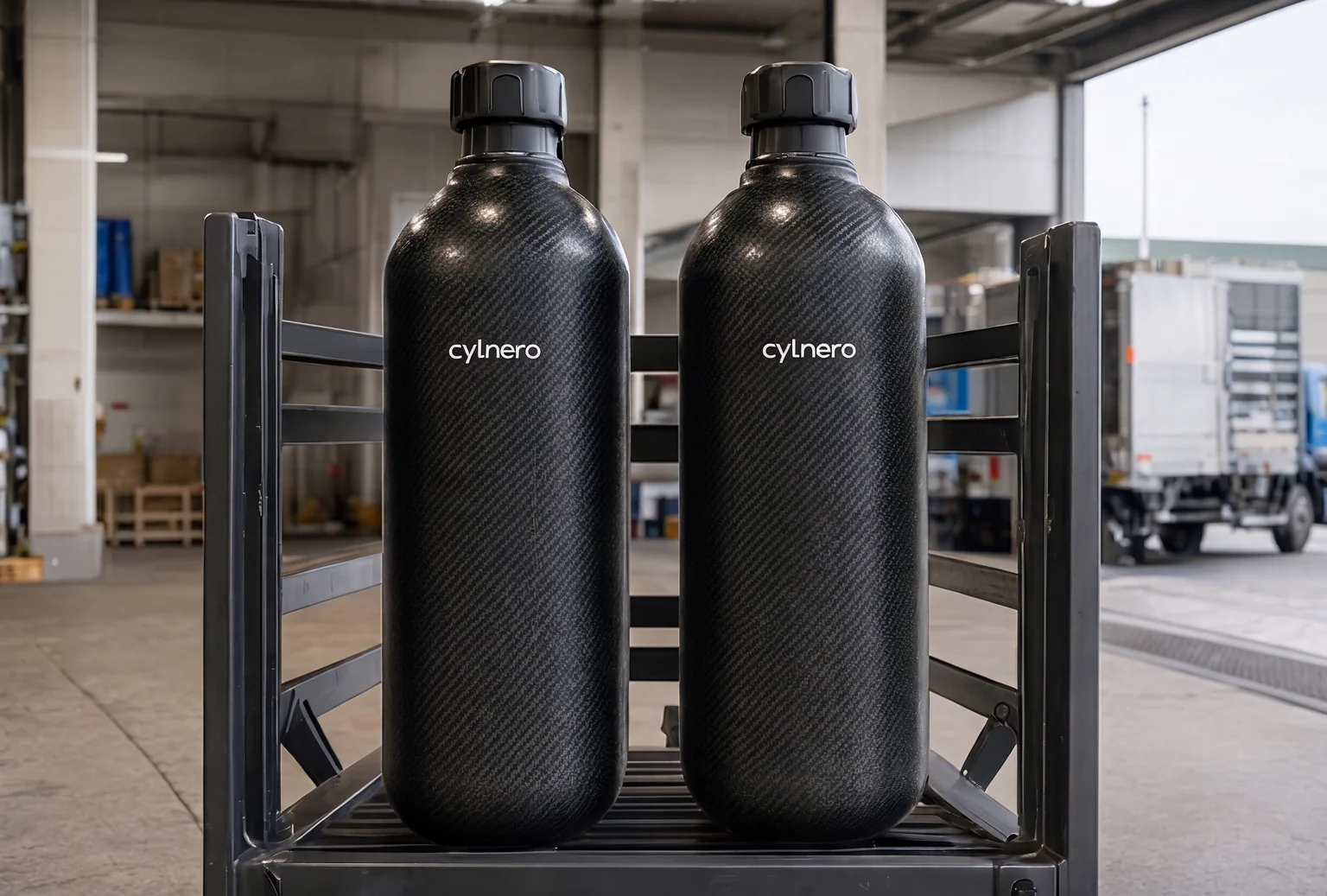
COPV integration purchasers can start with the intended medium, equipment context and component boundary.
Explore purchasing needs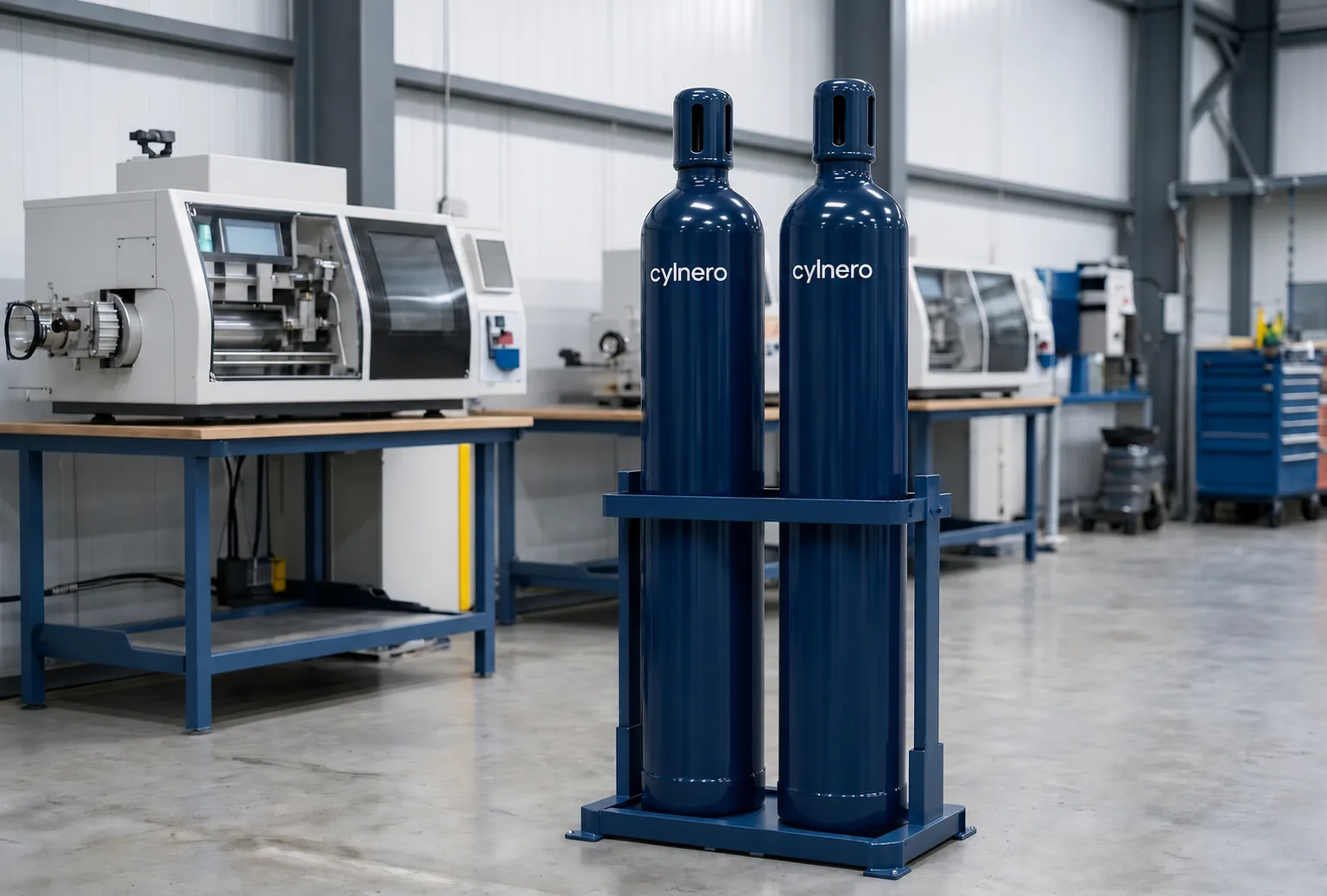
Industrial equipment OEMs can prepare cylinder or vessel enquiries around their equipment requirements, purchasing schedule and available interface information.
Explore purchasing needs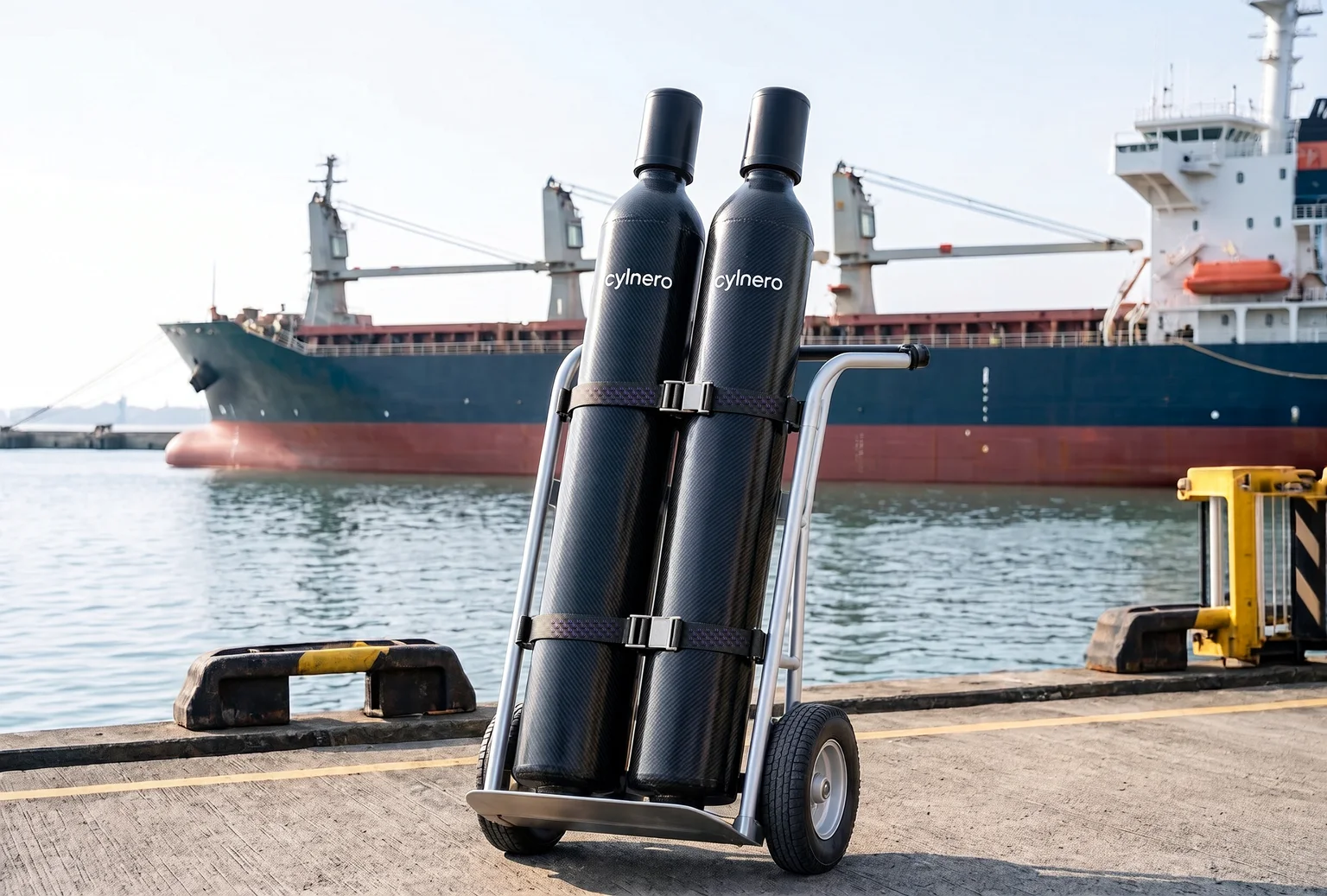
Marine hydrogen project purchasers can use this page to define a cylinder-related enquiry within a wider vessel or equipment project.
Explore purchasing needsGas cylinder importers can organize mixed product-family enquiries, destination requests and purchasing quantities before selecting detailed manufacturer configurations.
Explore purchasing needs