 Wholesale sourcing
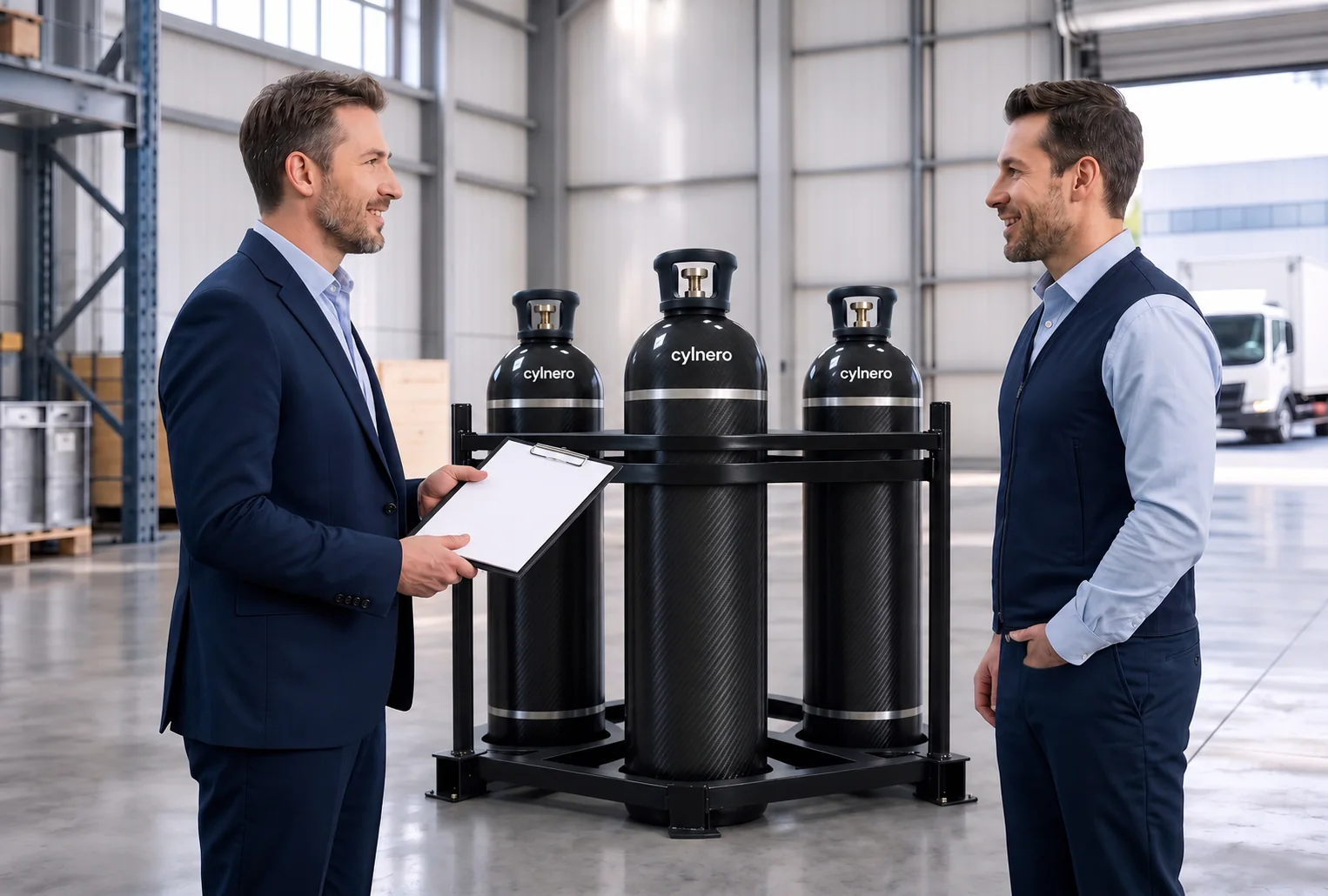
01 / YOUR APPLICATION
Start with what you know
Application, approximate quantity and destination. Add a drawing or connection reference if you have one.
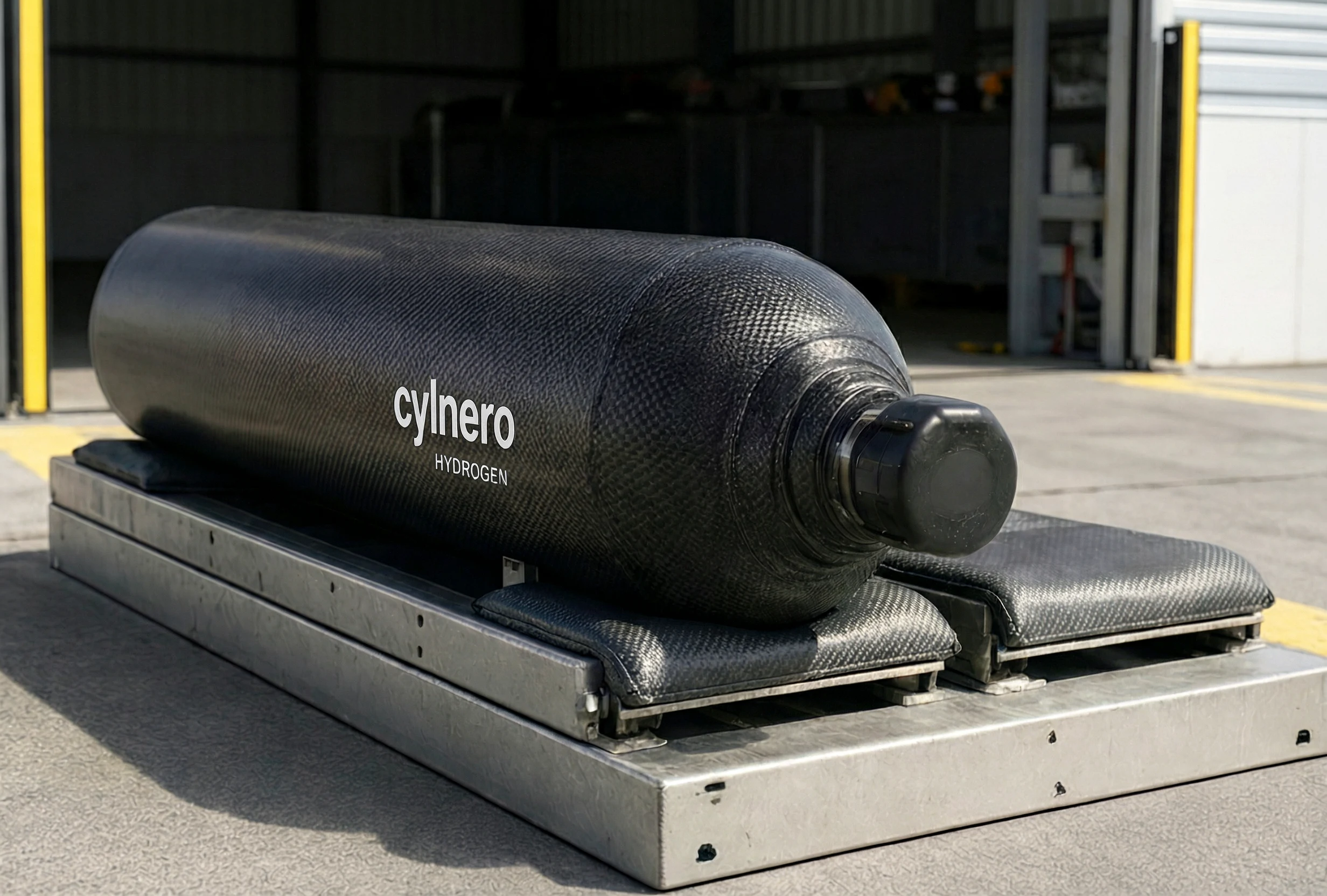
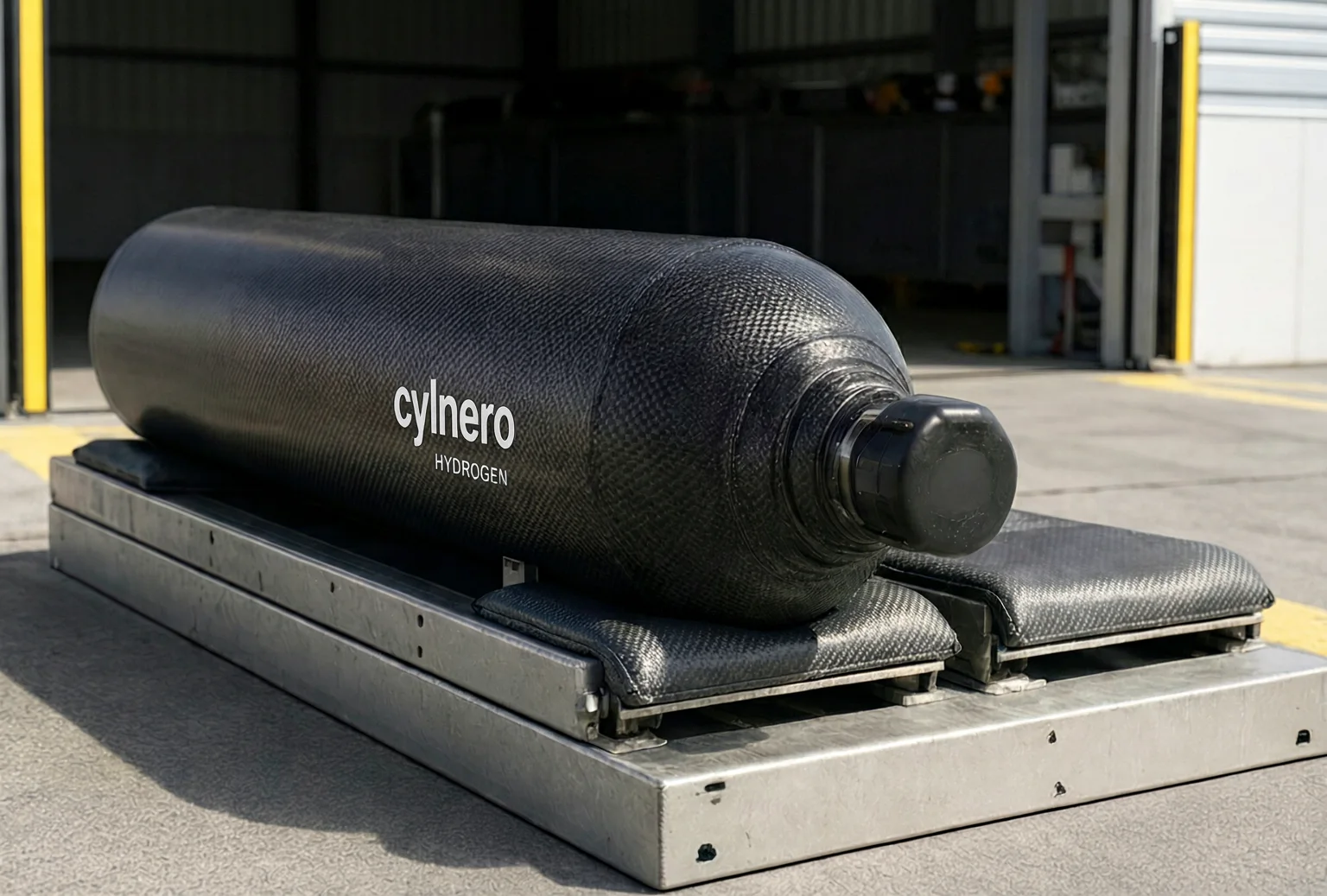 View larger ↗
 Series view
 Hydrogen project
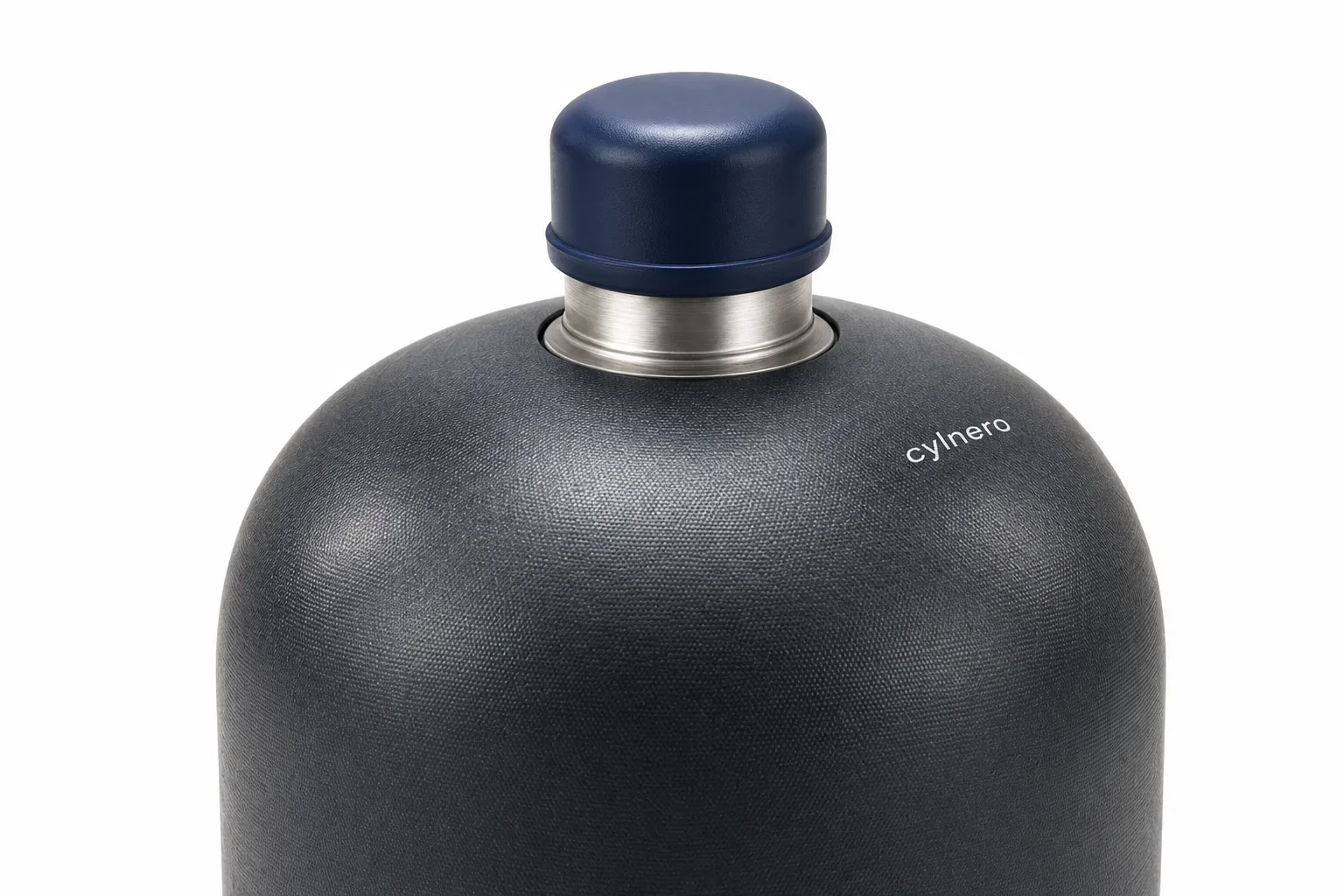 Neck detail
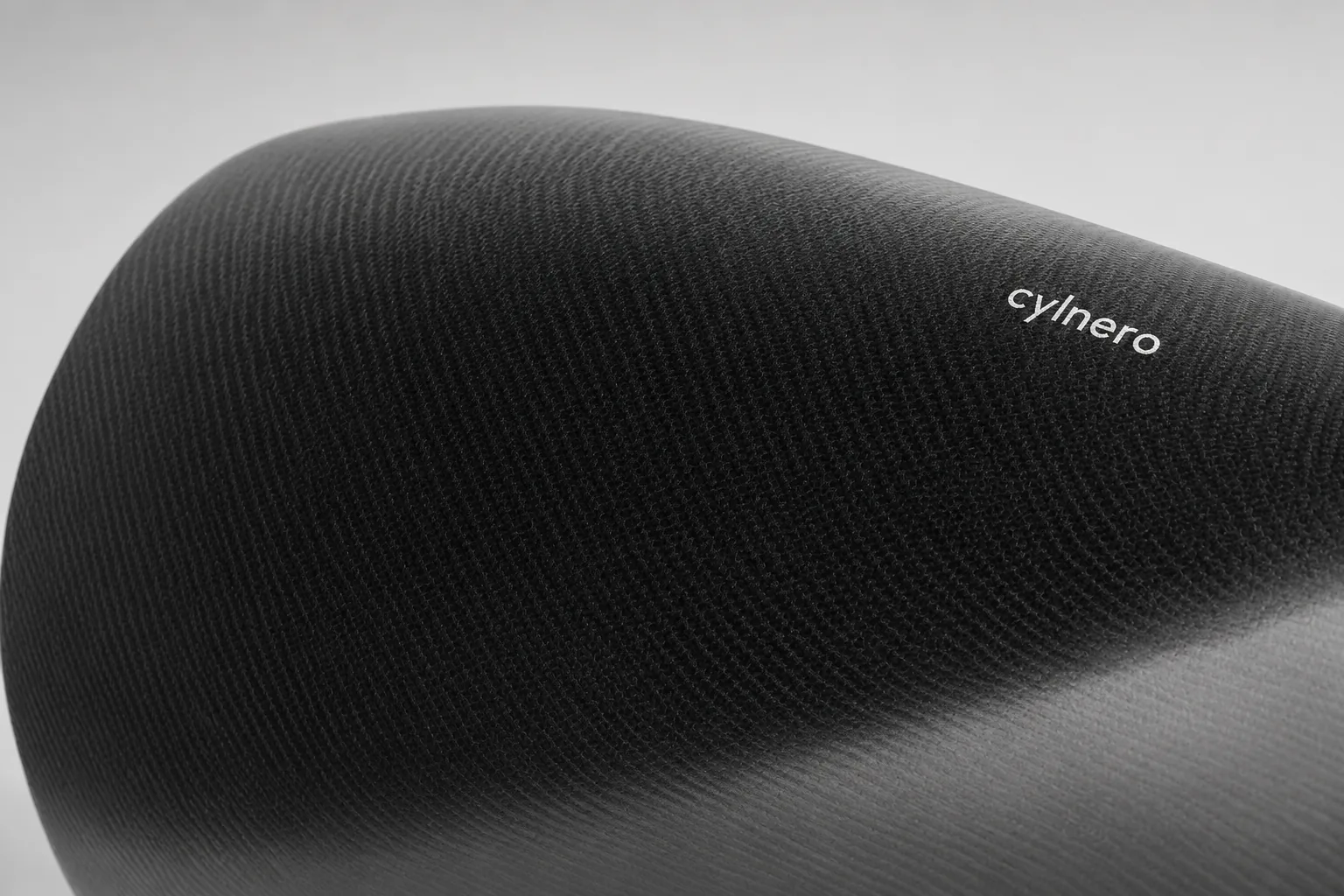 Composite surface
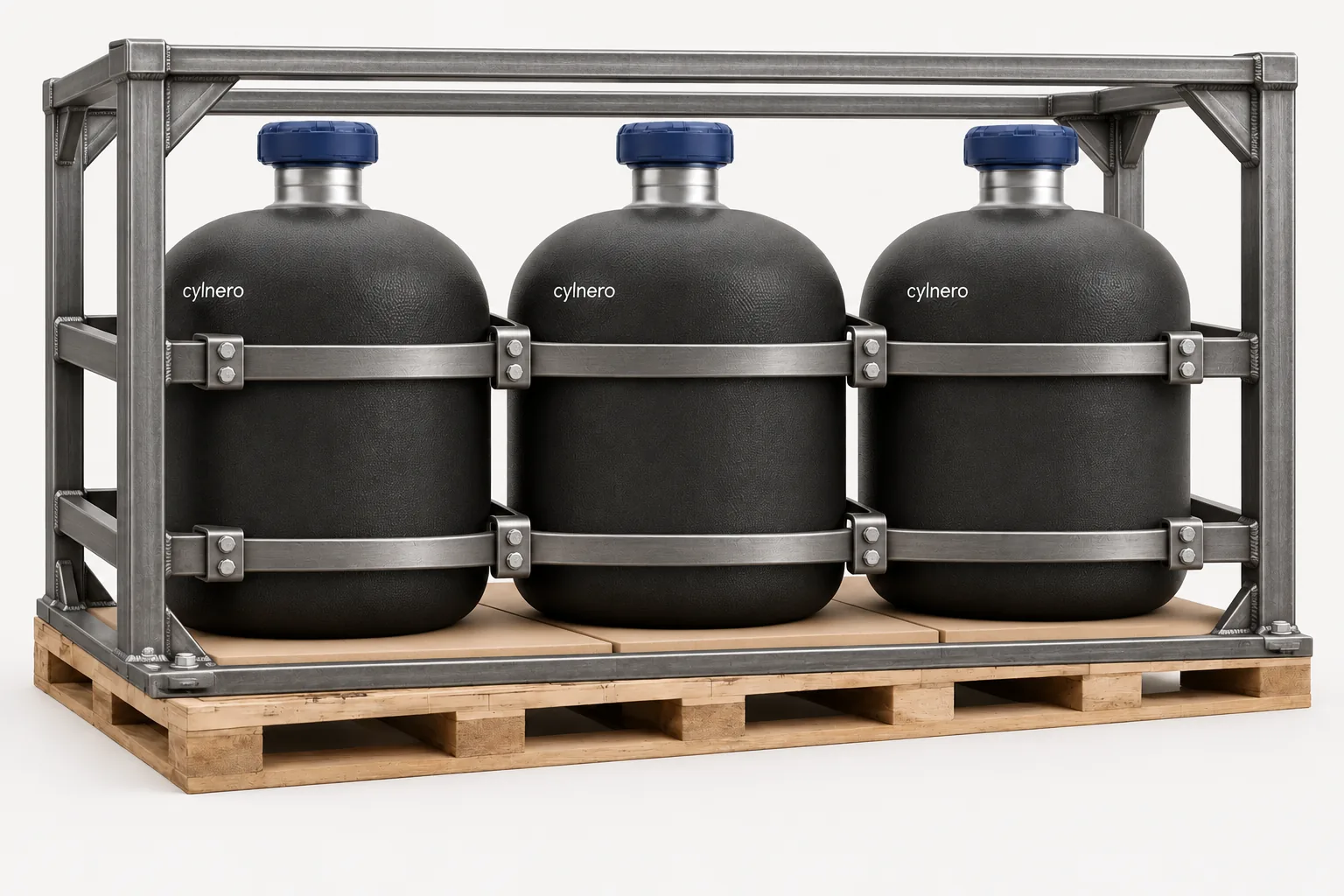 Packing preparation
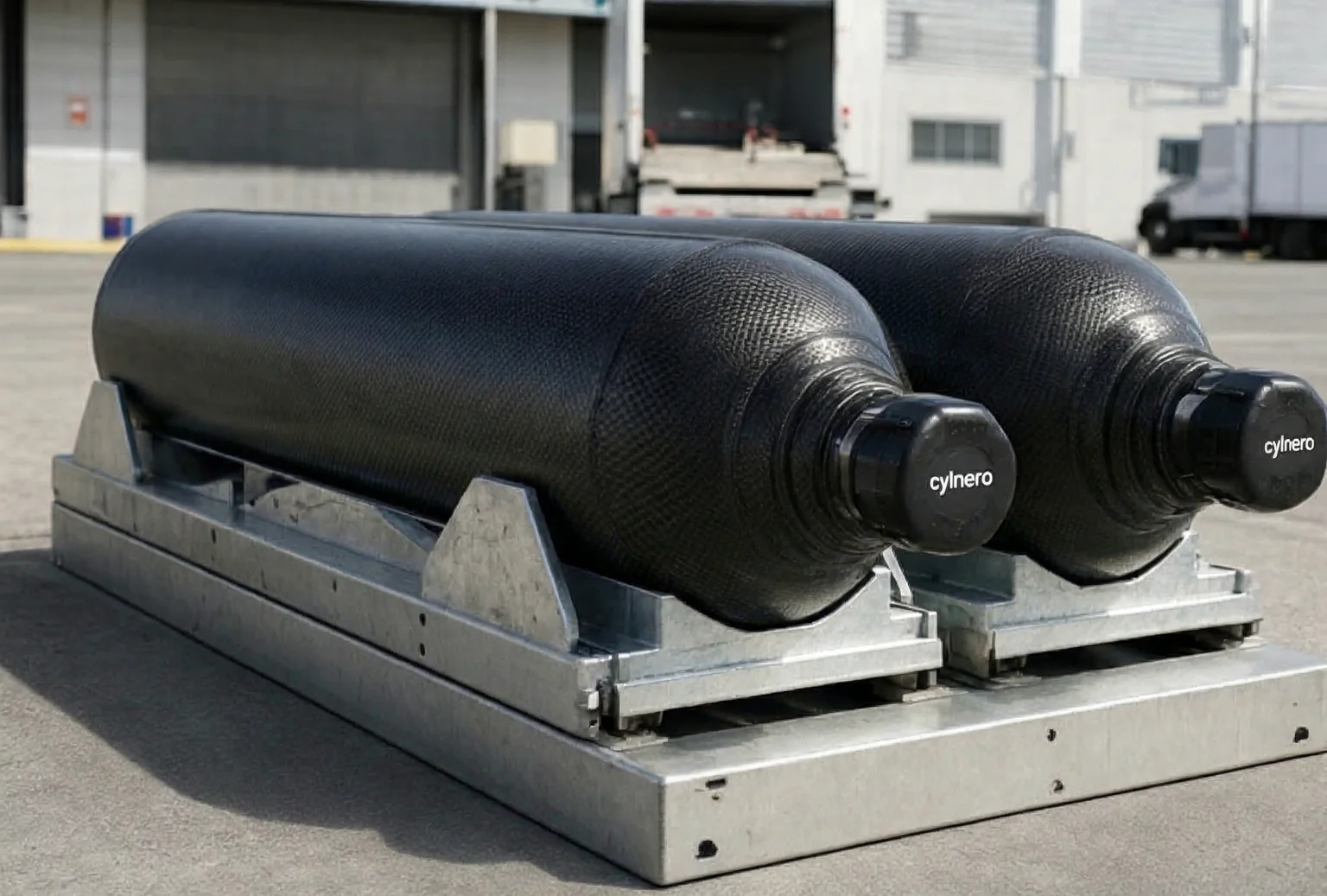 Dispatch preparation
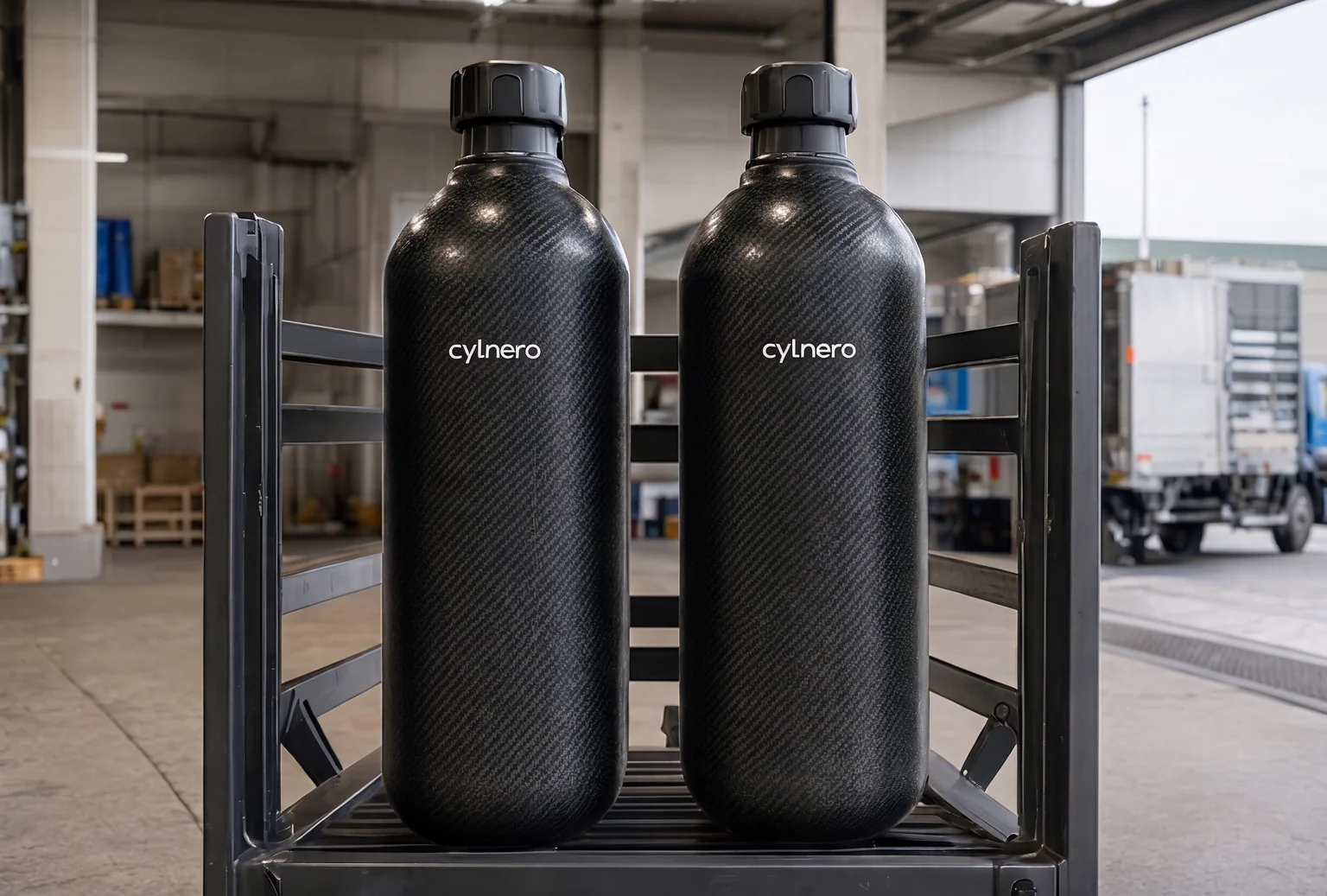 Loading preparation
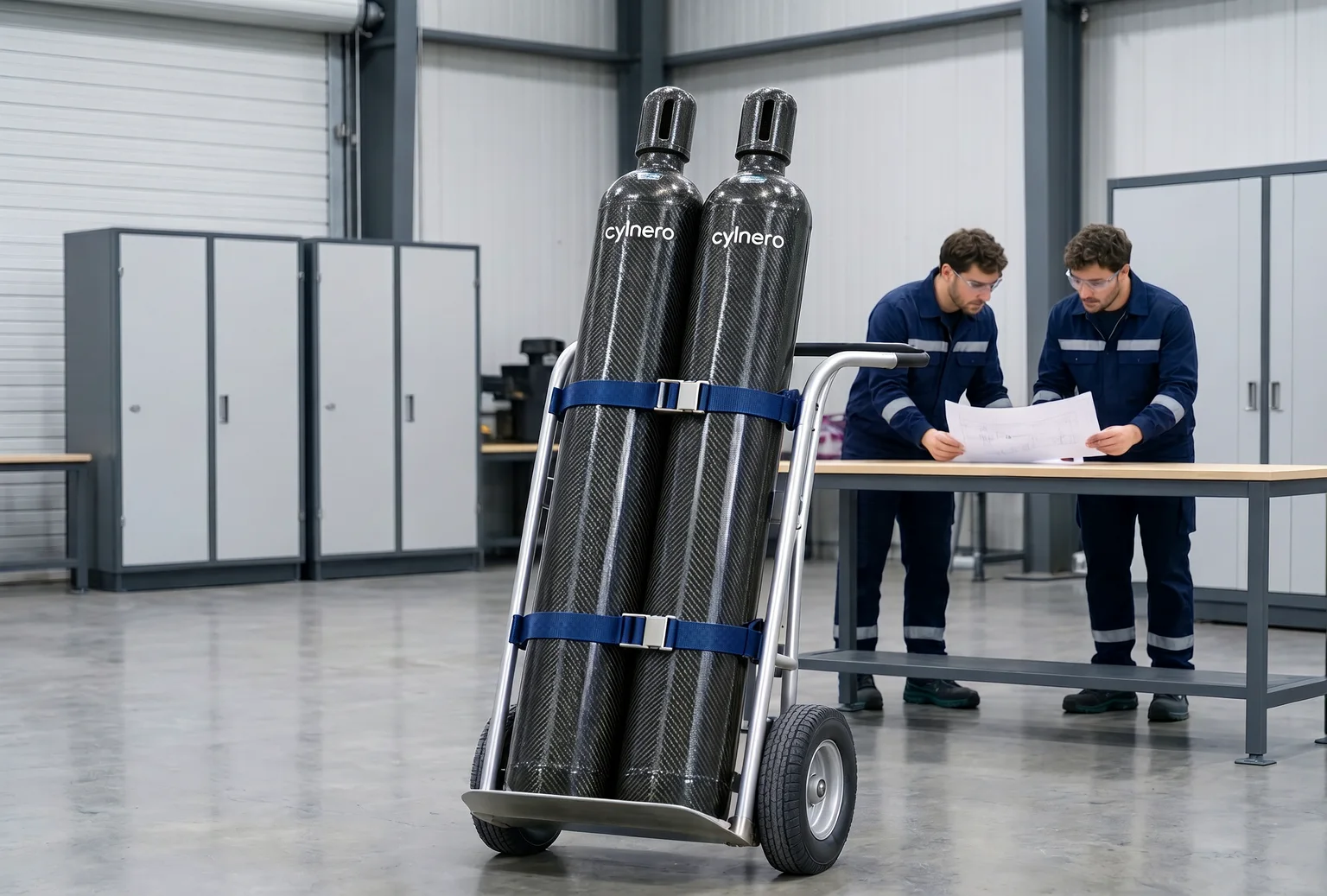
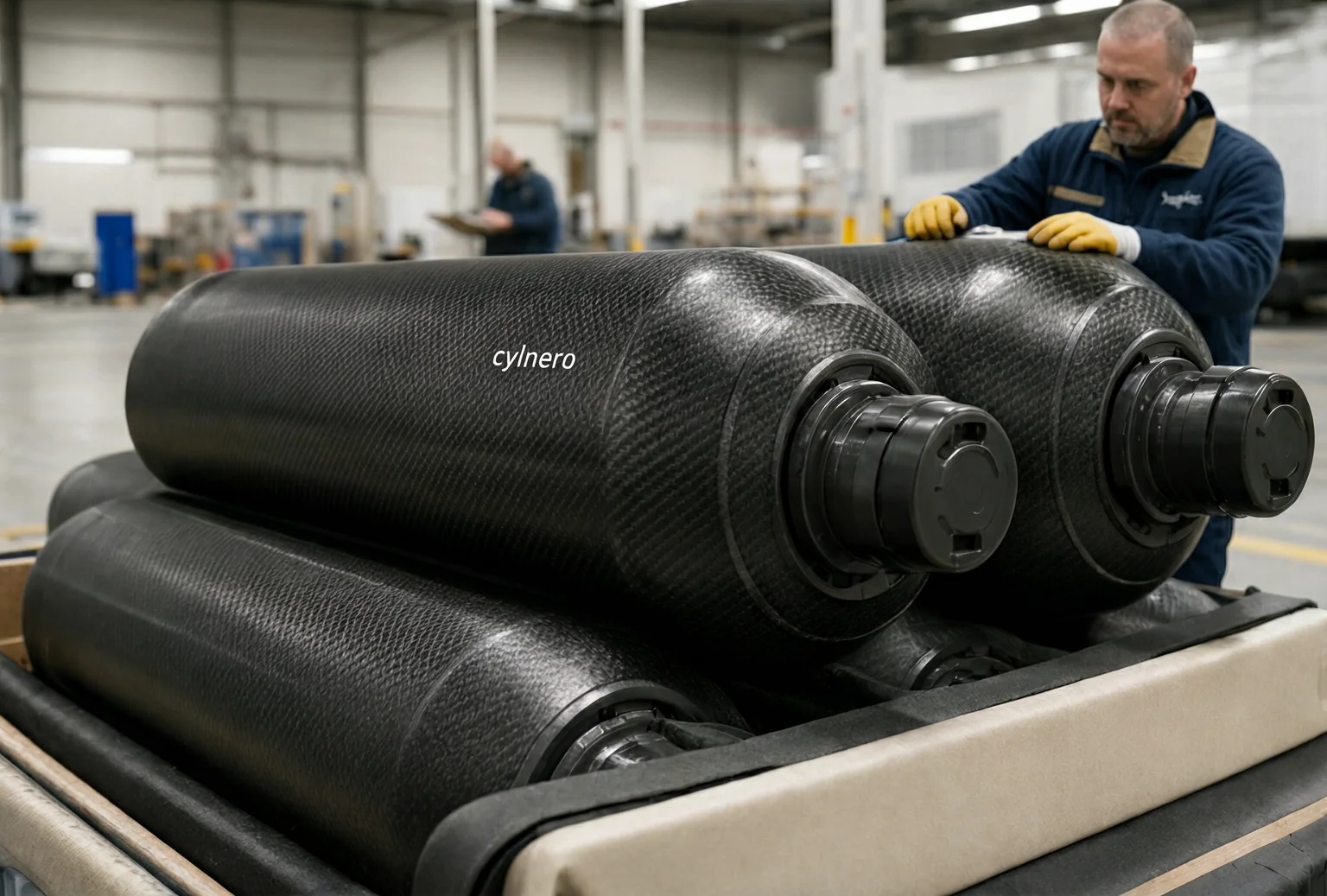 Warehouse preparation
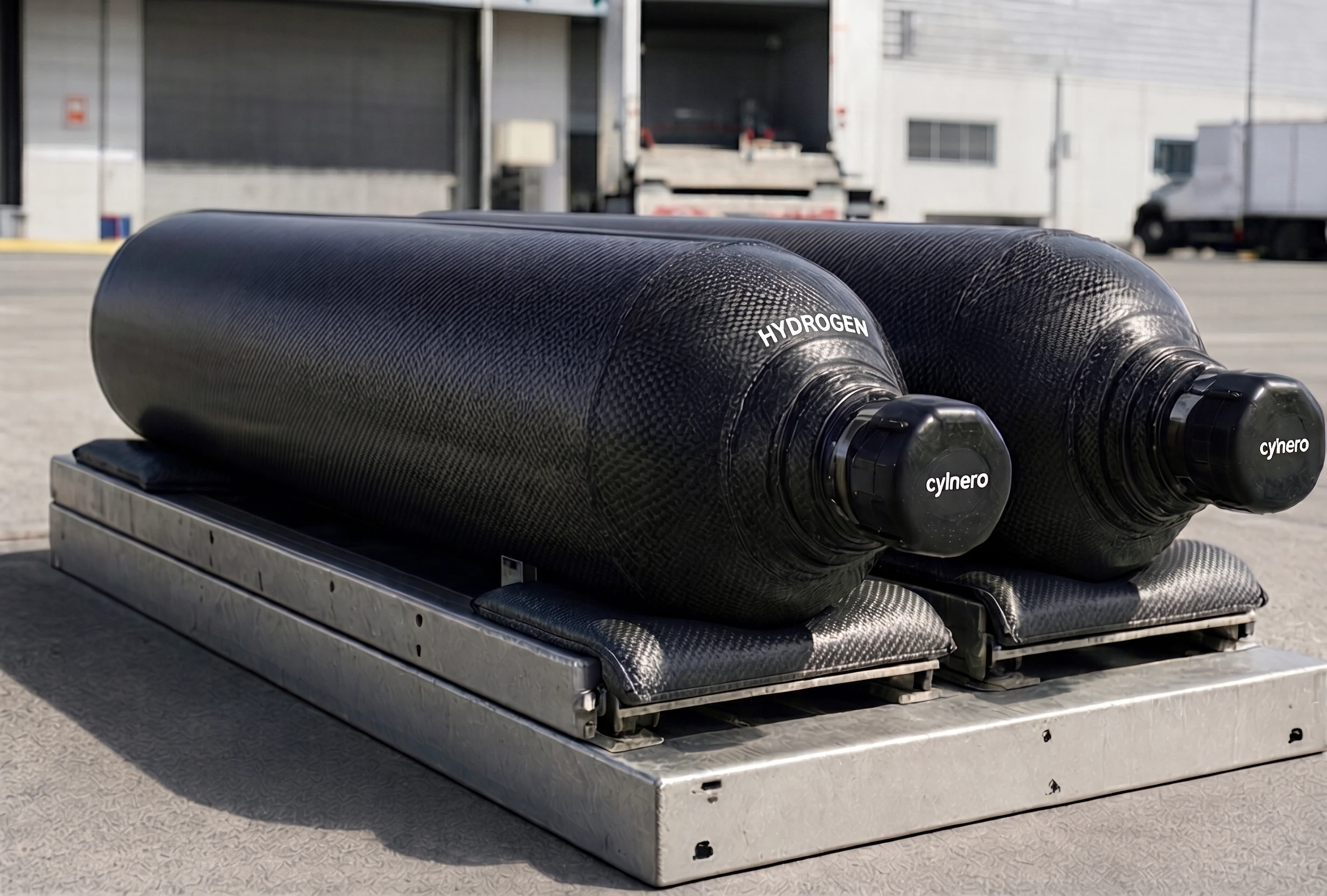 Hydrogen marking
Swipe to see more views →
WHOLESALE / CONFIGURABLE SERIES
Type III cylinder sourcing for hydrogen equipment integrators and project purchasers. Discuss installation envelope, interfaces, order quantity and destination documentation.
Your selections above are saved with this series. Adding the same series again updates its basket line.
FROM SELECTION TO DISPATCH
Discuss protection, interfaces and handling requirements for the Type III cylinders in your enquiry.
Swipe to see more sections →
PRODUCT FAMILY / WHOLESALE
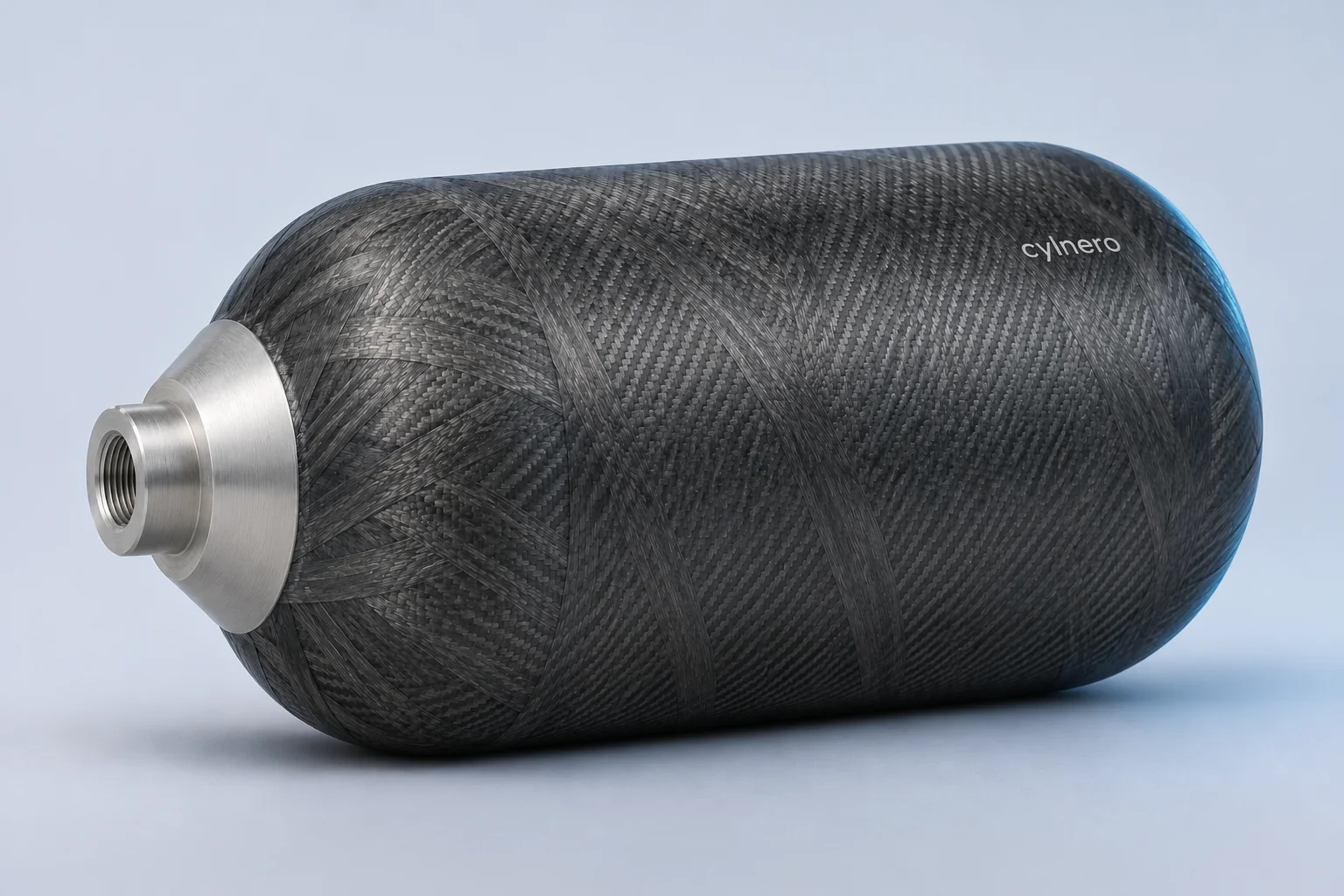
Type III vessels use a metal liner with composite wrapping. The manufacturer identifies the actual liner material, vessel configuration and supporting records offered for your application.
DOE construction-family reference · construction context, not offered-model evidence
FROM REQUIREMENT TO QUOTATION
Start with the details you know. The configuration can be refined during the enquiry.
01 / YOUR APPLICATION
Application, approximate quantity and destination. Add a drawing or connection reference if you have one.
02 / THE PROPOSAL
Compare the proposed configuration, included components and document scope with your purchasing needs.
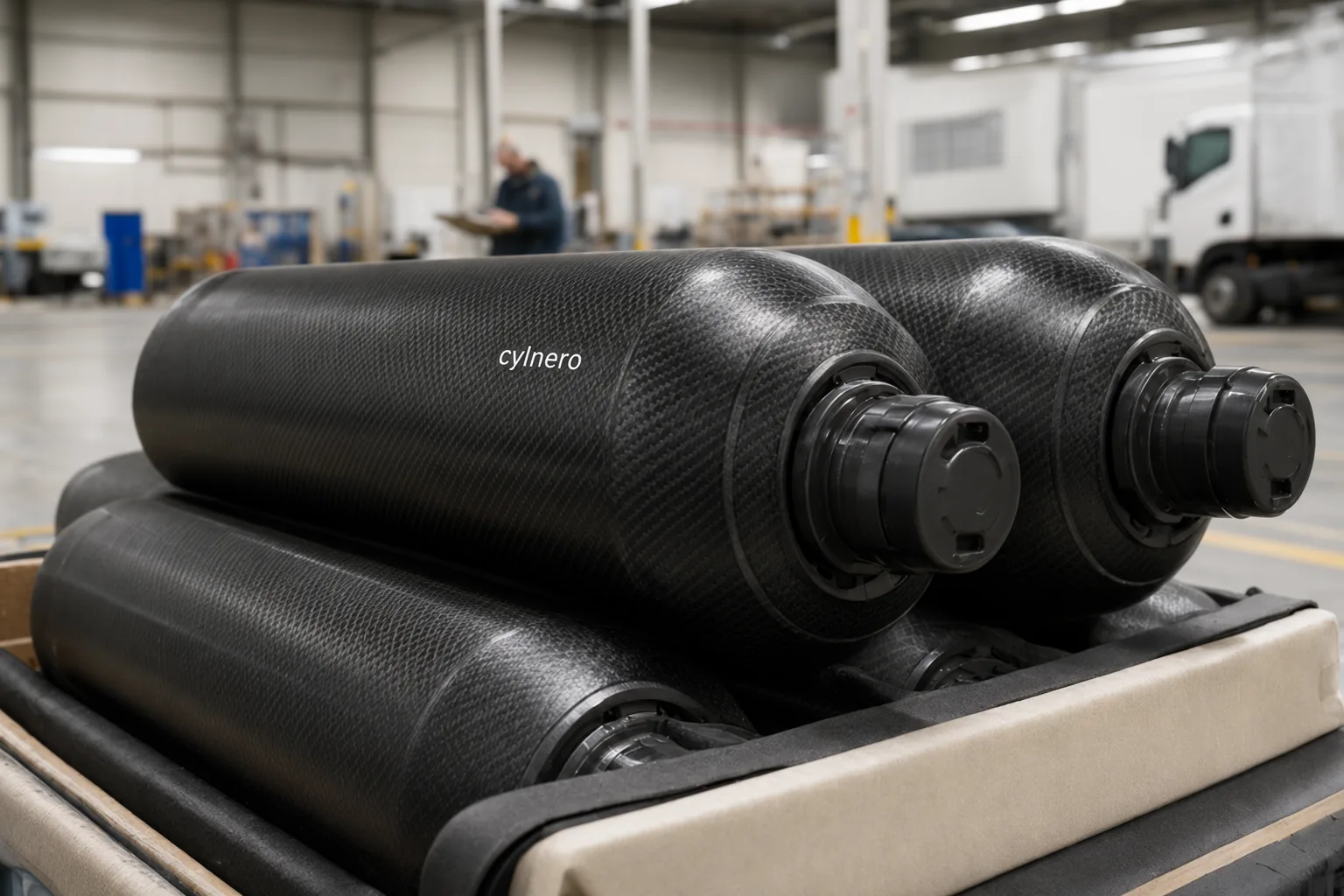
03 / THE NEXT STEP
Discuss the quotation, included work and delivery scope with the manufacturer. CYLNERO coordinates the conversation.
COMPARE THE CONFIGURATION
Use the Type III description to frame the enquiry, then review the proposed liner, neck interfaces and supply scope separately.
Ask the manufacturer to identify the proposed metal liner, composite reinforcement and design reference for your application.
Provide interface references or drawings for the neck and attached components. Connection suitability needs review against the specific proposed cylinder and equipment.
Clarify whether the enquiry covers cylinders alone or additional equipment. List requested components rather than assuming a complete storage system is included.
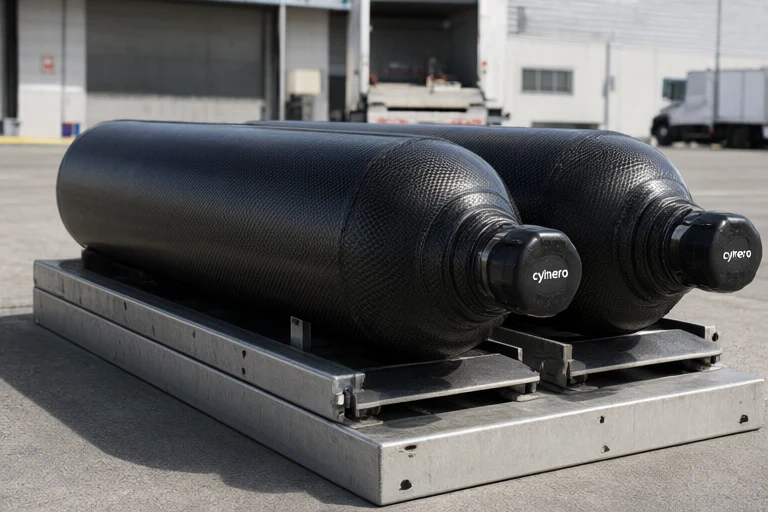
Published comparison example
Luxfer lists the Q052H35 Type III cylinder for mobility applications with these figures:
Ask which valves, mounts and protective components are included in the weight of the proposed configuration.
View the Luxfer Type III cylinder table. Confirm the proposed design and application requirements before selection.
Share the details you know; other fields can remain open.
PRODUCT SCOPE / WHOLESALE
Choose the details you want to discuss. The quotation identifies the components and services included in the proposed supply.
Request the body alone or discuss a proposed assembly with the manufacturer.
Share your programme requirements so they can be addressed in the offer.
The manufacturer confirms the offered configuration, included items and commercial terms.
GAS IDENTIFICATION / REFERENCE
For gas-filled supply, the actual contents and destination determine the applicable classification and labels. Ask the gas supplier for the relevant label and safety data sheet.
Flammable gas: Keep away from heat, sparks, open flames and other ignition sources. Follow the gas supplier’s label and safety data sheet, and applicable local requirements. Read OSHA hazard label guidance ↗
OSHA pictogram guide ↗A manufacturer model number is not needed to start. Share the options you know and leave the others for the quotation discussion.
| Series | Type III Hydrogen Cylinder Series |
|---|---|
| Material / construction family | Composite with metal liner |
| Construction type | Type III |
| Product scope | Configurable wholesale series; no fixed manufacturer model required |
| Gas and application | Tell us the intended gas and application |
| Capacity and pressure | Requested values or installation envelope; final values confirmed in quotation |
| Valve and connection | Specify preferred connection or share the equipment requirements |
| Marking and packaging | Discuss branding, marking, packaging and shipment requirements |
| Destination documents | Confirm the destination and required documentation during enquiry |
| Quantity and commercial terms | Share the target order quantity; price, MOQ and delivery discussed in quotation |
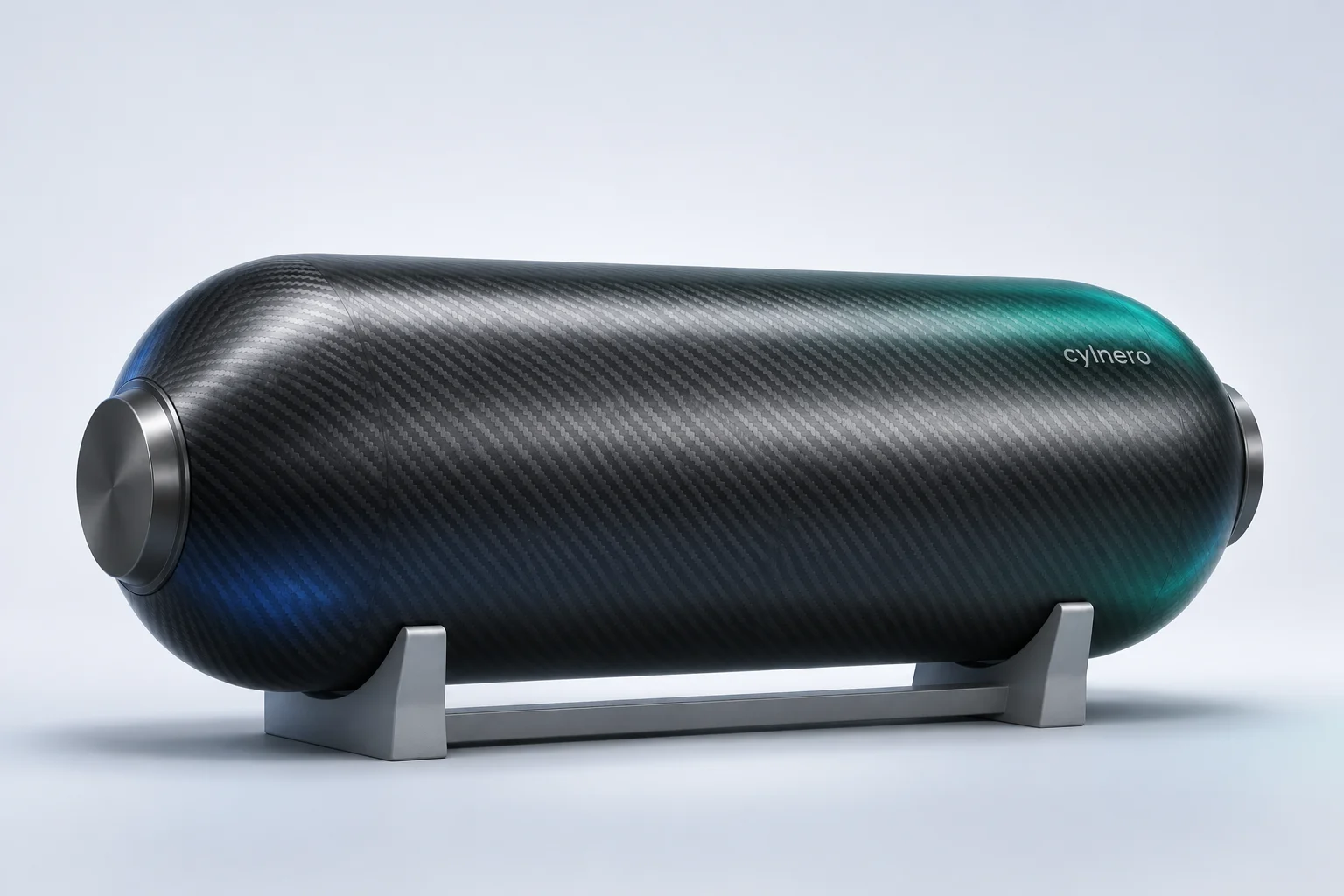
Describe the hydrogen application and share any known water capacity, working pressure, installation envelope and quantity. Ask which metal liner and composite reinforcement the manufacturer proposes for that requirement.
Initial enquiries require only the application context, approximate quantity, and destination country. These details give the manufacturer a starting point for identifying the next questions; they do not promise an initial price or feasibility conclusion. Specific technical drawings or tender references are optional at this stage but can accelerate the quotation process if available. Buyers should clearly separate hard constraints, such as maximum external dimensions or weight limits, from preferences, like preferred connection types or color finishes. Unknowns, such as final regulatory requirements or testing protocols, should be listed to prompt the manufacturer to include relevant compliance options in their proposal without mandating specific engineering solutions.
Share known envelope limits, interface references and project specifications where available. A known pressure requirement can be included with its source and units; there is no need to suppress it simply because the enquiry is preliminary. Where a value is unknown, say so and ask what the manufacturer needs to develop its response. Distinguish a mandatory project constraint from a preference that can be discussed. The resulting brief gives reviewers a record of what was requested, what the manufacturer proposed and which differences still need assessment. It does not itself select or approve the configuration.
For the destination, distinguish the place where the cylinders will be delivered from the intended installation or use location if they differ. Give the supplier the destination information available at enquiry and list the documentation requested by your project team. For staged deliveries, show the proposed quantities and locations separately. Ask which packing, freight and document items are included in the quotation and which need another response. If a location or project requirement changes, keep that update with the affected offer revision so the purchasing team can compare the same scope.
Compare your requested dimensions and weight limits with the manufacturer’s proposal. Ask whether each measurement covers the cylinder body alone or the assembly with its quoted fittings.
Set up a comparison with separate columns for the buyer's requirement and each manufacturer's proposed value. Record the units and source for water capacity, working pressure, overall length, diameter and mass when those fields are available. Note whether each dimension includes the valve or protection, and whether the mass refers to the body or the quoted assembly. Keep the original supplier entry beside any unit conversion. If an offer omits a field or uses an unfamiliar description, leave it open and ask for clarification before comparing it with the equipment brief.
For a mass entry, ask whether the figure describes the cylinder body or an assembly with identified accessories. For a connection, record the manufacturer's drawing reference and revision beside any existing equipment reference. Matching revision labels do not prove compatibility, and different labels do not automatically require rejection or modification. Ask the appointed reviewers to assess the actual relationship between the documents. If they need further information, keep that question with the offer it concerns. Do not change an existing equipment drawing or assume a mounting arrangement from this buying guide.
Compare the proposed supply boundary as well as the dimensions. One quotation may describe a cylinder body while another includes a valve, protective components or mounting items. List each inclusion and exclusion alongside the price and retain the drawing and quotation revisions that describe it. Identify any components or integration work expected from another party as separate questions. Where a manufacturer proposes an alternative, record the difference from the original brief and the person responsible for reviewing it; do not silently treat the two configurations as equivalent.
Ask whether the quotation includes valves, protective components and mounting hardware. Share available equipment drawings and identify the interfaces your project team needs to review.
Compare the components behind each Type III cylinder price. A body-only offer and an assembly offer may cover different items, so list the vessel, valve, protection and mounting components separately as included, optional or unanswered. Ask the manufacturer to identify the connection drawings and revisions that describe its proposed supply, together with any separately quoted items. If another party will supply a valve or mount, record its reference and ask who will review the interface information between the two scopes. Keep the buyer's existing equipment requirement beside the manufacturer's response rather than assuming similar component names mean the same arrangement. When comparing totals, retain the quantities, packing and delivery basis shown in each offer and note any missing price or scope information for clarification.
An existing equipment drawing is useful context when available. Ask which interface information the manufacturer proposes to supply and who will review it against the intended equipment. Questions about installation documentation or other later responsibilities may be raised during the enquiry; this page does not provide the procedures itself. Keep the manufacturer's proposed supply separate from integration work by other parties, without assigning that work automatically to the buyer. If a component or service is not mentioned, ask whether it is included, excluded or still open rather than assuming a responsibility boundary.
For an integration project, make a short responsibility list alongside the quotation. For example, the manufacturer may propose a vessel and identify its connection drawing, while another organization discusses the valve or mounting design. Ask each party to state what it supplies and who will review the interfaces between those scopes. The buyer can identify its appointed equipment reviewer and share any existing requirement; these roles are examples to confirm, not assignments made by this page. Keep open items beside the relevant offer and drawing revision. Ask the manufacturer to identify each included component and any item quoted separately for the proposed supply.
Separate branding requests from product identification requirements. Ask which packing and components the offer includes, keeping receiving constraints and shipment questions attached to the actual proposal.
Buyer artwork is optional, but traceability and destination-marking requirements must be clarified with the manufacturer and appointed reviewers. Specify whether you require custom logos, serial number formats, or destination labels. Separate your requested logo from the approved proposal to avoid confusion about final branding. Ask the manufacturer to confirm if they can apply specific markings and what lead time this adds. Ask whether the request changes the proposed scope, price or schedule.
Ask the manufacturer to describe the packing scope proposed for the actual supply, including package count and receiving information when those details are available. If the receiving site has a known constraint, share it as a question for the responsible parties. Transport classification, handling-document and storage-document questions can be raised with the appropriate specialists; this page does not decide those matters or provide procedures. Identify who will respond and which information is outstanding. A packing description in an initial proposal is distinct from a final shipment record or evidence that the receiving arrangement has been accepted.
Record the specific packaging requirements and confirm whether they are included in the base price or quoted separately. For example, one proposal might include standard wooden crates, while another offers custom pallets at an additional cost. Verify that the receiving information matches your facility’s capabilities and that the responsible contacts are accurate. Keep the response available to the receiving and purchasing contacts for their assessment. By clearly defining these elements, you create a transparent record that supports smooth coordination between the manufacturer and your receiving team.

Ask which records describe the proposed cylinder and which relate to an actual order. Keep identifiers and revisions together so your appointed reviewer can assess the evidence.
Distinguish between example records and order-specific documentation by checking the configuration identifier, issuer, revision, and scope. Ask how the supplied evidence relates to the configuration being offered and identify an example as an example. Ask who will assess any unanswered evidence questions, as this responsibility must be clearly assigned to avoid ambiguity. The register can show whether that relationship is explained or still needs assessment.
Understand that a report does not prove performance for all models or protection against unexpected pressure events. Do not assume that universal certificates or approved supplier lists apply to your specific configuration. Instead, focus on the specific evidence linked to your proposal. This approach prevents over-reliance on general claims and encourages a detailed review of the actual data provided. An example can inform the discussion while its relevance to the offered configuration remains open.
A document register can link each supplied record to the quotation and configuration it describes. Record the issuer, document identifier and revision as stated, then ask the appointed reviewers to assess its relevance and any questions about the issuer or scope. An example may be useful during initial discussions even when order-specific evidence does not yet exist. Identify that status explicitly instead of treating it as a final delivery record. A link in the register makes the relationship visible; it does not validate the document, approve the application or establish the manufacturer's capability.
Explore the Type III hydrogen cylinder series as a starting point for a wholesale enquiry. The family describes metal-lined, fully wrapped composite cylinders; a specific manufacturer model and assembly are confirmed through the actual proposal. Begin with your intended application, approximate quantity and destination, adding existing drawings or known requirements where available. CYLNERO coordinates questions and manufacturer responses. This guide helps equipment buyers distinguish requested configuration, quoted inclusions and evidence still to be reviewed. Unknown parameters can remain open while the enquiry develops, and the series name does not confirm availability, mechanical fit or acceptance for a particular installation.
Use this series to discuss a Type III cylinder request: a metal-lined, fully wrapped construction family. Ask the manufacturer to identify the actual proposed cylinder and included components.
Type III hydrogen cylinders use a metal liner with a full composite wrap. For an initial enquiry, describe the intended hydrogen application and share the working pressure, available equipment space and quantity if known. State whether you are seeking the cylinder body alone or an assembly with a valve and other components. For example, an equipment purchaser may provide an installation-envelope drawing and request a quotation for several cylinders with specified connections. Ask the manufacturer to identify the proposed cylinder, included components and any open interface questions so that offers can be compared on the same basis.
A buyer with an existing equipment drawing can share its reference and revision, while a new programme may begin with an application description and open questions. Neither route requires a selected manufacturer model. If a limit is already known, such as an available installation envelope, identify it as a requirement rather than an offered product attribute. Ask the manufacturer whether it can respond to that requirement and what information it needs next. A different proposal can be recorded as an alternative for review; it should not silently replace the original request or be treated as an accepted solution.
State the quantity and any requested delivery timing you know. For multiple destinations, separate each location's quantity, packing and receiving questions. Keep a later forecast separate from the current request.
Start by stating your approximate current batch size and any optional future forecast. This helps suppliers understand scale without committing to rigid minimums. Clarify whether you need a single delivery or split shipments. Avoid assuming reserved stock or priority production. Instead, ask how they handle fluctuating demand. This approach keeps negotiations flexible and prevents misunderstandings about availability. It also allows you to adjust quantities based on actual project needs later.
Distinguish between requested dates, proposed dates, and accepted commitments. Ask suppliers to break down manufacturing, shipment, and delivery stages. Each phase has different variables and potential delays. Understanding these prerequisites helps you plan internal workflows. Do not rely on generic lead times. Request specific timelines for your exact configuration. This clarity reduces the risk of missed deadlines and allows you to coordinate with other project stakeholders effectively.
For a repeat enquiry, identify the previous offer or agreement if available and describe the current request separately. Ask whether an existing arrangement applies or whether a revised proposal is needed. Do not assume that every batch requires a separate contract, or that a previous price, document set or delivery schedule carries forward unchanged. If a configuration difference is proposed, record who will review it and what remains unanswered. A repeat forecast is useful purchasing context, but it does not itself reserve production, establish current availability or confirm the quality of a future delivery.
For an order serving two destinations, set out a separate line for each location and the requested quantity where known. Add the intended delivery stage, receiving constraints, packing preferences and any document requirements that the buyer already has for that destination. If a detail is not yet available, mark it as open rather than copying the other location's requirements. Ask the manufacturer which lines its proposal covers and whether packaging, documentation or transport scope differs between them. For example, one destination may need a later shipment while the other is ready for the current batch; these are requests for discussion, not assumed commitments. Keep the manufacturer's response beside each line, including any separately quoted work and proposed timing. If the quantity, destination or requested stage changes, identify the affected line and ask how the revision changes the offer. This makes it easier to compare responses without treating a single total as proof that both destinations have the same scope.
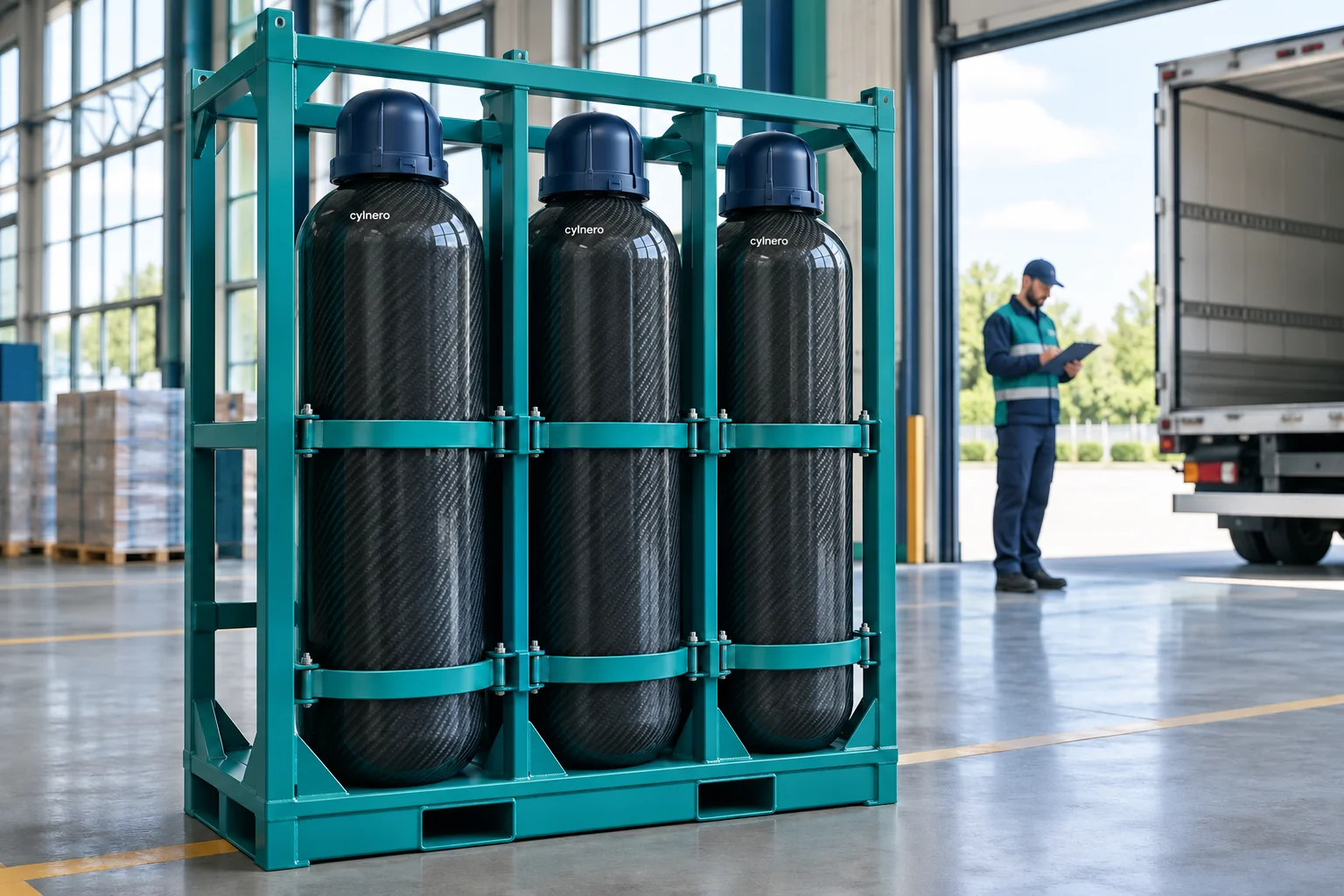
Compare cylinder bodies, fittings, packing and delivery on the same basis. Keep currency, quotation validity and any warranty terms beside the relevant offer revision.
Compare the commercial terms on the same basis before ranking offers. Record each quotation's currency and validity period, then list separately priced options beside the base price. If delivery, taxes or other charges are stated, note their basis and whether they apply to the same destination and quantity. Leave an unstated item open and ask the supplier for clarification rather than treating it as included. Keep this comparison with the relevant quotation revision so that a later change can be traced.
When receiving revisions, identify exactly what changed and why. Ask specific questions about modified terms or pricing. Always reference the latest revision number in your correspondence. This prevents confusion between outdated and current proposals. Do not assume that previous terms carry over automatically. Each revision is a new commercial snapshot. Keep the version history and ask which response the manufacturer currently relies on; a revision number alone does not resolve a conflicting statement.
Ask the manufacturer to identify its proposed warranty and support scope, including any stated exclusions and the route for raising a question. Share the actual wording with the appropriate contract and technical reviewers; this page does not decide enforceability or prescribe acceptable terms. Do not assume that a sales contact, legal team or quality department has a particular authority merely from its title. Ask who is authorized to respond for the proposed supply. Keep any clarification associated with the relevant offer rather than treating an informal conversation as an automatic amendment to an agreement.
Start with the hydrogen application, approximate quantity and destination. Share any known equipment drawing or interface requirement, and leave other details open for the manufacturer's response.
An equipment integrator can begin a Type III hydrogen cylinder enquiry by describing the intended application, approximate quantity and destination. Add the requested water capacity, working pressure and available installation space if known, together with an existing connection drawing or interface reference. State whether the request covers cylinder bodies alone or assemblies with valves, mounts or protective components. Ask the manufacturer to identify its proposed configuration and included items, and to list any information still needed. Keep the buyer's requirements and the manufacturer's response on separate lines so the project team can review differences against the relevant drawings.
For an early equipment evaluation, ask whether the manufacturer can quote a sample and identify the vessel, accessories and documents included in that offer. Keep the sample request separate from any later production forecast, and state the approximate quantity and destination for each stage if known. Ask how the proposed sample price, packing and delivery scope are described, and which information is still needed. If the evaluation leads to a later purchase, request the current configuration reference and commercial terms for that stage rather than assuming that the sample offer automatically applies. Availability, price and timing remain open until the manufacturer responds.
When the manufacturer responds, distinguish an unanswered question from an offered alternative and from a point accepted by the relevant parties. For example, a proposed accessory should remain an offer item until its inclusion and review status are clear. Ask for clarification where a response refers to a drawing that was not attached or a document whose scope is unspecified. Keep the original request visible alongside the reply. This makes the next purchasing discussion concrete without turning missing information into an invented specification or treating a preliminary quotation as authorization to install or operate equipment.
Use this guide to prepare your enquiry. Confirm the specifications and supporting documents for the proposed cylinder with the manufacturer.
For standards research, consult the ISO gas-cylinder standards catalogue. The catalogue includes published and withdrawn standards. Check the status, edition, scope and destination requirements with the manufacturer and your appointed technical reviewer. A standards reference does not establish that a listed series conforms to it.
For the basic Type III / Type IV construction distinction, see the U.S. Department of Energy hydrogen-storage classification. The reference distinguishes metal-lined and non-metal-lined fully wrapped composite families. It does not verify a listed series, establish a performance advantage or approve an offered configuration.
Before placing an order, obtain the proposed model's drawings, configuration, applicable approvals and quotation from the manufacturer. CYLNERO coordinates sourcing; the manufacturer confirms and contracts the agreed supply.
Yes. Start with the intended application, approximate quantity and destination, and share known requirements or references where available. A manufacturer model or complete parameter schedule is not required to open the enquiry. Mark unknown details as open and ask what information the manufacturer needs next. Its response may identify a proposed configuration, further questions or a scope it cannot offer.
It identifies a Type III, metal-lined, fully wrapped composite purchasing family. It does not establish the actual offered model, material grade, pressure rating, mass or acceptance for an application. Ask the manufacturer to identify its proposed configuration and have the relevant response assessed. The family name is not evidence of confirmed availability or approval.
Yes. Include a known component reference, artwork or packing preference if you have one, and leave unknown choices open. Ask the manufacturer whether it can propose the requested scope, which items would be included and how any alternative affects its offer. A request does not confirm customization capability, compatibility, price or schedule. Keep proposed changes visible for the relevant reviewers.
Ask what records the manufacturer proposes for the offered configuration and how they relate to the actual supply. Distinguish an example from an order-specific record, and identify document references and unanswered scope questions. Have the appointed reviewers assess the evidence relevant to the intended use and destination. This page does not prescribe a universal certificate list or approve the supplied documents.
Yes, you can ask whether the manufacturer offers an evaluation sample for the configuration you want to review. Request the proposed sample price, included components and documents, packing and delivery scope. Keep the sample request separate from a later production forecast, and ask what commercial terms apply to each stage. The manufacturer’s response identifies availability and scope; a sample request alone does not establish suitability, approval or a later supply commitment.
Share the intended application and any existing equipment drawing references and revisions. Include known installation-space limits, connection references and project specifications, distinguishing fixed requirements from preferences. If a drawing or interface is not yet defined, describe what is known and leave the remaining points open. Ask the manufacturer to identify its proposed cylinder and interface information; the responsible reviewers assess that proposal against the equipment requirements.
Compare purchasing scope and configuration questions. Related series are not automatically interchangeable; the manufacturer confirms the offered configuration during enquiry.
Compare within Hydrogen Storage Tanks & Cylinder Systems
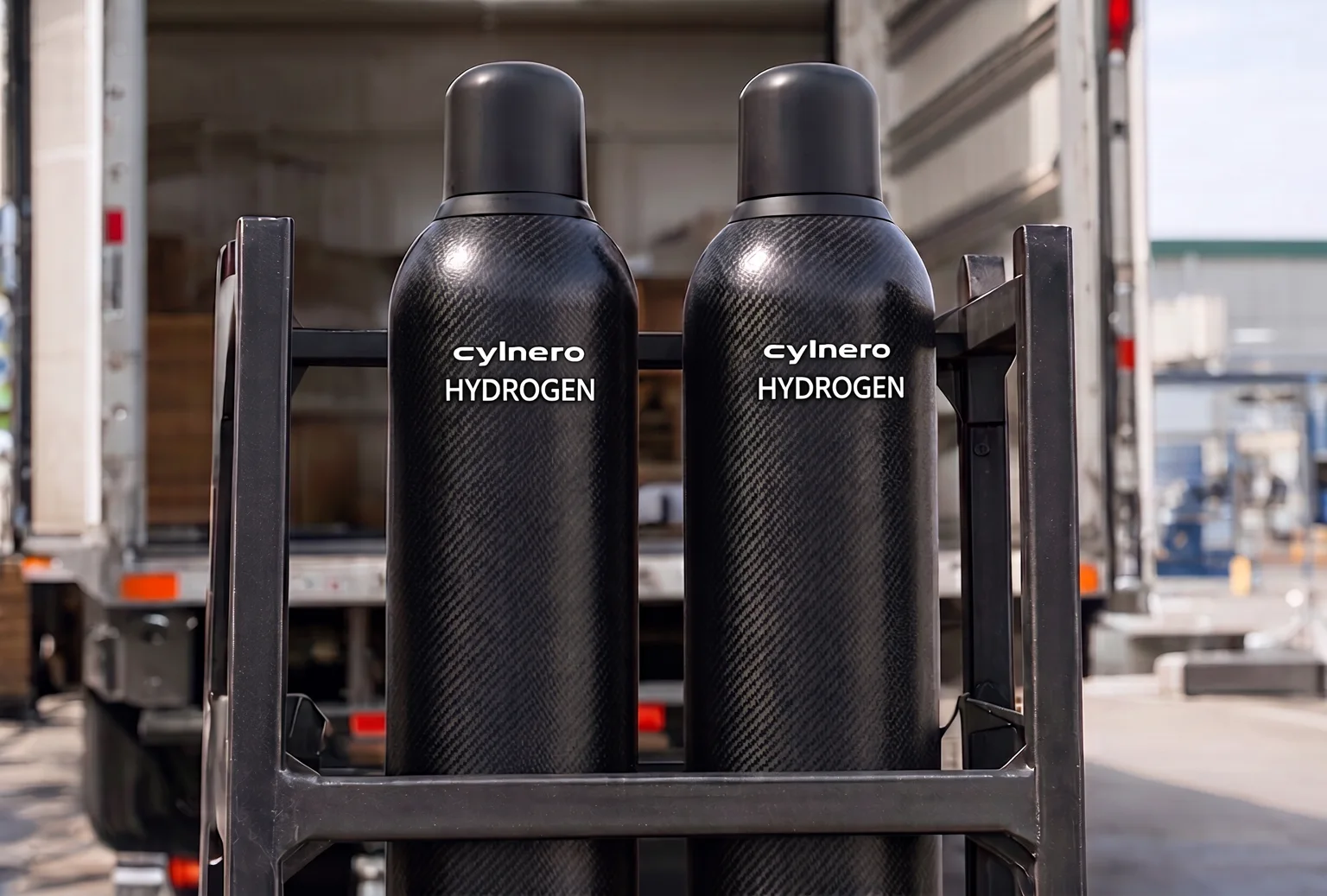
Configurable wholesale series · Specifications confirmed during enquiry
Compare these seriesUse these guides to describe your purchasing scope. A related application is a starting point for discussion; it does not establish that a particular configuration is approved or suitable.
Hydrogen refueling project purchasers can use this page to scope cylinder-related enquiries within a wider project.
Review purchasing priorities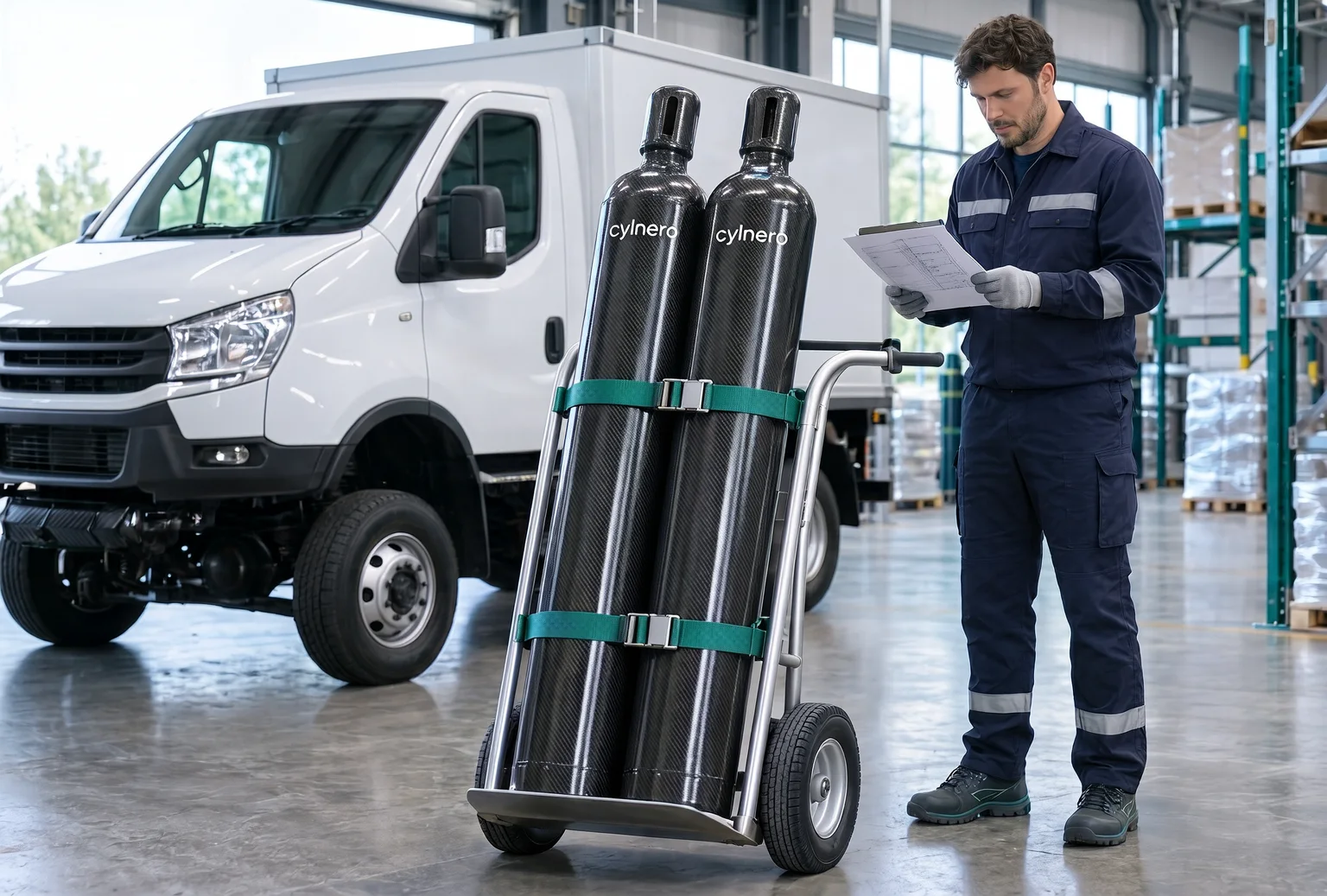
Purchasing teams working on onboard hydrogen equipment can prepare a cylinder-series enquiry before the detailed configuration is settled.
Review purchasing priorities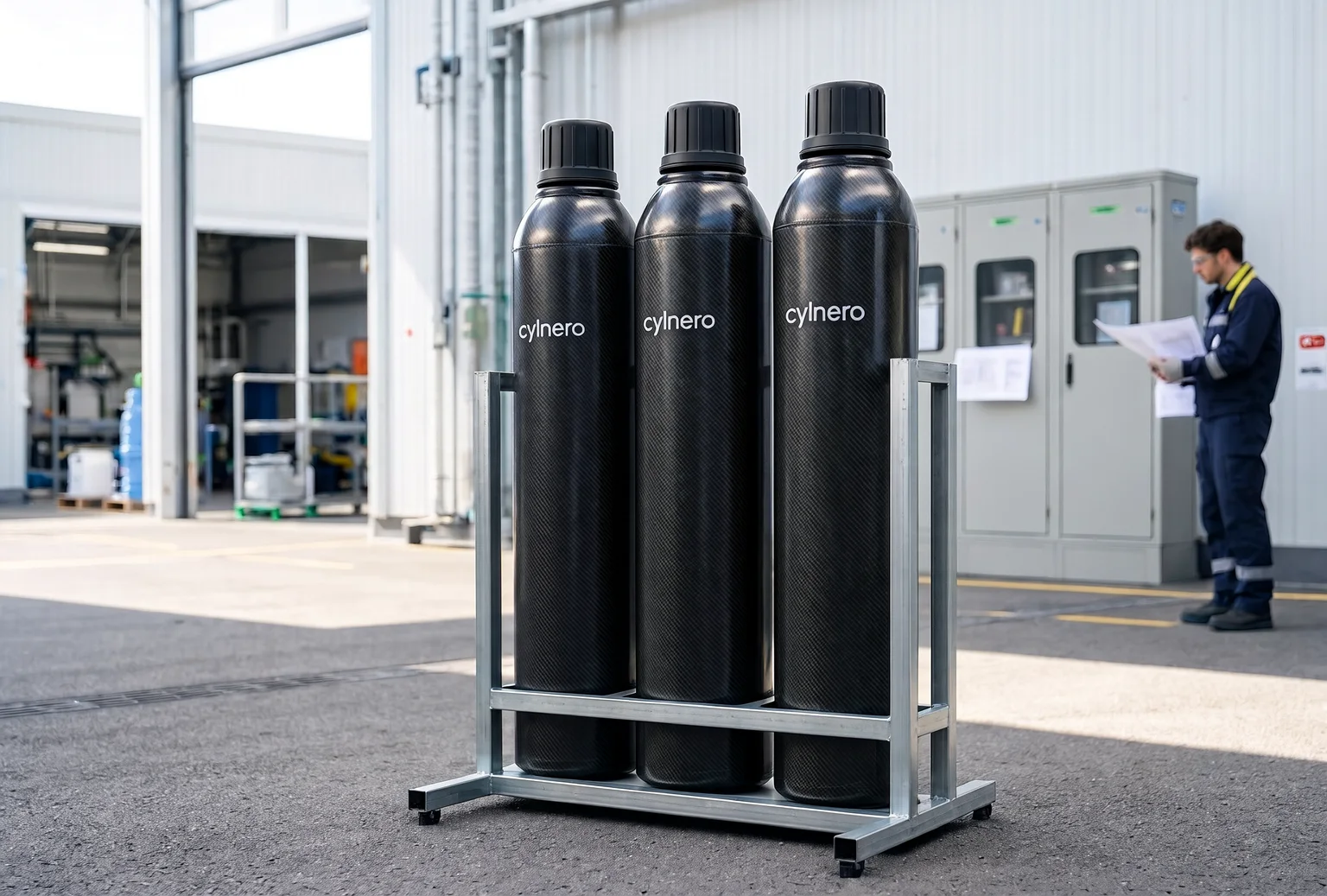
Stationary hydrogen equipment purchasers can organize a cylinder enquiry around the component scope and the requirements their project team has established.
Review purchasing prioritiesHydrogen equipment OEM purchasing teams can use this page to organize configurable cylinder-series enquiries and repeat-order discussions.
Review purchasing prioritiesCOPV integration purchasers can start with the intended medium, equipment context and component boundary.
Review purchasing priorities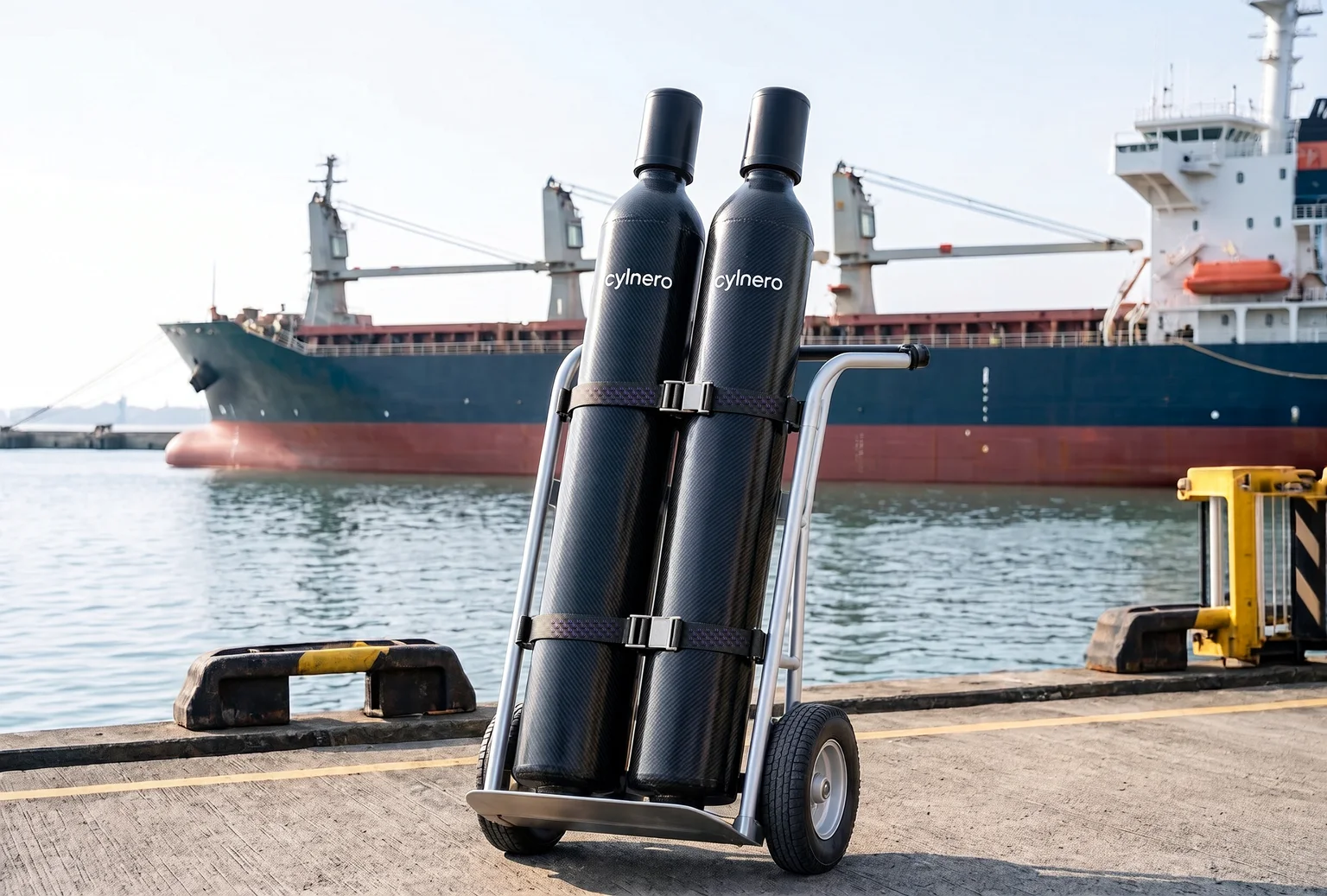
Marine hydrogen project purchasers can use this page to define a cylinder-related enquiry within a wider vessel or equipment project.
Review purchasing priorities