Wholesale sourcing
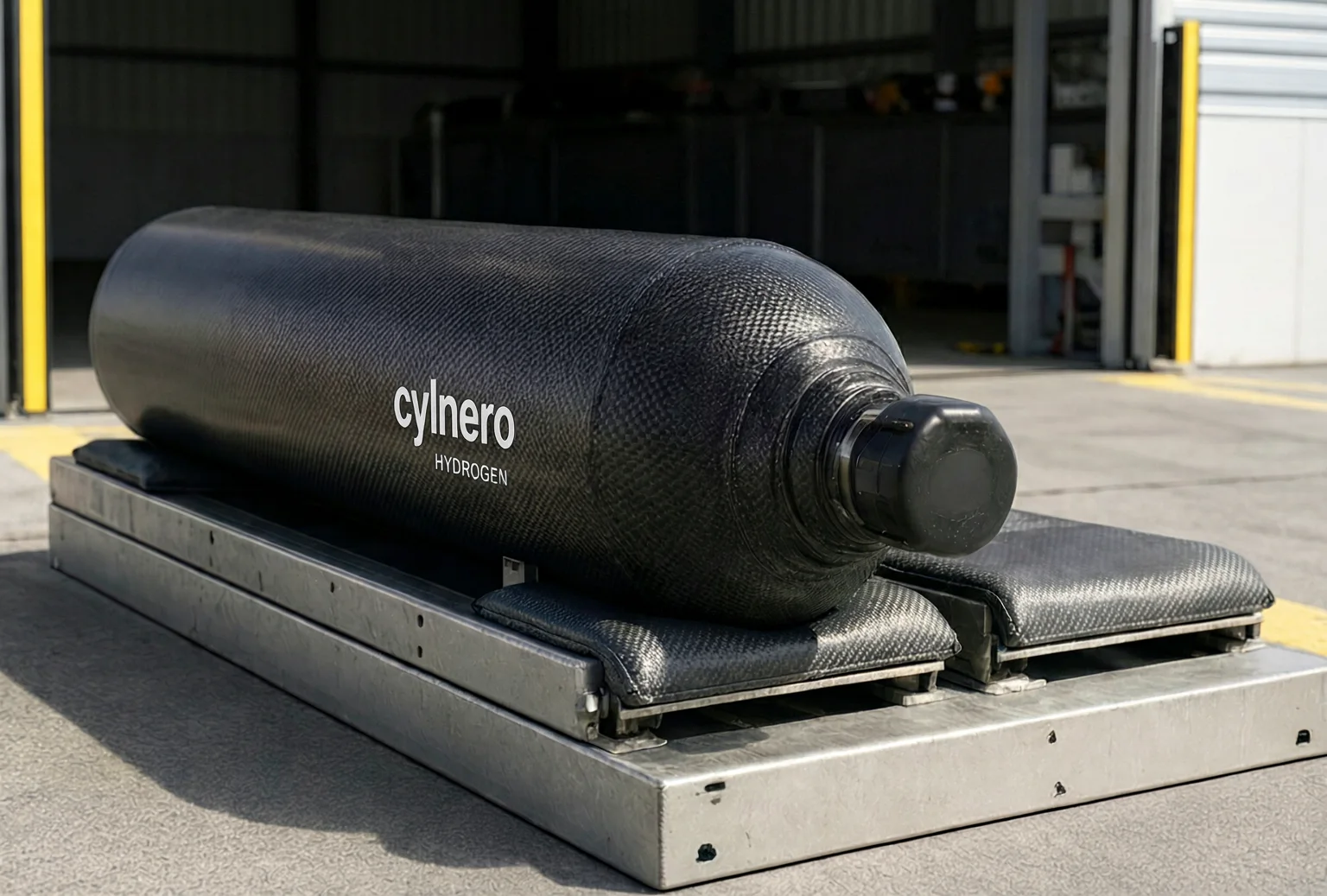
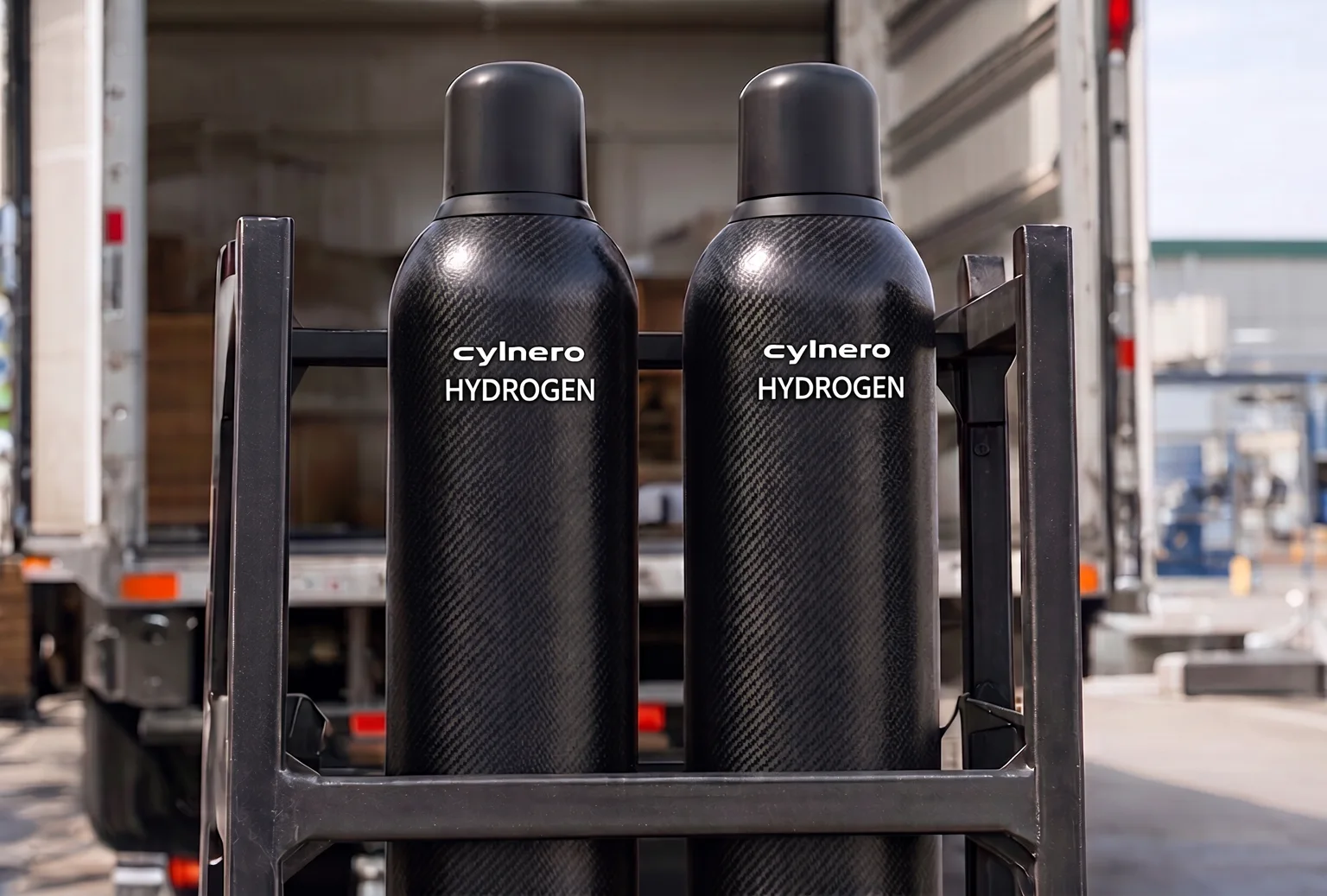
Wholesale procurement guide. Exact product specifications and destination requirements are confirmed during enquiry.
Define your hydrogen equipment scope
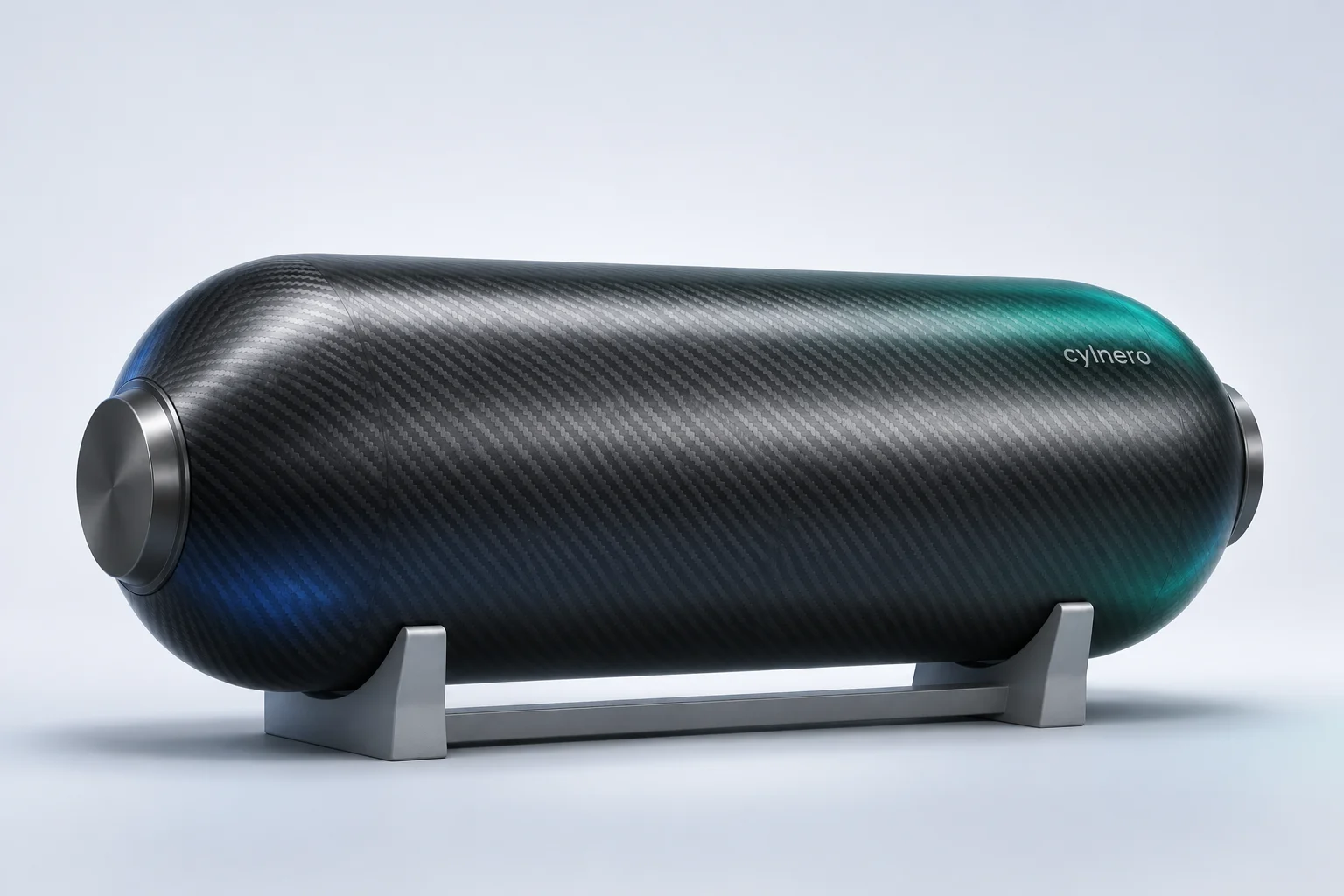
State whether your hydrogen project needs individual cylinders, a grouped assembly or a wider equipment package. List the quantity and known interfaces, then ask which frames, manifolds and components are included in the proposal.
Start by describing whether you are considering individual cylinders, a grouped-cylinder assembly or a wider equipment scope. You can also say that this choice remains open and explain the purchasing task instead. Ask the manufacturer which scope it can propose and what information it needs next. A first enquiry does not require a complete system definition. Keep the requested boundary separate from the actual response so that a proposal for individual cylinders is not mistaken for an offer covering every component of a hydrogen installation.
Read the full guidance
Choose the purchasing scope before comparing systems
The manufacturer’s response will depend heavily on this defined scope. A supplier may offer individual cylinders, a pre-assembled group, or a partial system. It is crucial to distinguish between what the buyer needs and what the manufacturer actually proposes. The buyer must verify if the proposed solution covers the full functional requirement or only specific parts. This distinction avoids misunderstandings about deliverables and responsibilities.
Record unanswered scope questions alongside each offer rather than waiting for every field to be settled before comparing responses. For example, one manufacturer may quote cylinders while another describes an assembly that includes a frame. The useful next question is what each line actually includes. Keep known requirements and optional preferences distinct, and ask which assumptions underlie the proposed supply. A shared comparison format can make those differences visible; it does not establish that the proposals meet the same requirements or that any configuration has been accepted.
Single-cylinder and grouped-cylinder enquiries
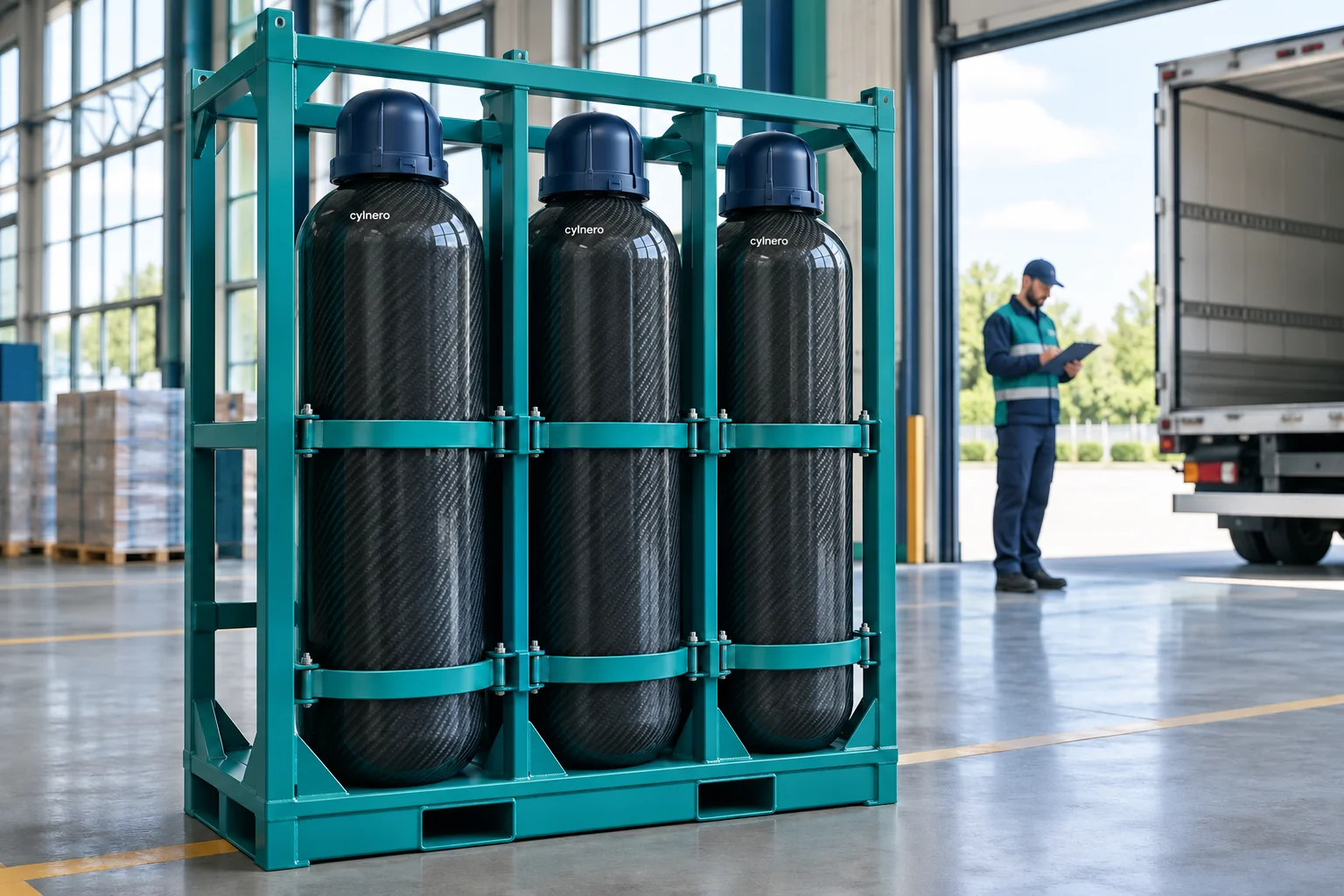
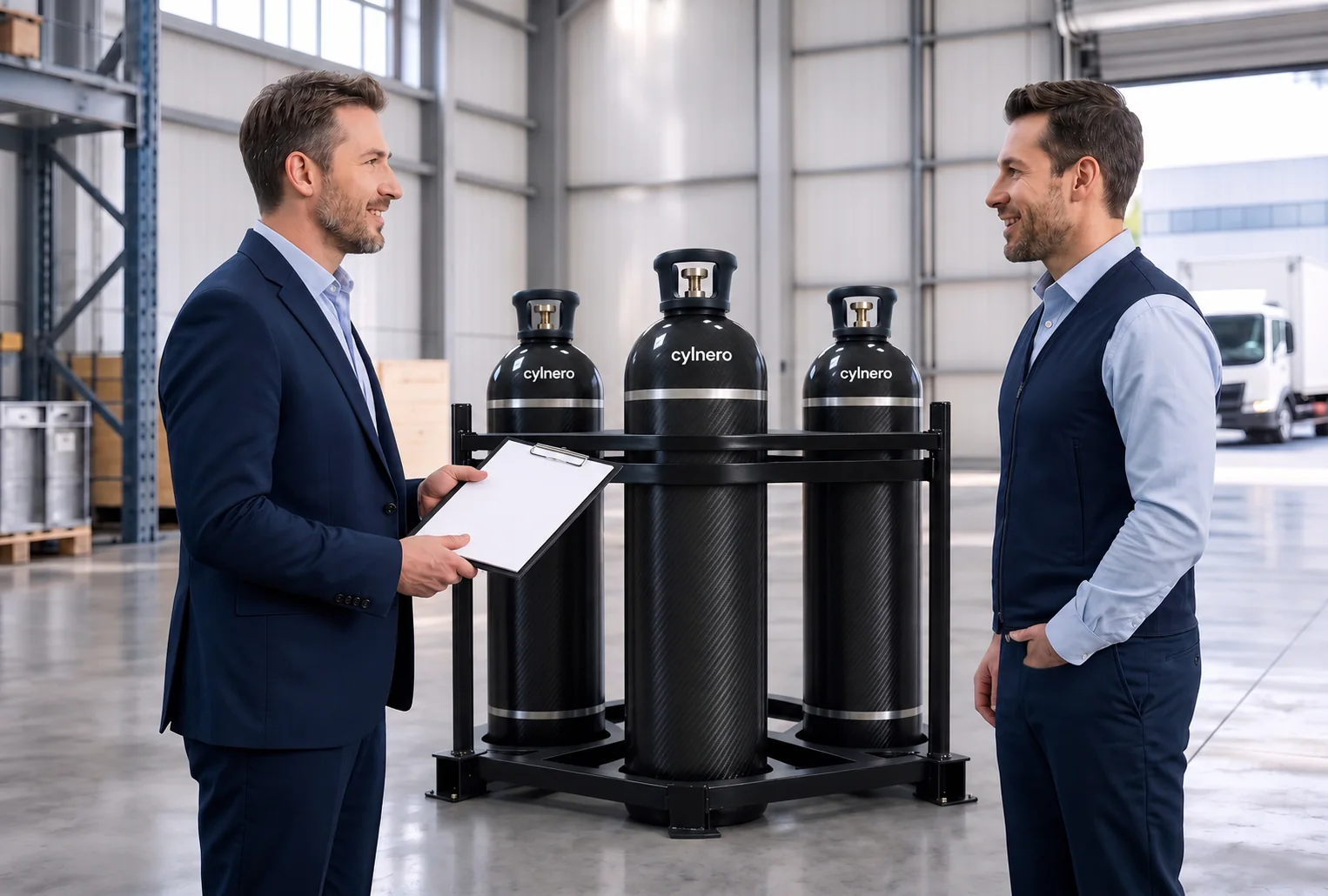
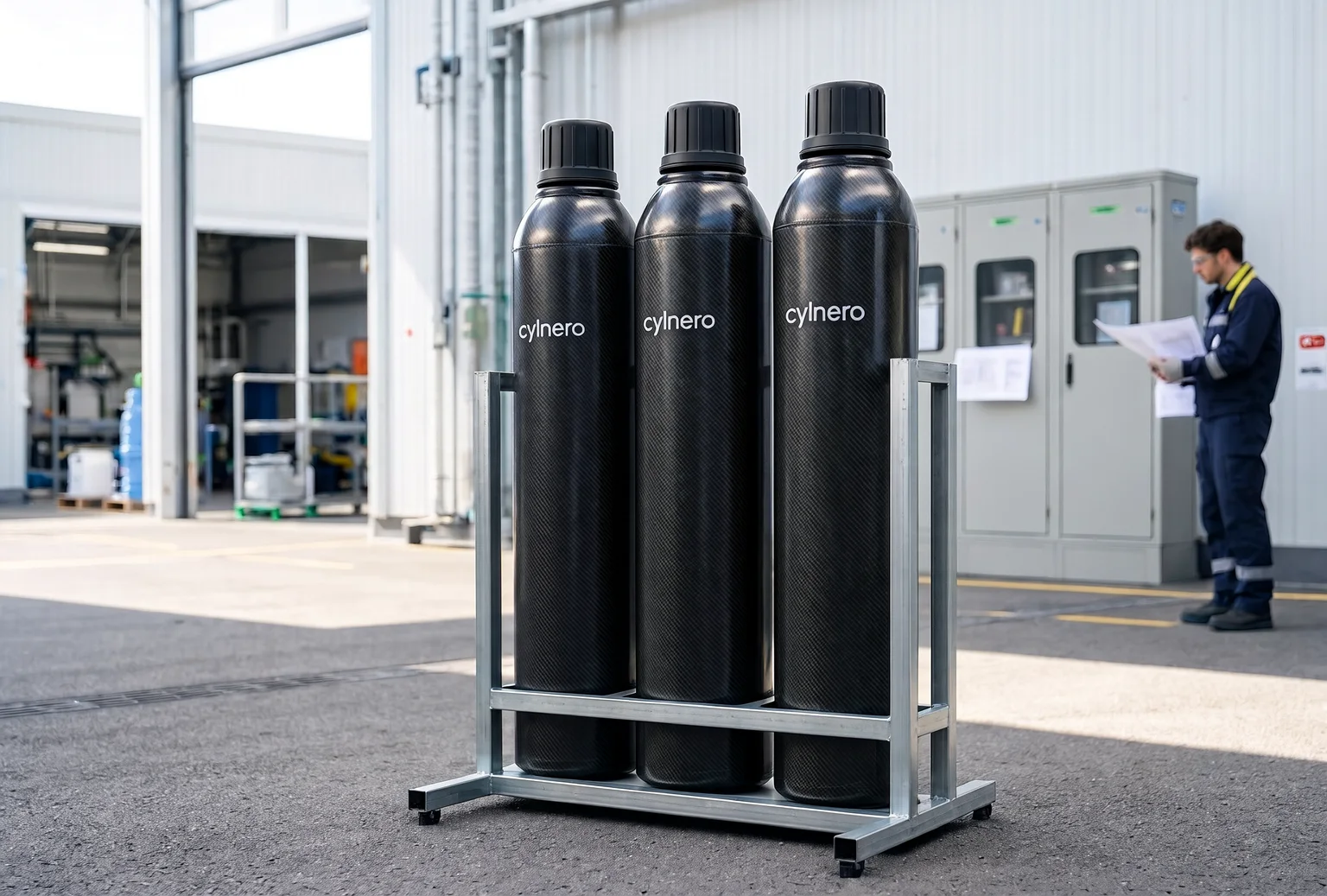
Keep the physical cylinder count separate from the capacity of a proposed group. For a grouped-cylinder quotation, ask which cylinders, frame, manifold and connection points are included so the proposed assembly can be compared with your equipment brief.
The number of physical cylinders purchased is distinct from the assembly capacity or configuration. A grouped-cylinder request involves multiple units arranged in a specific structure. Buyers must ask what a grouped proposal includes beyond the cylinders themselves. This may involve frames, manifolds, or connection points. Each component should be identified separately in the quote. This clarity helps in comparing different supplier offers accurately.
Read the full guidance
Compare single-cylinder and grouped-cylinder requests
Ask the manufacturer how it identifies a proposed grouped assembly and what documents describe its scope. Ask which frames, manifolds and connection components are included in the offer. Do not infer efficiency, ease of connection or a particular performance outcome from the grouping alone. A buyer may compare individual-cylinder supply with an assembly proposal while keeping integration questions open. The appointed reviewers assess the proposed configuration and its relationship to the intended equipment using the relevant layout drawings.
Do not assume that a grouped proposal guarantees specific capacity or performance levels. These factors must be verified through technical specifications provided by the manufacturer. The buyer should ask for documentation that outlines the assembly’s capabilities and limitations. Have the appointed reviewers assess how that evidence relates to the intended use; receiving a document does not establish acceptance. By focusing on specific, verifiable details, the buyer can make an informed decision without relying on unverified claims.
Clarify equipment boundaries and exclusions
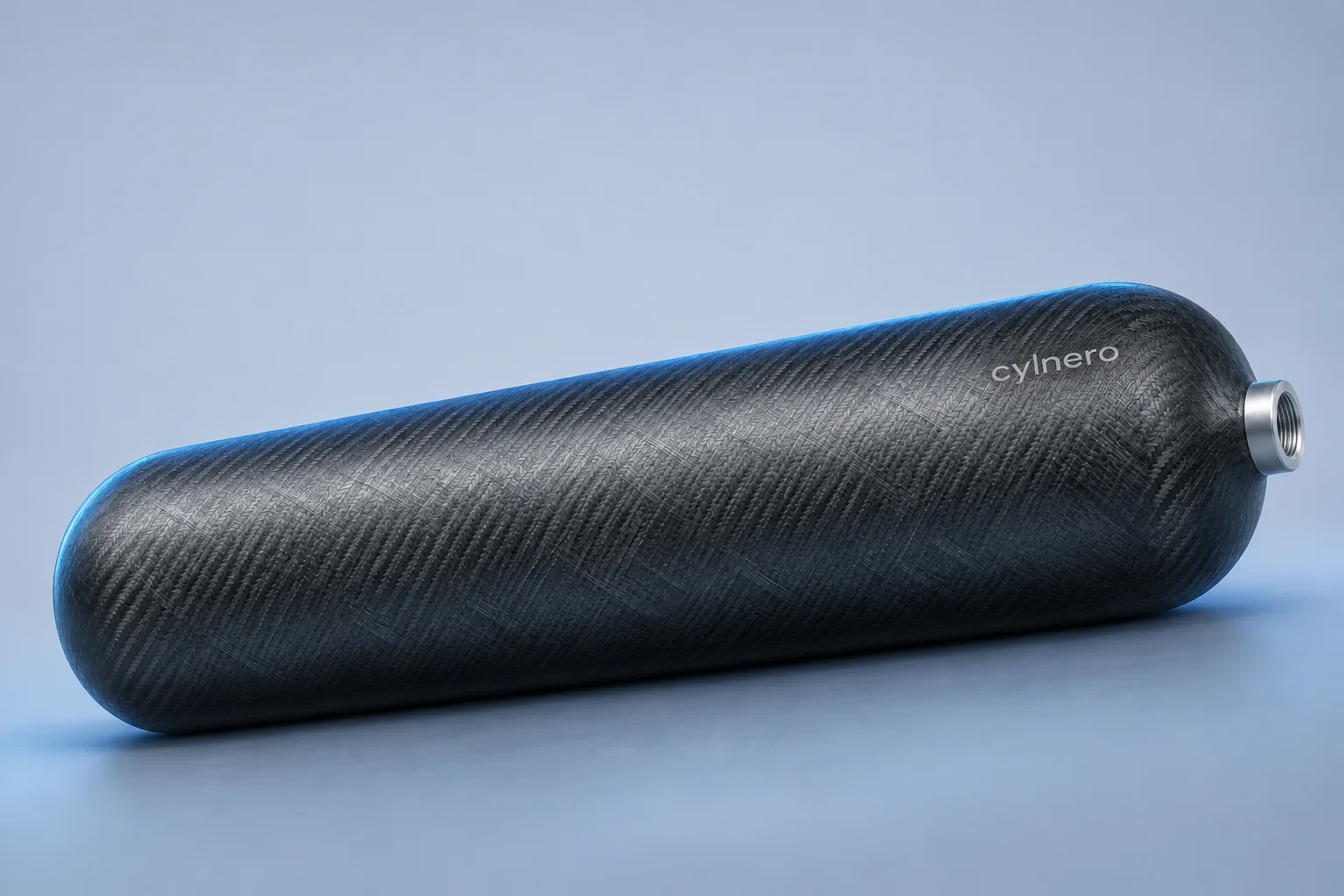
List the cylinders, valves, frames and other components you need. Ask whether piping or controls are included in the offer or require a separate enquiry.
Equipment boundaries should be clearly defined in the quote line scope. Components such as the body, valves, frame, and manifold should be listed as open quote items. This approach does not guarantee availability but indicates what is being requested. The buyer should specify which components are essential and which are optional. This distinction helps in managing expectations and costs. It also clarifies the scope of the manufacturer’s responsibility.
Read the full guidance
Describe equipment boundaries and exclusions
Wider piping, control systems, gas supply, and installation scope are questions, not automatic inclusions. The buyer should ask whether these elements are part of the manufacturer’s offer or require separate procurement. This prevents assumptions about what is included in the base price. It also helps in planning the overall project budget and timeline. Clear communication about exclusions avoids surprises during the procurement process.
Where an item or service is excluded, ask how that exclusion relates to the rest of the requested supply and which party is expected to respond to the remaining question. The answer may involve the manufacturer, buyer or another organization, but this page does not allocate that responsibility by default. Keep a proposed boundary separate from an accepted one. If the offer changes, ask whether the related exclusions and interfaces have changed too, rather than assuming that a revised cylinder line resolves the whole equipment scope.
Start without a finished engineering schedule

Start with the application, approximate quantity and destination. Share any known space, connection or pressure requirements; the manufacturer can request further details during the quotation.
Initial enquiries to CYLNERO do not require a finalized engineering schedule or complete factory specifications. The primary goal is to establish a baseline for discussion based on the intended application and approximate purchasing quantity. Providing the destination helps manufacturers assess logistical feasibility and regional compliance requirements early in the process. This approach allows for open dialogue regarding potential solutions without demanding a fully developed technical dossier at the outset. The focus remains on identifying the core need rather than locking into a rigid specification immediately.
Read the full guidance
Start without a finished engineering schedule
Known equipment references, tender documents, or specific pressure inputs are optional but valuable if available. They provide context that helps manufacturers tailor their initial responses to your operational reality. However, the absence of these details does not prevent the start of a conversation. Unknowns remain open for clarification during the quoting phase. The manufacturer may identify a proposed scope, ask for further details or explain that it cannot respond to the requested supply. The process is designed to accommodate varying levels of project maturity.
Withholding known technical requirements is unnecessary and may slow down the evaluation process. Sharing available constraints helps filter out unsuitable proposals early. However, a specific factory code is not a prerequisite for submitting an initial request. The objective is to initiate contact and gather preliminary information. CYLNERO coordinates these interactions, allowing manufacturers to respond with their standard offerings or custom possibilities. This stage is about opening the channel for technical and commercial exchange, not about finalizing a contract or selecting a definitive supplier immediately.
Keep pressure, capacity and quantity separate
Record working pressure, test pressure, water capacity and cylinder count separately, with their units. Clarify whether each quotation line refers to a single cylinder or an assembly.
When documenting cylinder requirements, it is critical to distinguish between pressure ratings, physical capacity, and total quantity. Manufacturers state these parameters in specific units and bases that must be retained exactly as provided. Working pressure and test pressure are distinct values with different purposes and implications for the cylinder’s lifecycle. Conflating these figures can lead to misunderstandings about the operational limits and safety margins of the proposed equipment. Each field should be recorded separately to maintain clarity in the procurement documentation.
Read the full guidance
Separate pressure, capacity and quantity fields
Record cylinder count, stated water capacity and any stated stored-gas quantity in separate fields with their respective units and source references. They are different descriptions and should not be substituted for one another in a purchasing record. This guide does not calculate a stored-gas amount from capacity and pressure or recommend a design margin. If a project requirement uses a different basis from the manufacturer's response, ask the appointed reviewers how it should be assessed. Retain the original entries so the question remains traceable to the actual documents.
A purchasing quantity should identify what is being counted: individual cylinders, grouped assemblies or another explicitly described supply unit. If a buyer also provides an application demand, record that separately instead of treating it as the order quantity. Ask the manufacturer to state the unit used for each quoted line. For a grouped offer, identify the proposed assembly and any stated cylinder count when available. A missing count can remain an open question during the initial exchange; it should not be guessed from a capacity description.
Use actual connection and layout drawings
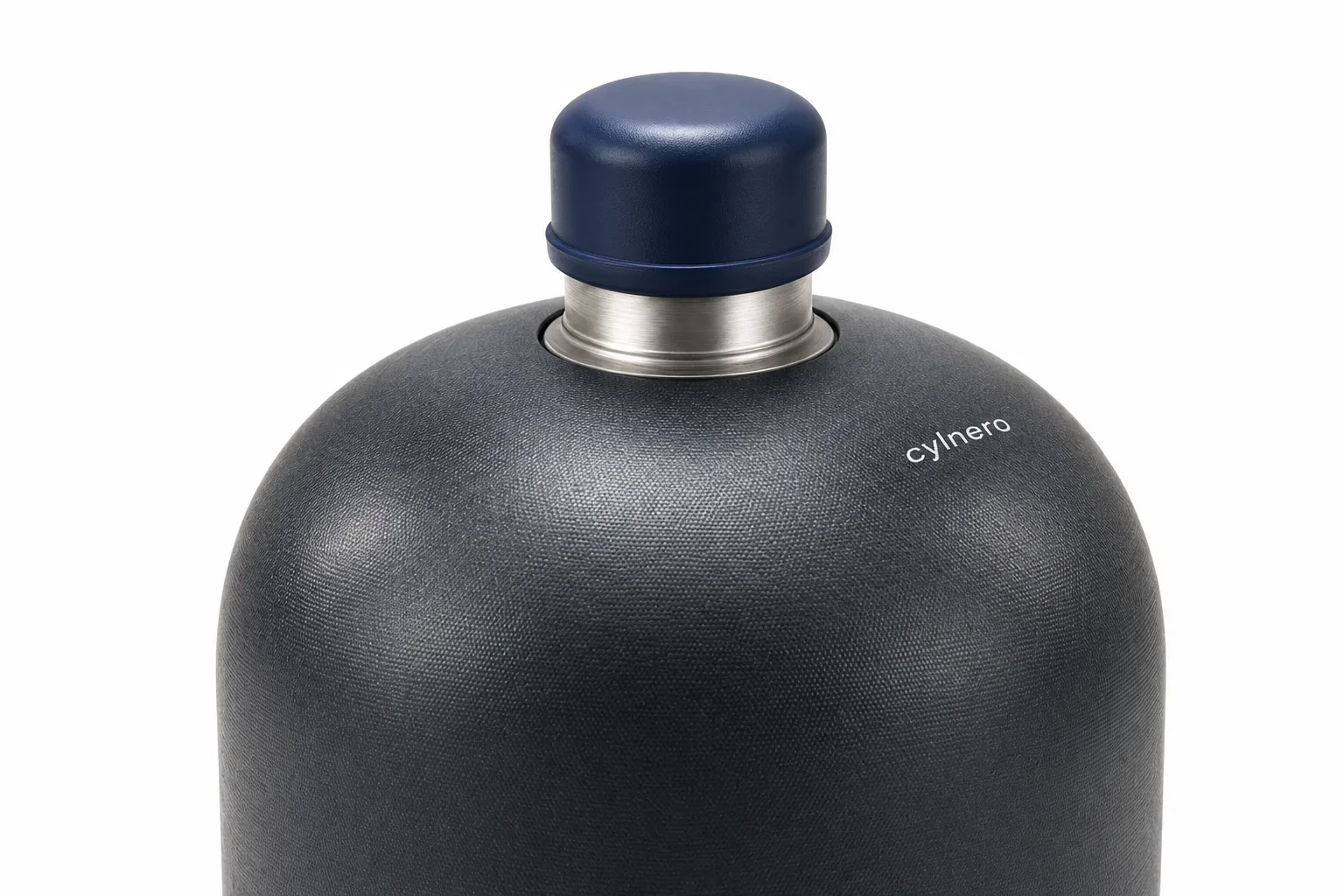
Share existing equipment drawings and available space dimensions. Ask the manufacturer to identify the proposed connections and assembly dimensions for your engineering review.
An existing equipment drawing can provide context for connections and layout when available. Record its reference and revision beside the manufacturer's proposed assembly information, rather than assuming that both describe the same item. If neither drawing is available initially, describe what is known and ask what information the manufacturer needs next. A drawing reference makes the subject of a review clearer; it does not confirm mechanical fit. Keep any proposed difference with the relevant offer so reviewers can identify the actual question without relying on a generic product name.
Read the full guidance
Link connections and layout to actual drawings
Ask who will assess the proposed interface against the intended equipment and who can answer the manufacturer's questions. The relevant roles may involve several organizations and should be identified for the actual programme. A purchasing coordinator can collect the responses without choosing a modification or accepting the interface. If the drawings differ, ask for clarification of the difference before assuming that an adapter, a new mounting arrangement or other change is needed. This page organizes the questions; the responsible reviewers assess the actual documents and proposal.
Keep the available equipment envelope separate from the manufacturer's stated assembly dimensions. Ask whether the proposed dimensions include valves, protective items or other components, and which drawing describes that basis. Access, layout and later documentation questions can be raised with the responsible parties without treating this page as an installation procedure. If a requirement is unresolved, retain it beside the proposal rather than entering an assumed clearance or mounting position. A recorded envelope is an input for review, not evidence that the offered assembly will fit or that a layout change has been approved.
Treat construction labels as enquiry context
Compare Type III and Type IV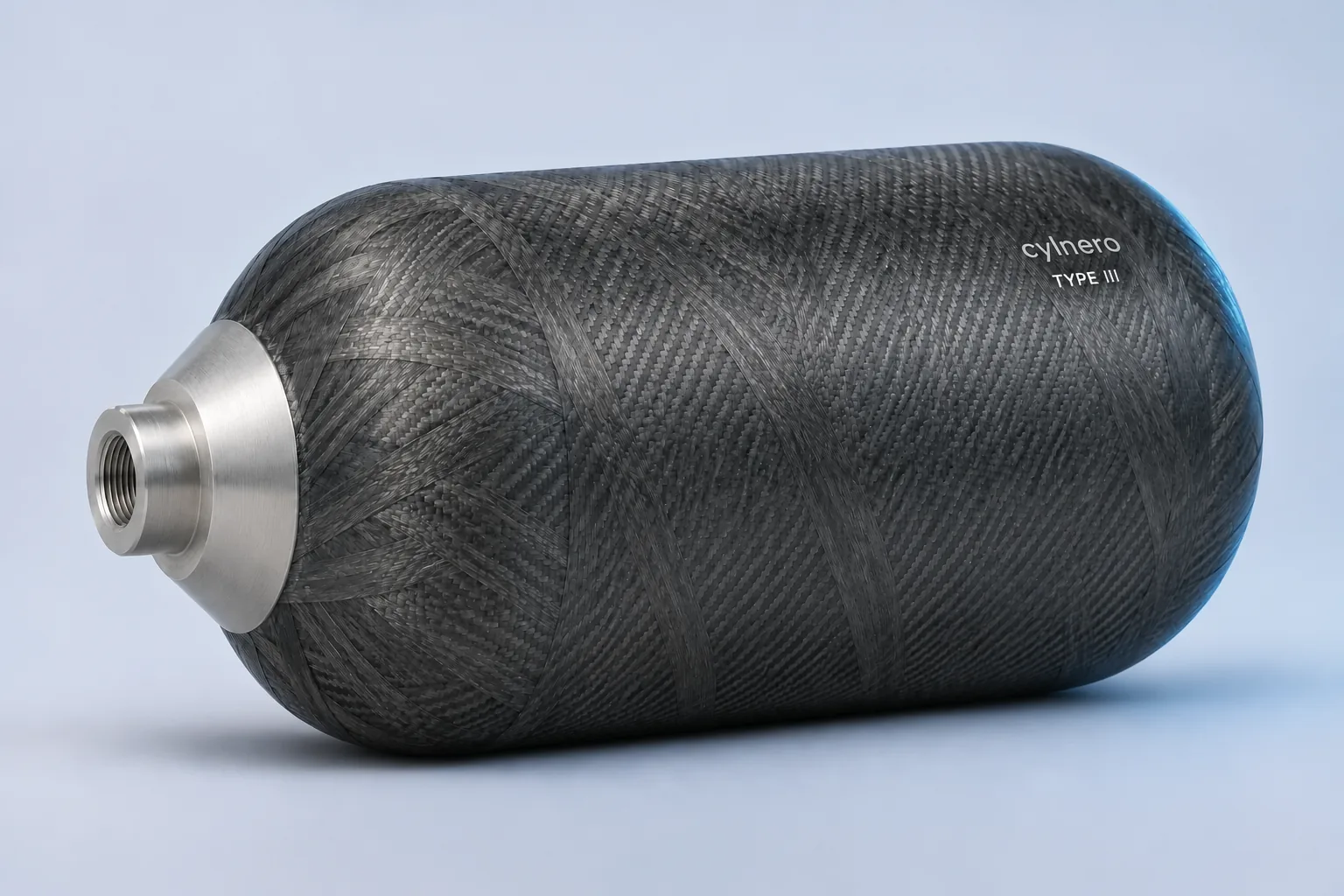
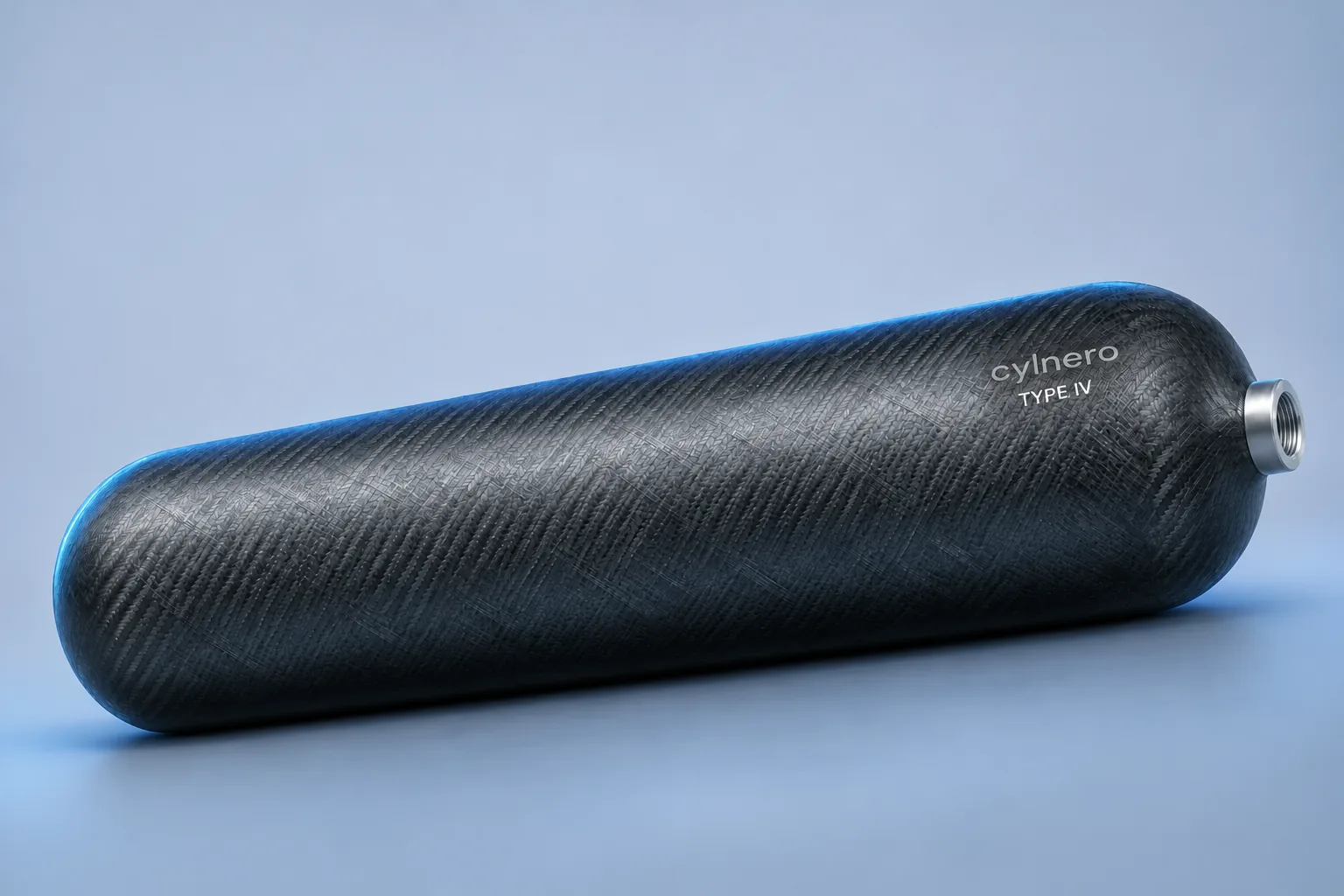
Use Type III or Type IV to describe the construction family you want to discuss. Ask for the proposed cylinder reference, pressure rating, dimensions and weight rather than assuming these from the type name.
View Type III hydrogen cylinder weight exampleType III and Type IV describe different composite cylinder construction families: Type III uses a metal liner and Type IV a non-metal liner. Use these labels to explain the family you wish to discuss, then ask the supplier to identify the specific cylinder, included components and configuration references in its offer. The family name alone does not identify a model, pressure rating, weight or intended application.
Read the full guidance
Use construction labels as context for proposals
When comparing proposals, place the stated values and supporting records for each actual configuration beside the project requirements. Identify missing values as open questions and ask which drawing or document revision each response describes. A request for a hydrogen tank may cover a vessel, a group of cylinders or a wider equipment scope, so describe the task and ask the supplier what it is proposing. Keep racks, controls and other system work as separate lines where relevant. The project reviewers can then assess the specific proposals without relying on a general ranking of the two construction families.
Evidence for the proposed equipment

Provide the intended application and destination, then ask which documents cover the proposed equipment. Check the issuer, reference and revision for each record supplied.
Read the full guidance
Assess proposal evidence and destination questions
Evaluating manufacturer proposals requires careful attention to the specific records and documentation provided. Buyers should distinguish between general examples and order-specific records that detail the exact configuration being offered. Configuration identifiers, such as part numbers or model codes, help clarify the precise product being proposed. Record the issuer and revision, then ask the reviewers to assess currency and relevance rather than inferring them from the label. Stated scope definitions outline what is included in the proposal, preventing misunderstandings about deliverables. These elements form the basis for assessing whether a proposal meets the buyer’s requirements without relying on generic claims or assumptions.
Identify who will assess the evidence relevant to the intended use, destination and offered configuration. Actual requirements may come from the project, the destination review or other responsible parties; this guide does not replace them with a universal certificate list. Ask the reviewers to identify which questions the supplied records answer and which remain open. Technical, destination and commercial acceptance may involve different decisions. Receiving a document or recording its title does not by itself establish approval, and a review comment should remain linked to the version it addresses.
State the intended destination and use, adding an existing tender or other requirement reference when available. Ask the manufacturer what supporting records it proposes and how they relate to that scope. If an important question is unanswered, identify who will follow it up rather than assuming that a familiar certificate title resolves it. A proposal about cylinder hardware does not automatically include operating controls, safety equipment or site services. Keep each inclusion, exclusion and open evidence question associated with the actual response so it can be assessed without expanding the offer by implication.
About this category guide
Hydrogen storage enquiries can begin with individual cylinders, grouped-cylinder proposals or a wider equipment requirement. Start with your application, approximate purchasing quantity and destination, even if the final model or parameters remain open. CYLNERO coordinates the exchange of requirements and manufacturer responses. This guide helps buyers compare proposed cylinder-system scope, connections, documents and commercial assumptions for the actual offer. Ask the manufacturer what it can actually propose, then have the relevant parties assess that response. A request does not confirm availability, installation services or approval for the intended application.
Compare commercial scope consistently
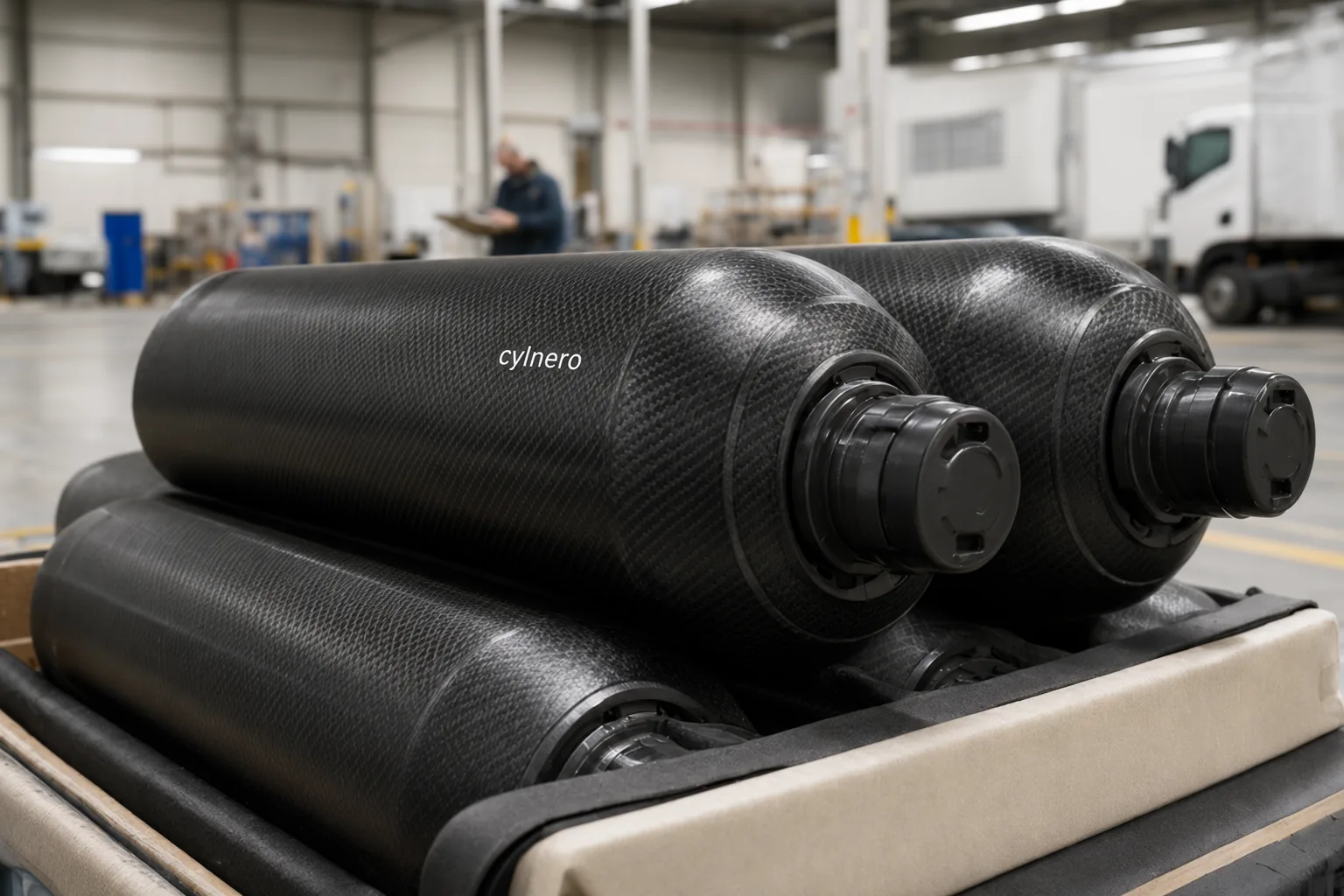
Compare body-only, cylinder-assembly and wider equipment quotations on their stated scope. Record included components, documents, quantity basis and exclusions before comparing totals. Keep unanswered items visible rather than treating different equipment packages as equivalent.
Compare the actual scope of each offer before comparing totals. A cylinder-body quotation may cover different items from a grouped assembly. List cylinders, valves, fittings, mounting hardware, packing and documents as each manufacturer describes them; mark unspecified items as open. Keep the original currency, validity and quotation reference beside the price.
Read the full guidance
Compare commercial scope on a consistent basis
For example, if one proposal prices cylinder bodies and another prices an assembly, identify the included components and any exclusions separately. If currencies differ, retain the original figures and label any conversion used for comparison. Ask which configuration the current price describes when an offer has been revised. The comparison helps buyers assess differences against their own requirements; it does not establish that two offers are technically equivalent.
Discuss quantities and later expansion
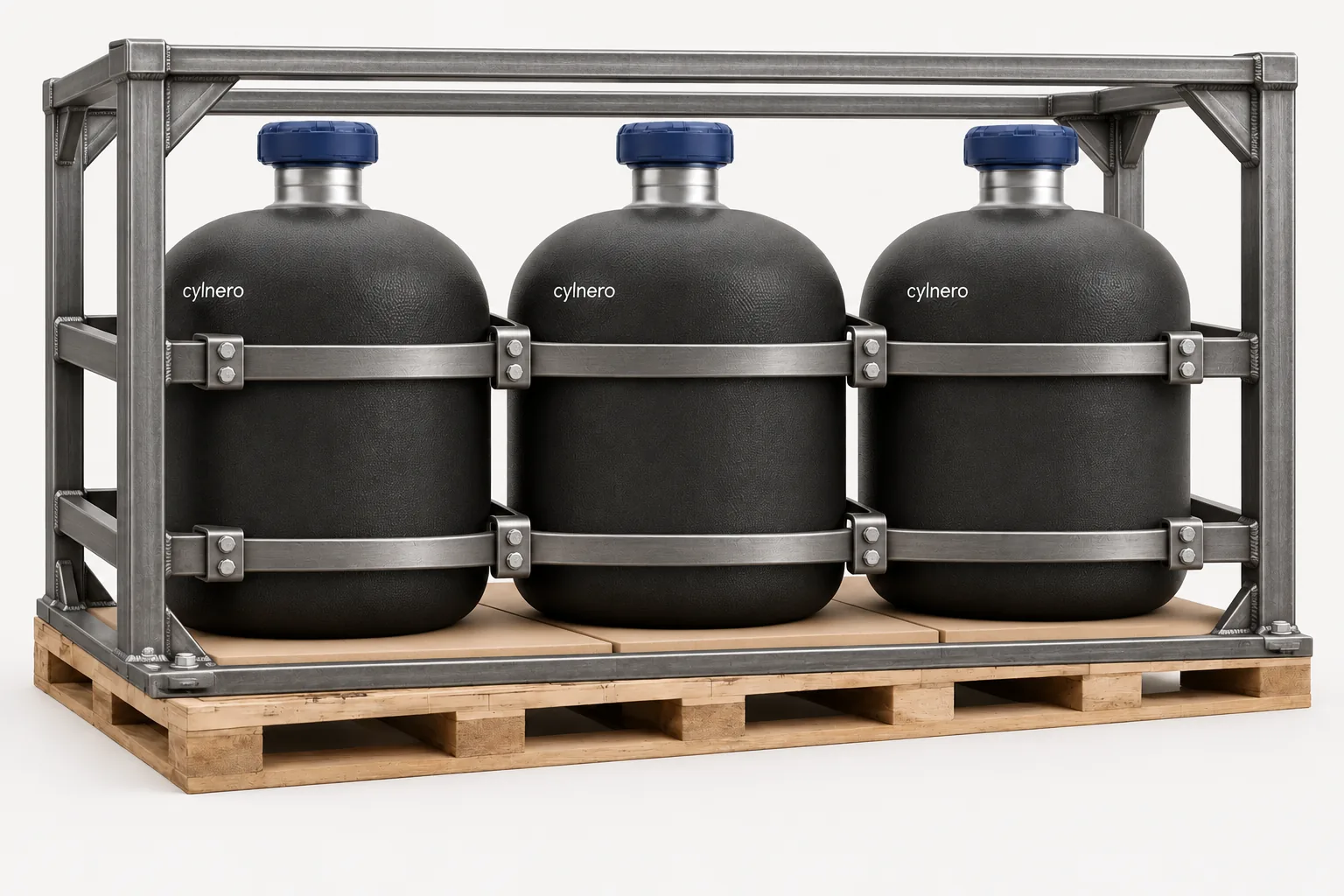
Separate the initial order quantity from potential future demand. Ask for proposed manufacturing, dispatch and delivery dates for each batch.
Start by defining the initial purchasing batch clearly, separating it from any optional forecast you might share later. This distinction helps manufacturers understand immediate needs versus future possibilities without assuming binding commitments. You do not need to provide a complete production plan or guaranteed volume at this stage. Instead, focus on the specific number of cylinders required for the first delivery. This approach allows suppliers to assess their current availability and propose realistic timelines based on their actual production capabilities. It prevents misunderstandings about when goods will be ready and sets a clear baseline for negotiation.
Read the full guidance
Discuss quantity, schedule and later expansion
When discussing schedules, distinguish between manufacture, shipment, and delivery dates. Each phase involves different logistics and potential delays. Ask manufacturers to break down their proposed timeline into these distinct stages. This transparency helps you identify where bottlenecks might occur and allows for better planning on your end. Do not assume standard lead times apply universally, as they vary significantly between suppliers and specific cylinder types. Clarify whether the quoted dates include packaging and documentation preparation. Ask which dependencies remain open and which stage each proposed date describes.
If later expansion is possible, describe it as a separate planning input and ask how the manufacturer would respond to a follow-up request. You may ask about proposed capacity arrangements or future commercial terms, but a question does not establish a reservation, discount or commitment. Ask which existing agreement or new proposal would apply and what information would need updating. Keep the later forecast separate from the current purchasing quantity. The actual exchanges and applicable arrangements determine the parties' commitments; this guide does not decide the legal effect of a forecast or promise that a later configuration will remain available.
Record changes and support scope
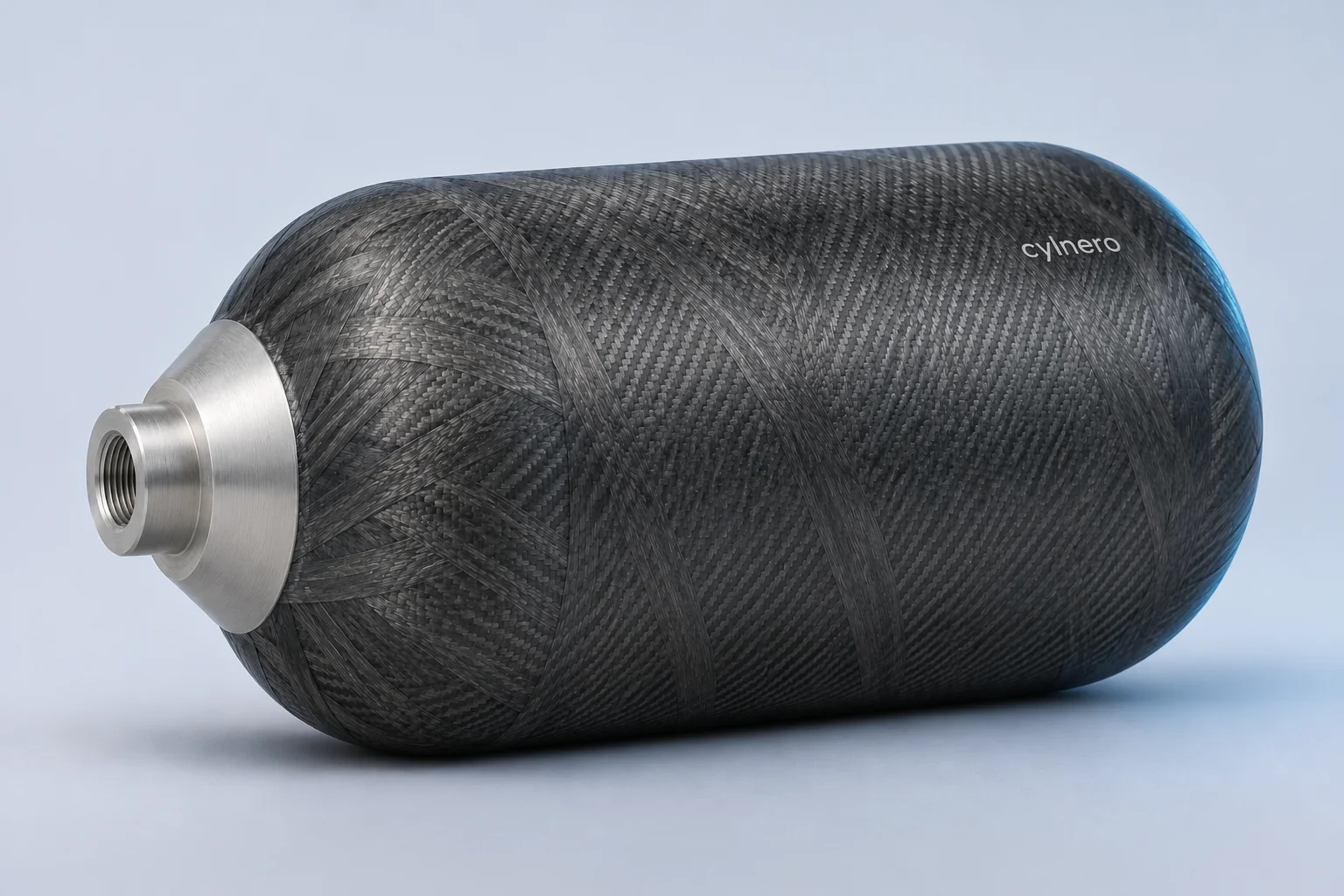
Keep changes to equipment, price and delivery terms with the relevant quotation revision. Ask who will handle follow-up questions and what warranty or support is offered.
Record changes to configuration, price and delivery terms between quotation revisions. Ask which version the manufacturer currently relies on and keep conflicting statements visible until clarified. Identify who answers technical and commercial questions, then record any proposed warranty, support scope and exclusions for review.
Read the full guidance
Record changes and support responsibilities
Ask which documents the manufacturer proposes to provide, in what format and at which stage. Distinguish a sample report from a proposed order deliverable or a final shipment record. If the configuration changes, ask whether drawings, component references or the document proposal also need revision. Keep missing or unconfirmed items open alongside the current quotation.
Prepare a focused hydrogen enquiry
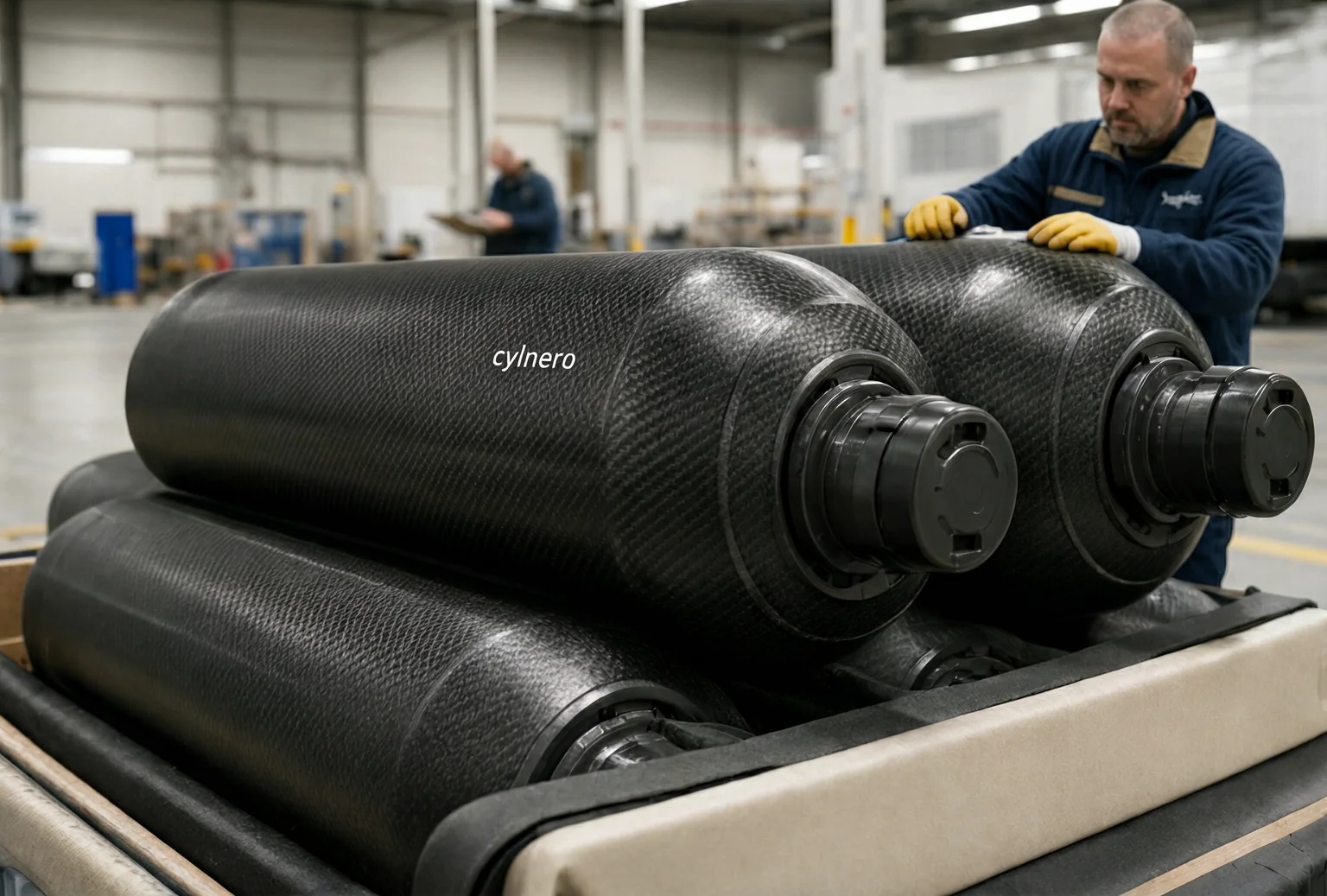
Identify the equipment boundary for the enquiry: individual cylinders, grouped cylinders or a wider assembly. Describe the application, approximate quantity and destination, and provide available equipment drawings or requirements. List any rack, controls or integration work as separate questions so the manufacturer can identify its proposed hardware, inclusions and exclusions. Keep the response beside the original request; a vessel proposal does not by itself establish an offer for a complete system.
Related procurement pages
About this procurement guide
Use this guide to prepare your enquiry. Confirm the specifications and supporting documents for the proposed cylinder with the manufacturer.
For standards research, consult the ISO gas-cylinder standards catalogue. The catalogue includes published and withdrawn standards. Check the status, edition, scope and destination requirements with the manufacturer and your appointed technical reviewer. A standards reference does not establish that a listed series conforms to it.
For the basic Type III / Type IV construction distinction, see the U.S. Department of Energy hydrogen-storage classification. The reference distinguishes metal-lined and non-metal-lined fully wrapped composite families. It does not verify a listed series, establish a performance advantage or approve an offered configuration.
Before placing an order, obtain the proposed model's drawings, configuration, applicable approvals and quotation from the manufacturer. CYLNERO coordinates sourcing; the manufacturer confirms and contracts the agreed supply.
Procurement questions
Can I enquire about a hydrogen storage tank before choosing a model?
Yes. Describe the intended application, approximate purchasing quantity and destination, then explain whether you are considering individual cylinders, a grouped assembly or an unresolved wider scope. Add known requirements or drawings where available. A factory model or complete parameter schedule is not required to start. Ask the manufacturer what it can propose and which questions it needs answered next.
Does a grouped-cylinder request include every system component?
No. Ask what the manufacturer's actual proposal includes: cylinders, frame, manifold, valves or other components may have different inclusion statuses. Ask the manufacturer to list the components and services included in each quoted line. Record exclusions and unanswered questions, including any wider equipment or site services. The actual offer and relevant review determine the scope being considered.
Does Type III or Type IV confirm which option is best?
No. Type III and Type IV provide construction-family context, not a universal ranking or application approval. Type III is metal-lined and fully wrapped composite; Type IV is non-metal-lined and fully wrapped composite. Compare the actual proposed configuration, stated characteristics and supporting evidence with your requirements. Have the appointed reviewers assess the response rather than selecting from the family label alone.
What should I ask about drawings and supporting records?
Ask which configuration the proposed drawing describes, its reference and revision, and how the supporting records relate to that proposal. Identify an example as an example rather than an order-specific record. Share known project or destination requirements and ask the relevant reviewers which evidence needs assessment. A document title or revision label does not itself confirm fit, completeness or approval.
Who confirms installation and later support scope?
Ask the manufacturer to identify any installation or later support scope it proposes, including exclusions, documentation and responsible contacts. Do not assume those services are included in a cylinder or grouped-assembly quotation. CYLNERO coordinates the questions and responses; the actual arrangements identify who supplies and accepts each scope. This page provides no installation, commissioning, emergency or maintenance procedure.
Are quantities, delivery dates or expansion capacity already confirmed?
No fixed quantity, delivery date or later production capacity is established by this page. State the current need and requested timing, separating any optional forecast. Ask which dates the manufacturer proposes, what stages they describe and which assumptions remain open. The actual quotation and applicable arrangements identify the commercial scope; an enquiry does not itself reserve stock or capacity.