 Wholesale sourcing
01 / YOUR APPLICATION
Start with what you know
Application, approximate quantity and destination. Add a drawing or connection reference if you have one.
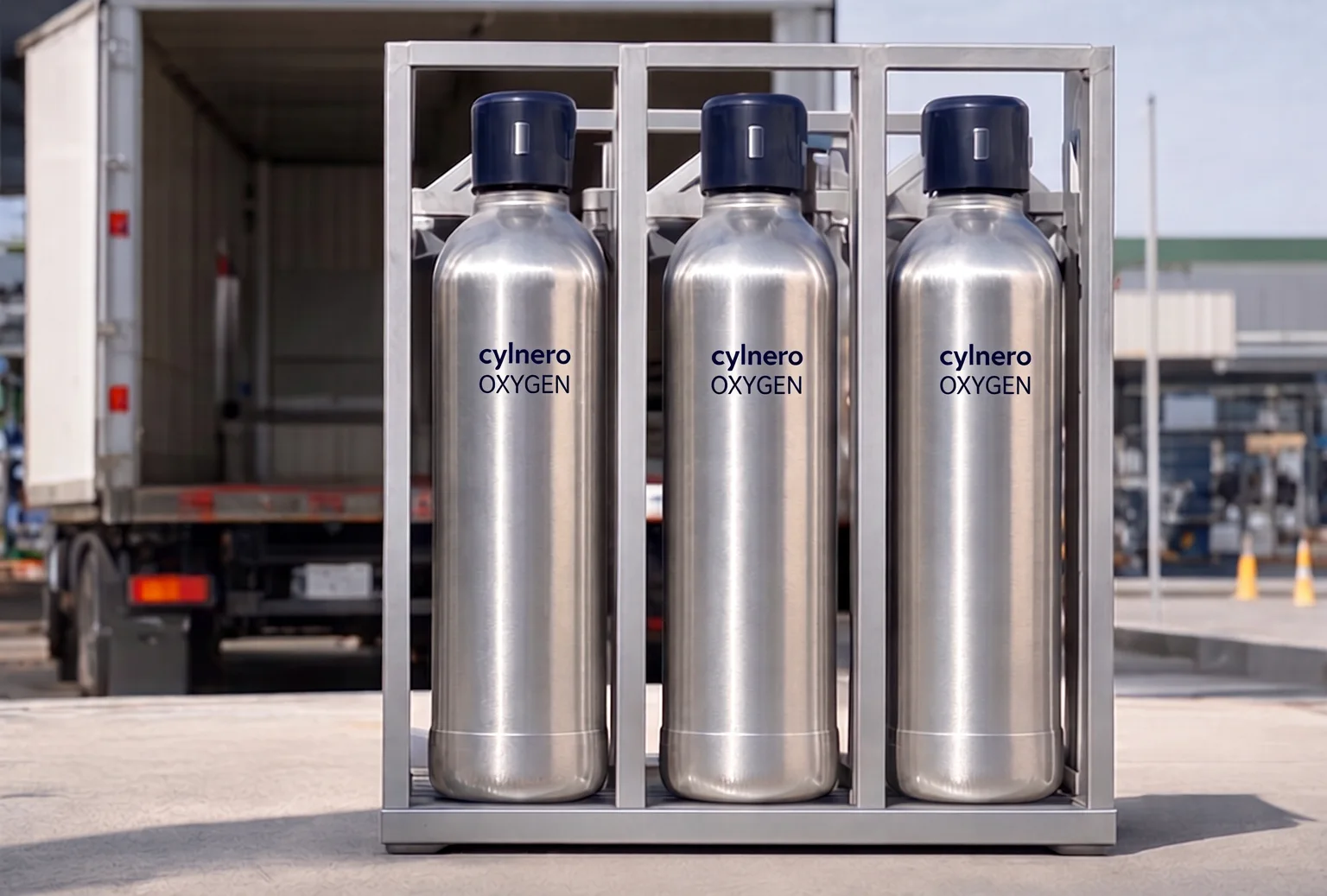 View larger ↗
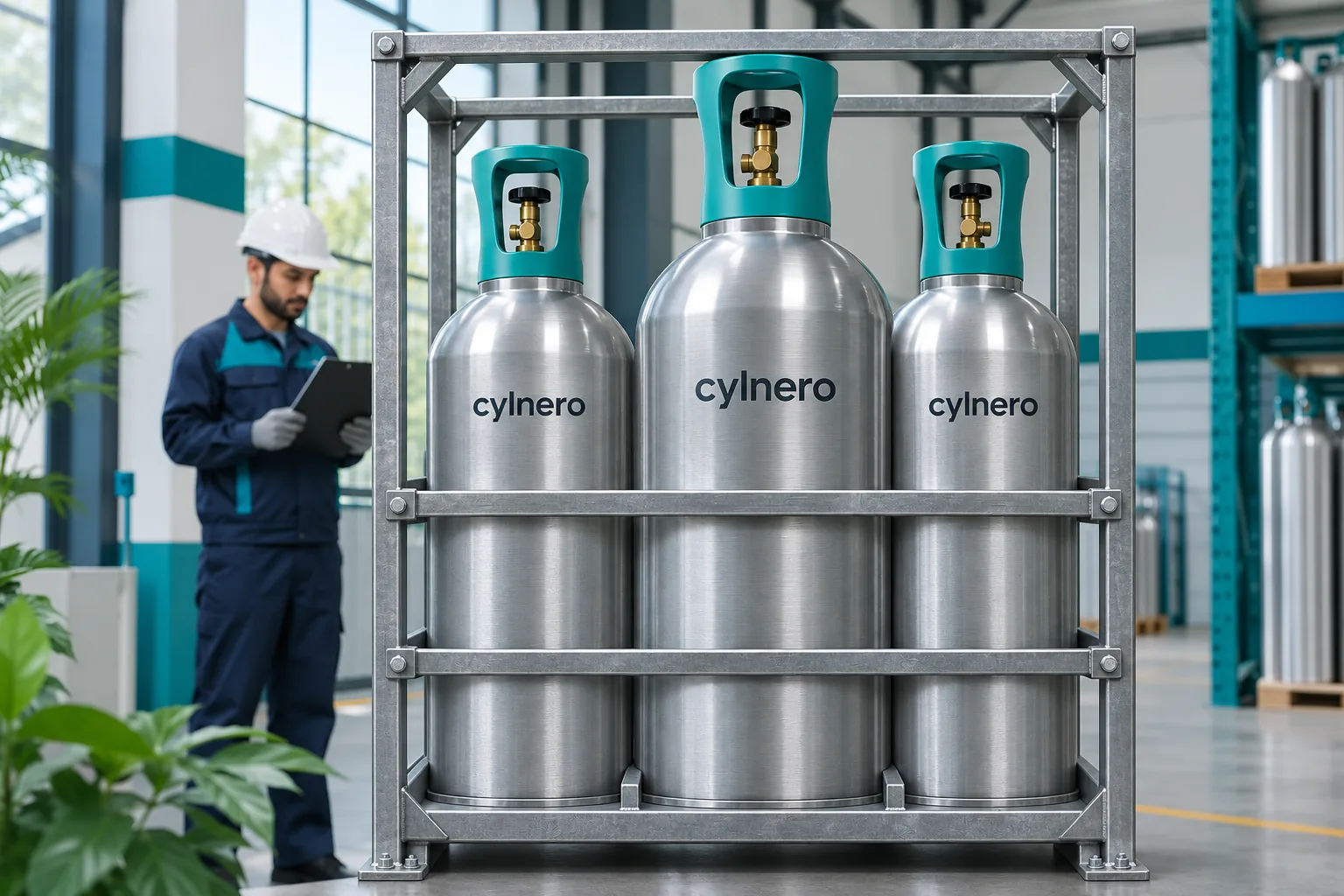
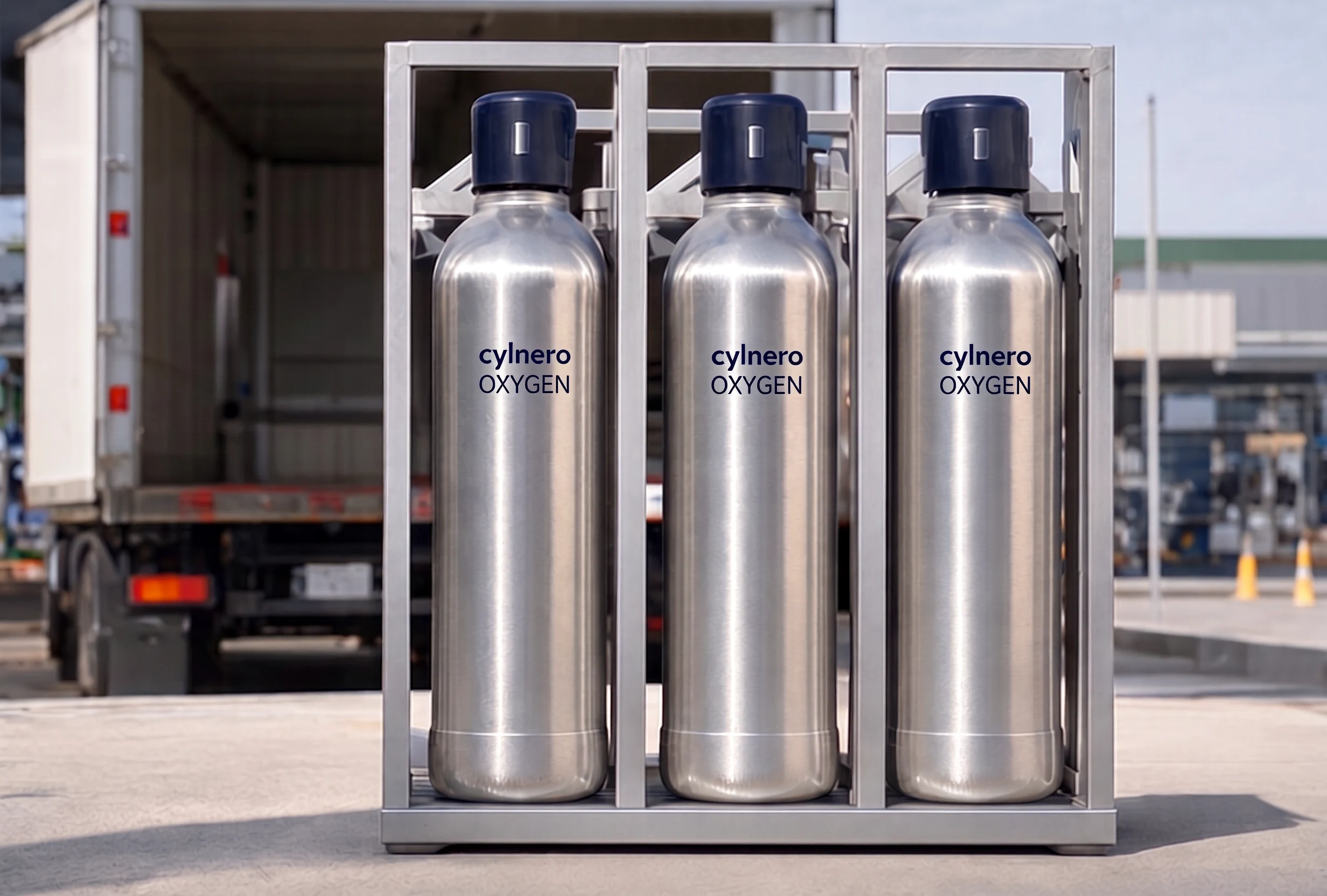 Series viewPacking area
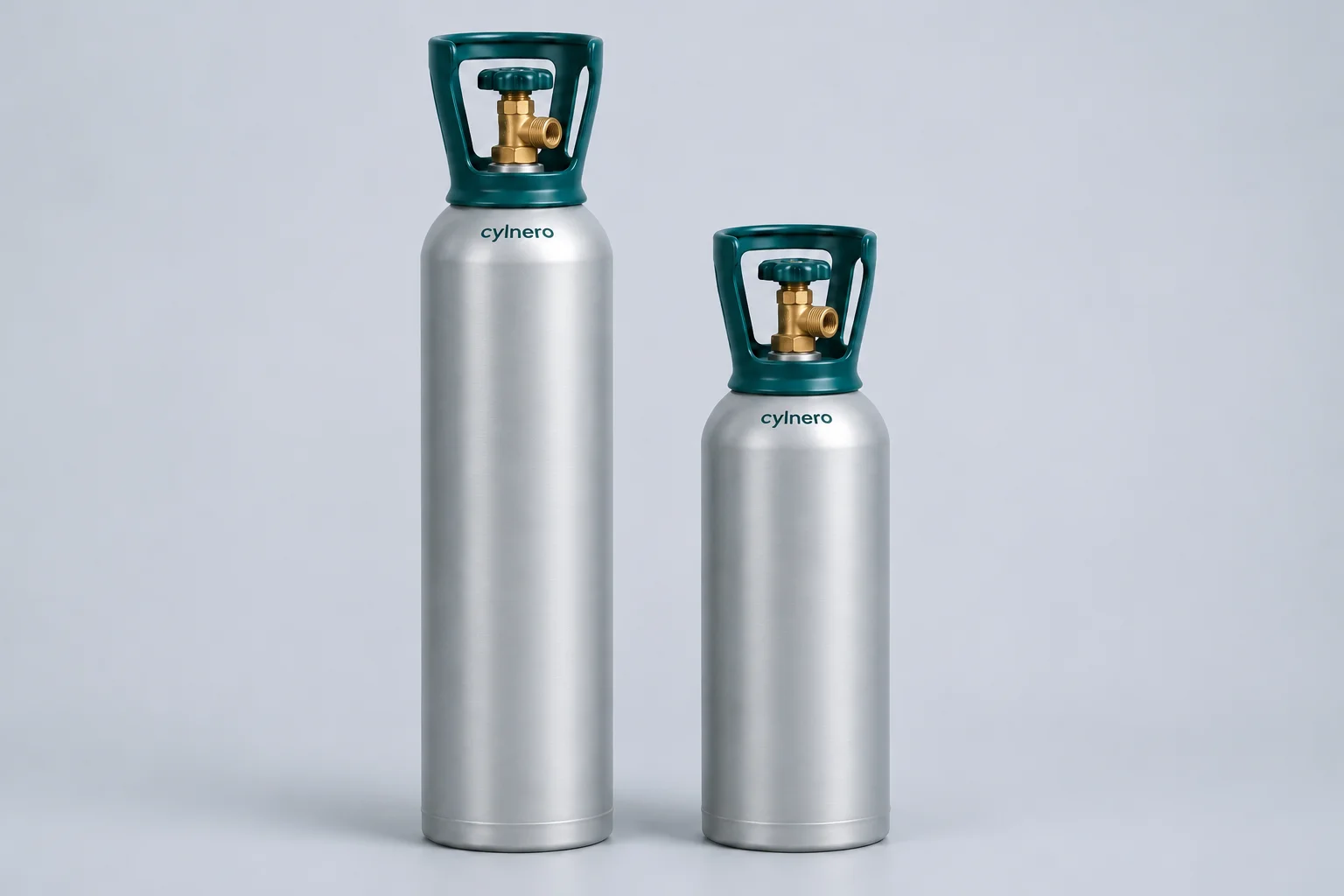 Cylinder formats
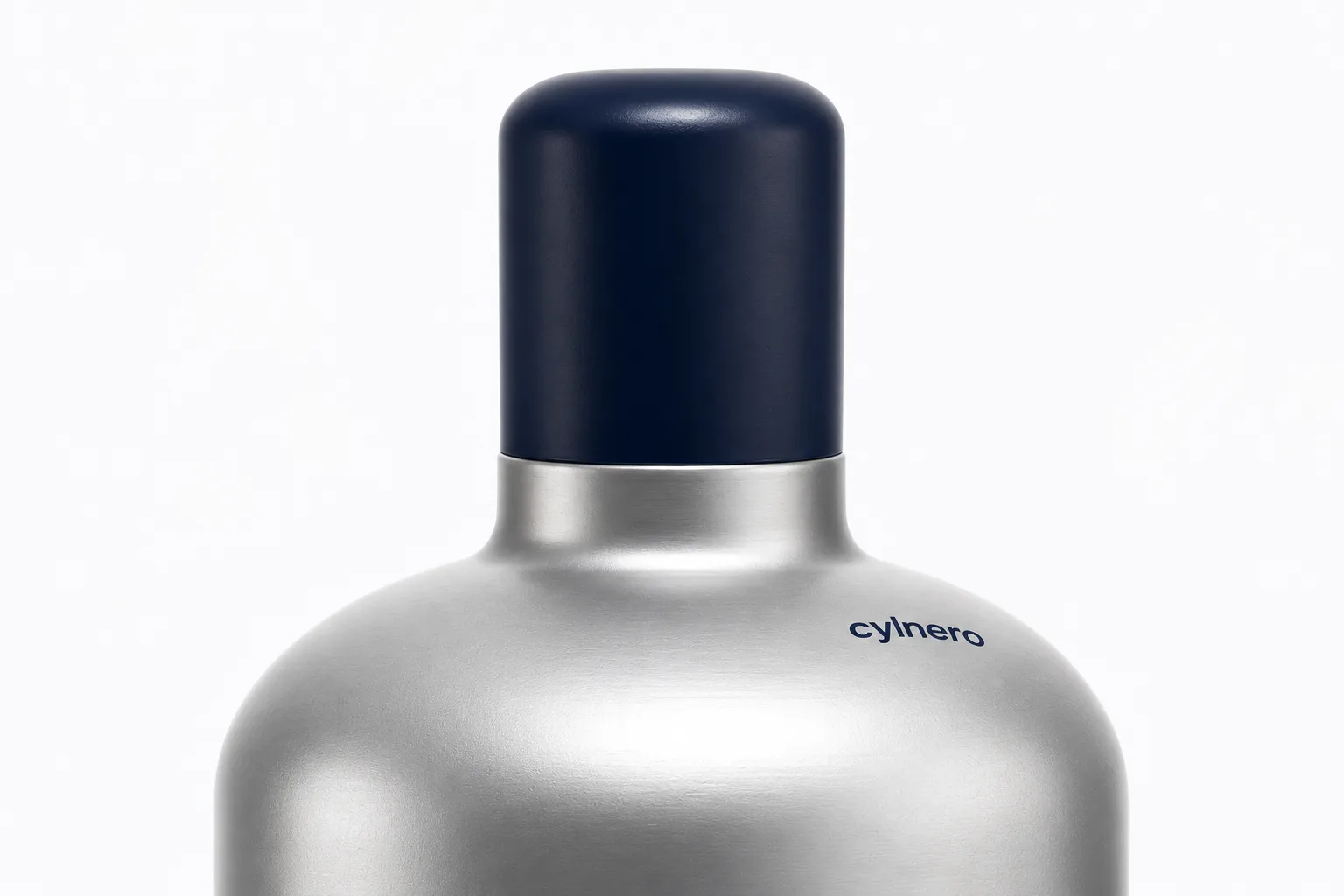 Protective cap
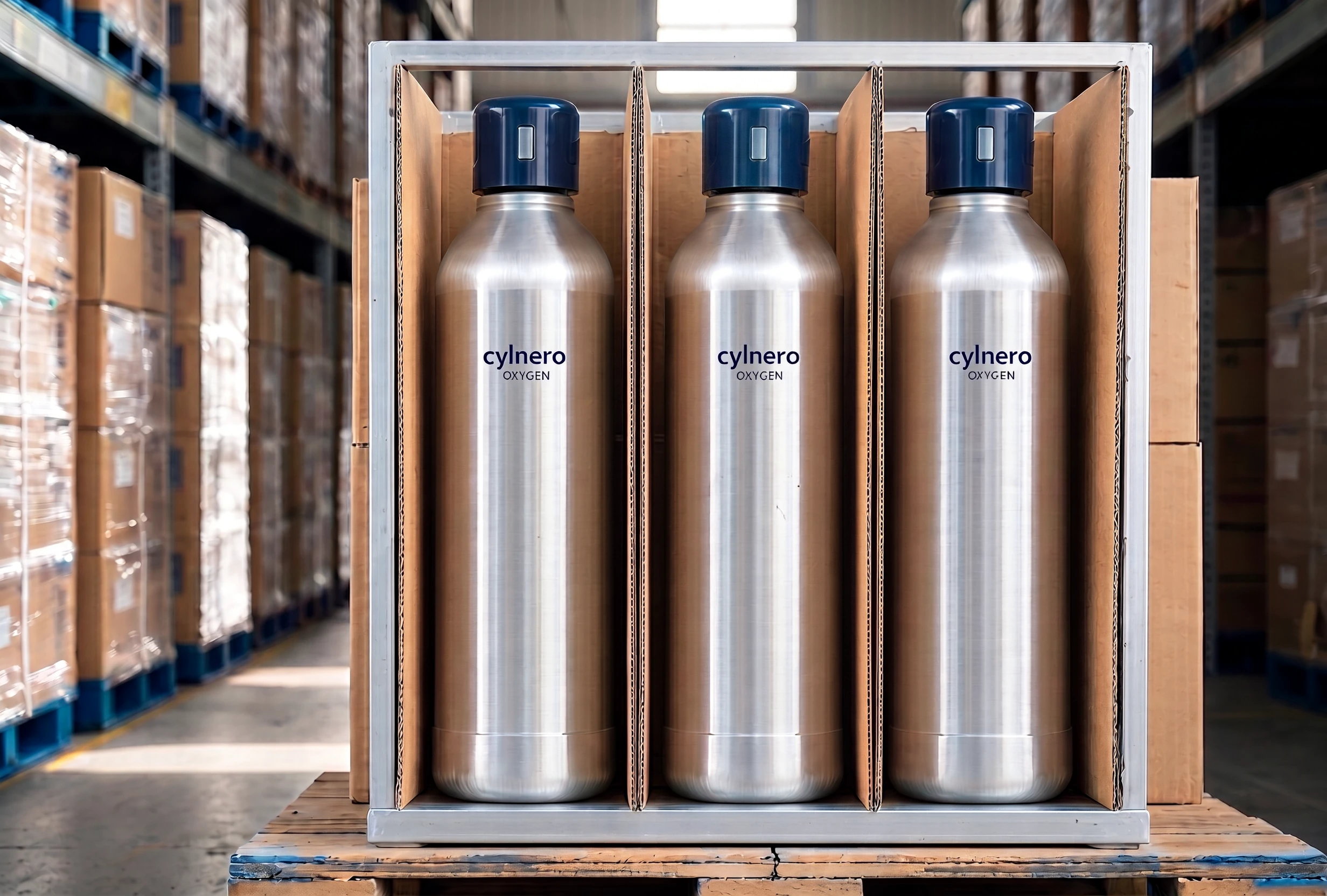 Packing preparation
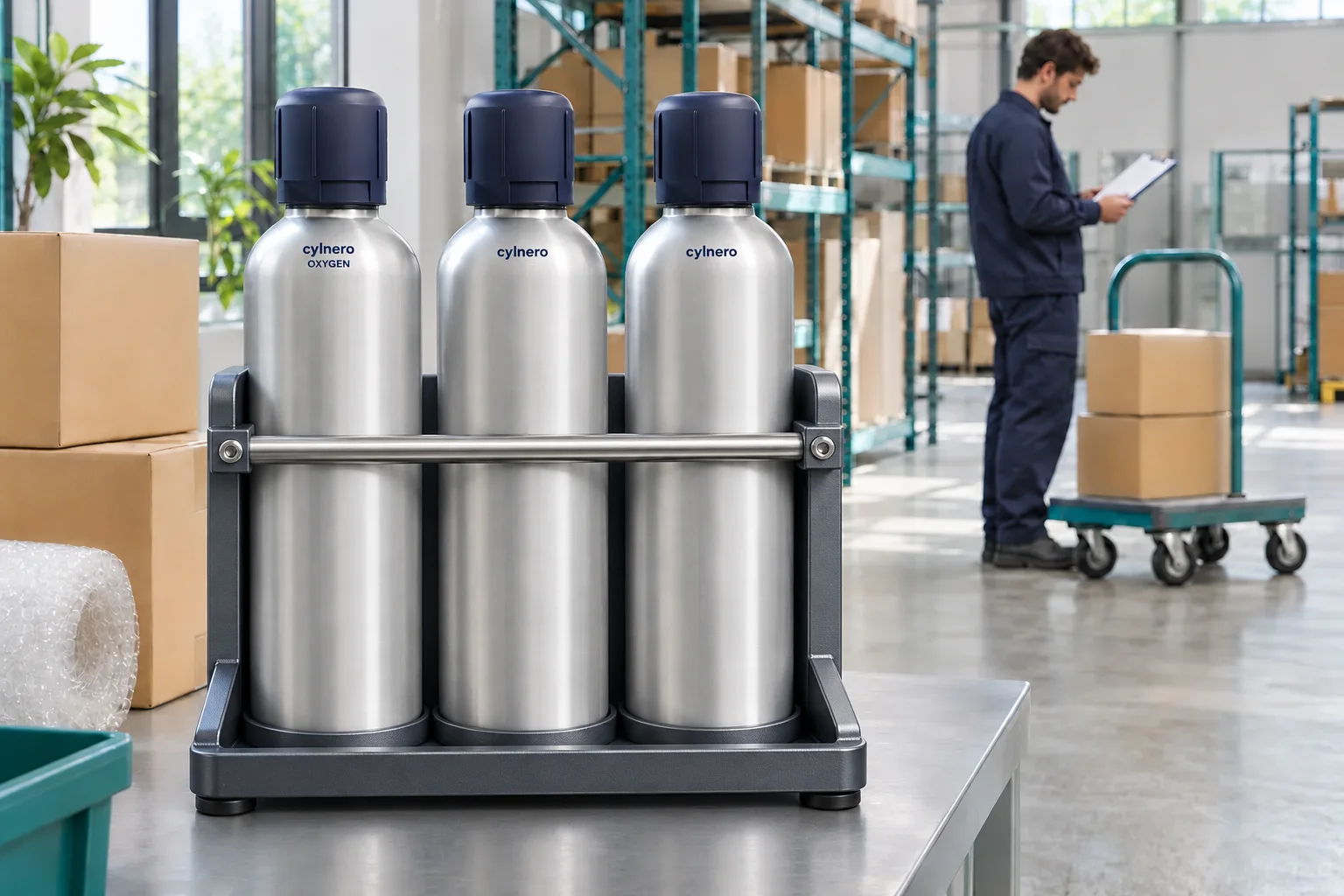 Dispatch preparation
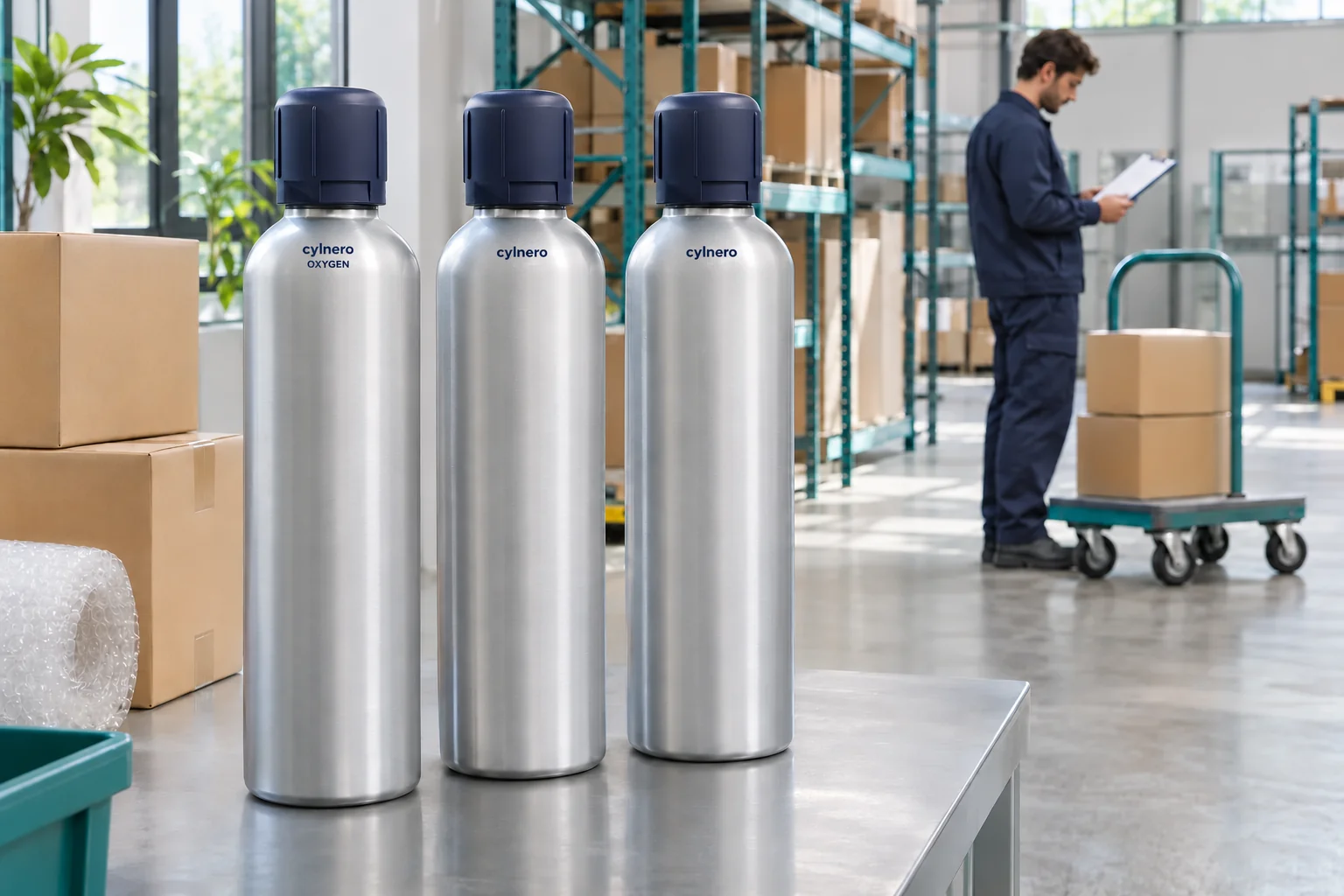
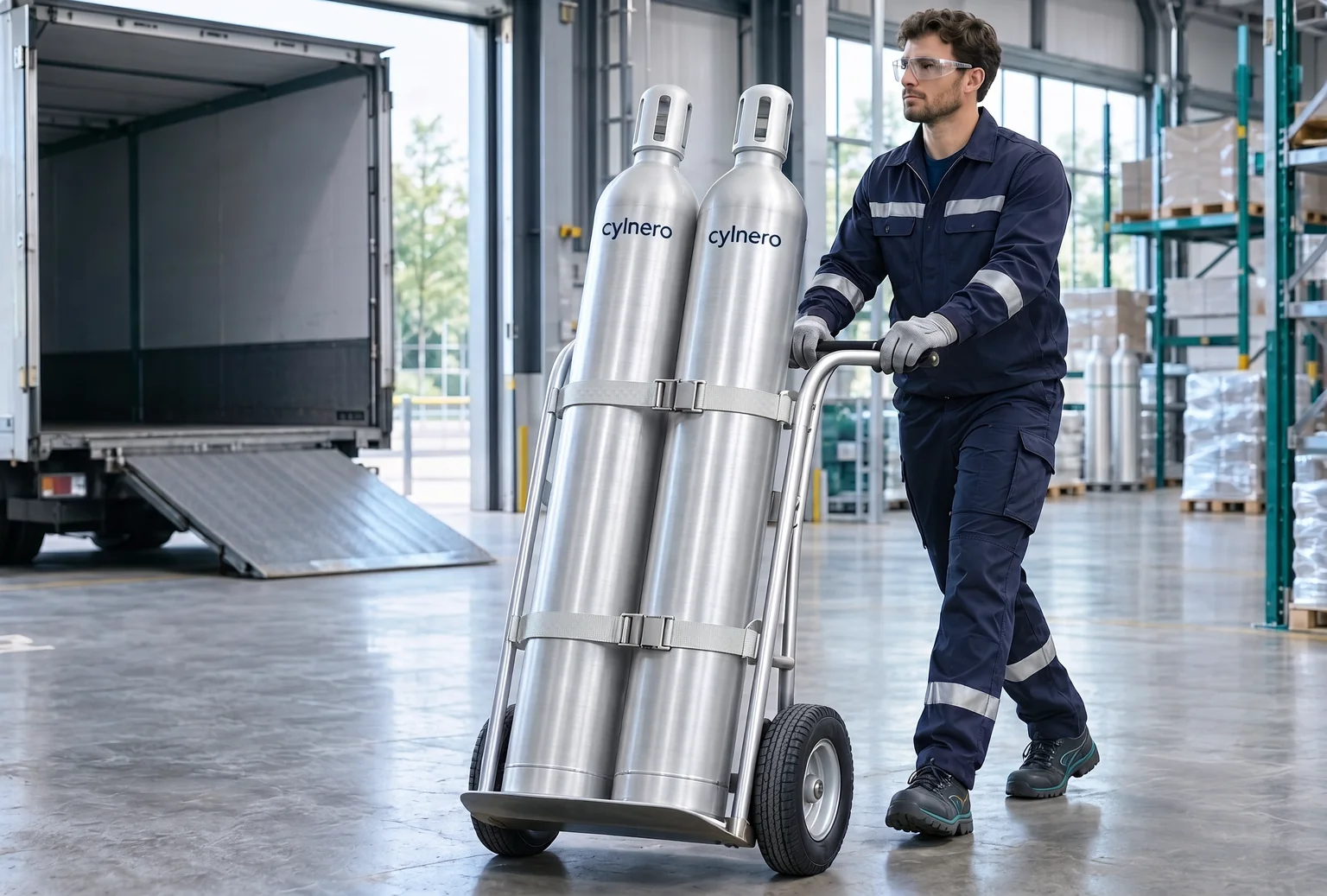 Warehouse handling
 Compare options
Swipe to see more views →
WHOLESALE / CONFIGURABLE SERIES
Cylinder procurement enquiries for medical-gas organizations and distributors. Define the intended supply scope and documentation requirements before confirming a manufacturer configuration.
Your selections above are saved with this series. Adding the same series again updates its basket line.
FROM SELECTION TO DISPATCH
Describe the cylinder and valve scope, requested documentation and delivery needs for your organisation.
Swipe to see more sections →
PRODUCT FAMILY / WHOLESALE
Describe the purchasing programme, quantity and destination. Compare the proposed cylinder hardware and records while keeping gas supply, complete systems and clinical decisions as separately identified scopes.
FROM REQUIREMENT TO QUOTATION
Start with the details you know. The configuration can be refined during the enquiry.
01 / YOUR APPLICATION
Application, approximate quantity and destination. Add a drawing or connection reference if you have one.
02 / THE PROPOSAL
Compare the proposed configuration, included components and document scope with your purchasing needs.
03 / THE NEXT STEP
Discuss the quotation, included work and delivery scope with the manufacturer. CYLNERO coordinates the conversation.
COMPARE THE CONFIGURATION
Define the organisational hardware request, equipment references and destination requirements before reviewing a proposed supply scope.
Describe the medical gas organisation, intended cylinder hardware, approximate quantity and destination. Share any existing programme or equipment references for the manufacturer to review.
Share references for the requested assembly and existing equipment interfaces if available. Ask the manufacturer to identify the proposed connections and supporting documents.
Specify the delivery destination and any known medical-gas programme requirements. Ask which oxygen-service preparation and product records are available for the proposed cylinder and valve assembly.
Published comparison example
Luxfer publishes these two 10 L, 200 bar aluminum medical oxygen cylinder examples for comparison:
Confirm the weight and included valve or protective components for the proposed configuration.
View the Luxfer medical cylinder table. Review the proposed equipment and documentation for your application and destination.
Share the details you know; other fields can remain open.
PRODUCT SCOPE / WHOLESALE
Choose the details you want to discuss. The quotation identifies the components and services included in the proposed supply.
Request the body alone or discuss a proposed assembly with the manufacturer.
Share your programme requirements so they can be addressed in the offer.
The manufacturer confirms the offered configuration, included items and commercial terms.
GAS IDENTIFICATION / REFERENCE
For gas-filled supply, the actual contents and destination determine the applicable classification and labels. Ask the gas supplier for the relevant label and safety data sheet.
Oxygen service: Keep cylinders, valves and connected equipment free from oil and grease. Follow the gas supplier’s safety data sheet and applicable local requirements. Read OSHA oxygen handling guidance ↗
OSHA pictogram guide ↗A manufacturer model number is not needed to start. Share the options you know and leave the others for the quotation discussion.
| Series | Medical Oxygen Cylinder Procurement Series |
|---|---|
| Product scope | Configurable wholesale series; no fixed manufacturer model required |
| Gas and application | Tell us the intended gas and application |
| Capacity and pressure | Requested values or installation envelope; final values confirmed in quotation |
| Valve and connection | Specify preferred connection or share the equipment requirements |
| Marking and packaging | Discuss branding, marking, packaging and shipment requirements |
| Destination documents | Confirm the destination and required documentation during enquiry |
| Quantity and commercial terms | Share the target order quantity; price, MOQ and delivery discussed in quotation |
Describe the medical-gas hardware needs and approximate quantity. For multiple locations, separate known equipment references and receiving requirements so each proposed configuration can be reviewed.
Describe the medical-gas organisation's purchasing programme, intended destination and approximate number of cylinders. Where available, provide the existing cylinder or equipment reference, requested capacity and pressure fields with their units, and the relevant connection or drawing revision. Identify whether the request covers cylinder bodies, valves, protective components or a stated assembly. If several locations or delivery groups have different requirements, list them separately. A complete model selection is not required to begin; leave unknown details open and ask the manufacturer to identify the proposed scope and supporting documentation for review.
Preserve the distinction between mandatory requirements, preferences and background context. An existing equipment connection may be a firm constraint, while a product-line appearance request remains open to discussion. State that difference plainly. If the manufacturer suggests an alternative, retain it beside the original requirement and identify who will assess the change. Do not omit a detailed specification merely to make the brief seem flexible, or turn a preference into a requirement by accident. The initial discussion can accommodate buyers with incomplete information while keeping known project requirements visible for those who already have them.
For an organization purchasing for two locations, list requirements shared by both sites and give each location its own line for quantity, destination and any known equipment reference. One site may have an existing connection drawing while the other still needs its interface requirements identified. Keep those differences visible instead of copying a value from one location to the other. Ask the manufacturer which proposed configuration and included components relate to each line, and note any packing or receiving questions separately. Leave unknown fields open for discussion. The appointed reviewers assess the actual proposal against each site's requirements; a common purchasing request does not establish that one assembly is suitable for both.
Ask the manufacturer to identify the offered cylinder and its configuration references. Keep pressure, water capacity and physical count in separate fields. Record unknown parameters and missing references for discussion rather than assuming a catalogue entry is complete.
Ask which reference identifies the actual offered configuration and what description supports it. A company brochure may explain a product range without defining the item in the quotation. Record the relevant drawing or data-sheet revision where available, retaining the manufacturer's stated field names and units. Keep requested characteristics separate from offered entries. If a value or component is unspecified, mark it open rather than copying it from another catalogue item. The relevant reviewers assess how the actual response relates to the intended equipment and programme; a detailed-looking document does not itself establish completeness or acceptance.
Keep pressure, capacity and purchasing quantity fields distinct. Working, test and other labelled pressure values retain their own descriptions and sources; this guide does not derive one from another or select a rating. A stated water capacity, any filling-mass description and a count of physical cylinders are not substitute entries. If the manufacturer responds on a different basis from the request, preserve both descriptions and ask for clarification. Unknown parameters may remain open in the initial exchange. The purchasing record organizes the information for review without calculating a gas amount or prescribing preparation, filling or use.
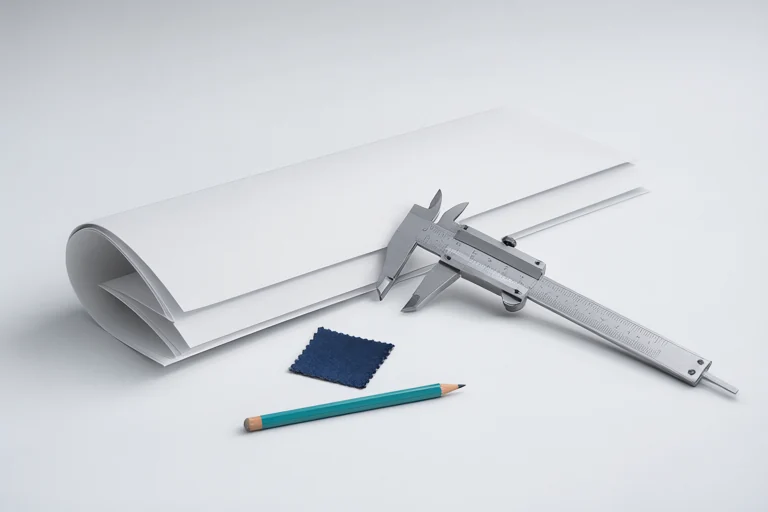
For mass and dimensions, ask what the stated basis includes. A cylinder-body figure is different from an assembly description with identified components. Retain each stated envelope with its drawing reference, revision and the configuration to which the dimensions apply. If the proposal changes a material, connection or included item, ask which other fields and documents change with it. A difference may be important without automatically requiring rejection or approval. Do not assign an inherent durability, weight or maintenance advantage to a material family. Compare the actual information and open questions relevant to the purchasing requirement.
Clarify interfaces and included components. Distinguish body, assembly, and excluded items. Do not assume compatibility from visual similarity. List identified components and ask for missing references to define actual supply scope.
Share an existing equipment or connection reference where available and identify its status in the project. Ask the manufacturer which interface its actual proposal uses, including drawing references and revisions when supplied. A familiar-looking valve or matching label is not evidence of compatibility. Different revision labels alone do not explain a technical difference either. Have the relevant documents and manufacturer's response assessed by the appointed reviewers. If a drawing has not yet been supplied, retain the gap as a question rather than assuming that later information will confirm fit. This page does not select a valve, adapter or modification.
Ask whether each quoted line concerns a body, a stated assembly or another expressly described scope. List the components actually identified as included, separately proposed, excluded or unanswered. Identify each requested valve, cap or protective item separately so its inclusion can be checked in the quotation. A bundle can be considered without inventing separate component prices, provided its scope is understandable. If a required item is excluded, ask how that affects the rest of the proposal and who will respond to the outstanding question. The actual arrangements allocate responsibilities; the catalogue does not assign all integration or later service work by default.
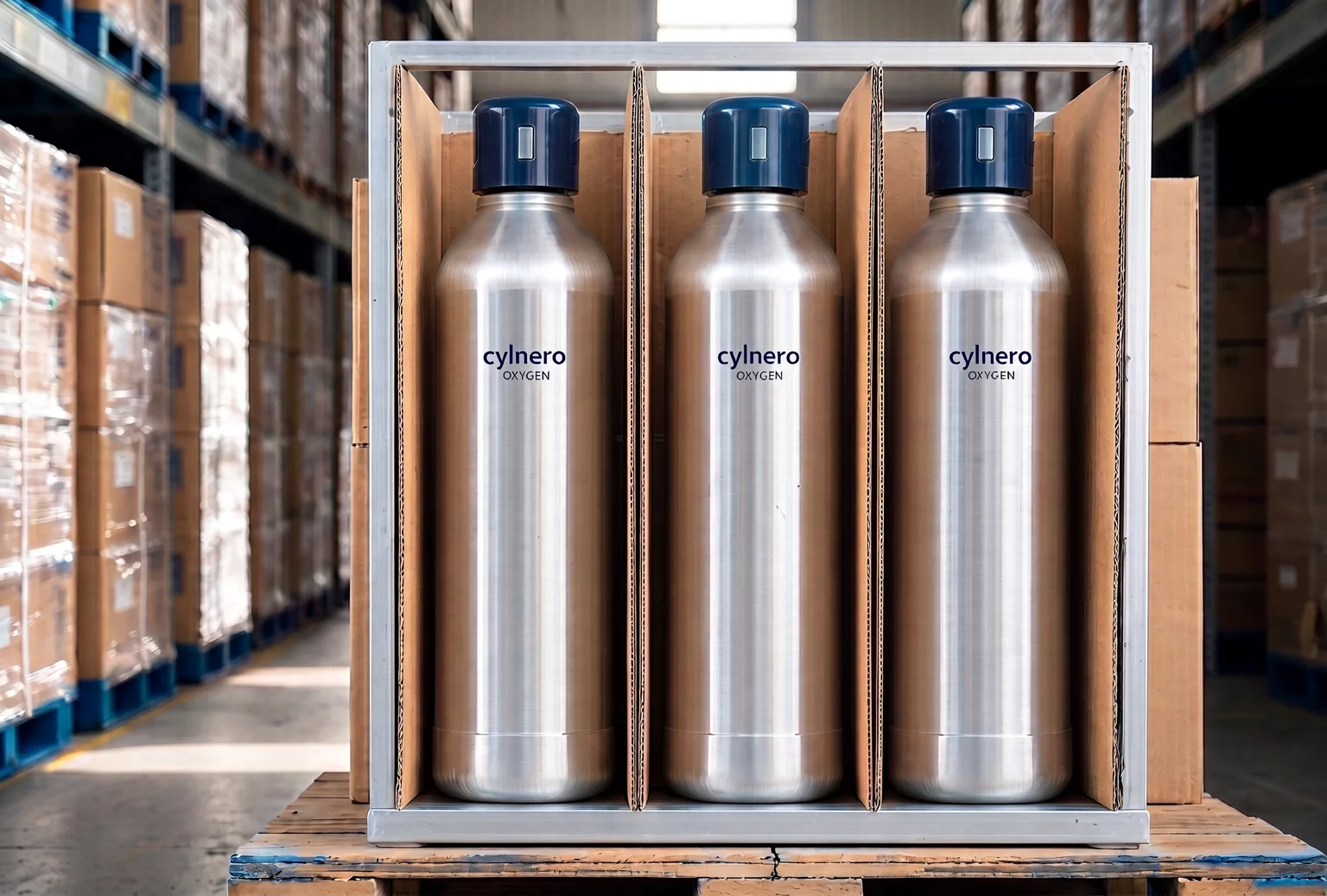
Share your branding and product-identification requirements, along with any receiving or packaging preferences. Ask the manufacturer to describe the proposed markings and packing for the cylinder assembly.
Share artwork or a marking description when available, identifying whether it is a requirement, preference or background reference. Artwork is not needed to start an enquiry. Ask what the manufacturer proposes and which additional information it needs. Keep branding content separate from product-identification and destination-marking questions rather than assuming that a requested logo addresses every marking requirement. If a proof is provided, record its version, configuration and review scope. A comment about appearance or spelling is different from accepting all markings or the cylinder itself. This page does not prescribe marking content, placement or methods for a destination.
State known receiving constraints and ask what packing the manufacturer proposes for the actual supply. Record whether packing is included in the quotation and which package information remains open. Ask for the proposed packing details and identify the party responsible for confirming the final shipment arrangement. If proposed package count or dimensions are supplied, retain the configuration reference and status. Initial packing information and final delivery records may serve different purposes. The relevant parties assess the actual packing and receiving questions. This guide supplies no handling or storage procedure, transport classification or assurance that a packing description establishes condition on arrival or readiness to install or use.
When a marking or packing request changes, ask which parts of the actual offer are affected. The manufacturer may need to clarify scope, price, proposed timing or document references rather than merely returning a new image. Keep the earlier request beside the response so the relevant reviewers can understand the difference. Do not assume a custom option, sample or proof is available, or that an alternative has already been accepted. A version record helps identify what is being discussed. It does not guarantee accurate production, protection in transit, clearance or that every identification requirement is met.

Provide the intended destination and any known documentation requirements. Ask which records the manufacturer can provide for the proposed cylinder and valve assembly, and identify any remaining questions for review.
Ask the manufacturer which records it proposes for the actual offered configuration and what each describes. Distinguish a company-level document, an example, a configuration assessment and an order-specific record. Record the identifier, issuer, revision, scope and stated limitations where available. A document title or familiar format does not prove authenticity, quality or conformity. If references differ from the quotation, ask how they relate and have the explanation assessed. This guide does not impose a universal certificate, testing or third-party audit list. The actual project requirements and responsible reviewers determine which evidence questions need attention.
Where your organization has an existing preparation or cleanliness-record requirement, share its source and scope. Ask what the manufacturer proposes to provide for the actual item, which components or stage the response concerns and what remains unanswered. Receiving a process description is different from accepting an item or approving preparation for use. Buyers may ask technical or later documentation questions, but this page does not provide cleaning methods, inspection steps, contaminant limits or gas-purity criteria. The appropriate reviewers assess the actual records and their relationship to the intended programme rather than treating the series name as evidence of readiness.
Share the intended use and destination with the relevant reviewers, including existing requirements where available. Technical, destination, gas-supply and commercial questions may have different decision-makers, and one document review does not automatically settle them all. If a requested record is unavailable during a preliminary exchange, identify its significance and the manufacturer's proposed next response without drawing an automatic product conclusion. Keep a future deliverable distinct from a record already issued. This catalogue does not assign a legal classification or determine market entry or clinical suitability. The actual proposal and evidence provide the subject for the responsible parties' assessment.
For example, a quotation may identify one configuration while a supplied example report names another. Keep both references and ask the manufacturer to explain their relationship. The report might be background information, address a shared scope or leave an important question unresolved; its title alone does not decide which. Ask the relevant reviewers what the actual content establishes and what response is still needed. If an order-specific record is proposed for later, identify that status rather than presenting it as already available. The evidence discussion concerns the actual documents and requirements, without inferring a failed test, an accepted configuration or a clinical approval from the presence or absence of a file.
Explore cylinder hardware for a medical-gas purchasing programme. Begin with the intended application, approximate quantity and destination, and share known equipment references or project requirements where available. A factory model or complete specification is not needed for the first enquiry. CYLNERO coordinates your questions and manufacturer responses so you can compare the proposed cylinder, components, documents and commercial scope. Identify the evidence your organization needs for the intended use, then ask the responsible reviewers to assess it against the manufacturer's actual proposal. Keep cylinder hardware distinct from gas supply and wider equipment requirements; a series description does not establish medical or clinical approval.
Use this page to prepare a cylinder hardware enquiry for a medical-gas organisation or distribution programme. Identify the purchasing organisation, destination and approximate quantity, and share the requested water capacity and valve references if known. Ask the manufacturer to specify whether its offer covers the cylinder body or an assembly with named components, and which oxygen-service preparation records and product documents it can provide. If gas supply, equipment integration or other services are also needed, list them separately. The proposed equipment and documentation must be reviewed against the requirements of the intended destination and purchasing programme.
Keep cylinder hardware, medical-gas supply, equipment integration and clinical decisions distinguishable in the purchasing record. A wider project may involve several of those scopes, but the category does not confirm that all are offered together. CYLNERO coordinates requirements and manufacturer responses; the actual arrangements identify the supply responsibilities. Ask what is included rather than assigning an unspecified task automatically to the buyer or manufacturer. The listing establishes no filled-unit service, refurbishment option or supply condition. Ask the manufacturer to identify the proposed supply condition and related service scope in its quotation.
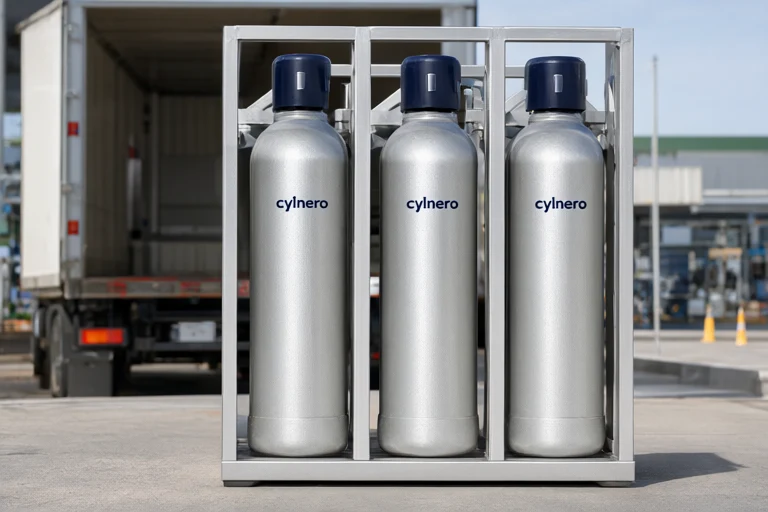
State the number of cylinders needed now and any future quantities separately. Share your preferred delivery timing and ask how the manufacturer proposes to group and schedule the supply.
State the approximate physical quantity needed for the current purchase, identifying whether it counts bodies or a described assembly. Label any later forecast separately and ask whether it affects the manufacturer's response. No MOQ, discount, production priority or reserved capacity is established by the series listing. If an existing agreement may apply, identify it for the relevant review. A forecast can inform the discussion without this page deciding its legal effect. Keep the current scope and optional future information distinguishable rather than adding them into a single assumed order or presenting planned demand as confirmed availability.
State requested timing, then ask which proposed dates concern manufacture, shipment and destination delivery. Identify any outstanding prerequisites, including configuration or document questions, and retain them beside the proposed schedule. A general lead-time statement is not a production reservation. If split deliveries are requested, ask which quantity and scope each response addresses instead of assuming one date covers all items. The actual arrangements identify the applicable commitments. A purchasing schedule can make dependencies visible for the relevant parties; it does not guarantee that a manufacturer can meet the requested dates or that every stage has already been accepted.
For example, an organization may discuss a current purchasing batch and a possible later deployment under the same enquiry reference. Ask the manufacturer to distinguish the response to each. If it provides information about the current scope but leaves the forecast unanswered, preserve that status rather than inferring a continuing price or future production slot. A later request may need updated configuration, evidence or commercial information. Identify the earlier offer or applicable agreement and ask how the new request would be handled. This page does not require a separate contract for every batch or assume all previous terms automatically continue.
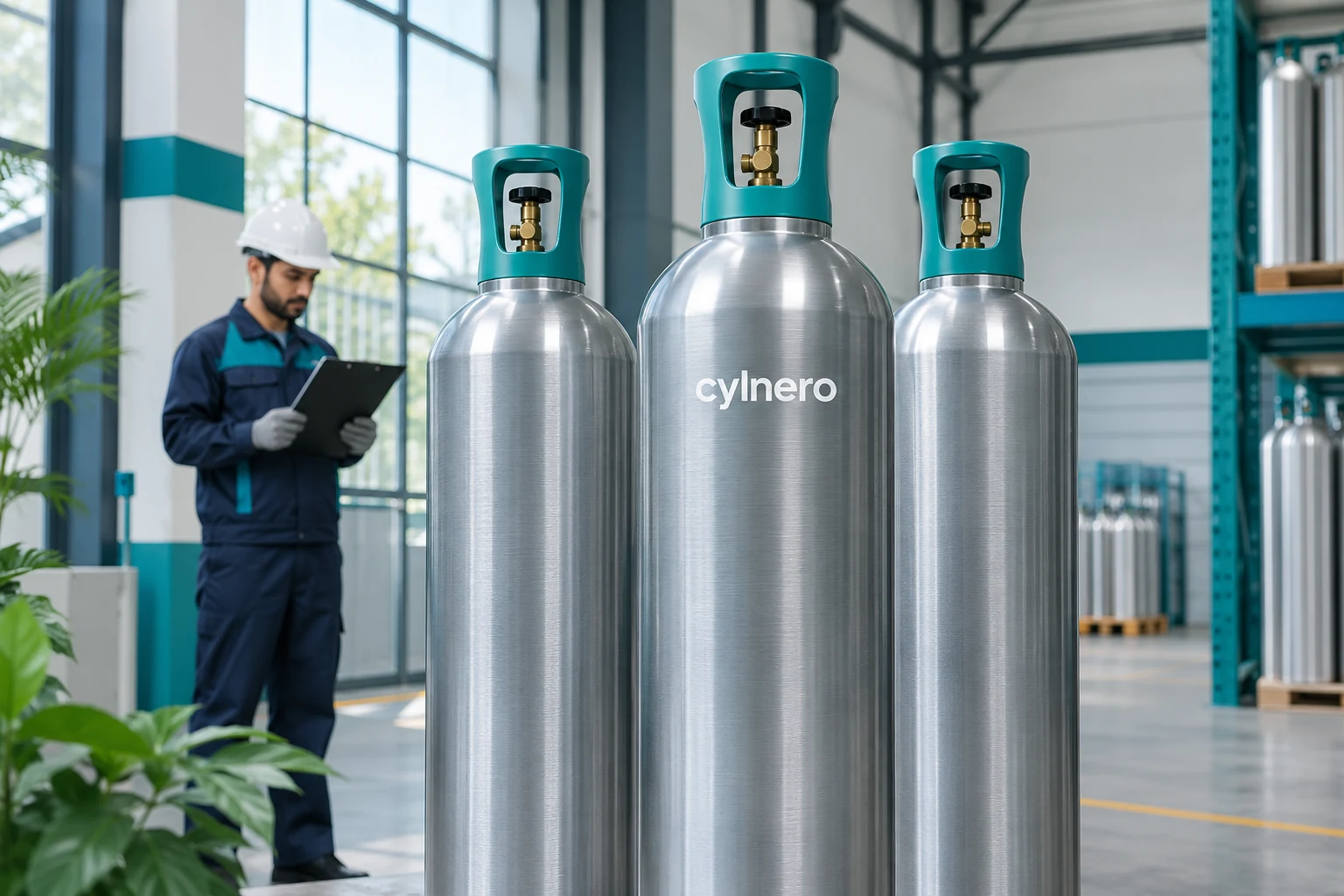
Compare each quotation revision by its included cylinder, valve, protective components, documents and validity period. Ask which support and warranty terms apply to the proposed supply.
Compare the actual inclusions, exclusions, quantity basis, currency and validity stated in each offer. A body-only price and an assembly price may describe different purchases. Record unresolved components, packing or document scope beside the total rather than assigning an assumed cost to a missing entry. If the manufacturer revises the offer, retain its reference and ask which earlier statements still apply. Avoid combining the lowest price from one version with a later scope from another. The comparison organizes the choices and questions for review; it does not make unequal offers equivalent or identify a universally best manufacturer.
Ask the supplier what support and document access it proposes after delivery. For example, a hospital procurement team or distributor may need to retrieve records for a particular delivery months later. Ask which identifiers link the offered documents to the relevant cylinder or batch, how the buyer can request a copy, and whom to contact if a record does not match the delivery information. Record the supplier's proposed route for questions, any stated conditions and the people responsible for reviewing the response. If warranty or component support is offered, compare its scope, exclusions and provider with the actual quotation. Keep example documents and general brochures separate from records associated with the proposed supply, and ask how any missing or corrected information would be handled.
If a requirement changes after an earlier response, identify what changed and which configuration, document, price or schedule entries it may affect. Ask the manufacturer what scope it can propose in reply and keep its assumptions visible. A change request does not confirm that a revised item is available or that the applicable agreement has been amended. Record the review and acceptance status for the relevant scope rather than treating every acknowledgement as an accepted change. The responsible parties assess the actual arrangements. A written record helps organize the discussion without guaranteeing an outcome or preventing a later dispute.
Describe the medical-gas hardware requirement, approximate quantity and destination. Add any known equipment references and document needs, leaving other questions open for the manufacturer's response.
For a medical-gas organisation purchasing cylinder hardware for several locations, prepare a separate line for each receiving site and its approximate cylinder quantity. Include the requested water capacity and any existing cylinder, valve or equipment interface references that are available for that site. Identify whether the request covers bodies alone or assemblies with named components. Share known oxygen-service preparation and supporting-document requirements, including any destination-specific references supplied by the purchasing programme. Ask the manufacturer to identify the proposed configuration, included items and records for each line, as well as information still needed. Keep the manufacturer's response distinguishable from the original request so the responsible reviewers can assess any differences.
Keep the manufacturer's reply distinguishable from the request, even when both are recorded in the same comparison document. Label requested, offered and unanswered points clearly. Ask document or drawing clarifications to name the configuration they concern. A detailed-looking quotation may still leave important scope questions open. Do not fill them from a similar image or older model description. The next exchange should address those actual gaps without presenting an early proposal as a medical, clinical or technical approval.
Identify a contact person and a preferred response route, with desired timing stated as a request rather than an agreed supplier commitment. Collect the questions needed for the next purchasing decision, such as an unclear component inclusion, document reference or delivery-stage assumption. Additional drawings or artwork can follow as they become available, keeping their status clear. CYLNERO coordinates the exchange; the manufacturer identifies its actual proposed supply, and the relevant parties assess and accept their respective scopes. A concise first enquiry begins that discussion without promising the final configuration, services, records or delivery arrangement.
Use this guide to prepare your enquiry. Confirm the specifications and supporting documents for the proposed cylinder with the manufacturer.
For standards research, consult the ISO gas-cylinder standards catalogue. The catalogue includes published and withdrawn standards. Check the status, edition, scope and destination requirements with the manufacturer and your appointed technical reviewer. A standards reference does not establish that a listed series conforms to it.
For broader system-planning background, consult WHO's technical specifications for health facility based medical oxygen systems. That publication addresses system sources, storage and distribution. Linking it does not establish that a listed cylinder meets its specifications or has medical, destination or clinical approval. Have the actual proposed scope assessed by the responsible reviewers.
Before placing an order, obtain the proposed model's drawings, configuration, applicable approvals and quotation from the manufacturer. CYLNERO coordinates sourcing; the manufacturer confirms and contracts the agreed supply.
The series concerns cylinder-hardware enquiries. Do not assume that gas contents, filling arrangements or other services are included because the intended use involves medical oxygen. Ask the manufacturer to identify its actual offered scope and keep any wider request separate. The responsible organizations and reviewers assess the relevant questions; this page does not supply medical gas or prescribe a gas-purity criterion.
Yes. Start with the organizational purchasing task, approximate physical quantity and destination. Share known programme references or specifications where available, distinguishing requirements from preferences and leaving other fields open. Ask the manufacturer what scope it can propose and what it needs next. The response may identify further questions rather than a completed configuration; a factory model is not required to begin.
Yes. Identify whether the item is a known requirement, preference or open question, adding a reference where available. Ask what the manufacturer can propose, which items are included and how any alternative affects the offer. A request does not confirm customization, compatibility or availability. Keep the actual response and outstanding questions with the relevant configuration for review by the appropriate parties.
No. The name organizes a purchasing enquiry family; it does not approve a factory model, classify a product legally or establish suitability for clinical use. State the intended use and destination and have the actual manufacturer's configuration, scope and evidence assessed by the relevant reviewers. A category label, enquiry reference or supplied document is not itself medical or clinical approval.
Ask which configuration the records describe and how their identifiers, issuer, revision, scope and limitations relate to the offer. Distinguish examples from order-specific deliverables. Share existing project and destination requirements with the appropriate reviewers and retain unanswered questions. This guide does not prescribe universal certificates, tests, audits or retention periods, and receiving a document does not establish acceptance or clearance.
No such arrangement is established by the series page. State the current need, receiving constraints and requested timing, then ask what the manufacturer proposes and which assumptions remain open. Keep warranty, support and later document questions associated with the actual offer. The applicable arrangements identify responsibilities; this guide does not promise a date, return entitlement, refund or continuing service package.
Compare within Medical Oxygen Cylinders
Explore the category or enquire about a configuration suited to your application.
Use these guides to describe your purchasing scope. A related application is a starting point for discussion; it does not establish that a particular configuration is approved or suitable.
Medical-gas organizations and distributors can use this application page to organize a cylinder procurement brief.
Review purchasing priorities