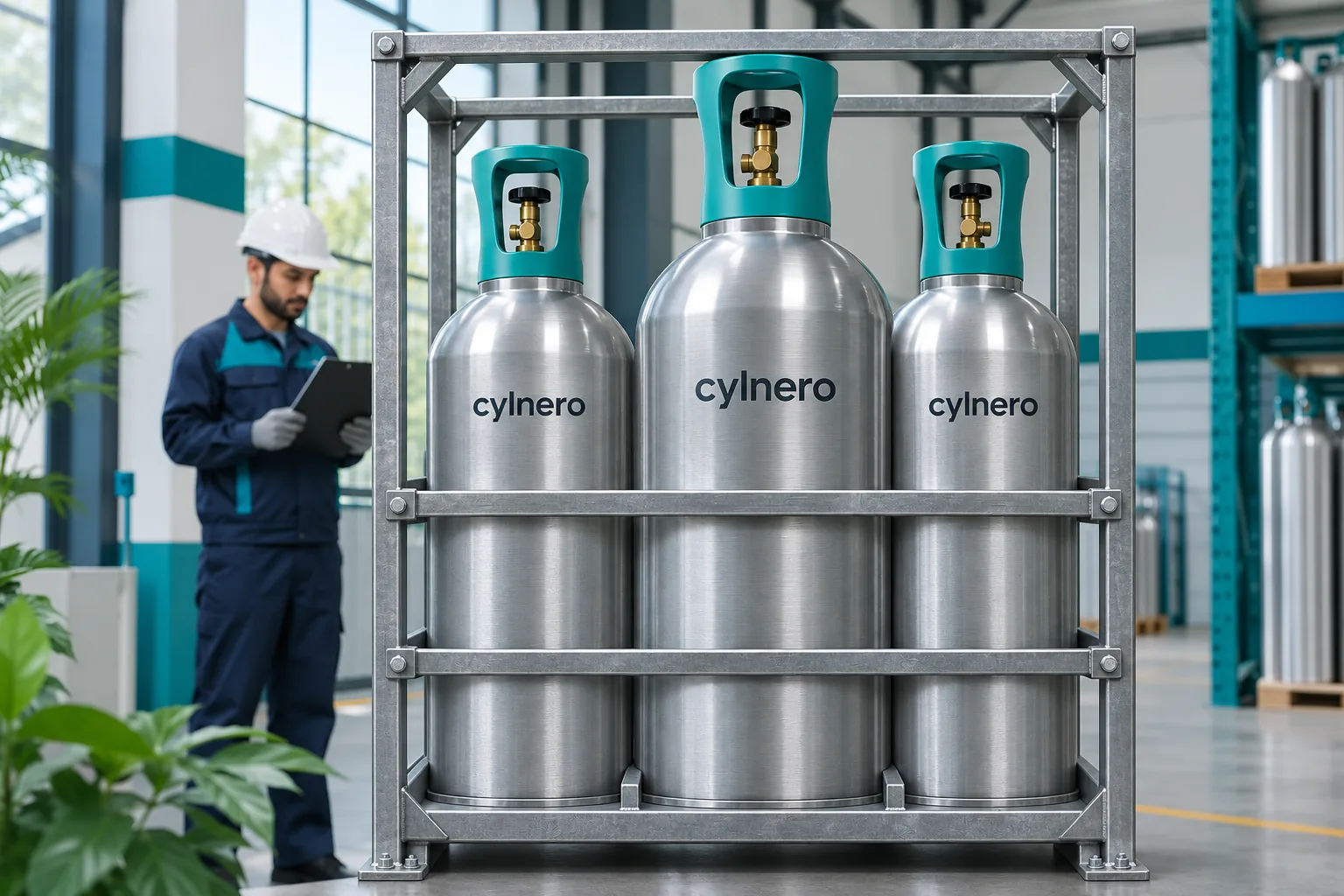
Wholesale sourcing
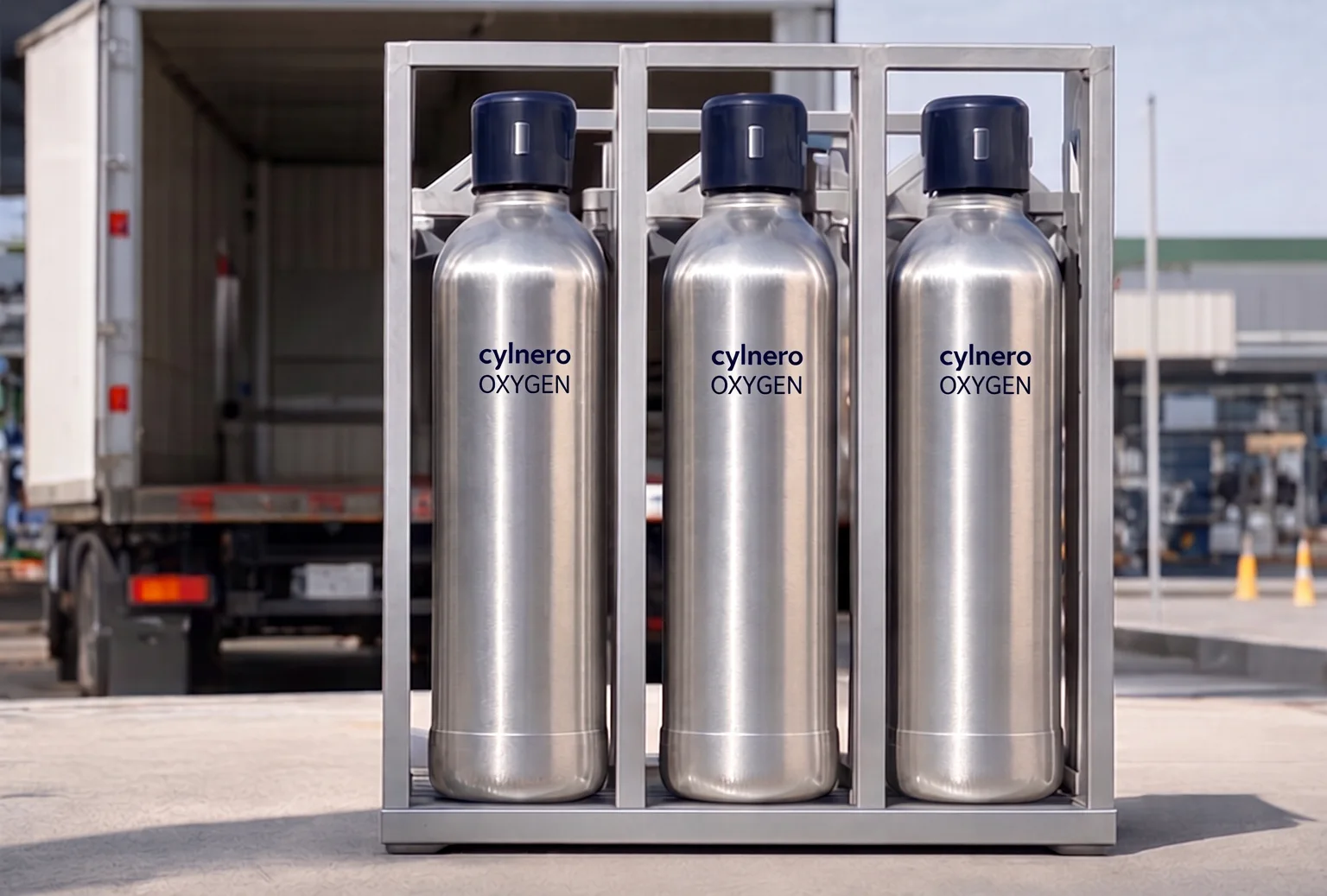
Wholesale procurement guide. Exact product specifications and destination requirements are confirmed during enquiry.
Define the cylinder hardware scope
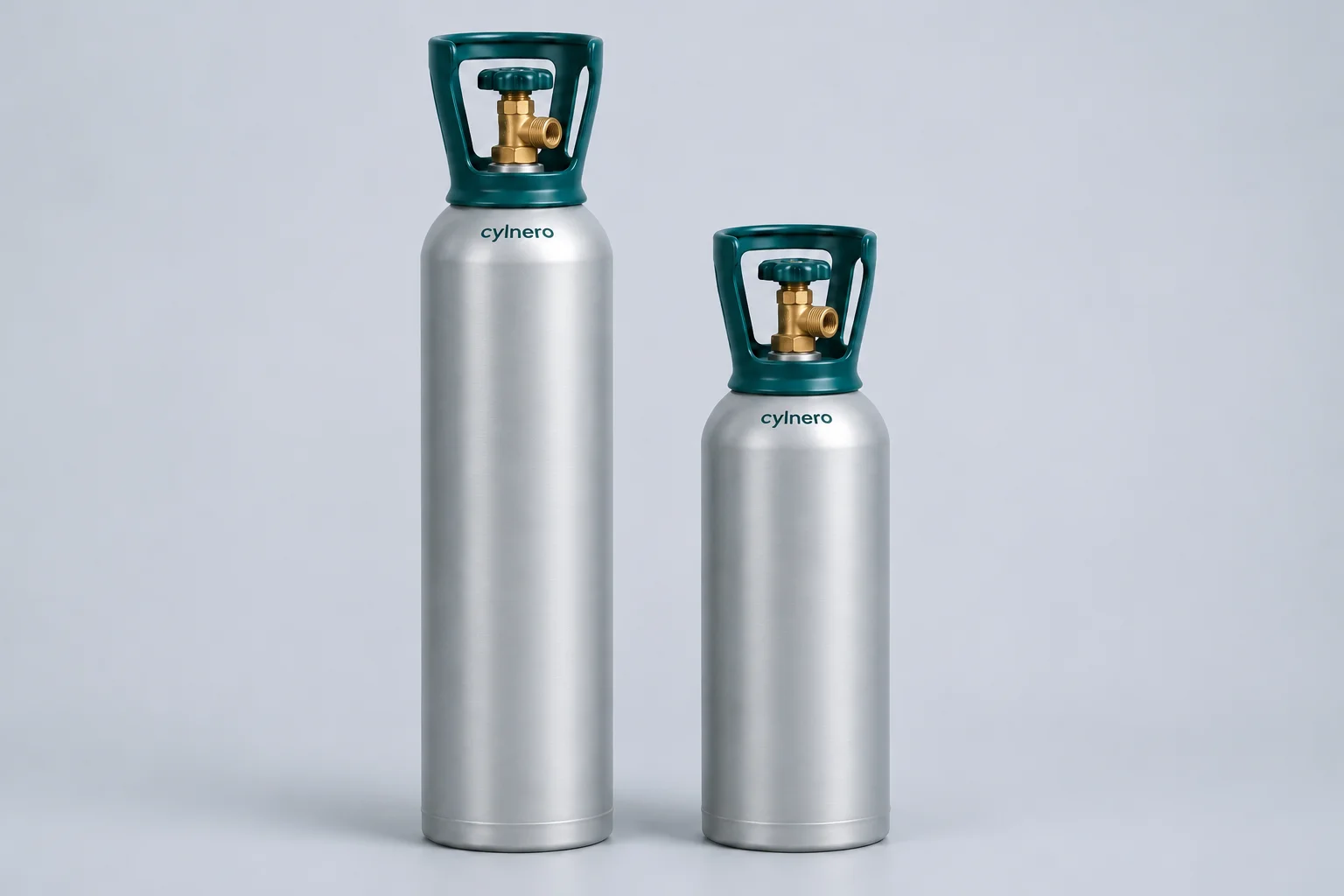
For a medical oxygen purchasing programme, specify the destination, approximate quantity and requested cylinder and valve scope. Ask the manufacturer which product documents and oxygen-service information it can provide for review.
A medical-gas organization may need to discuss cylinders alongside gas supply, equipment integration and later services. Identify those as distinct requested scopes and ask what the manufacturer actually proposes for the hardware. A valve assembly, a cylinder body and a complete equipment package are not equivalent quotation boundaries. Keep the manufacturer's inclusions and exclusions visible without assigning all other work automatically to the buyer. This category organizes the hardware enquiry; it does not confirm a complete oxygen-system offer or decide whether a configuration is suitable for clinical use.
Read the full guidance
Define the cylinder-hardware purchasing scope
Ask the responsible reviewers to identify the questions relevant to the intended use and destination, and share existing requirements with the manufacturer. Do not infer a legal classification or an approval route from the category title. If the manufacturer's response refers to a particular scope, keep that statement with the actual configuration and evidence it describes. Technical, destination, gas-supply and commercial questions may need different responses. A purchasing coordinator can organize those exchanges without assigning liability or making a clinical or regulatory acceptance decision on behalf of the parties.
Start with your purchasing brief
Tell us about your medical oxygen programme, estimated quantity and destination. Existing cylinder or valve references are helpful; you can discuss missing details during the enquiry.
Start your purchasing brief with the intended organizational task. Specify the approximate physical quantity required for the project. Include the destination for delivery. These three elements are sufficient to begin the process. You do not need to provide a complete dossier upfront. The brief should be concise and focused on the core purchasing needs. This initial information helps manufacturers prepare relevant responses.
Read the full guidance
Begin with the organization purchasing brief
Share an existing programme, equipment or tender reference where available. Identify whether it contains a mandatory requirement, a preference or background context. A known requirement should not be downgraded simply to obtain a preliminary response. If no reference is available, explain the organizational purchasing task and which details remain open. Ask the manufacturer what it needs next and identify who can answer. The enquiry can develop without a factory model or completed engineering schedule, while preserving the actual requirements that the organization's reviewers need assessed.
For example, an organization may know its approximate purchasing quantity and destination but still need an interface response. Keep that interface question open until the manufacturer responds. A manufacturer may propose a configuration, ask for a drawing or explain that it cannot respond to the requested scope. Keep the reply beside the original requirement. The next exchange can address the specific information gap without presenting the initial brief as a finished specification. An enquiry is a starting point for assessment, not a commitment that a configuration will be available.
Keep requirements and preferences distinct

Separate essential requirements from preferences, such as finish or packaging. Record any manufacturer alternative alongside your original request so it can be reviewed before acceptance.
For each known requirement, retain its source and status beside the manufacturer's response. If the brief requires an included valve, for example, keep that requirement visible when a supplier describes a body-only offer. Mark the response as an offered departure or an unanswered point rather than silently changing the requirement to a preference. A comparison record can separate what was requested, what was proposed and what still needs review while leaving genuinely unknown configuration fields open.
Read the full guidance
Preserve requirements, preferences and unanswered fields
Manufacturer alternatives versus accepted changes should be clearly distinguished. If a manufacturer proposes an alternative, it is not automatically an accepted change. The purchaser must review and approve any deviations from the original requirements. Reference and revision numbers should be tracked. Reviewer questions should be documented. Record the status of each proposed change and who has assessed or accepted it for the relevant scope. It prevents misunderstandings during the procurement process.
Ask about the proposed configuration
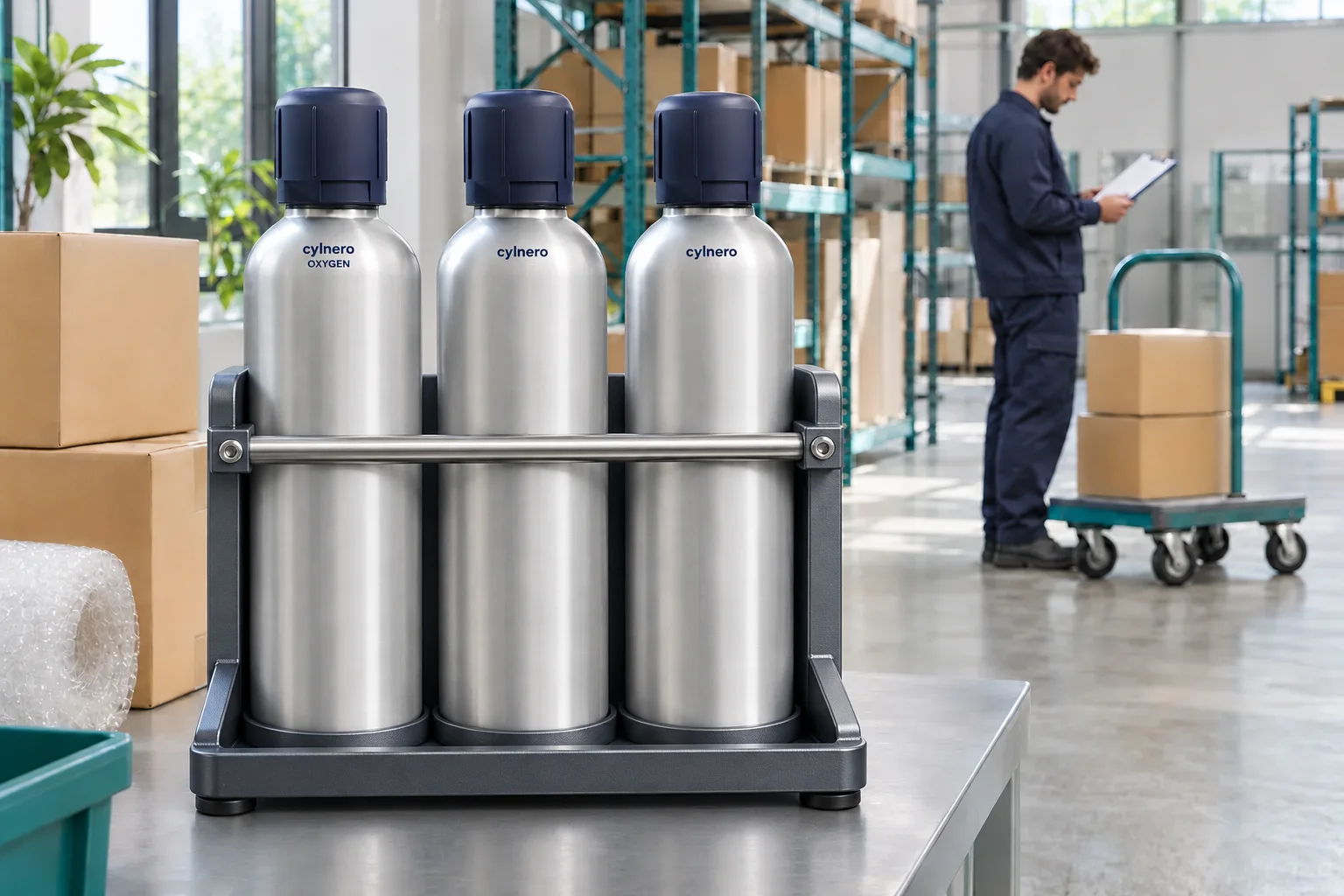
Ask whether the quotation covers a cylinder body or an assembly with a valve and protective components. Request the material, construction and reference for the configuration being offered.
View medical oxygen cylinder weight examplesBegin by requesting the specific configuration the manufacturer intends to supply for your cylinder hardware enquiry. Clearly state whether you require a complete assembly or individual components, as this defines the scope of their response. For example, specify if you need the valve, collar, and cap as a single unit or separately. This distinction helps manufacturers provide accurate quotations without assuming your integration needs. Keep the initial request focused on the physical arrangement rather than performance metrics.
Read the full guidance
Ask what configuration the manufacturer proposes
Ask the manufacturer to identify the material and construction description behind the actual offered reference. Share any known project specification and retain its status as a requirement or preference. A general material name, process brochure or application label does not establish suitability. If the manufacturer proposes something different, ask it to identify the difference and which supporting information it proposes for review. This guide does not prescribe a material, manufacturing process or ranking. Its purpose is to make the requested and offered characteristics distinguishable for the responsible reviewers.
Record the manufacturer's configuration reference and the source of any stated data fields, including drawing or document revisions where available. Ask which version the response relies on and how it relates to the proposed item. You may raise questions about technical records relevant to the project; this page does not impose a universal welding, heat-treatment or preparation document package. If a requested record is unavailable at the initial stage, retain the question and proposed next response. A document reference organizes the review but does not itself establish accuracy or approval.
Interfaces and included components
Provide any existing cylinder connection or valve outlet references. Ask which components are included and have the proposed interfaces checked against your equipment.
If you have an existing medical oxygen equipment or connection reference, include it with the enquiry and ask the supplier to identify the interface in its proposed cylinder configuration. Keep the requested reference and the proposed reference in separate fields, with drawing revisions where available. If a detail is unknown, mark it as an open question and identify who will assess the supplier's response against the equipment requirement. A familiar-looking fitting or model name alone does not establish compatibility.
Read the full guidance
Review interfaces and included components
Compare the quoted component list for each proposal. Record whether it describes a cylinder body, a named valve assembly, protective components or other requested items, and mark any exclusions or unanswered points. Keep the supplier's interface drawing beside the existing equipment drawing, identifying the configuration and revision described by each. When a proposal changes, ask which drawings and component references apply to the revised offer. Provide the actual documents to the organization's equipment and procurement reviewers before accepting the configuration. A bundled price can be compared on its stated scope without assigning invented prices to individual components.
Review preparation-related records
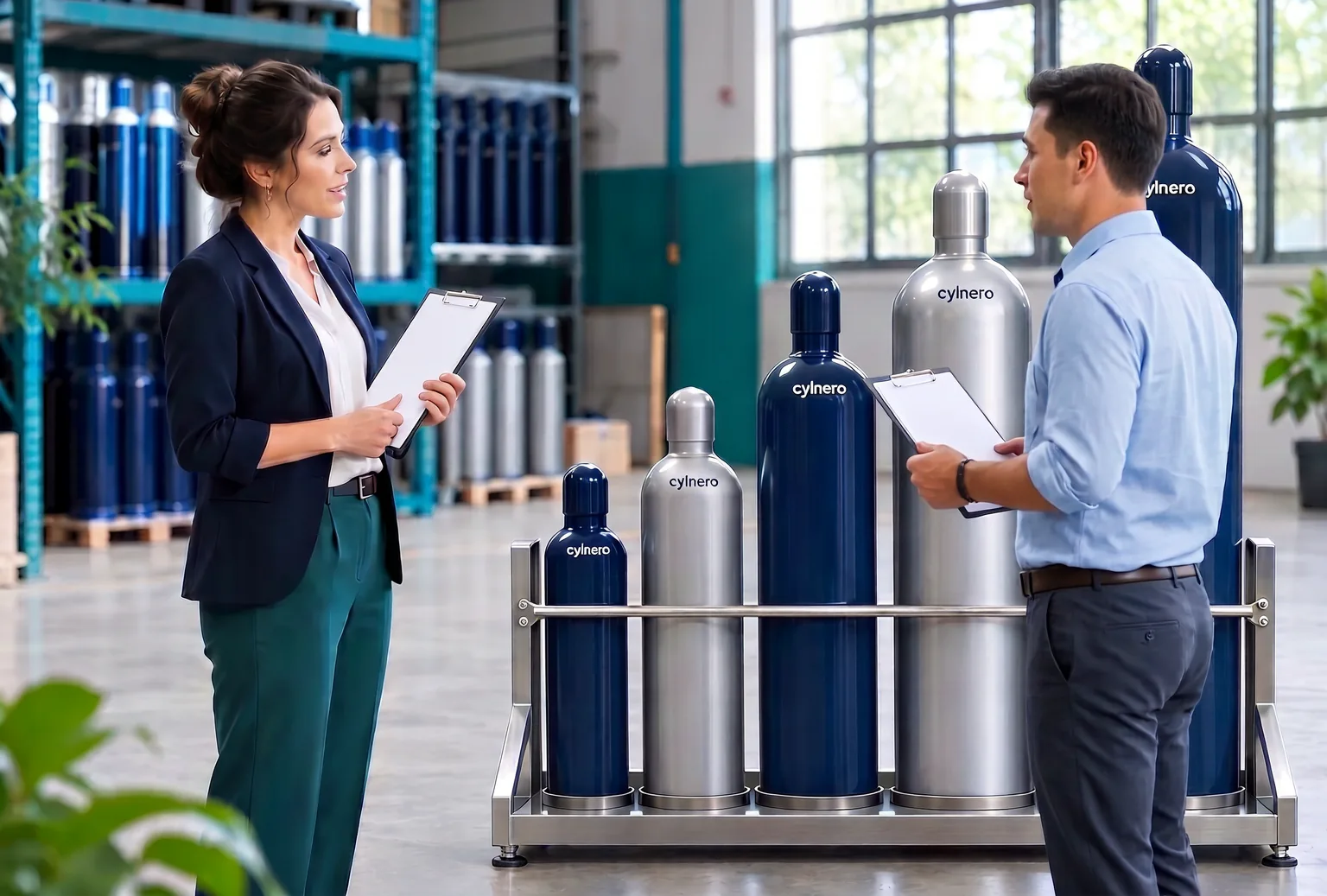
Share any existing oxygen-service preparation or cleanliness evidence requirements. Ask which records cover the proposed cylinder and valve, and keep each record’s issuer and scope with the quotation for review against the purchasing programme.
Read the full guidance
Discuss preparation and cleanliness records as evidence
Share an existing organizational requirement about preparation or cleanliness evidence when available, identifying its source and scope. Ask the manufacturer what records it proposes for the actual supply and which item each describes. Do not turn an example record into a universal requirement or assume a particular preparation process from the cylinder family. The relevant reviewers assess how the supplied information relates to the intended programme. This purchasing guide provides no cleaning method, verification procedure, contaminant limit or gas-purity criterion and does not authorize preparation or use.
Distinguish a general process description from evidence concerning a particular configuration or delivery. Ask which stage and included components the proposed record covers, where that information is stated and what limitations remain. If the organization requires more information, identify the actual question and who will assess the response. Do not infer the depth or quality of the process from the document title alone. A purchasing coordinator can collect the records without selecting a test method or treating a longer document list as automatic proof of acceptance.
Keep receipt of a document separate from acceptance of the proposed supply. A record may be supplied to explain a process, describe an example or address an agreed delivery requirement; those statuses need to remain visible. Ask the manufacturer to clarify an unclear reference and preserve the reply with the relevant version. Buyers may ask about later documentation or responsibilities, but this page supplies no operational procedure. The responsible reviewers decide what the actual evidence establishes, which questions remain open and what further response is needed for their scope.
Records for the offered configuration
Ask for documents that identify the offered cylinder and their scope. Separate records available now from documents proposed for later delivery, and clarify missing references.
Read the full guidance
Link reports and documents to the offered item
Ask how the supplied records relate to the actual configuration being offered. A general report, an example and an order-specific record may address different questions. Record identifiers, issuer, revision and stated scope where available, then ask the reviewers to assess the relationship. This guide does not require every report to list the same material or component fields. If a connection or included item is not clearly addressed, request clarification instead of inferring coverage from the title or deciding that an omitted label automatically proves non-conformance.
Examine the issuer and stated limitations of each document carefully. A report from a third-party lab may have specific scope restrictions that do not cover all aspects of your application. For example, a corrosion test might only apply to a specific alloy variant. If the document lacks a clear issuer name or date, ask for the full version. Do not assume that a title like 'Quality Certificate' proves universal compliance. Each document has its own boundaries. Understanding these limits helps you decide if additional information is needed for your project.
When a reference is missing, identify the evidence question without drawing an automatic conclusion about the product. Ask the manufacturer which information it can supply and how that response relates to the offer. The significance of a gap depends on the actual requirement and review, not merely whether a file was included in an initial quotation. Distinguish a proposed later deliverable from a record already issued. Keep the question open until the relevant parties assess the response rather than treating silence as acceptance or assuming that a later document will resolve it.
Refer destination questions for review
Give the intended application and destination, together with any project requirements already known. Ask which evidence the manufacturer offers for its proposed configuration. The appointed reviewers assess the actual documents and outstanding destination questions.
Read the full guidance
Refer destination questions to the responsible reviewers
Clarify the intended use and destination of the cylinder hardware before finalizing the order. Specify whether the items are for a hospital, a distributor, or a specific project site. This context helps the manufacturer understand the scope of their proposal. For example, a valve for a mobile unit may differ from one for a fixed system. State your project reference number if applicable. This information guides the supplier in tailoring their response. It does not dictate their technical choices but provides necessary background.
Review the manufacturer’s proposed scope and supporting evidence for your specific destination. They may include technical data sheets or compliance statements relevant to your location. For instance, a supplier might provide a declaration of conformity for a specific region. Your technical, regulatory, and commercial teams should assess these documents according to their actual roles. Do not assume that a single document covers all regulatory needs. Each reviewer has a distinct responsibility. Identify the actual assigned roles rather than assuming that a document review settles every acceptance question.
Share known project and destination requirements with the manufacturer and ask it to identify the evidence it proposes for that scope. A requirement may need assessment by the organization's appointed technical or destination reviewers; the category does not prescribe a legal classification or a set of registrations. Keep a proposed alternative beside the original requirement instead of silently changing the brief. The manufacturer's actual response and supporting information provide the subject for review. A sourcing exchange does not establish market entry, clinical suitability or universal acceptance of a document.
Discuss identifiers and later records
Discuss cylinder identification, such as serial or batch references, and how related records will be supplied. Share any traceability or record-retention requirements with the manufacturer.
Read the full guidance
Ask about identifiers and later records
Inquire about the identifiers assigned to the proposed cylinder hardware items. Ask if lot numbers, serial numbers, or batch codes will be included in the delivery. For example, a valve assembly might have a unique serial number for traceability. This information is crucial for your tracking needs. However, do not assume that a specific identification method is mandatory. The manufacturer will propose their standard practice. You can compare this against your internal requirements. This question helps you plan how to record the items upon receipt.
Discuss the availability of later records and how they will be provided. Ask if the manufacturer offers software or services for tracking these identifiers over time. For instance, they might provide a digital portal for accessing batch histories. This is different from the physical hardware itself. Your team should decide if such services are needed for your project. Do not assume that all suppliers offer the same level of digital record-keeping. This question helps you evaluate the total cost of ownership.
Ask the responsible parties which later records, formats and access arrangements the actual proposal includes. If your organization has an existing retention or identification requirement, share its reference rather than replacing it with an assumed industry practice. Ask how the manufacturer responds and which questions remain open. This guide does not prescribe a barcode method, database, retention period or recordkeeping service. An answer about proposed document availability is distinct from an accepted commitment, and a tracking description does not establish the status of the cylinder or its intended use.
About this category guide
Begin a cylinder-hardware enquiry for your medical-gas organization's purchasing task with the intended application, approximate quantity and destination. Add known programme or equipment requirements where available, leaving other fields open. A factory model and full parameter schedule are not required to start. CYLNERO coordinates the questions and manufacturer responses. This guide helps buyers distinguish the proposed cylinder scope from gas supply, wider equipment and clinical decisions, then organize configuration references, documents and commercial questions for the responsible reviewers. The catalogue title does not establish a legal classification, medical suitability, certification or availability of the actual proposed item.
Compare quantities and commercial terms
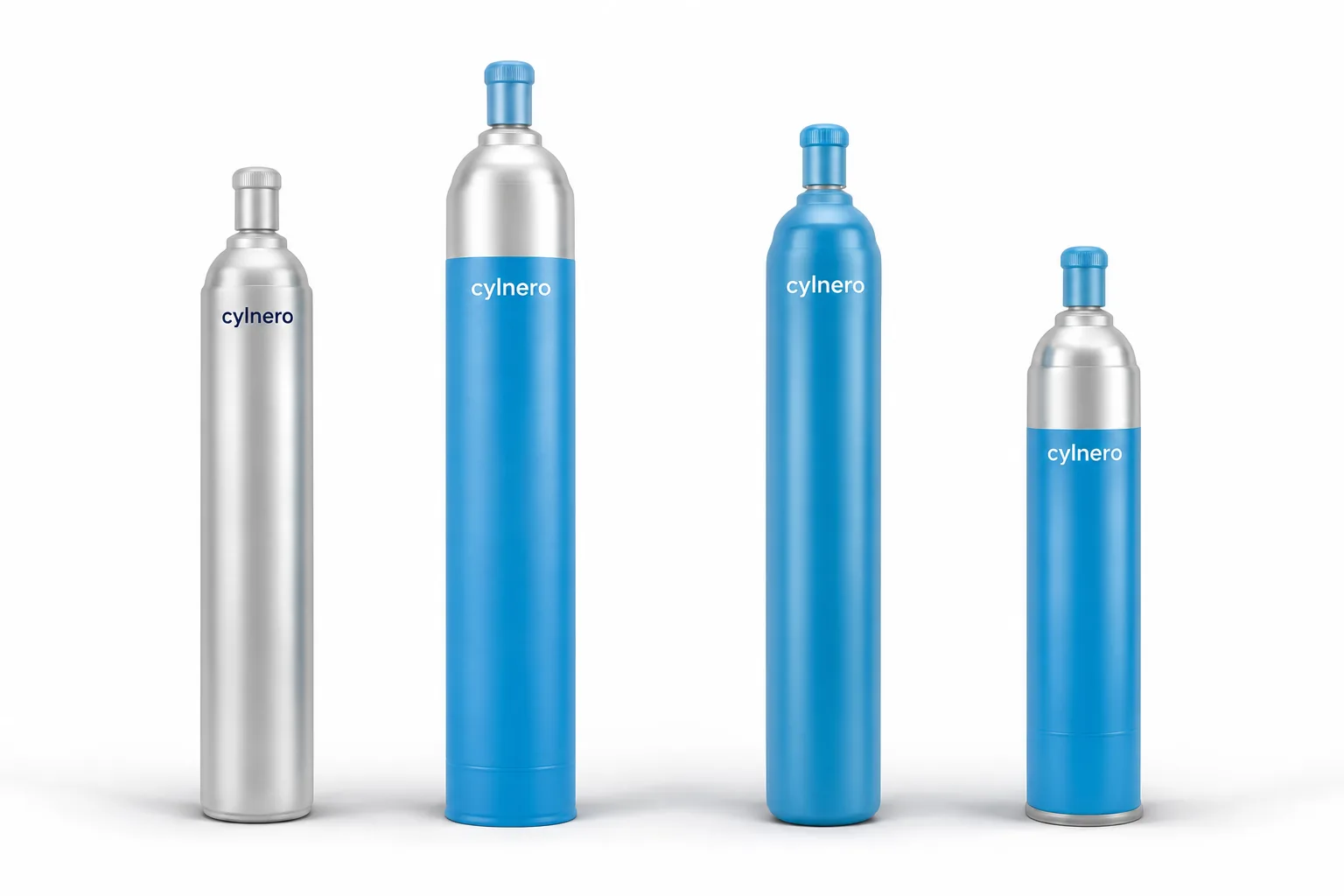
Give an estimated number of cylinders or assemblies. Compare each offer on included components, packing, currency, validity and proposed delivery timing.
State the approximate physical quantity required for the current purchase, identifying whether it counts cylinder bodies or described assemblies. Label any later forecast separately and ask whether it affects the manufacturer's actual response. No MOQ, discount, reserved capacity or priority is established by this category. If an existing agreement may be relevant, identify it for the responsible parties. A forecast is useful context, but this page does not decide its legal effect or promise that a later configuration, price or delivery window will remain available.
Read the full guidance
Compare quantities and commercial responses
Compare the inclusions, exclusions and quantity basis actually stated in each offer. A body-only price and an assembly price may describe different scopes. Retain the quoted currency, validity and configuration reference, identifying an internal comparison conversion separately if one is used. Ask about unspecified packing, components or records rather than assigning them an assumed price. A clear comparison does not make unequal offers equivalent. The purchasing decision concerns the actual proposal and its unresolved requirements rather than an inferred benefit from a lower total.
Distinguish a requested date from the manufacturer's proposed timing and the commitments identified in the applicable arrangements. Ask which dates concern manufacture, shipment and destination delivery and what prerequisites remain open. A general lead-time statement is not a production reservation. If a response is revised, ask which earlier dates and scope statements still apply. Keep the actual configuration and document questions beside the proposed schedule so reviewers can understand its basis. This page does not promise an accelerated response, fixed delivery or automatic continuity from an earlier purchase.
Discuss packing and delivery handoffs
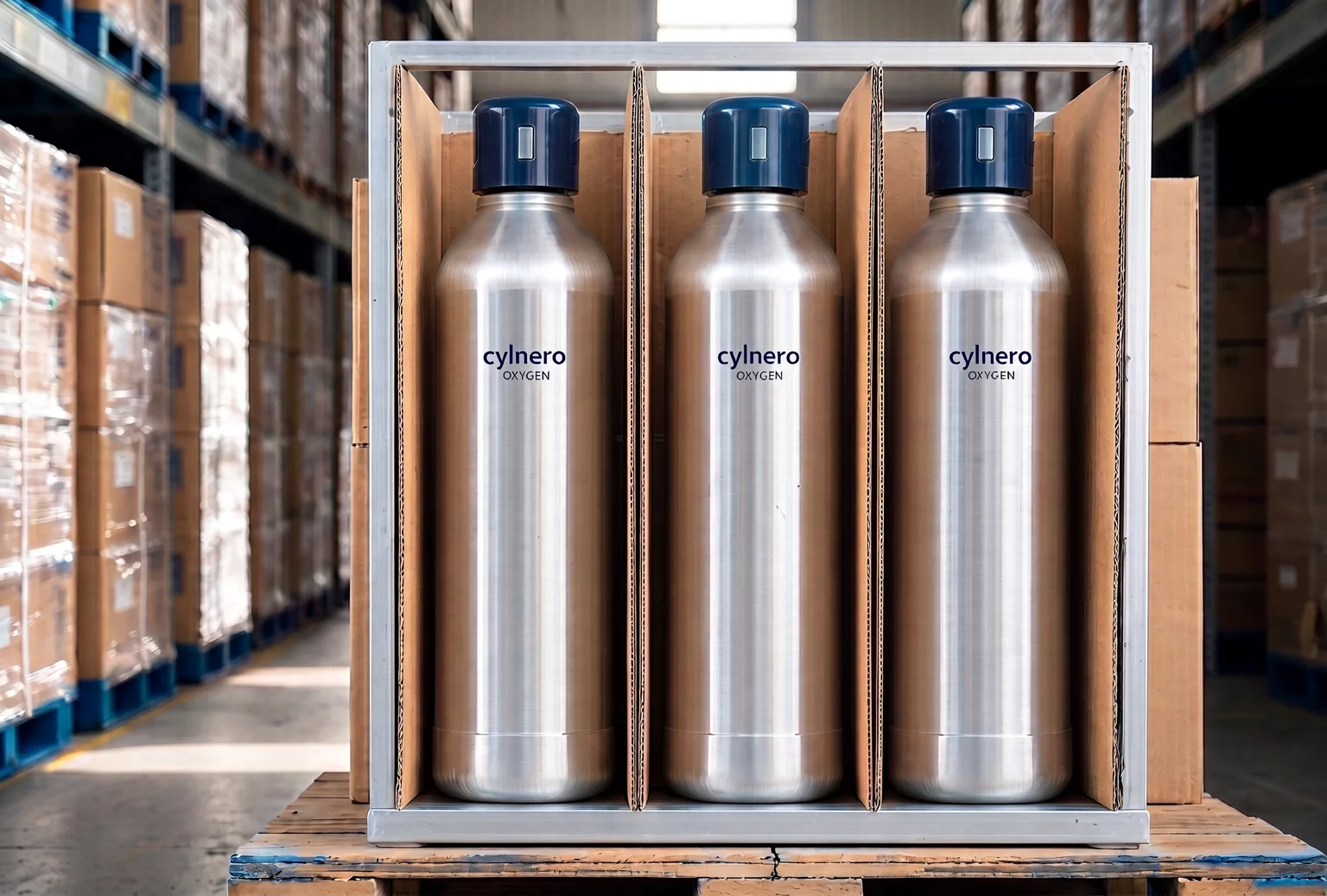
Describe your receiving arrangements and ask how the cylinders will be protected and packed. Confirm the delivery handoff and keep gas-supply requests separate from the cylinder hardware quotation.
Share receiving constraints that are already known, identifying which are requirements and which are preferences. Ask what packing the manufacturer proposes for the actual configuration and whether it is included in the quotation. Do not select a package from an assumed capacity or a generic image. Proposed package information may develop later, and it should remain distinguishable from final shipment records. This guide supplies no handling or storage procedure. The responsible parties assess the actual packing and receiving questions without a guarantee of condition on arrival.
Read the full guidance
Clarify packing and delivery handoffs
Ask who will coordinate delivery questions under the actual arrangements and what records the manufacturer proposes to supply. Identify contacts and any requested notice or document timing without treating the request as an agreed commitment. The response may involve more than one organization. Keep inclusions and exclusions visible rather than assigning every logistics task to the buyer or manufacturer by default. A document list and contact route help organize follow-up questions; they do not establish customs clearance, shipment classification or acceptance of a particular handoff arrangement.
Ask the manufacturer to describe the proposed supply condition and what records support that description. The word empty does not itself establish a gas-free state, transport exemption or readiness for use. Keep any wider gas-supply or service request separate from the cylinder-hardware offer. Questions about packing, delivery and destination evidence should be assessed for the actual scope, with unresolved items retained beside the quotation. This page provides no transport classification, preparation instruction or approval to operate the equipment from a general category label.
Send a focused hardware enquiry
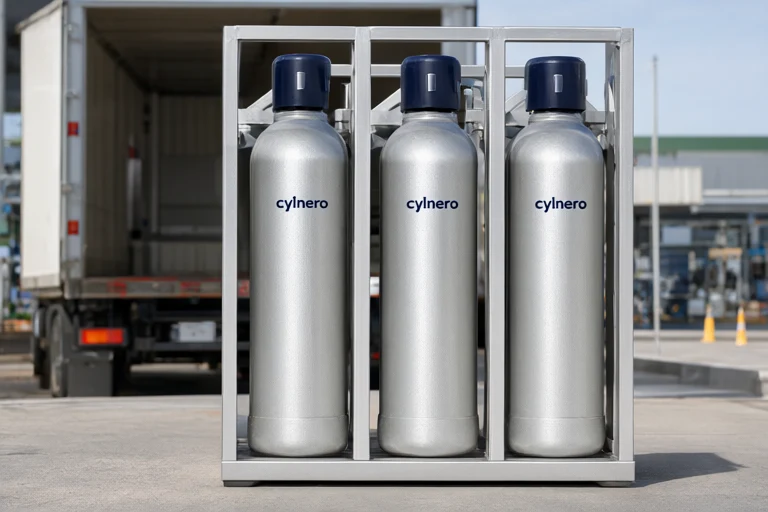
Share the purchasing task, approximate quantity, destination and known references. List open questions and follow-up contacts. Keep manufacturer proposals separate from your original requirements so requested, offered and unanswered items remain identifiable through revisions.
Start with the organisational purchasing task, approximate quantity and destination. Share any available programme or equipment reference and distinguish known requirements from open interface or scope questions. Ask the manufacturer to identify what it can propose and what further information it needs. A factory code or complete specification schedule is not required for the first enquiry.
Read the full guidance
Send a focused enquiry and follow the response
Identify a follow-up contact and keep the manufacturer’s assumptions and proposed changes separate from the original brief. Check the response for the configuration, quantities, commercial terms, delivery stages and document scope; request clarification where information is missing. The appropriate reviewers assess the proposal and its evidence. An enquiry or written response does not itself establish technical or clinical approval.
Related procurement pages
About this procurement guide
Use this guide to prepare your enquiry. Confirm the specifications and supporting documents for the proposed cylinder with the manufacturer.
For standards research, consult the ISO gas-cylinder standards catalogue. The catalogue includes published and withdrawn standards. Check the status, edition, scope and destination requirements with the manufacturer and your appointed technical reviewer. A standards reference does not establish that a listed series conforms to it.
For broader system-planning background, consult WHO's technical specifications for health facility based medical oxygen systems. That publication addresses system sources, storage and distribution. Linking it does not establish that a listed cylinder meets its specifications or has medical, destination or clinical approval. Have the actual proposed scope assessed by the responsible reviewers.
Before placing an order, obtain the proposed model's drawings, configuration, applicable approvals and quotation from the manufacturer. CYLNERO coordinates sourcing; the manufacturer confirms and contracts the agreed supply.
Procurement questions
Does this category approve a cylinder for medical or clinical use?
No. The category organizes cylinder-hardware enquiries from medical-gas organizations and other relevant purchasers. It does not approve a model, classify a product legally or establish clinical suitability. State the intended use and destination, share known requirements and have the actual manufacturer's proposal assessed by the appropriate reviewers. A sourcing discussion or supplied document is not itself medical or clinical approval.
Can I enquire without a factory model or complete parameters?
Yes. Start with the organization's purchasing task, approximate physical quantity and destination. Share known programme references or specifications where available, distinguishing requirements from preferences. Unknown parameters can remain open. Ask the manufacturer which scope it can propose and what information it needs next. The preliminary response may identify further questions rather than a completed configuration or quotation.
Does a medical oxygen bottle quotation include the gas?
This category concerns cylinder hardware. Do not assume that gas contents, filling arrangements or other services are included because the intended use involves medical oxygen. Ask the manufacturer to state its actual offered scope and keep any wider request distinguishable. The responsible organizations and relevant reviewers assess their respective questions; this guide does not supply medical gas or prescribe a purity criterion.
How should preparation or cleanliness records be discussed?
Share any existing organizational requirement and ask what records the manufacturer proposes for the actual item. Identify the record's scope, reference and status, distinguishing an example from an order-specific deliverable. Have the relevant reviewers assess the response and outstanding questions. Buyers may ask about documentation; this page itself provides no cleaning method, verification procedure, contaminant limit or preparation instruction.
Which documents and destination requirements should be reviewed?
Ask which configuration the supplied records describe, their identifiers, issuer, revision and stated limitations where available. Share actual use, destination and project requirements with the relevant reviewers. Receiving a document does not establish authenticity, acceptance or a legal classification. This guide does not prescribe universal tests, certificates, audits or retention periods; the actual proposal provides the subject for assessment.
Are packing, delivery and later support already confirmed?
No packing, date, quantity commitment or support package is established by the category page. Share receiving constraints and requested timing, then ask what the manufacturer proposes and which assumptions remain open. Distinguish manufacture, shipment and destination delivery stages. Keep proposed warranty and later document scope with the actual offer for review; an enquiry does not itself reserve stock or capacity.