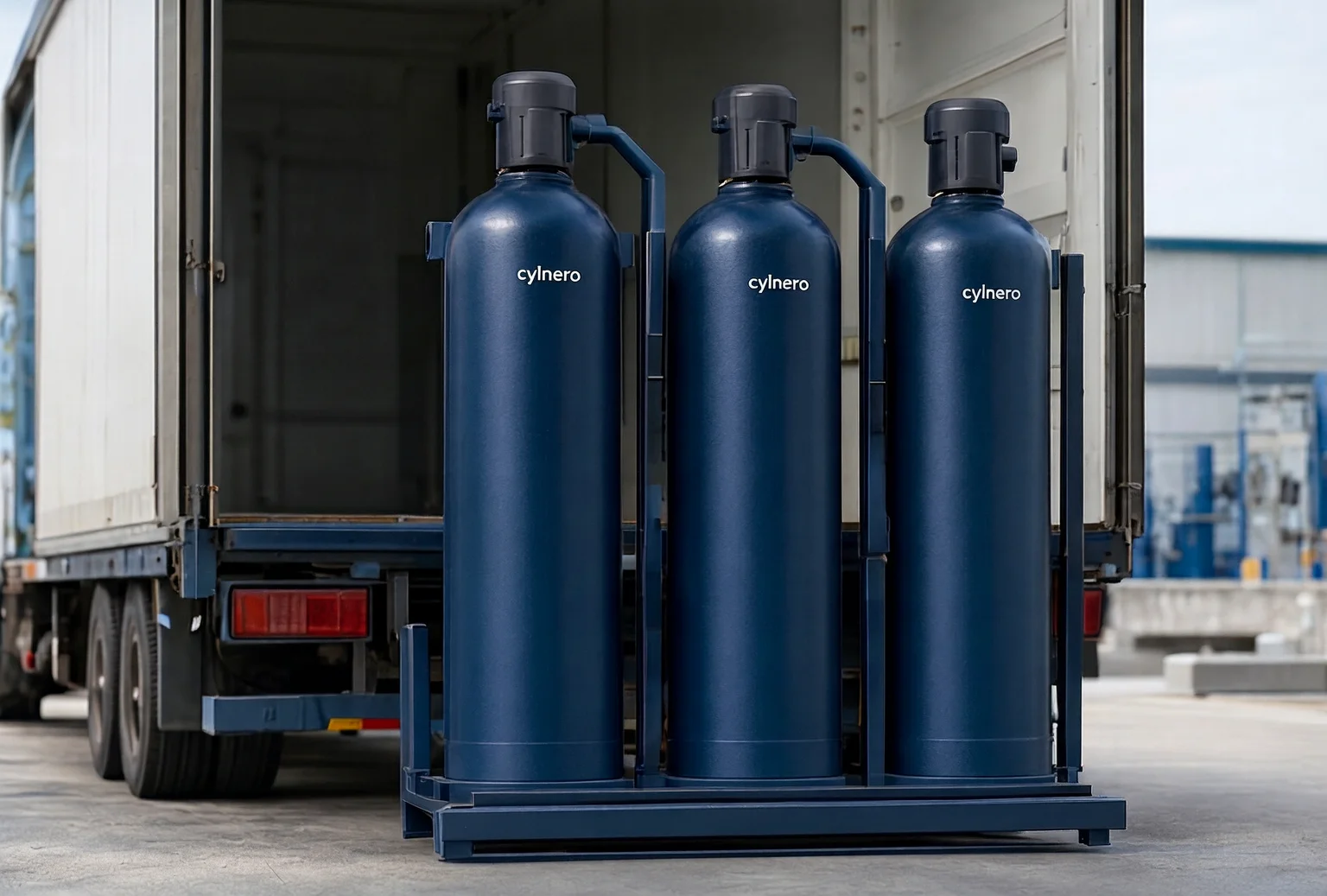
Wholesale sourcing
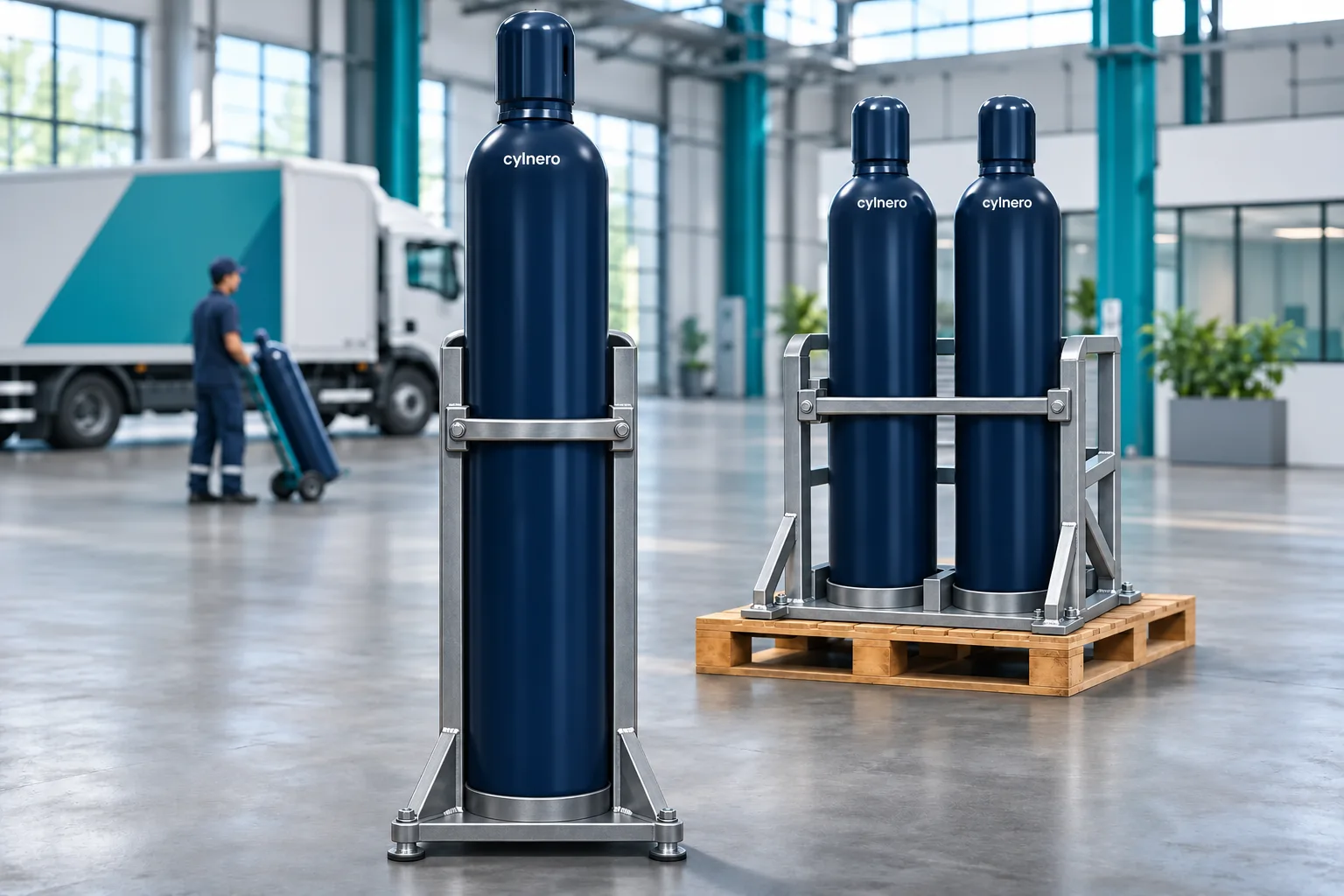
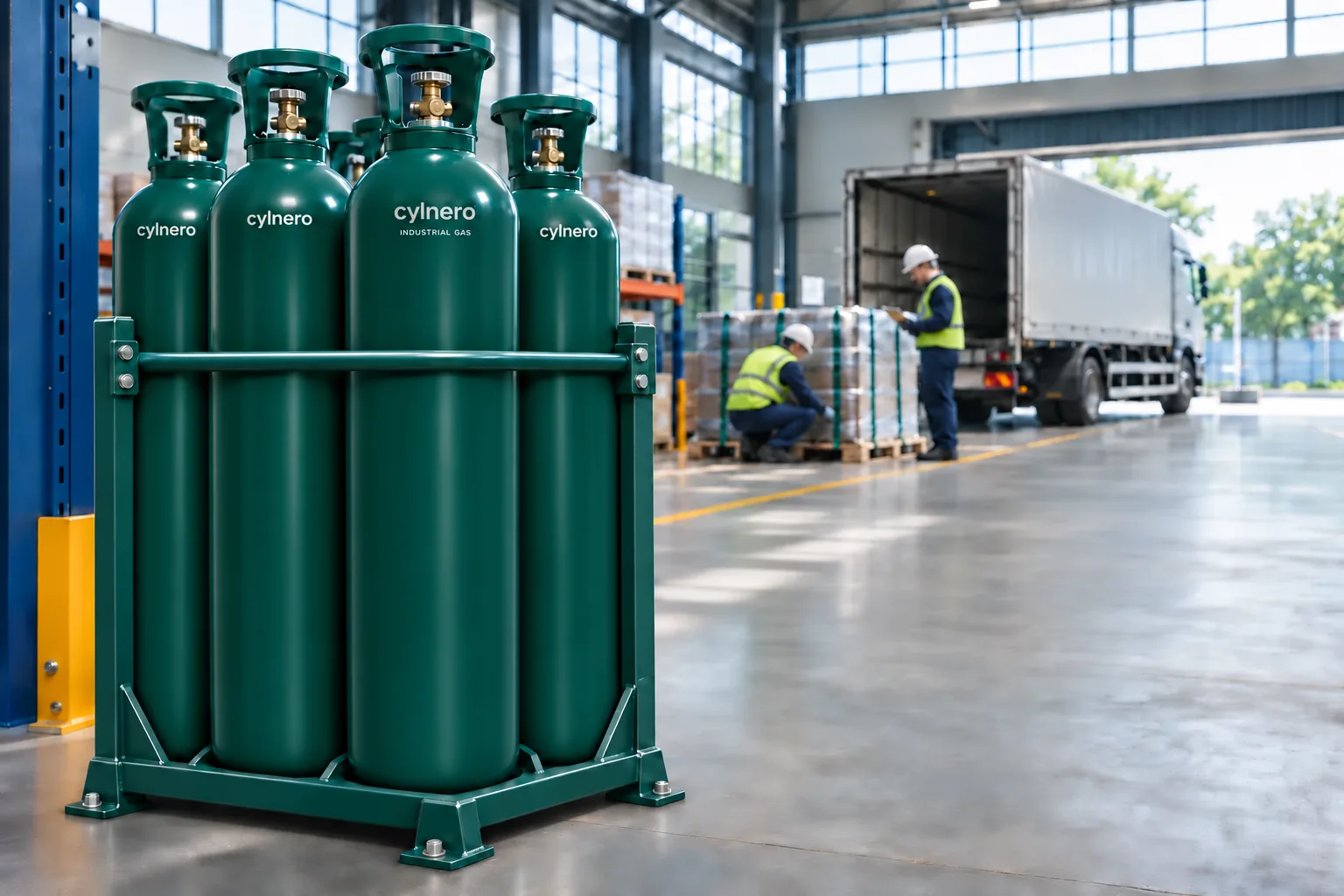
Wholesale procurement guide. Exact product specifications and destination requirements are confirmed during enquiry.
50L means requested water capacity
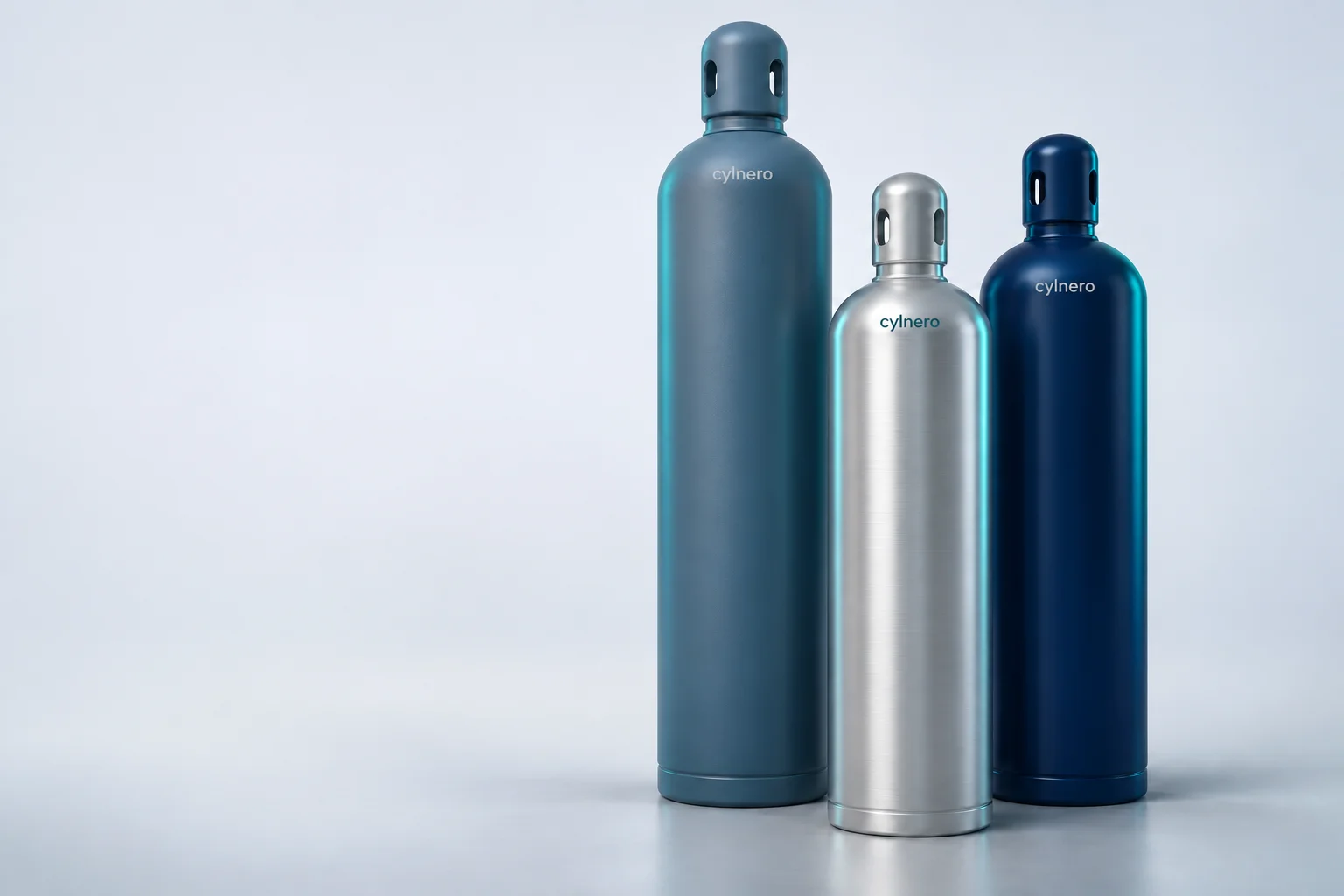
Use 50 L as the requested water-capacity reference, distinct from cylinder quantity or exterior dimensions. A 50 kg LPG designation refers to nominal filling mass, not water capacity. Ask the manufacturer to identify the actual offered cylinder and its documented capacity.
Explore LPG cylindersTreat 50L as the requested cylinder water-capacity class in this purchasing discussion. Ask the manufacturer to identify the capacity stated for the actual configuration and the document that defines it. Do not treat the category label as a universal exact measurement or as evidence that different external dimensions are interchangeable. If an accepted capacity requirement or tolerance already exists in your purchasing specification, provide that reference for review; otherwise leave the detail for the manufacturer's proposal. Keep it separate from gas quantity and overall equipment dimensions.
Read the full guidance
Defining Water Capacity in Procurement Contexts
Keep the requested water-capacity class alongside the manufacturer's stated capacity for the actual proposal. Gas-supply quantity belongs to its own provider and stated basis, while exterior dimensions describe another part of the purchasing question. If an older order record uses an ambiguous capacity label, share it as context and ask the responsible reviewer to clarify the intended requirement. The initial enquiry should preserve that uncertainty rather than derive gas contents or transport treatment from a category name.
Describe the requested water capacity in the purchasing brief and retain the manufacturer's original capacity wording in its response. If the descriptions differ, ask what each entry means and which configuration it identifies. Record any defined tolerance or acceptance requirement from the project separately. A difference in terminology needs clarification before it is treated as a different product, an accepted change or a defect. This page does not establish one universal geometric standard from the 50L label.
Keep capacity and count distinct
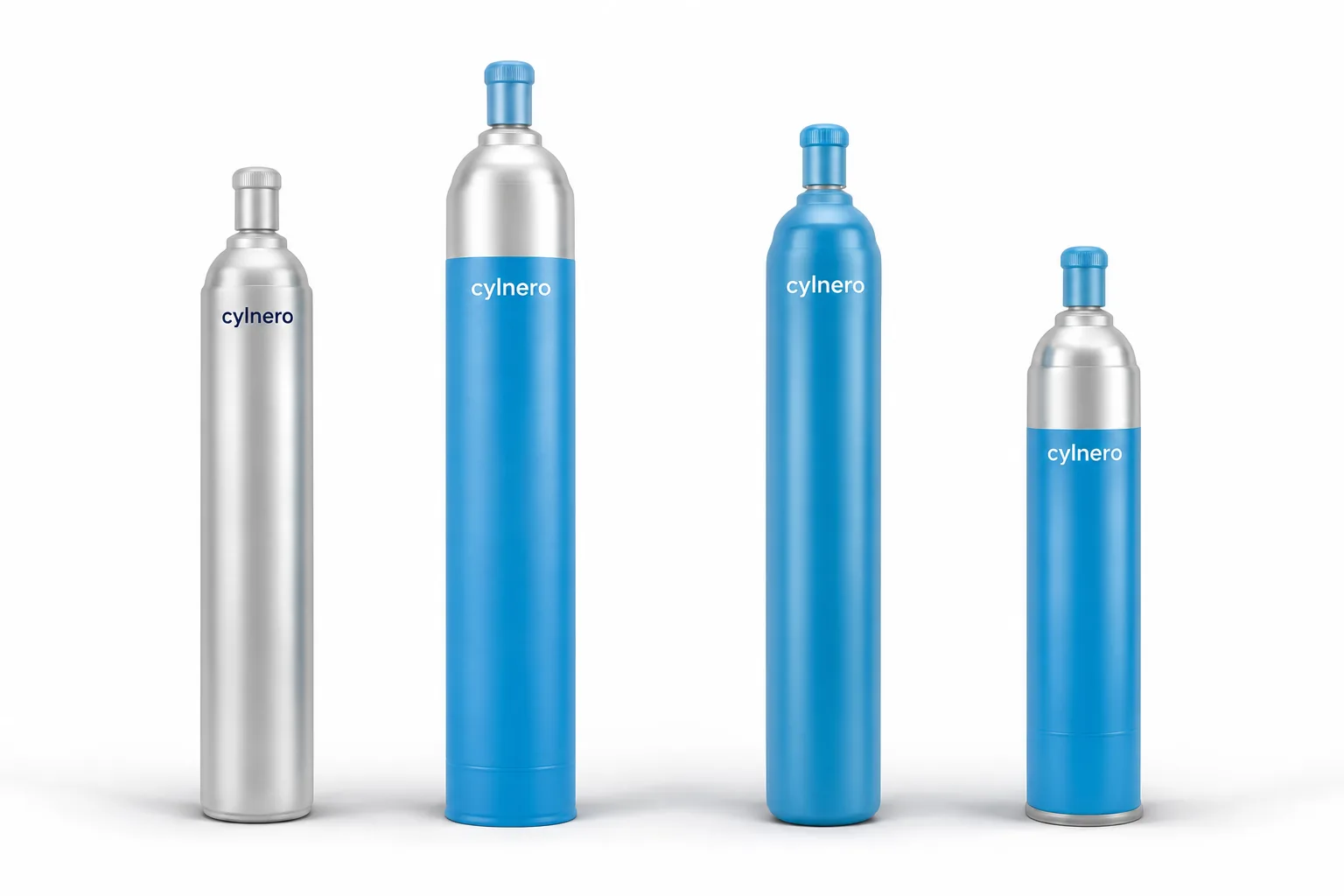
Record requested water capacity, gas-related requirements and the physical number of cylinders as separate fields. Retain original units and source references. Leave missing values open rather than deriving a filling mass or quantity from the 50L label.
The 50L designation describes the requested water-capacity class of each cylinder. Keep that figure separate from the number of cylinders in the order and from any gas quantity the project may require. For example, a request for twenty 50L cylinders has two purchasing fields: the quantity of physical cylinders and the water-capacity designation for each one. State the intended service and ask the supplier to identify the proposed cylinder and its documented capacity.
Read the full guidance
Keep water capacity, gas quantity and purchasing quantity separate
If gas supply is also needed, describe it as a separate purchasing scope and ask the relevant gas provider which information it needs from the cylinder manufacturer. Do not treat 50L as a filling-mass figure or use a different gas example as the proposed quantity. Keep the hardware drawing, offered components and cylinder count with the hardware quotation; retain any gas-service proposal and its measurement basis separately. If an older purchasing record uses an unclear size or quantity, share that reference and ask the responsible reviewer to clarify it before comparing offers.
50 litre gas cylinder dimensions: compare examples
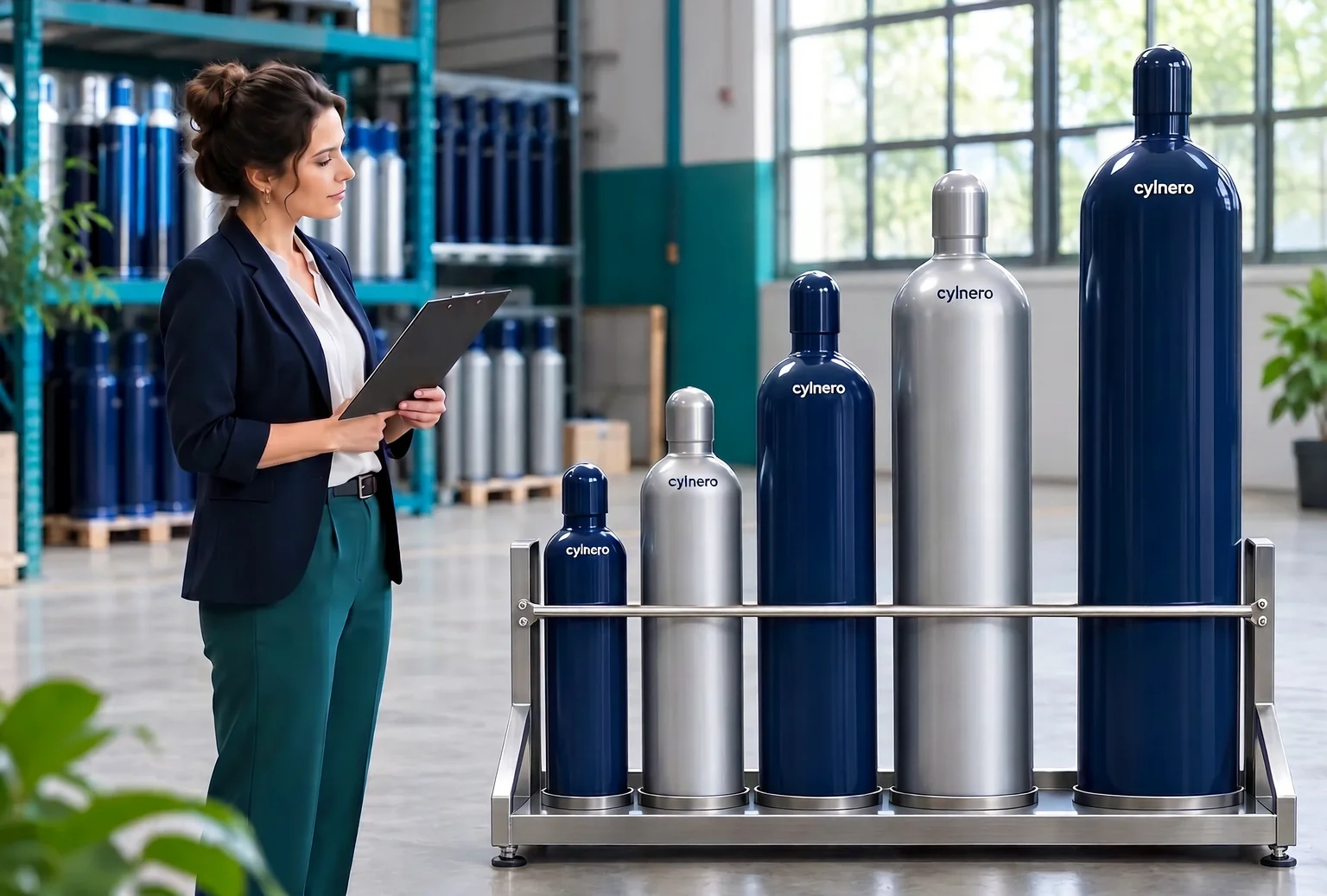
Published 50L gas cylinder dimensions differ: Worthington lists 229 mm diameter and 1,405 mm length; Shandong Yongan lists 232 × 1,425 mm. Compare the actual proposed drawing, measurement basis and included components with your equipment space.
Published examples: Worthington 50 L leaflet · Shandong Yongan 50 L listing
Published third-party examples show how 50 L cylinder dimensions can differ. Worthington's 200 bar leaflet lists a 229 mm diameter, 1,405 mm length and 41 kg weight. Shandong Yongan's 200 bar listing states 232 × 1,425 mm and 51 ± 1 kg. These are separate manufacturers' examples; confirm the drawing, measurement basis and included components for the configuration quoted to you.
Read the full guidance
Verifying Physical Dimensions for Storage Racks
Ask for the exterior dimensions of the cylinder configuration actually proposed, retaining the drawing revision and scope of included components. A requested water-capacity class does not identify a universal height, diameter or assembly envelope. Share any known equipment-space requirement so the responsible reviewer can compare the actual offer. If dimensions are unavailable initially, keep the field open and ask which references the manufacturer can provide as the discussion develops.
Ask what the proposed dimensions include and which drawing describes their basis. A body-only entry can differ from an assembly envelope with identified components. Share an existing equipment constraint where available and retain it separately from the manufacturer's stated values. A requested 50L water-capacity designation does not establish external dimensions or fit in a rack or cage. Keep an unanswered envelope question open rather than estimating a value from a similar image. The relevant reviewers assess the actual configuration against the intended equipment requirements.
If an existing rack, cage or equipment layout matters to the purchase, share its available reference with the responsible equipment reviewer. Ask the cylinder manufacturer which exterior dimensions and included components its proposal describes. Keep unanswered clearance or fit questions visible alongside the actual drawing. Record footprint and stability questions for the responsible equipment reviewer.
Review connections and valve scope
Share existing valve or interface references if known. Ask which neck connection, outlet and components the manufacturer proposes. Keep drawing revisions and unresolved questions with the quotation so the responsible reviewer can assess the assembly.
Keep the cylinder neck connection, valve outlet and other equipment interfaces as separately identified questions. Share existing references when available and ask which valve or assembly the manufacturer includes. If the buyer has not selected a connection, leave it open for discussion. The responsible equipment reviewer assesses the actual proposed interface against the intended equipment. A valve name or resemblance to an existing component does not establish that two items can be connected.
Read the full guidance
Valve Specifications and Connection Compatibility
Ask the manufacturer to identify the valve reference and the scope of any accompanying information for its proposal. Retain the drawing revision, included components and stated service conditions where supplied. If a project has an existing material or interface requirement, provide its reference and distinguish it from a preference. The relevant reviewers assess the actual response. This guide does not impose a universal valve-material statement or a fixed document package from another provider.
Where another organisation supplies a valve or downstream component, record which part of the assembly each offer covers and who reviews their relationship. Ask which drawing or interface information remains needed. Keep the resulting questions with the quotation rather than assuming that a general standard name resolves them. A manufacturer proposal provides information for review; it does not turn the category page into permission to select, connect or modify equipment.
Pressure distinctions explained
Record the manufacturer’s working-pressure and test-pressure entries separately, preserving their original labels, units, stated conditions and document references. Keep any buyer requirement alongside the offered value and ask the manufacturer to clarify differences or missing information. The appointed reviewer assesses those figures against the intended equipment. A 50 L capacity label does not determine either pressure; do not infer a universal test method or inspection schedule from this category.
Discuss the proposed material
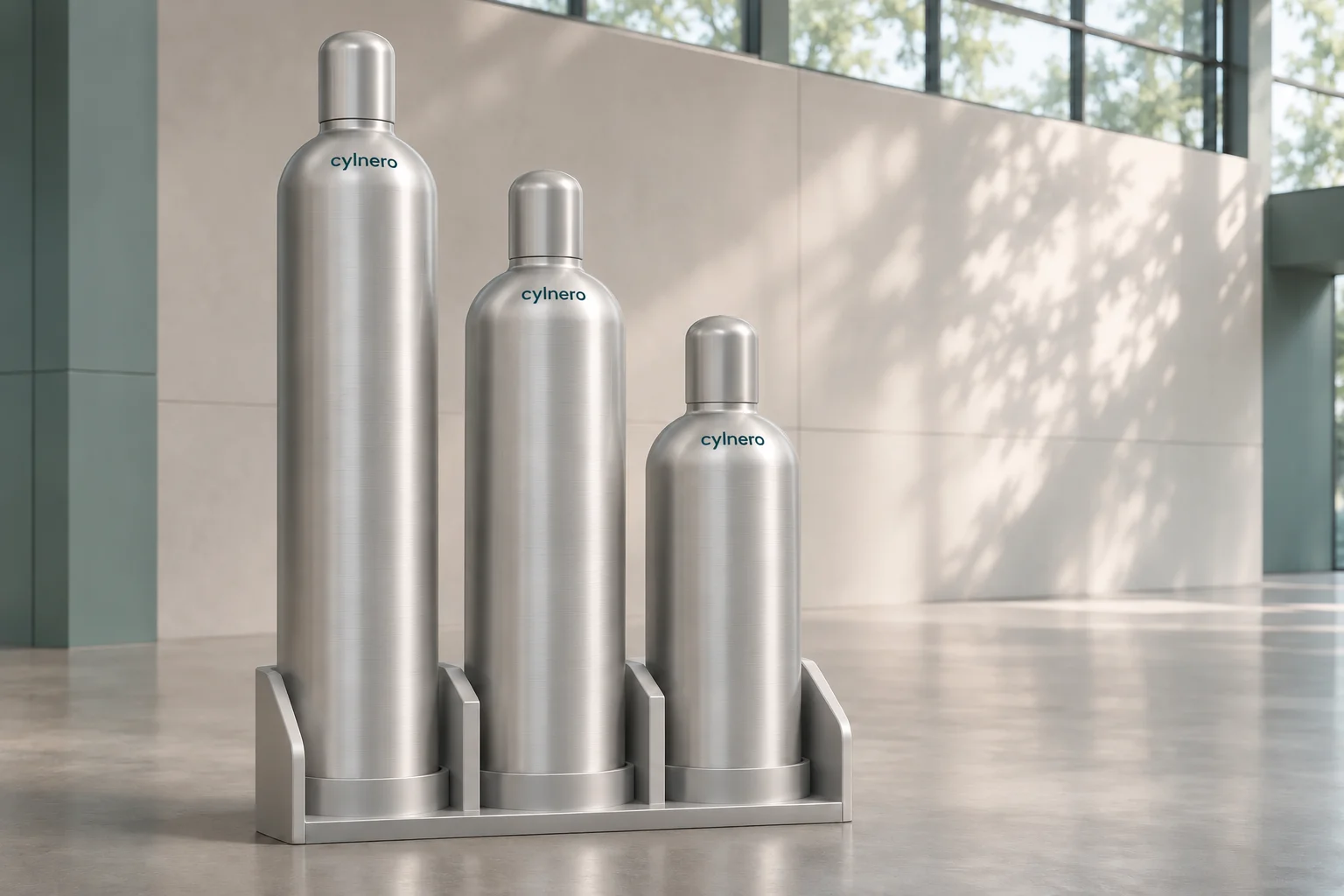
Use material families to organise the purchasing discussion, then ask the manufacturer to identify the material and construction of its actual offer. Compare the stated dimensions, mass, included components and supporting information associated with each configuration. A steel, aluminum or composite description does not establish a universal ranking for cost, strength or environmental performance. Keep the project's actual requirements visible beside the proposed response instead of deriving a preferred model from the family name.
Read the full guidance
Material Selection and Corrosion Resistance
If the project has a material specification or defined environmental requirement, share its existing reference and ask how the manufacturer describes the proposed configuration against it. Retain any qualifications, unanswered entries and supporting document references with the quotation. Identify the reviewers responsible for the intended application. A request for a particular characteristic and a manufacturer statement about its offer are separate entries; neither should silently replace the other during comparison.
Describe conditions already specified by the project team without selecting a treatment or material from this page. Ask the manufacturer to identify the stated conditions and any limitations of the actual configuration it offers. Keep the source of those statements available for the responsible reviewers. A broad description such as outdoor or industrial is context for an enquiry, rather than a complete definition of the environment or confirmation that a particular cylinder addresses it.
Understand the stated mass
Ask whether the stated mass covers the cylinder body, an assembly or a package. Retain the figure with its configuration and drawing reference. Comparing different scope descriptions without that distinction can give a misleading purchasing comparison.
View 50 L steel cylinder weight examplesAsk the manufacturer which components are included in each stated mass value for the offered cylinder. A vessel-only figure, a cylinder-and-valve assembly and a packaged shipping unit may describe different scopes. Do not assume that a label such as tare always includes the same valve, protective item or packaging across different proposals. Request the relevant definition and document reference, then compare values on the same basis. If mass matters to an equipment project, identify the person responsible for assessing the actual configuration and the information that reviewer needs.
Read the full guidance
Review the stated mass and included assembly
Keep the proposed mass alongside the model or drawing revision to which it belongs. If the quotation and drawing use different descriptions, ask for clarification instead of choosing the more convenient value. A difference in scope or revision should be resolved before it is interpreted as a defect or an accepted change. For a 50L family enquiry, it is sufficient to state a mass constraint if your organization already has one, or to mark the value as pending. The manufacturer should identify the configuration it proposes against that purchasing input.
Handling, rack and transport decisions require the responsible organization's assessment of the actual supplied assembly and shipment. This page does not calculate an equipment rating, approve a handling method or infer a loaded mass from the capacity label. Ask which information the manufacturer, gas-service provider and logistics provider will supply for their respective scopes. Record unresolved questions in the purchasing review. Before accepting an offer, make sure the included components and the mass information under consideration refer to the same configuration rather than a mixture of catalogue examples.
Interpreting technical drawings

Ask which drawing and data-sheet references describe the actual proposed 50L configuration and retain their revisions where available. Distinguish a company brochure or example from an order-specific record. A document can provide information for review without itself proving that the proposed supply meets every requirement. Share known constraints and ask the appointed reviewers which questions need follow-up. Unknown references may remain open in an initial enquiry; the purchasing team should not invent dimensions or assume acceptance from a similar model description.
Read the full guidance
Interpreting Manufacturer Drawings and Data Sheets
Compare the drawing, quotation and purchasing brief as separate records with identifiable revisions. Ask which dimensions, components and stated pressure fields refer to the offered configuration. Where a description differs, request the manufacturer's explanation and keep the question open for the responsible reviewer. A purchasing record should show the actual references available rather than infer a marking requirement, select a valve or treat a matching description as proof of fit.
If a drawing lacks information needed by an appointed reviewer, send the specific question with the relevant revision and purpose. Ask what supporting information the manufacturer can provide and whether the response changes its offer. Keep any additional document or review work separate from items already included. This makes the enquiry more precise without treating every brochure as an order drawing or imposing the same technical dossier on every initial request.
Standards and certification scope

Share the intended application, destination and any known document requirements. Ask the manufacturer which records it can provide for the proposed 50 L cylinder.
Read the full guidance
Applicable Standards and Certification Requirements
Share the intended use, destination and existing project requirements, then ask which inspection or conformity records the manufacturer proposes for the actual configuration and what each covers. Keep examples, documents proposed for later and records already issued distinct. CYLNERO coordinates the exchange; the appointed reviewers assess the evidence. A document title alone does not establish acceptance, and this guide does not prescribe a universal standard, certificate or test package.
Provide existing project and destination requirements where available and ask the manufacturer to identify its actual proposed scope. Keep product-identification and marking questions linked to the configuration rather than applying a universal list from a generic purchasing checklist. The relevant reviewers assess which information is needed and what the supplied records establish. If a reference is missing, retain the question for follow-up rather than assuming approval or diagnosing a defect. The capacity label does not establish the intended gas, accepted use or legal classification of the proposed item.
Regulatory documentation review
State intended use and destination. Ask manufacturers what supporting scope they propose. Keep preliminary statements distinguishable from actual offered configurations. Record unresolved questions for appointed reviewers to assess.
Read the full guidance
Regulatory Compliance and Documentation Review
State the intended use and destination and identify who will assess the relevant technical, destination and commercial questions. Actual requirements may differ with the configuration and programme, so share known references rather than assuming one general package applies. Ask the manufacturer what supporting scope it proposes and which questions remain unanswered. This catalogue does not determine local acceptance, customs clearance or compliance. Keep a preliminary statement distinguishable from the actual offered configuration and its reviewed evidence instead of treating the 50L designation as approval.
Keep each proposed document reference with the model, drawing revision or delivery scope it describes. Ask what information is available now, what is proposed for later supply and what remains unanswered. Share known destination requirements with the appointed reviewers rather than assuming a fixed certificate package. An unavailable record is a question requiring assessment; its absence alone should not be diagnosed by this category guide as an untested or uncertified product.
Keep the destination review linked to the configuration and the documents actually offered. Record which questions remain unresolved and who will assess the manufacturer's response. If the intended destination or supply scope changes, ask the appointed reviewer whether additional evidence is needed. Maintaining a document file supports traceability, but it does not by itself establish compliance throughout the cylinder's lifecycle.
Agree order review points
Discuss when the supplier can provide drawings, inspection records and packing details for the order. Identify any additional review requested by your team and confirm whether it is included in the quotation.
Read the full guidance
Quality Assurance and Incoming Inspection
Ask which inspection or test records the manufacturer offers for the actual configuration and what each covers. Distinguish design, sample, batch and unit records, including documents proposed for a later delivery, and keep the response with the relevant quotation. Share existing review requirements with the appointed reviewers. A certificate title alone does not establish acceptance or the condition of every cylinder.
If the purchasing programme requests a particular review before or after delivery, identify its intended purpose and ask which parties would perform the proposed work. Keep the scope, records, timing and commercial terms distinguishable from the cylinder hardware offer. Record how questions about reported differences would be raised under the actual arrangement. This catalogue page does not prescribe an incoming pressure test, define a universal acceptance procedure or decide the suitability of delivered equipment.
Track documents and open questions
Keep the proposed cylinder reference, drawing revision and outstanding questions with each offer. This makes it easier to compare a revised valve, quantity or delivery scope with the original quotation.
Read the full guidance
Procurement Documentation Checklist
Use a purchasing record to connect the requested water capacity, offered cylinder reference, drawing revision and proposed document scope. Mark each entry as a buyer requirement, manufacturer statement or open question. Ask what the manufacturer can provide for the actual configuration, and keep records for examples separate from later deliverables. The record helps reviewers follow the proposal without assuming that every enquiry needs the same drawing, test report or certificate.
If an equipment or destination reviewer has an additional evidence question, record its source and the configuration to which it applies. Send the question to the manufacturer and retain the actual response, including any limitations or unavailable information. Keep cylinder hardware, gas-provider information and wider equipment evidence separately identifiable. A checklist can track those relationships; it does not verify compatibility, assess environmental conditions or establish that the collected documents resolve every requirement.
About this category guide
A 50L industrial cylinder enquiry concerns a requested water-capacity class, not 50kg of gas or a universal external size. CYLNERO helps buyers organize hardware sourcing questions, compare manufacturer proposals and identify the documents needed for review. Begin with the intended service, quantity and destination; a complete model or parameter sheet is not needed. Request the actual manufacturer's drawing for dimensions and the proposed assembly. Capacity, pressure, mass and interfaces remain separate fields to confirm against that proposal, rather than values inferred from a category image or family name.
Logistics questions defined
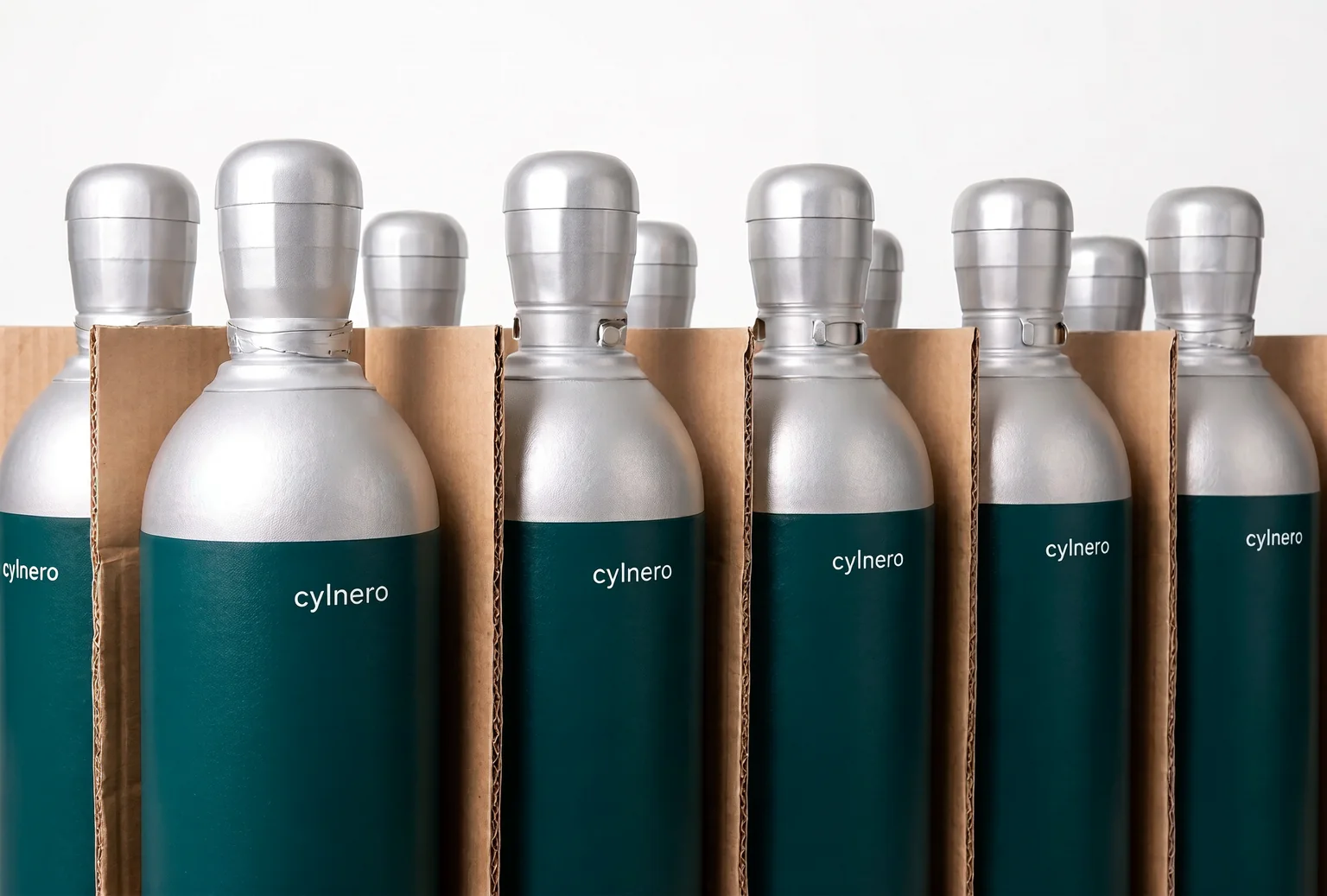
Share the intended destination and any receiving constraints already known. Ask the supplier to describe the proposed shipment and packing scope, and record unanswered logistics questions for follow-up.
Share the destination and known receiving constraints. Ask the manufacturer and logistics provider to identify proposed packing, shipment scope, freight responsibilities and required records. A 50 L designation does not establish transport treatment or a storage arrangement; the responsible parties assess the actual configuration and delivery condition.
Read the full guidance
Define logistics questions without prescribing storage methods
For an existing rack or transport cage, provide its drawing or space reference and ask for the proposed cylinder dimensions, including the stated treatment of valves and other protrusions. Keep the fit question open for the appropriate reviewer. Record proposed delivery timing and any packing or documentation dependencies with the offer.
Send focused configuration questions
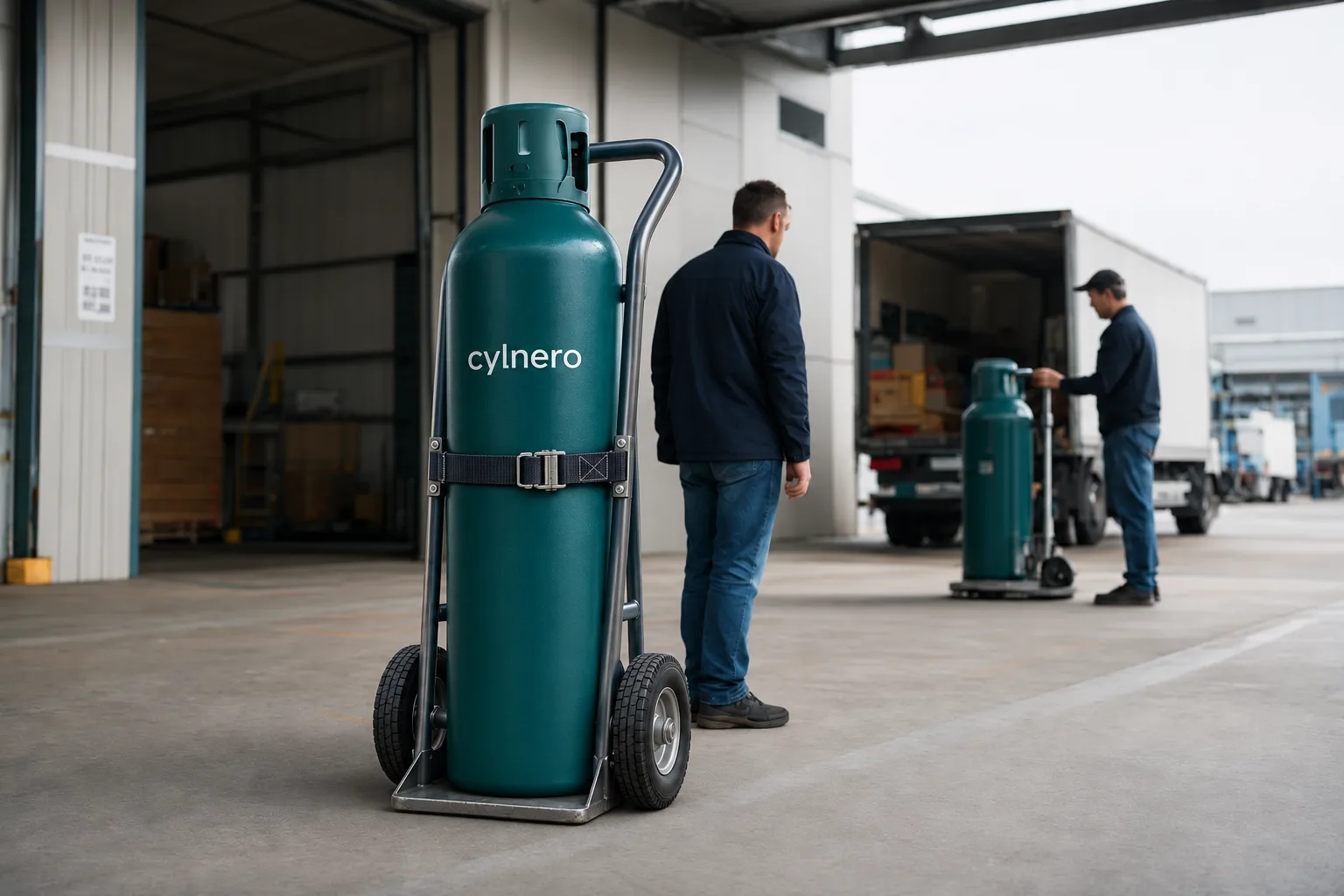
Ask the manufacturer to identify the proposed model and relevant drawing revision. Link each question to the requested water capacity, available space or included components. Keep known requirements and unresolved details distinct in the enquiry.
Identify the organisation issuing the cylinder proposal and a contact for configuration questions. An existing drawing helps where available, but an initial enquiry can leave dimensions open. Keep water capacity, gas mass and purchasing quantity as separate fields.
Read the full guidance
Aligning Technical Queries with Supplier Capabilities
Compare each offered configuration, valve scope and drawing revision against the same purchasing brief. Share known space and interface requirements, record missing information and ask the manufacturer to identify differences. Before agreeing the supply, retain the current configuration, document deliverables, commercial terms and unresolved questions together for the responsible reviewers.
Related procurement pages
About this procurement guide
Use this guide to prepare your enquiry. Confirm the specifications and supporting documents for the proposed cylinder with the manufacturer.
For standards research, consult the ISO gas-cylinder standards catalogue. The catalogue includes published and withdrawn standards. Check the status, edition, scope and destination requirements with the manufacturer and your appointed technical reviewer. A standards reference does not establish that a listed series conforms to it.
Before placing an order, obtain the proposed model's drawings, configuration, applicable approvals and quotation from the manufacturer. CYLNERO coordinates sourcing; the manufacturer confirms and contracts the agreed supply.
Procurement questions
Does a 50L cylinder hold 50kg of gas?
No. The 50L label in this category concerns cylinder water capacity, not a gas mass or delivery quantity. Keep capacity, purchasing quantity and any separate gas-service requirement in different fields. Ask the manufacturer to identify the actual cylinder proposal. This page does not calculate filling quantities or confirm filled-cylinder supply.
Are 50L cylinder dimensions universal?
No. Worthington lists a 50 L example with 229 mm diameter and 1,405 mm length; a separate Shandong Yongan example is listed as 232 × 1,425 mm. Request the proposed manufacturer’s drawing and check the measurement basis, including whether valves or protective parts are included. Compare the actual configuration with your equipment and receiving requirements; a water-capacity designation alone does not establish physical interchangeability.
How should working pressure and test pressure be recorded?
Keep them as distinct manufacturer-defined fields with the units and document references used for the actual proposal. Do not infer a fixed relationship or use test pressure as an operating limit. If either value is unknown, request the manufacturer's response and have the responsible reviewer assess it for the intended configuration and service.
What evidence should accompany a 50L proposal?
Ask your appointed technical and destination reviewers which records they need for the proposed supply. Request document references, stated scope and links to the configuration and delivered units or lot. Distinguish sample documents from records issued for the actual delivery. A certificate title or catalogue mark alone does not establish acceptance.
Do I need to know the valve specification before enquiring?
No. Share a known interface or equipment reference if available; otherwise identify the valve as an open configuration question. Ask who supplies the proposed assembly and which drawings its reviewers need. Final interfaces and included components must be confirmed against the manufacturer's proposal rather than inferred from a general valve name.
Can I begin without a complete parameter sheet?
Yes. Start with the intended service, approximate quantity and destination, and mention that you are considering the 50L capacity class. Add any existing specification or physical constraint you already know. CYLNERO can organize the enquiry while the manufacturer identifies its proposal; unknown dimensions, pressure and interfaces remain questions for review, not invented values.