Wholesale sourcing
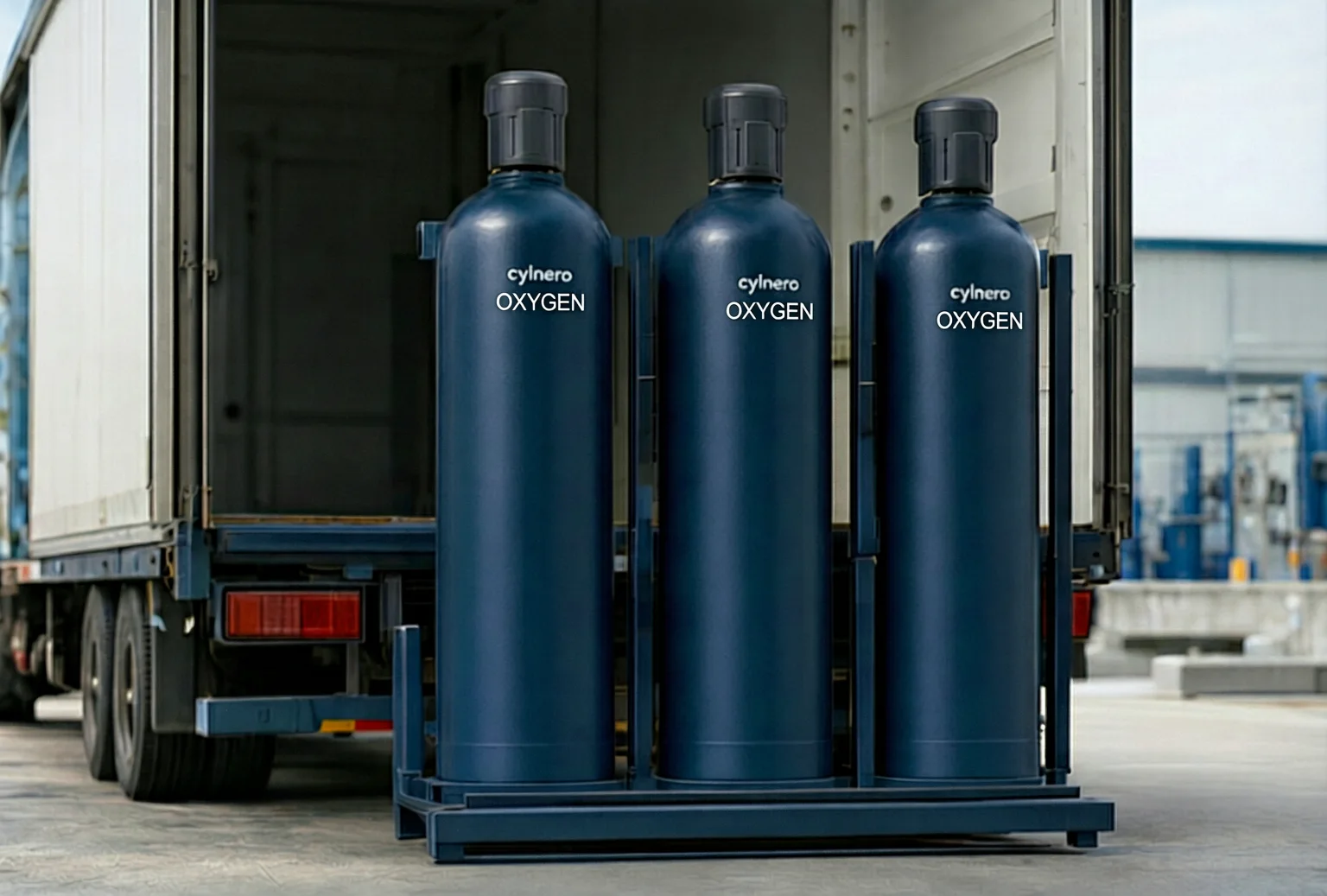
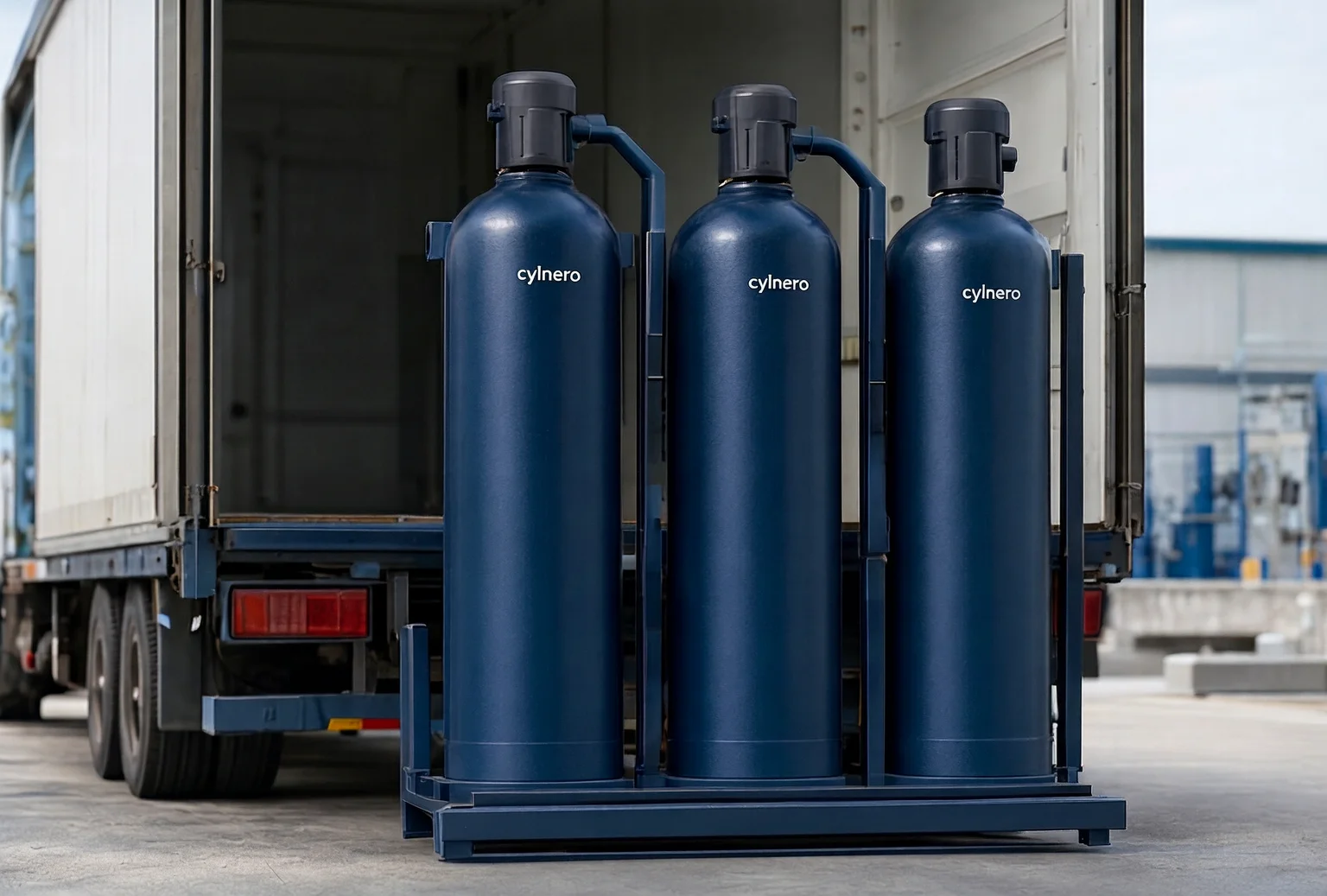
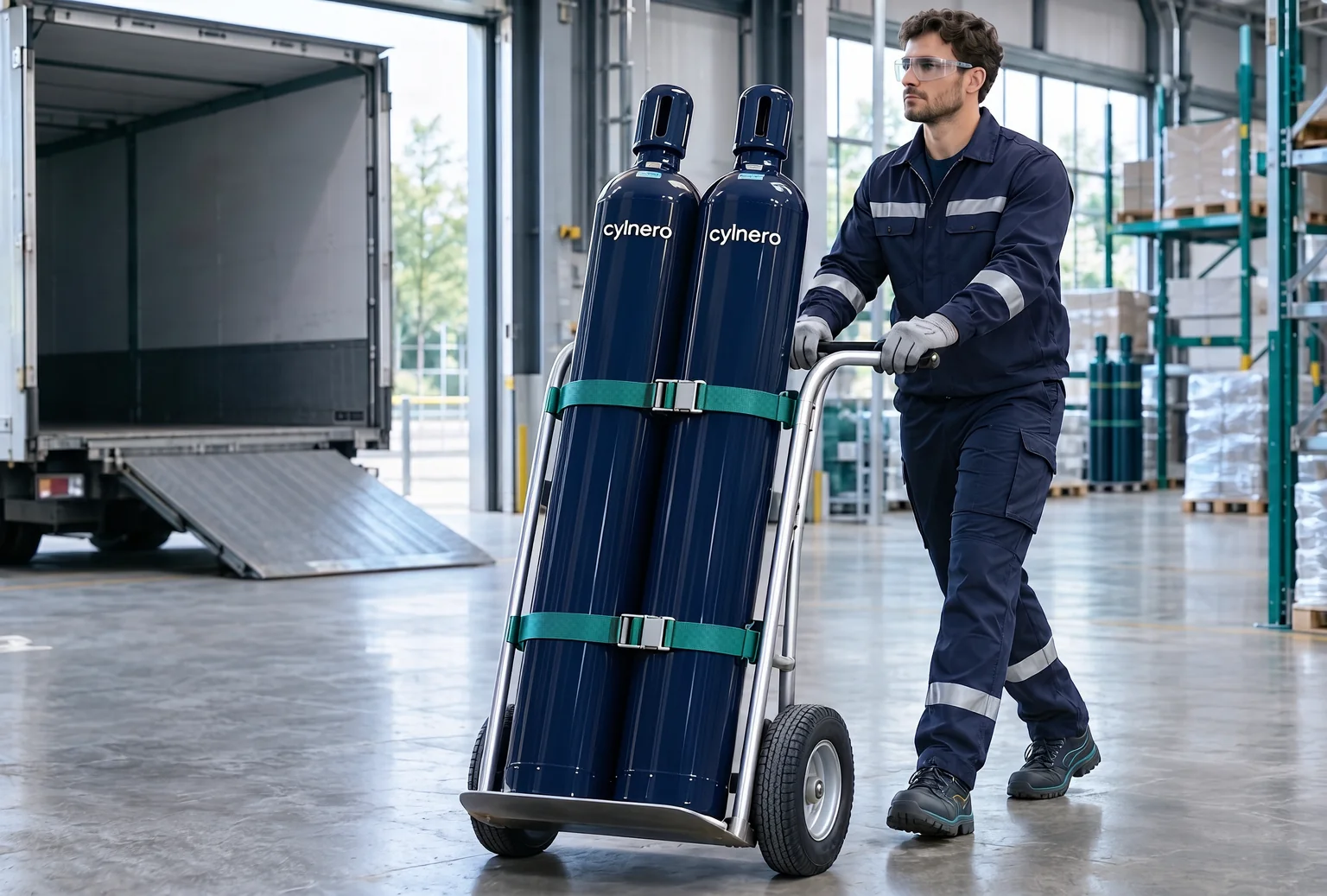
Wholesale procurement guide. Exact product specifications and destination requirements are confirmed during enquiry.
Start with application context
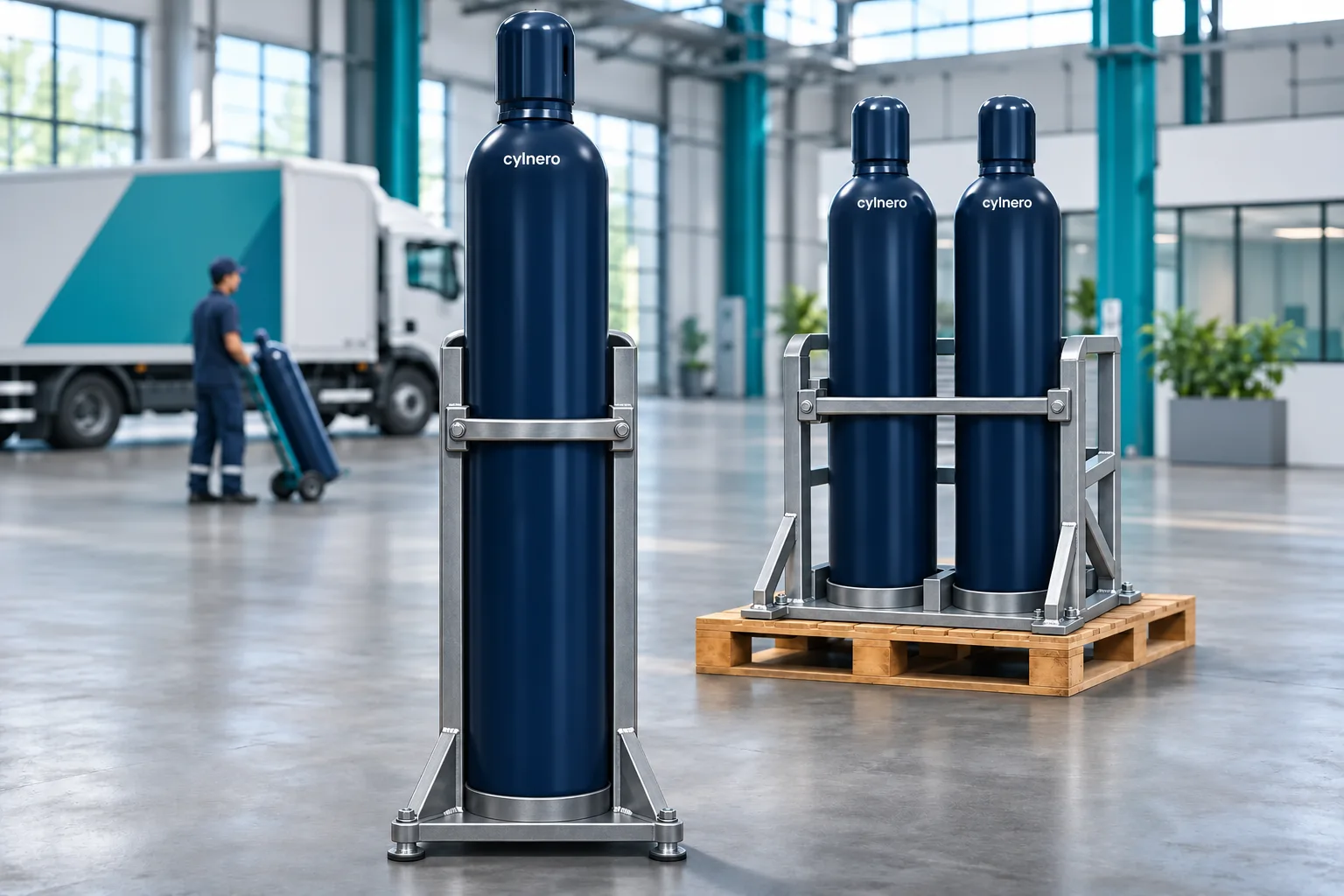
Start with the intended gas and application, approximate cylinder quantity and delivery destination. List different gases, sizes or receiving locations on separate purchasing lines. Add known water capacity, working pressure, valve or equipment references with their original units and drawing revisions. Distinguish mandatory requirements from preferences and open questions. A factory model is optional: share an existing reference if useful, or ask the manufacturer to propose a configuration and explain what further information it needs.
Organize shortlist by material family
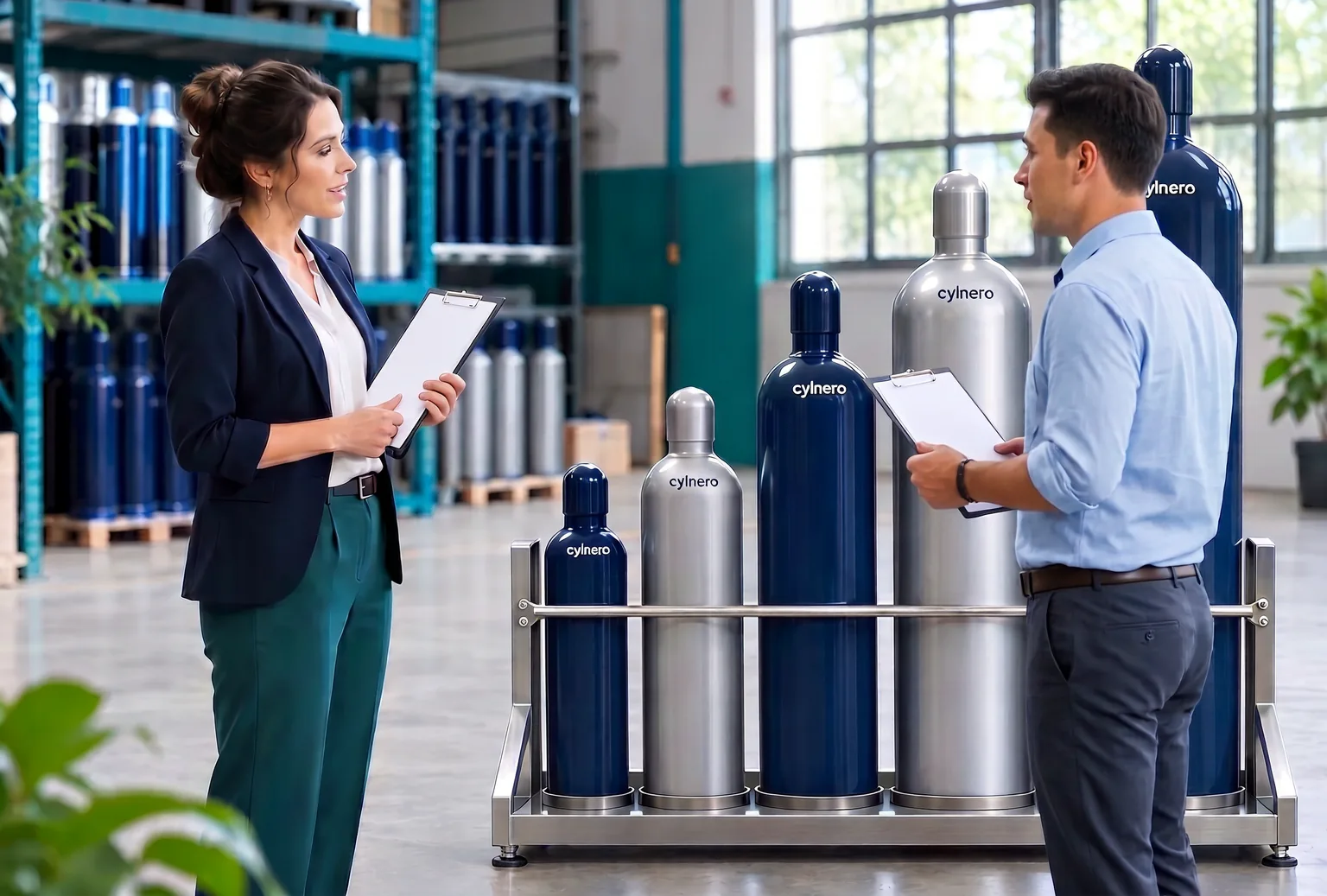
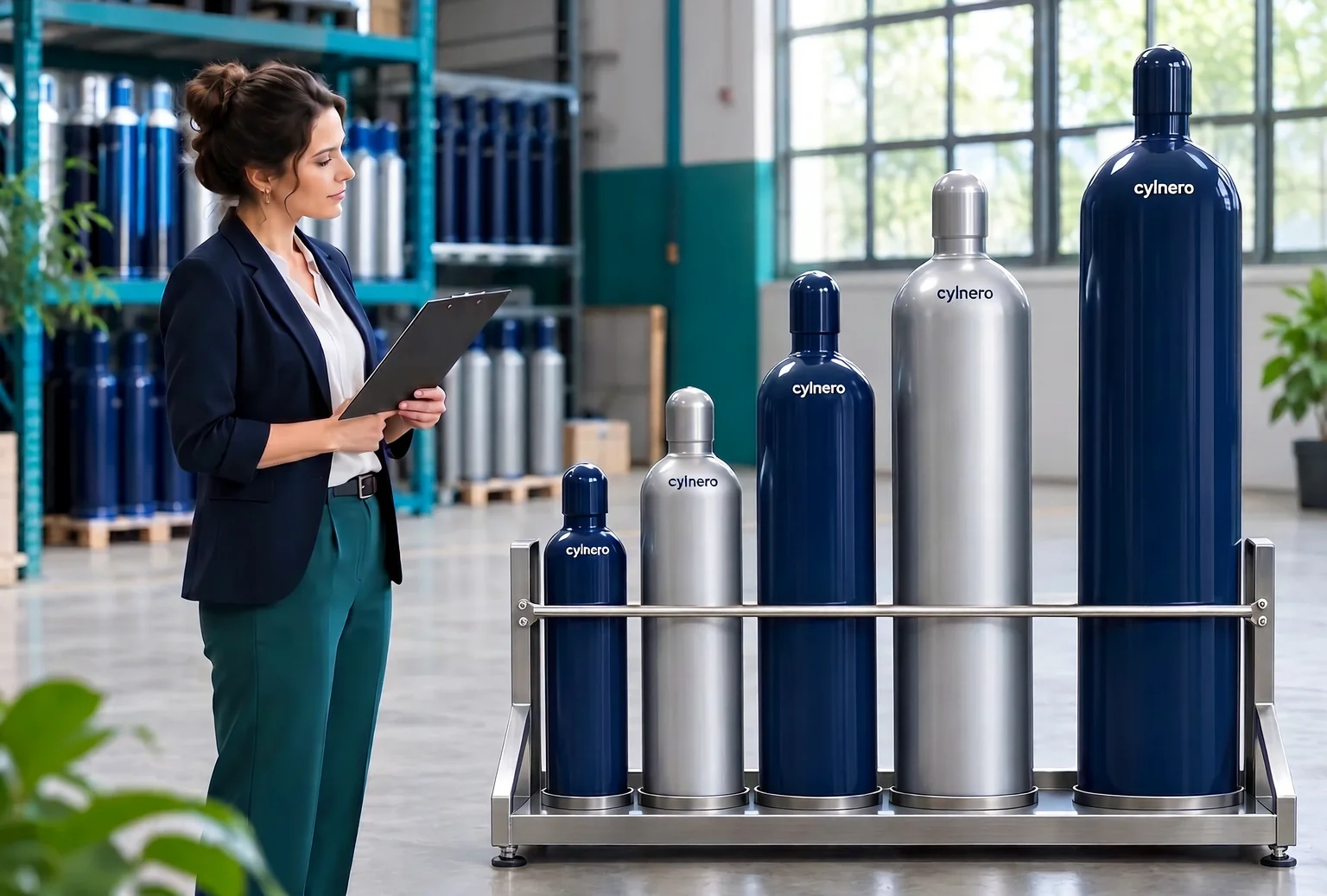
Compare proposed steel, aluminum and composite cylinders by intended gas, water capacity, working pressure, dimensions and weight. Check that each weight covers the same components, and review the actual configurations against your equipment and handling requirements.
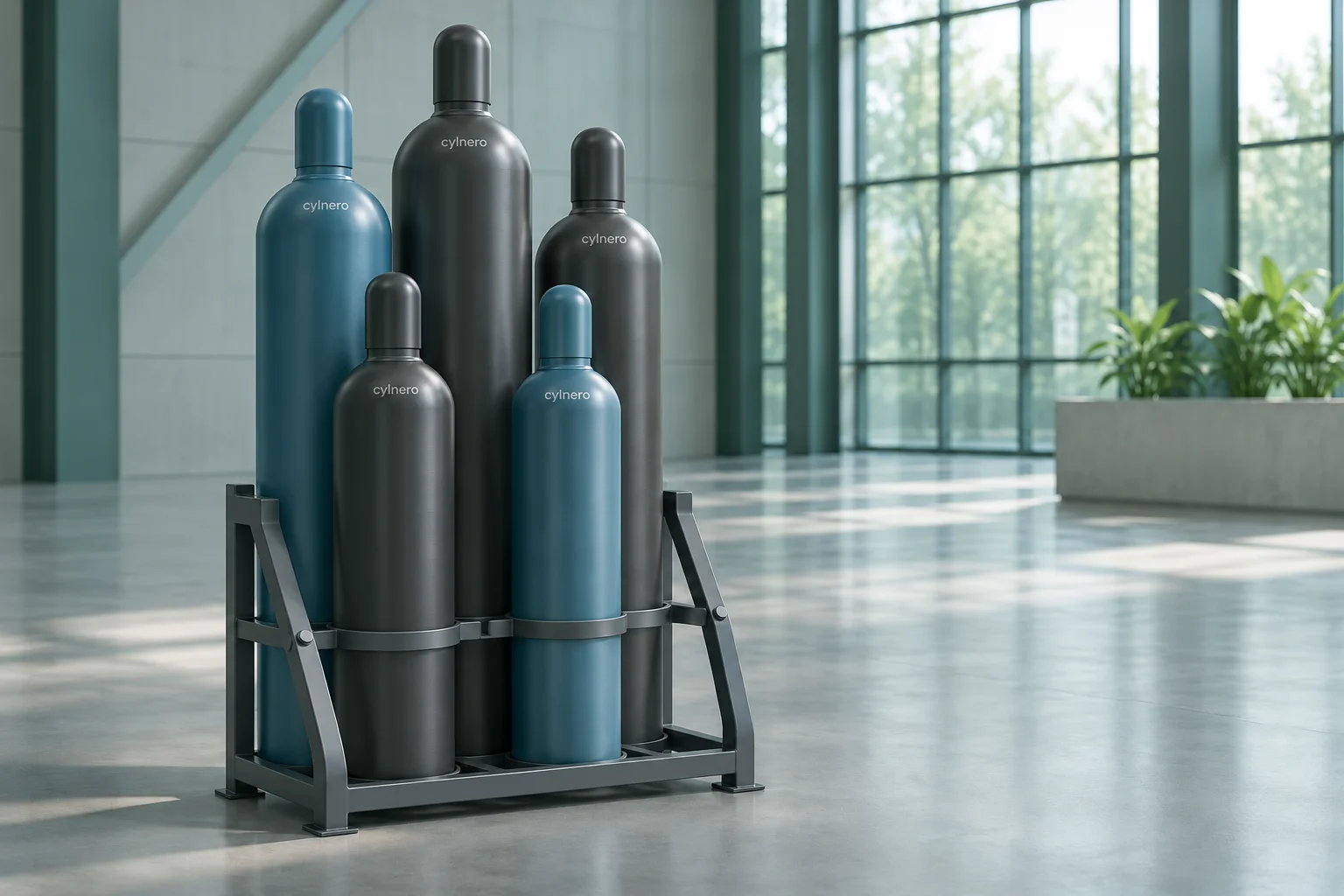
View 40 L steel cylinder weight exampleUse steel, aluminum and composite catalogue families to organize an initial shortlist. The labels do not establish a grade, pressure rating, mass advantage or sustainability ranking. If the project has a mass or dimensional constraint, share that requirement and ask what each manufacturer proposes. Keep its stated value with the configuration and basis it describes. A material-family filter can narrow the catalogue discussion without selecting the final item. The appointed reviewers assess the actual response, including differences between a cylinder body and a described assembly.
Read the full guidance
Use material families to organize the shortlist
Consider a buyer comparing two offers for industrial oxygen cylinders. One manufacturer proposes a steel body with a standard assembly, while another offers an aluminum body with a different valve configuration. The buyer can use the material family to understand the structural basis of each offer. This does not mean one is better; it means they are different. The buyer can then ask about the specific characteristics of each model, such as the body material composition or the assembly method.
For example, a purchaser may be open to more than one material family while keeping an existing equipment envelope as a requirement. Record that distinction in the brief. Ask each manufacturer to identify the configuration it proposes and what information supports its stated characteristics. An alternative material is an offered difference for assessment, not an automatic upgrade or a reason to transfer acceptance from another item. Keep unanswered questions with the proposal rather than assuming that a general family description establishes suitability or current supply capability.
Separate gas-service enquiry contexts
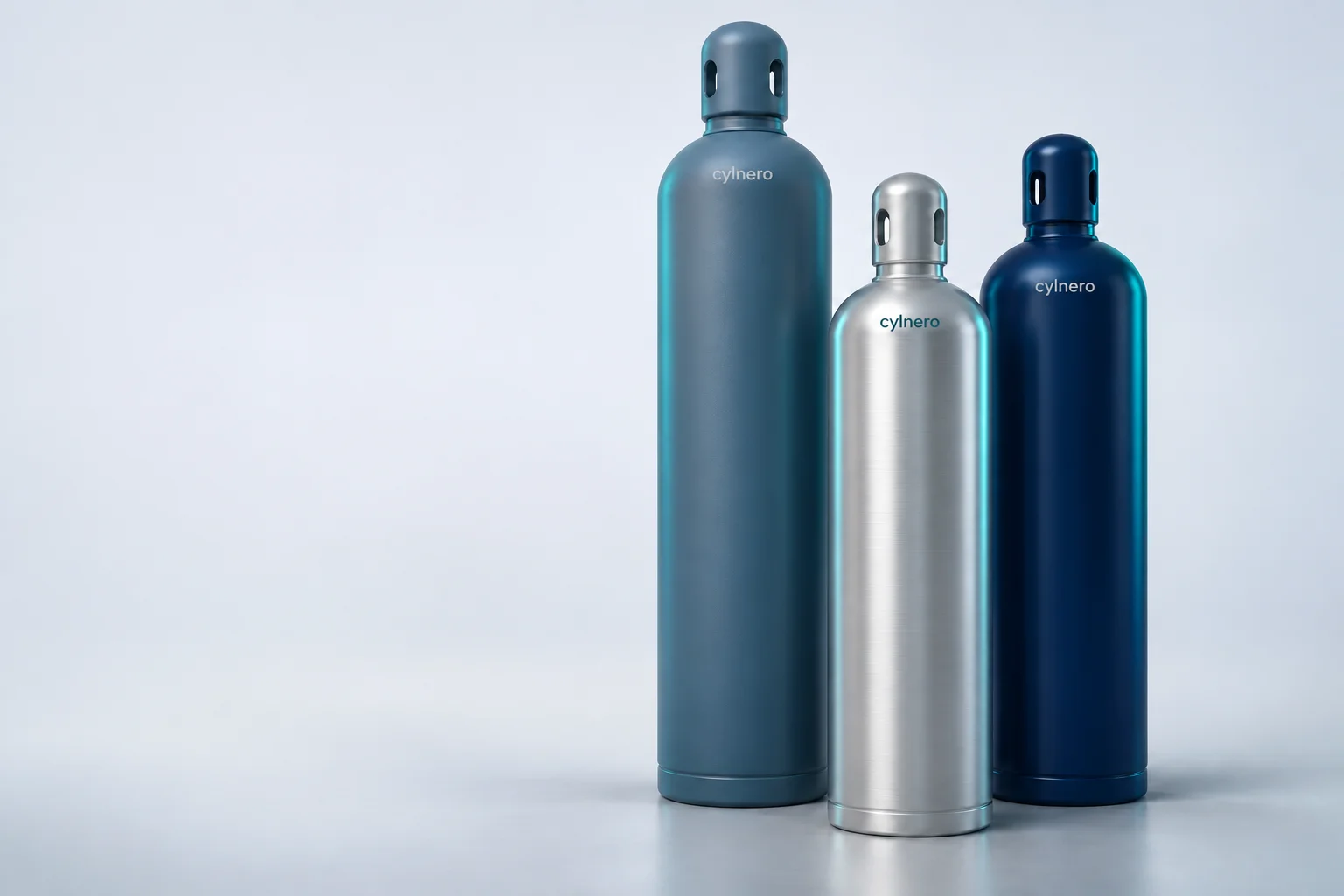
Distinguish enquiries by specific gas type and application, such as welding argon versus food packaging nitrogen. Avoid treating category labels as approval for other contexts. Ask manufacturers to identify their proposed scope and relevant evidence for the actual intended use.
Keep each gas service and application on its own enquiry line. For example, a distributor may be comparing argon cylinders for welding and nitrogen cylinders for an industrial process; record the gas, requested quantity, destination and known connection references separately for each line. Ask the manufacturer to identify the configuration and stated service scope associated with each response. If the programme includes both industrial and medical-gas purchasing, distinguish those requirements and their supporting-document questions rather than assuming that a general cylinder description covers both scopes.
Read the full guidance
Keep gas-service enquiries distinct
Keep industrial oxygen and medical-gas organization enquiries distinct. State the actual intended use and the requirements you already know, rather than treating an oxygen label as approval for either context. The industrial category does not establish medical suitability, and the medical procurement route does not itself confirm an offered cylinder's acceptance. Ask the manufacturer to identify the scope it can propose and the evidence relevant to that response. The responsible reviewers assess the actual configuration and use; a catalogue route only organizes the discussion.
Keep pressure and quantity fields separate
Record pressure, water capacity, and physical cylinder counts as distinct fields with original labels and units. Do not substitute missing values or invent conversions. Ask manufacturers to clarify which configuration their response describes and which entries require further specification.
Keep pressure fields, capacity descriptions and purchasing quantity separate. A request for a number of physical cylinders is different from a required water capacity or a stated gas amount. Record each known field with its label, unit and source. If one value is missing, keep it open rather than substituting another. Ask the manufacturer which configuration its response describes and which entries need clarification. This guide does not calculate a gas quantity, choose a pressure rating or turn an incomplete catalogue entry into an approved specification.
Read the full guidance
Keep pressure, capacity and quantity fields separate
It is crucial to specify whether the figures you provide are buyer-requested specifications or manufacturer-stated values from a previous order. If you are referencing a prior document, include the original units, source reference, and revision number to avoid confusion. A stated water-capacity entry should remain separate from a gas amount or filling mass, with the original labels and sources retained. The physical count of cylinders is also separate from the volume of gas they hold, and mixing these concepts can result in incorrect quotations from the actual manufacturers.
Clarify empty-cylinder supply conditions
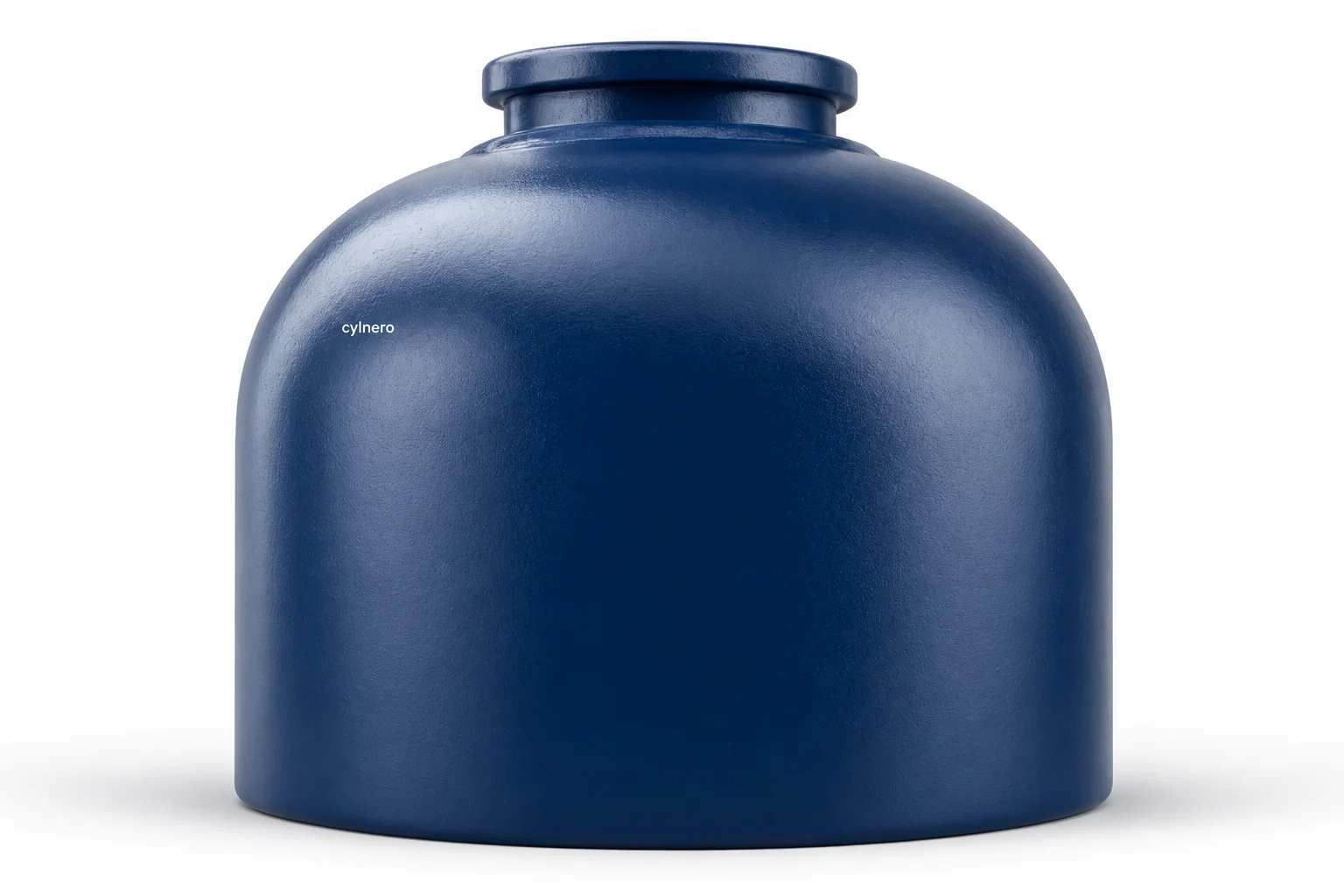
An empty-cylinder enquiry concerns a requested supply description, not proof of a gas-free state, shipment classification or readiness for use. Ask the manufacturer to describe the actual condition and configuration it proposes and which records support that description. Keep hardware procurement separate from fuel filling, exchange, leasing or other services rather than assuming they are included in this catalogue. If a wider project has service questions, identify them separately. The actual responses and relevant arrangements establish the supply boundaries, not the word empty alone.
Read the full guidance
Clarify empty-cylinder and supply-condition requests
Do not assume that the wording 'empty' covers all aspects of the supply condition, such as cleaning, inspection, or documentation. Instead, ask about the actual proposed scope, condition, and any accompanying documents the manufacturer will provide. For instance, if you need cylinders for a specific industrial process, you might request details on the internal condition or the presence of any residual substances. This allows the supplier to clarify what is included in their offer, rather than you having to infer the supply condition from vague terminology.
You may ask about later documents and responsibilities during an enquiry, including any information the responsible parties need to assess the proposal. This page does not provide handling, operating or maintenance procedures. Ask whether the proposed supply includes named valves, caps or other components and which configuration the response describes. If a point remains unresolved, retain it beside the offer rather than assuming that a later document will confirm readiness. A purchasing coordinator can collect the questions without deciding operating status or assigning later work by default.
Connections and included components
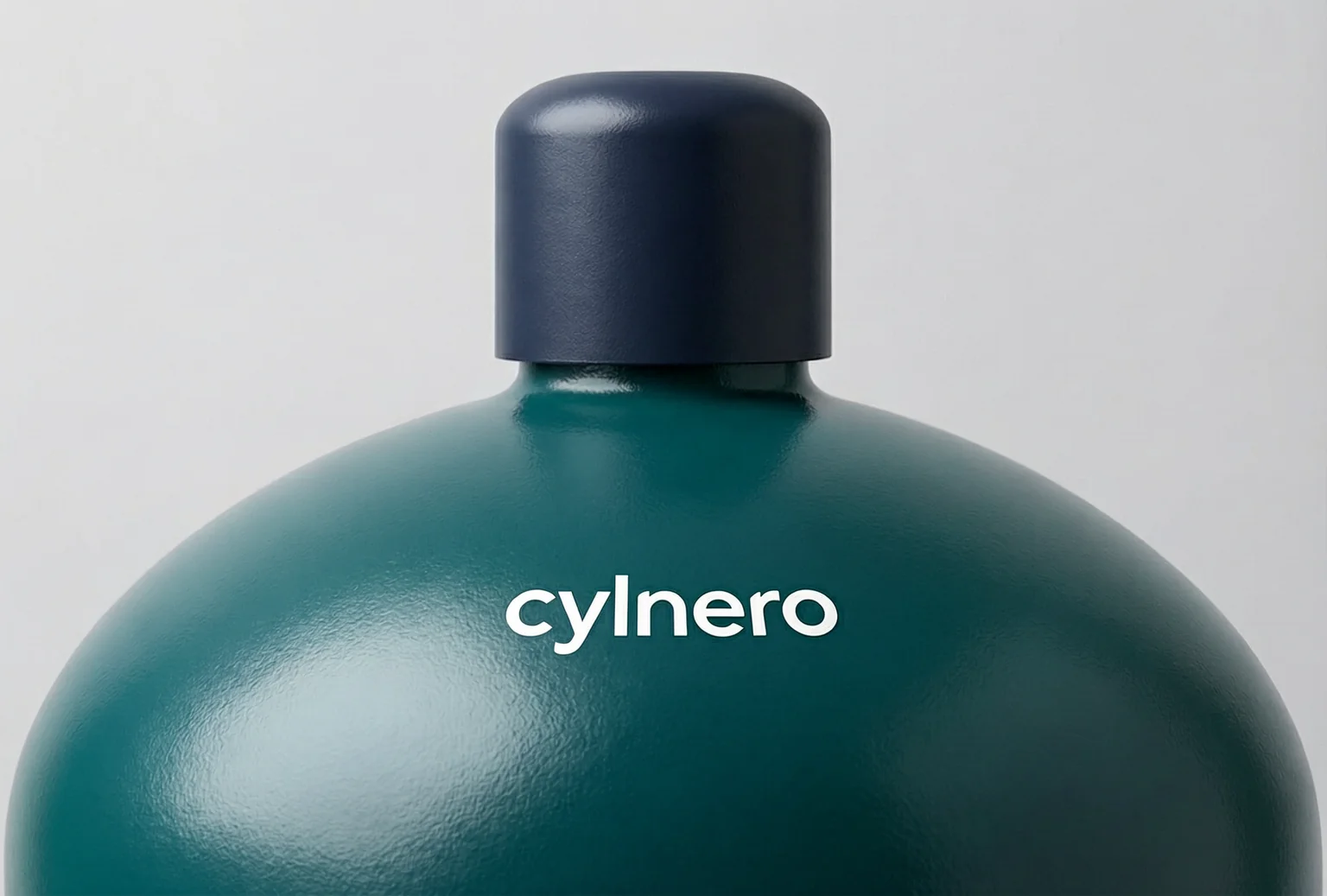
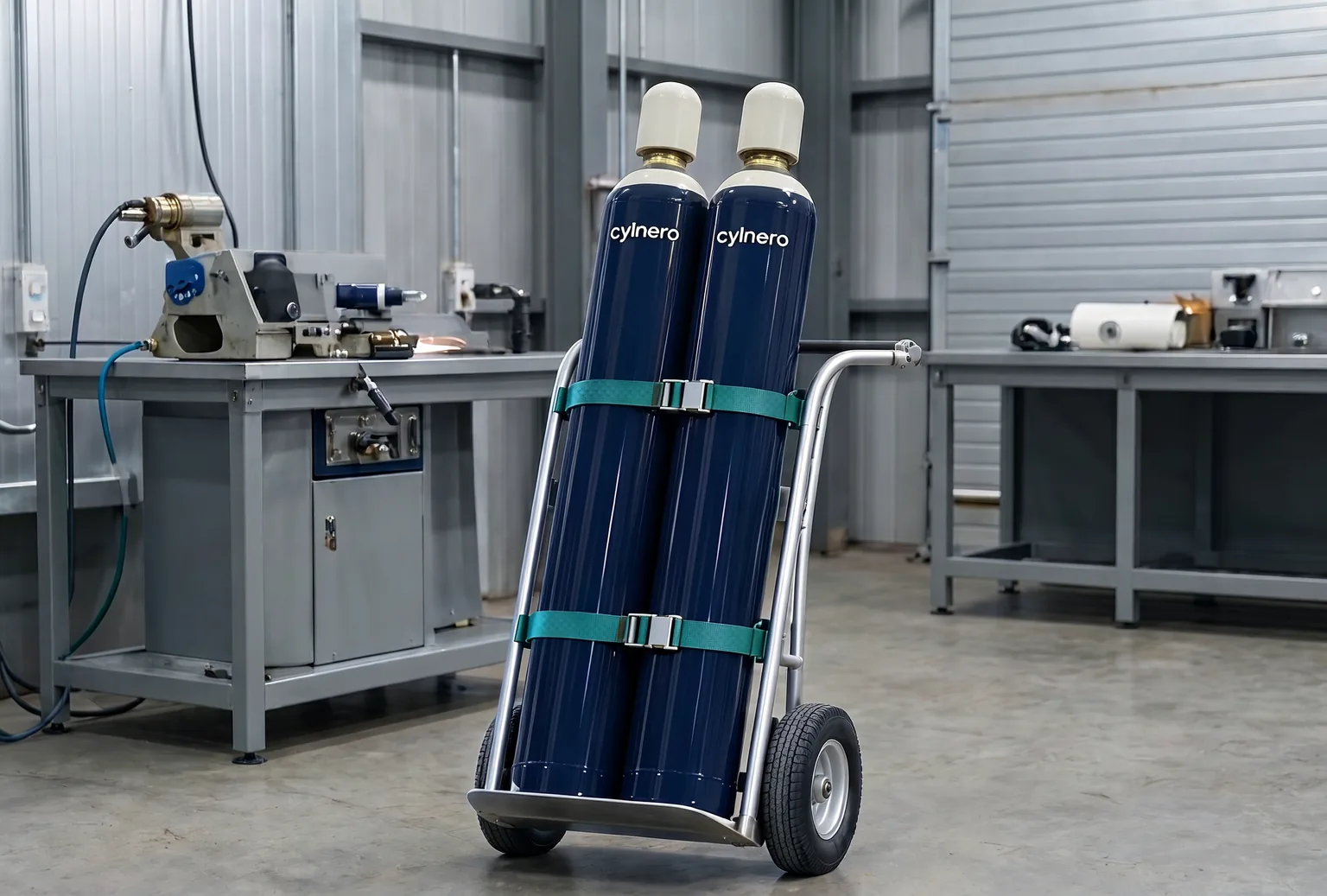
Share available connection references and describe whether the request covers cylinder bodies or assemblies. Ask which valves, protection and accessories the manufacturer includes. Keep requested items separate from offered options and unresolved interface questions.
Specify whether you are interested in the cylinder body only or if you require a complete assembly including valves, protective mounts, and other components. The term 'connection' can refer to various interfaces, so it is helpful to include any existing interface details or proposed drawing references in your enquiry. For example, if you have a specific valve type in mind, provide the model number or a reference to the drawing. Ask the manufacturer to distinguish a response to the request from any alternative it proposes, keeping unresolved component questions visible.
Read the full guidance
Identify connections and included components
Clearly list any inclusions or exclusions in your request to avoid ambiguity. For instance, if you are requesting cylinders with valves, specify whether the protective caps are included or if you will supply them separately. This level of detail allows the manufacturer to provide an accurate price and scope of supply. Do not assume that certain components are standard unless explicitly stated by the supplier. By defining the boundaries of your request, you enable CYLNERO to facilitate a more precise dialogue between you and the manufacturer.
If the project also needs an accessory, wider equipment or site service, identify that as a requested scope and ask what the manufacturer actually proposes. Do not assume it is included in a cylinder quotation or assign it automatically to another party. An existing interface reference can be shared when available; an unknown connection can remain an open question. This guide does not choose an adapter or recommend a modification. The relevant reviewers assess the actual proposed interface against the intended equipment and the requirements they are responsible for reviewing.
Evidence for the offered configuration

Ask which parts of the proposed assembly the available documents cover. Retain the document issuer, revision and configuration references together. Sample records and documents for an actual delivery answer different purchasing questions.
Read the full guidance
Link evidence to the offered configuration
Start by matching any provided documentation directly to the specific cylinder model or order record you are considering. A generic report title does not prove quality for your exact item. Instead, look for identifiers that tie the evidence to the precise configuration, such as the issuer, revision number, and scope details. If a document lists a different series or an older revision, it may not reflect the current offering. You must verify that the configuration identifiers in the paperwork align with the physical specifications of the cylinder you intend to purchase.
State the intended use and destination, sharing existing requirements with the relevant reviewers. Ask which questions they need the manufacturer's evidence to address. Technical, destination and commercial decisions may involve different people or organizations; this page does not impose one staffing arrangement. Ask what records the manufacturer proposes for the offered scope and which remain unanswered. The requirements are those relevant to the actual project and configuration, not a universal test or certificate list copied from a generic purchasing checklist.
For example, a report may describe a cylinder while the quotation also proposes a valve or another component. Ask the manufacturer which part of the proposed assembly the record covers and where any limitations are stated. An omitted component name is a question for review, not an automatic conclusion about coverage. Have the actual documents and explanation assessed by the relevant reviewers. Keep an example report separate from an order-specific deliverable, preserving the references that relate each response to the configuration being considered.
About this category guide
Explore industrial gas cylinder series by material, intended service and purchasing scope. Start with your application, approximate quantity and destination; a factory model or complete parameter schedule is not required for the first enquiry. Share known specifications or drawings where available and leave other fields open. CYLNERO coordinates questions and manufacturer responses. This guide helps buyers navigate the catalogue, distinguish requested characteristics from offered configurations and compare components, documents and commercial assumptions. Material names and gas-service labels organize the discussion; the actual manufacturer proposal and relevant reviewers determine what is being considered for the intended use.
Prepare enquiry from known series
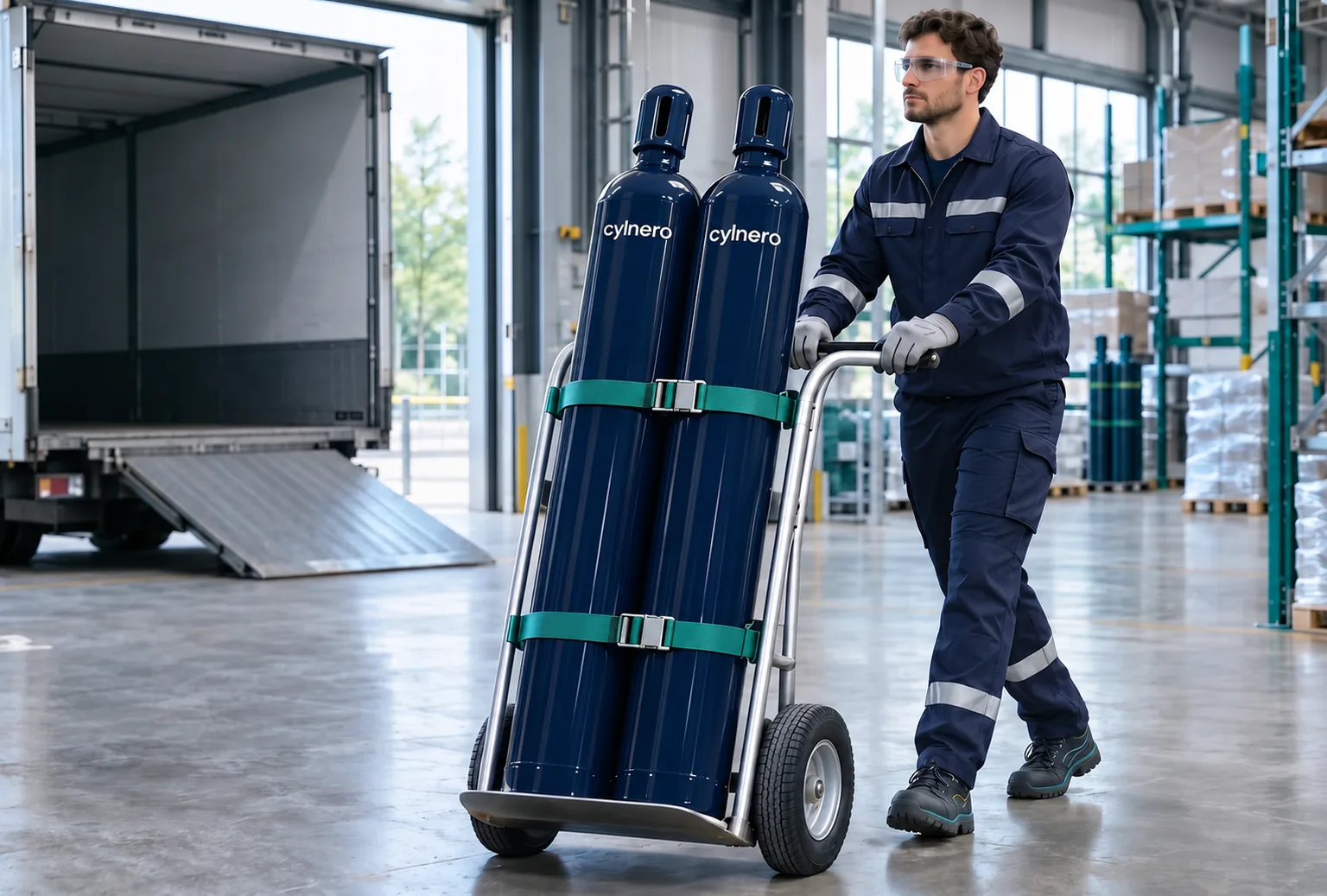
Choose a series or describe your application, intended gas, destination and approximate quantity. Add any known capacity, pressure and valve requirements; leave the rest open for discussion. We can use the brief to prepare a suitable quotation enquiry.
Begin your enquiry by selecting a configurable series if you already know the general type of cylinder you need. If you do not have a specific series in mind, start with your basic requirements instead. List the known references, such as the gas type or general size, and clearly mark the unknowns. For example, you might know you need a cylinder for nitrogen but not the exact pressure rating or valve type. By separating knowns from unknowns, you provide a clear starting point for the manufacturer.
Read the full guidance
Prepare an enquiry from the series you know
Include an approximate number in your initial brief to help the manufacturer understand the scale of your request. This does not need to be an exact figure, but a rough estimate helps them prepare a relevant response. Explain that your first brief is separate from the manufacturer’s reply. Your brief records the request; the response may propose a configuration, ask for further details or identify a scope the manufacturer cannot offer. There is no guarantee that their response will match your initial assumptions, nor should you expect immediate implementation details.
Plan current and later quantities
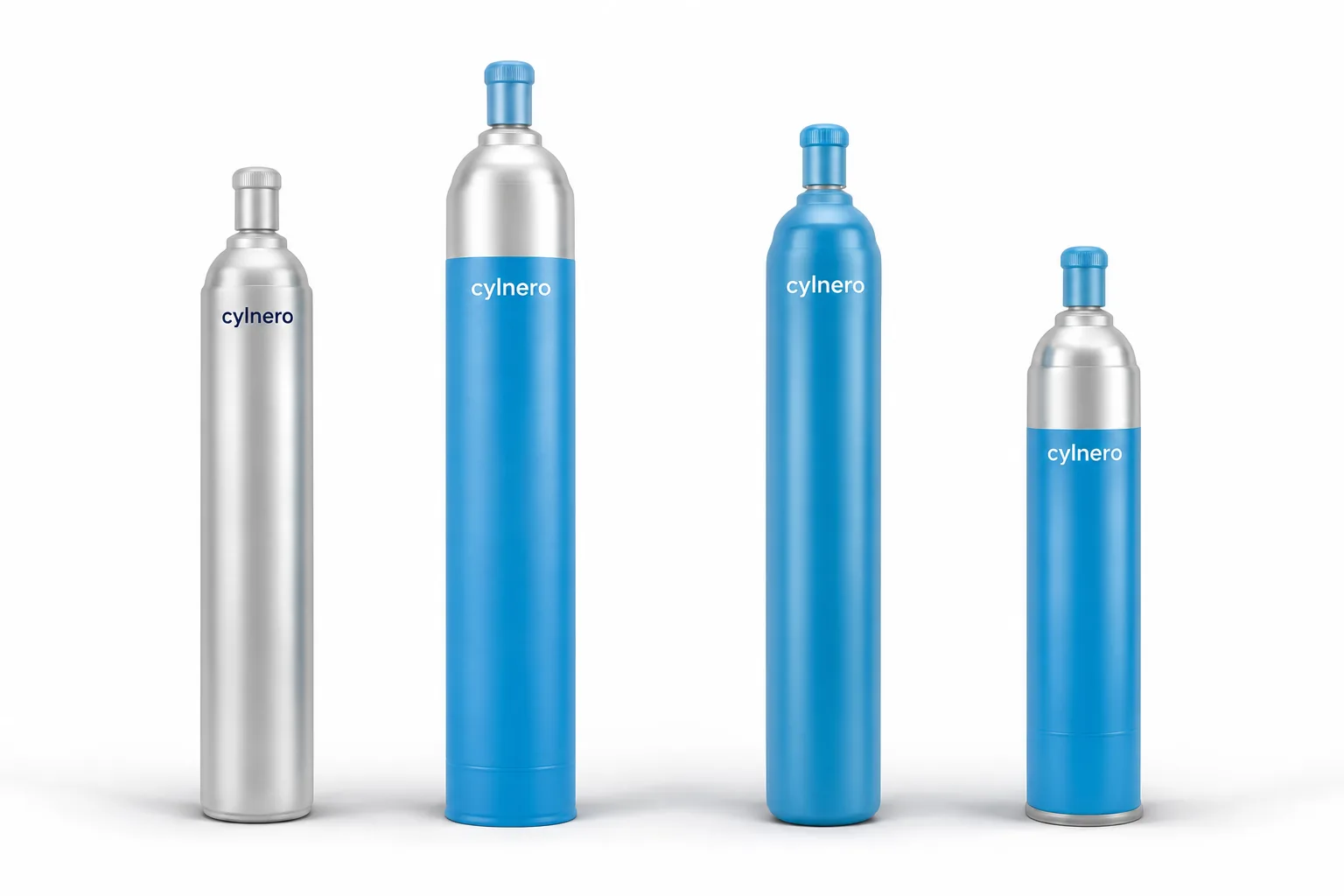
Separate the quantity needed for the first shipment from any expected repeat orders. If you have a delivery schedule or storage limit, include it in the enquiry so that packaging, lead time and pricing can be discussed on the right basis.
List the quantity needed for the current cylinder purchase separately from any later forecast. If several formats or delivery destinations are involved, give the approximate quantity for each line. Ask the supplier which quantities and assumptions its quotation covers, and whether a forecast changes any proposed commercial terms. Keep the requested schedule beside the supplier's response so the purchasing team can compare offers on the same basis.
Read the full guidance
Plan current quantities and later requests
For possible later orders, ask what information the supplier would need to prepare an updated proposal. A new batch may involve a changed configuration, document request or delivery location, so retain the earlier quotation and identify the differences. Discuss any proposed future arrangement separately from the current order and record its actual terms if the parties proceed.
Compare quotation boundaries before totals

Compare each offer on the same basis: cylinder configuration, quantity, included valves and protection, packaging, delivery terms and documents. Check the currency, quotation validity and any items priced separately before comparing totals.
List the inclusions and exclusions actually stated in each offer. One price may concern a cylinder body, while another concerns an assembly with identified components, packing or documents. A combined price is usable when its scope is understandable; it does not need to be split into assumed component prices. If the description says complete unit, ask what that means for this offer. An unspecified entry remains a question rather than a presumed inclusion. Retain the quotation reference and revision beside the scope being compared.
Read the full guidance
Compare quotation boundaries before totals
Next, look at the currency, validity period, and quantity basis of the offer. Retain each quoted currency and validity rather than assuming that all responses use the same basis. The quantity basis is also critical. Is the price per unit, per batch, or per container? If the quantity is open, ask how the price changes with volume. Some manufacturers offer tiered pricing, while others keep a flat rate. You should also check if the quote includes any hidden fees for documentation or export packaging.
For example, quotation A may include a valve and packing while quotation B describes only the body. Record those differences beside the totals before deciding how the offers compare. Ask what additional scope, if any, each manufacturer proposes instead of adding an invented cost to an incomplete line. A body-only supply may be relevant to one buyer and insufficient for another. The comparison identifies the actual choices and unanswered requirements; it does not establish that a lower total is a saving or that a larger bundle is preferable.
Ask about packing and handoffs
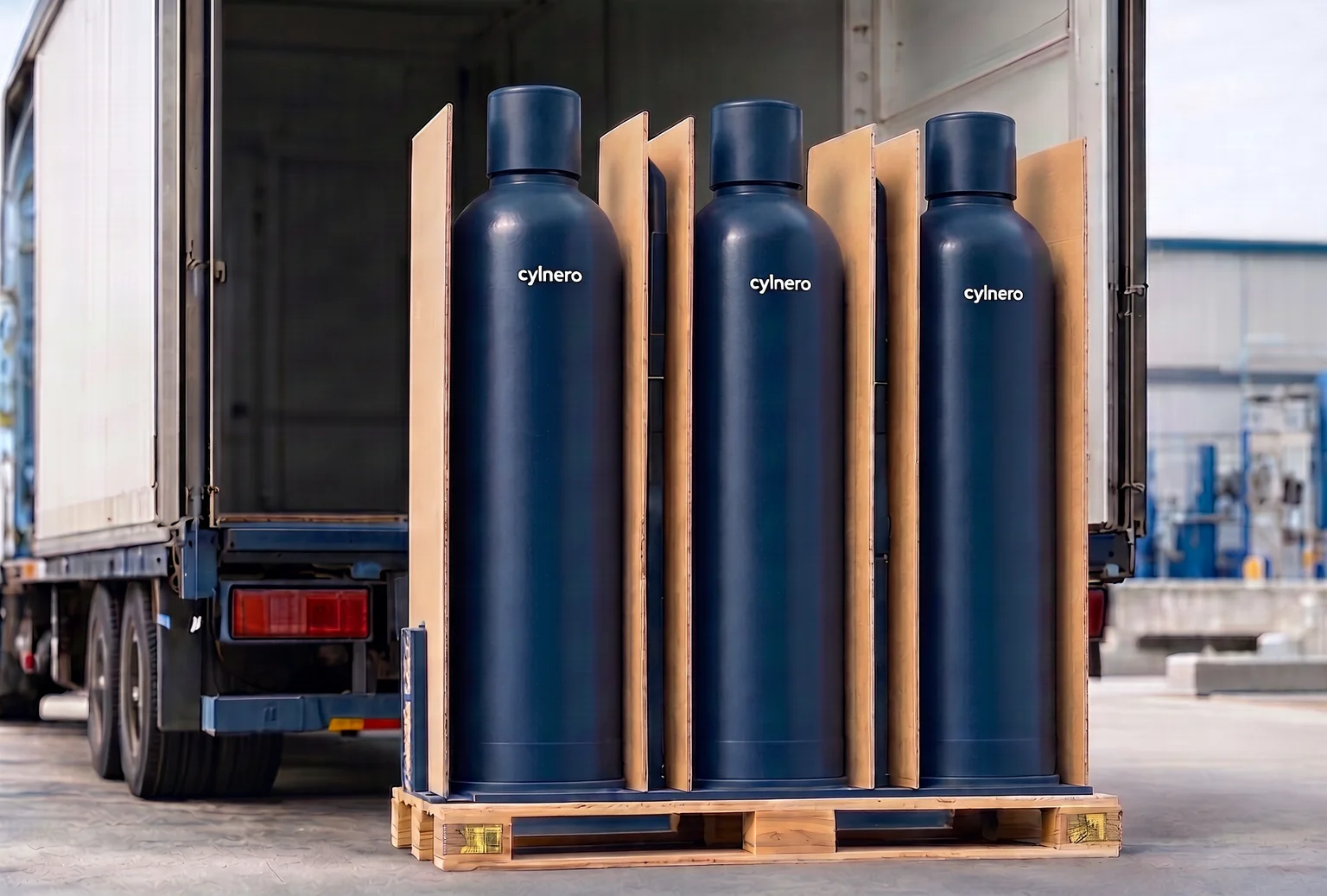
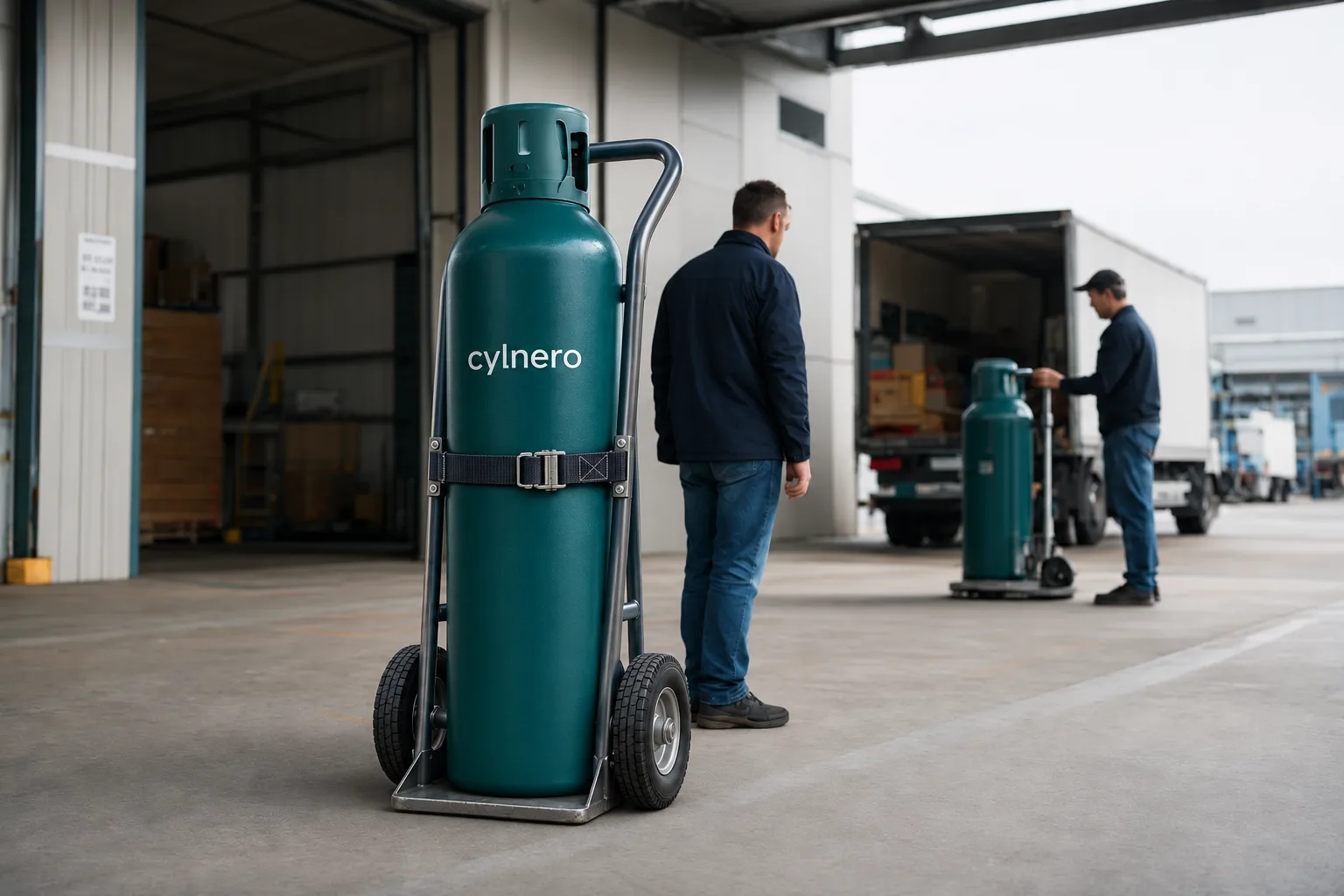
Tell us whether your receiving site uses a forklift, loading dock or manual handling, and flag any pallet-size or unloading limits. Confirm the proposed packing, shipment responsibilities and documents with the supplier before dispatch.
Describe the receiving destination and any known constraints on package dimensions, weight or delivery groups. Ask each supplier to identify the proposed packing, the number of cylinders per package where available, included protective items and whether freight is part of the price. For deliveries to several sites, list the requested quantities and preferred timing separately. Keep preliminary package estimates with the relevant quotation and ask whether changes to the cylinder assembly, quantity or destination affect the packing proposal. Confirm the final commercial and delivery scope with the parties responsible for the shipment.
Read the full guidance
Ask about packing and destination handoffs
Ask which parties will coordinate the proposed shipment and who will answer packing or document questions. The response may involve the manufacturer, buyer or another organization, depending on the actual arrangements. Ask what delivery records are proposed and at what stage their information would be available. Distinguish an initial document proposal from final shipment-specific records. Keep exclusions and unresolved handoffs visible rather than assuming that every document or logistics service is included. A named contact provides a response route, not a guarantee of clearance or condition on arrival.
Keep revisions and roles clear
CYLNERO coordinates exchanges, while manufacturers identify their proposed scope. Track revision statuses in writing, recording whether entries are requested, proposed, or accepted. Ask manufacturers to identify warranty and support scopes, keeping changes linked to the specific configuration and offer.
CYLNERO coordinates the exchange of requirements and manufacturer responses. Manufacturers identify their proposed quotation, contracting, production and delivery scope under the actual arrangements. The purchasing coordinator does not replace the buyer's technical, destination or commercial acceptance decisions. Ask who can respond to each outstanding point and which reference the response concerns. Keep a manufacturer proposal distinguishable from the original request and from a decision made by the relevant parties. Coordination helps organize the exchange; it does not guarantee accuracy, supply capability or an agreed outcome.
Read the full guidance
Keep revisions and sourcing roles clear
Ask the manufacturer to identify any proposed warranty, support and later document scope for the actual supply, including stated exclusions and the route for questions. Share known requirements and identify which points remain open. A general brochure or template may be background until the applicable offer or arrangement identifies its scope. The relevant parties assess the actual wording and evidence; this page does not prescribe legal terms or later operating procedures. Keep changes linked to the configuration and offer they affect rather than assuming a standard package applies.
Related procurement pages
About this procurement guide
Use this guide to prepare your enquiry. Confirm the specifications and supporting documents for the proposed cylinder with the manufacturer.
For standards research, consult the ISO gas-cylinder standards catalogue. The catalogue includes published and withdrawn standards. Check the status, edition, scope and destination requirements with the manufacturer and your appointed technical reviewer. A standards reference does not establish that a listed series conforms to it.
Before placing an order, obtain the proposed model's drawings, configuration, applicable approvals and quotation from the manufacturer. CYLNERO coordinates sourcing; the manufacturer confirms and contracts the agreed supply.
Procurement questions
Can I enquire without a manufacturer model or complete parameters?
Yes. Describe the intended application, approximate physical quantity and destination, adding known requirements or references where available. Label preferences and leave unknown fields open. Ask the manufacturer what scope it can propose and what information it needs next. Its response may identify questions rather than a final configuration. The initial enquiry does not require an invented model or completed engineering schedule.
Does a material or gas-service category confirm compatibility?
No. A material or gas-service category helps organize an initial shortlist; it does not establish a grade, pressure rating, compatibility or approval for an application. Ask the manufacturer to identify its actual configuration and supporting information. Have the relevant reviewers assess the response against your requirements, including open questions about the supplied components, intended use and destination.
Which pressure and capacity fields should I compare?
Keep working, test and other labelled pressure fields distinct, with units, source and configuration references where available. Record water capacity, filling mass, any stated gas amount and physical purchasing quantity separately. Do not infer a missing entry from another field. Ask the manufacturer to clarify its proposed basis and have the actual response assessed rather than selecting from a generic pressure or capacity label.
Does an empty-cylinder request establish shipment or operating status?
No. Ask the manufacturer to describe the actual supply condition, configuration and proposed records. The word empty does not itself establish a gas-free state, transport exemption or readiness for use. Keep hardware procurement separate from filling or other service arrangements, and refer outstanding condition or destination questions to the appropriate parties. This purchasing page provides no handling or operating procedure.
What documents should support the actual offer?
Ask which records the manufacturer proposes for the offered configuration and how they relate to the actual supply. Distinguish examples from order-specific records, preserving identifiers, issuer, revision and stated scope where available. Share actual project and destination requirements with the relevant reviewers. This guide does not prescribe a universal certificate list or treat a report title as proof of quality or acceptance.
How should I compare and update manufacturer quotations?
Compare stated inclusions, exclusions, quantity basis, currency, validity and proposed delivery stages alongside unresolved requirements. Keep the requested scope separate from each manufacturer's response. When a revision arrives, ask which entries changed and which earlier references still apply. The actual offer and relevant arrangements identify commitments; a comparison table does not by itself confirm technical acceptance, stock or a delivery outcome.